
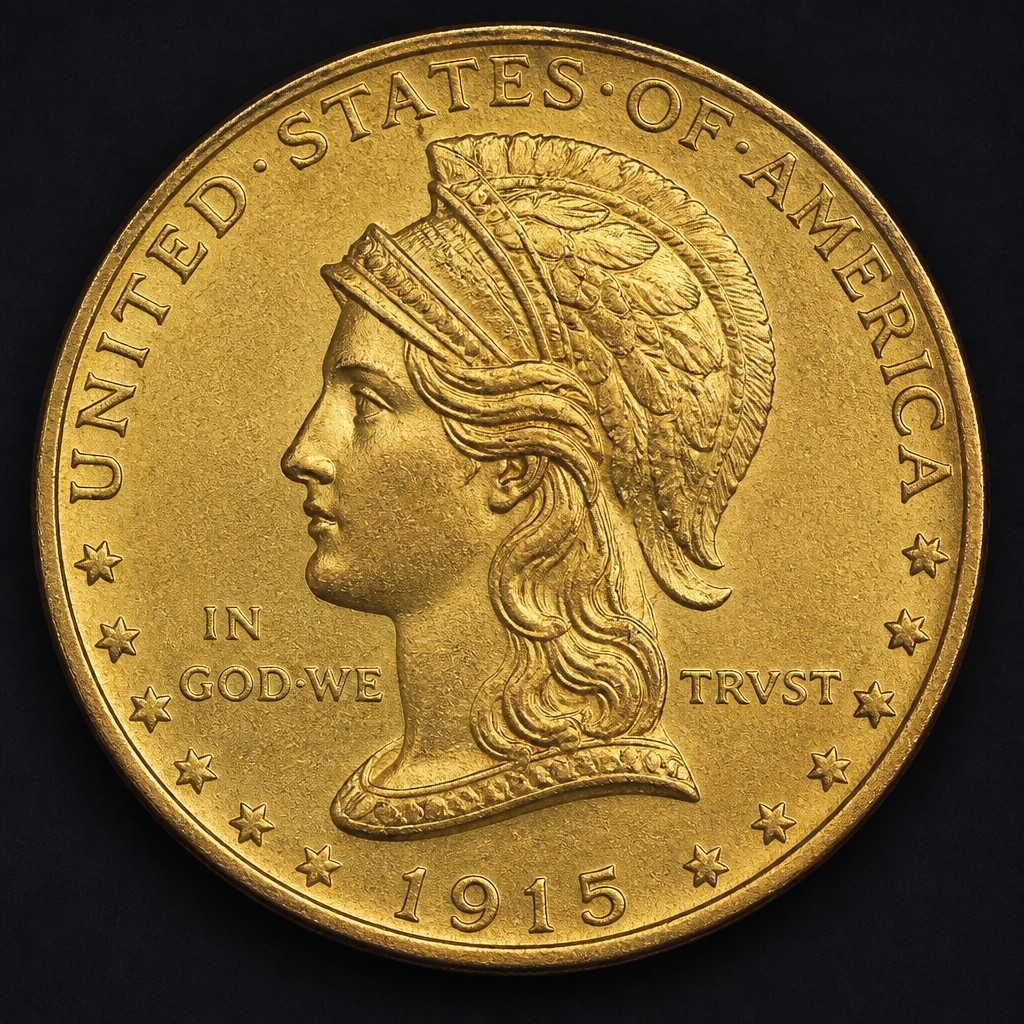
Panama-Pacific Quarter Eagle Commemorative
A 1915 commemorative gold coin honoring the Panama-Pacific Exposition, showing Liberty riding a hippocampus (sea horse), symbolizing the Panama Canal's linking of the Atlantic and Pacific Oceans.
- Country
- United States
- Denomination
- Quarter Eagle ($2.50)
- Metal
- Gold (.900)
Got a coin like this?
Identify any coin from a photo, free.
Overview
The Panama-Pacific Quarter Eagle is a commemorative $2.50 gold coin struck in 1915 at the San Francisco Mint to help mark the Panama-Pacific International Exposition. It is one of several denominations issued for the fair, alongside the gold dollar and the round and octagonal fifty-dollar pieces.
Its design is distinctive among U.S. gold coins, showing Liberty seated on a hippocampus (a mythical sea horse), a direct allusion to the Panama Canal's newly completed link between the Atlantic and Pacific Oceans. The reverse features a spread-winged eagle in a heraldic pose uncommon among U.S. commemoratives of the era.
Collectors value it as an artistically interesting and historically meaningful early U.S. commemorative, and as a comparatively more attainable entry point into the Panama-Pacific series compared to the far pricier fifty-dollar pieces.
History & Background
Congress authorized several commemorative coin denominations for the 1915 Panama-Pacific International Exposition in San Francisco, a world's fair celebrating the completion of the Panama Canal. The quarter eagle was among them, designed by Charles E. Barber, the Mint's chief engraver, with contributions attributed to George T. Morgan for elements of the design.
The coin was sold at the exposition to visitors and collectors as a memento of the fair, priced above face value to help support exposition costs, a common practice for early U.S. commemorative issues.
As with the other Panama-Pacific coins, demand did not fully absorb the number struck, and a portion of the mintage was returned to the Mint and melted, contributing to its relative scarcity today compared to its original mintage figures.
How to Identify
The obverse shows Liberty seated sidesaddle on a hippocampus, a mythical creature with the foreparts of a horse and the tail of a fish, holding a bouquet of flowers, symbolizing the joining of the Atlantic and Pacific through the Panama Canal; UNITED STATES OF AMERICA arches above.
The reverse depicts an eagle with wings spread wide, standing above a shield decorated with olive branches, with the denomination 2 1/2 DOLLARS below and PANAMA-PACIFIC EXPOSITION SAN FRANCISCO around the border.
The coin carries the mintmark S (for San Francisco) and is struck in gold, roughly the same small size as other U.S. quarter eagles of the era. Its unusual seahorse motif makes it easy to distinguish from any regular-issue U.S. quarter eagle.
Value & Collectibility
The Panama-Pacific Quarter Eagle is a recognized key coin within early U.S. commemorative gold, valued for both its low original distribution and its distinctive artistic design.
Typical circulated to lower mint-state examples generally trade in the low thousands of dollars, while choice and gem-quality specimens with strong luster and eye appeal command a meaningful premium above that baseline.
As with other classic commemoratives, originality, strike quality, and certification by a major grading service significantly influence price, and the coin remains popular both as a design collectible and as a piece of Panama Canal history.
Frequently asked questions
What does the hippocampus symbolize on this coin?
The mythical sea horse alludes to the Panama Canal's joining of the Atlantic and Pacific Oceans, the central theme of the 1915 exposition.
Who designed the Panama-Pacific Quarter Eagle?
Chief engraver Charles E. Barber designed it, with design elements also attributed to George T. Morgan.
Where were these coins sold?
They were sold at the Panama-Pacific International Exposition in San Francisco in 1915, priced above face value to help fund the fair.
Is this coin considered rare?
It is scarce relative to typical modern coinage, since only a limited number were sold and some of the original mintage was melted, making it a recognized rarity within classic U.S. commemorative gold.
Other coins you may enjoy
1967 Centennial Gold $20 Coin
1967
1976 Montreal Olympics Silver Coin Series
1973–1976
1951 Nickel Commemorative Five Cents
1951
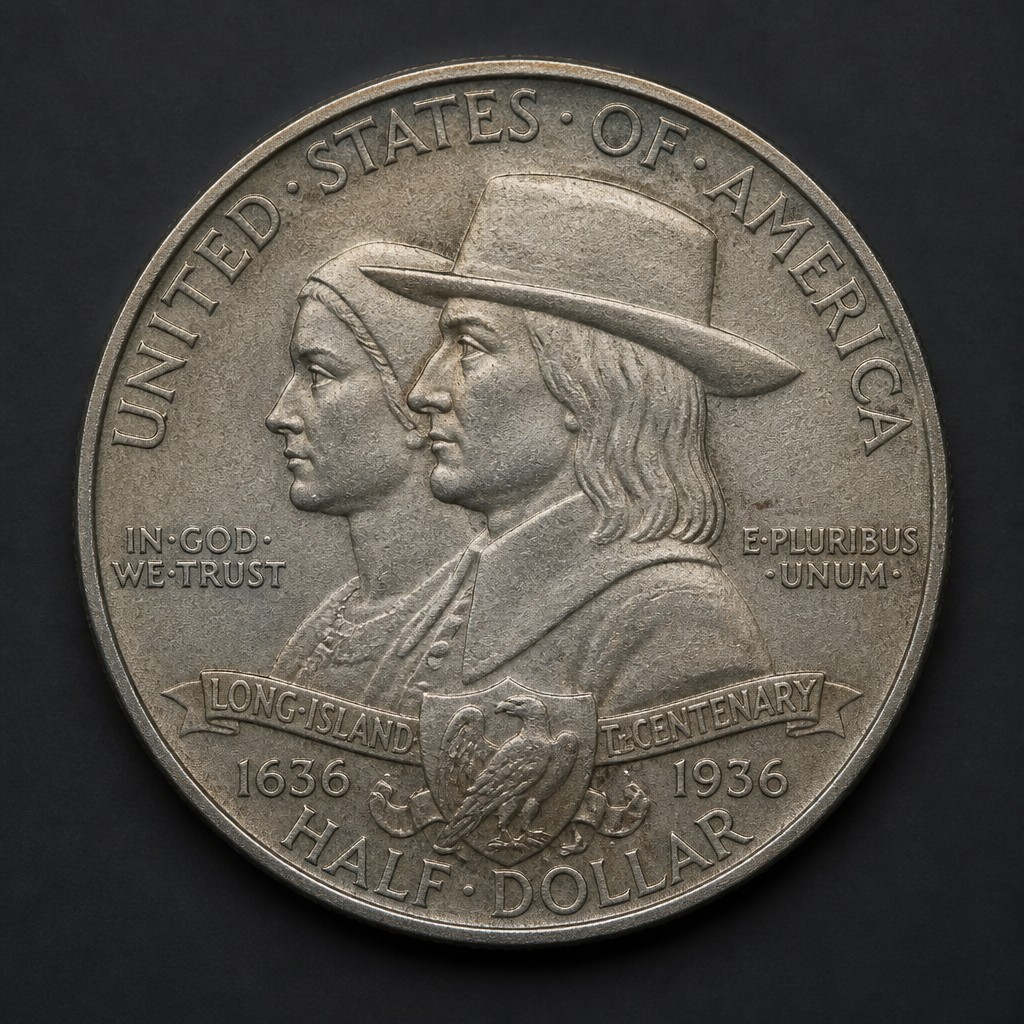
Long Island Tercentenary Half Dollar
1936
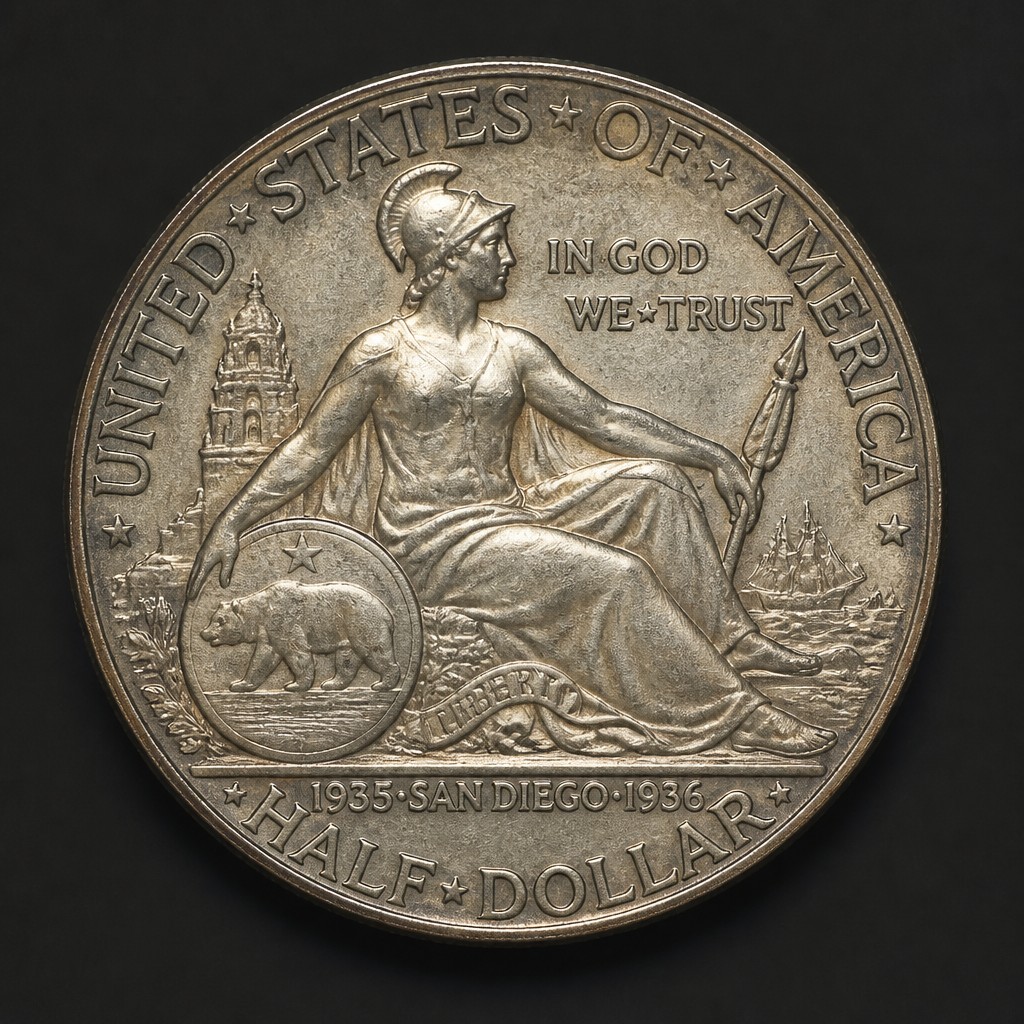
San Diego Pacific Exposition Half Dollar
1935–1936
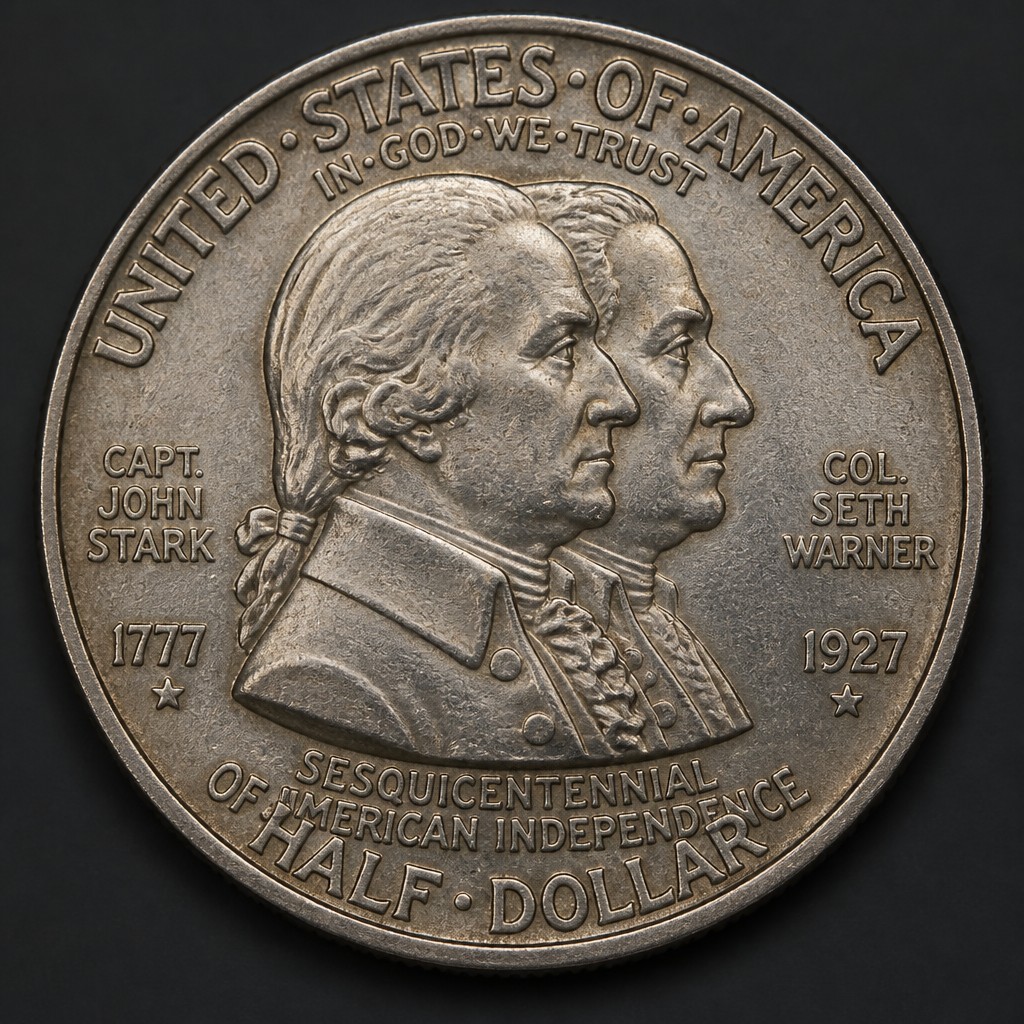
Vermont Sesquicentennial Half Dollar
1927
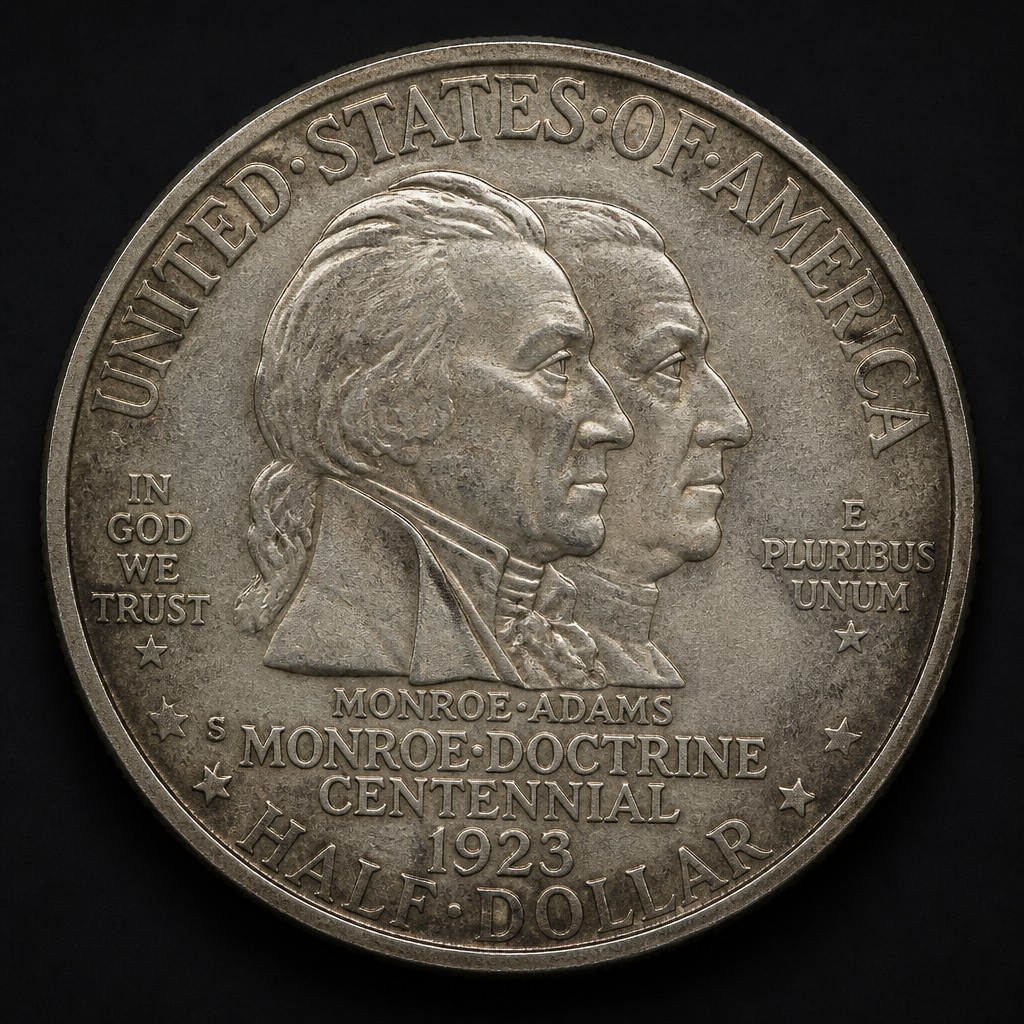
Monroe Doctrine Centennial Half Dollar
1923
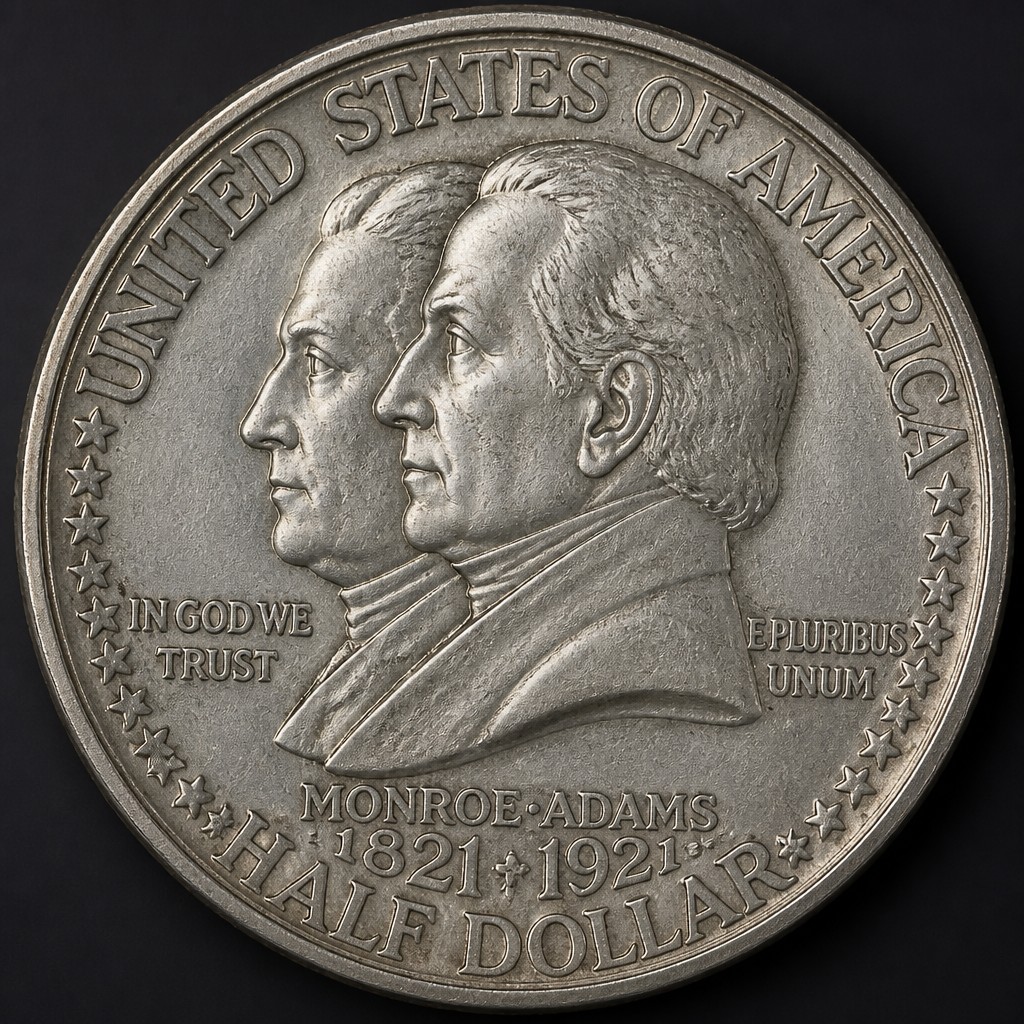
Alabama Centennial Half Dollar
1921
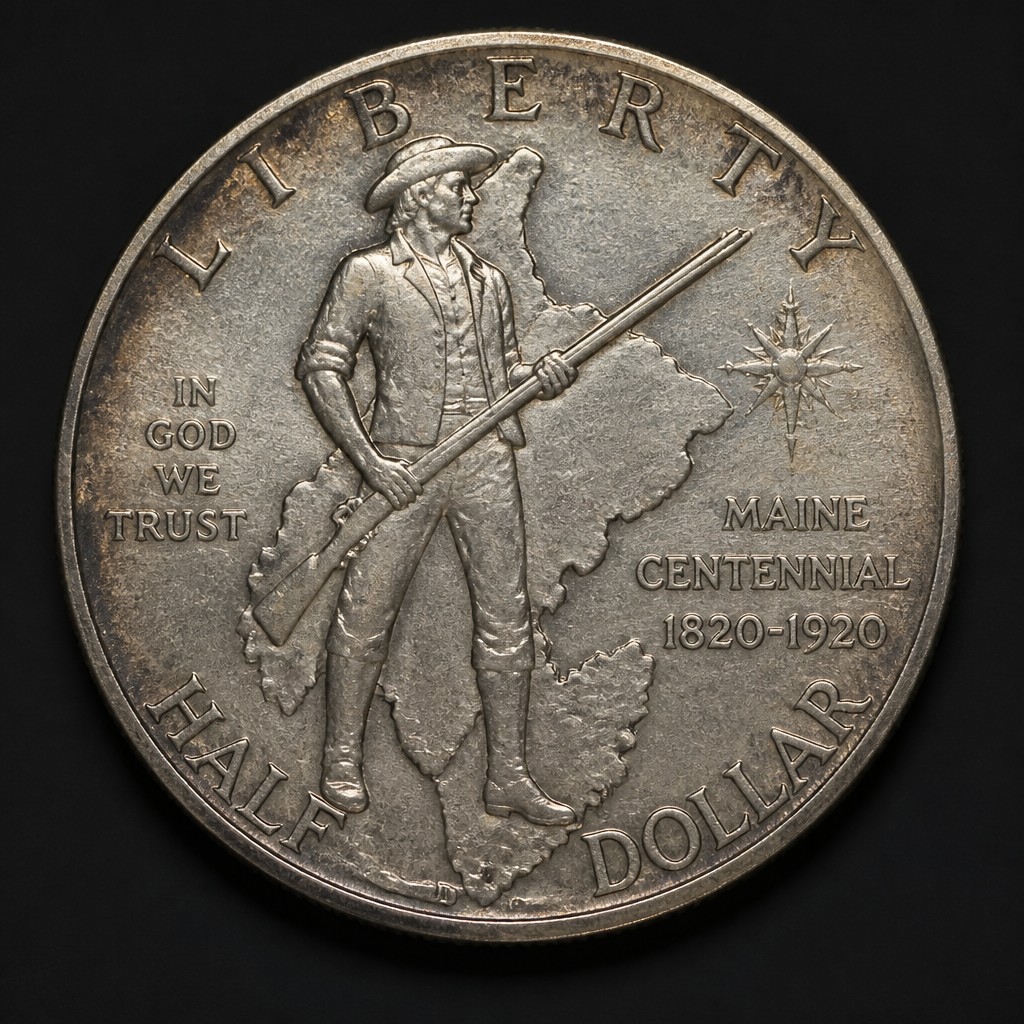
Maine Centennial Half Dollar
1920
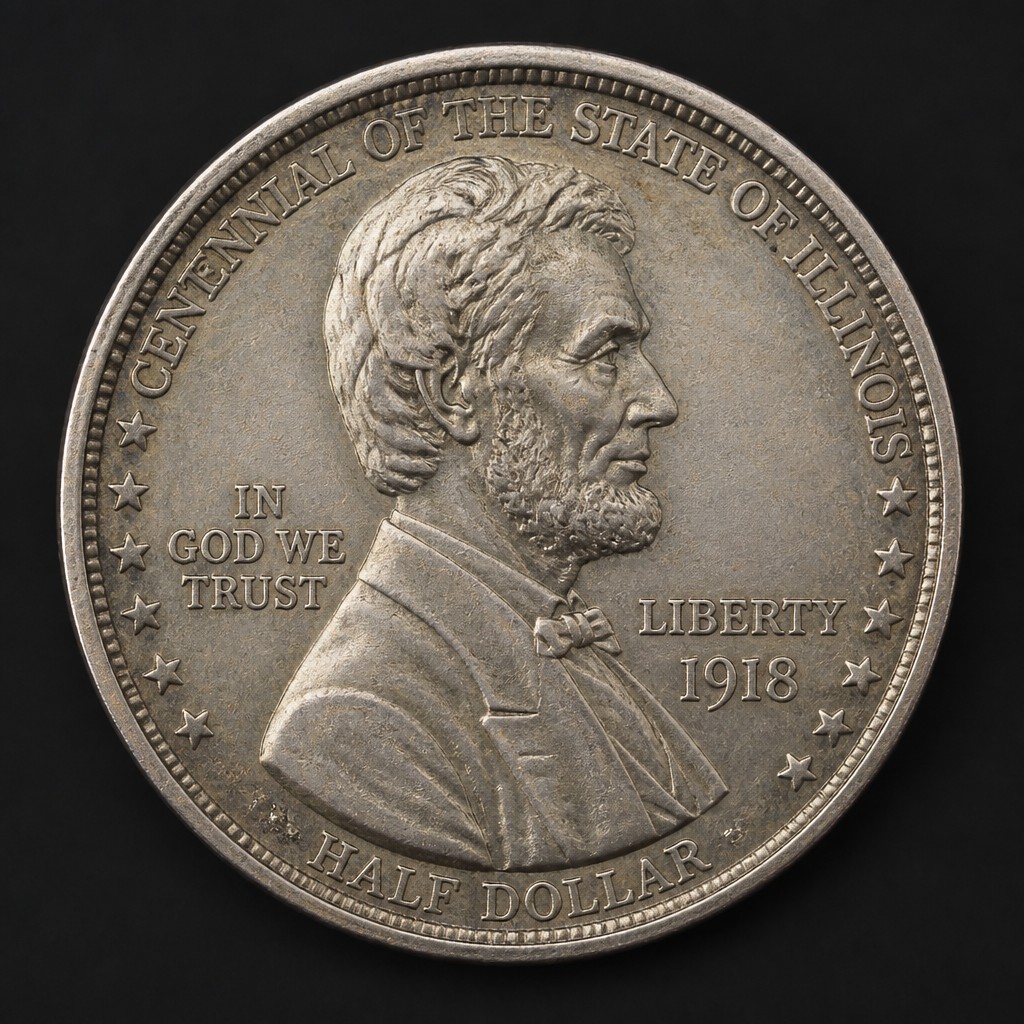
Lincoln-Illinois Centennial Half Dollar
1918
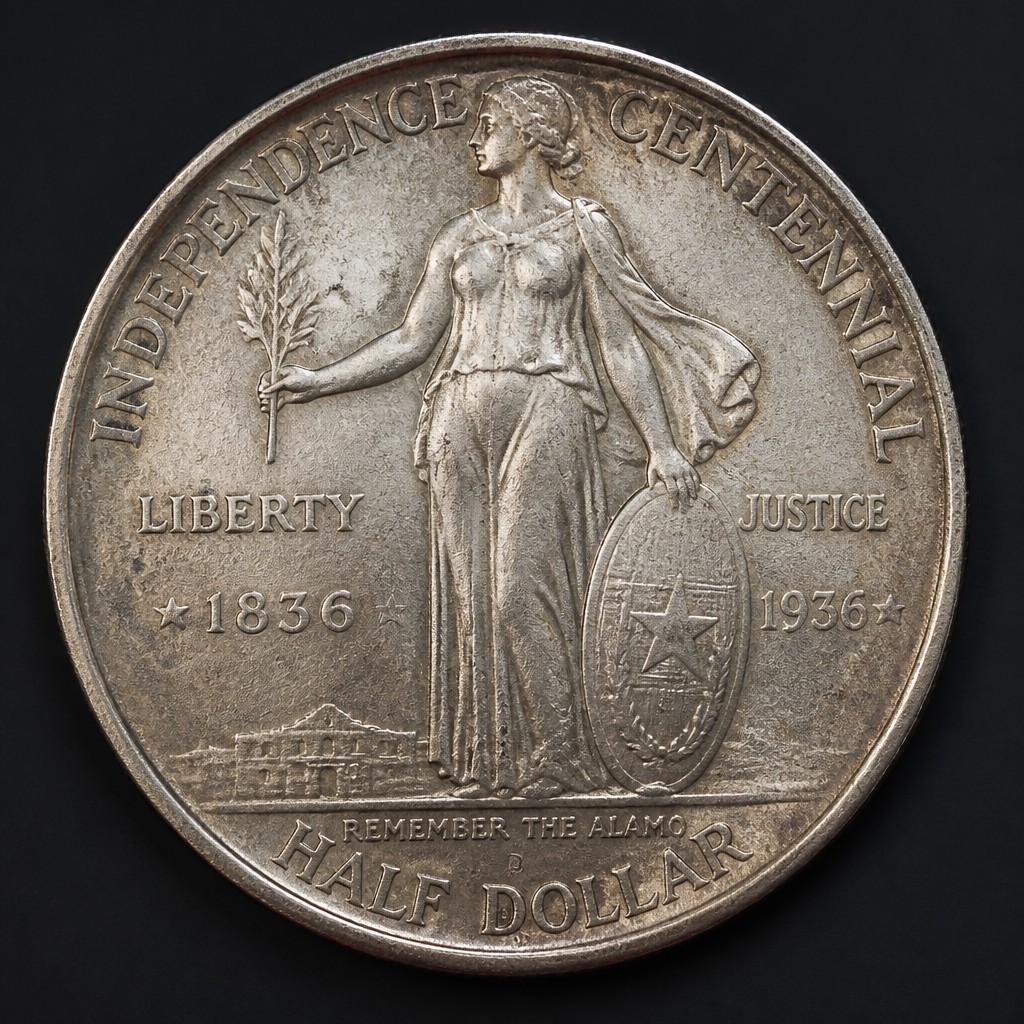
Texas Independence Centennial Half Dollar
1934–1938
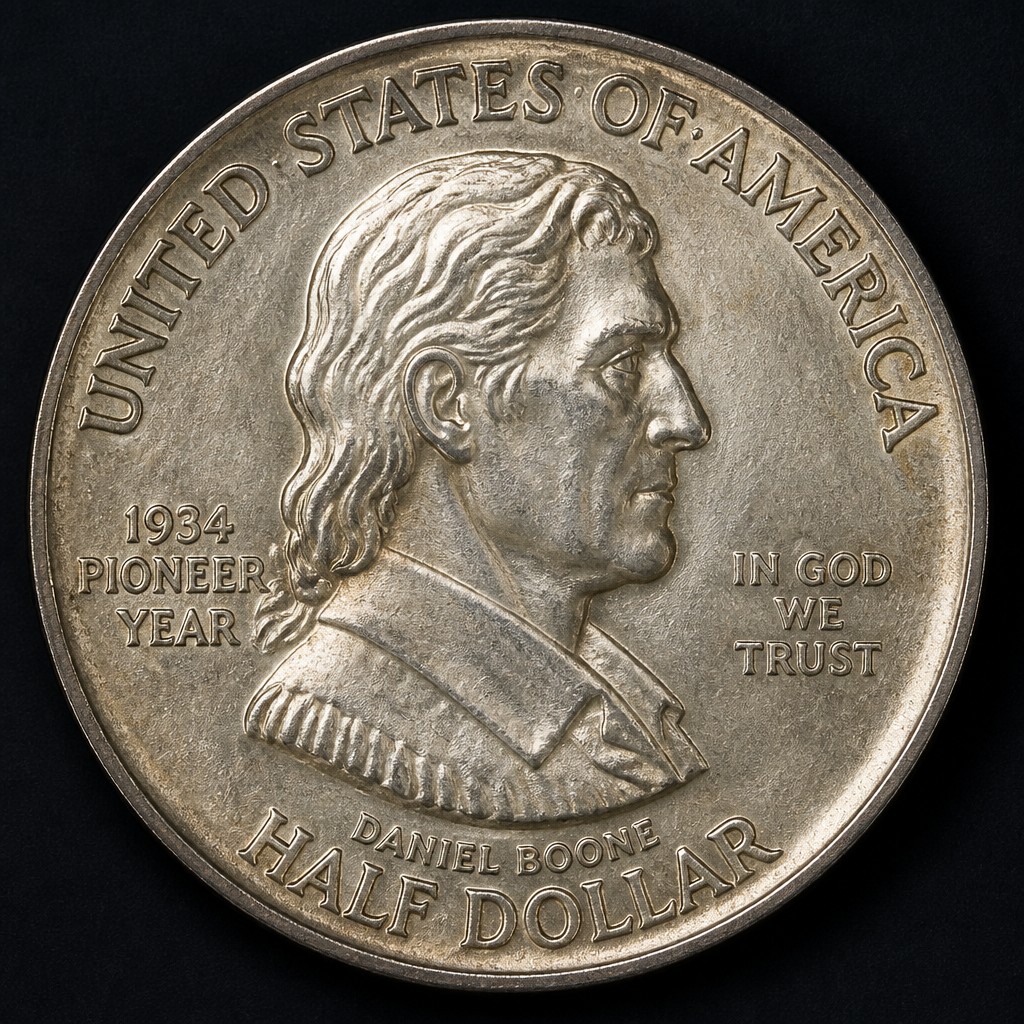
Daniel Boone Bicentennial Half Dollar
1934–1938