
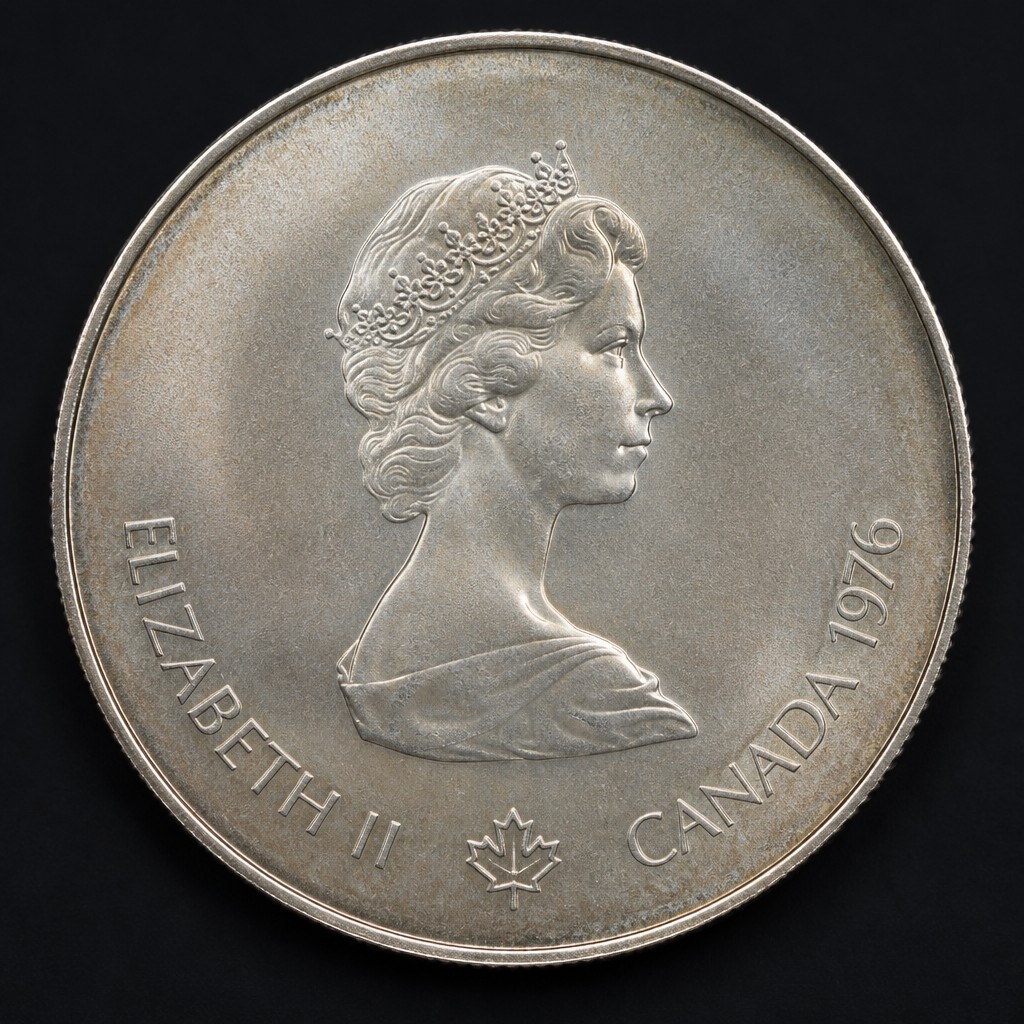
1976 Montreal Olympics Silver Coin Series
A landmark seven-series program of sterling silver $5 and $10 coins issued by Canada to help finance and celebrate the 1976 Montreal Summer Olympics.
- Country
- Canada
- Denomination
- Five Dollars and Ten Dollars
- Metal
- 92.5% Silver (Sterling)
Got a coin like this?
Identify any coin from a photo, free.
Overview
The 1976 Montreal Olympics Silver Coin Series was, at the time, the largest commemorative coin program ever undertaken by a national mint. Issued across seven separate series between 1973 and 1976, the program paired $5 and $10 sterling silver coins depicting Olympic sports, host-city landmarks, and Games symbolism.
Collectors value the series both as a snapshot of 1970s numismatic ambition and as an accessible entry point into Canadian commemorative coinage, since individual coins and sets remain widely available today.
The program also served a practical purpose: proceeds from sales to collectors around the world helped offset the enormous cost of hosting the Montreal Games.
History & Background
Canada was awarded the 1976 Summer Olympics for Montreal, and the Royal Canadian Mint developed an ambitious commemorative coin program to help fund the event while promoting Canadian design and craftsmanship internationally. Rather than issuing a single coin, the Mint released seven thematic series over four years (1973–1976), each containing a pair of denominations struck in sterling silver.
Designs were contributed by multiple Canadian artists and depicted a wide range of subjects, from generic Olympic motifs such as the Games' rings and torch to specific sports pictograms, Montreal's skyline, and stylized athletes. The coins were sold predominantly to collectors in proof condition through official Olympic coin sets rather than released into general circulation.
The program is remembered as a turning point that demonstrated the commercial potential of large-scale commemorative coin programs, a model later mints would emulate for subsequent Olympic Games worldwide.
How to Identify
Coins in the series are struck in .925 sterling silver and carry Queen Elizabeth II's portrait on the obverse, consistent with Canadian coinage of the era, along with the denomination and date. Reverse designs vary widely by series and denomination, ranging from Olympic rings and torch imagery to sport-specific scenes such as canoeing, wrestling, or track and field, and views of Montreal landmarks including the Olympic Stadium and city skyline.
The $10 coins are larger and heavier than the $5 coins, and both were issued only in proof or brilliant uncirculated finish, generally housed in original Royal Canadian Mint packaging with certificates. Because there is no single unifying reverse design, identification typically relies on matching the specific series number, denomination, and depicted scene to official Mint references rather than a single visual template.
Value & Collectibility
Individual coins from the series are generally affordable and trade close to their silver content in circulated or common grades, since large quantities were sold to the public in the 1970s. Complete sets in original Mint packaging with certificates of authenticity tend to command a premium over the melt value of loose coins.
Condition, completeness of original packaging, and specific series or design popularity all affect price more than rarity, since none of the individual coins are especially scarce. Overall this series is viewed more as an accessible, historically interesting silver holding than a high-value rarity.
Frequently asked questions
How many coins are in the full 1976 Montreal Olympics series?
The program spanned seven series issued from 1973 to 1976, each including a $5 and $10 sterling silver coin, for 28 coins in total across all series and design variants.
Are these coins pure silver?
No, they are struck in .925 sterling silver, the same standard used for many collector and commemorative silver coins of the period.
Were the coins meant for circulation?
No, they were sold as collector proof and uncirculated issues to help fund the Montreal Games and were not intended for everyday spending.
Are they worth much today?
Most individual coins trade close to their silver bullion value, with complete original sets commanding modest premiums for completeness and packaging.
Other coins you may enjoy
1967 Centennial Gold $20 Coin
1967
1951 Nickel Commemorative Five Cents
1951
Long Island Tercentenary Half Dollar
1936
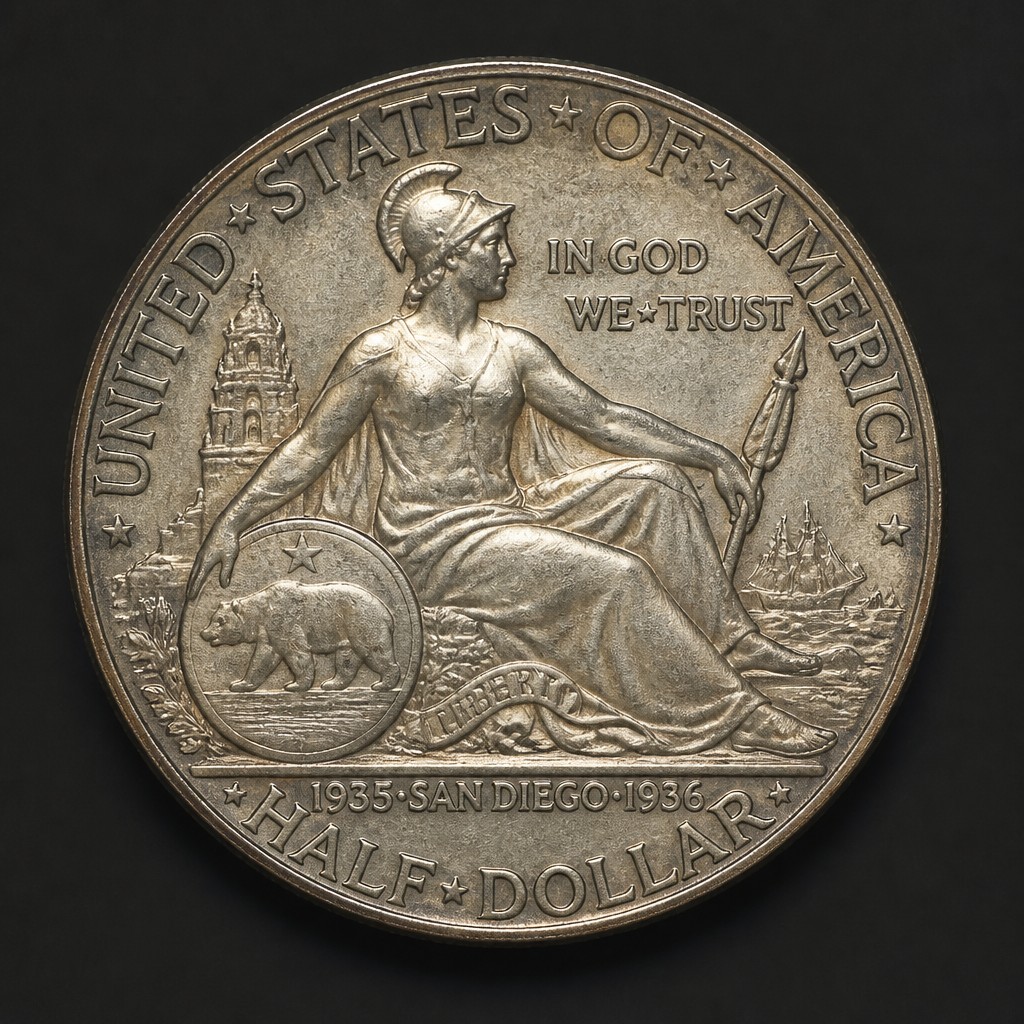
San Diego Pacific Exposition Half Dollar
1935–1936
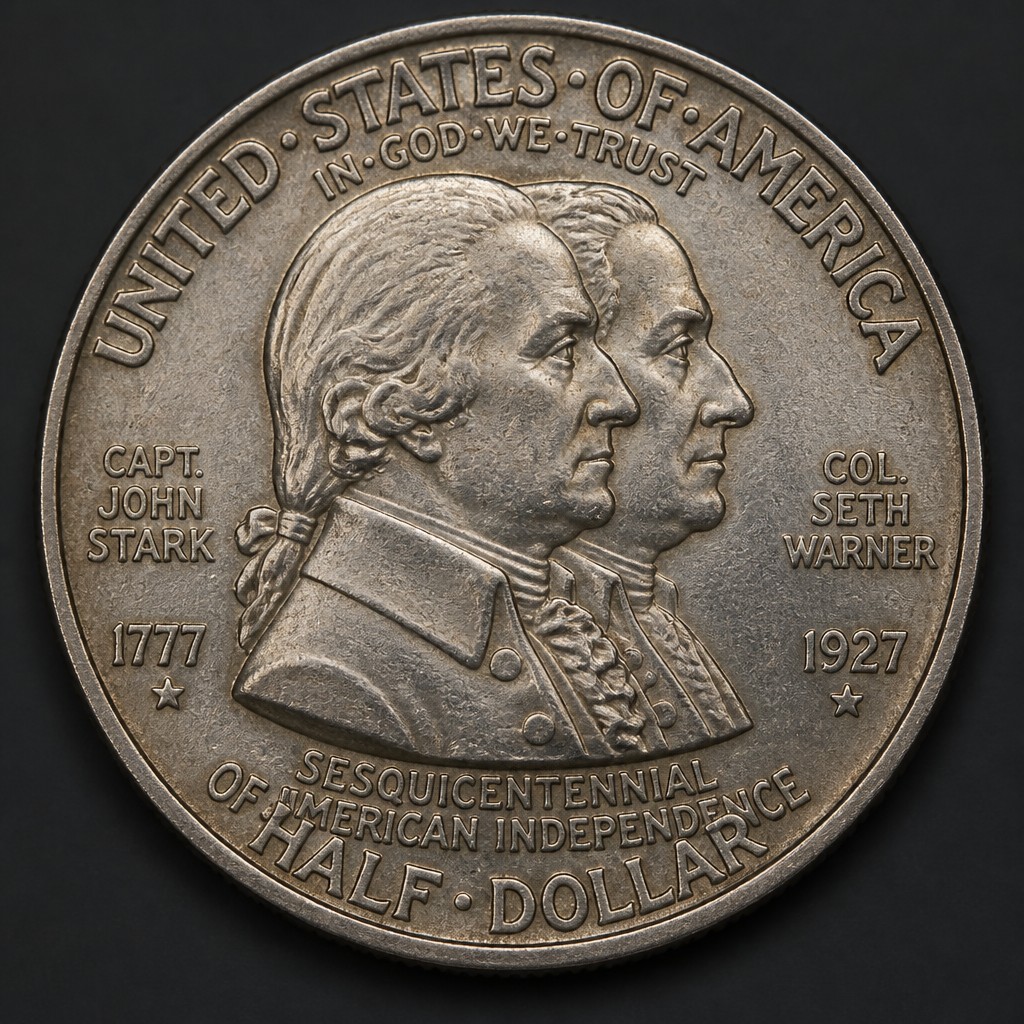
Vermont Sesquicentennial Half Dollar
1927
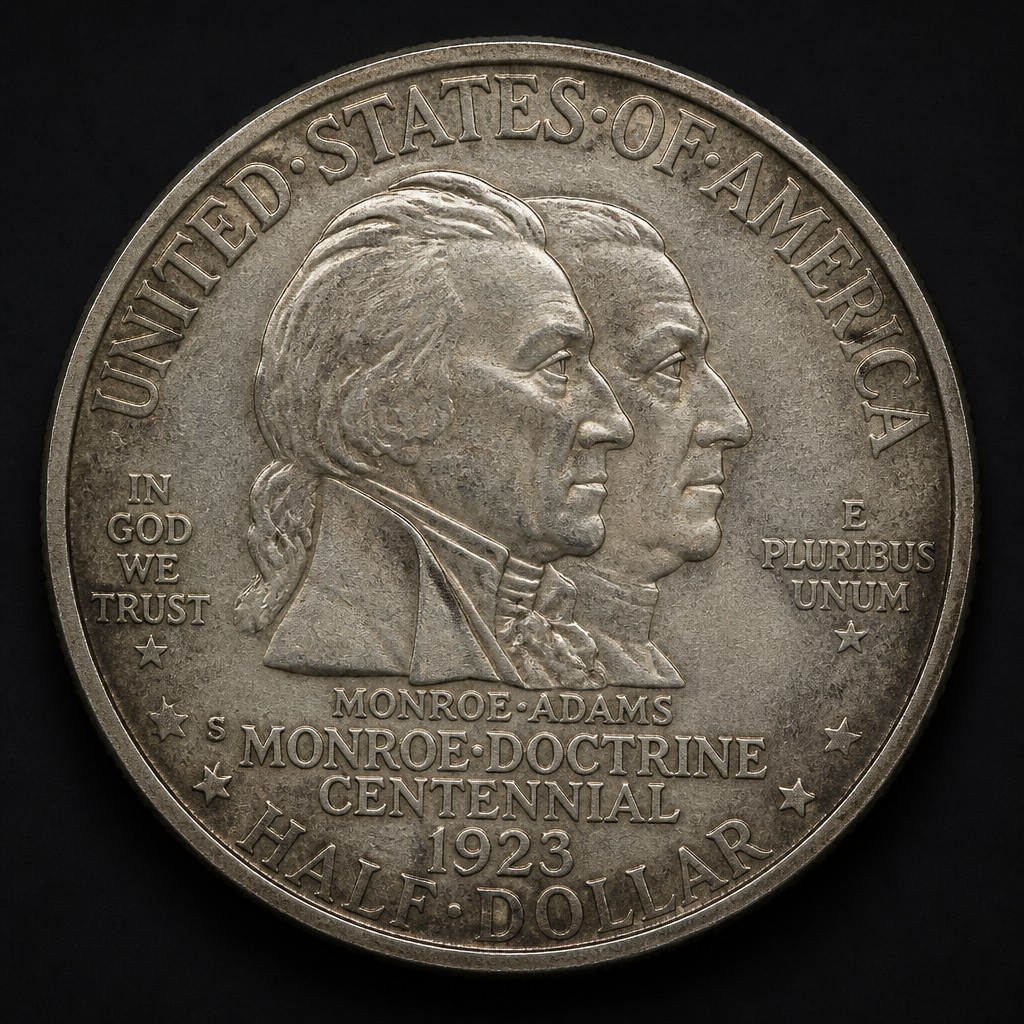
Monroe Doctrine Centennial Half Dollar
1923
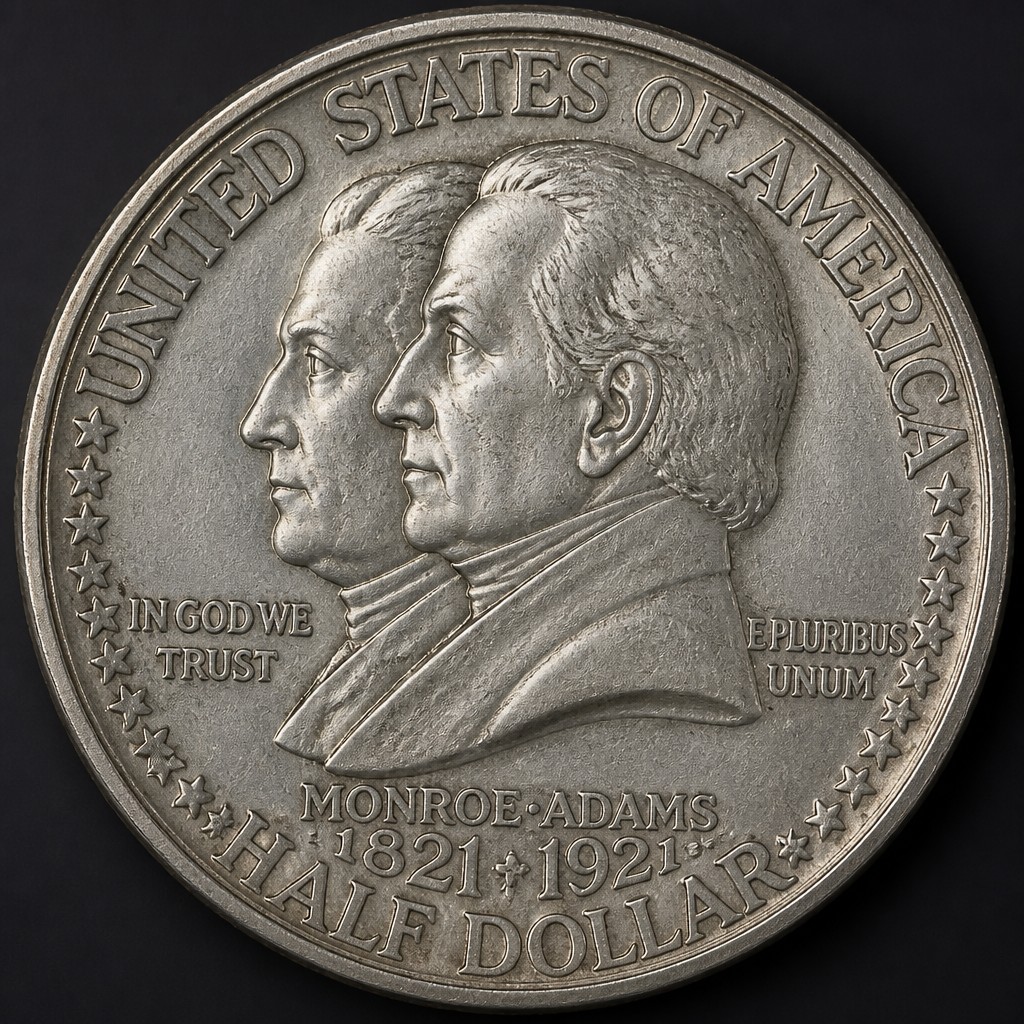
Alabama Centennial Half Dollar
1921
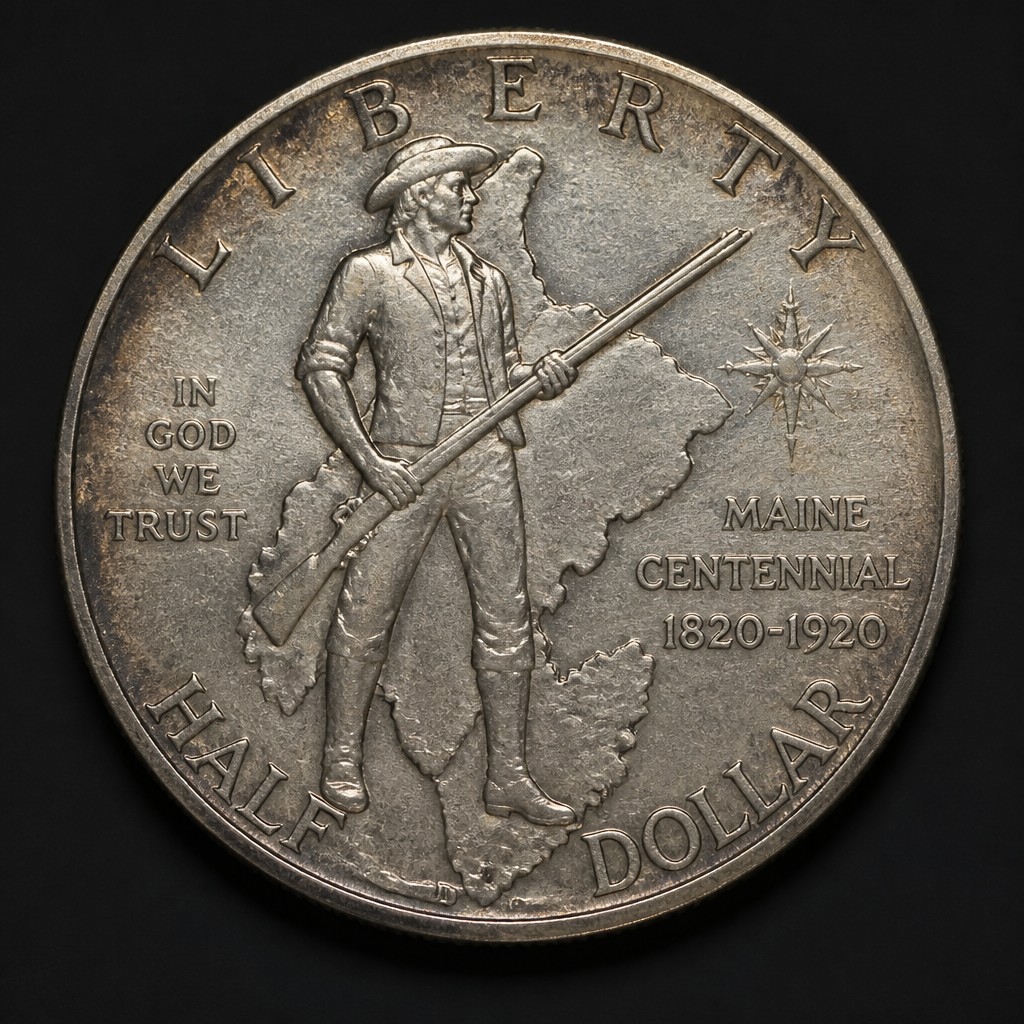
Maine Centennial Half Dollar
1920
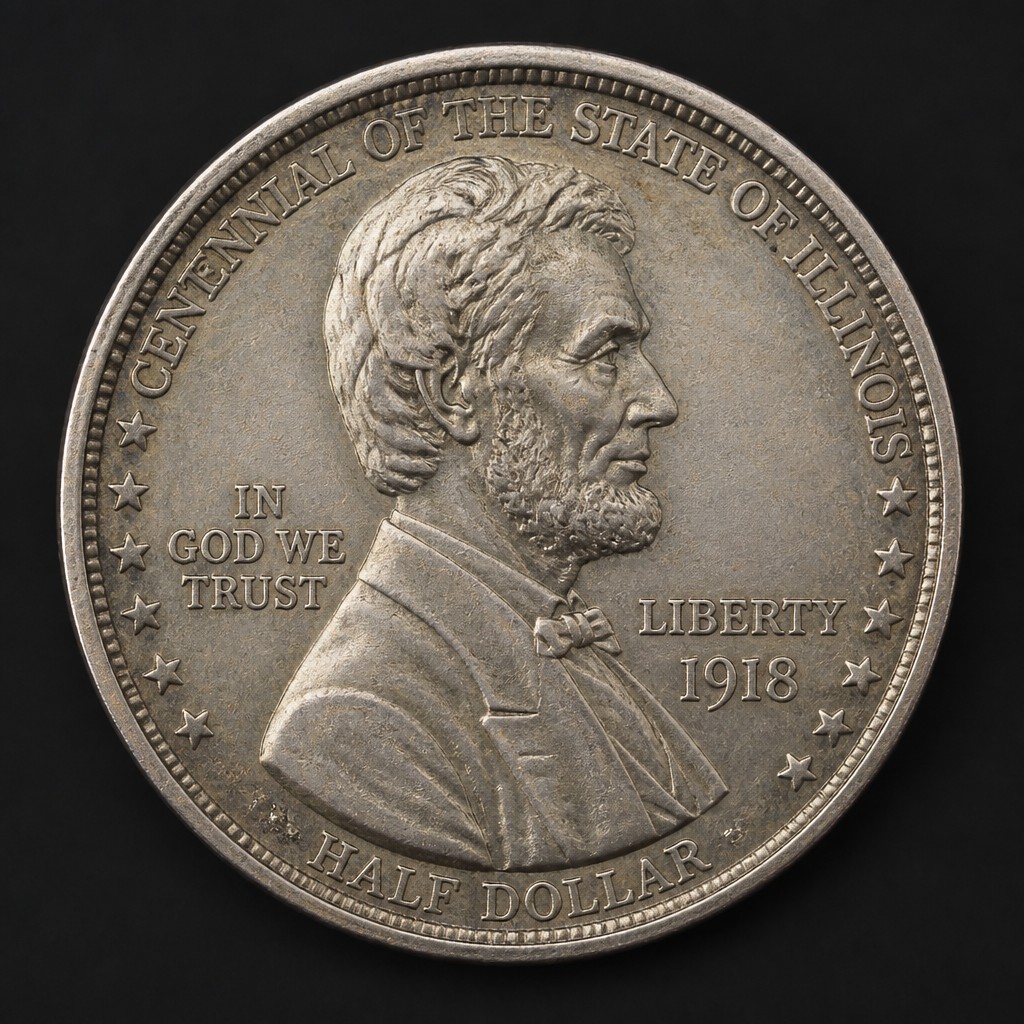
Lincoln-Illinois Centennial Half Dollar
1918
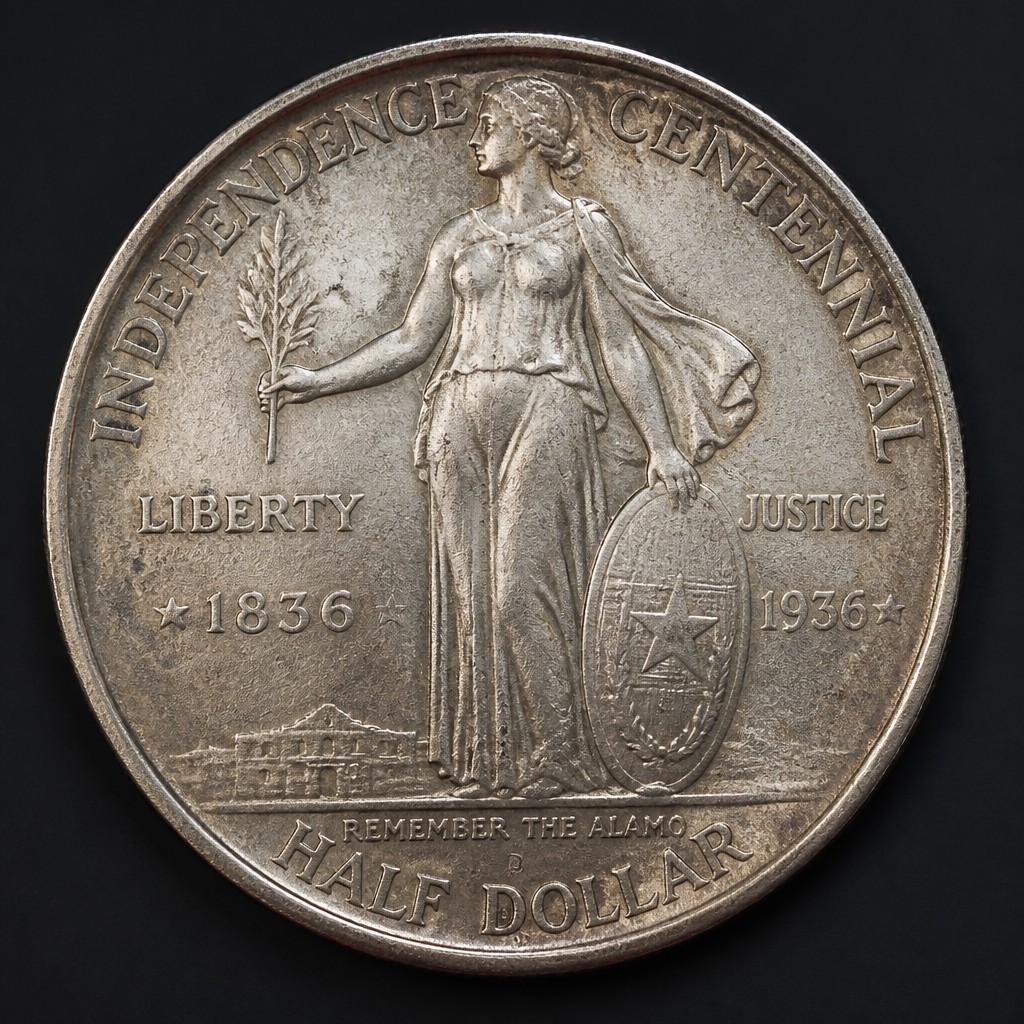
Texas Independence Centennial Half Dollar
1934–1938
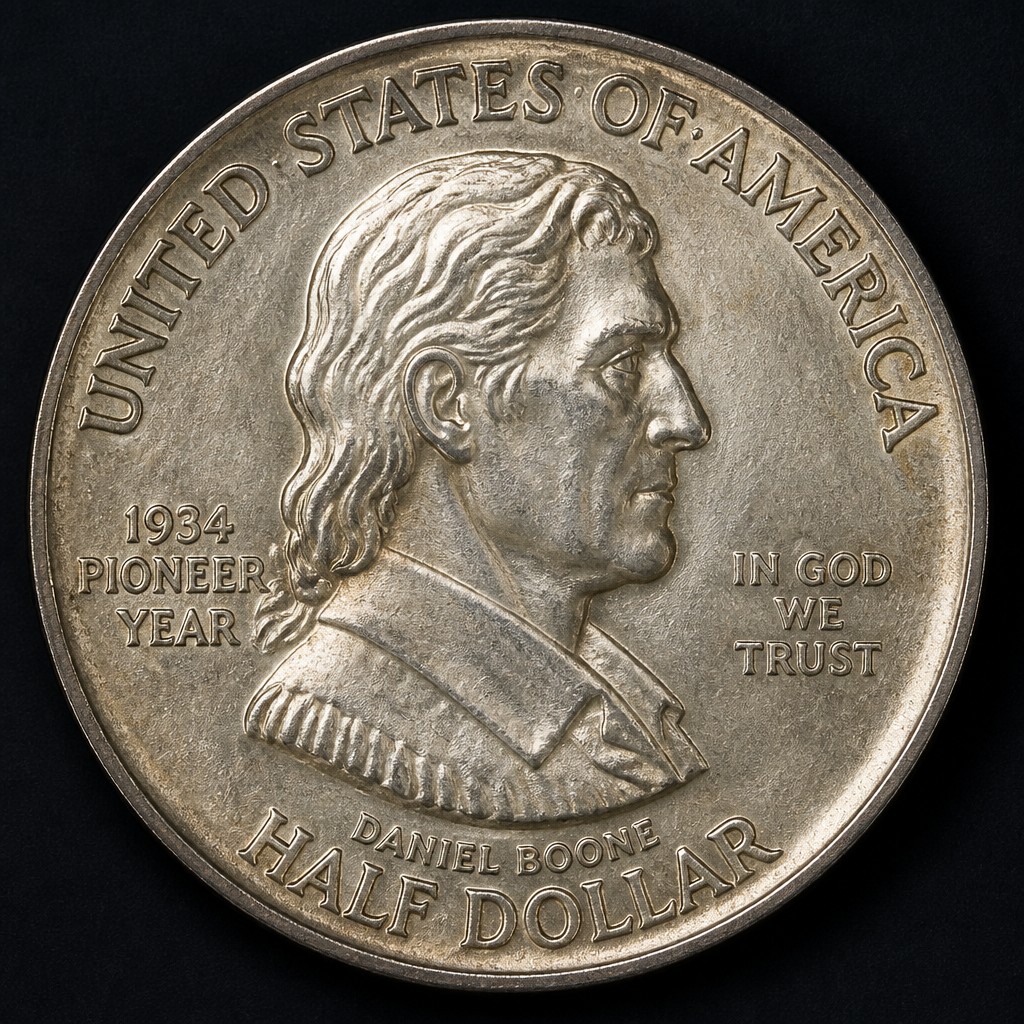
Daniel Boone Bicentennial Half Dollar
1934–1938
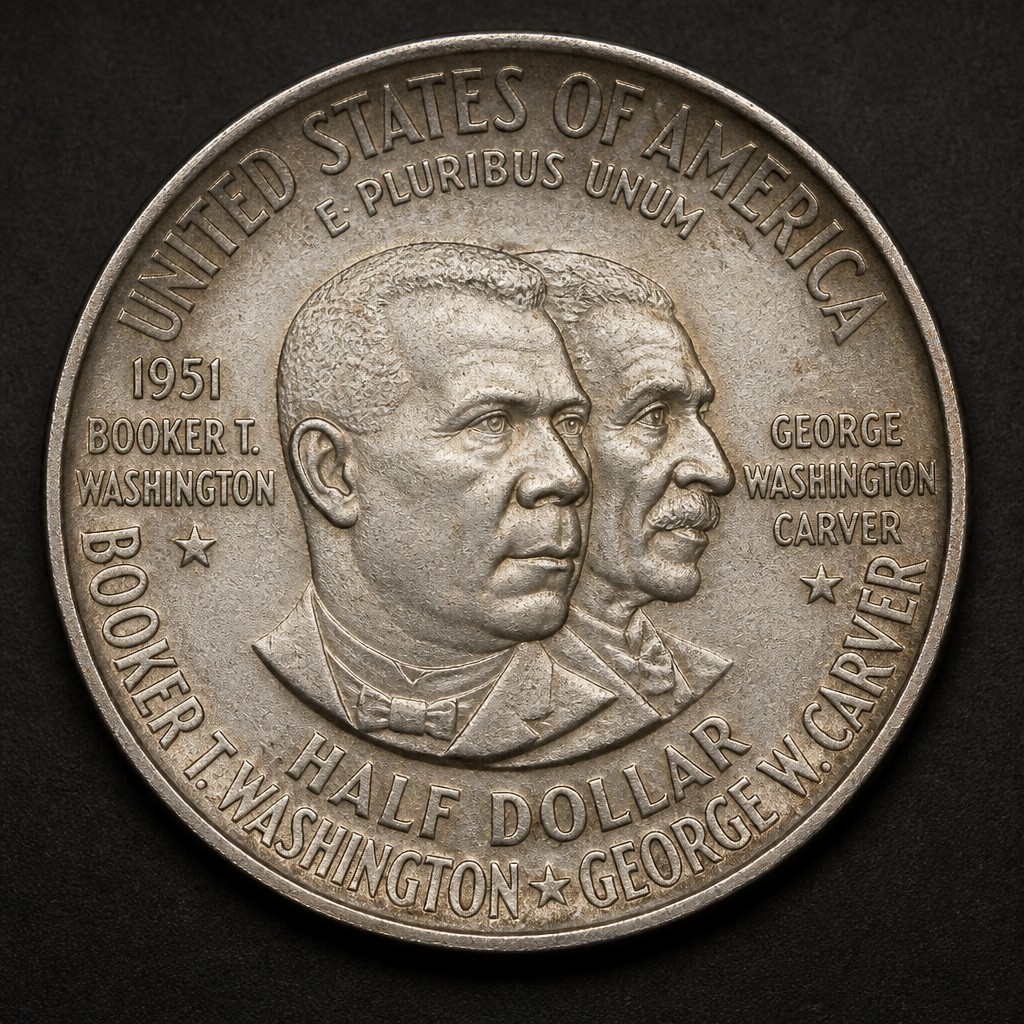
Washington-Carver Half Dollar
1951–1954