
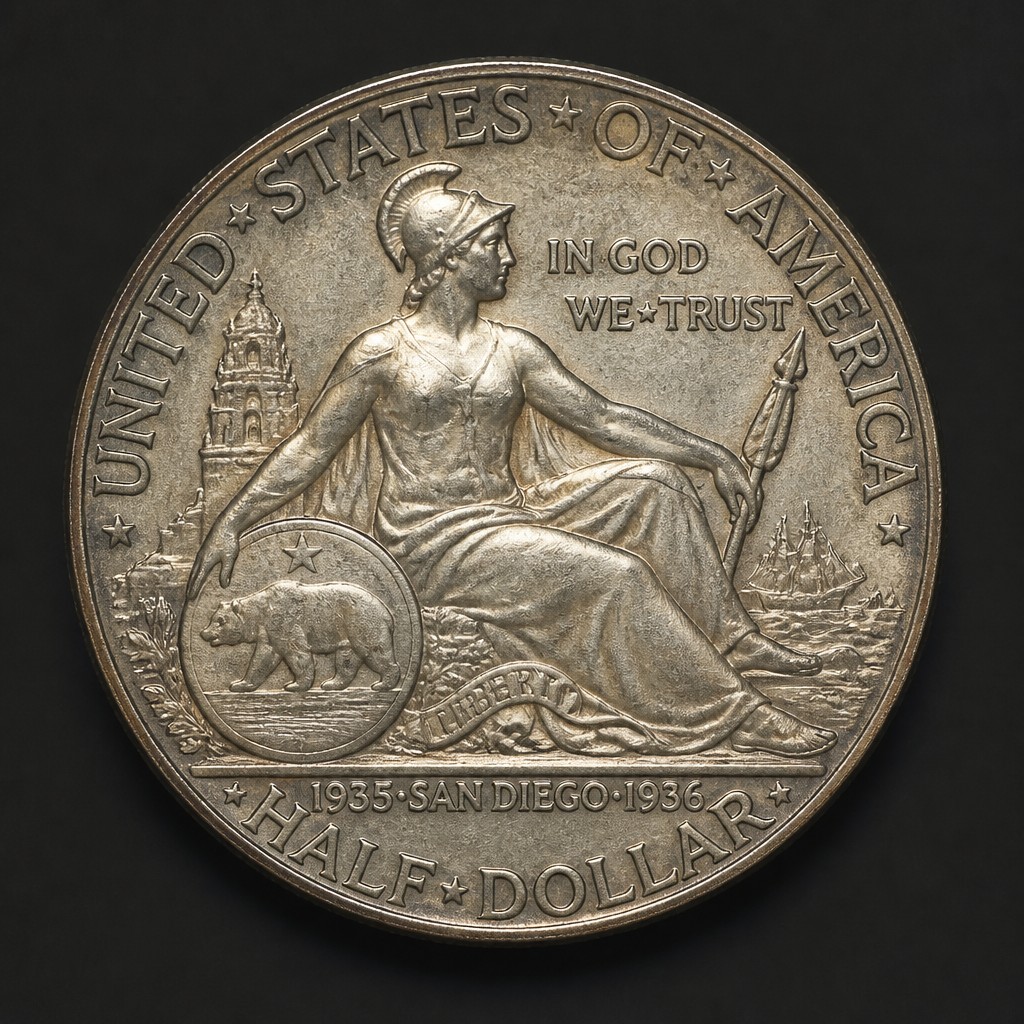
San Diego Pacific Exposition Half Dollar
A 1935-1936 U.S. commemorative half dollar sold at the California Pacific International Exposition in San Diego's Balboa Park.
- Country
- United States
- Denomination
- Half Dollar
- Metal
- 90% Silver
Got a coin like this?
Identify any coin from a photo, free.
Overview
The San Diego Pacific Exposition half dollar was issued to coincide with the California Pacific International Exposition, a world's fair-style event held in Balboa Park in 1935 and 1936. It is one of several Depression-era commemoratives tied to regional expositions rather than historical anniversaries.
The coin's allegorical obverse and its depiction of the exposition's landmark California Tower give it strong visual appeal, and it offers collectors an approachable two-year, two-mint set within the broader classic commemorative half dollar series.
History & Background
The California Pacific International Exposition ran in San Diego's Balboa Park across 1935 and 1936, and Congress authorized a commemorative half dollar that fair organizers sold at the event and through the mail to help finance the exposition. Sculptor Robert Aitken, who had also designed the earlier Panama-Pacific commemorative coinage, created the design.
The coin was first struck in 1935 at the San Francisco Mint, and a second run was produced in 1936 at the Denver Mint to coincide with the exposition's second season, giving the series its two mint-mark varieties.
As with many expositions of the Great Depression era, organizers hoped commemorative coin sales would help offset costs, though demand for these regional issues was often modest outside of the immediate exposition audience and later coin collectors.
How to Identify
The obverse depicts a seated allegorical female figure, sometimes interpreted as a personification of California, holding a bear cub and a bundle of grain with rays of sunlight behind her, along with UNITED STATES OF AMERICA and HALF DOLLAR in the legend. The reverse shows the California Tower and dome of the California State Building at Balboa Park, the architectural centerpiece of the exposition, along with the exposition's name and dates.
The coin is struck in 90% silver with the standard half dollar diameter and reeded edge. The 1935 issue carries an S mint mark for San Francisco, while the 1936 issue carries a D mint mark for Denver; checking the mint mark and date together identifies which year's striking a given coin represents.
Value & Collectibility
Both the 1935-S and 1936-D San Diego half dollars are relatively available in the marketplace, with the 1936-D generally considered somewhat scarcer and often carrying a modest premium over the 1935-S in comparable grades. Gem uncirculated coins with strong luster and clean surfaces for either date bring solid premiums over typical circulated or lightly worn examples.
Because the design's open fields are prone to bag marks and light handling wear, strict grading standards apply, and certified, problem-free coins are generally preferred over raw examples in the current market.
Frequently asked questions
What event does this coin commemorate?
The California Pacific International Exposition, a world's fair-style event held in San Diego's Balboa Park in 1935 and 1936.
What is depicted on the reverse?
The California Tower and dome of the California State Building, the architectural centerpiece of the exposition.
How many varieties exist?
Two: a 1935 issue struck at San Francisco (S mint mark) and a 1936 issue struck at Denver (D mint mark).
Who designed the coin?
Sculptor Robert Aitken, who also designed the earlier Panama-Pacific commemorative coinage, created this design.
Is one date scarcer than the other?
The 1936-D is generally considered somewhat scarcer than the 1935-S, though both are reasonably available to collectors.
Other coins you may enjoy
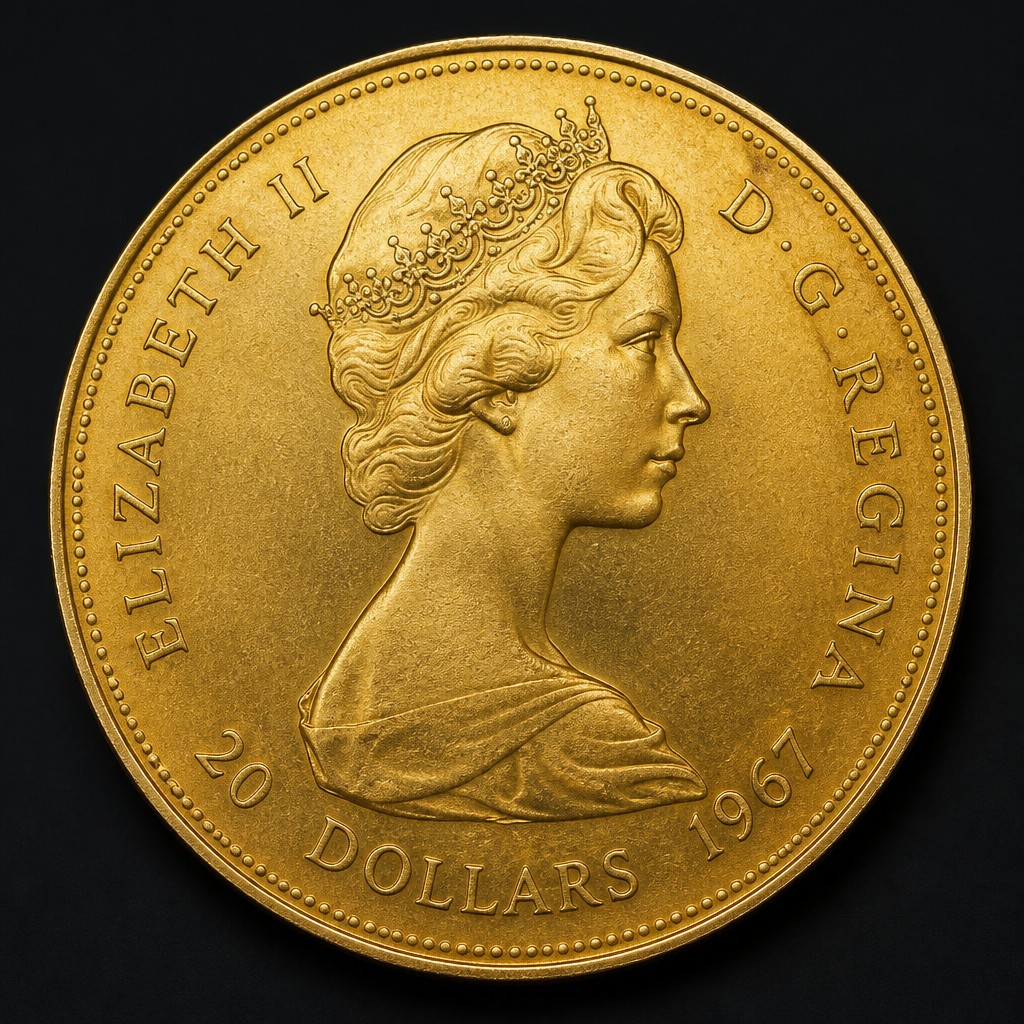
1967 Centennial Gold $20 Coin
1967
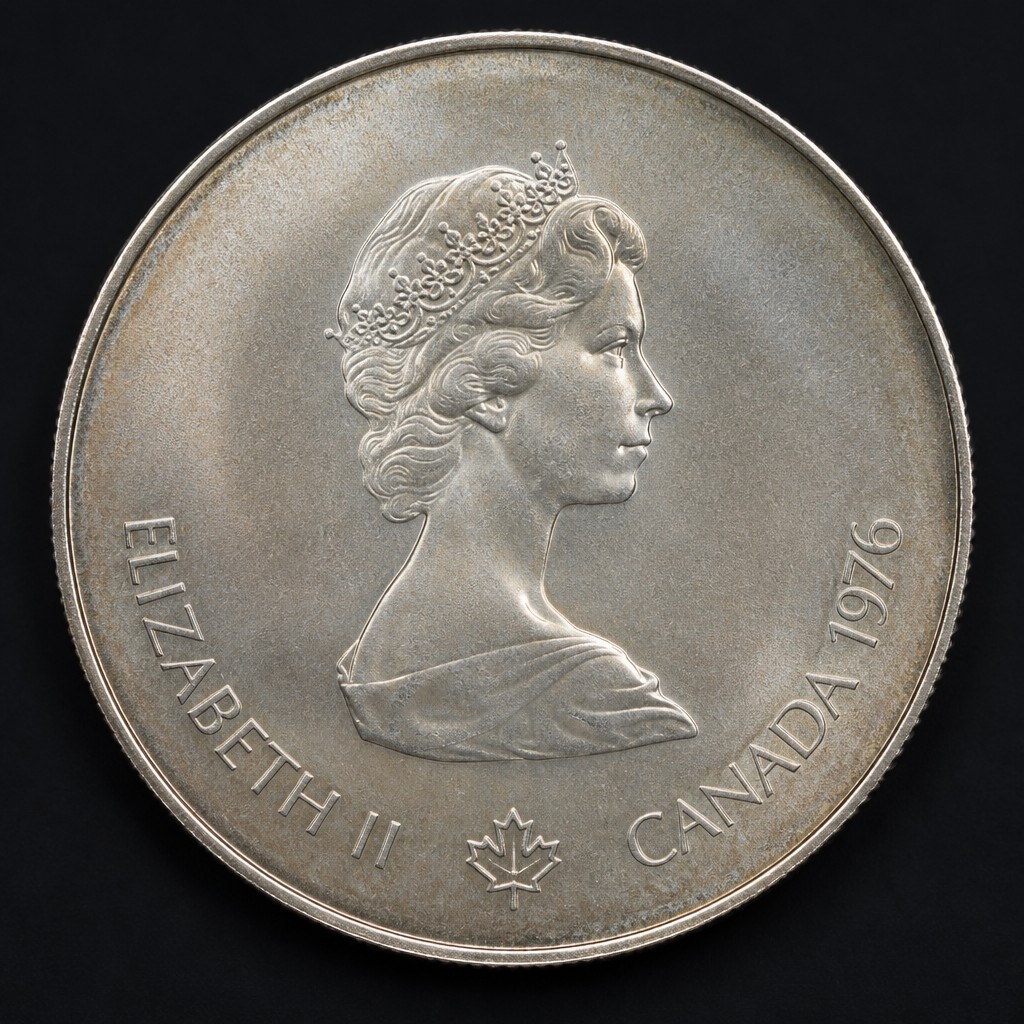
1976 Montreal Olympics Silver Coin Series
1973–1976
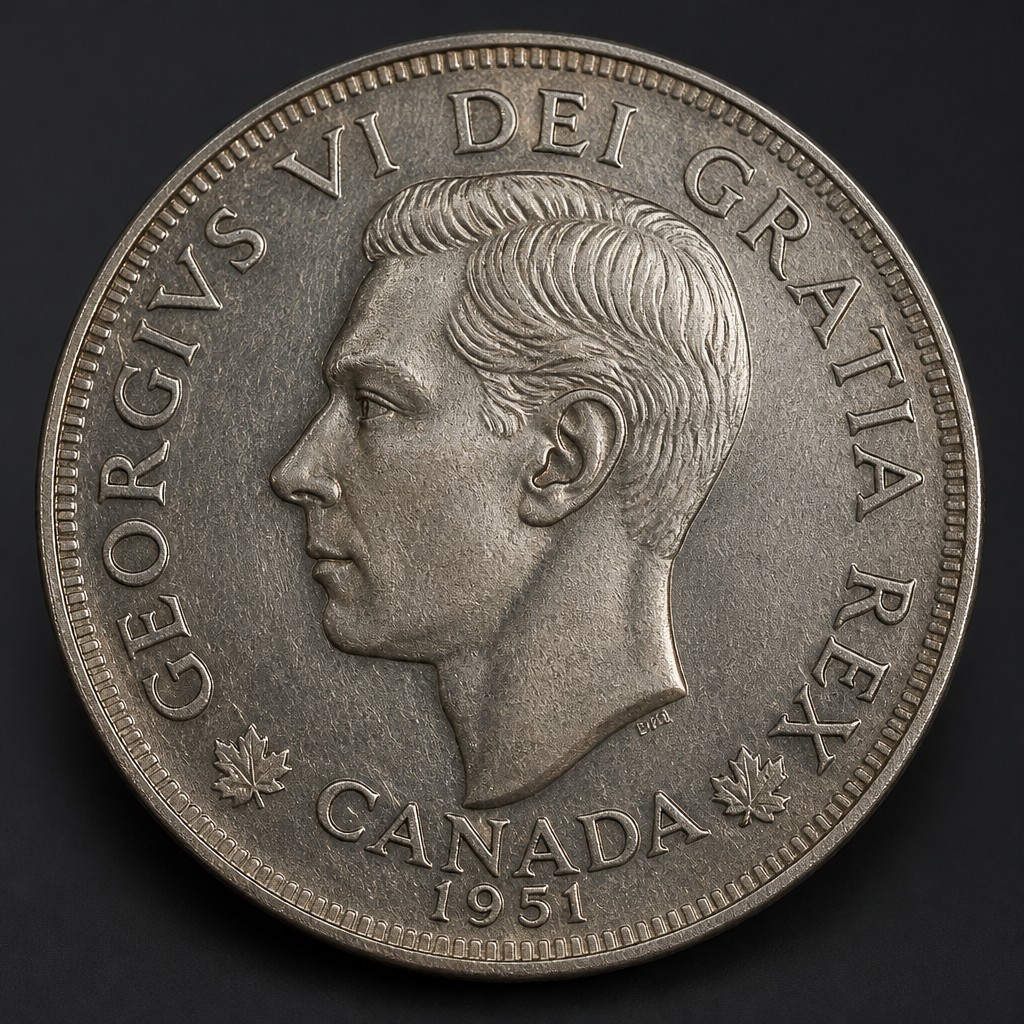
1951 Nickel Commemorative Five Cents
1951
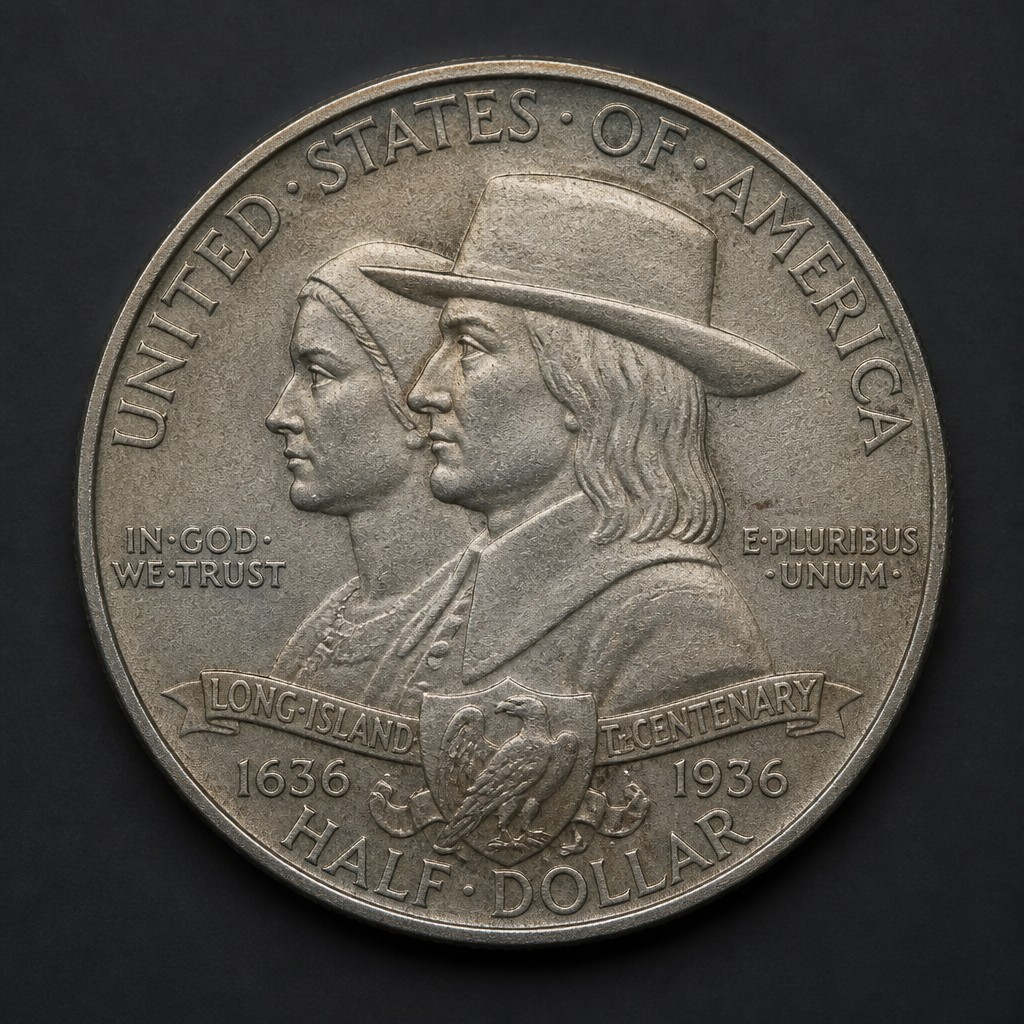
Long Island Tercentenary Half Dollar
1936
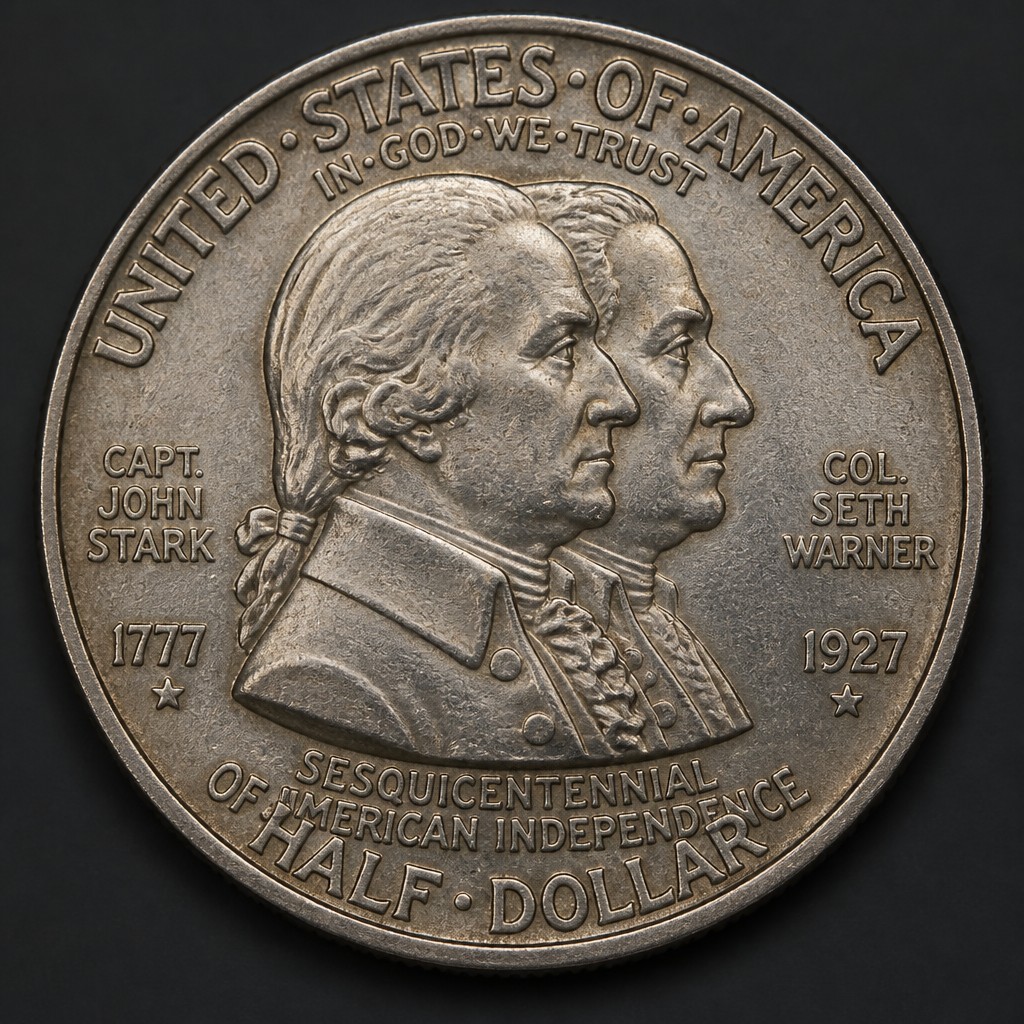
Vermont Sesquicentennial Half Dollar
1927
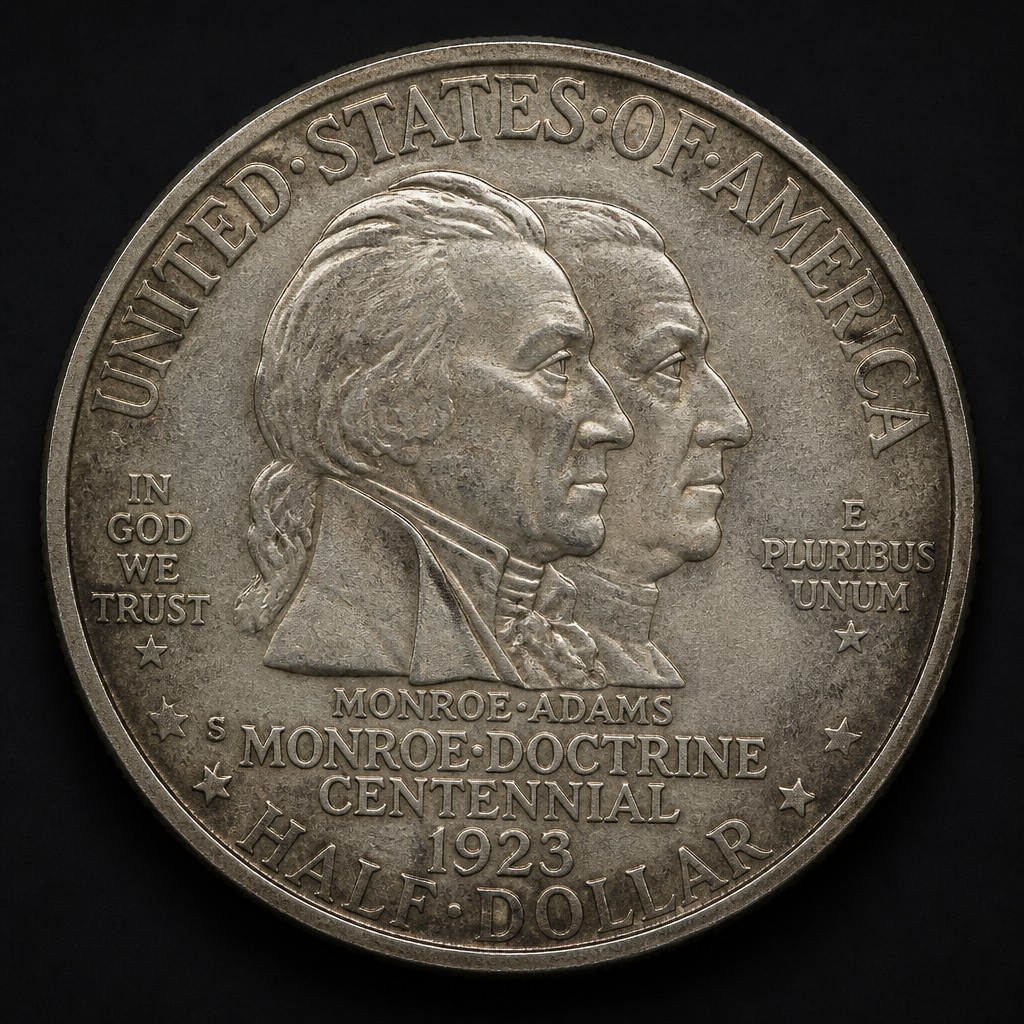
Monroe Doctrine Centennial Half Dollar
1923
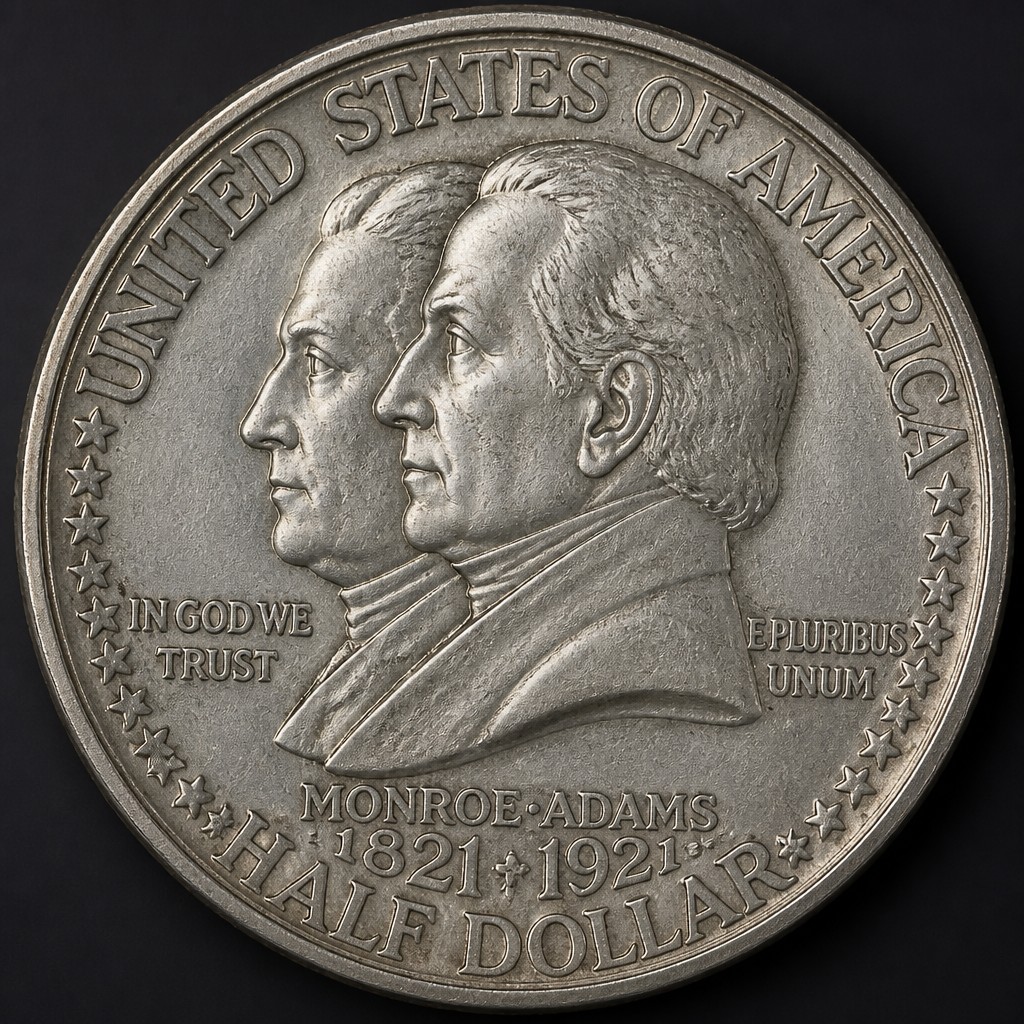
Alabama Centennial Half Dollar
1921
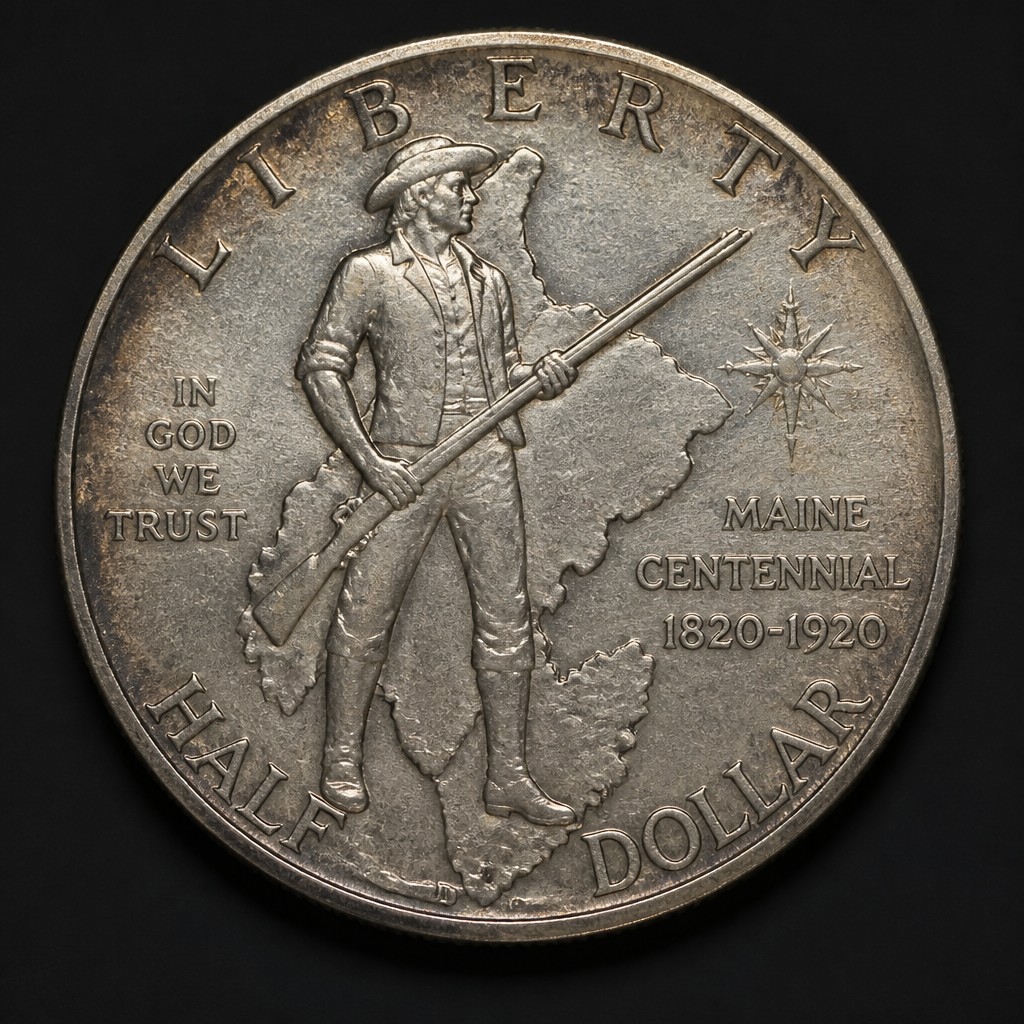
Maine Centennial Half Dollar
1920
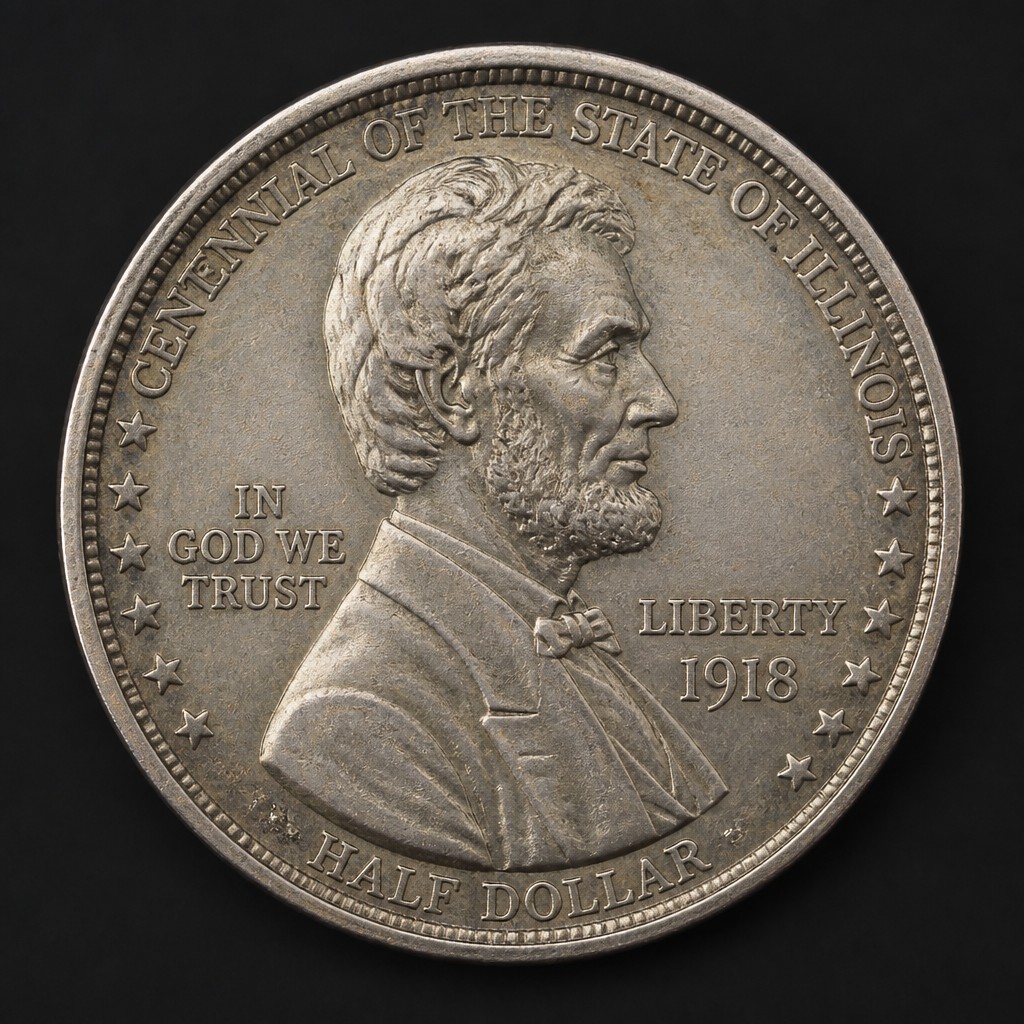
Lincoln-Illinois Centennial Half Dollar
1918
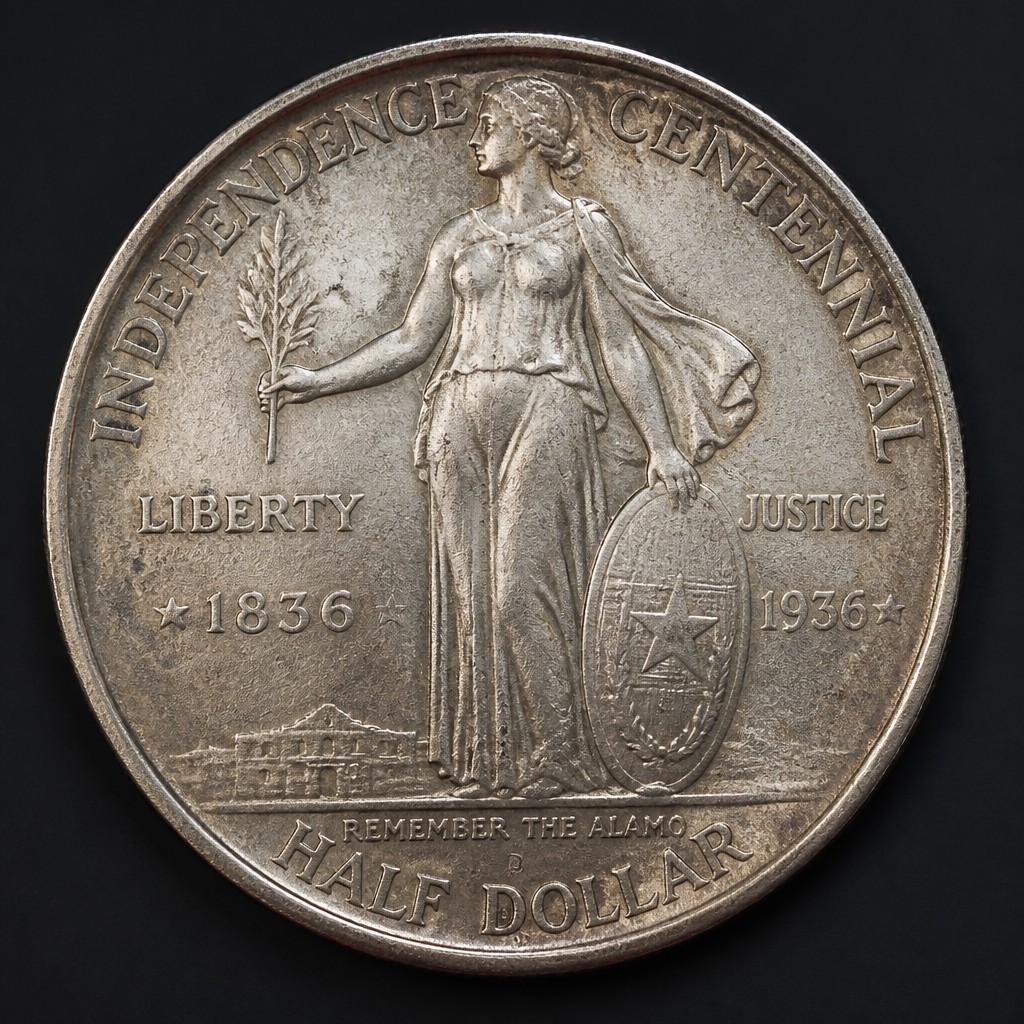
Texas Independence Centennial Half Dollar
1934–1938
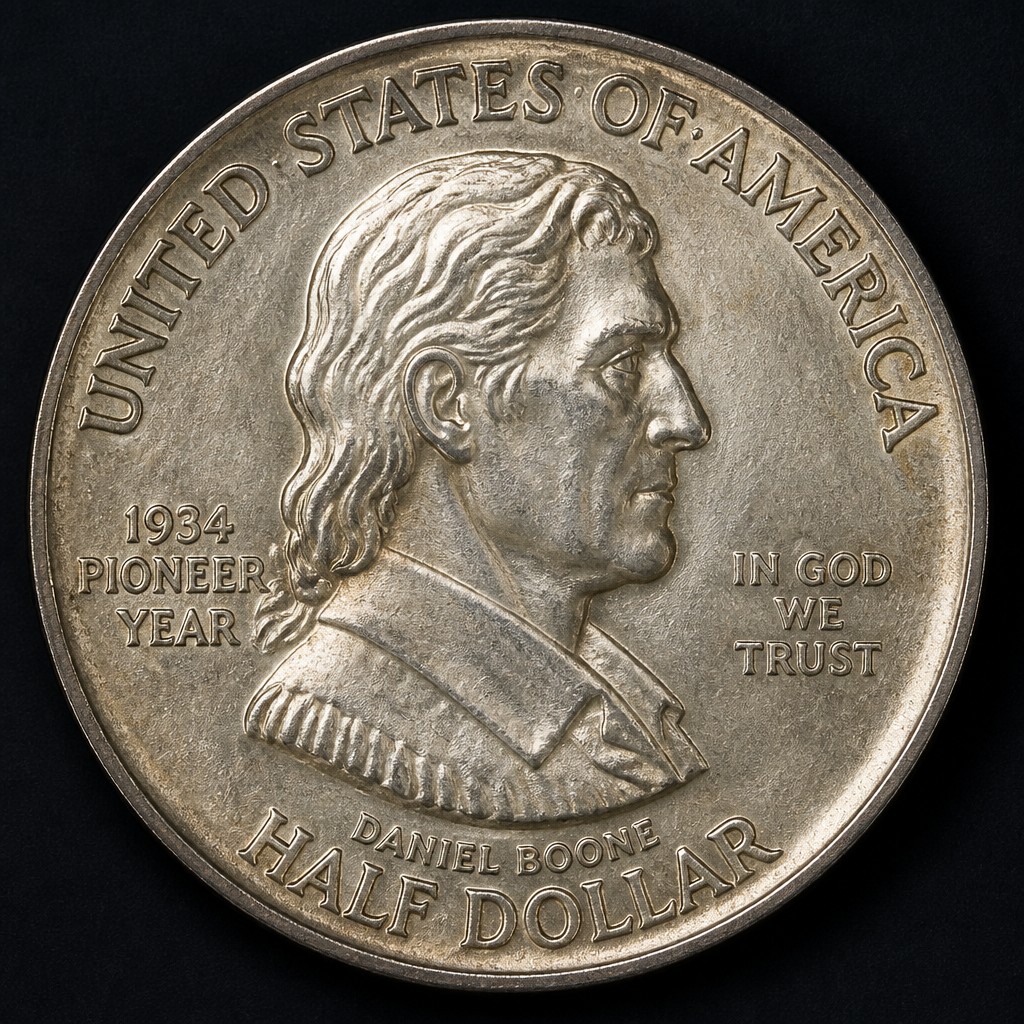
Daniel Boone Bicentennial Half Dollar
1934–1938
Washington-Carver Half Dollar
1951–1954