
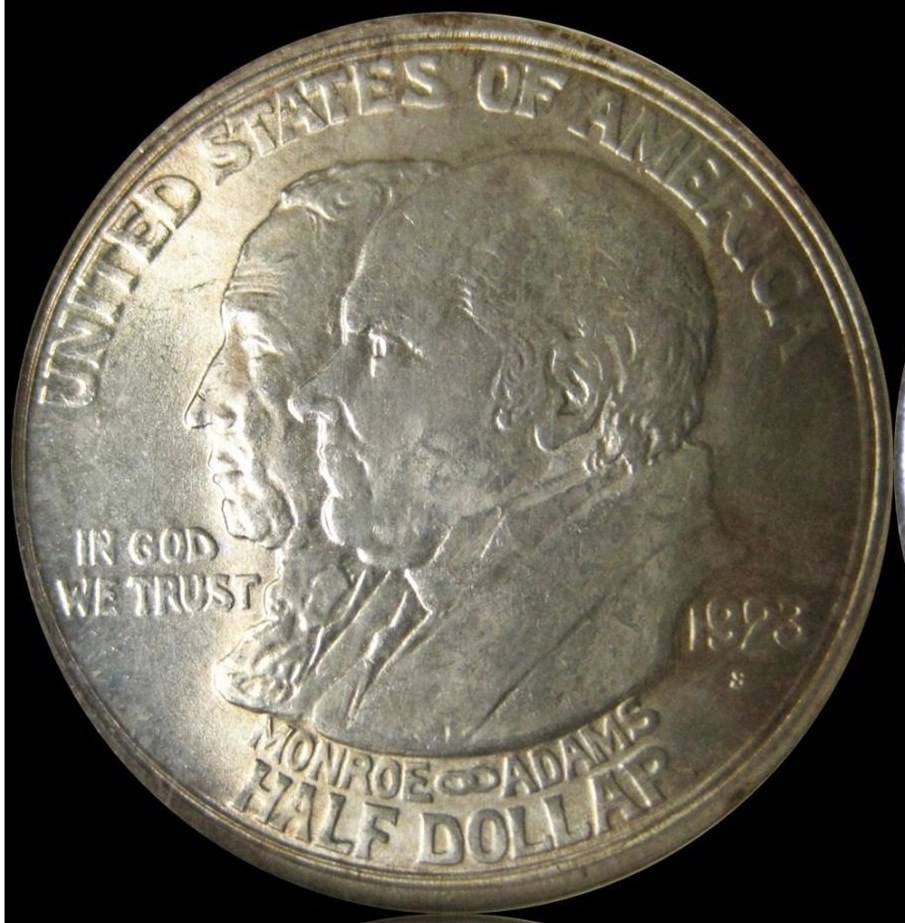
Monroe Doctrine Centennial Half Dollar
A 1923 U.S. silver commemorative half dollar marking the centennial of the Monroe Doctrine, with jugate portraits of James Monroe and John Quincy Adams.
- Country
- United States
- Denomination
- 50¢
- Metal
- Silver
Got a coin like this?
Identify any coin from a photo, free.
Overview
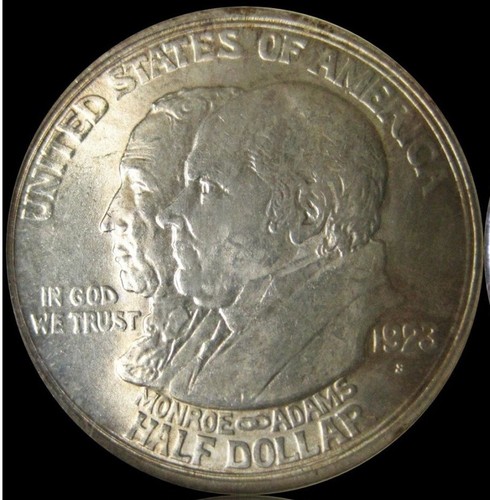
The Monroe Doctrine Centennial Half Dollar is a United States silver commemorative fifty-cent piece issued in 1923. Its obverse carries the conjoined (jugate) right-facing profiles of Presidents James Monroe and John Quincy Adams, the two statesmen most associated with the Monroe Doctrine. The photographed example shows exactly this pairing of two overlapping profiles facing right.
The coin was struck only at the San Francisco Mint and carries an "S" mint mark. Like other classic commemoratives of its era, it is a standard-size half dollar made of 90% silver, sold at a premium above face value to raise funds tied to the event it celebrated.
The reverse departs from the usual eagle motif: it depicts the Western Hemisphere, with the continents of North and South America rendered as two draped allegorical female figures, symbolizing the doctrine's assertion of the Americas as separate from European interference.
History & Background
The coin commemorates the 100th anniversary of the Monroe Doctrine, the 1823 policy statement — associated with President James Monroe and his Secretary of State John Quincy Adams — warning European powers against further colonization or interference in the Western Hemisphere. Congress authorized a commemorative half dollar to mark the centennial in 1923.
In practice the issue was closely tied to a Los Angeles promotional event, the American Historical Revue and Motion Picture Industry Exposition, and the coins were sold to help fund and publicize it. The obverse design is credited to sculptor Chester Beach, working from a portrait concept by Ralph Beck.
A large number were struck relative to demand, and many unsold pieces entered ordinary circulation rather than being saved by collectors. As a result the type is common today in worn grades but became genuinely scarce in high, well-preserved condition.
How to Identify
The defining feature is the obverse: two overlapping presidential portraits — James Monroe in front and John Quincy Adams behind — both facing right, an unusual jugate arrangement for a U.S. half dollar. The photographed coin matches this exactly. The reverse shows the Western Hemisphere as two allegorical female figures forming the outlines of the Americas, not the eagle seen on regular-issue half dollars.
All genuine pieces are dated 1923 and struck at San Francisco, so an "S" mint mark is expected. The coin follows standard half-dollar specifications: 90% silver with 10% copper, roughly 30.6 mm in diameter and about 12.5 grams in weight, with a reeded edge.
Because it is a silver commemorative, its color and heft match a standard silver half dollar. The design's low, somewhat flat relief is characteristic of the type and should not be mistaken for wear on higher-grade examples.
Value & Collectibility
The Monroe Doctrine Centennial Half Dollar is one of the more affordable classic commemoratives because so many entered circulation. Worn and lightly circulated examples typically trade for a modest premium over their silver content, often in the range of a few tens of dollars depending on the market.
Value rises with grade. Uncirculated pieces command more, and truly high-grade gem examples (roughly MS-65 and above) are considerably scarcer and can be worth many times a circulated coin, since the low-relief design shows contact marks readily and pristine survivors are uncommon.
Because prices move with the silver market and with grade, any specific coin is best valued against recent auction records and current dealer listings, ideally after professional grading for higher-end examples.
Frequently asked questions
Who is depicted on the Monroe Doctrine Centennial Half Dollar?
The obverse shows the conjoined right-facing profiles of President James Monroe and his Secretary of State (and later President) John Quincy Adams, the two figures most tied to the 1823 Monroe Doctrine.
What year and mint was it struck?
The coin was issued only in 1923 and struck exclusively at the San Francisco Mint, so genuine examples are dated 1923 and carry an "S" mint mark.
What is on the reverse?
The reverse depicts the Western Hemisphere, with North and South America shown as two draped allegorical female figures, symbolizing the doctrine rather than the usual eagle design.
Is it made of silver?
Yes. It is a standard-size half dollar struck in 90% silver and 10% copper, about 30.6 mm across and roughly 12.5 grams, with a reeded edge.
Is the Monroe Doctrine half dollar rare?
It is common in circulated grades because many entered circulation, but it becomes scarce and more valuable in high uncirculated condition due to its low-relief design showing marks easily.
Monroe Doctrine Centennial Half Dollar guides
In-depth guides for identifying, valuing, and collecting Monroe Doctrine Centennial Half Dollar.
Other coins you may enjoy
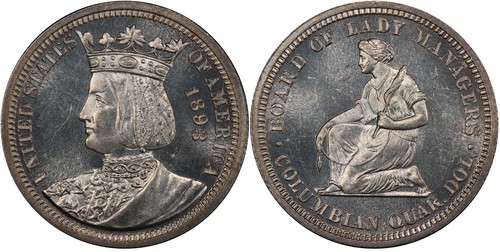
Isabella Quarter
1893
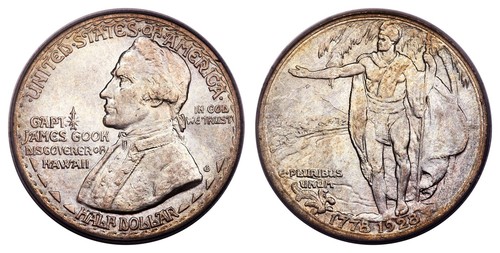
Hawaiian Sesquicentennial Half Dollar
1928
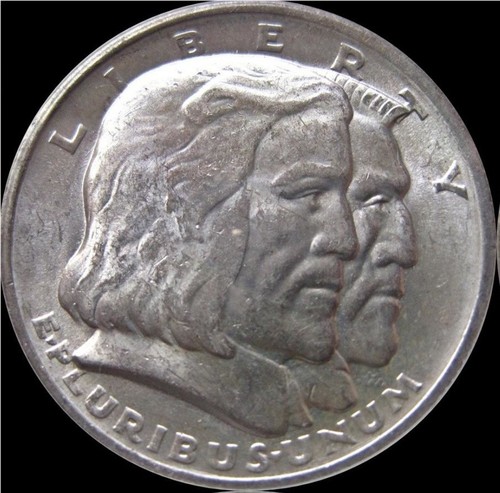
Long Island Tercentenary Half Dollar
1936
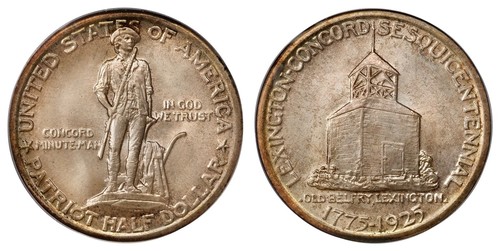
Lexington-Concord Sesquicentennial Half Dollar
1925
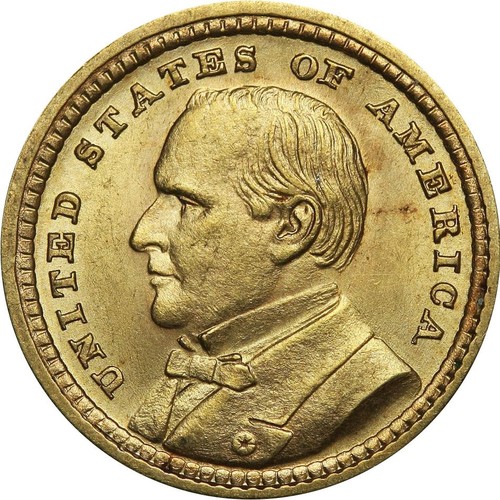
Louisiana Purchase Exposition Dollar (Jefferson)
1903
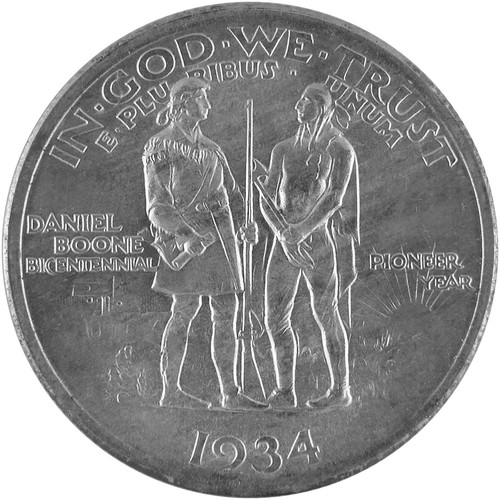
Daniel Boone Bicentennial Half Dollar
1934–1938
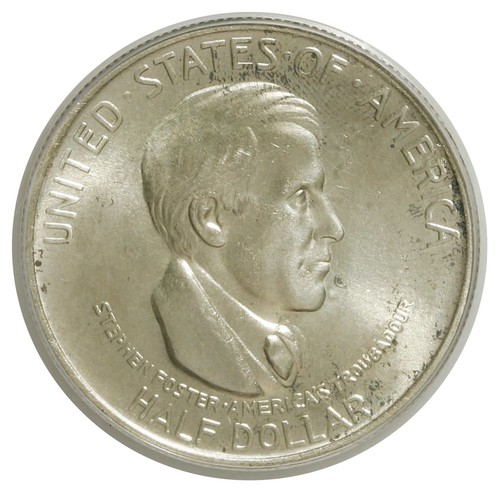
Cincinnati Music Center Half Dollar
1936
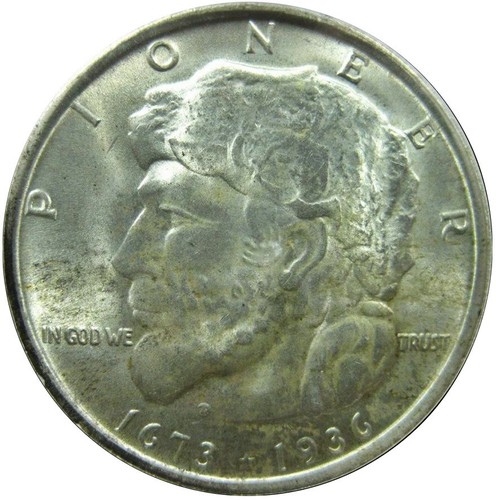
Elgin Illinois Centennial Half Dollar
1936
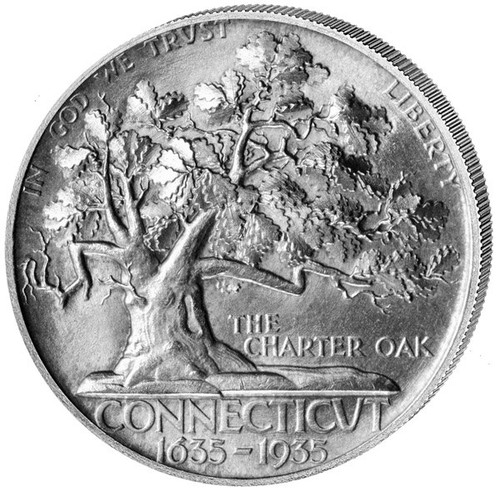
Connecticut Tercentennial Half Dollar
1935
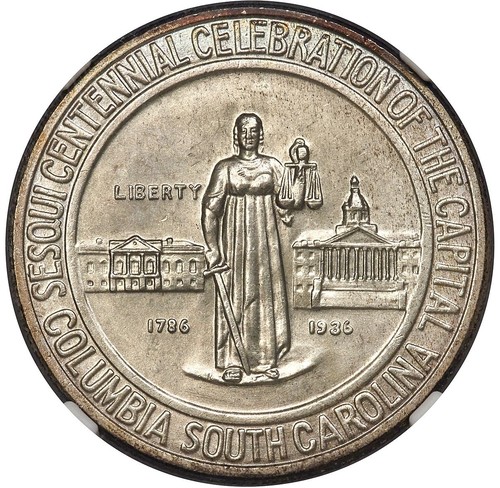
Columbia South Carolina Sesquicentennial Half Dollar
1936
Sesquicentennial of American Independence Quarter Eagle
1926
Pilgrim Tercentenary Half Dollar
1920-1921