
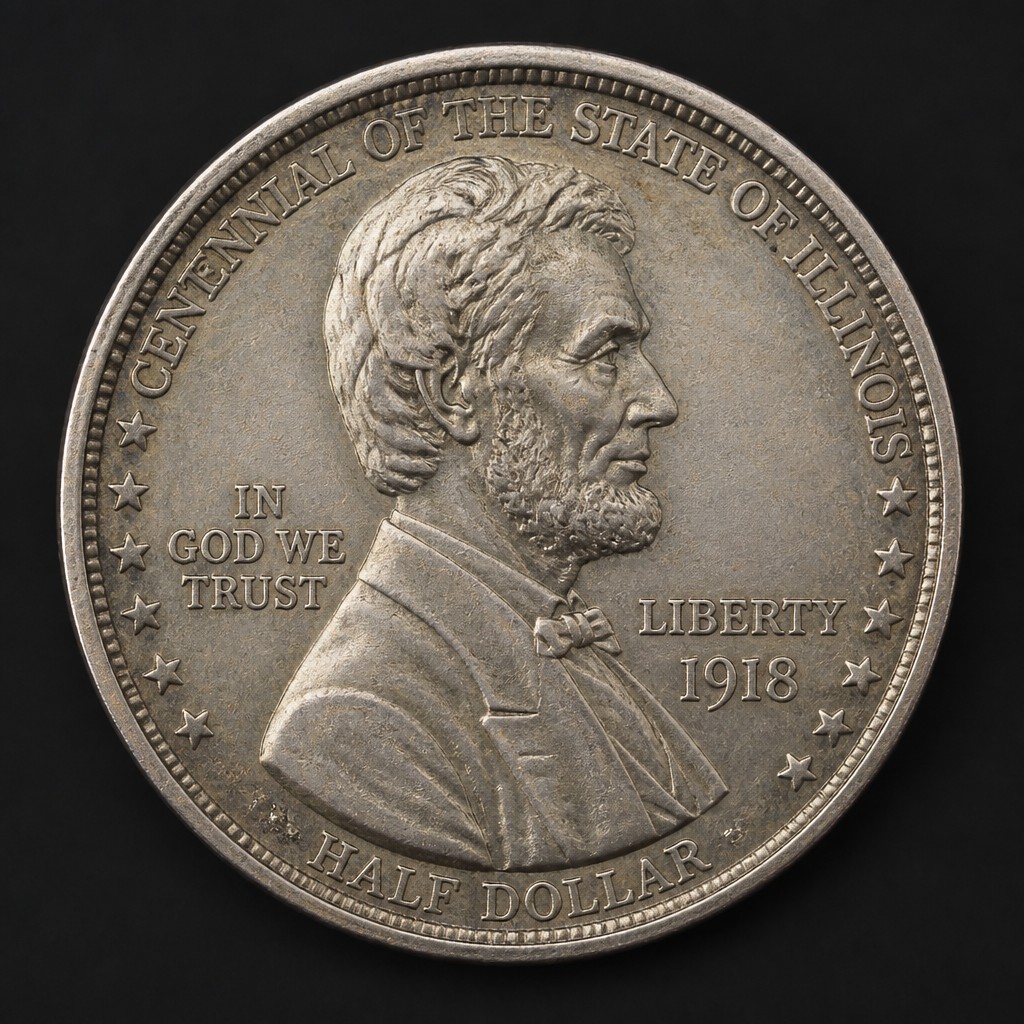
Lincoln-Illinois Centennial Half Dollar
A 1918 U.S. commemorative half dollar marking Illinois's 100th anniversary of statehood, featuring a portrait of Abraham Lincoln.
- Country
- United States
- Denomination
- Half Dollar
- Metal
- 90% Silver
Got a coin like this?
Identify any coin from a photo, free.
Overview
The Lincoln-Illinois Centennial half dollar was struck to celebrate the 100th anniversary of Illinois becoming a state in 1818. It holds a special place among early commemoratives as the first U.S. coin to feature Abraham Lincoln, decades before his image became familiar on the Lincoln cent and Lincoln Memorial designs.
Collectors value the coin both for its historical link to Lincoln and for its clean, well-executed design, which is generally regarded as one of the more attractive issues in the classic commemorative half dollar series.
History & Background
Illinois marked its statehood centennial with a state exposition and celebration in 1918, and Congress authorized a commemorative half dollar to help fund the observance. Because Lincoln had built his early political career in Illinois, organizers chose to honor him as the coin's central figure rather than depict a generic historical or allegorical scene.
The obverse portrait was adapted by U.S. Mint Chief Engraver George T. Morgan from an existing sculptural likeness of Lincoln, giving the coin a dignified, sculptural quality. The reverse draws on the eagle motif from the Illinois state seal.
As with most early commemoratives, the coin was sold to the public at a modest premium above face value by the commission overseeing the centennial celebration, with proceeds supporting the observance rather than general Treasury revenue.
How to Identify
The obverse depicts a left-facing bust of Abraham Lincoln, with the legend UNITED STATES OF AMERICA above and IN GOD WE TRUST alongside the portrait, and the date 1918 below. The reverse shows an eagle with wings partly spread, standing on a rock and grasping a shield, adapted from the Illinois state seal, encircled by the legend CENTENNIAL OF THE STATE OF ILLINOIS and ONE HALF DOLLAR.
The coin is struck in 90% silver with a diameter and reeded edge matching the standard half dollar of the period. It was issued only in 1918 from the Philadelphia Mint with no mint mark, so there are no date or mint varieties to distinguish; identification mainly involves confirming genuine detail sharpness on the Lincoln portrait and eagle, since the design has occasionally been the subject of low-quality replicas.
Value & Collectibility
The Lincoln-Illinois half dollar is a single-year, single-mint issue with a relatively modest total mintage compared to later commemorative programs, which keeps demand for well-struck, attractive examples fairly steady. Prices in worn to average uncirculated grades are moderate for a classic commemorative, while coins with exceptional luster and light toning bring meaningfully higher premiums.
As with most commemoratives of this era, eye appeal and the sharpness of Lincoln's portrait strongly influence price, and coins that have been cleaned or heavily handled trade at a discount versus problem-free examples.
Frequently asked questions
Why does the coin feature Lincoln instead of an Illinois governor or founder?
Lincoln's political career began in Illinois, so organizers chose him as the natural symbol for the state's centennial rather than a lesser-known historical figure.
Was this the first coin to depict Lincoln?
Yes, it predates other commemorative uses of Lincoln's image and came several years after his portrait first appeared on the Lincoln cent in 1909, but it was the first commemorative half dollar to use his likeness.
Where was it minted?
All examples were struck at the Philadelphia Mint in 1918 with no mint mark.
Who designed the coin?
Mint Chief Engraver George T. Morgan adapted the Lincoln portrait and created the eagle reverse based on the Illinois state seal.
Is the Lincoln-Illinois half dollar rare?
It is not among the rarest classic commemoratives, but well-preserved, lustrous examples are more scarce than worn or cleaned pieces.
Other coins you may enjoy
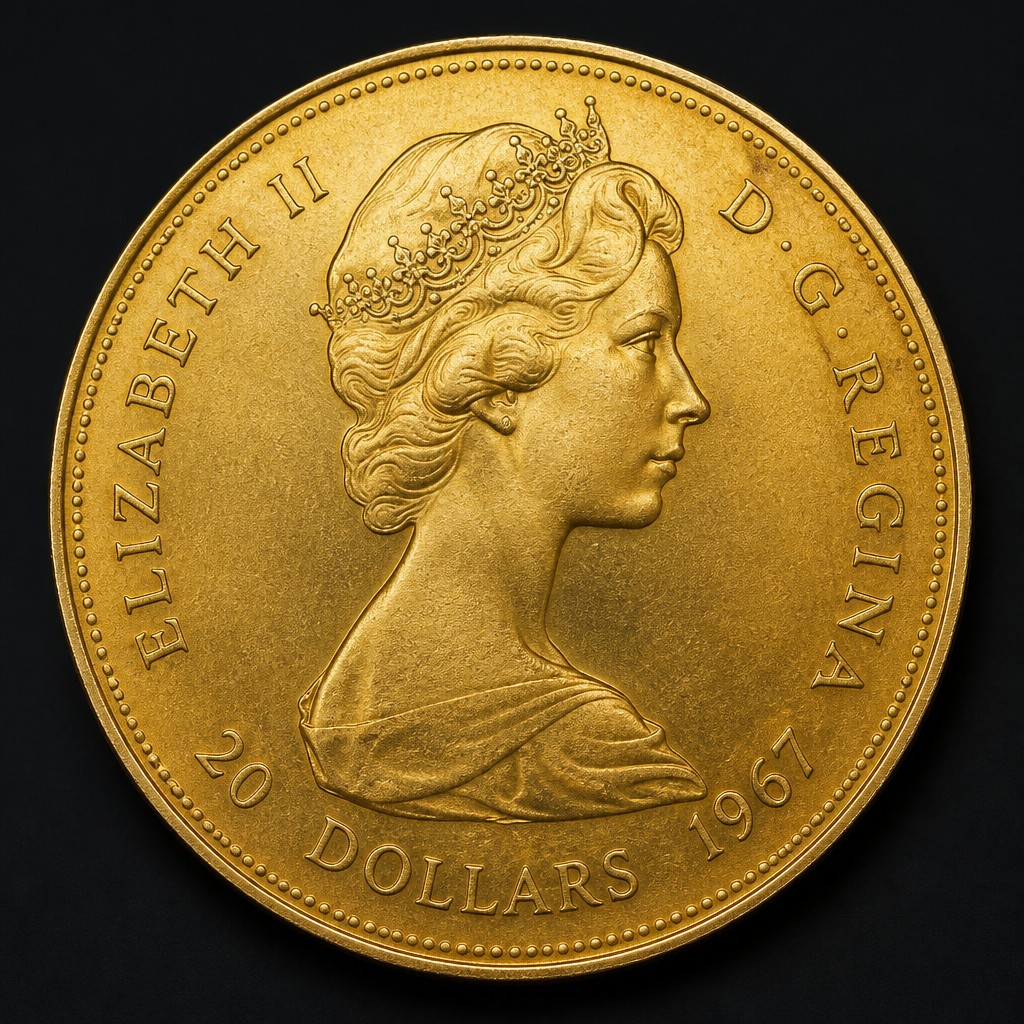
1967 Centennial Gold $20 Coin
1967
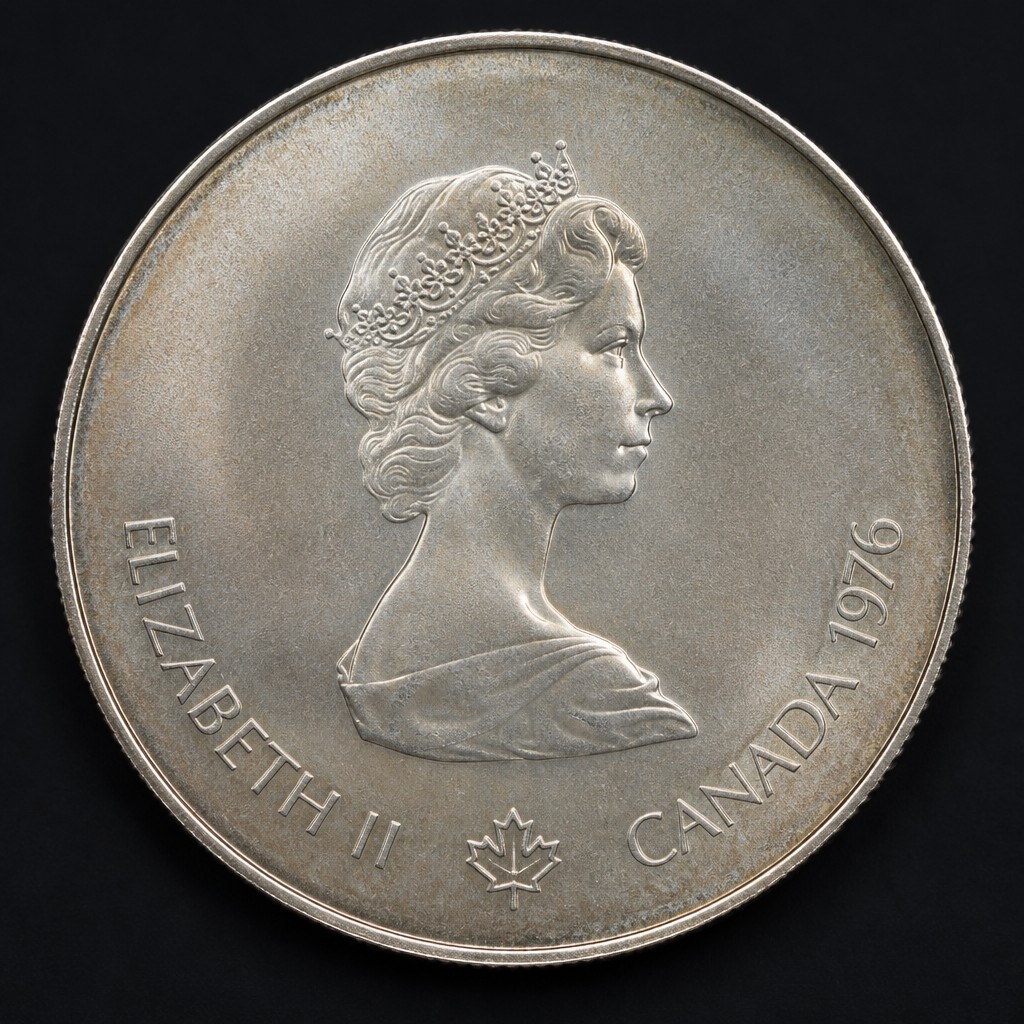
1976 Montreal Olympics Silver Coin Series
1973–1976
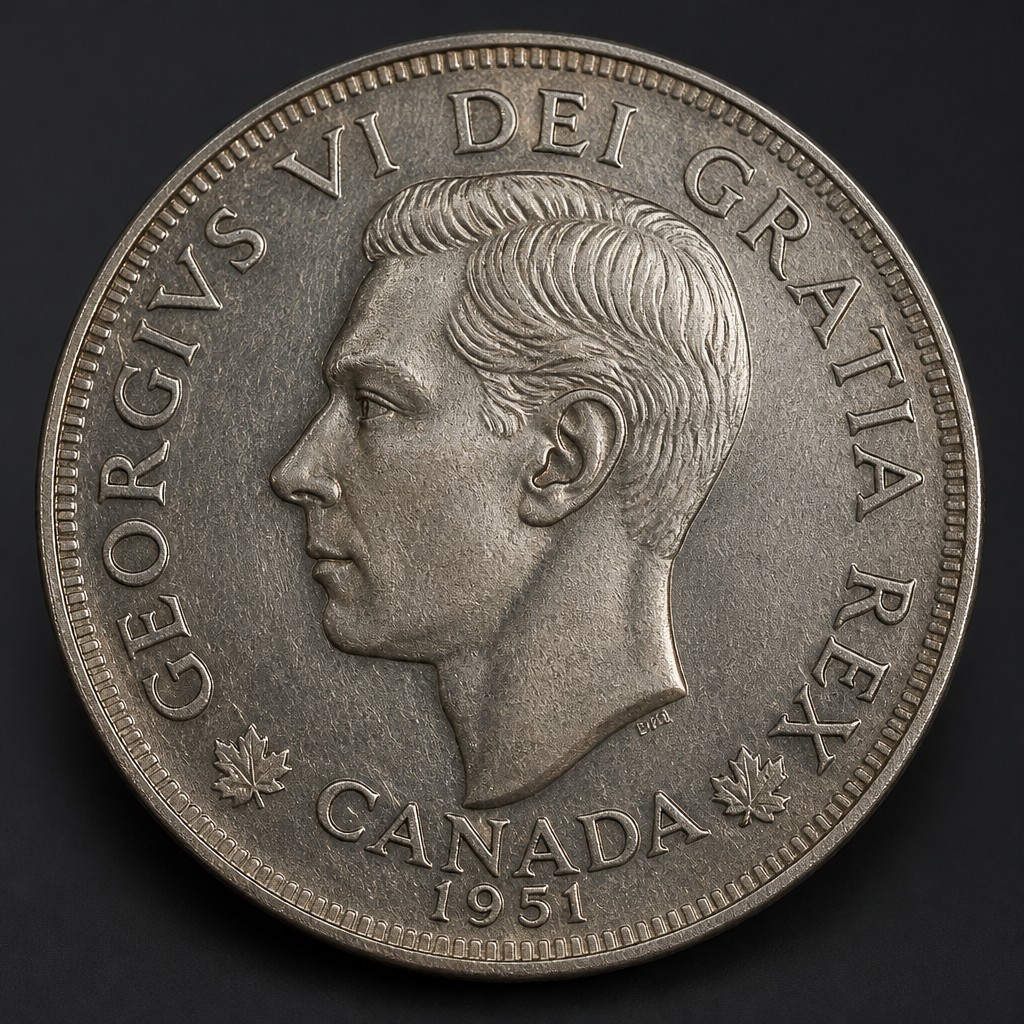
1951 Nickel Commemorative Five Cents
1951
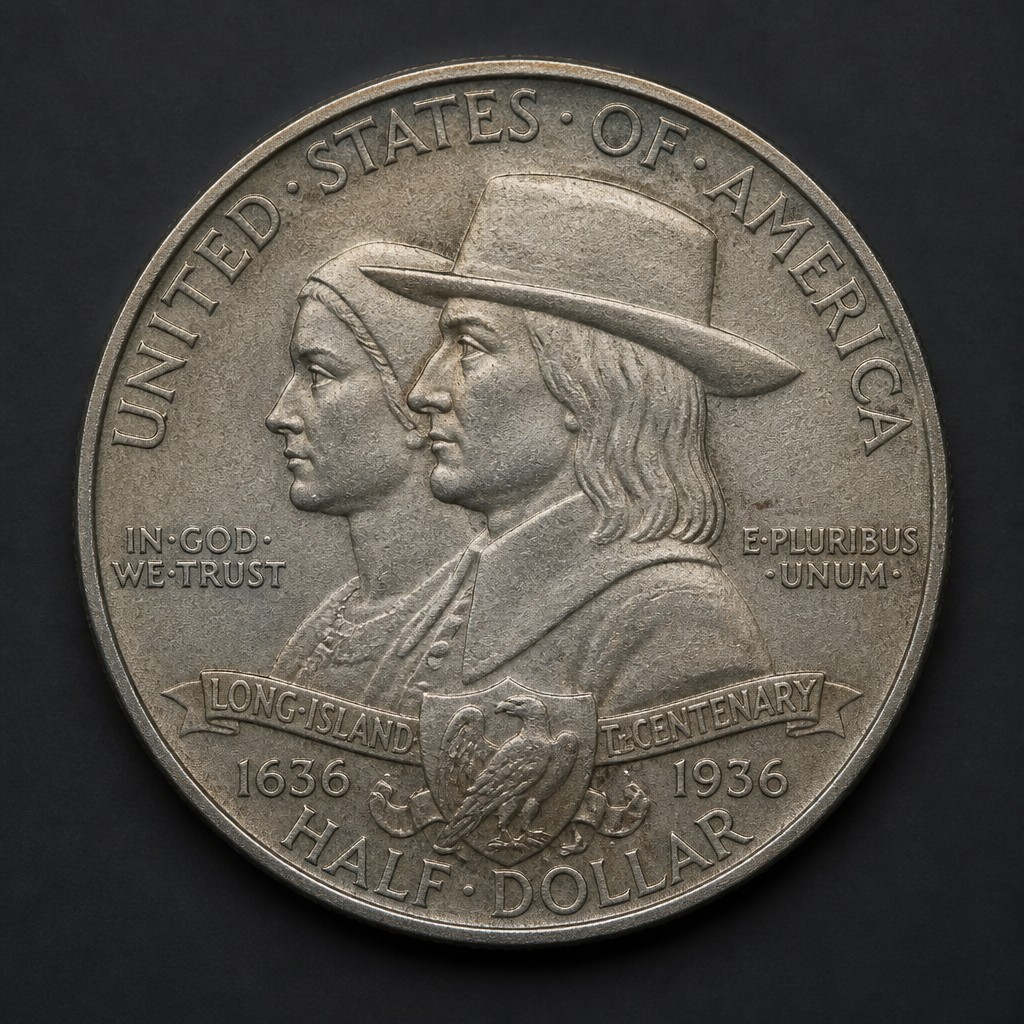
Long Island Tercentenary Half Dollar
1936
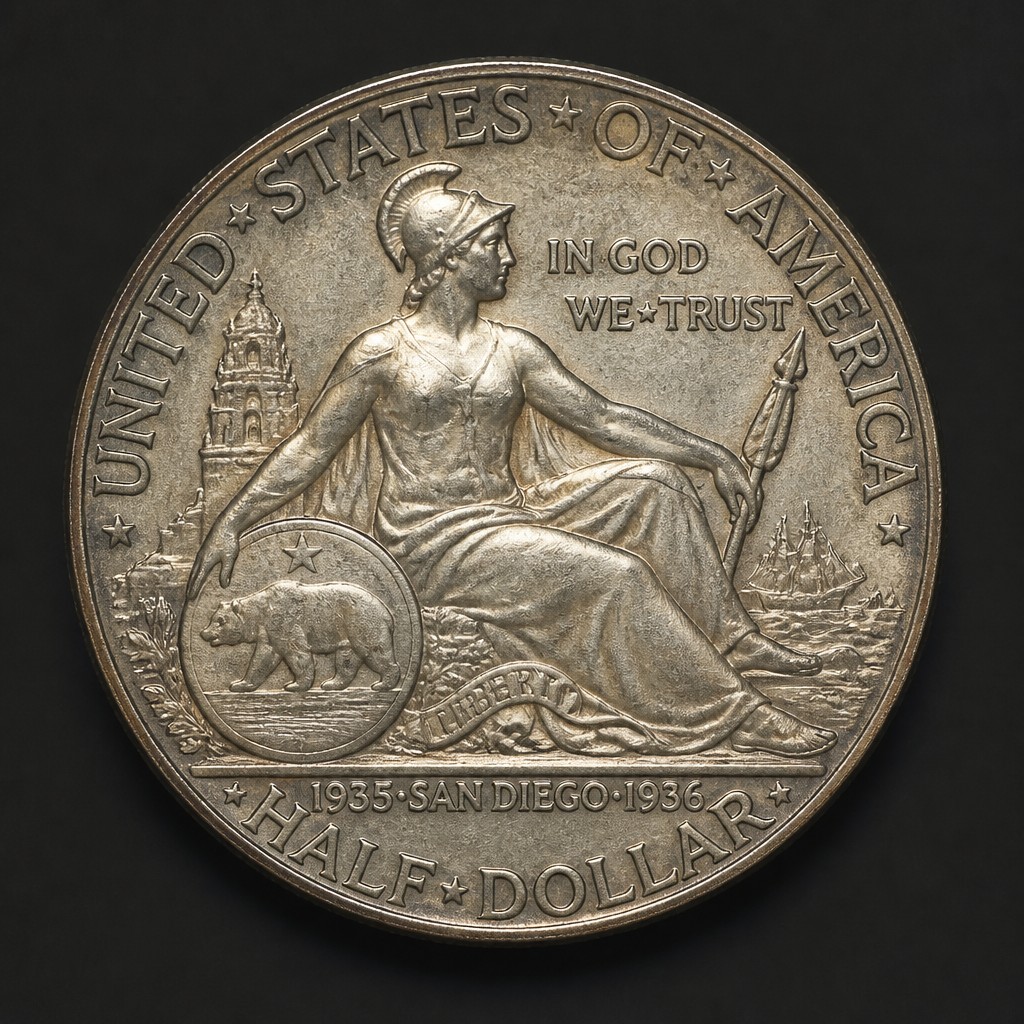
San Diego Pacific Exposition Half Dollar
1935–1936
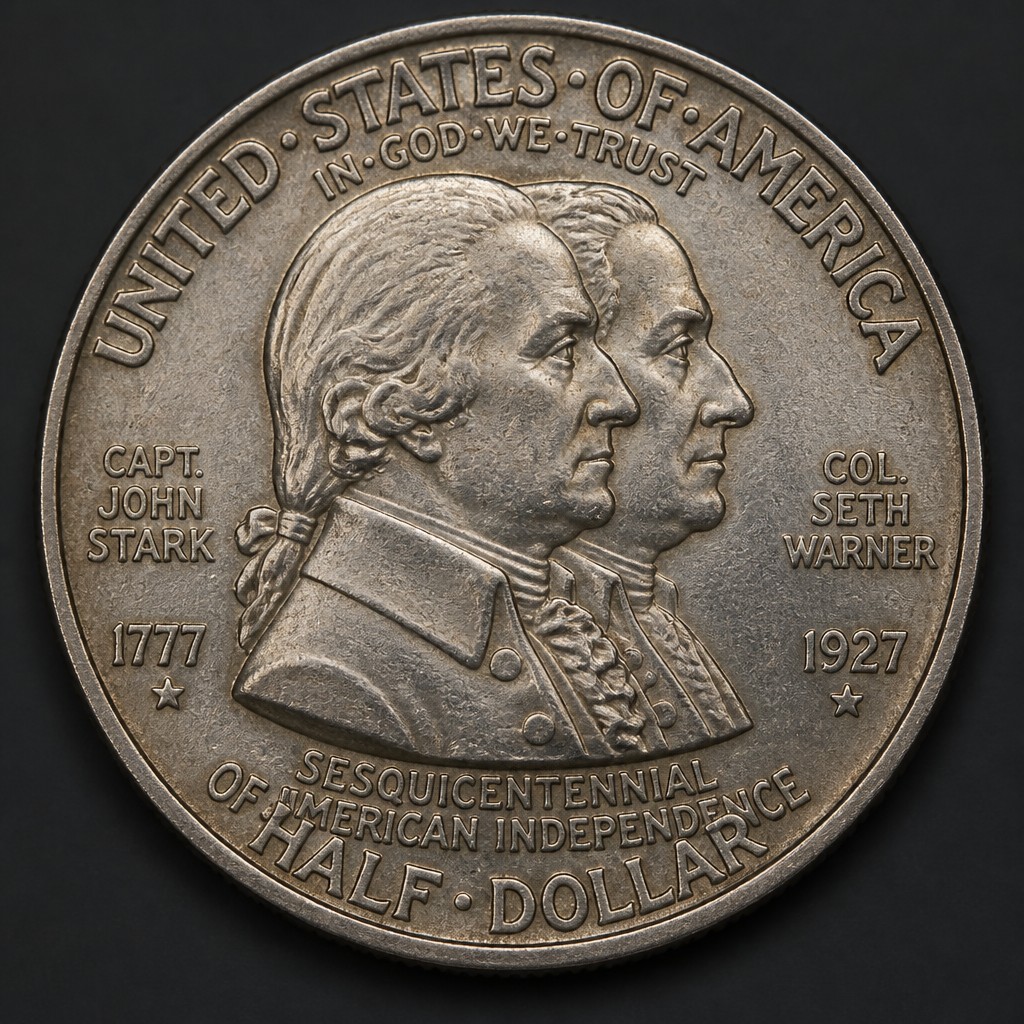
Vermont Sesquicentennial Half Dollar
1927
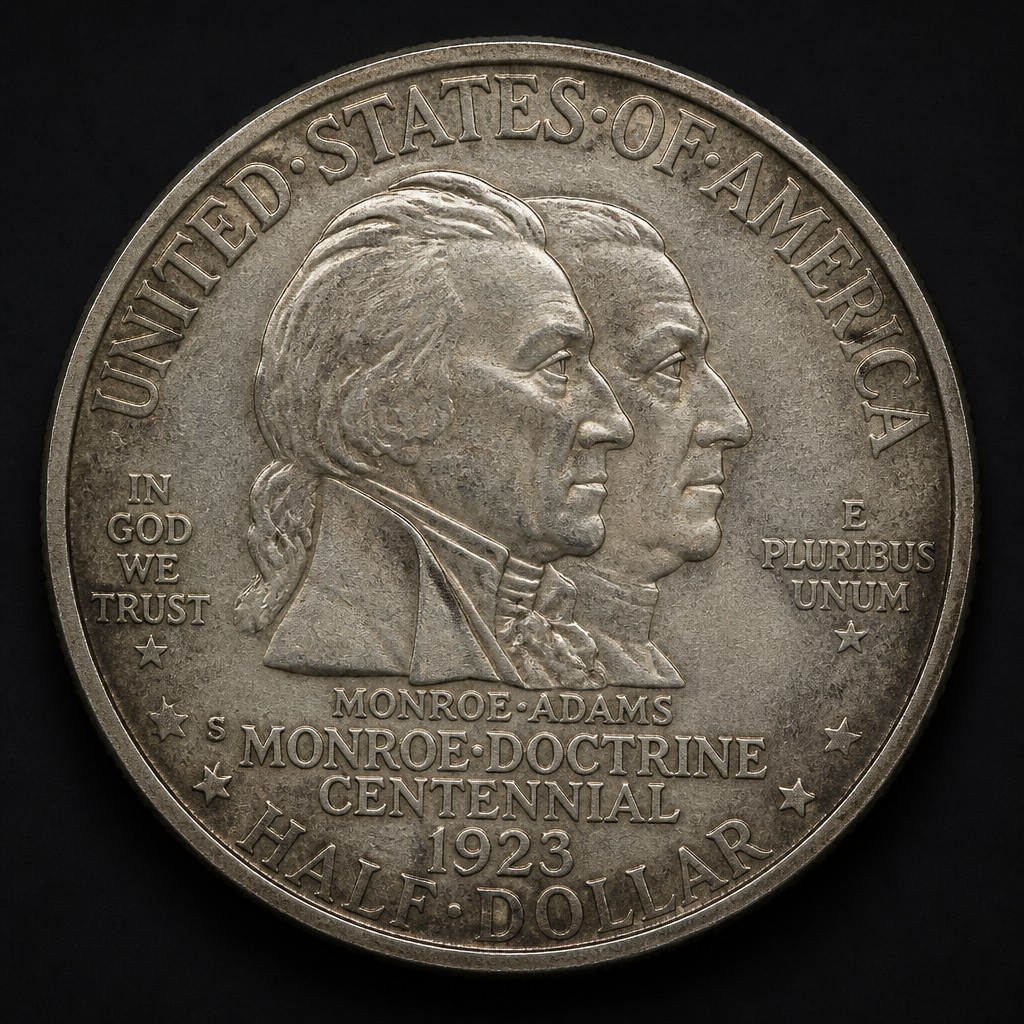
Monroe Doctrine Centennial Half Dollar
1923
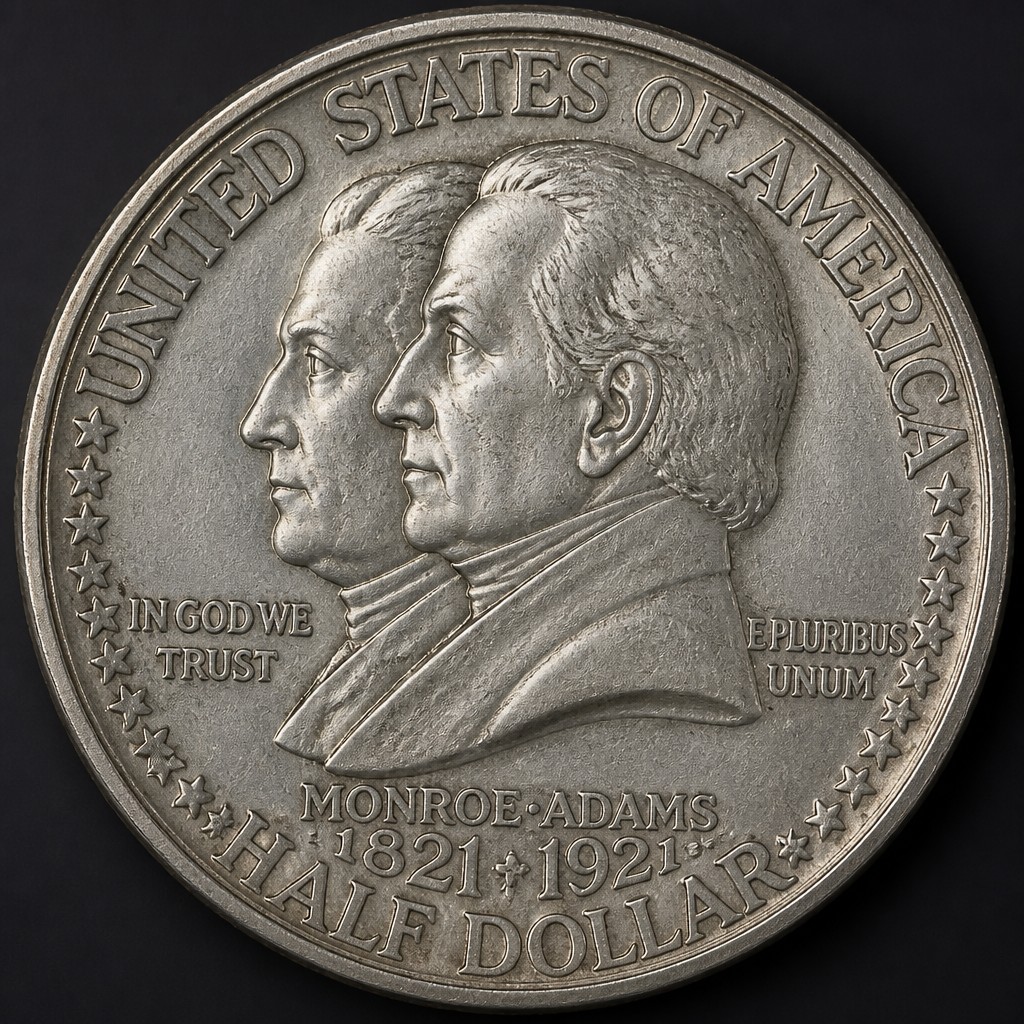
Alabama Centennial Half Dollar
1921
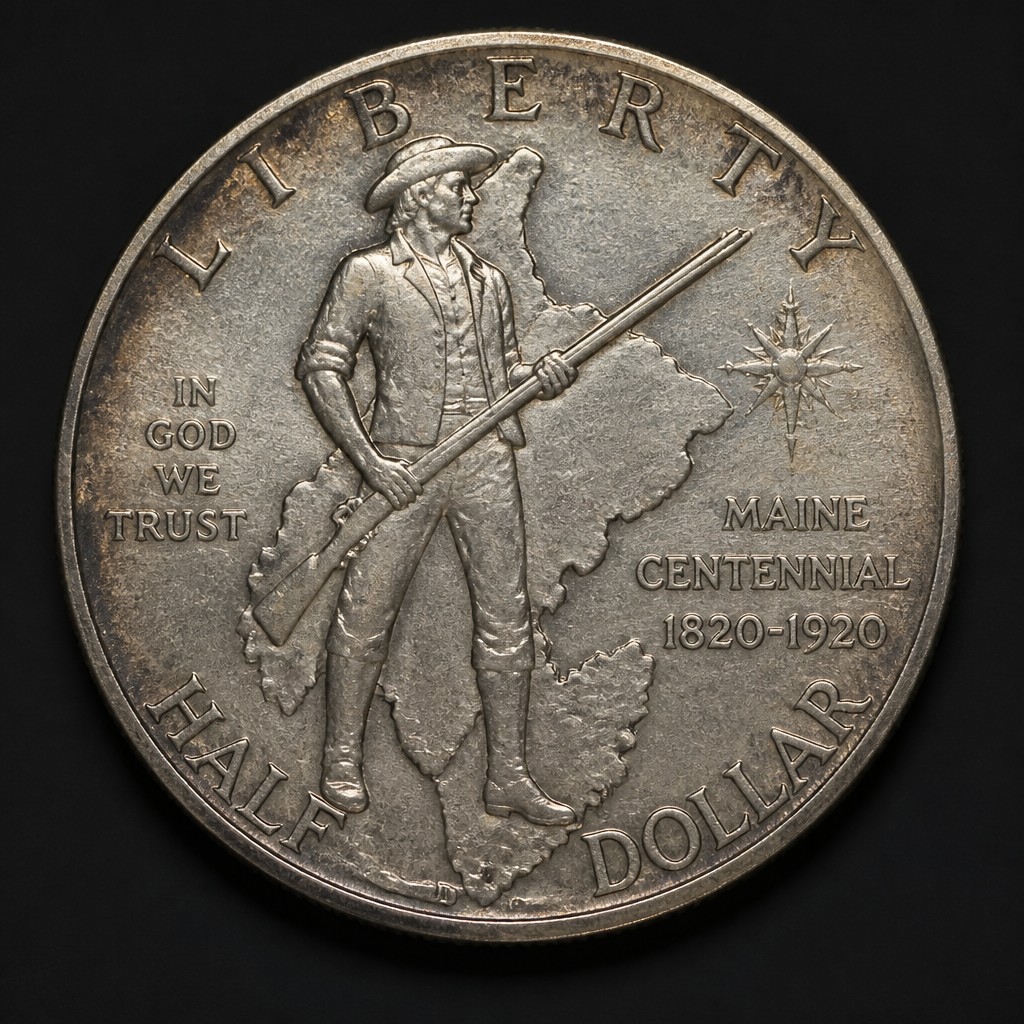
Maine Centennial Half Dollar
1920
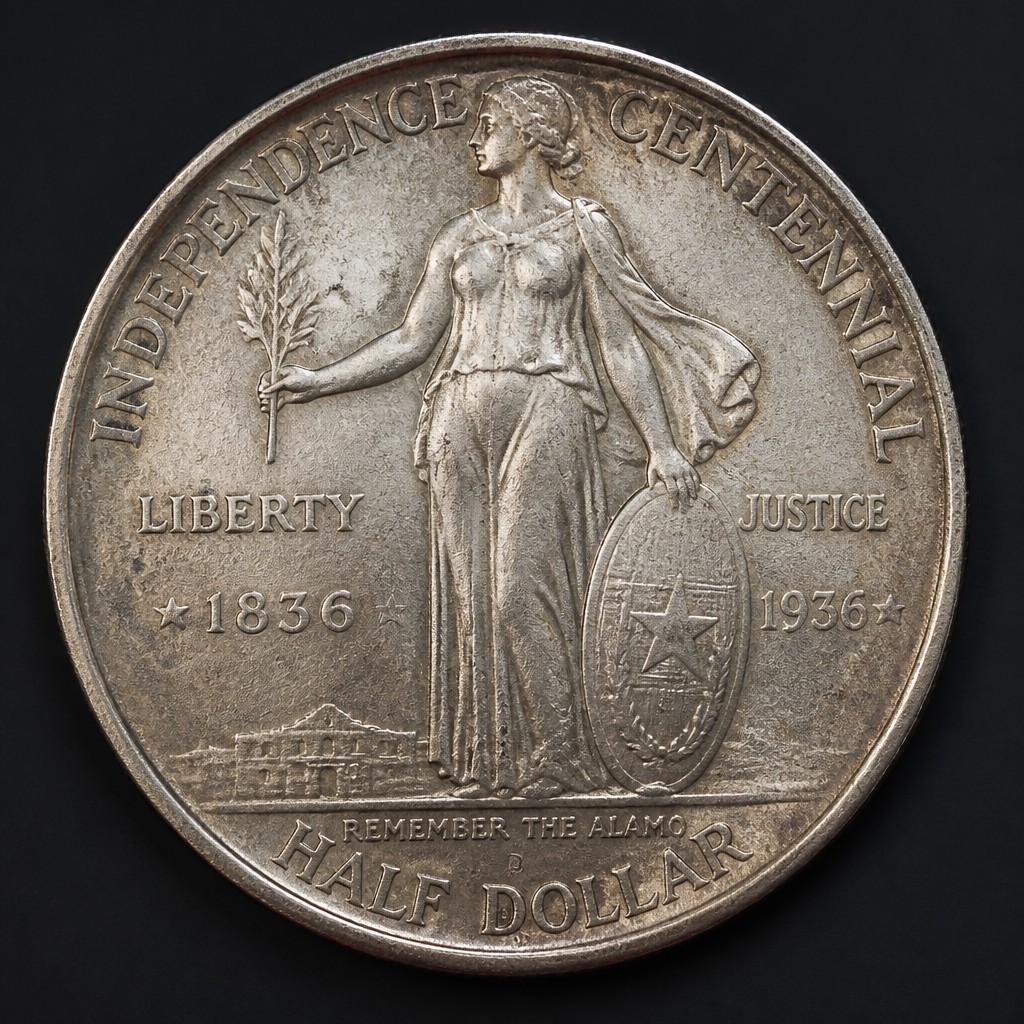
Texas Independence Centennial Half Dollar
1934–1938
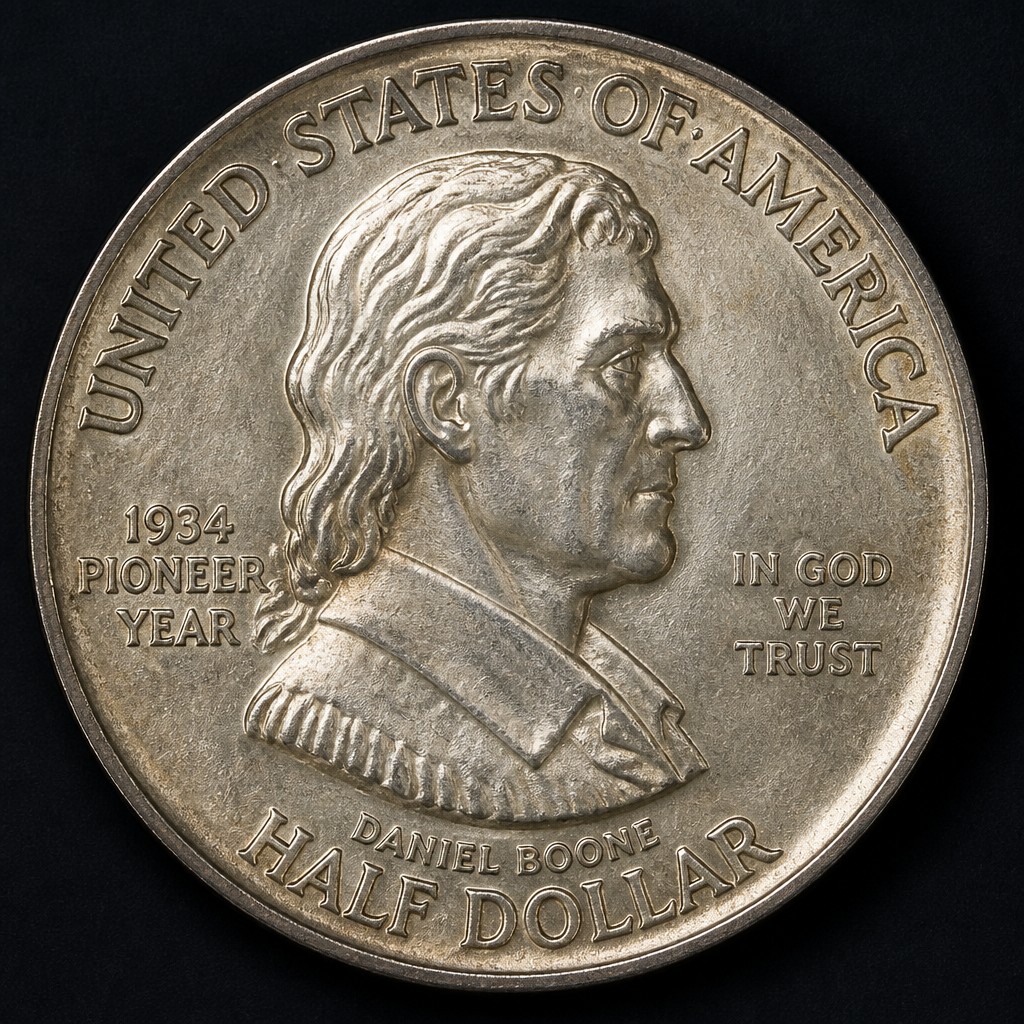
Daniel Boone Bicentennial Half Dollar
1934–1938
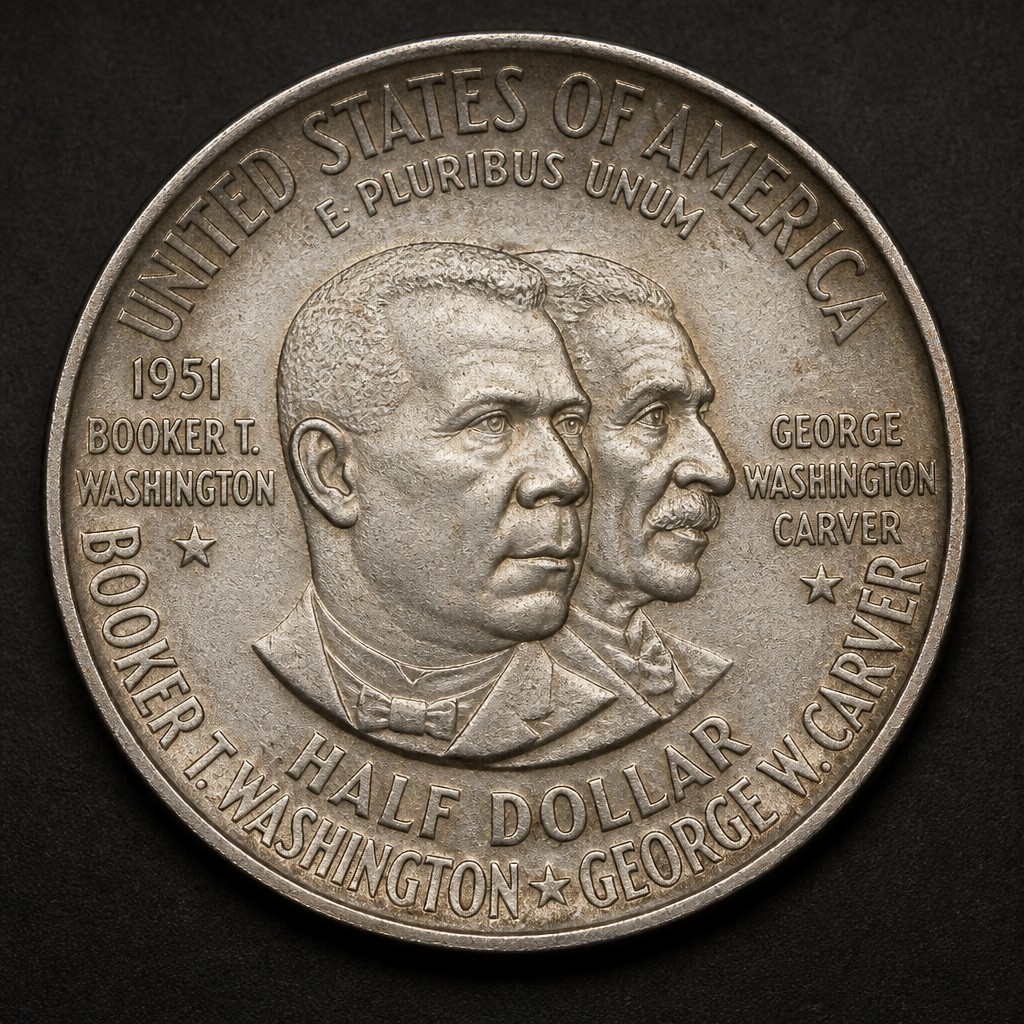
Washington-Carver Half Dollar
1951–1954