
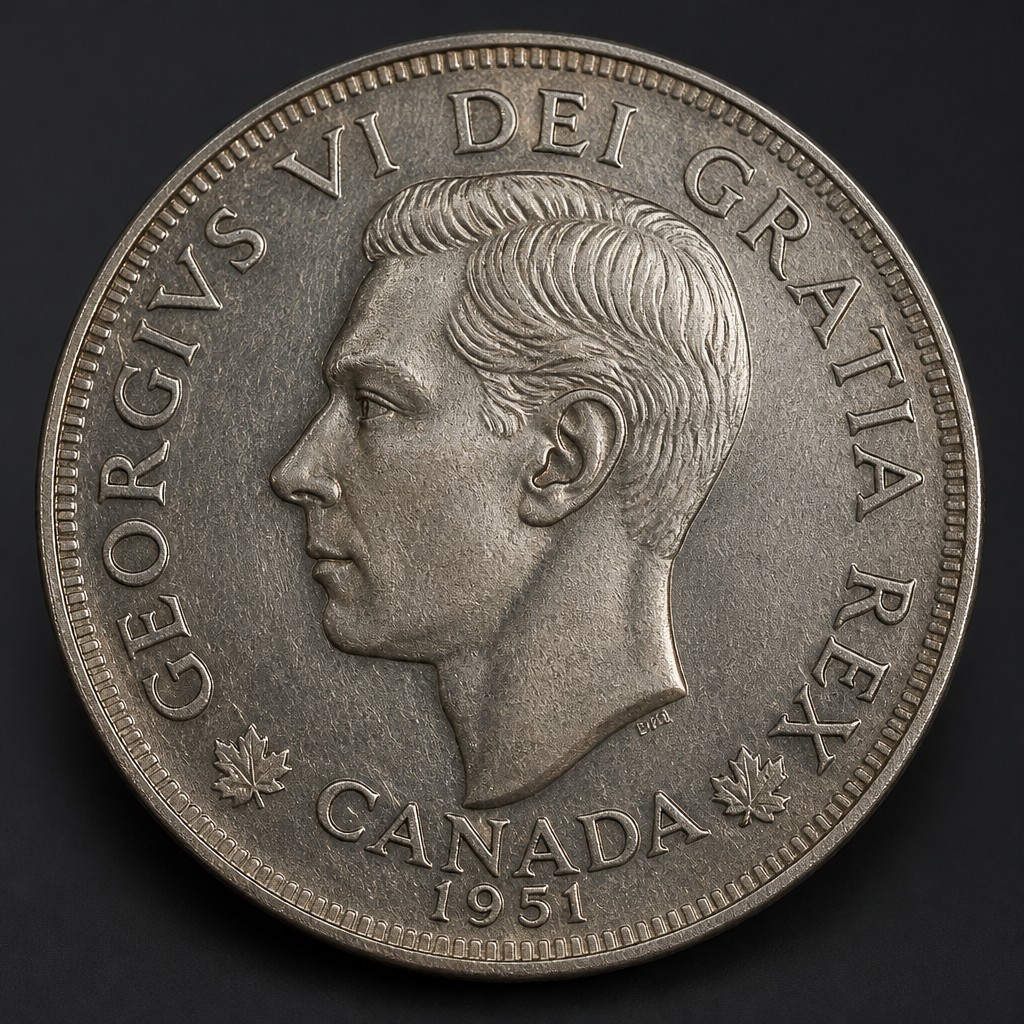
1951 Nickel Commemorative Five Cents
A special Canadian five-cent coin marking the 200th anniversary of the isolation of the element nickel, struck in the metal itself to honor Canada's role as a leading nickel producer.
- Country
- Canada
- Denomination
- Five Cents
- Metal
- Nickel (99.9%)
Got a coin like this?
Identify any coin from a photo, free.
Overview
The 1951 commemorative five-cent piece is a rare instance of Canada temporarily setting aside the familiar beaver reverse design to celebrate a scientific and industrial milestone: the 200th anniversary of the discovery of nickel as a distinct chemical element. Fittingly, the coin was struck in solid nickel at a time when regular circulating five-cent coins were being made of steel due to wartime-era metal restrictions carried into the Korean War period.
Collectors enjoy the coin both as a one-year departure from the standard beaver design and as an unusual case of a coin literally made of the metal it commemorates.
History & Background
Nickel was first identified and isolated as a distinct element in 1751 by Swedish mineralogist Axel Fredrik Cronstedt. Canada, and in particular the Sudbury region of Ontario, had by the mid-20th century become one of the world's most important sources of nickel ore, giving the country a natural connection to the anniversary.
To mark the bicentennial in 1951, the Royal Canadian Mint issued a special one-year five-cent design in place of the regular beaver reverse, while ordinary circulating five-cent coins that year continued to be struck in chrome-plated steel due to metal restrictions related to the Korean War. The commemorative piece was deliberately struck in nickel itself, underscoring the connection between the coin's design and Canada's nickel industry.
After this single commemorative year, the five-cent coin reverted to the traditional beaver design for subsequent circulating issues, making the 1951 commemorative a distinct one-year type within the broader five-cent series.
How to Identify
The obverse carries the crowned portrait of King George VI with the standard Canadian royal legend. The reverse departs from the familiar beaver design, instead presenting artwork associated with nickel production and industry to mark the metal's bicentennial, along with the denomination and date.
The coin's nickel composition gives it a bright silvery-gray appearance, distinct from the duller chrome-plated steel five-cent coins struck for regular circulation the same year. Collectors should compare the reverse design carefully, since the commemorative and the regular 1951 steel five-cent share a date but differ in both design and metal.
No mint mark distinguishes the coin, as it was produced solely at the Ottawa mint.
Value & Collectibility
The 1951 commemorative five-cent is common enough that it is affordable across most grades, making it an accessible one-year type coin for collectors. Choice uncirculated examples with strong luster and a sharp strike command a modest premium over circulated pieces.
Its main appeal lies in its unusual, one-year-only design and its thematic connection to Canada's nickel industry rather than outright scarcity, making it a popular addition to Canadian five-cent type sets.
Frequently asked questions
What does the coin commemorate?
It marks the 200th anniversary of the isolation of nickel as a chemical element in 1751 by Axel Fredrik Cronstedt.
Why is the coin made of nickel when others from 1951 are steel?
The commemorative coin was deliberately struck in nickel to honor the metal itself, while regular circulating five-cent coins that year used steel due to Korean War-era metal restrictions.
Is this coin rare?
No, it is common and affordable in most grades.
How can I tell it apart from the regular 1951 five-cent coin?
Compare the reverse design and the coin's color; the commemorative has a special design and a brighter nickel color, while the regular circulating coin is duller steel with the standard beaver design.
Who is on the obverse?
King George VI appears on the obverse, as he did on all Canadian coinage of the period.
Other coins you may enjoy
1967 Centennial Gold $20 Coin
1967
1976 Montreal Olympics Silver Coin Series
1973–1976
Long Island Tercentenary Half Dollar
1936
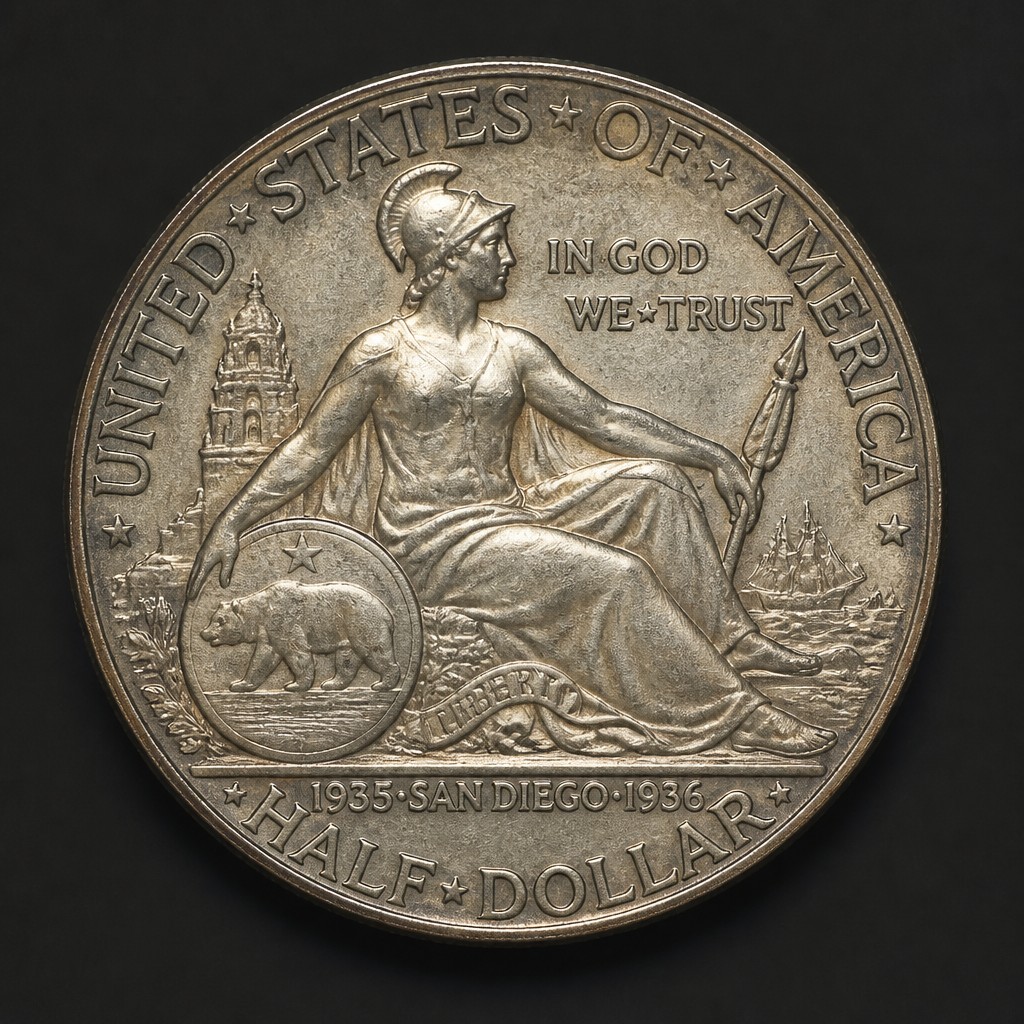
San Diego Pacific Exposition Half Dollar
1935–1936
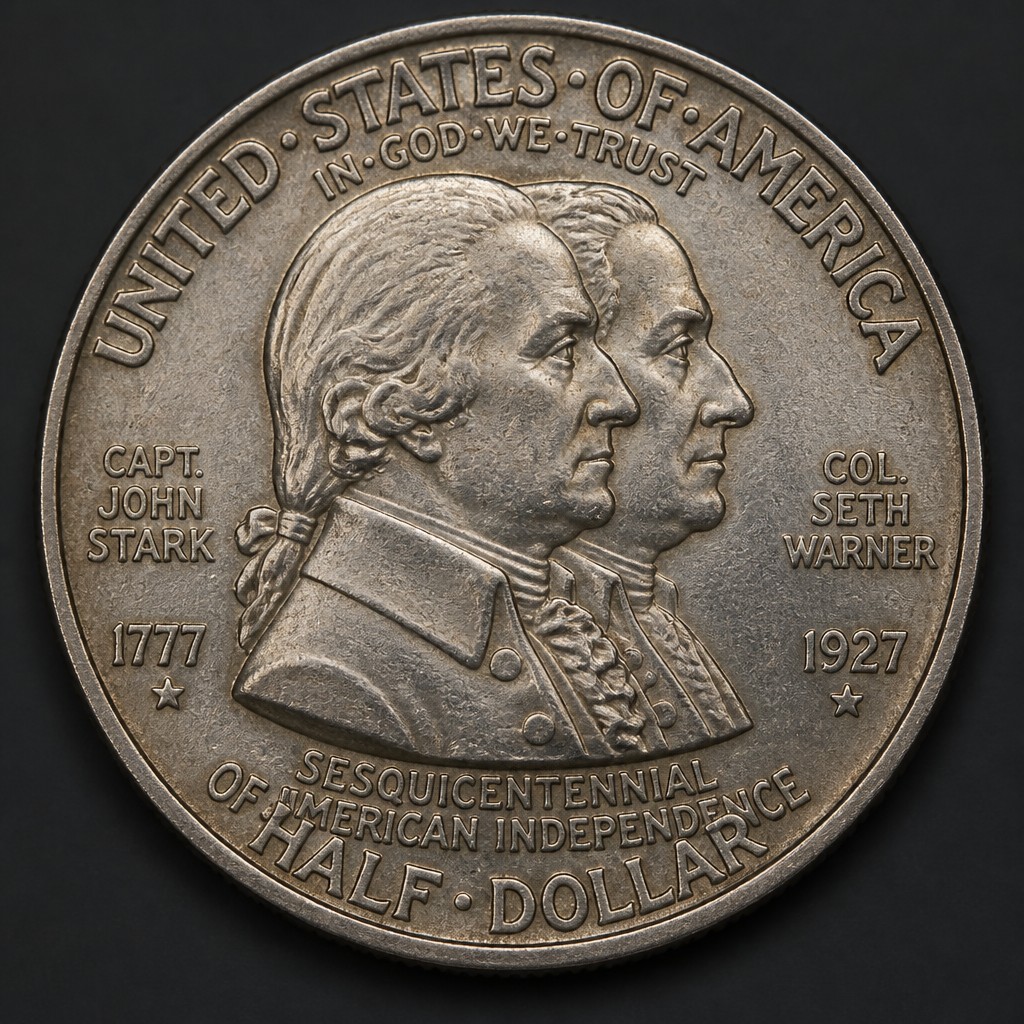
Vermont Sesquicentennial Half Dollar
1927
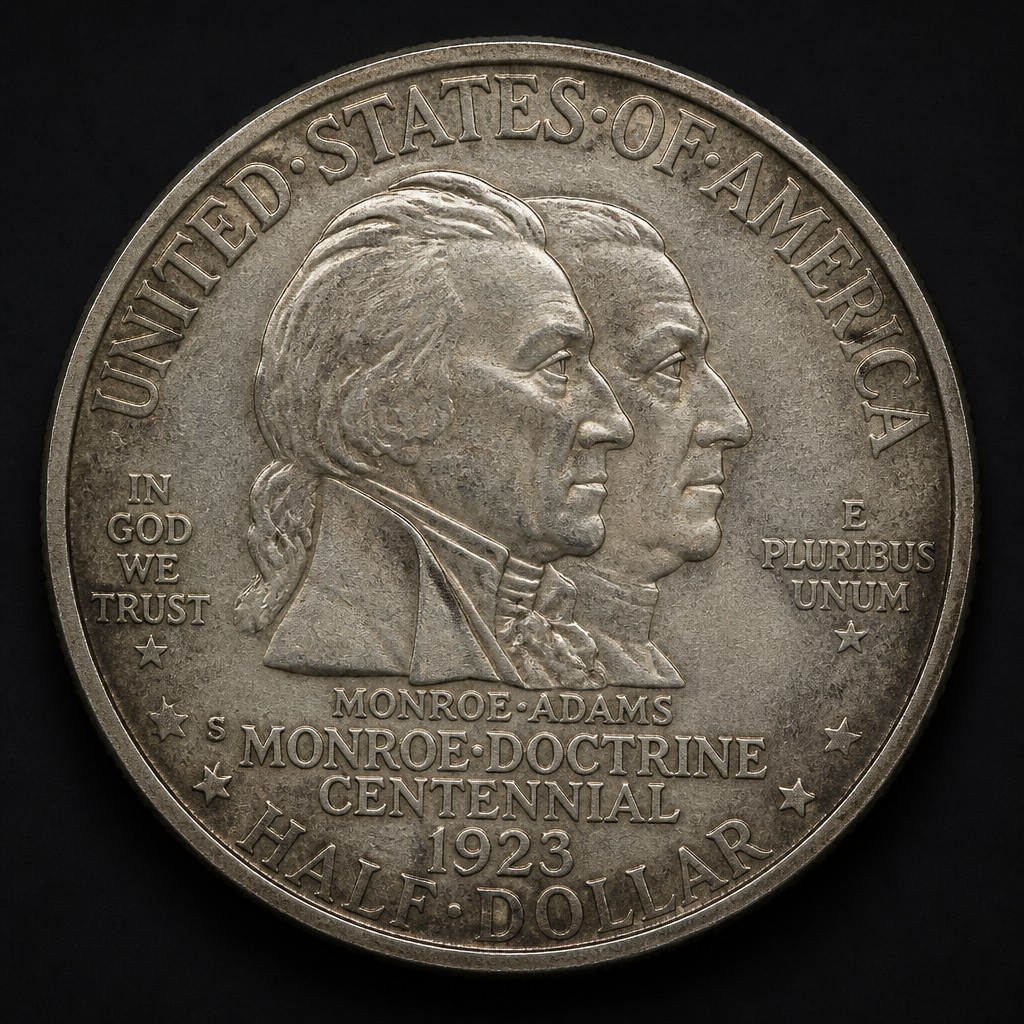
Monroe Doctrine Centennial Half Dollar
1923
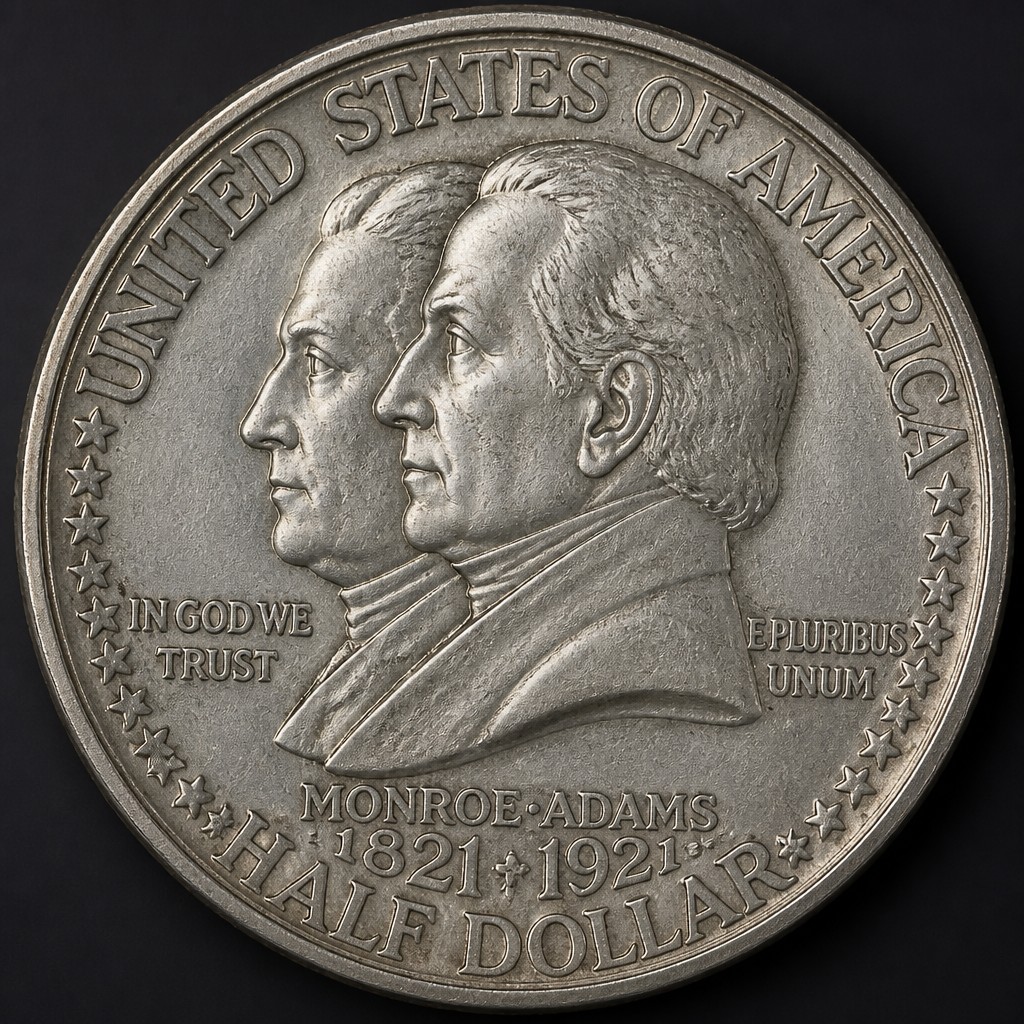
Alabama Centennial Half Dollar
1921
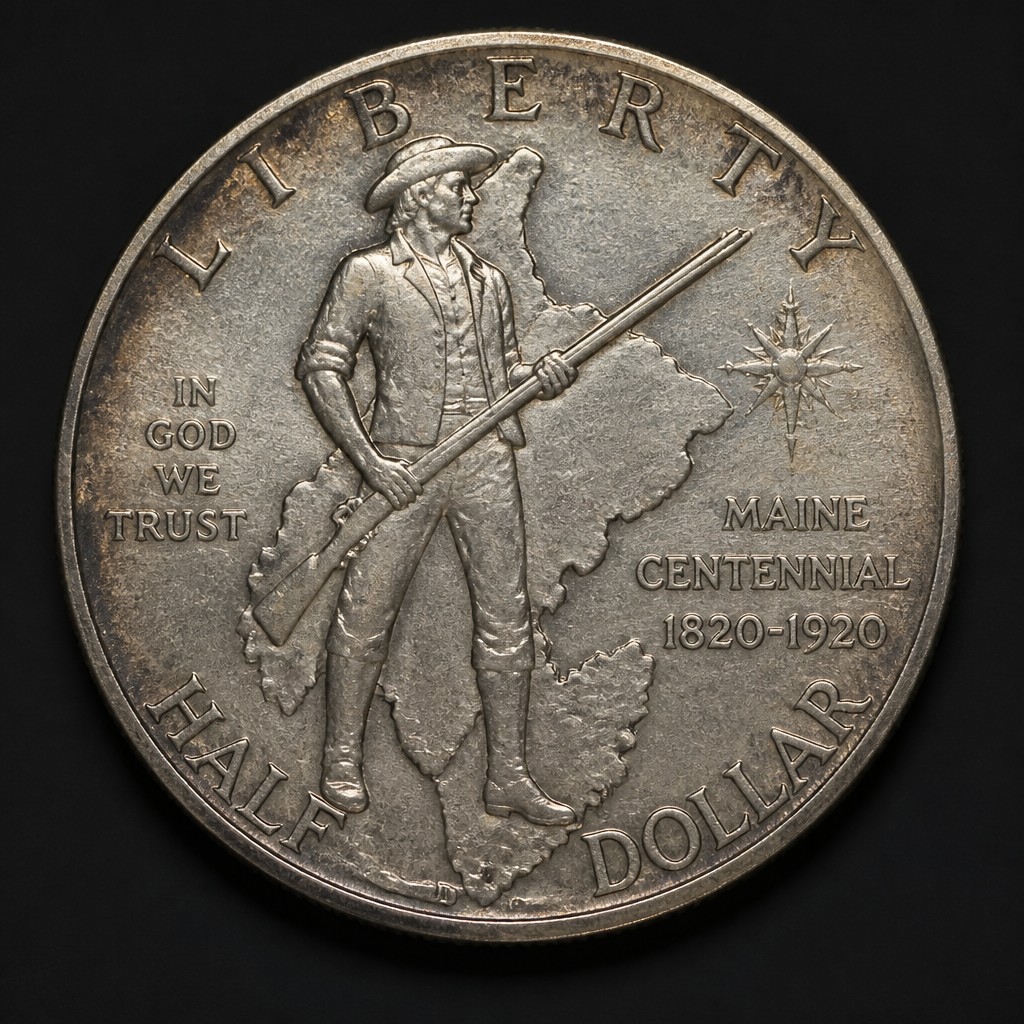
Maine Centennial Half Dollar
1920
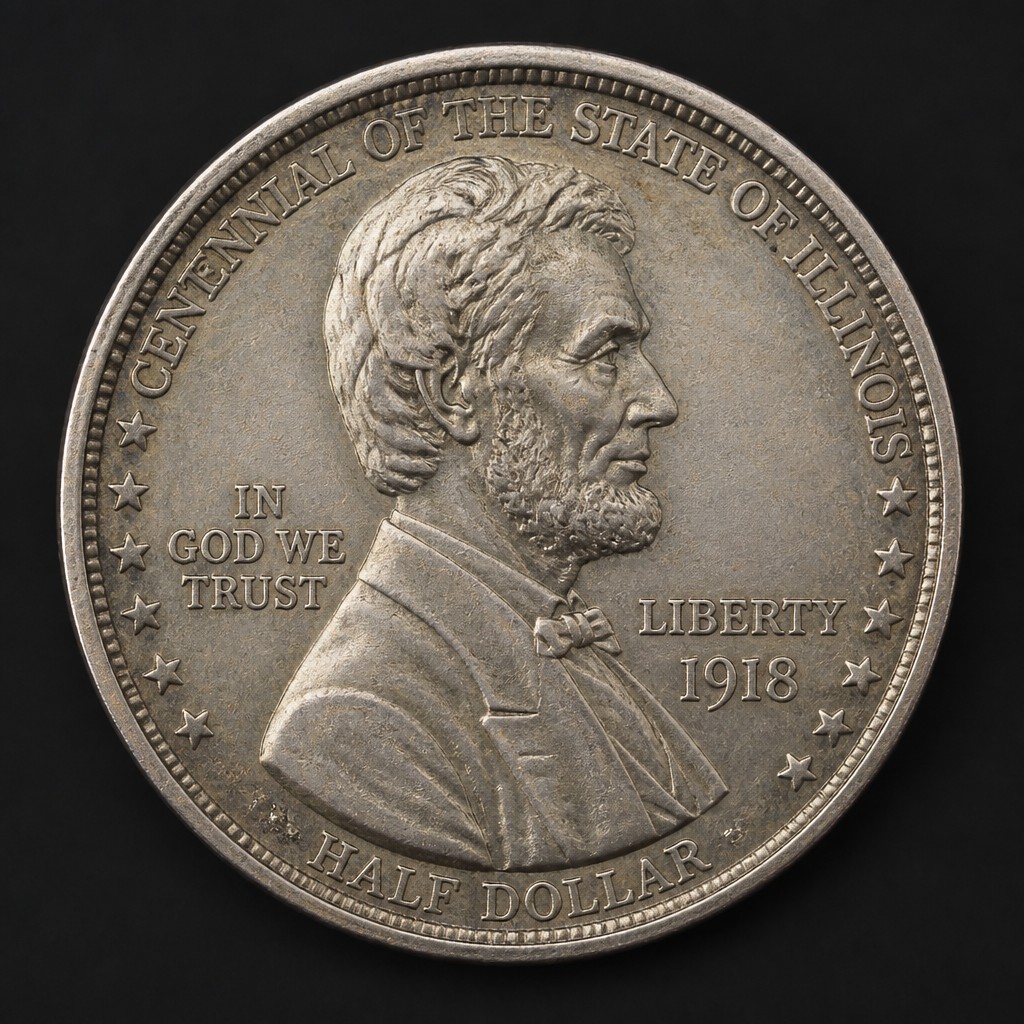
Lincoln-Illinois Centennial Half Dollar
1918
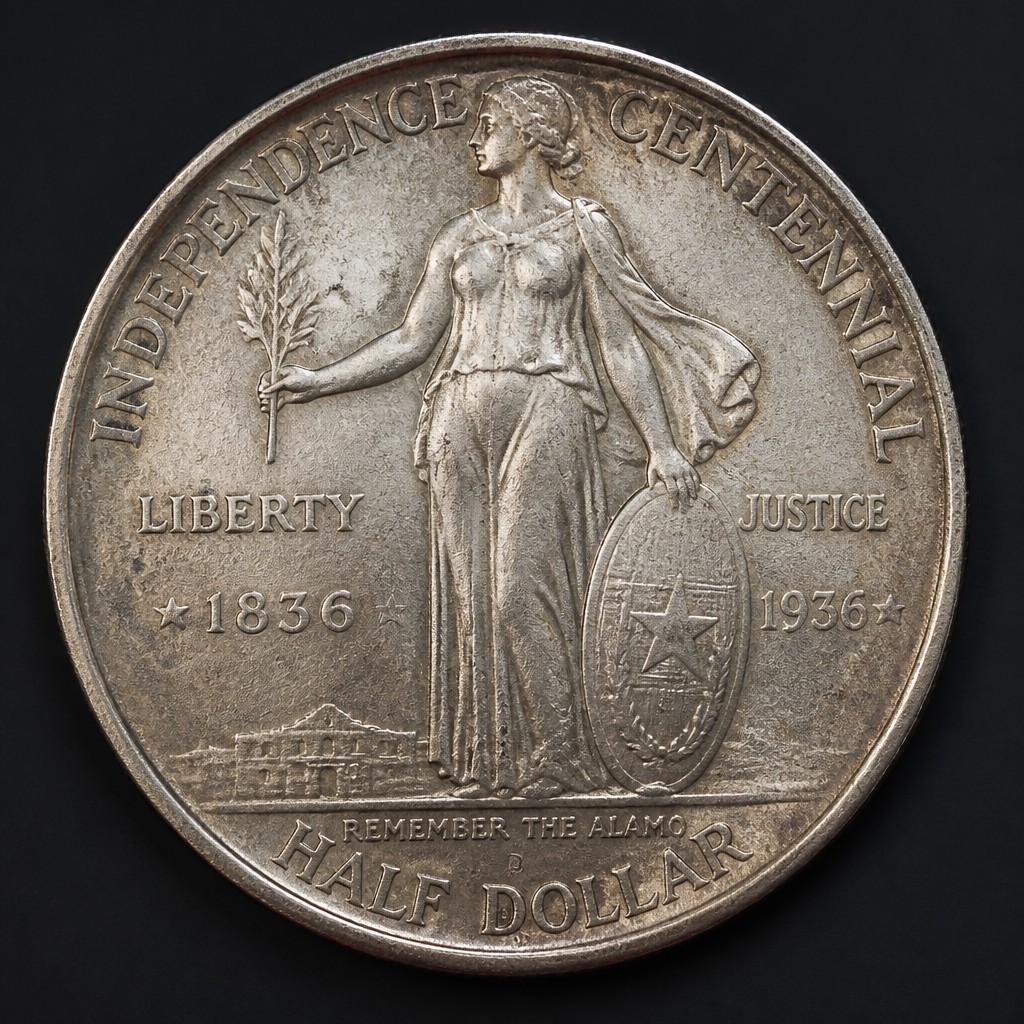
Texas Independence Centennial Half Dollar
1934–1938
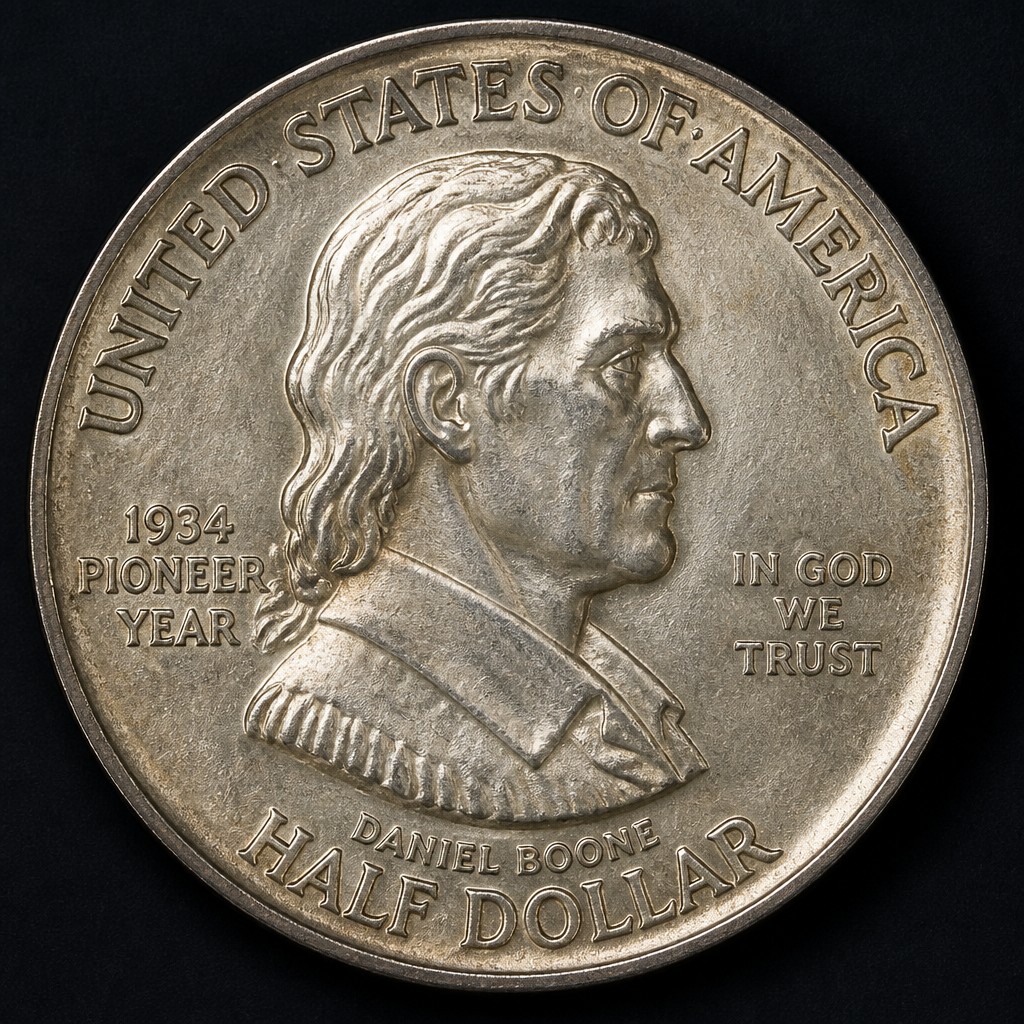
Daniel Boone Bicentennial Half Dollar
1934–1938
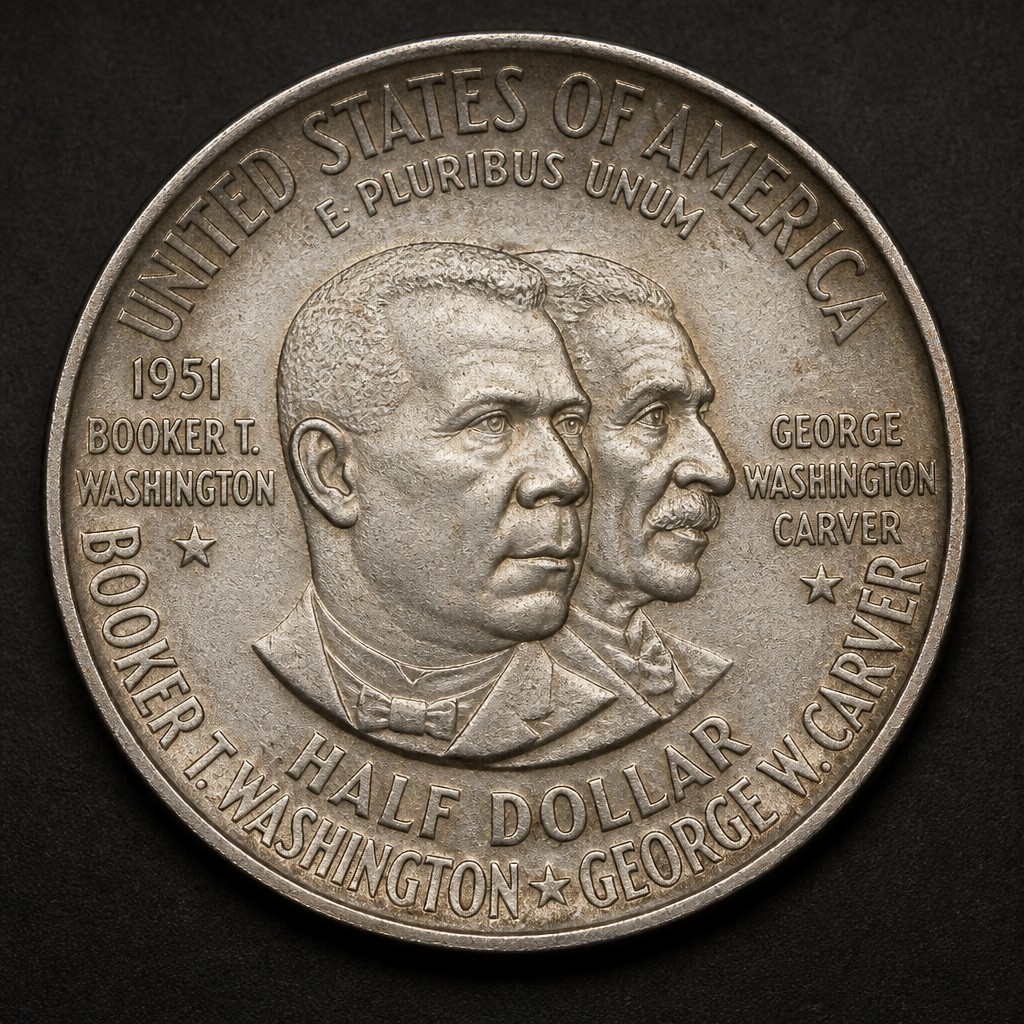
Washington-Carver Half Dollar
1951–1954