
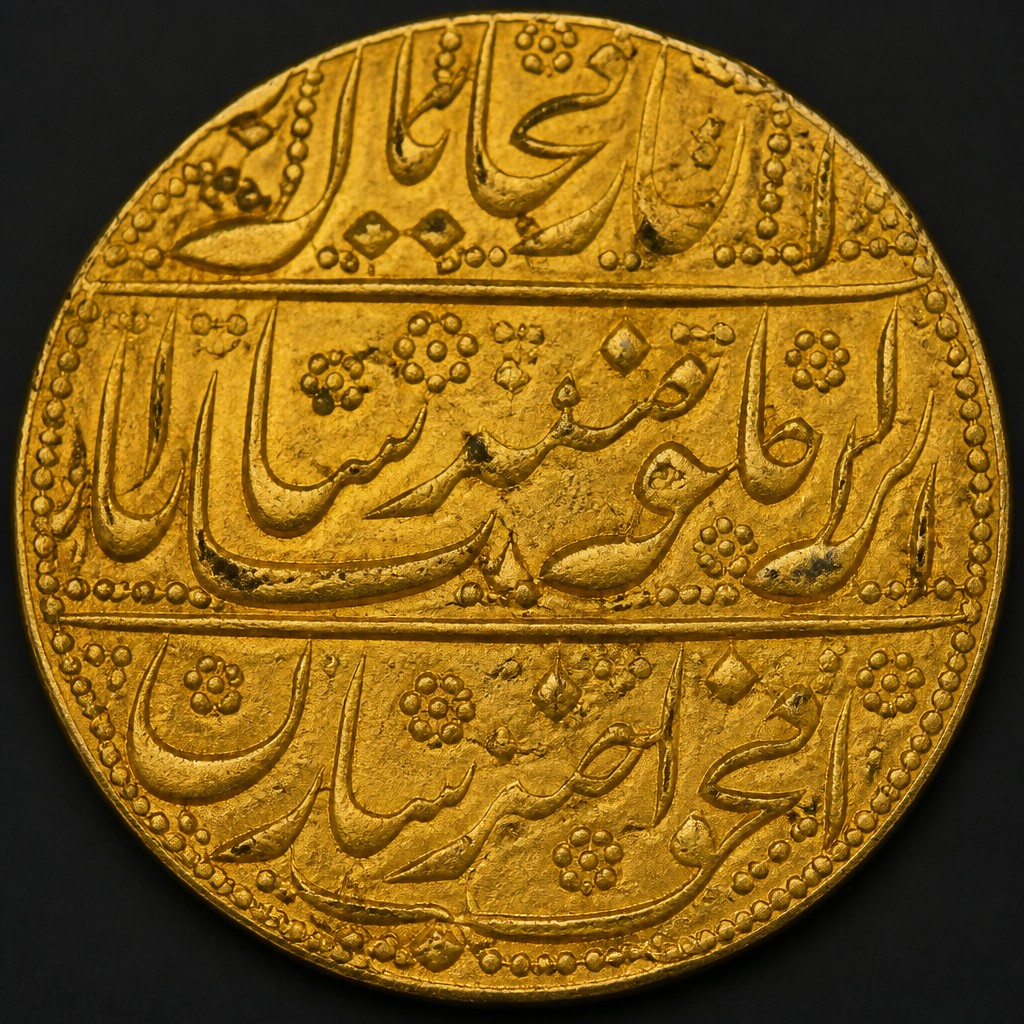
Indian Gold Mohur
The traditional high-value gold coin of the Indian subcontinent, struck for centuries by Mughal emperors, later by the British East India Company, British India, and various princely states.
- Country
- India (Mughal Empire, British India, and princely states)
- Denomination
- Mohur (historically valued at approximately 15 Rupees)
- Metal
- Gold
Got a coin like this?
Identify any coin from a photo, free.
Overview
The Gold Mohur was the premier high-denomination gold coin of the Indian subcontinent for several centuries, serving as the counterpart to the more commonly circulated silver rupee. It was issued across an unusually long span of Indian history, from the Mughal Empire through the era of British colonial rule and by numerous semi-independent princely states.
Collectors are drawn to the mohur both for its often exquisite calligraphic or portrait artwork and for the enormous variety of issuing authorities, mints, and styles, making it a rich and historically layered field within Asian numismatics.
History & Background
The gold mohur tradition began under the Mughal Empire, founded by Babur in 1526, with later emperors such as Akbar, Jahangir, and Shah Jahan issuing richly inscribed gold mohurs at major mints including Agra, Delhi, Lahore, and Surat. Mughal mohurs are especially prized for their fine Persian and Arabic calligraphy, and in some cases, unusually artistic issues such as the famous zodiac and portrait mohurs of Jahangir.
As Mughal central authority declined in the 18th century, regional rulers and eventually the British East India Company began striking their own mohurs, often continuing Mughal-style inscriptions before gradually introducing British imperial imagery. Following the establishment of direct British Crown rule in 1858, the India Office issued mohurs bearing the portrait of the British monarch, including Queen Victoria, continuing a long numismatic lineage until India's independence in 1947, after which the denomination fell out of regular use, surviving mainly as a term for certain ceremonial and jewelry gold pieces.
How to Identify
Mughal-era mohurs typically display ornate Persian or Arabic calligraphic inscriptions on both sides, citing the ruling emperor's name, titles, the mint city, and the Islamic (Hijri) year, without pictorial imagery in most standard issues, aside from a small number of unusual figural types. British-era mohurs, by contrast, generally show a portrait of the reigning British monarch on the obverse and a crowned or decorative reverse design with the denomination and date in the Gregorian calendar.
Most mohurs are struck in gold, weighing close to 11 grams, roughly comparable in size and weight to a large gold coin, though exact weight and fineness varied somewhat by period, ruler, and mint. Because dozens of different rulers, mints, and time periods produced mohurs over four centuries, attribution relies on careful reading of the inscribed ruler's name, mint name, and date, alongside comparison of calligraphic or portrait style.
Princely state mohurs, issued by semi-independent Indian states during the British colonial period, add further variety, often combining local rulers' titles or symbols with British-influenced design conventions, requiring specialist reference works to fully attribute.
Value & Collectibility
Because gold mohurs were issued by so many different rulers, mints, and periods, values vary enormously: common British Indian Victoria-era mohurs in worn condition may trade closer to gold melt value with a modest premium, while rare Mughal emperors' mohurs, particularly those from earlier reigns or unusual mints, can command very high prices reflecting their rarity and historical significance.
Exceptional pieces, such as well-documented Mughal portrait or figural mohurs and coins tied to historically significant rulers or events, have achieved substantial prices at major auctions. As with other historic Asian gold coinage, authentication of the specific ruler, mint, and date is important, given the wide range of genuine variations and the existence of later fantasy or tourist-market pieces bearing mohur-style designs.
Frequently asked questions
How much was a gold mohur worth compared to a rupee?
The exchange rate varied over time and by region, but a mohur was generally valued at around fifteen silver rupees during much of the Mughal and British colonial periods.
Why do Mughal mohurs usually lack pictures?
Islamic artistic tradition generally favored calligraphy over figural imagery on official coinage, so most Mughal mohurs display elaborate inscriptions rather than portraits, with a few notable exceptions.
Are all gold mohurs from the same time period?
No, the denomination was struck continuously from the 16th-century Mughal Empire through British colonial India and various princely states, into the 20th century, spanning a very wide range of rulers and styles.
What should I check to identify a specific mohur?
Look for the inscribed ruler's name and titles, the mint city, and the date (Hijri or Gregorian depending on era), then compare against reference guides for that specific ruler and mint.
Other coins you may enjoy
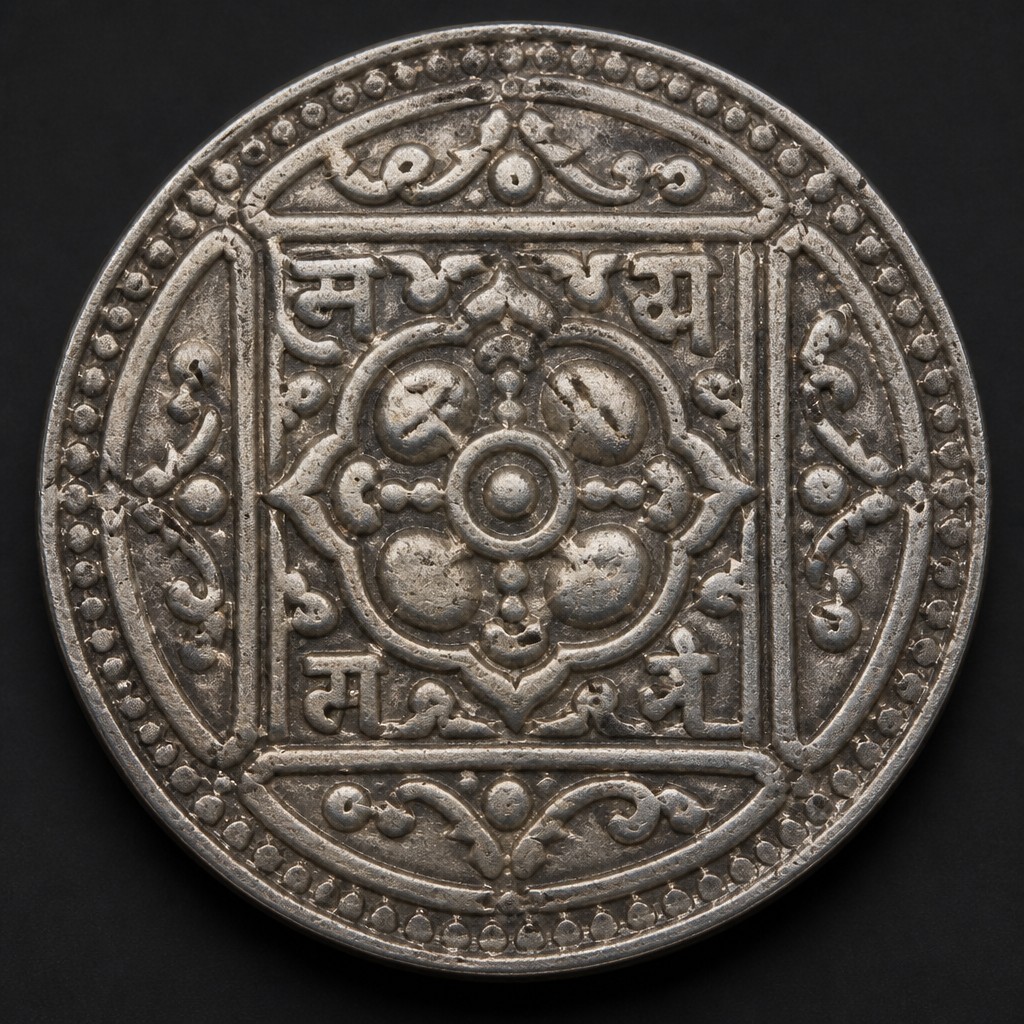
Nepal Silver Mohar
c. 16th–19th century
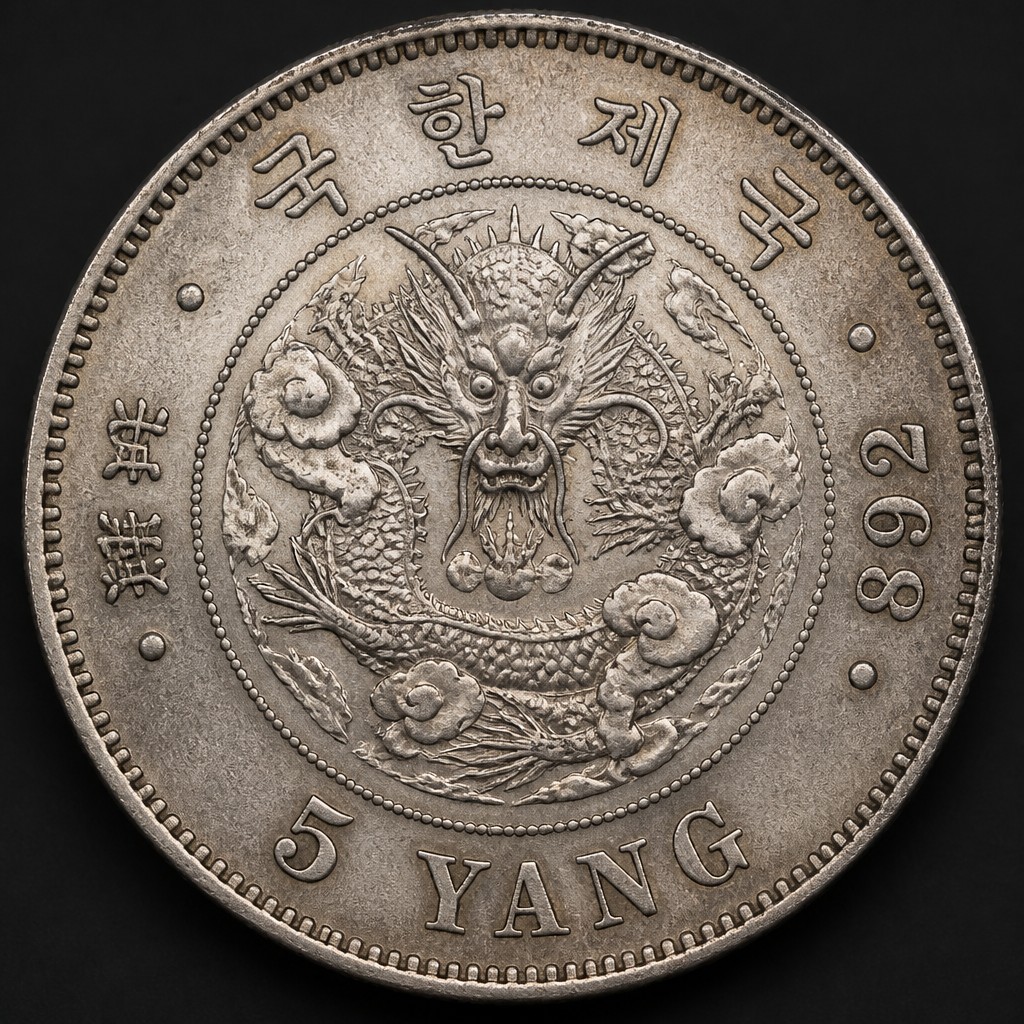
Korean 5 Yang Silver Dollar (1892)
1892
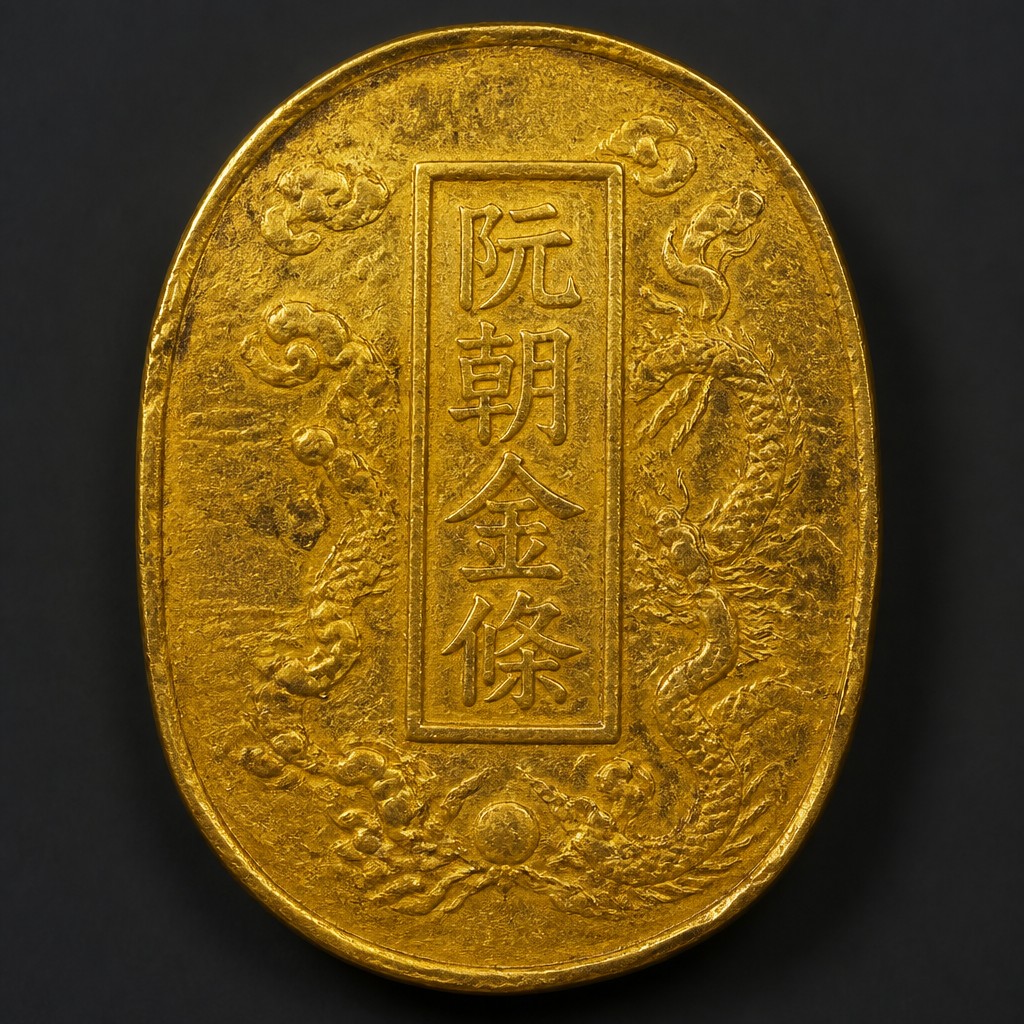
Nguyen Dynasty Gold Bar (Vietnam)
19th century
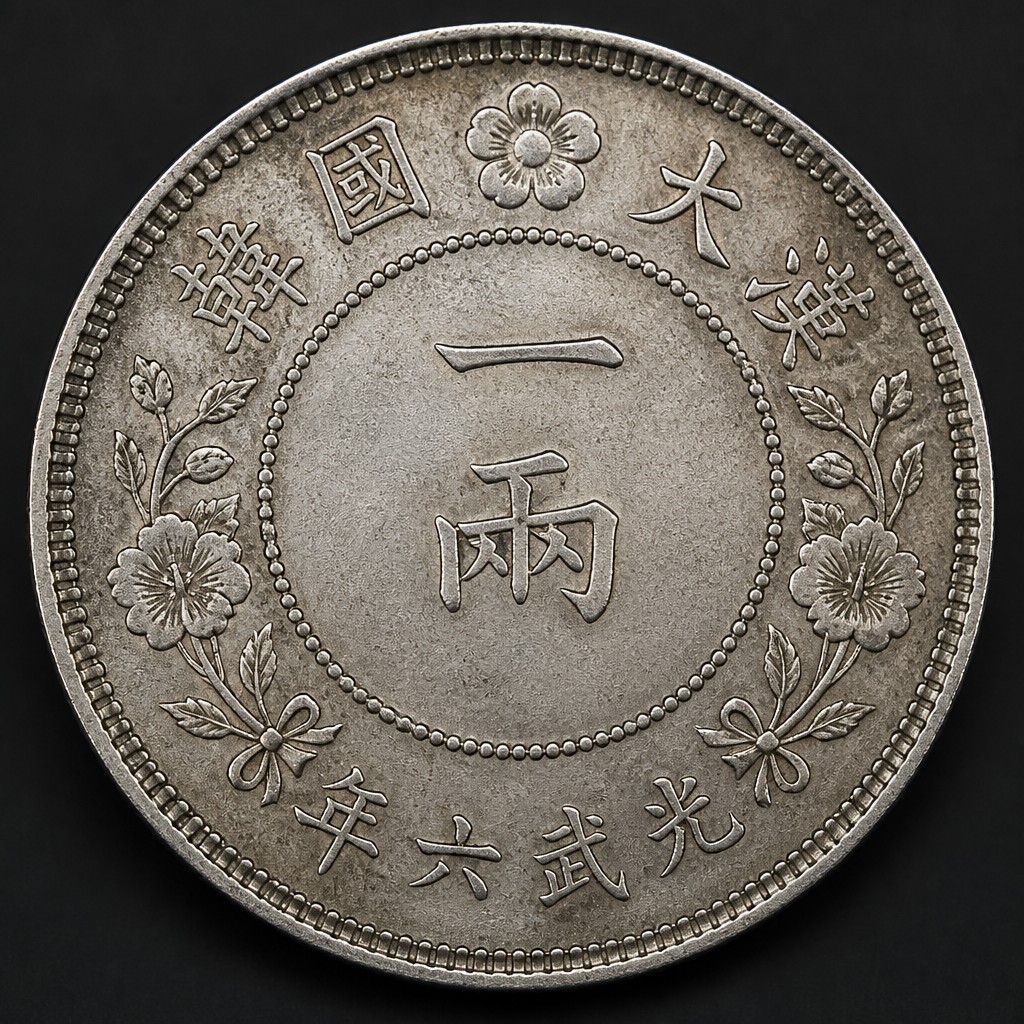
Korean 1 Yang Silver (Joseon/Great Han Empire)
1892–1902
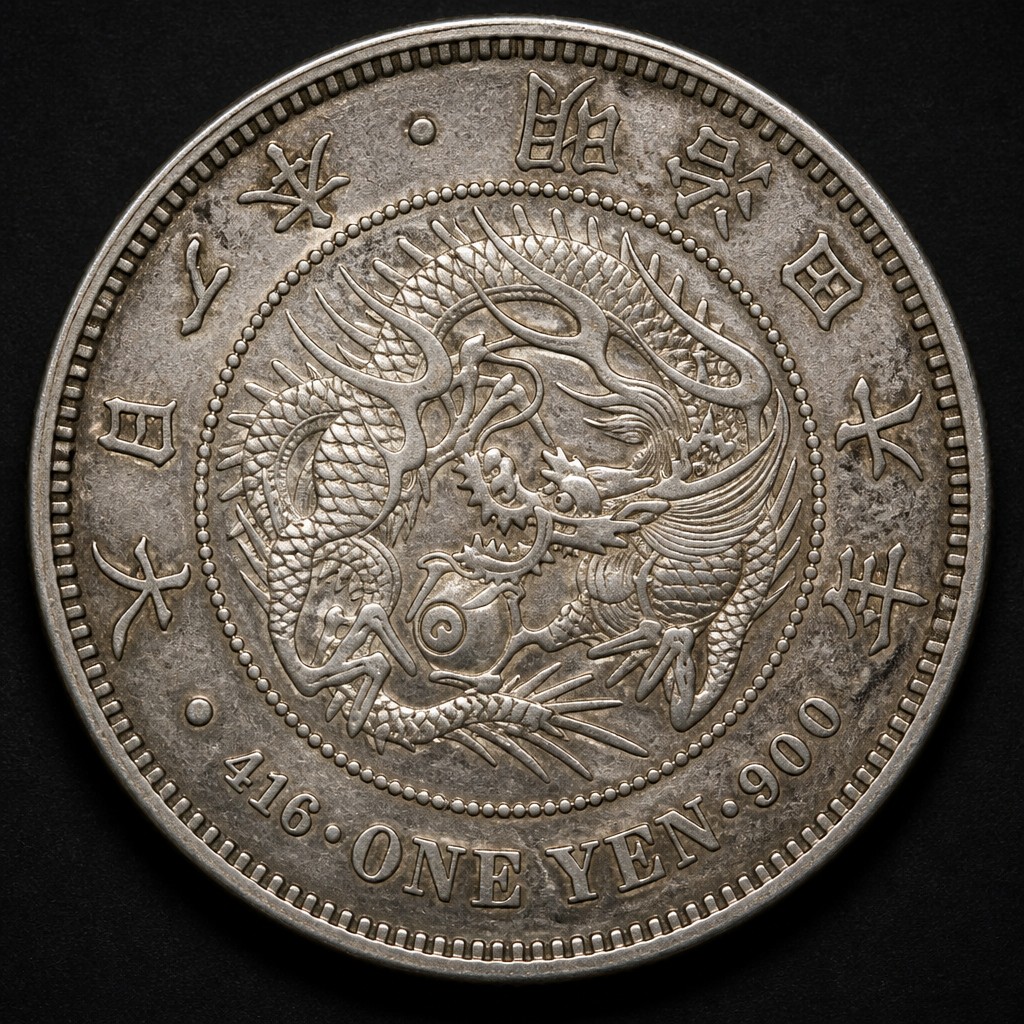
Japanese 1 Yen Silver 'Dragon' Trade Dollar
1870–1914 (trade dollar variant 1875–1877)
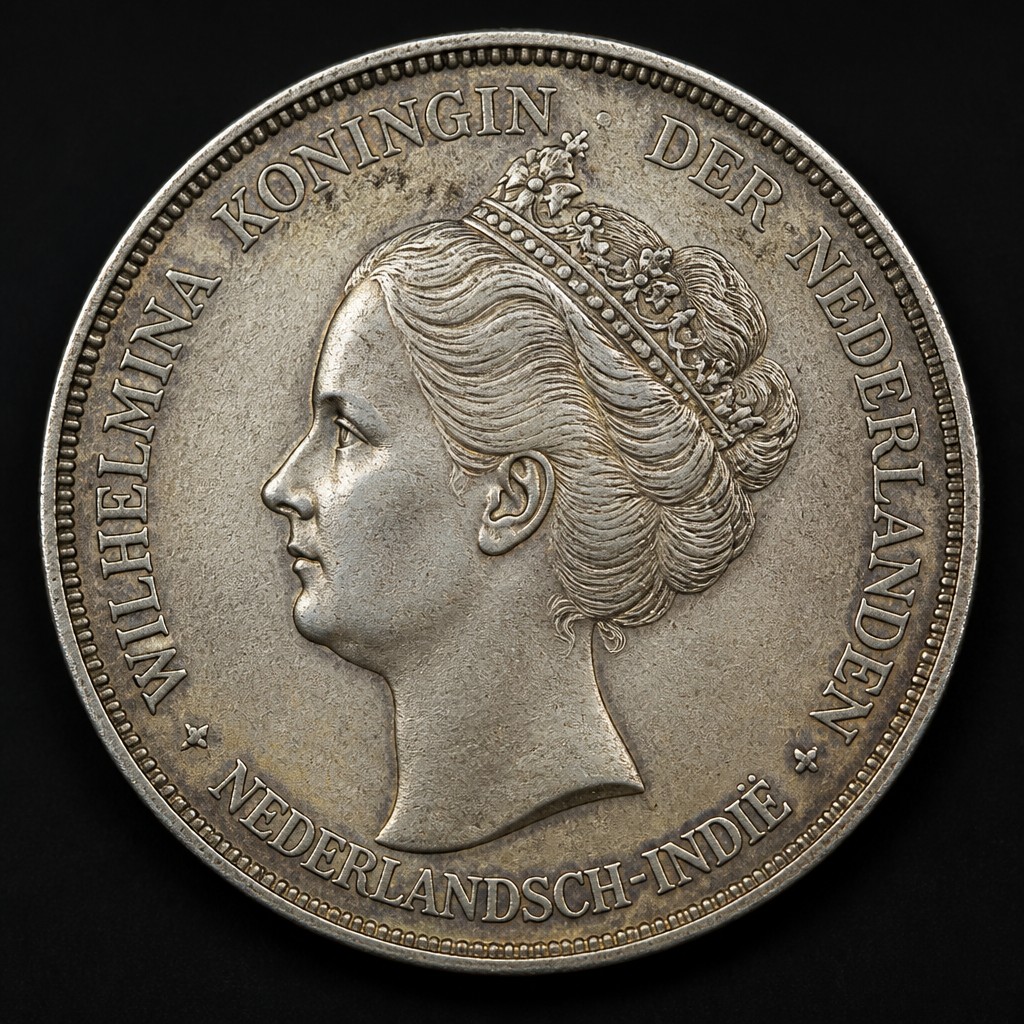
Netherlands East Indies Gulden (Wilhelmina)
1897–1945
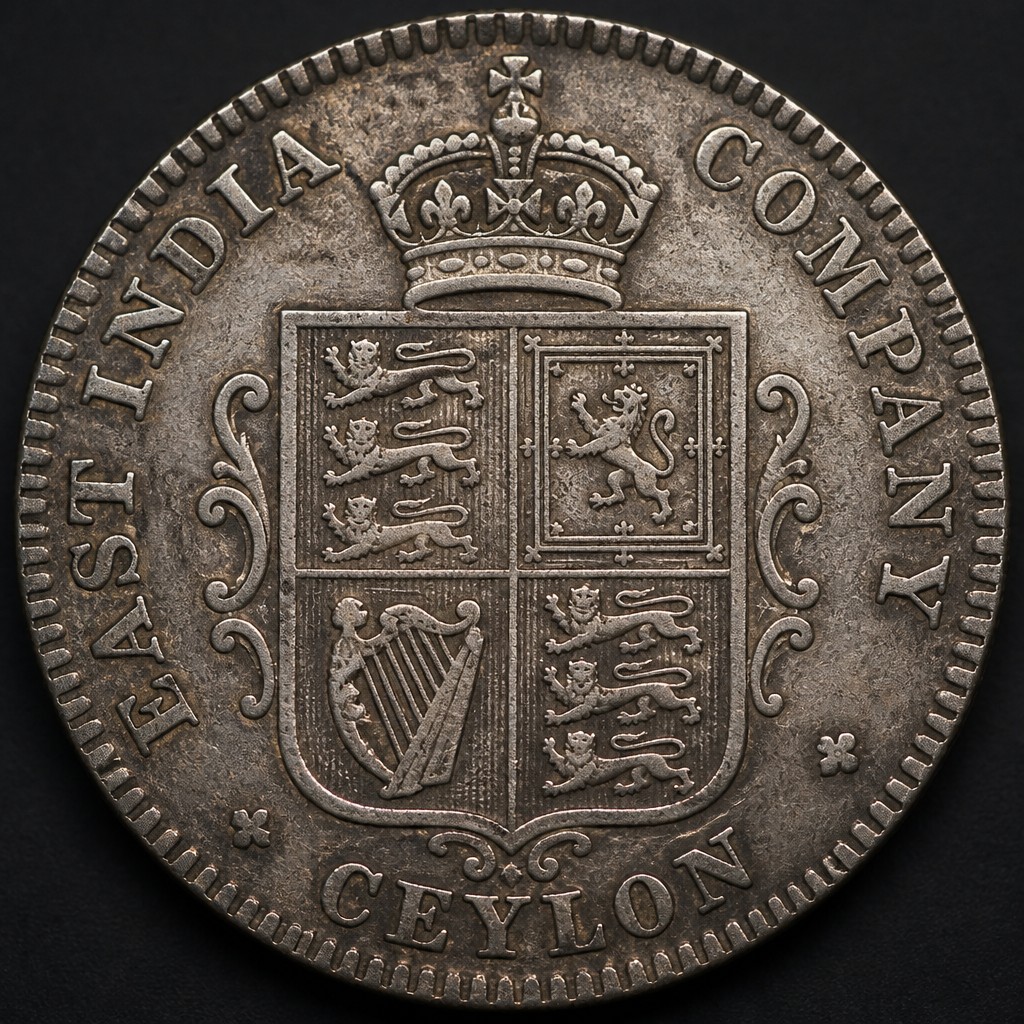
Ceylon (Sri Lanka) EIC Rixdollar
c. 1802–1821
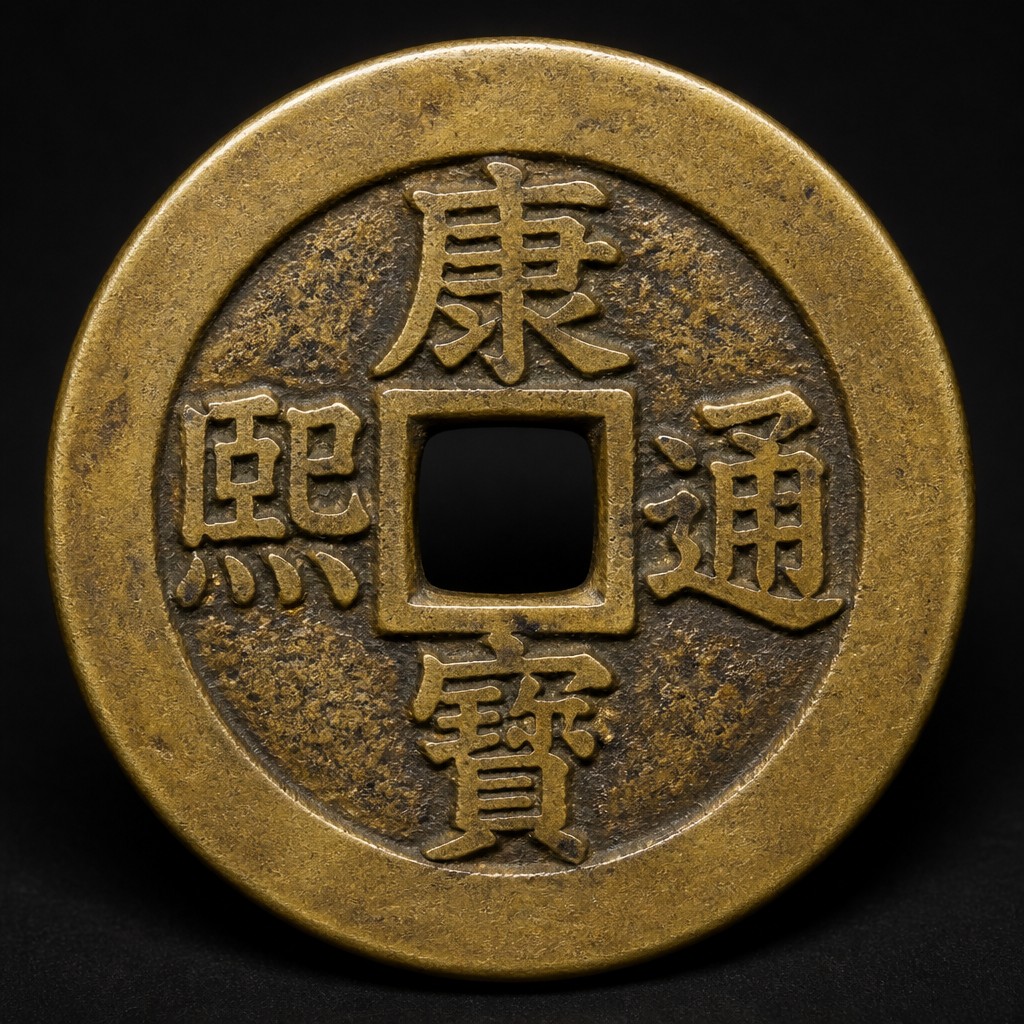
Chinese Cash Coin (Qing Dynasty 'Kangxi Tongbao')
1662–1722
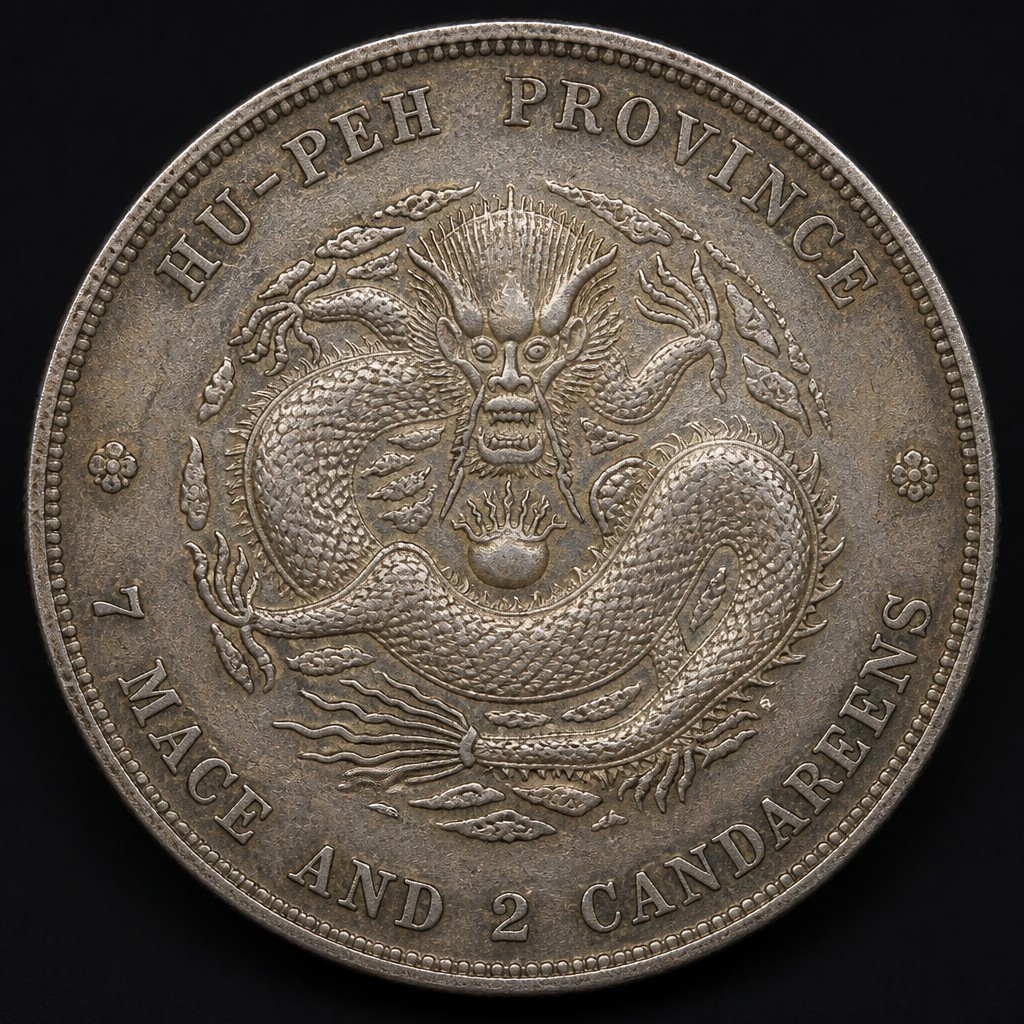
Chinese Hupeh Province Dragon Dollar
c. 1895–1909
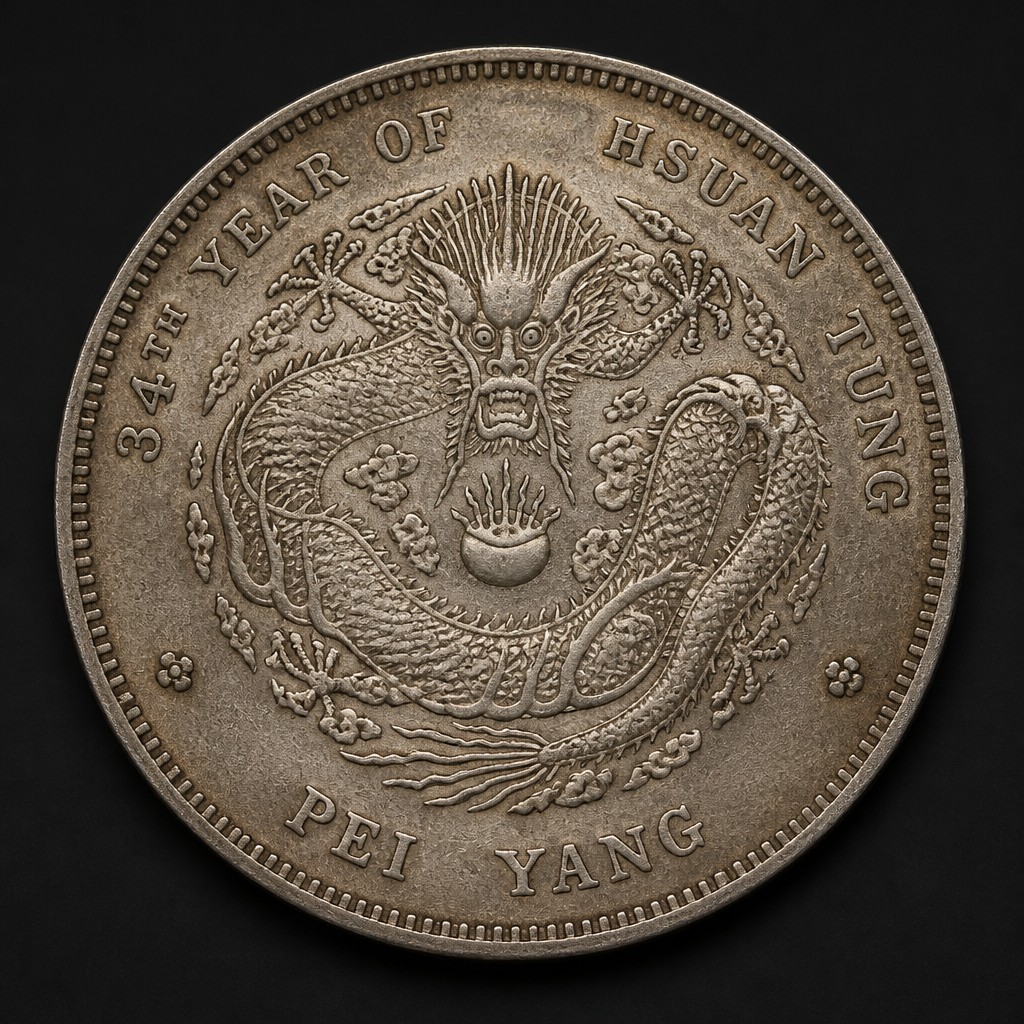
Chinese Empire Silver Dollar (Hsuan Tung Dragon)
1909–1911
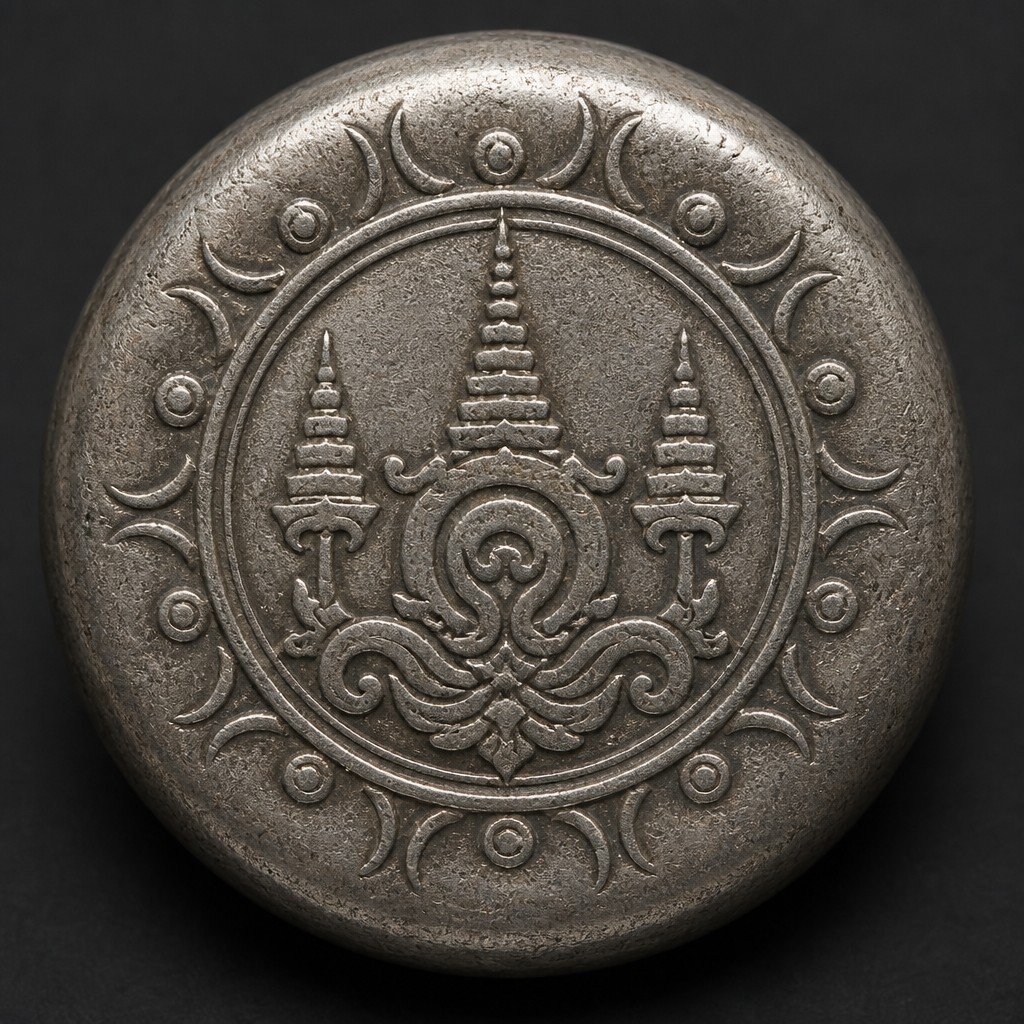
Thailand (Siam) Silver Baht 'Bullet Money' (Pod Duang)
c. 13th century – late 19th century
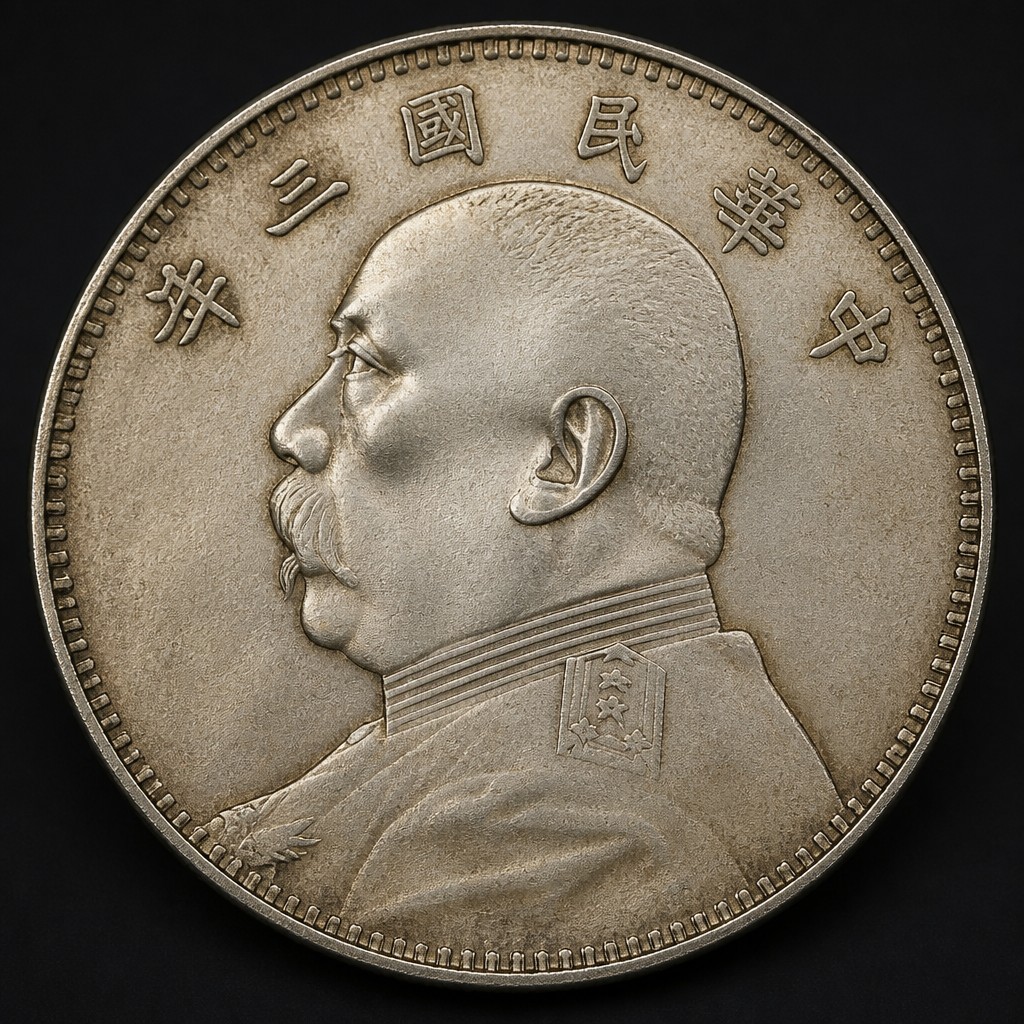
Yuan Shikai 'Fatman' Dollar (1914)
Dated 1914, struck into the early 1920s