
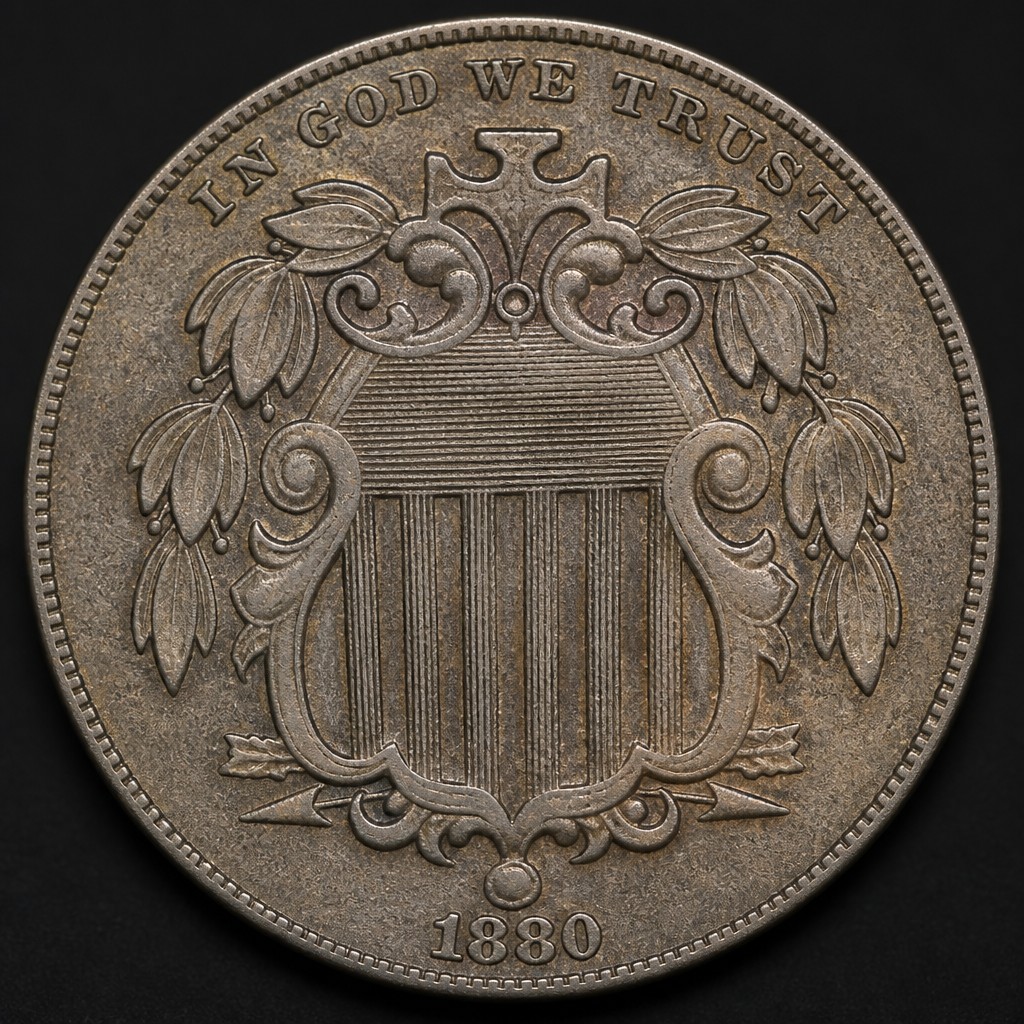
1880 Shield Nickel
A major key date of the Shield Nickel series with an extremely low business-strike mintage, making genuine circulated examples much scarcer than the coin's proofs.
- Country
- United States
- Denomination
- Five Cents
- Metal
- Copper-Nickel (75% Copper, 25% Nickel)
Got a coin like this?
Identify any coin from a photo, free.
Overview
The 1880 Shield Nickel is widely regarded as the key business-strike date of the series, with a circulation mintage far smaller than any other year in the run apart from the proof-only 1877 and 1878 issues. Unlike those two dates, 1880 does have genuine business strikes, but they exist in very limited numbers, making a true circulated example one of the hardest coins to find in the entire series.
Because proofs of 1880 were struck in somewhat larger numbers than the business strikes, proof examples of this date are, unusually, more available on the market than genuine worn circulation pieces, an inversion of the typical relationship between proof and business-strike populations for most 19th-century dates.
This dynamic makes the 1880 nickel a particularly interesting and closely studied date for specialists, who pay close attention to distinguishing genuine, well-worn circulation strikes from more readily available proofs or from altered coins.
History & Background
By 1880, demand for new Shield Nickels in circulation had fallen substantially, leading the Philadelphia Mint to strike only a very small number of coins intended for general commerce that year. At the same time, the Mint continued its regular practice of producing proof coins for sale to collectors, resulting in a proof mintage that, while still modest by later standards, exceeded the tiny business-strike output.
This unusual imbalance meant that from the very start, genuine worn or circulated 1880 nickels were scarce, since so few were struck for actual use in commerce. Collectors and dealers recognized the date's rarity in business-strike form relatively early, cementing its reputation as the practical key date for anyone trying to complete a fully circulated Shield Nickel set.
The 1880 nickel's low mintage and the resulting scarcity of genuine circulated pieces has made it a frequent subject of caution in numismatic literature, given the temptation for altering the date on other, more common Shield Nickels to create a fraudulent 1880.
How to Identify
The obverse shows the standard Shield Nickel design of a heraldic shield topped with a cross, flanked by olive branches and arrows, with the date 1880 at the bottom. The reverse displays the large numeral 5 surrounded by stars in the No Rays format used throughout the later Shield Nickel series.
Because genuine circulated 1880 nickels are so scarce, any example showing significant, honest wear should be examined carefully for signs of an altered date, such as unusual spacing, tool marks, or inconsistencies in the numerals compared to a verified genuine example; certification from a major grading service is strongly advised for this particular date given its value and the documented risk of alteration.
Proof examples of 1880, more commonly encountered than business strikes, display sharp, mirrored fields and crisply struck design elements, and collectors should not confuse a proof coin for a business strike, since the two carry different designations and are valued somewhat differently despite both being genuinely scarce.
Value & Collectibility
A genuine, circulated business-strike 1880 Shield Nickel is a significant rarity and commands strong prices even in heavily worn grades, reflecting its status as the practical key date of the series for collectors assembling circulated sets. Proof examples of 1880, while also scarce and valuable in their own right, are comparatively more available than genuine worn business strikes and are valued according to standard proof grading criteria.
Given the well-documented risk of altered dates on this issue, certified examples with a clear pedigree carry particular importance and command the most confidence in the marketplace; buyers should expect significant price variation between certified genuine business strikes and less certain raw examples.
Frequently asked questions
Why is the 1880 nickel considered a key date?
It has an extremely low business-strike mintage, making genuine circulated examples much harder to find than most other Shield Nickel dates.
Are proofs of 1880 more common than circulated examples?
Yes, unusually, proof mintages for 1880 exceeded the tiny business-strike mintage, so proofs are comparatively more available than genuine worn coins.
Why should I be cautious with a worn 1880 nickel?
Because genuine circulated examples are so scarce and valuable, the date is a known target for alteration from more common Shield Nickel years, making certification important.
What reverse design does the 1880 nickel use?
It uses the No Rays reverse introduced in 1867, showing a plain numeral 5 surrounded by stars.
Other coins you may enjoy
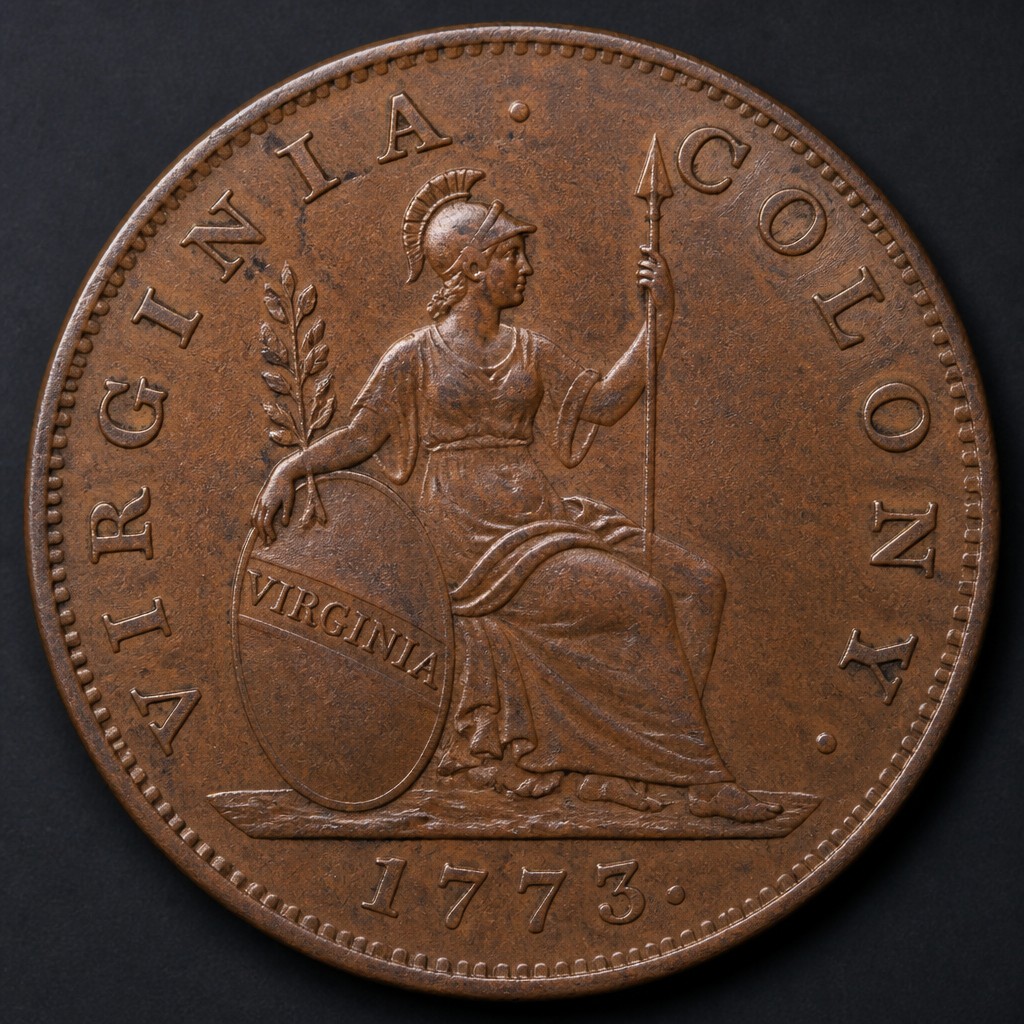
Virginia Halfpenny
1773
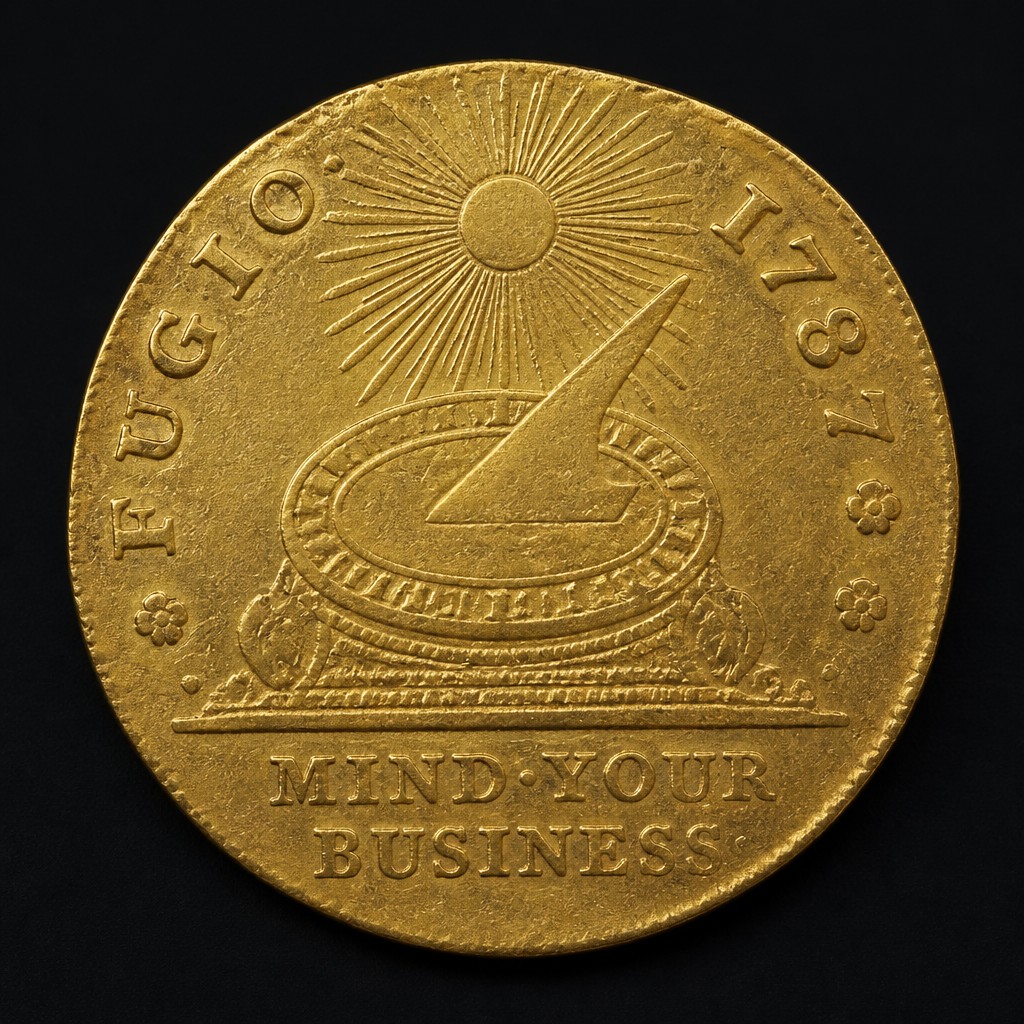
Brasher Doubloon
1787
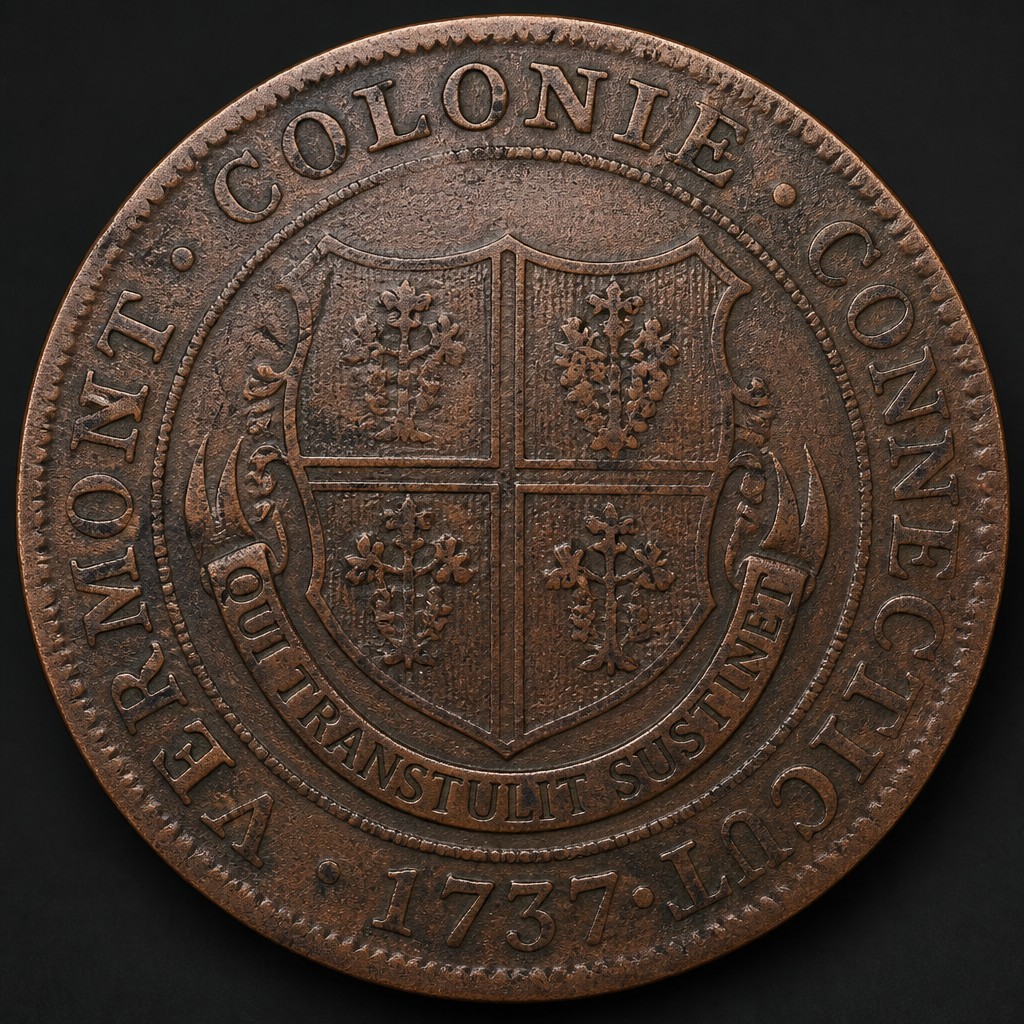
Higley Copper
1737–1739
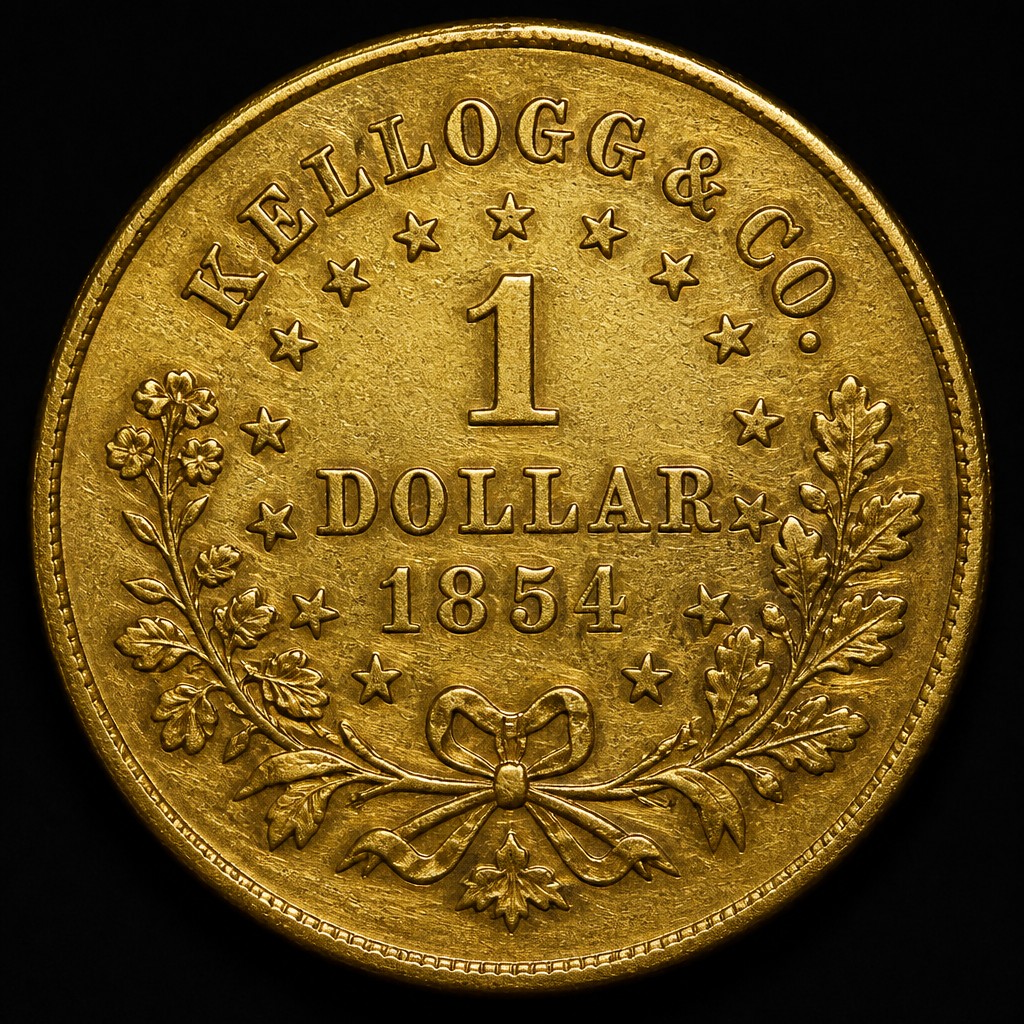
Kellogg & Co. Gold Piece
1854–1855
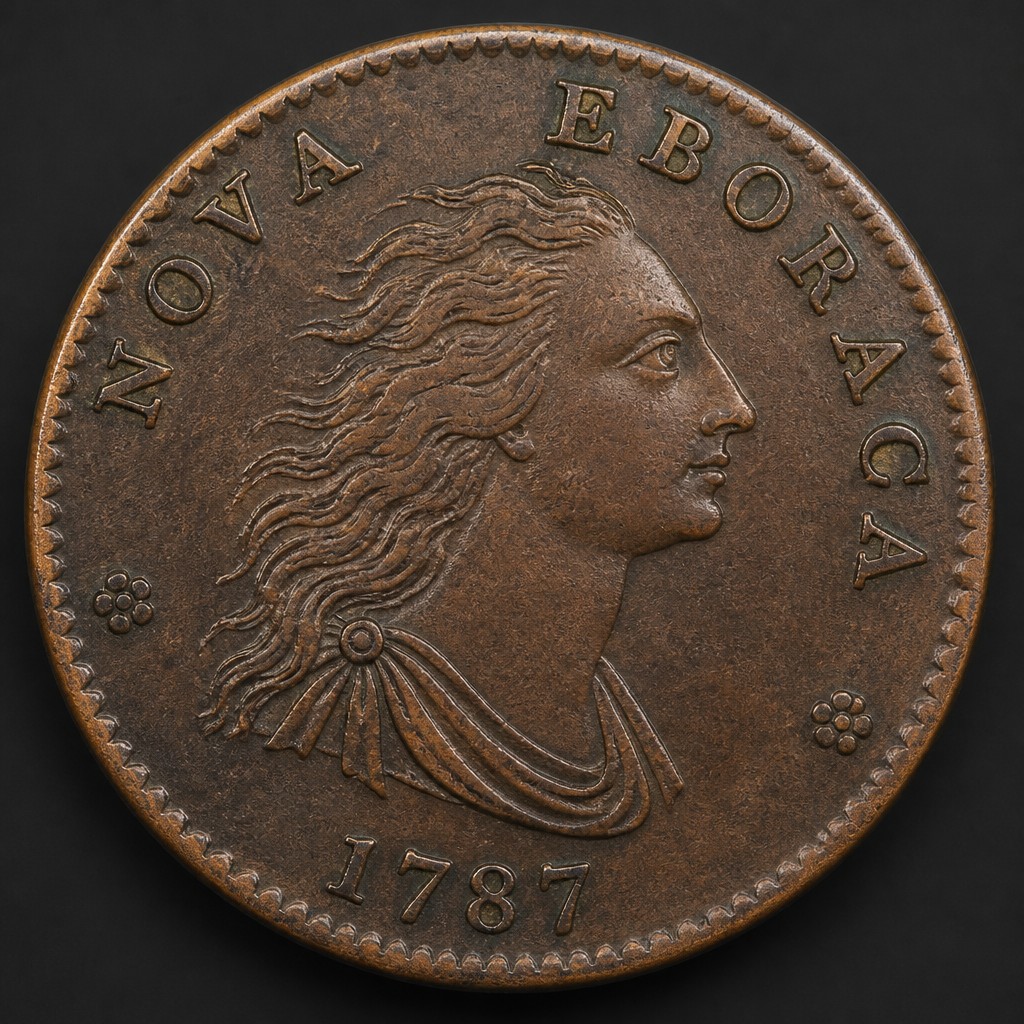
Nova Eborac Copper
1787
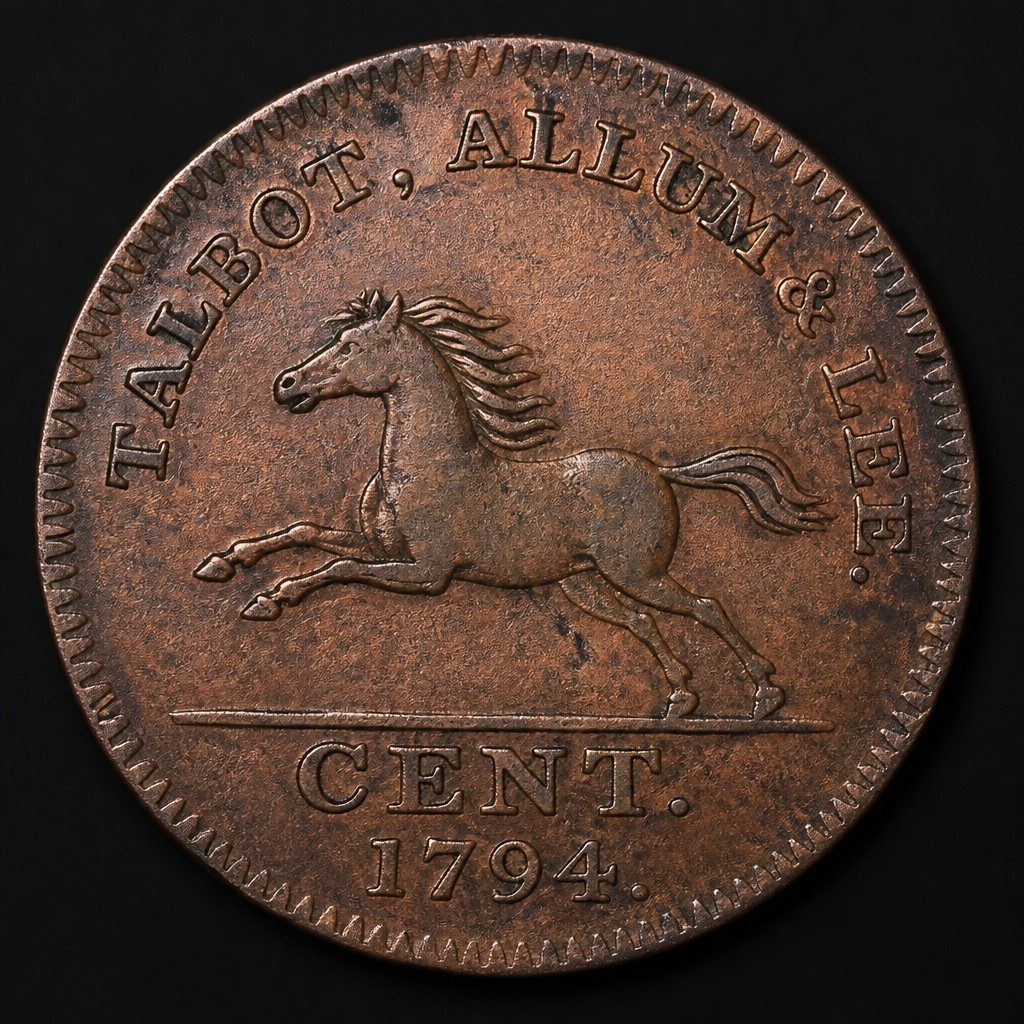
Talbot, Allum & Lee Cent
1794–1795
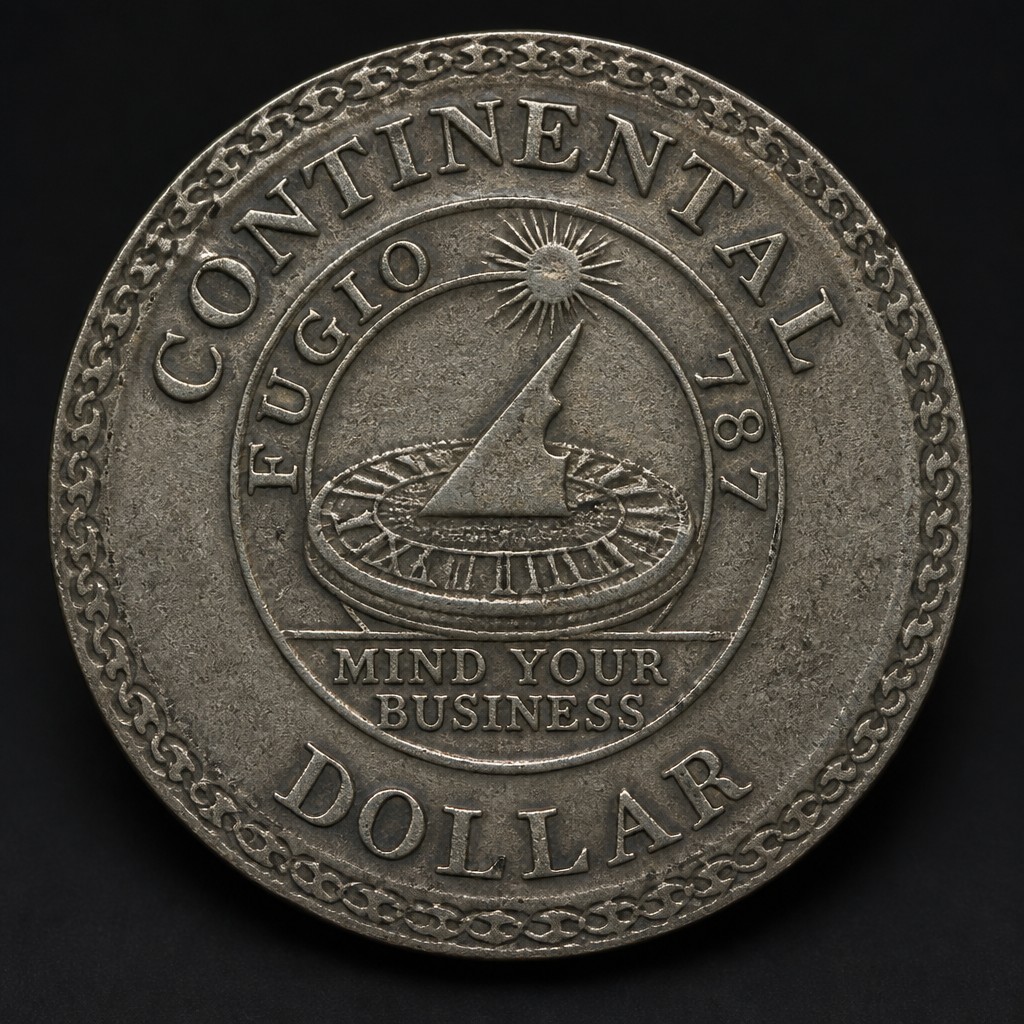
Continental Dollar
1776
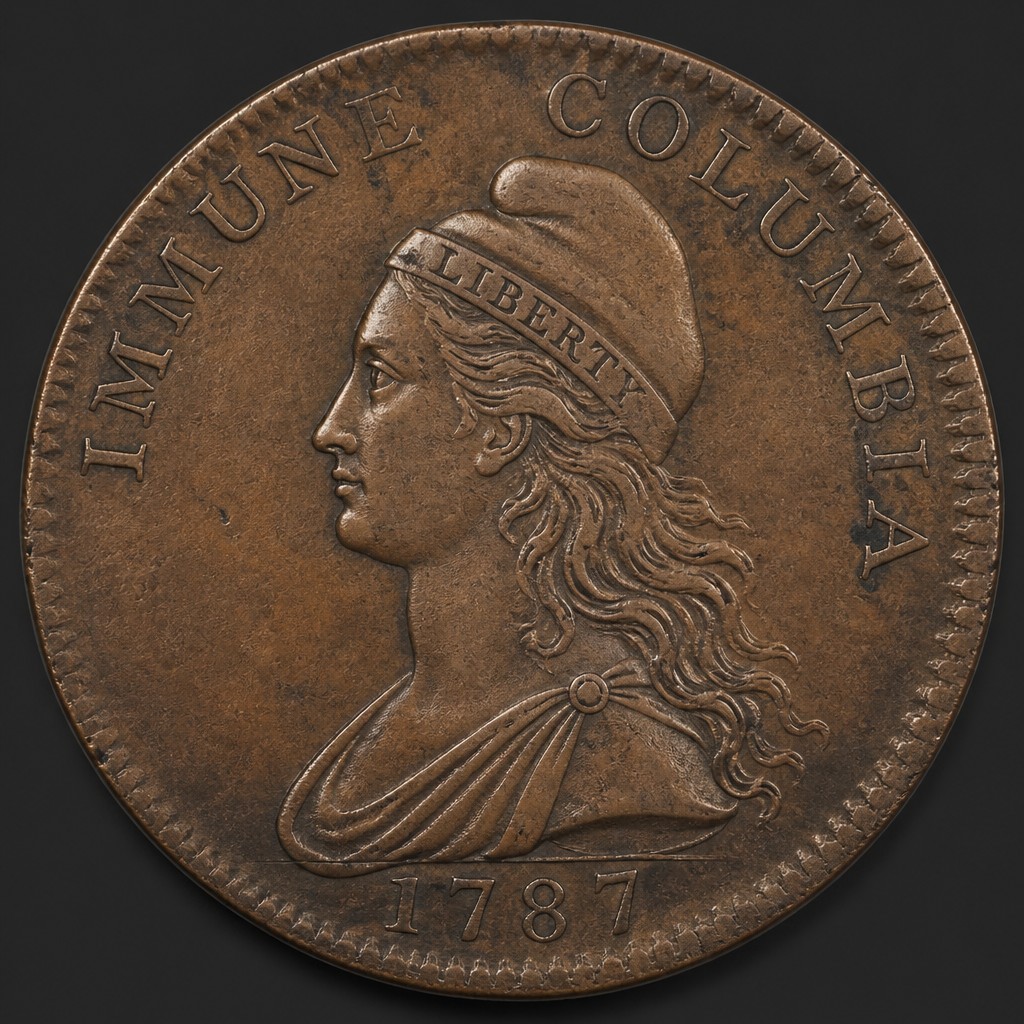
Immune Columbia Copper
circa 1785–1787
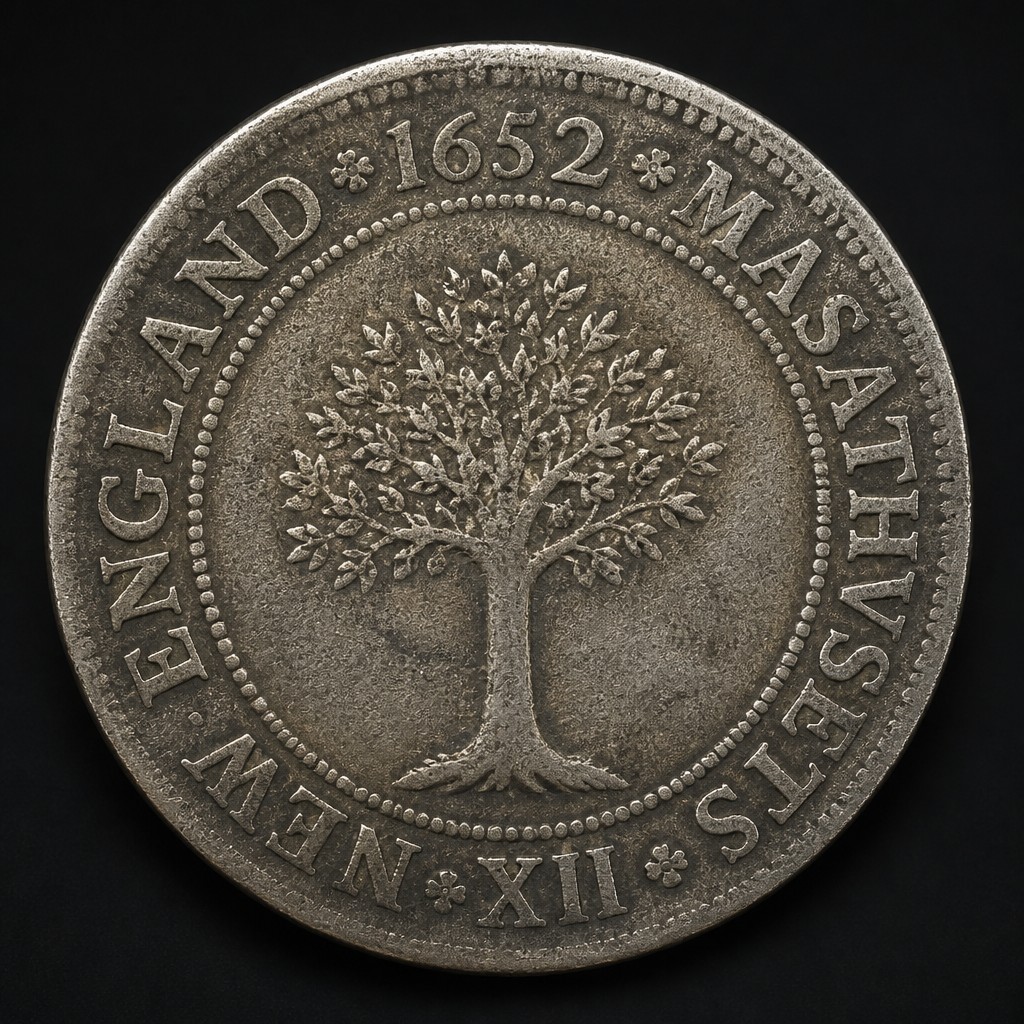
Massachusetts Oak Tree Shilling
Dated 1652, struck circa 1660–1667
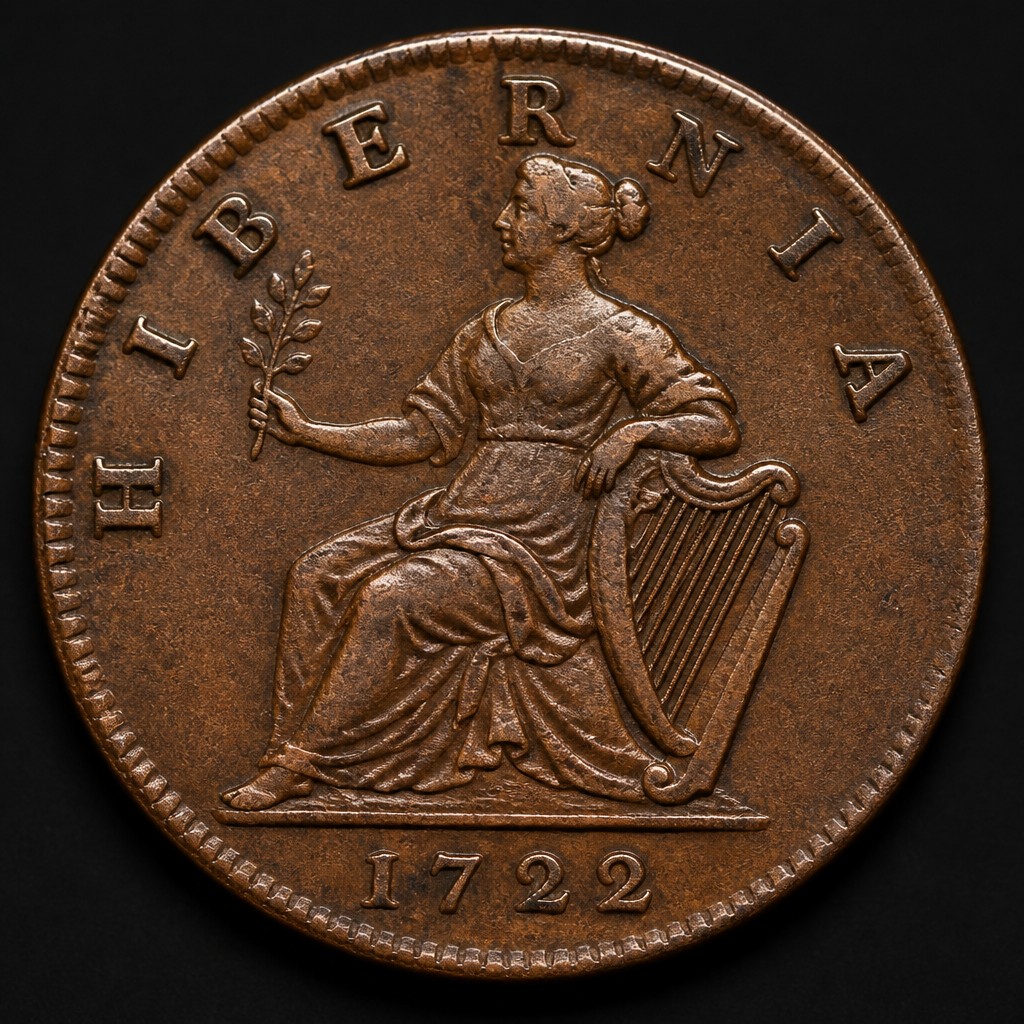
Wood's Hibernia Halfpenny
1722–1724
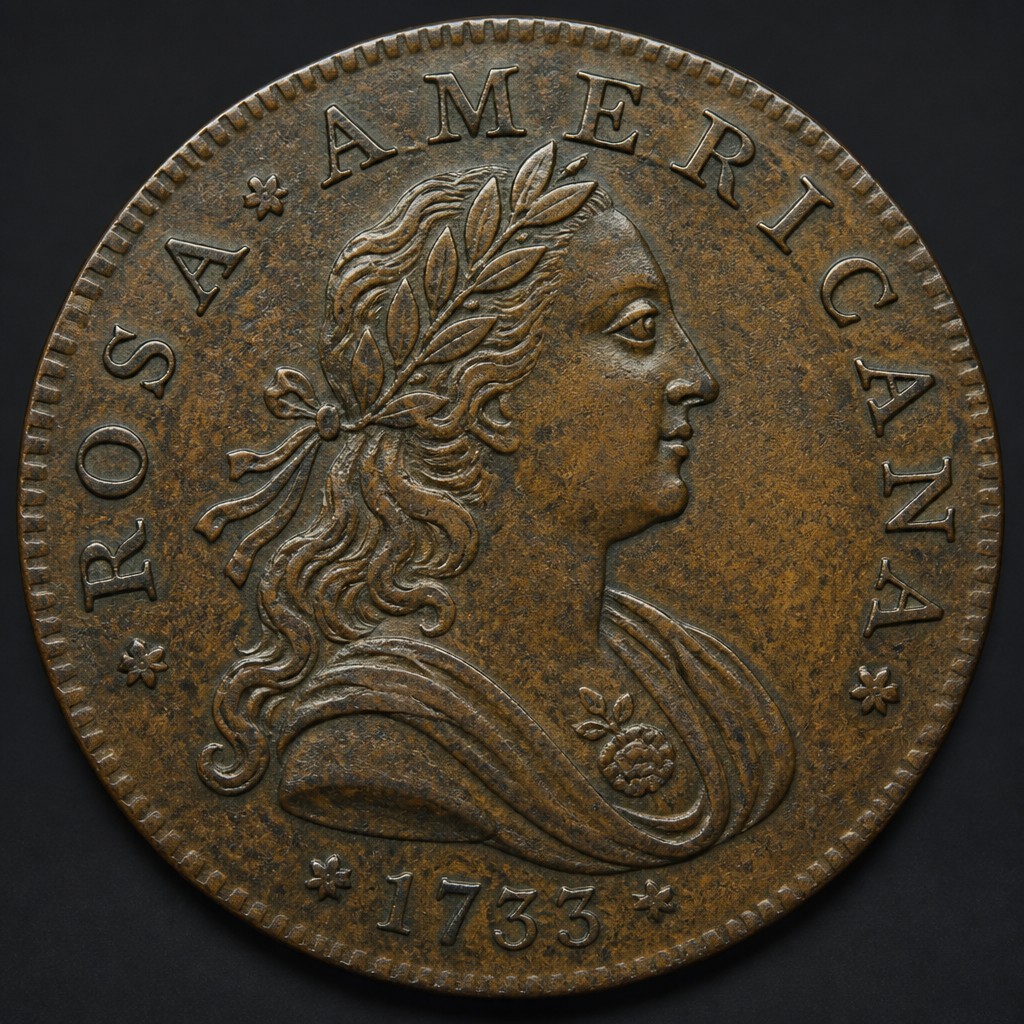
Rosa Americana Coinage
1722–1724 (with pattern issues dated 1733)
Massachusetts Willow Tree Shilling
Dated 1652, struck circa 1653–1660