
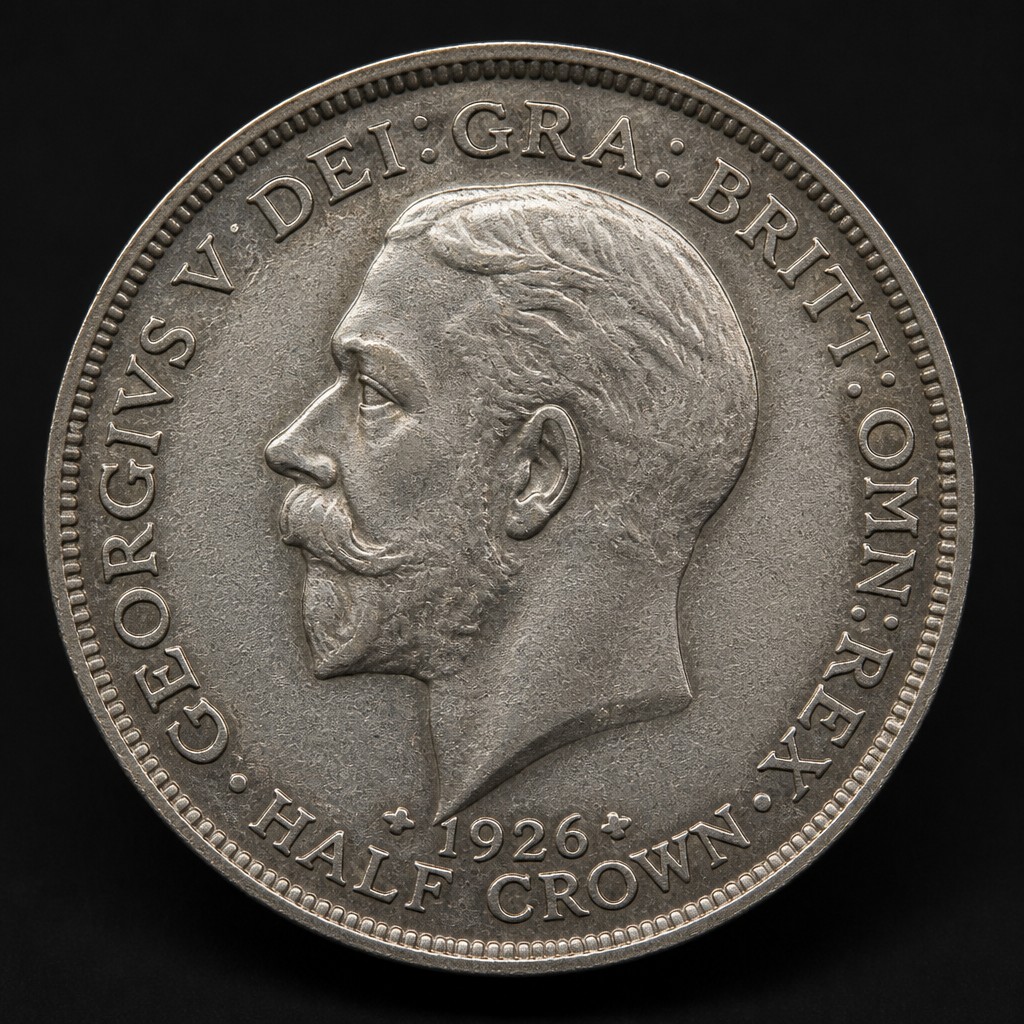
Half Crown
A long-lived British coin worth one-eighth of a pound, struck from the Tudor era until decimalisation in 1970, valued today mainly for its portraits and design variety.
- Country
- United Kingdom
- Denomination
- Half Crown (2s 6d)
- Metal
- Sterling Silver (.925/.500) then Cupro-Nickel
Got a coin like this?
Identify any coin from a photo, free.
Overview
The half crown was a substantial silver, and later cupro-nickel, denomination equal to two shillings and sixpence, or one-eighth of a pound sterling. It circulated for over four centuries, making it one of the most enduring denominations in British monetary history and a favorite entry point for type collectors chasing a different monarch or reverse design for each reign.
Because it spanned so many reigns, the half crown offers an accessible way to build a set spanning Tudor, Stuart, Georgian, Victorian, and twentieth-century coinage in a single collecting theme. Its size made it a popular canvas for elaborate royal arms and equestrian reverse designs.
Collectors prize the half crown both for affordable common dates suitable for beginners and for scarcer early milled or hammered examples that command serious premiums.
History & Background
The half crown denomination began under Henry VIII and Edward VI in the sixteenth century as a large silver coin worth two shillings sixpence, complementing the crown (five shillings). Through the seventeenth and eighteenth centuries it was struck in sterling silver bearing the reigning monarch's portrait, with reverses typically showing a crowned shield of royal arms or an equestrian figure of the king.
In the twentieth century the half crown's silver content was reduced to 50% in 1920 and eliminated in favor of cupro-nickel from 1947, reflecting the rising cost of silver and post-war economic pressures. George V, George VI, and Elizabeth II half crowns are the most commonly encountered types, with reverses including the royal shield and, under Elizabeth II, a crowned shield within a garter.
The half crown was withdrawn from circulation on 1 January 1970 ahead of decimalisation in February 1971, since 12.5 pence had no clean decimal equivalent, making it one of the first pre-decimal coins formally demonetised.
How to Identify
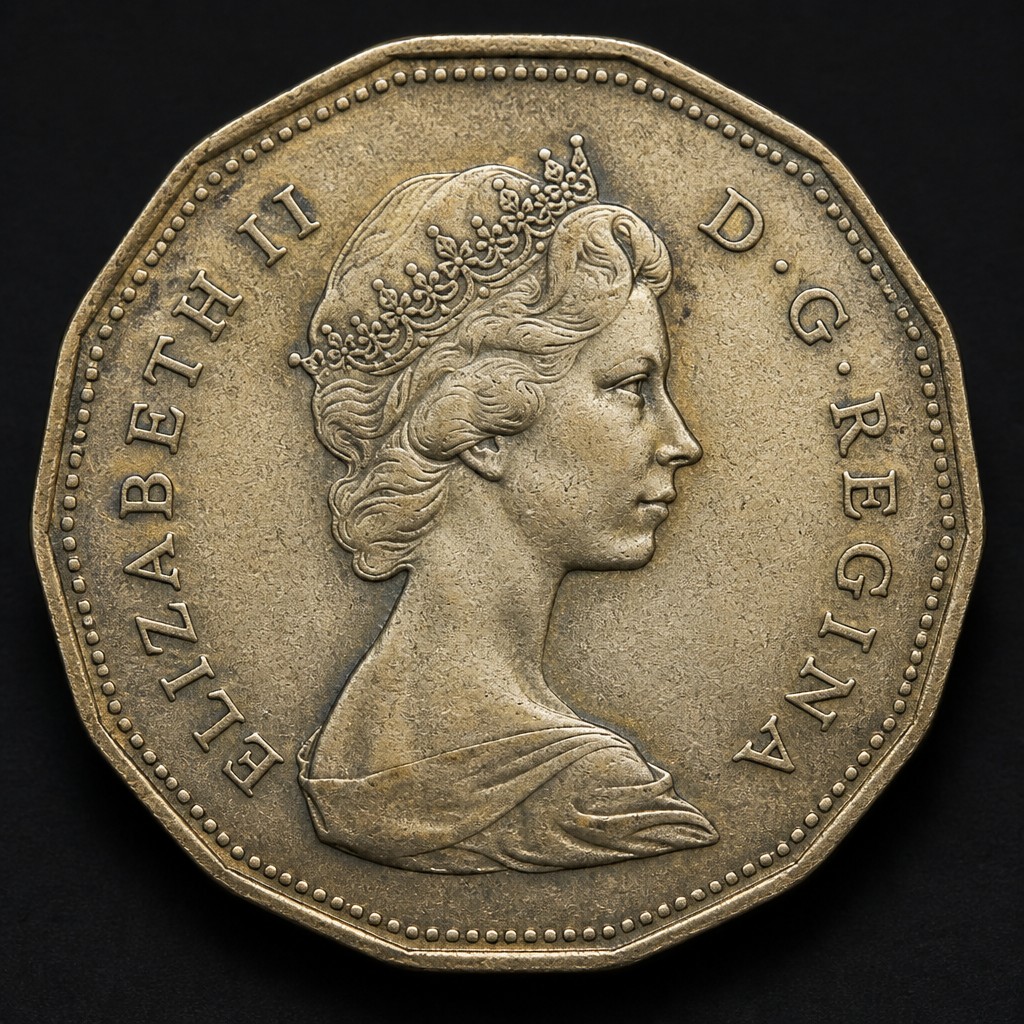
Obverses across all periods show the reigning monarch's portrait with a Latin legend giving name and titles (for example, ELIZABETH II DEI GRATIA REGINA). Reverse designs vary by era: pre-1937 coins often show a crowned royal shield or coat of arms with supporters; George VI and Elizabeth II coins from 1937 depict a crowned shield with rose, thistle, shamrock, and leek motifs representing the four home nations.
Earlier hammered and early-milled half crowns (Tudor through Stuart) are identifiable by crude hand-struck flans, a mounted king on horseback on some reverses, and Latin legends abbreviated heavily due to space constraints.
Size is roughly 32mm in diameter for milled issues, larger than the florin and shilling, which helps distinguish it by feel and weight alone. Silver content changed over time: pre-1920 coins are 92.5% silver, 1920–1946 are 50% silver, and 1947–1970 are cupro-nickel, distinguishable partly by a duller, grayer tone in the debased and nickel issues.
Mint marks are rare on London-struck half crowns since the Royal Mint was the sole producer for circulation issues in the milled era, so date and portrait style are the primary identifiers rather than mint marks.
Value & Collectibility
Common George V, George VI, and Elizabeth II half crowns in circulated grades are inexpensive, often just a few dollars, making them popular for beginning collectors and bulk world-coin lots. Value rises sharply for well-preserved uncirculated examples, key low-mintage dates, and pre-Victorian hammered or early milled specimens.
Early hammered half crowns from Tudor and Stuart monarchs, especially well-struck examples with full legends and no clipping, can range from moderate three-figure sums to much higher for rare rulers or varieties. Certain nineteenth-century dates and proof or pattern half crowns also attract premium interest from specialist collectors.
Condition sensitivity is significant: wear quickly erases fine details in the shield and portrait, so grading services and eye appeal heavily influence price for anything beyond common dates.
Frequently asked questions
What was a half crown worth?
It was worth two shillings and sixpence, or one-eighth of a pound sterling, equivalent to 12.5 pence after decimalisation.
When did half crowns stop being used?
They were withdrawn from circulation on 1 January 1970, ahead of full decimalisation in February 1971.
Are half crowns made of silver?
Pre-1920 issues are 92.5% silver, 1920–1946 issues are 50% silver, and 1947–1970 issues are cupro-nickel with no silver.
Which half crowns are most valuable?
Early hammered and Tudor/Stuart issues, proof strikings, and certain low-mintage nineteenth-century dates command the highest premiums.
Other coins you may enjoy
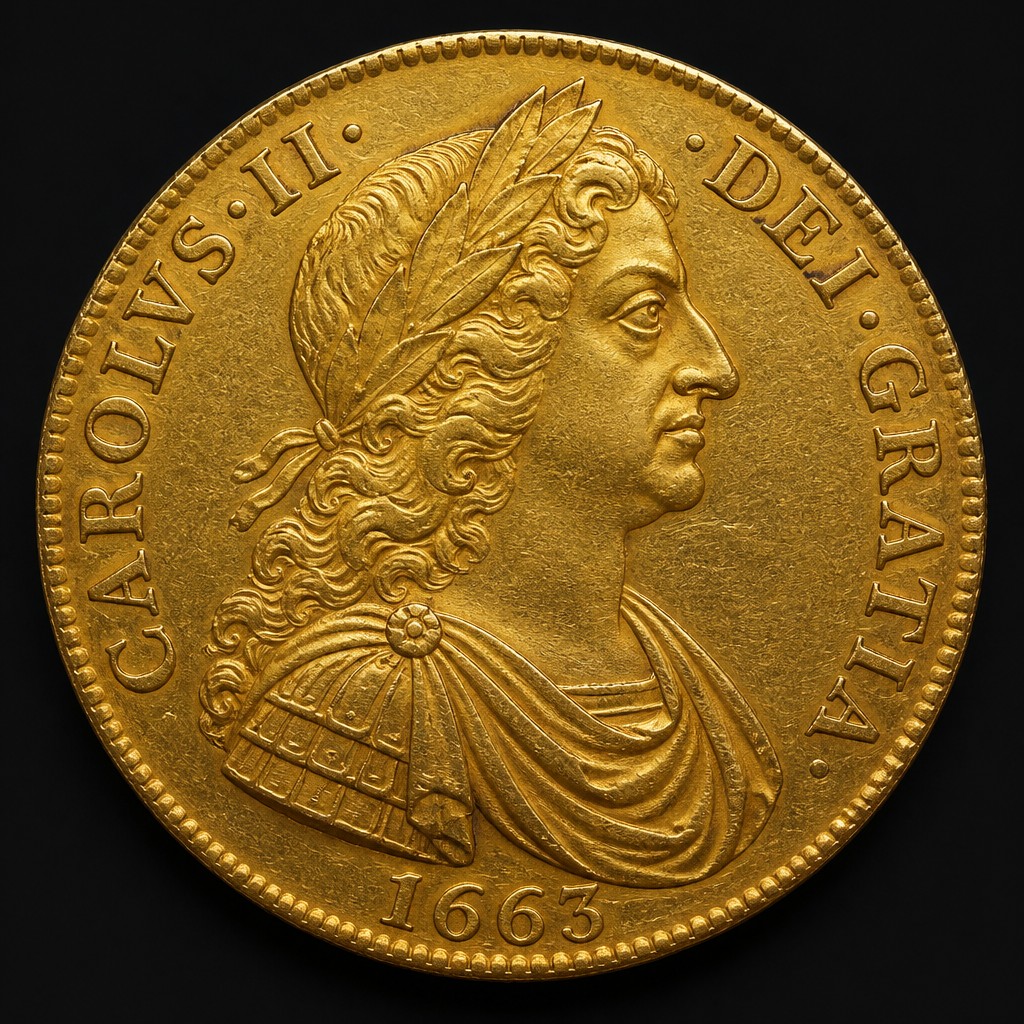
British Guinea
1663–1814
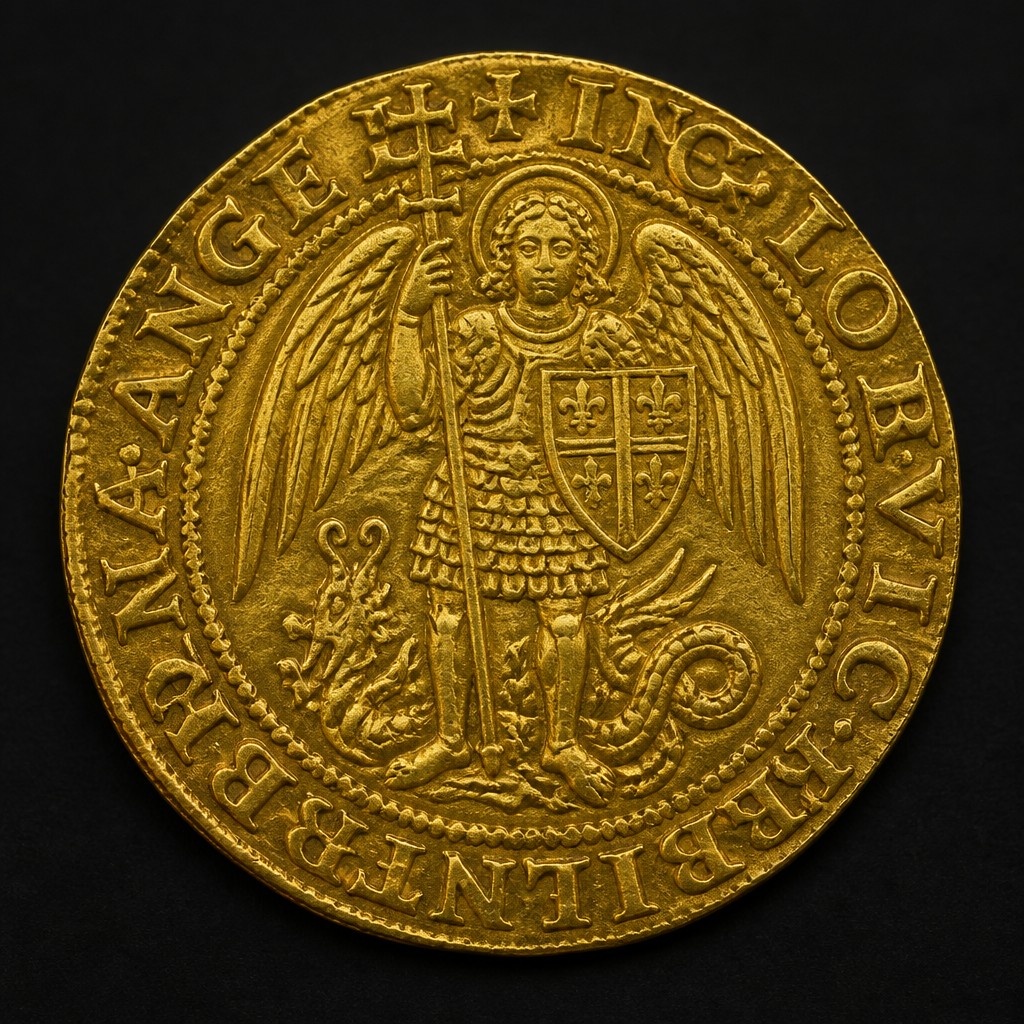
English Angel
1465–1642
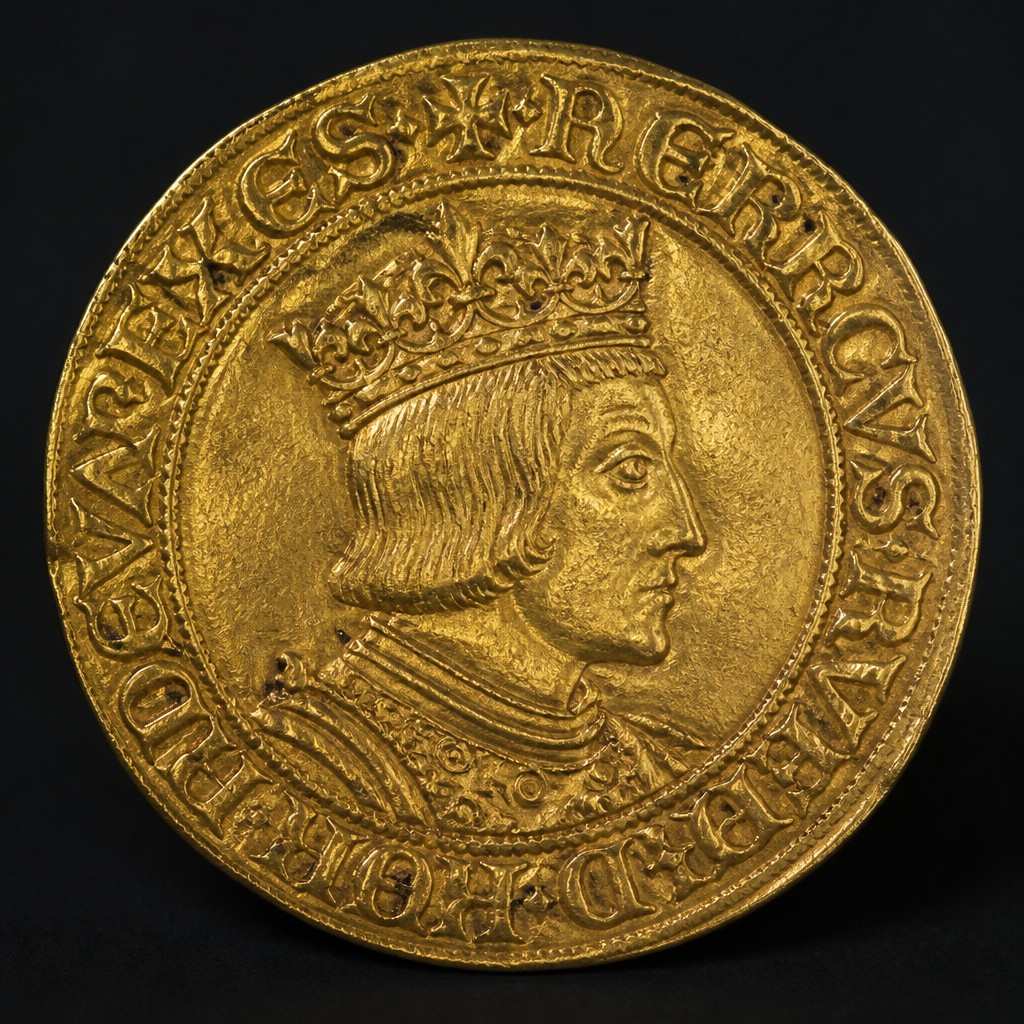
English Sovereign of Henry VII
1489–1509
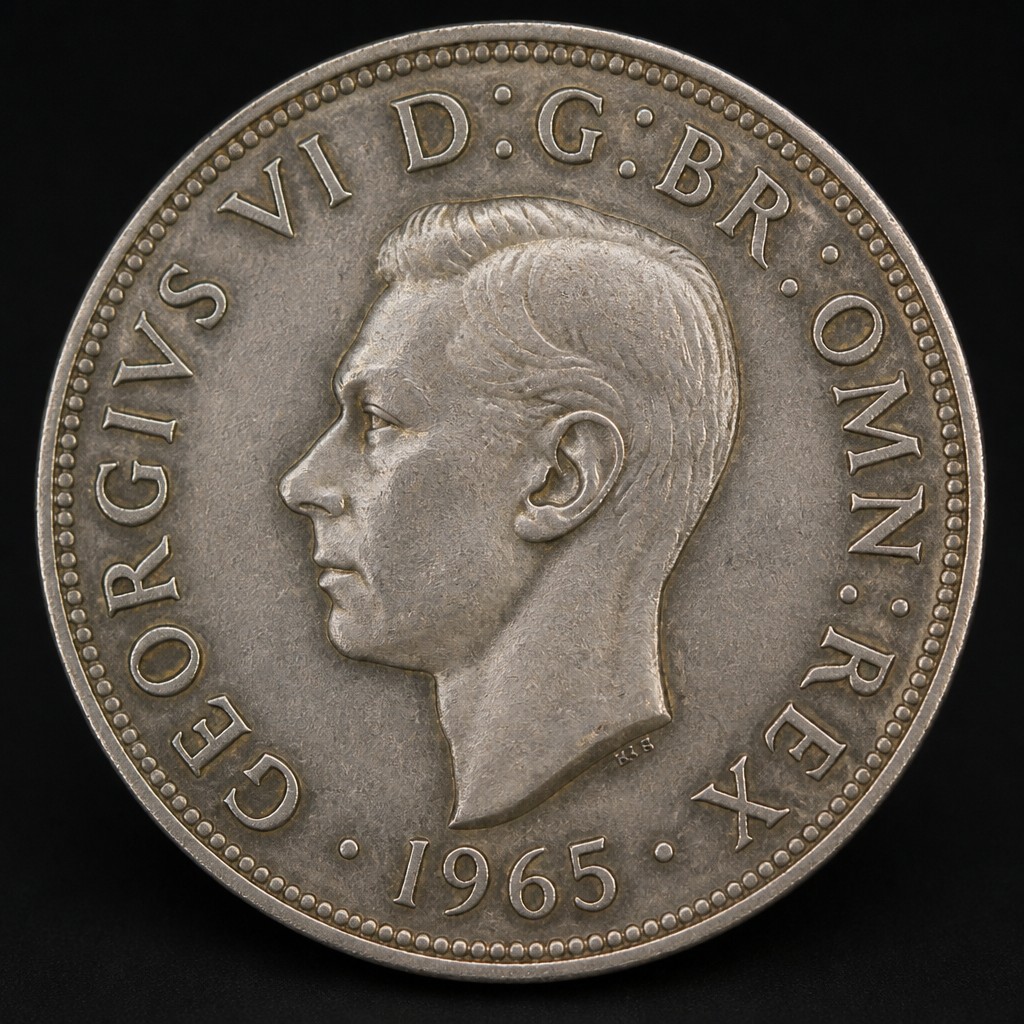
English Crown
1526–1965 (pre-decimal; commemorative crown-sized coins continue as five pound coins)
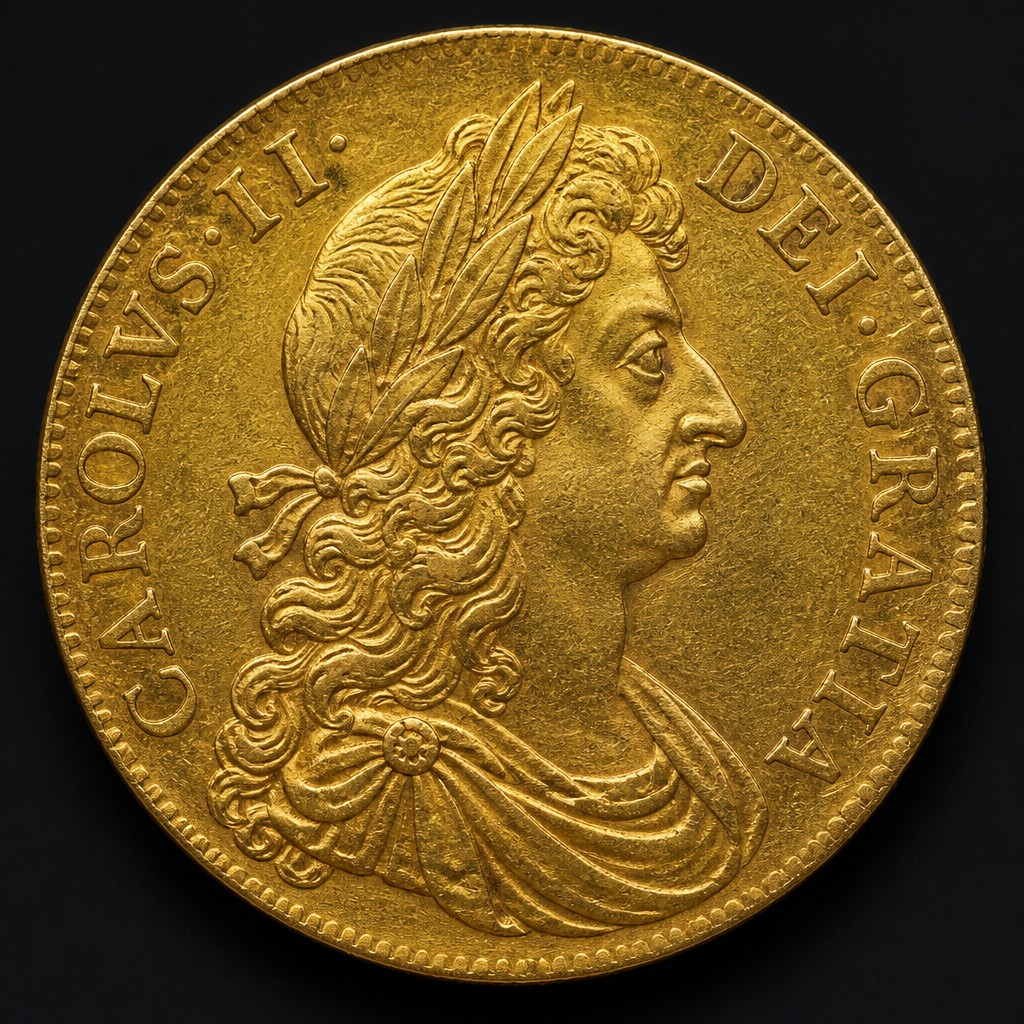
British Gold Guinea
1663–1814
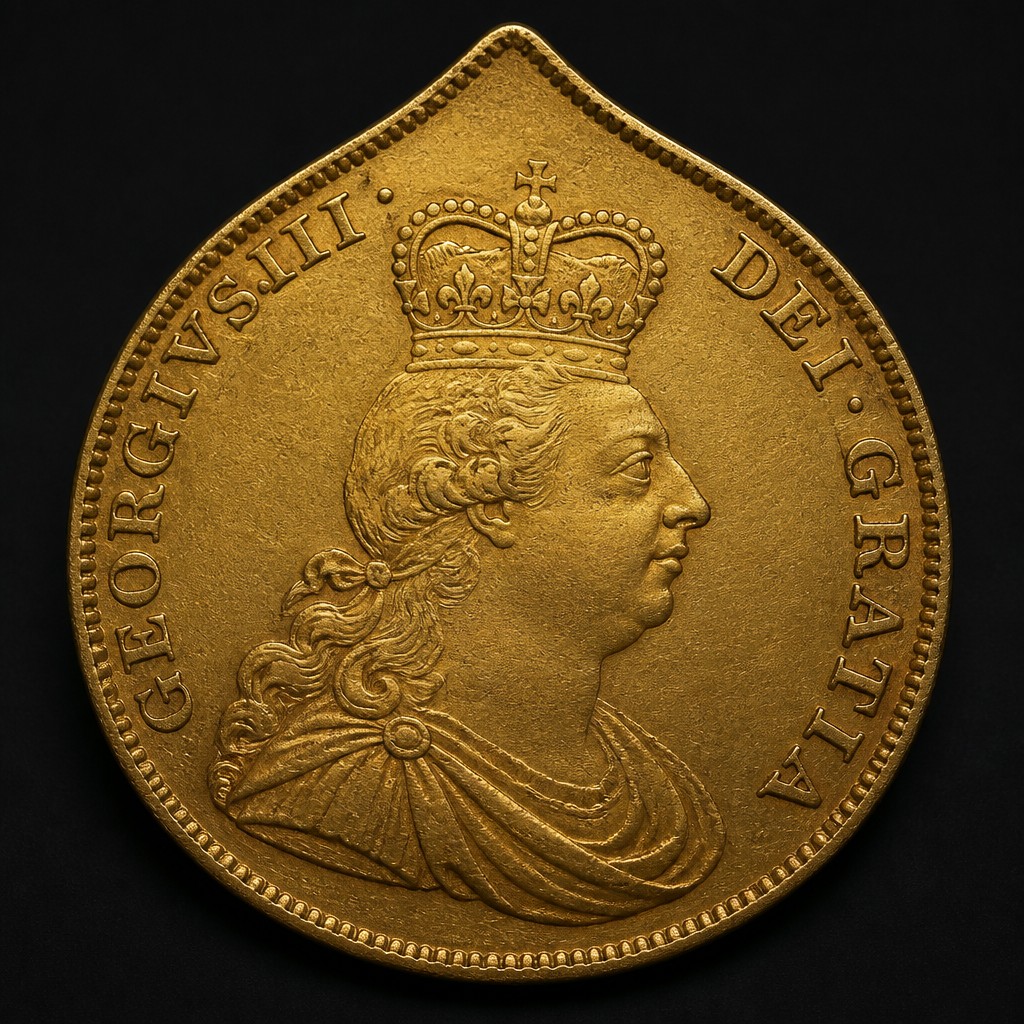
Spade Guinea
1787–1799
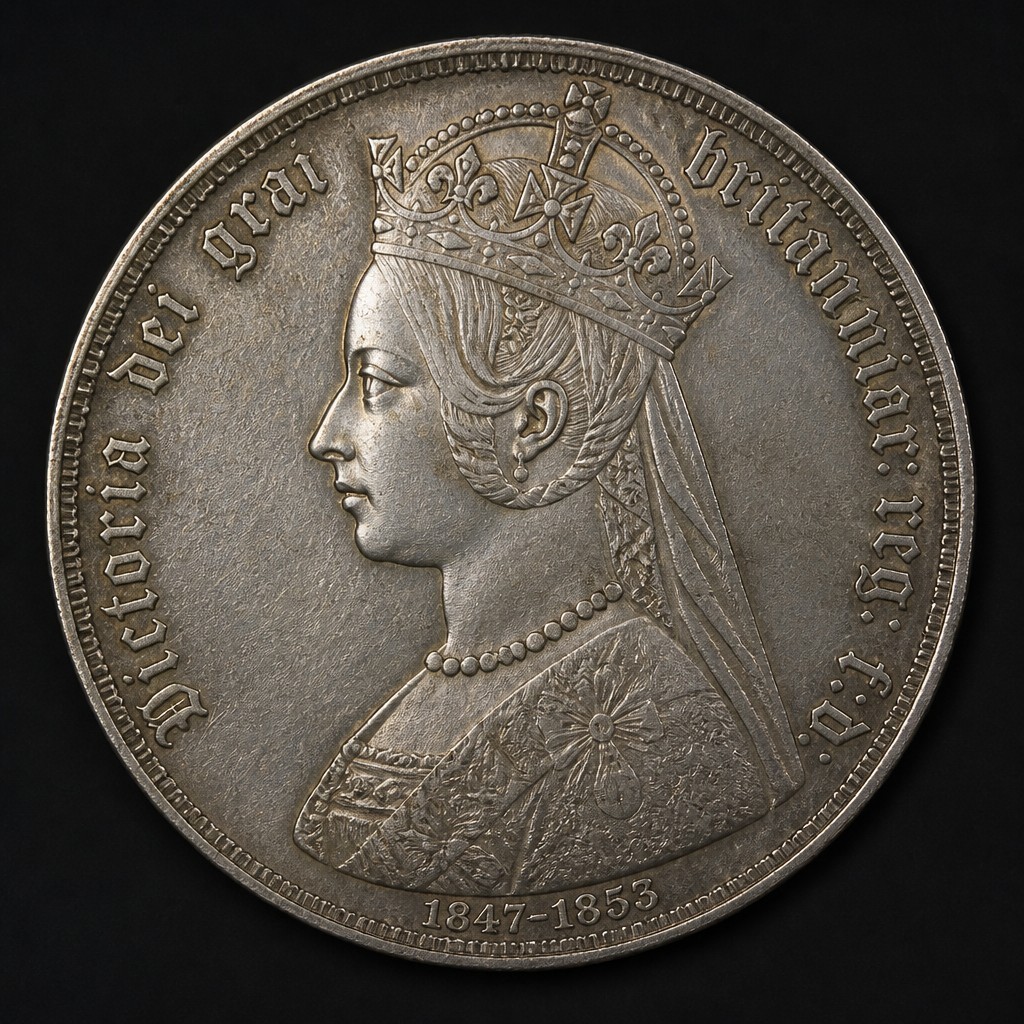
Gothic Crown
1847–1853
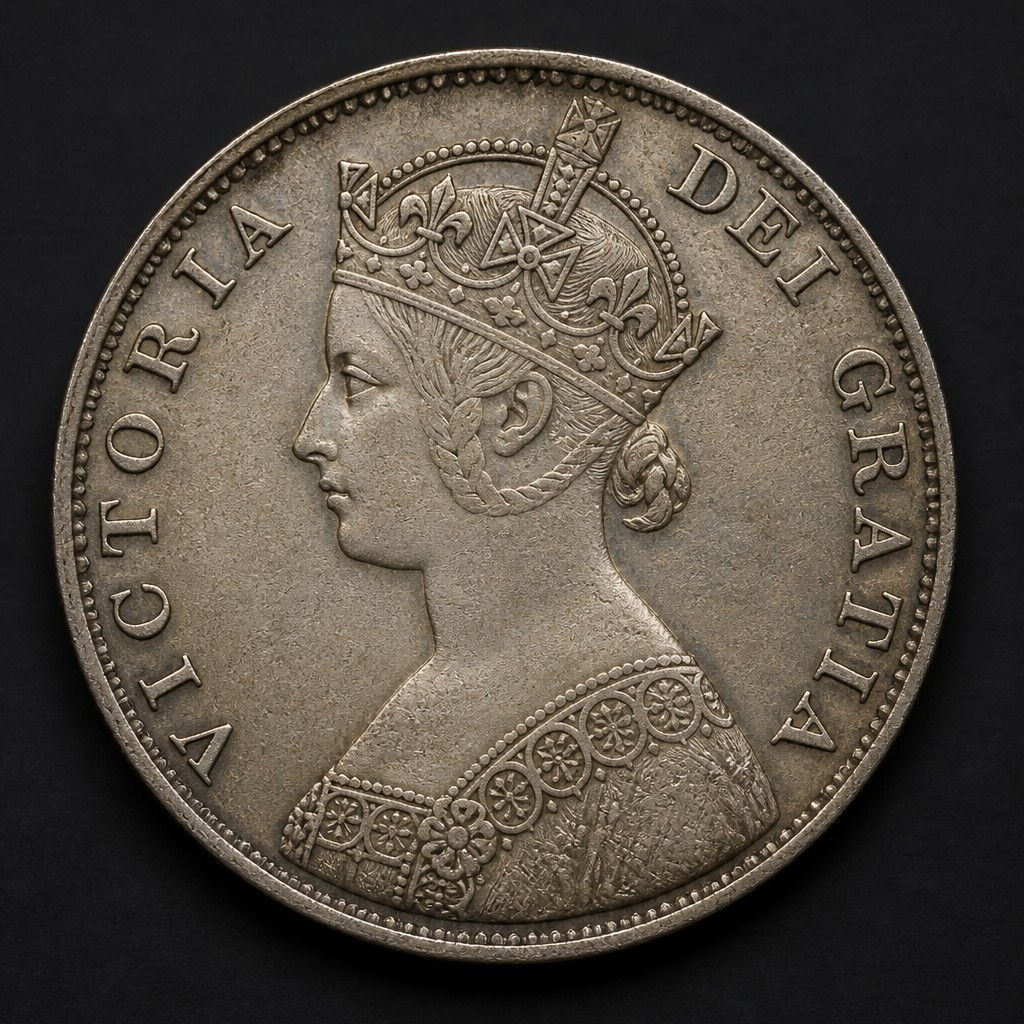
Groat (Fourpence)
1279–1888 (various revivals)
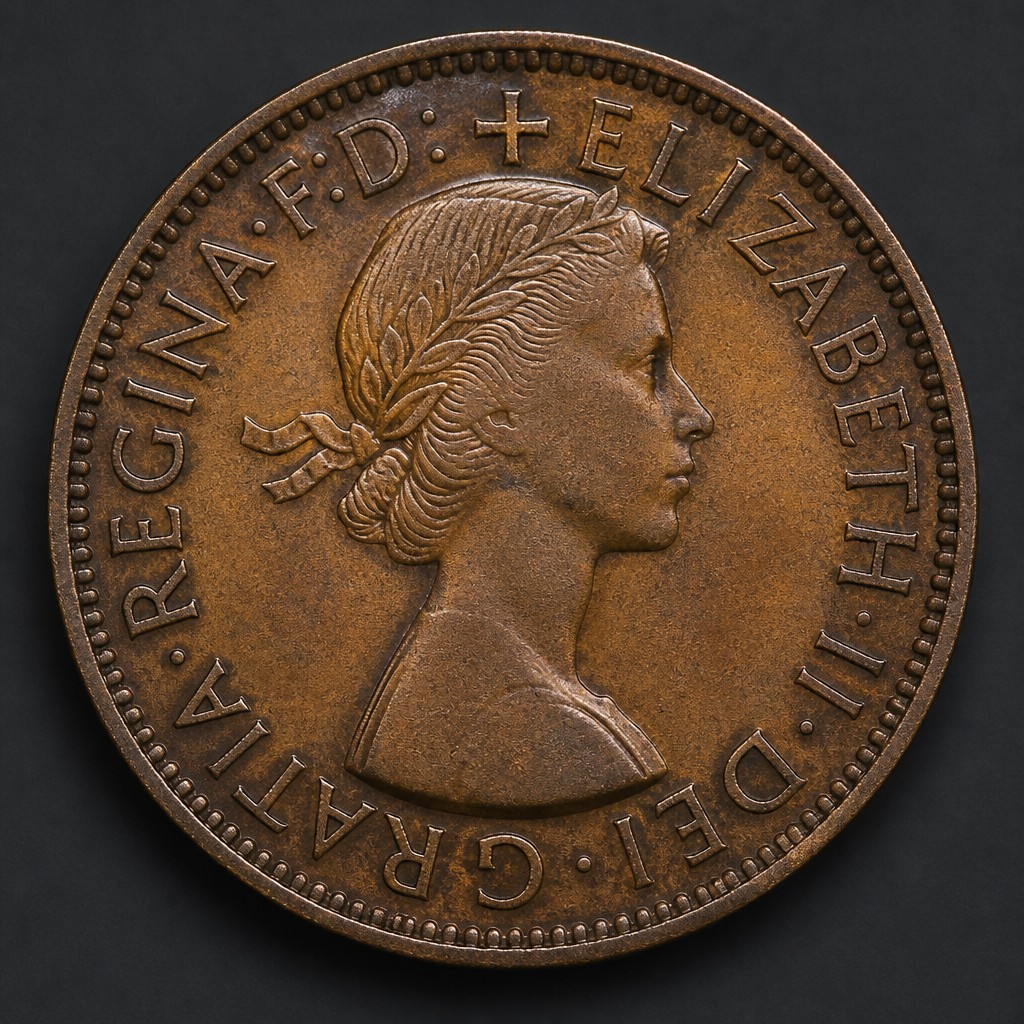
Farthing
13th century–1956
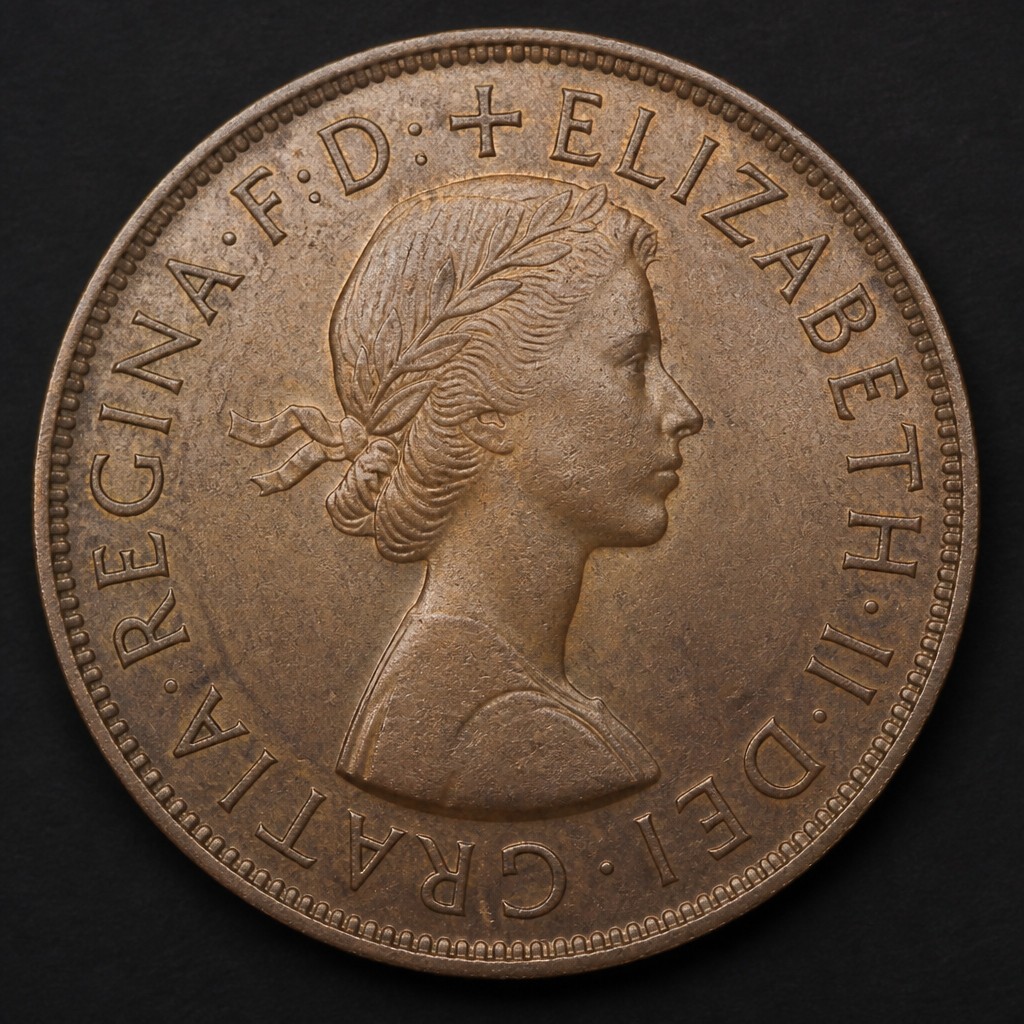
Halfpenny
c. 800s–1969
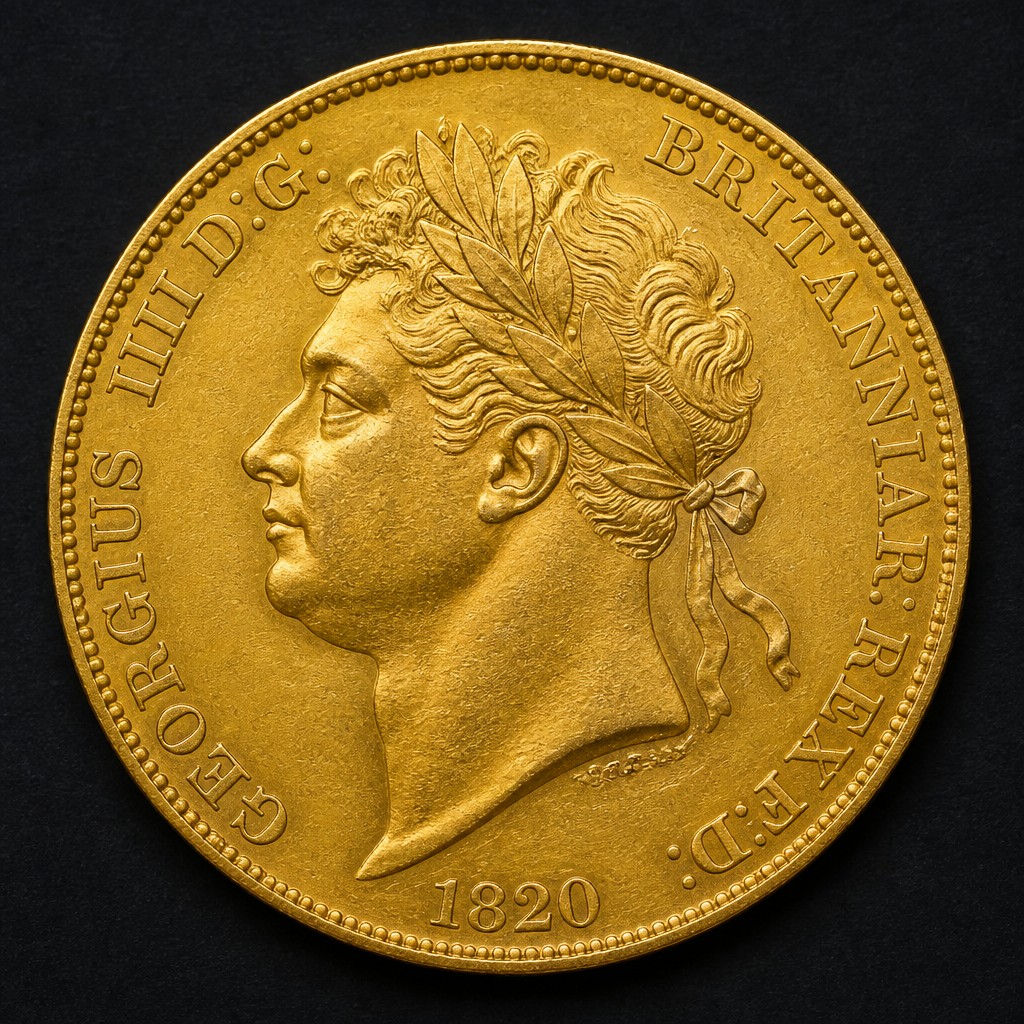
Five Pound Gold (Quintuple Sovereign)
1820–present (intermittent)
Threepence
1547–1970