
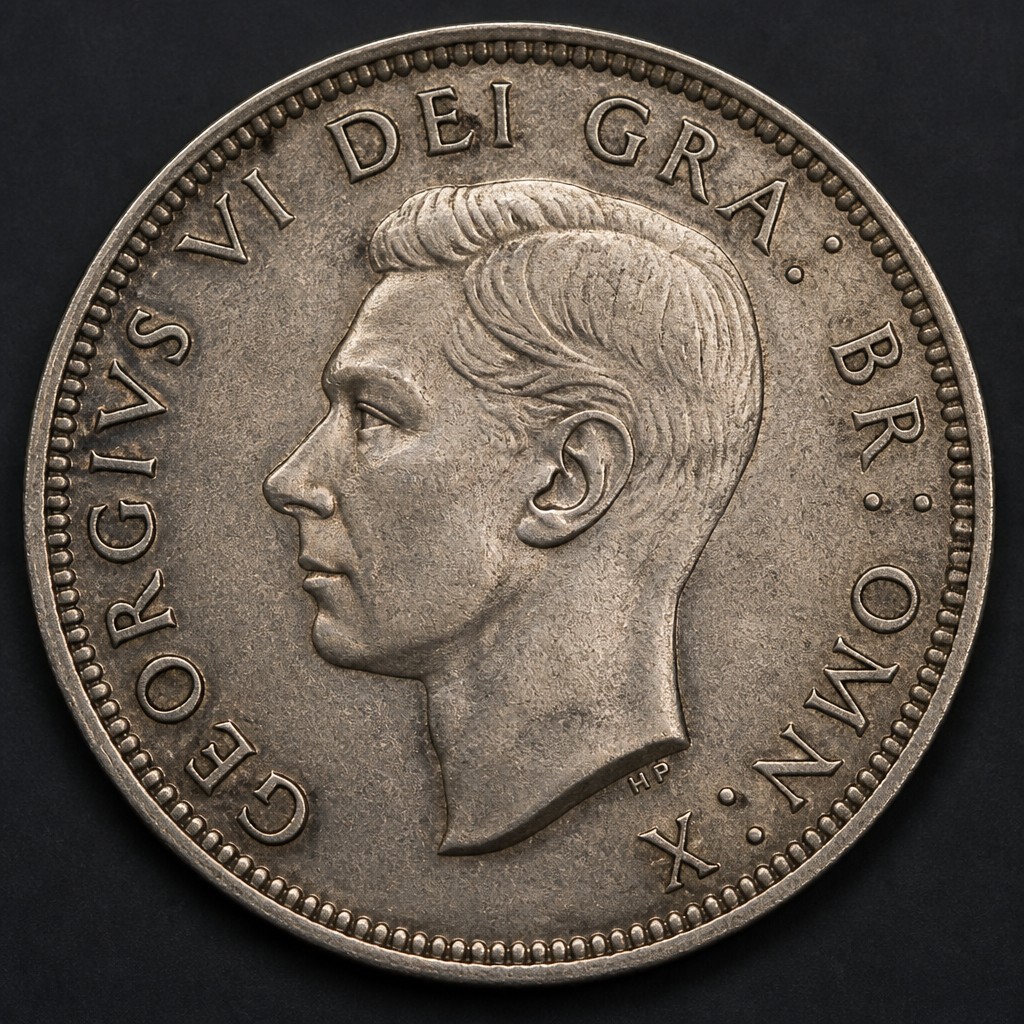
Florin (Two Shillings)
A British silver coin worth two shillings, notable for the controversial 1849 'Godless Florin' that omitted the customary religious motto, and for foreshadowing decimal coinage.
- Country
- United Kingdom
- Denomination
- Florin (2 Shillings)
- Metal
- Sterling Silver (.925/.500) then Cupro-Nickel
Got a coin like this?
Identify any coin from a photo, free.
Overview
The florin was introduced in 1849 as a two-shilling coin representing one-tenth of a pound sterling, making it Britain's first tentative step toward a decimal-style system decades before actual decimalisation in 1971. Its value made it functionally interchangeable with the later 10 pence decimal coin, and it continued to circulate alongside decimal coinage after 1971 until finally withdrawn.
The florin is best known among collectors for the so-called "Godless Florin" of 1849, which controversially omitted the customary "DEI GRATIA" (by the grace of God) from Queen Victoria's titles, prompting public outcry and a quick design revision the following year.
Because florins were struck across the reigns of Victoria, Edward VII, George V, George VI, and Elizabeth II, they offer a rich variety of reverse designs, from Gothic lettering to crowned shields to national floral emblems.
History & Background
The florin was created in 1849 during a mid-Victorian push to explore decimalisation of British currency, with the two-shilling value chosen as one-tenth of a pound. The first issue's omission of the religious invocation "DEI GRATIA" caused a public and clerical backlash, leading to the corrected "Godless Florin" nickname and a revised design from 1851 that restored the phrase.
Through the Victorian "Gothic" florin series (1851–1887), the coin featured an ornate Gothic-script legend and a cruciform arrangement of shields, considered by many collectors to be one of the most artistically striking British coin designs. Later florins under Edward VII, George V, and George VI adopted more conventional royal arms and portrait styles, with George VI's 1937 issue introducing a design of crowned rose, thistle, shamrock, and leek.
The florin's value of two shillings persisted essentially unchanged in purchasing structure into the decimal era, and after decimalisation in 1971 it remained legal tender as the equivalent of 10 new pence until it was finally withdrawn in the early 1990s alongside the redesign of the 10p coin to a smaller size.
How to Identify
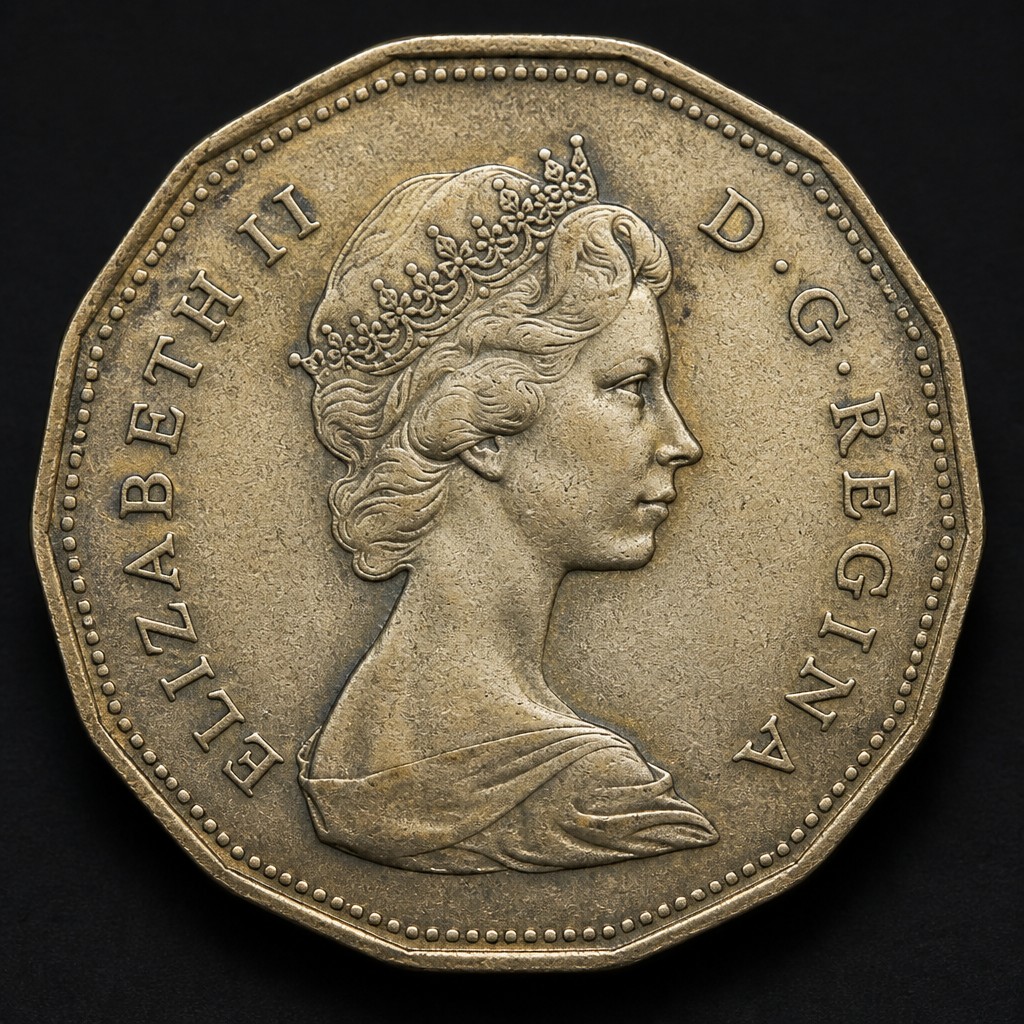
Obverses feature the reigning monarch's portrait; Victorian Gothic florins uniquely render the queen's title in Gothic blackletter script rather than standard Roman lettering, an immediate tell for that series. Reverses vary widely: Gothic florins show a cruciform arrangement of four crowned shields with a rose, thistle, and shamrock in the angles; twentieth-century florins commonly show a crowned double rose or a shield-based composition with symbols for England, Scotland, Ireland, and Wales.
The florin measures roughly 28mm in diameter, smaller than the half crown but larger than the shilling, and its silver content follows the same debasement pattern as other British silver coinage: 92.5% before 1920, 50% from 1920–1946, and cupro-nickel from 1947 onward.
A useful identification shortcut is checking for the word "FLORIN" or "TWO SHILLINGS" spelled out on some later issues, alongside the numeral or value cues in the design, since early florins do not always state the denomination explicitly in words.
Value & Collectibility
Common George V, George VI, and Elizabeth II florins in circulated condition are affordable, typically just a few dollars, and are widely available in bulk lots of old British silver. Gothic florins from Victoria's reign, prized for their artistry, command higher premiums even in modest grades due to strong collector demand.
The 1849 "Godless Florin" itself is a popular variety but not especially rare in absolute terms; well-preserved examples with sharp strikes fetch solid but not extreme premiums. Certain proof florins, pattern pieces, and low-mintage transitional dates are the true rarities within the series.
As with most British silver, grade and eye appeal dominate value beyond the base metal content, with problem-free uncirculated Gothic florins reaching into the hundreds of dollars for exceptional pieces.
Frequently asked questions
Why is it called the 'Godless Florin'?
The 1849 florin omitted the usual DEI GRATIA (by the grace of God) phrase from Victoria's titles, sparking public outrage and prompting a corrected design.
What was a florin worth?
Two shillings, or one-tenth of a pound sterling, later equivalent to 10 new pence after decimalisation.
Is the florin the same as the decimal 10p?
They shared the same value and briefly circulated together after 1971, and florins remained legal tender until the early 1990s.
What makes the Gothic florin distinctive?
Its Victorian-era design uses ornate Gothic blackletter script for the legends, unlike the Roman lettering on most other British coins.
Other coins you may enjoy
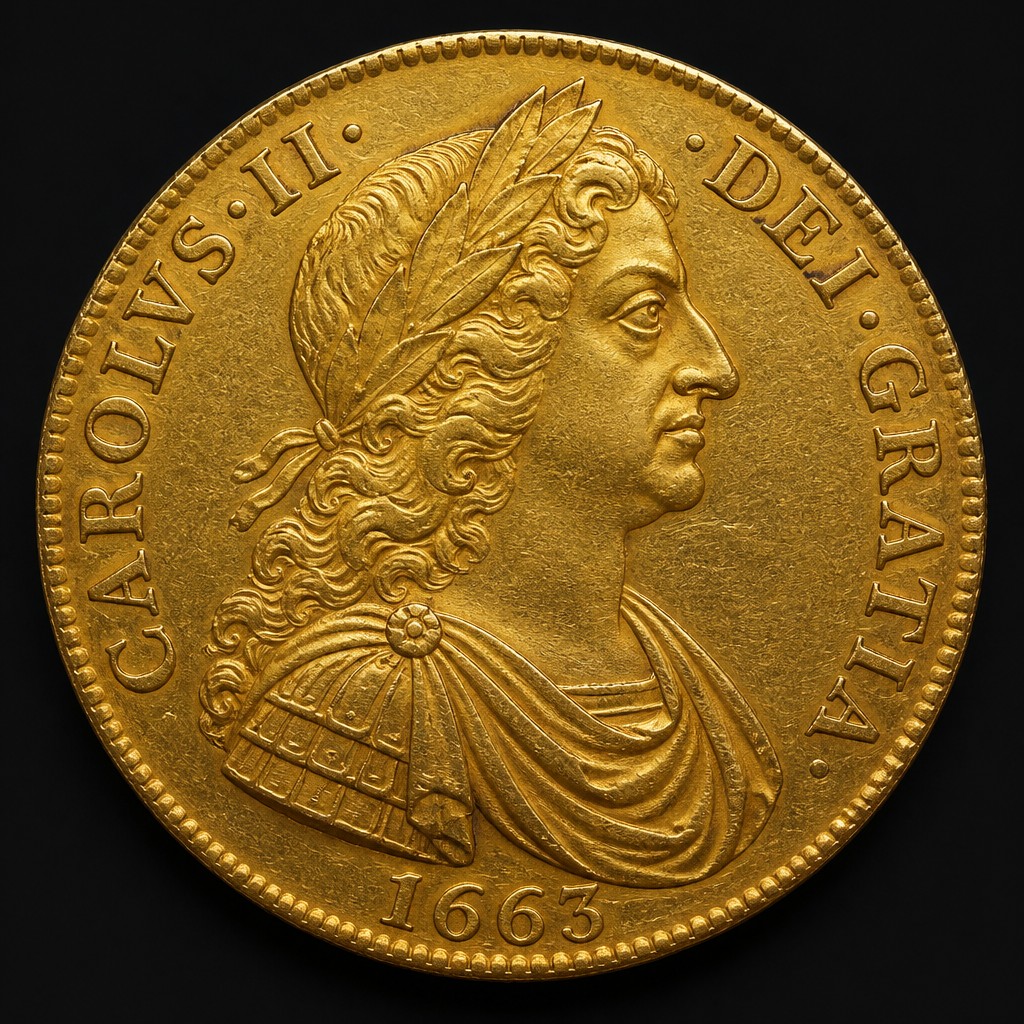
British Guinea
1663–1814
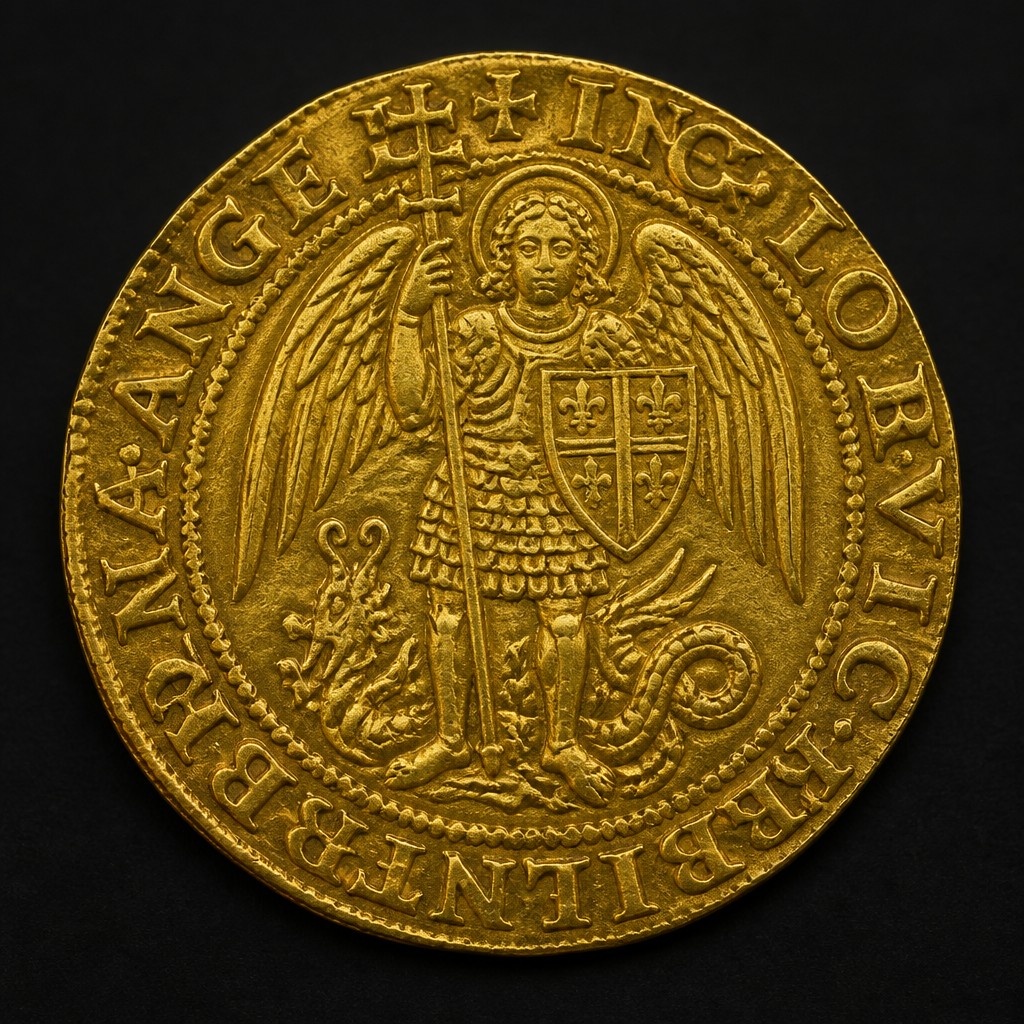
English Angel
1465–1642
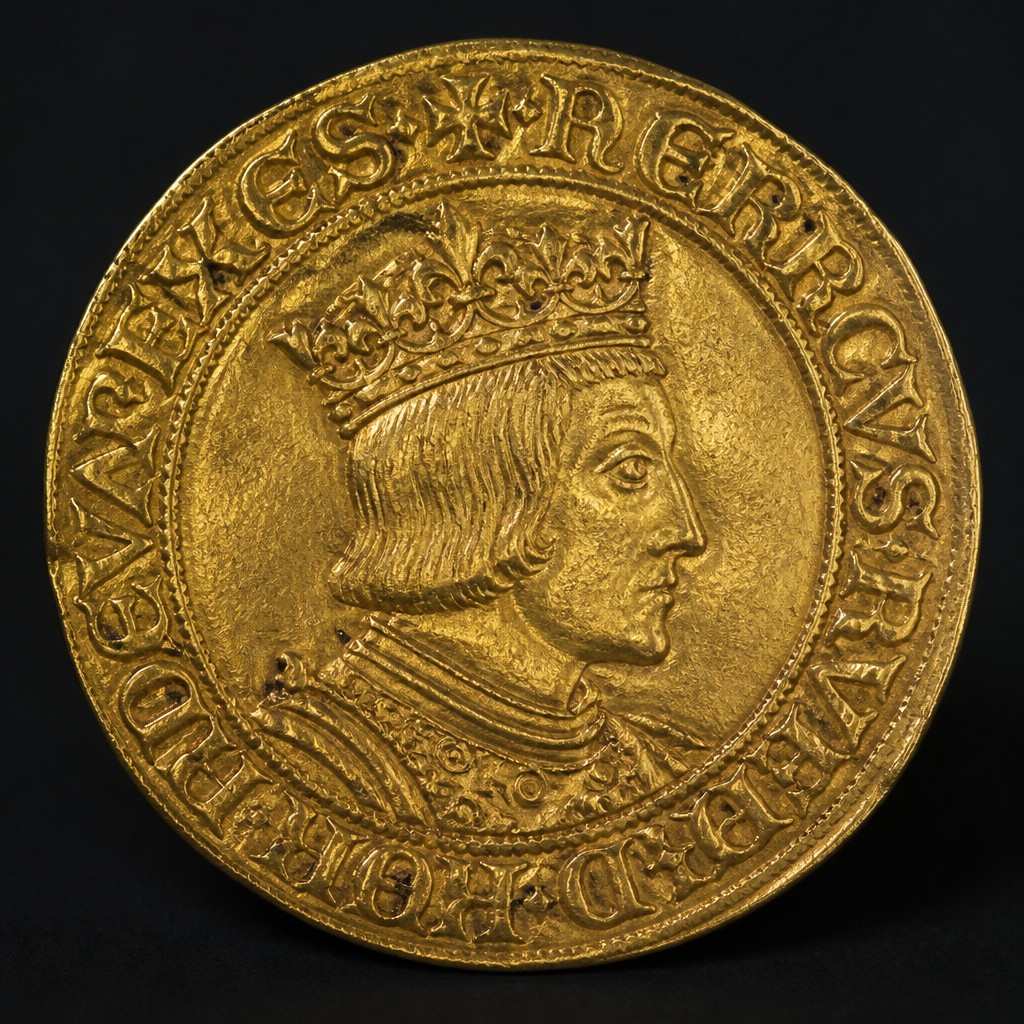
English Sovereign of Henry VII
1489–1509
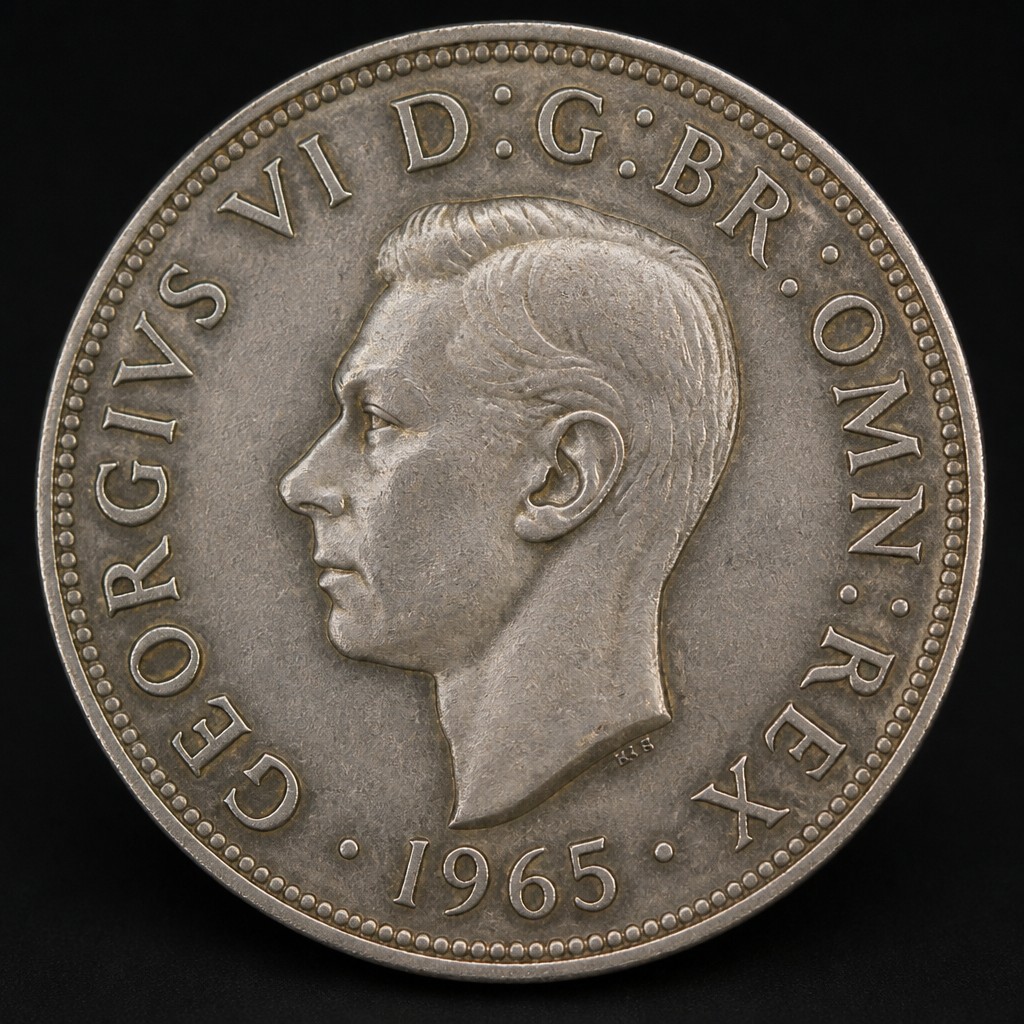
English Crown
1526–1965 (pre-decimal; commemorative crown-sized coins continue as five pound coins)
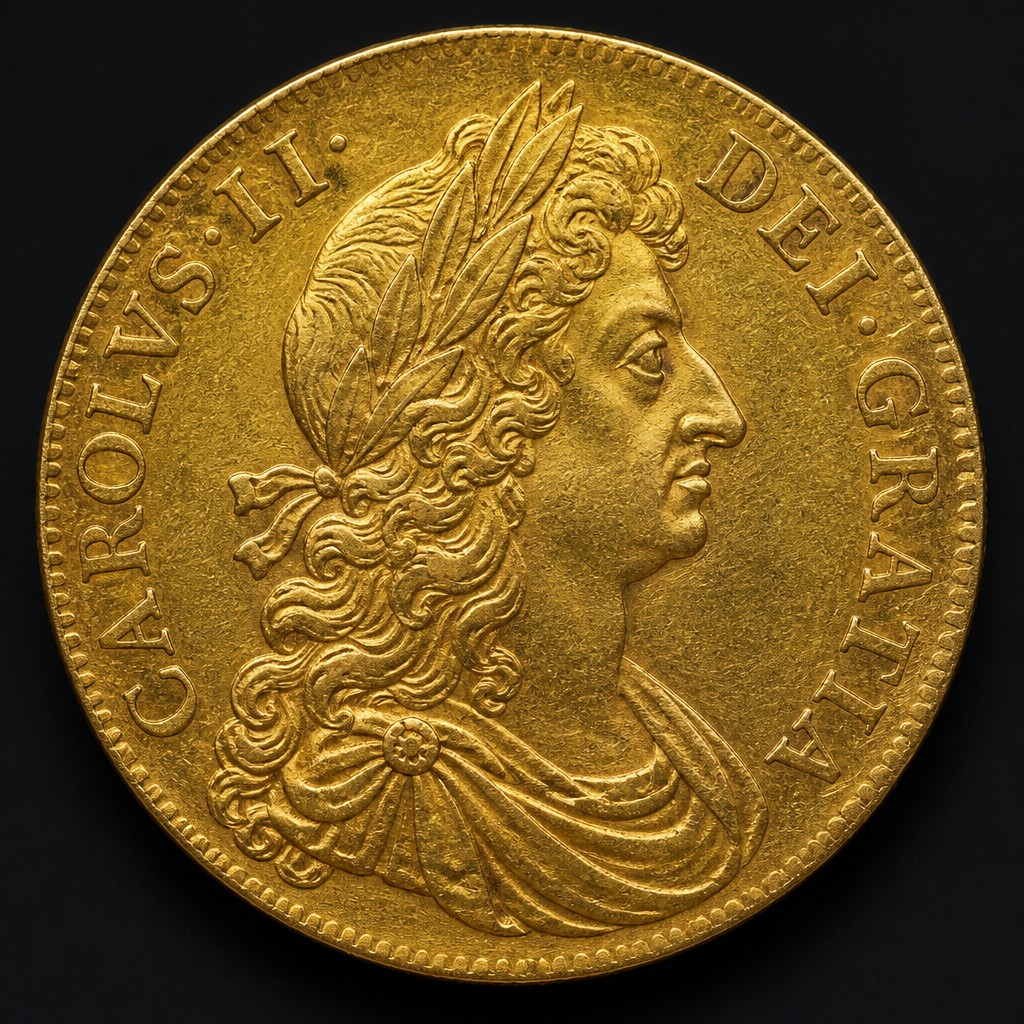
British Gold Guinea
1663–1814
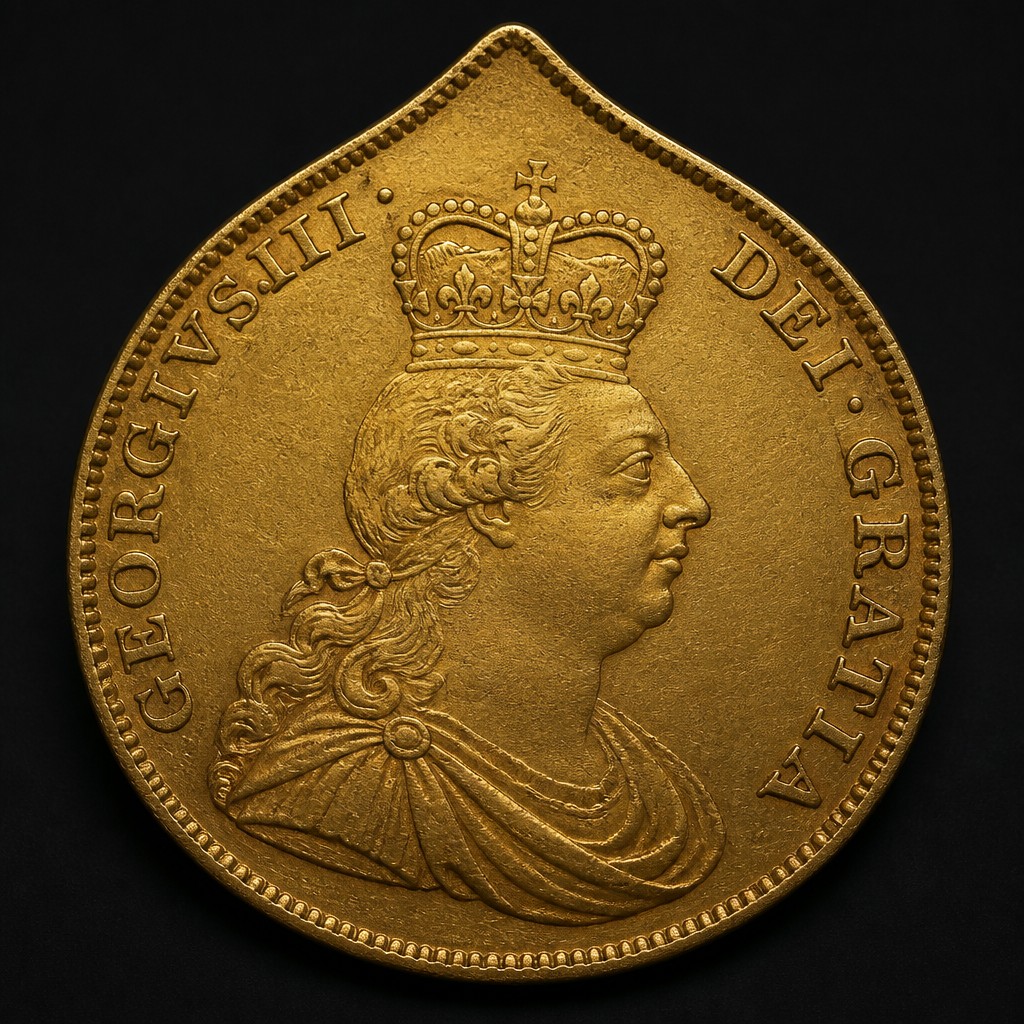
Spade Guinea
1787–1799
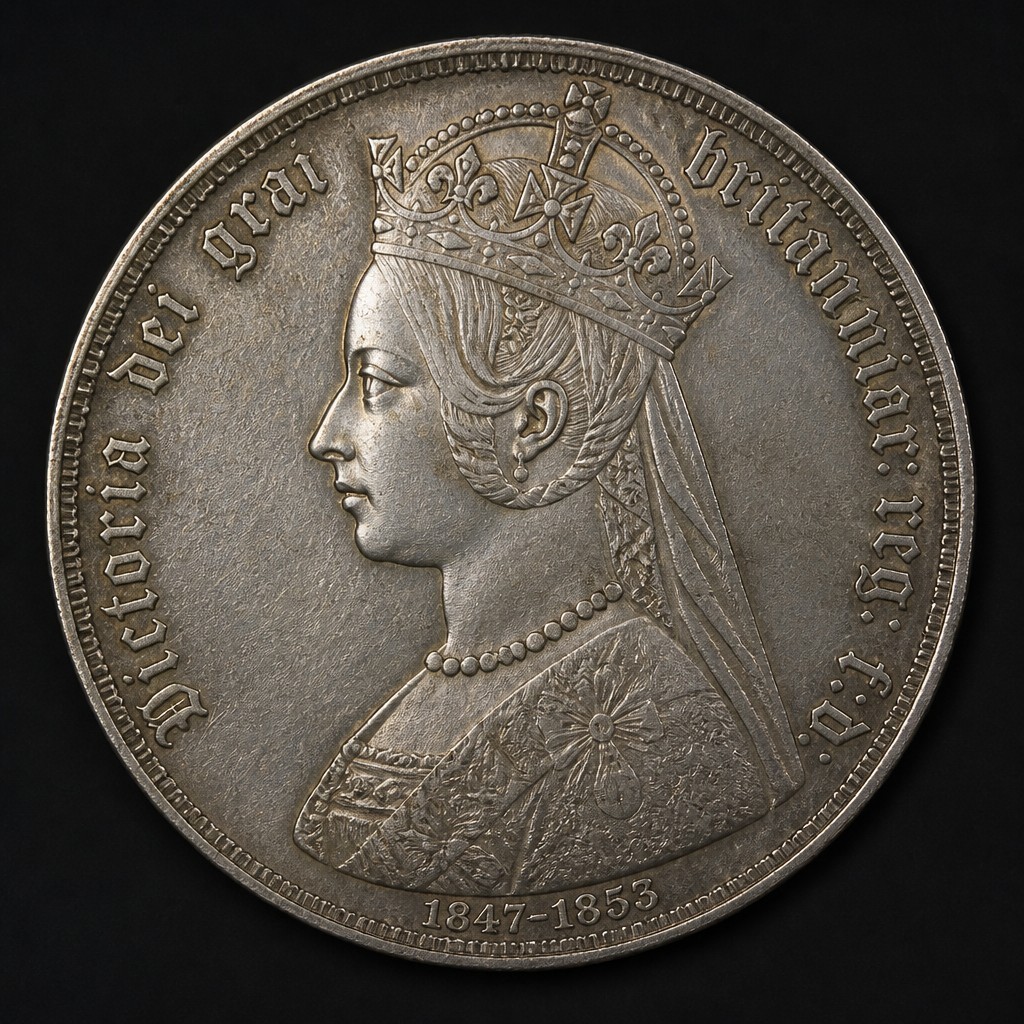
Gothic Crown
1847–1853
Groat (Fourpence)
1279–1888 (various revivals)
Farthing
13th century–1956
Halfpenny
c. 800s–1969
Five Pound Gold (Quintuple Sovereign)
1820–present (intermittent)
Threepence
1547–1970