
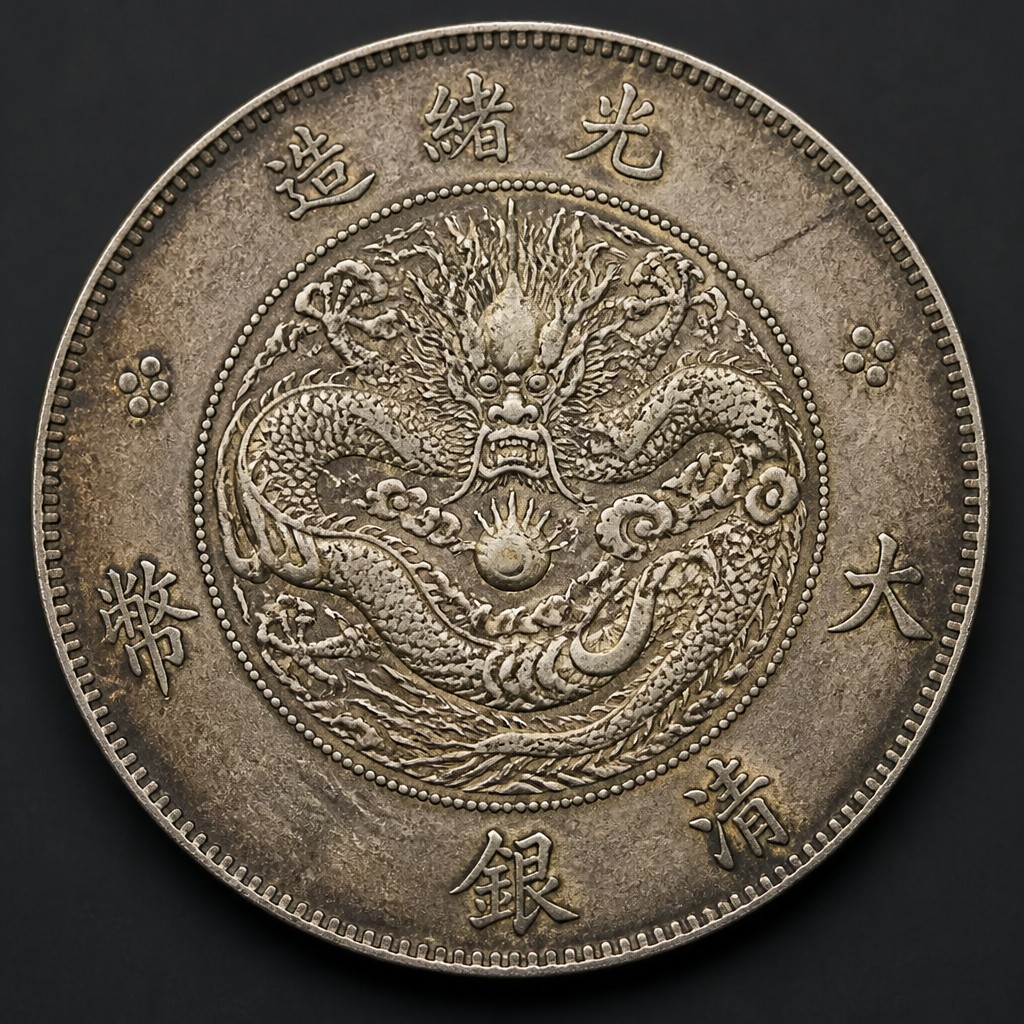
Chinese Dragon Dollar
A coiled dragon dominates the reverse of these late Qing Dynasty silver dollars, struck by numerous Chinese provincial mints as China modernized its coinage using Western minting technology.
- Country
- China (Qing Dynasty)
- Denomination
- 1 Dollar (7 Mace 2 Candareens)
- Metal
- Approximately .820-.900 silver, varying by province and period
Got a coin like this?
Identify any coin from a photo, free.
Overview
The Chinese Dragon Dollar refers broadly to the family of silver dollar-sized coins struck by various provincial mints across late Qing Dynasty China, each bearing a coiled or striding imperial dragon on the reverse, a motif closely associated with Chinese imperial authority. These coins emerged as China modernized its currency system in the final decades of the 19th century, adopting Western-style milled coinage technology to compete with the foreign silver dollars that had long circulated in Chinese commerce.
Because China lacked a fully unified national mint at the time, provinces such as Guangdong (Canton), Hupeh, Kiangnan, Fengtien, Chihli (Pei Yang), and Szechuan each established their own mints and struck dragon dollars with regionally distinct designs, dates (often given in the reign-year of the Guangxu Emperor), and calligraphic styles, resulting in a large and complex family of related but visually varied coins.
Dragon dollars remain among the most actively studied and collected areas of Chinese numismatics, prized both for their historical role in China's monetary modernization and for the artistic and regional diversity of their dragon designs.
History & Background
China's provincial mints began striking silver dollars in the image of foreign trade coins during the 1880s and 1890s, as the late Qing government recognized the need to compete with the flood of foreign silver dollars circulating in Chinese ports and commercial centers. Guangdong province pioneered large-scale machine-struck dollar coinage in the late 1880s, and other provinces soon followed with their own mints and dragon designs, often purchasing coining machinery directly from British and other Western manufacturers.
Most dragon dollars bear a date corresponding to a year in the reign of the Guangxu Emperor, whose rule (1875-1908) spanned the period of most active provincial dollar production, though later issues under the brief Xuantong (Puyi) reign and the transitional Republic-era Yuan Shikai dollar followed similar dragon-and-portrait conventions before dragon imagery was phased out after the 1911 Revolution ended imperial rule.
The proliferation of distinct provincial dragon dollars, each with local design nuances, reflects both the decentralized nature of the late Qing state and the broader story of China's difficult, uneven path toward a unified modern currency, a process not fully completed until decades into the 20th century.
How to Identify
The obverse typically bears Chinese and Manchu characters identifying the issuing province and the reign-year of the emperor, often within a beaded or plain circular border, and sometimes English-language text stating the mint name and denomination for the benefit of foreign traders. The reverse is dominated by a large coiled or striding dragon design, its exact rendering, number of claws, cloud patterns, and border style varying distinctly by province and serving as a key identifier for specialists.
The coin is struck in silver of variable fineness (commonly in the .820 to .900 range depending on province and period), roughly 38-39mm in diameter, denominated as "7 Mace and 2 Candareens" reflecting the traditional Chinese weight system rather than a simple "1 dollar" designation on most types. Edges are typically reeded, though details vary by mint and striking equipment.
Because dozens of province-and-date combinations exist, often with multiple die varieties within a single date, accurate identification requires close comparison of the dragon's design, the calligraphy of the province name, and any English lettering against specialized reference catalogs of Chinese provincial coinage; the field is also notorious for counterfeits and later restrikes, so certification is strongly advised for anything beyond the most common types.
Value & Collectibility
Common provincial dragon dollars, particularly later, higher-mintage types from provinces like Kiangnan or Pei Yang, are relatively accessible to collectors in circulated grades, while scarcer provinces, early dates, and particular die varieties can be quite valuable, sometimes reaching well into four or five figures for the rarest combinations. High-grade, well-struck examples with strong luster are especially prized, since many surviving dragon dollars show significant circulation wear, cleaning, or chop marks from heavy use in trade.
Because the Chinese dragon dollar market has a well-documented history of contemporary and modern counterfeits, including deceptive fakes aimed at collectors, authentication through a reputable grading service with expertise in Chinese coinage is particularly important; unattributed or uncertified pieces, even of seemingly common types, should be approached cautiously.
Frequently asked questions
Why are there so many different Chinese Dragon Dollars?
Late Qing China lacked a single national mint, so multiple provinces each established their own mints and struck dragon dollars with distinct regional designs.
What does the dragon symbolize?
The dragon was a traditional symbol of Chinese imperial authority, making it a natural motif for coinage issued under the Qing Dynasty.
How is the denomination expressed on these coins?
Most are marked in the traditional Chinese weight system as "7 Mace and 2 Candareens" rather than simply "1 Dollar."
Are Chinese Dragon Dollars commonly counterfeited?
Yes, both period and modern counterfeits are widespread in this series, so certification by a specialist grading service is strongly recommended.
What time period do most Dragon Dollars come from?
The majority date from the Guangxu Emperor's reign (1875-1908), with a smaller number from the brief Xuantong reign just before the 1911 Revolution.
Other coins you may enjoy
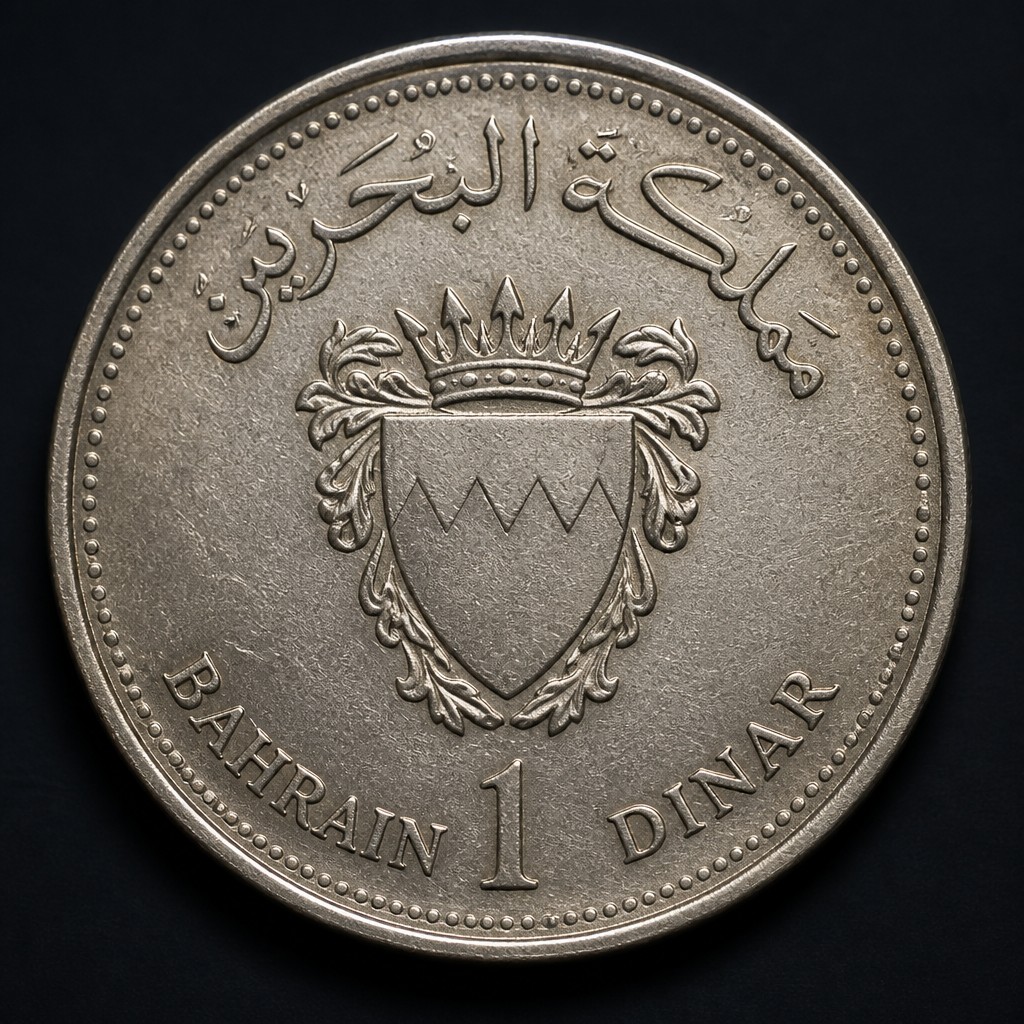
Bahraini Dinar
1965–present
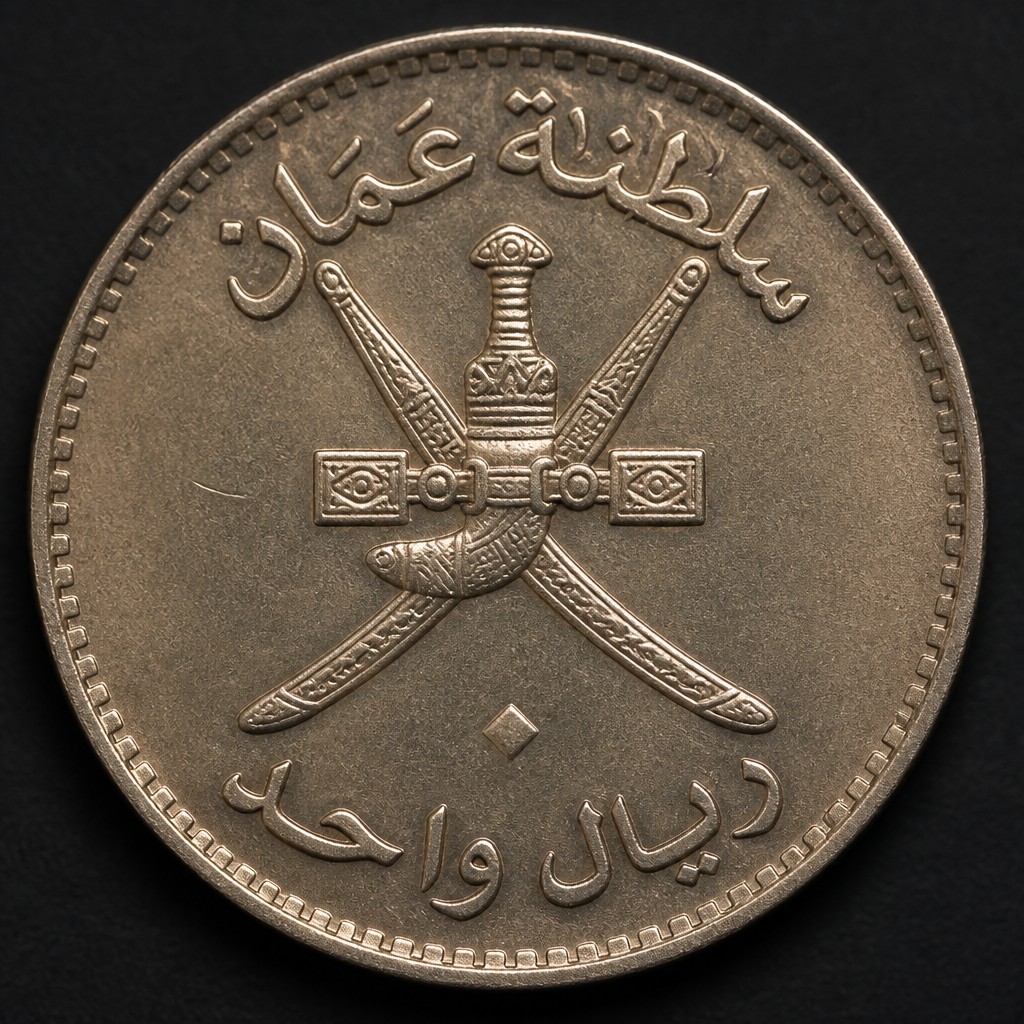
Omani Rial (Baisa Coinage)
1970–present
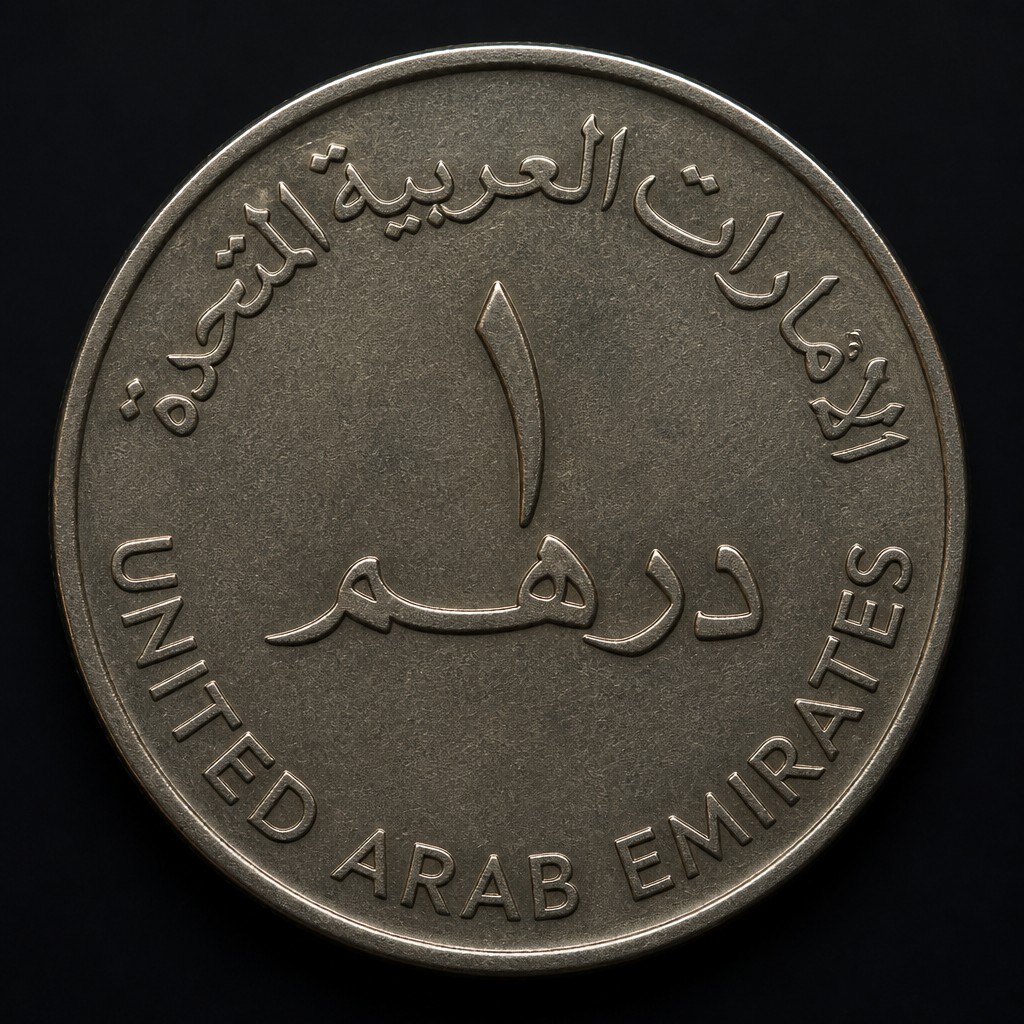
United Arab Emirates Dirham
1973–present
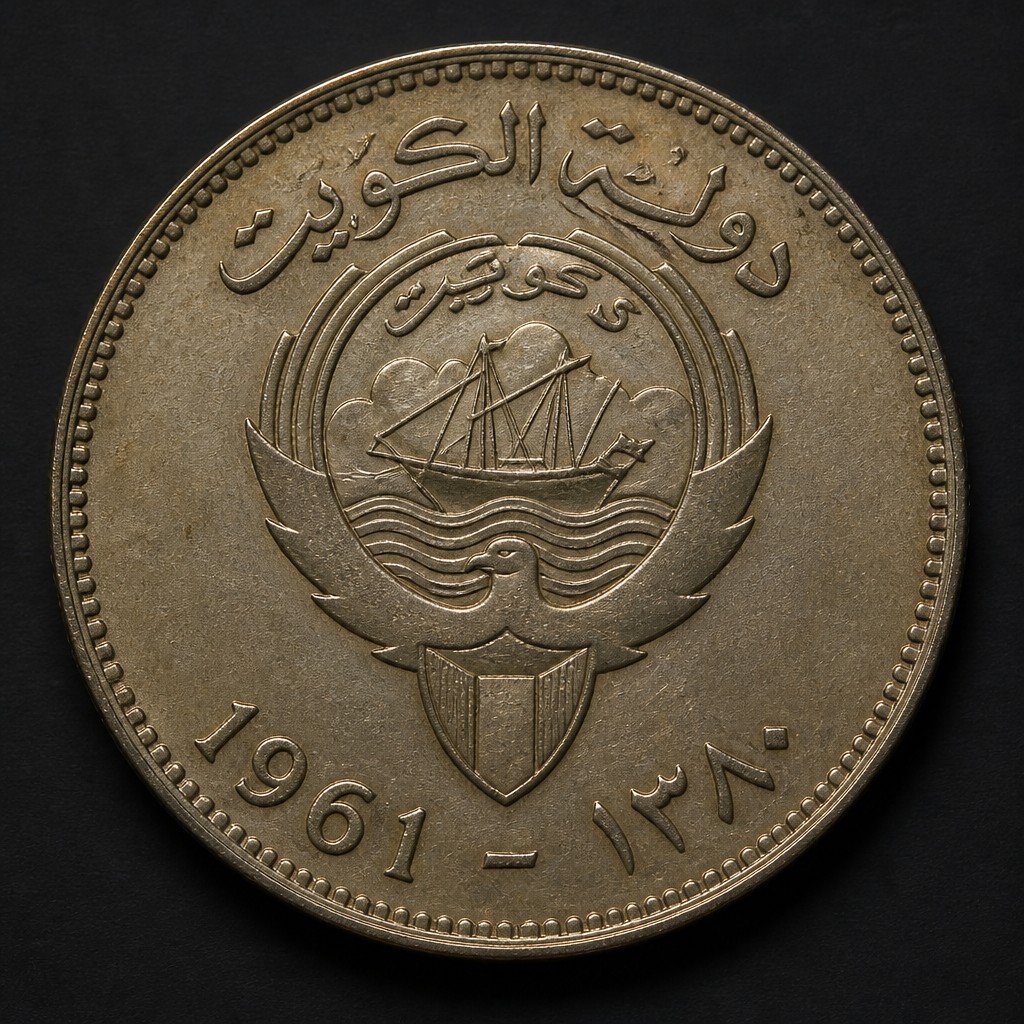
Kuwaiti Fils
1961–present
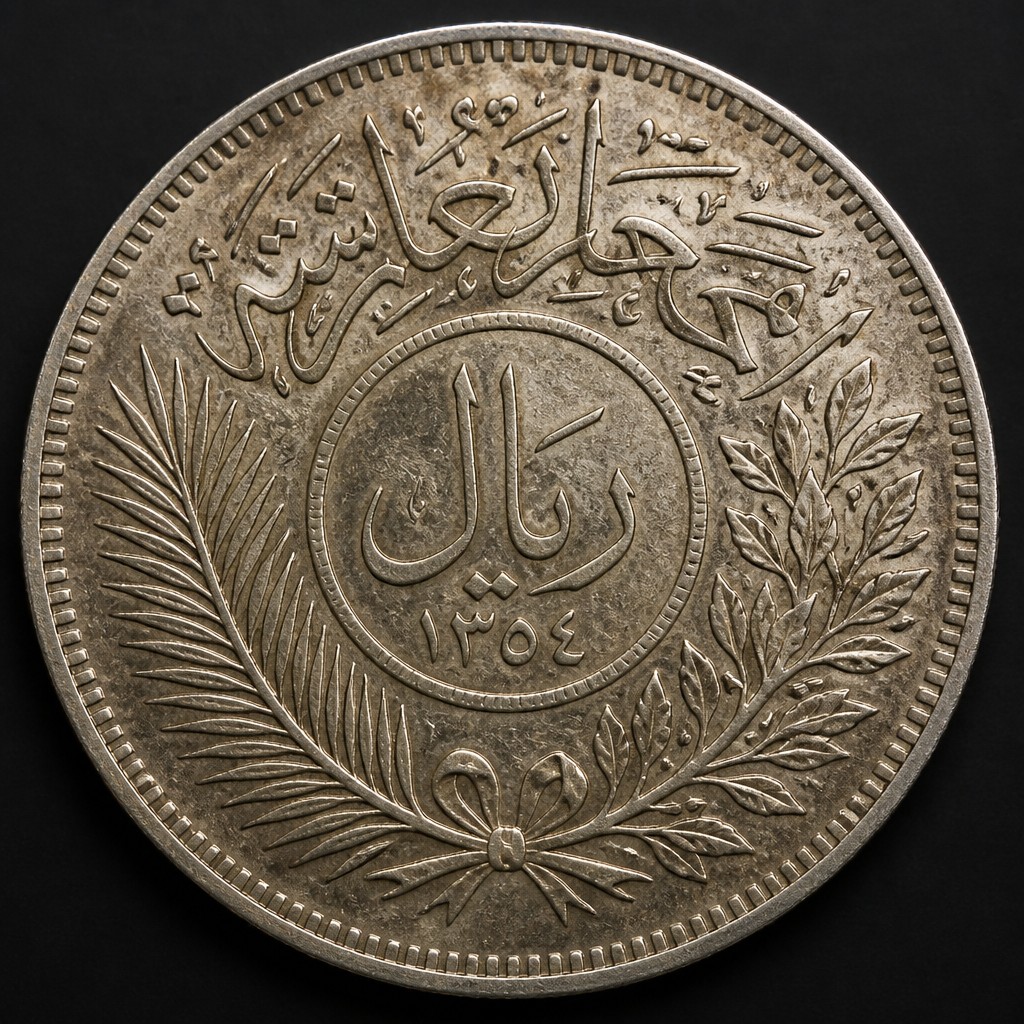
Saudi Arabian Riyal (silver)
1935 (Kingdom-wide standardization) and related issues
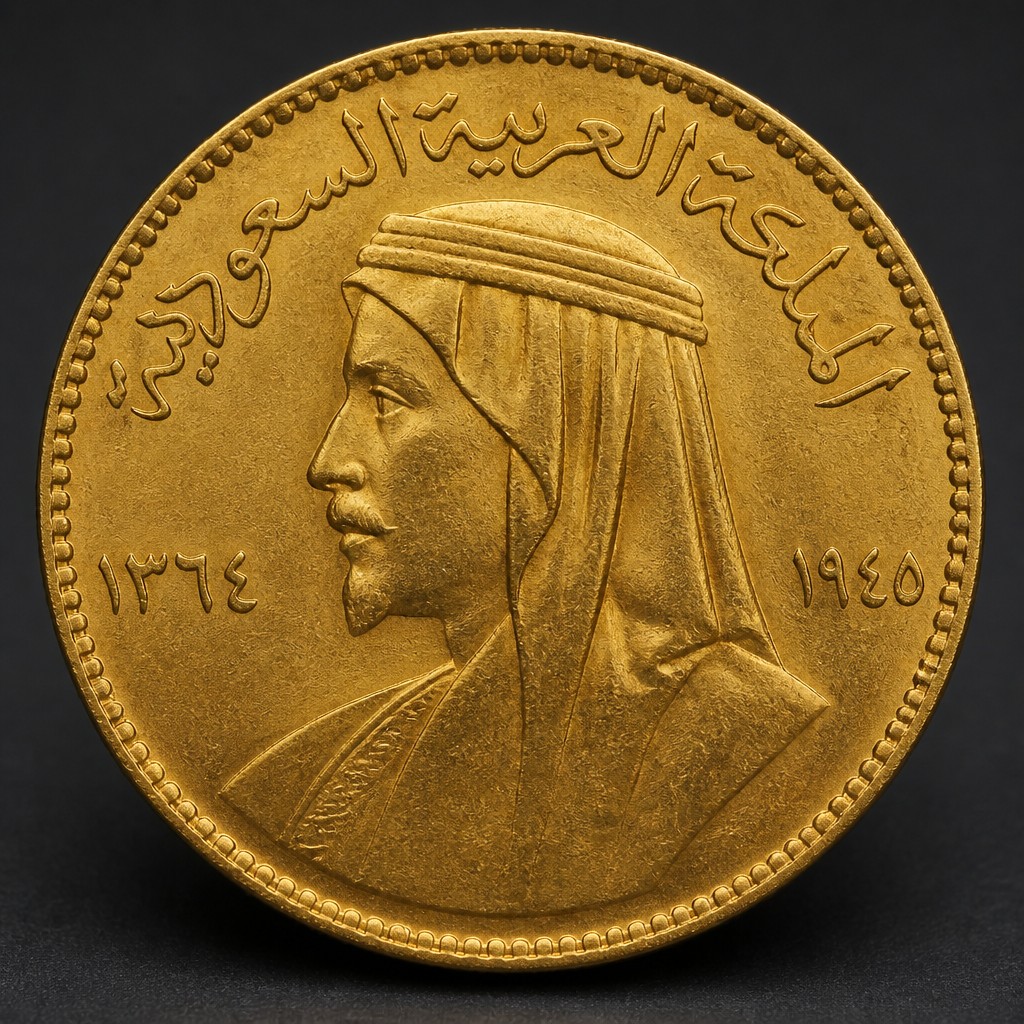
Saudi Arabian Gold Guinea (Sovereign)
1945 and later issues
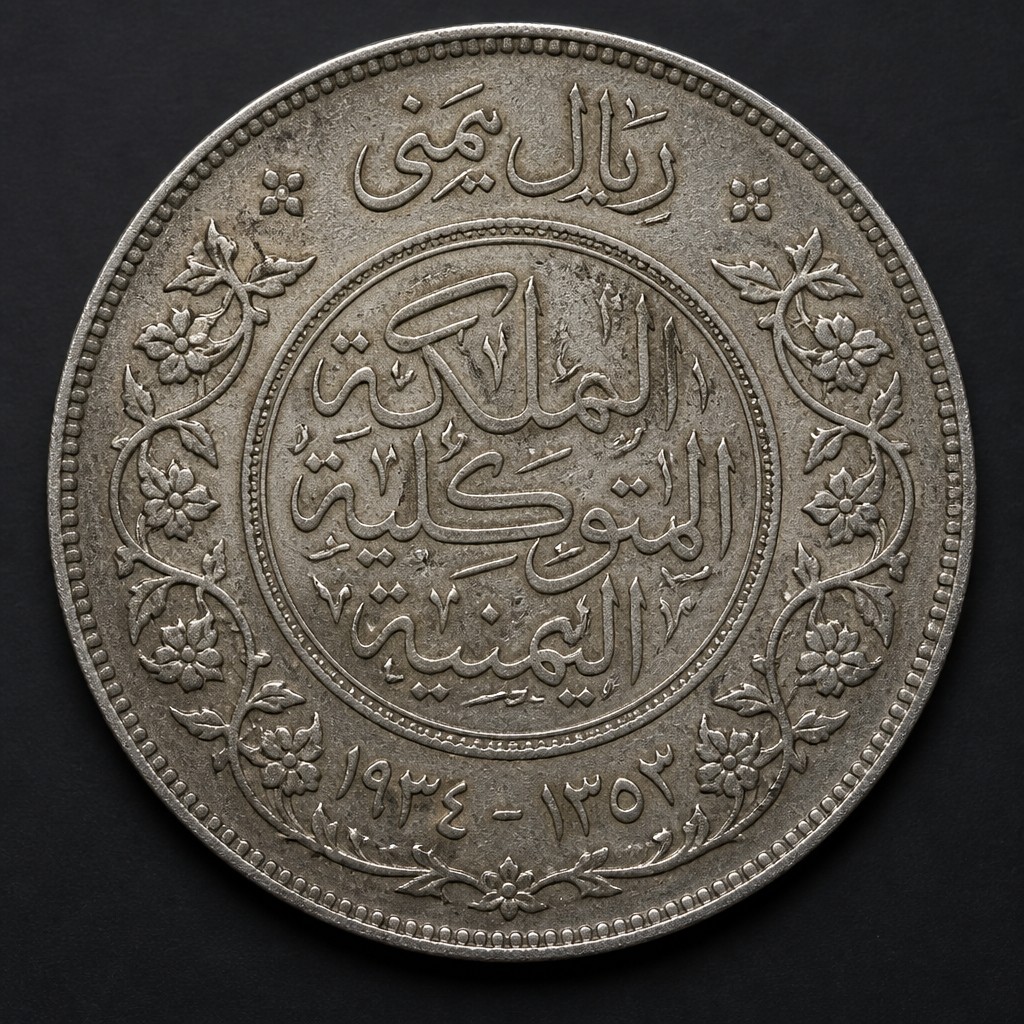
Yemeni Riyal (Ahmadi/Imadi Kingdom Coinage)
Early-to-mid 20th century
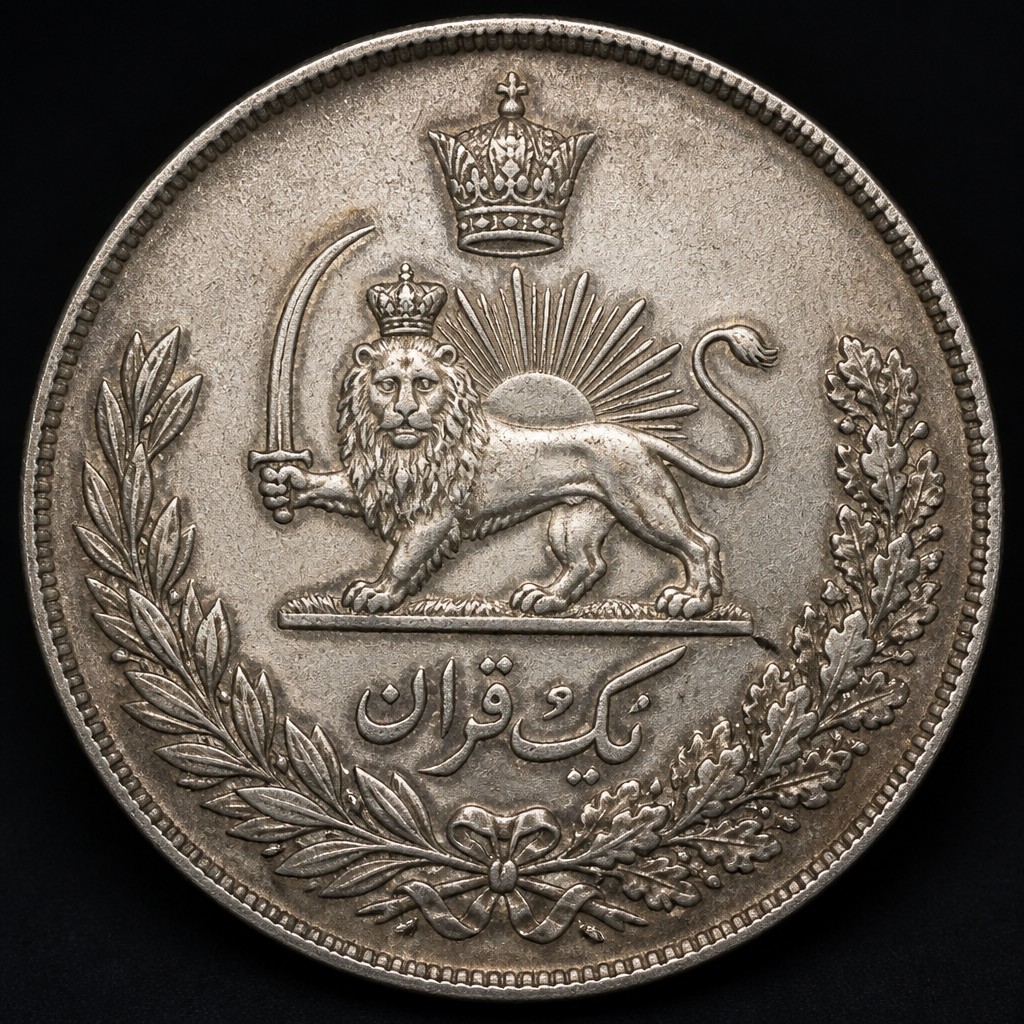
Persian Kran (Qajar silver)
Mid-19th century–1925
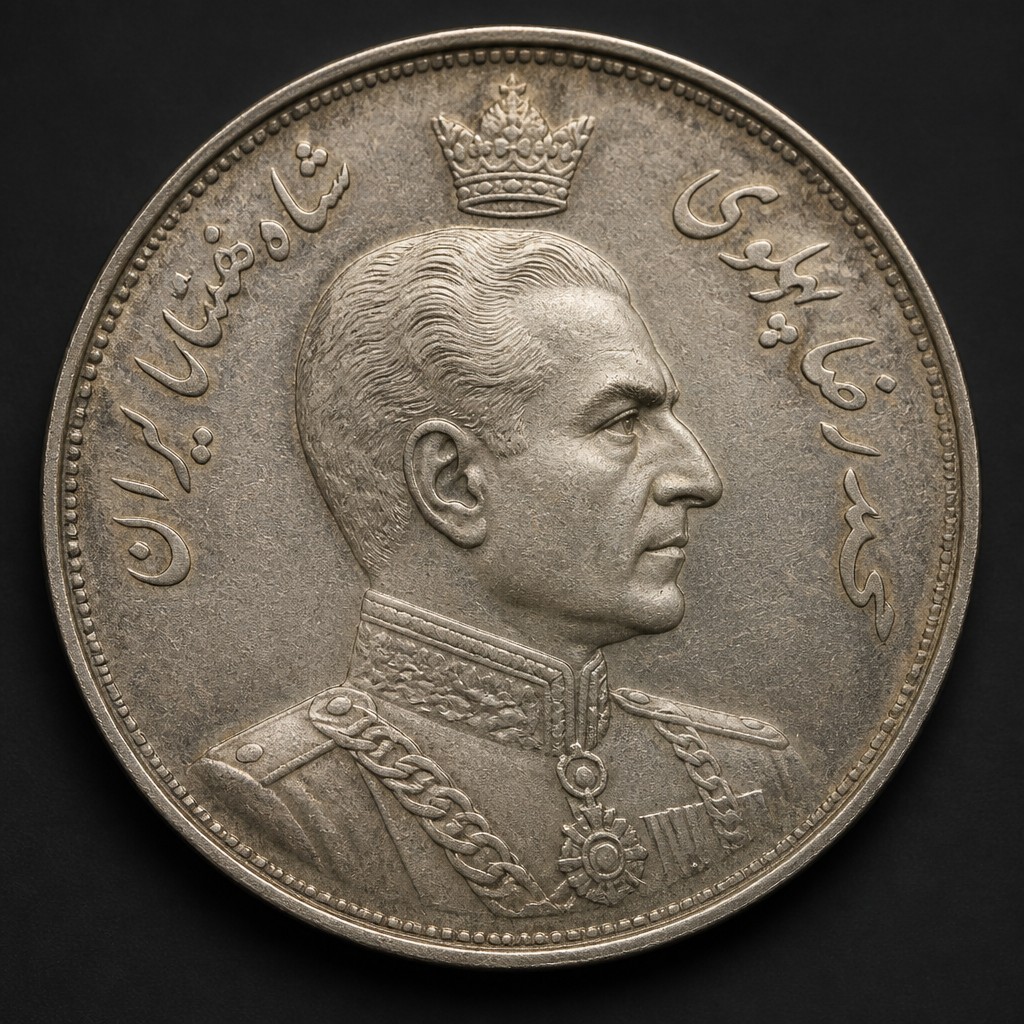
Iranian Rial
1932–present
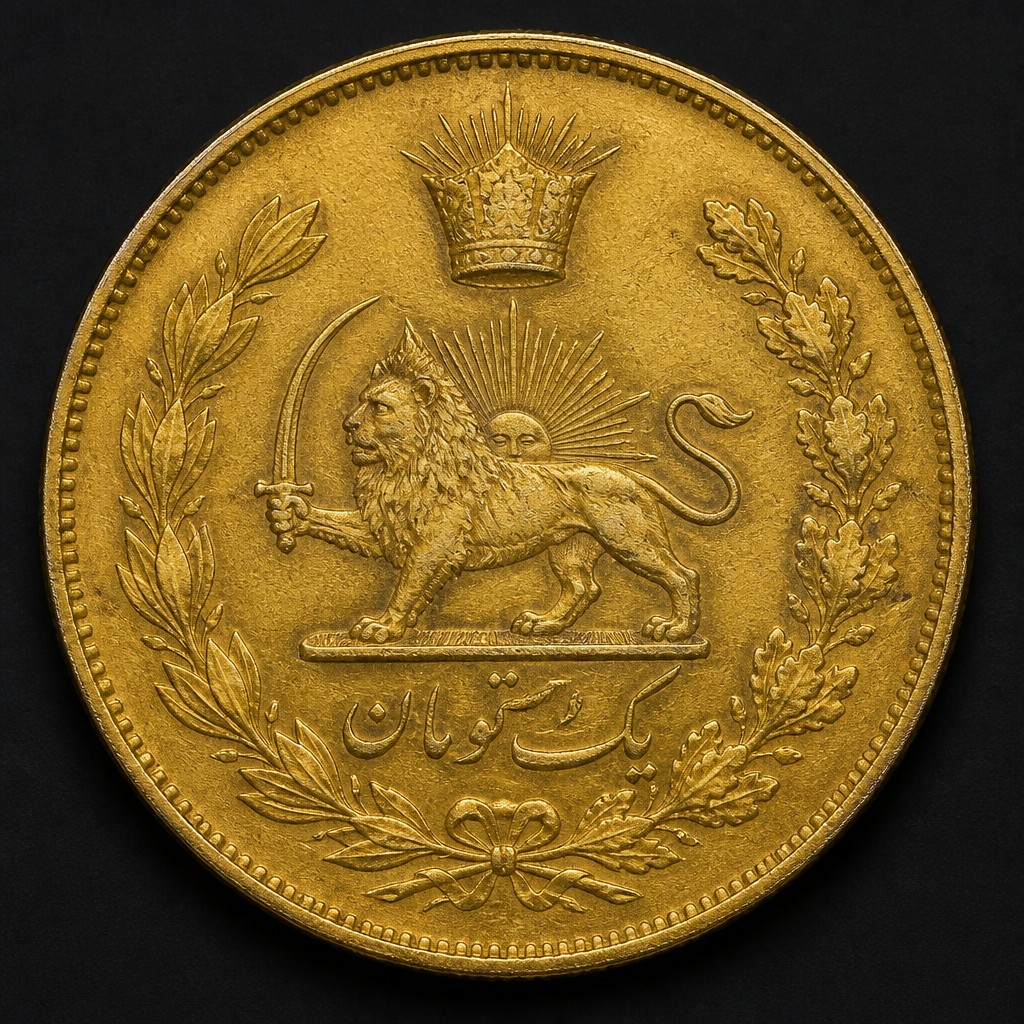
Persian Gold Toman (Qajar)
1796–1925
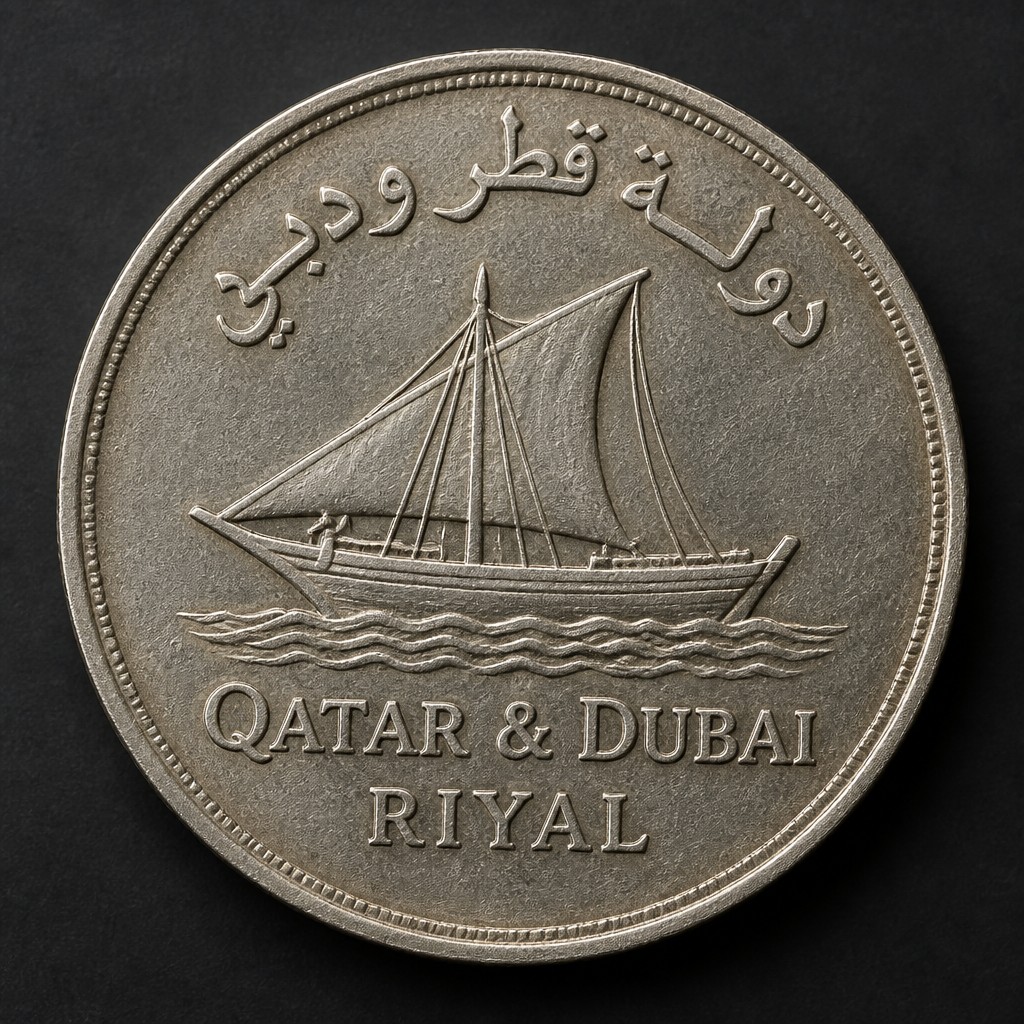
Qatar and Dubai Riyal
1966–1973
British India Rupee (Silver)
1835–1947