
Coin Encyclopedia
Search and identify coins from around the world — with country, denomination, metal, mint, history, and how to tell them apart.
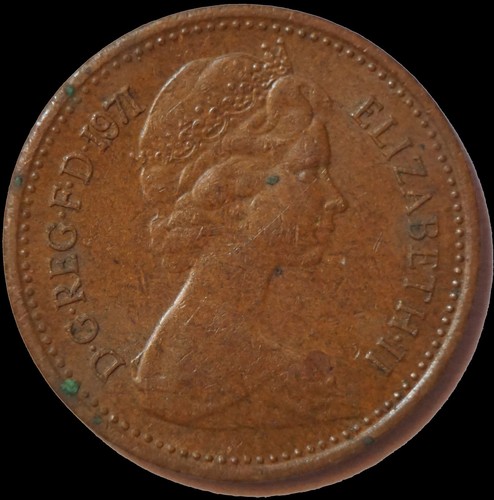
British Decimal Half Penny
The smallest UK decimal coin, a tiny bronze half-penny introduced with decimalisation in 1971, bearing a crown reverse and the Machin portrait of Elizabeth II.
British Isles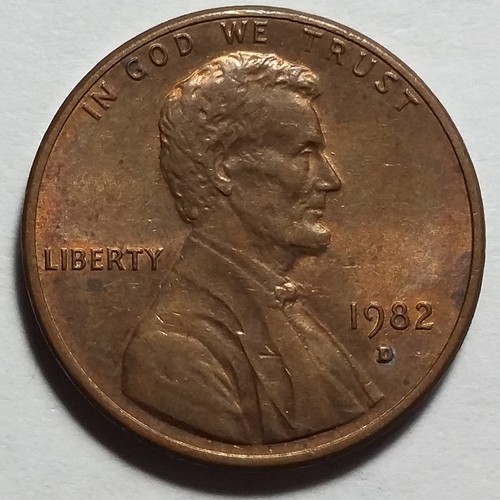
Lincoln Memorial Cent
U.S. one-cent piece struck 1959–2008 with Lincoln's profile and a Memorial reverse; 1982 is the split year between bronze and copper-plated zinc.
Small Cent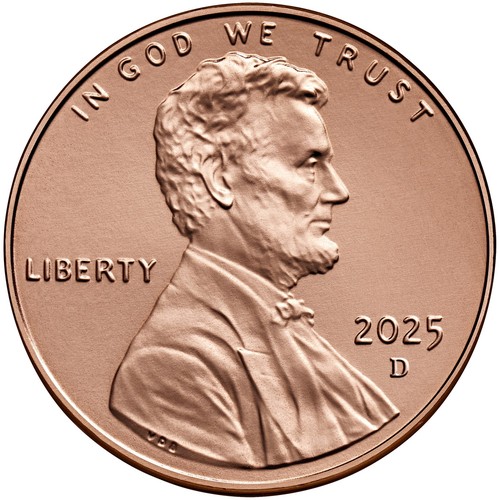
Lincoln Shield Cent
The current U.S. one-cent coin, struck since 2010, pairing Lincoln's profile with a Union Shield reverse on a copper-plated zinc planchet.
Small Cent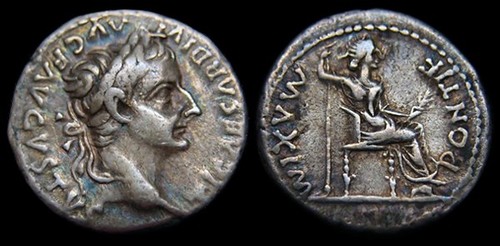
Denarius of Tiberius (Tribute Penny)
Silver denarius of Emperor Tiberius (14–37 AD), obverse his laureate head, reverse a seated female figure — the famous "Tribute Penny" of the Gospels.
Ancient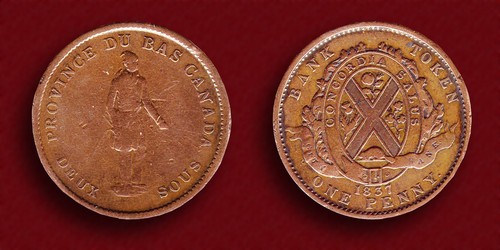
Lower Canada Bank Penny Token
Copper 1837 penny token of Lower Canada with a standing habitant and PROVINCE DU BAS CANADA obverse and a crowned heraldic-arms reverse.
Canadian & Provincial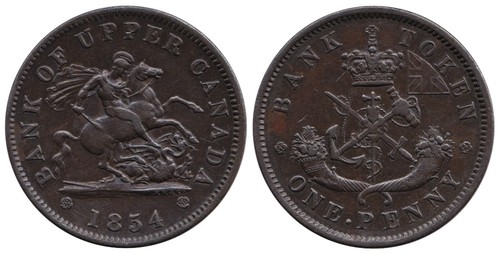
Bank of Upper Canada One Penny Token
Copper penny token of the Bank of Upper Canada showing St. George slaying the dragon, with a crowned royal-arms reverse; this example dated 1854.
Canadian & Provincial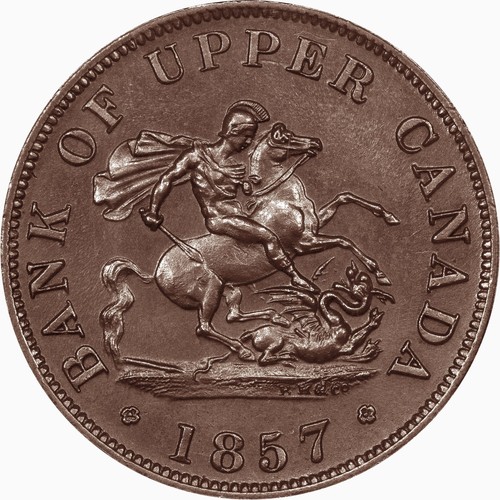
Bank of Upper Canada Half-Penny Token
Copper half-penny token of the Bank of Upper Canada, with St. George slaying the dragon and the bank's crowned heraldic arms, dated 1857.
Canadian & Provincial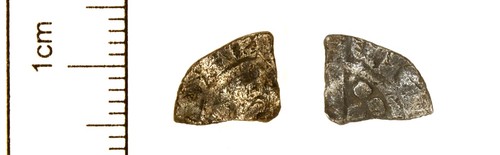
Medieval Silver Cut Farthing
A quarter of a medieval silver penny, physically cut along the reverse cross to make small change before round farthings became common.
British Isles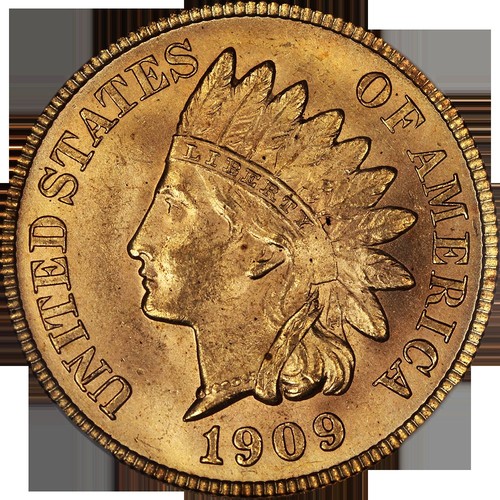
Indian Head Cent
Classic U.S. one-cent piece struck 1859–1909, showing Liberty in a feathered headdress; later dates like 1909 are bronze with an oak-wreath-and-shield reverse.
Small Cent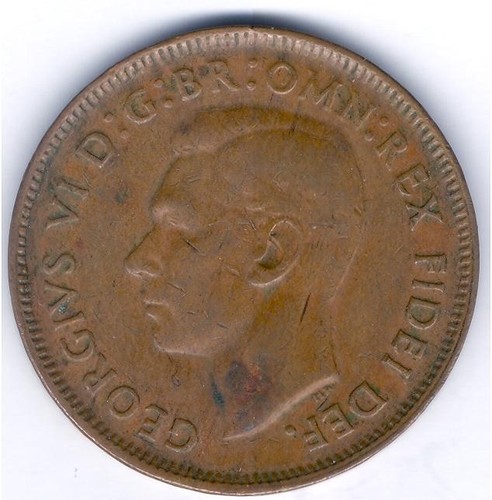
Australian Halfpenny
Small bronze pre-decimal Australian half penny; the George VI kangaroo type shown here was struck through the early 1950s.
Australian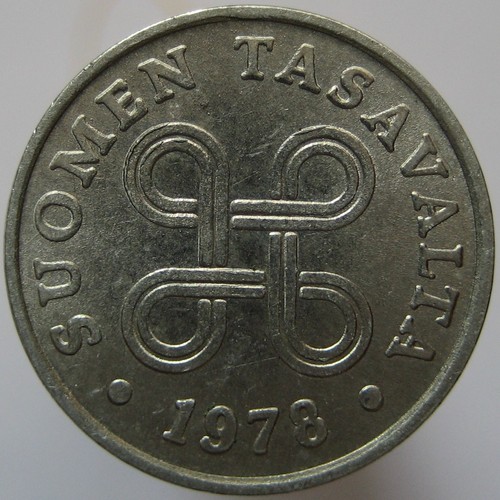
1 Penni
Finland's smallest post-1963 coin: a tiny light base-metal piece with a bold numeral 1 and SUOMI on the front and a geometric line pattern on the back.
World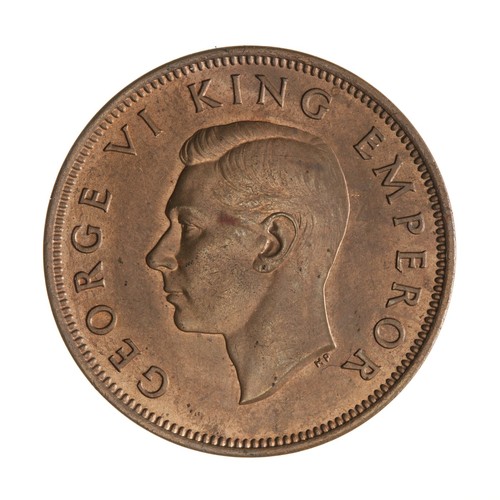
New Zealand Halfpenny
New Zealand's small bronze halfpenny, struck from 1940, with a royal portrait obverse and a Maori hei-tiki reverse. The coin shown is a 1940 George VI issue.
New Zealand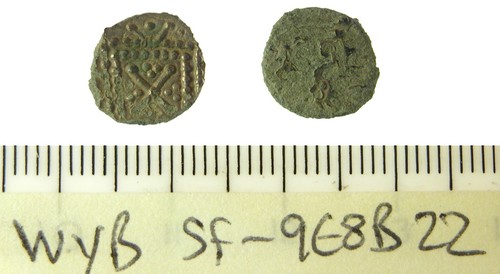
Anglo-Saxon Sceatta
Tiny thick silver coin of early Anglo-Saxon England, the example showing a stylized bird with geometric patterns and symbolic reverse designs.
Medieval Coins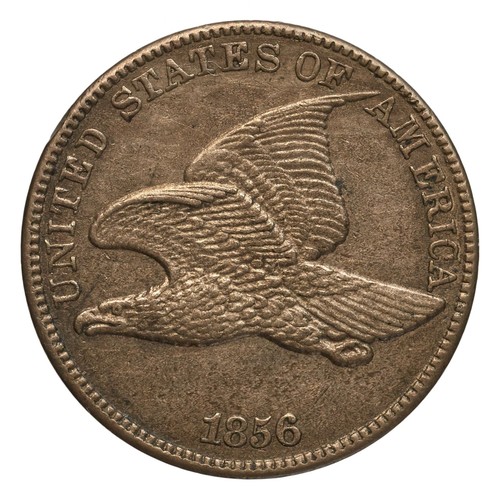
Flying Eagle Cent
America's first small cent, showing an eagle in flight on the obverse and an agricultural wreath on the reverse; struck 1856–1858 in copper-nickel.
Small Cent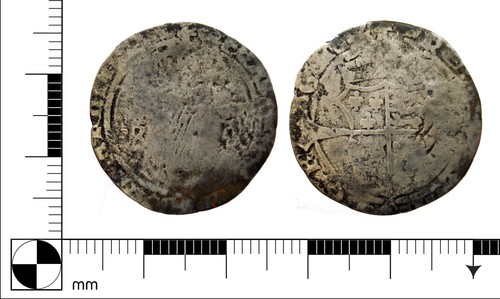
Medieval Coin
A worn hammered silver coin of the medieval era, with faded profile, legends, and a heraldic or emblematic reverse.
Hammered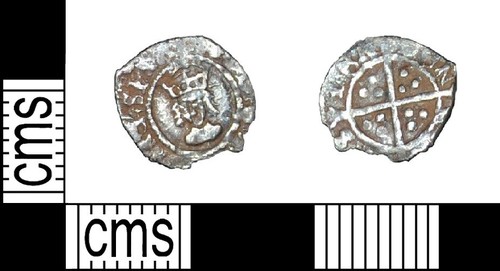
Halfpenny of Henry VIII
A tiny hand-struck Tudor silver halfpenny of Henry VIII, showing a crowned facing bust on the obverse and a long cross over a shield of arms on the reverse.
Hammered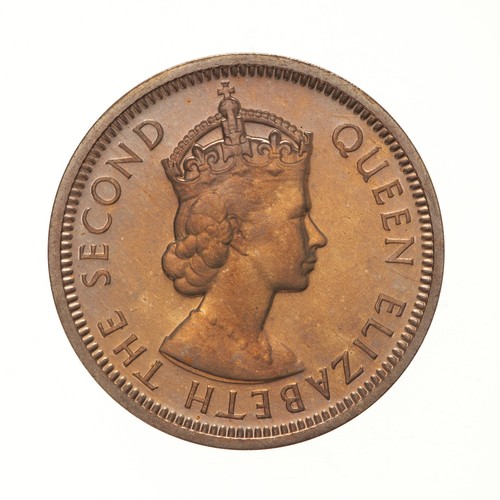
Belize 1 Cent
A small bronze one-cent coin from the Caribbean nation now called Belize, carrying a portrait of Queen Elizabeth II and dated 1954.
Circulation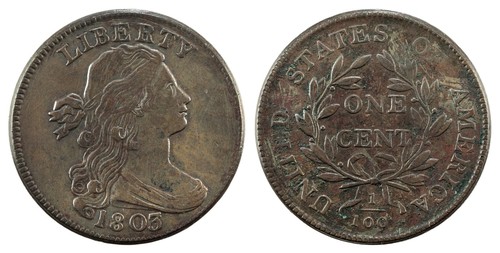
Draped Bust Large Cent
An early U.S. copper one-cent coin (1796–1807) showing a right-facing Liberty with flowing hair and drapery, larger and heavier than a modern cent.
United States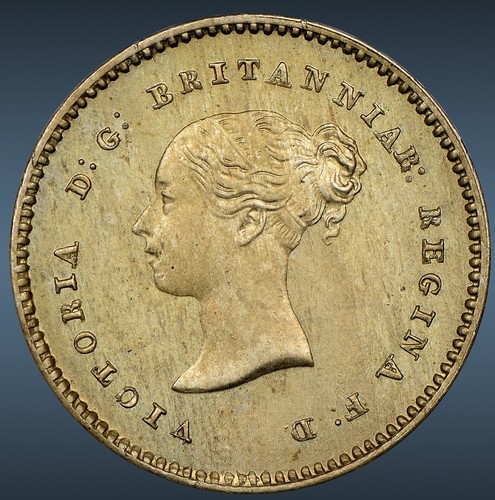
Quarter Farthing
Tiny copper coin of Queen Victoria worth one-sixteenth of a penny, struck for use in Ceylon; the smallest-value British denomination ever made.
British Isles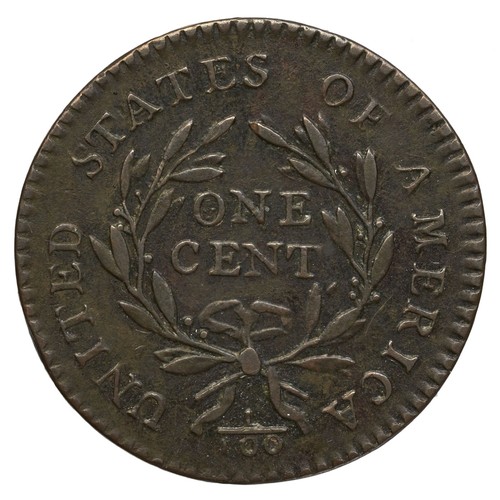
Liberty Cap Large Cent
An early U.S. copper cent (1793-1796) showing Liberty with a cap on a pole, flowing hair, and a wreath reverse.
Large Cent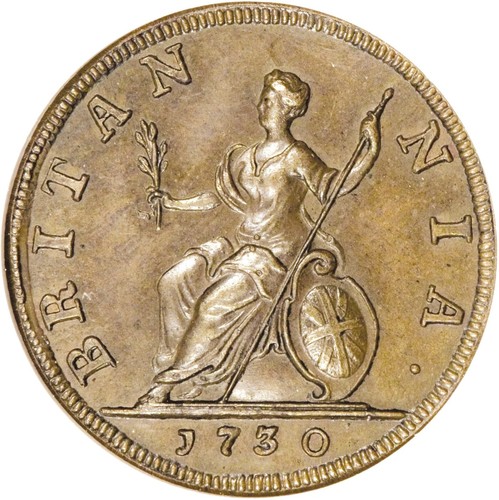
British Farthing
Small copper farthing of King George II, with his laureate bust facing left and a seated Britannia on the reverse; struck in the 1730s.
British Isles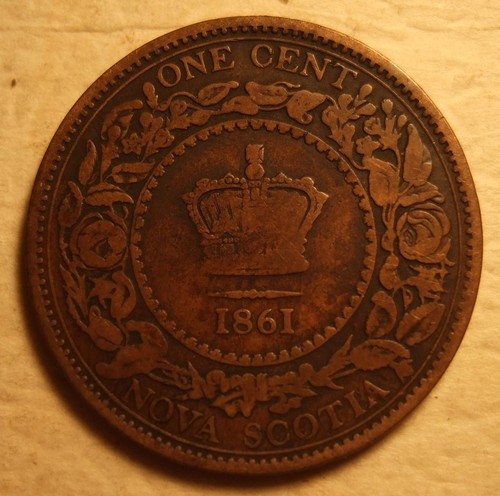
Nova Scotia One Cent
Bronze one-cent coin of the colony of Nova Scotia, with a crowned Queen Victoria obverse and a crown-and-maple-leaves reverse.
Canadian & Provincial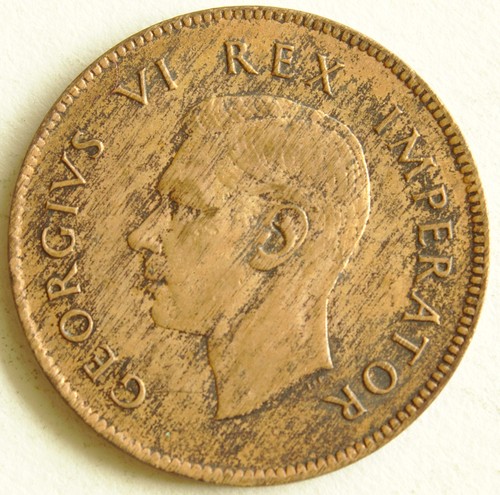
South Africa Farthing
The smallest bronze coin of the Union of South Africa, a quarter-penny with a crowned royal portrait and a South African bird reverse.
World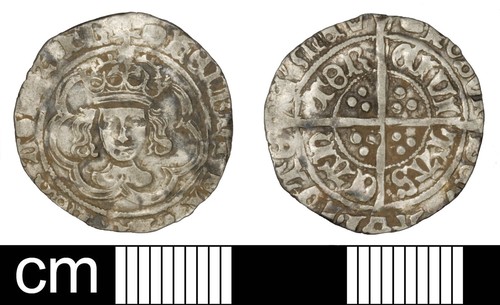
Medieval Halfgroat of Henry VII
Hammered silver twopence of England's first Tudor king, with a crowned royal portrait and a long-cross reverse over a shield.
British Isles