
Coin Encyclopedia
Search and identify coins from around the world — with country, denomination, metal, mint, history, and how to tell them apart.
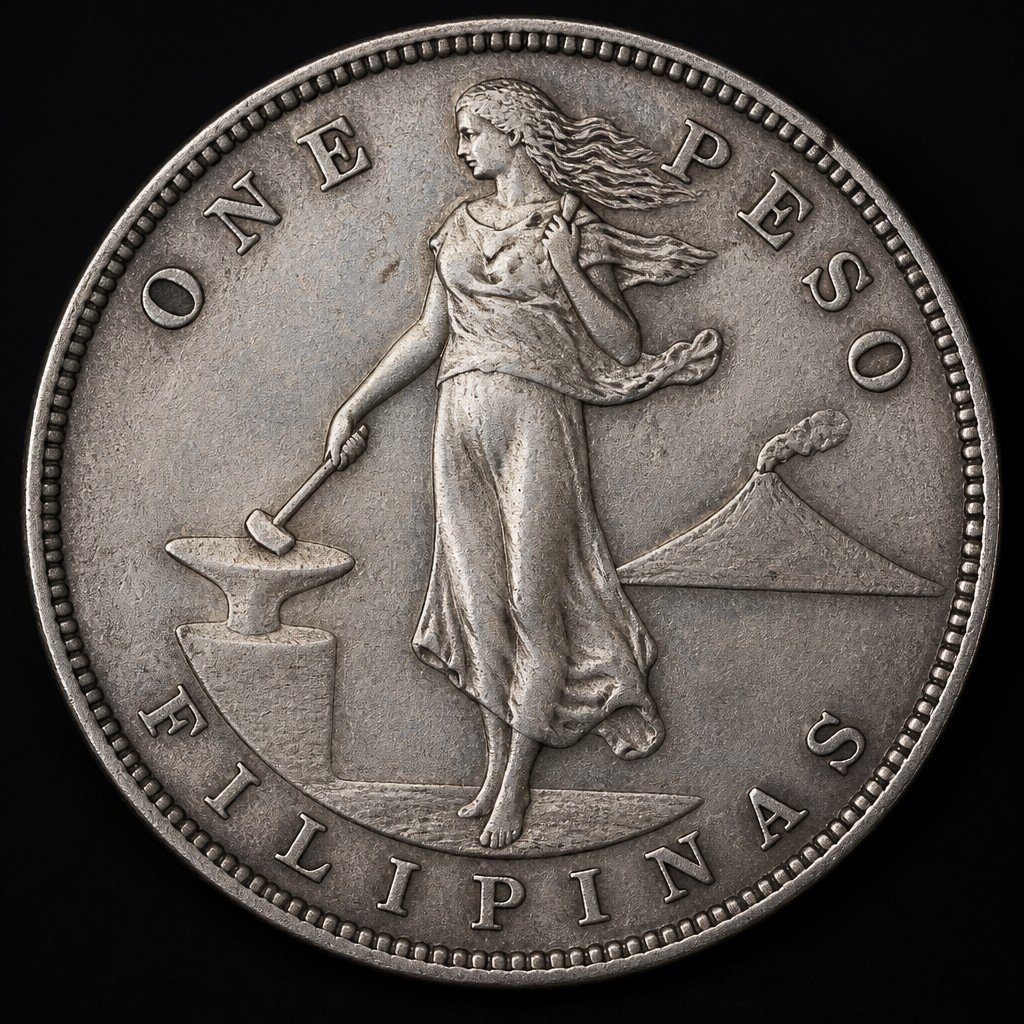
Philippine Peso (US Administration, 1903)
Silver one-peso coin struck for the Philippines under early American colonial administration, part of a new US-designed coinage system introduced in 1903.
Asian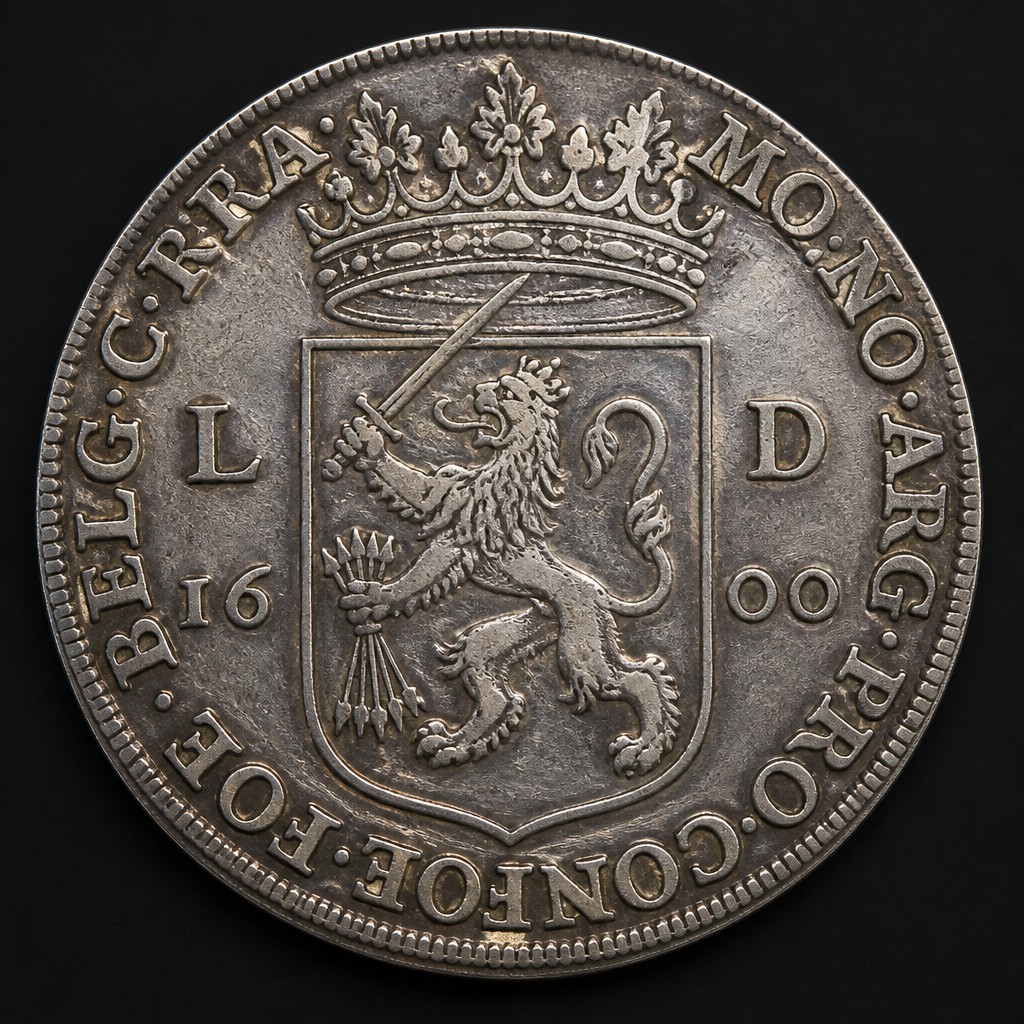
Netherlands Lion Daalder (Leeuwendaalder)
A large silver trade coin of the Dutch provinces showing a knight and a rampant lion, widely circulated in colonial North America and the Ottoman world as the prototype 'lion dollar.'
European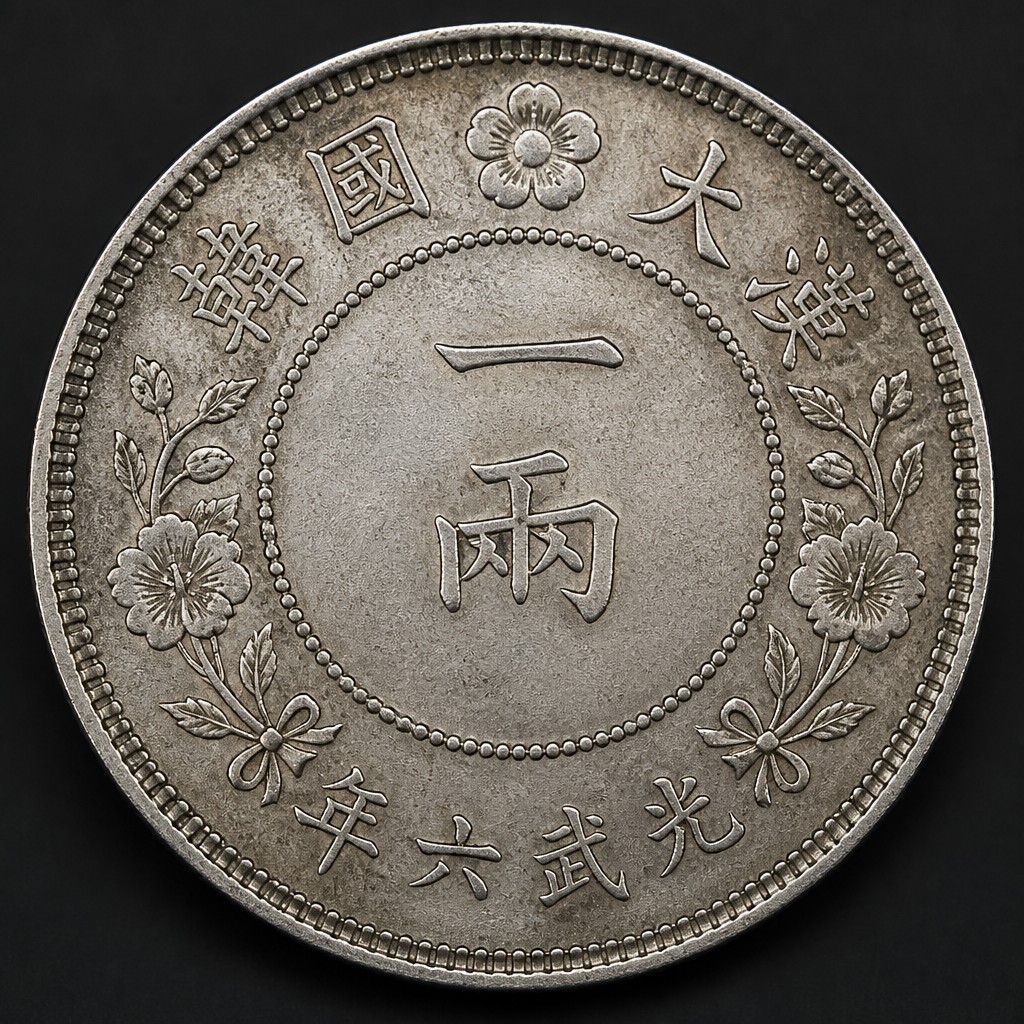
Korean 1 Yang Silver (Joseon/Great Han Empire)
Silver 1 Yang coin from Korea's late Joseon currency reform of the 1890s, part of the kingdom's first modern, machine-struck decimal coinage.
Asian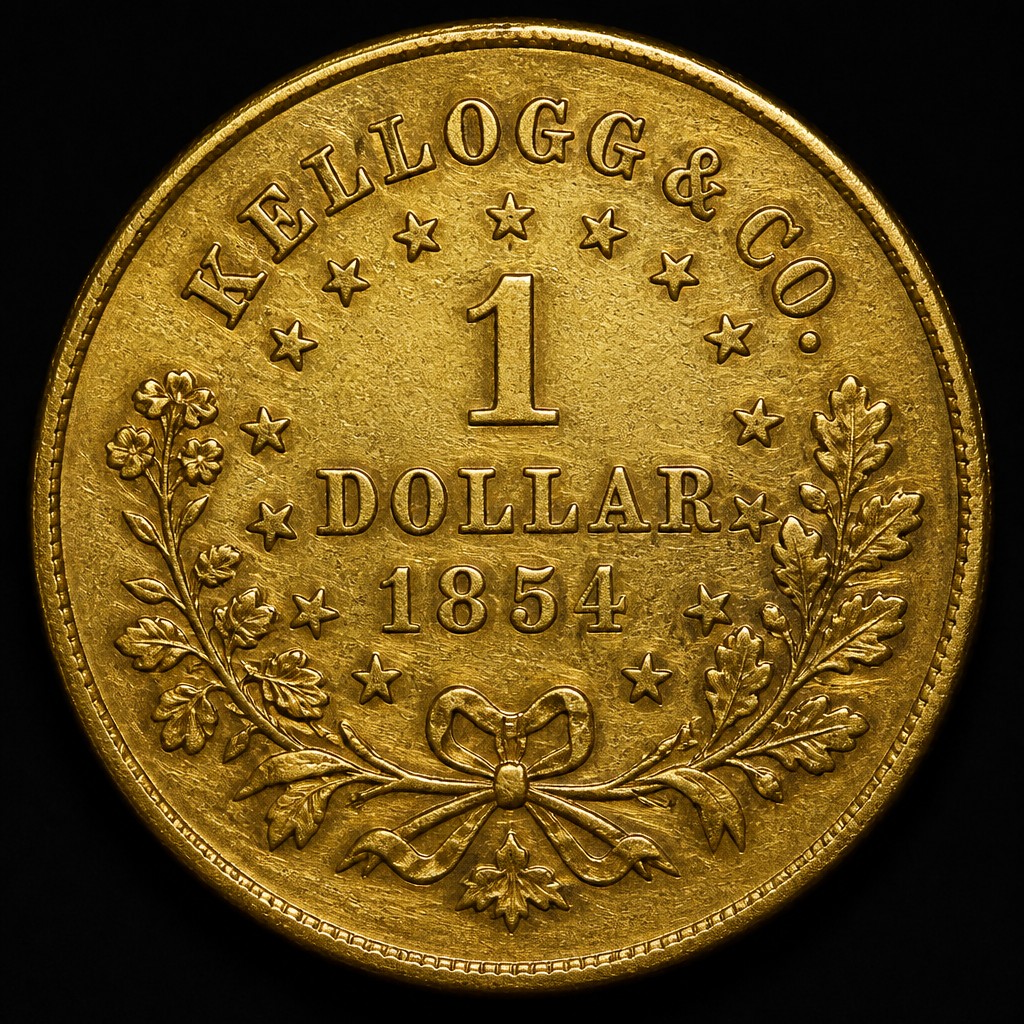
Kellogg & Co. Gold Piece
Private gold coinage struck by the San Francisco firm Kellogg & Co. during the California Gold Rush, including the famous octagonal fifty-dollar 'slug' of 1855, filling a shortage of circulating coin.
United States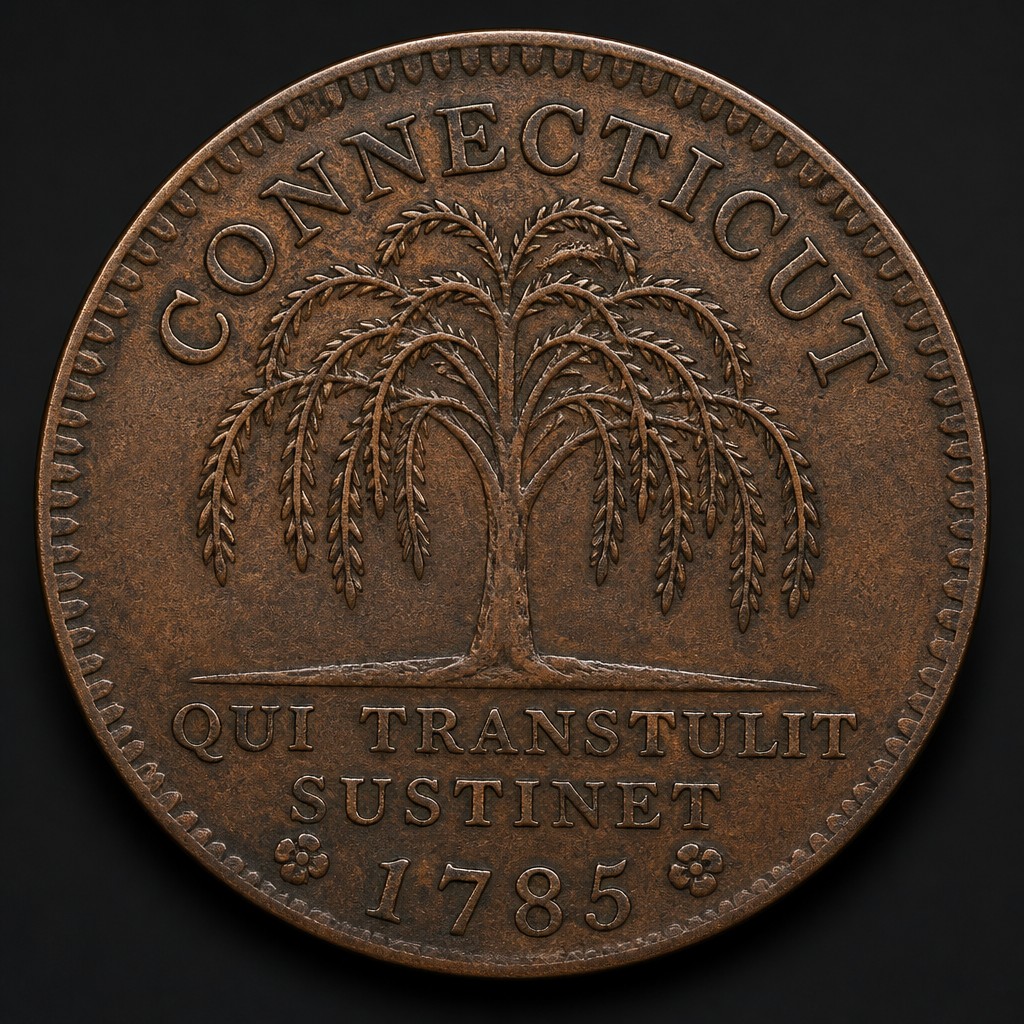
Connecticut Copper
State-authorized copper coinage struck for Connecticut in the mid-1780s, featuring a bust obverse and seated Liberty reverse across numerous die varieties.
United States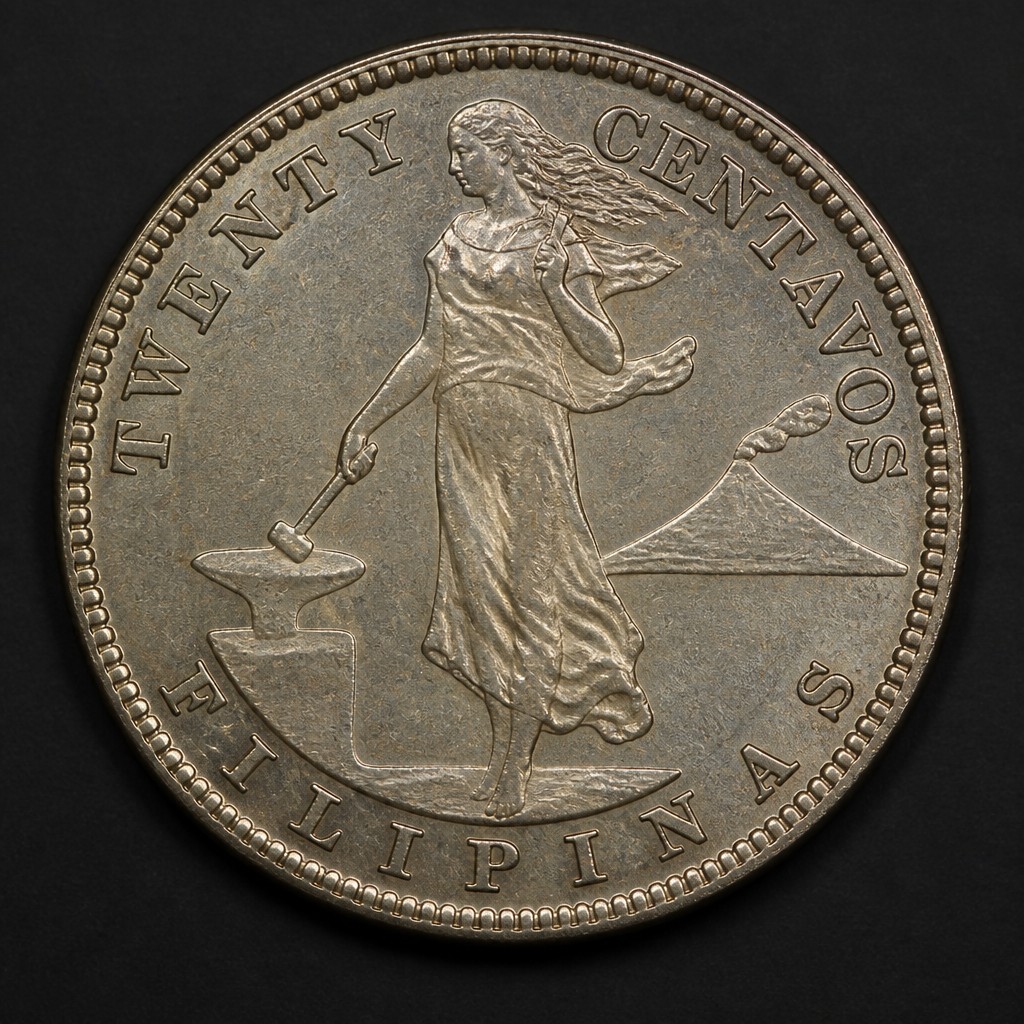
Philippine 20 Centavos (US-Philippines)
A small silver coin from the US administration of the Philippines, showing Liberty striking an anvil before Mount Mayon on the obverse and a heraldic eagle on the reverse.
Asian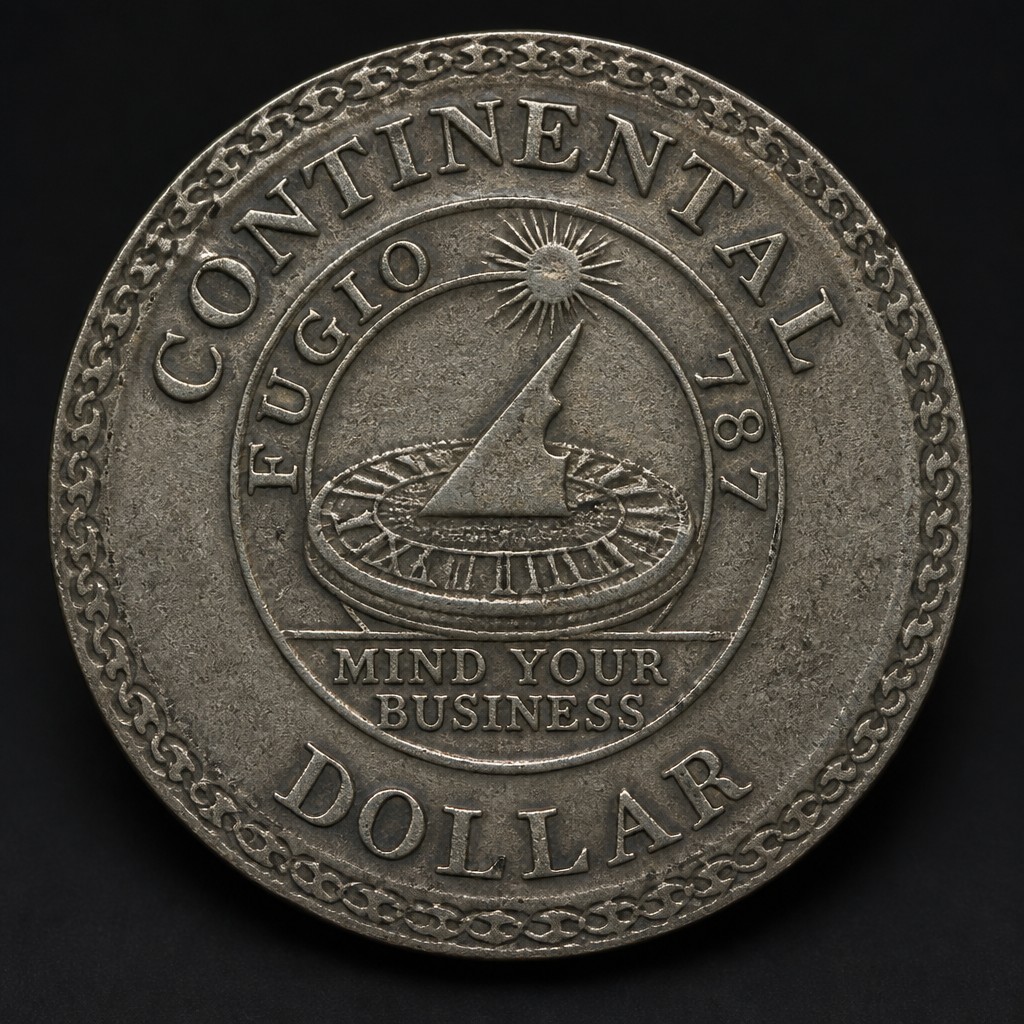
Continental Dollar
A large 1776-dated piece bearing a sundial, 'MIND YOUR BUSINESS,' and a thirteen-link chain, long debated as either an intended Continental Congress dollar or a contemporary satirical piece.
United States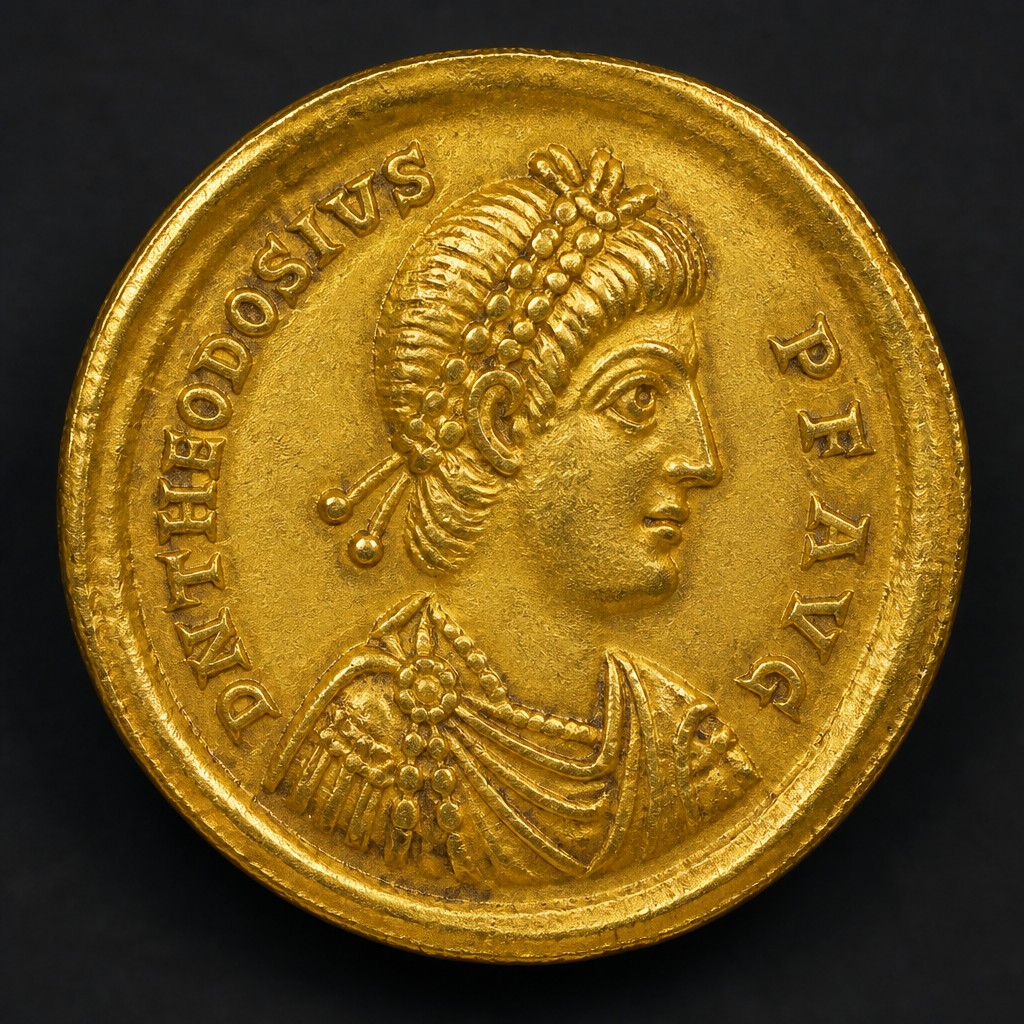
Theodosius I Solidus
A gold solidus of Theodosius I, the last emperor to rule a united Roman Empire and the ruler who made Nicene Christianity the state religion.
Ancient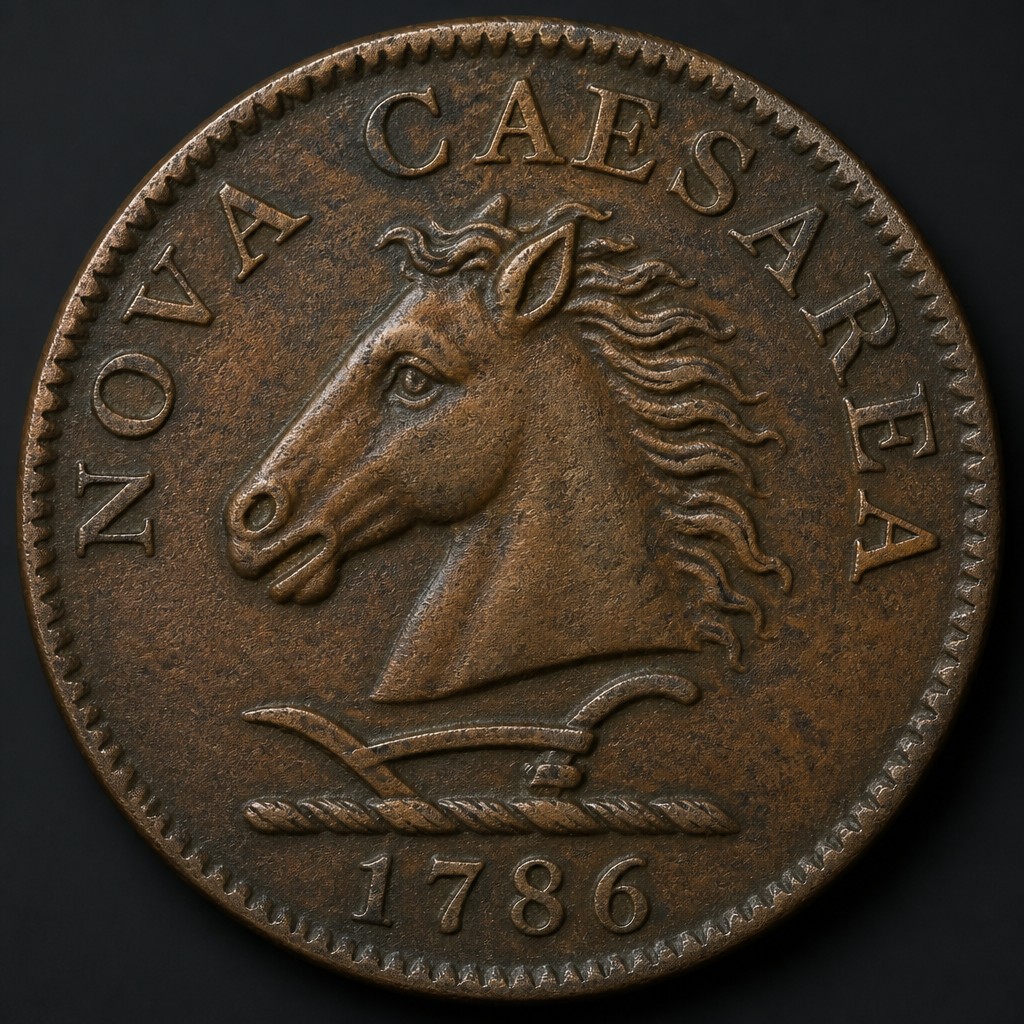
New Jersey Copper
State-authorized copper coinage struck for New Jersey in the late 1780s, famous for its horse-head-and-plow obverse and shield reverse design.
United States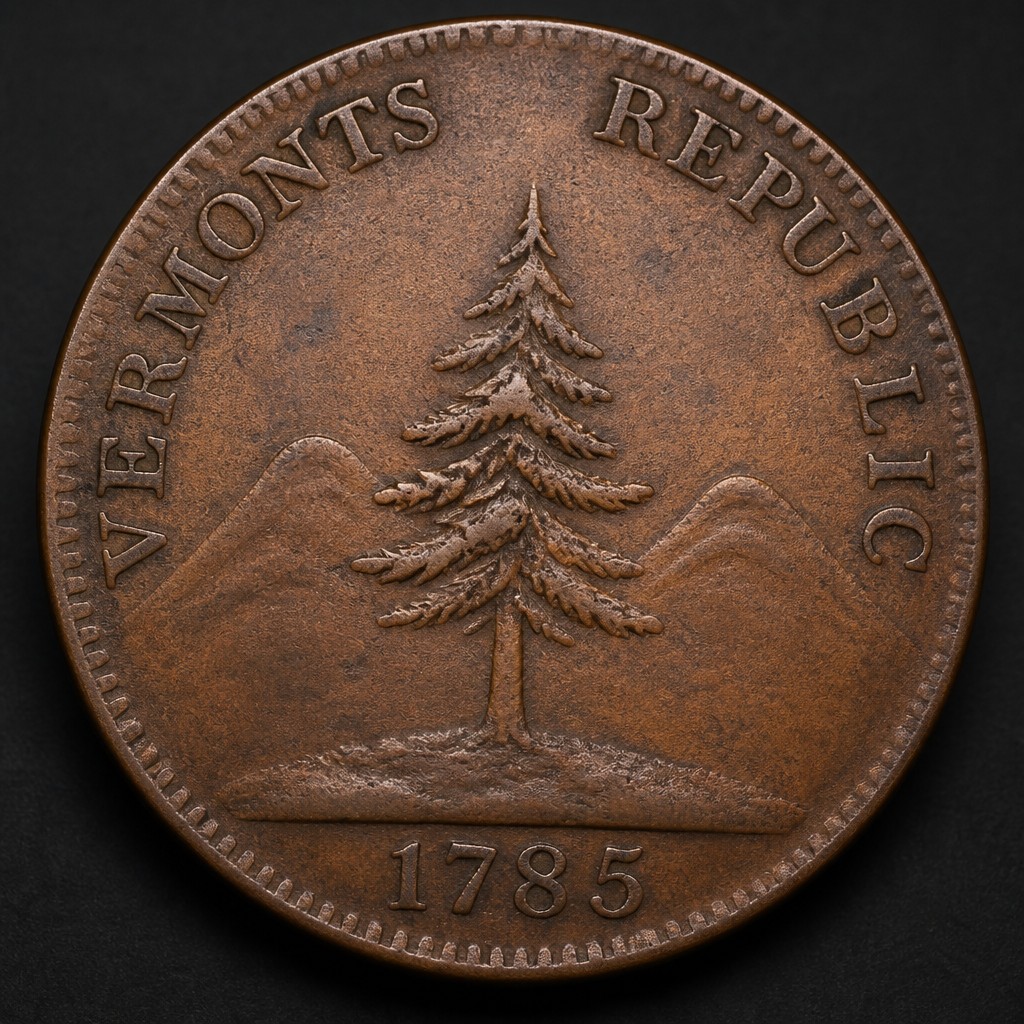
Vermont Copper
Copper coinage struck under authority of the independent Vermont Republic in the 1780s, featuring an early landscape design and later a Britannia-style type.
United States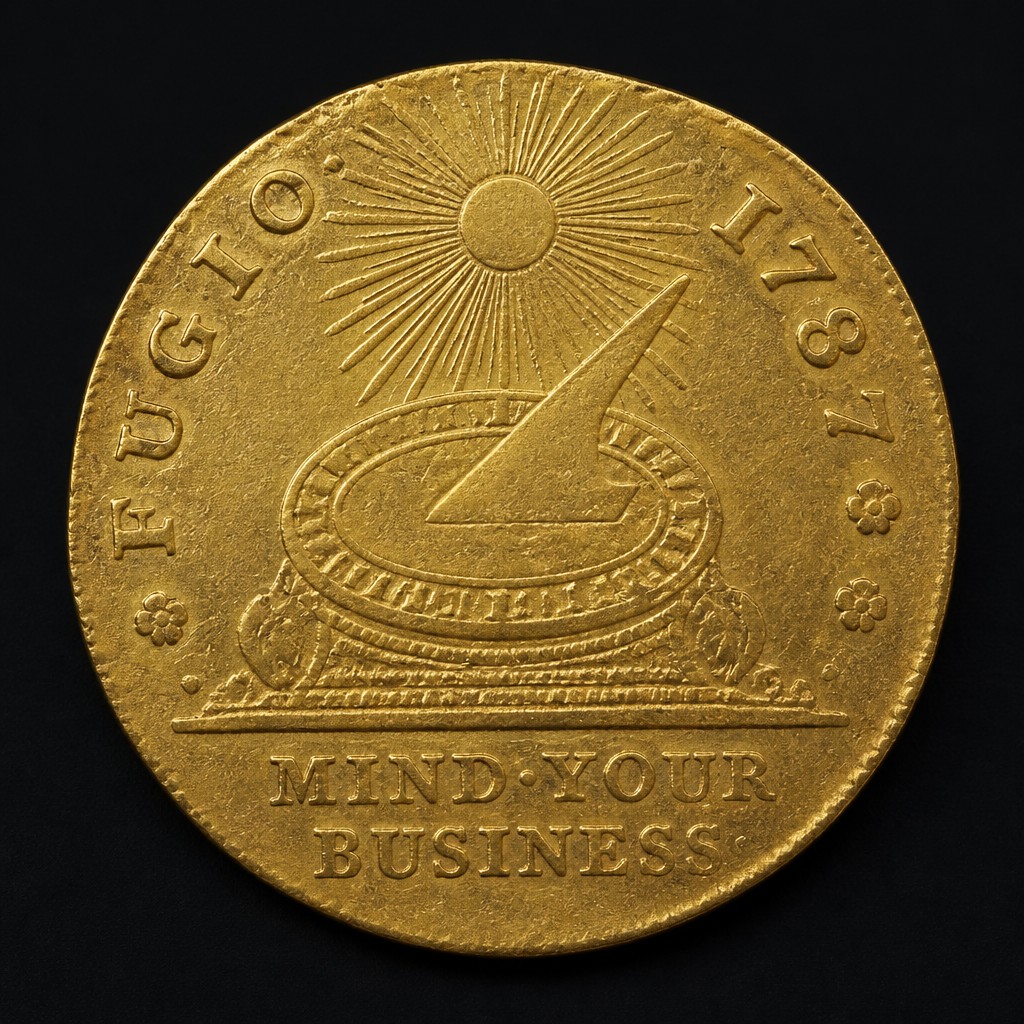
Brasher Doubloon
A famous privately struck gold coin made in 1787 by New York goldsmith Ephraim Brasher, a neighbor of George Washington, and one of the most valuable and celebrated coins in American numismatics.
United States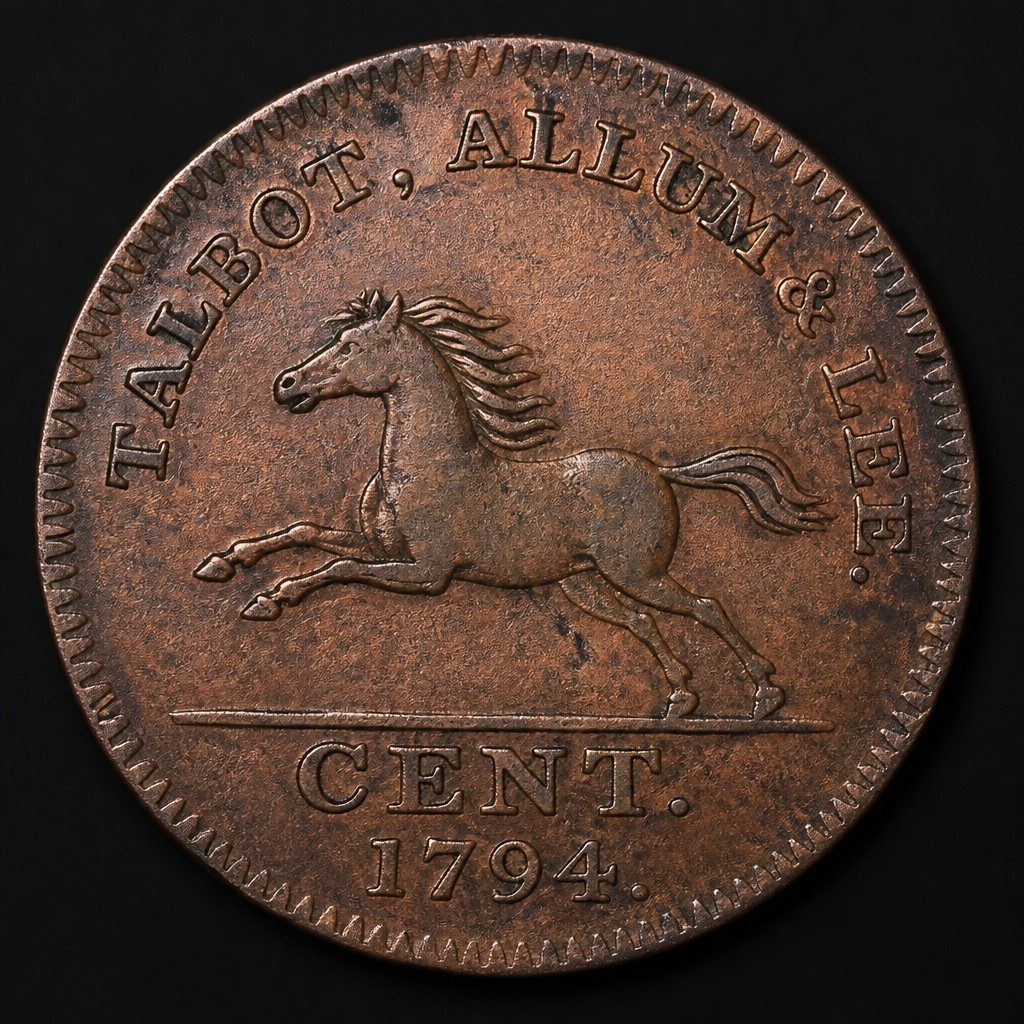
Talbot, Allum & Lee Cent
A merchant token issued by the New York trading firm Talbot, Allum & Lee to help ease the shortage of small change in the 1790s, featuring a sailing ship on the obverse.
United States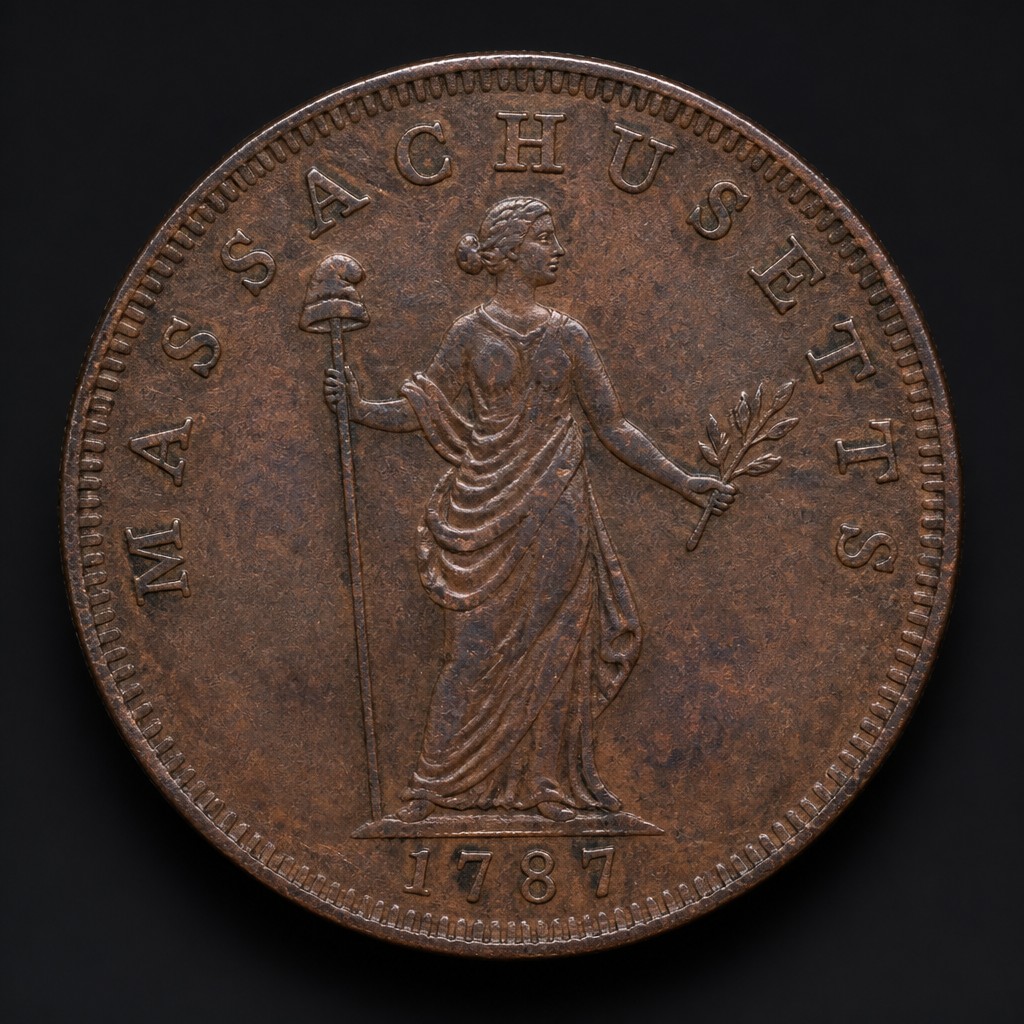
Massachusetts Cent (1787-1788)
State-issued copper coinage struck by the Commonwealth of Massachusetts in 1787 and 1788, notable as the first official U.S. coinage to use the denomination 'cent'.
United States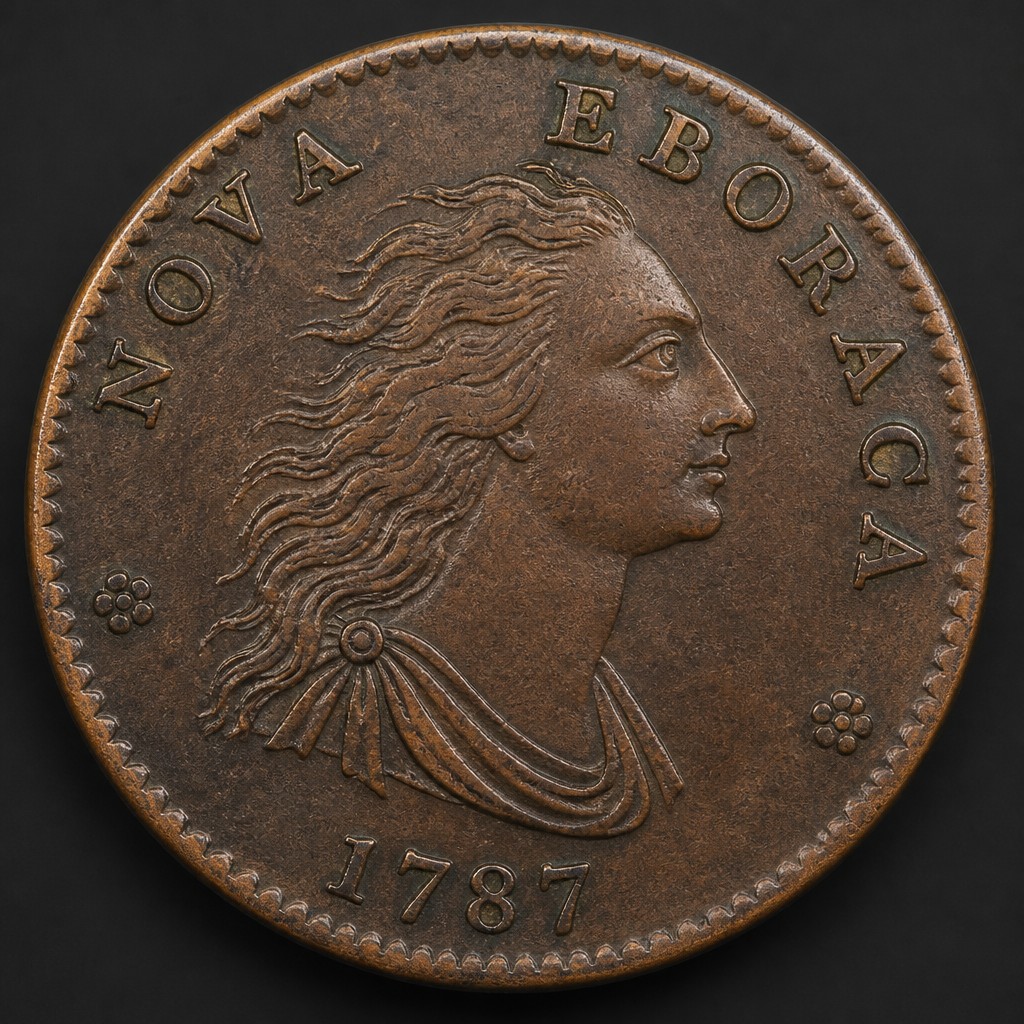
Nova Eborac Copper
A 1787-dated copper bearing the Latin name for New York, struck privately after the state failed to authorize its own copper coinage contract during the chaotic Confederation-era coin shortage.
United States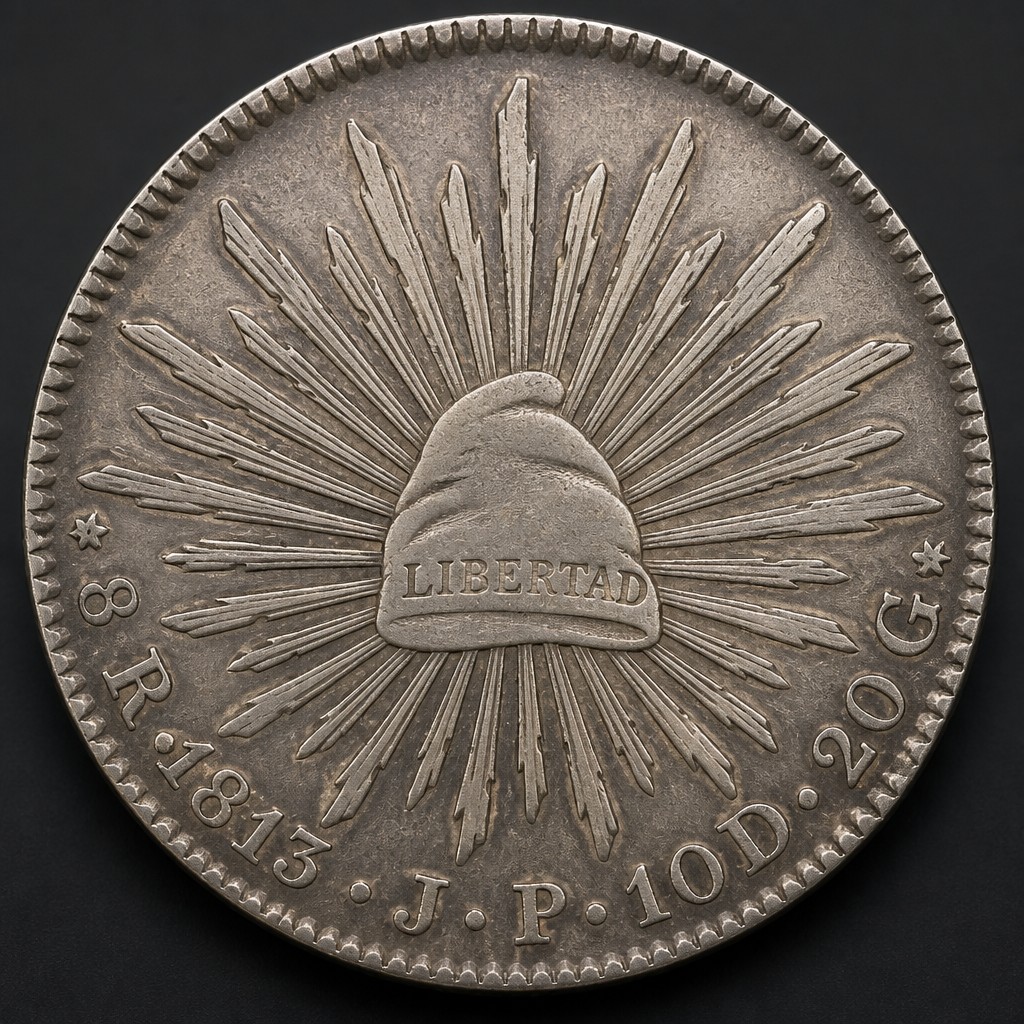
Argentina 8 Reales
Silver 8 reales struck after Argentina's 1810 independence movement, replacing the Spanish king's portrait with the revolutionary Sun of May and clasped hands design.
Latin American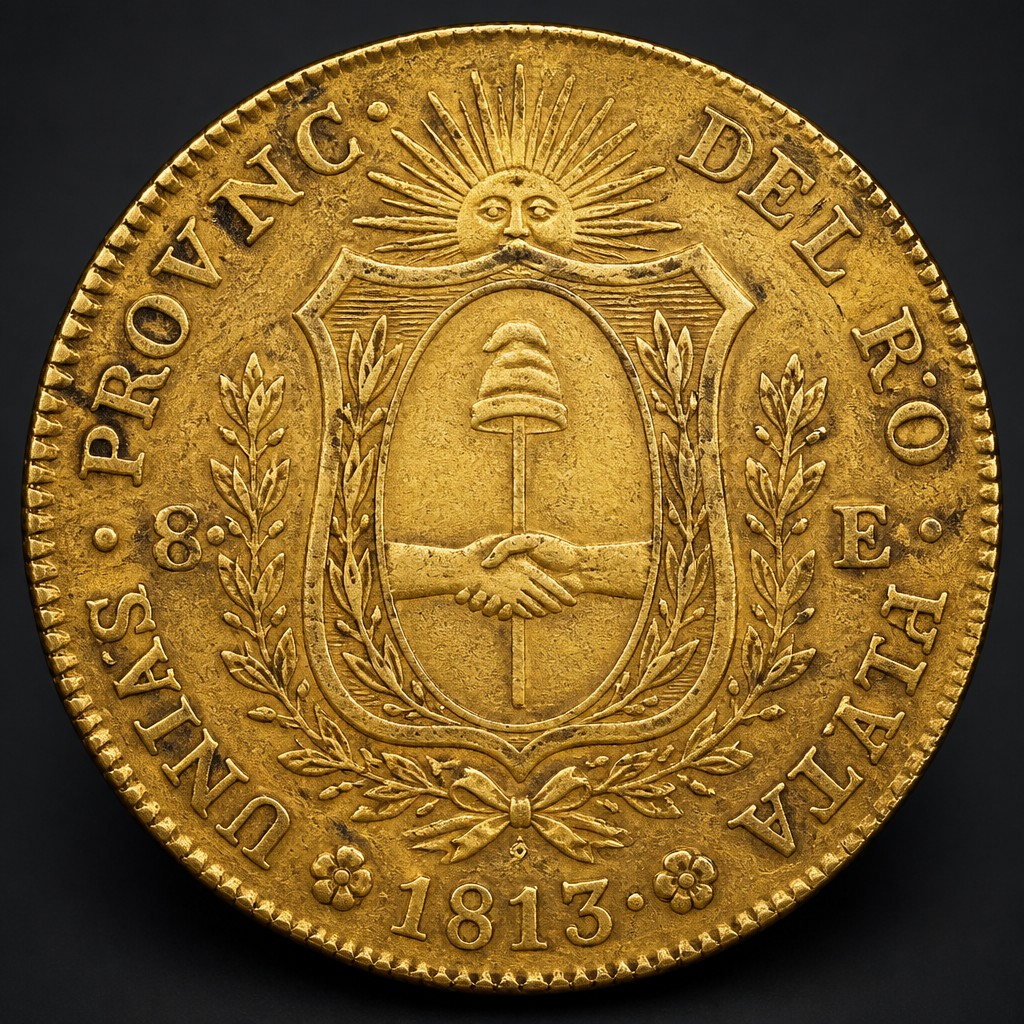
Argentine 8 Escudos Gold (1813)
An extremely rare gold coin from the earliest years of Argentine independence, struck briefly at Potosí under revolutionary authority and bearing the iconic Sun of May.
Latin American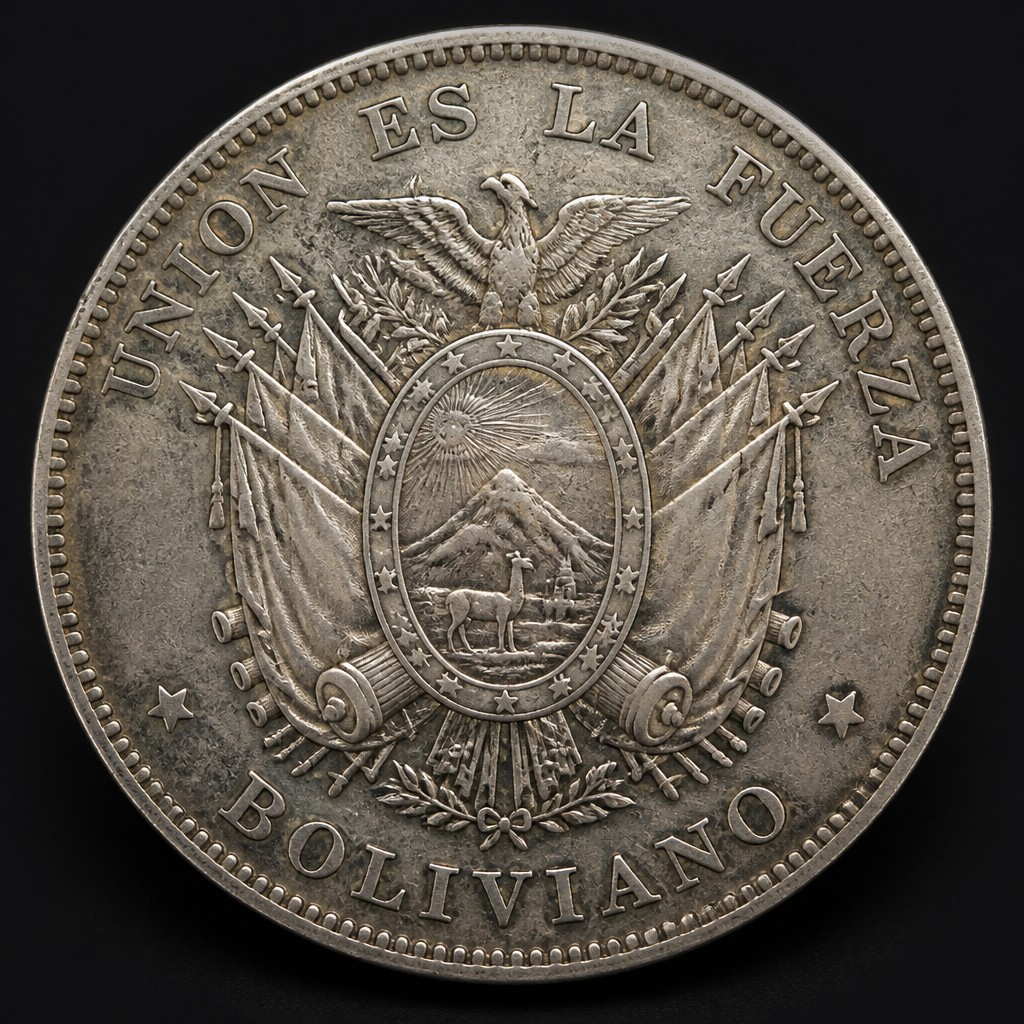
Bolivian Boliviano Silver
Bolivia's national currency unit, the boliviano, was introduced in the 1860s as a substantial silver coin and remains the country's monetary unit in modern, non-silver form.
Latin American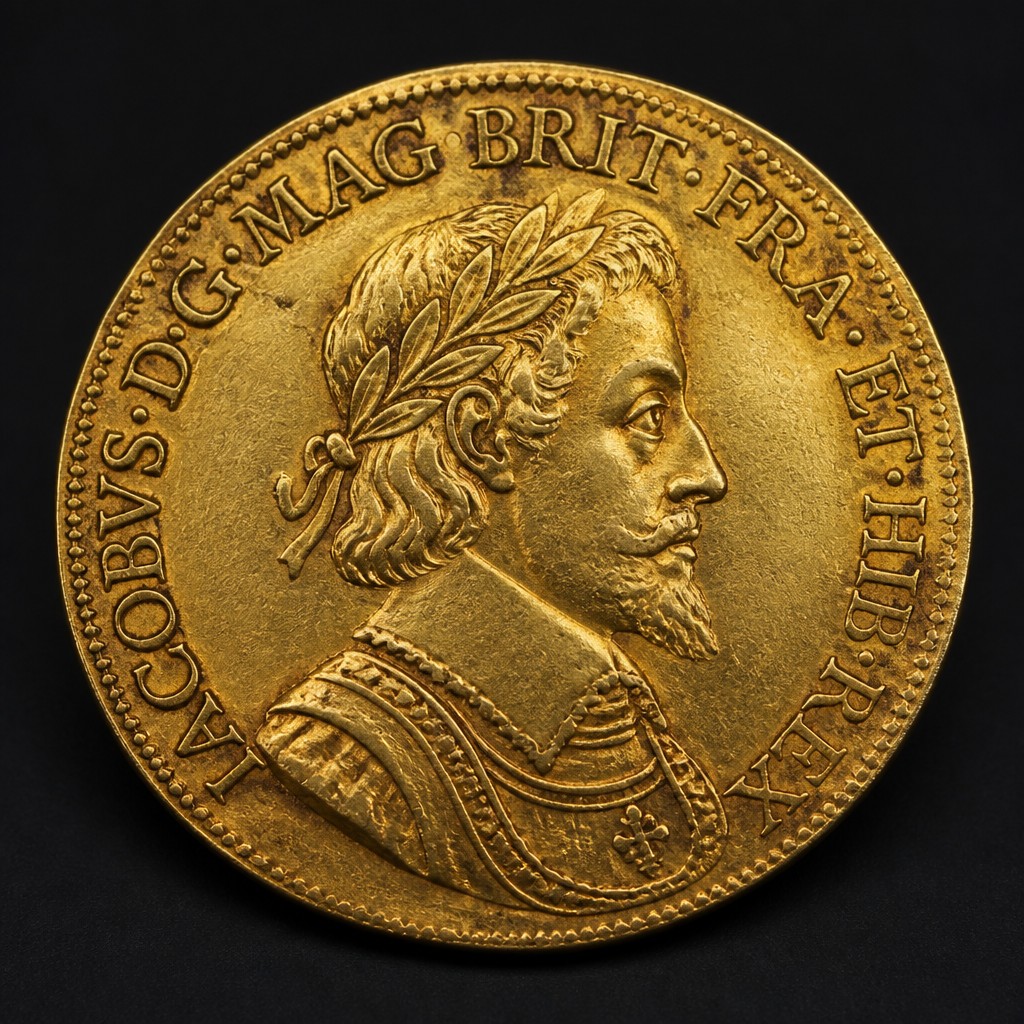
Laurel
A gold twenty-shilling coin issued from 1619, named for its laureate royal portrait styled after Roman emperors, replacing the earlier Unite as James I's principal gold denomination.
British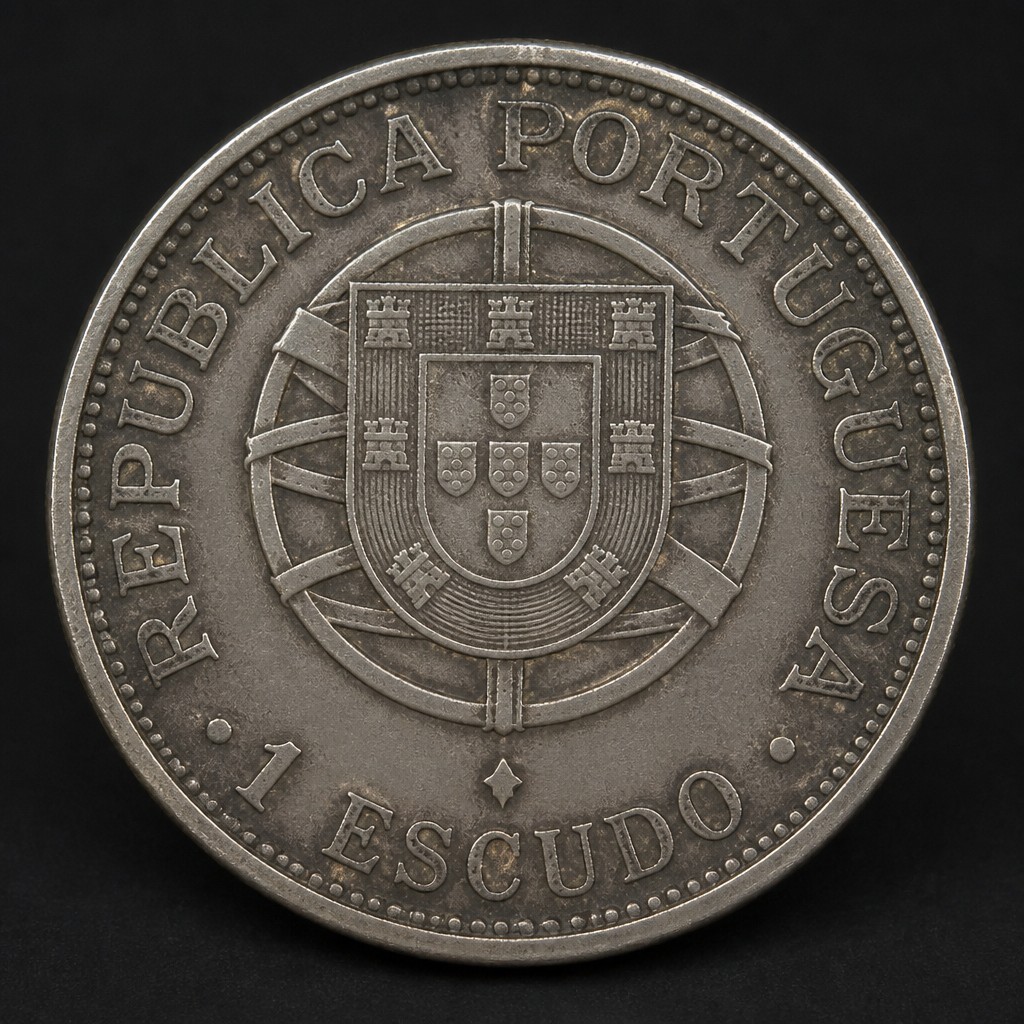
Portuguese Escudo
Portugal's national currency unit from the 1911 decimal reform, following the fall of the monarchy, until the Euro replaced it in the early 2000s.
European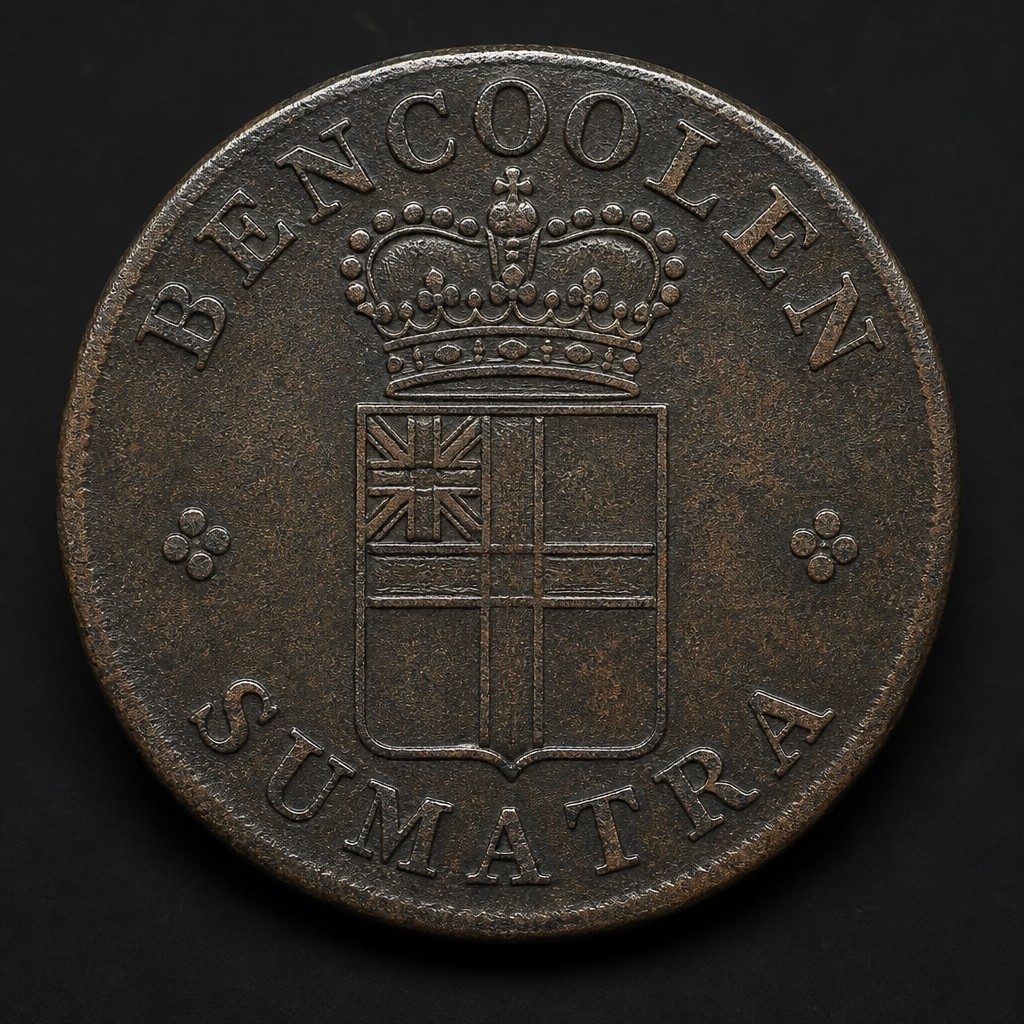
Sumatra EIC Keping (British Bencoolen)
A small tin or copper coin struck by the British East India Company for its Bencoolen settlement on Sumatra, denominated in the local unit called the keping.
Asian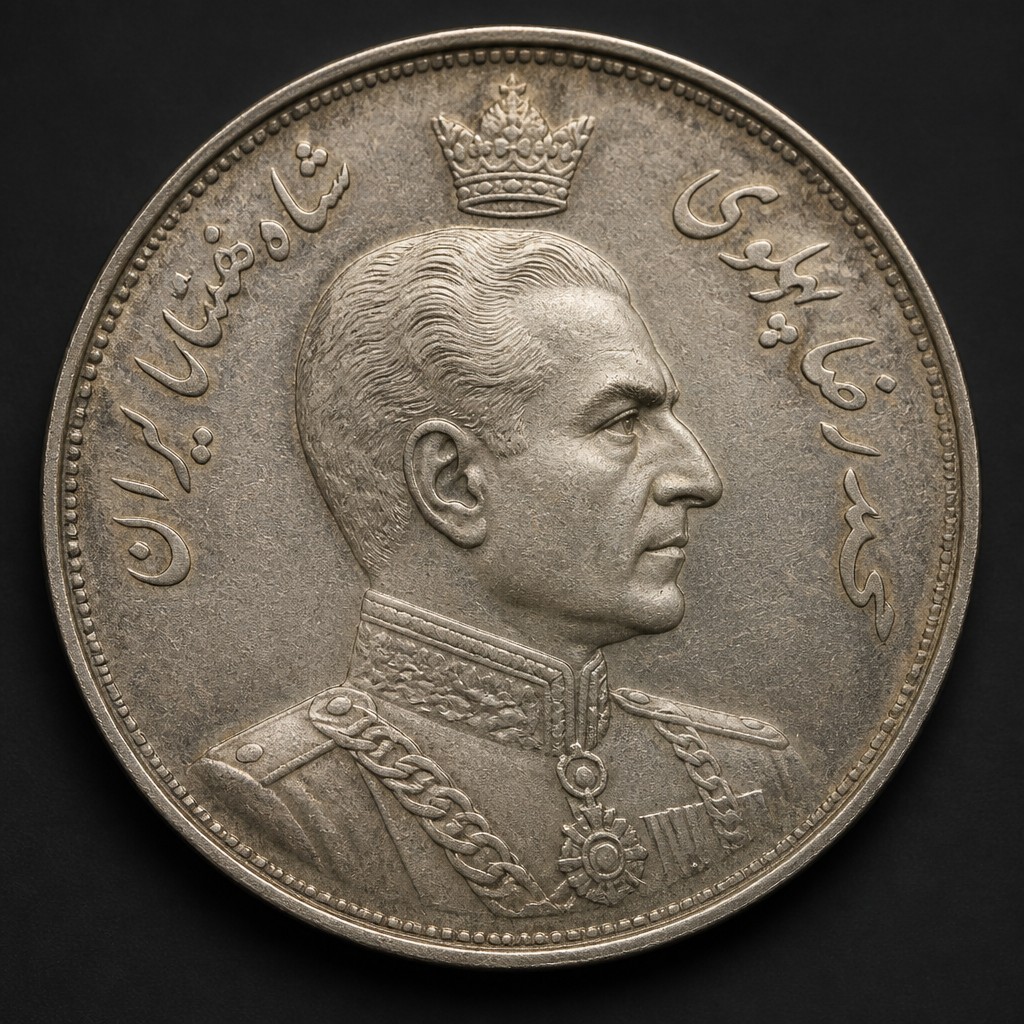
Iranian Rial
Iran's official currency unit since 1932, replacing the earlier qiran/kran, struck across the Pahlavi monarchy and the Islamic Republic in changing metals and designs.
Asian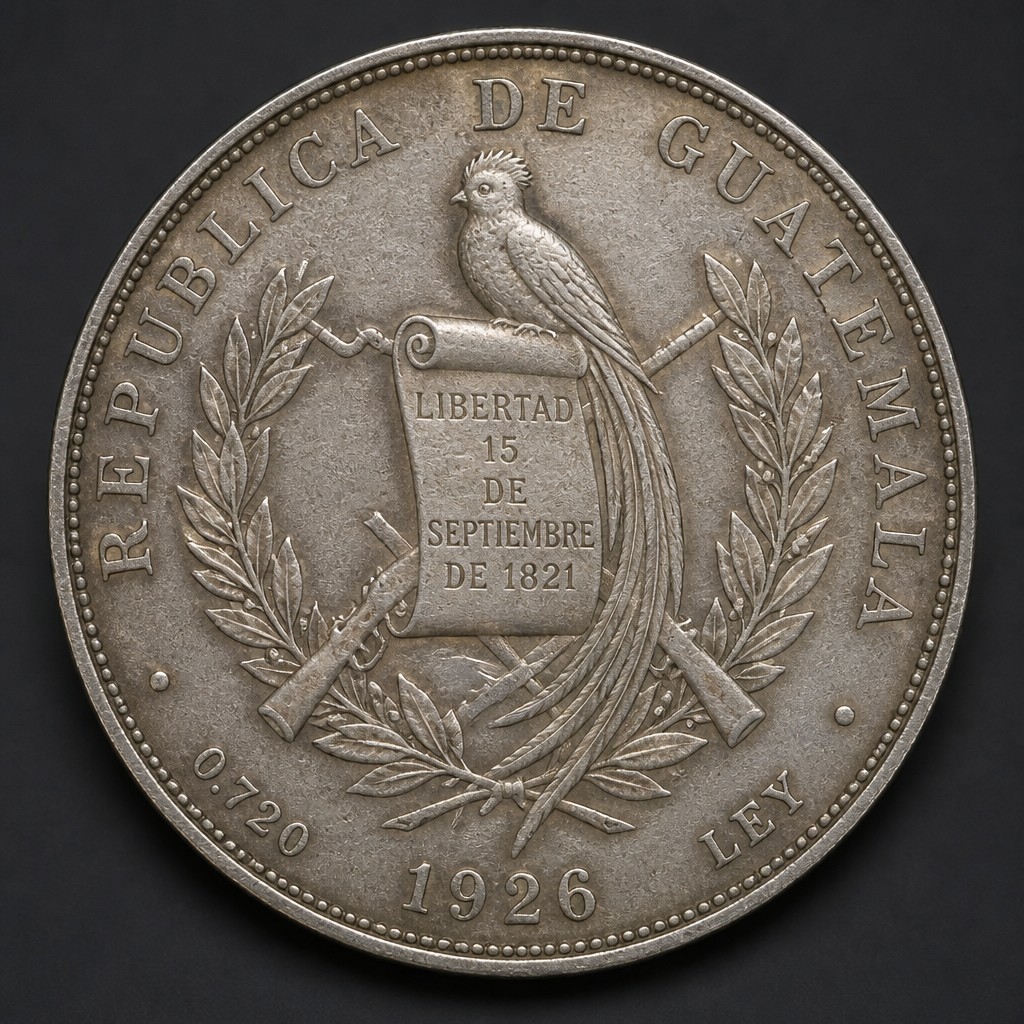
Guatemala Quetzal Silver
Guatemala's modern national currency unit, named after the resplendent quetzal bird, introduced in the 1920s with a substantial silver coin marking the country's monetary modernization.
Latin American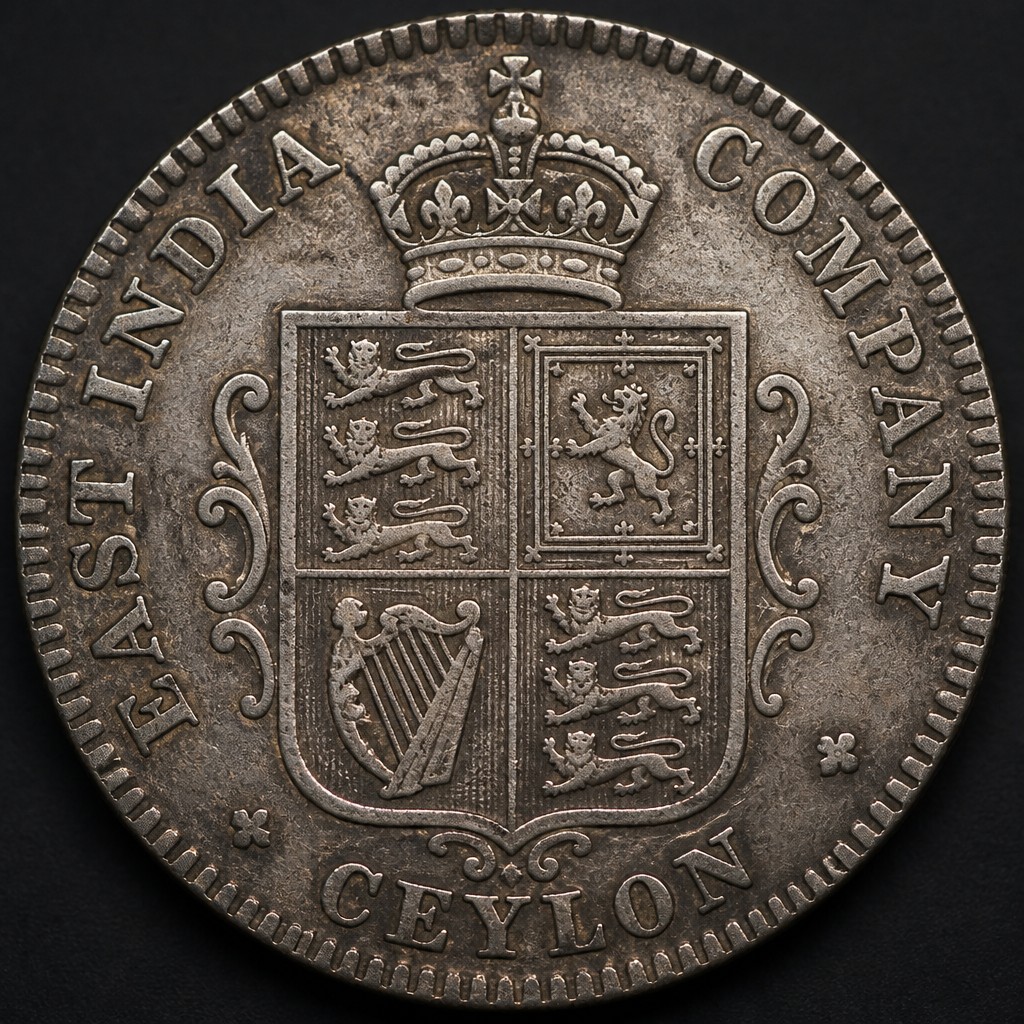
Ceylon (Sri Lanka) EIC Rixdollar
A colonial currency unit continued by the British East India Company administration in Ceylon, inherited from earlier Dutch VOC rule and featuring an elephant design.
Asian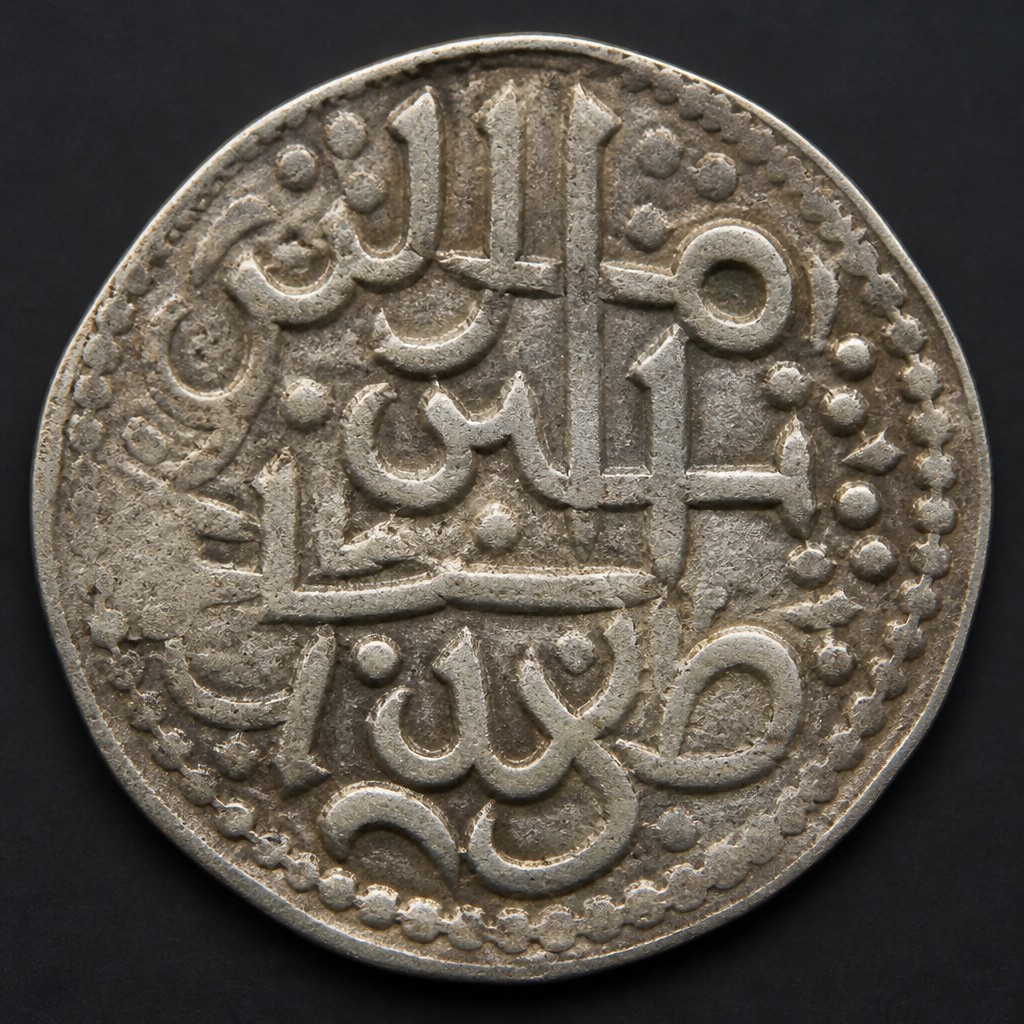
Ottoman Silver Akce
A tiny silver coin that served as the basic everyday currency unit of the Ottoman Empire for centuries, gradually shrinking in size and silver content as inflation took hold.
World