
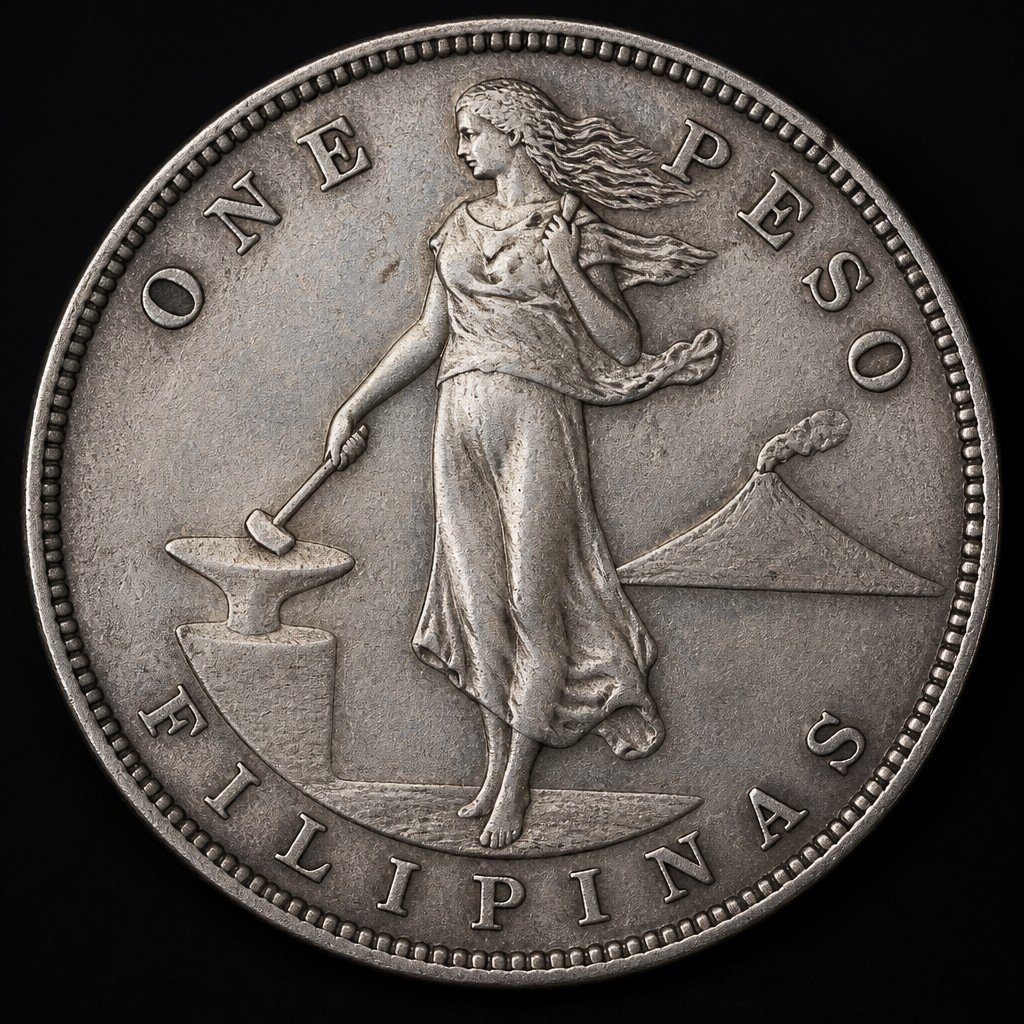
Philippine Peso (US Administration, 1903)
Silver one-peso coin struck for the Philippines under early American colonial administration, part of a new US-designed coinage system introduced in 1903.
- Country
- Philippines (United States Administration)
- Denomination
- One Peso
- Metal
- Silver (.800 fine, reduced to .750 after 1907)
Got a coin like this?
Identify any coin from a photo, free.
Overview
The 1903 Philippine peso was the flagship silver coin of a new coinage series introduced after the United States took control of the Philippines following the Spanish-American War and the Philippine-American War. It replaced the older Spanish colonial monetary system with US-administered coinage denominated in pesos and centavos.
Collectors value this series as a distinctive chapter of both US territorial and Philippine numismatic history, featuring designs created specifically for the islands rather than reused American motifs, and it remains a popular specialty area for US and world coin collectors alike.
History & Background
After the United States assumed administration of the Philippines following the Spanish-American War (1898) and the subsequent Philippine-American War, US authorities established a new currency system for the islands under the Philippine Coinage Act of 1903. This act authorized a full range of denominations, from small bronze centavos up to the silver peso, struck primarily at the Philadelphia and San Francisco mints, and later at a mint established in Manila.
The new peso was pegged to roughly align with US monetary standards while retaining distinctly Filipino design elements, symbolizing the transition from Spanish colonial rule through American administration, a period that continued, with design updates, until later independence-era coinage changes.
How to Identify
Obverse: a standing female figure representing the Philippines, holding a hammer and resting beside an anvil, with volcano-dotted island scenery in the background, and "UNITED STATES OF AMERICA" arched above along with the date.
Reverse: the arms of the United States, a heraldic eagle with shield, flanked by the denomination and legends in both English and Spanish ("UN PESO" / "FILIPINAS"), reflecting the bilingual, transitional character of the era.
The coin was struck in silver, originally at about .800 fine, reduced to roughly .750 fine after 1907 amid rising silver prices, with a reeded edge. An "S" mint mark denotes San Francisco; Philadelphia coins are typically unmarked, and a later Manila mint mark appears on some issues within the broader series.
Value & Collectibility
Common dates of the 1903-1912 Philippine peso are generally affordable in circulated grades, making the series accessible to collectors, while certain dates and mints are notably scarcer and command higher premiums, especially in higher mint-state grades. Because these coins saw heavy commercial use, well-preserved, lustrous examples are disproportionately valuable compared to worn pieces.
As with many world silver coins from this era, condition sensitivity is high, and a handful of specific date-and-mint combinations are recognized by specialists as tougher, more desirable "key" pieces within the broader US-Philippine coinage series.
Frequently asked questions
Why does a Philippine coin say "United States of America"?
Because it was struck under US colonial administration following the Philippine Coinage Act of 1903.
What is the silver content?
Originally about .800 fine silver, reduced to about .750 fine after 1907.
Where was it minted?
Primarily Philadelphia and San Francisco, with a Manila mint added later in the series.
What language(s) appear on it?
Both English and Spanish, reflecting the islands' transitional colonial history.
Is this considered a US coin or a Philippine coin?
It's generally studied as a specialized US-Philippine colonial series, distinct from both standard US coinage and later independent Philippine coinage.
Other coins you may enjoy
Nepal Silver Mohar
c. 16th–19th century
Korean 5 Yang Silver Dollar (1892)
1892
Nguyen Dynasty Gold Bar (Vietnam)
19th century
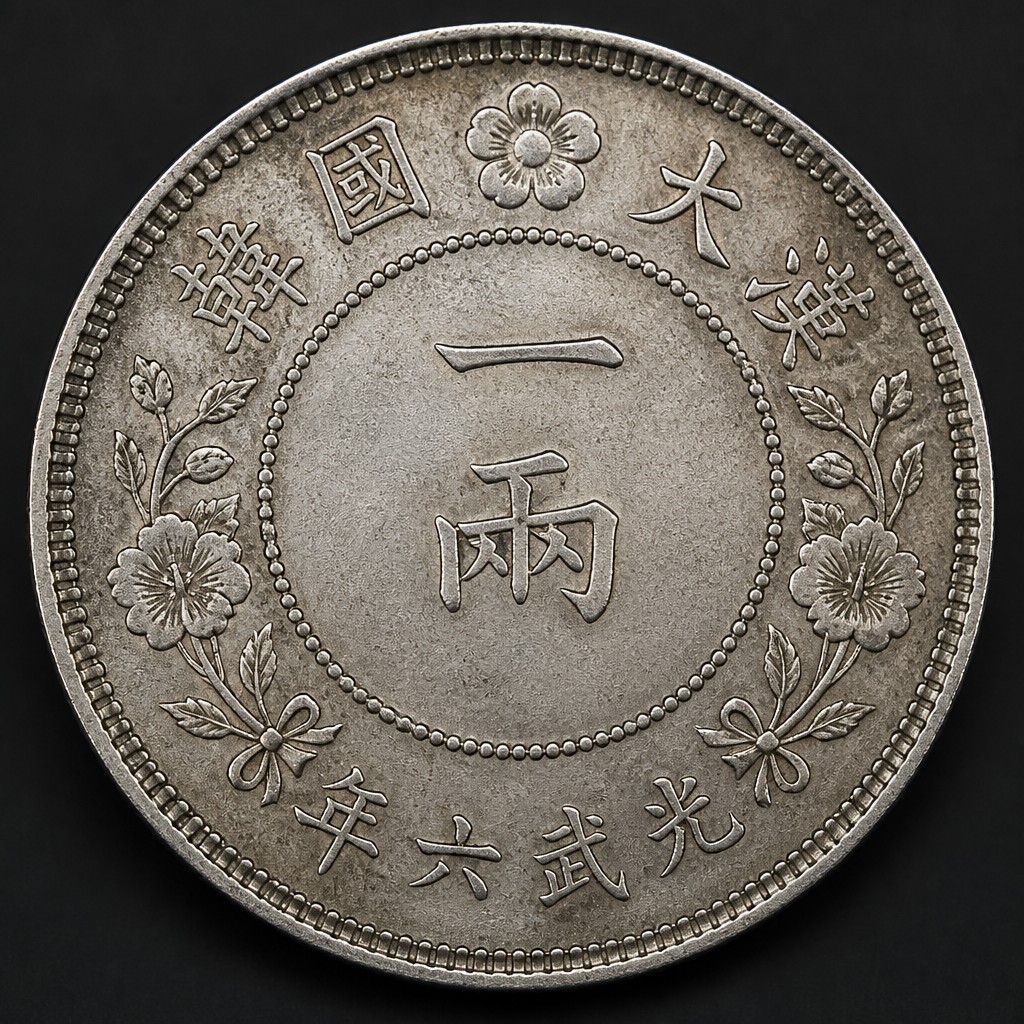
Korean 1 Yang Silver (Joseon/Great Han Empire)
1892–1902
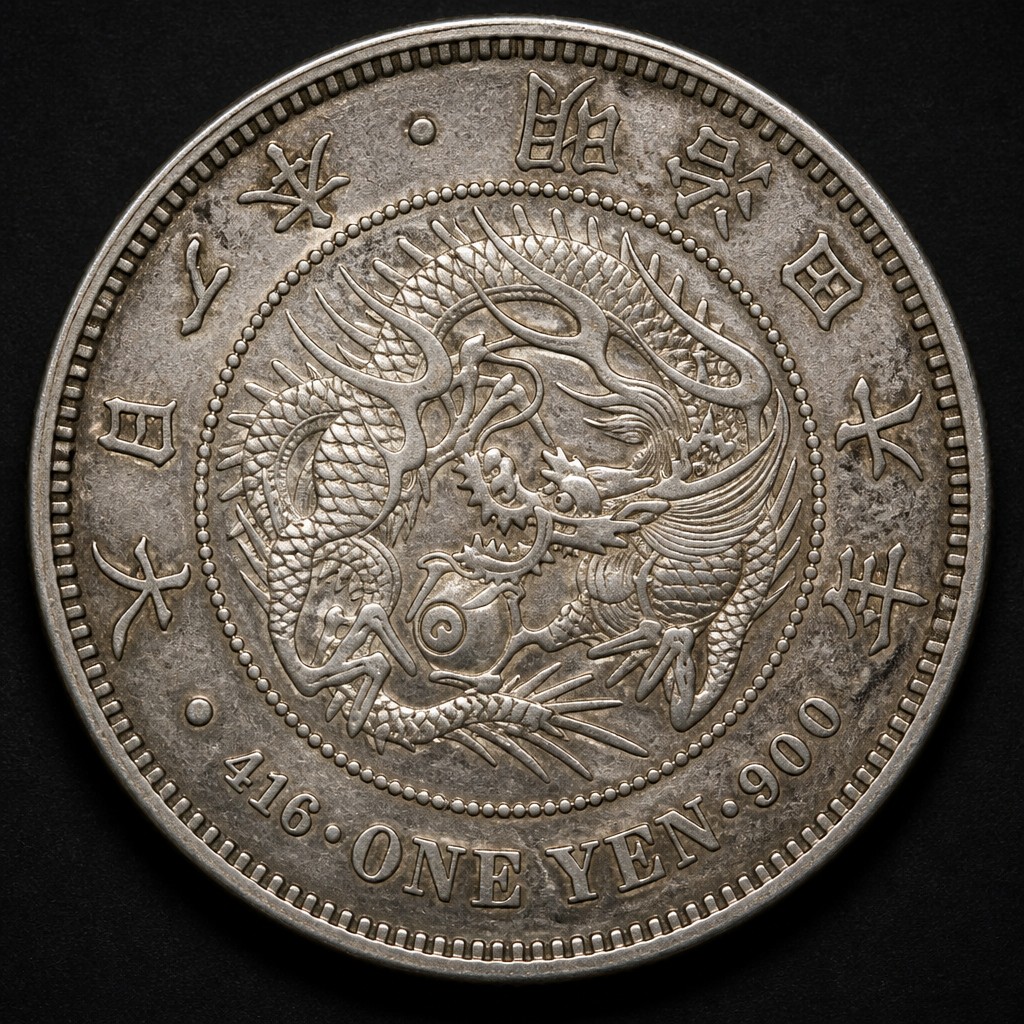
Japanese 1 Yen Silver 'Dragon' Trade Dollar
1870–1914 (trade dollar variant 1875–1877)
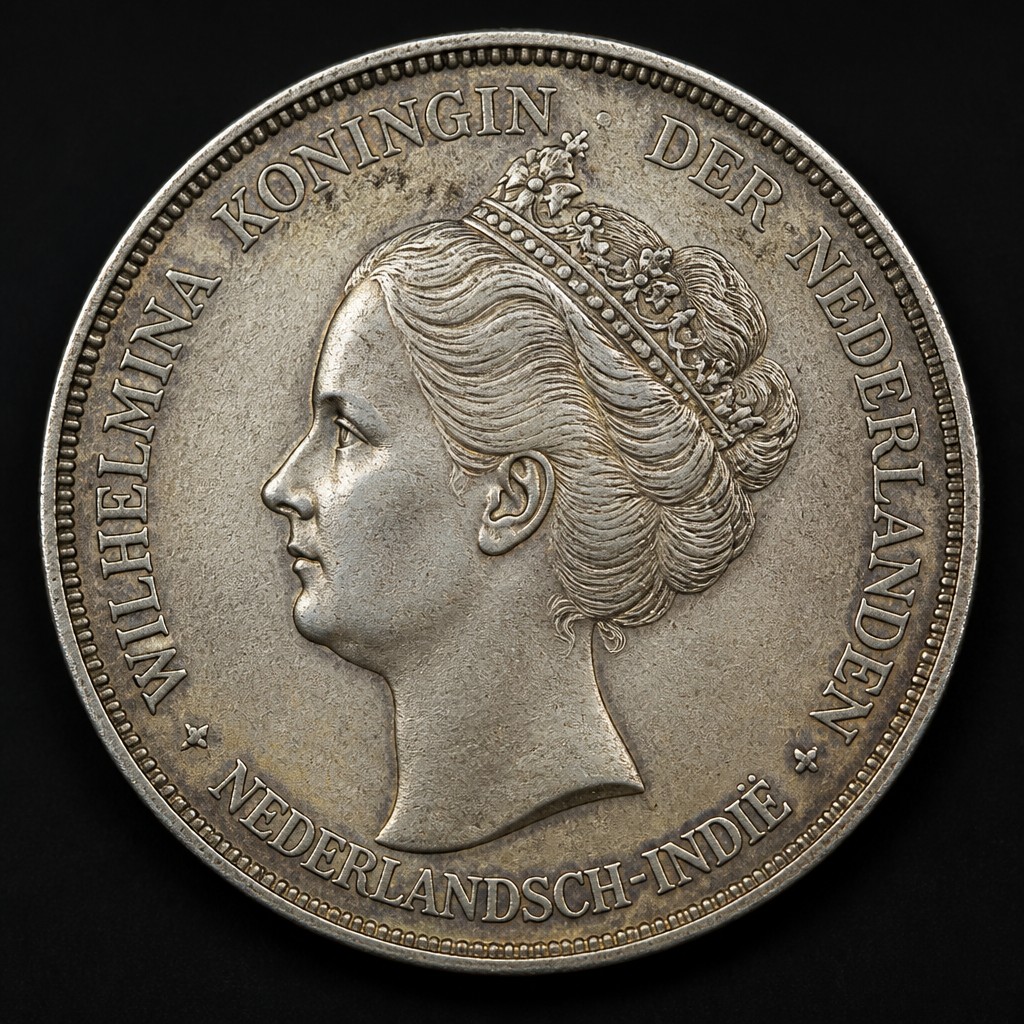
Netherlands East Indies Gulden (Wilhelmina)
1897–1945
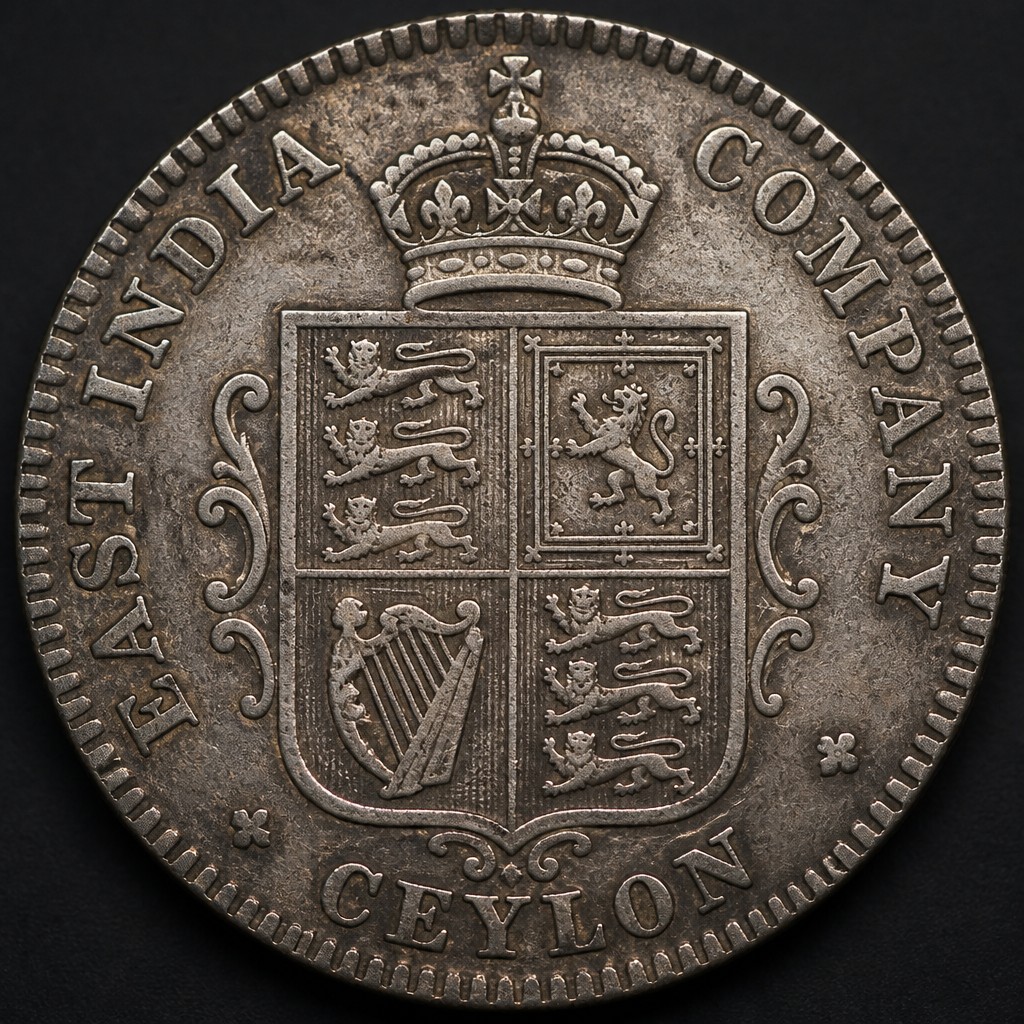
Ceylon (Sri Lanka) EIC Rixdollar
c. 1802–1821
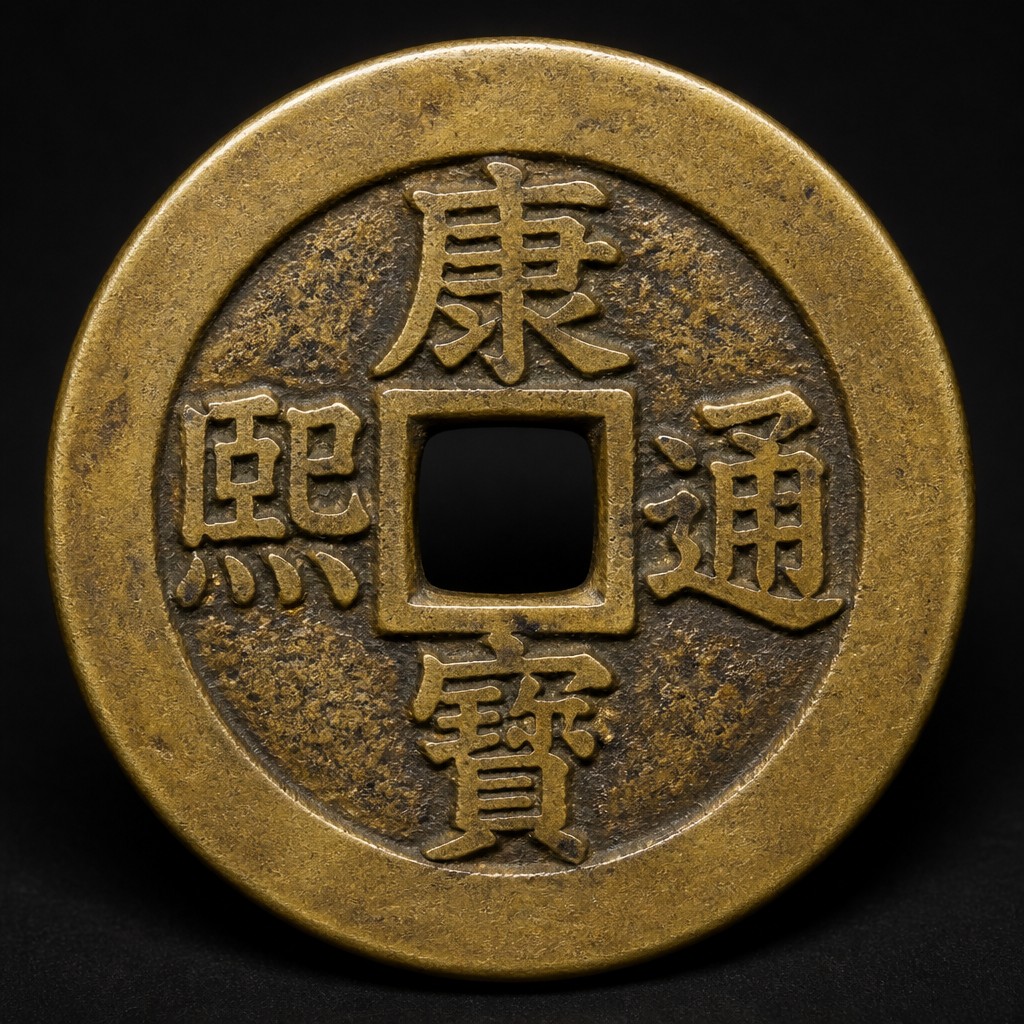
Chinese Cash Coin (Qing Dynasty 'Kangxi Tongbao')
1662–1722
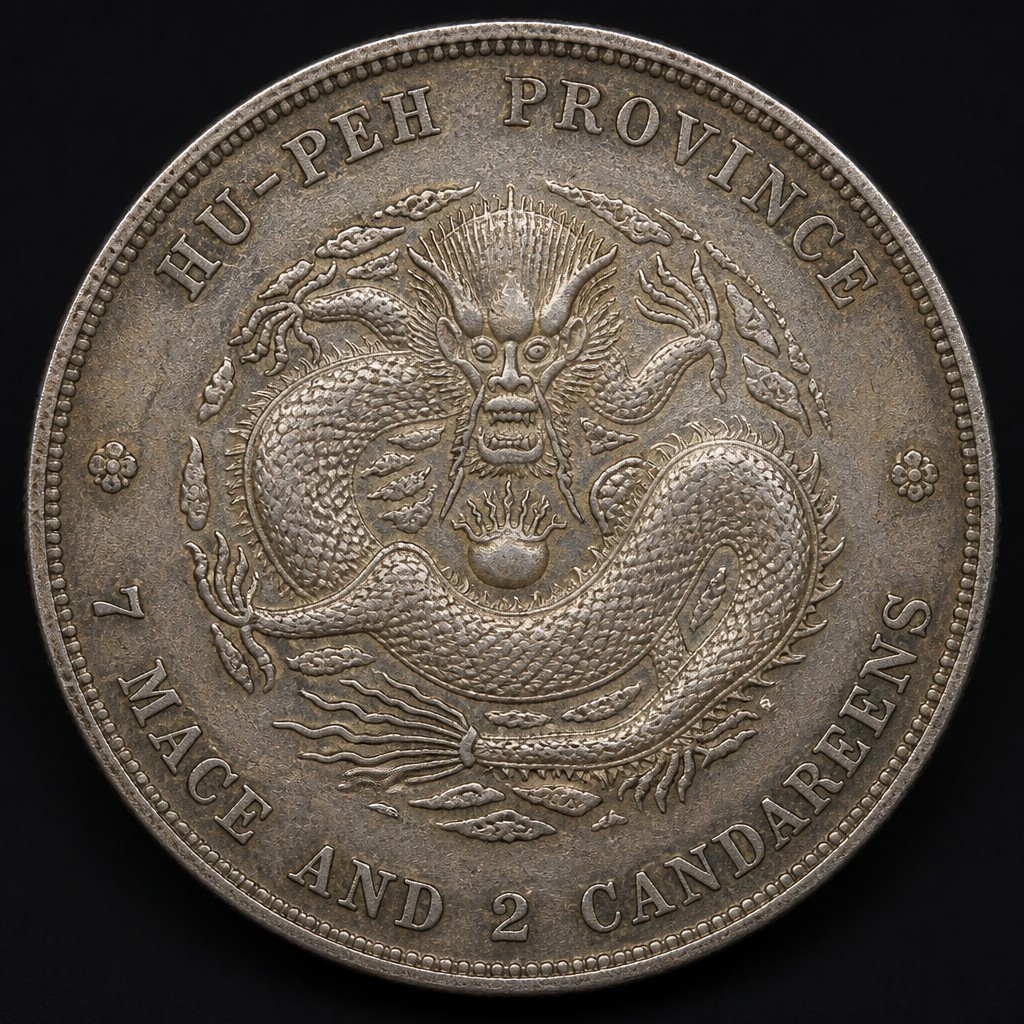
Chinese Hupeh Province Dragon Dollar
c. 1895–1909
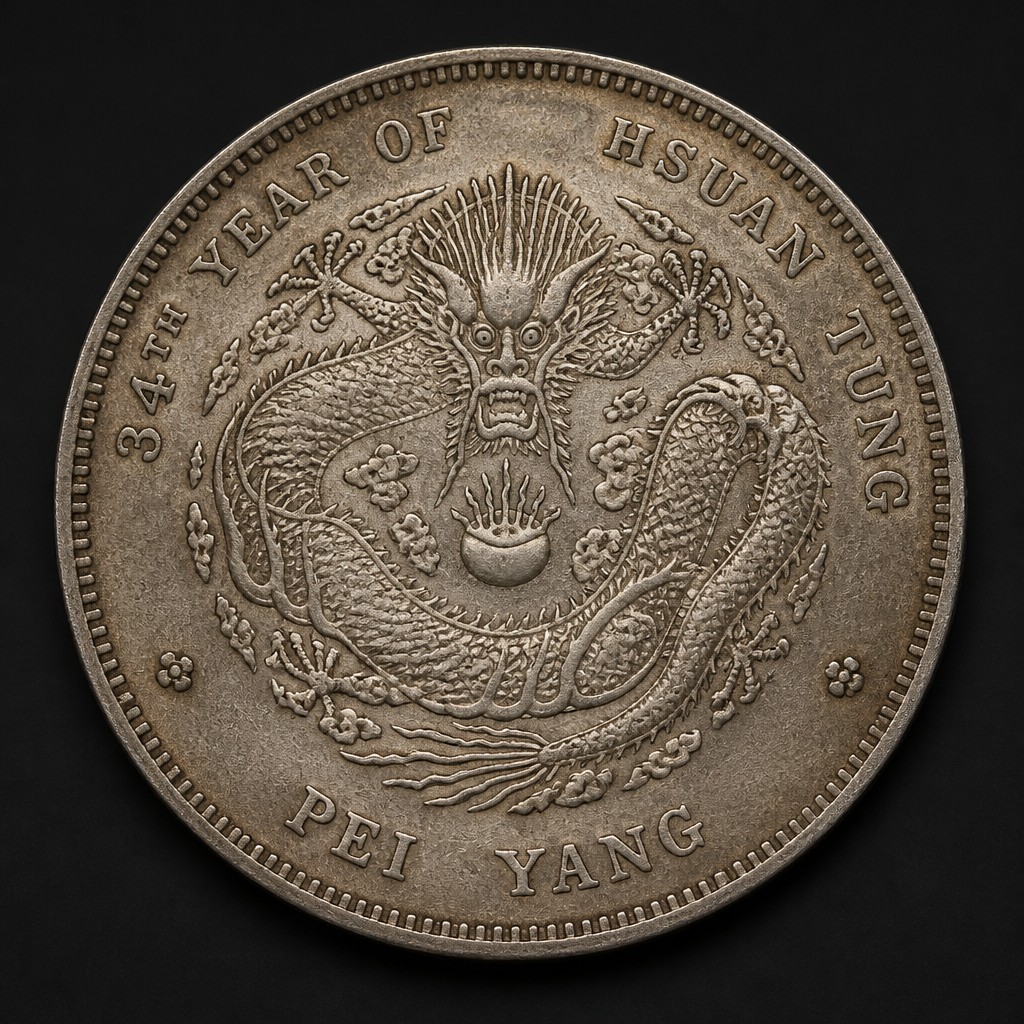
Chinese Empire Silver Dollar (Hsuan Tung Dragon)
1909–1911
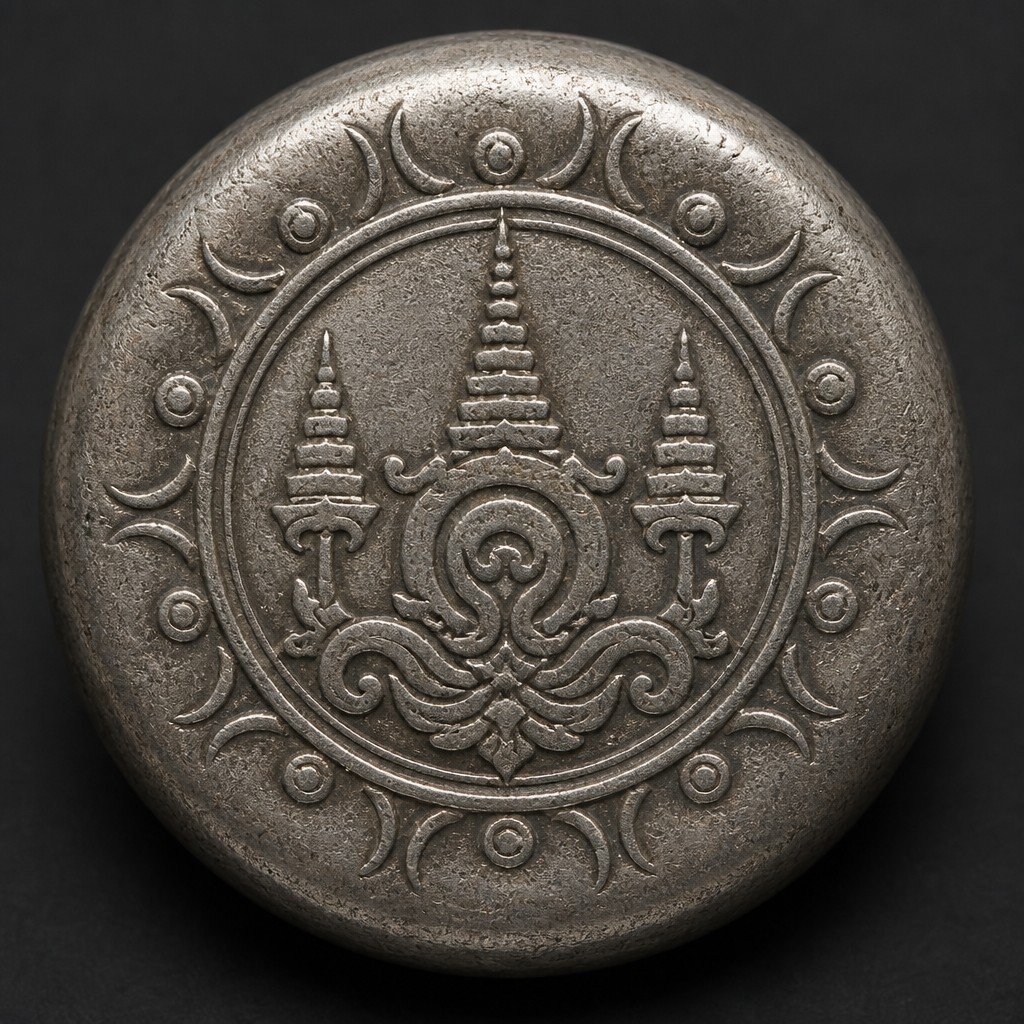
Thailand (Siam) Silver Baht 'Bullet Money' (Pod Duang)
c. 13th century – late 19th century
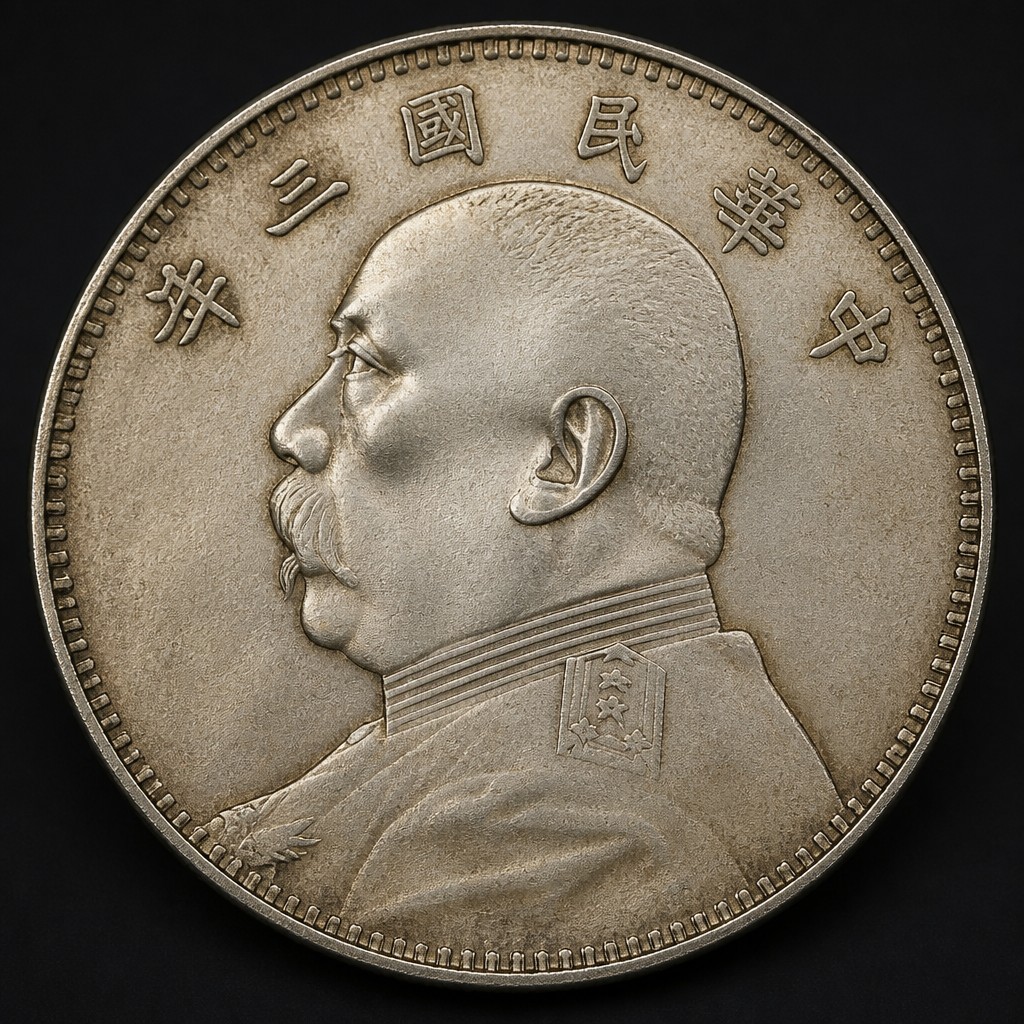
Yuan Shikai 'Fatman' Dollar (1914)
Dated 1914, struck into the early 1920s