
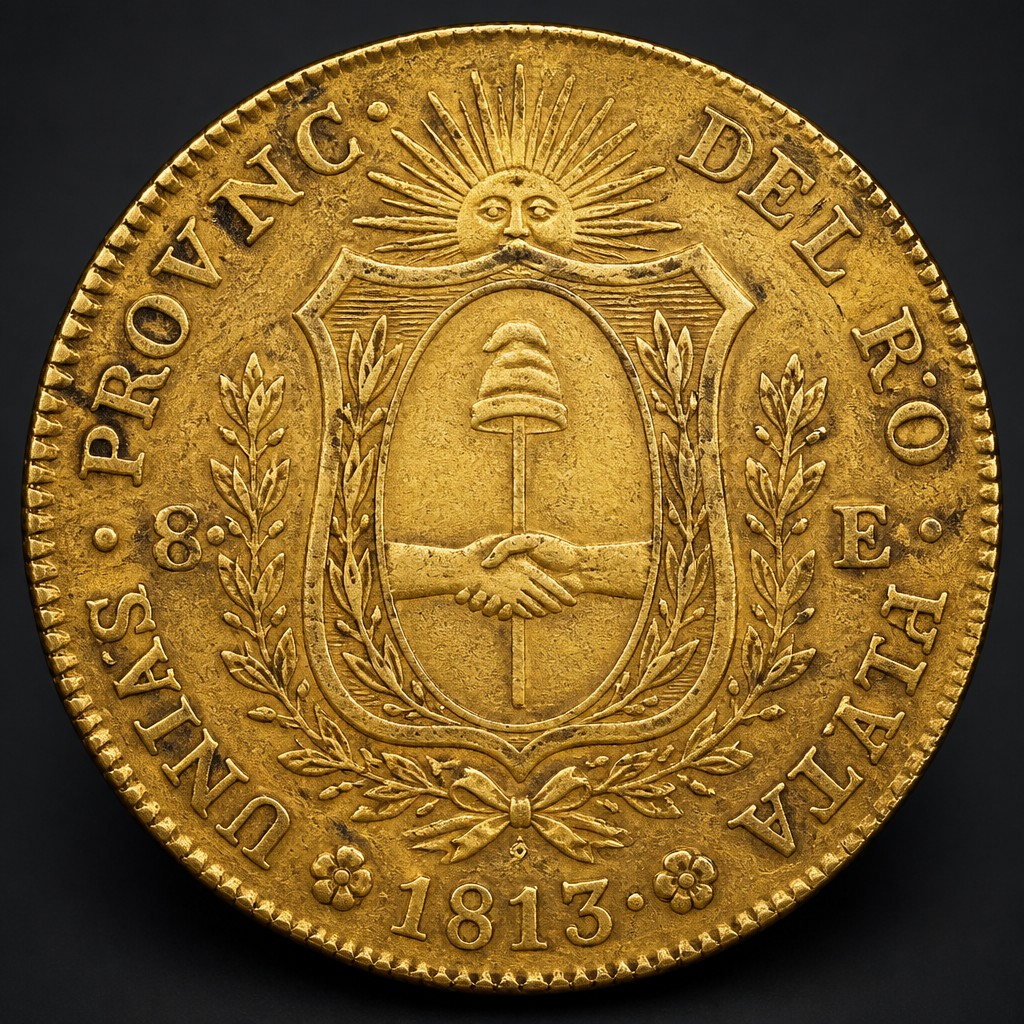
Argentine 8 Escudos Gold (1813)
An extremely rare gold coin from the earliest years of Argentine independence, struck briefly at Potosí under revolutionary authority and bearing the iconic Sun of May.
- Country
- United Provinces of the Río de la Plata (Argentina)
- Denomination
- 8 Escudos
- Metal
- gold, approximately .875 fine (colonial-era gold standard)
Got a coin like this?
Identify any coin from a photo, free.
Overview
This gold 8 Escudos represents one of the very first coinages issued in the name of Argentine independence, struck during a brief period when the revolutionary government of the United Provinces of the Río de la Plata controlled the historic Potosí mint. It replaced Spanish royal imagery with the radiant Sun of May, a symbol tied directly to the May 1810 revolution that began Argentina's break from Spanish rule.
Because Potosí changed hands multiple times between royalist and patriot forces during the South American wars of independence, coinage bearing revolutionary symbols from this specific window is understood by specialists to be quite scarce, reflecting both the brief period of patriot control and the turbulence of the era.
The coin holds significant historical importance as an early expression of Argentine national identity in coinage, predating the country's later, more settled peso-based currency system by decades.
History & Background
Following the May Revolution of 1810 in Buenos Aires, the United Provinces of the Río de la Plata began asserting independence from Spanish colonial authority, and revolutionary forces at times controlled the Potosí mint in Upper Peru (present-day Bolivia), a region then still contested between patriot and royalist armies. During periods of patriot control, the mint struck coinage bearing the Sun of May and revolutionary legends rather than the portrait of the Spanish king.
The 1813-dated 8 Escudos gold coin reflects one such episode of patriot minting authority at Potosí, produced during the ongoing struggle for South American independence led in the region by figures connected to the Buenos Aires revolutionary government. Control of Potosí shifted back to royalist forces in subsequent years, making the window for this coinage brief and its surviving examples correspondingly scarce.
How to Identify
The obverse typically shows a radiant sun face, the Sun of May, a central symbol of Argentine revolutionary identity, along with a legend referencing the provisional government. The reverse carries a design consistent with contemporary gold escudo coinage, including a value indication and mint-related details specific to the Potosí mint's revolutionary-era dies.
The coin is struck in gold at a fineness consistent with the colonial-era escudo standard, generally cited as approximately .875 fine, with a weight and diameter typical of contemporary 8 Escudos gold coinage of the period. Given the coin's age and the historical unrest of its minting period, strike quality and preservation vary considerably between surviving examples.
Because of its rarity and historical importance, and the existence of later reproductions and fantasy pieces inspired by early Argentine revolutionary coinage, any potential example of this coin should be evaluated by a qualified numismatist or third-party grading service before assuming authenticity.
Value & Collectibility
Given its status as an extremely scarce, historically important piece from the earliest years of Argentine independence, genuine examples of this coin are highly sought after by specialists in Latin American independence-era numismatics and can command substantial prices at auction when authenticated. Condition, strike quality, and documented provenance all significantly affect value for a coin of this rarity and historical weight.
Because of its value and historical significance, this coin type is also a target for counterfeits and later fantasy strikes, making authentication by a recognized numismatic authority essential before any purchase or sale.
Given the coin's rarity, broad price expectations are difficult to state with precision, but genuine, well-documented examples are understood by specialists to be valued well into the realm of significant four- or five-figure sums or more, depending on condition and provenance; prospective buyers should consult current specialist auction records rather than relying on general price guides.
Frequently asked questions
Why is this coin considered so historically significant?
It was struck during a brief period when Argentina's revolutionary government controlled the Potosí mint, making it one of the earliest coins to bear symbols of Argentine independence rather than Spanish royal imagery.
What is the Sun of May shown on this coin?
It is a radiant sun face symbol tied to Argentina's May 1810 revolution against Spanish colonial rule, and it remains a prominent national symbol today, including on the Argentine flag.
Why is this coin so rare?
Patriot control of the Potosí mint during the wars of independence was brief and contested, limiting the window in which coinage bearing revolutionary symbols could be struck there.
Should I be cautious about buying this coin?
Yes, due to its rarity and value, counterfeit and fantasy pieces exist, so authentication by a qualified numismatist or grading service is strongly recommended before any purchase.
Argentine 8 Escudos Gold (1813) identified by the community
Real coins identified with Coin Identifier.
Other coins you may enjoy
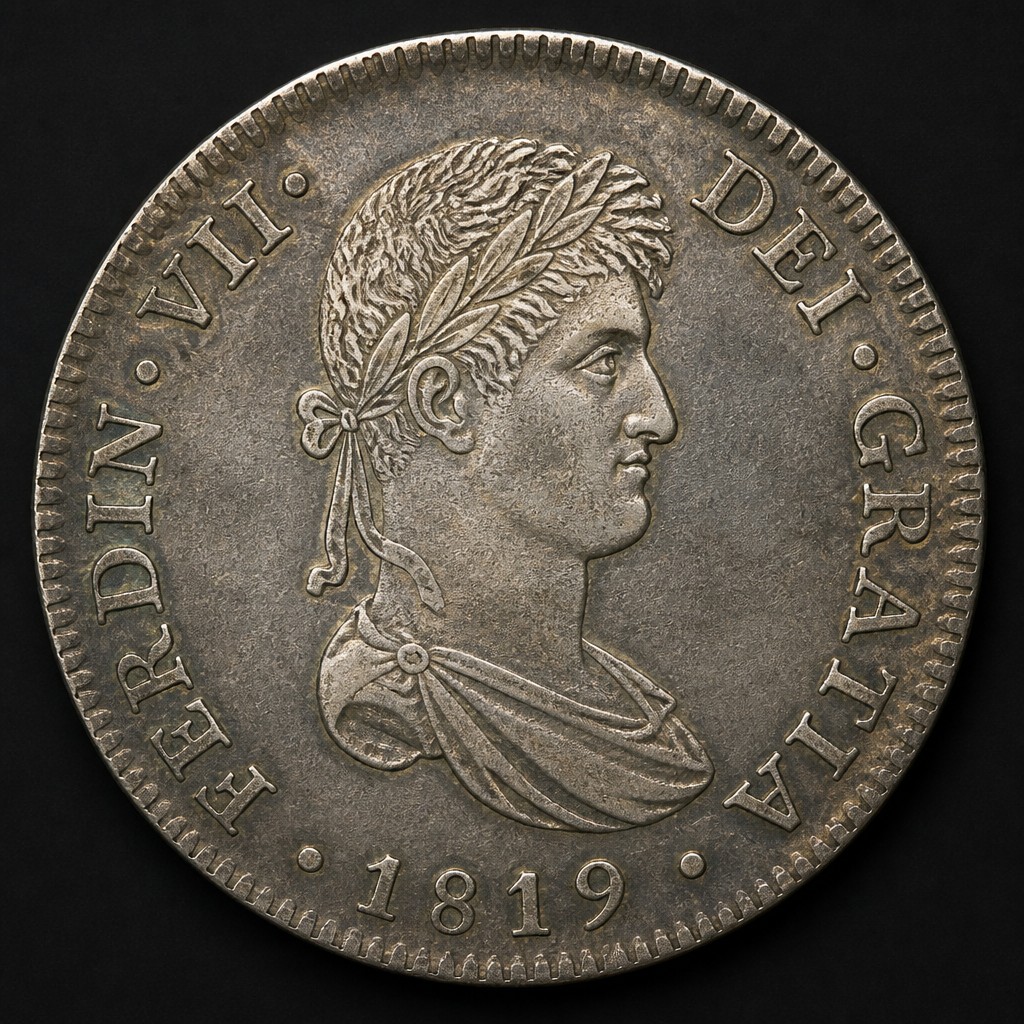
Colombia 8 Reales
Colonial issues through late 18th/early 19th century; republican issues 1820s–1830s
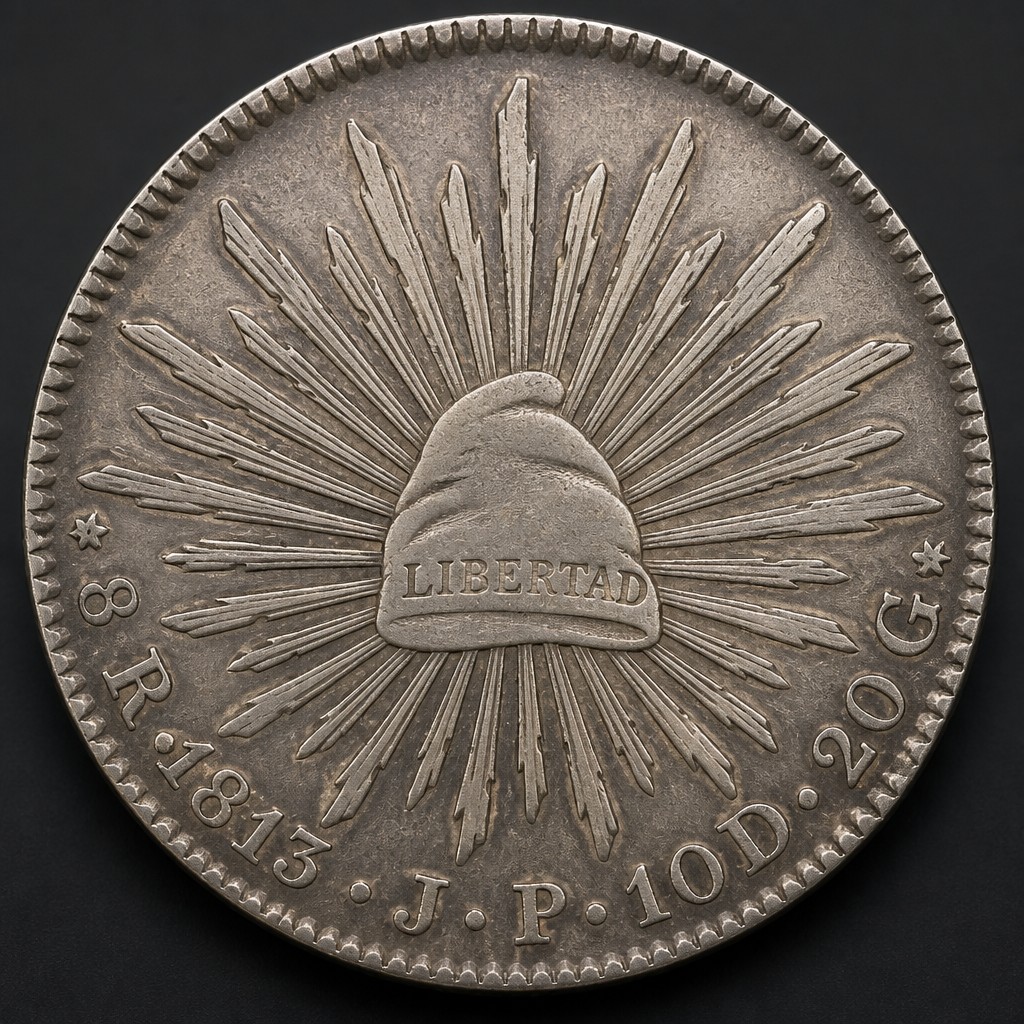
Argentina 8 Reales
c. 1813–1836
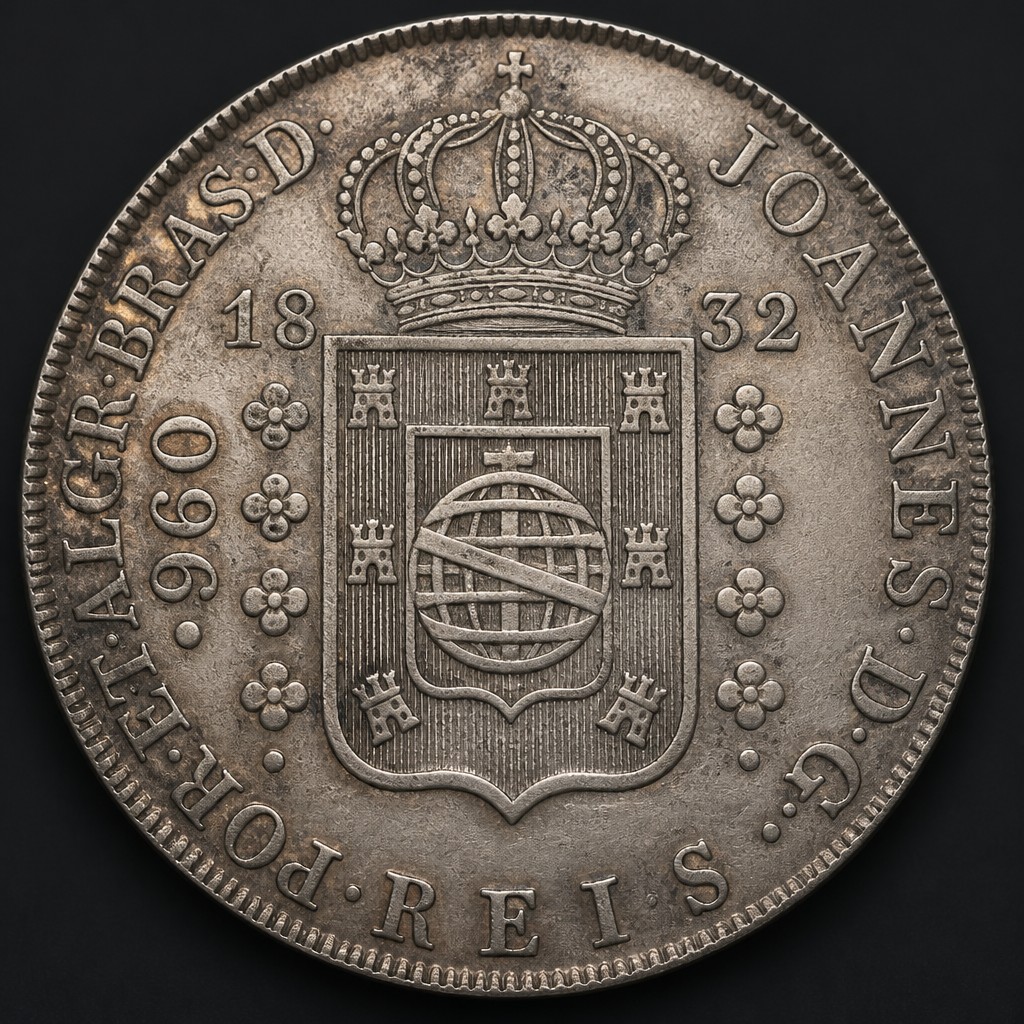
Brazil 960 Reis
1809–1832
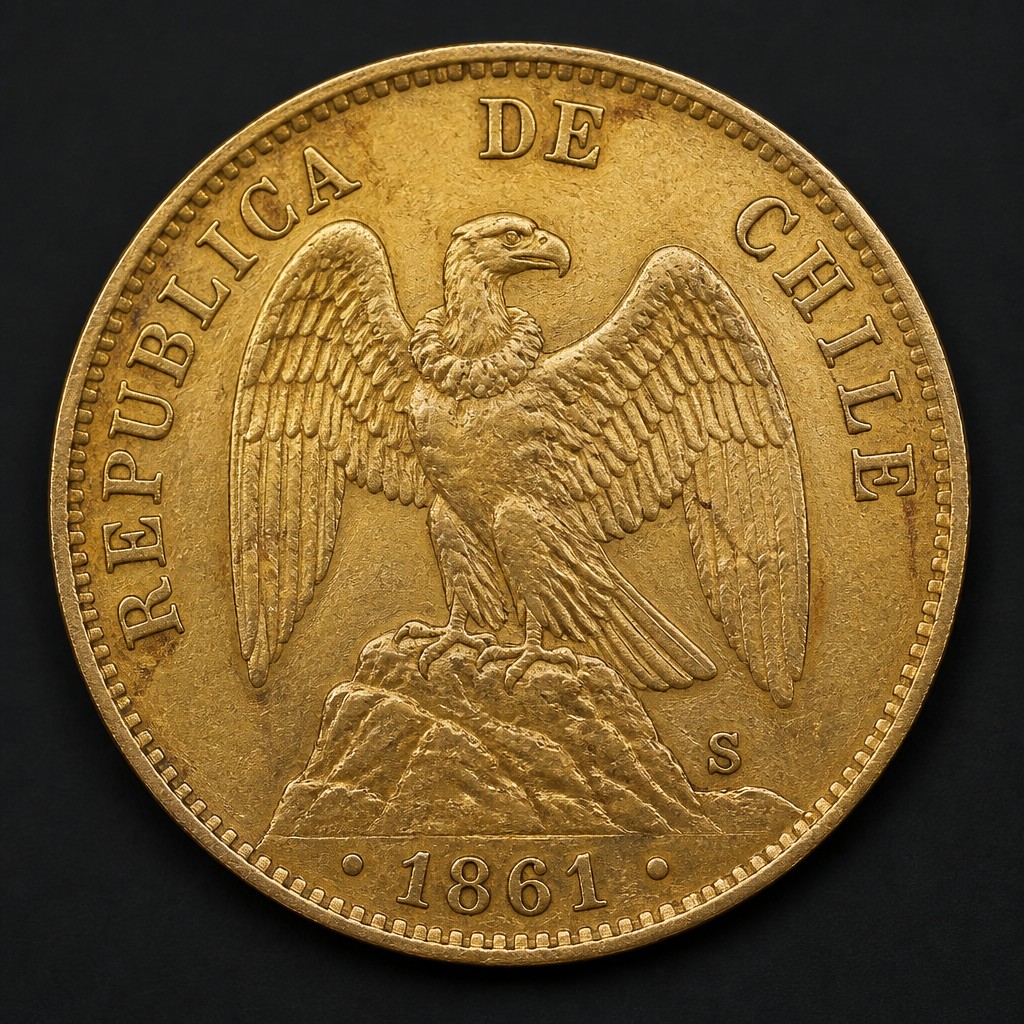
Chile Peso (Condor)
1851–1873 (gold condor series); modern base-metal peso 1990s–present
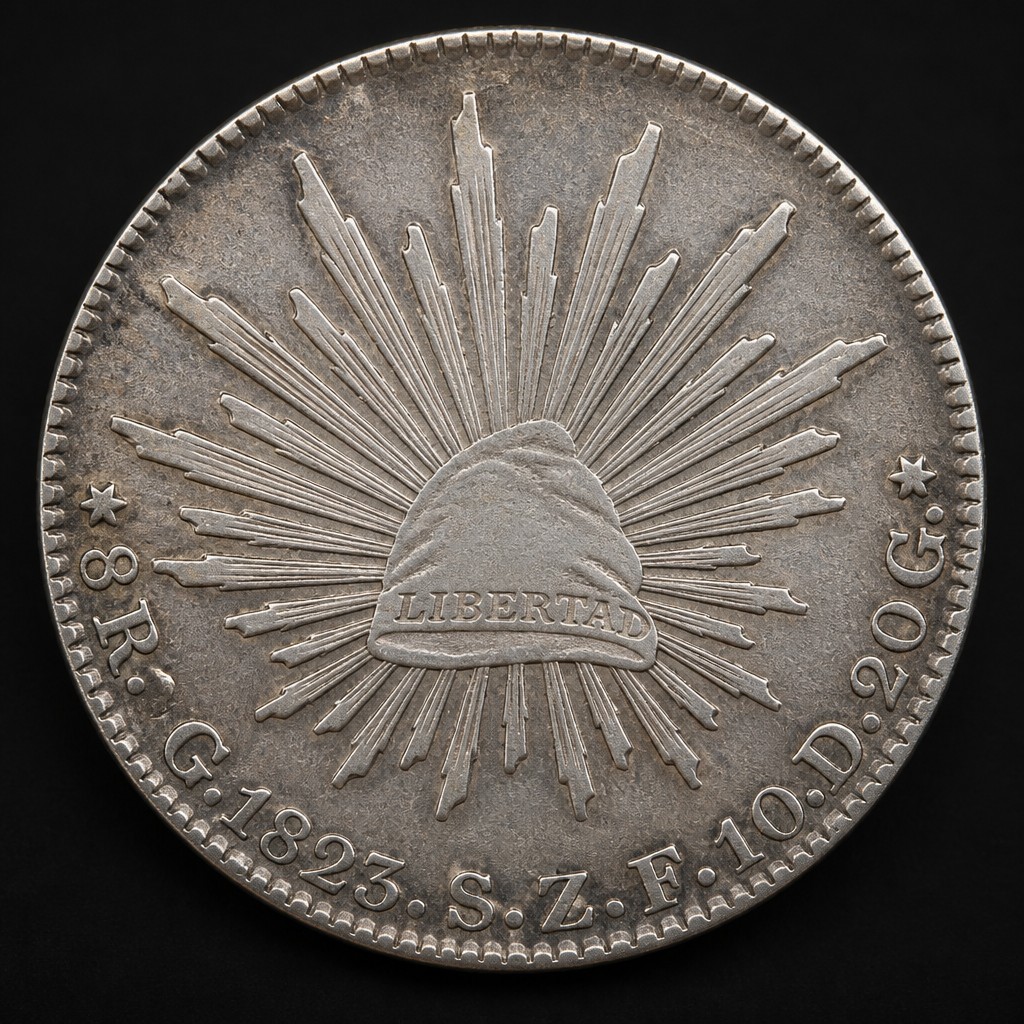
Mexican 8 Reales Cap and Rays
1823-1897
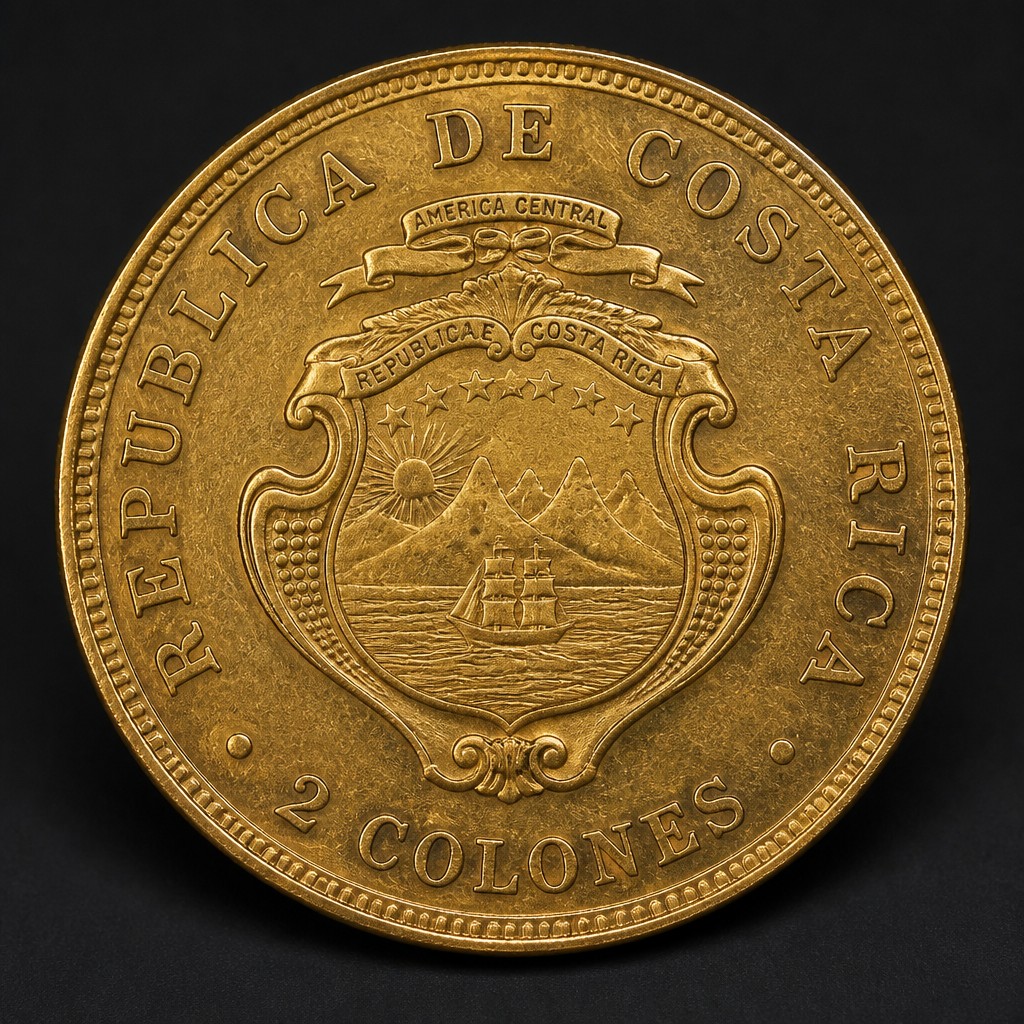
Costa Rica 2 Colones Gold
Late 1890s–early 1900s
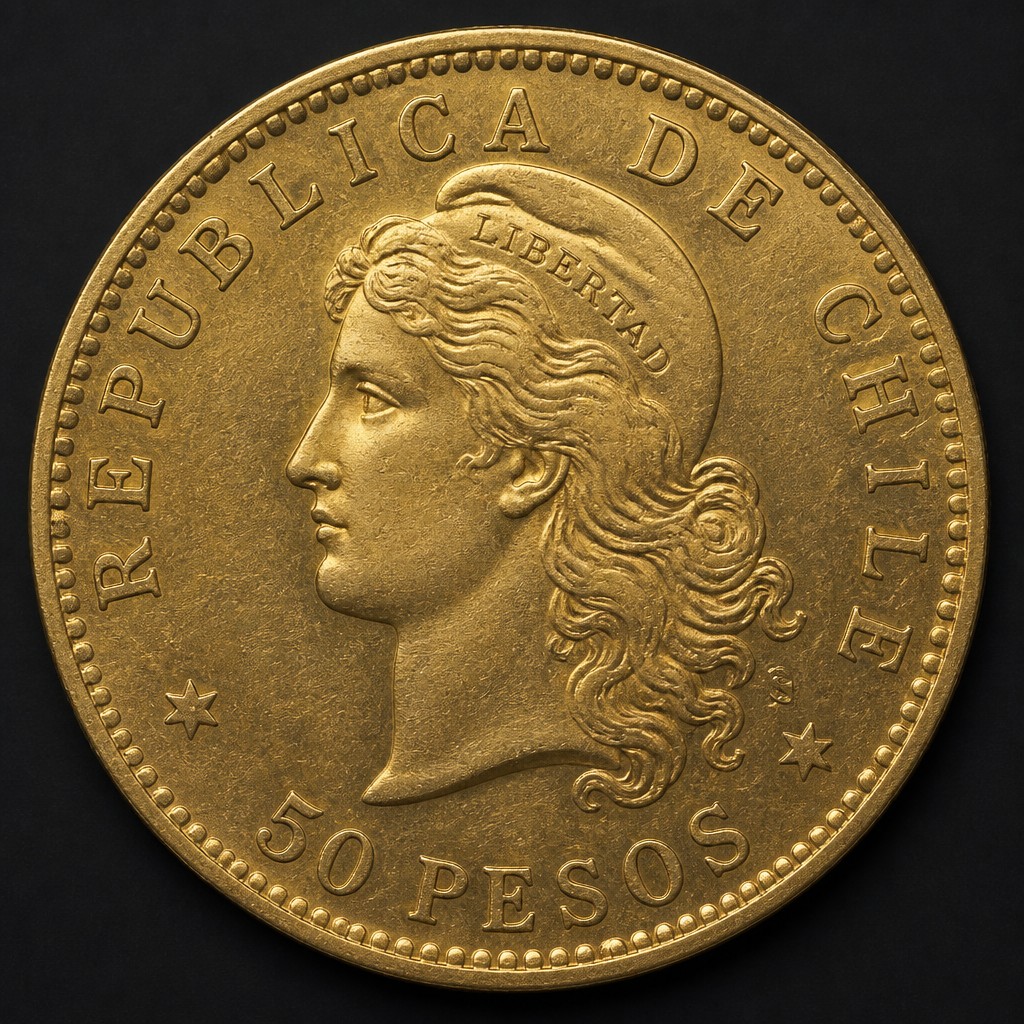
Chilean 50 Pesos Gold
1926–1980 (with interruptions)
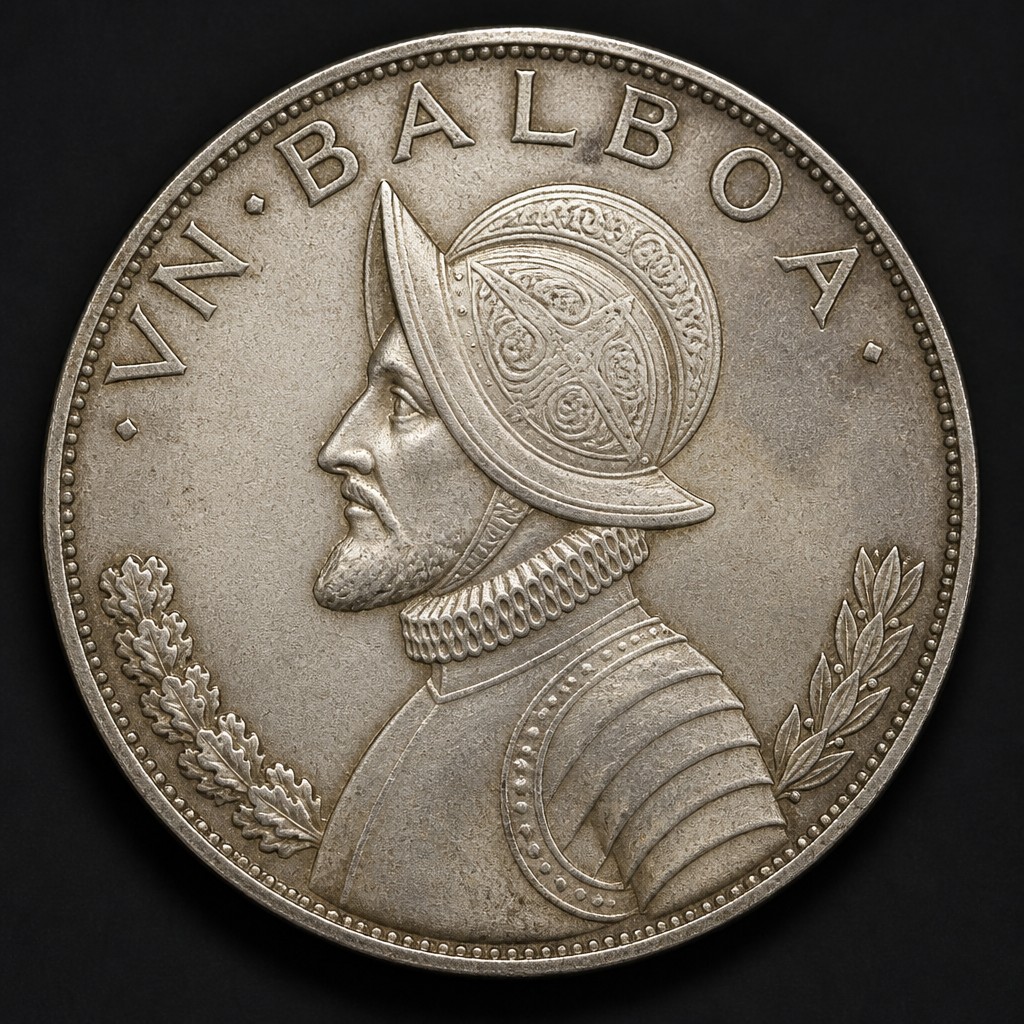
Panama Balboa Silver
1904, 1931, 1934, 1947, 1953, 1966 (various dates)
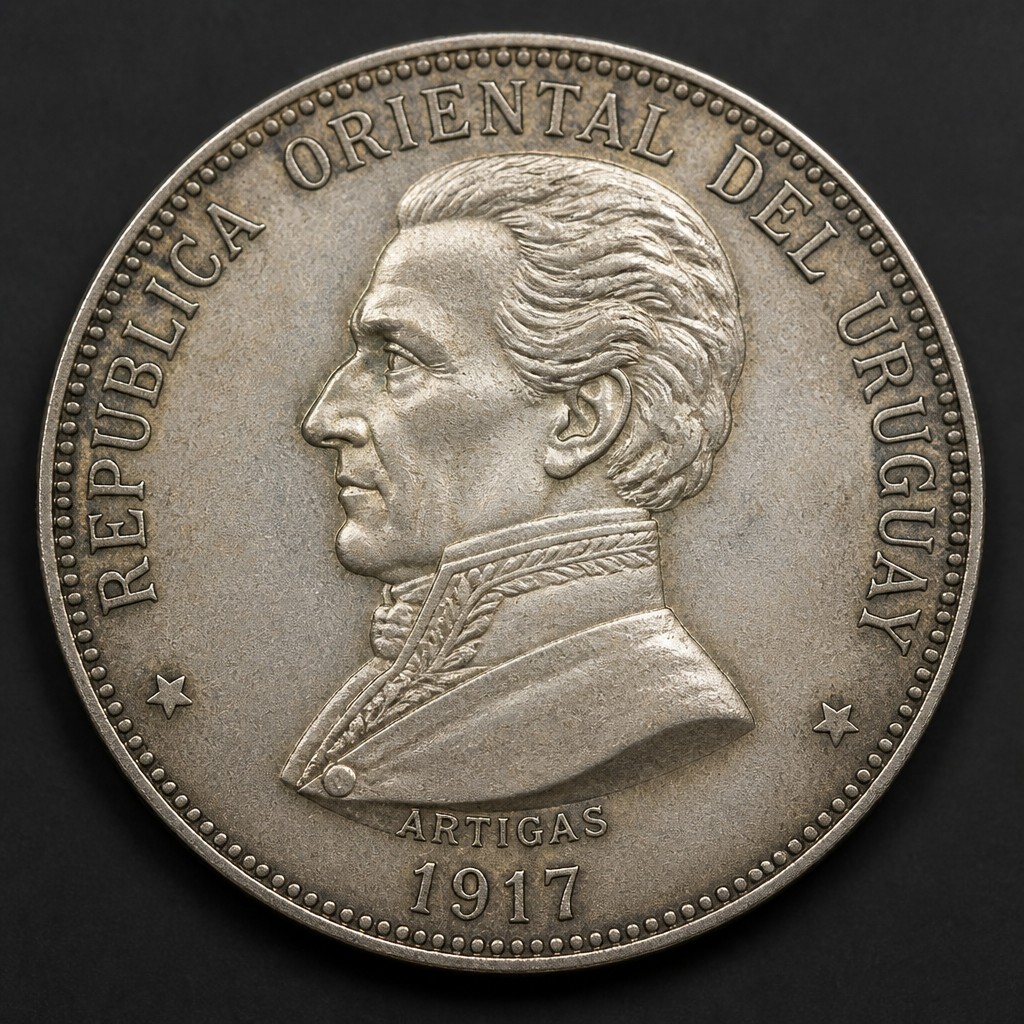
Uruguay Peso Silver 'Artigas'
1917–1920 (with related commemorative issues in later decades)
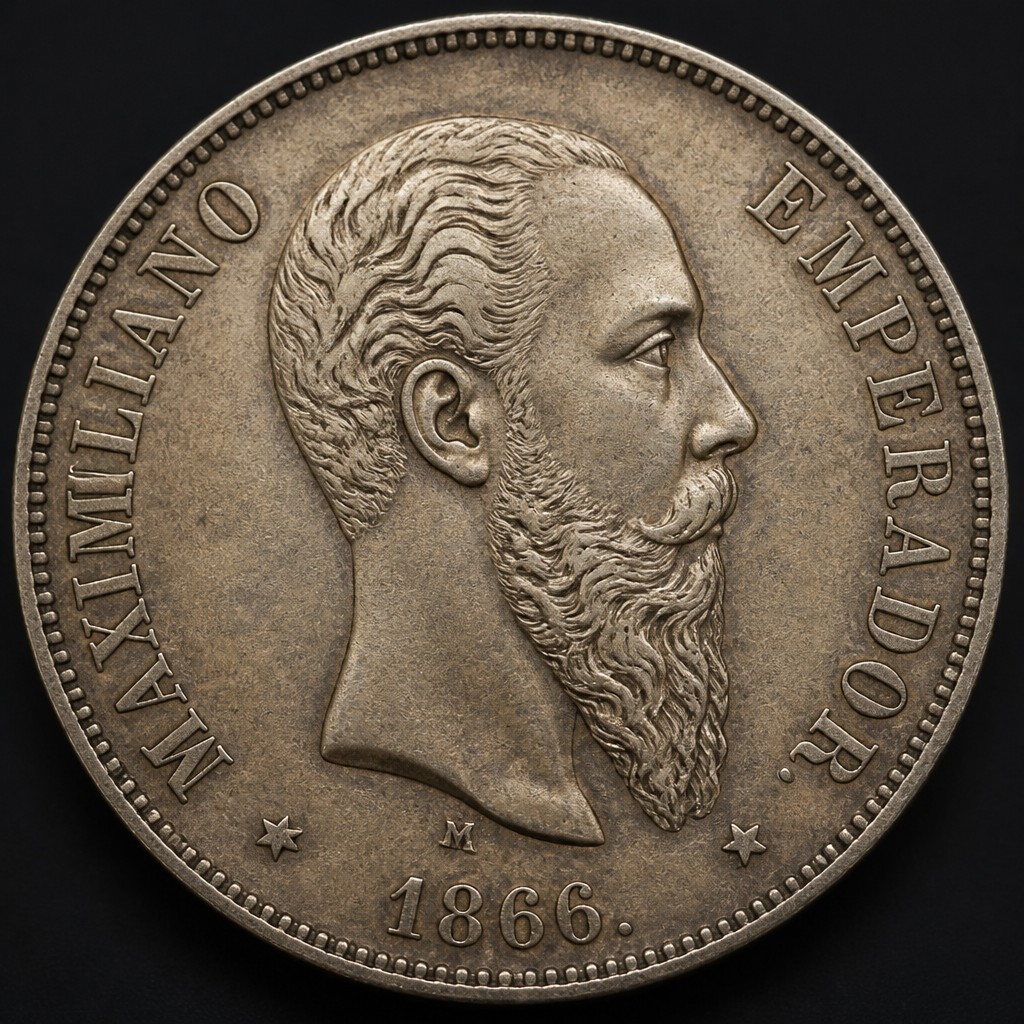
Mexican Emperor Maximilian Peso
1866–1867
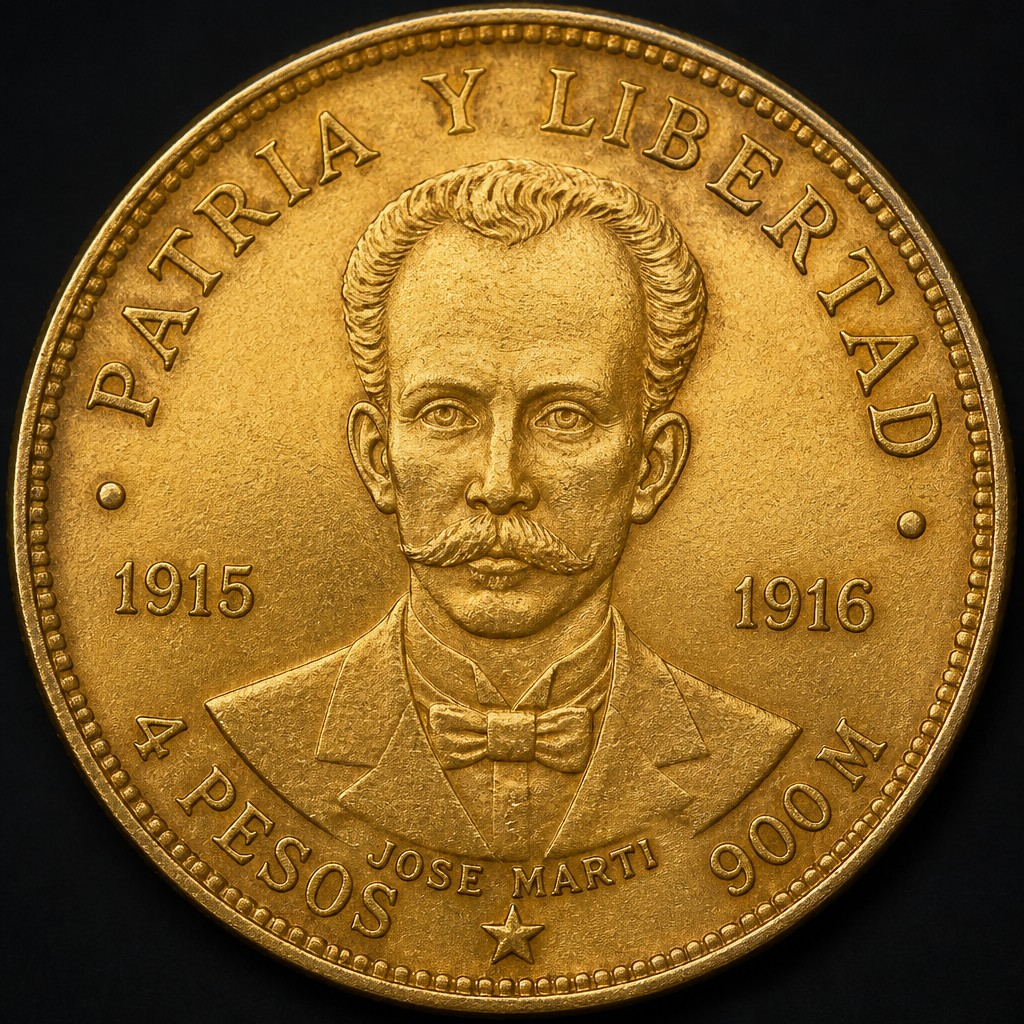
Cuba 4 Pesos Gold Jose Marti
1915–1916
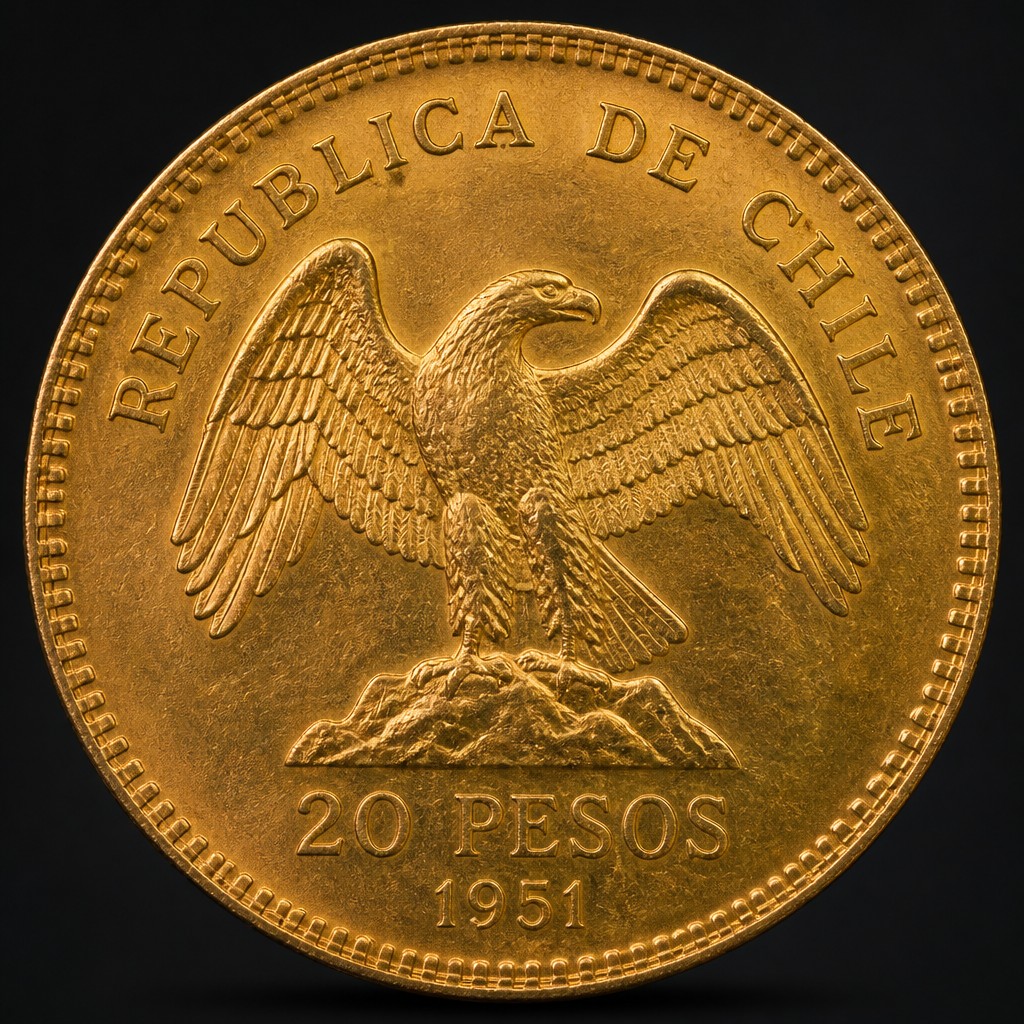
Chilean 20 Pesos Gold
19th century issues and 1926–1980 condor series