
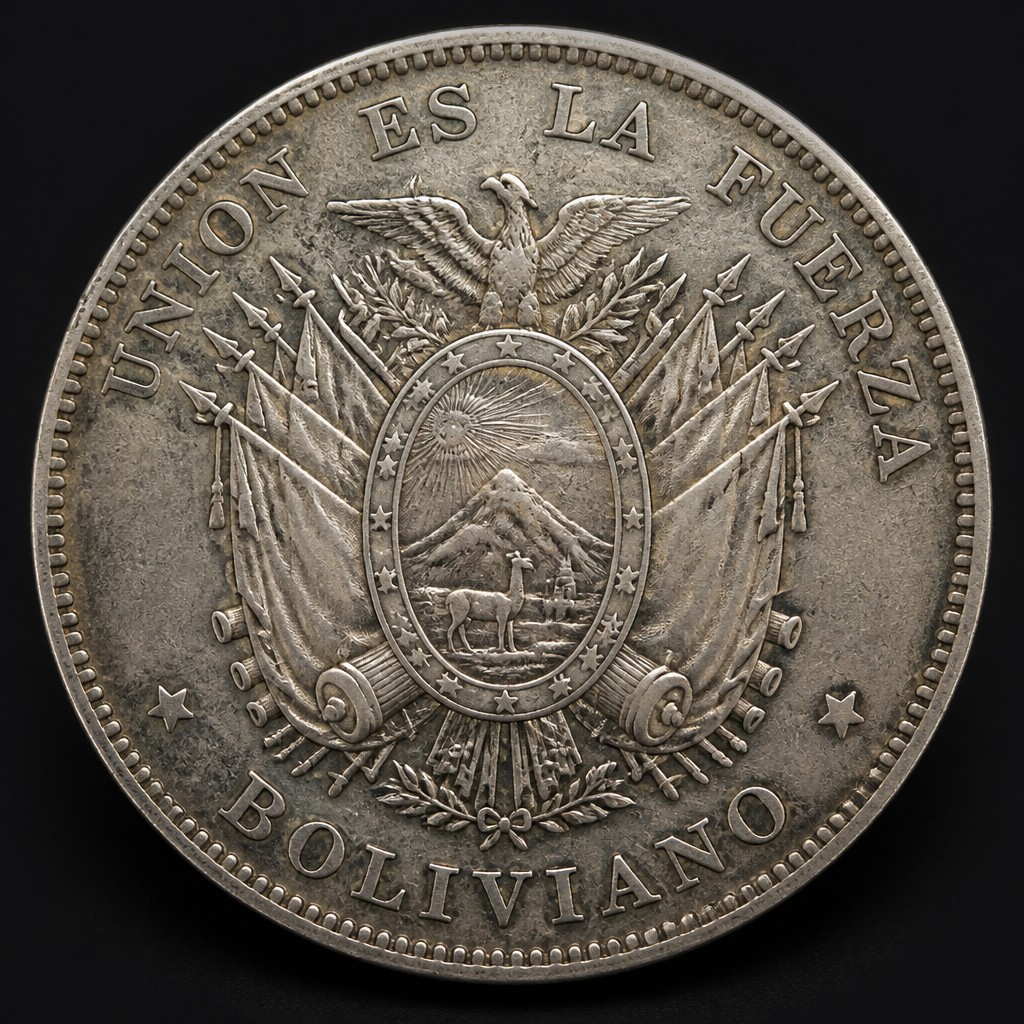
Bolivian Boliviano Silver
Bolivia's national currency unit, the boliviano, was introduced in the 1860s as a substantial silver coin and remains the country's monetary unit in modern, non-silver form.
- Country
- Bolivia
- Denomination
- 1 Boliviano
- Metal
- .900 fine silver (fineness reduced in later issues)
Got a coin like this?
Identify any coin from a photo, free.
Overview
The boliviano was introduced to modernize and standardize Bolivia's currency, replacing the earlier sol-based denominations inherited from the immediate post-independence period. As a substantial silver coin, it represented Bolivia's participation in the broader Latin American trend toward decimalized, silver-based national currencies during the nineteenth century.
Early boliviano coinage was struck at Potosí, continuing that city's centuries-long minting tradition, though later issues in some periods were struck under contract at mints abroad as Bolivia's minting needs and capabilities evolved. Over time, silver fineness in circulating boliviano coinage was reduced, mirroring a broader regional pattern of gradually debasing silver coinage as prices for the metal rose.
While the physical silver boliviano coins of the nineteenth and early twentieth centuries are now collector items, the boliviano as a currency unit has remained in continuous use in Bolivia, with later monetary reforms adjusting its value rather than replacing the name entirely.
History & Background
Bolivia adopted the boliviano in 1864 to replace its earlier peso-based currency system, part of a broader effort to modernize the nation's finances after decades of post-independence economic instability. Silver for the new coinage came from Bolivia's rich mining regions, continuing the country's long historical association with silver production dating back to the colonial Potosí mines.
The boliviano coinage system continued through the late nineteenth and into the early twentieth century, with the government periodically adjusting silver fineness and coin weight in response to fluctuating world silver prices. In later periods, Bolivia is known to have contracted foreign mints to help supply coinage, a common practice among smaller nations lacking full domestic minting capacity for large orders.
How to Identify
Boliviano silver coins typically feature the Bolivian national coat of arms, which includes a condor, mountain (representing Cerro Rico), and various symbols of the nation's natural resources, on one side, with a numeral denomination and BOLIVIA or REPUBLICA DE BOLIVIA legend on the reverse. Some issues feature portrait busts of notable figures such as Símon Bolívar rather than a purely heraldic design.
Early boliviano coins were struck in .900 fine silver at a substantial weight comparable to other Latin American silver dollar-size coins of the era, with later issues sometimes reduced in fineness or weight as economic conditions changed. Mint marks, where present, indicate Potosí or, for some later issues, a foreign contract mint.
Collectors distinguish specific boliviano types by carefully checking the date, weight, and fineness against reference catalogs, since the design and specifications shifted somewhat across the currency's several decades of active silver coinage.
Value & Collectibility
Value for silver boliviano coins depends significantly on specific date, mint, and condition, with common circulated examples generally valued close to their silver content and scarcer dates or mints commanding collector premiums. Well-preserved, lustrous examples in higher grades are considerably more desirable than worn or cleaned pieces.
Certain early or transitional dates within the series are recognized by specialists as more difficult to find than the more common later issues, adding a scarcity premium beyond simple silver content. As with most nineteenth-century Latin American silver coinage, third-party grading and clear attribution can meaningfully affect final sale value.
Broadly, buyers should expect common-date circulated bolivianos to trade near silver melt value with a modest premium, while scarcer dates and better grades can bring noticeably higher prices.
Frequently asked questions
What did the boliviano replace?
It replaced Bolivia's earlier peso and sol-based currency denominations when introduced in 1864 as part of a currency modernization effort.
Is the boliviano still Bolivia's currency?
Yes, the boliviano remains Bolivia's currency unit today, though modern coins and banknotes are entirely different in composition and design from the nineteenth-century silver coinage.
Why were some bolivianos struck outside Bolivia?
Bolivia, like several smaller nations, contracted foreign mints at times to help meet coinage demand when domestic minting capacity or logistics were insufficient.
How is boliviano coinage linked to Potosí?
Potosí, with its long silver-mining and minting history, was a primary source of both the silver and the mint output for early boliviano coinage.
Other coins you may enjoy
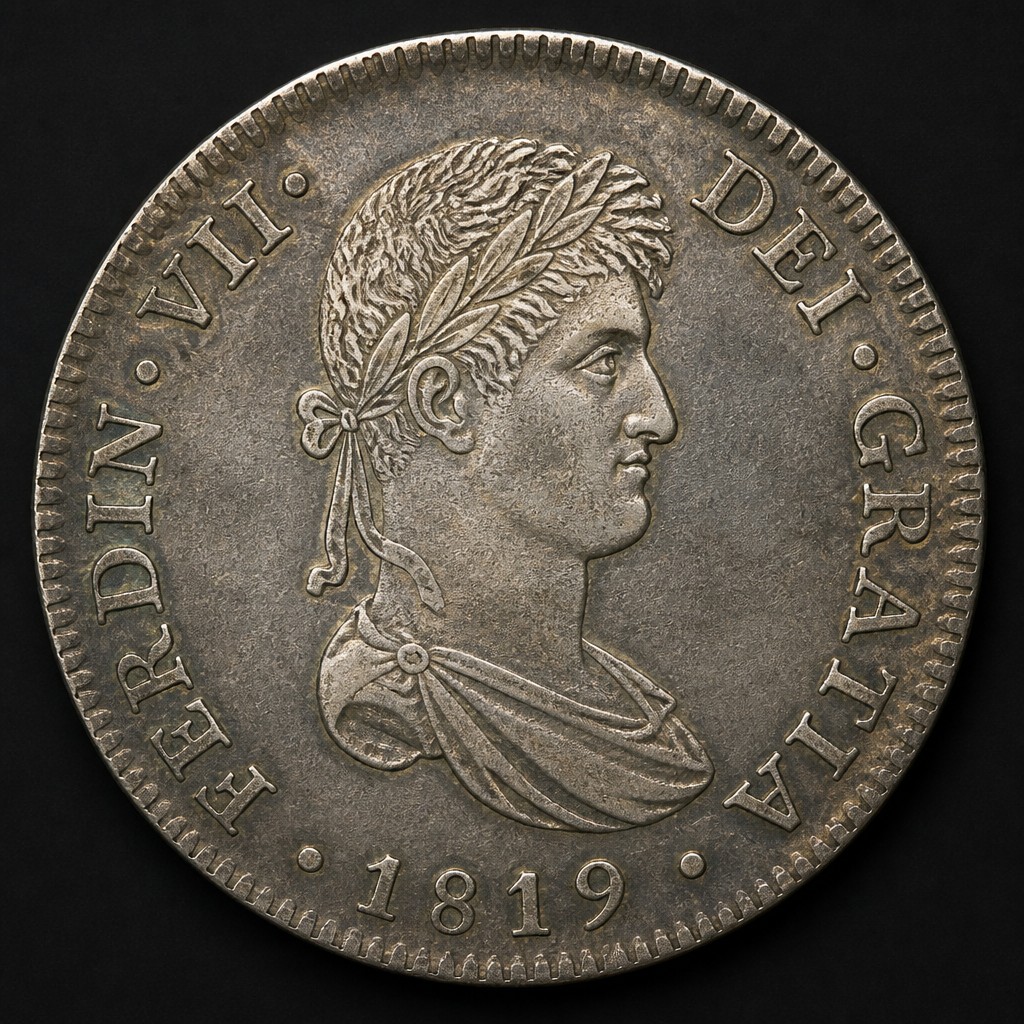
Colombia 8 Reales
Colonial issues through late 18th/early 19th century; republican issues 1820s–1830s
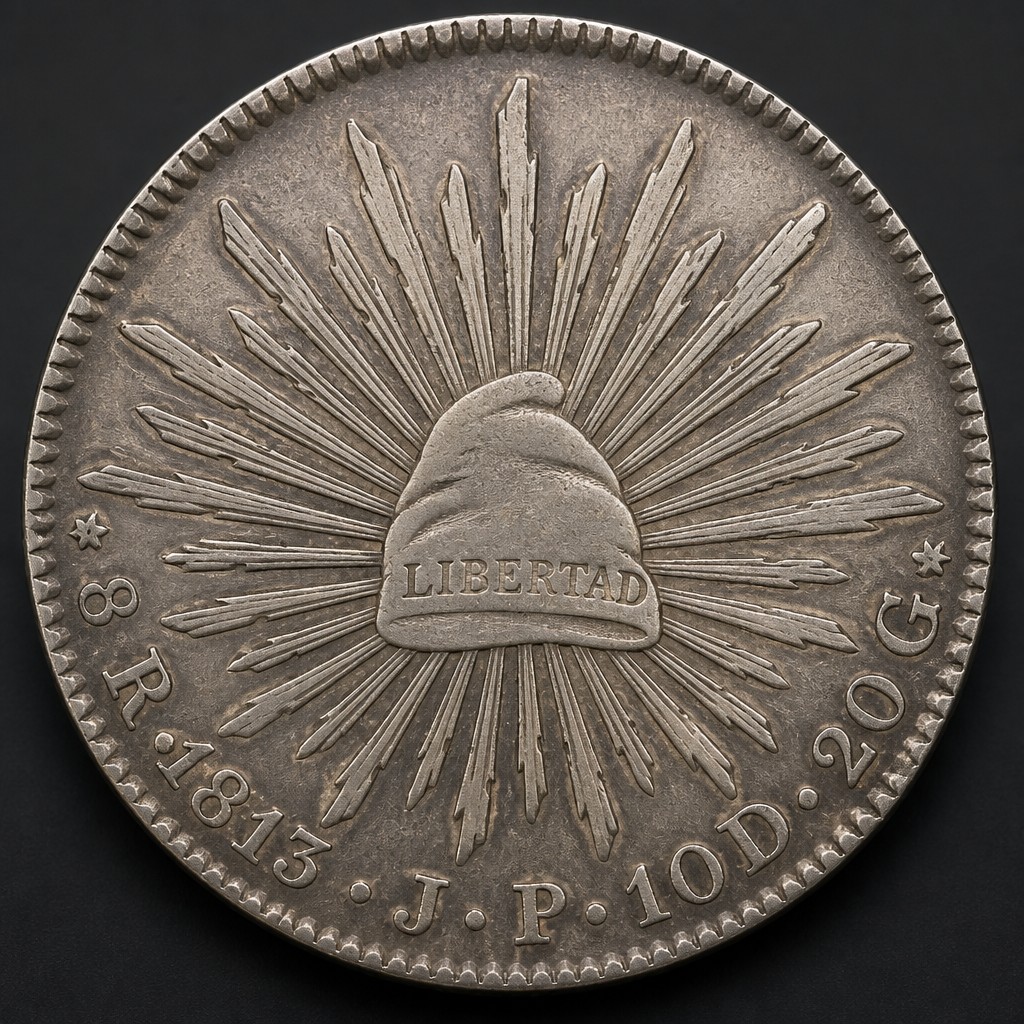
Argentina 8 Reales
c. 1813–1836
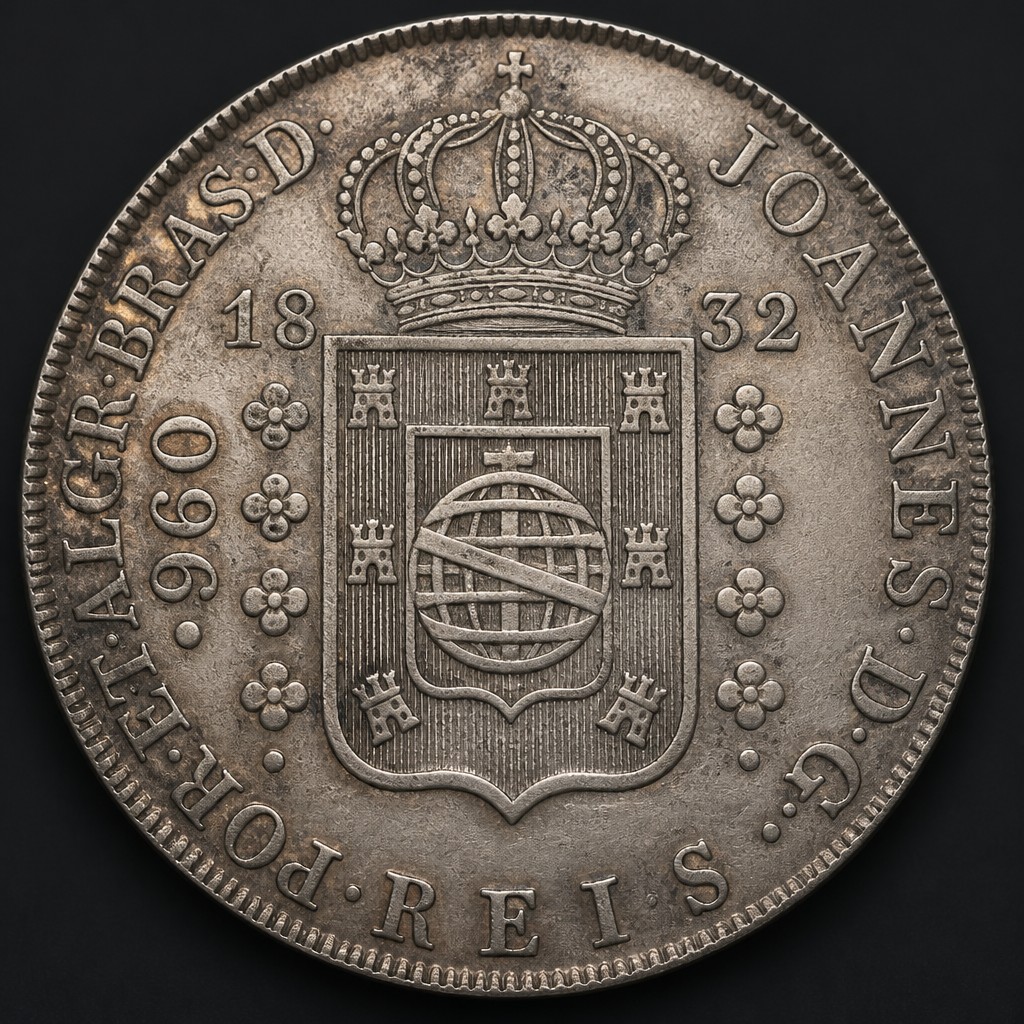
Brazil 960 Reis
1809–1832
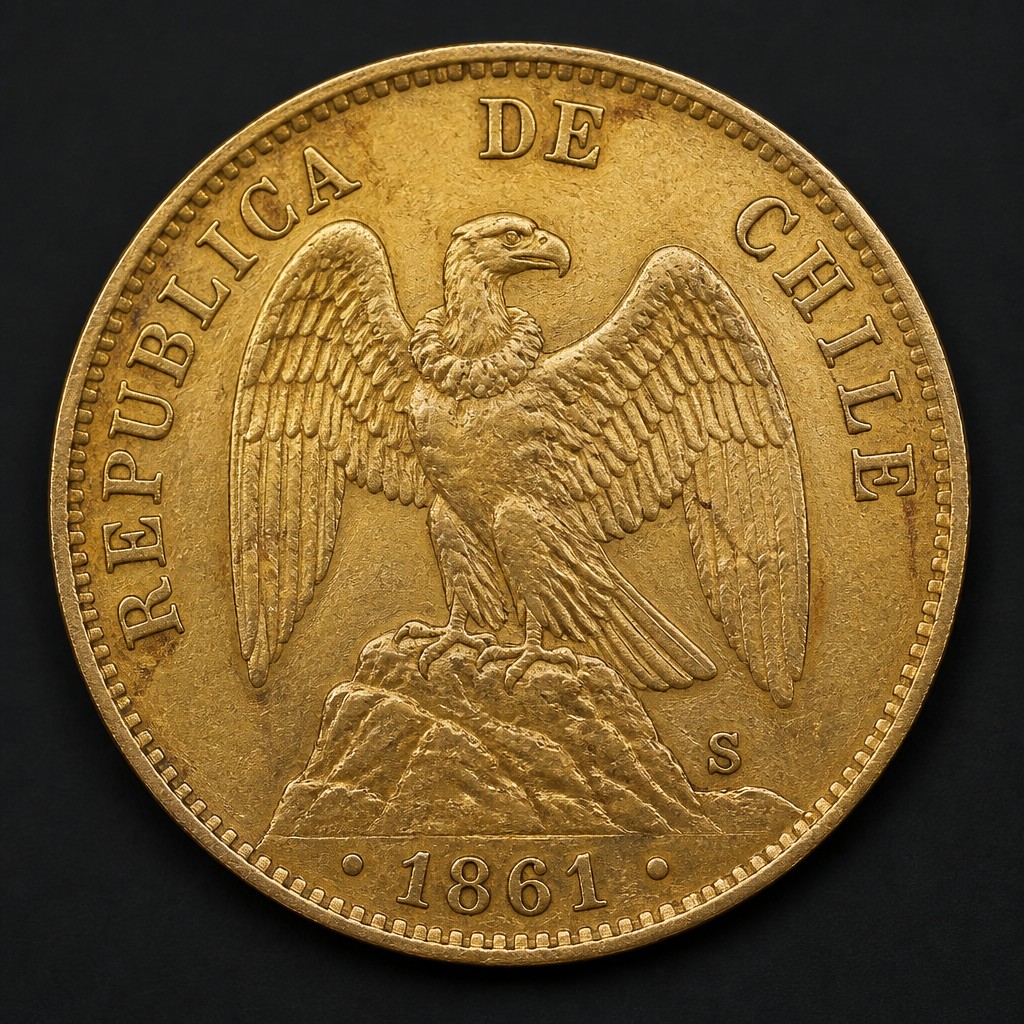
Chile Peso (Condor)
1851–1873 (gold condor series); modern base-metal peso 1990s–present
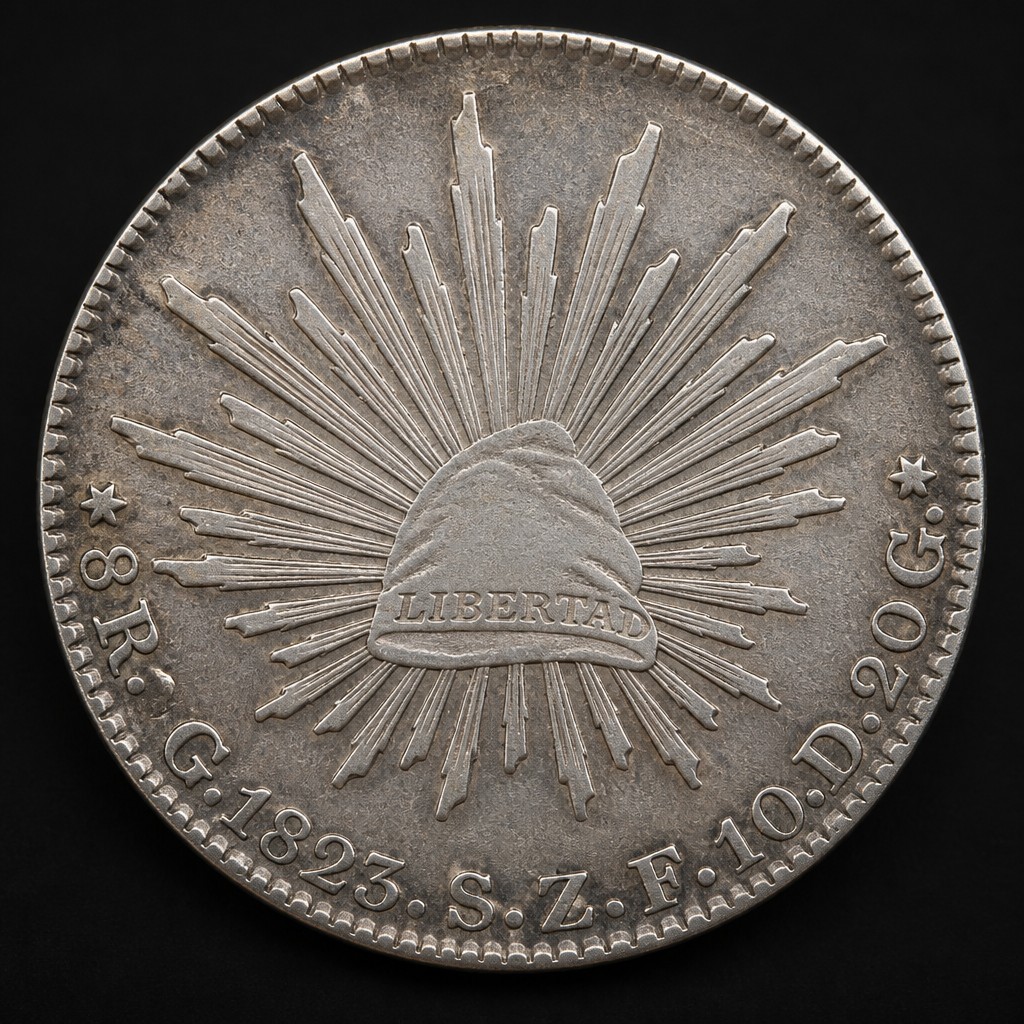
Mexican 8 Reales Cap and Rays
1823-1897
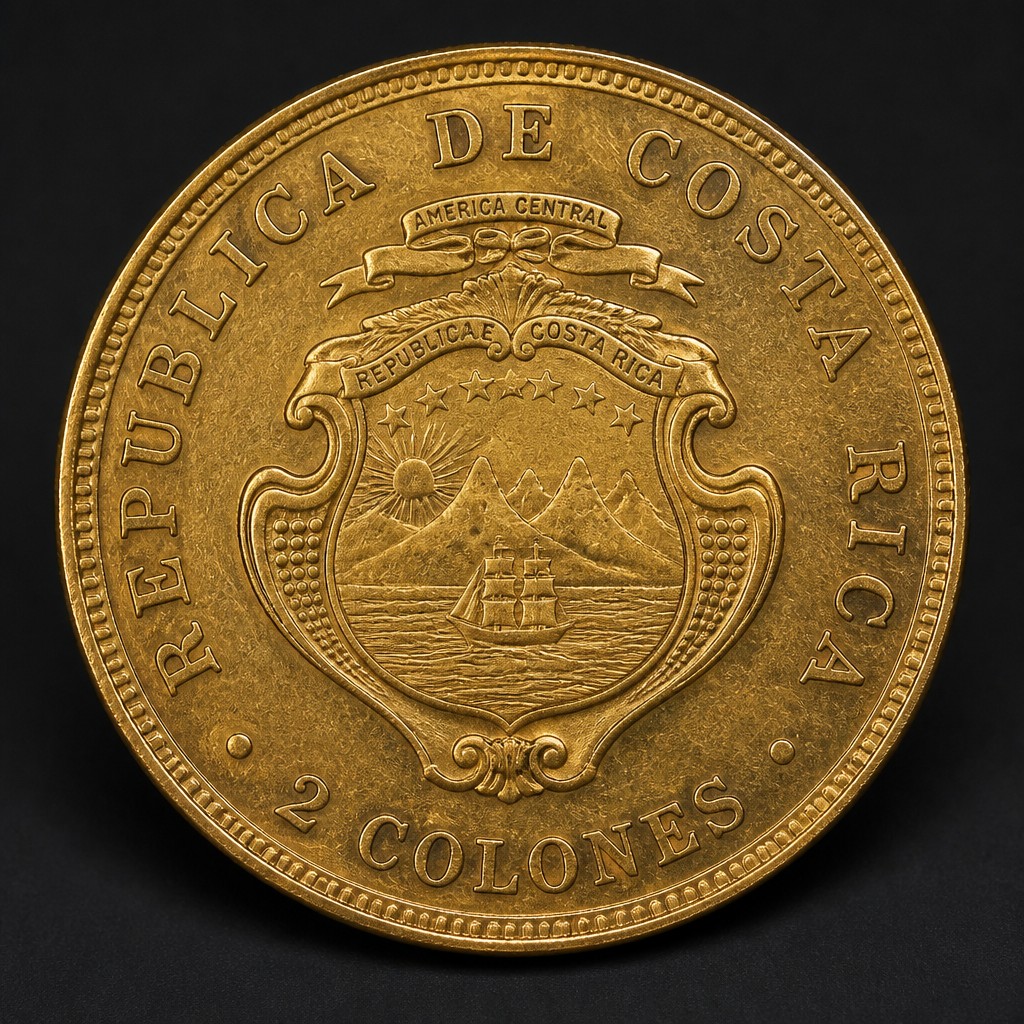
Costa Rica 2 Colones Gold
Late 1890s–early 1900s
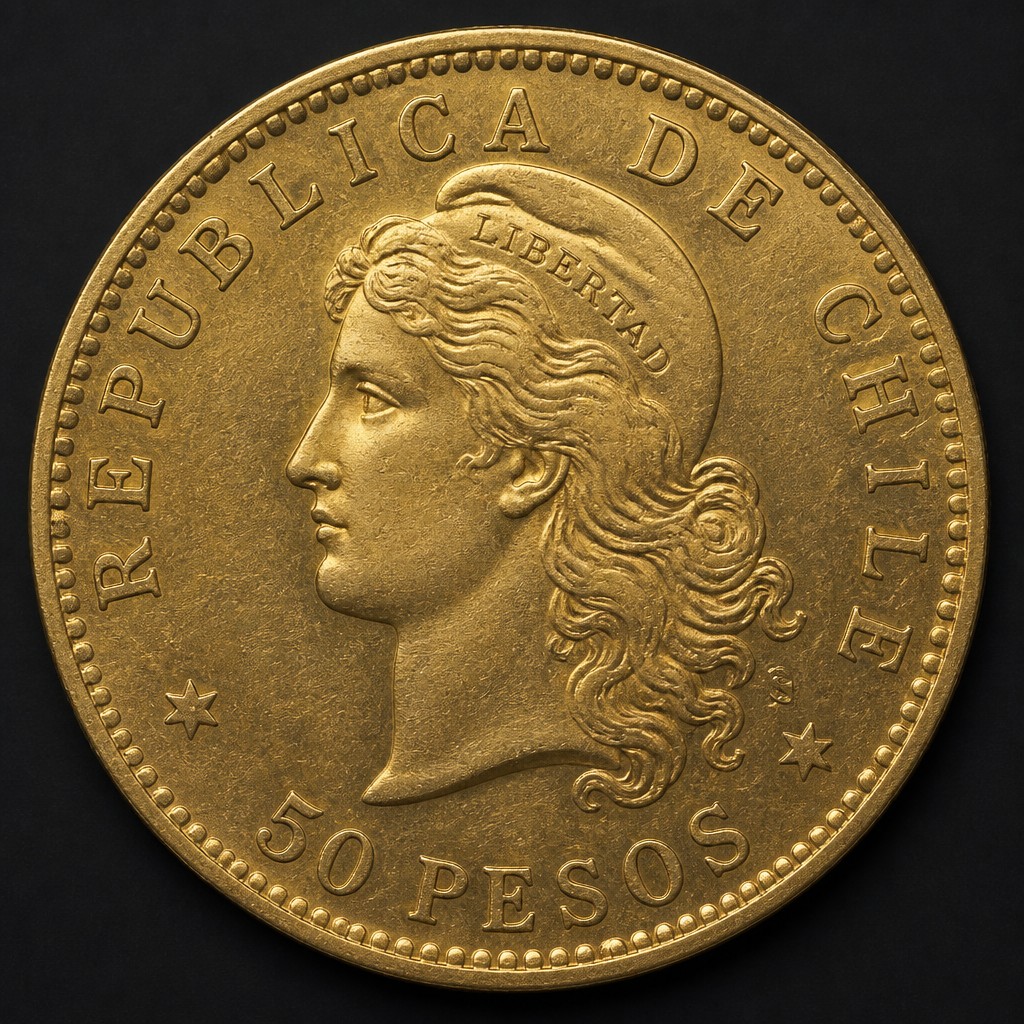
Chilean 50 Pesos Gold
1926–1980 (with interruptions)
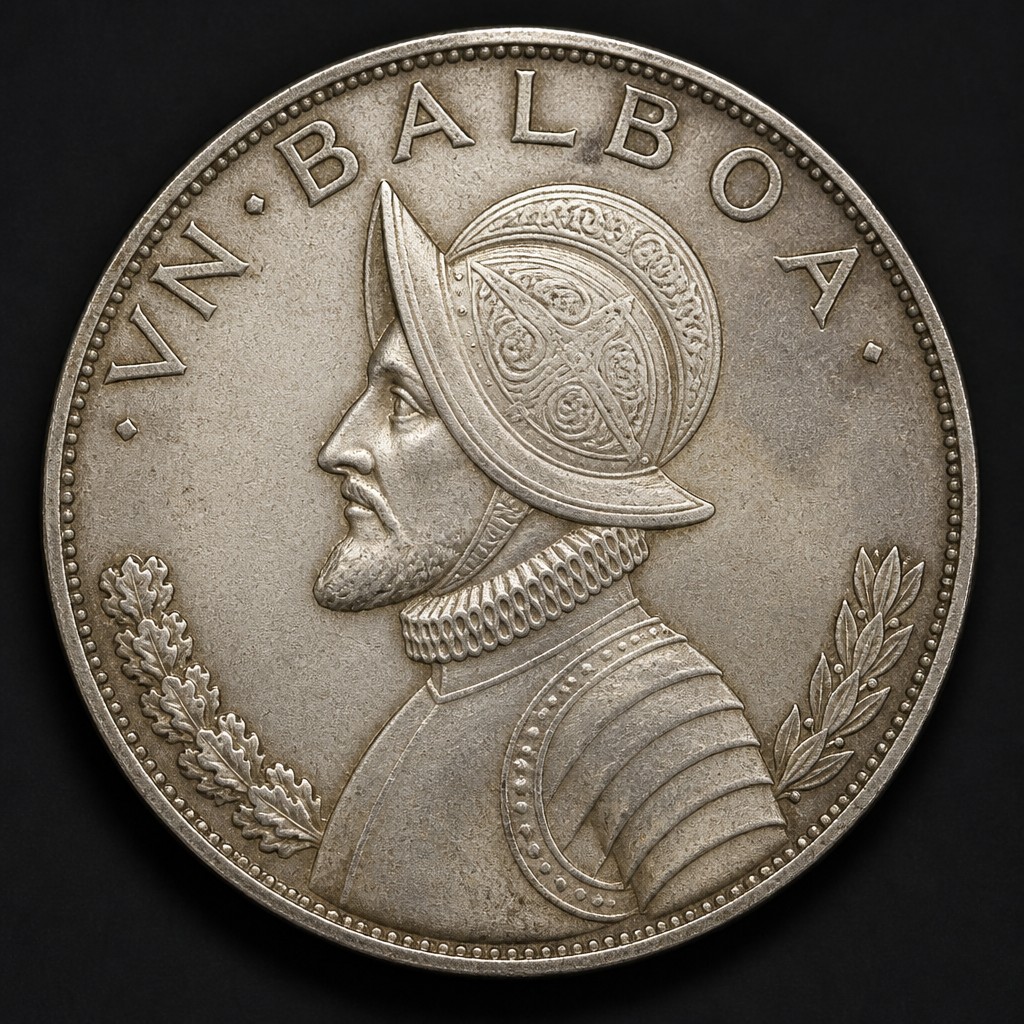
Panama Balboa Silver
1904, 1931, 1934, 1947, 1953, 1966 (various dates)
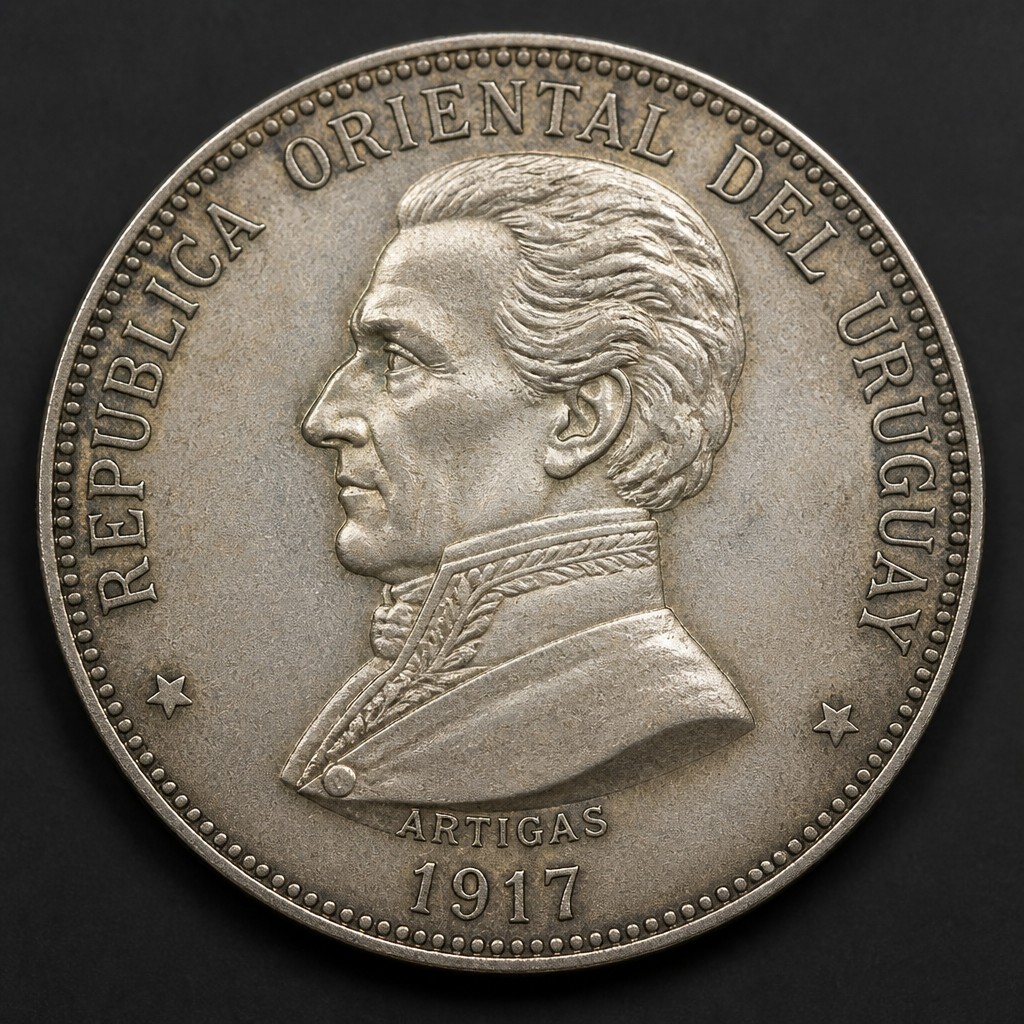
Uruguay Peso Silver 'Artigas'
1917–1920 (with related commemorative issues in later decades)
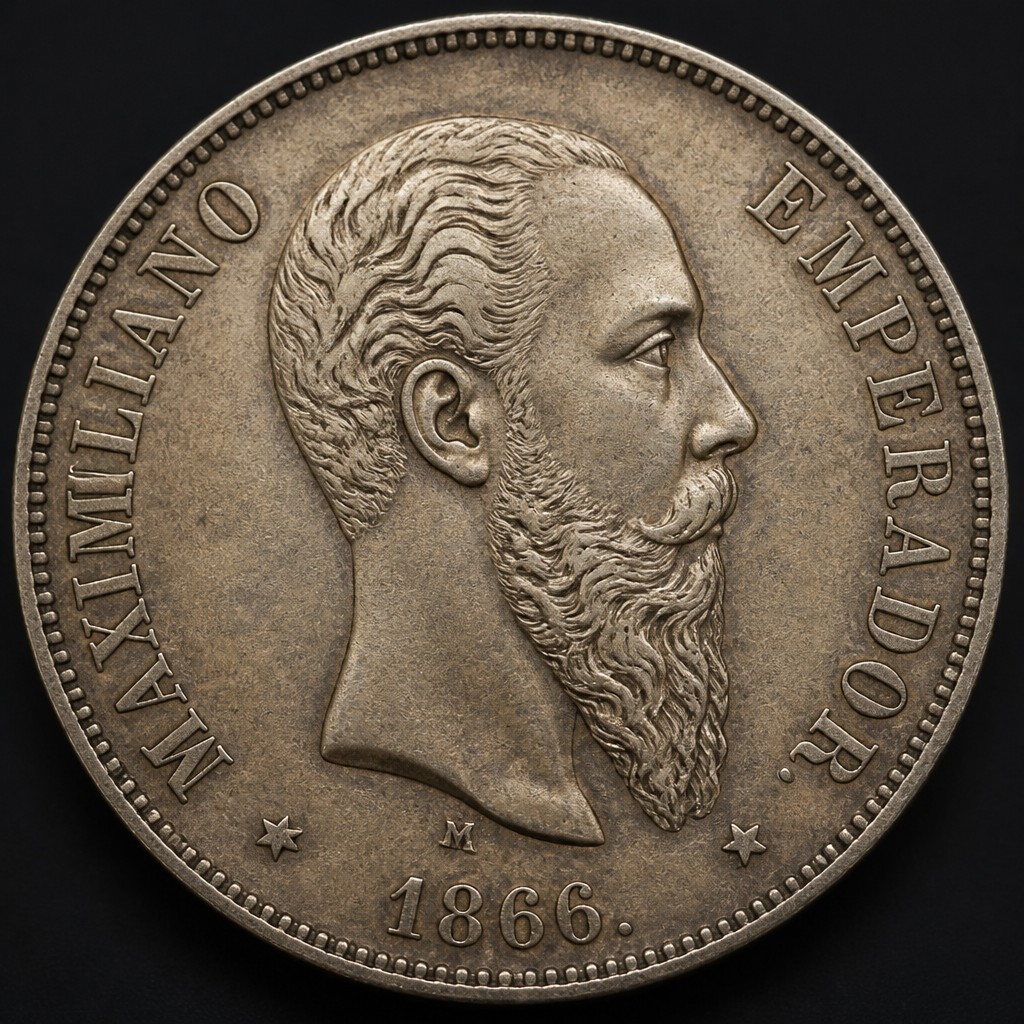
Mexican Emperor Maximilian Peso
1866–1867
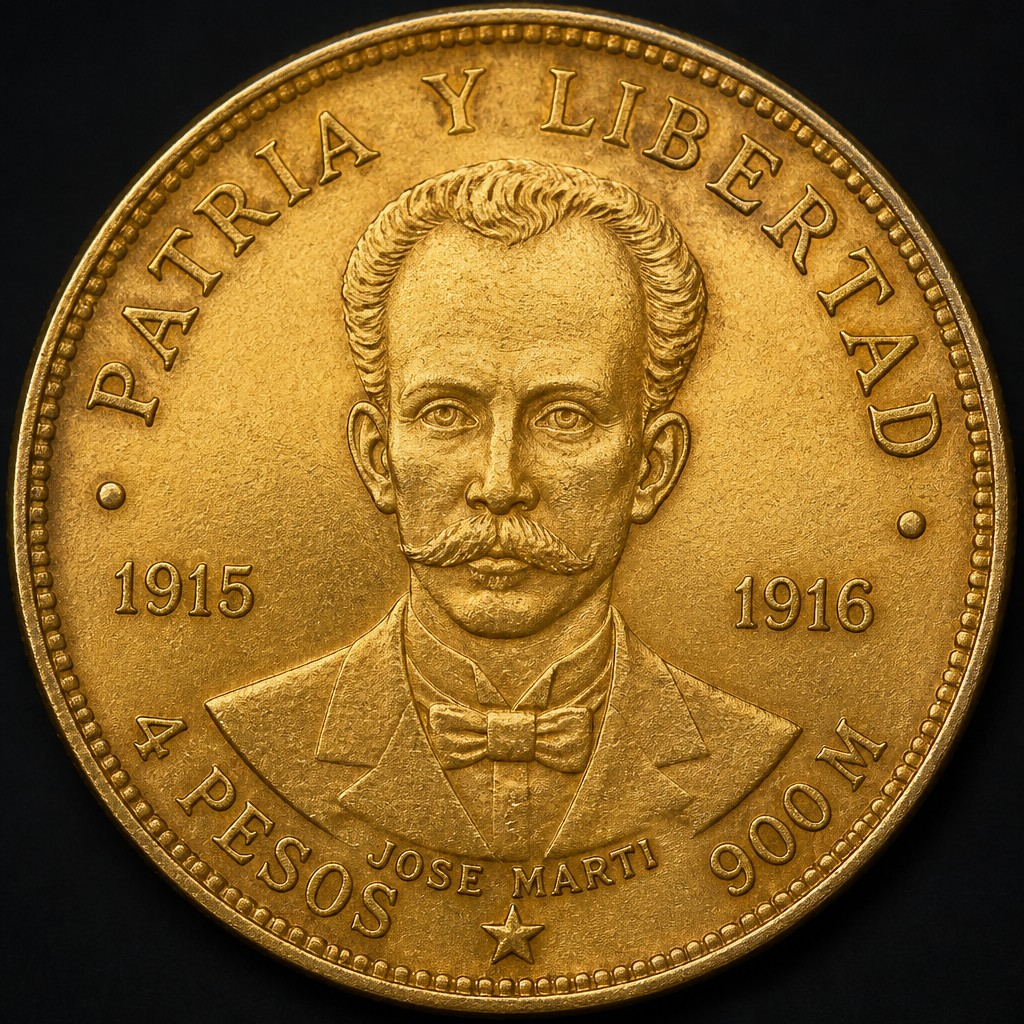
Cuba 4 Pesos Gold Jose Marti
1915–1916
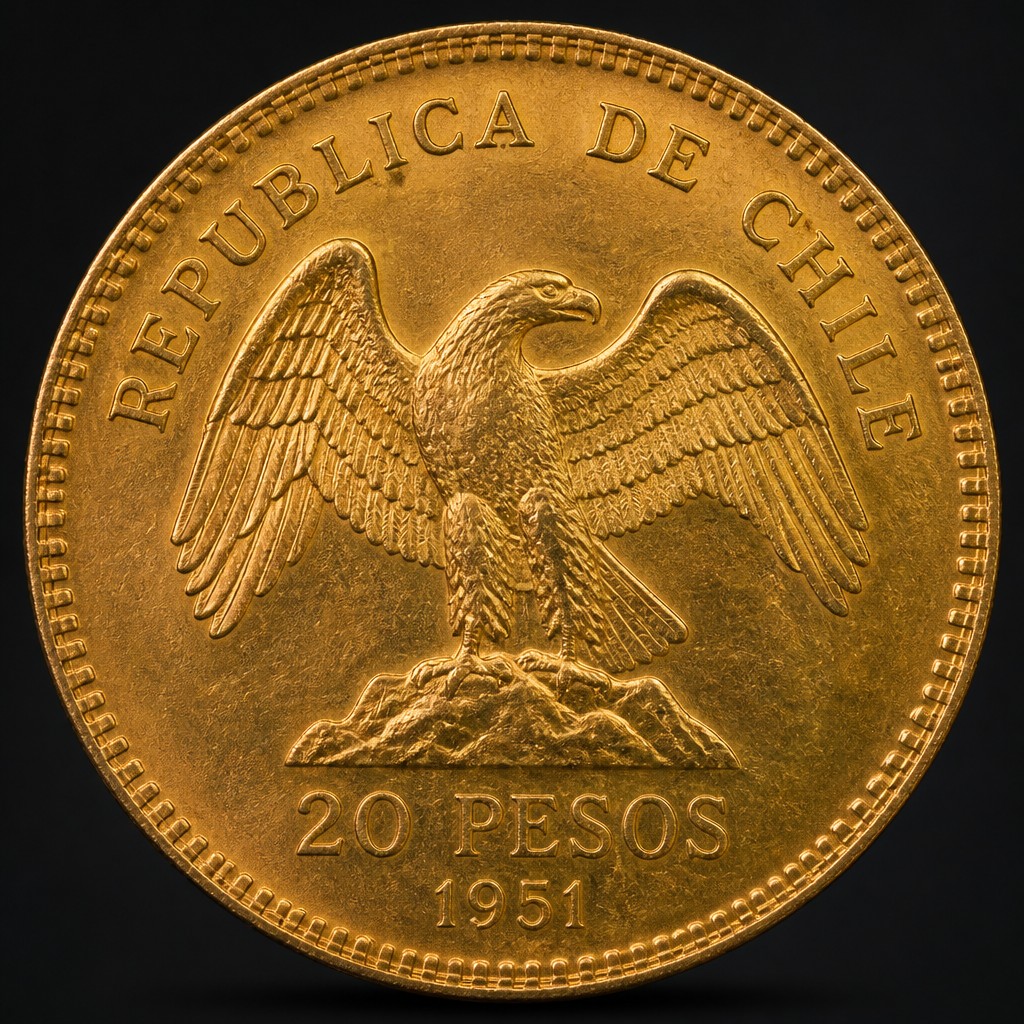
Chilean 20 Pesos Gold
19th century issues and 1926–1980 condor series