
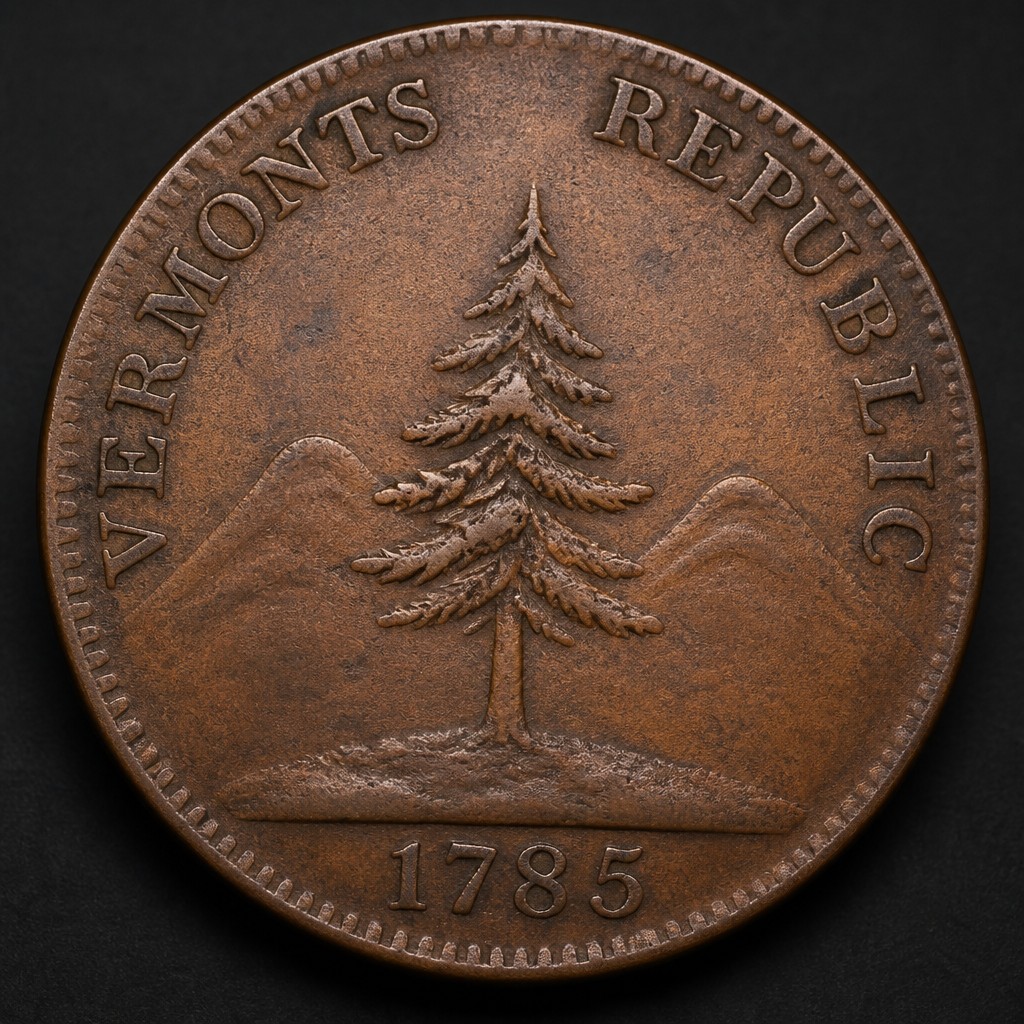
Vermont Copper
Copper coinage struck under authority of the independent Vermont Republic in the 1780s, featuring an early landscape design and later a Britannia-style type.
- Country
- United States (Vermont Republic, pre-federal)
- Denomination
- Copper (approximate value of one British halfpenny)
- Metal
- Copper
Got a coin like this?
Identify any coin from a photo, free.
Overview
Vermont coppers were struck between 1785 and 1788 under authority granted to Reuben Harmon Jr. by the government of the Vermont Republic, an independent state that existed outside the original thirteen colonies and did not join the United States until 1791. This makes Vermont's coinage historically distinctive, as it was issued by a sovereign entity separate from the Confederation states.
The earliest Vermont coppers feature a striking and unusual design showing a sun rising over a plowed field with a landscape backdrop and the Latin motto "VERMONTENSIUM RES PUBLICA" (Republic of the Vermonters), one of the more visually distinctive designs among all early American coppers. Later issues in the series shifted to a design copying the British halfpenny's seated Britannia reverse, likely to improve public acceptance in circulation.
As with other 1780s state and quasi-state coppers, Vermont's coinage filled the void left by the absence of a functioning federal mint, and it remains a favorite among colonial coin specialists both for its unique early landscape design and its unusual status as coinage from an independent republic rather than a state.
History & Background
The Vermont Republic operated as an independent state from 1777 until it joined the United States as the fourteenth state in 1791, and during this period of independence it authorized its own copper coinage to address the shortage of small change common throughout the young country in the mid-1780s. The Vermont assembly granted minting rights to Reuben Harmon Jr., who operated a mint in the Rupert/Bennington area.
The earliest Vermont coppers, struck beginning in 1785, featured the unusual sunrise-over-mountains and plow design paired with a radiant eye and stars motif on the reverse, a design distinct from most other contemporary state coppers, which tended to imitate more standard European coin themes.
By 1786 and continuing through 1788, the design shifted to closely imitate the British halfpenny, including a bust obverse and seated Britannia reverse, likely reflecting a practical decision to improve the coins' acceptance in everyday commerce; production ceased as Vermont moved toward statehood and federal coinage eventually replaced these state-era issues.
How to Identify
Early Vermont coppers (the landscape type) show a sun rising over a range of hills with a plow in a field on the obverse, with the legend "VERMONTENSIUM RES PUBLICA" and the date, while the reverse displays a radiant eye surrounded by thirteen stars with the motto "QUARTA DECIMA STELLA" (fourteenth star), referencing Vermont's aspiration to join the union as the fourteenth state.
Later Vermont coppers switch to a design copying the British halfpenny closely: a right-facing bust on the obverse with a Latin legend, and a seated Britannia figure with shield and trident on the reverse, differing from genuine British halfpennies mainly in the specific legend text naming Vermont or the authorizing figures rather than King George.
Both types are copper and comparable in size and weight to a British halfpenny of the period, struck with contemporary screw press equipment; distinguishing the early landscape type from other state coppers is straightforward due to its unique design, while the later Britannia-style type requires careful legend reading to separate it from genuine British halfpence or from similar Connecticut and other state issues imitating the same British prototype.
Value & Collectibility
The early landscape-design Vermont coppers are considered particularly desirable due to their unique and historically evocative imagery, and they generally command strong collector interest and premiums compared to the later, more generic Britannia-style Vermont issues, which more closely resemble other contemporary state coppers.
As with other state coppers of the 1780s, condition dramatically affects value, since most surviving examples circulated heavily and show notable wear, corrosion, or striking weakness; well-preserved, attractively toned examples are considerably scarcer and more valuable than typical worn specimens.
Common Vermont coppers in average circulated grades are accessible to collectors at moderate prices, generally in the low hundreds of dollars, while the rarer early landscape-type varieties, or any exceptional high-grade examples, can bring prices well into the thousands of dollars depending on specific die variety and condition.
Frequently asked questions
Was Vermont a U.S. state when these coins were struck?
No, Vermont was an independent republic from 1777 to 1791 and issued this coinage under its own authority before joining the United States.
What does 'QUARTA DECIMA STELLA' mean?
It is Latin for 'the fourteenth star,' referencing Vermont's aspiration to become the fourteenth state of the union.
Why did the design change from a landscape to a Britannia figure?
The later design more closely imitated the British halfpenny, likely to improve the coin's everyday acceptance in circulation.
Who operated the Vermont mint?
Reuben Harmon Jr. held the minting authority granted by the Vermont assembly and operated the mint in the Rupert/Bennington area.
Other coins you may enjoy
Massachusetts Cent (1787-1788)
1787–1788
Connecticut Copper
1785–1788
New Jersey Copper
1786–1788
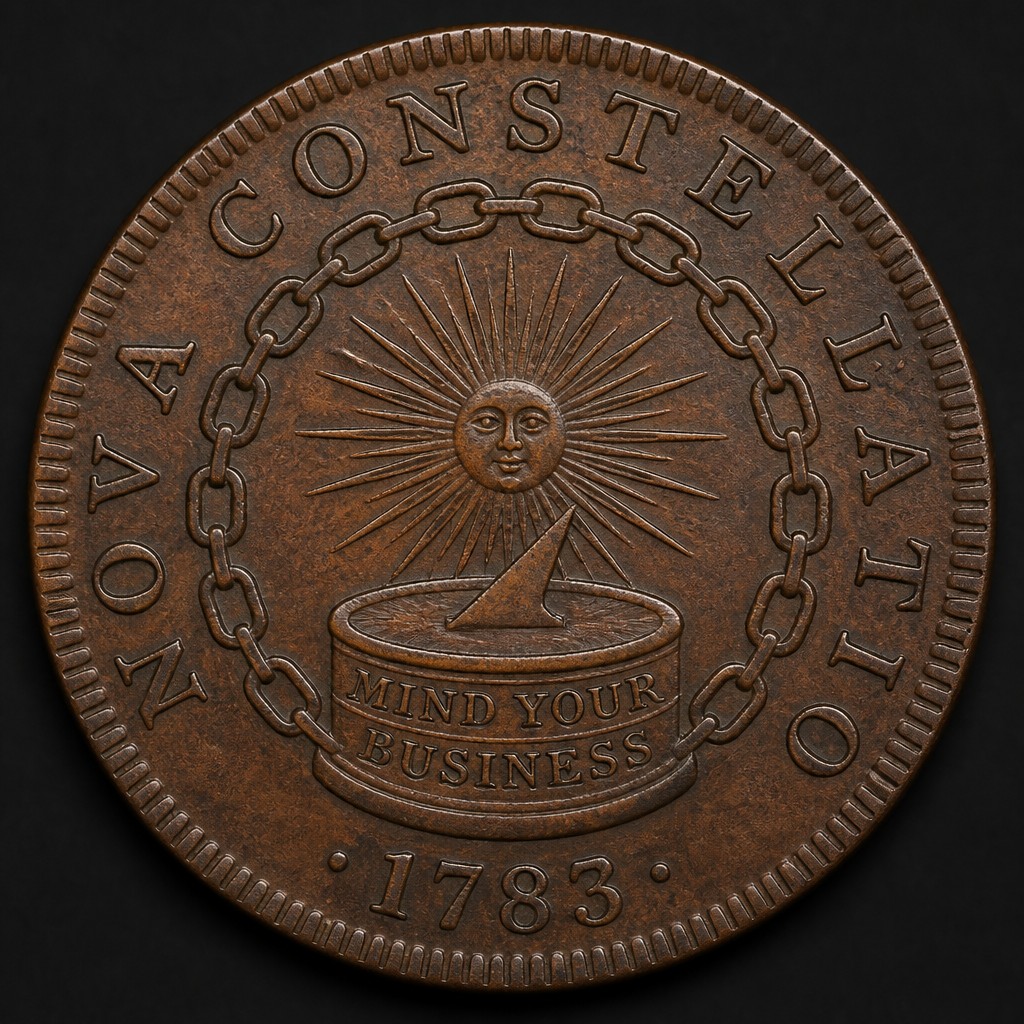
Nova Constellatio Copper
1783–1785
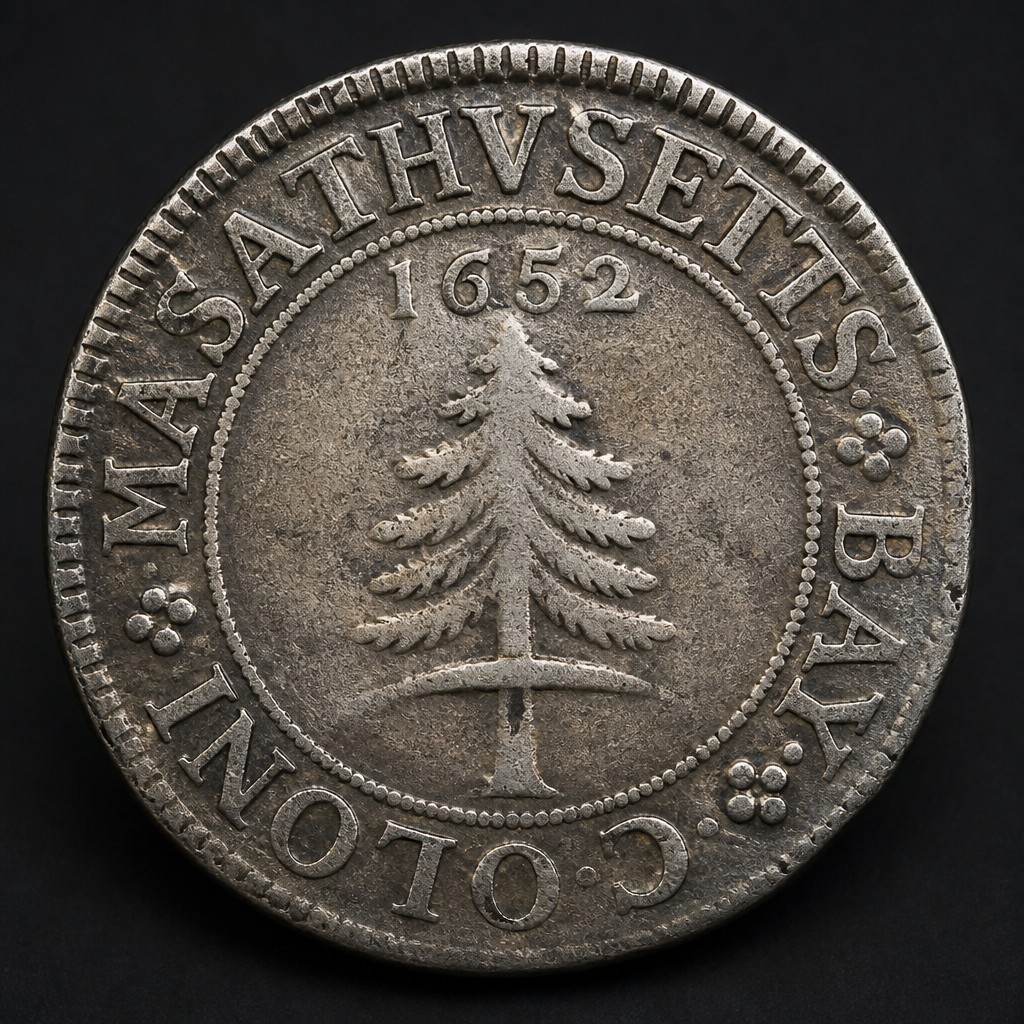
Pine Tree Shilling
Dated 1652, struck circa 1652–1682
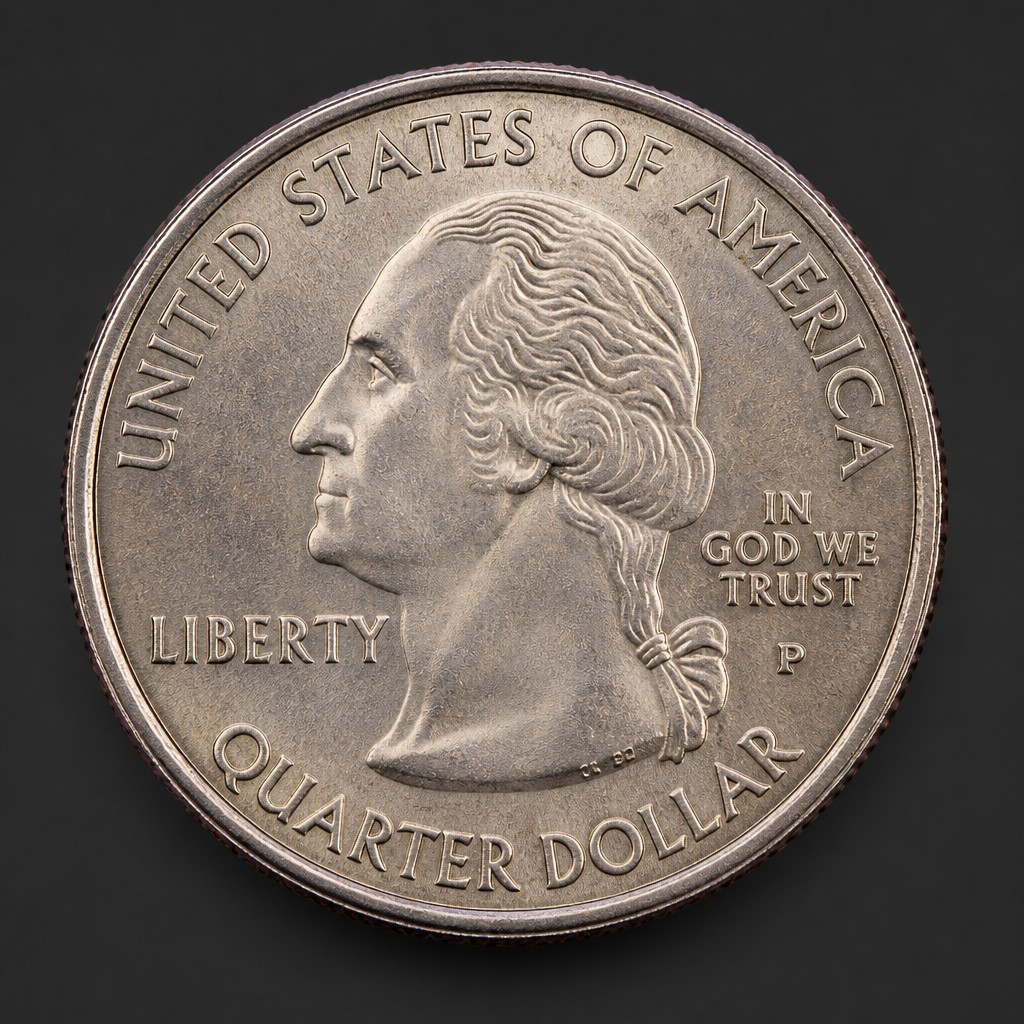
US State Quarters Series
1999-2008 (plus 2009 territories)
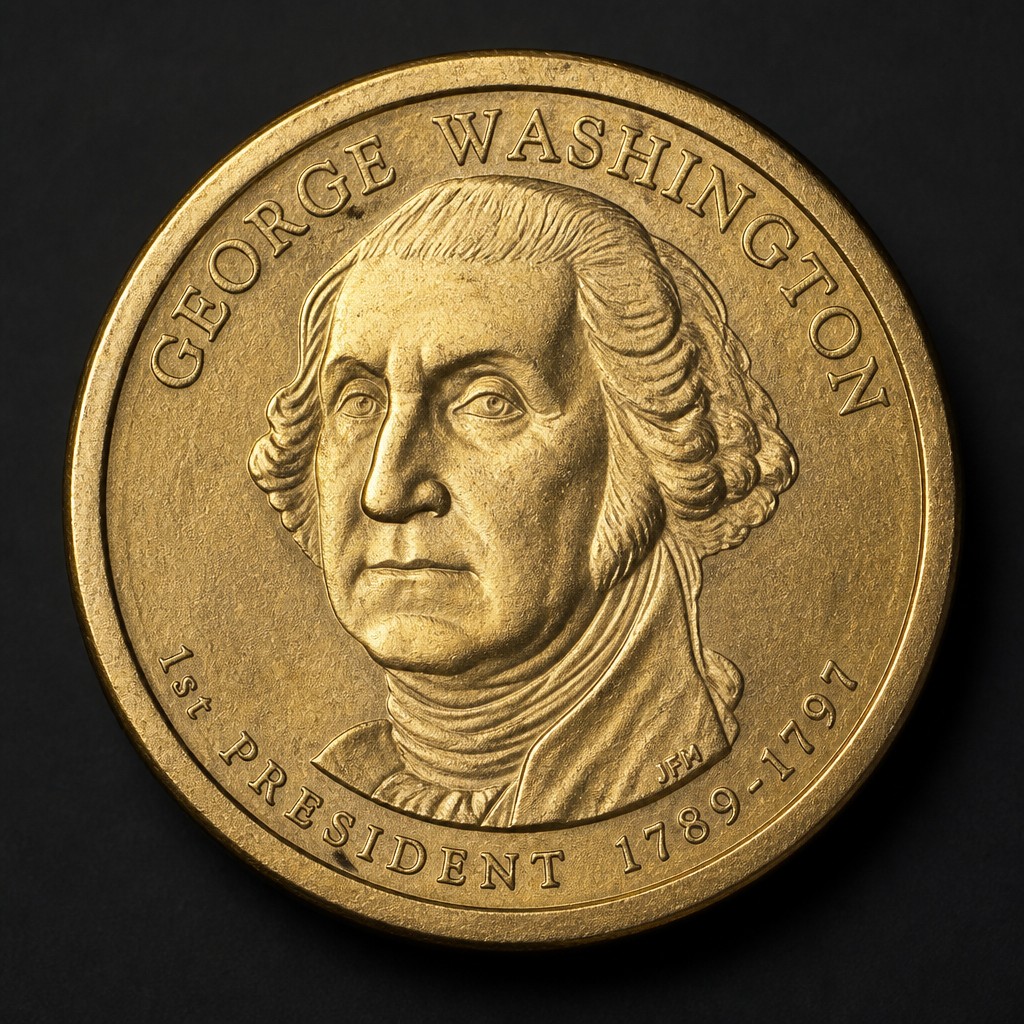
Presidential Dollar Series
2007-2016 (later special issues through 2020)
Sacagawea Golden Dollar
2000-present (reverse changed to Native American series in 2009)
US America the Beautiful Quarters
2010-2021
US Peace Dollar
1921–1928, 1934–1935
US Bicentennial Quarter (1976)
1976 (dated 1776-1976)
US Morgan Dollar
1878–1904, 1921