
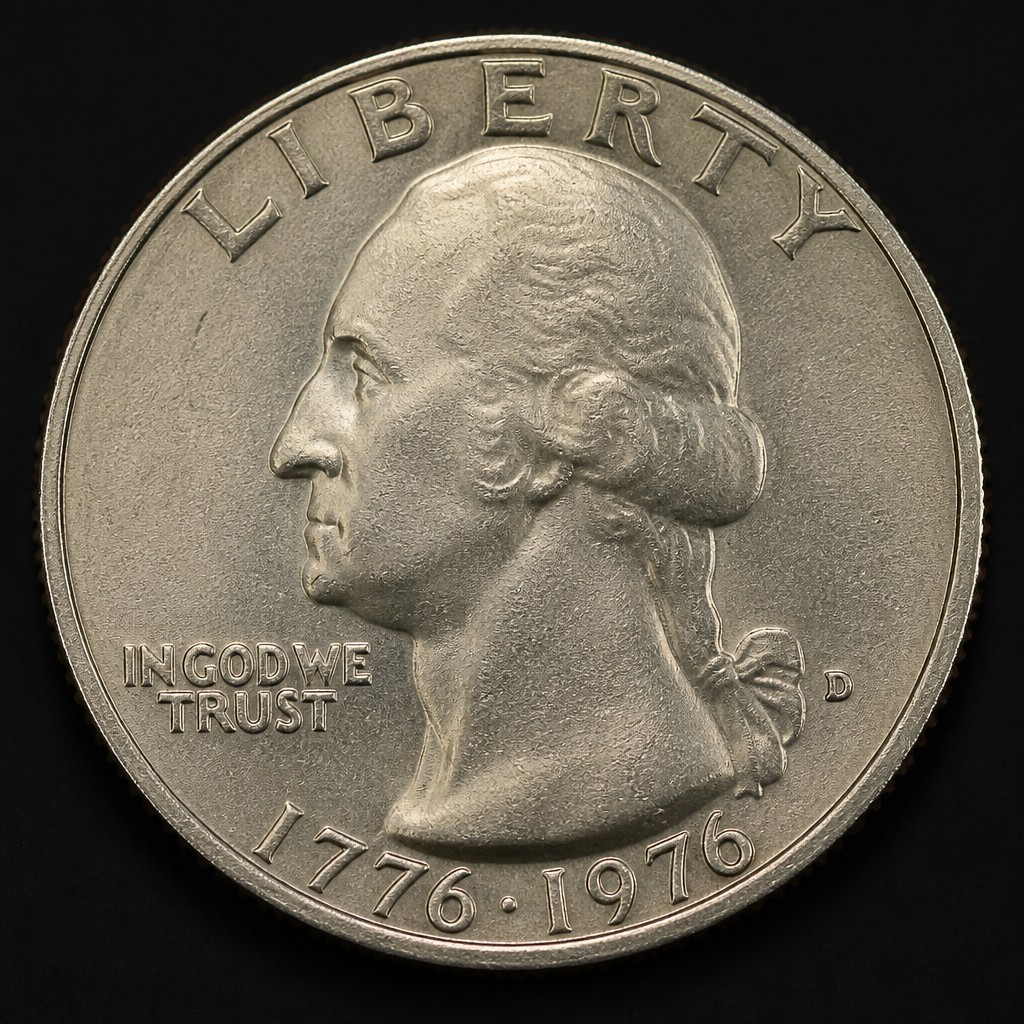
US Bicentennial Quarter (1976)
A special dual-dated quarter struck to celebrate the 200th anniversary of American independence, featuring a colonial drummer boy on the reverse in place of the usual eagle.
- Country
- United States
- Denomination
- 25 Cents
- Metal
- Copper-nickel clad (standard issue); 40% silver clad for special collector sets
Got a coin like this?
Identify any coin from a photo, free.
Overview
The Bicentennial Quarter was issued to commemorate the 200th anniversary of United States independence in 1976, temporarily replacing the standard Washington quarter reverse with a special design honoring the nation's founding era. Rather than bearing a single-year date, all coins in this program carry the dual date "1776-1976" instead of the actual year of striking.
The reverse design depicts a colonial drummer boy walking left with a victory torch encircled by thirteen stars in the background, symbolizing the original thirteen colonies, replacing the familiar eagle reverse used on Washington quarters since 1932. The obverse retained George Washington's portrait but used a modified version with slightly adjusted lettering to accommodate the dual date theme across the shared bicentennial coin program.
The Bicentennial design was struck across all three circulating denominations affected by the program, the quarter, half dollar, and dollar coin, all sharing the 1776-1976 dating and similarly patriotic reverse themes chosen through a nationwide design competition.
History & Background
As the United States approached its bicentennial in 1976, Congress authorized special commemorative reverse designs for the quarter, half dollar, and Eisenhower dollar to mark the occasion, passing legislation that allowed the Mint to strike coins dated 1776-1976 instead of the actual production year, with coinage beginning in 1975 and continuing through 1976 without a distinguishing single-year date for either year of actual striking.
The US Mint held a nationwide design competition to select artwork for the bicentennial reverses, ultimately choosing Jack L. Ahr's colonial drummer boy design for the quarter from among thousands of submissions, a design intended to evoke the spirit of the Revolutionary War era and the minutemen tradition.
In addition to the standard copper-nickel clad coins struck for circulation in massive quantities, the Mint also produced special 40% silver clad versions of the bicentennial quarter, half dollar, and dollar for collectors, sold in specially packaged proof and uncirculated sets, giving numismatists a silver alternative alongside the widely circulated clad coinage.
How to Identify
The obverse shows George Washington's portrait facing left, based on the original 1932 design by John Flanagan, with "LIBERTY" above, "IN GOD WE TRUST" to the left of the portrait, and the dual date "1776-1976" below in place of a single year. The reverse features a colonial drummer boy in profile, walking left with drumsticks in hand, a victory torch and ring of thirteen stars behind him, and "UNITED STATES OF AMERICA," "QUARTER DOLLAR," and "E PLURIBUS UNUM" arranged around the design.
Standard circulation coins are struck in copper-nickel clad composition and show no mint mark for Philadelphia issues or a "D" mint mark for Denver, located to the right of Washington's ponytail ribbon on the obverse; a small number of San Francisco coins, marked with an "S," were struck only in proof format for collector sets and were not released into circulation.
Collector-only 40% silver clad versions, distinguished visually by their slightly different tone and denser feel compared to standard clad coins, were struck exclusively at the San Francisco Mint and included in special silver proof and uncirculated three-coin sets alongside the bicentennial half dollar and dollar; these silver versions also carry the "S" mint mark. The coin's overall size and weight for standard clad issues match regular Washington quarters at 24.3mm diameter and about 5.67 grams.
Value & Collectibility
Standard copper-nickel clad Bicentennial quarters were struck in enormous quantities and remain common in circulated and even uncirculated condition, so most examples carry little to no premium above face value except in top uncirculated grades or with certain mint-set toning that appeals to collectors. Proof examples from Mint sets, while more attractive, are also plentiful and generally inexpensive.
The 40% silver clad versions, sold only in special silver proof and uncirculated three-coin sets, carry a modest premium tied to their silver content and the desirability of the complete set, typically valued somewhat above simple silver melt value due to collector demand for original packaging and certificates.
No standard-issue Bicentennial quarter is considered a key date given the massive mintages across Philadelphia, Denver, and San Francisco proof production, so value is generally driven by grade and, for silver versions, precious metal content rather than rarity.
Frequently asked questions
Why does the coin say 1776-1976 instead of just 1976?
The dual date commemorates the 200-year span from American independence to the bicentennial celebration, and all coins in the program used this dating regardless of actual strike year.
Are Bicentennial quarters made of silver?
Most circulating examples are standard copper-nickel clad with no silver, but special collector versions in 40% silver clad were struck at the San Francisco Mint for proof and uncirculated sets.
Who designed the drummer boy reverse?
Jack L. Ahr won the national design competition held by the US Mint for the bicentennial quarter reverse.
Is my Bicentennial quarter rare or valuable?
Most standard clad examples are common and worth close to face value, since mintages were extremely high; only the silver versions and top uncirculated grades carry meaningful premiums.
How do I tell a silver Bicentennial quarter from a regular one?
Silver clad versions have a distinctly different tone and slightly higher density than standard clad coins and always carry an "S" mint mark from San Francisco.
US Bicentennial Quarter (1976) identified by the community
Real coins identified with Coin Identifier.
Other coins you may enjoy
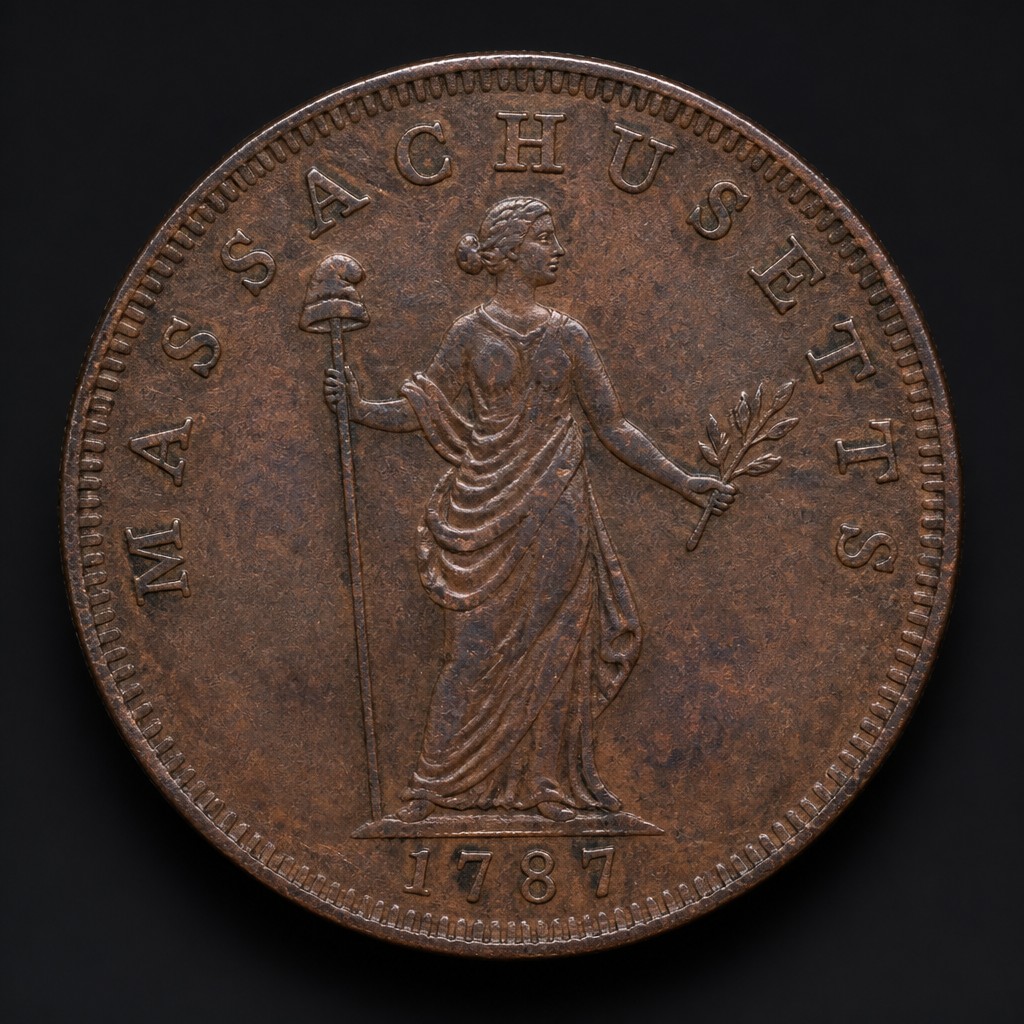
Massachusetts Cent (1787-1788)
1787–1788
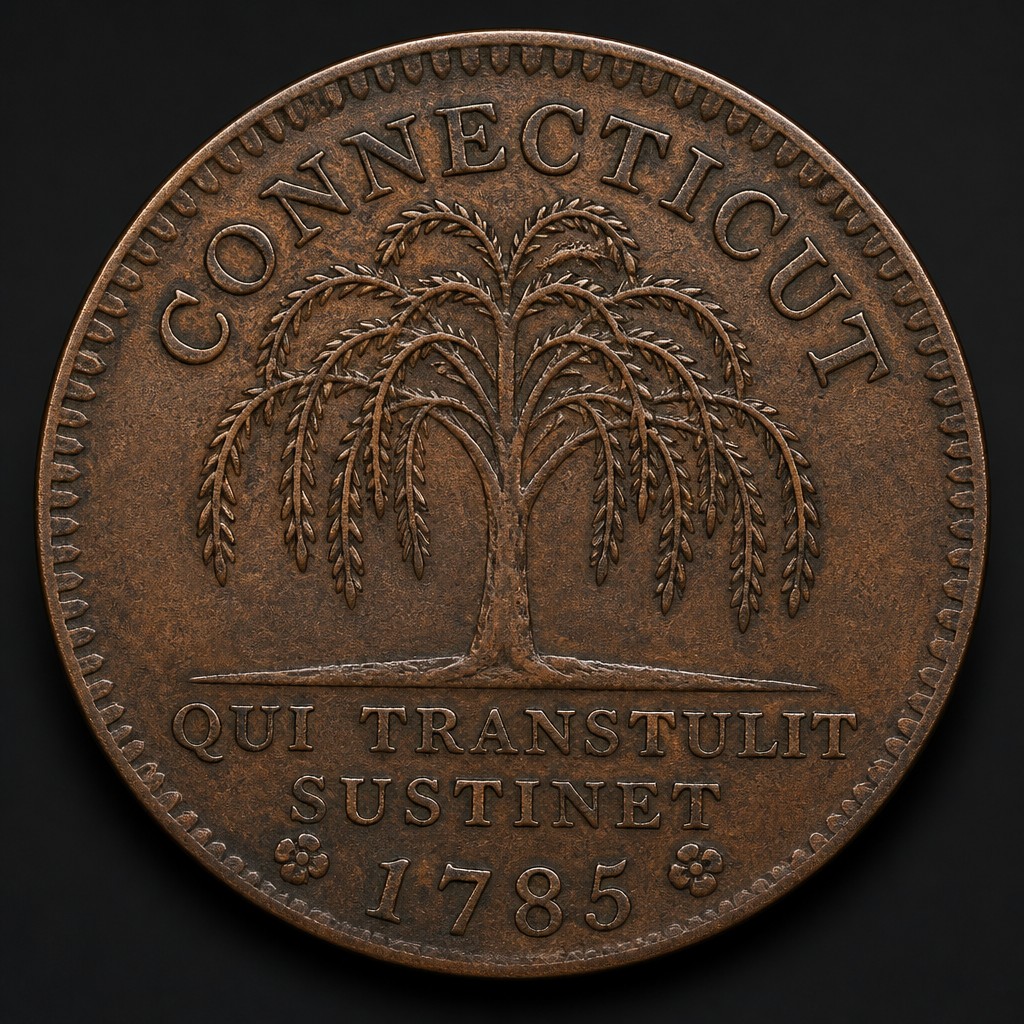
Connecticut Copper
1785–1788
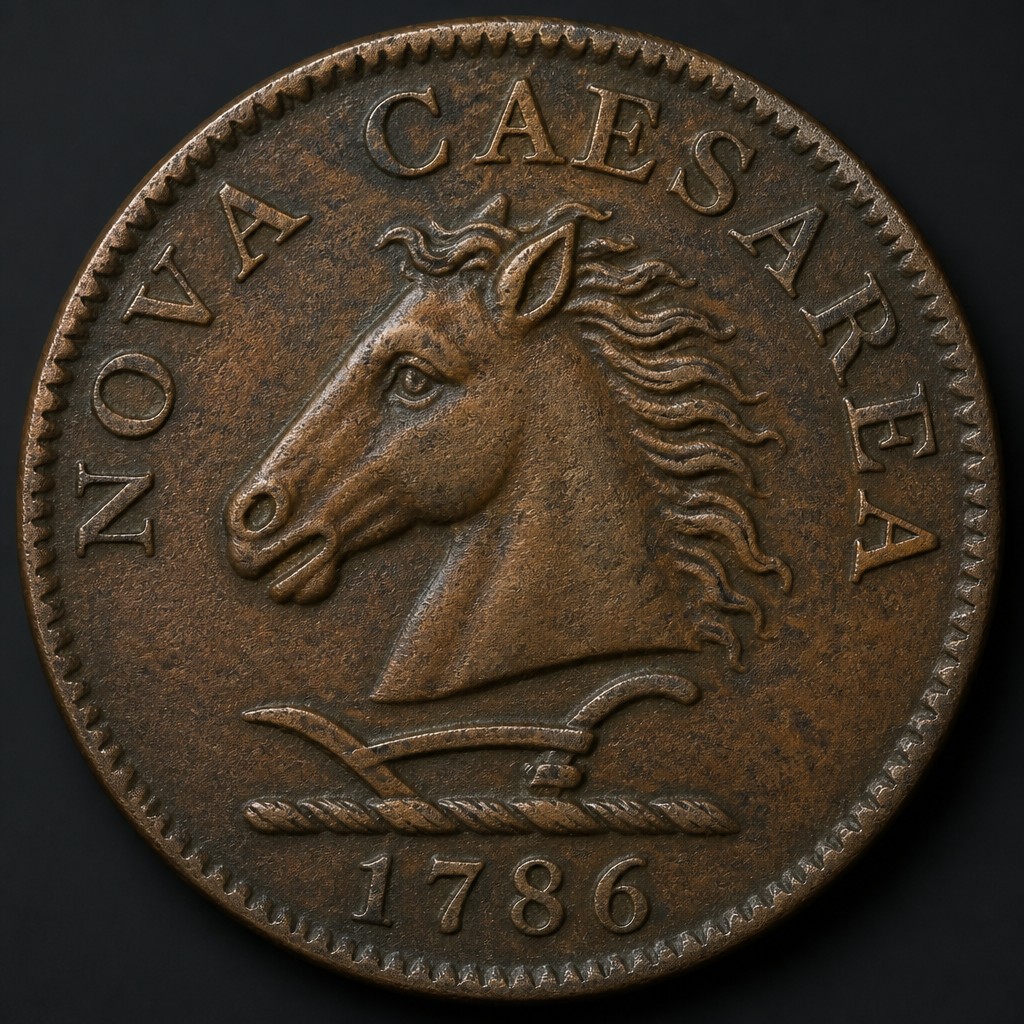
New Jersey Copper
1786–1788
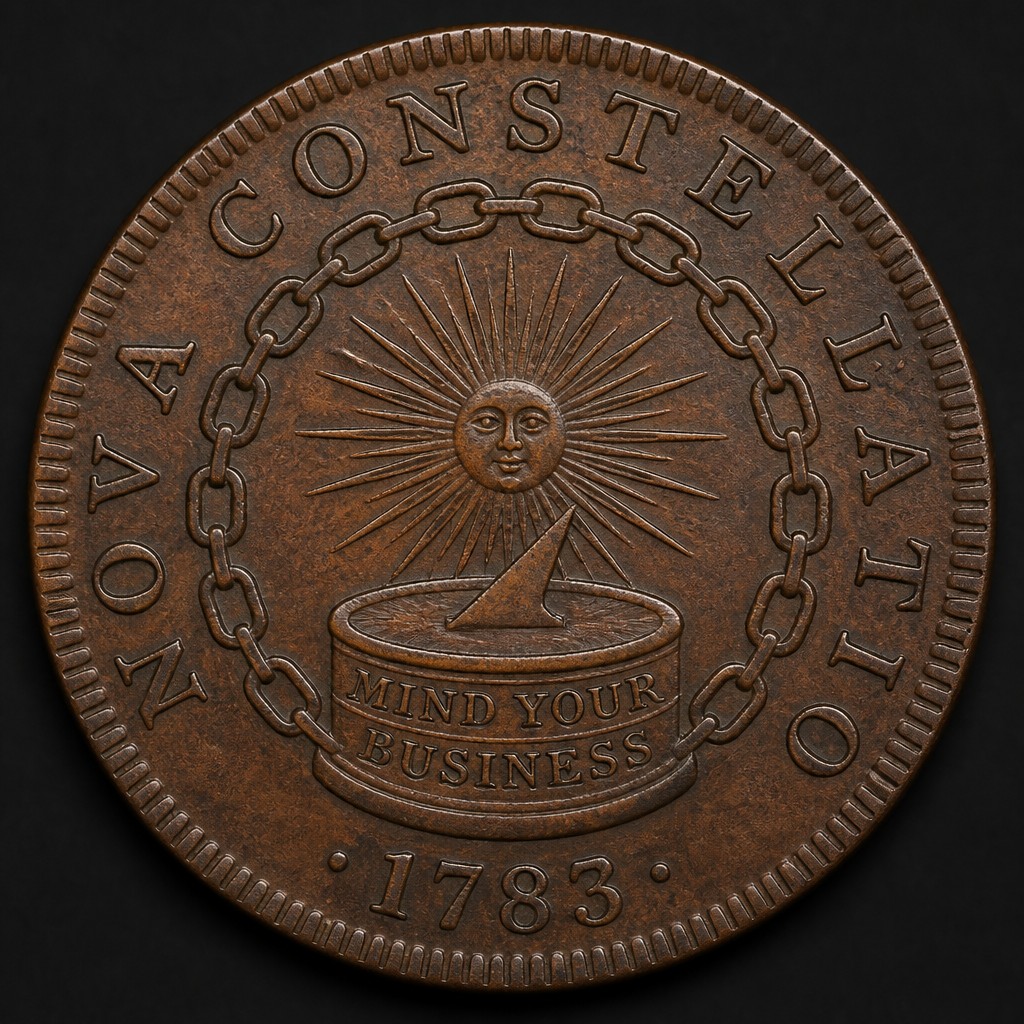
Nova Constellatio Copper
1783–1785
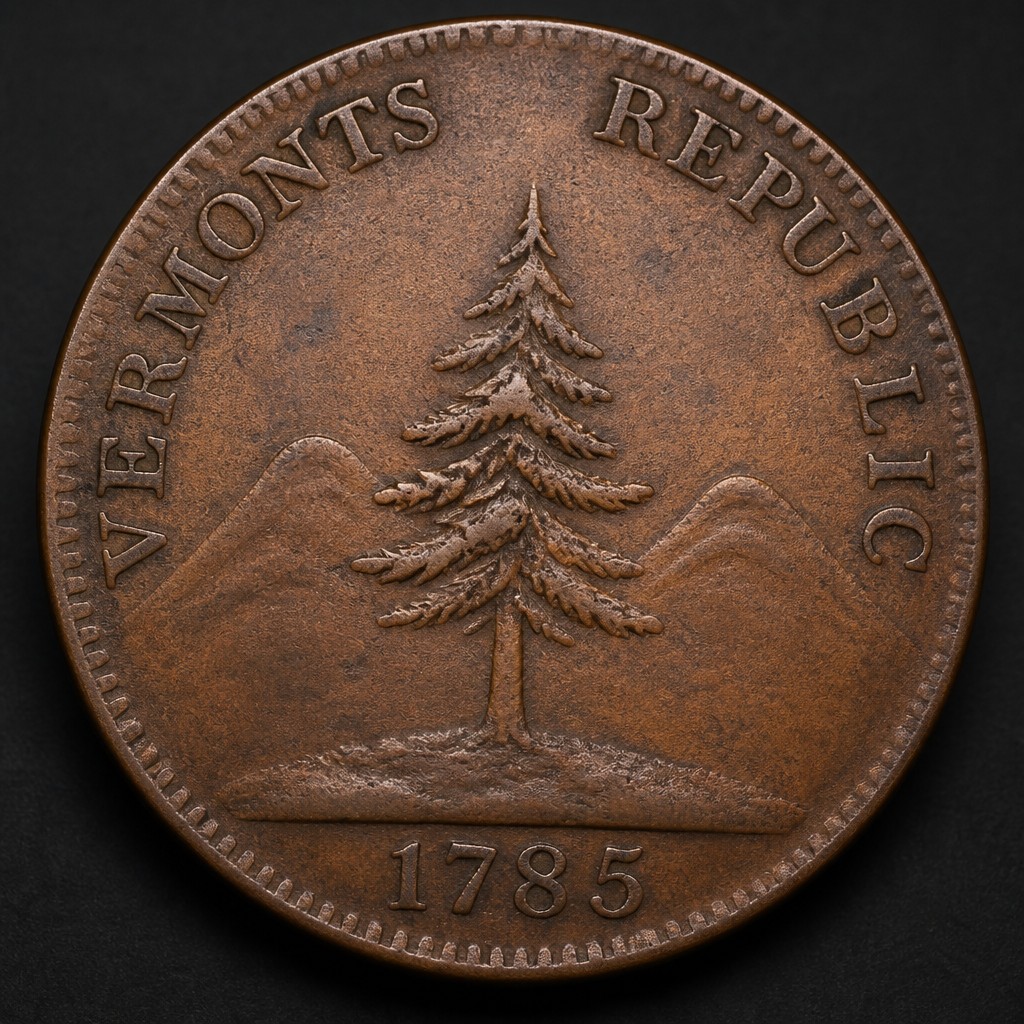
Vermont Copper
1785–1788
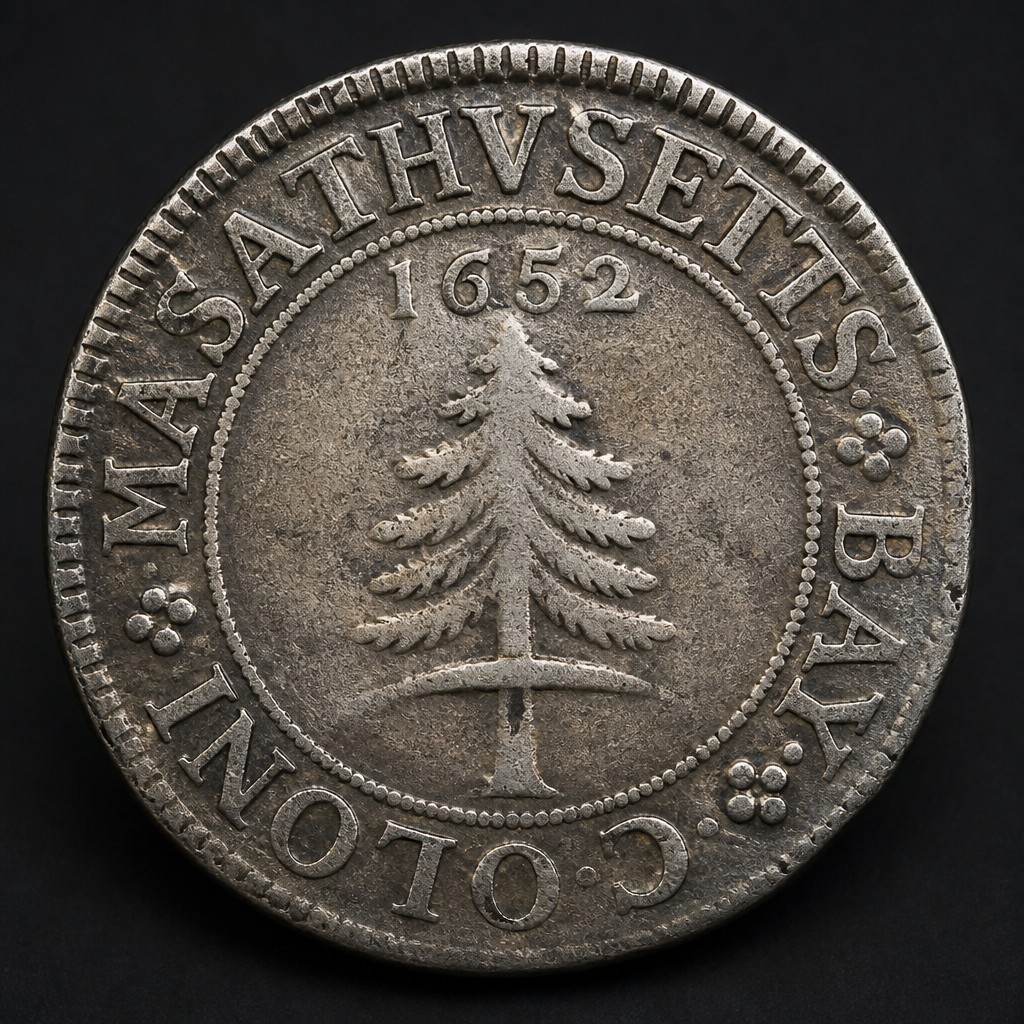
Pine Tree Shilling
Dated 1652, struck circa 1652–1682
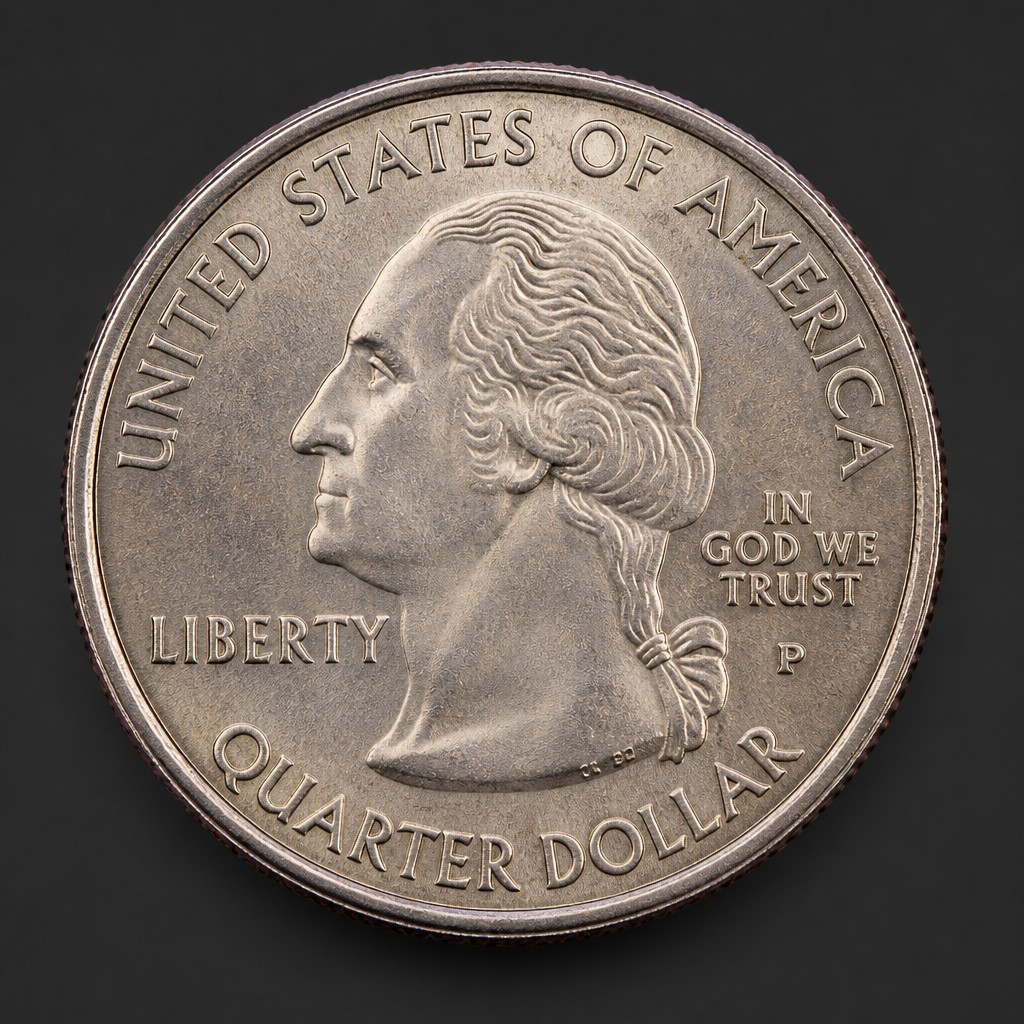
US State Quarters Series
1999-2008 (plus 2009 territories)
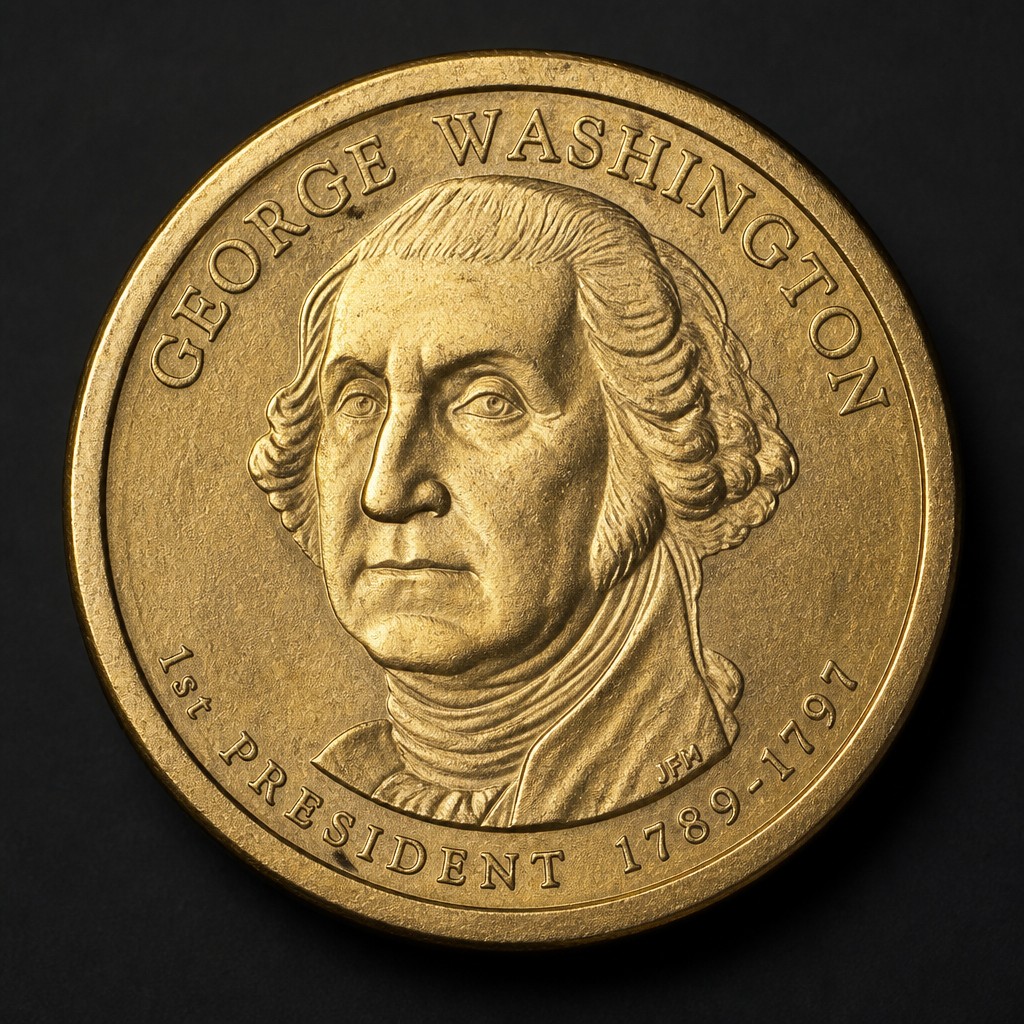
Presidential Dollar Series
2007-2016 (later special issues through 2020)
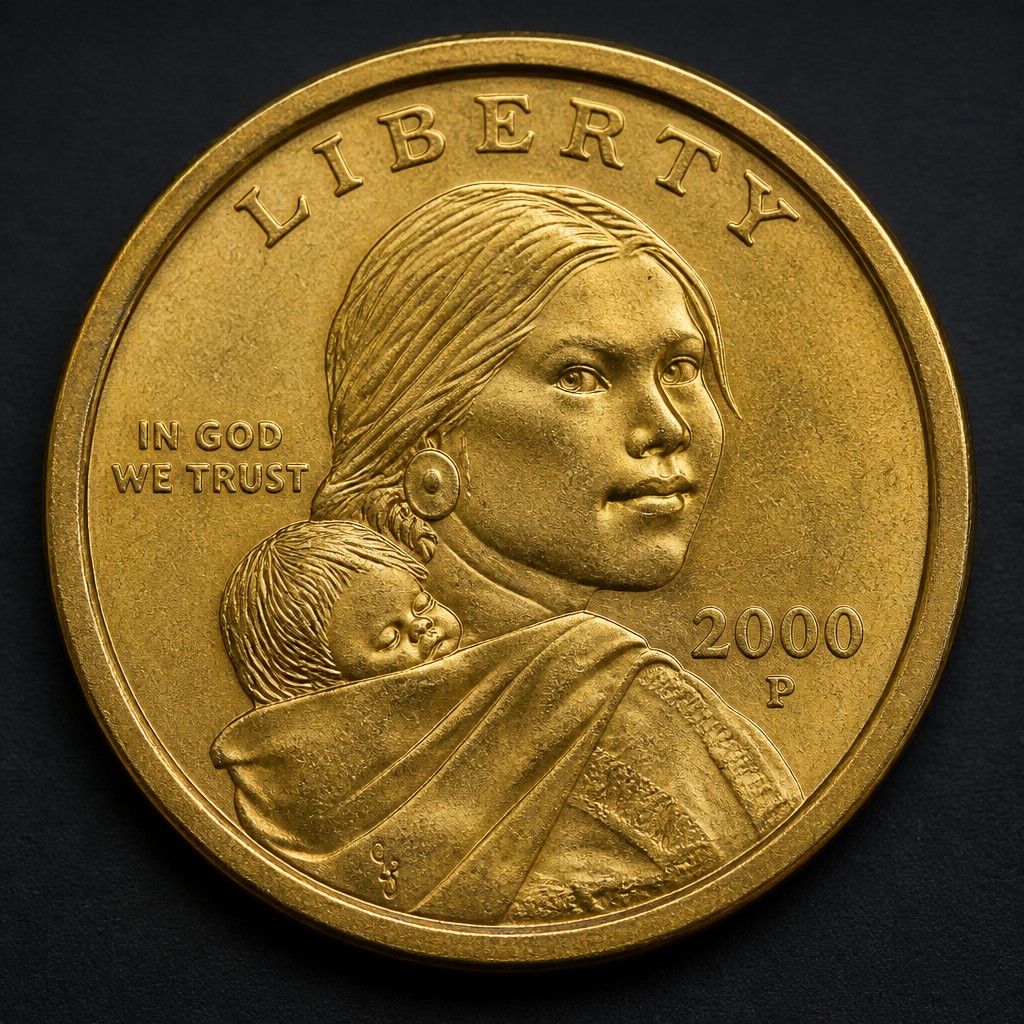
Sacagawea Golden Dollar
2000-present (reverse changed to Native American series in 2009)
US America the Beautiful Quarters
2010-2021
US Peace Dollar
1921–1928, 1934–1935
US Morgan Dollar
1878–1904, 1921