
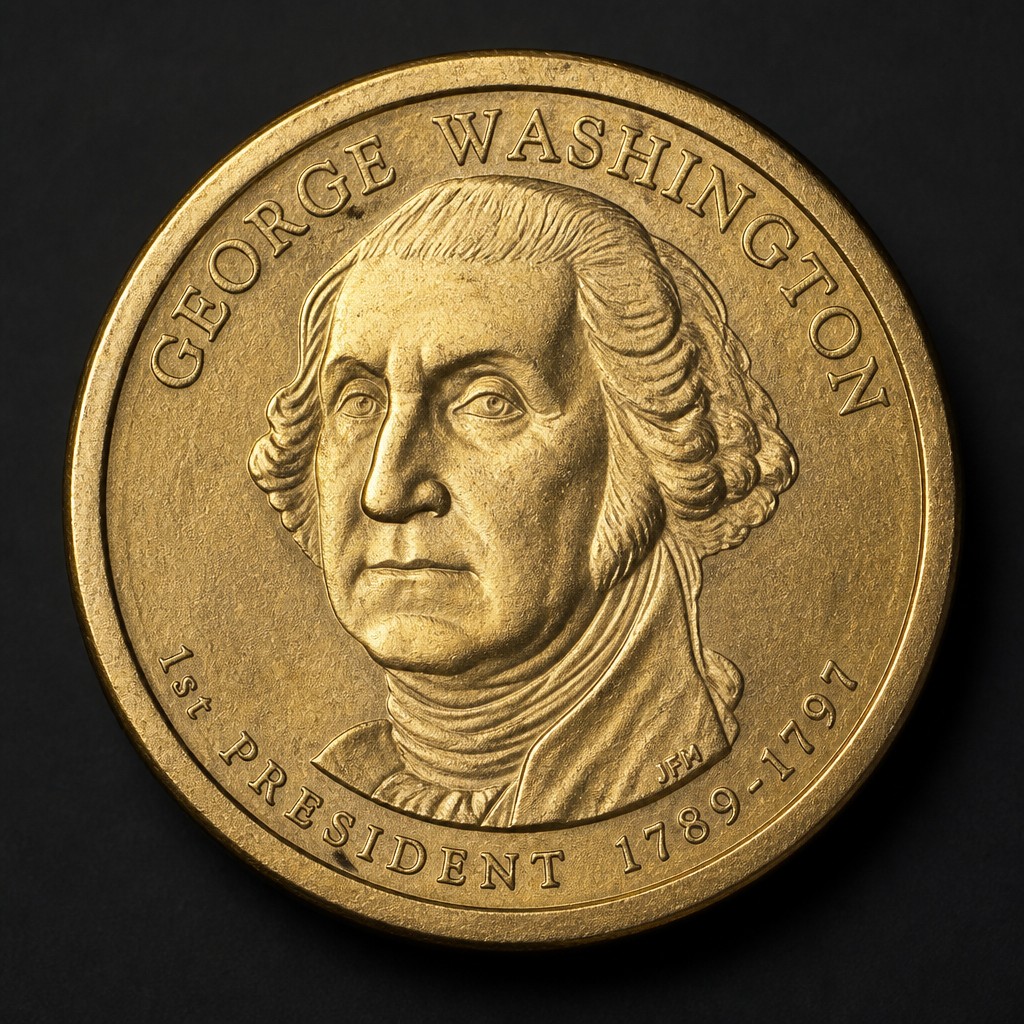
Presidential Dollar Series
A circulating dollar coin series honoring US presidents in order of service, featuring edge-lettered mottos and a shared Statue of Liberty reverse across every release.
- Country
- United States
- Denomination
- 1 Dollar
- Metal
- Manganese-brass clad over a pure copper core
Got a coin like this?
Identify any coin from a photo, free.
Overview
The Presidential Dollar Series is a US Mint program that issued a golden dollar coin for each deceased former president in the order they served, running from George Washington through the initial program's conclusion, with four new presidential designs released per year during the main run. Like the Sacagawea dollar it shared production standards with, each coin uses a manganese-brass clad composition giving it a golden appearance.
A distinctive feature of the series is its use of edge-incused lettering, placing the mint mark, year of issue, and mottos "E PLURIBUS UNUM" and "IN GOD WE TRUST" on the coin's edge rather than on its obverse or reverse faces, an approach that generated some controversy and led to a design modification partway through the program after some coins were struck without edge lettering by mistake.
Every coin in the series shares the same reverse design, an image of the Statue of Liberty, while the obverse changes with each president's portrait and name, making individual date and mint identification straightforward through the specific president depicted combined with the edge or obverse-inscribed mint information.
History & Background
Congress authorized the Presidential $1 Coin Program through the Presidential $1 Coin Act of 2005, aiming to build on the perceived success of the State Quarters program by creating similar public collecting interest around another circulating denomination, this time honoring US presidents. The program launched in 2007 with George Washington, John Adams, Thomas Jefferson, and James Madison, and proceeded four presidents per year in order of their terms of office.
The original program restricted coverage to deceased presidents, meaning it would eventually catch up to more recent history only as former presidents passed away, a provision that slowed and eventually paused new regular releases once the program reached presidents whose successors were still living. The core sequential program ran through Ronald Reagan's coin in 2016, with subsequent individual releases added later for presidents who died afterward.
Early in the program, a design flaw led to a small number of 2007 Washington dollars being struck without their edge lettering, creating a notable and highly sought "missing edge lettering" error variety; the Mint later modified its striking process, moving the mint mark to the obverse face for coins struck from 2009 onward while other mottos remained on the edge, to reduce the risk of similar future errors.
How to Identify
Each coin's obverse depicts a specific president's portrait along with his name, order of presidency (such as "1st President" for Washington), and years in office; the reverse across the entire series remains constant, showing a rendering of the Statue of Liberty along with "UNITED STATES OF AMERICA" and "$1."
A unique identification feature of this series is its edge lettering: the date, mint mark, "E PLURIBUS UNUM," and (through 2008) "IN GOD WE TRUST" are incused into the coin's edge rather than appearing on either face, though "IN GOD WE TRUST" was moved to the obverse face beginning with 2009 issues following public and religious-community concerns about the motto's reduced visibility on the edge.
The coin shares its golden manganese-brass clad composition, 26.5mm diameter, and roughly 8.1 gram weight with the Sacagawea/Native American dollar series, and both series remain compatible in size and metal despite their different obverse and reverse themes. To identify a specific coin's mint and date, examine the edge lettering carefully (or the obverse for 2009 and later "In God We Trust" placement), since these details are easy to overlook compared to a face-inscribed date.
Value & Collectibility
Most Presidential dollars in circulated condition trade at face value due to generally ample mintages, though certain individual presidents or mints had comparatively lower production runs, creating some variation in collector premium for complete uncirculated date-and-mint sets. Numismatic demand is strongest for building complete sets in high grade rather than for value in any single common coin.
The standout value driver in this series is the 2007 George Washington "missing edge lettering" error coin, where a small number of pieces were struck without the required edge inscriptions; these plain-edge error coins are genuinely scarce relative to the billions of correctly struck coins and can command a significant premium over face value when authenticated.
Beyond that notable error, proof and special finish versions from annual proof sets carry modest premiums typical of modern US Mint proof products, while standard circulation-strike coins for most presidents remain common and inexpensive, valued primarily by condition for collectors assembling a complete presidential set.
Frequently asked questions
Why is the date on the edge instead of the face of the coin?
The original design placed the date, mint mark, and mottos on the coin's edge to keep the obverse focused on the presidential portrait, though this made the details less visible than on a typical coin.
What is the missing edge lettering error?
A small number of 2007 Washington dollars were mistakenly struck without their required edge inscriptions, creating a scarce and valuable error variety.
Why did "In God We Trust" move to the front of the coin?
Public concern over the motto's reduced visibility on the edge led the Mint to move it to the obverse face starting with coins issued in 2009.
Does every US president have a dollar coin?
The original program only covered deceased presidents in order of service, so the sequential series paused once it reached presidents who were still living, with later additions for presidents who died afterward.
What is the reverse design on Presidential dollars?
Every coin in the series shares the same reverse, an image of the Statue of Liberty, regardless of which president appears on the obverse.
Other coins you may enjoy
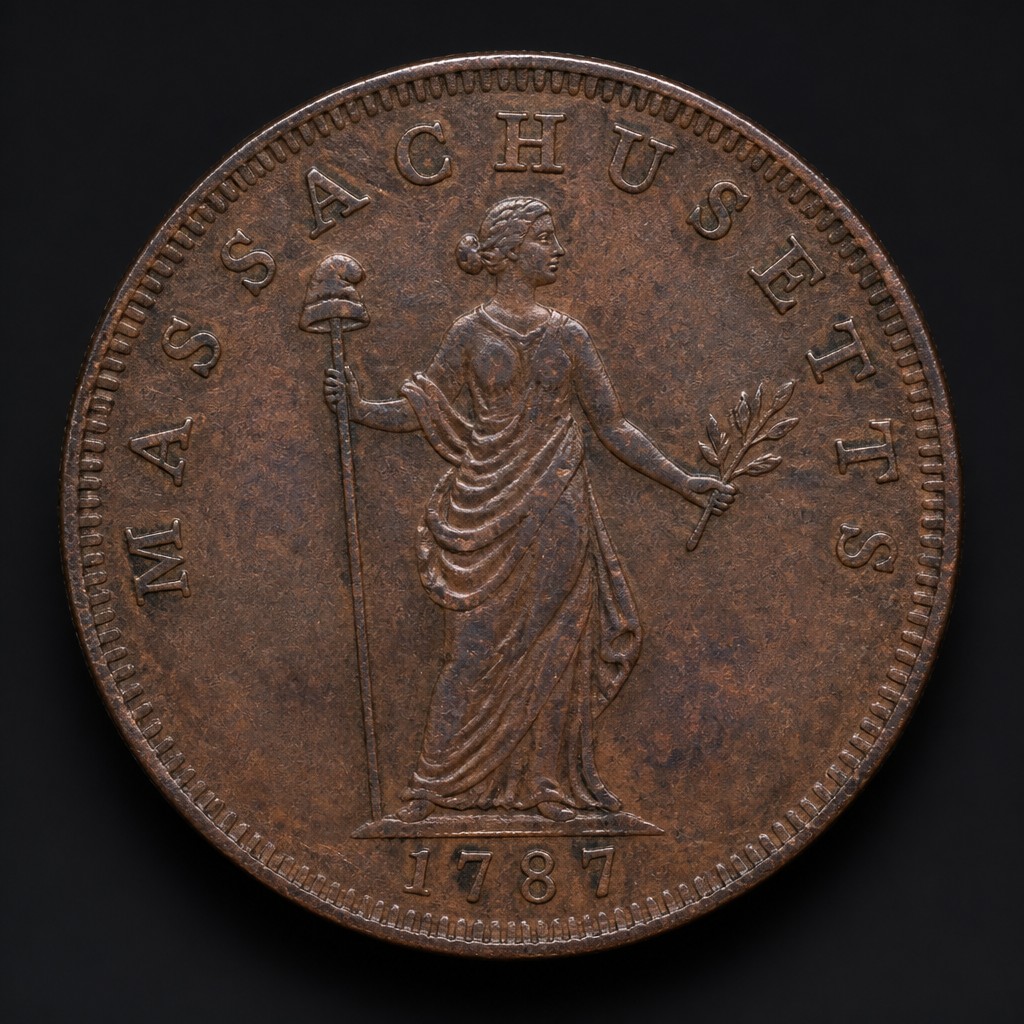
Massachusetts Cent (1787-1788)
1787–1788
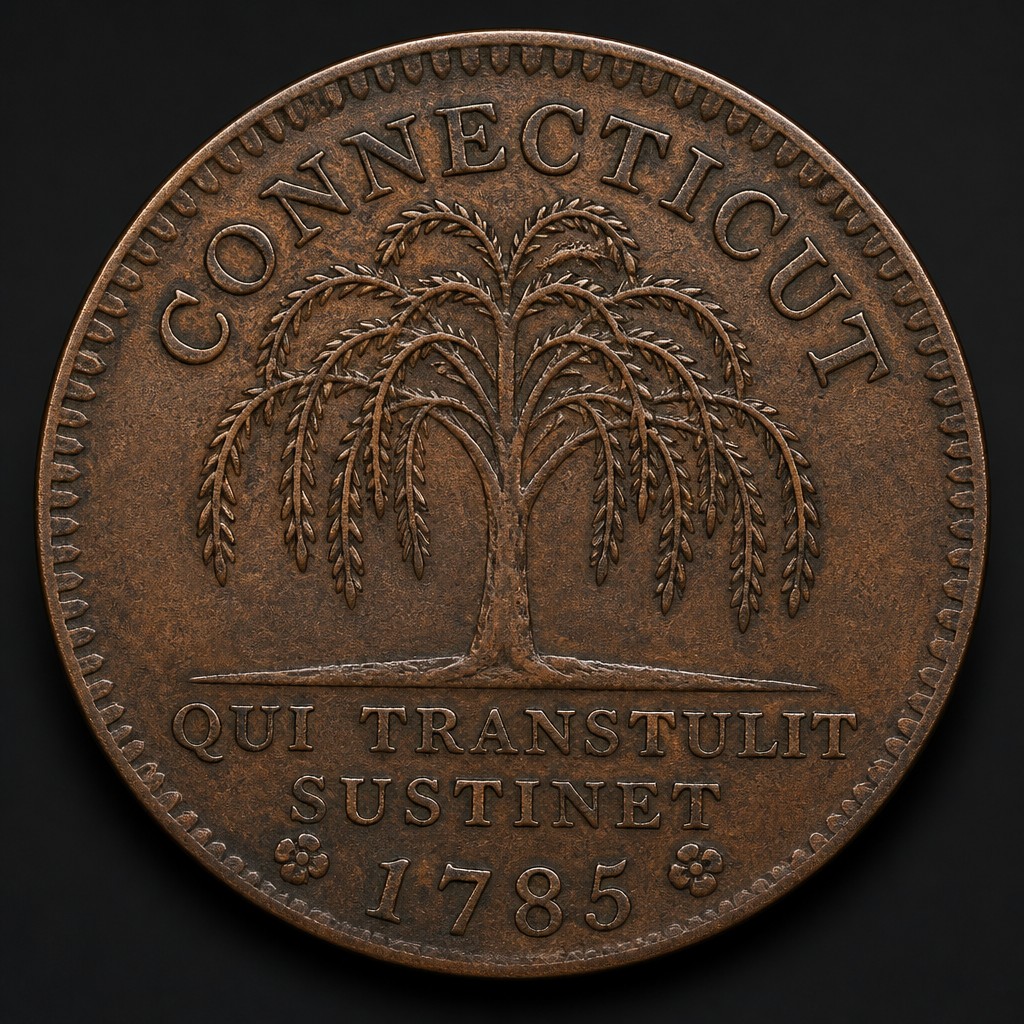
Connecticut Copper
1785–1788
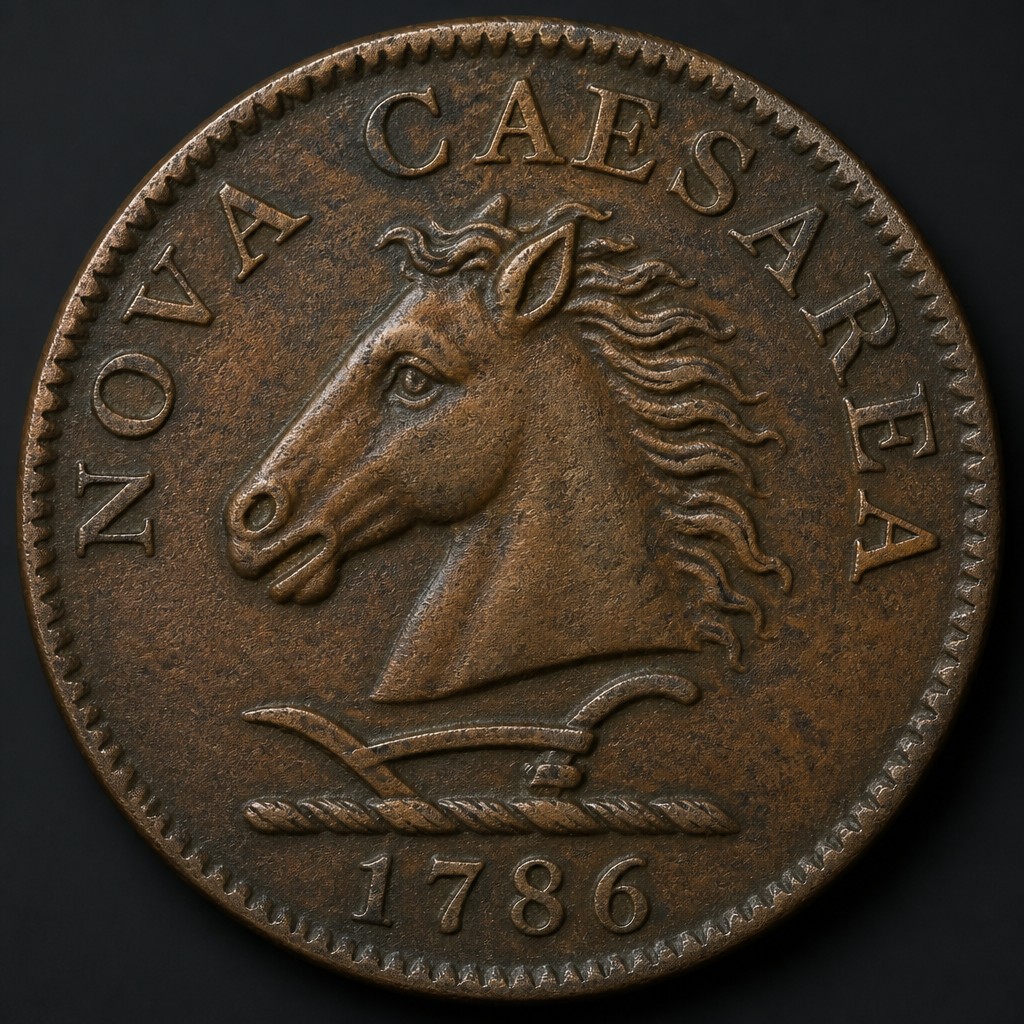
New Jersey Copper
1786–1788
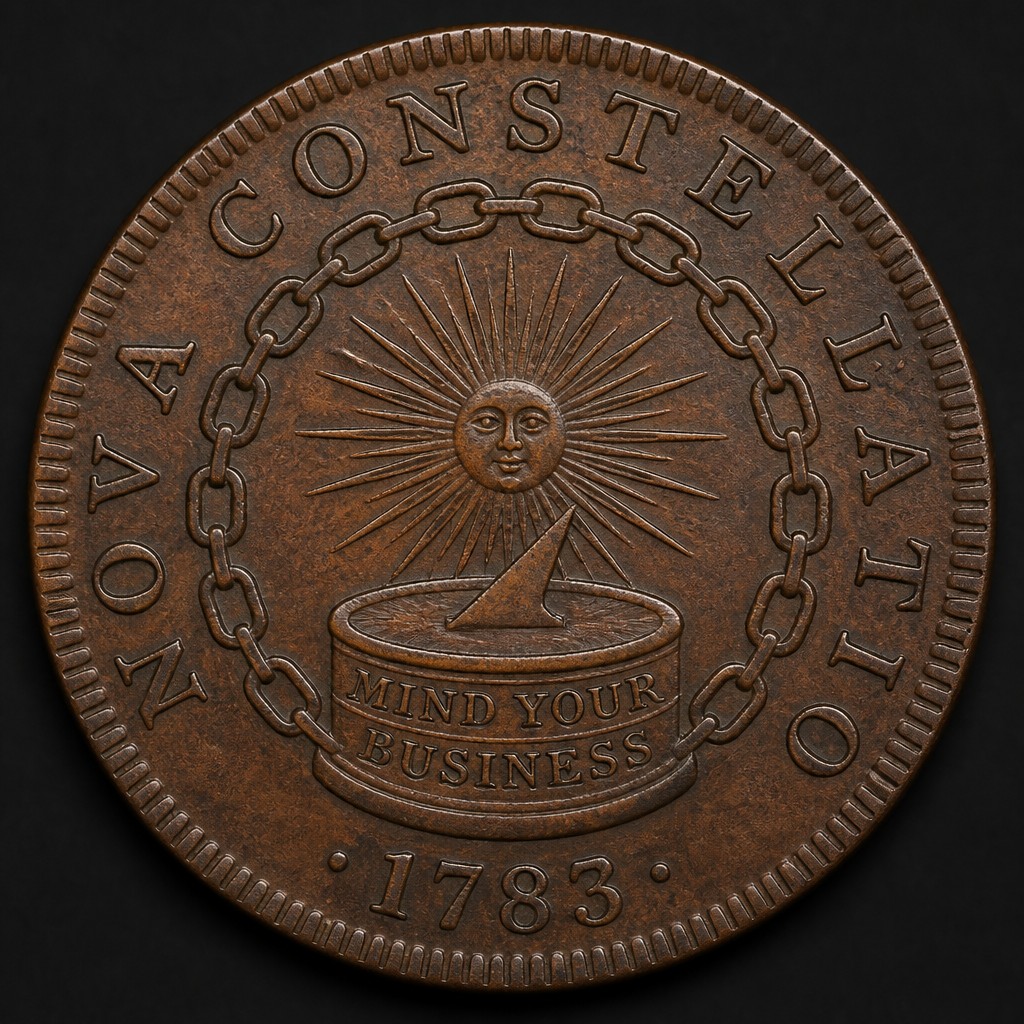
Nova Constellatio Copper
1783–1785
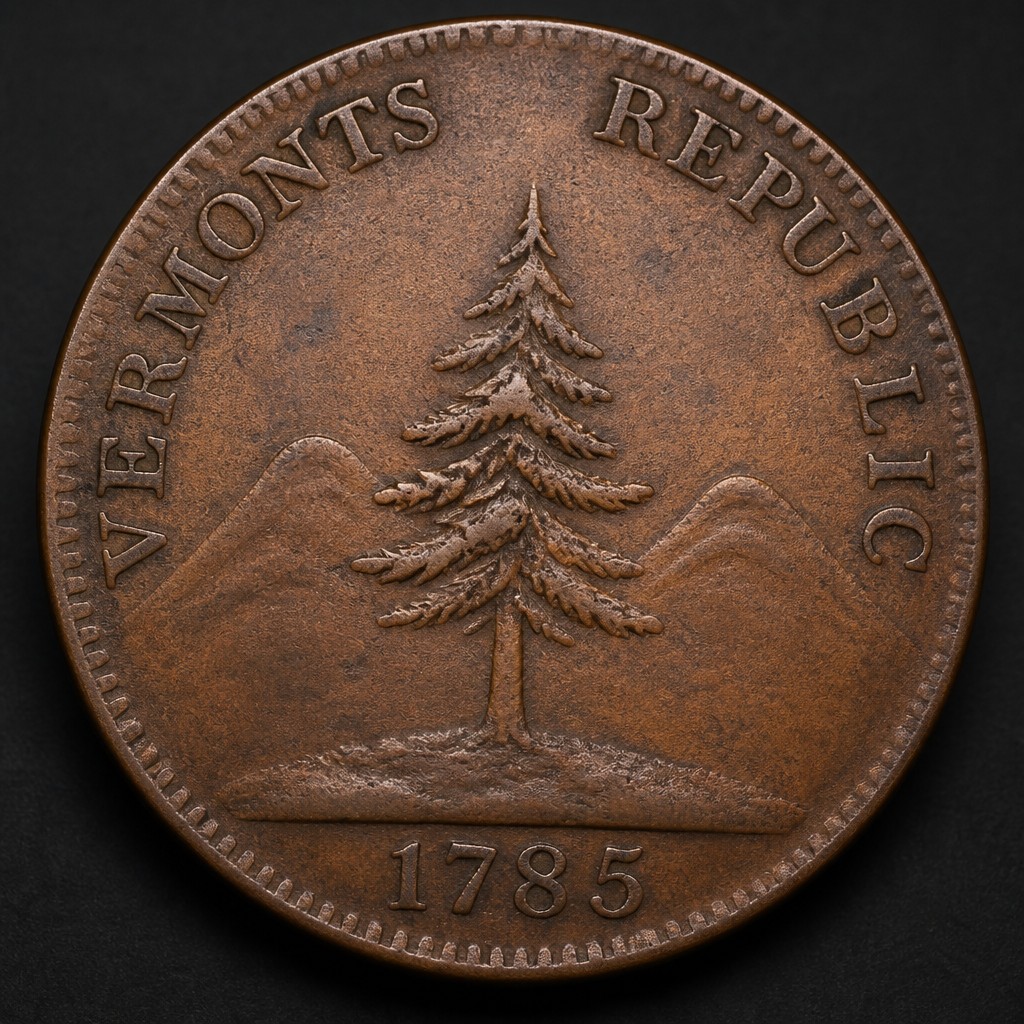
Vermont Copper
1785–1788
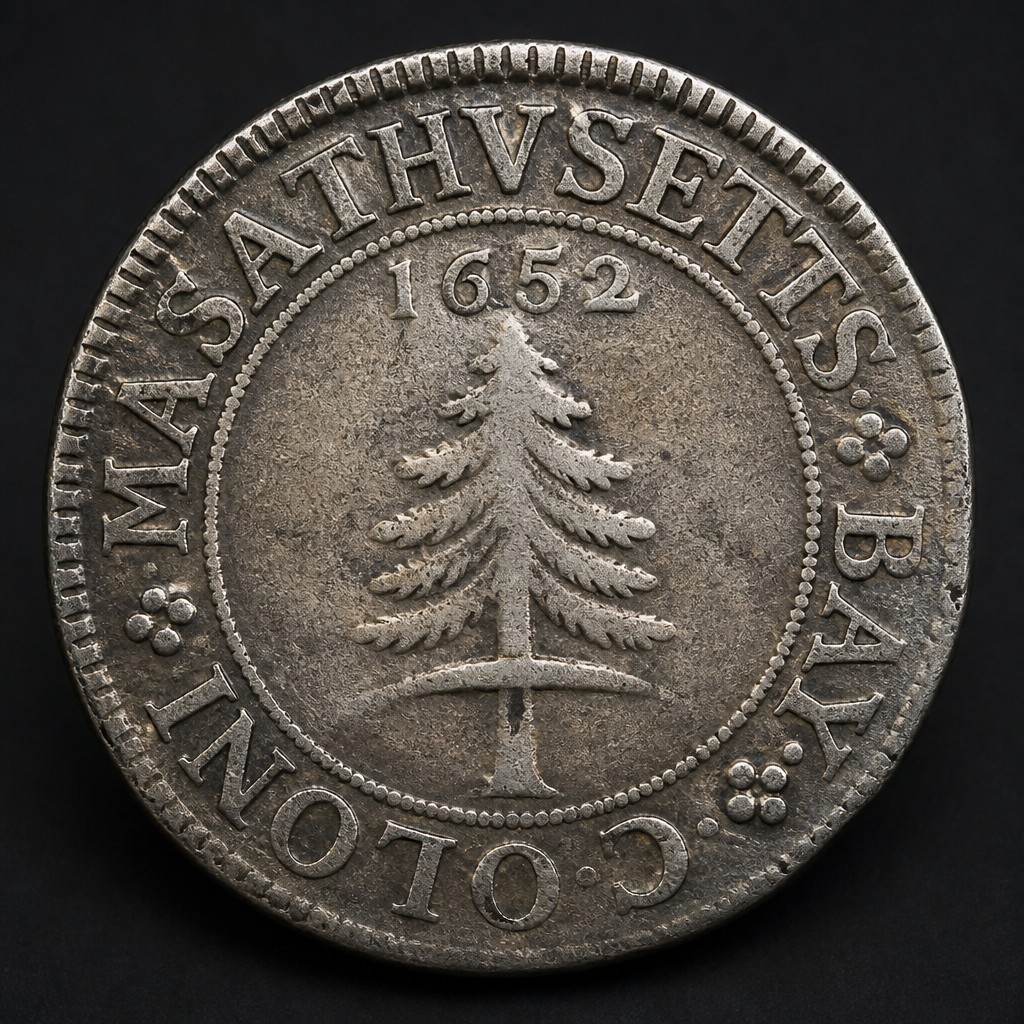
Pine Tree Shilling
Dated 1652, struck circa 1652–1682
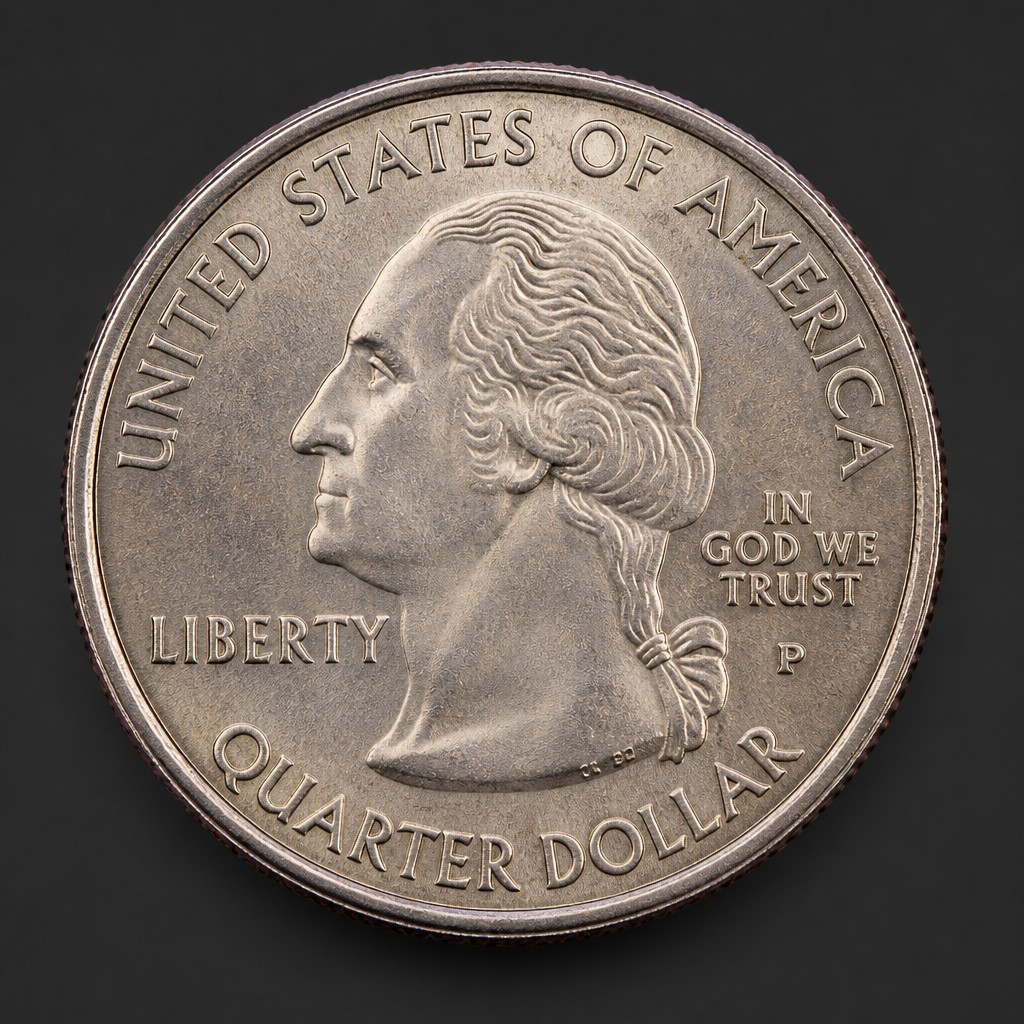
US State Quarters Series
1999-2008 (plus 2009 territories)
Sacagawea Golden Dollar
2000-present (reverse changed to Native American series in 2009)
US America the Beautiful Quarters
2010-2021
US Peace Dollar
1921–1928, 1934–1935
US Bicentennial Quarter (1976)
1976 (dated 1776-1976)
US Morgan Dollar
1878–1904, 1921