
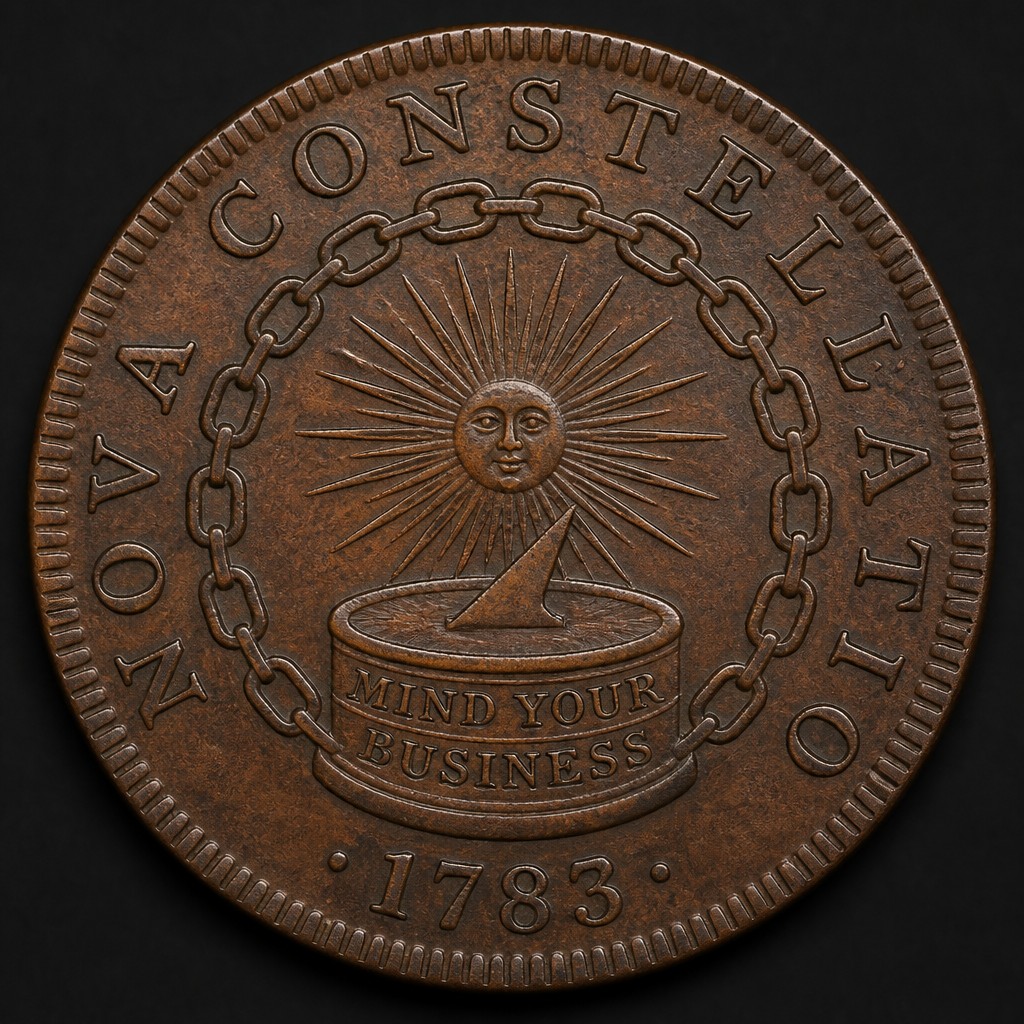
Nova Constellatio Copper
Distinctive early American copper coin featuring a radiant eye within a circle of stars, associated with Gouverneur Morris's proposed decimal coinage plans of the early 1780s.
- Country
- United States (pre-federal)
- Denomination
- Copper (approximate value of one British halfpenny)
- Metal
- Copper
Got a coin like this?
Identify any coin from a photo, free.
Overview
The Nova Constellatio copper, struck primarily with dates of 1783 and 1785, stands out among early American coinage for its striking design: an all-seeing eye surrounded by rays, encircled by a ring of stars representing the new American "constellation" of states, with the Latin motto "NOVA CONSTELLATIO" (new constellation). It is closely associated with the era's broader efforts to design a rational, uniquely American coinage system.
The design is often linked historically to Gouverneur Morris and Robert Morris's proposed decimal currency system for the United States in the early 1780s, though the exact commercial relationship between the government's coinage proposals and the privately circulated Nova Constellatio coppers remains a subject of numismatic research and some debate.
These coppers circulated alongside other contemporary state and private coinage during the mid-1780s currency shortage, valued informally at roughly the same rate as a British halfpenny, and are prized today both for their unusual, symbolically rich design and their connection to early American coinage design experimentation.
History & Background
In the early 1780s, following the Revolutionary War, prominent American financial figures including Robert Morris and Gouverneur Morris worked on proposals for a national decimal coinage system intended to rationalize America's chaotic mix of foreign and colonial currencies. The distinctive eye-and-stars design used on the Nova Constellatio coppers is generally connected to this broader design effort, evoking the "new constellation" of united states referenced in the 1777 flag resolution.
The coppers themselves are believed to have been struck in England, likely in Birmingham, for circulation in the United States, filling the ongoing need for small change during a period when neither state nor federal authorities could reliably supply enough coinage domestically. Their exact commissioning history and the specific individuals or firms behind their production remain incompletely documented in surviving records.
Although related silver pattern coinage bearing the Nova Constellatio design and denominational marks (such as the "quint" and "bit" patterns) was struck as part of the broader decimal coinage proposal, the copper coins that circulated more widely are viewed by numismatists as a related but distinct production, valued in commerce much like other contemporary coppers rather than as part of an adopted official decimal system, which was ultimately not implemented in this form.
How to Identify
The obverse of the Nova Constellatio copper shows a radiant, all-seeing eye at the center surrounded by rays, itself encircled by a ring of thirteen stars, with the legend "NOVA CONSTELLATIO" above and the date, 1783 or 1785, below. The reverse displays a wreath encircling the denomination area with the legend "LIBERTAS ET JUSTITIA" (liberty and justice) around the border.
The coin is copper, comparable in size and weight to a British halfpenny, and was struck with reasonably good technical quality compared to some cruder contemporary state coppers, consistent with production using more advanced European (English) minting equipment and expertise.
Several die varieties exist based on differences in the ray pattern, star arrangement, and specific date, and collectors should be aware that the design's rarity and desirability have made it a target for later fantasy pieces and restrikes, so careful comparison to reference images and, ideally, third-party authentication are recommended when acquiring an example.
Value & Collectibility
Nova Constellatio coppers are respected and moderately scarce pieces within the broader field of early American and Confederation-era coinage, valued for their unusual and historically resonant design as much as for their role in the story of proposed U.S. decimal coinage.
Value is influenced by die variety, since some ray and star arrangement combinations are considerably scarcer than others, as well as by overall condition, given that these coppers circulated in daily commerce and most surviving examples show real wear.
Common-variety, well-worn Nova Constellatio coppers are generally available to specialist collectors at moderate prices comparable to other scarcer state coppers, often reaching into the hundreds of dollars, while rare varieties or well-preserved, sharply struck examples can bring prices well into the thousands, particularly when properly authenticated.
Frequently asked questions
What does the eye-and-stars design represent?
It symbolizes providence watching over a new 'constellation' of united American states, echoing imagery from the 1777 U.S. flag resolution.
Is this coin connected to an official U.S. coinage plan?
It is historically associated with Gouverneur Morris and Robert Morris's early 1780s proposals for a national decimal currency, though the exact link to the circulating copper coins is not fully documented.
Where were Nova Constellatio coppers struck?
They are generally believed to have been struck in England, likely in Birmingham, for circulation in the United States.
Why should buyers be cautious with this coin?
Its historic appeal has made it a target for later fantasy pieces and restrikes, so authentication is recommended before purchase.
Other coins you may enjoy
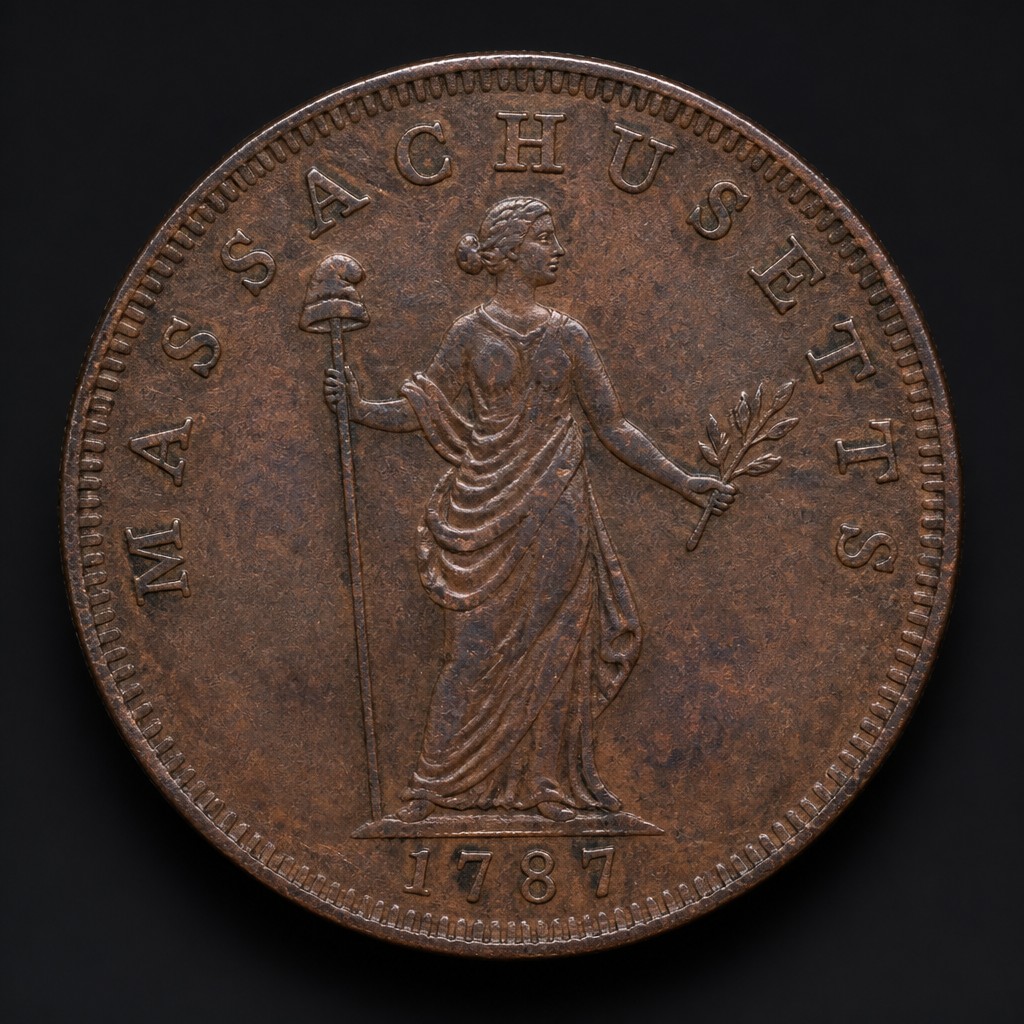
Massachusetts Cent (1787-1788)
1787–1788
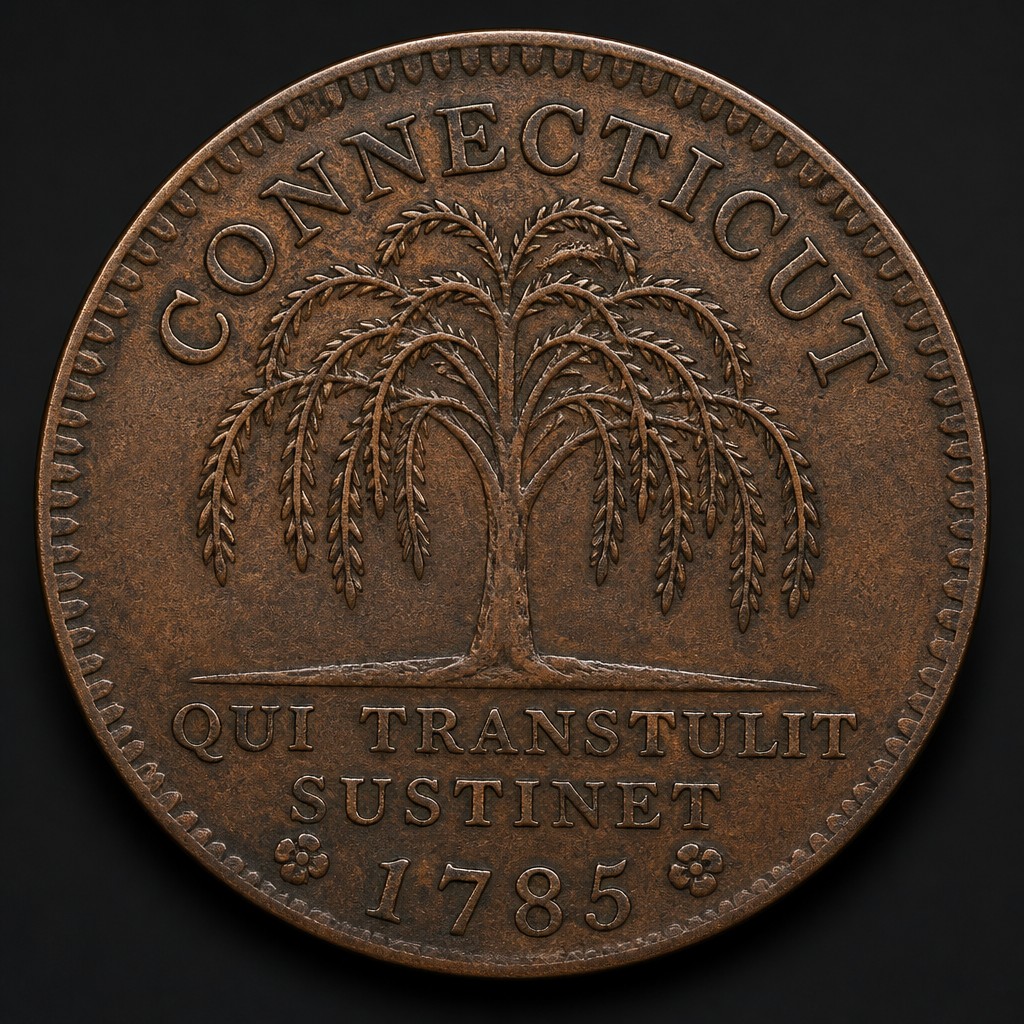
Connecticut Copper
1785–1788
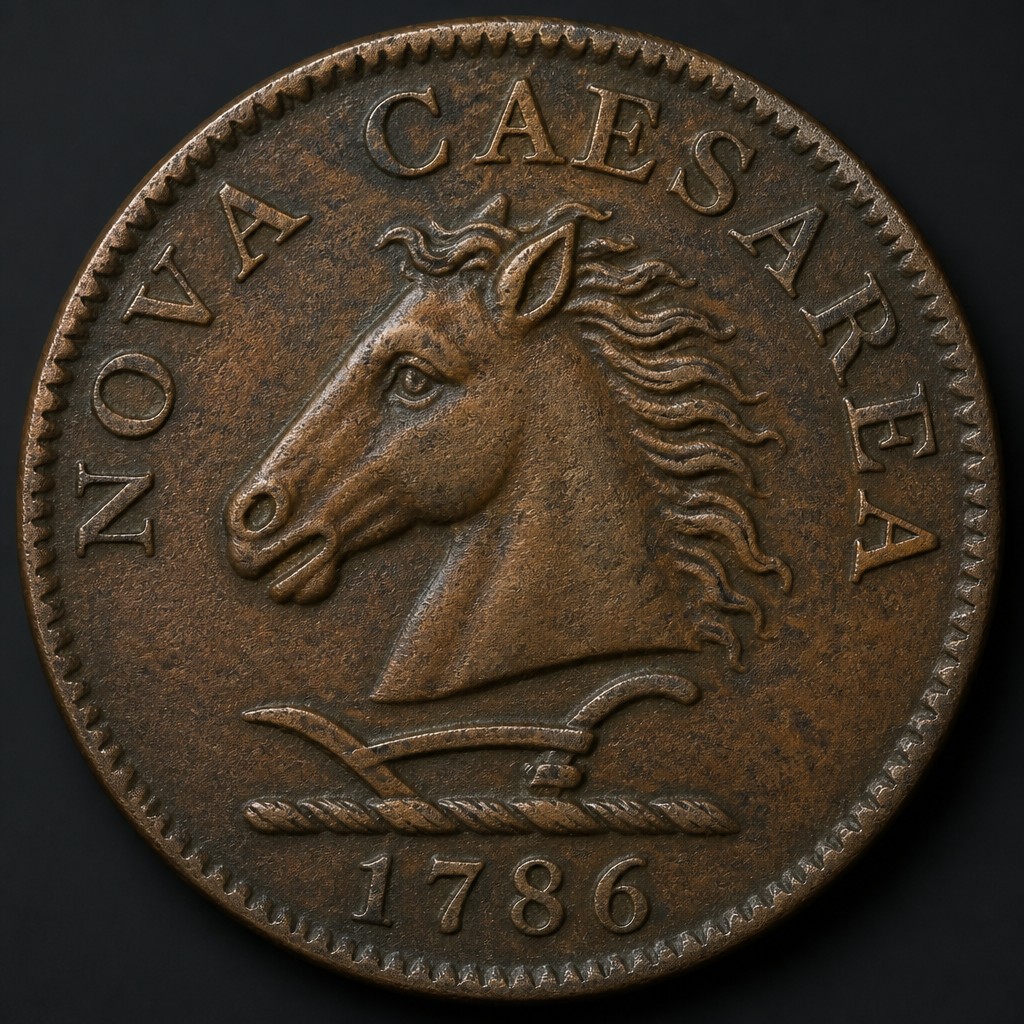
New Jersey Copper
1786–1788
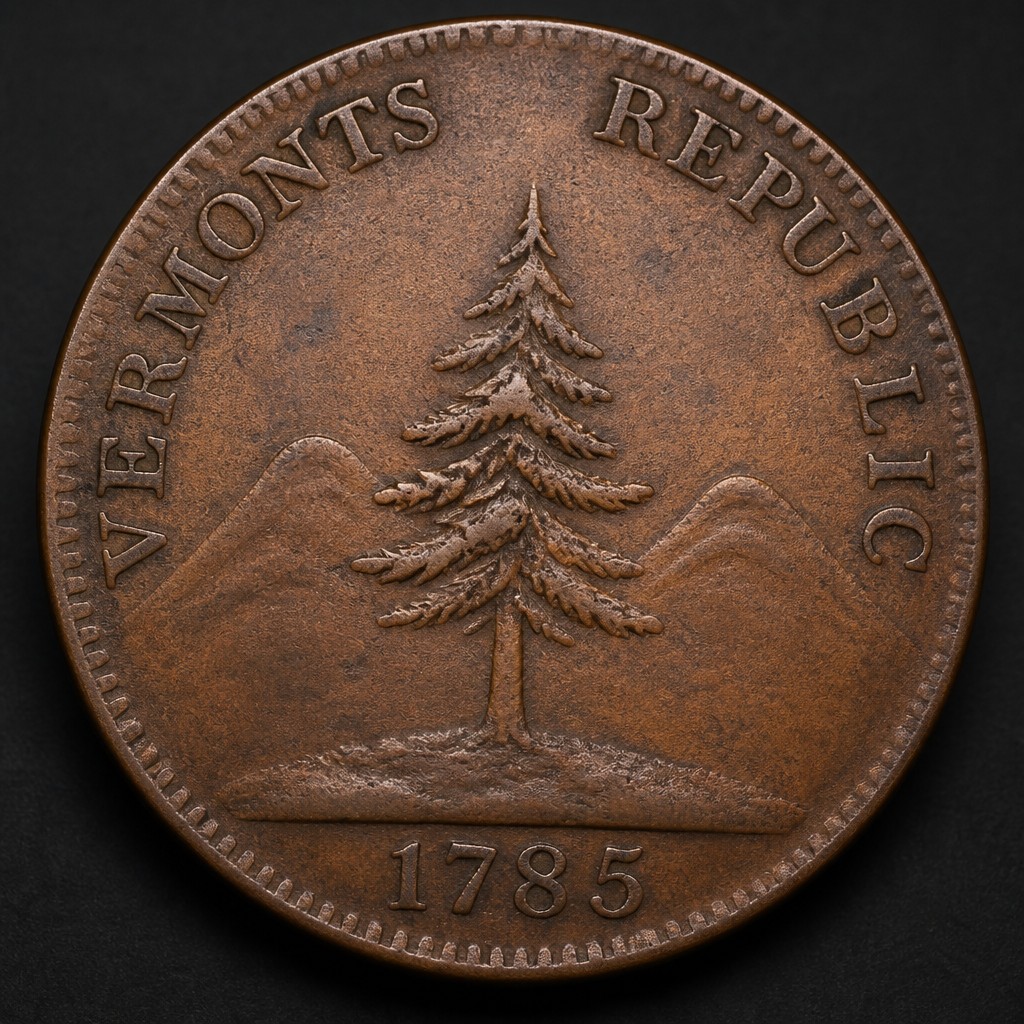
Vermont Copper
1785–1788
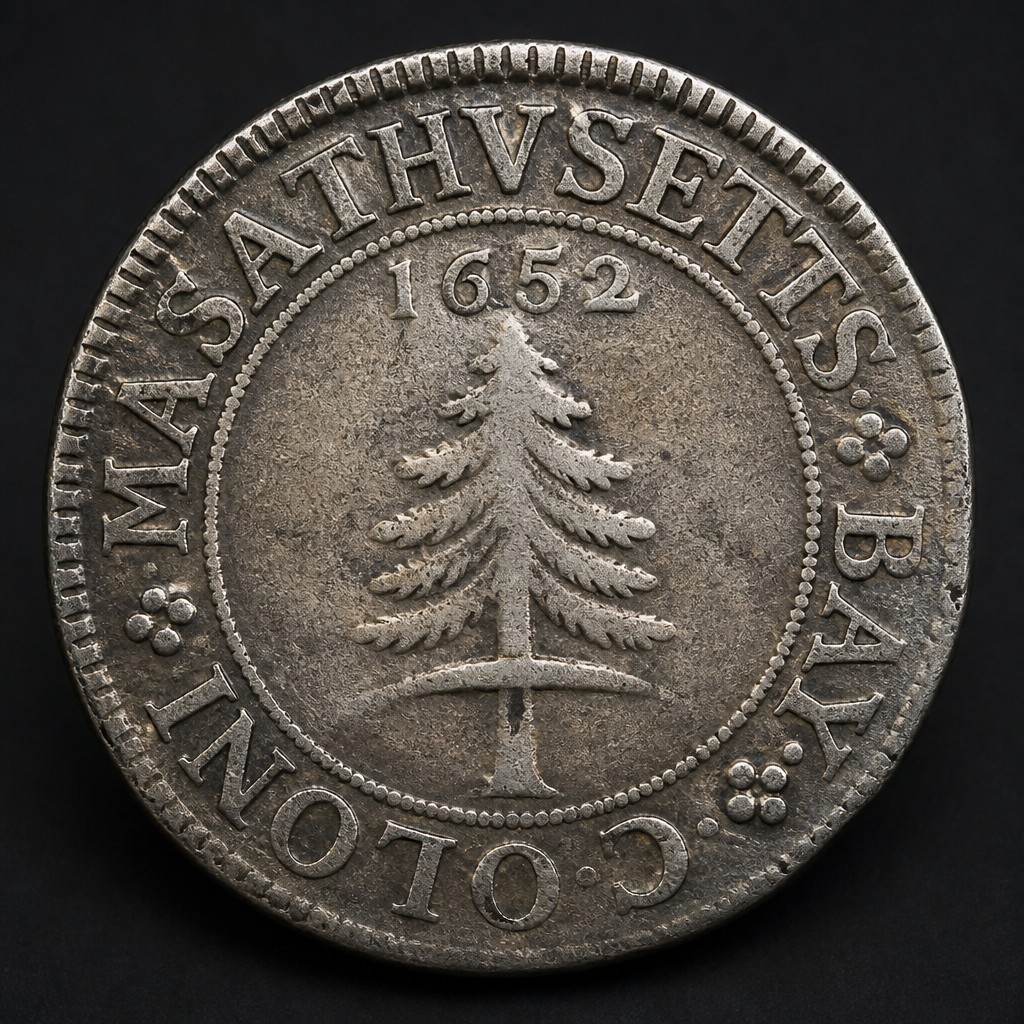
Pine Tree Shilling
Dated 1652, struck circa 1652–1682
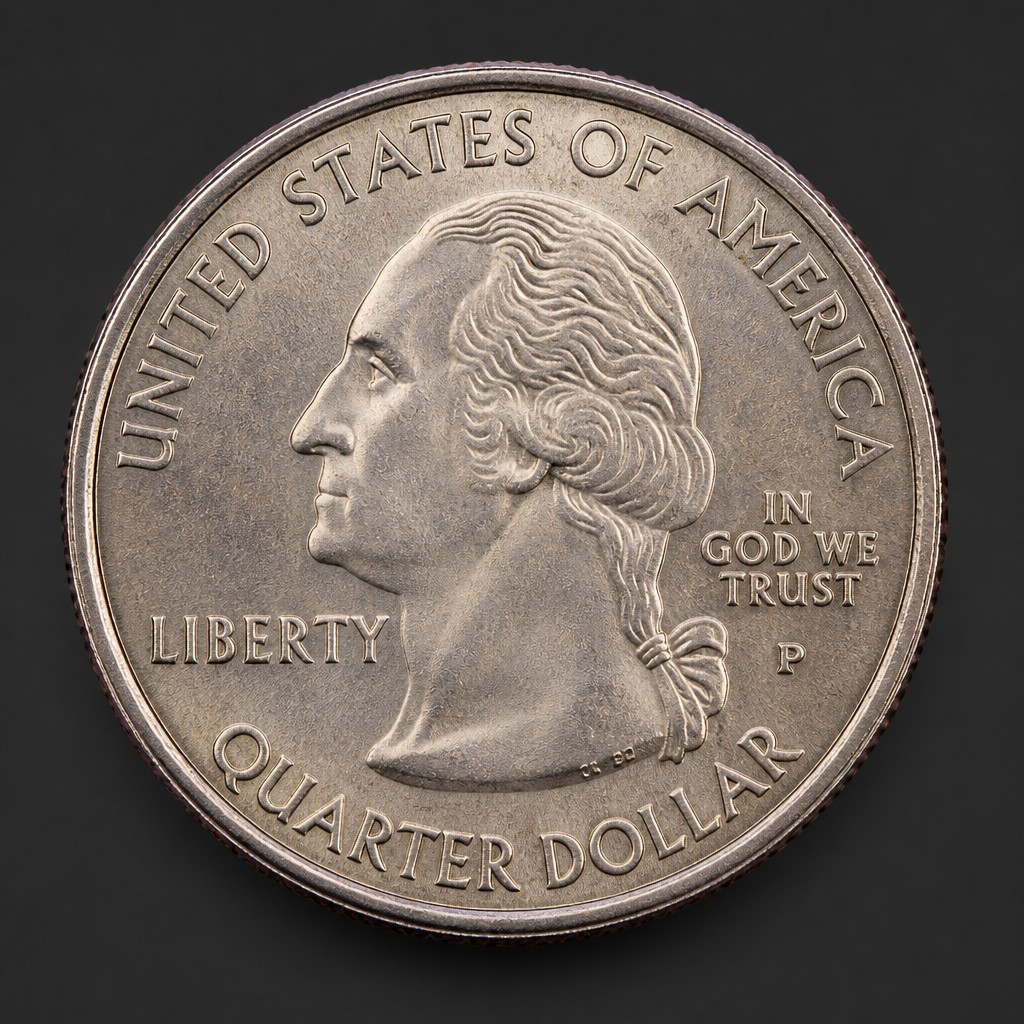
US State Quarters Series
1999-2008 (plus 2009 territories)
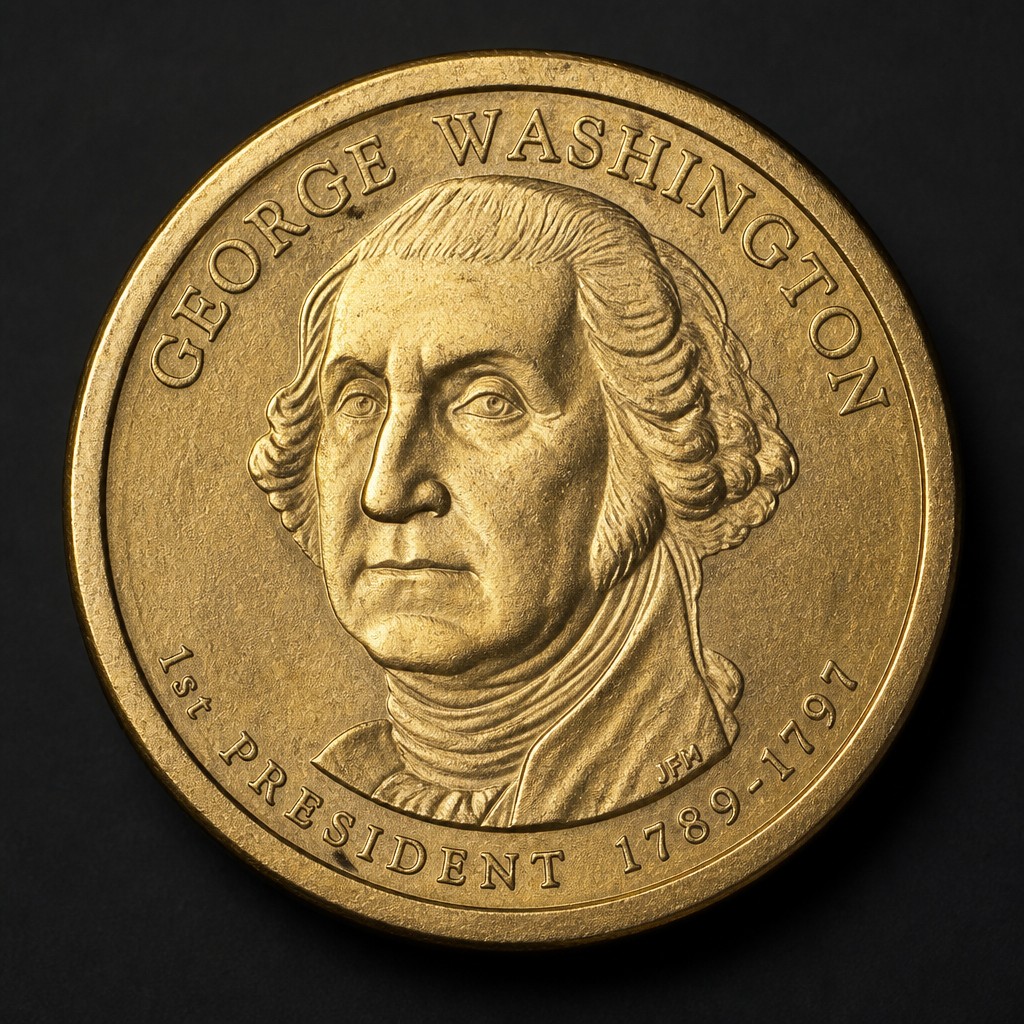
Presidential Dollar Series
2007-2016 (later special issues through 2020)
Sacagawea Golden Dollar
2000-present (reverse changed to Native American series in 2009)
US America the Beautiful Quarters
2010-2021
US Peace Dollar
1921–1928, 1934–1935
US Bicentennial Quarter (1976)
1976 (dated 1776-1976)
US Morgan Dollar
1878–1904, 1921