
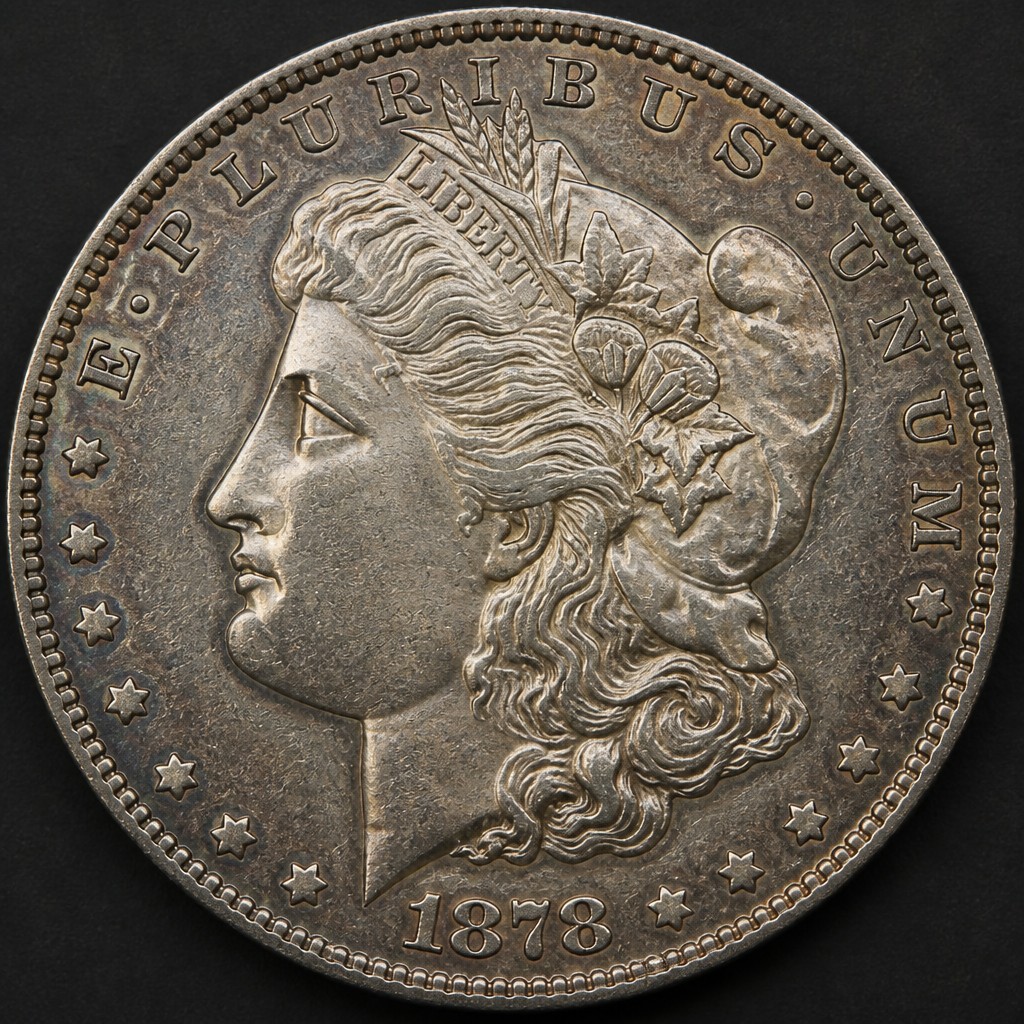
US Morgan Dollar
Classic American silver dollar struck from 1878 to 1921, named for designer George T. Morgan and known for its detailed Liberty head and eagle reverse.
- Country
- United States
- Denomination
- One Dollar
- Metal
- 90% Silver, 10% Copper
Got a coin like this?
Identify any coin from a photo, free.
Overview
The Morgan Dollar is among the most popular United States coins with collectors, prized for its historic ties to the silver mining boom of the American West and its widely available high-grade survivors from long-held Treasury vault hoards. It was struck in massive quantities across several mints over more than two decades.
History & Background
Congress authorized the coin under the Bland-Allison Act of 1878, which required the Treasury to purchase large amounts of domestic silver, largely to satisfy western mining interests, and strike it into silver dollars regardless of market demand. Mint engraver George T. Morgan designed the coin, and his small "M" initial appears on the truncation of Liberty's neck.
Coinage continued heavily through 1904, after which production paused for silver dollars, only to resume for a single additional year in 1921 following the Pittman Act, which had mandated the melting of millions of earlier Morgan dollars for other purposes. Enormous quantities sat unused in bank and Treasury vaults for decades, notably the Carson City hoard the U.S. government sold to the public through GSA sales beginning in the 1970s.
How to Identify
The obverse depicts a left-facing Liberty head wearing a cap decorated with wheat, cotton, and other agricultural motifs, surrounded by thirteen stars and "E PLURIBUS UNUM," with the date below. The reverse shows an eagle with wings spread, holding an olive branch and arrows, encircled by a wreath with "UNITED STATES OF AMERICA" and "ONE DOLLAR" around the border.
The coin measures 38.1 mm across and weighs 26.73 grams with a reeded edge, and mint marks (O, CC, S, D) appear below the wreath on the reverse; Philadelphia coins carry no mint mark. It is easily distinguished from the later Peace Dollar by its different Liberty portrait and the eagle's active, wings-spread pose rather than a resting eagle.
Value & Collectibility
Common-date Morgan dollars in circulated grades typically trade near their silver bullion value with a modest numismatic premium, while high-grade uncirculated coins with strong luster and sharp strikes command significantly more. Certain dates and mint combinations, most famously the 1893-S, are recognized key dates that carry substantial premiums even in modest condition.
Carson City issues generally draw extra collector interest due to the mint's romantic Old West history, and toned or exceptionally well-struck coins from any mint can bring outsized premiums at auction. As with any classic silver coin, grade, eye appeal, and specific date/mint combination drive value far more than age alone.
Frequently asked questions
What is the silver content of a Morgan Dollar?
It is 90% silver and 10% copper, containing about 0.7734 troy ounces of pure silver.
Which Morgan Dollar is the key date?
The 1893-S is widely regarded as the key date of the series due to its low mintage and high demand.
Why were so many Morgan Dollars struck?
Federal law required the Treasury to buy large amounts of silver from western mines and coin it into dollars, regardless of actual commercial demand for the coins.
How do I tell a Morgan Dollar from a Peace Dollar?
The Morgan Dollar shows a Liberty head with a wheat-decorated cap and an eagle with wings spread; the Peace Dollar shows a different Liberty portrait with rays and an eagle at rest, with "PEACE" inscribed on the reverse.
Other coins you may enjoy
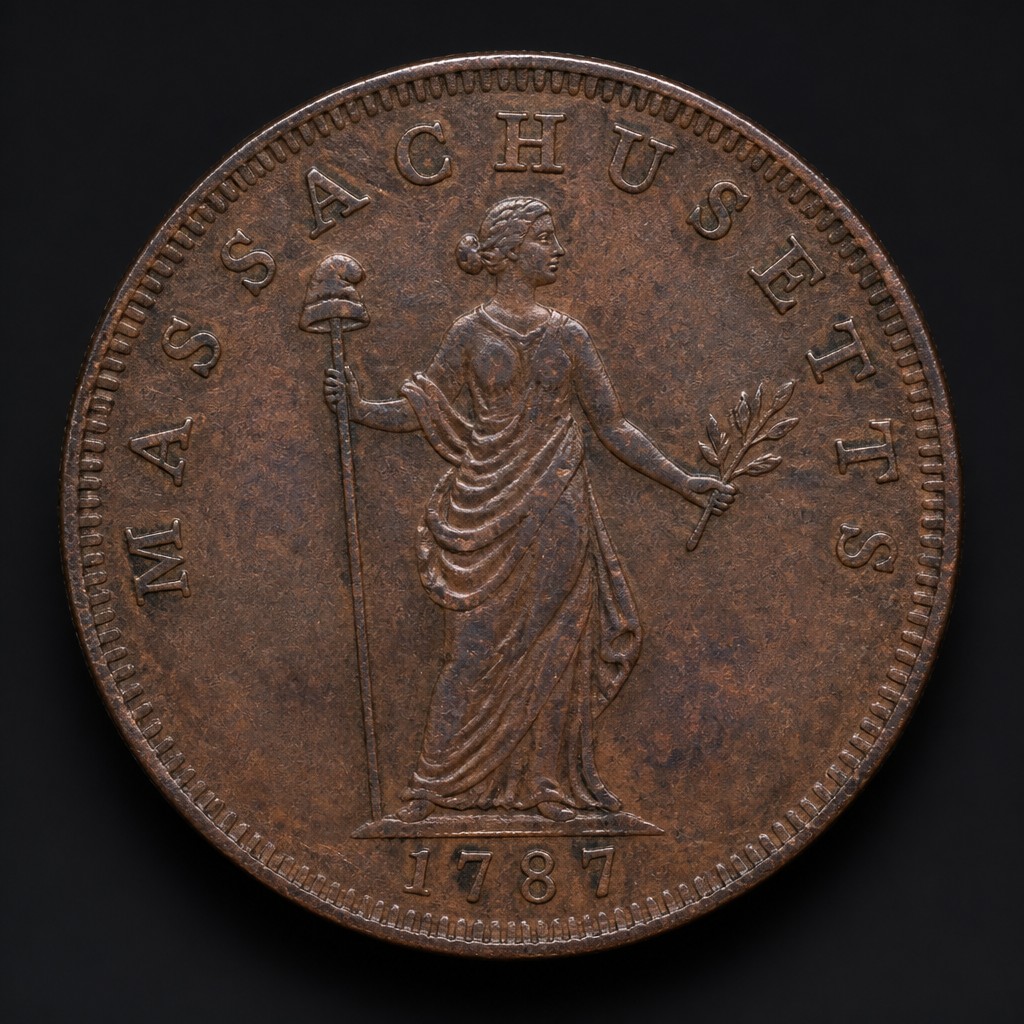
Massachusetts Cent (1787-1788)
1787–1788
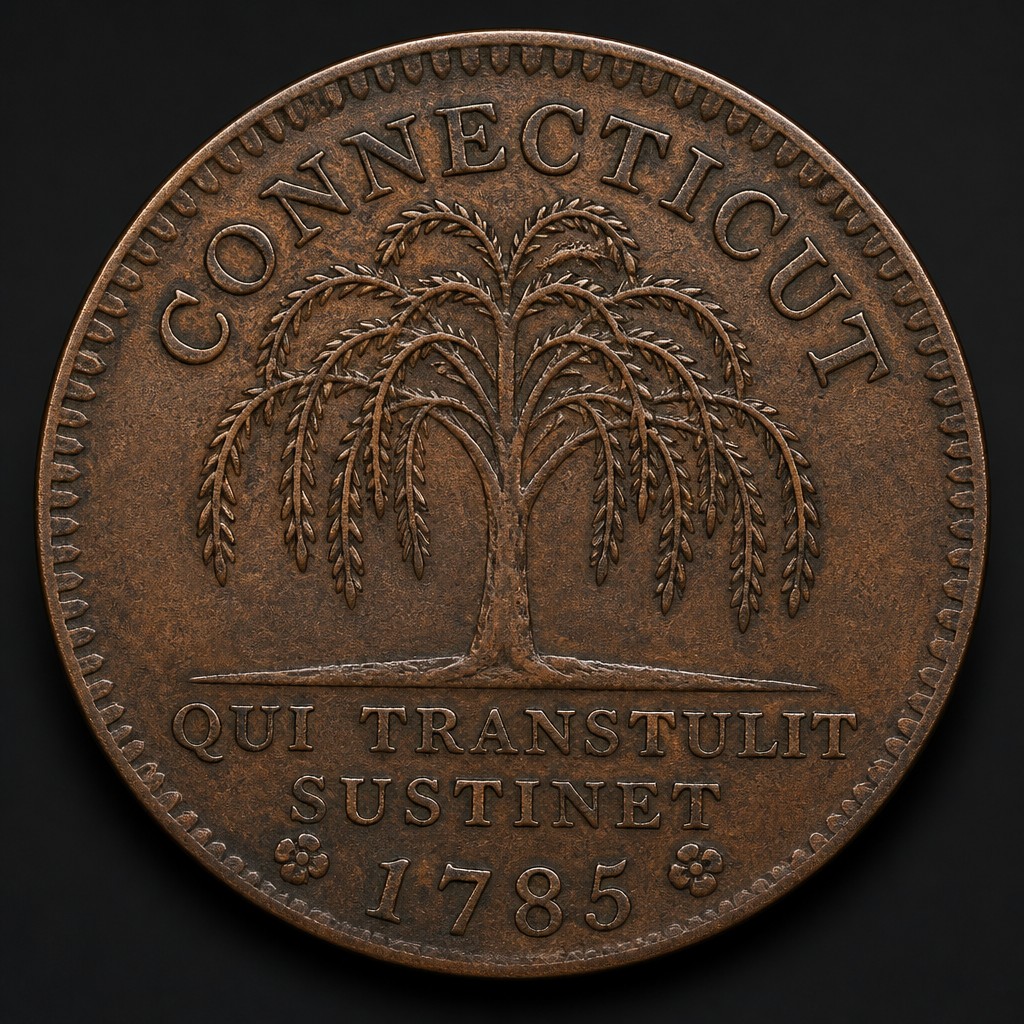
Connecticut Copper
1785–1788
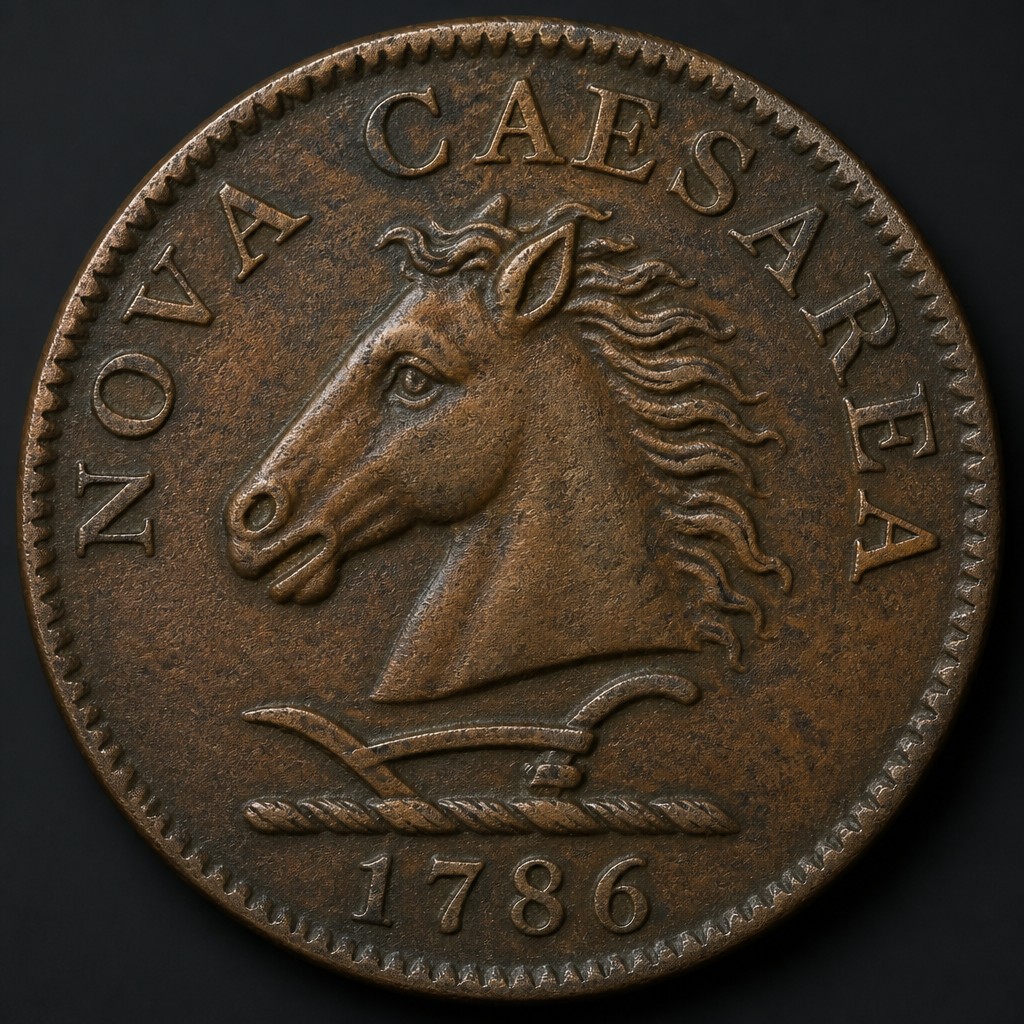
New Jersey Copper
1786–1788
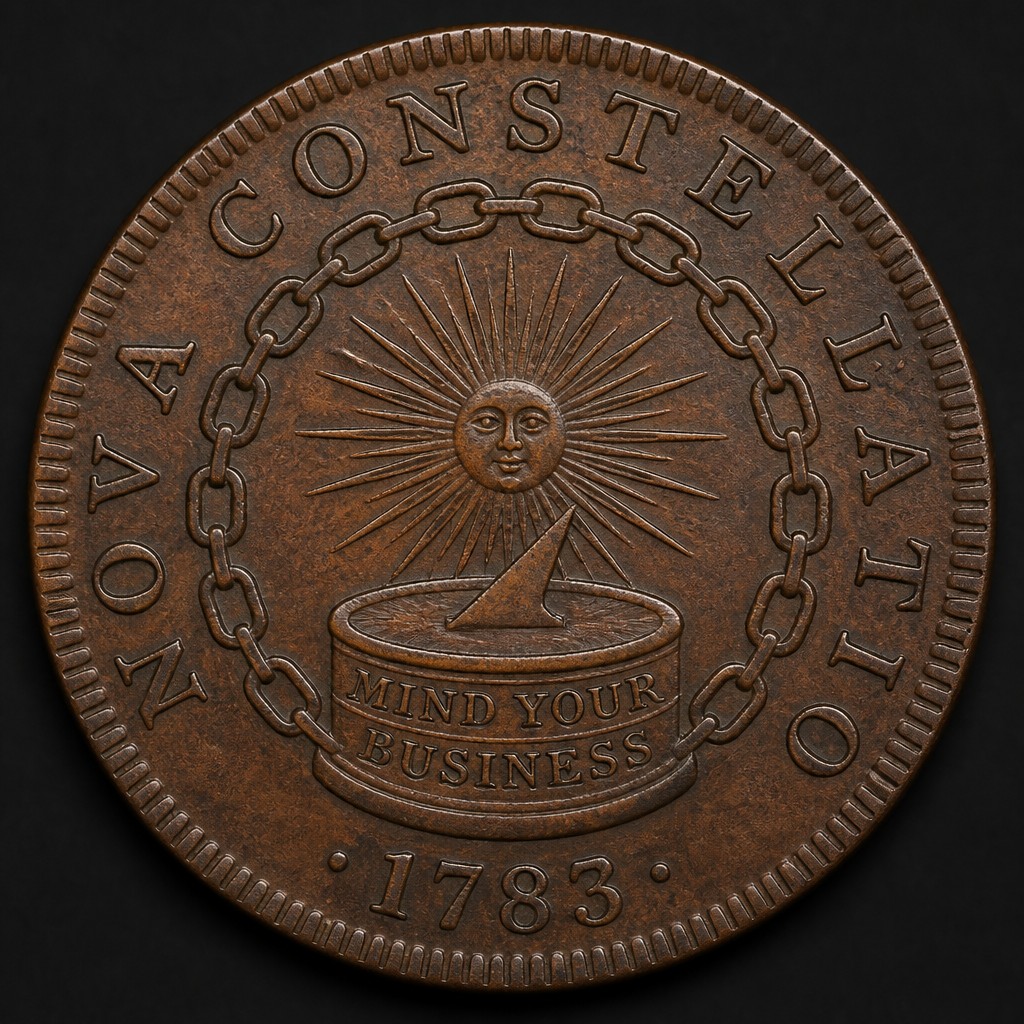
Nova Constellatio Copper
1783–1785
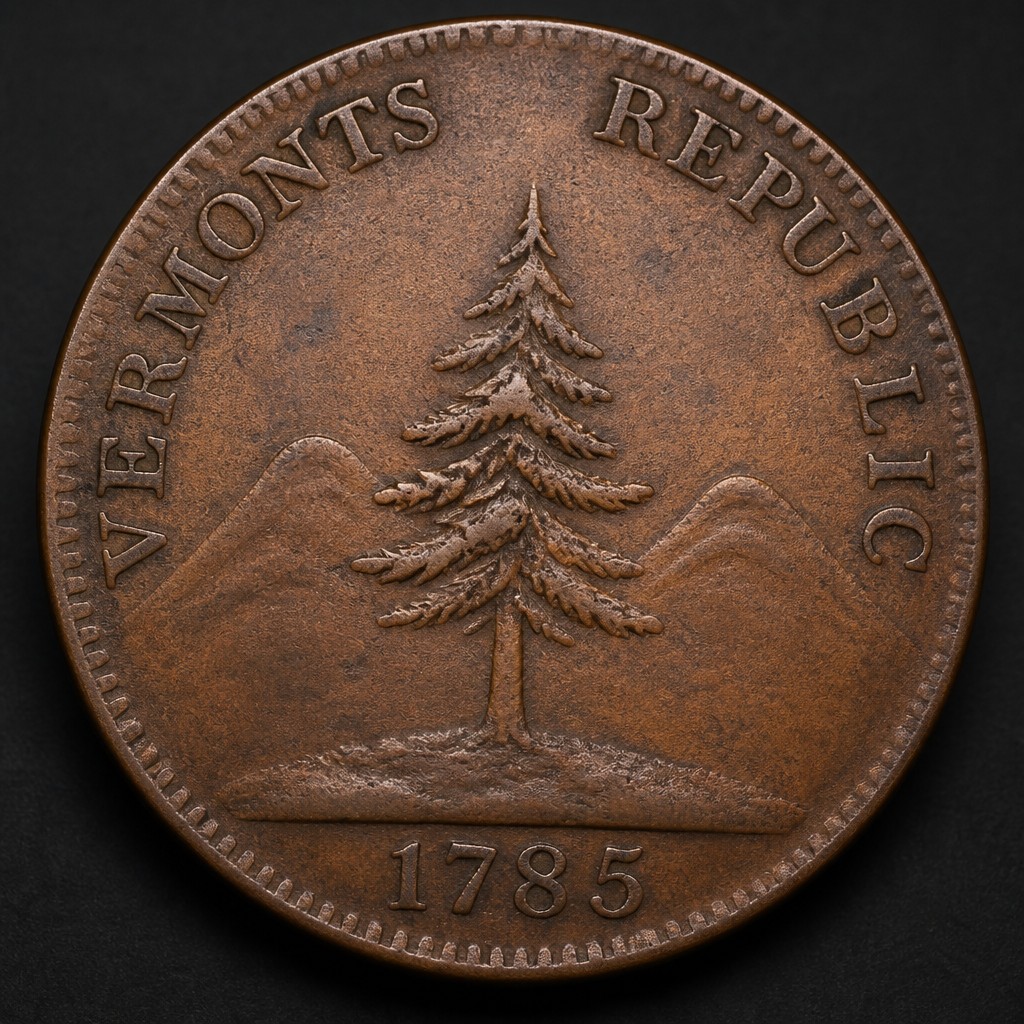
Vermont Copper
1785–1788
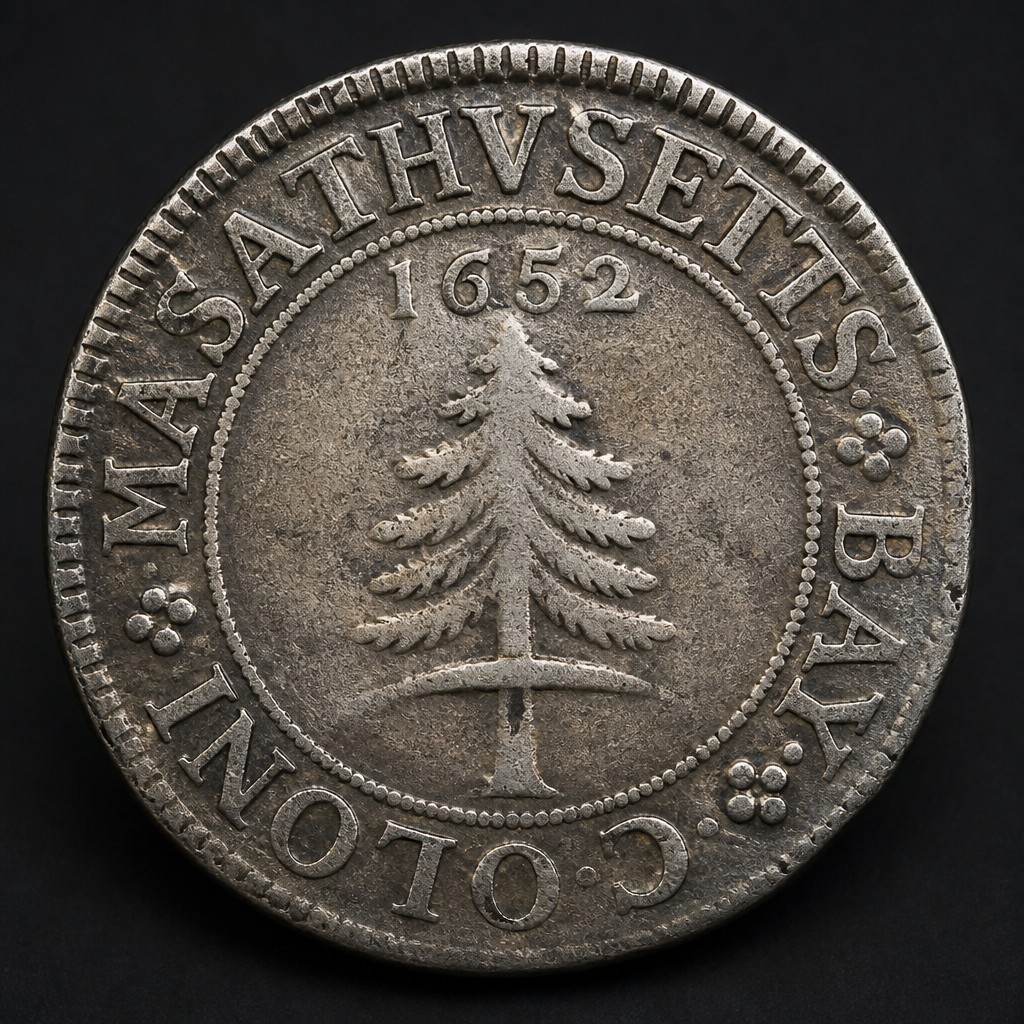
Pine Tree Shilling
Dated 1652, struck circa 1652–1682
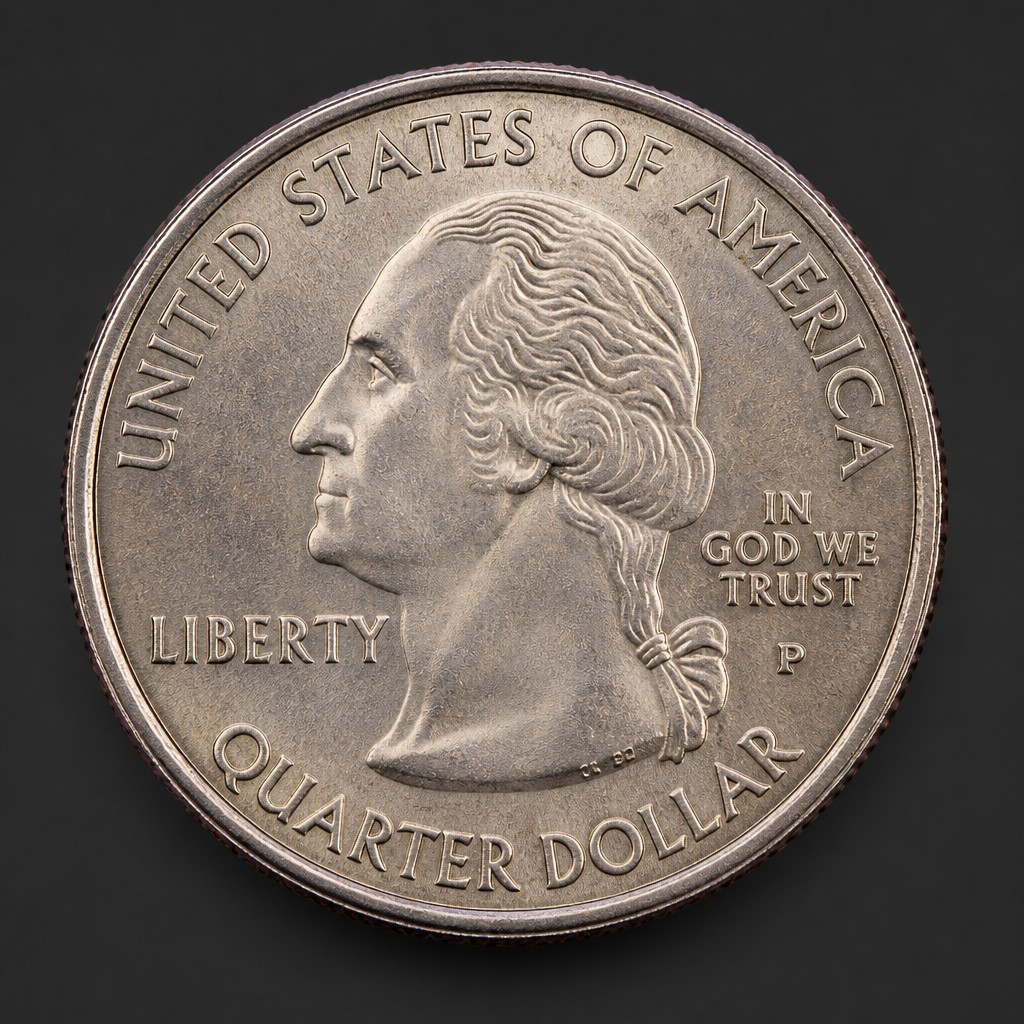
US State Quarters Series
1999-2008 (plus 2009 territories)
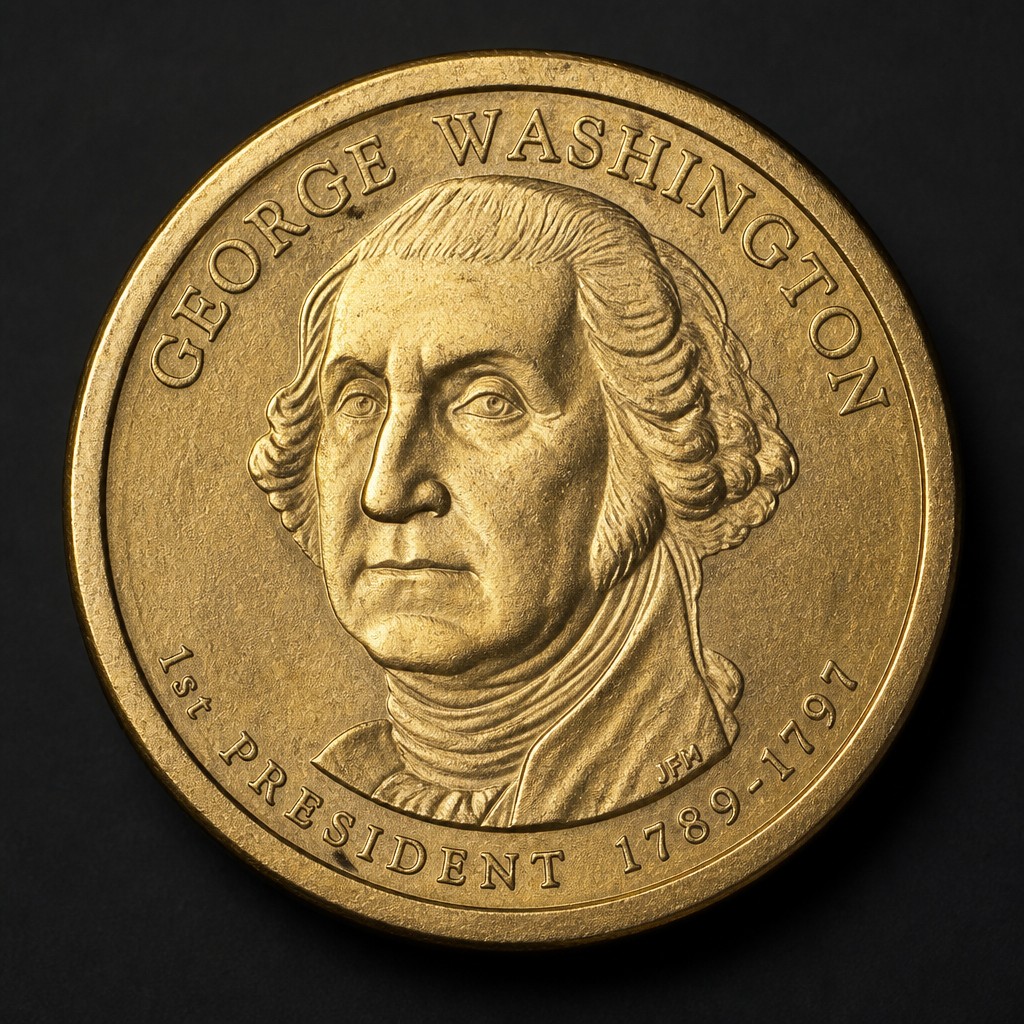
Presidential Dollar Series
2007-2016 (later special issues through 2020)
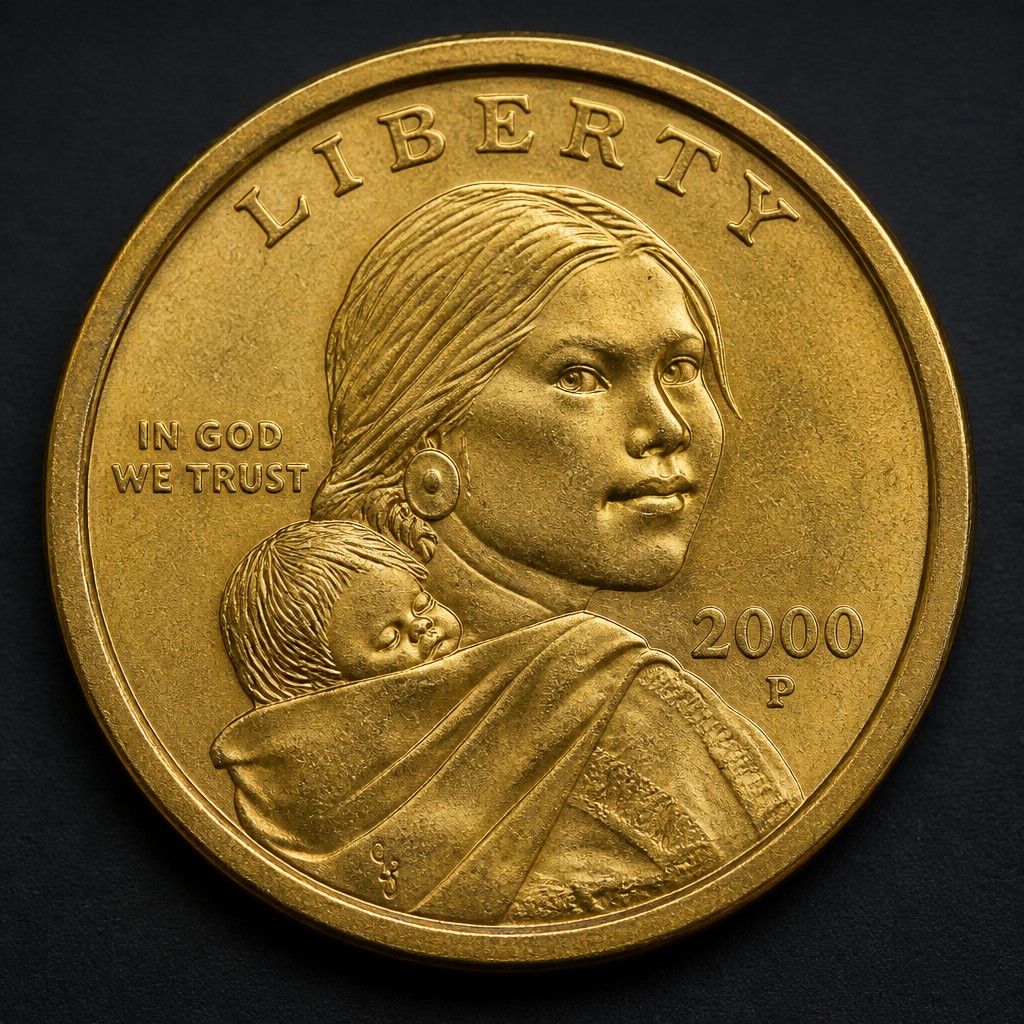
Sacagawea Golden Dollar
2000-present (reverse changed to Native American series in 2009)
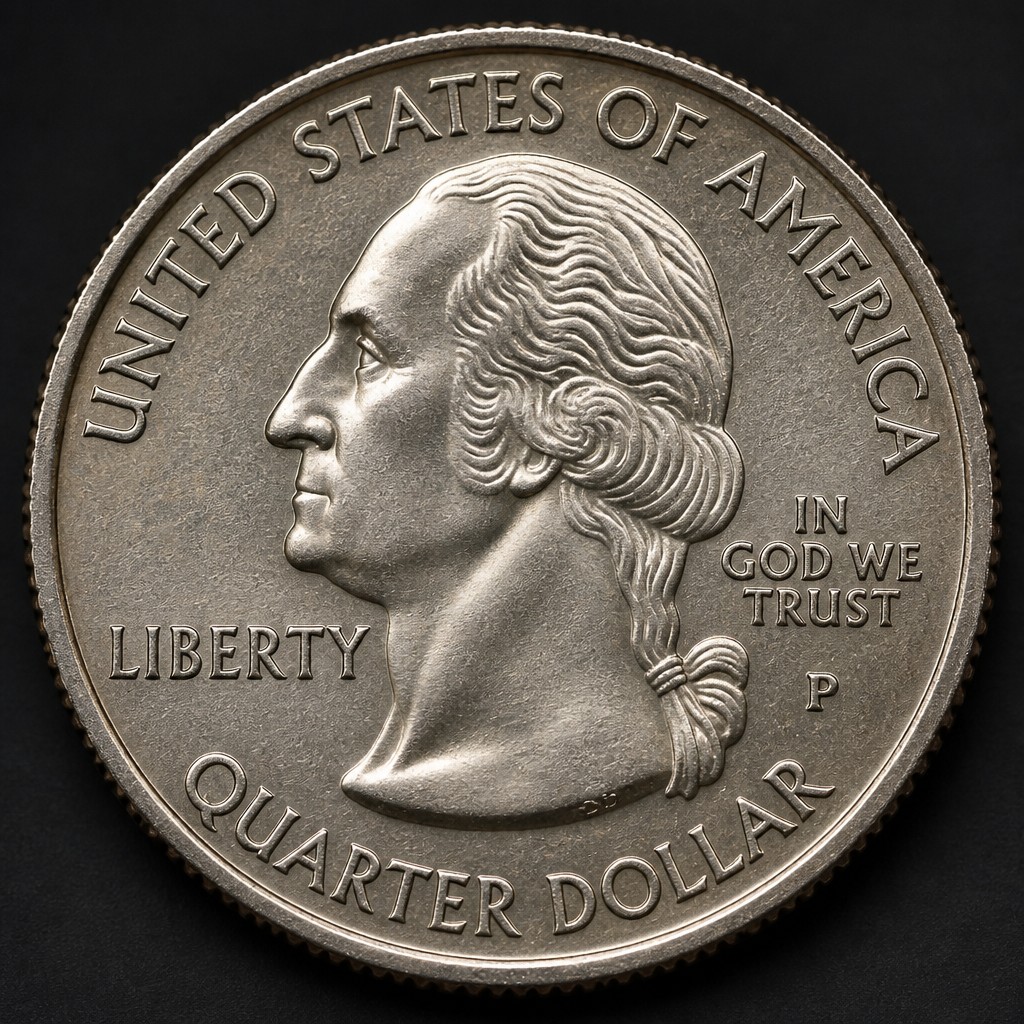
US America the Beautiful Quarters
2010-2021
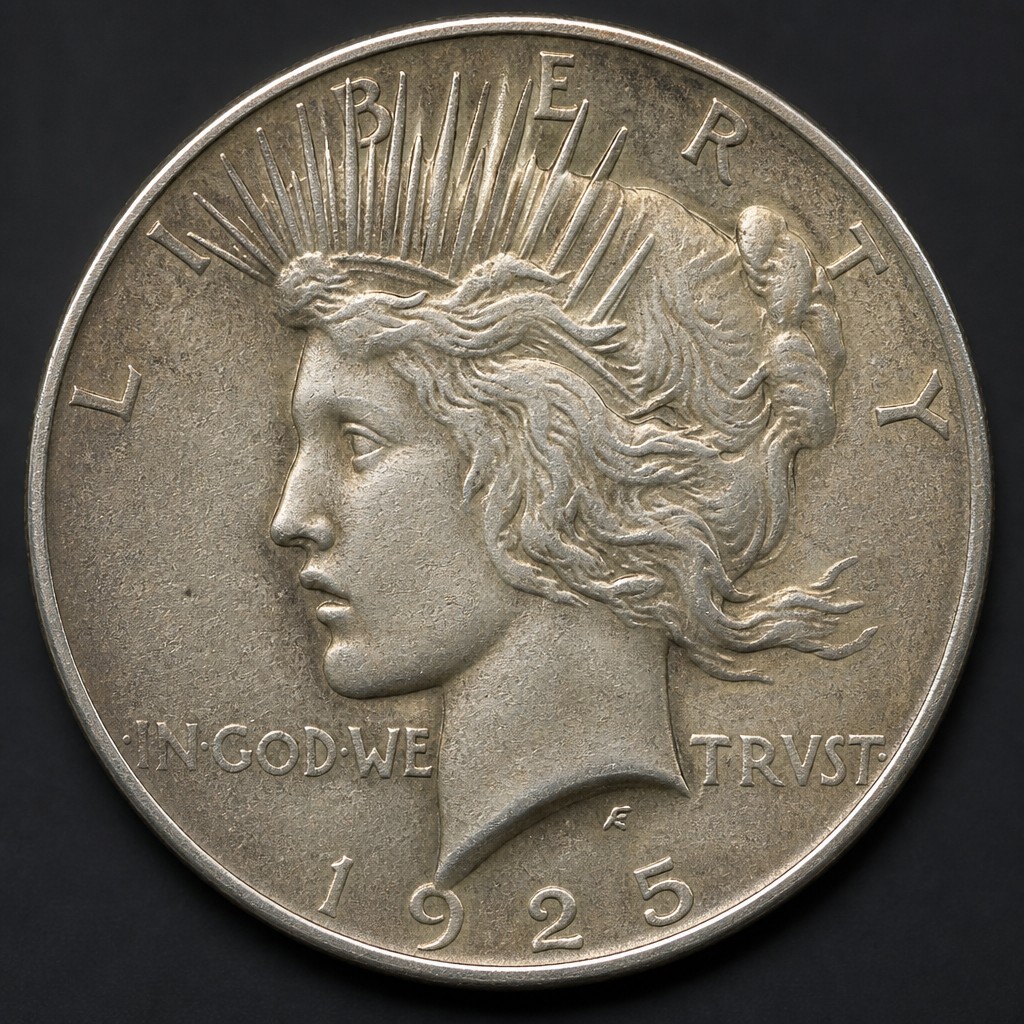
US Peace Dollar
1921–1928, 1934–1935
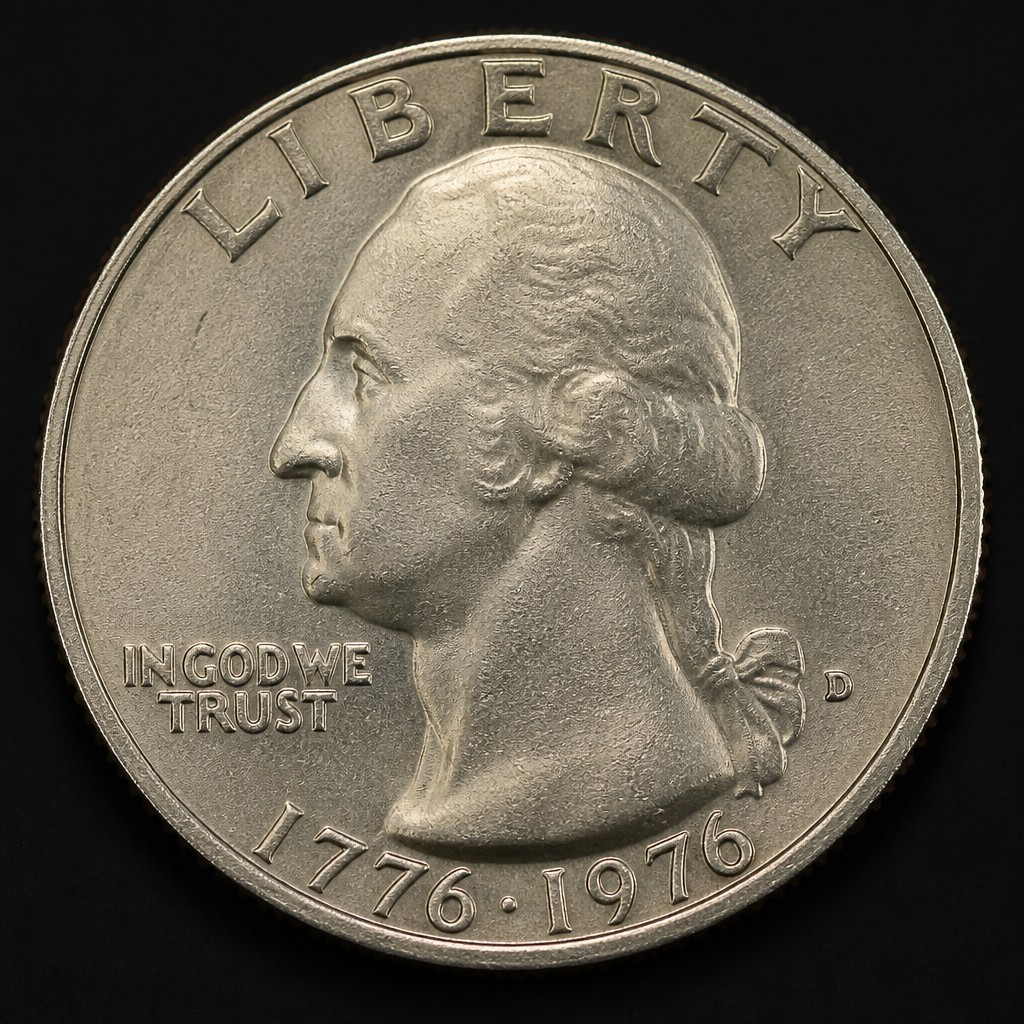
US Bicentennial Quarter (1976)
1976 (dated 1776-1976)