
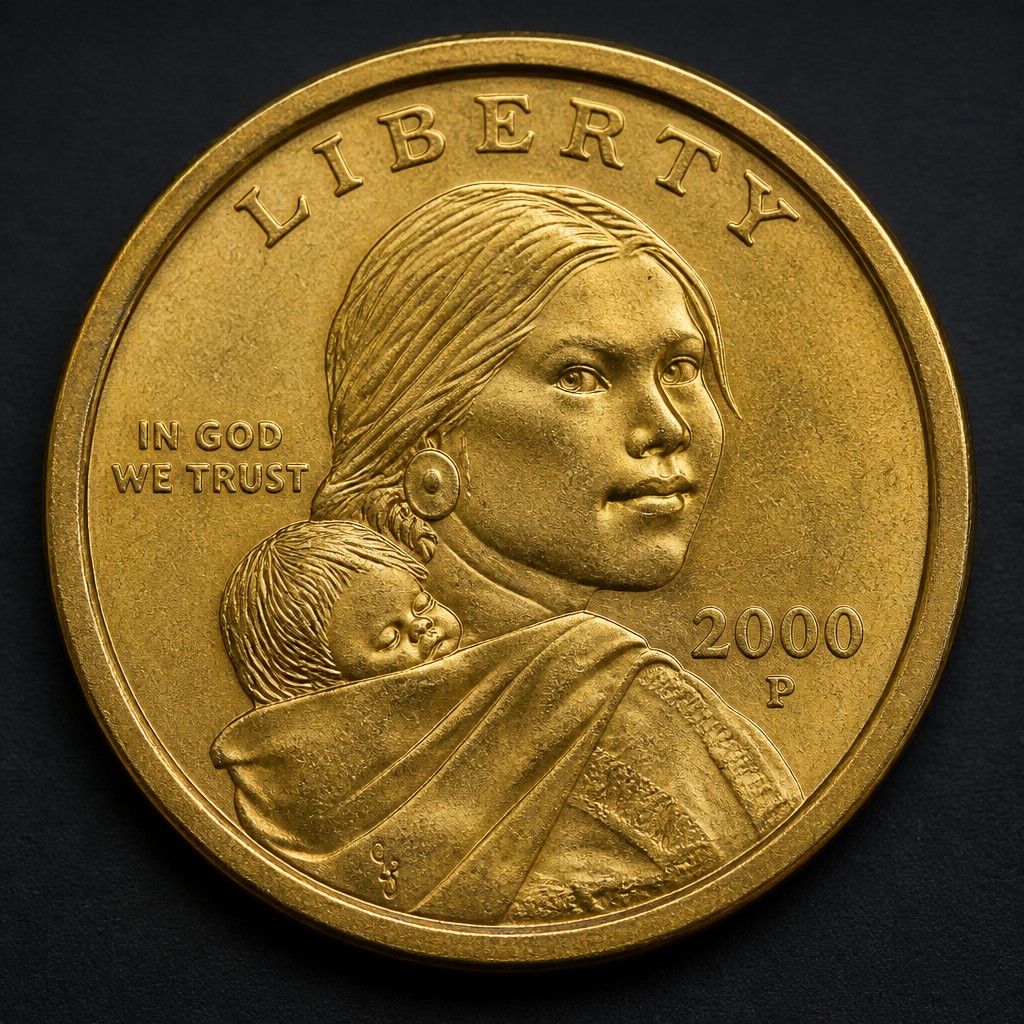
Sacagawea Golden Dollar
A golden-colored dollar coin introduced in 2000 depicting Sacagawea carrying her infant son, created to replace the unpopular Susan B. Anthony dollar in everyday commerce.
- Country
- United States
- Denomination
- 1 Dollar
- Metal
- Manganese-brass clad over a pure copper core
Got a coin like this?
Identify any coin from a photo, free.
Overview
The Sacagawea Golden Dollar is a US circulating coin introduced in 2000, featuring a golden-hued manganese-brass composition intended to make it more visually distinct and appealing than its predecessor, the copper-nickel Susan B. Anthony dollar, which had been widely confused with quarters due to similar size and color. The coin depicts Sacagawea, the young Shoshone woman who assisted the Lewis and Clark Expedition, carrying her infant son Jean Baptiste on her back.
Sculptor Glenna Goodacre designed the obverse portrait, basing Sacagawea's likeness on a composite of Native American models rather than any historical portrait, since no contemporary images of Sacagawea exist. The original reverse, used from 2000 to 2008, featured a soaring eagle design by Thomas D. Rogers, before the series transitioned in 2009 to an annually rotating reverse honoring Native American contributions and history, continuing under the same golden dollar format and obverse portrait as the "Native American $1 Coin" series.
Despite the redesign effort, the dollar coin has faced persistent public reluctance in the United States to adopt dollar coins over paper currency, leading to comparatively limited circulation despite continued Mint production for collectors and certain government/commercial uses.
History & Background
The US Mint introduced the Sacagawea dollar in 2000 as a direct successor to the Susan B. Anthony dollar, which had been minted from 1979 to 1981 and briefly again in 1999, but suffered from poor public acceptance due to its close resemblance in size, color, and edge to the quarter. Congress and the Mint hoped a golden color and a compelling historical figure would boost public willingness to use a dollar coin in everyday transactions.
Glenna Goodacre won a design competition to create the obverse, choosing to depict Sacagawea, a Lemhi Shoshone woman who served as an interpreter and guide during the Lewis and Clark Expedition of 1804-1806, with her infant son on her back, symbolizing both her personal story and broader themes of exploration and Native American contribution to American history. Randy'L He-dow Teton, a Shoshone-Bannock student, served as one of the models Goodacre referenced in creating the composite likeness.
In 2007, Congress passed legislation creating the Native American $1 Coin Act, which took effect in 2009, retaining the Sacagawea obverse but introducing a new reverse design each year highlighting different aspects of Native American history and culture, a format that has continued in subsequent years alongside occasional special edition releases.
How to Identify
The obverse shows Sacagawea in three-quarter profile facing right, carrying her son Jean Baptiste in a cradleboard on her back, with "LIBERTY" arched above and "IN GOD WE TRUST" and the year to the sides, with mint marks placed on the obverse beginning in 2009 (previously appearing on the reverse for 2000-2008 issues).
The original 2000-2008 reverse features a soaring eagle with thirteen stars representing the original colonies, encircled by "UNITED STATES OF AMERICA" and "ONE DOLLAR." From 2009 onward, the reverse changes annually under the Native American $1 Coin Program, depicting varied scenes honoring Native American history, culture, and contributions, while retaining the same Sacagawea obverse.
The coin's golden color comes from its manganese-brass clad composition over a pure copper core, giving it a distinctive appearance from silver-colored coins, while its smooth, non-reeded edge with incused edge lettering (added starting in 2009) helps distinguish it by touch from the similarly sized quarter. The coin measures 26.5mm in diameter, notably larger than a quarter, and weighs about 8.1 grams.
Value & Collectibility
Most Sacagawea dollars in circulated condition are common and trade at face value, since the Mint produced them in large quantities, particularly in the early 2000s. Uncirculated rolls and certain lower-mintage years, especially those struck primarily for collector sets rather than heavy circulation, can carry modest premiums.
A well-known variety, the 2000-P "Cheerios dollar," distributed in specially marked promotional Cheerios cereal boxes with an enhanced tail feather design on the eagle reverse, is a notable and comparatively scarce variety that trades for a significant premium over common examples. Certain other early die varieties and mule errors (where a Sacagawea obverse was mistakenly paired with a state quarter reverse) are extremely rare and valuable when authenticated.
Overall, ordinary circulation-strike Sacagawea and Native American dollars are valued close to face value in worn condition, with value increasing mainly for uncirculated grades, proof and special finish sets, and documented rare varieties or mint errors.
Frequently asked questions
Why is the Sacagawea dollar gold-colored instead of silver?
It uses a manganese-brass clad composition specifically chosen to give it a distinct golden appearance and reduce confusion with the quarter.
Who was Sacagawea?
She was a young Lemhi Shoshone woman who served as an interpreter and guide for the Lewis and Clark Expedition in the early 1800s.
What is the Cheerios dollar?
A rare 2000-P Sacagawea dollar variety with an enhanced eagle tail feather design, originally distributed in promotional Cheerios cereal boxes, now a valuable collector variety.
Did the design ever change?
The obverse Sacagawea portrait has remained the same since 2000, but the reverse changed from a soaring eagle (2000-2008) to an annually rotating Native American theme starting in 2009.
Is the Sacagawea dollar still in circulation today?
It remains legal tender and the Mint continues limited production, but it sees relatively little everyday circulation due to general US preference for paper dollar bills.
Sacagawea Golden Dollar identified by the community
Real coins identified with Coin Identifier.
Other coins you may enjoy
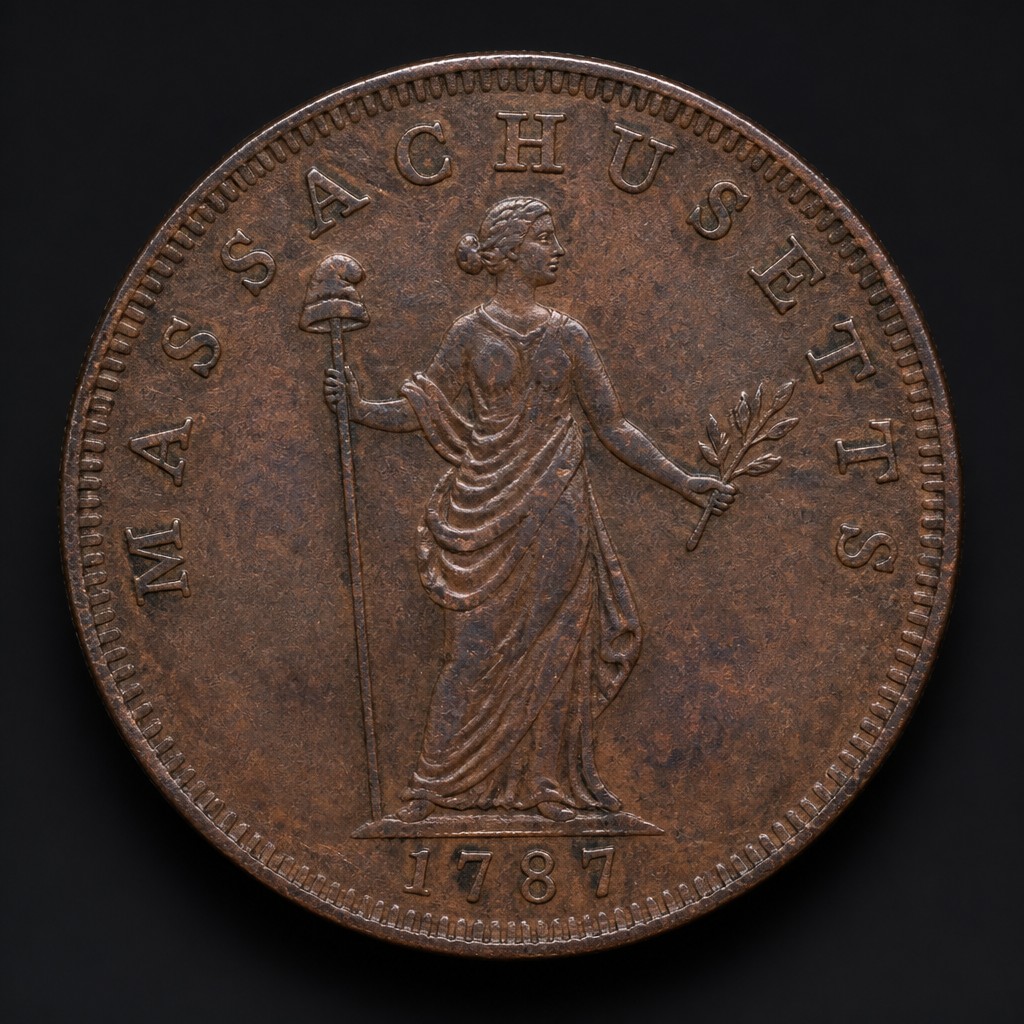
Massachusetts Cent (1787-1788)
1787–1788
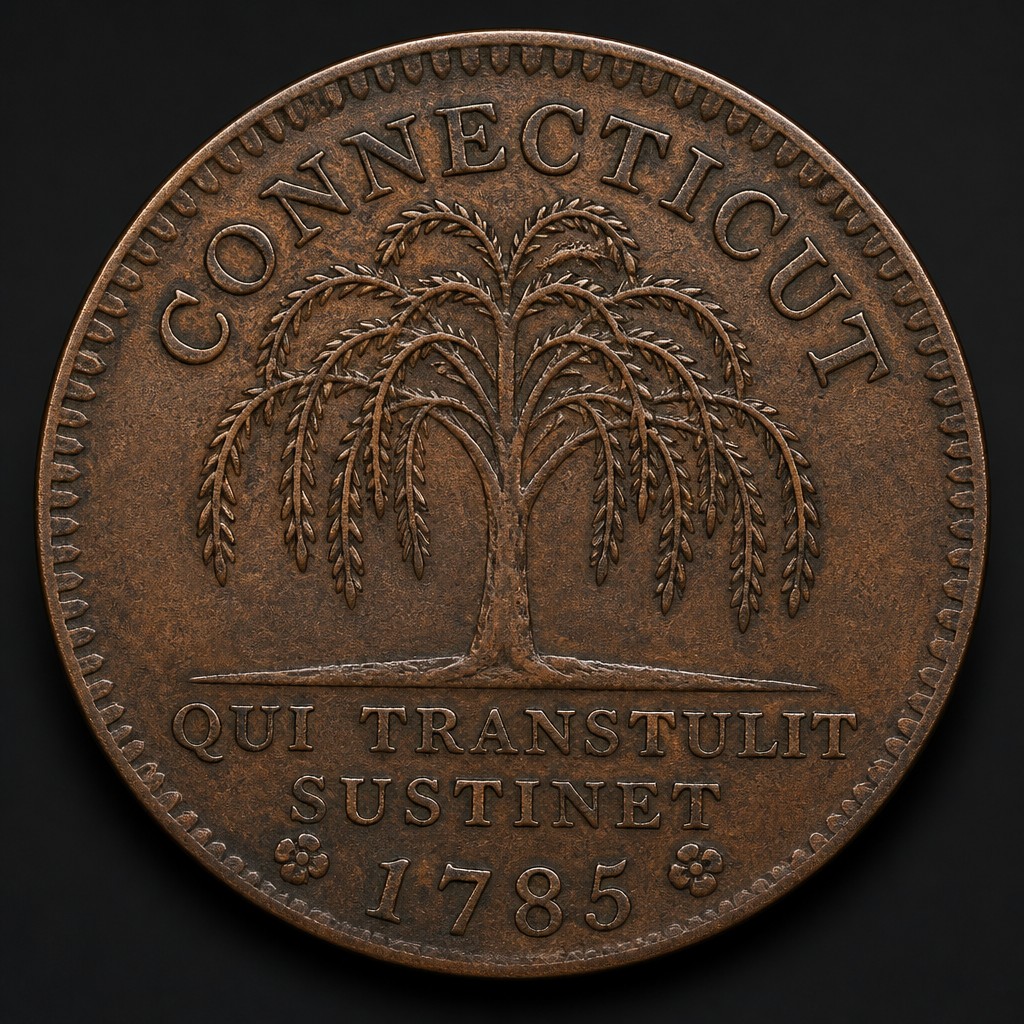
Connecticut Copper
1785–1788
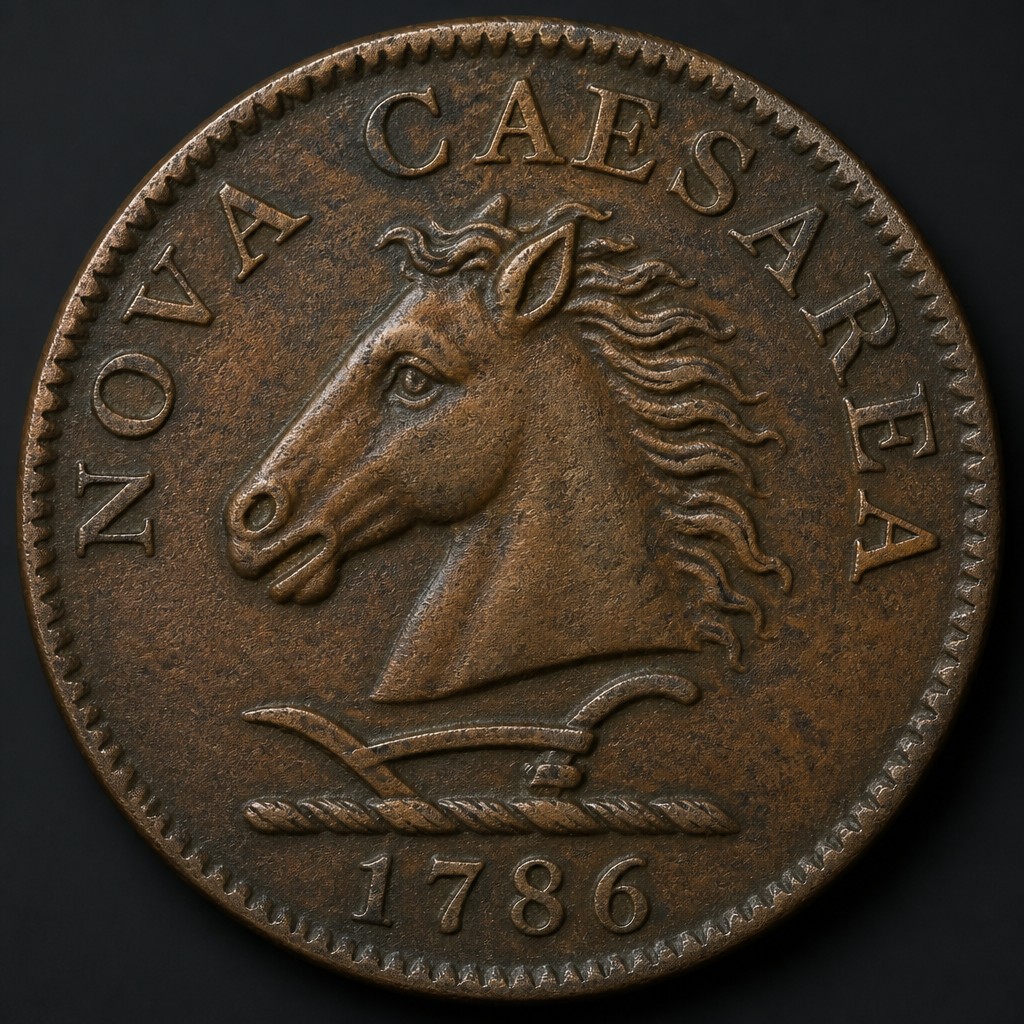
New Jersey Copper
1786–1788
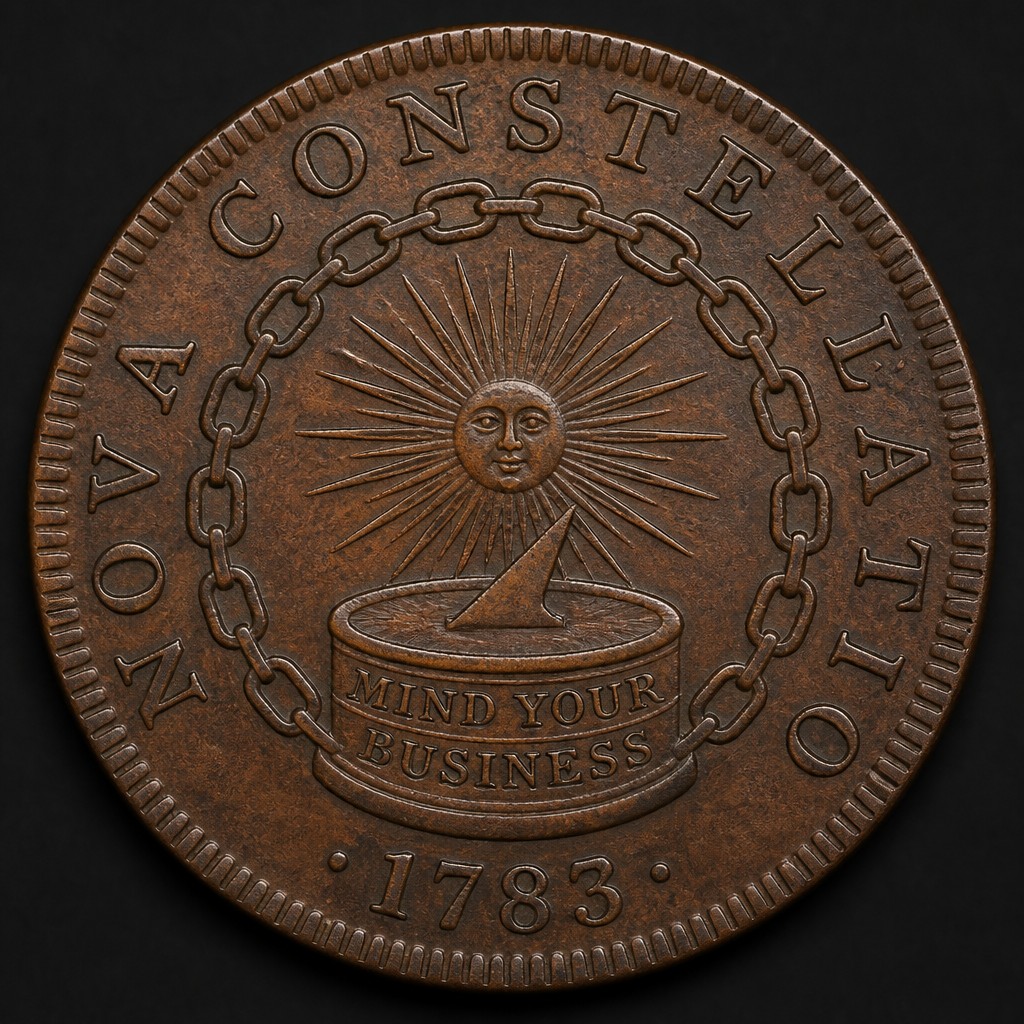
Nova Constellatio Copper
1783–1785
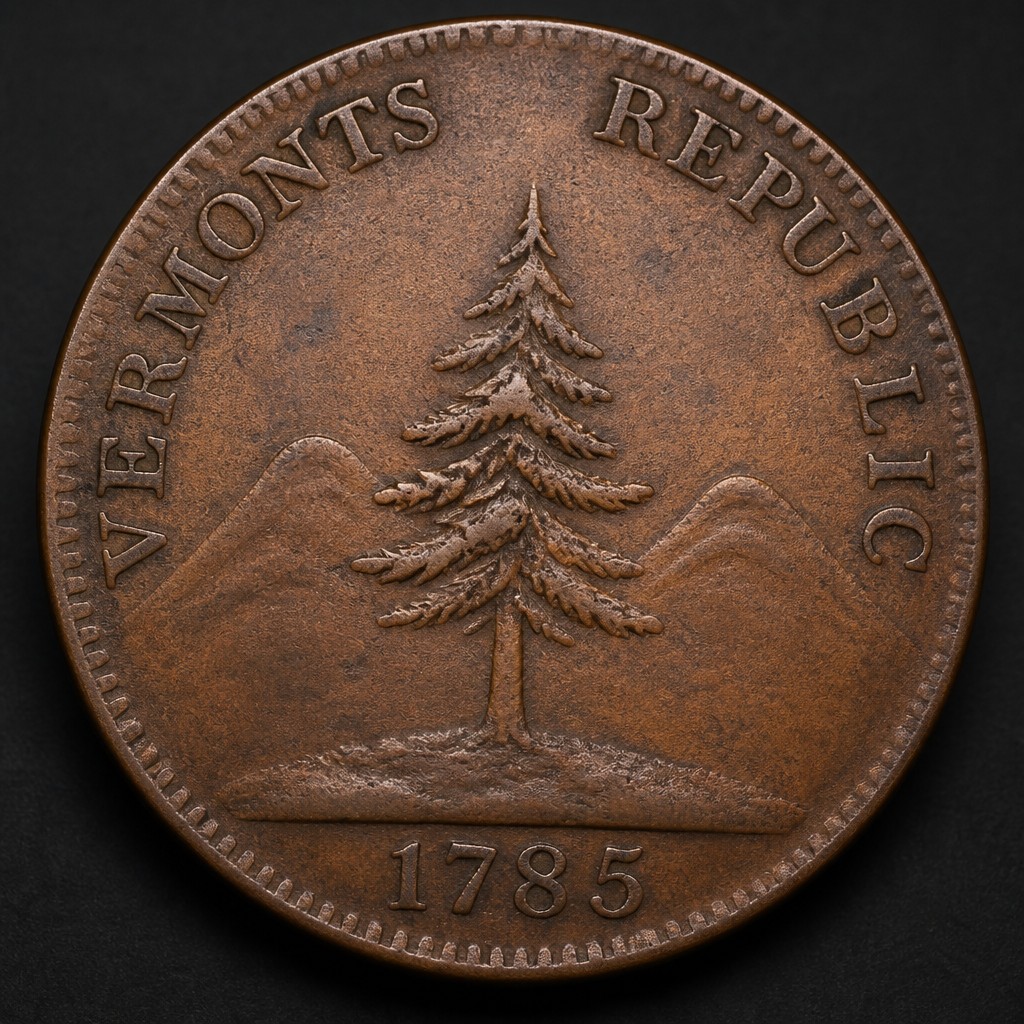
Vermont Copper
1785–1788
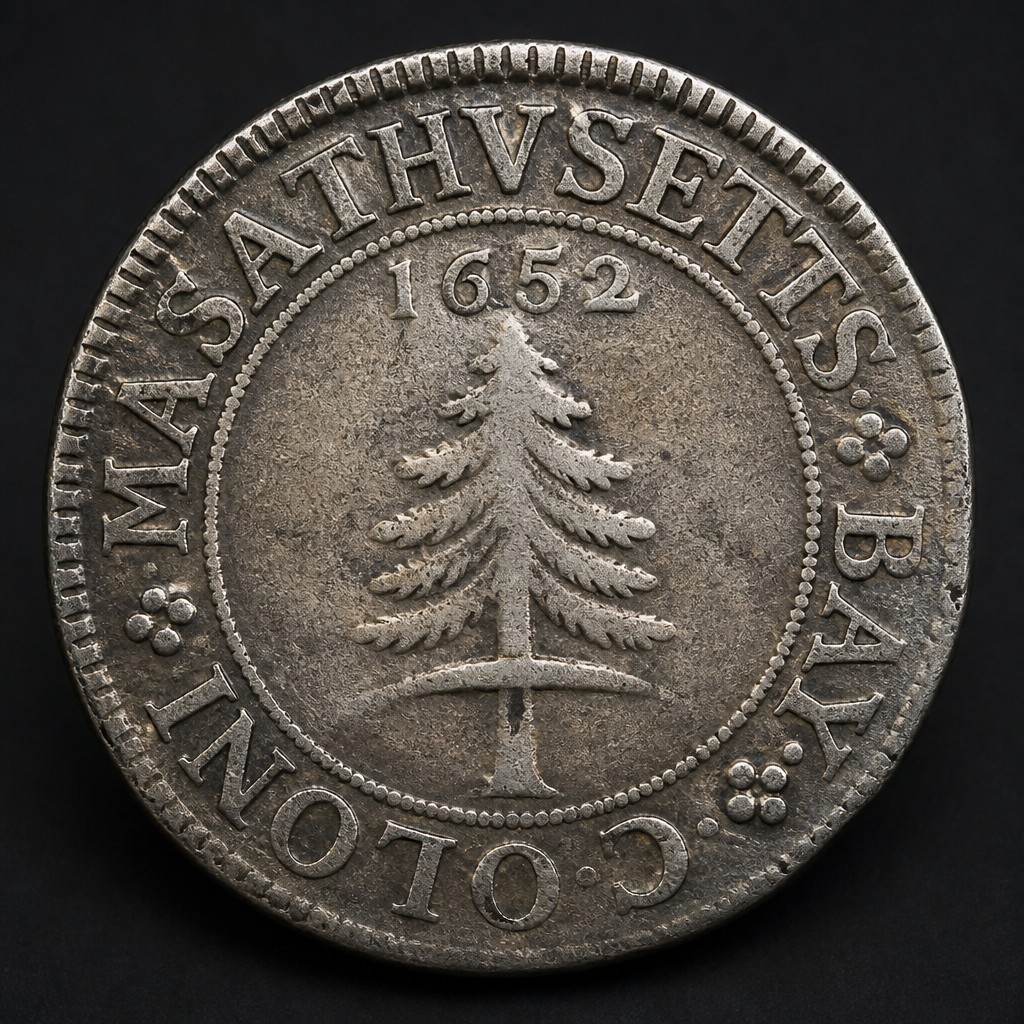
Pine Tree Shilling
Dated 1652, struck circa 1652–1682
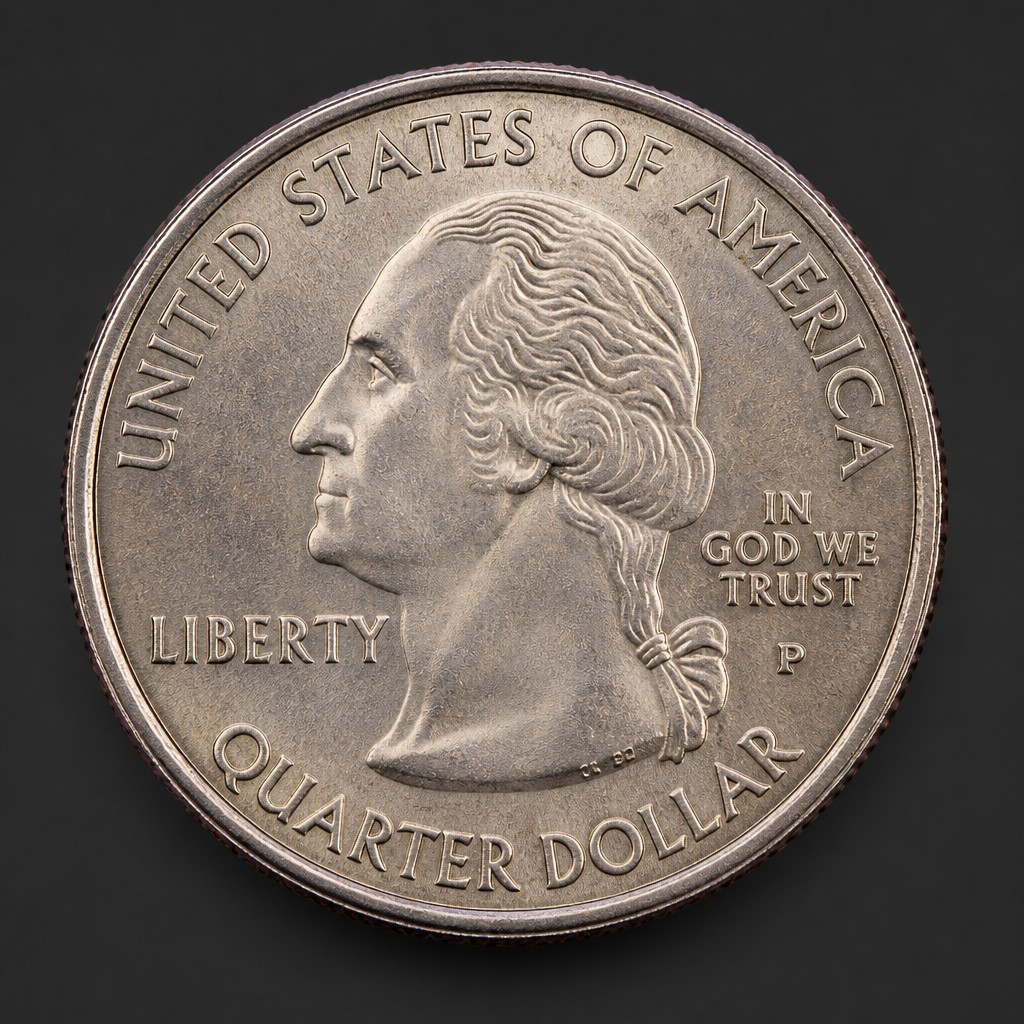
US State Quarters Series
1999-2008 (plus 2009 territories)
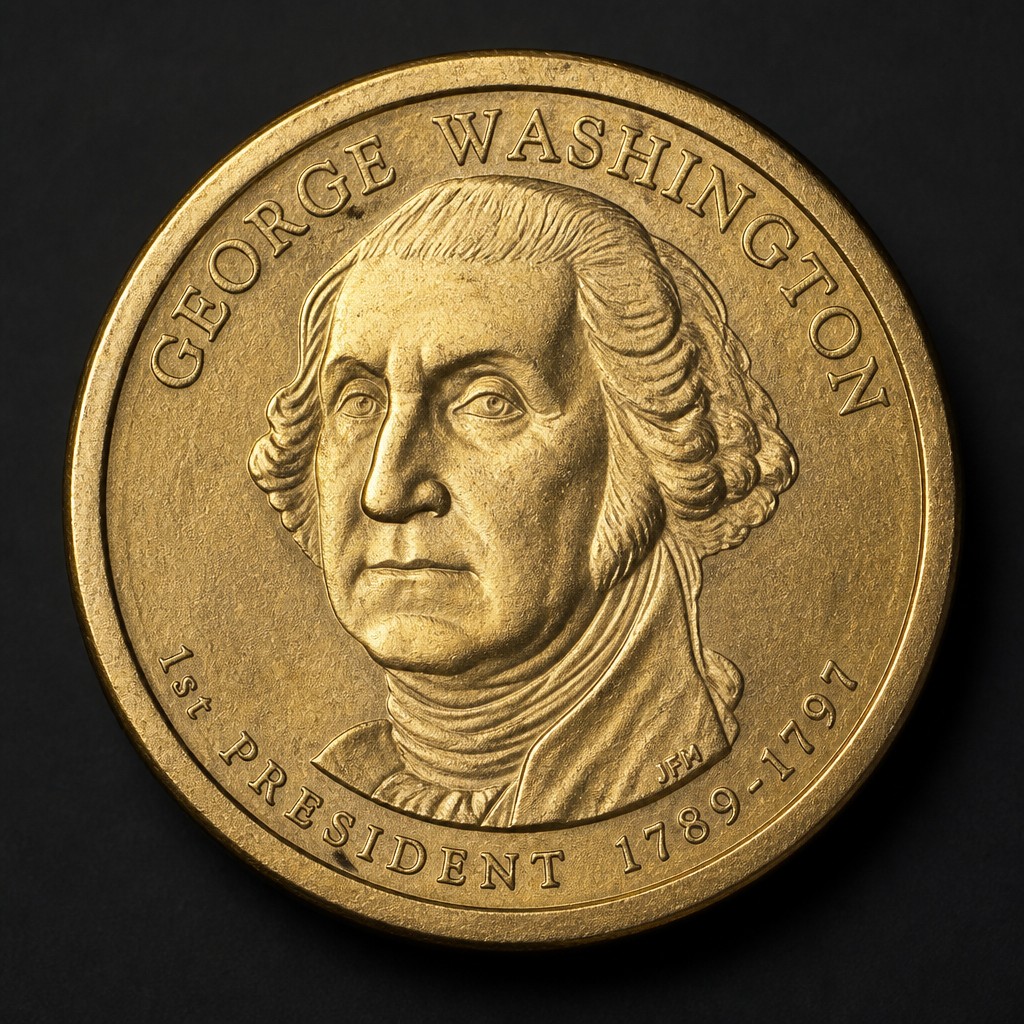
Presidential Dollar Series
2007-2016 (later special issues through 2020)
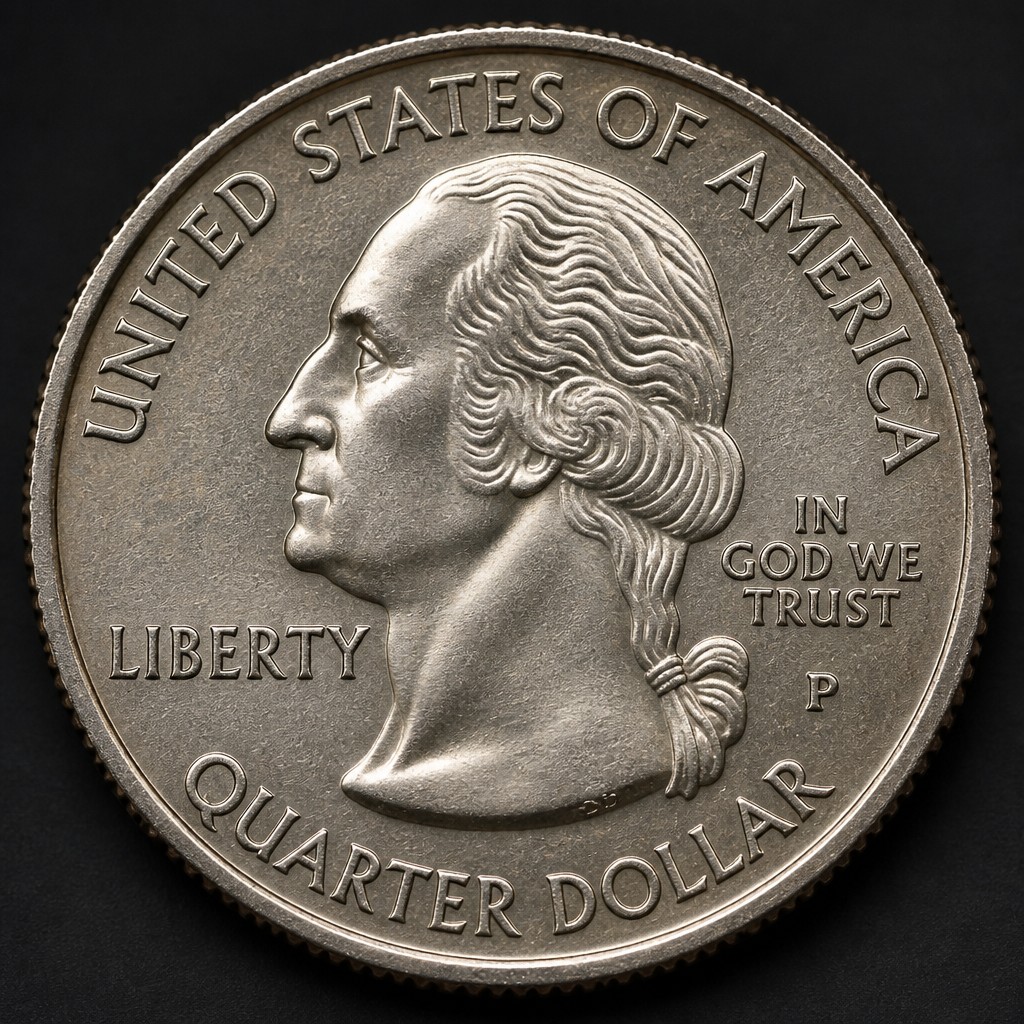
US America the Beautiful Quarters
2010-2021
US Peace Dollar
1921–1928, 1934–1935
US Bicentennial Quarter (1976)
1976 (dated 1776-1976)
US Morgan Dollar
1878–1904, 1921