
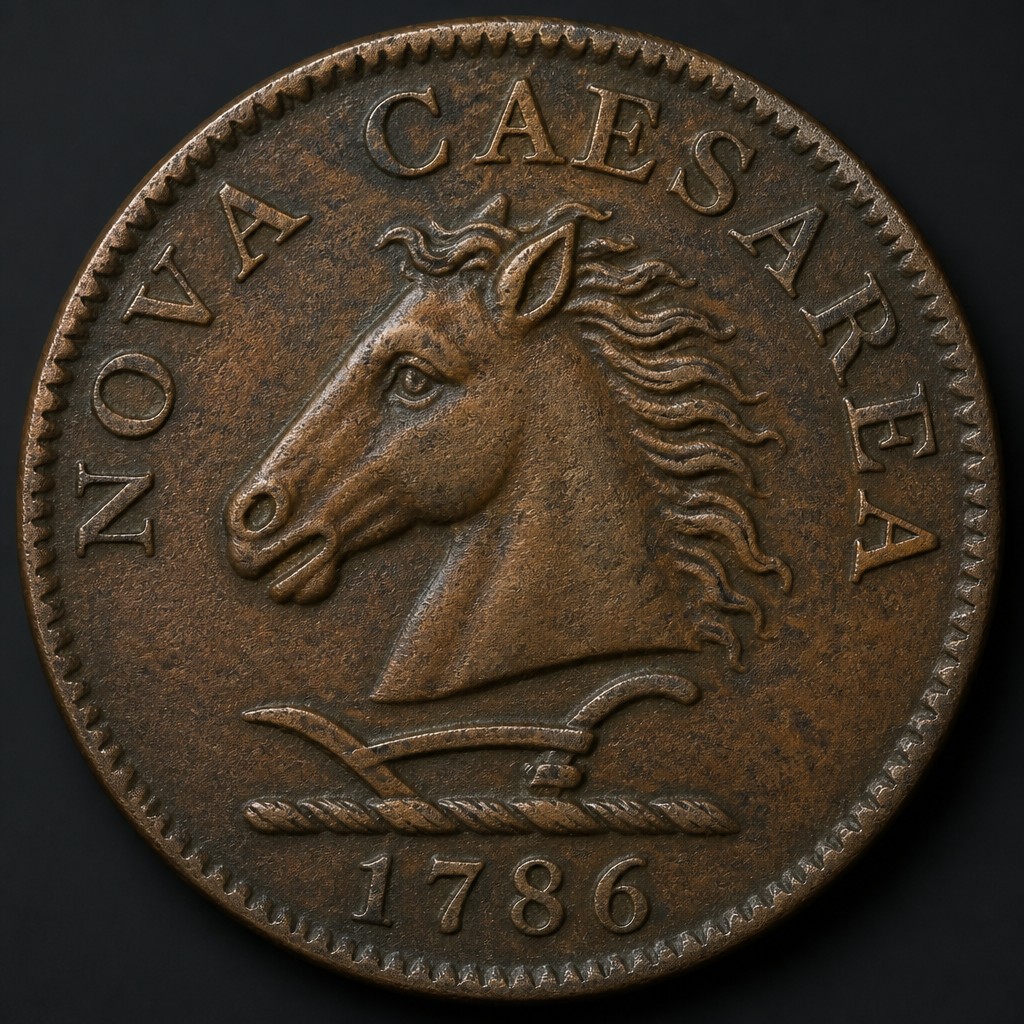
New Jersey Copper
State-authorized copper coinage struck for New Jersey in the late 1780s, famous for its horse-head-and-plow obverse and shield reverse design.
- Country
- United States (New Jersey, pre-federal)
- Denomination
- Copper (approximate value of one British halfpenny)
- Metal
- Copper
Got a coin like this?
Identify any coin from a photo, free.
Overview
New Jersey coppers were struck between 1786 and 1788 under state authorization granted to a group of private contractors, part of the broader wave of state coinage that emerged during the Confederation era to address America's chronic shortage of small change before a federal mint existed. New Jersey's series is one of the larger and more actively collected state copper issues.
Its design is distinctive and immediately recognizable: a horse's head above a plow on the obverse, paired with a heraldic shield on the reverse, symbolism thought to reflect New Jersey's agricultural character and, in the shield, allusions to the young nation's emerging identity, rather than imitating British coin themes as directly as some other state issues.
Like other 1780s state coppers, New Jersey's coinage exists in numerous cataloged die varieties, reflecting the multiple minting locations and die pairings used over the several years of authorized production, making the series a rewarding specialty for variety-focused colonial coin collectors.
History & Background
New Jersey's colonial assembly granted coinage rights in 1786 to a consortium including Thomas Goadsby, Albion Cox, and Walter Mould, authorizing them to strike copper coins to relieve the shortage of small denomination currency that plagued the state and its neighbors in the years following the Revolutionary War. Minting took place at facilities associated with Rahway and later Morristown, New Jersey.
The distinctive horse-head-and-plow obverse design is generally understood to reflect New Jersey's agricultural economy, while the reverse shield design, sometimes described as evoking the emerging United States shield motif, gave the coinage a visual identity distinct from state issues that more directly copied the British halfpenny's Britannia reverse.
Production continued through 1788, with disputes and financial difficulties among the various contractors contributing to the coinage's eventual end, as New Jersey's copper coinage authority lapsed ahead of the establishment of a national mint under the Coinage Act of 1792, after which state coppers generally were phased out of circulation.
How to Identify
The obverse of the New Jersey copper depicts a horse's head facing right above a plow, with the legend "NOVA CAESAREA" (New Jersey's Latin name) around the border and the date below. The reverse shows a heraldic shield with vertical and horizontal bars, with the legend "E PLURIBUS UNUM" (out of many, one), an early appearance of a motto that would later become closely associated with official United States coinage and the Great Seal.
The coin is copper, sized similarly to a British halfpenny, and struck using period screw press technology; strike quality and centering vary across the many die pairings used throughout the several years and multiple minting locations involved in the series' production.
Collectors identify specific New Jersey copper varieties by differences in the plow's design details, the shield's exact bar arrangement, and minor legend or date variations; because the series includes both common, affordable varieties and much scarcer die combinations, careful attribution using a specialized reference is important before assessing a given coin's rarity and value.
Value & Collectibility
New Jersey coppers vary widely in value depending on die variety and condition, similar to other major state copper series; common varieties are relatively accessible to collectors, while certain rarer die combinations, some known from only a small number of surviving examples, command significant premiums.
As with all circulated 1780s coppers, condition strongly affects desirability, with well-struck, well-centered, and lightly worn examples valued considerably higher than typical specimens showing heavy wear, porosity, or corrosion from centuries of handling and burial finds.
Typical common-variety New Jersey coppers in average circulated grades are available to collectors at moderate prices, often in the low hundreds of dollars, while rare varieties or exceptional high-grade pieces can reach into the thousands of dollars, particularly when certified by a recognized colonial coin authentication service.
Frequently asked questions
Why does a New Jersey copper show E PLURIBUS UNUM?
It is an early appearance of the motto that later became closely associated with official United States coinage and the Great Seal, though its use here predates that formal federal adoption.
What does the horse and plow represent?
The imagery is generally understood to reflect New Jersey's agricultural economy at the time.
Who authorized this coinage?
New Jersey's colonial assembly granted minting rights in 1786 to a group of contractors including Thomas Goadsby, Albion Cox, and Walter Mould.
Where were New Jersey coppers struck?
Production took place at facilities associated with Rahway and later Morristown, New Jersey.
Other coins you may enjoy
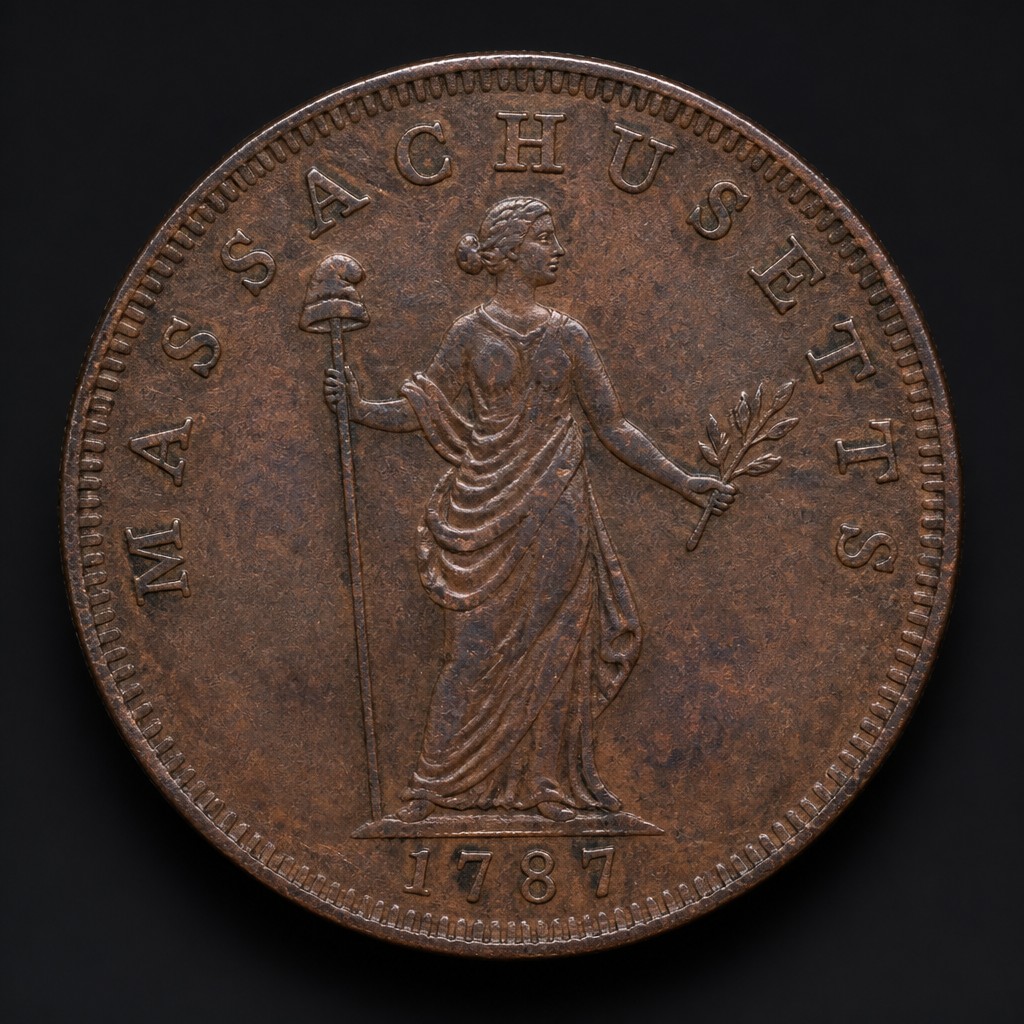
Massachusetts Cent (1787-1788)
1787–1788
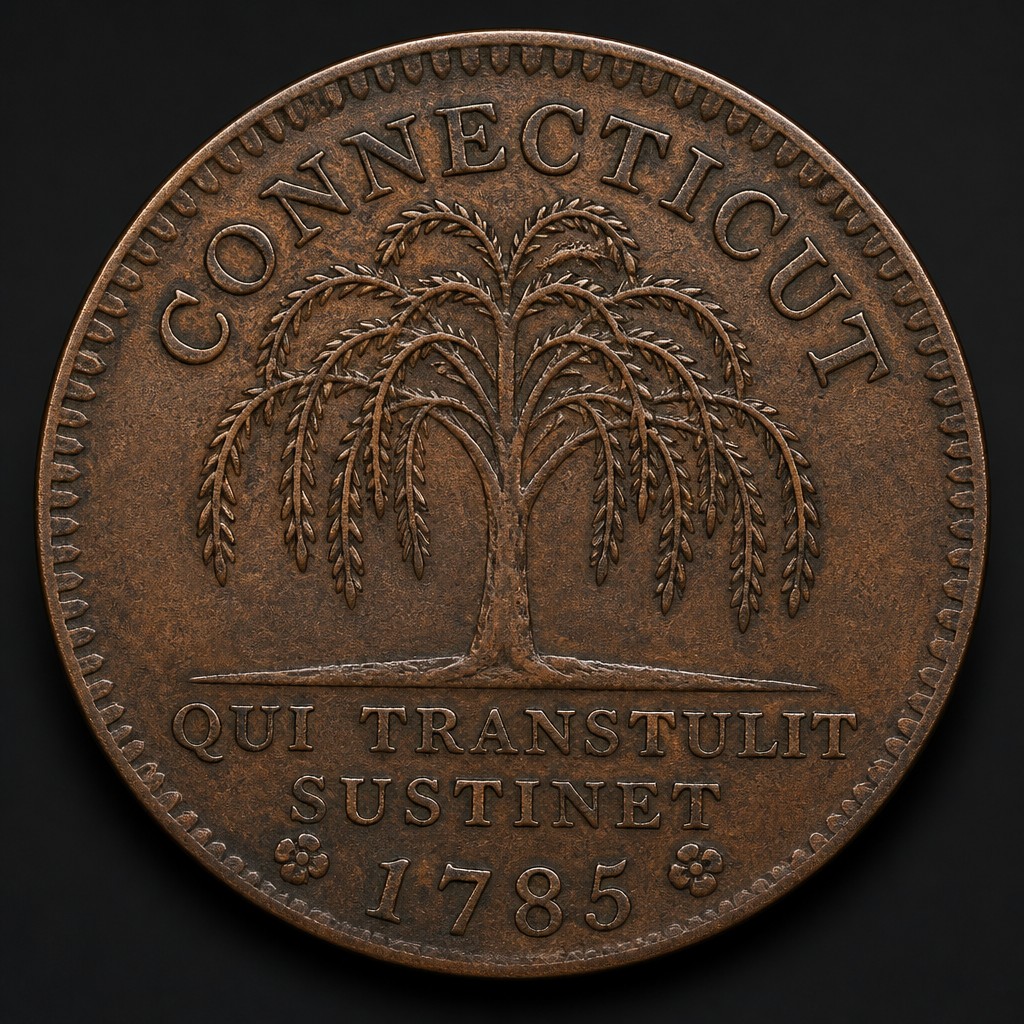
Connecticut Copper
1785–1788
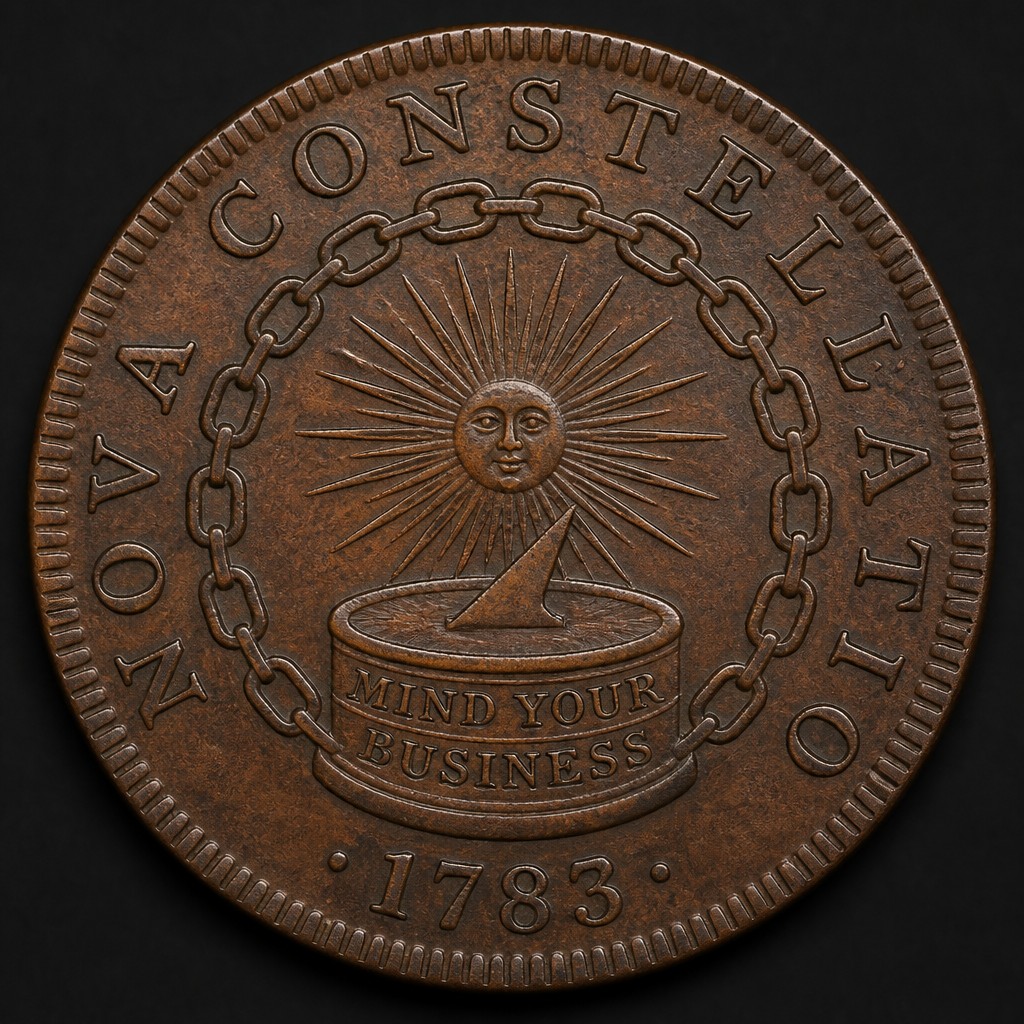
Nova Constellatio Copper
1783–1785
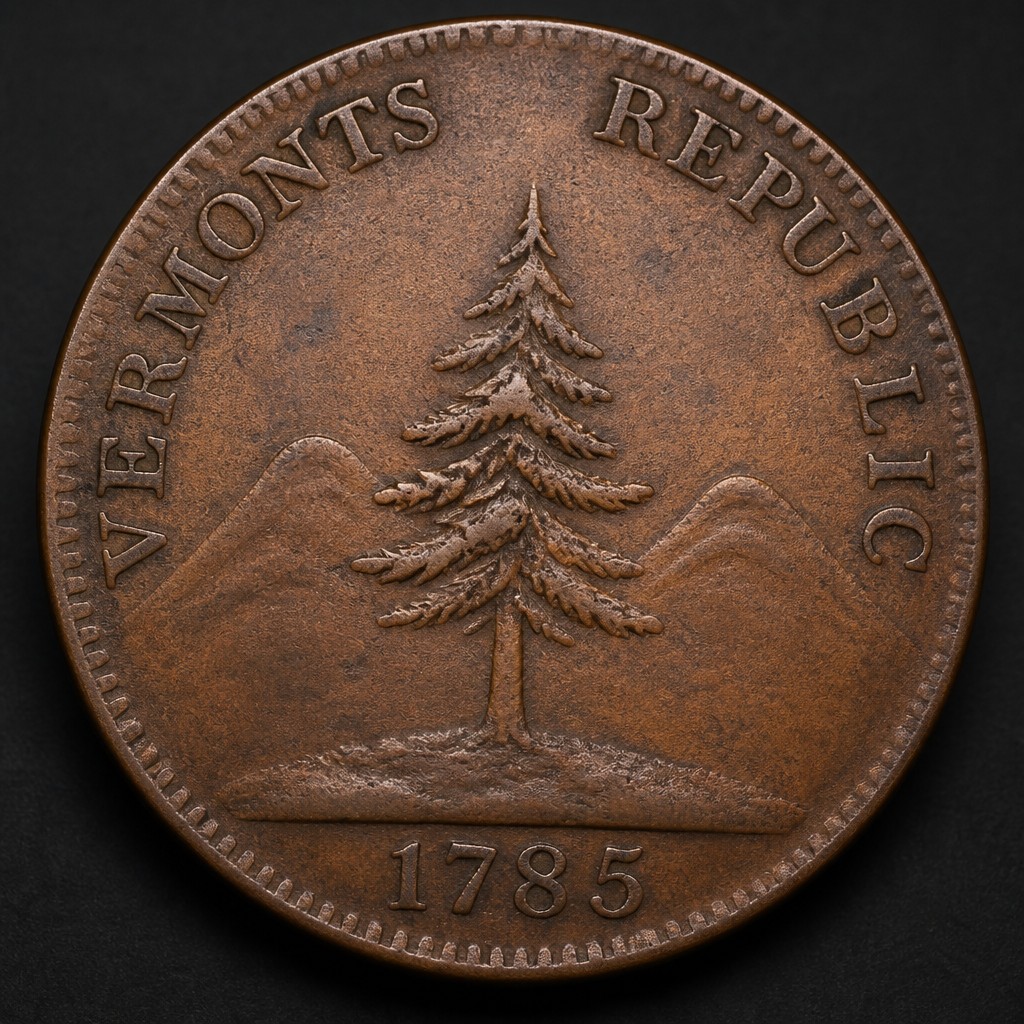
Vermont Copper
1785–1788
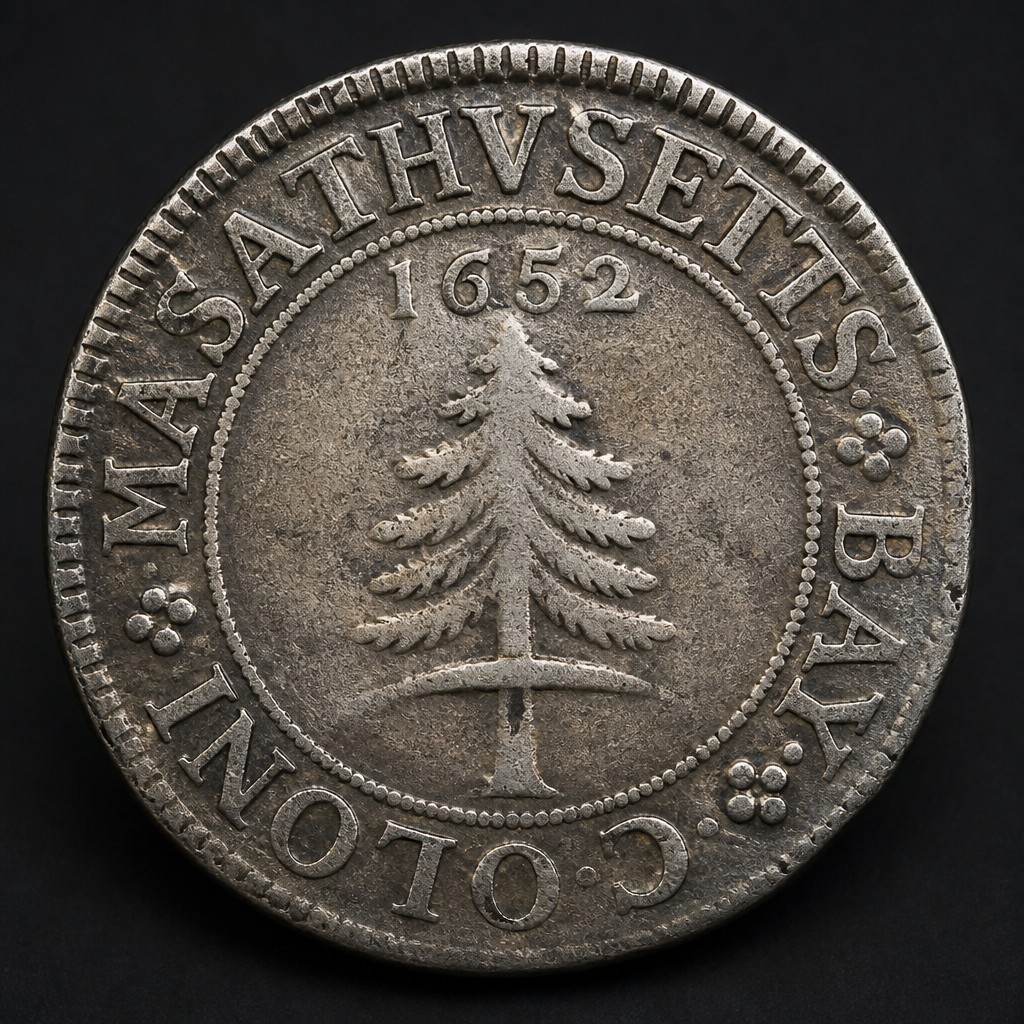
Pine Tree Shilling
Dated 1652, struck circa 1652–1682
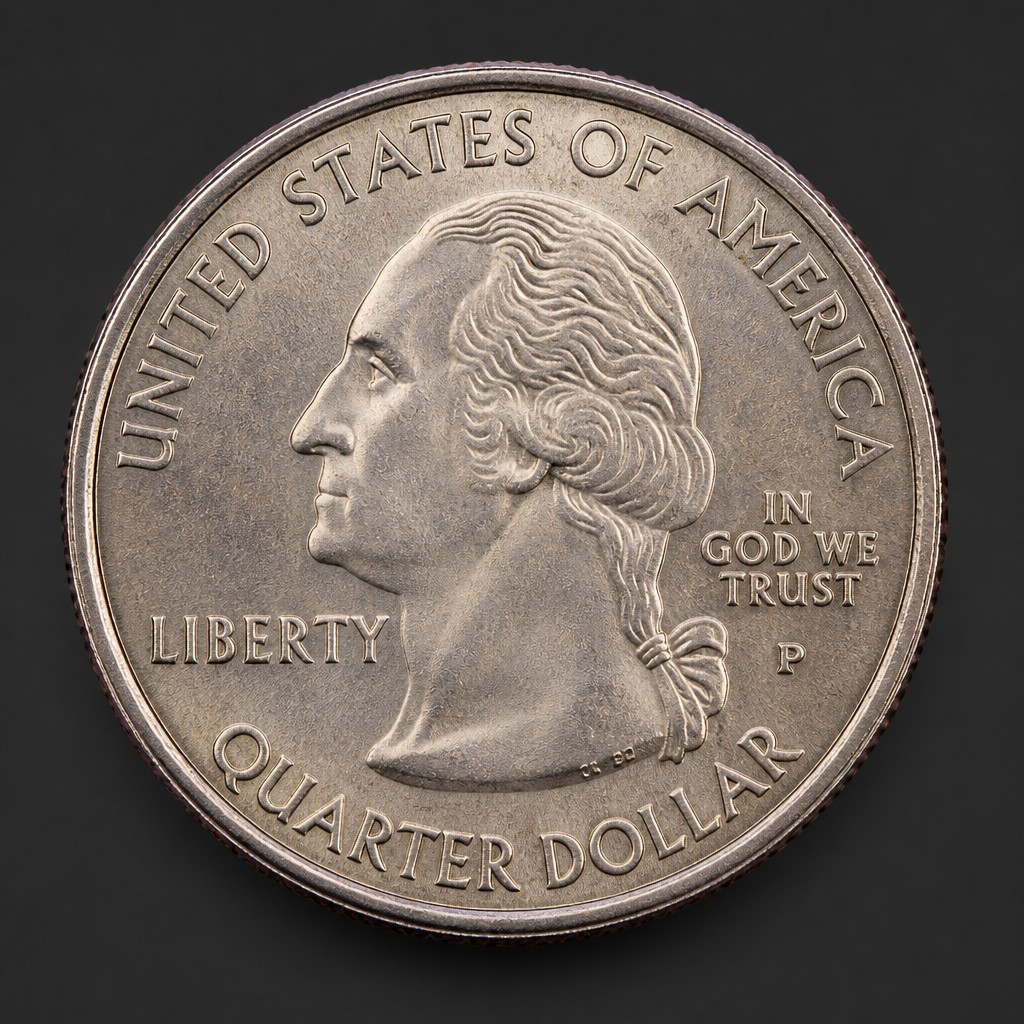
US State Quarters Series
1999-2008 (plus 2009 territories)
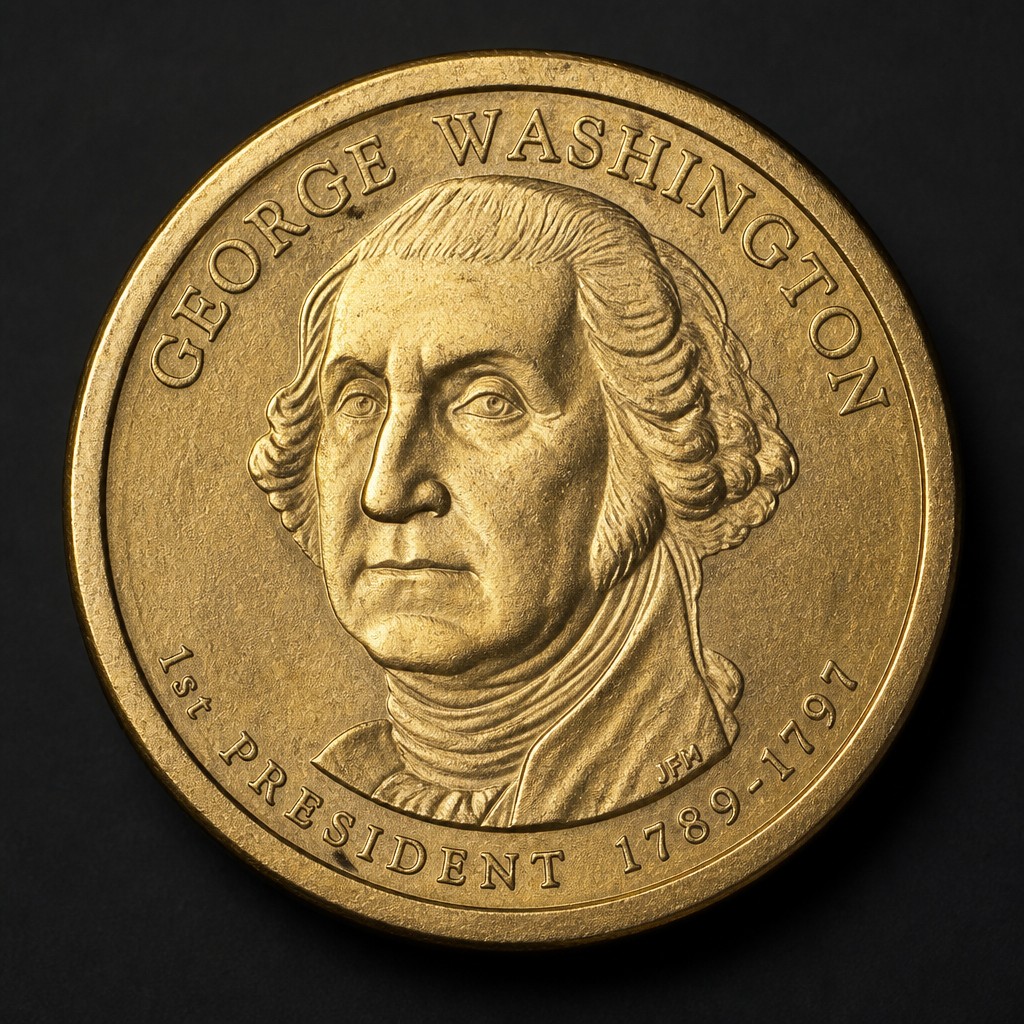
Presidential Dollar Series
2007-2016 (later special issues through 2020)
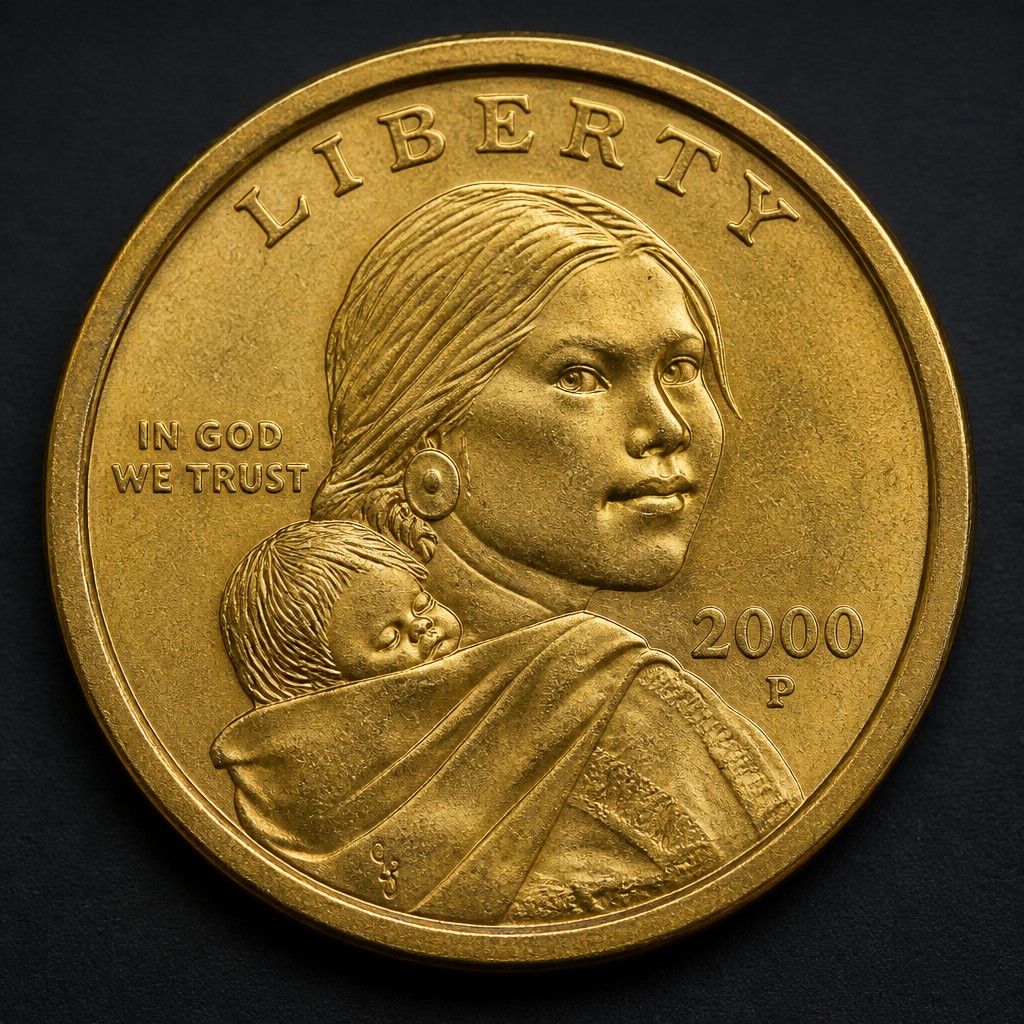
Sacagawea Golden Dollar
2000-present (reverse changed to Native American series in 2009)
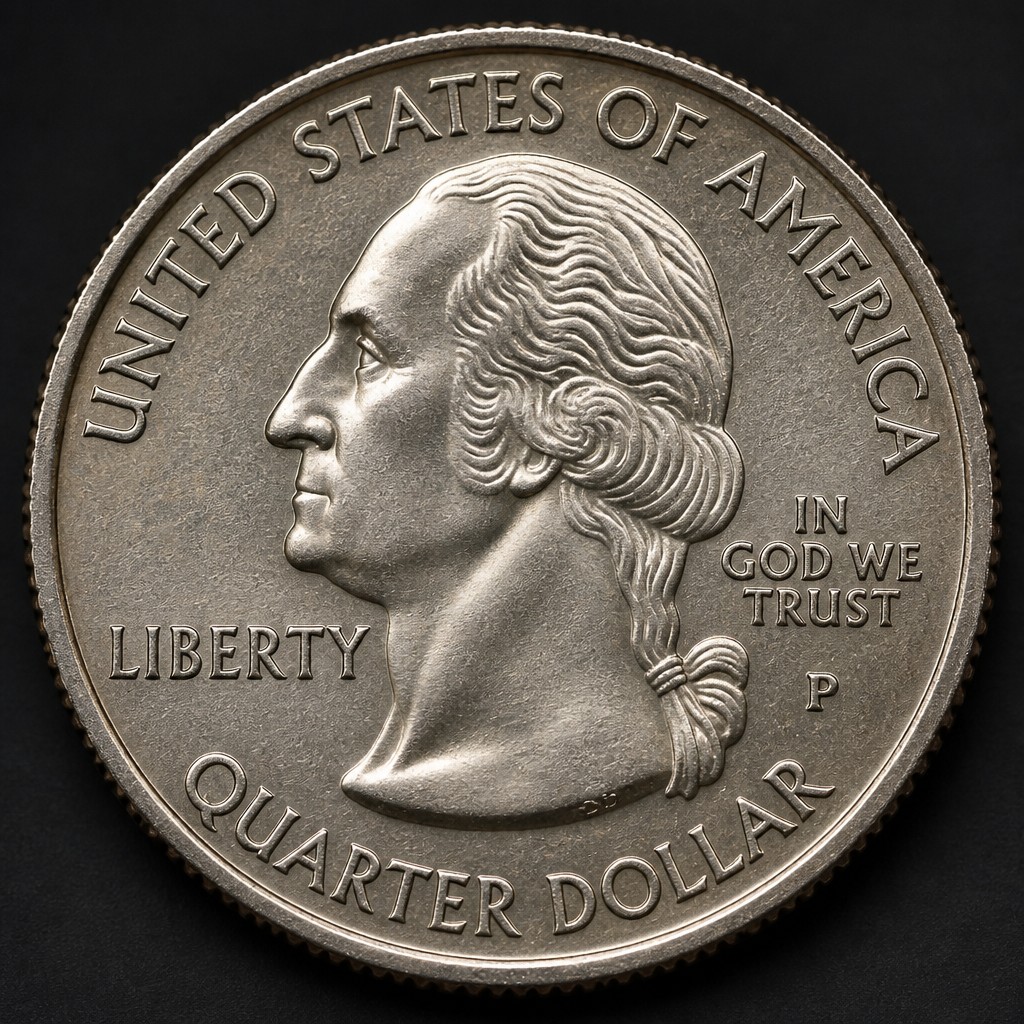
US America the Beautiful Quarters
2010-2021
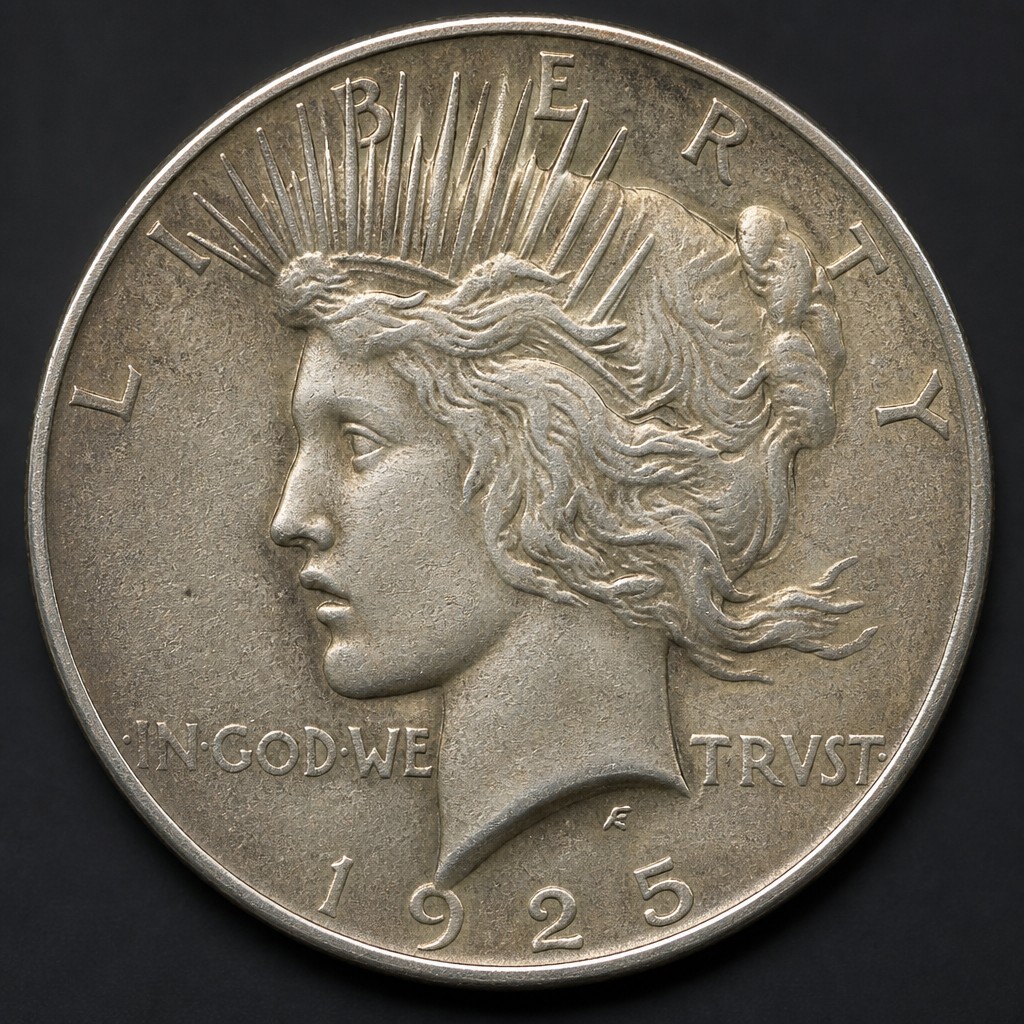
US Peace Dollar
1921–1928, 1934–1935
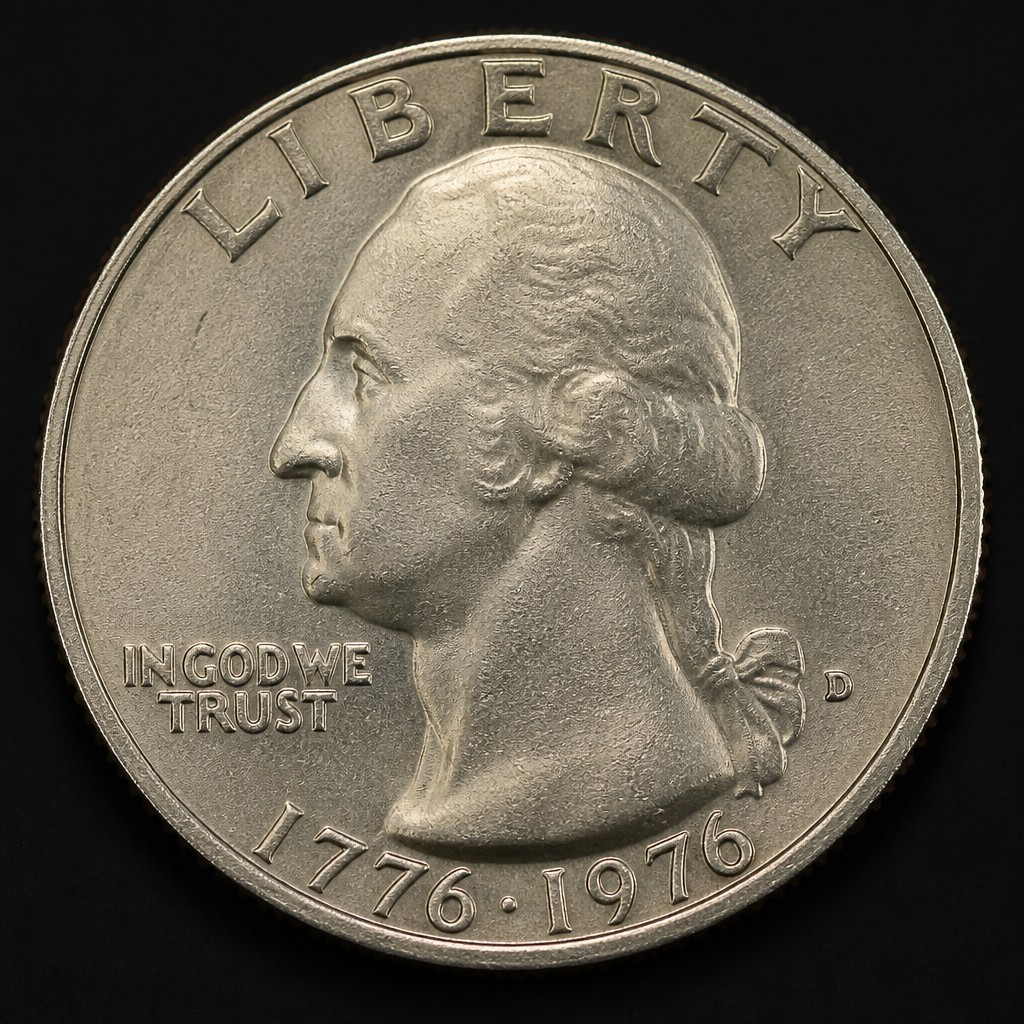
US Bicentennial Quarter (1976)
1976 (dated 1776-1976)
US Morgan Dollar
1878–1904, 1921