
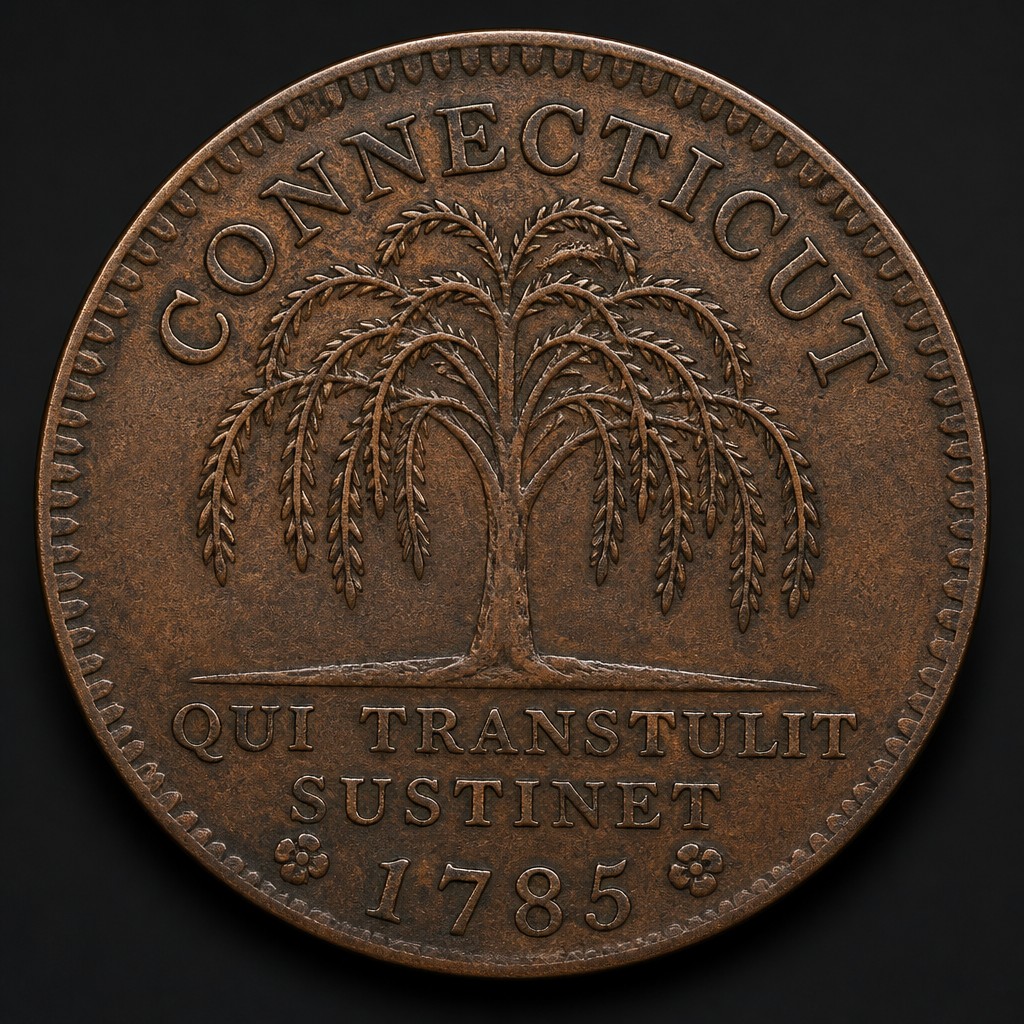
Connecticut Copper
State-authorized copper coinage struck for Connecticut in the mid-1780s, featuring a bust obverse and seated Liberty reverse across numerous die varieties.
- Country
- United States (Connecticut, pre-federal)
- Denomination
- Copper (approximate value of one British halfpenny)
- Metal
- Copper
Got a coin like this?
Identify any coin from a photo, free.
Overview
Connecticut coppers were struck under state authorization between 1785 and 1788, during the chaotic post-Revolutionary War period when the young United States lacked a unified federal coinage system and individual states granted contracts to private minters to supply desperately needed small change. Connecticut's issue is one of the largest and most varied of the state coppers, known for an enormous number of die varieties.
The coins generally feature a laureate or armored bust facing left or right on the obverse, depending on the specific die pairing, with a seated figure of Liberty holding a branch and staff topped with a liberty cap on the reverse, echoing British halfpenny design conventions of the period, which made the coins easier for the public to accept as small change.
Because dozens of different obverse and reverse dies were used and combined in Connecticut's several years of coinage, specialists have cataloged the series extensively by die variety, making Connecticut coppers a popular and deeply studied specialty within early American numismatics.
History & Background
In the mid-1780s, the Confederation Congress lacked the authority and resources to strike sufficient federal coinage, leaving individual states to authorize their own copper coin contracts to relieve chronic shortages of small change. Connecticut granted such authority to a group of private contractors, resulting in coinage struck at various mints, most notably associated with figures such as Samuel Bishop, Joseph Hopkins, James Hillhouse, and John Goodrich in the New Haven area.
The coins were modeled loosely on the British halfpenny both in size and general design theme, a deliberate choice intended to help the new coppers pass more readily in commerce alongside the British and counterfeit halfpence that still circulated widely in America at the time.
As with other state coppers, Connecticut's coinage became obsolete once the U.S. Mint began producing federal copper cents in 1793, and the state coppers were gradually withdrawn from circulation, though they remained studied and collected as important artifacts of the transitional period between colonial and federal American coinage.
How to Identify
The obverse of most Connecticut coppers shows a laureate or armored draped bust in profile, facing either left or right depending on the die, with a Latin legend such as "AUCTORI CONNEC" (by authority of Connecticut) around the border. The reverse depicts a seated female figure representing Liberty, holding an olive branch and a staff topped with a liberty cap, with the legend "INDE ET LIB" (independence and liberty) and the date.
The coins are copper, roughly the size and weight of a British halfpenny of the period, and were struck using contemporary screw press technology, resulting in generally decent, though sometimes uneven, striking quality compared to the cruder colonial-era hand-struck coinage that preceded federal coinage.
Because Connecticut coppers exist in a very large number of cataloged die varieties distinguished by subtle differences in bust style, legend spacing, and date numeral style, precise identification typically requires comparison against a specialized reference guide; some varieties are common and inexpensive while others are extremely rare, so variety attribution significantly affects value.
Value & Collectibility
Connecticut coppers vary enormously in value depending on die variety, since the series includes both common types readily available to beginning collectors and extremely rare die combinations known from only a handful of surviving examples, making variety attribution essential before assessing value.
Condition also plays a major role, as with all colonial coppers, since these coins circulated heavily and most surviving examples show significant wear; well-struck, attractive examples with good detail command notable premiums over typical worn, porous, or corroded specimens.
Common Connecticut copper varieties in average circulated grades are relatively affordable and accessible to collectors, often in the lower hundreds of dollars or less, while rare varieties or exceptional condition examples can bring prices into the thousands or more, particularly for pieces certified and attributed by recognized colonial coin specialists.
Frequently asked questions
Why does the reverse say 'INDE ET LIB'?
It is Latin for 'independence and liberty,' reflecting the newly independent United States' post-Revolutionary identity.
Why are there so many varieties of Connecticut coppers?
Multiple private contractors and mints produced the coinage over several years using numerous different obverse and reverse dies, which were combined in many different pairings.
Why do the coins resemble British halfpennies?
They were sized and styled similarly so the public would readily accept them as small change alongside circulating British and counterfeit halfpence.
When did Connecticut coppers stop being used?
They gradually fell out of circulation after the U.S. Mint began striking federal copper cents starting in 1793.
Other coins you may enjoy
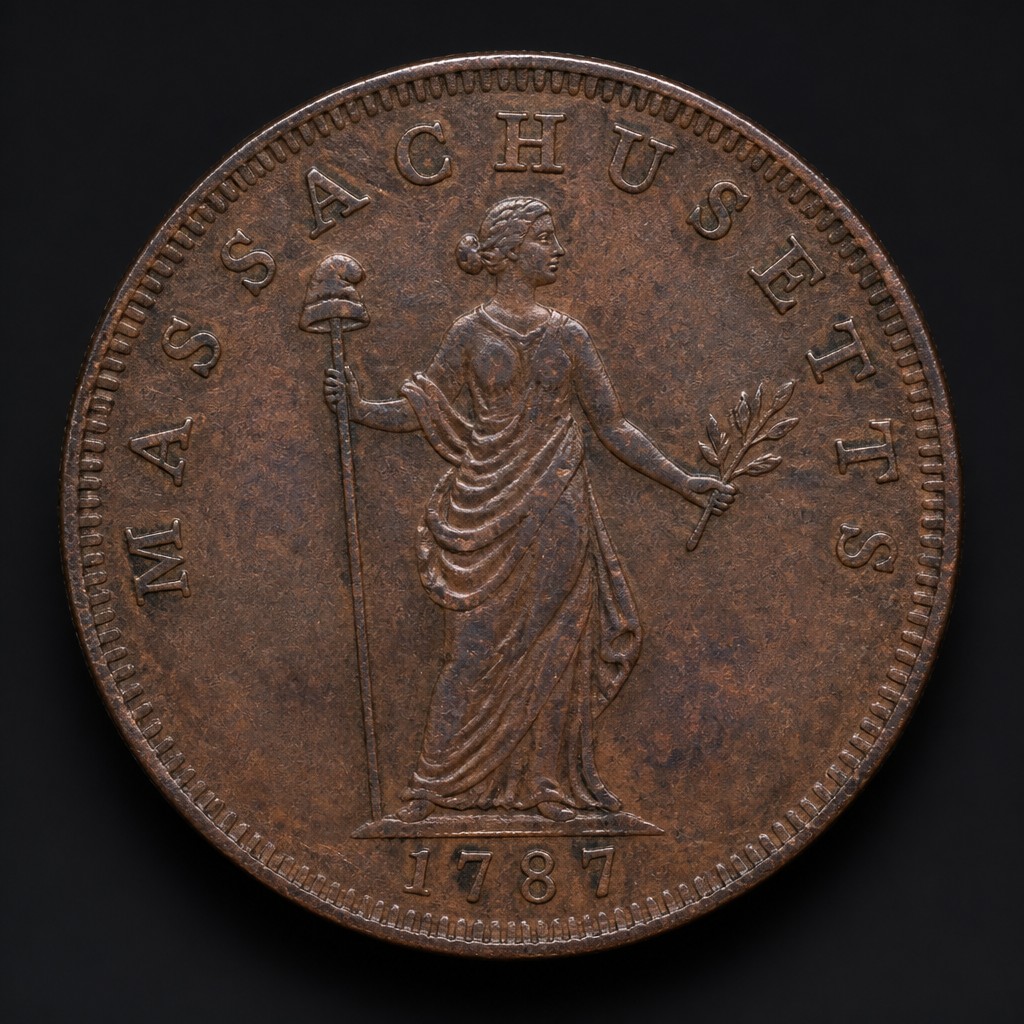
Massachusetts Cent (1787-1788)
1787–1788
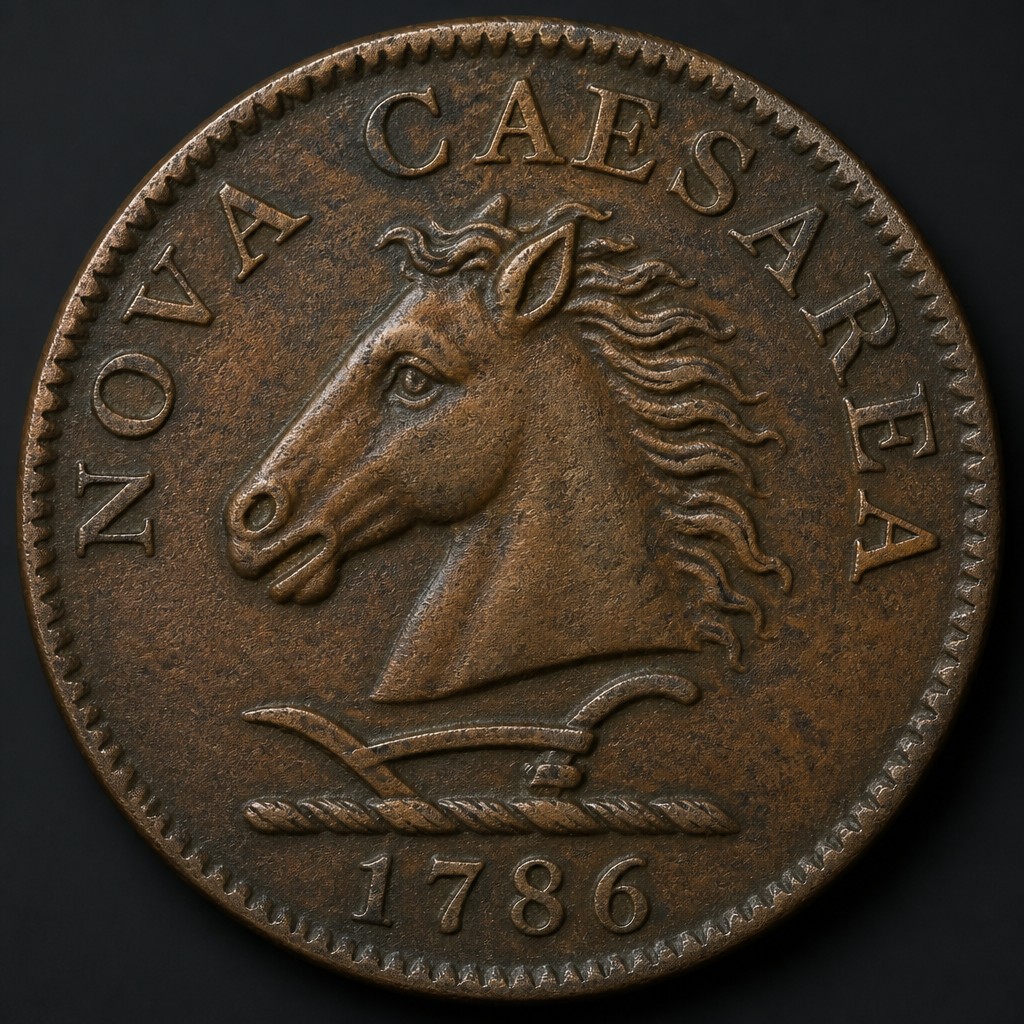
New Jersey Copper
1786–1788
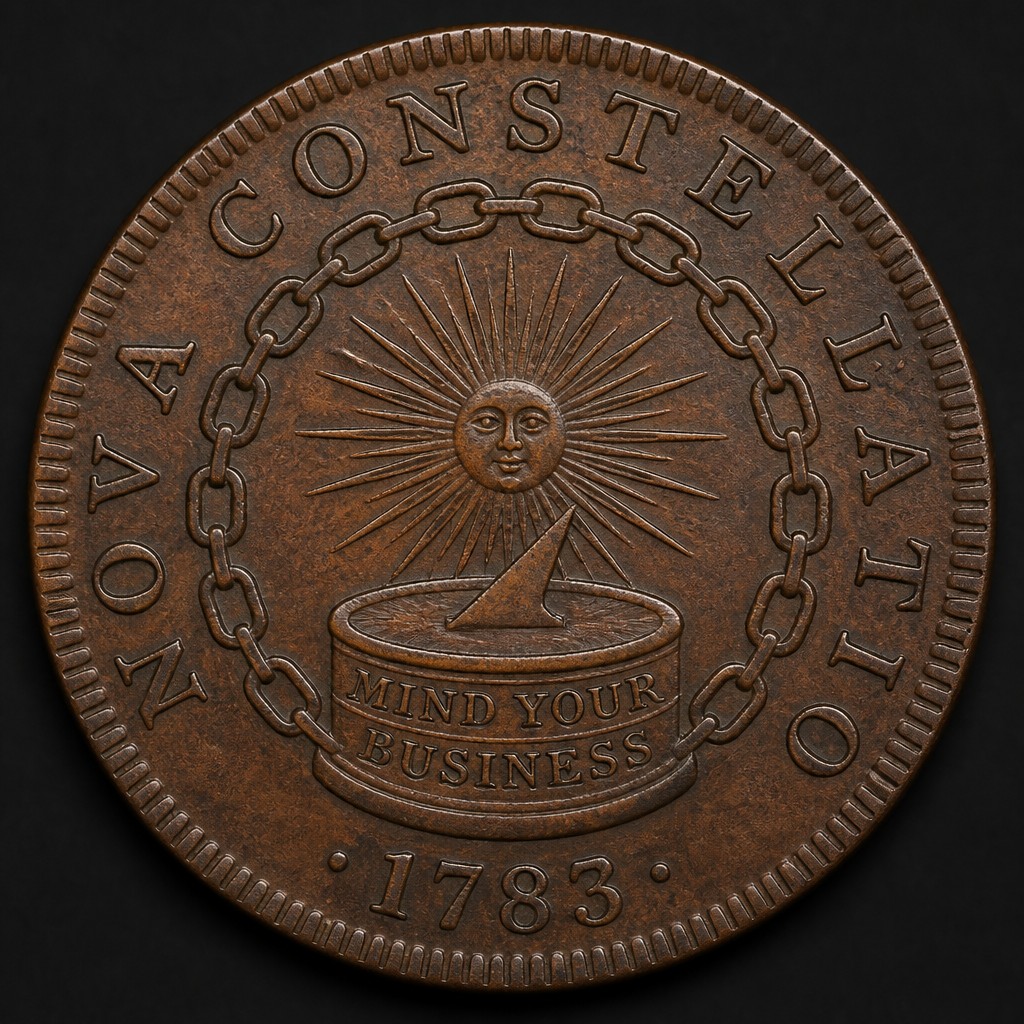
Nova Constellatio Copper
1783–1785
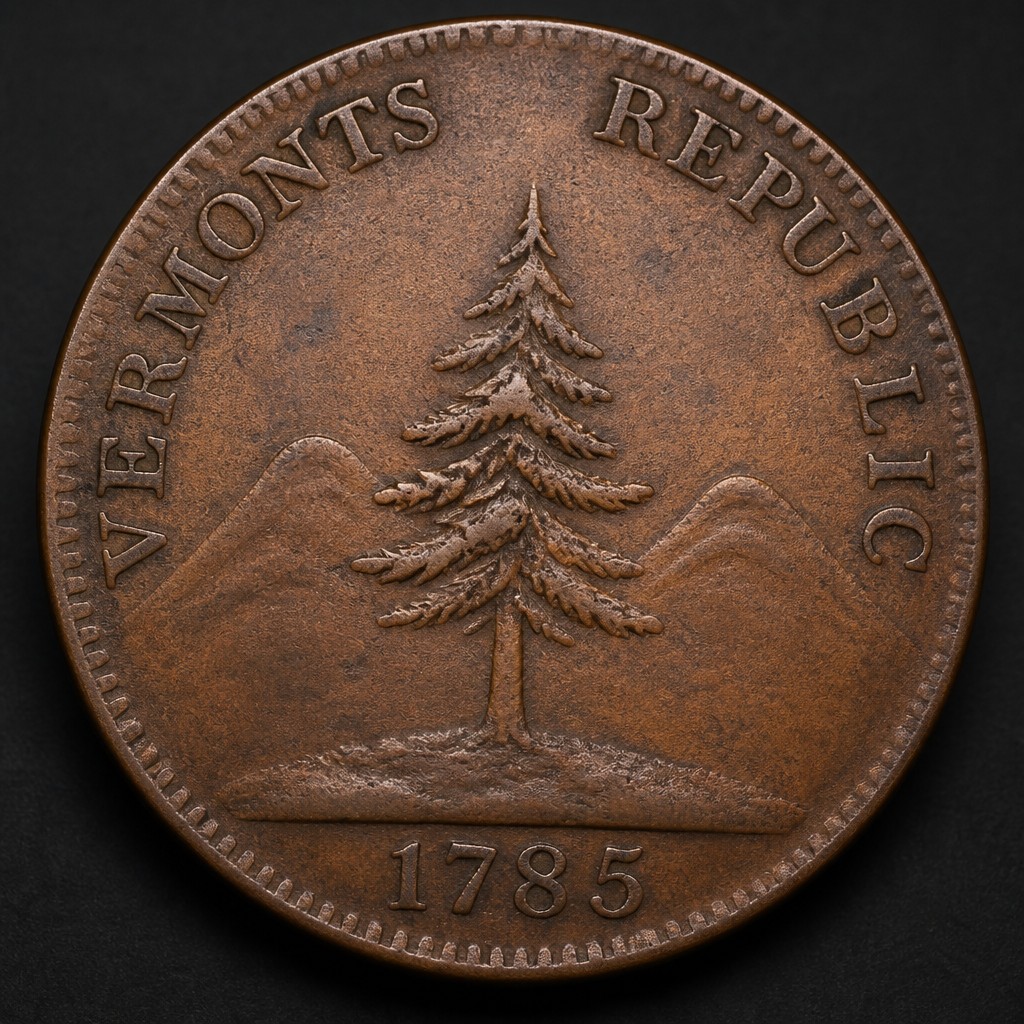
Vermont Copper
1785–1788
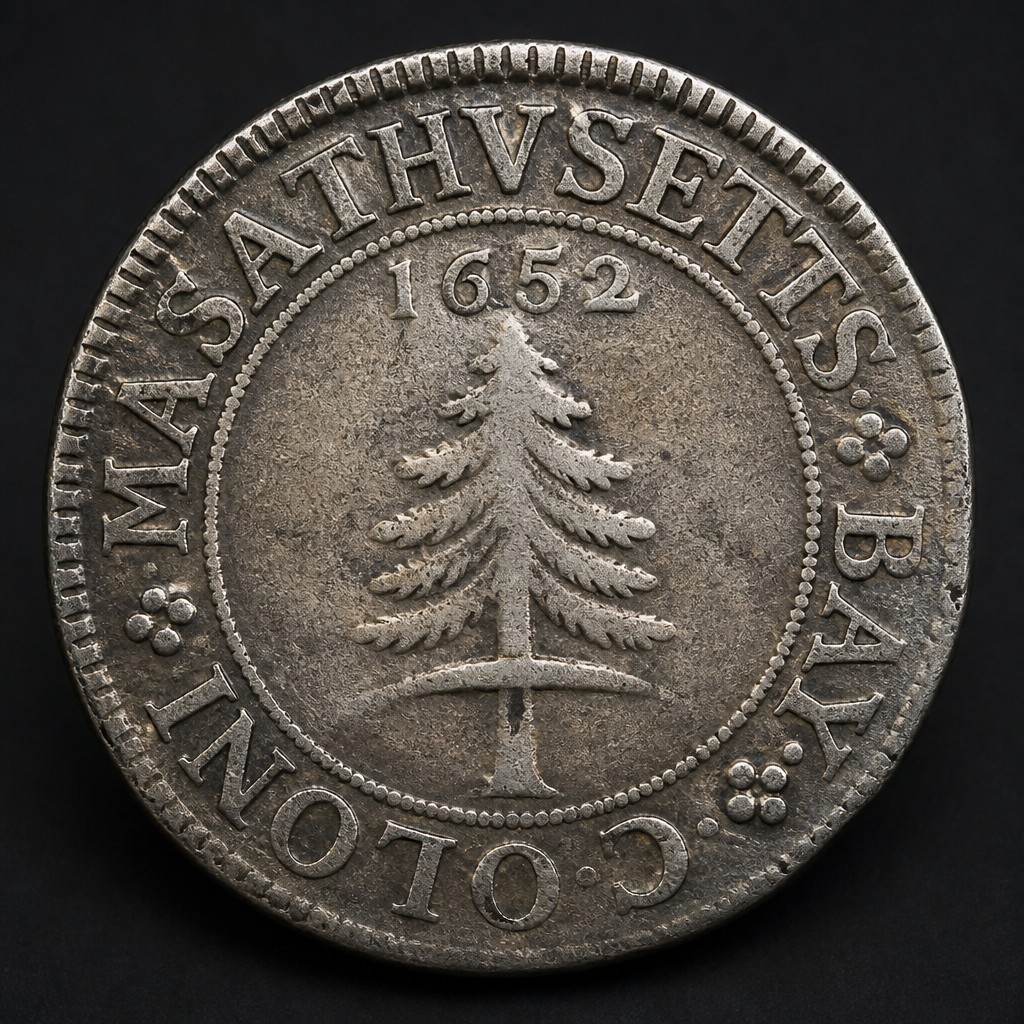
Pine Tree Shilling
Dated 1652, struck circa 1652–1682
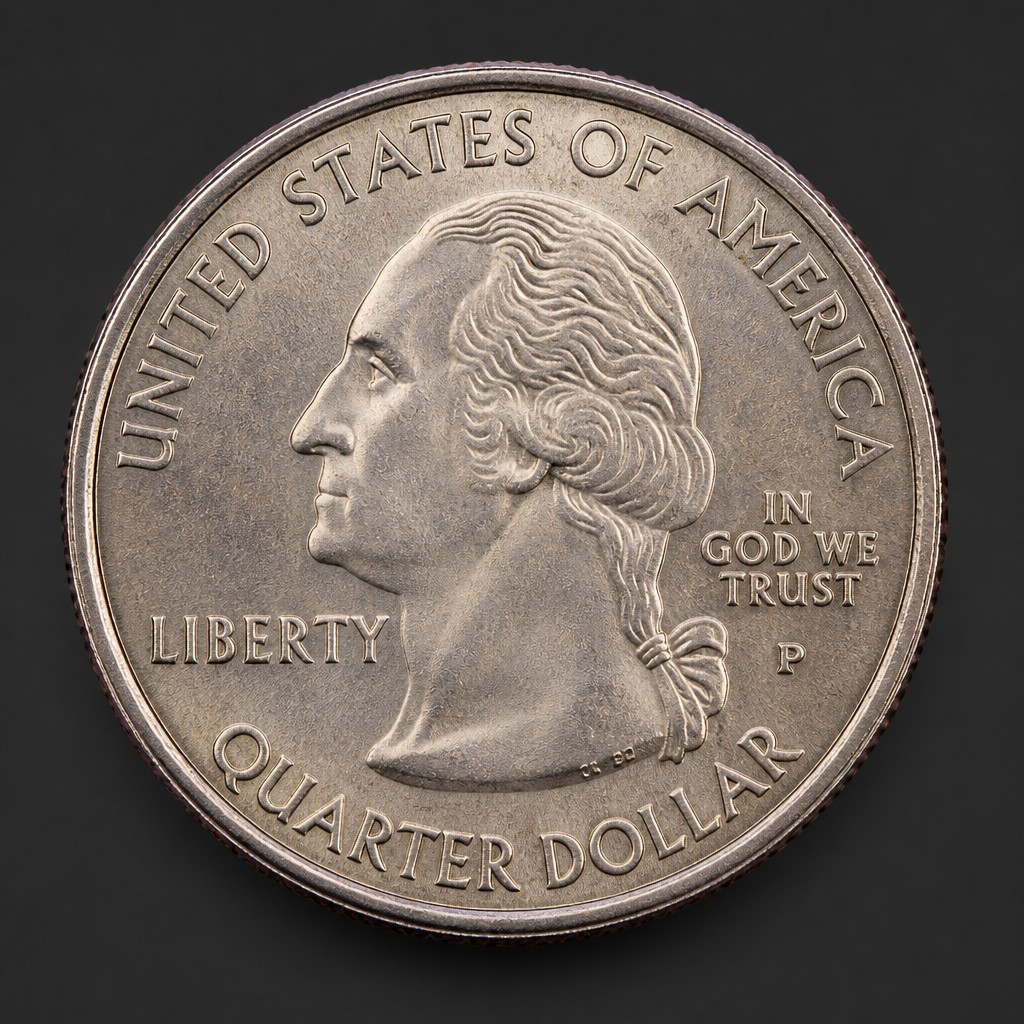
US State Quarters Series
1999-2008 (plus 2009 territories)
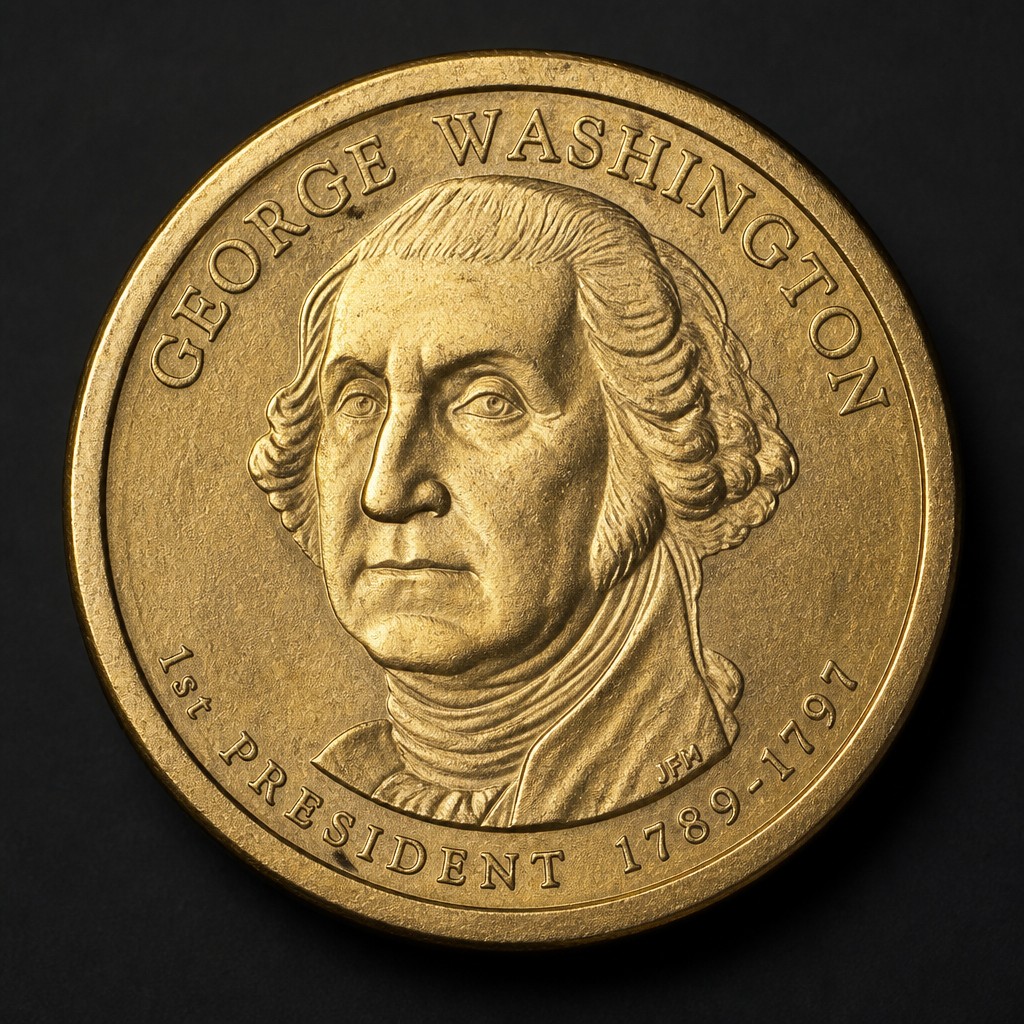
Presidential Dollar Series
2007-2016 (later special issues through 2020)
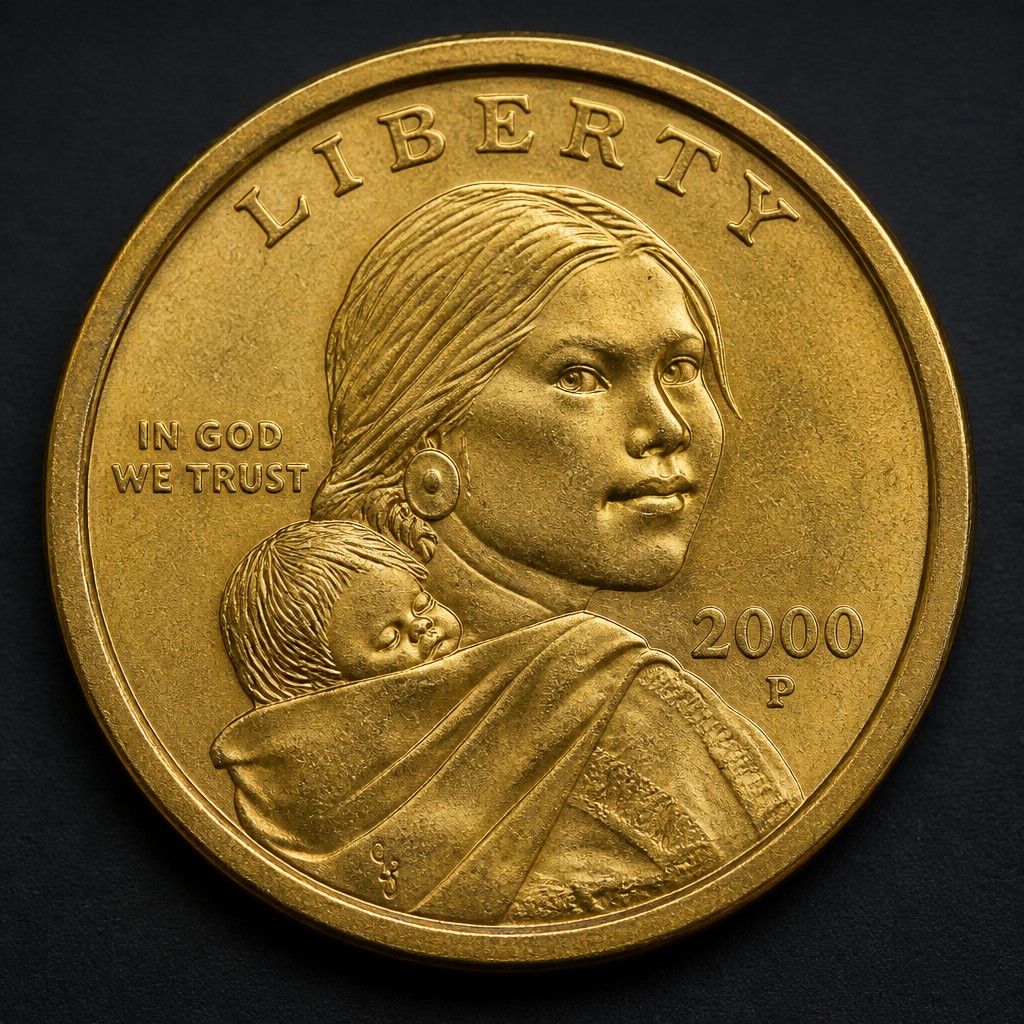
Sacagawea Golden Dollar
2000-present (reverse changed to Native American series in 2009)
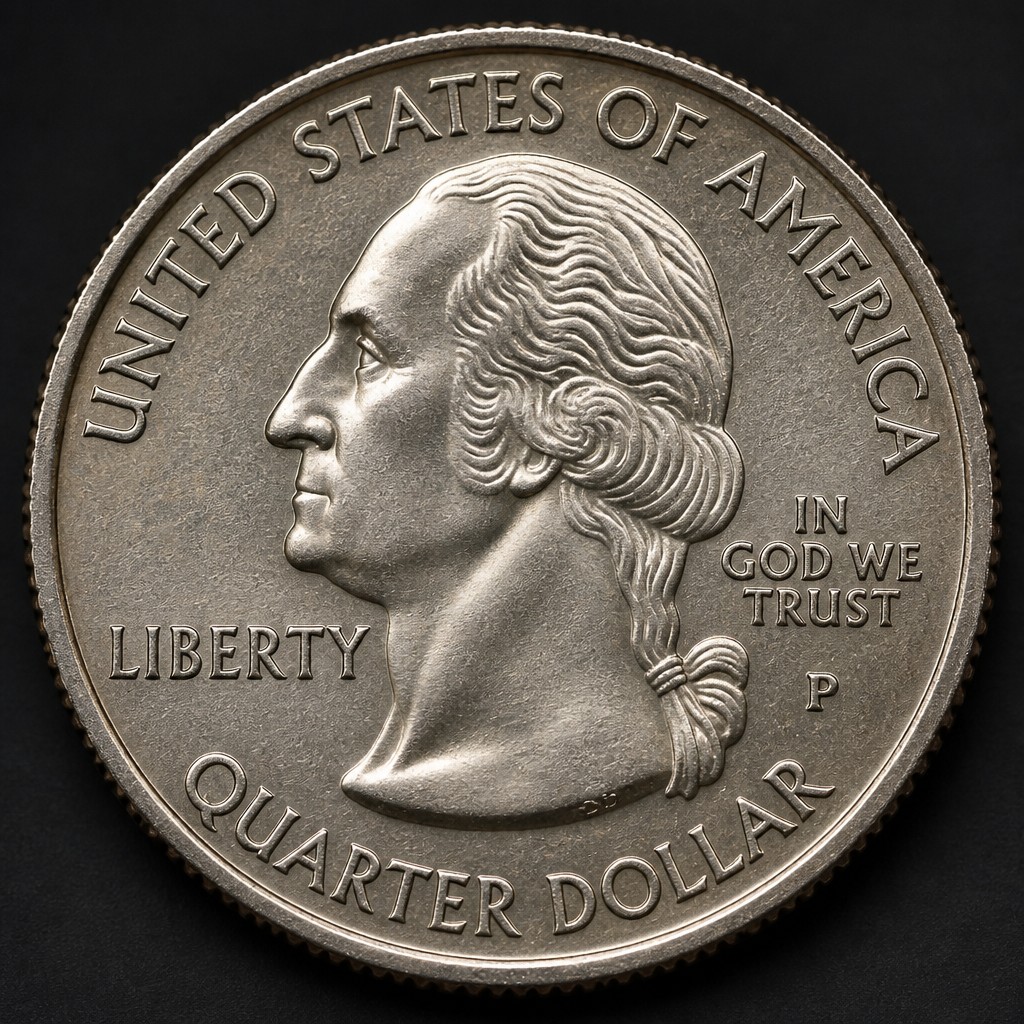
US America the Beautiful Quarters
2010-2021
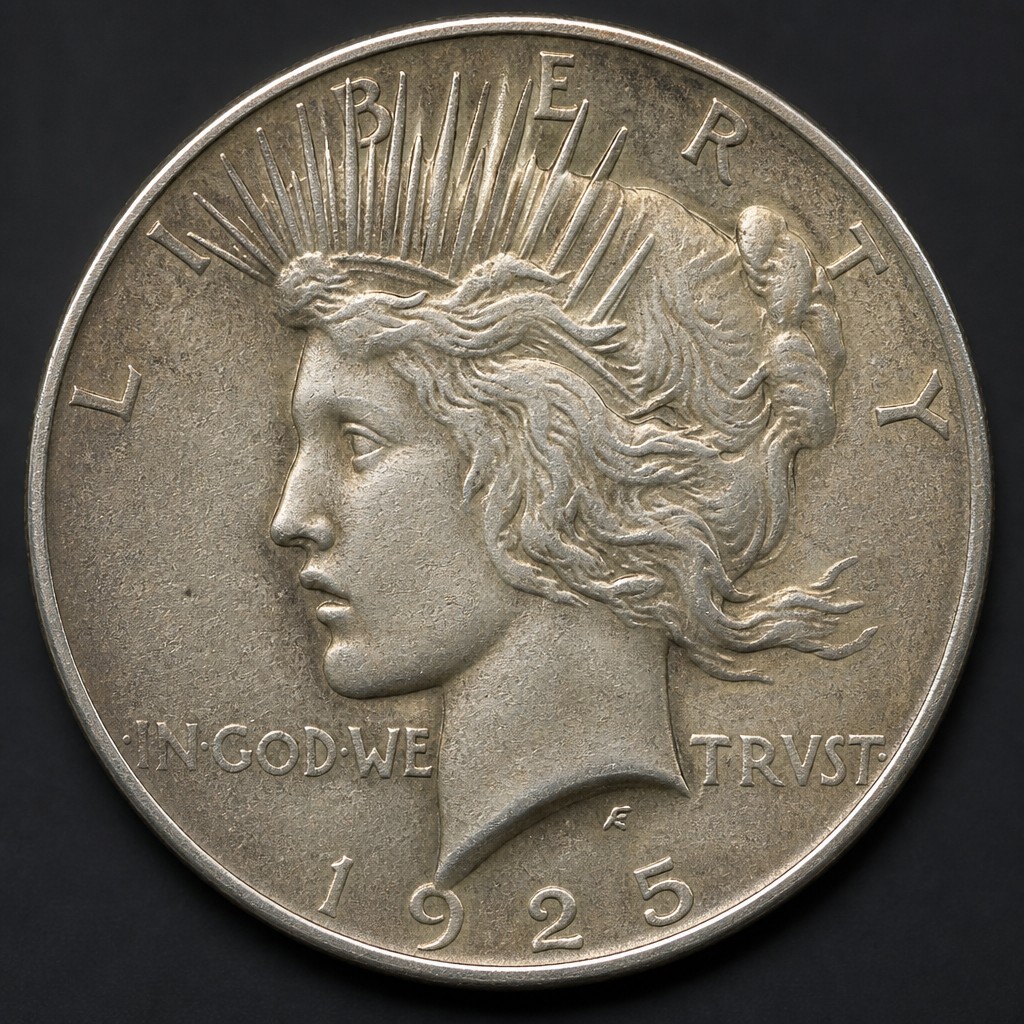
US Peace Dollar
1921–1928, 1934–1935
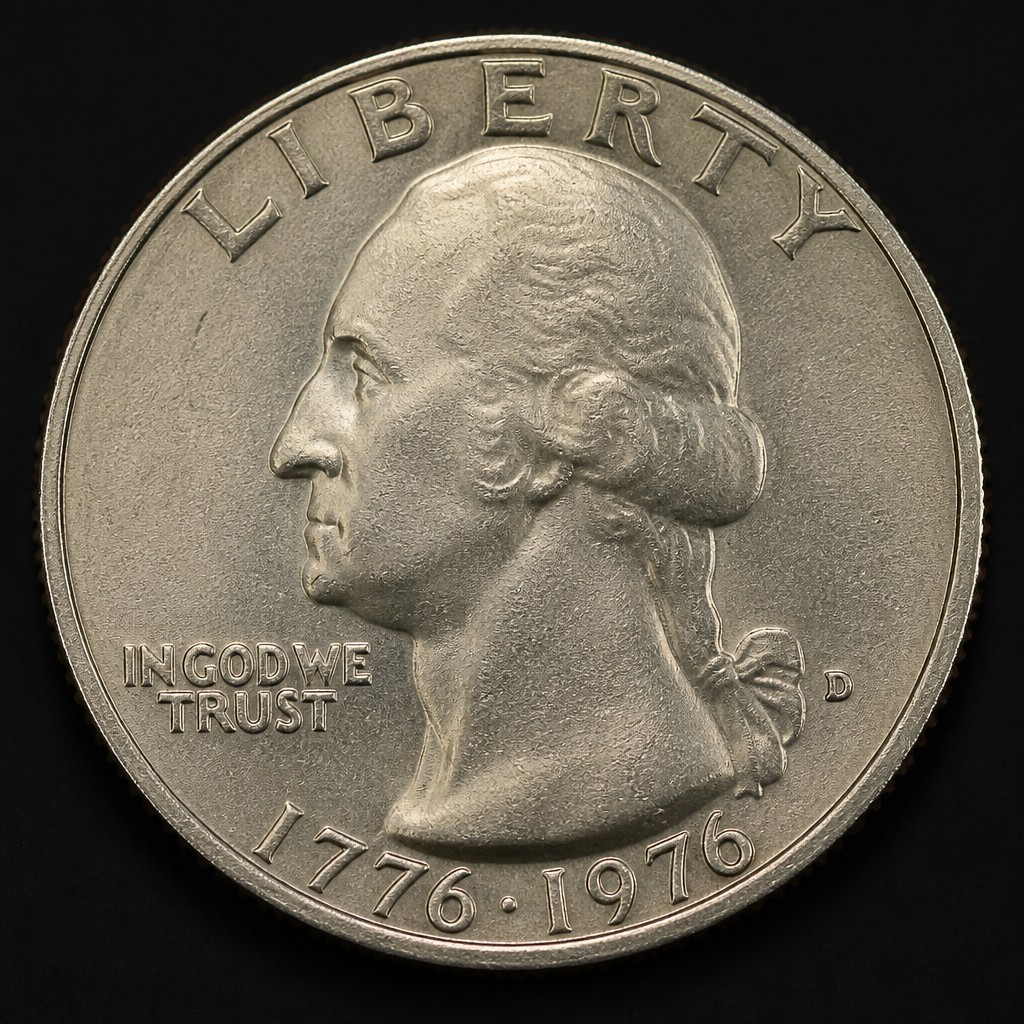
US Bicentennial Quarter (1976)
1976 (dated 1776-1976)
US Morgan Dollar
1878–1904, 1921