
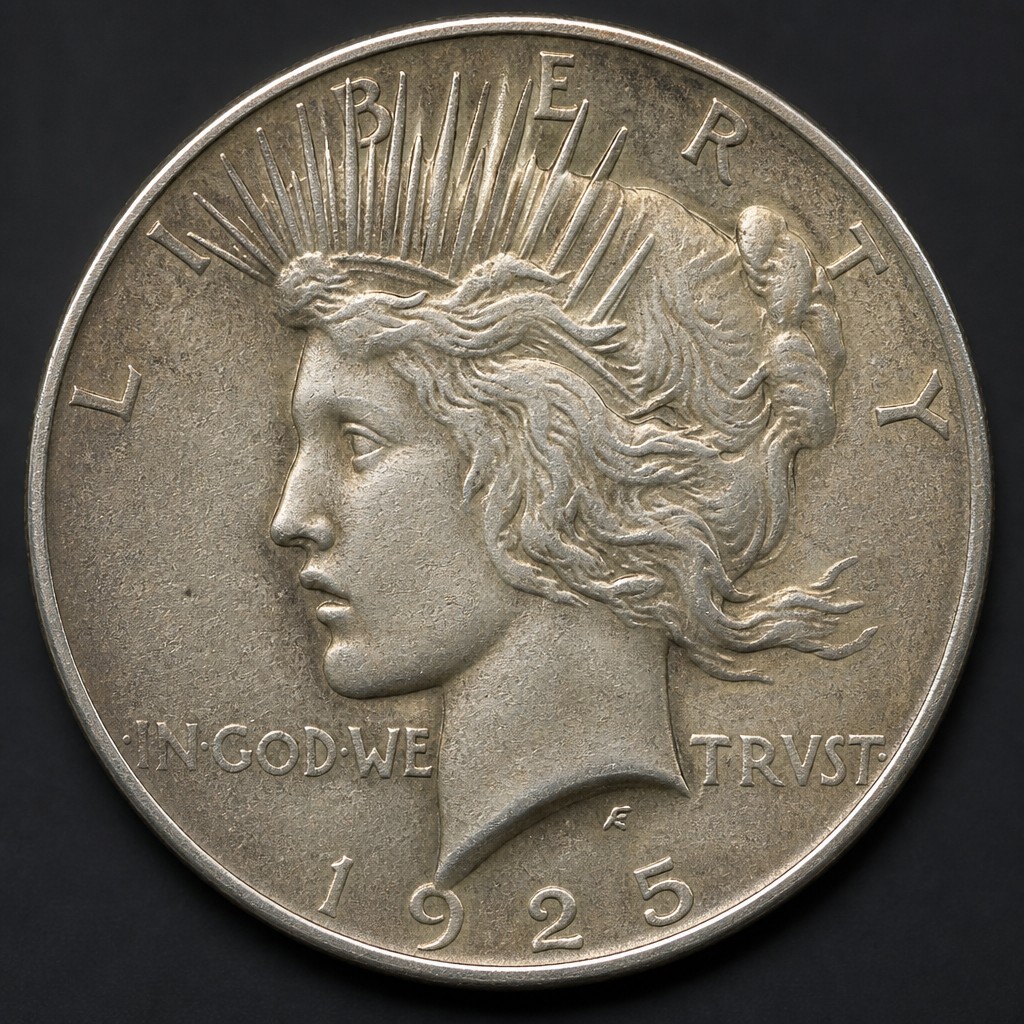
US Peace Dollar
Silver dollar issued starting in 1921 to commemorate peace after World War I, featuring a radiant Liberty head and an eagle resting on a mountain with an olive branch.
- Country
- United States
- Denomination
- One Dollar
- Metal
- 90% Silver, 10% Copper
Got a coin like this?
Identify any coin from a photo, free.
Overview
The Peace Dollar succeeded the Morgan Dollar as America's circulating silver dollar and was deliberately designed to mark the end of the First World War. Its Liberty portrait and resting eagle reverse gave it a softer, more hopeful tone than earlier American coinage.
History & Background
After the Morgan Dollar's design life ended, the U.S. Mint held a competition for a new dollar design intended to commemorate the peace following World War I. Sculptor Anthony de Francisci won the commission, basing the Liberty portrait partly on his wife Teresa. The coin debuted in late 1921 in high relief before being adjusted to a lower relief for regular production in 1922 to improve striking consistency.
Production ran through 1928, then paused, before a final short run in 1934 and 1935 as part of a broader silver purchase and coinage program. Silver dollar coinage in this classic form ended after 1935 and was not resumed until decades later with a very different design.
How to Identify
The obverse shows a left-facing Liberty head with windswept hair, wearing a radiant crown, with "LIBERTY" above and the date below. The reverse depicts a bald eagle at rest on a rocky mountain crag, clutching an olive branch, with the word "PEACE" inscribed below the eagle and "UNITED STATES OF AMERICA" and "ONE DOLLAR" around the rim.
The coin shares the Morgan Dollar's overall size and silver content, 38.1 mm in diameter, 26.73 grams, 90% silver, with a reeded edge, and mint marks (D or S) appear on the reverse near the eagle's talon; Philadelphia strikes carry no mint mark. The Peace Dollar's resting eagle and radiant Liberty crown make it easy to distinguish from the Morgan Dollar's wheat-capped Liberty and active eagle.
Value & Collectibility
Most Peace Dollars in circulated condition trade close to their silver bullion value with a modest collector premium, while well-struck uncirculated coins bring notably higher prices, particularly those with strong luster. The 1928 Philadelphia issue and the 1934-S are among the more recognized key dates, commanding stronger premiums than common-date coins even in average grades.
High-relief 1921 strikes are also popular with collectors for their bolder design, though they can be softly struck, which affects grading and price. As always, exact date, mint mark, and grade should be confirmed before assuming a coin is especially valuable.
Frequently asked questions
What event does the Peace Dollar commemorate?
It commemorates the peace following the end of World War I.
Who designed the Peace Dollar?
Sculptor Anthony de Francisci designed the coin, reportedly using his wife as inspiration for the Liberty portrait.
What years were Peace Dollars minted?
They were struck from 1921 through 1928, and again in 1934 and 1935.
Is the 1921 Peace Dollar different from later dates?
Yes, the 1921 issue was struck in higher relief with bolder design elements before the Mint lowered the relief for easier production starting in 1922.
Other coins you may enjoy
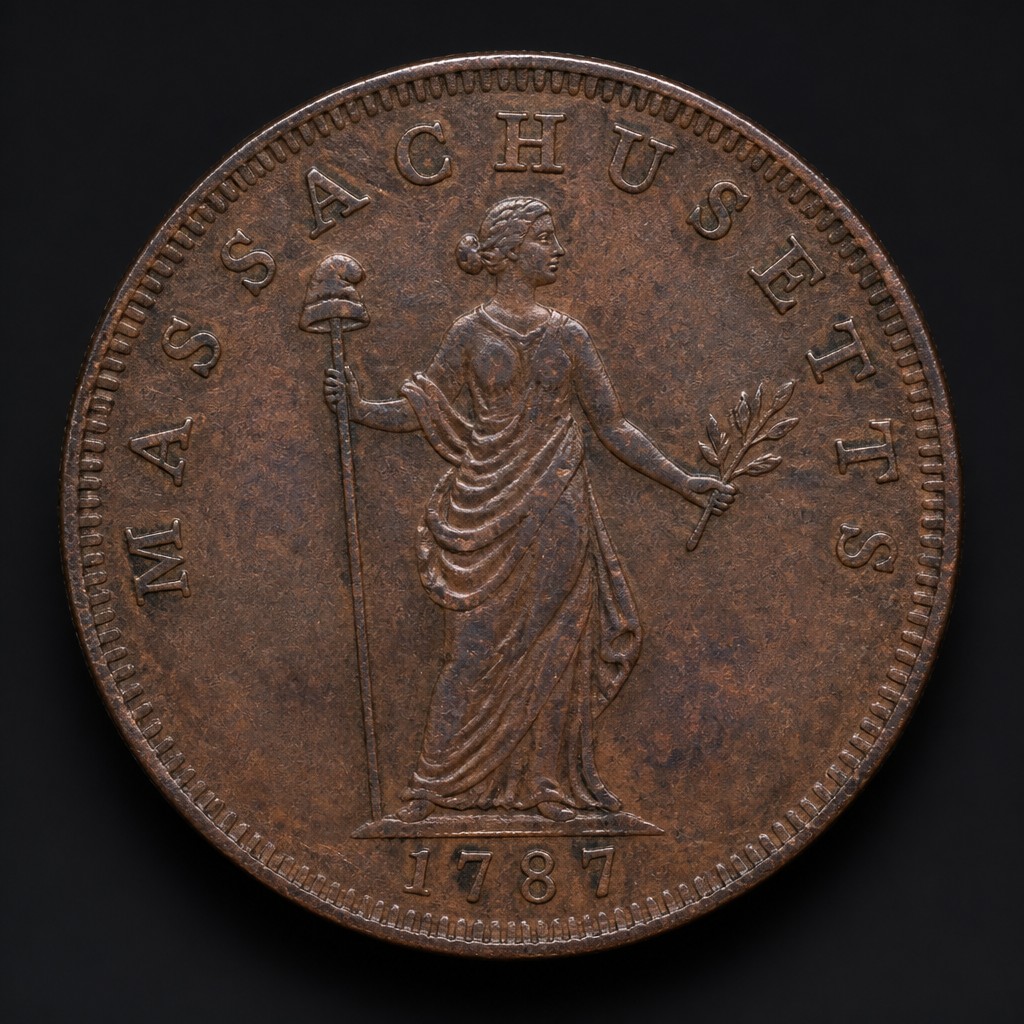
Massachusetts Cent (1787-1788)
1787–1788
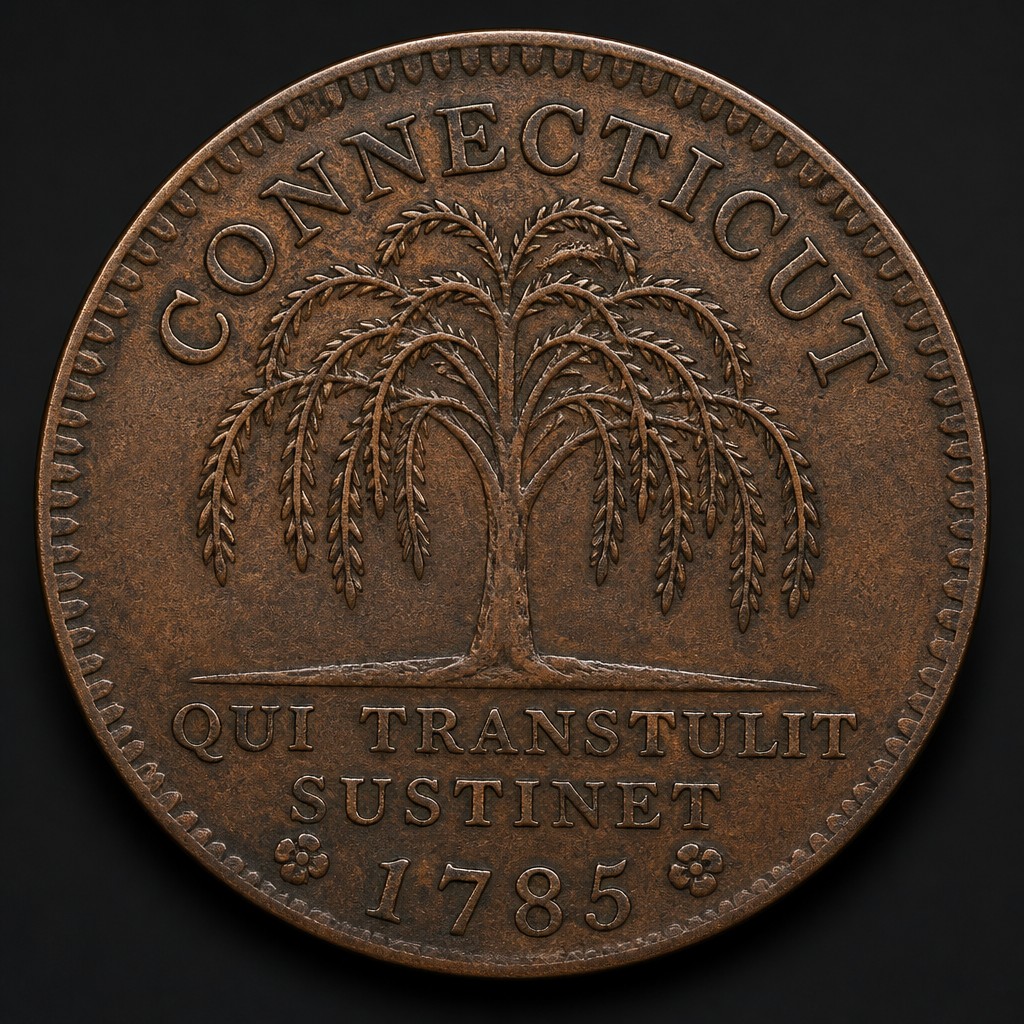
Connecticut Copper
1785–1788
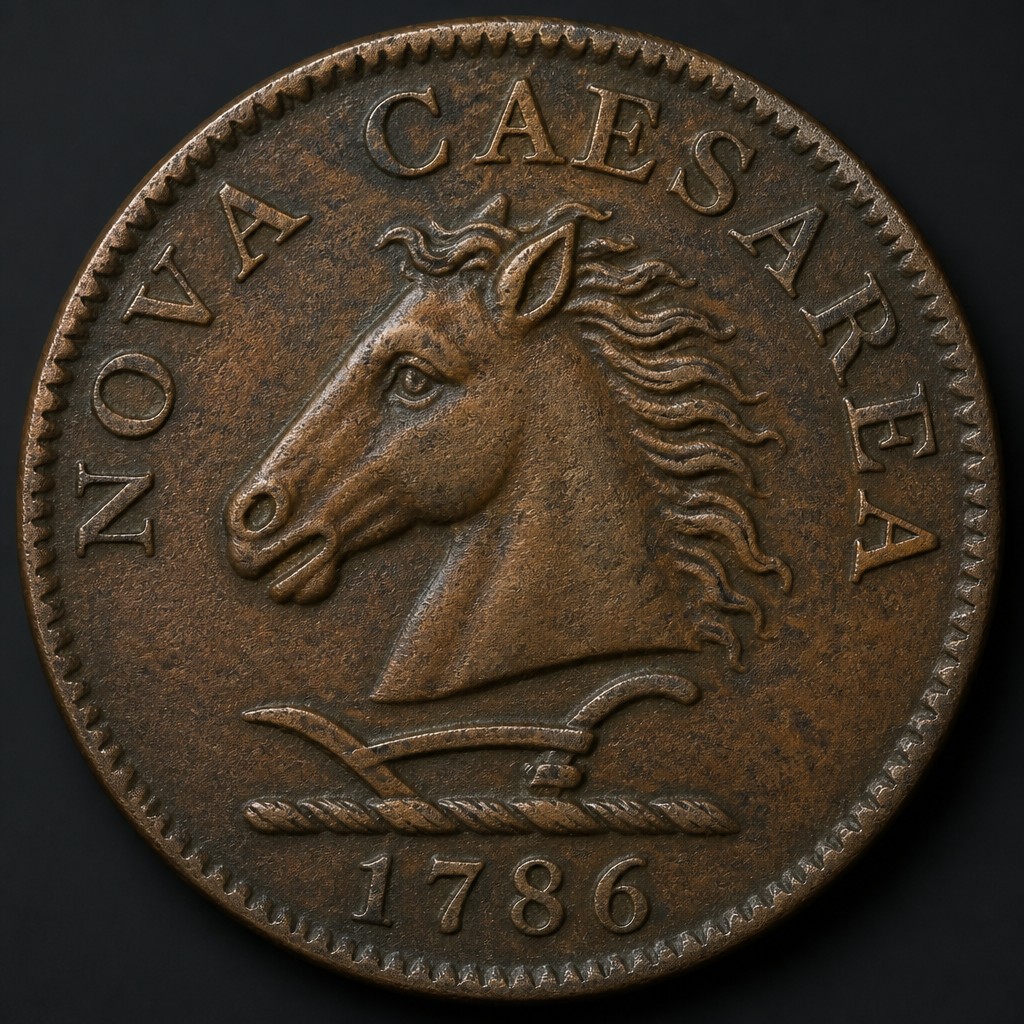
New Jersey Copper
1786–1788
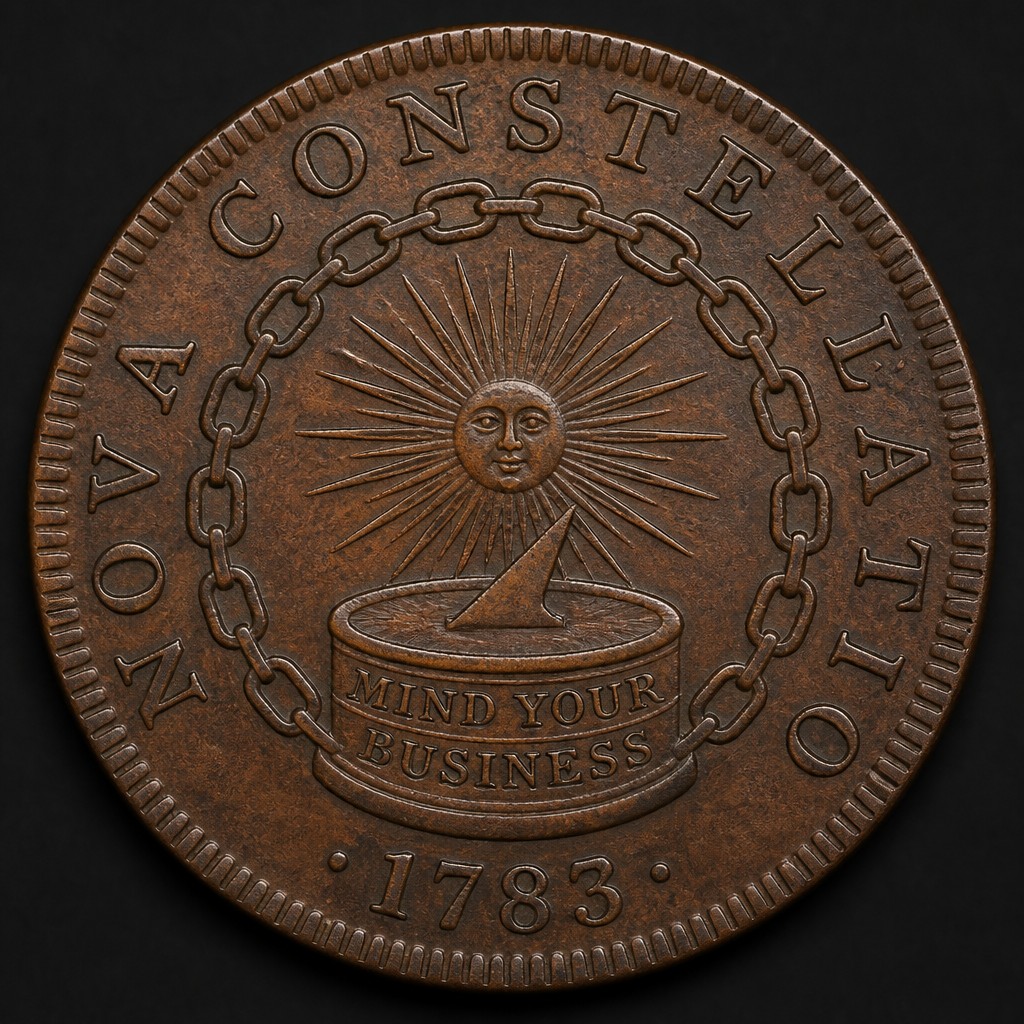
Nova Constellatio Copper
1783–1785
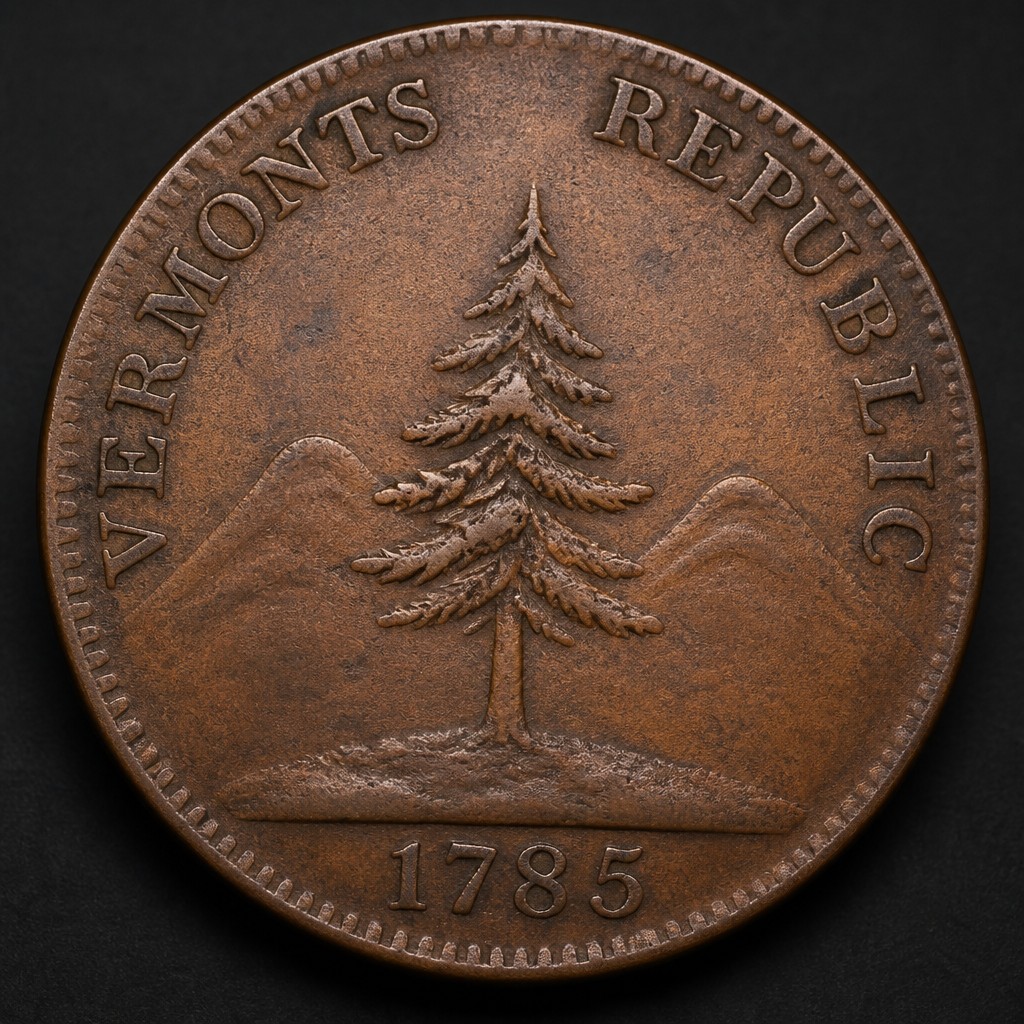
Vermont Copper
1785–1788
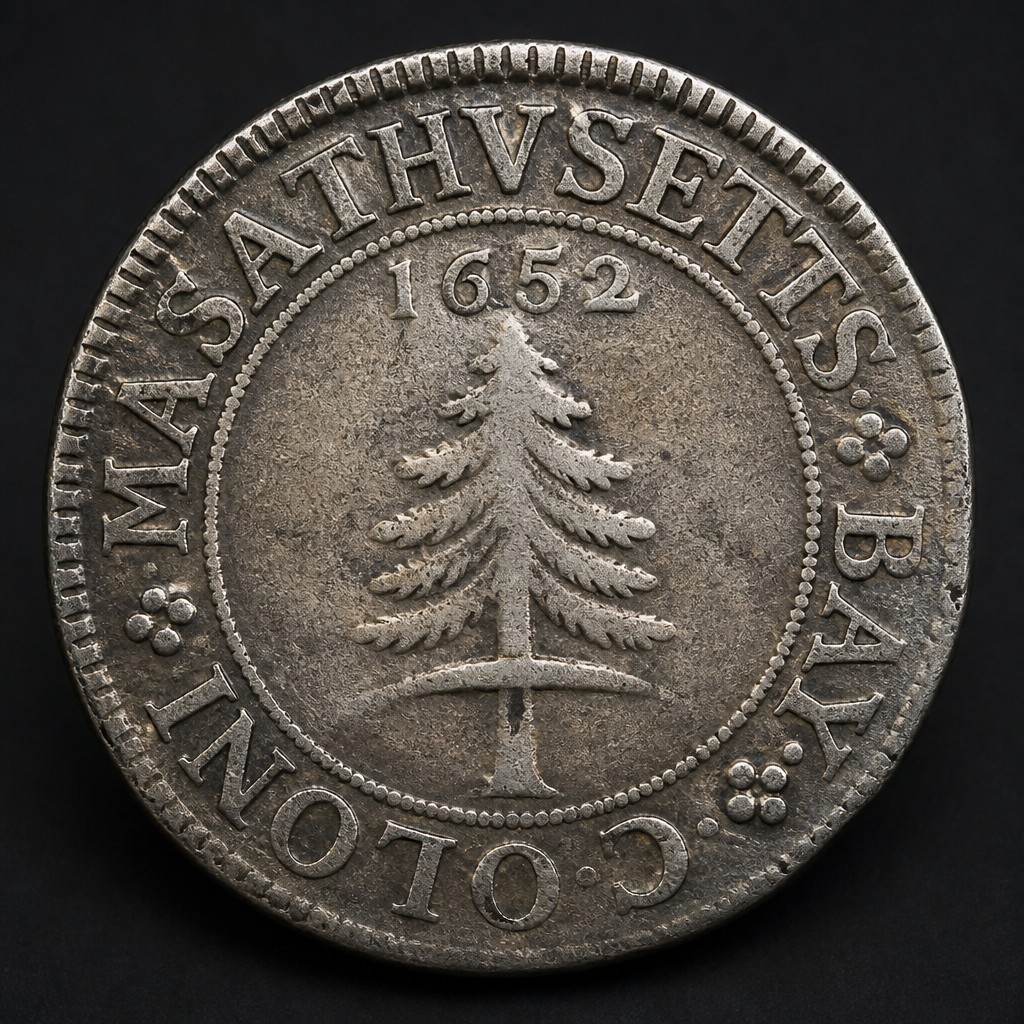
Pine Tree Shilling
Dated 1652, struck circa 1652–1682
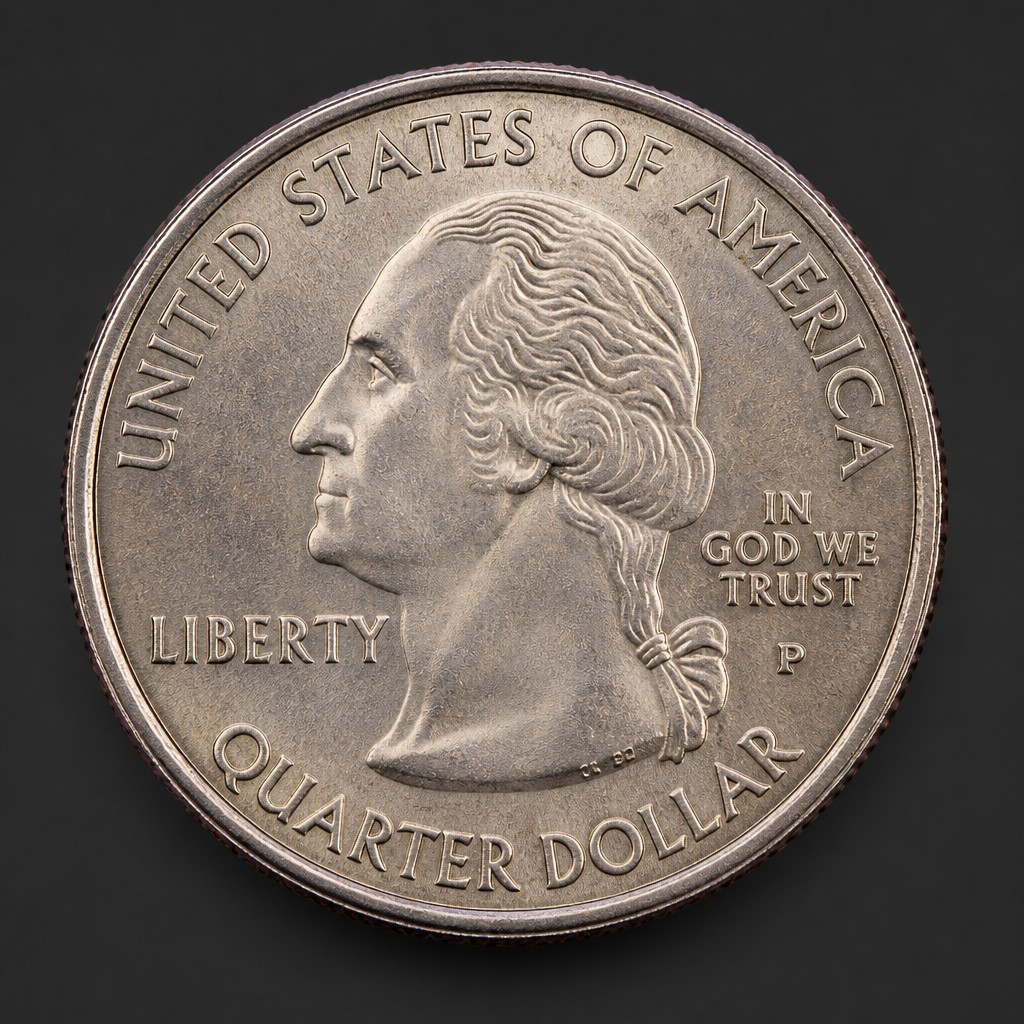
US State Quarters Series
1999-2008 (plus 2009 territories)
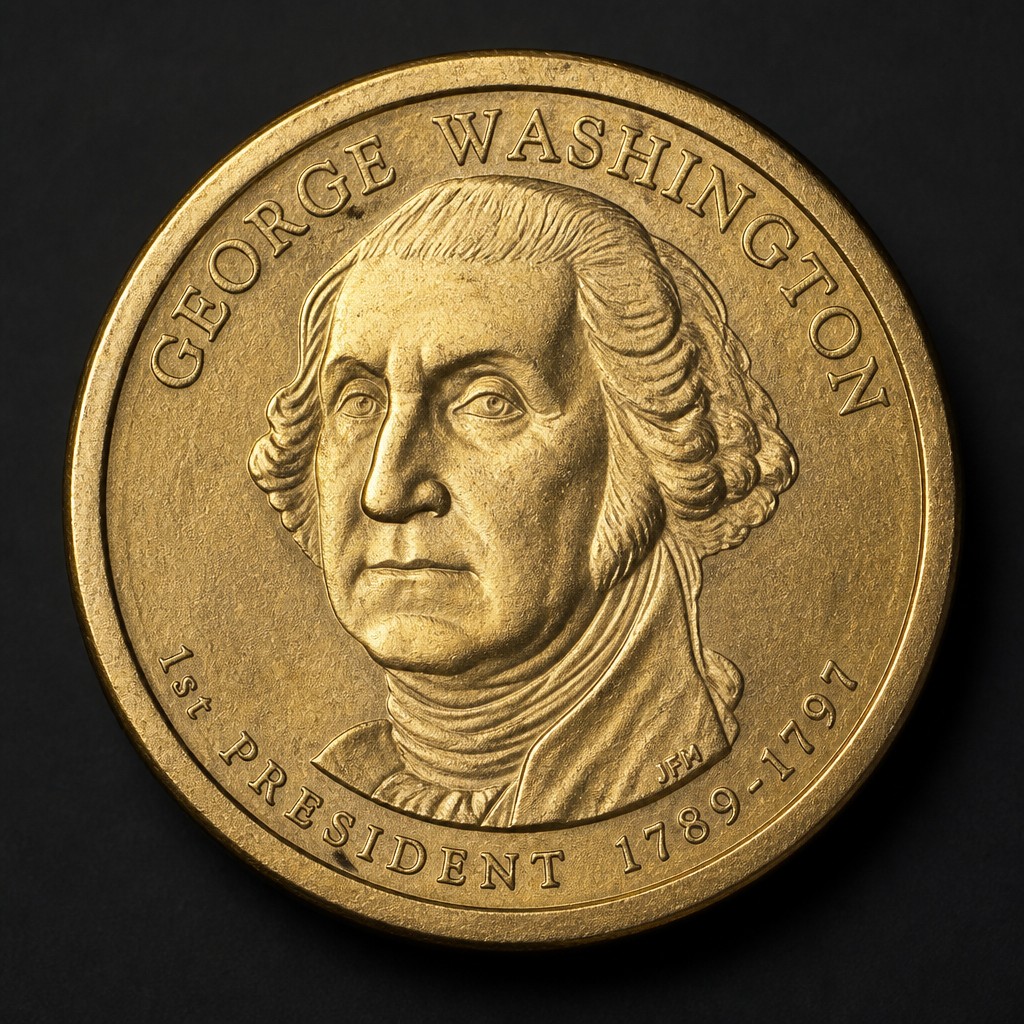
Presidential Dollar Series
2007-2016 (later special issues through 2020)
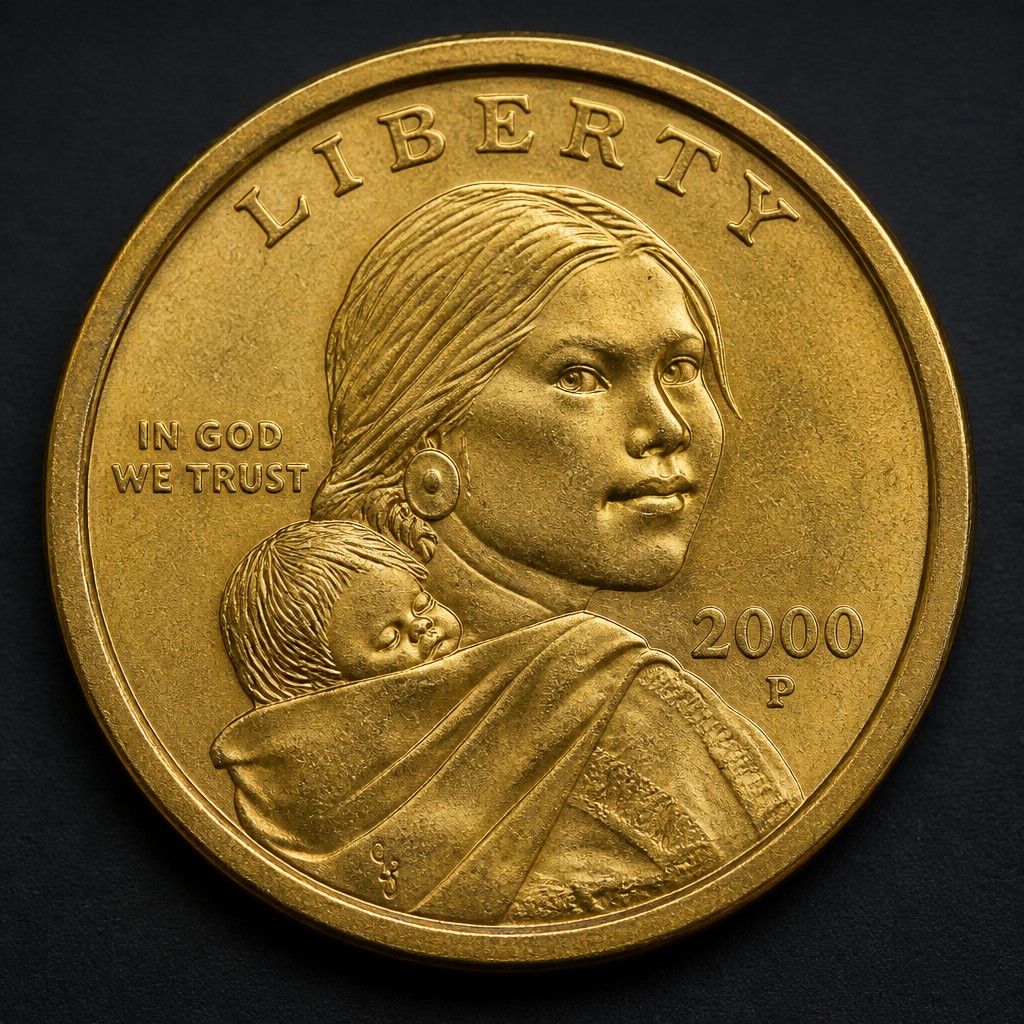
Sacagawea Golden Dollar
2000-present (reverse changed to Native American series in 2009)
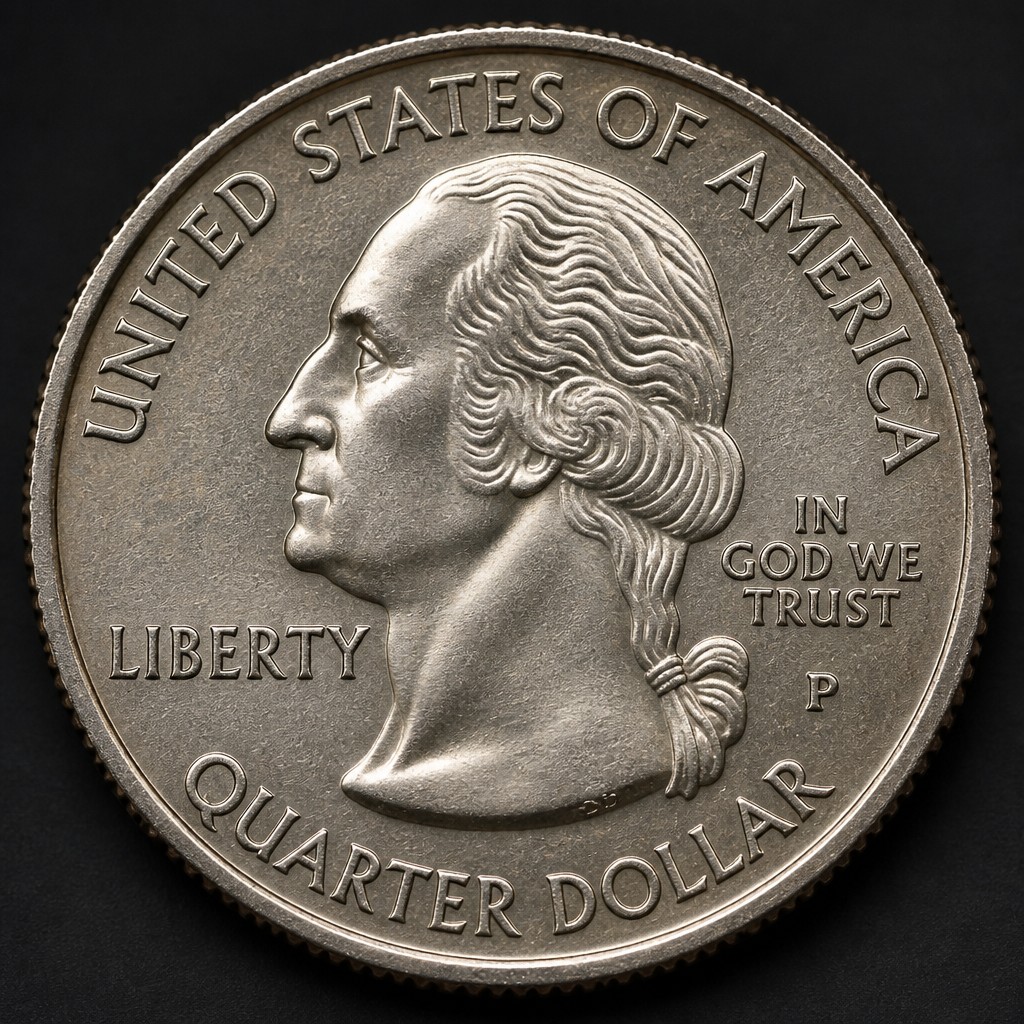
US America the Beautiful Quarters
2010-2021
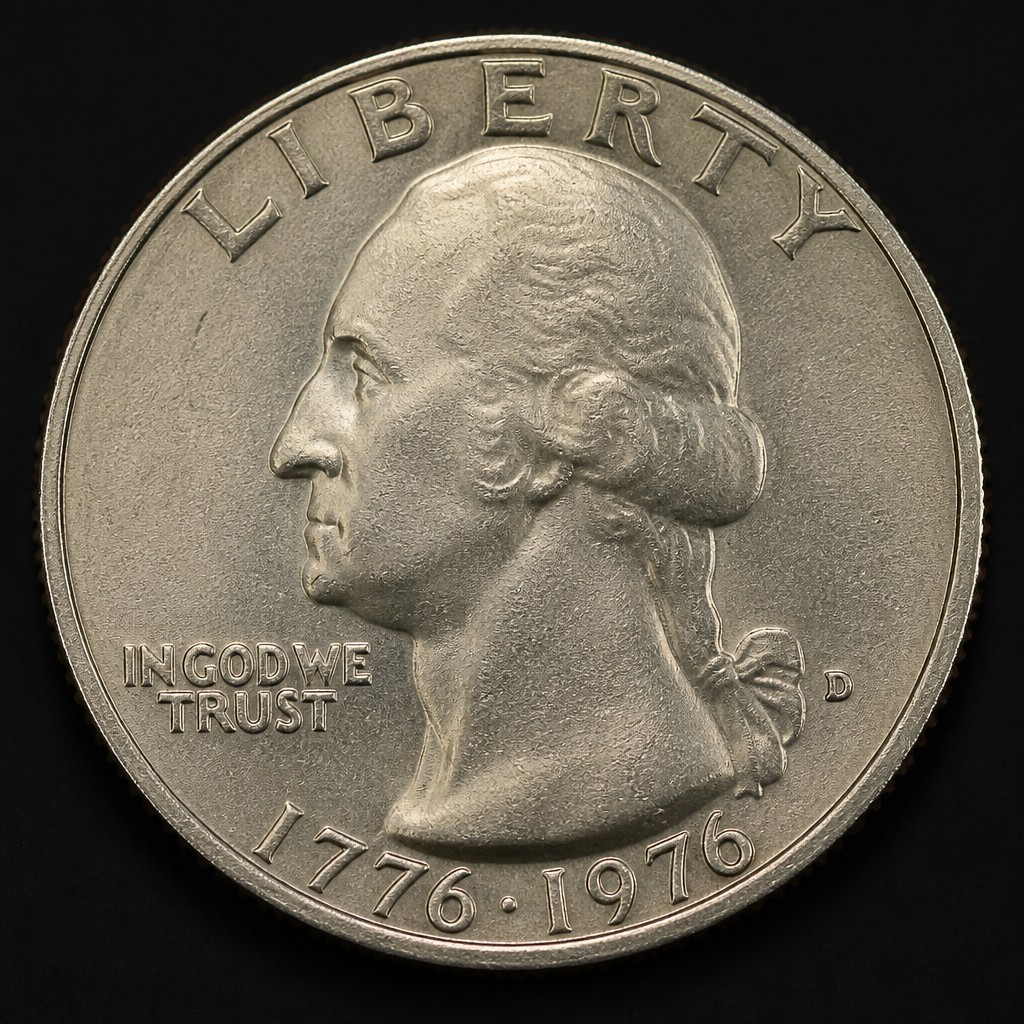
US Bicentennial Quarter (1976)
1976 (dated 1776-1976)
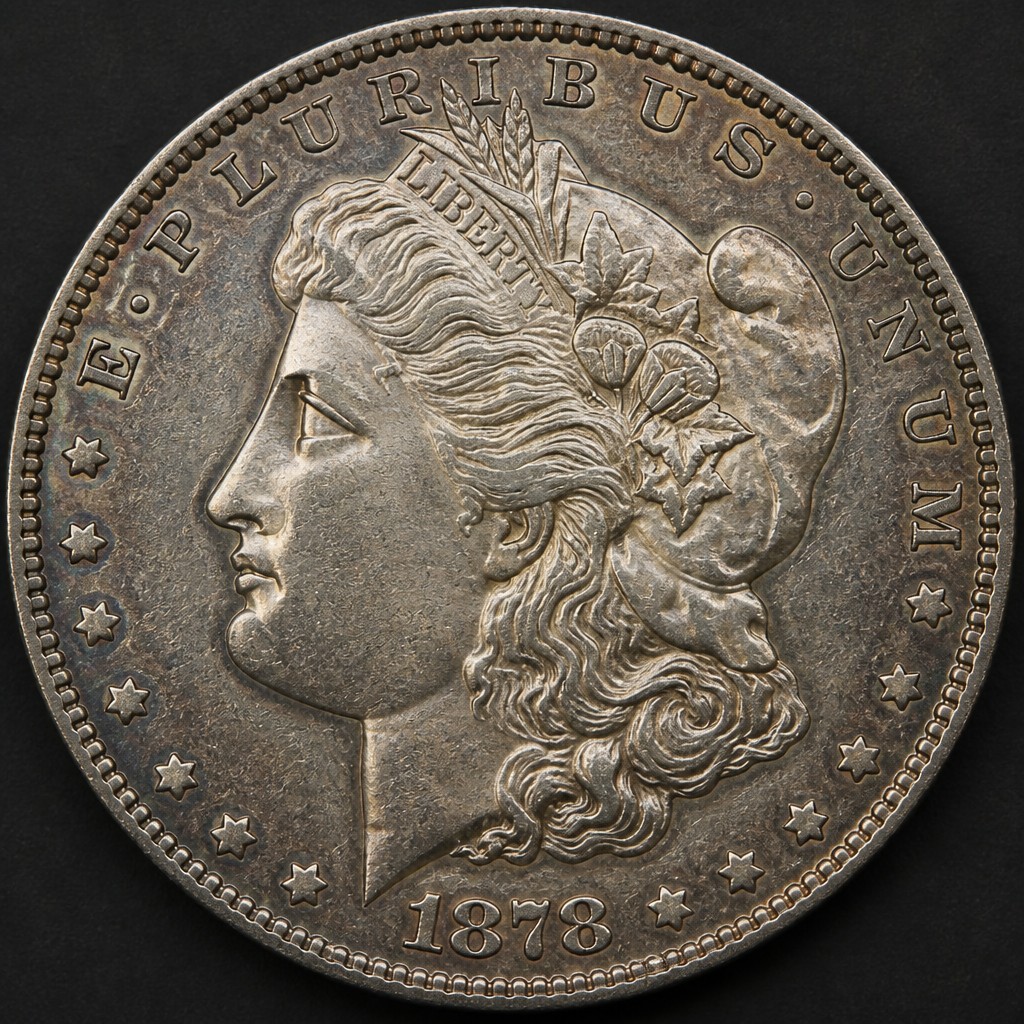
US Morgan Dollar
1878–1904, 1921