
Philippine 20 Centavos (US-Philippines)
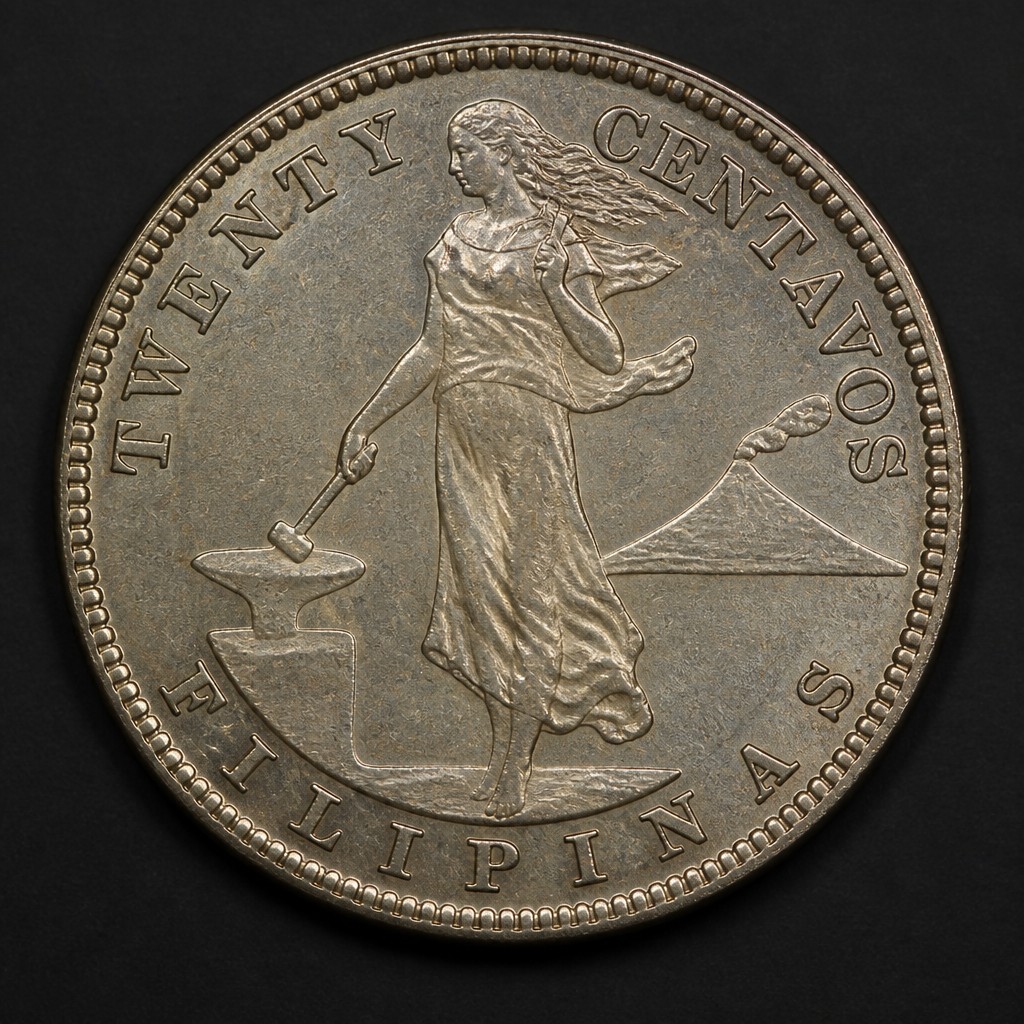
A small silver coin from the US administration of the Philippines, showing Liberty striking an anvil before Mount Mayon on the obverse and a heraldic eagle on the reverse.
- Country
- Philippines (under United States sovereignty)
- Denomination
- 20 Centavos
- Metal
- Silver (.900 fine 1903–1906, .750 fine 1907–1929)
Got a coin like this?
Identify any coin from a photo, free.
Overview
The Philippine 20 Centavos is part of the coinage series struck for the Philippines during the period of United States sovereignty following the Spanish-American War, when the islands became a US territory. The coin reflects a distinctly Filipino design theme within an otherwise US-administered coinage system, blending American political oversight with local symbolism.
Struck for over two decades in the early twentieth century, the coin circulated as standard small-value currency throughout the islands, undergoing a reduction in silver content partway through its run as rising metal prices required adjustment to keep the coin's face value aligned with its bullion content.
This series is a foundational part of Philippine numismatics, bridging the transition from Spanish colonial coinage to the later independent Republic of the Philippines coinage of the mid-twentieth century.
History & Background
Following the Spanish-American War and the Treaty of Paris of 1898, the Philippines came under United States administration, and the US Congress authorized a new coinage system for the islands in 1903 to replace the outgoing Spanish colonial currency. The new coinage, including the 20-centavo denomination, was designed by Filipino sculptor and engraver Melecio Figueroa, giving the series a genuinely local artistic identity despite its production under US authority.
Rising silver prices in the mid-1900s forced a reduction in the coin's silver fineness in 1907 to prevent its bullion value from exceeding its face value, a common challenge for silver coinage of the period across many countries. Production continued intermittently through 1929, with coins struck not only at the Philadelphia Mint but also at the San Francisco Mint and eventually at a mint established in Manila itself, reflecting the growing infrastructure of American colonial administration in the islands.
How to Identify
The obverse depicts a standing female figure representing Liberty, hammer in hand, striking an anvil, with the volcano Mount Mayon depicted in the background, and the legend "UNITED STATES OF AMERICA" with "FILIPINAS" around the border. The reverse shows a heraldic eagle with wings spread, standing atop a shield, with "20 CENTAVOS" and the date.
The coin is small and silver, with its exact silver content depending on the date: coins from 1903 through 1906 are .900 fine, while those from 1907 onward were reduced to .750 fine to reflect rising world silver prices. The edge is reeded, and mint marks "S" for San Francisco or "M" for Manila appear on coins struck outside Philadelphia, while Philadelphia coins carry no mint mark.
Collectors distinguish this denomination from the similarly themed 10, 50 centavos, and peso coins of the same series mainly by size and the inscribed denomination, since all share the same general Liberty-and-eagle design language across the US-Philippine coinage set.
Value & Collectibility
Common-date 20 Centavos coins in circulated grades are generally affordable and readily available, since the series was produced in substantial quantities across its run, with values often close to modest collector premiums over silver content. Well-struck uncirculated examples bring notably stronger prices.
Certain dates and mint marks are considerably scarcer than others within this series, and these key dates can command significantly higher prices in the marketplace, particularly in higher grades. As with most classic coin series, condition, strike quality, and originality of surfaces are the primary drivers of value beyond basic date and mint mark rarity.
Collectors should consult dedicated Philippine coinage references to identify the specific rarity ranking of a given date and mint mark combination, since values can differ substantially across the run from 1903 to 1929.
Frequently asked questions
Who designed this coin?
It was designed by Filipino sculptor and engraver Melecio Figueroa, giving the series a distinctly local artistic character despite being issued under US sovereignty.
Why did the silver content change partway through the series?
Rising world silver prices in the mid-1900s required a reduction in fineness starting in 1907 to keep the coin's face value from falling below its metal value.
What do the letters S and M mean on the coin?
They are mint marks indicating the coin was struck at the San Francisco Mint (S) or the Manila Mint (M); coins without a mint mark were struck at the Philadelphia Mint.
What is depicted on the obverse?
A standing figure of Liberty striking an anvil with a hammer, with the volcano Mount Mayon shown in the background.
Is this coin part of the same series as the Philippine peso?
Yes, it belongs to the broader US-Philippine coinage series that also included 1, 5, 10, 20, and 50 centavo pieces along with the peso, all sharing similar design themes.
Philippine 20 Centavos (US-Philippines) identified by the community
Real coins identified with Coin Identifier.
Other coins you may enjoy
Bahraini Dinar
1965–present
Omani Rial (Baisa Coinage)
1970–present
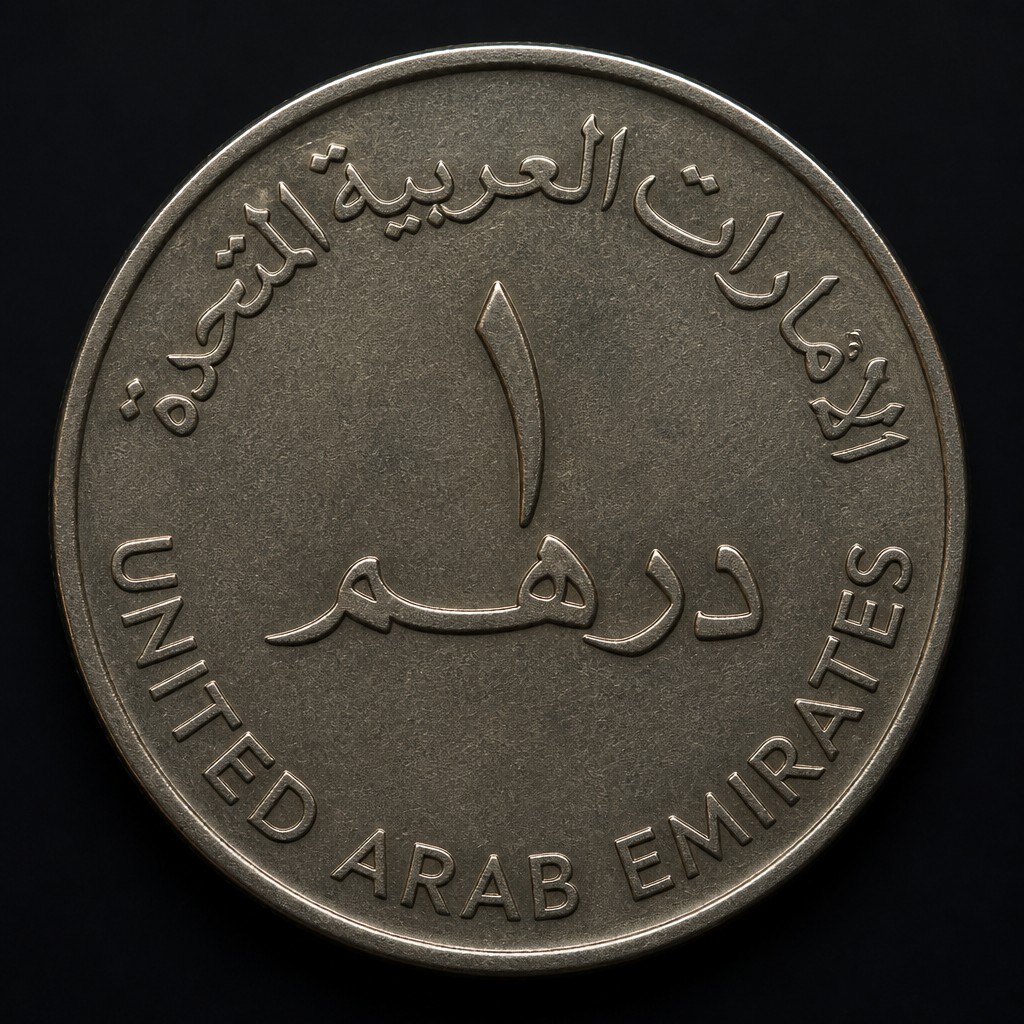
United Arab Emirates Dirham
1973–present
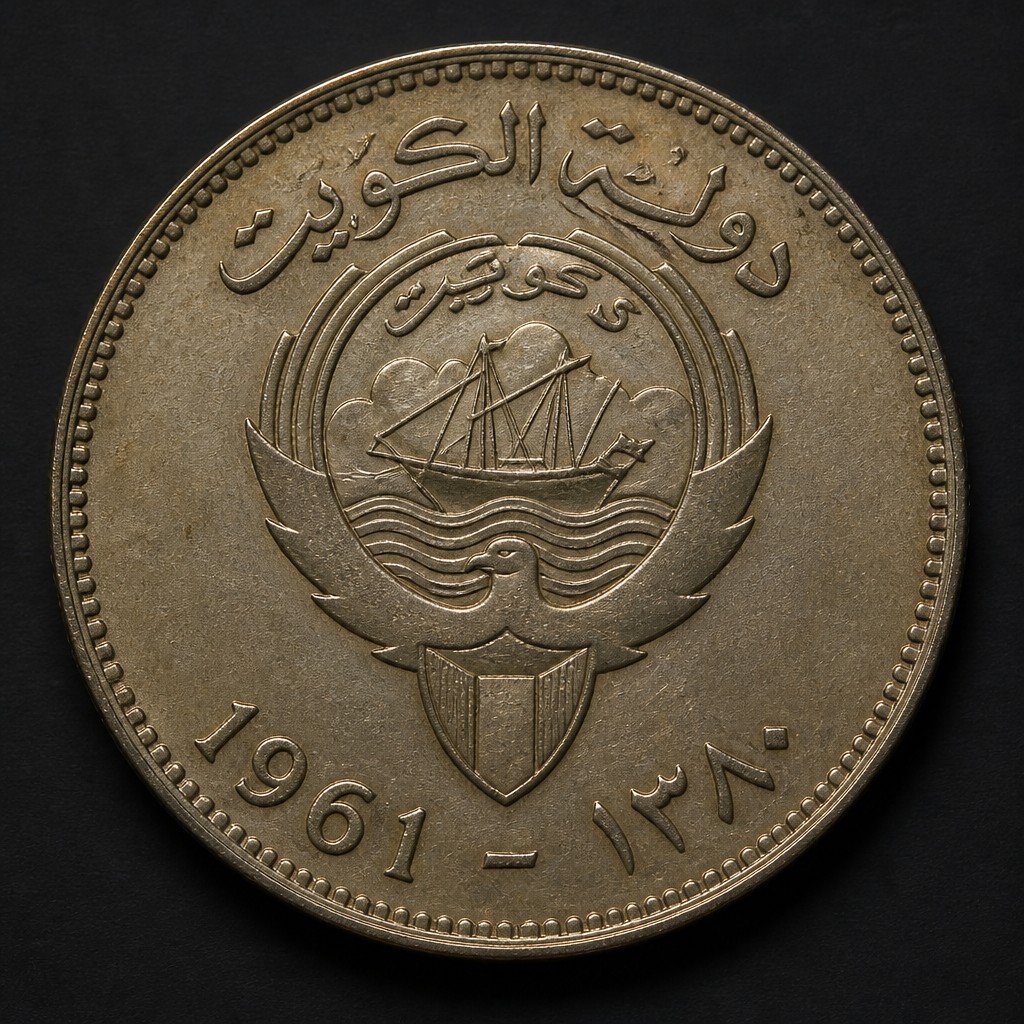
Kuwaiti Fils
1961–present
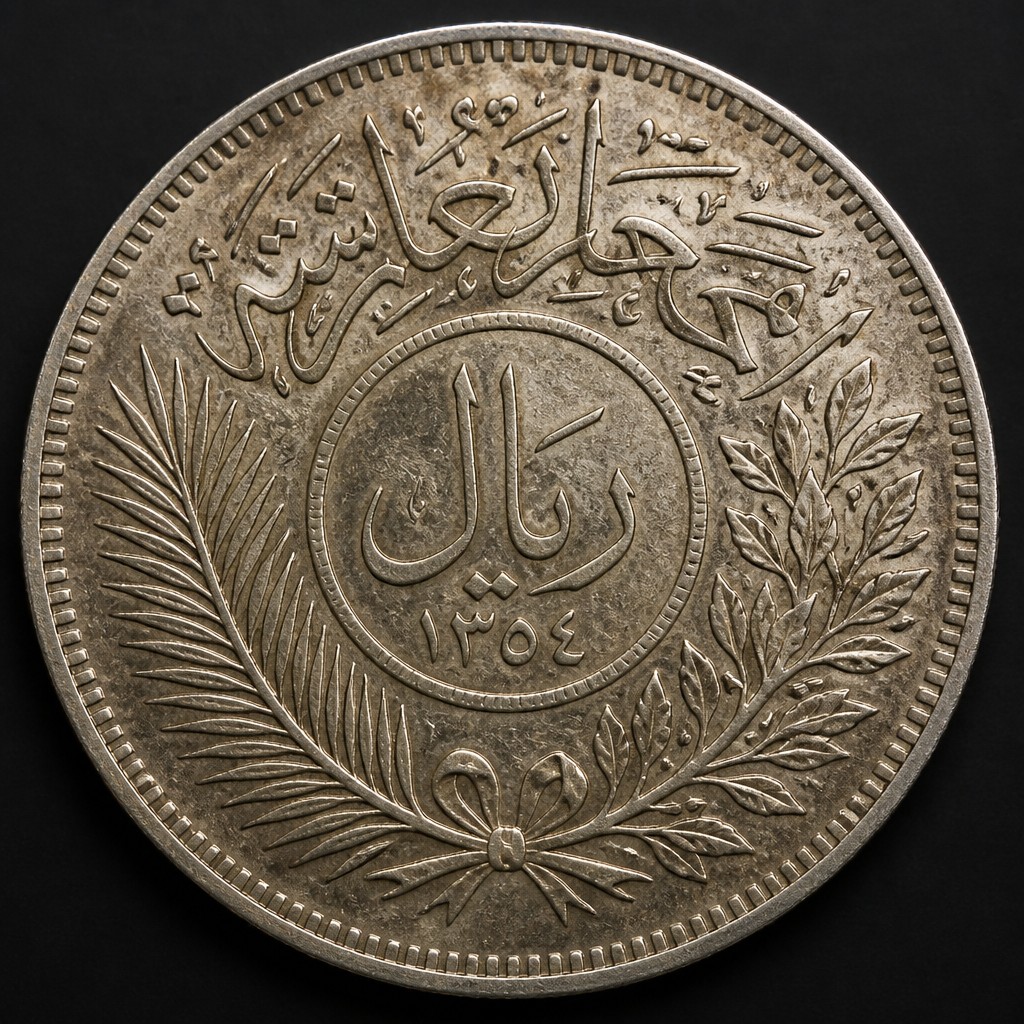
Saudi Arabian Riyal (silver)
1935 (Kingdom-wide standardization) and related issues
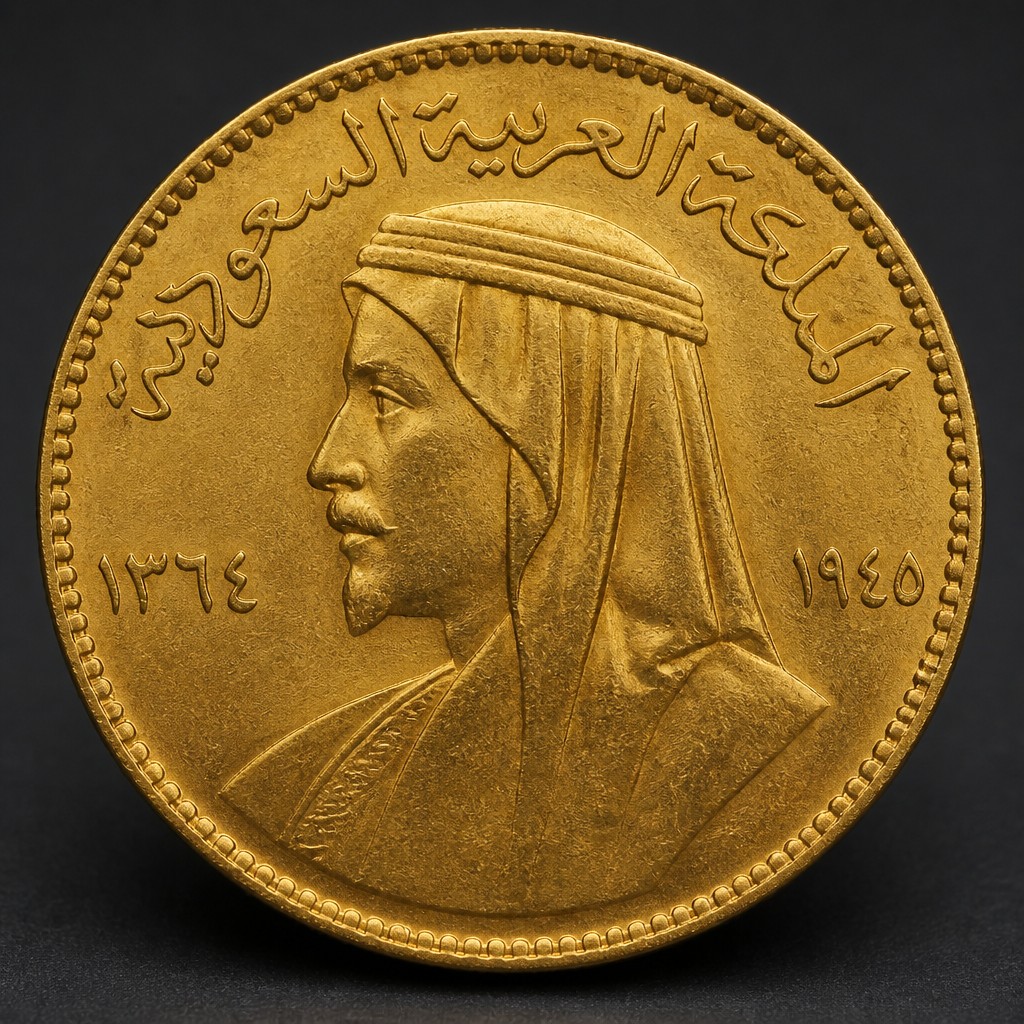
Saudi Arabian Gold Guinea (Sovereign)
1945 and later issues
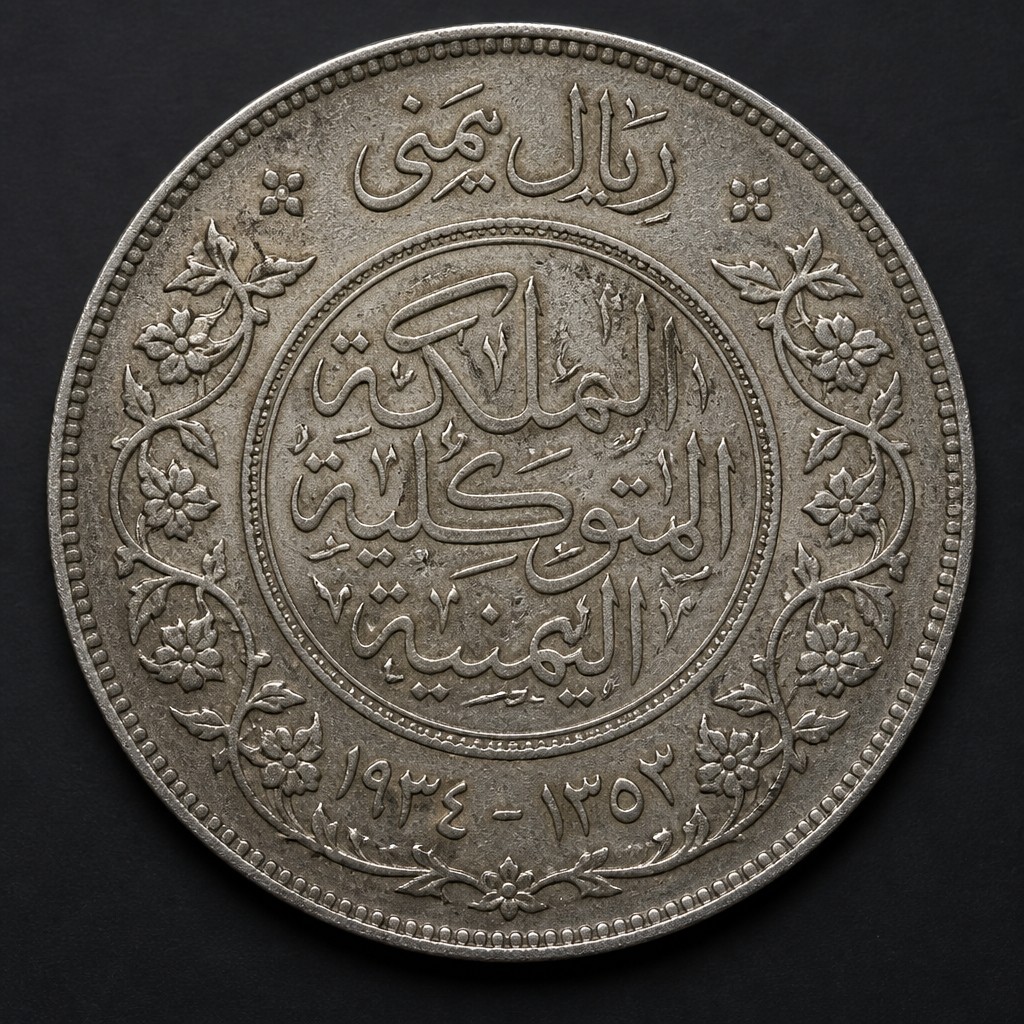
Yemeni Riyal (Ahmadi/Imadi Kingdom Coinage)
Early-to-mid 20th century
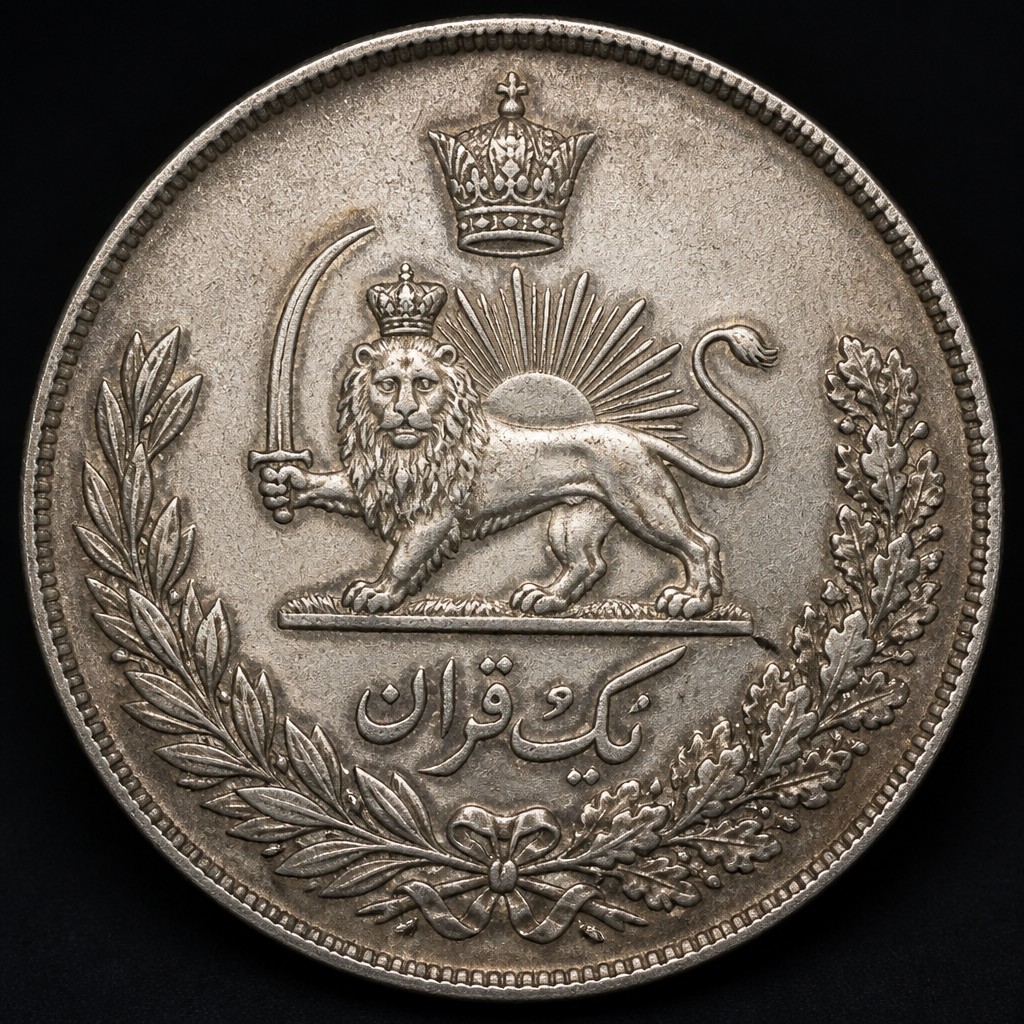
Persian Kran (Qajar silver)
Mid-19th century–1925
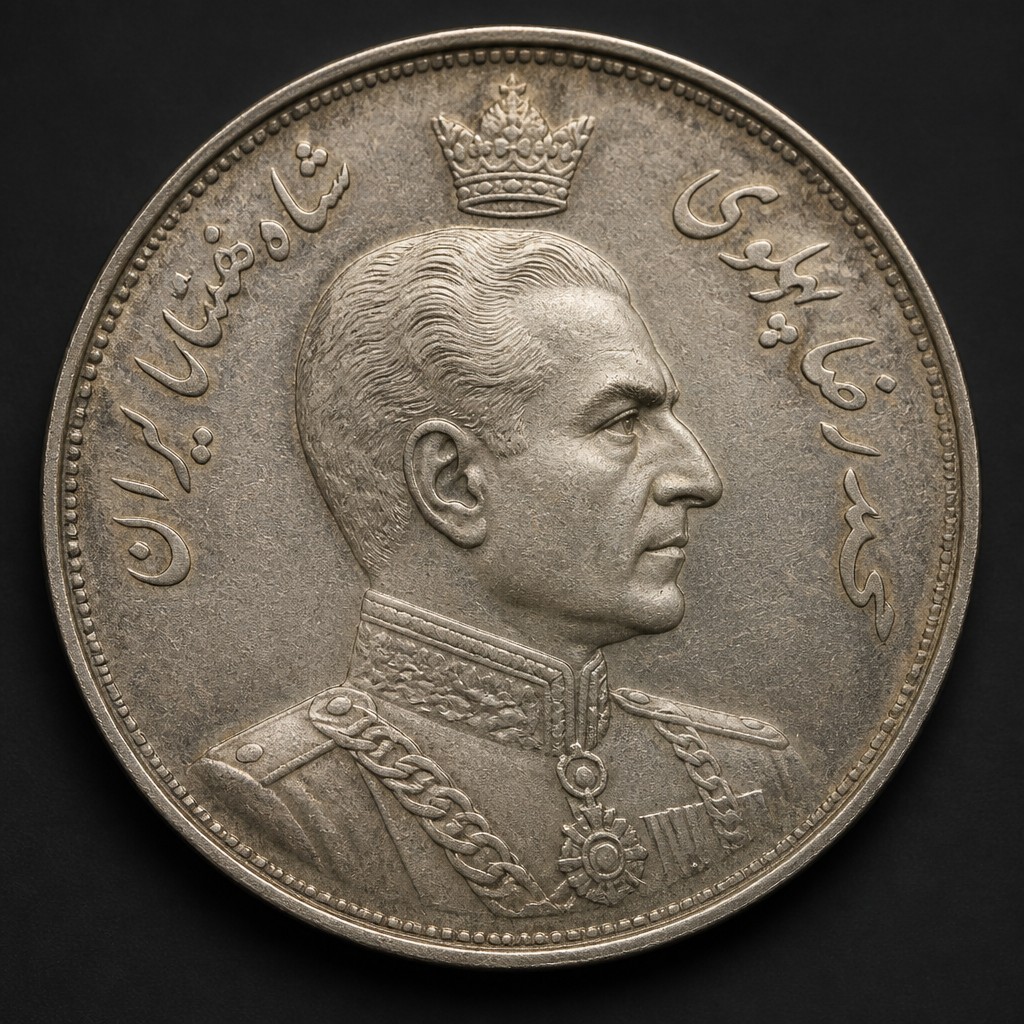
Iranian Rial
1932–present
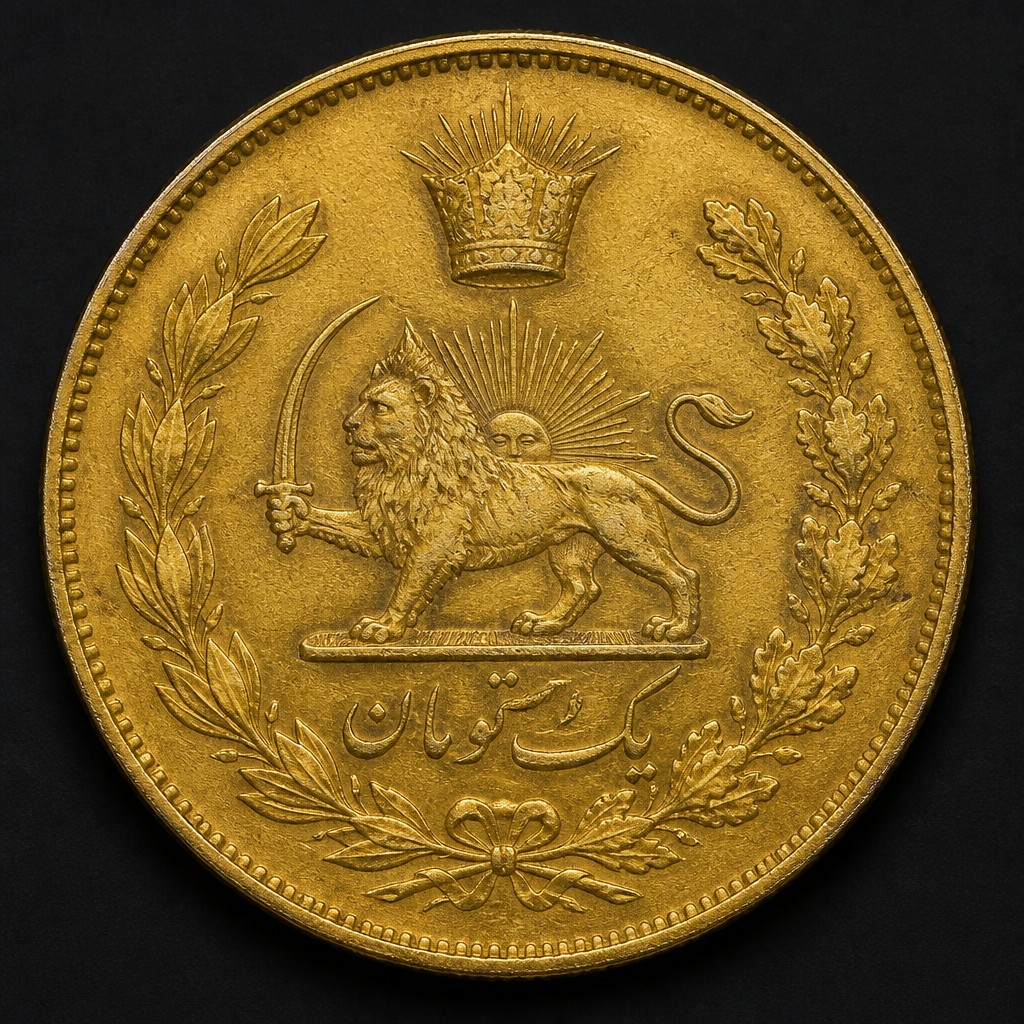
Persian Gold Toman (Qajar)
1796–1925
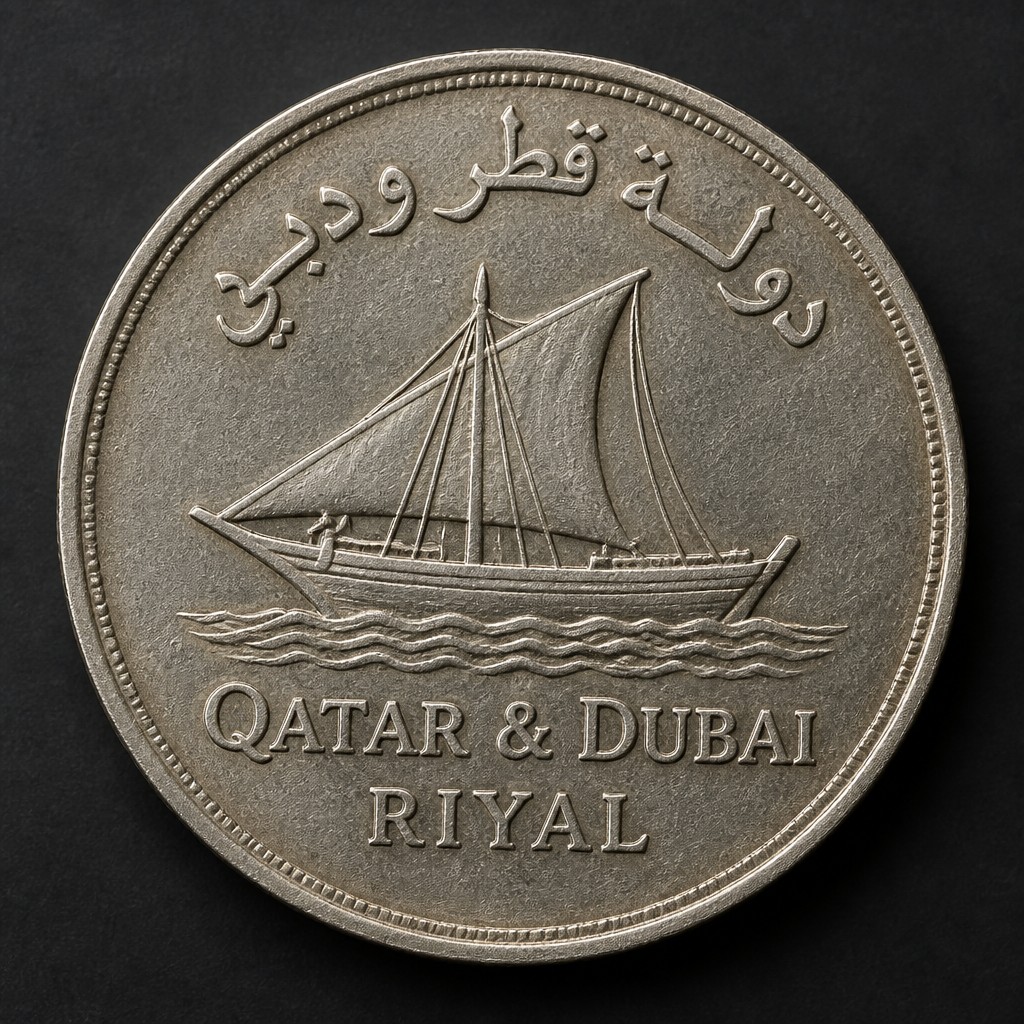
Qatar and Dubai Riyal
1966–1973
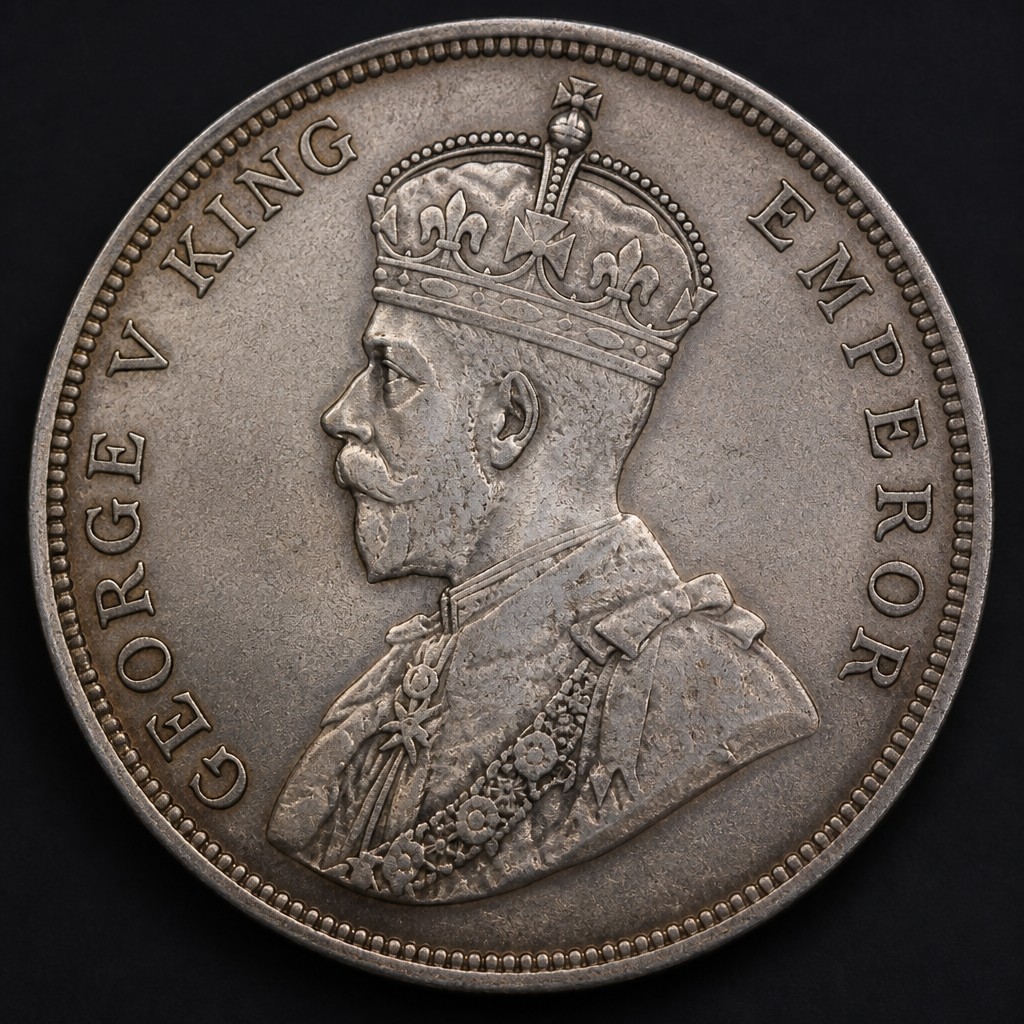
British India Rupee (Silver)
1835–1947