
Coin Encyclopedia
Search and identify coins from around the world — with country, denomination, metal, mint, history, and how to tell them apart.
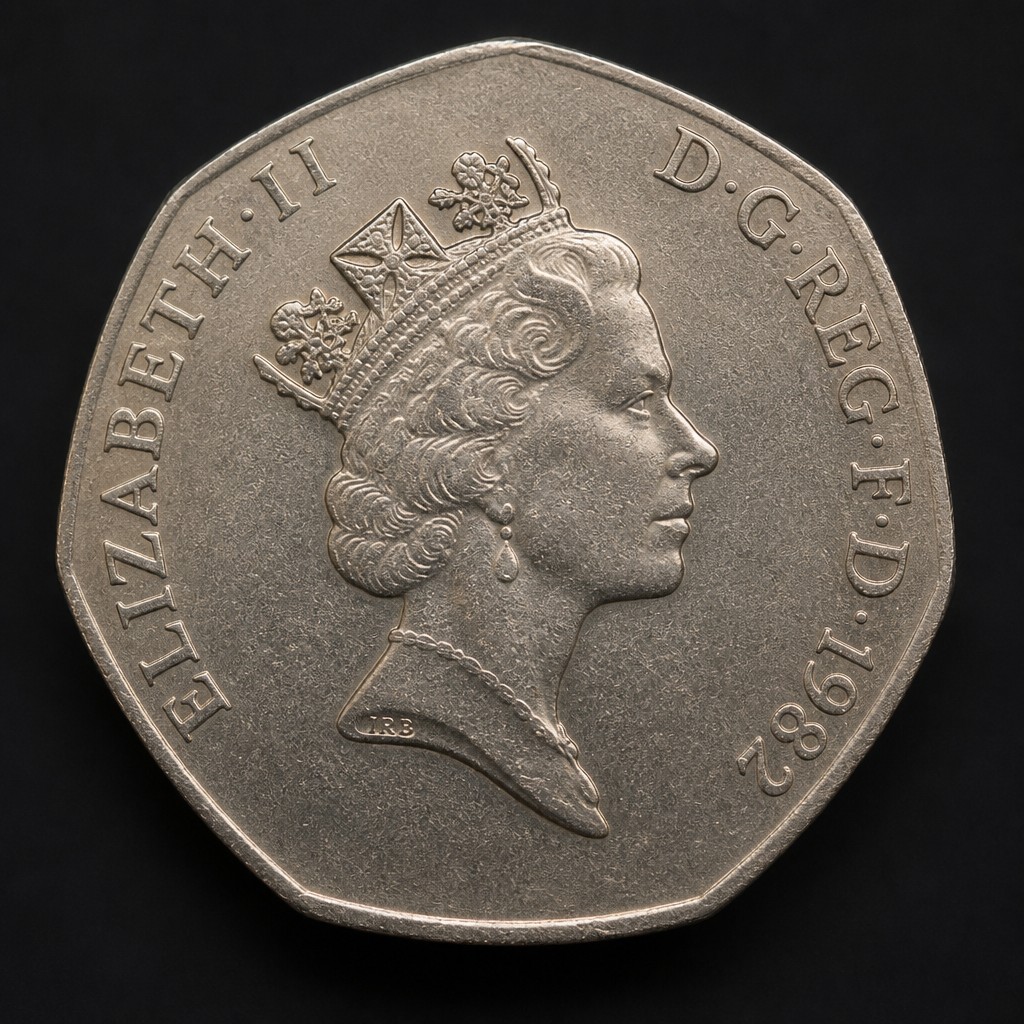
Twenty Pence
A seven-sided UK coin introduced in 1982 to fill a gap between the ten pence and fifty pence denominations.
British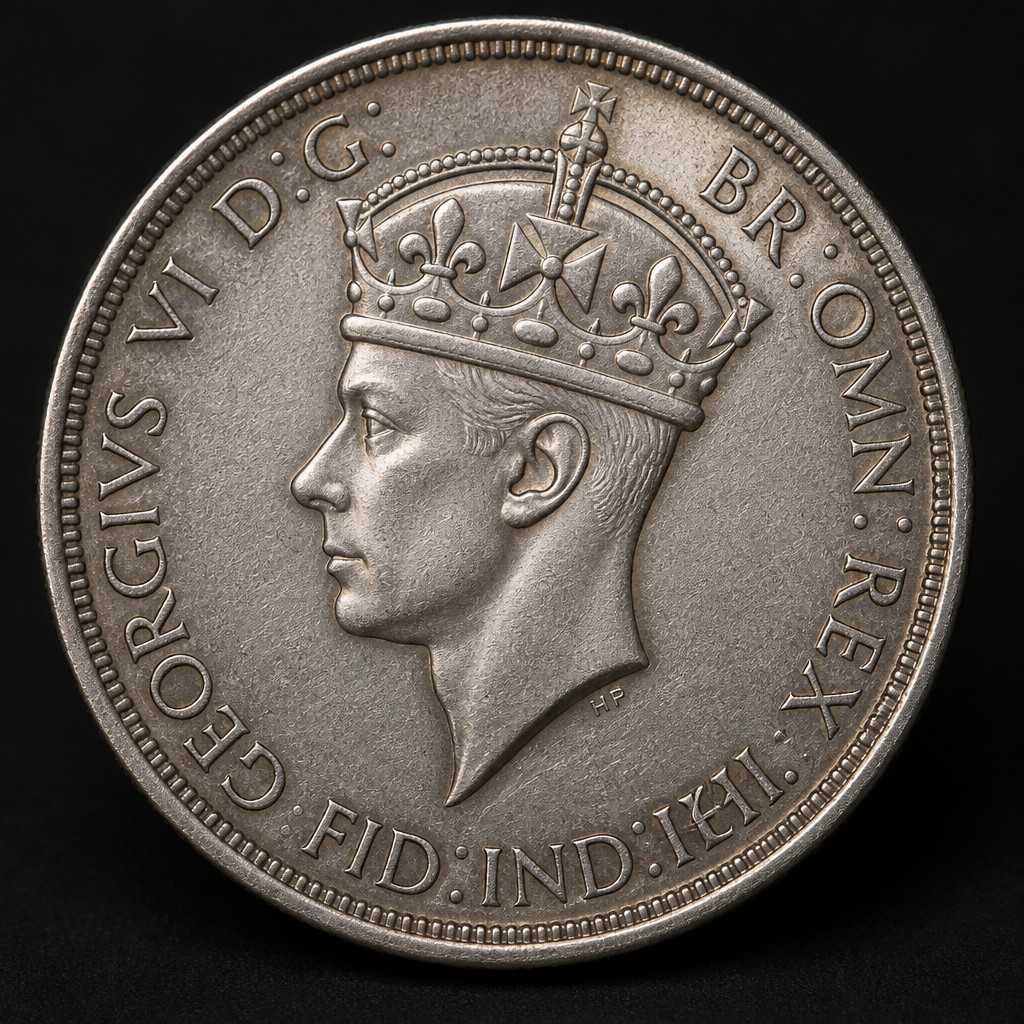
British Crown
Valued at five shillings, the British crown is a large silver (and later cupro-nickel) coin with a production history stretching from Tudor England to modern commemorative issues.
British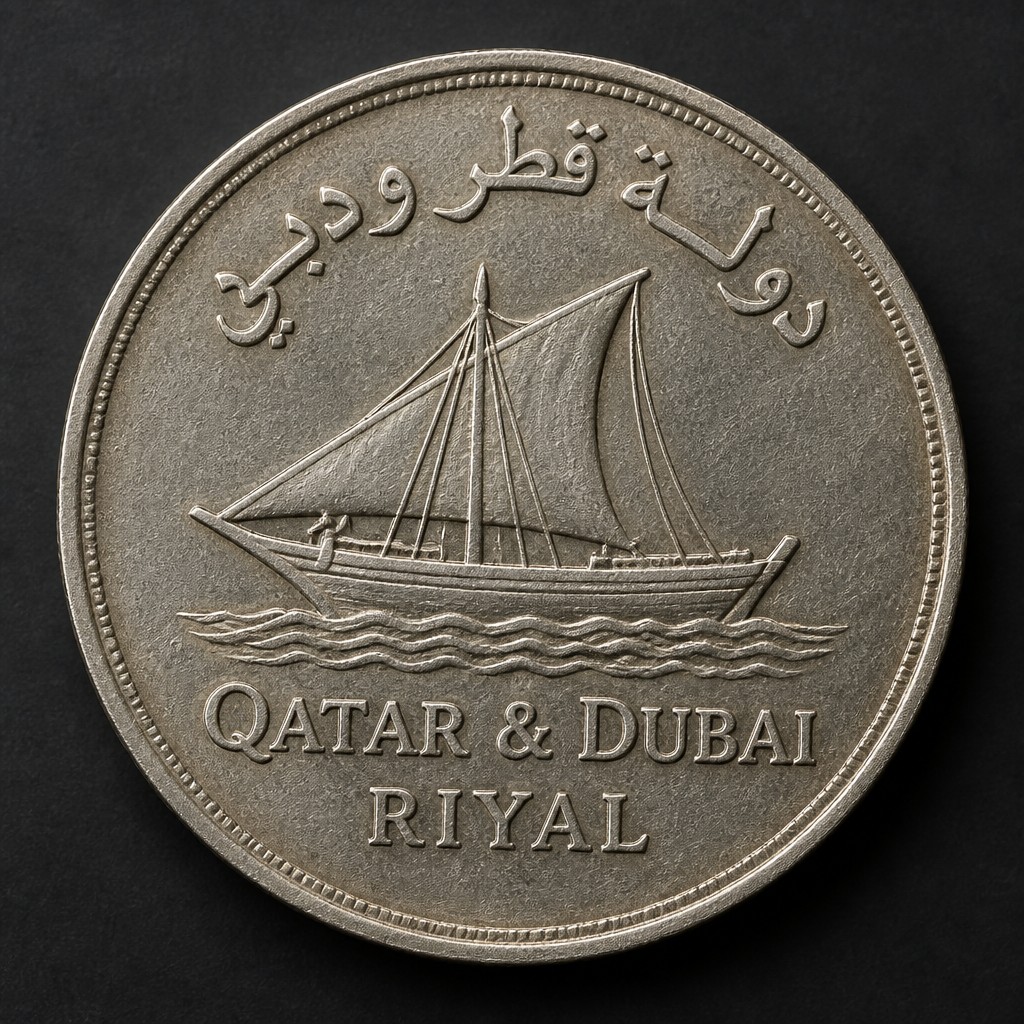
Qatar and Dubai Riyal
A short-lived joint currency issued for Qatar and Dubai between 1966 and 1973, created to replace the Gulf Rupee and used until each formed its own separate national currency.
Asian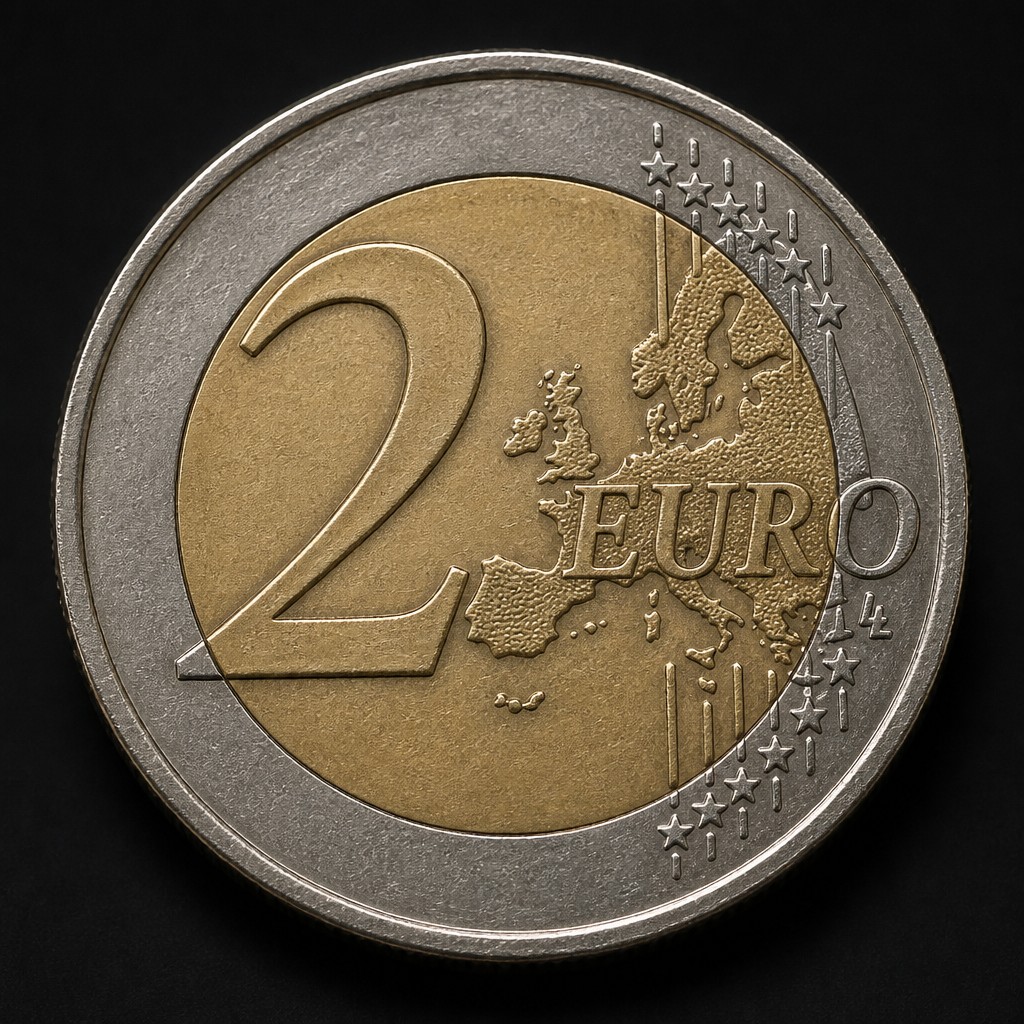
2 Euro Coin
The highest-denomination circulating euro coin, with a silver-colored center inside a gold-colored ring, widely used by member states to issue popular commemorative designs collected across Europe.
European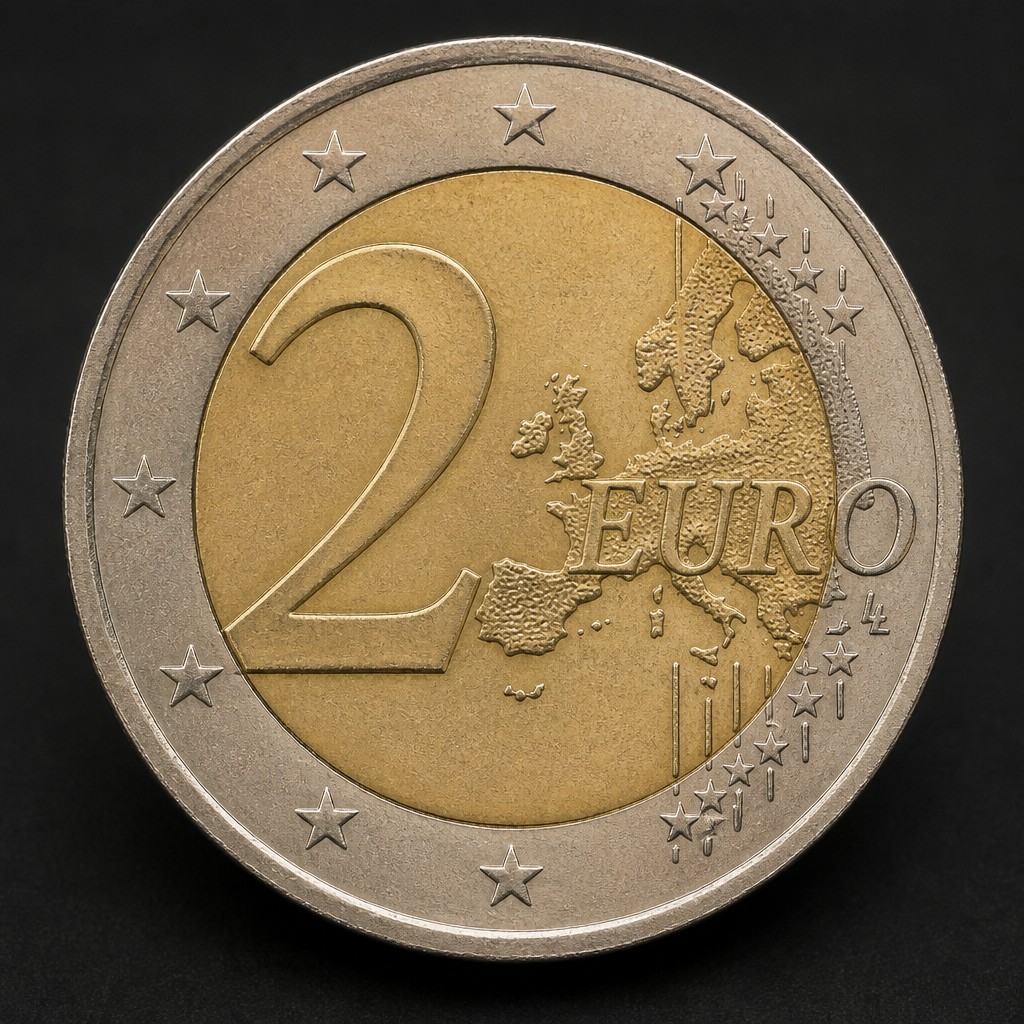
Euro €2 Commemorative Coins
Since 2004, Eurozone countries have issued special-design €2 coins commemorating anniversaries and events while keeping the coin's normal size, weight, and legal-tender status.
Commemorative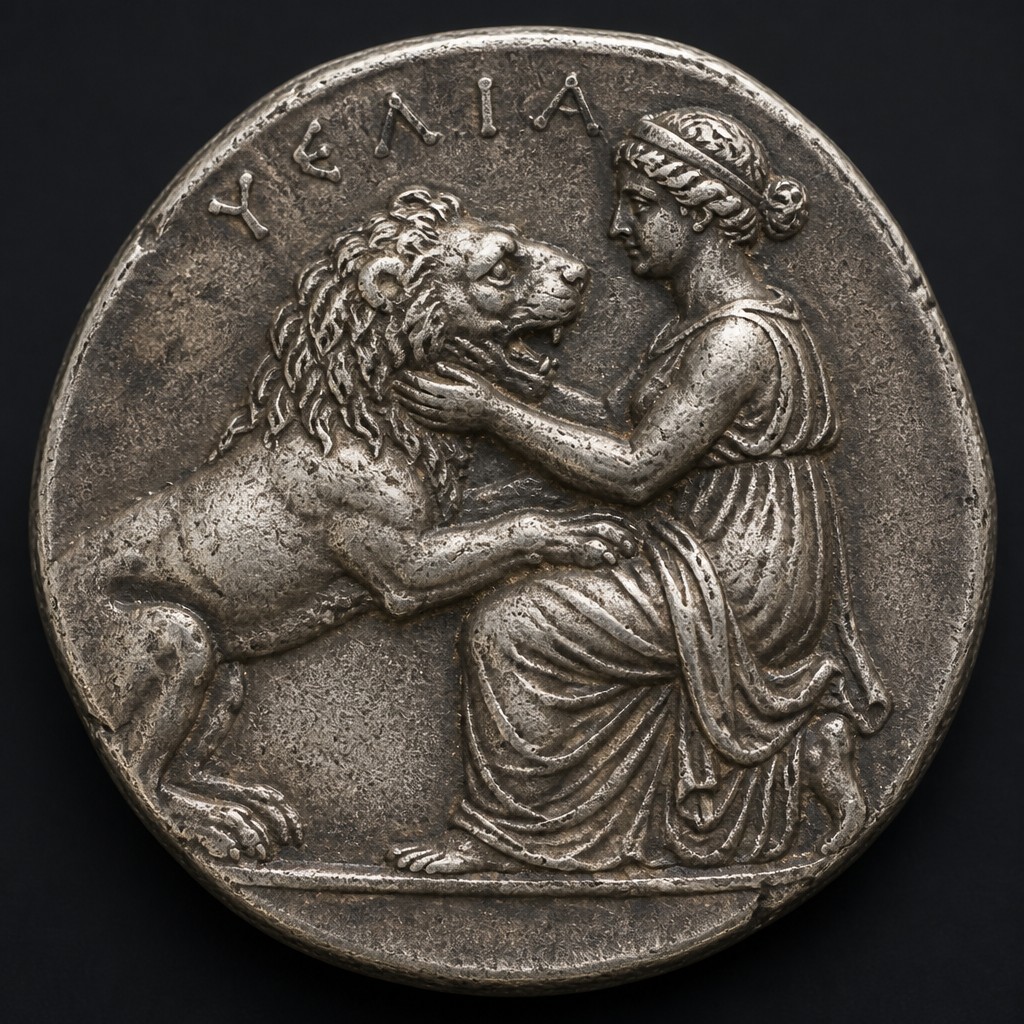
Velia (Elea) Lion and Nymph Nomos
A classic South Italian silver nomos pairing a finely helmeted head of Athena with a striding or attacking lion, from the philosophically famous city of Velia.
Ancient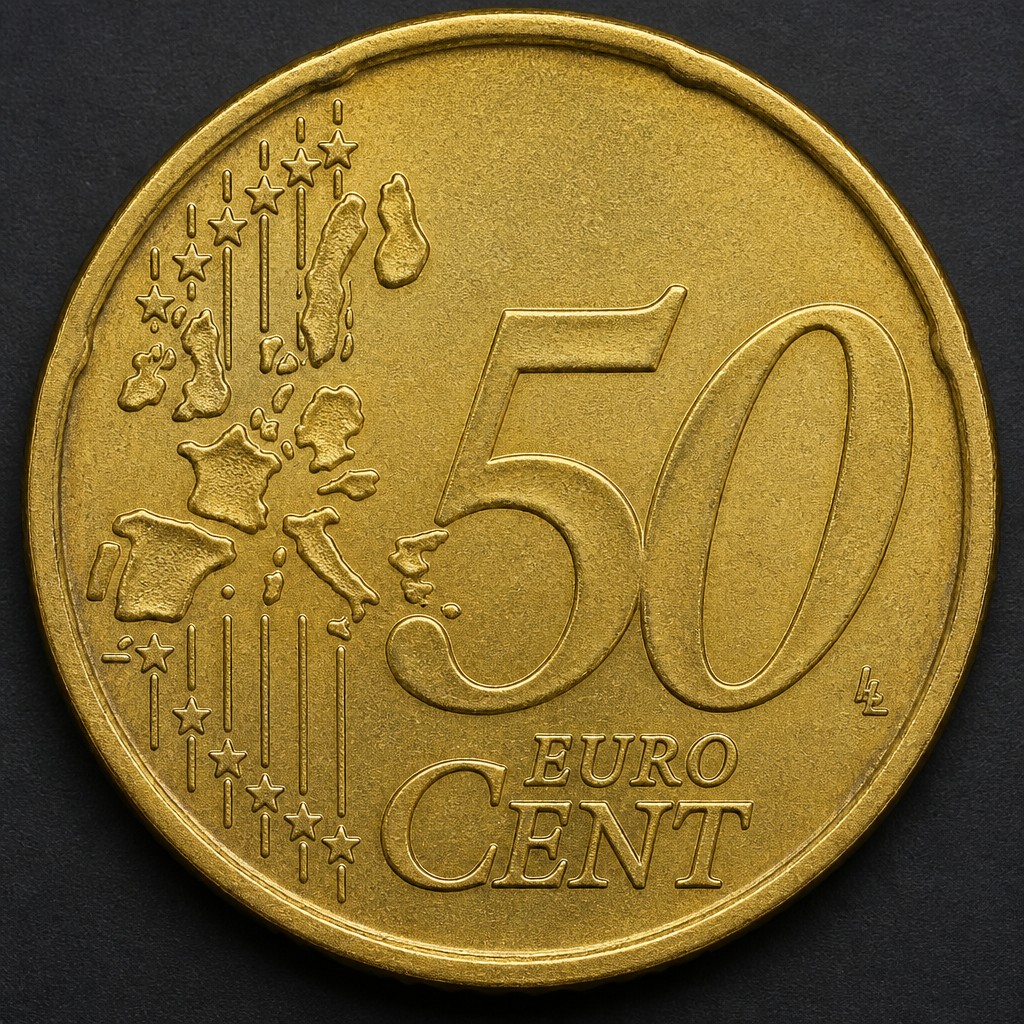
50 Euro Cent Coin
A gold-colored circulating euro coin worth half a euro, struck in a copper-based Nordic gold alloy and easily recognized by its distinctive scalloped-edge shape and national obverse design.
European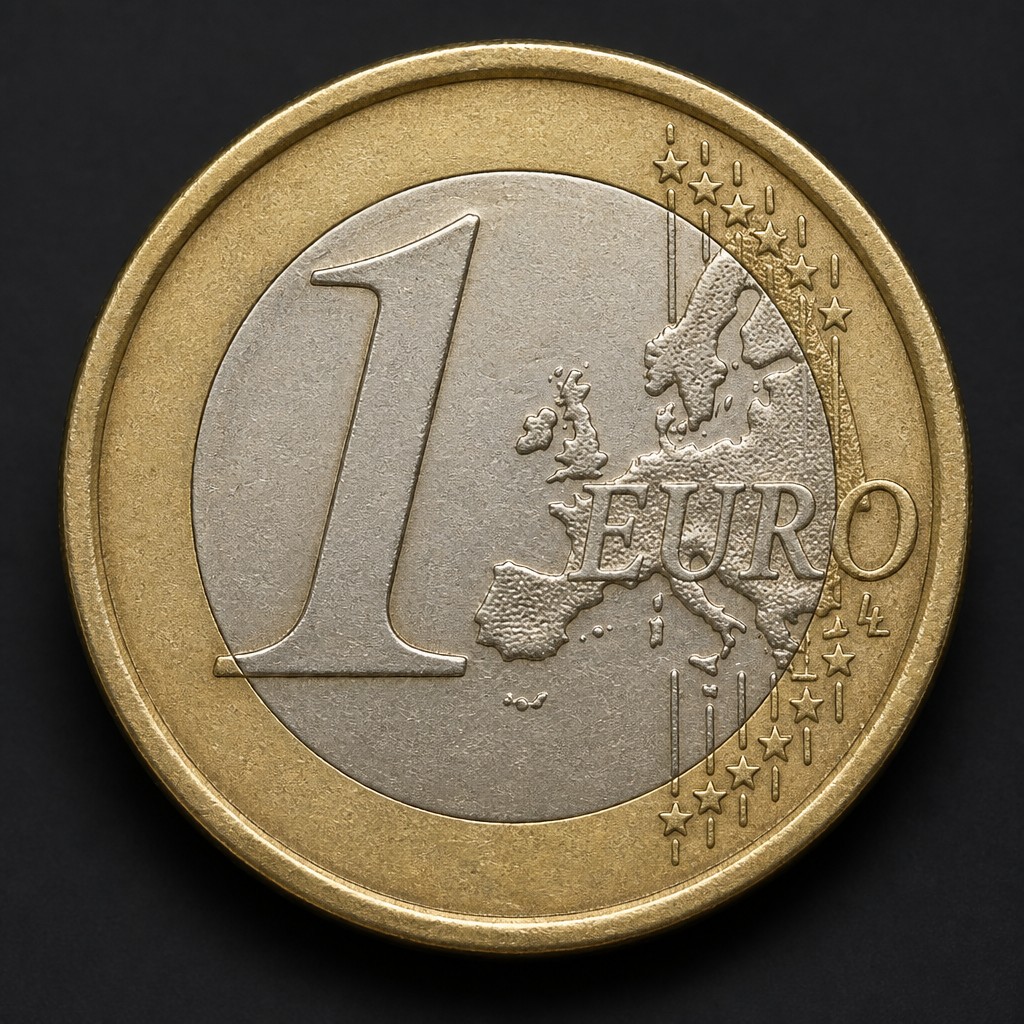
1 Euro Coin
The standard circulating one-euro coin used across the Eurozone since 2002, bimetallic with a gold-colored center and silver-colored ring, and a national obverse that varies by issuing country.
European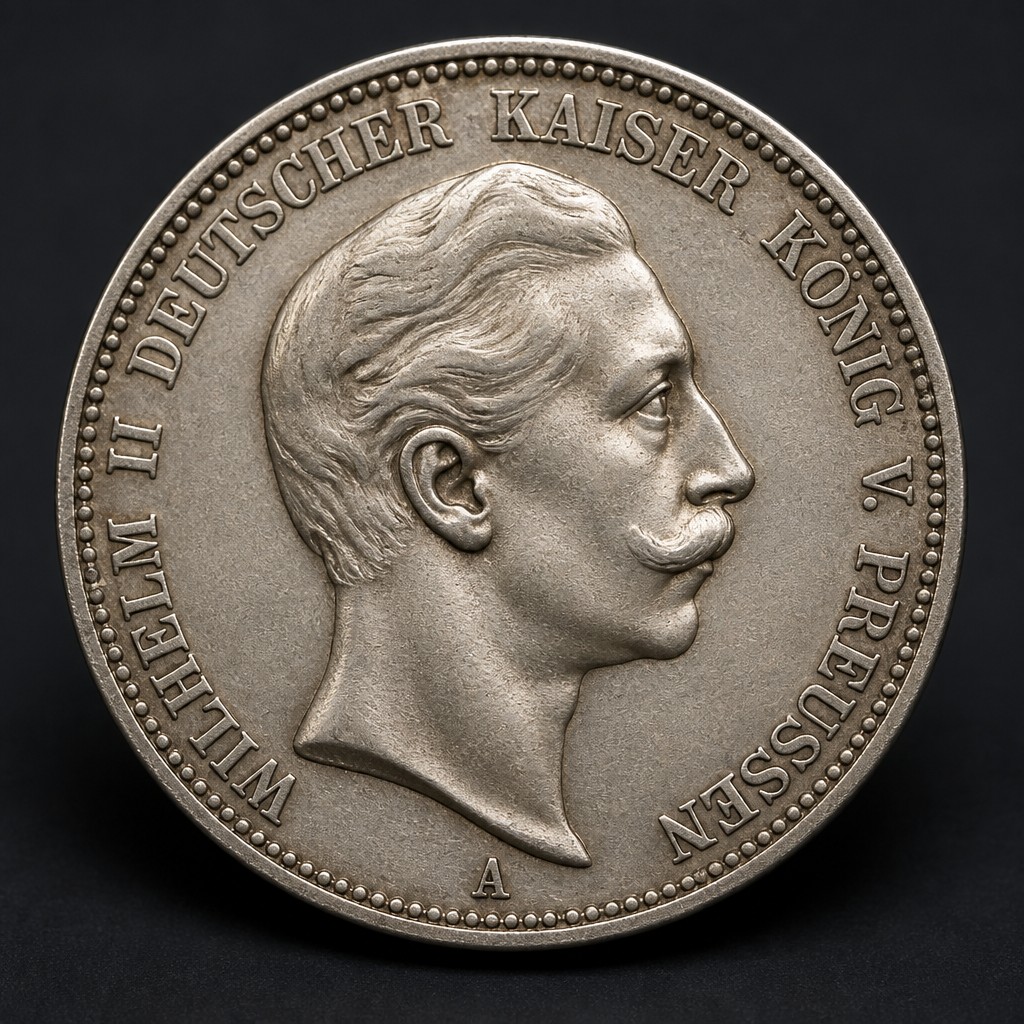
German 3 Mark Silver
A large silver coin of Imperial Germany, issued by the various constituent states with distinct rulers' portraits and commemorative designs.
European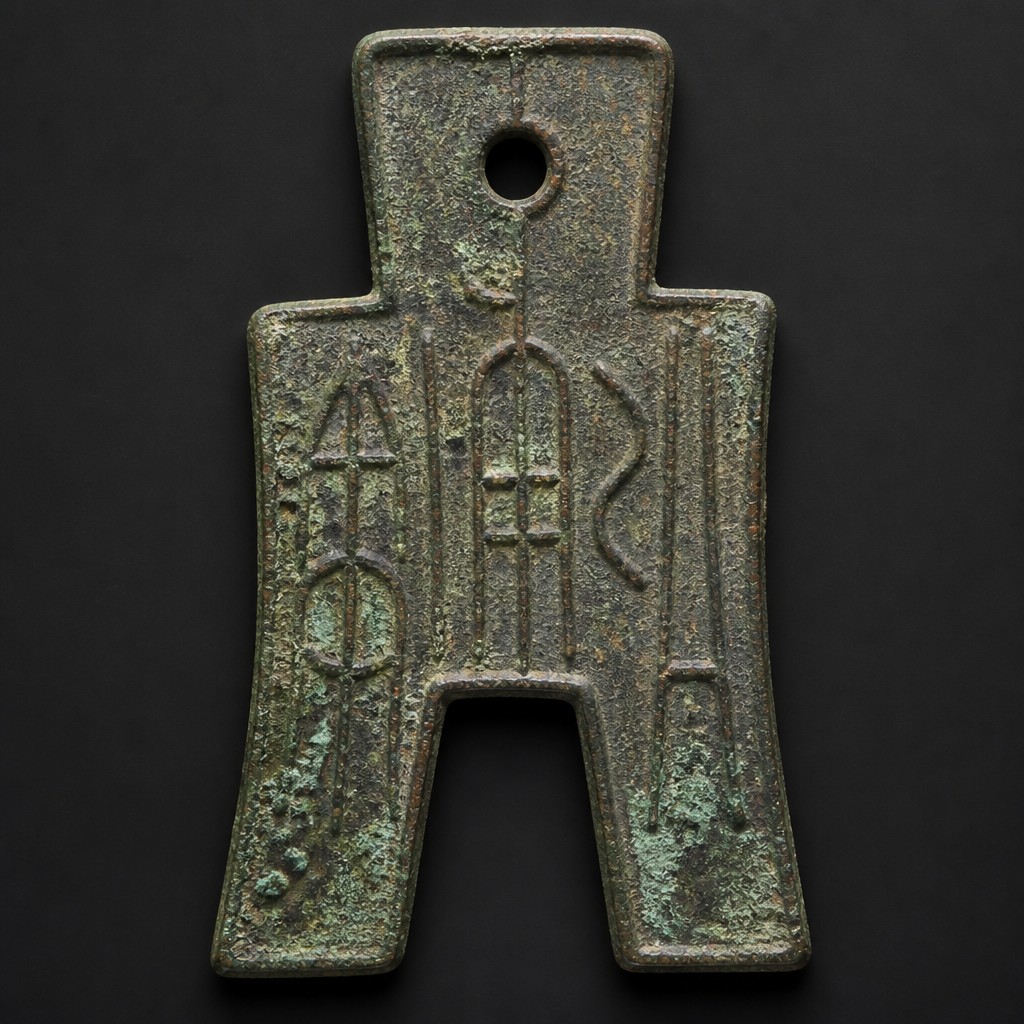
Chinese Spade Money (Bu Coin)
An early Chinese bronze currency shaped like a miniature farming spade, used across several competing Zhou-era states before round coinage became standardized.
Asian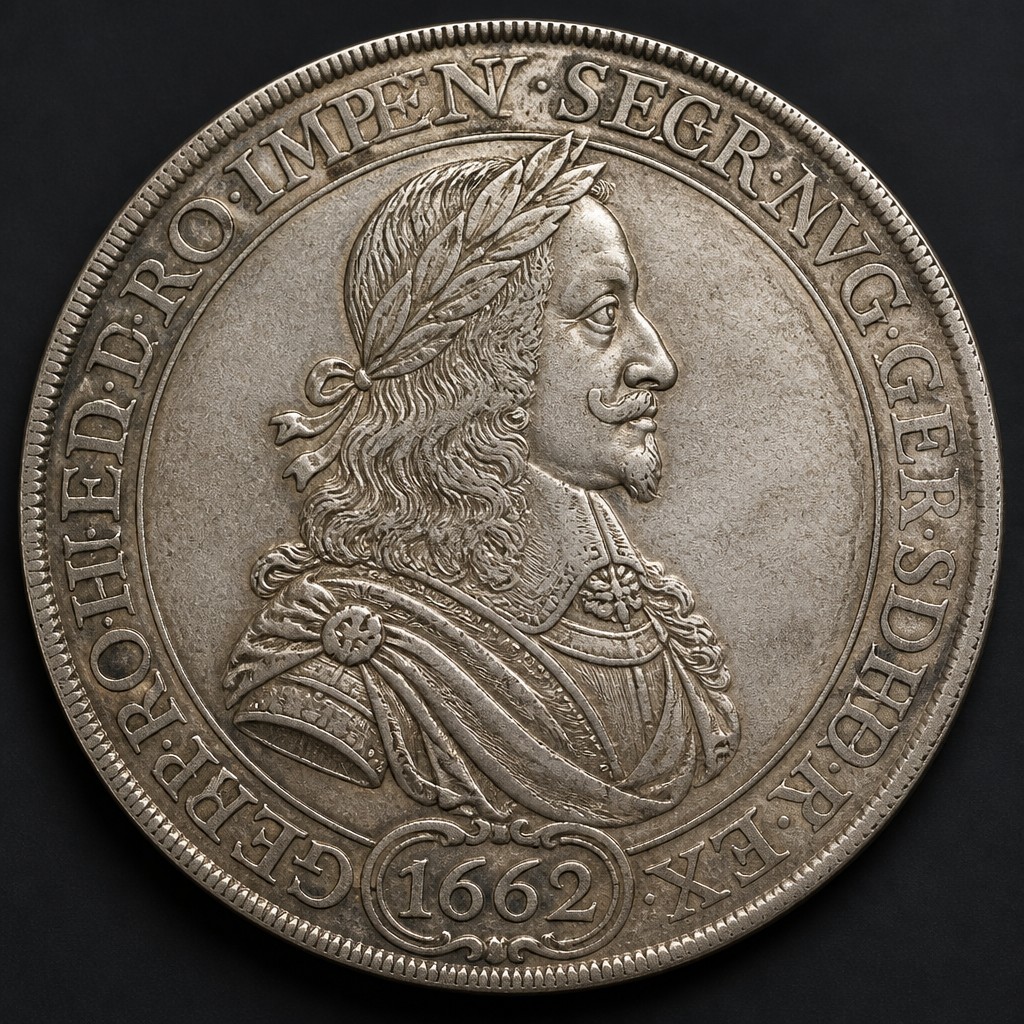
Reichsthaler
The standard large silver coin of the Holy Roman Empire and its constituent German states from the 16th century onward, whose name is the direct linguistic ancestor of the word 'dollar.'
European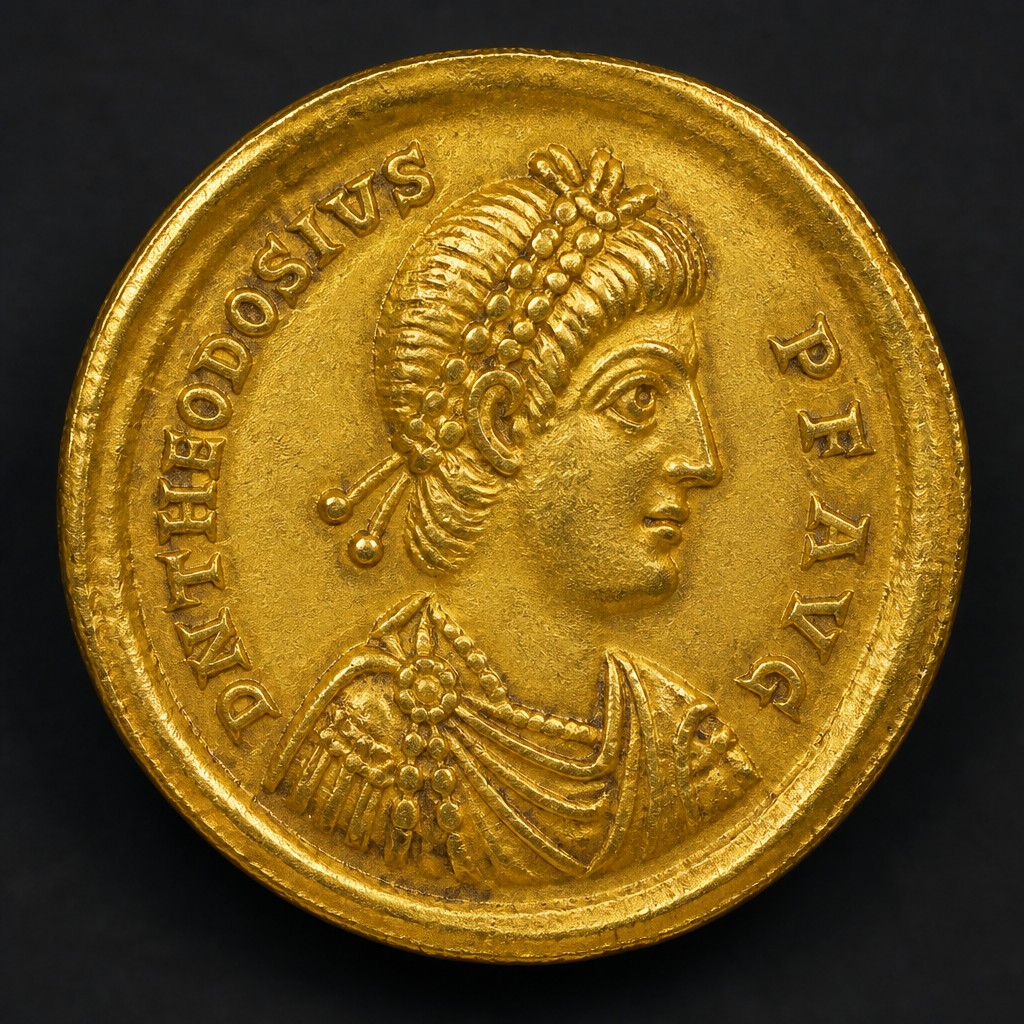
Theodosius I Solidus
A gold solidus of Theodosius I, the last emperor to rule a united Roman Empire and the ruler who made Nicene Christianity the state religion.
Ancient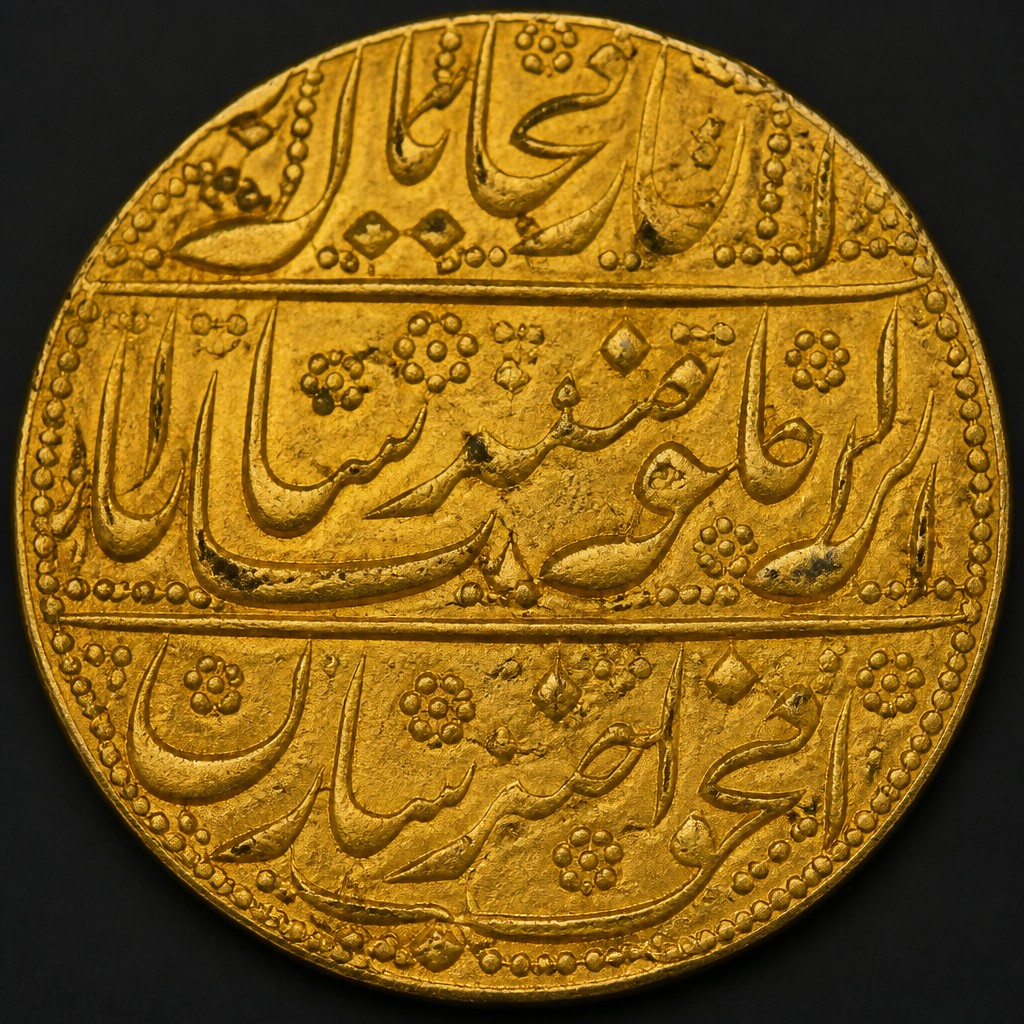
Indian Gold Mohur
The traditional high-value gold coin of the Indian subcontinent, struck for centuries by Mughal emperors, later by the British East India Company, British India, and various princely states.
Asian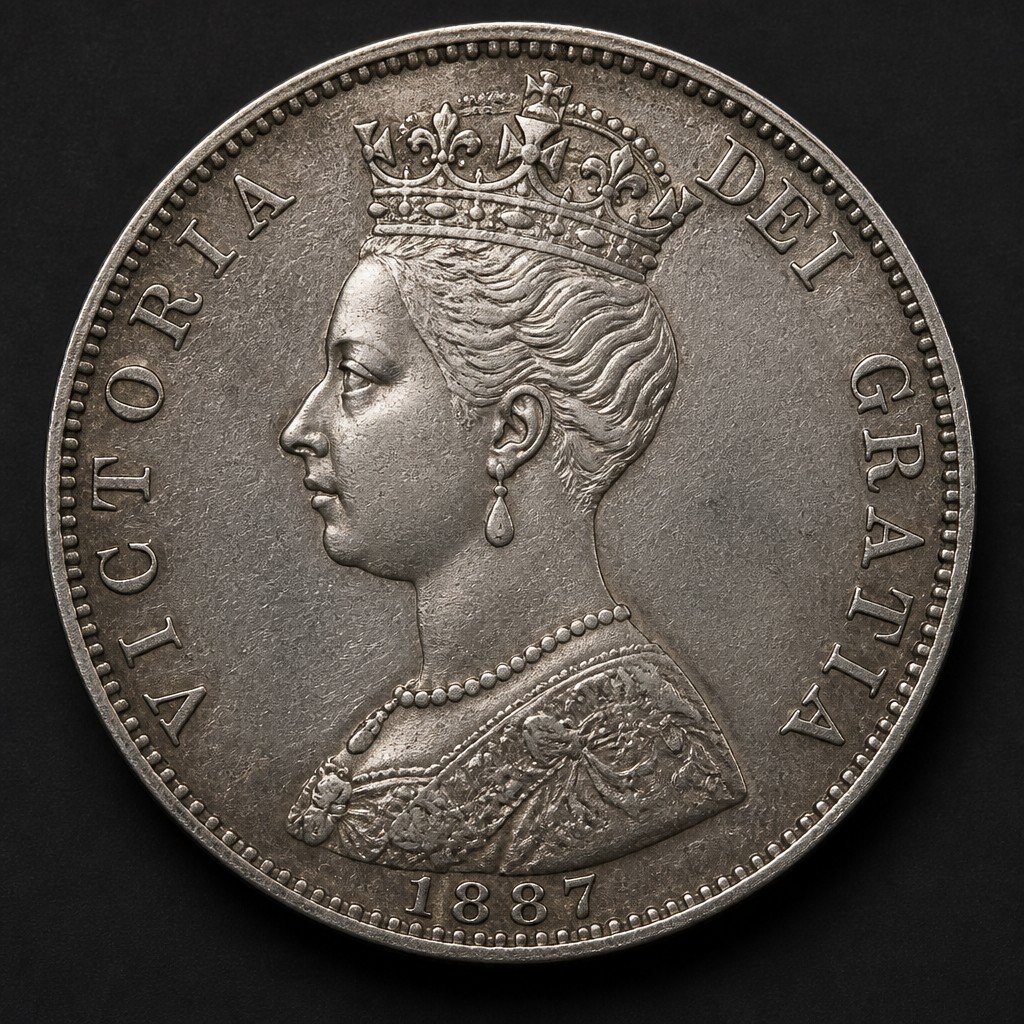
Crown
Large British coin traditionally worth five shillings, historically struck in silver and famed for elaborate designs, now issued mainly as a cupro-nickel commemorative.
British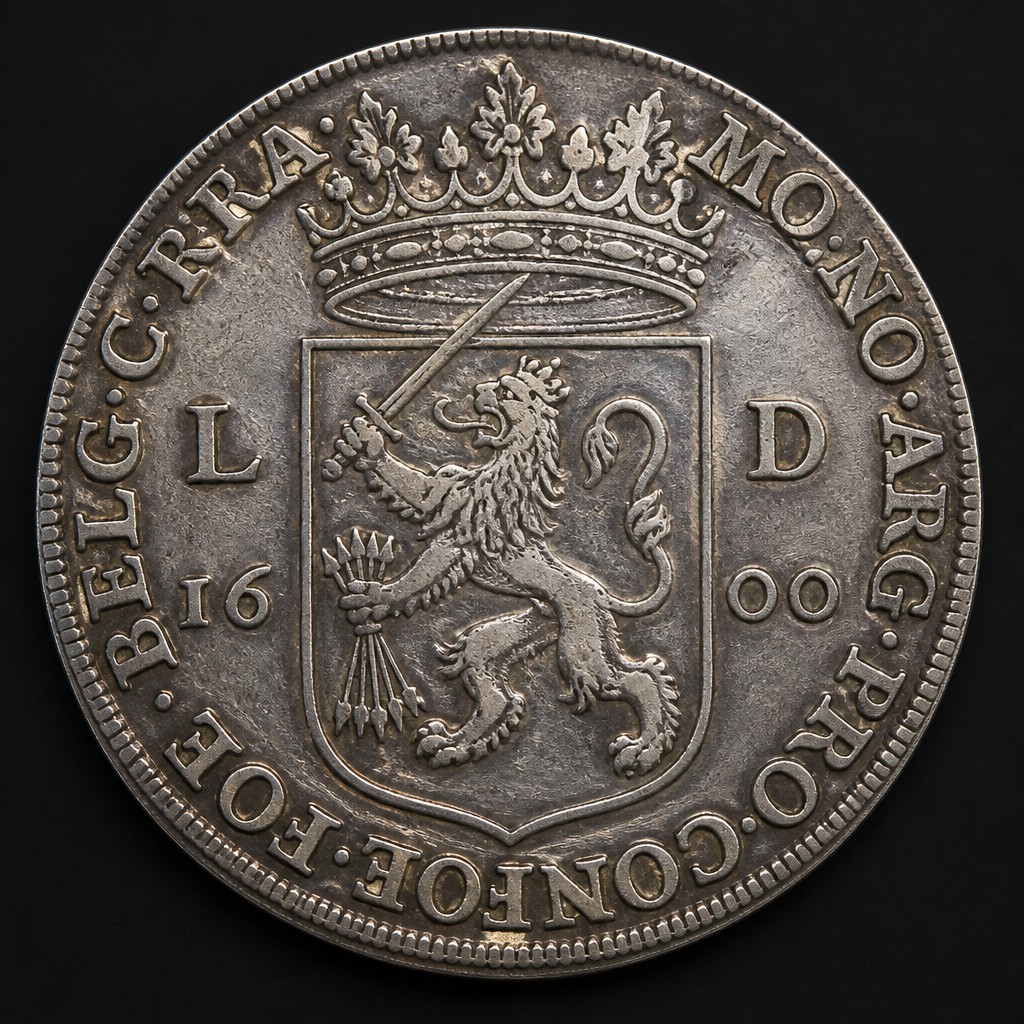
Netherlands Lion Daalder (Leeuwendaalder)
A large silver trade coin of the Dutch provinces showing a knight and a rampant lion, widely circulated in colonial North America and the Ottoman world as the prototype 'lion dollar.'
European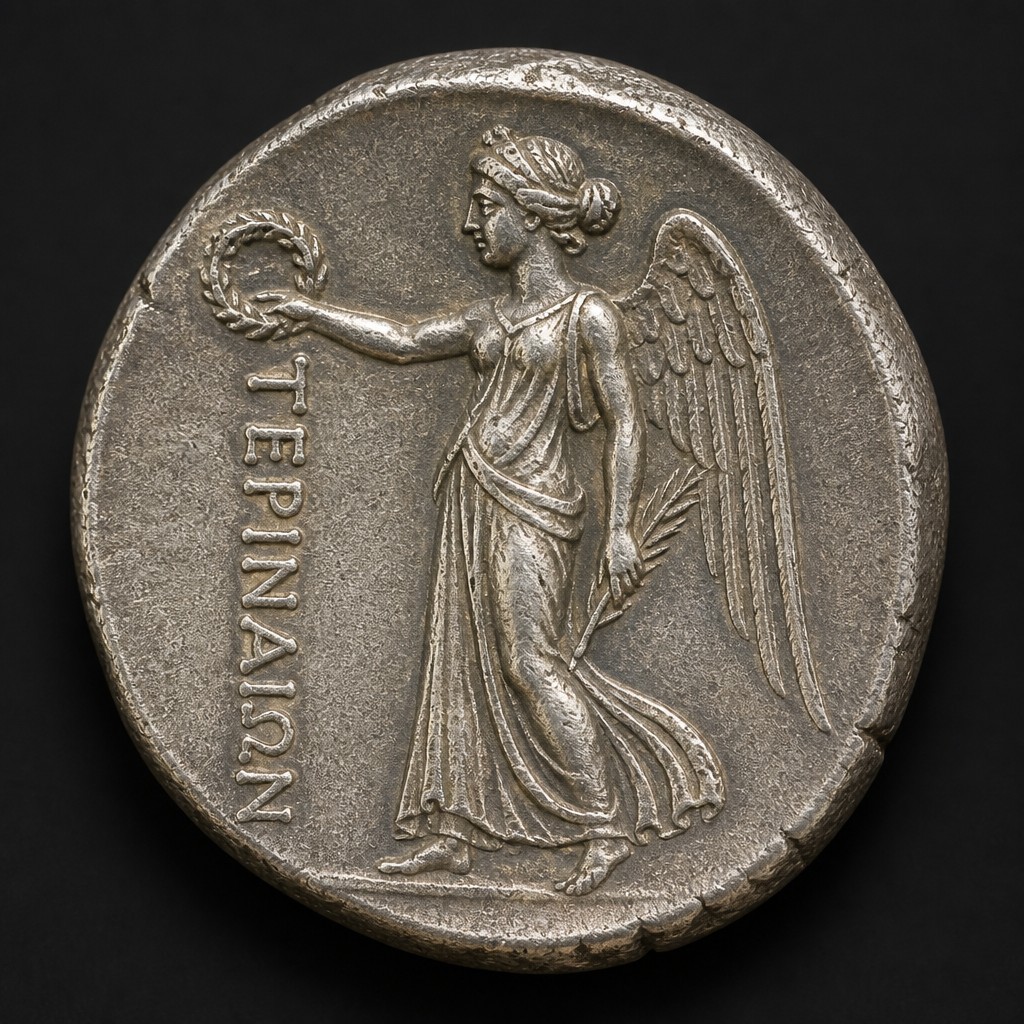
Terina Nike Nomos
A silver nomos from the South Italian city of Terina, celebrated among collectors for its graceful depictions of Nike, the winged goddess of victory, on the reverse.
Ancient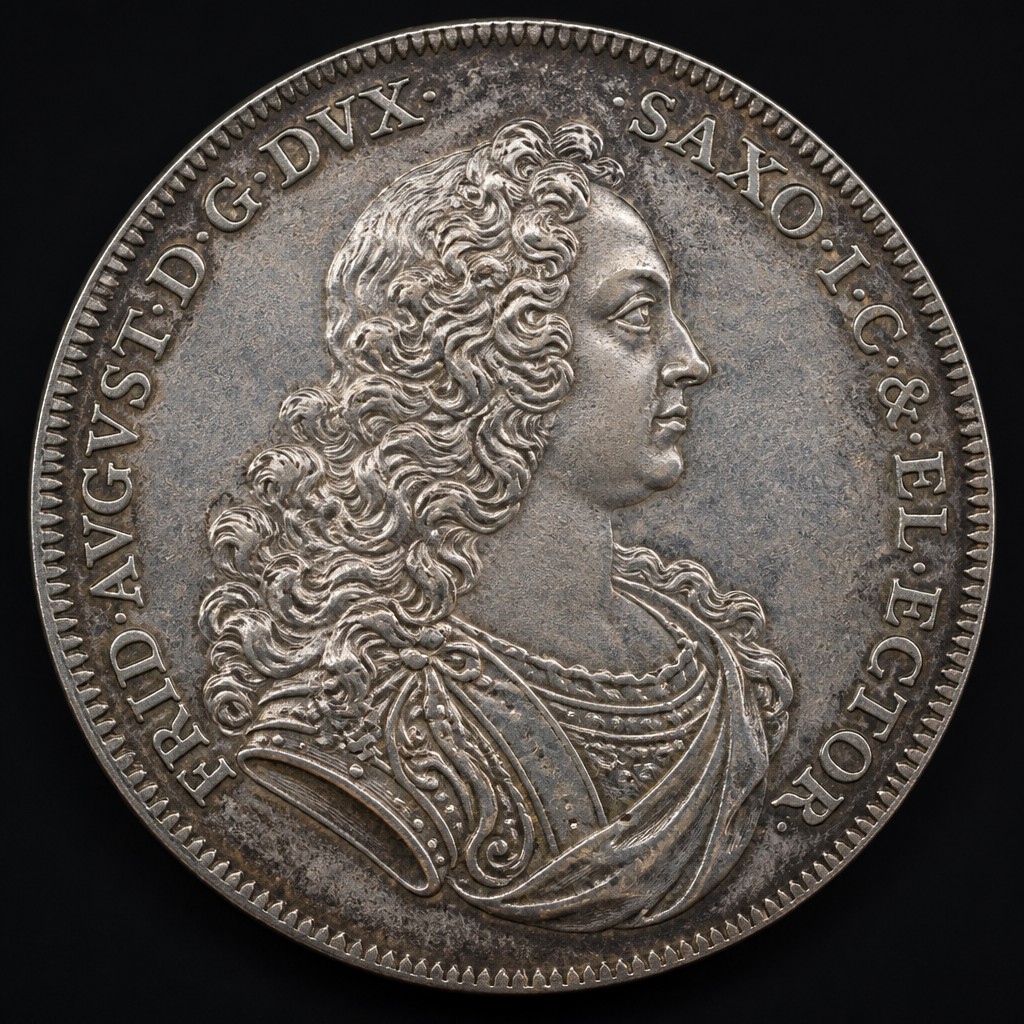
Saxon Speciestaler
Full-weight silver taler issued by the Electors and later Kings of Saxony, distinguished from lesser-value "current" talers used for everyday commerce.
European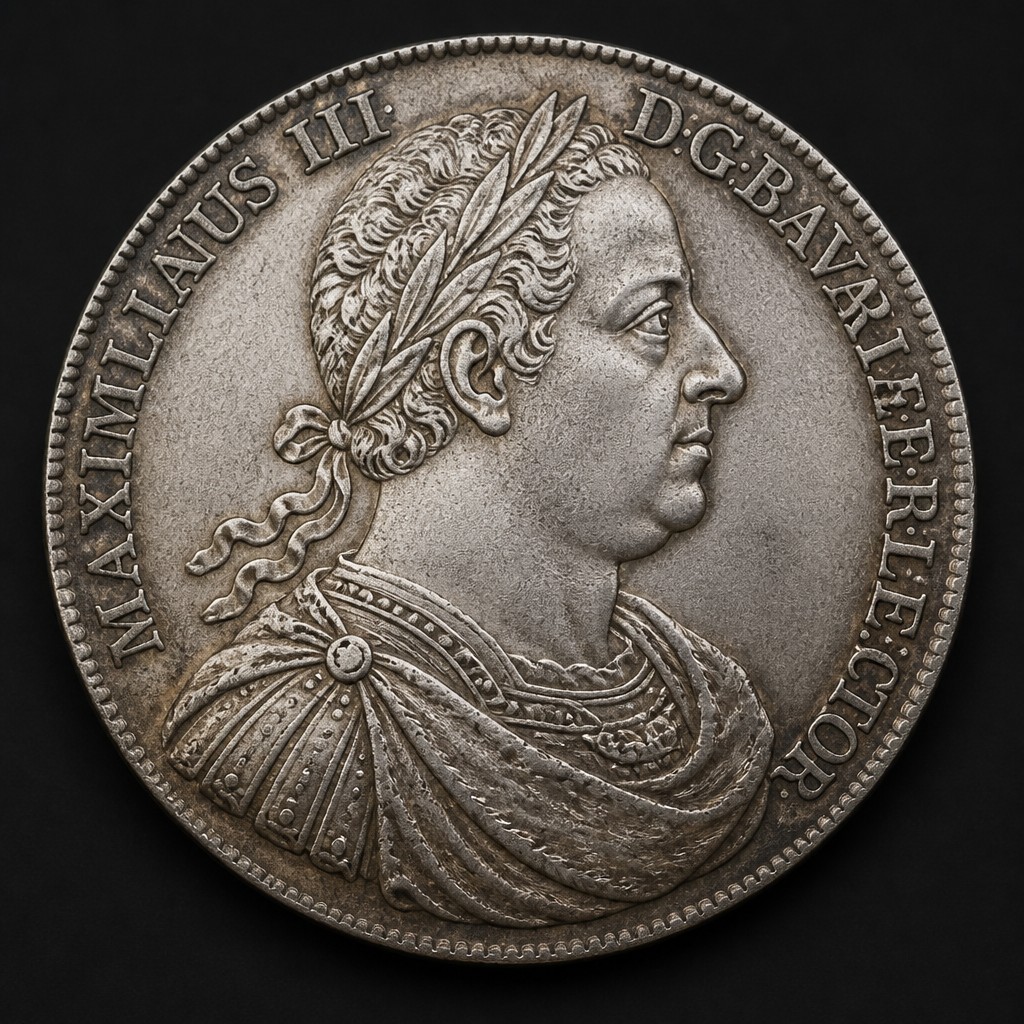
Bavaria Thaler
The historic large silver coin of Bavaria, struck across centuries by its electors and kings, capturing the state's political and artistic history until Germany's currency unification in the 1870s.
European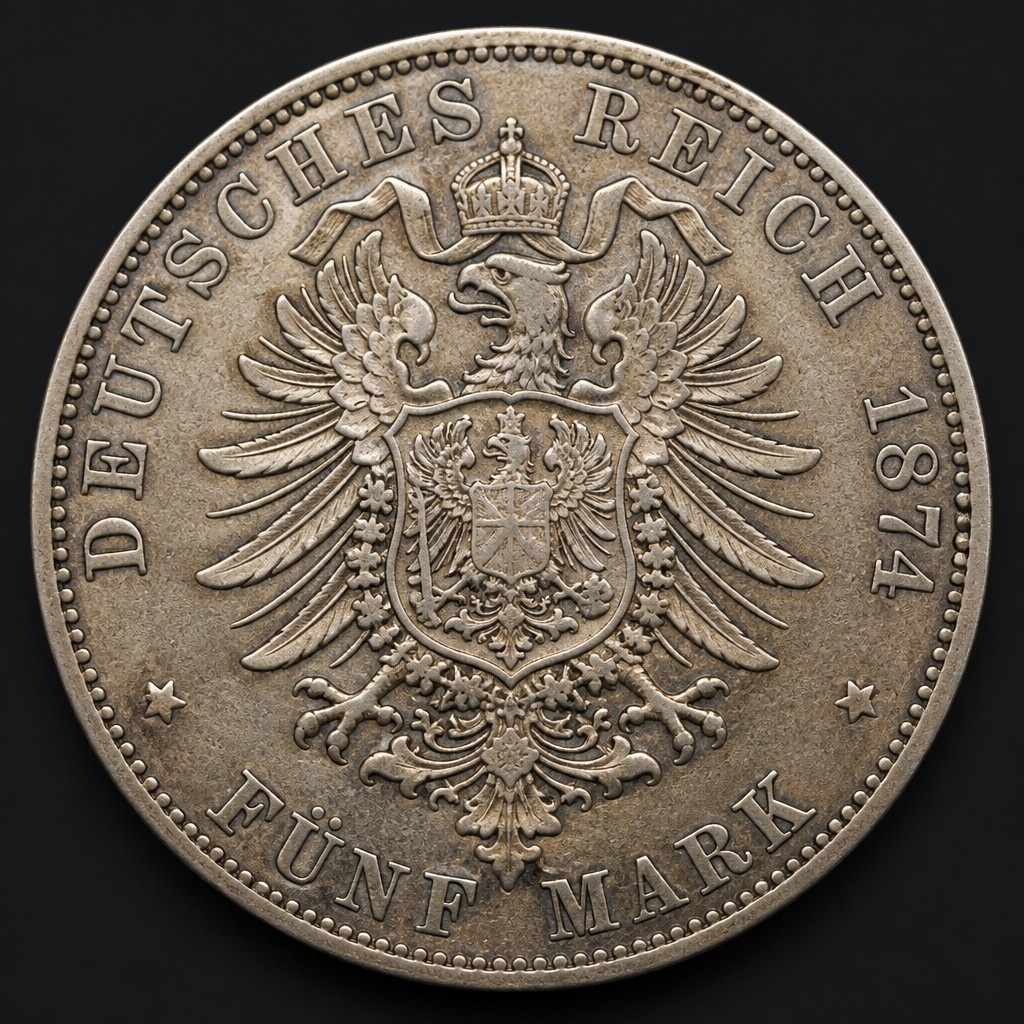
German Empire 5 Mark
A large silver crown of Imperial Germany bearing the portrait or arms of individual constituent states, unified under a common eagle reverse after German unification in 1871.
European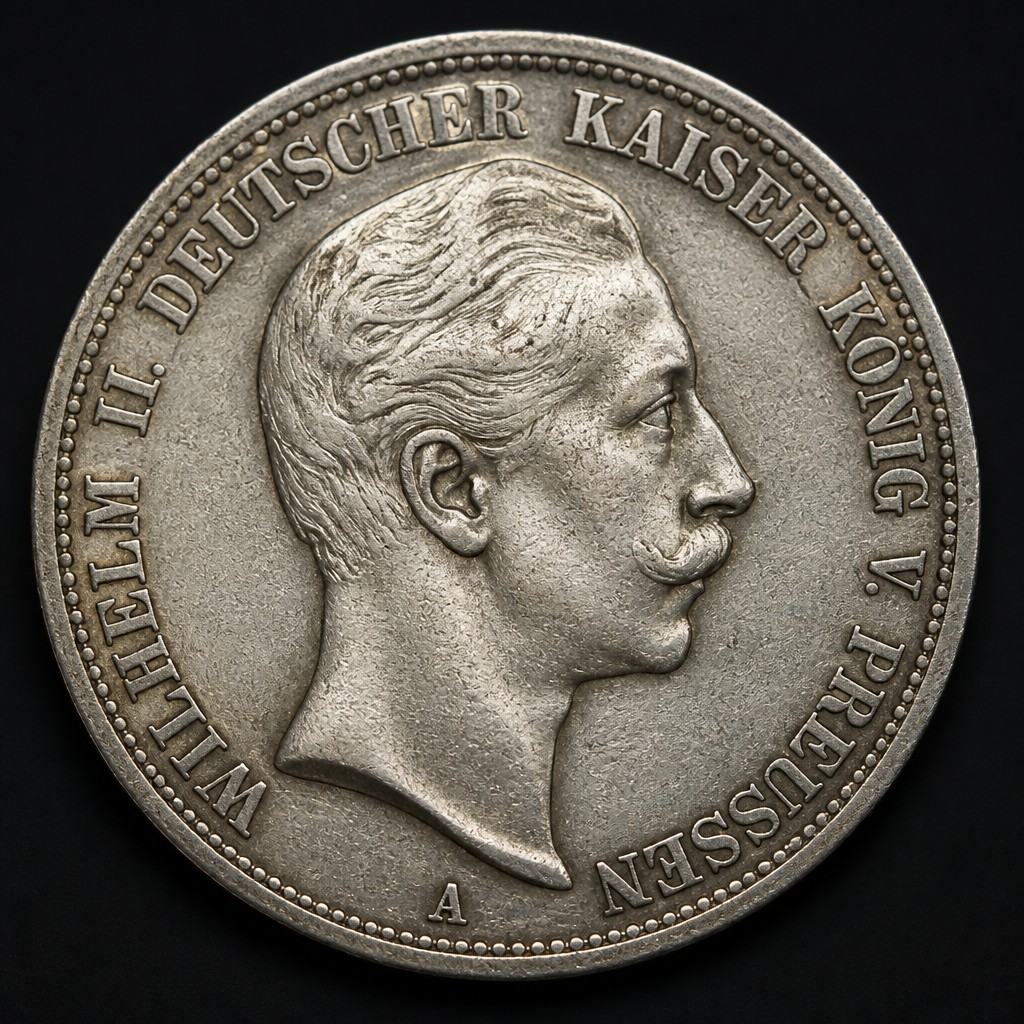
German 5 Mark Silver (Kaiserreich)
The 5 Mark was the largest circulating silver coin of the German Empire, issued by numerous constituent states and free cities, each with its own portrait or design under a common imperial system.
European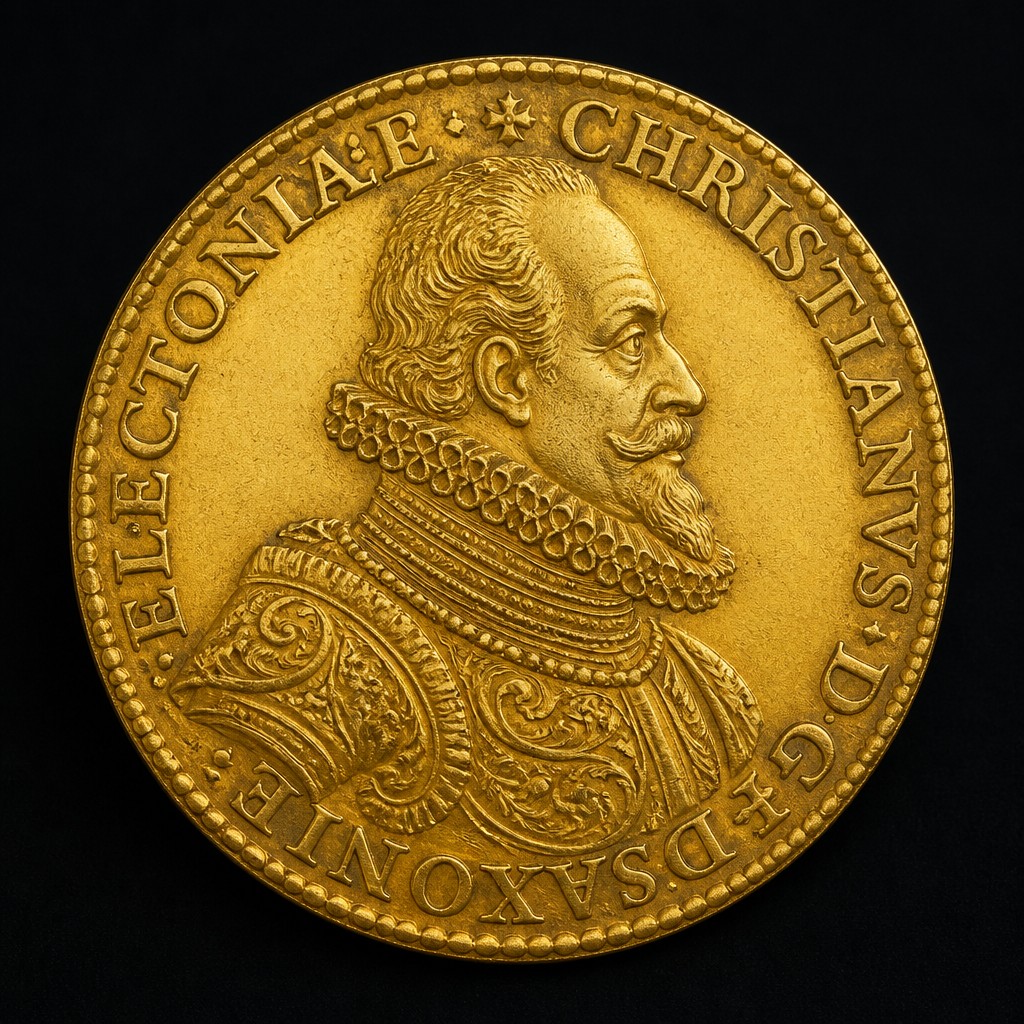
German Saxony Ducat
A high-purity gold trade coin struck for centuries by the rulers of Saxony, one of the most important German states before national unification.
European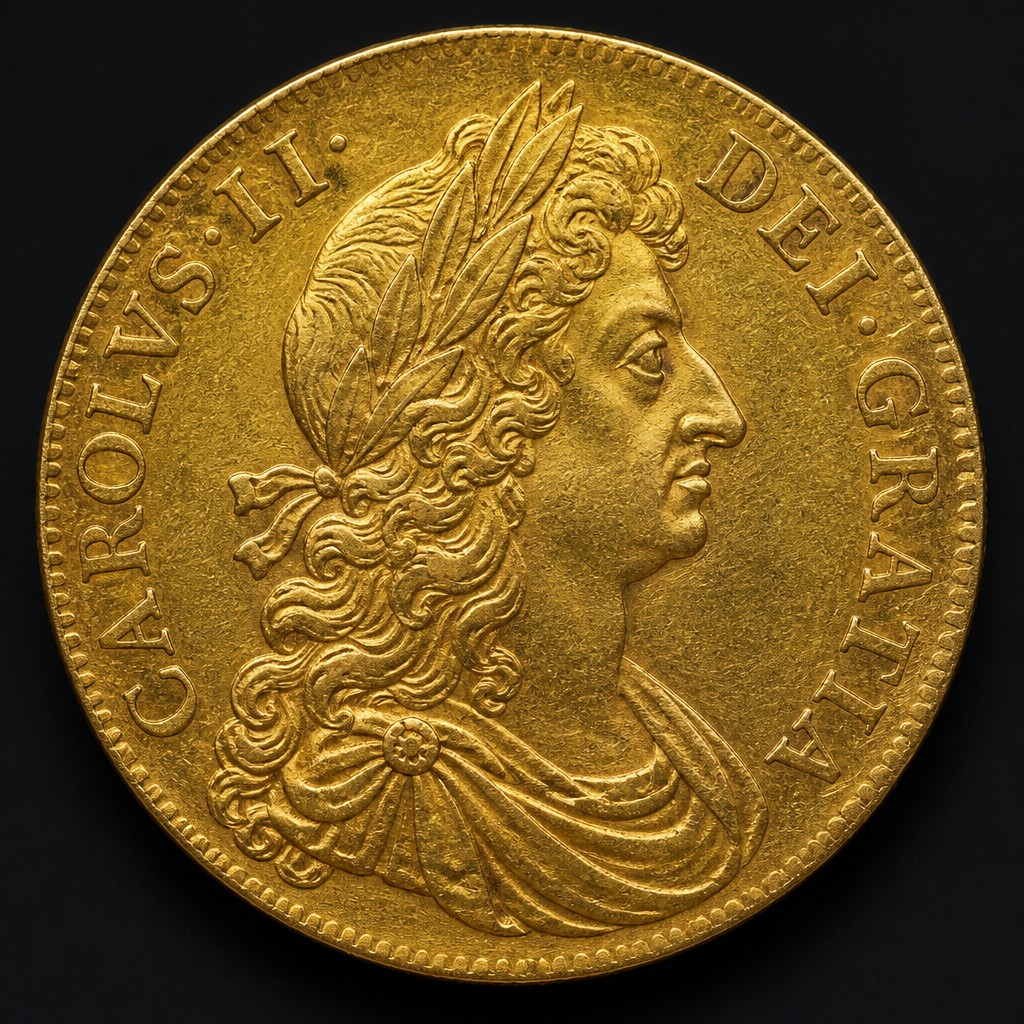
British Gold Guinea
Struck from 1663 to 1814 and named for the West African gold used in its earliest issues, the guinea was Britain's leading gold coin and gave its name to a unit of value still referenced today.
British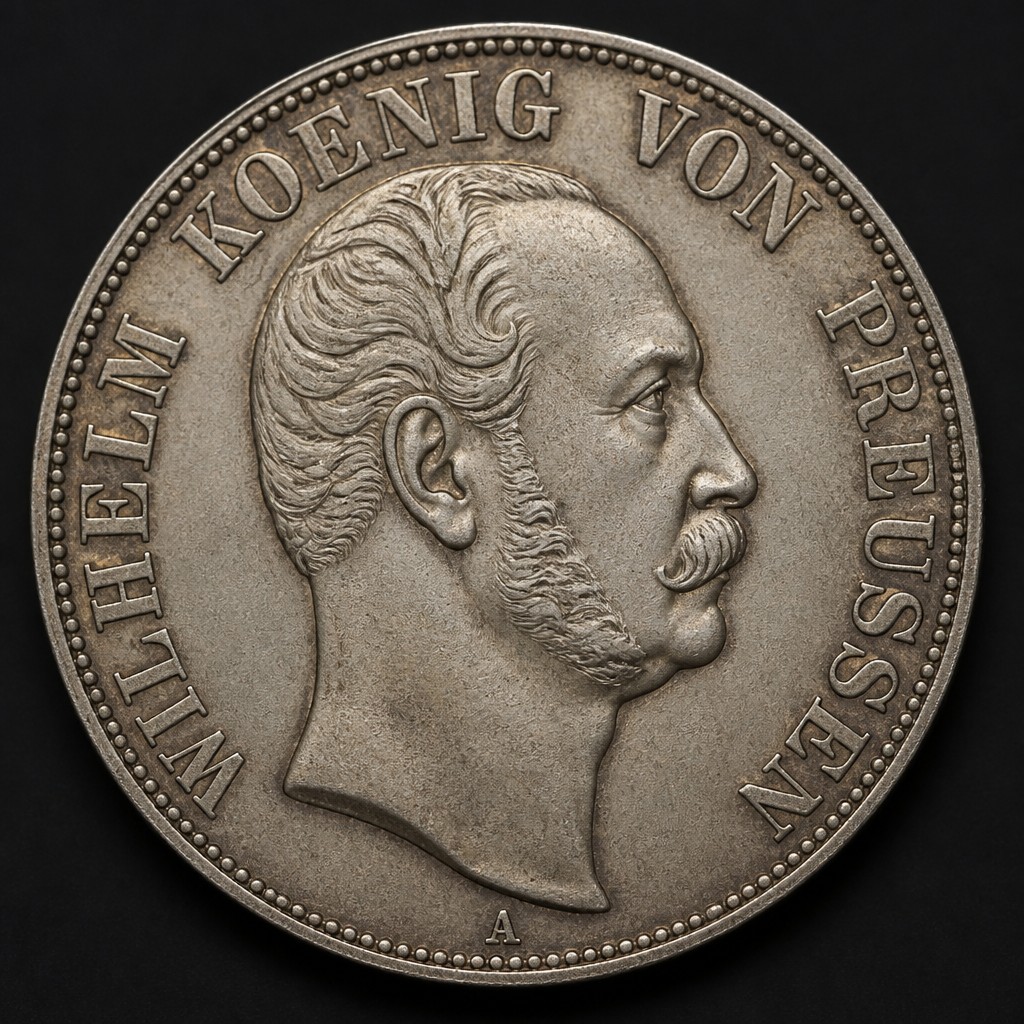
Prussian Vereinsthaler
A standardized silver thaler struck by the Kingdom of Prussia under the 1857 Vienna Monetary Treaty, unifying weight and fineness across many German and Austrian states before German unification.
European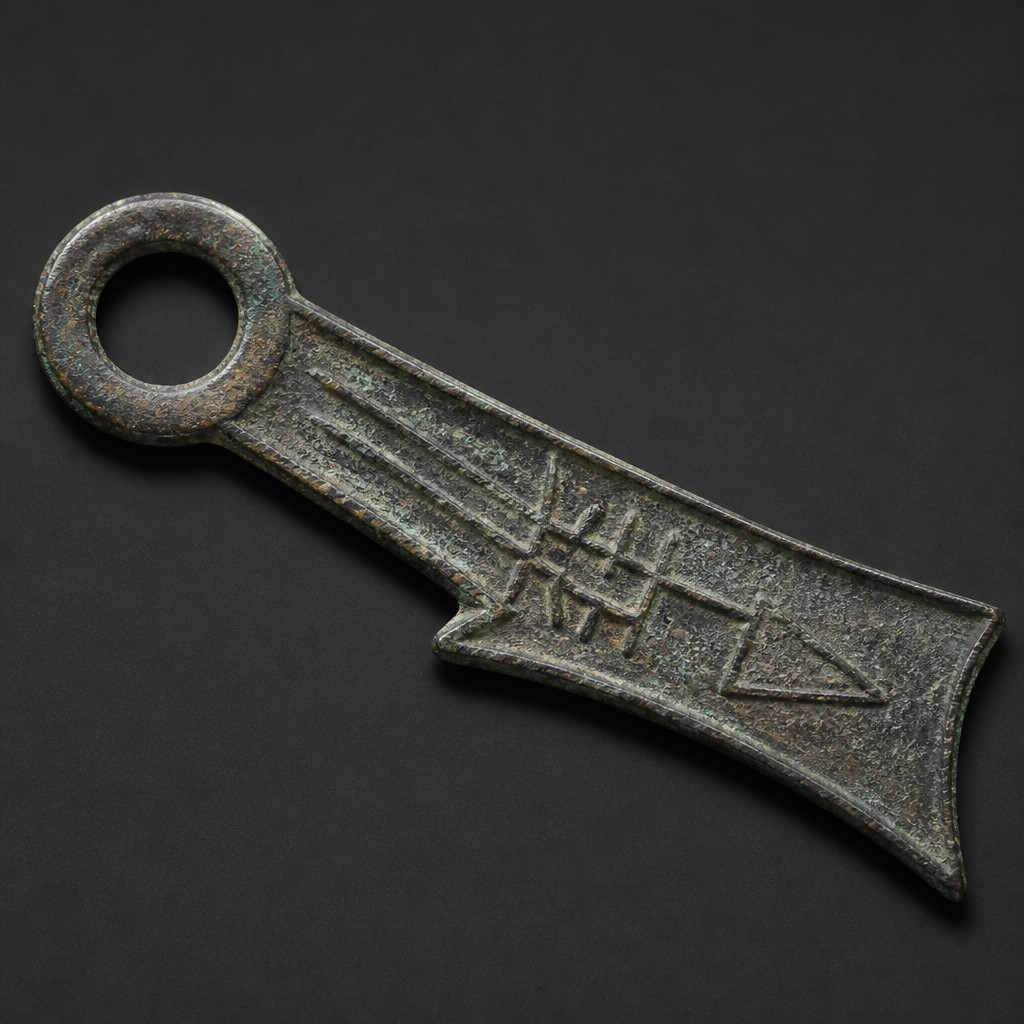
Chinese Knife Money (Ming Dao)
An ancient Chinese bronze currency cast in the shape of a knife, bearing a character often read as "Ming" on its blade, used mainly by the northern state of Yan before round coinage prevailed.
Asian