
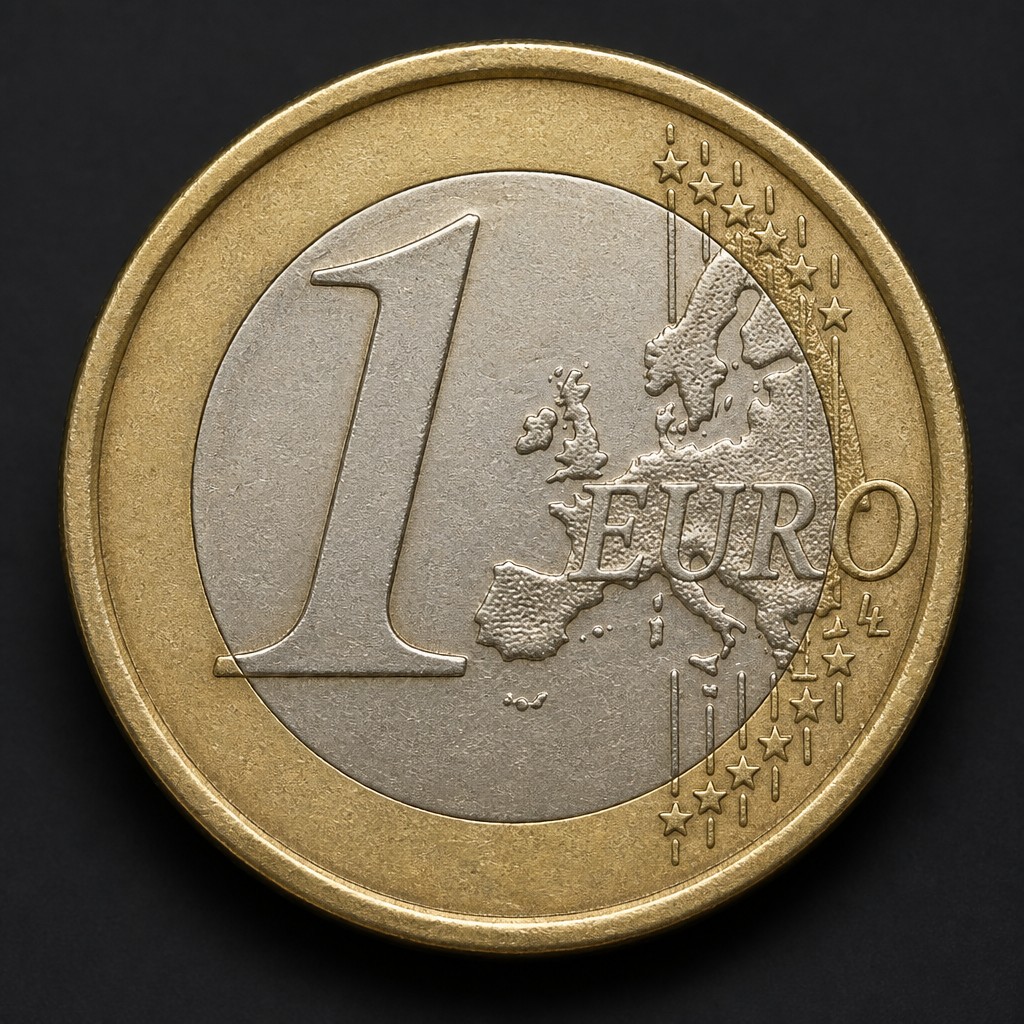
1 Euro Coin
The standard circulating one-euro coin used across the Eurozone since 2002, bimetallic with a gold-colored center and silver-colored ring, and a national obverse that varies by issuing country.
- Country
- Eurozone (European Union member states)
- Denomination
- 1 Euro
- Metal
- Bi-metallic (Nickel-brass center, Copper-nickel ring)
Got a coin like this?
Identify any coin from a photo, free.
Overview
The 1 euro coin is one of the two "high value" circulating coins of the Eurozone, alongside the 2 euro, introduced into physical circulation in January 2002 after the euro was created as an accounting currency in 1999. Its distinctive two-tone bimetallic construction and country-specific national side make it a favorite subject for everyday circulation-find collectors across Europe.
Each participating country strikes its own version with a shared reverse design, so the coin functions identically everywhere in the Eurozone while still carrying national identity.
History & Background
The euro was designed to replace the national currencies of participating European Union member states, with coin designs finalized in the late 1990s ahead of the 2002 cash changeover. Belgian designer Luc Luycx created the common reverse used on both the 1 and 2 euro coins, while each participating country designs its own national obverse.
National obverse designs can be updated over time, for example following a change of monarch or head of state, while the coin's value and common reverse remain unchanged and usable across the entire currency union.
How to Identify
The common reverse shows a stylized map of Europe, updated in 2007 to include newer member states, together with the denomination "1 EURO" and the twelve stars symbolizing European unity. The national obverse varies by issuing country, depicting national monuments, monarchs, or symbolic figures, always bordered by the twelve stars.
The coin is bimetallic, with a gold-colored nickel-brass center set within a silver-colored copper-nickel ring, and features a finely milled edge with alternating smooth and reeded segments to aid tactile identification.
Value & Collectibility
Ordinary circulated 1 euro coins are worth face value only and are not generally collectible beyond curiosity. Collector interest instead focuses on national design varieties, low-mintage issuing countries such as Vatican City, San Marino, Monaco, and Andorra, early first-year issues, and genuine mint errors.
While most 1 euro coins remain common, coins from the smallest issuing states can carry a modest premium over face value due to limited mintages.
Frequently asked questions
Is every 1 euro coin worth the same amount?
Yes, all 1 euro coins are legal tender for one euro across the Eurozone regardless of which country issued them.
Why do 1 euro coins look different from country to country?
Each country designs its own national obverse side while sharing a common reverse design and denomination.
What metal is a 1 euro coin made of?
It is bimetallic, with a gold-colored nickel-brass center and a silver-colored copper-nickel outer ring.
Are any 1 euro coins valuable to collectors?
Most are common, but coins from small-mintage countries, early issues, or with genuine mint errors can carry a collector premium.
Other coins you may enjoy
Polish-Lithuanian Thaler
circa 16th–18th century
Reichsthaler
circa 1566–early 19th century
Papal States Scudo
16th century–1866
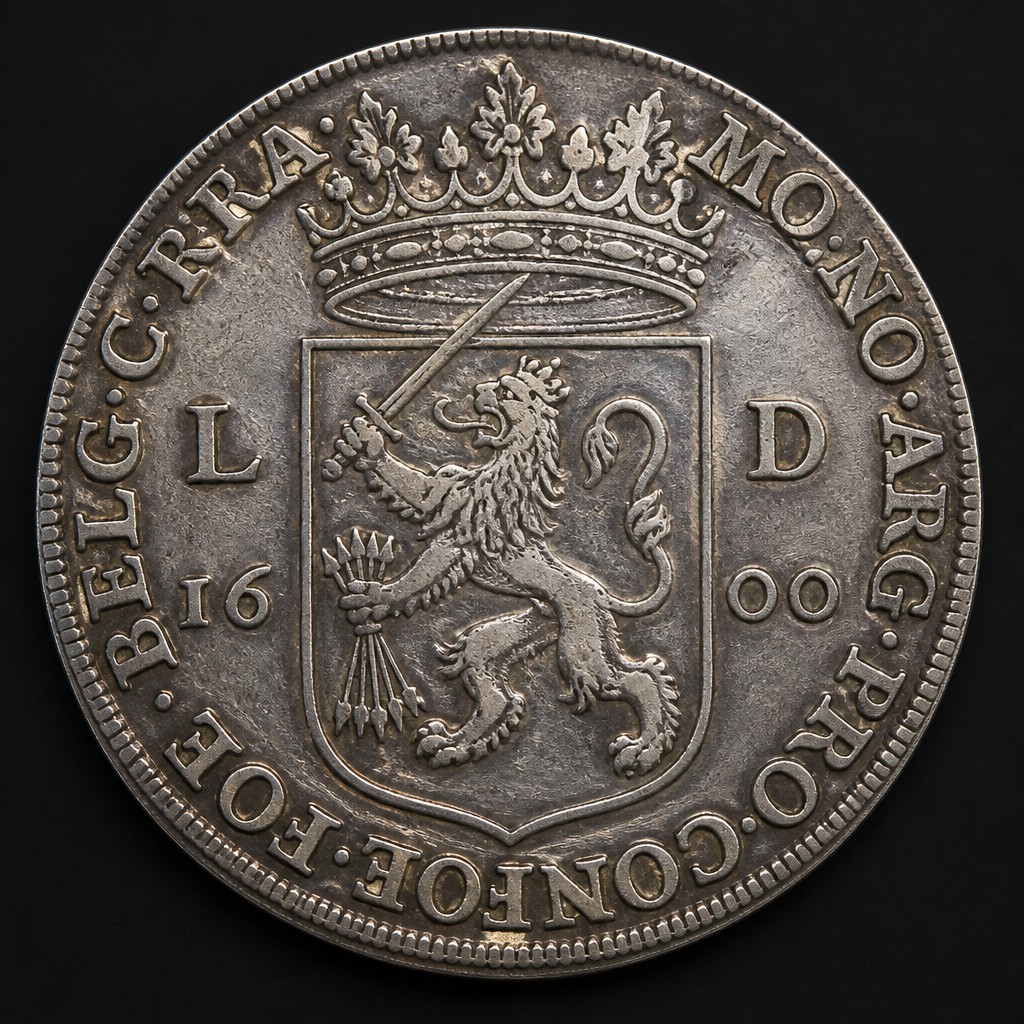
Netherlands Lion Daalder (Leeuwendaalder)
1575–1713
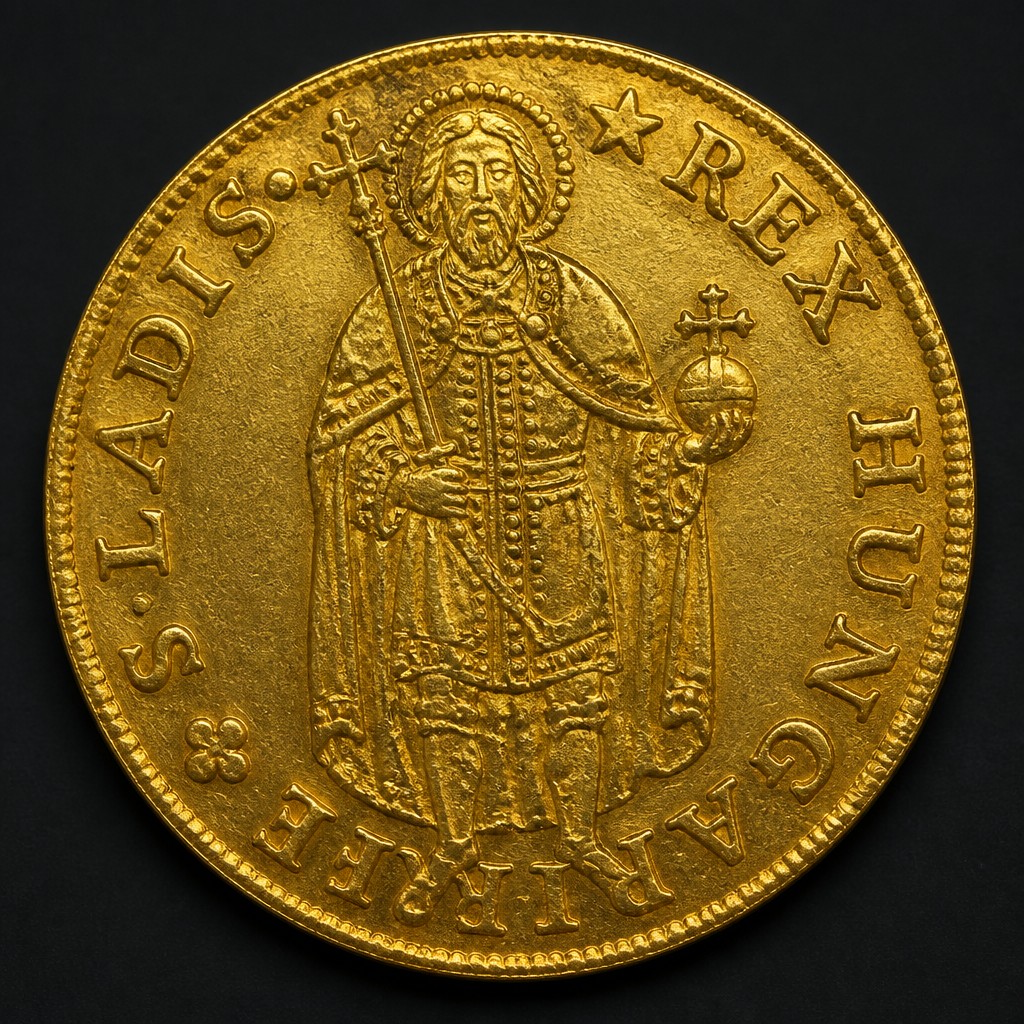
Hungarian Ducat
c. 1325–1918
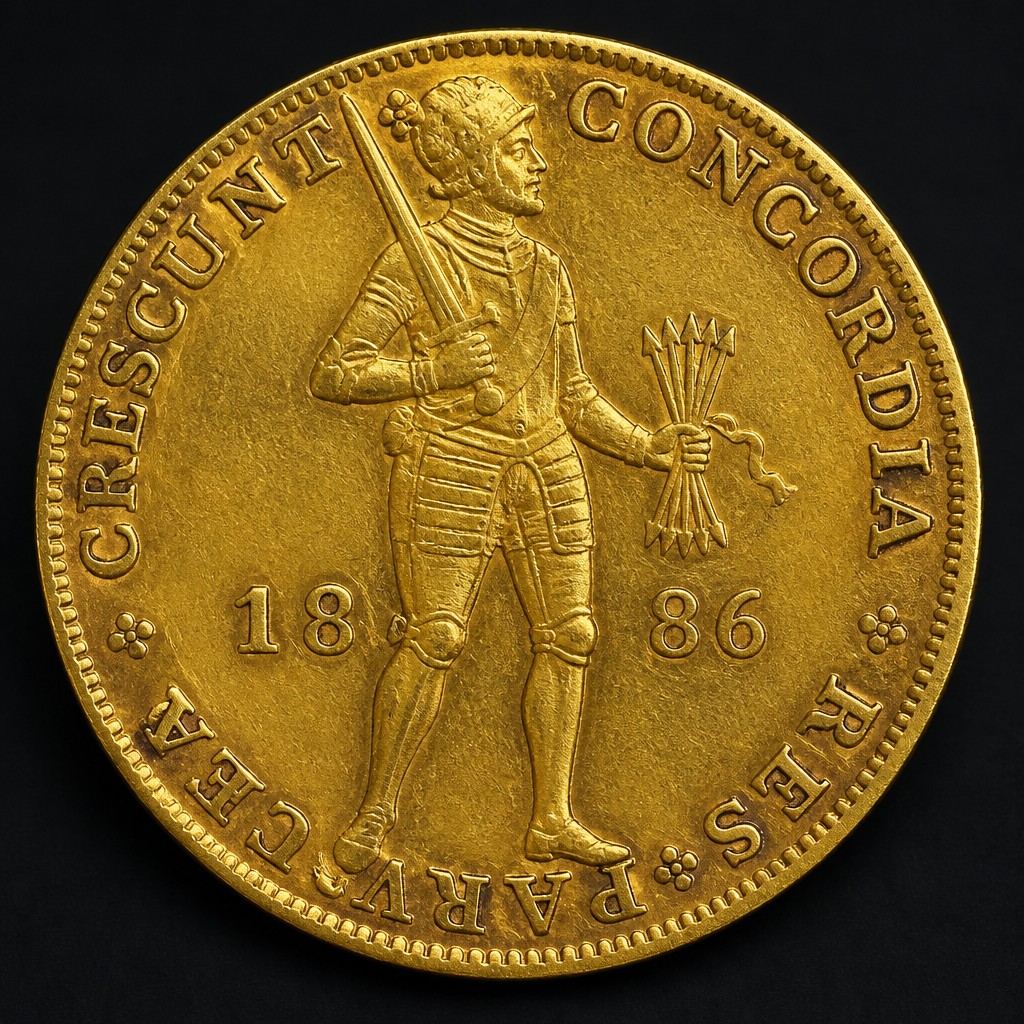
Dutch Ducat
c. 1586–present (classic type standardized after 1817)
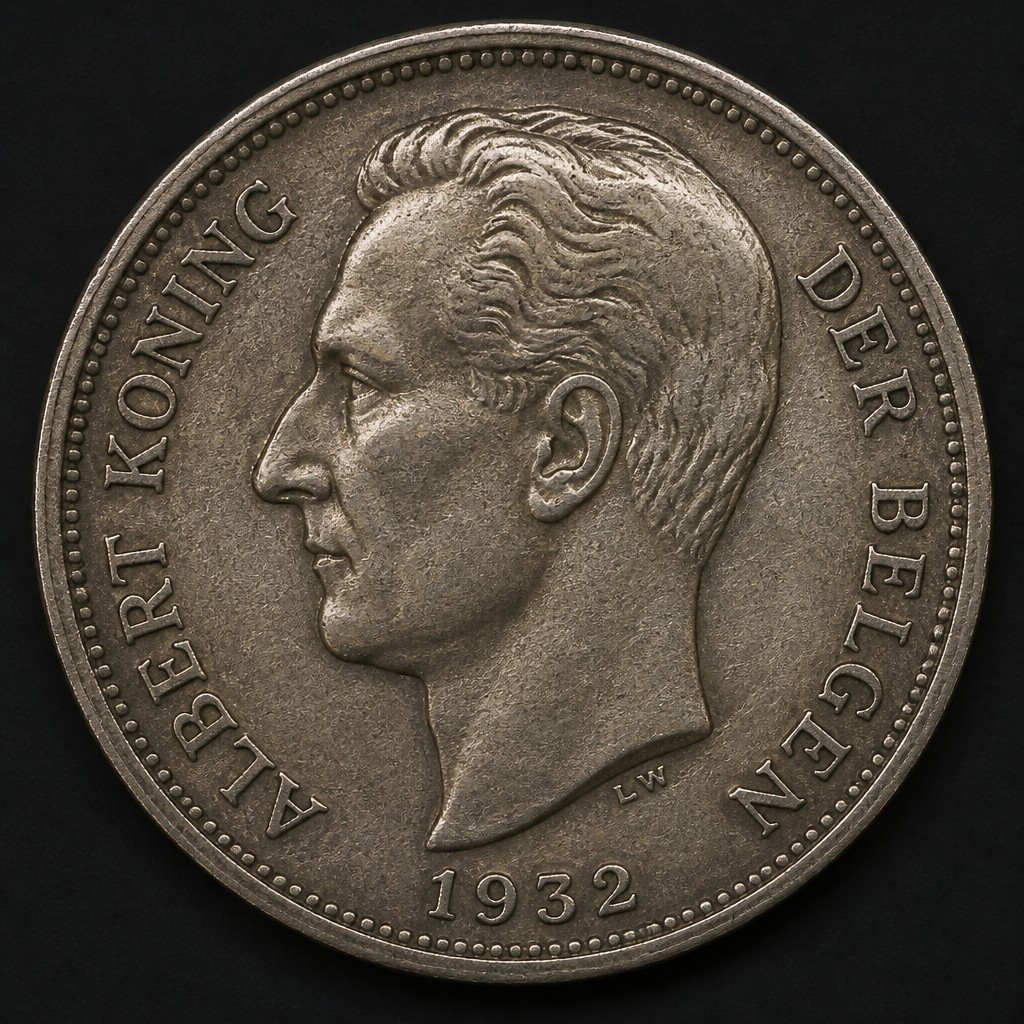
Belgian Franc
1832–2002
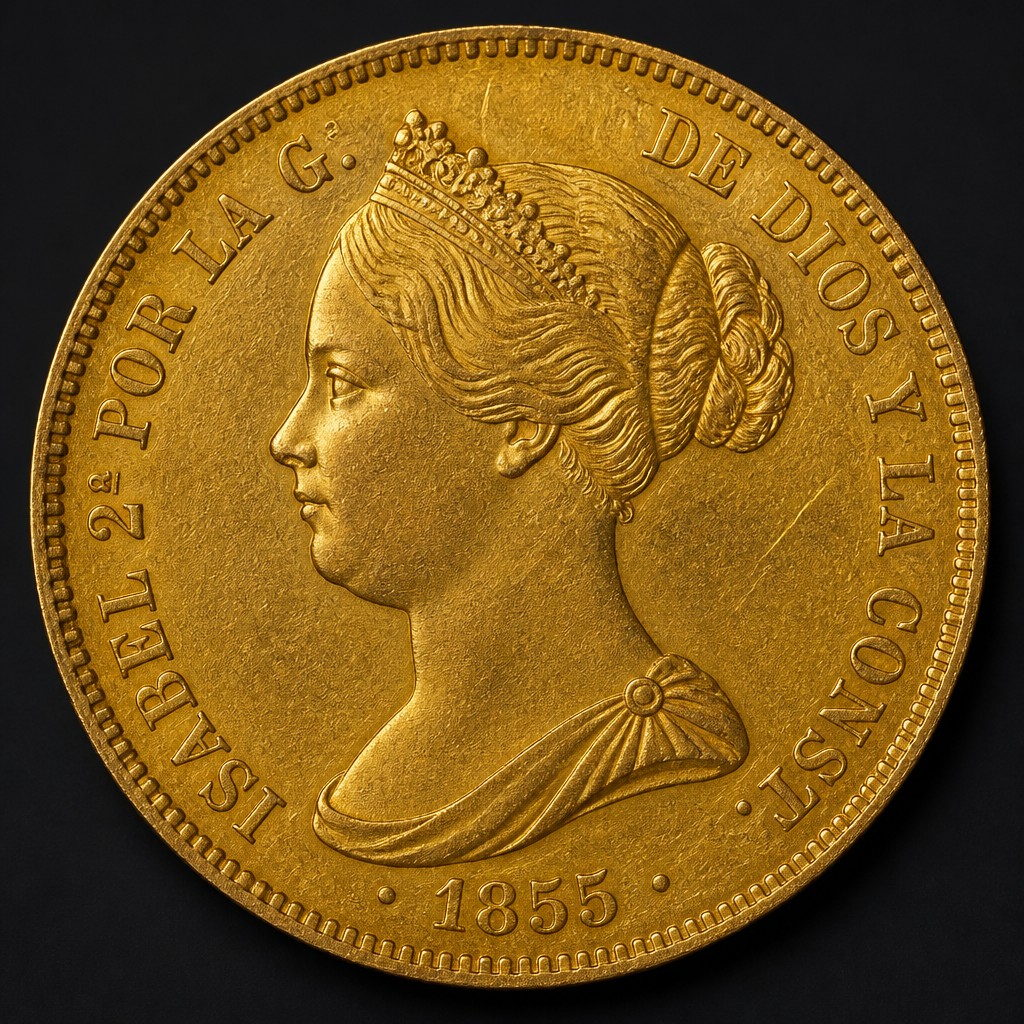
Spanish 100 Reales Gold (Isabel II)
1850s–1868
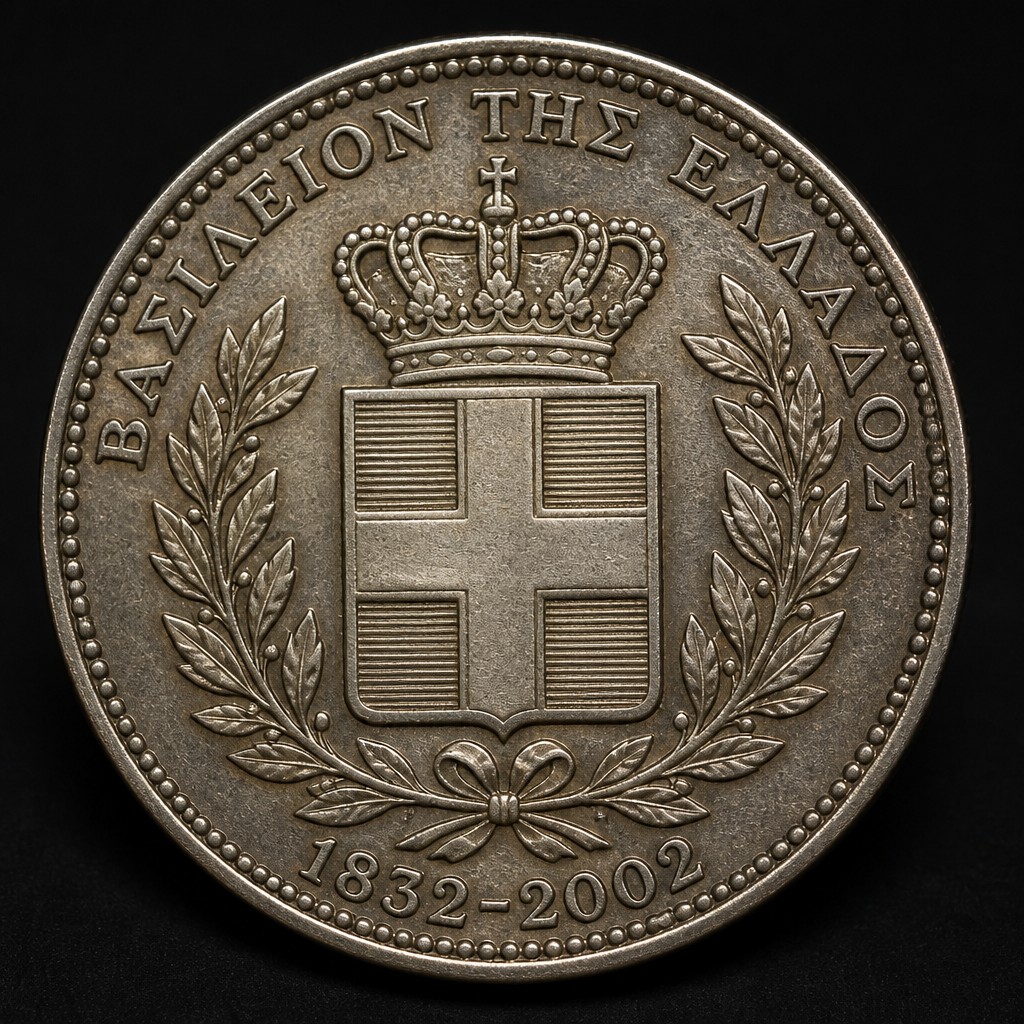
Greek Drachma
1832–2002
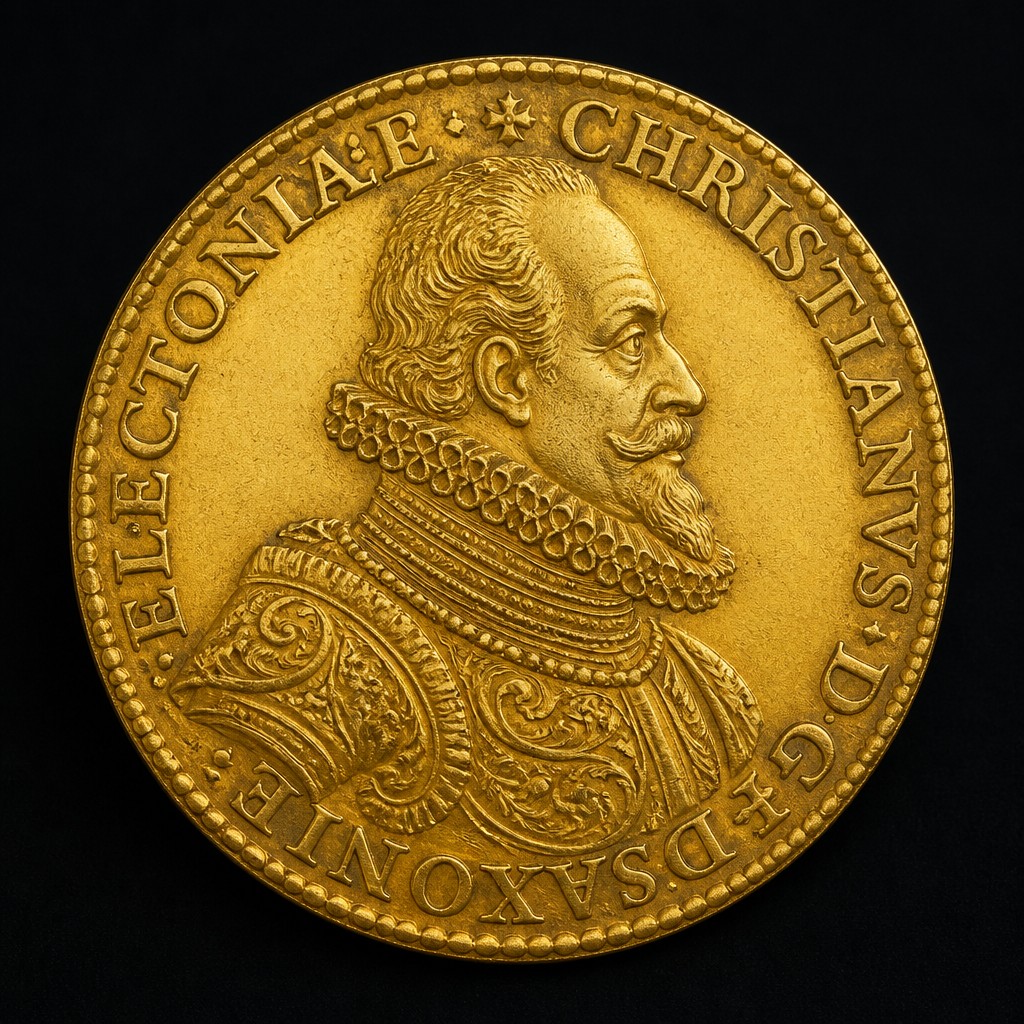
German Saxony Ducat
16th century–19th century
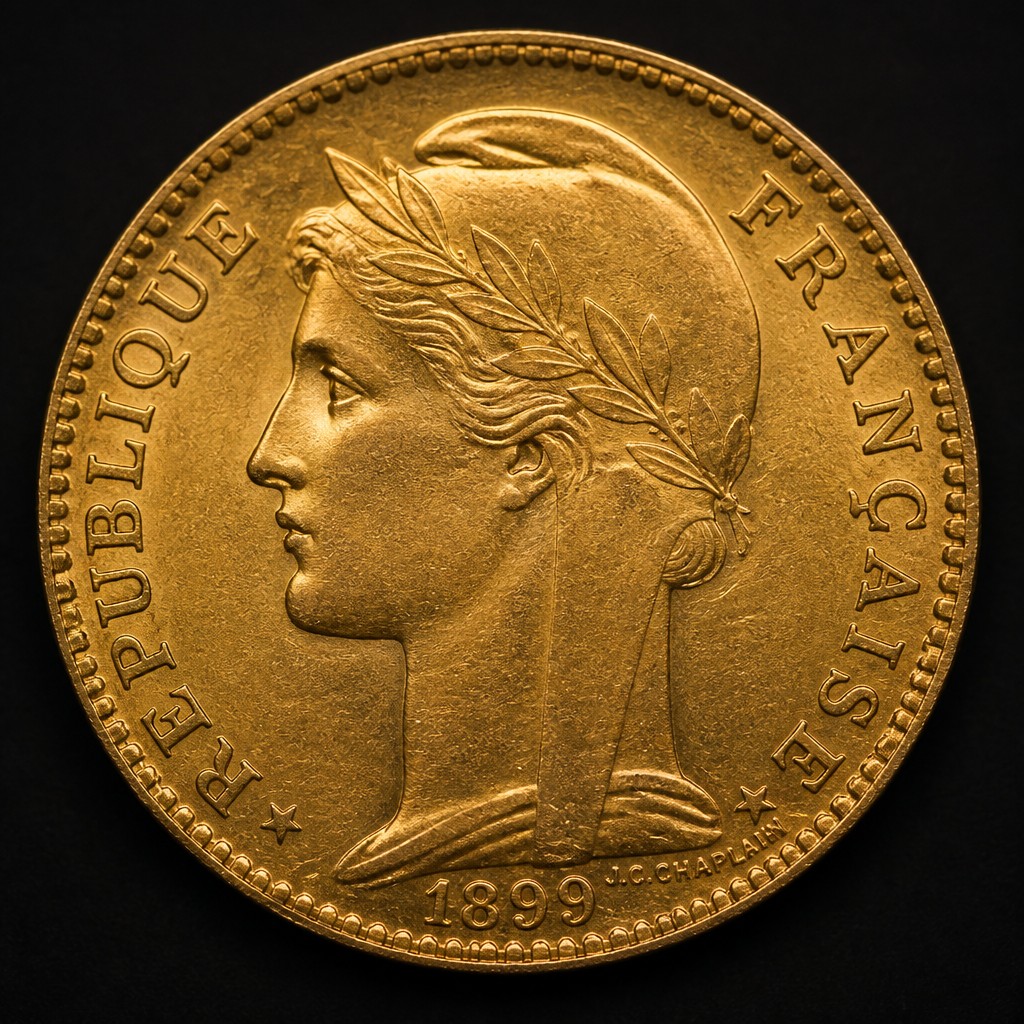
French 10 Francs Gold (Napoleon Rooster)
1899–1914
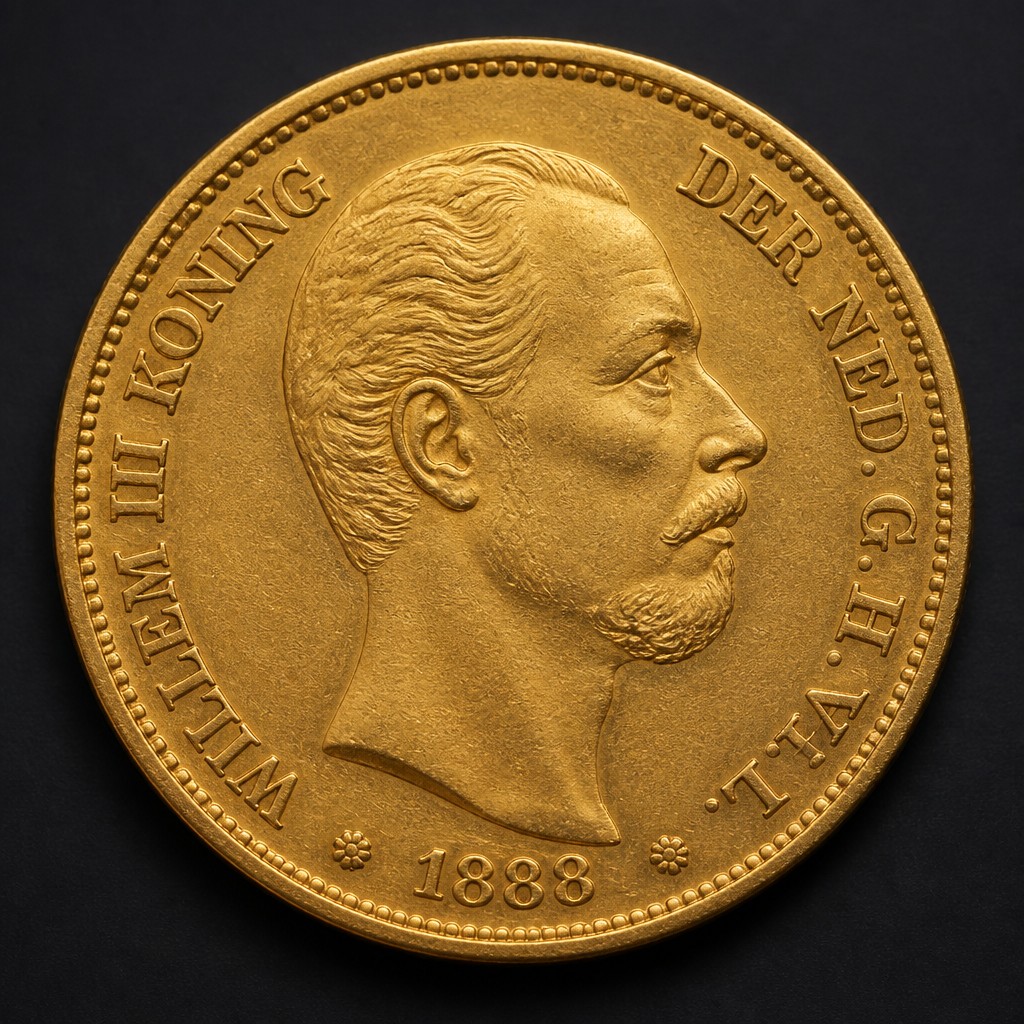
Netherlands 5 Gulden Gold
1826–1912 (intermittent)