
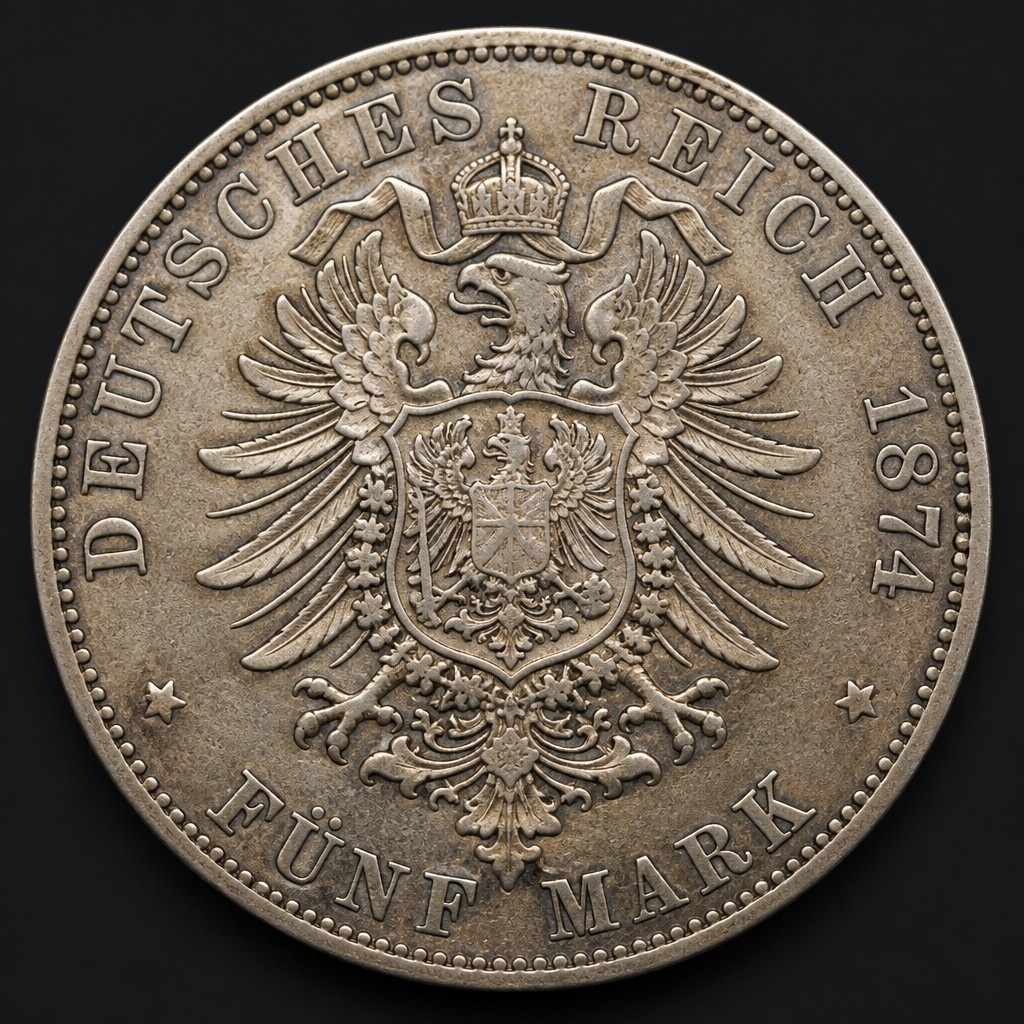
German Empire 5 Mark
A large silver crown of Imperial Germany bearing the portrait or arms of individual constituent states, unified under a common eagle reverse after German unification in 1871.
- Country
- German Empire
- Denomination
- 5 Mark
- Metal
- .900 silver
Got a coin like this?
Identify any coin from a photo, free.
Overview
The German Empire 5 Mark coin represents the largest circulating silver denomination of the unified German Reich, formed in 1871 after Prussia's victory in the Franco-Prussian War and the proclamation of Wilhelm I as German Emperor. Under the new imperial coinage law, individual German states retained the right to place their own rulers' portraits or coats of arms on the obverse of silver coinage, while a common imperial eagle design united the reverse across the entire empire.
This arrangement produced a rich diversity of 5 Mark types, featuring monarchs such as Wilhelm I, Friedrich III, and Wilhelm II of Prussia, along with rulers of Bavaria, Saxony, Württemberg, Baden, and other constituent states, as well as free cities like Hamburg and Bremen that used civic arms instead of a portrait. Special commemorative 5 Mark issues also marked events such as royal jubilees, university anniversaries, and other state occasions.
The 5 Mark silver coin ceased regular production during World War I as Germany moved toward token and emergency money amid wartime silver shortages, making it a coin closely tied to the political structure and eventual collapse of the Imperial German state.
History & Background
Germany's unification in 1871 under Otto von Bismarck's political leadership brought together a patchwork of kingdoms, duchies, and free cities into a single empire, and one of the new government's first major undertakings was creating a unified national currency, the Mark, to replace the numerous state-specific currencies that had circulated previously. Coinage regulations following in 1874-1875 established the 5 Mark as the empire's principal large silver denomination.
Because the empire was a federation of semi-sovereign states rather than a fully unitary nation, the coinage law allowed each state to issue its own silver coins bearing local rulers or civic arms, while adhering to common imperial weight, fineness, and reverse eagle standards, an arrangement that preserved regional identity within the new national currency system. Prussia, as the dominant state, produced the largest volumes, but Bavaria, Saxony, Württemberg, and smaller states and cities all issued their own distinctive 5 Mark types over the following decades.
Silver 5 Mark coinage effectively ended with the outbreak of World War I in 1914, as precious metal was diverted to the war effort and silver coins were hoarded or withdrawn from circulation, marking the practical end of this denomination even before the empire itself collapsed in the 1918 revolution.
How to Identify
The obverse varies by issuing state: most feature a right- or left-facing portrait bust of the reigning monarch (such as Wilhelm I, Friedrich III, or Wilhelm II for Prussia, or the respective kings of Bavaria, Saxony, and Württemberg) with his name and title in German around the border, while free cities like Hamburg, Bremen, and Lübeck instead display civic coats of arms. The reverse is standardized across nearly all issuing authorities, showing the German imperial eagle with outstretched wings, a shield on its breast, encircled by "DEUTSCHES REICH," the denomination "5 MARK," and the date.
The coin is struck in .900 fine silver, approximately 38mm in diameter, with a lettered or ornamented edge depending on the specific issue. Mintmarks appear on the reverse near the base of the eagle, denoting the striking mint (A for Berlin, D for Munich, E for Muldenhütten, F for Stuttgart, G for Karlsruhe, J for Hamburg), which collectors use alongside the ruler's name and date to catalog the many combinations available.
Distinguishing individual types requires identifying both the ruling monarch or city depicted and the specific date, since some rulers' reigns spanned many years with only a handful of dated 5 Mark issues, while commemorative types carry additional distinct reverse or obverse inscriptions setting them apart from standard circulation issues.
Value & Collectibility
Common 5 Mark types featuring long-reigning monarchs like Wilhelm II of Prussia in worn to average circulated grades are generally affordable and widely available, given the substantial mintages across many years. Scarcer states, short reigns (such as Friedrich III, who reigned only briefly in 1888), low-mintage commemorative issues, and coins in higher mint-state grades can command considerably higher prices, sometimes reaching well into four figures for particularly rare combinations.
Because the series spans numerous German states and many decades, value is driven primarily by the specific ruler, state, mintmark, and date combination rather than the "5 Mark Empire" type as a whole; specialized German coin catalogs (such as Jaeger numbers) are essential references for accurately identifying and valuing individual pieces.
Frequently asked questions
Why do German Empire 5 Mark coins look so different from each other?
Individual German states retained the right to depict their own rulers or civic arms on the obverse, while sharing a common imperial eagle reverse design.
What does the mintmark letter mean?
It identifies the specific mint that struck the coin, such as A for Berlin, D for Munich, or J for Hamburg.
Why did silver 5 Mark coins stop being made?
Silver coinage was largely halted during World War I as precious metals were needed for the war effort and coins were hoarded, effectively ending the series by 1918.
Are all German Empire 5 Mark coins valuable?
No, coins from common, long-reigning monarchs like Wilhelm II are generally affordable; value rises for scarcer states, short reigns, commemoratives, and high grades.
What is the silver content of these coins?
They are struck in .900 fine silver, consistent across all issuing states under the imperial coinage standard.
Other coins you may enjoy
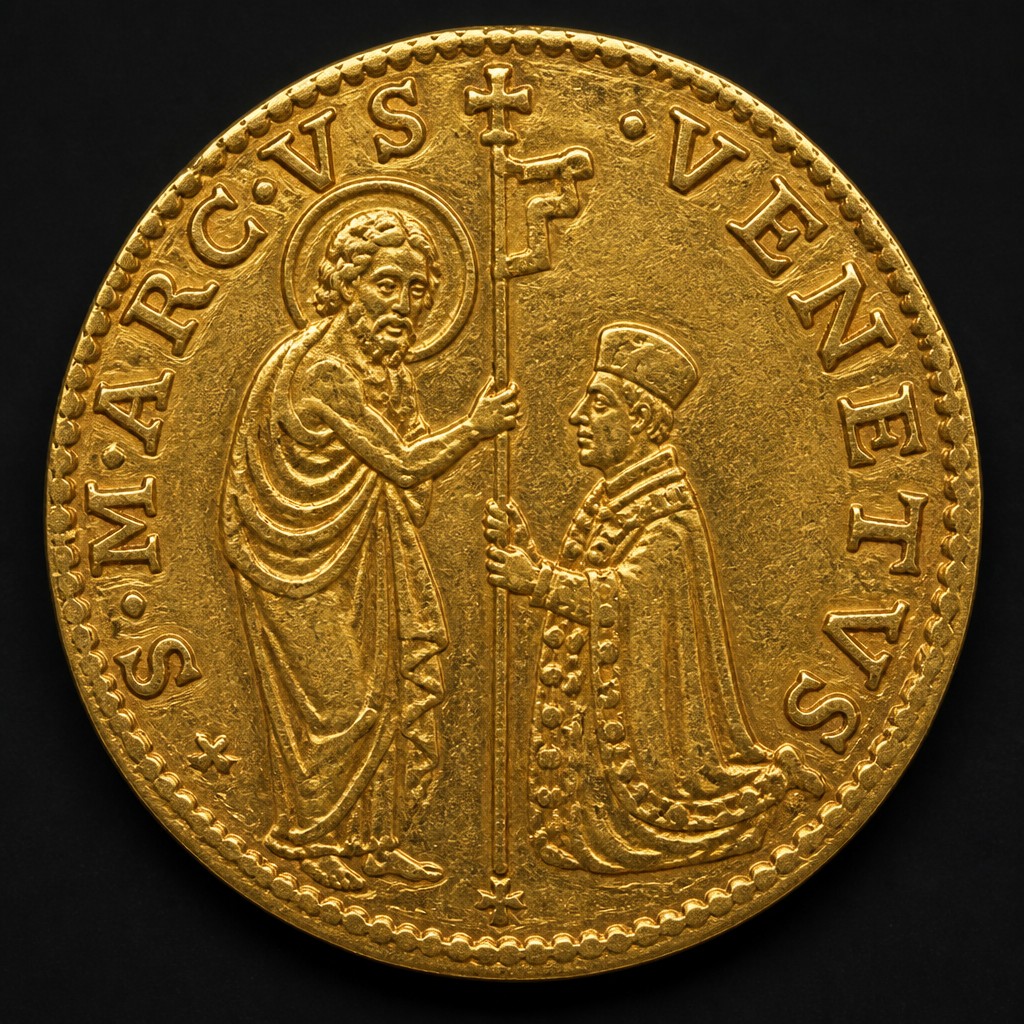
Venetian Ducat
1284–1797
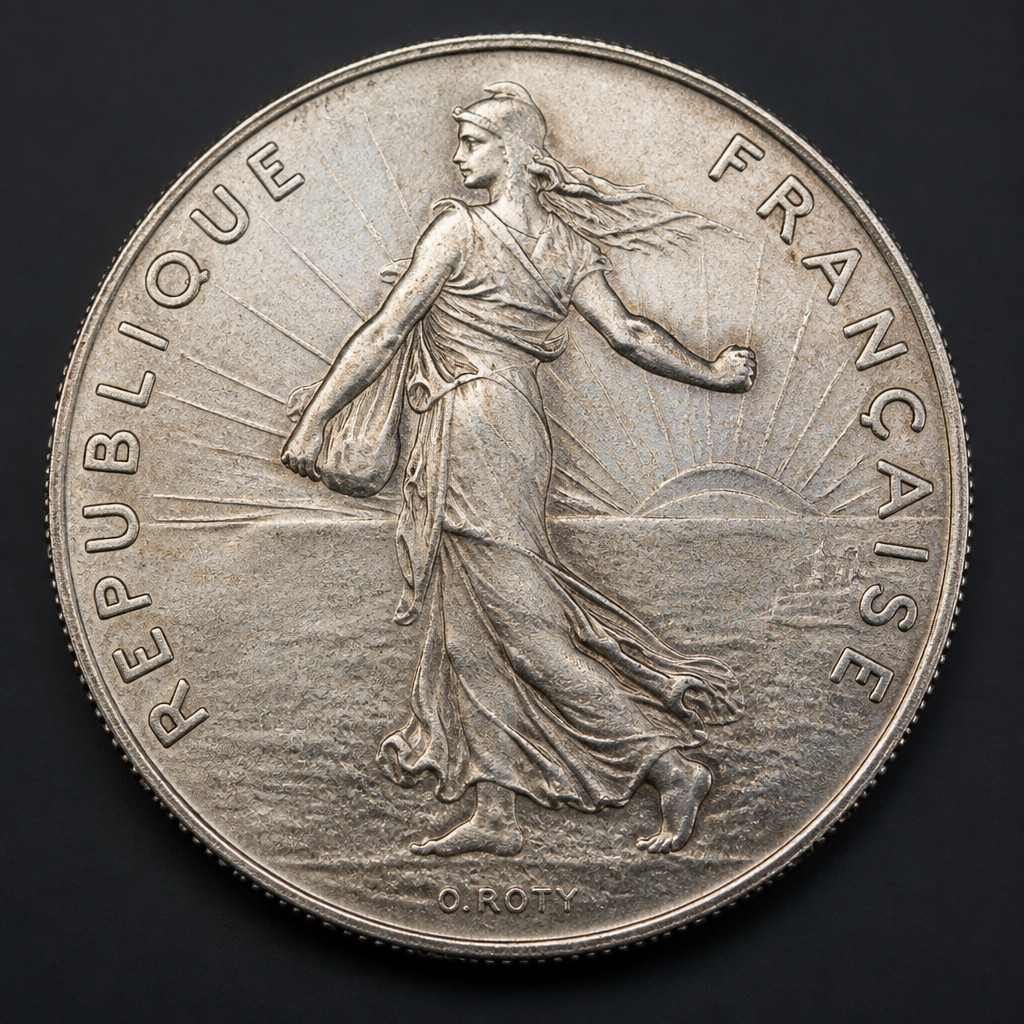
French 100 Francs Silver
1980s–2001 (pre-euro era)
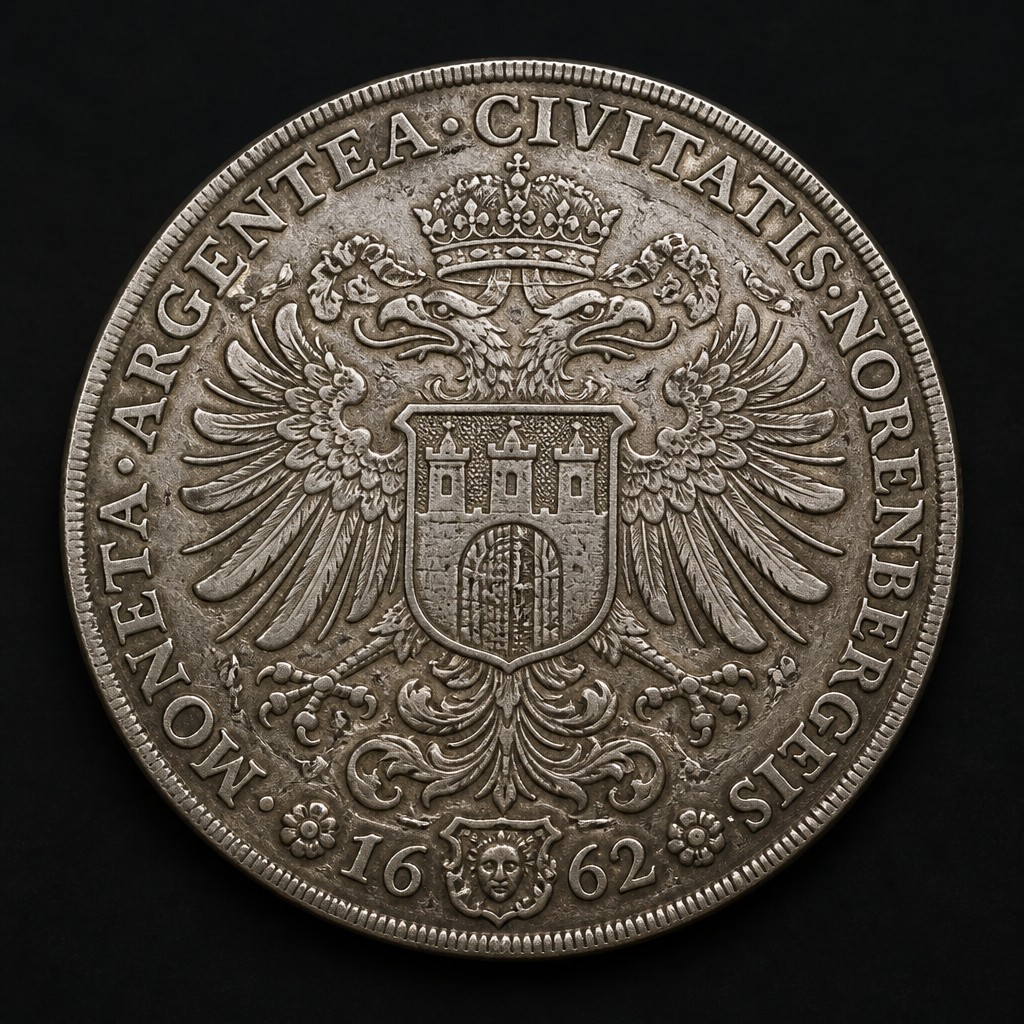
Nuremberg Thaler
16th–18th century
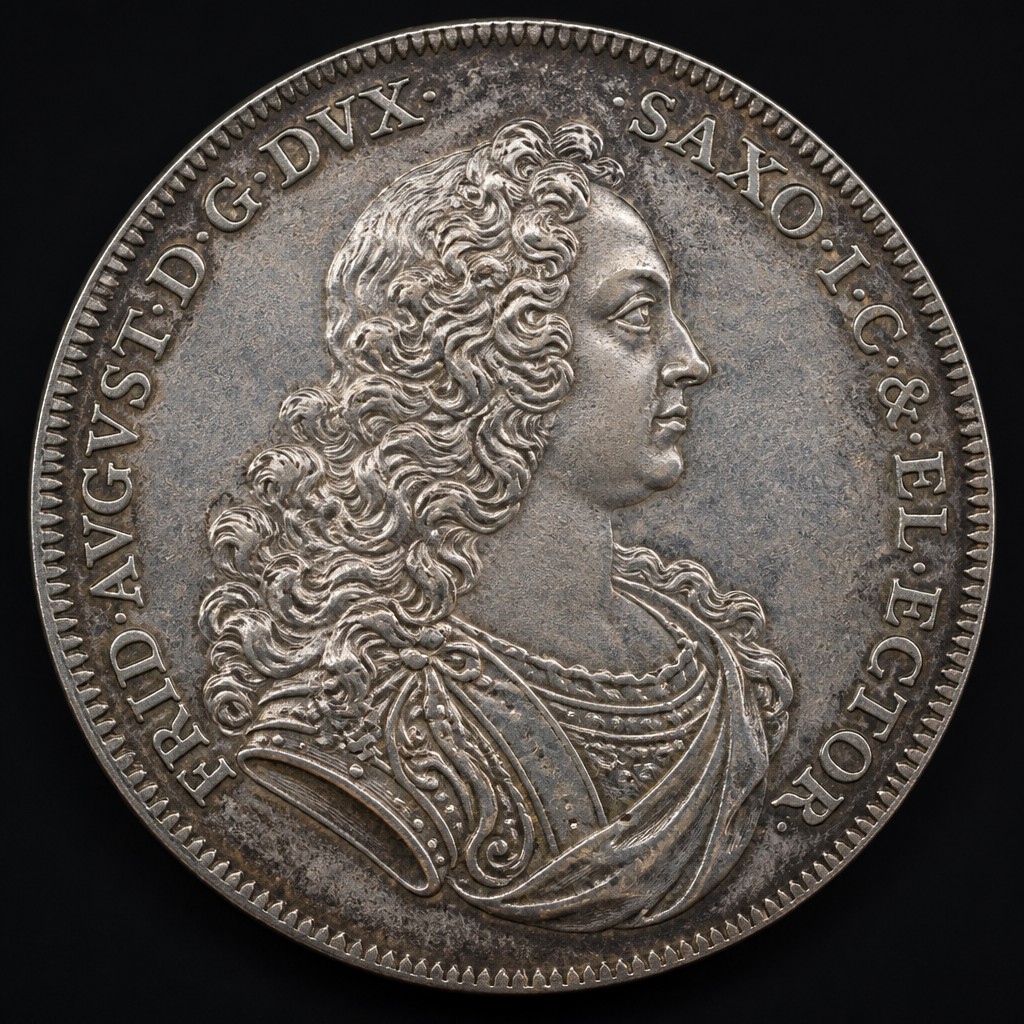
Saxon Speciestaler
17th–19th century
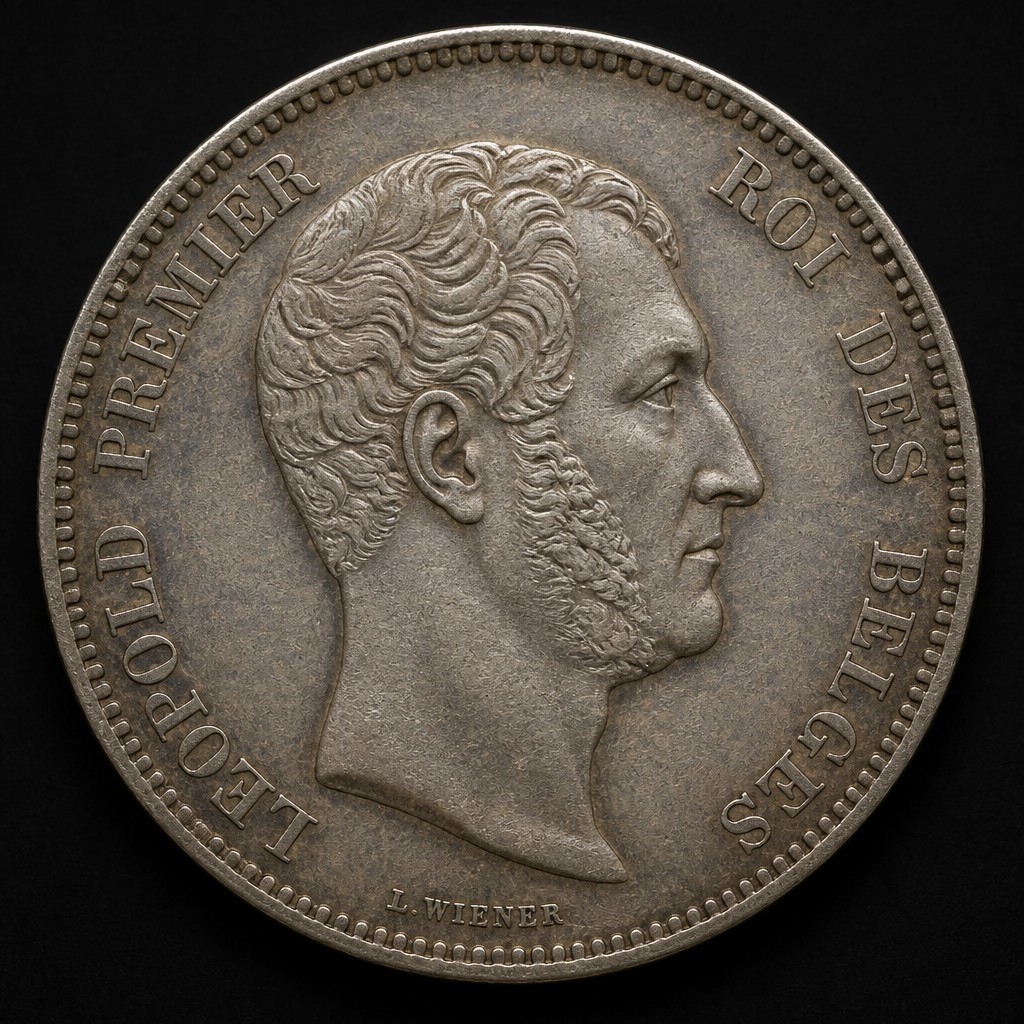
Belgian 5 Francs
1832–1876 (large silver type); later reduced-size and later-metal issues into the 20th century
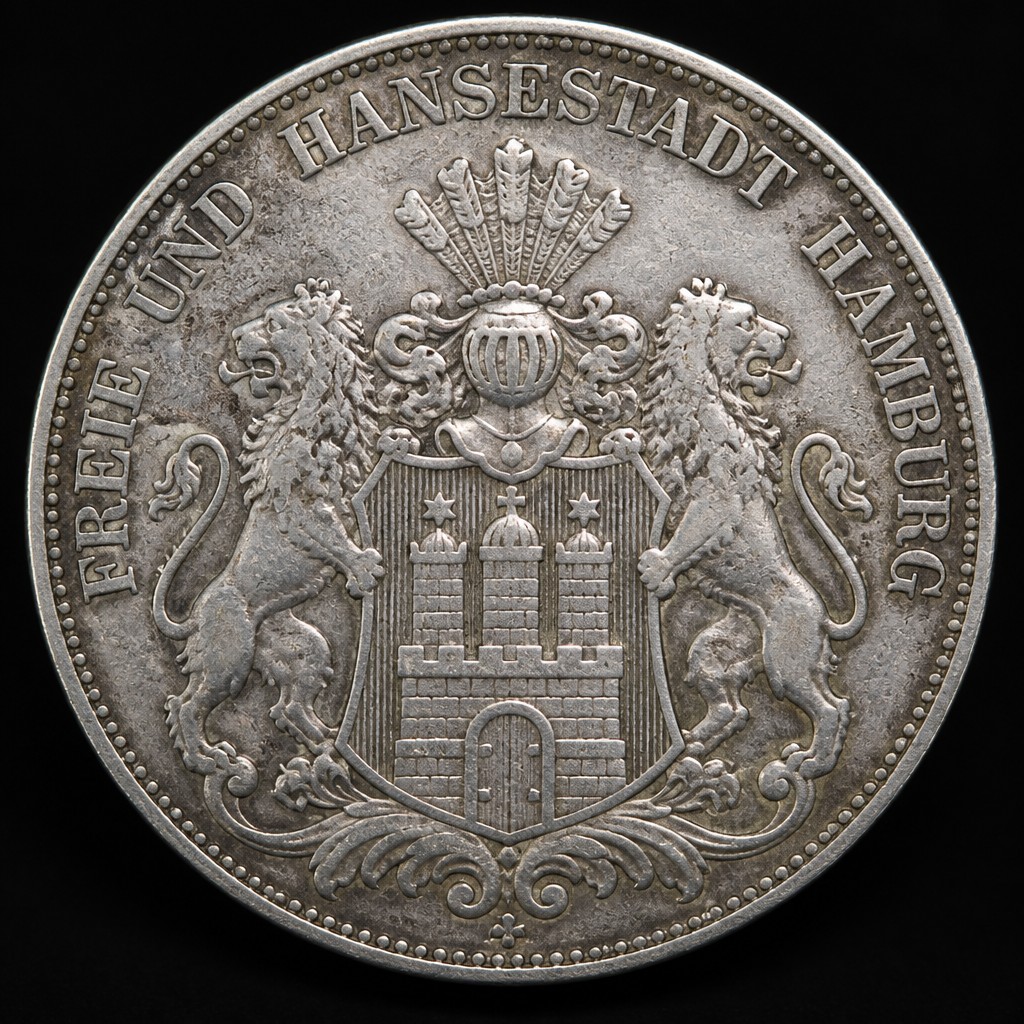
Hamburg Thaler
17th century–1871
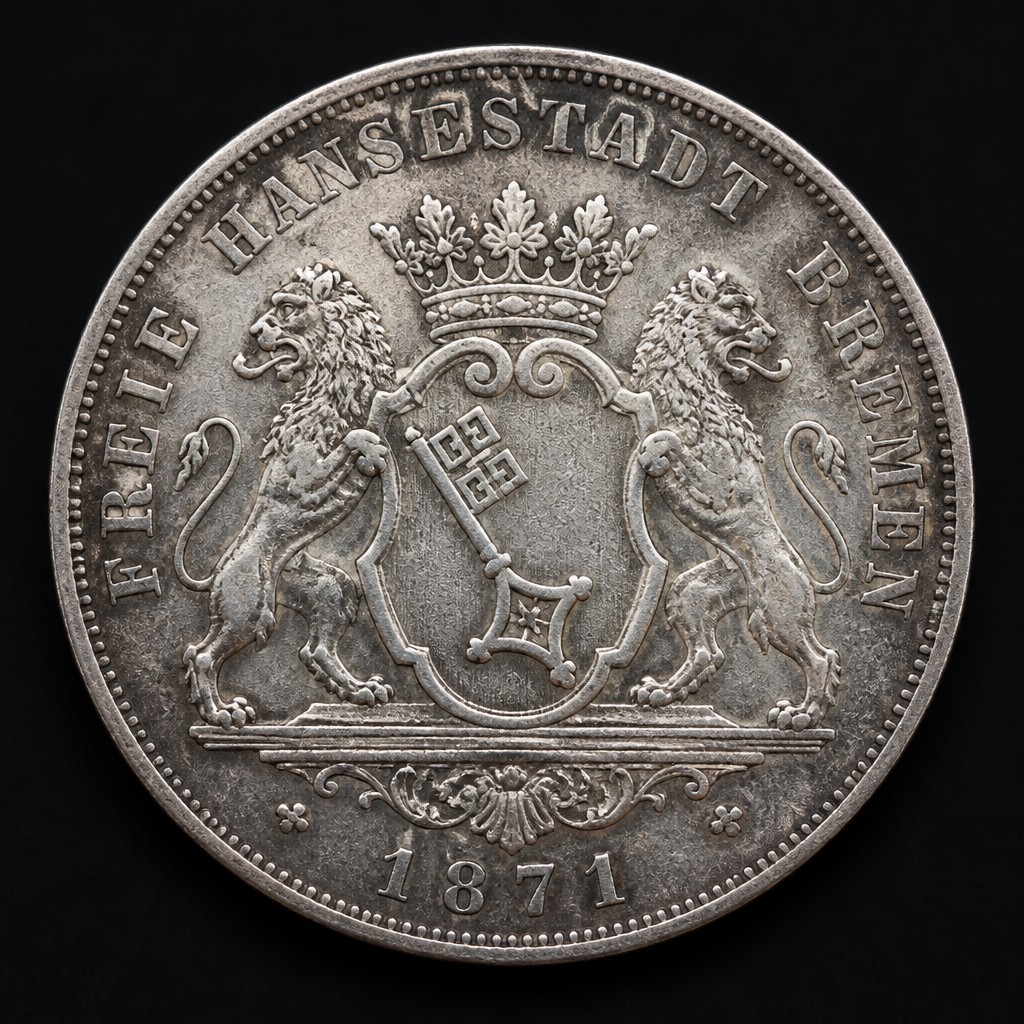
Bremen Thaler
17th century–1871
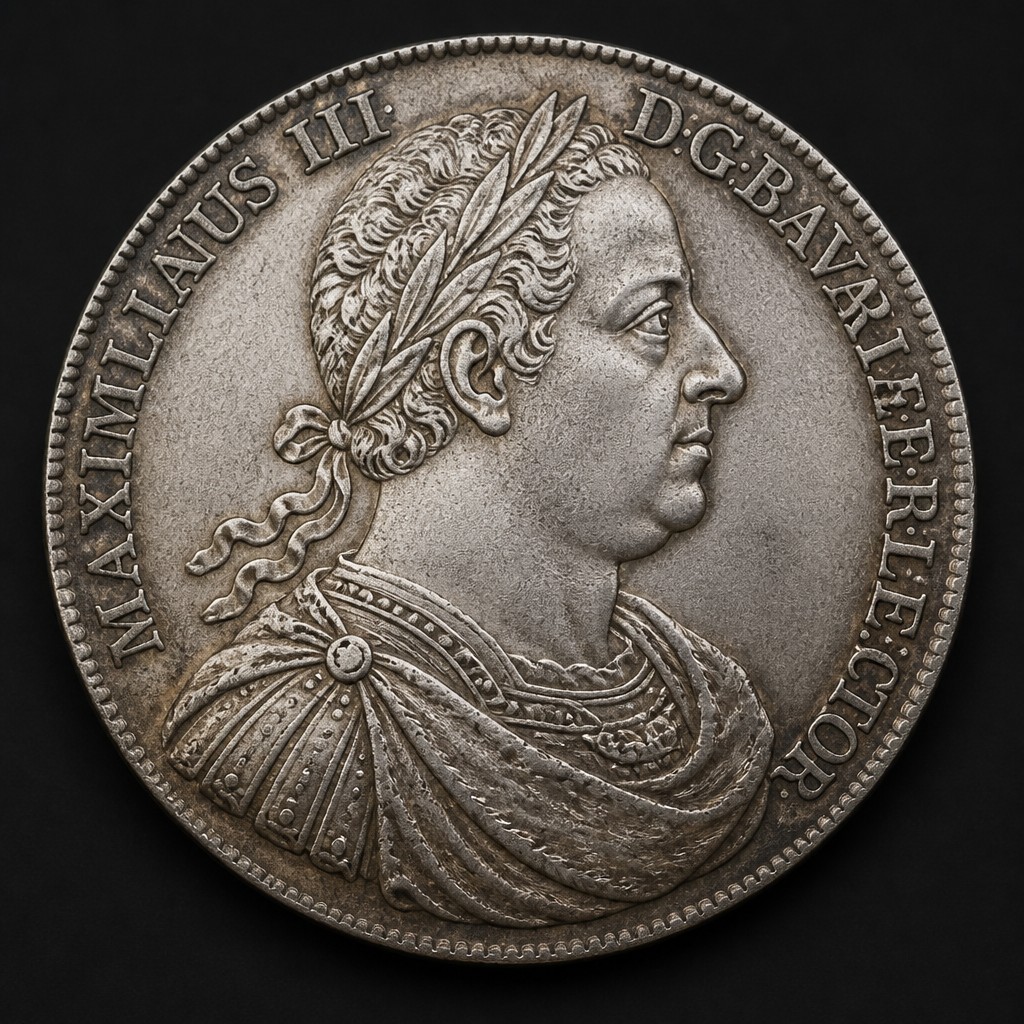
Bavaria Thaler
Circa 1620s-1871
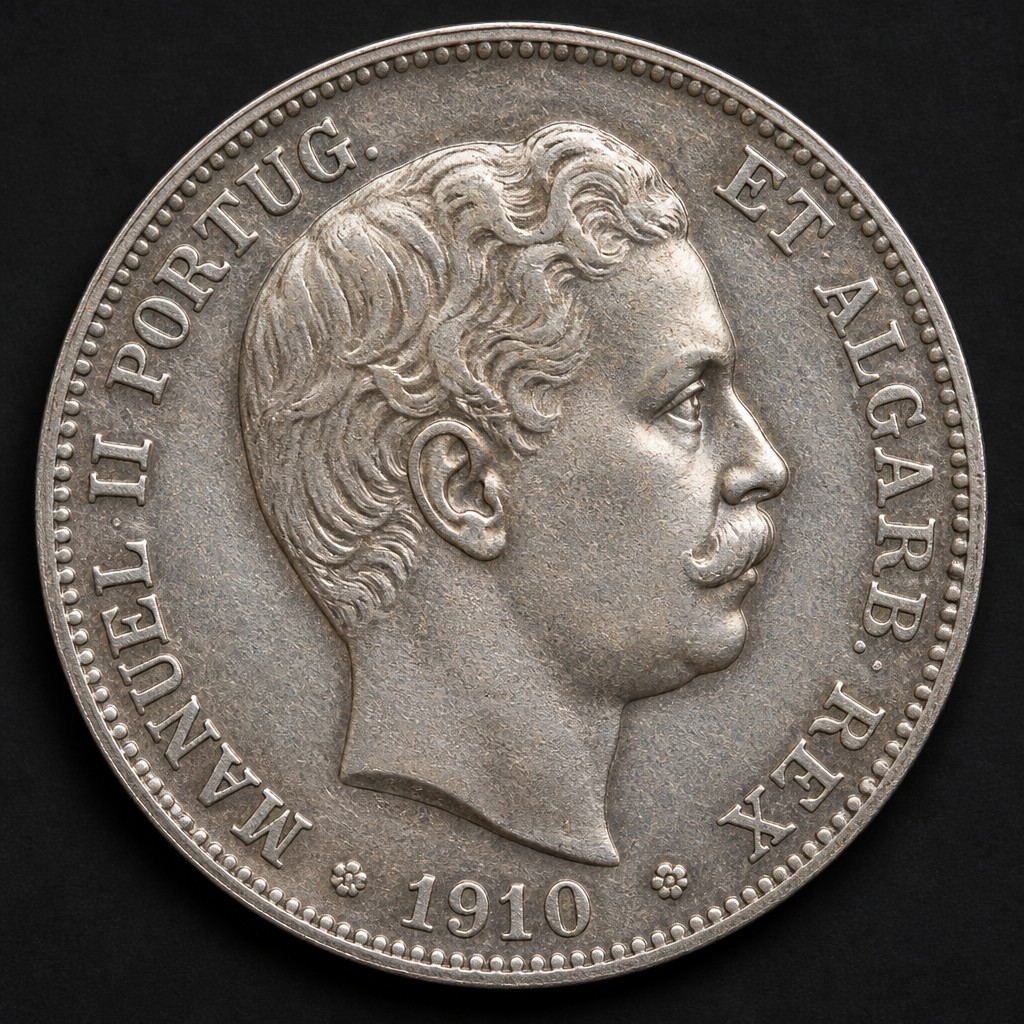
Portuguese 1000 Reis
19th century–1910 (Kingdom period)
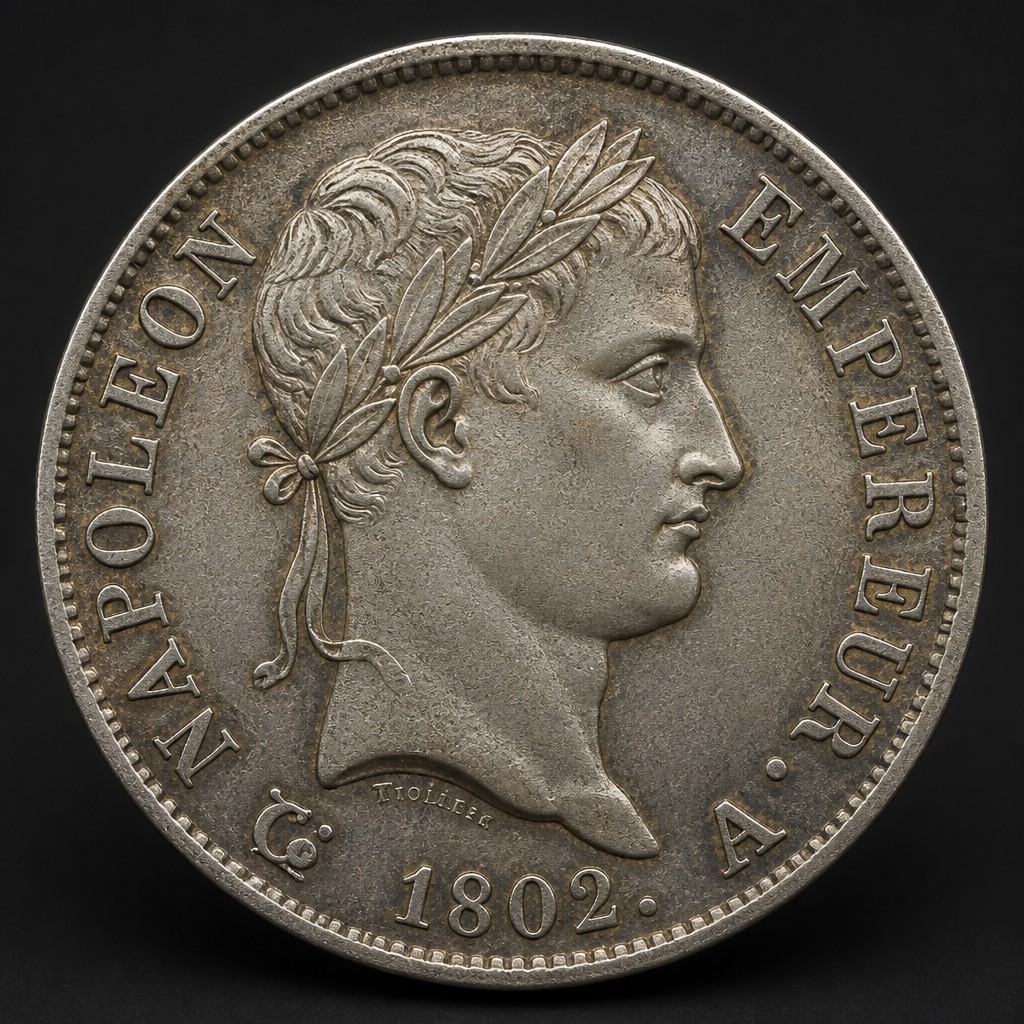
French 5 Francs "Napoleon"
1802–1815
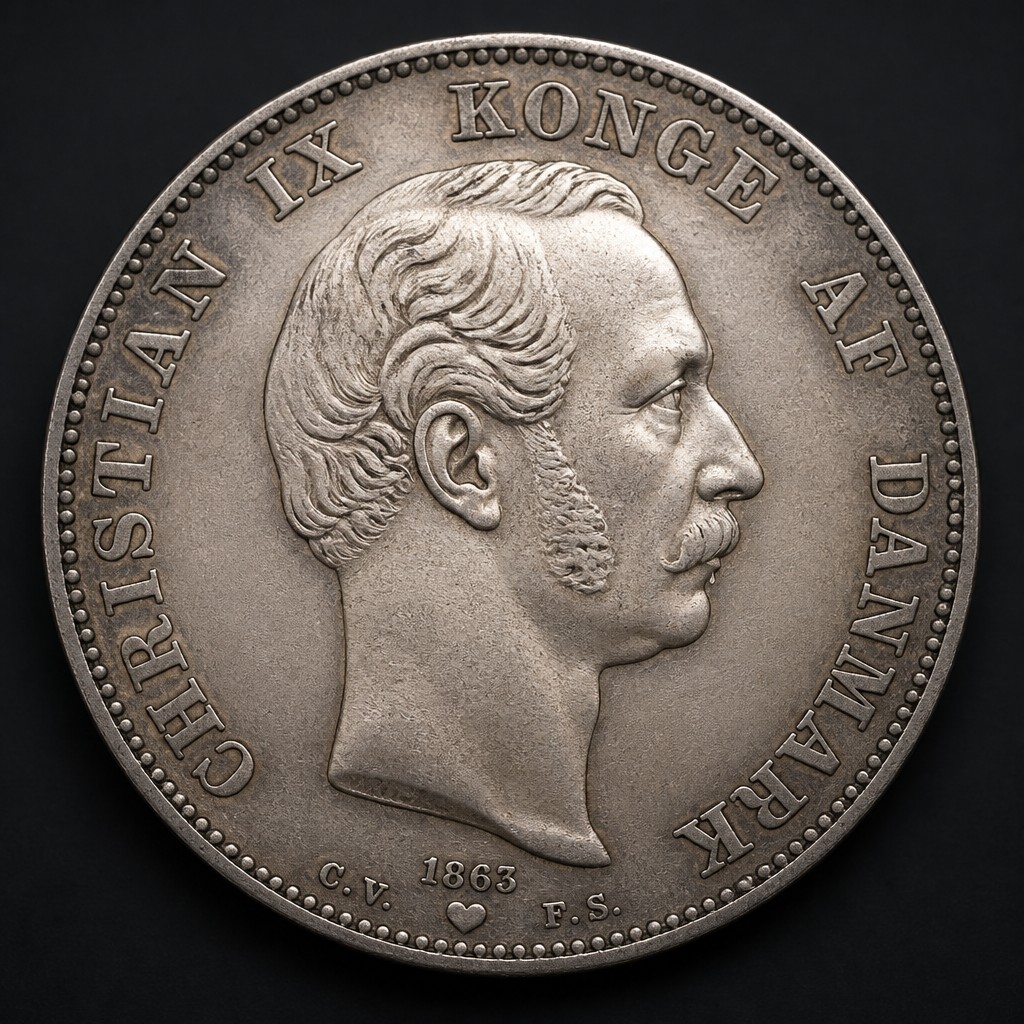
Danish 2 Rigsdaler
19th century (until 1873 currency reform)
Dutch Lion Daalder (Leeuwendaalder)
c. 1575–1713