
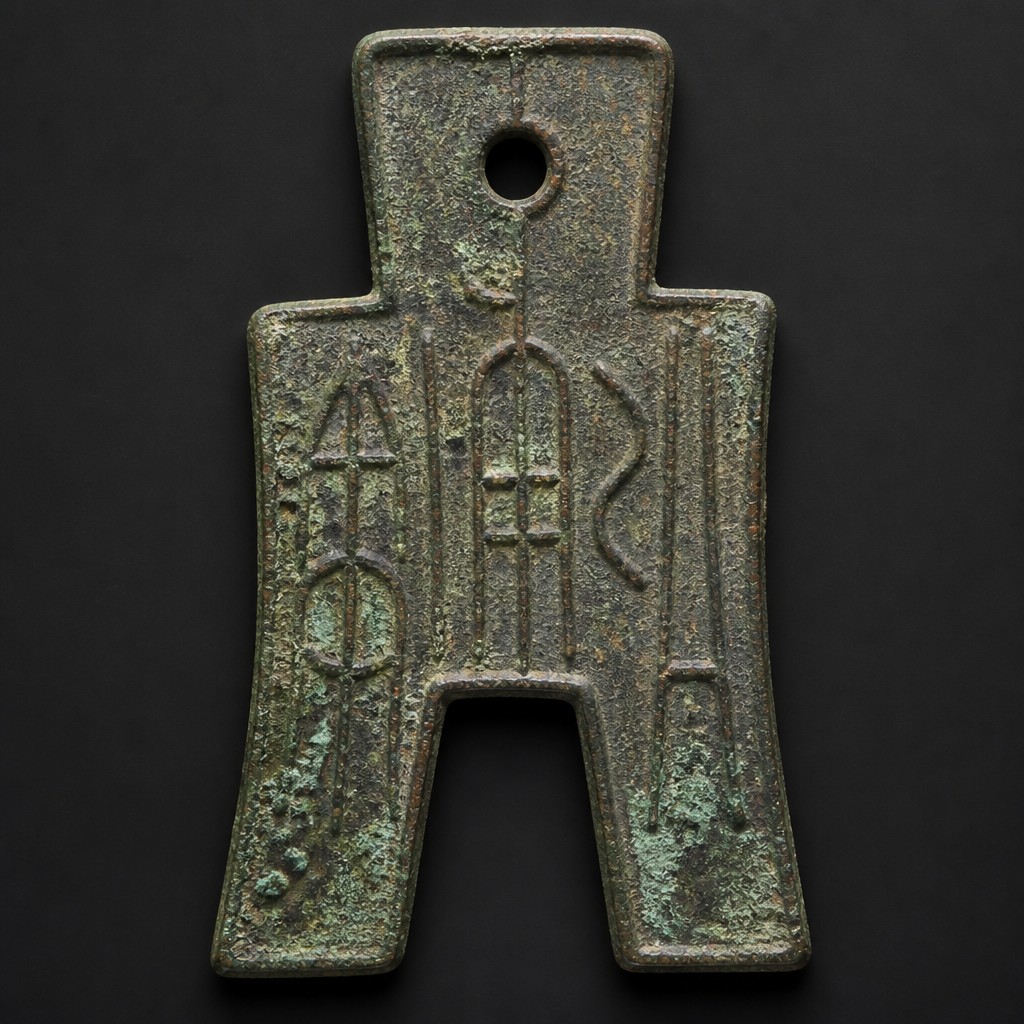
Chinese Spade Money (Bu Coin)
An early Chinese bronze currency shaped like a miniature farming spade, used across several competing Zhou-era states before round coinage became standardized.
- Country
- Ancient China (Zhou Dynasty states)
- Denomination
- Bu
- Metal
- Bronze
Got a coin like this?
Identify any coin from a photo, free.
Overview
Spade money, known in Chinese as bu, is among the earliest coin forms anywhere in the world, evolving directly from real agricultural tools used in barter exchange before becoming a purely symbolic, standardized form of currency. Its distinctive shape makes it instantly recognizable and highly appealing to collectors interested in the origins of money itself.
Because several competing Chinese states issued their own regional variations over a period of several centuries, spade money encompasses a wide range of shapes, sizes, and inscriptions, offering a rich field for specialized collecting.
History & Background
During China's Eastern Zhou period, particularly the Spring and Autumn and Warring States eras, various regional states developed their own bronze token currencies modeled on everyday farming implements. Spade-shaped money, derived from the spade or hoe used in agriculture, and knife-shaped money, derived from utility knives, were among the most prominent of these tool-currency forms.
Over time, spade money evolved from relatively naturalistic tool shapes with hollow sockets (allowing an actual wooden handle to be inserted) into more stylized, flatter, and more standardized forms often inscribed with a place name or value. This diverse tool-currency system persisted for several centuries until the Qin Dynasty's unification of China in 221 BC, after which the government imposed a standardized round coin with a square hole across the newly unified empire, gradually ending regional tool-money issues.
How to Identify
Spade money is flat cast bronze shaped like a stylized spade, hoe, or shovel, generally featuring a distinct blade-like body and a handle or socket portion. Earlier types, known as hollow-handle spades, retain an actual hollow socket where a wooden handle would once have been fitted, while later types are fully flat with a solid, non-functional handle shape.
Many examples bear inscribed characters, often naming a city, state, or occasionally a value, though inscriptions can be brief and worn. Sizes and precise shapes vary considerably depending on the issuing state and time period, and surfaces typically show a green or brown patina consistent with genuine ancient bronze.
Value & Collectibility
Genuine ancient spade money is collected primarily for its status as one of the earliest coinage forms in world history, and common later Warring States period types are moderately affordable for collectors. Rarer early hollow-handle types, exceptionally well-preserved examples, or pieces with clear, unusual inscriptions can be considerably more valuable.
Because spade money is famous and long-established as a collecting category, it has also attracted a substantial number of later reproductions and fakes over the years, making careful sourcing and, where possible, expert opinion important for anyone considering a purchase of higher-value examples.
Frequently asked questions
Why is this coin shaped like a spade?
It evolved directly from real farming spades and hoes used in barter exchange before becoming a purely symbolic, standardized bronze currency.
What is the difference between hollow-handle and flat spade money?
Earlier hollow-handle types retained an actual socket for a wooden handle, while later, more standardized types were fully flat and solid.
When was spade money used?
It circulated primarily during China's Eastern Zhou period, especially the Spring and Autumn and Warring States eras, roughly the 7th through 3rd centuries BC.
What ended the use of spade money?
The Qin Dynasty's unification of China in 221 BC introduced a standardized round coin with a square hole across the empire, gradually replacing regional tool-money systems.
Are there many fakes of spade money?
Yes, due to its fame and long collecting history, spade money has attracted numerous reproductions, so careful sourcing is advisable for higher-value pieces.
Other coins you may enjoy
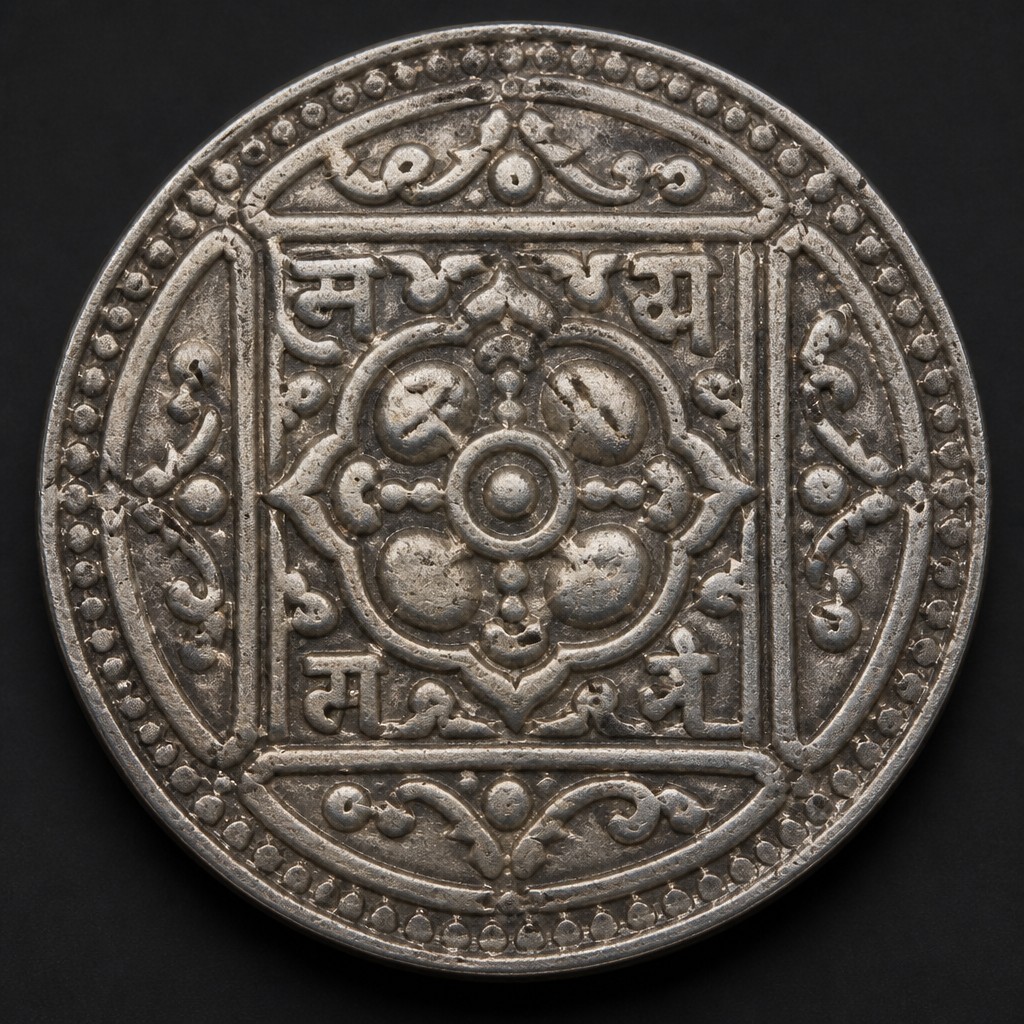
Nepal Silver Mohar
c. 16th–19th century
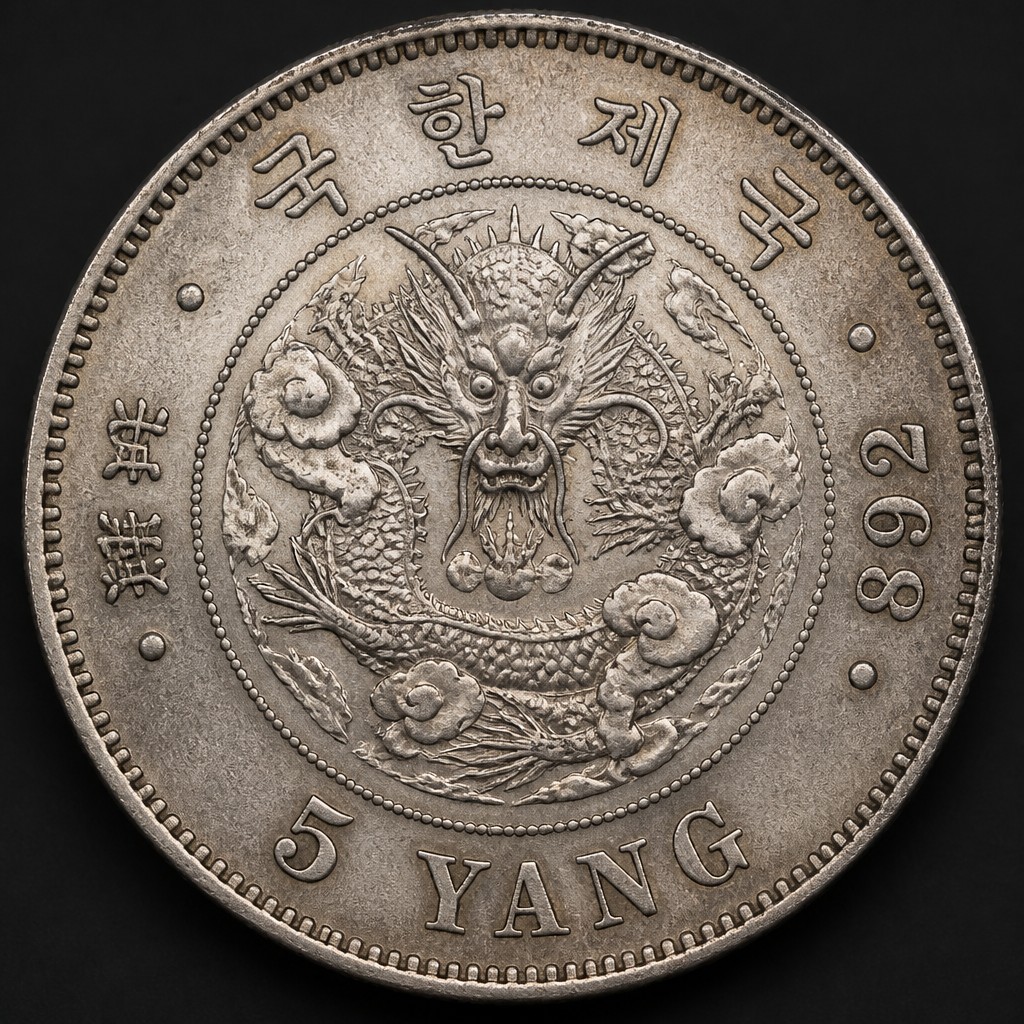
Korean 5 Yang Silver Dollar (1892)
1892
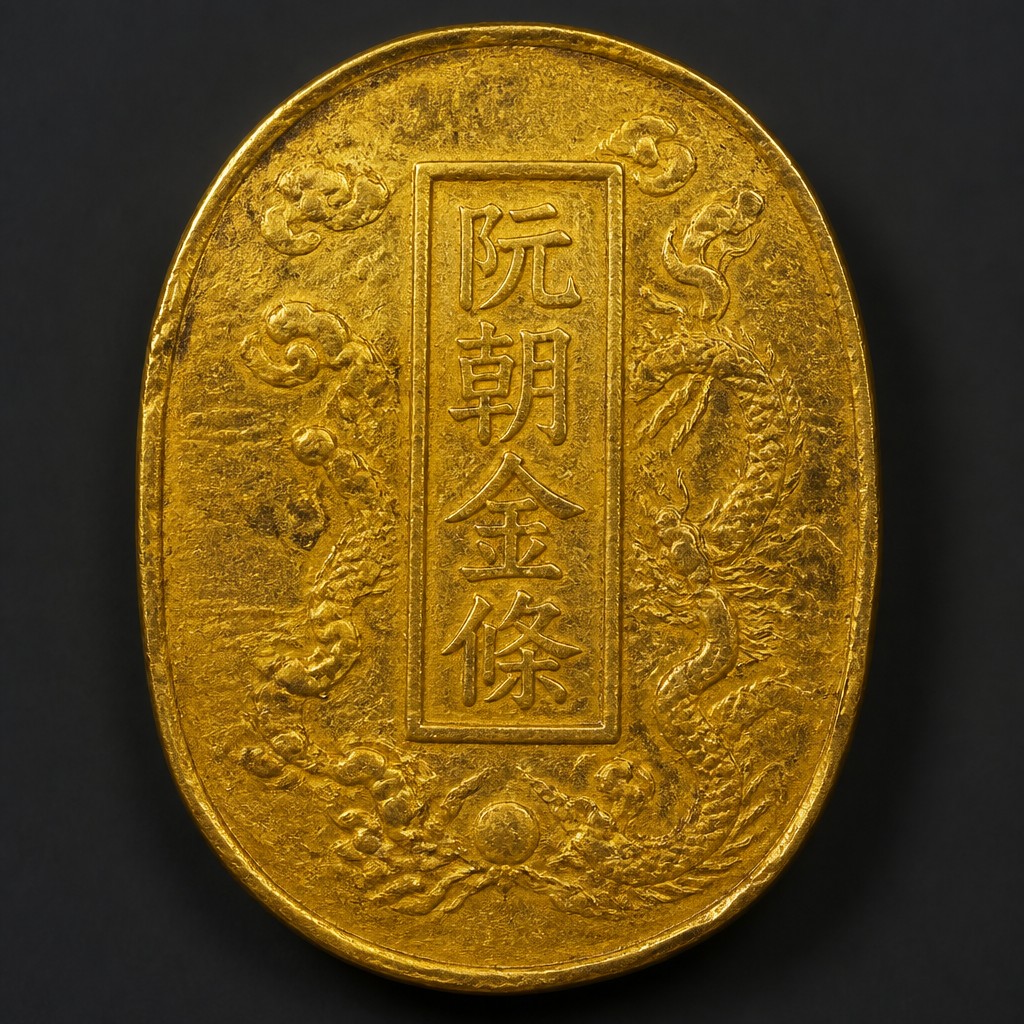
Nguyen Dynasty Gold Bar (Vietnam)
19th century
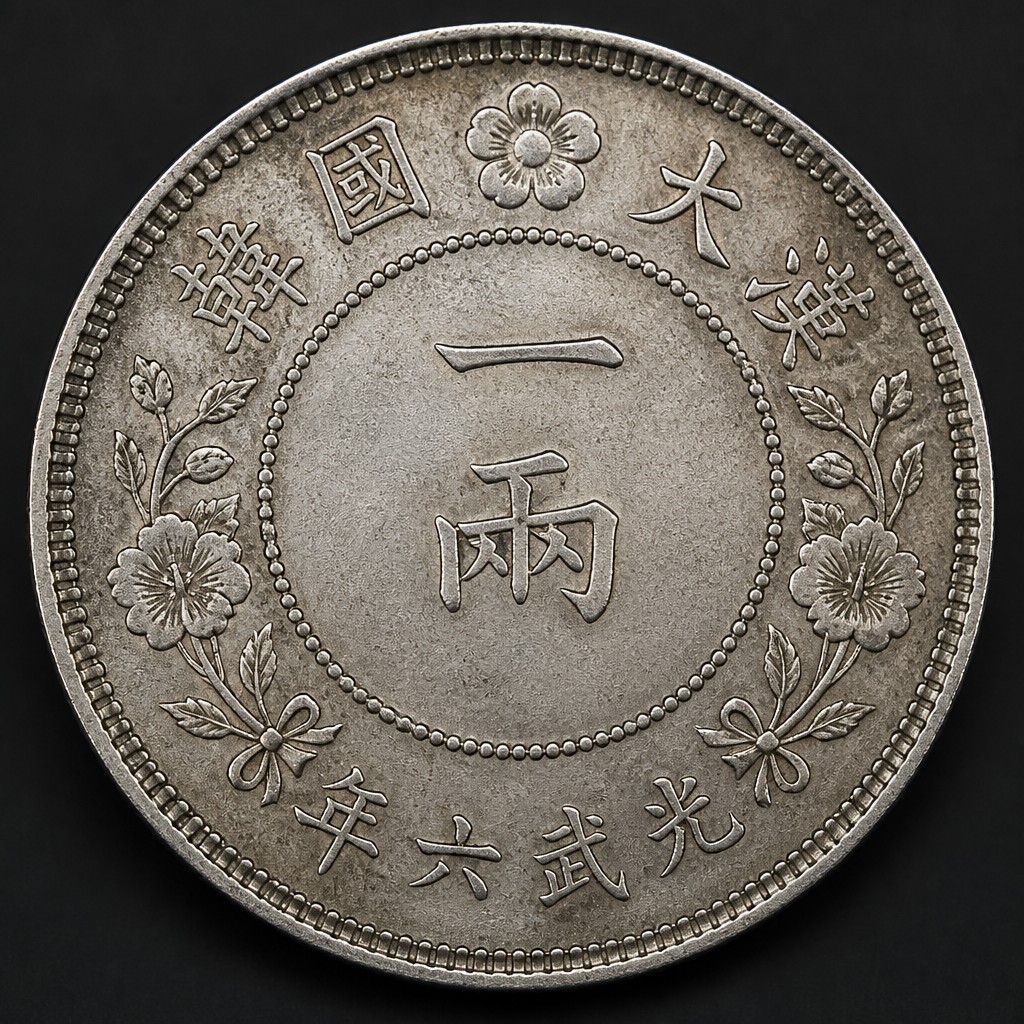
Korean 1 Yang Silver (Joseon/Great Han Empire)
1892–1902
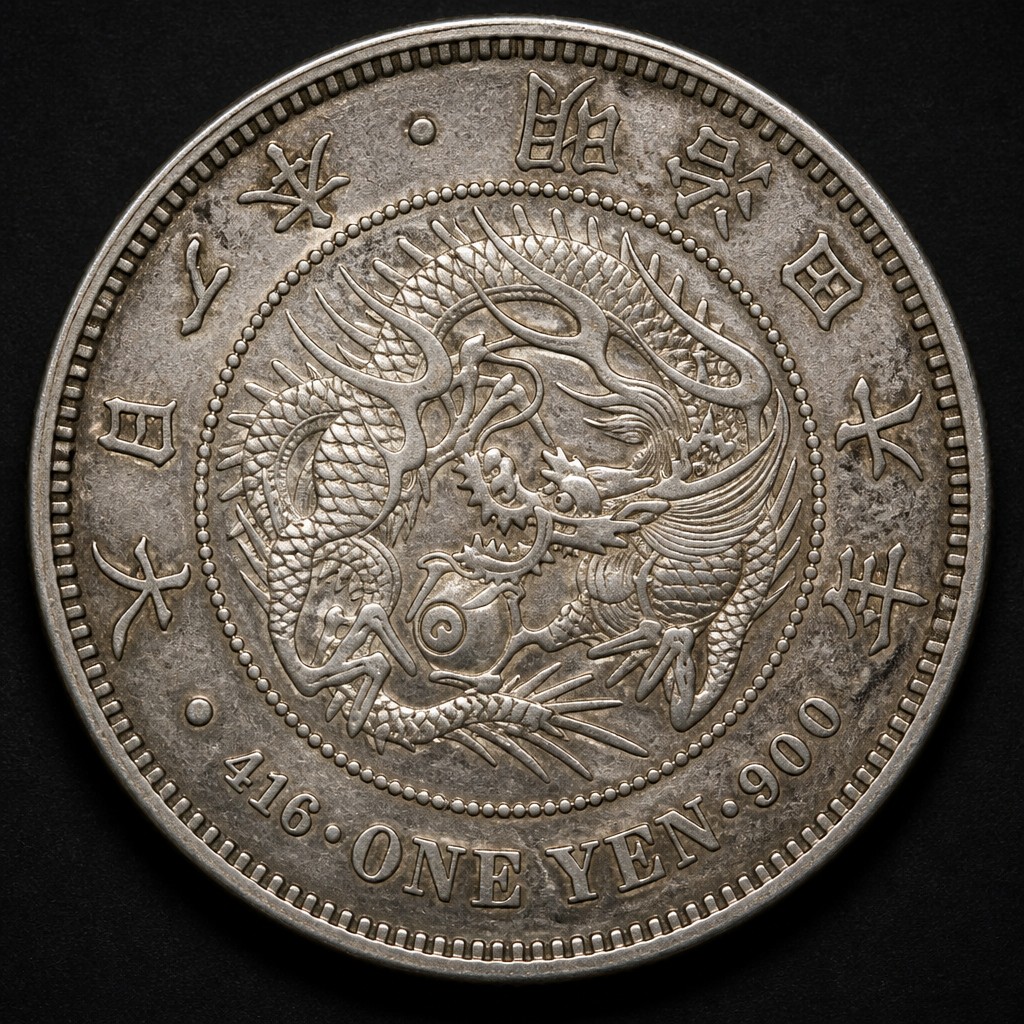
Japanese 1 Yen Silver 'Dragon' Trade Dollar
1870–1914 (trade dollar variant 1875–1877)
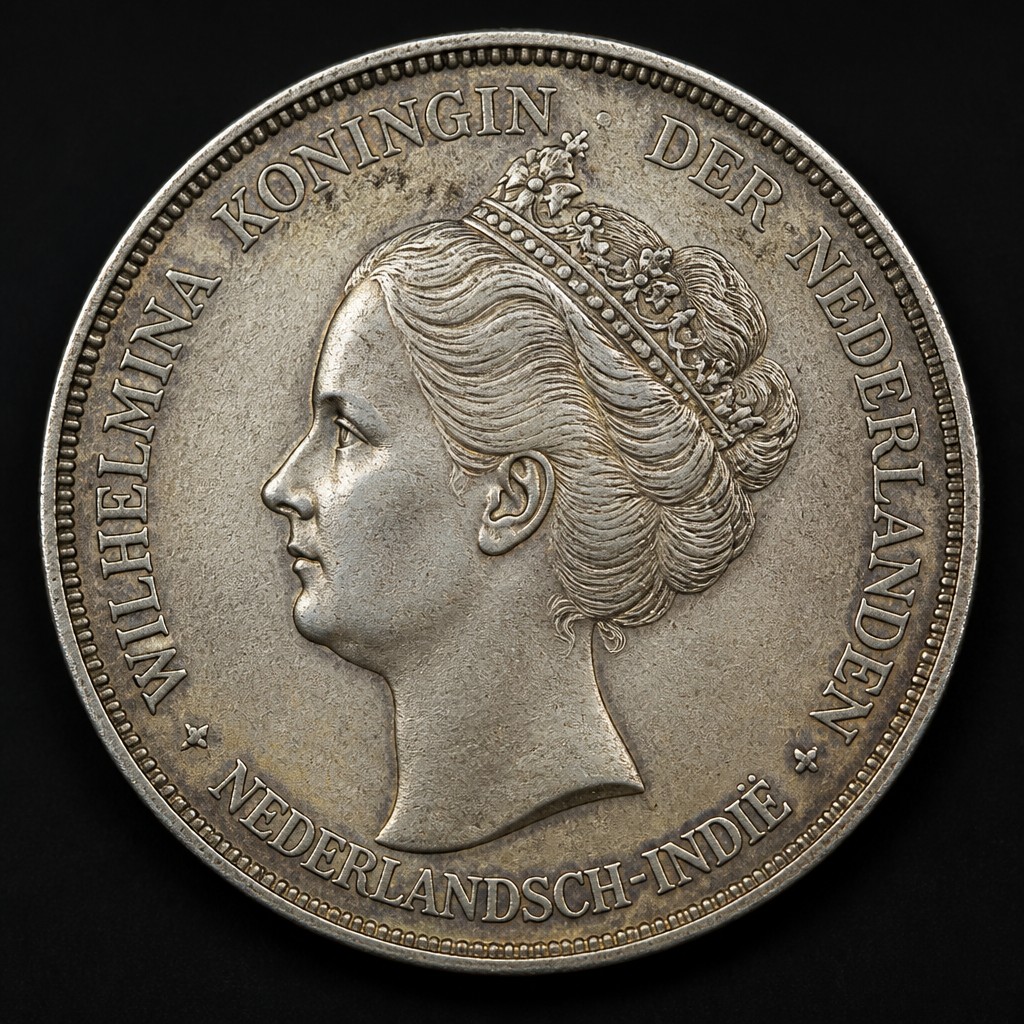
Netherlands East Indies Gulden (Wilhelmina)
1897–1945
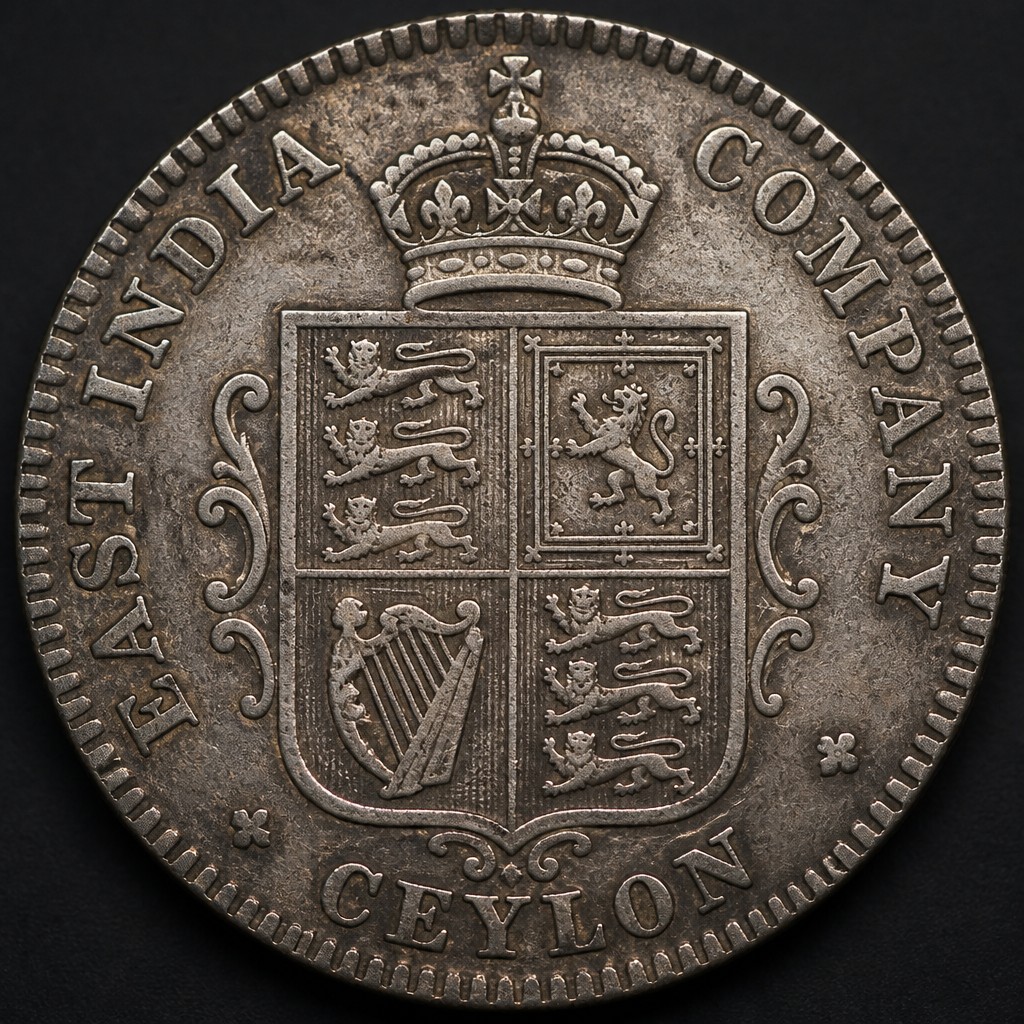
Ceylon (Sri Lanka) EIC Rixdollar
c. 1802–1821
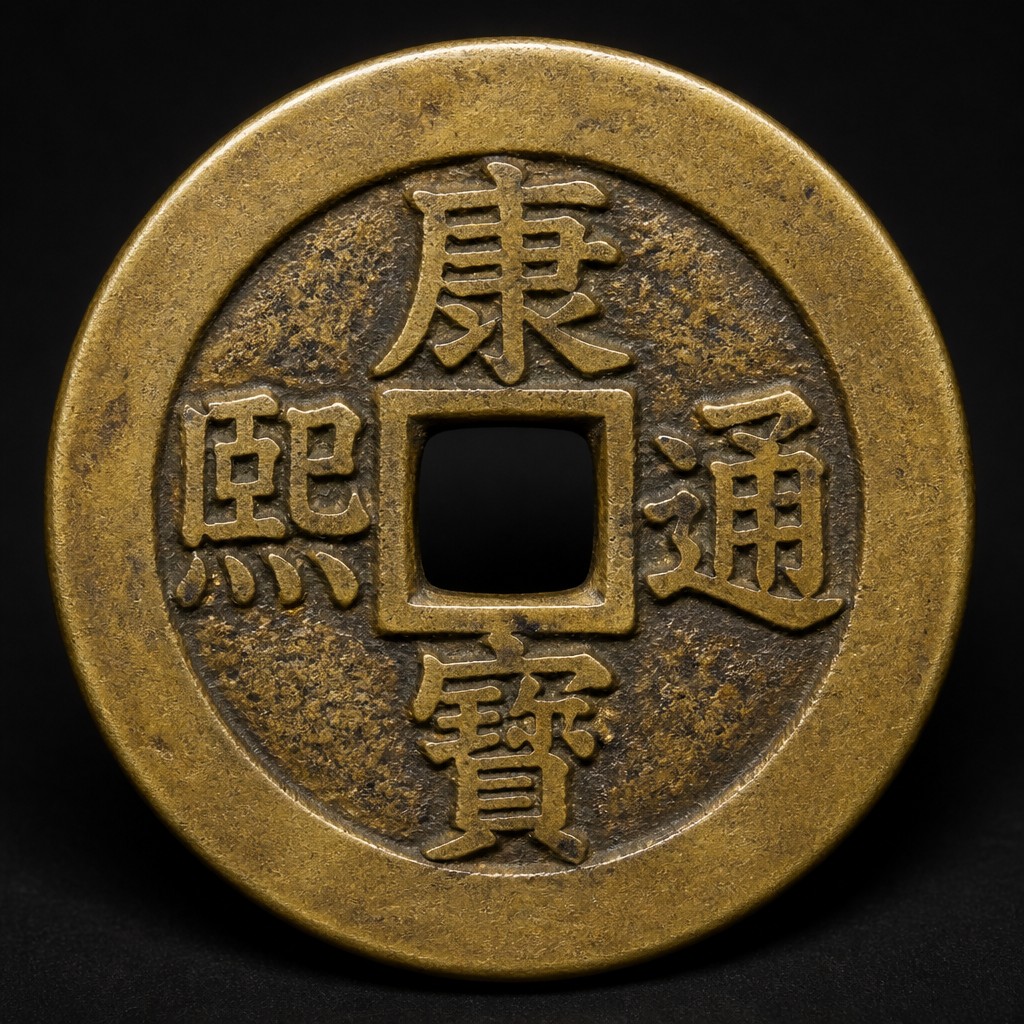
Chinese Cash Coin (Qing Dynasty 'Kangxi Tongbao')
1662–1722
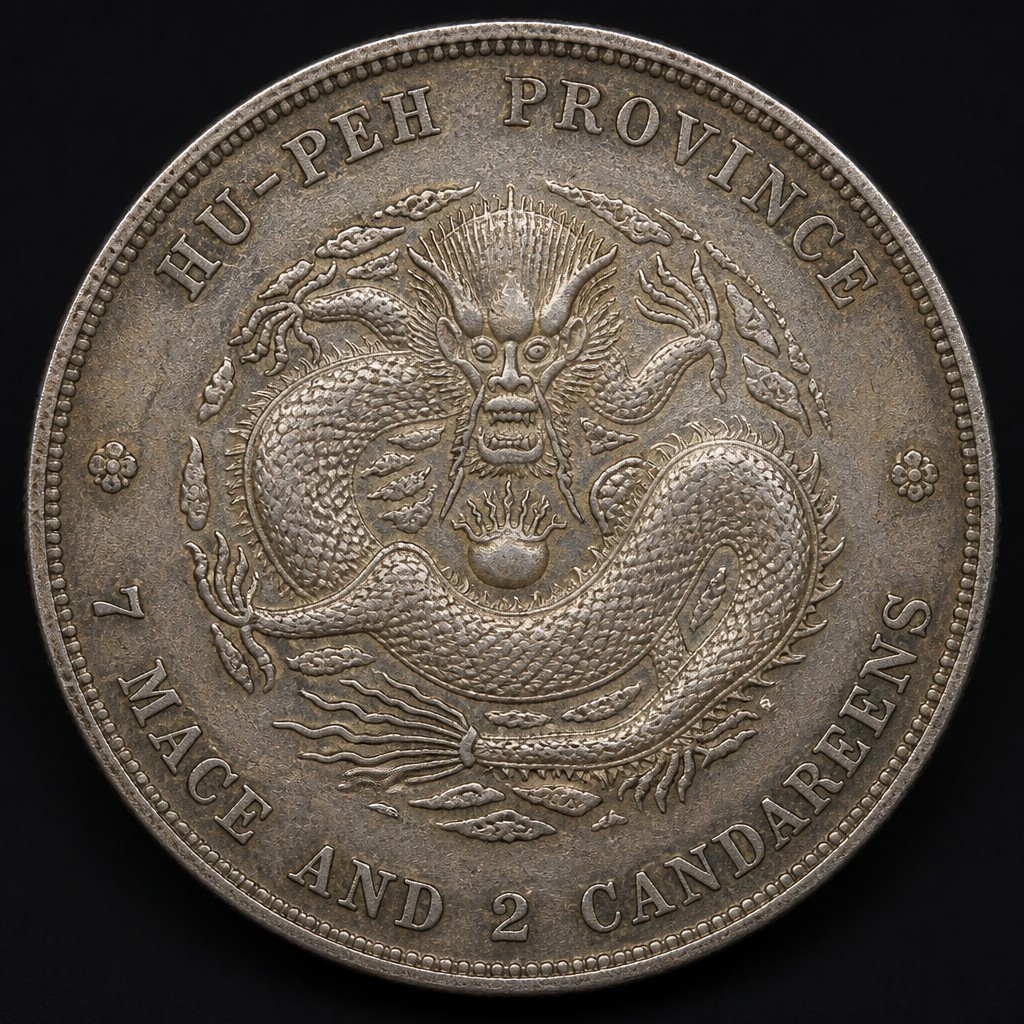
Chinese Hupeh Province Dragon Dollar
c. 1895–1909
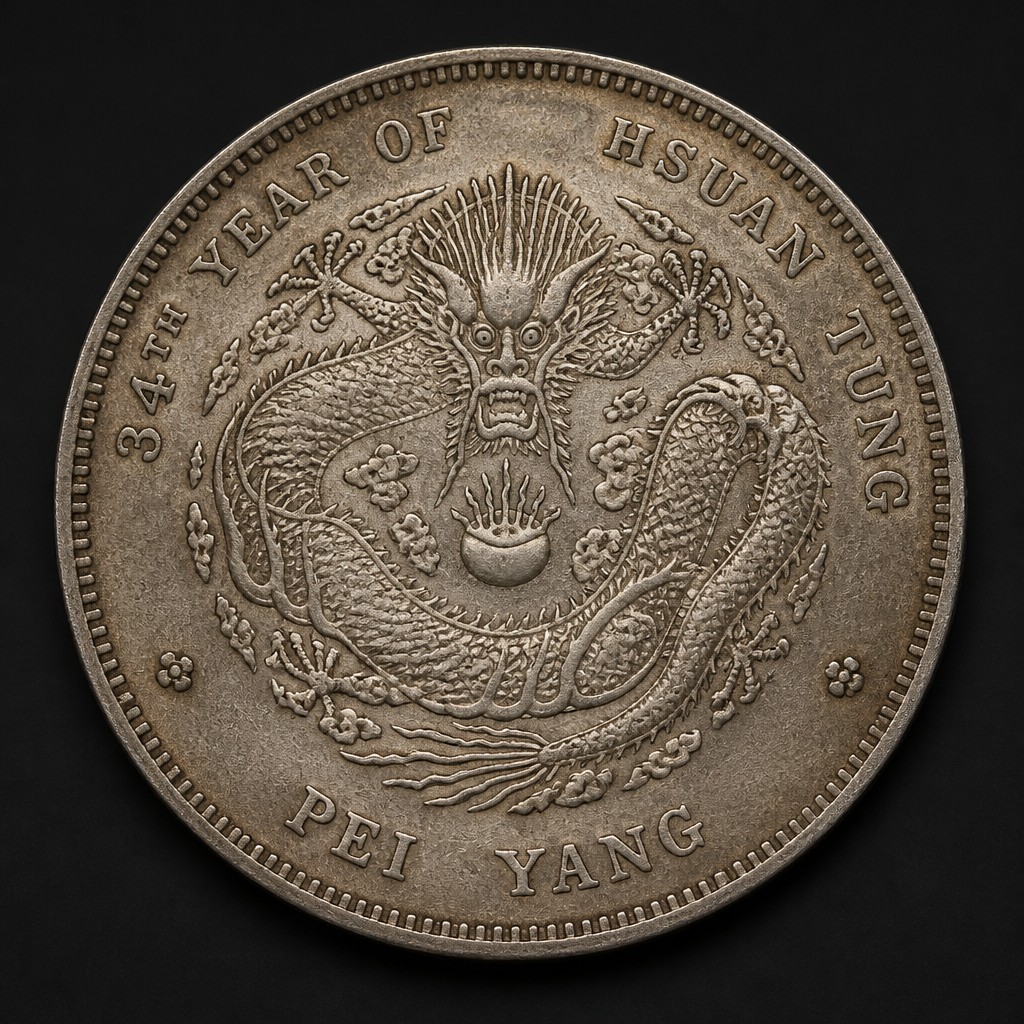
Chinese Empire Silver Dollar (Hsuan Tung Dragon)
1909–1911
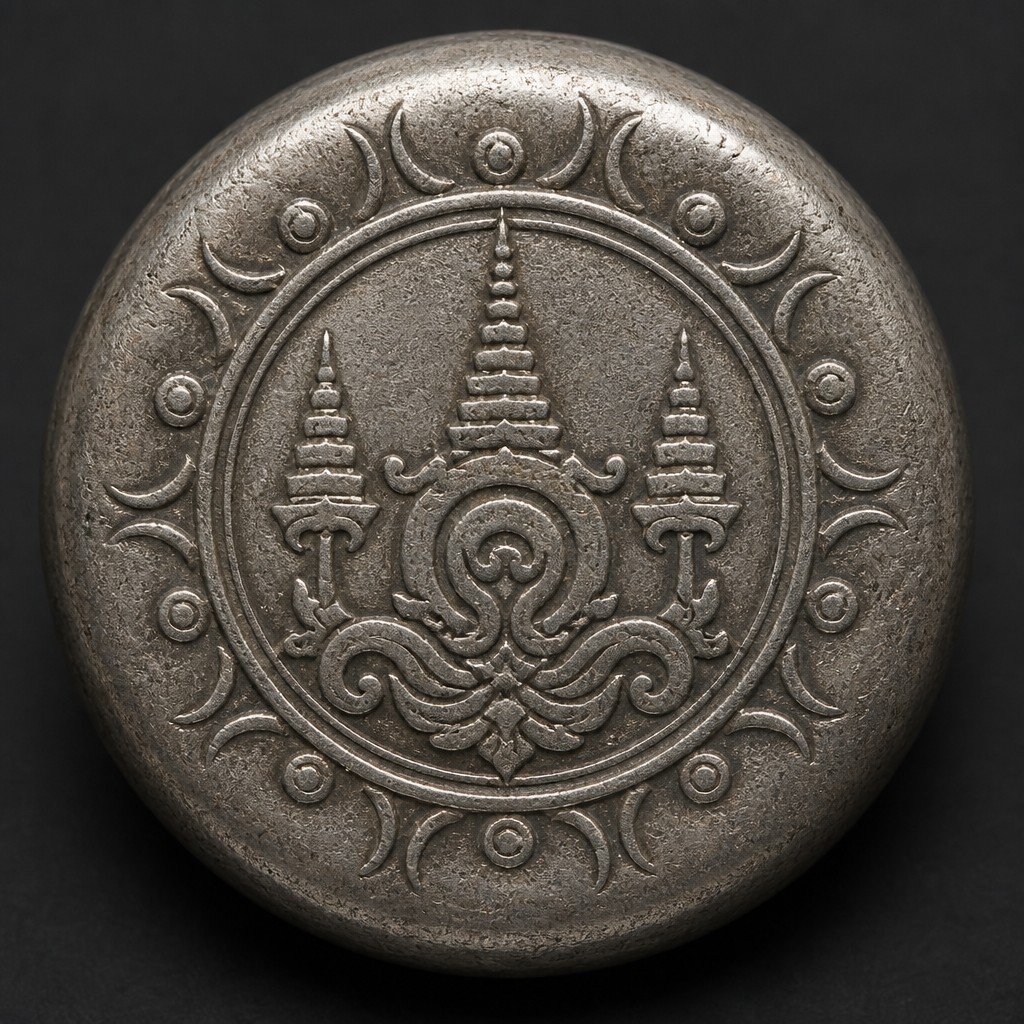
Thailand (Siam) Silver Baht 'Bullet Money' (Pod Duang)
c. 13th century – late 19th century
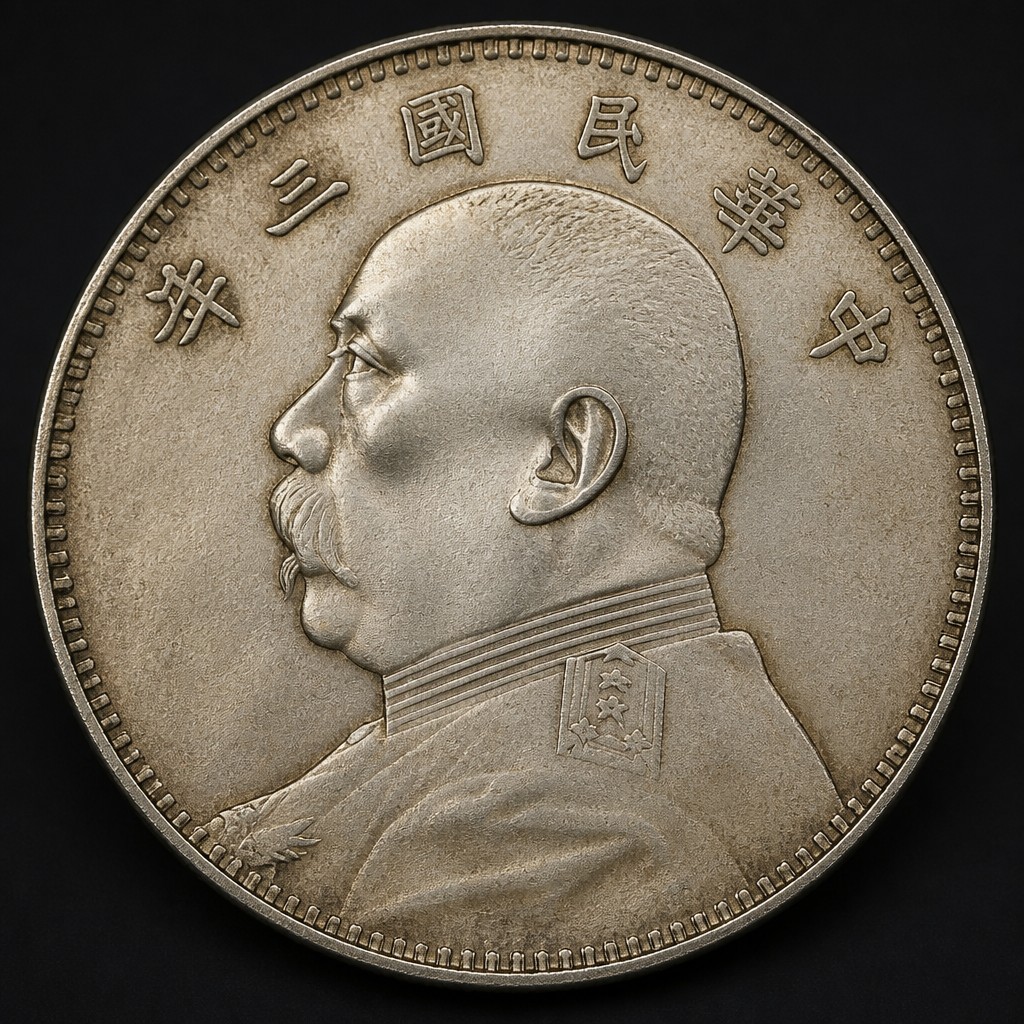
Yuan Shikai 'Fatman' Dollar (1914)
Dated 1914, struck into the early 1920s