
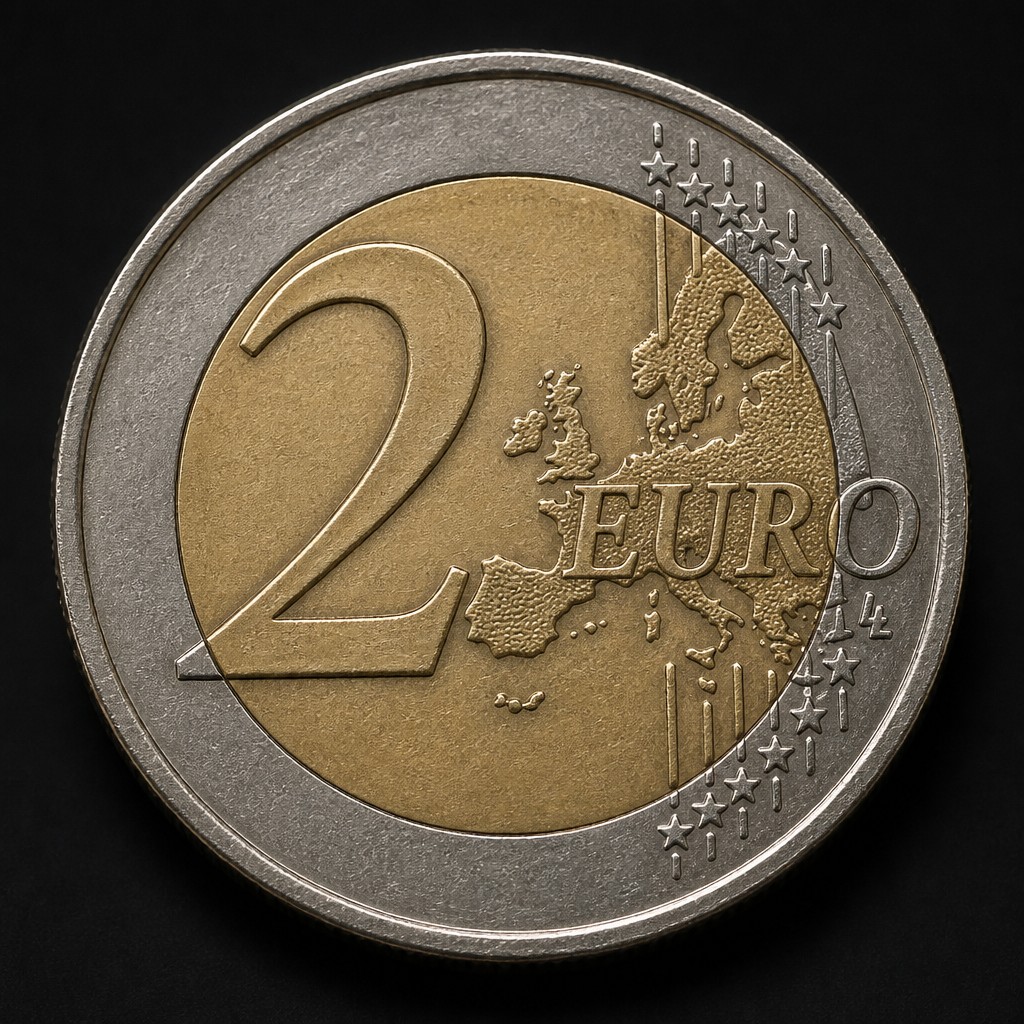
2 Euro Coin
The highest-denomination circulating euro coin, with a silver-colored center inside a gold-colored ring, widely used by member states to issue popular commemorative designs collected across Europe.
- Country
- Eurozone (European Union member states)
- Denomination
- 2 Euro
- Metal
- Bi-metallic (Copper-nickel center, Nickel-brass ring)
Got a coin like this?
Identify any coin from a photo, free.
Overview
The 2 euro coin is the largest and highest-value coin in everyday Eurozone circulation, with a color scheme opposite that of the 1 euro: a silver-colored center inside a gold-colored ring. It has become the preferred denomination for national commemorative issues, since its size and continent-wide validity make special designs simple to release and hugely popular with collectors.
Because commemorative 2 euro coins circulate at full face value while still carrying unique imagery, they have created an active and accessible corner of everyday coin collecting throughout the Eurozone.
History & Background
Introduced alongside the rest of the euro coin series in 2002, the 2 euro denomination quickly became the vehicle of choice for member states to mark historic anniversaries, cultural themes, and notable figures on a shared coin platform. Countries such as Germany, France, Italy, and Finland regularly release commemorative 2 euro coins.
These commemoratives circulate at face value alongside standard-design coins but are heavily sought after, cataloged, and traded by collectors across the currency union, giving the denomination an unusually active secondary collector market for a circulating coin.
How to Identify
The common reverse depicts a map of Europe framed by the twelve stars of the EU, with "2 EURO" and the year of minting. The national obverse varies by country and, for commemorative issues, is replaced entirely by a special design rather than the standard national symbol, while still retaining the surrounding stars.
The coin's edge often carries an incuse or raised inscription unique to the issuing country, an important identification feature since edge lettering differs from state to state. It is bimetallic, with a copper-nickel silver-colored center and a nickel-brass gold-colored outer ring.
Value & Collectibility
Standard-design 2 euro coins circulate at face value, but commemorative 2 euro coins vary enormously in collector value depending on the issuing country, mintage size, and subject matter. Low-mintage issues from smaller states, or particularly popular first-of-a-kind commemoratives, can trade for a meaningful premium above face value.
High-mintage commemoratives from larger countries such as Germany or France usually remain close to face value, so scarcity and popularity of the specific theme are the main drivers of any premium.
Frequently asked questions
Why are 2 euro commemorative coins collectible if they're worth face value?
They circulate at full face value but are struck in limited numbers with unique designs, making certain issues scarce and sought after despite being spendable currency.
How can I tell a commemorative 2 euro coin from a regular one?
Commemorative coins replace the standard national obverse design with a special image marking an anniversary, event, or figure, while the common European reverse stays the same.
What makes some 2 euro coins more valuable than others?
Lower mintage numbers, issuance by smaller countries, and especially popular themes tend to drive higher premiums over face value.
What metal is a 2 euro coin made of?
It is bimetallic, with a silver-colored copper-nickel center and a gold-colored nickel-brass outer ring.
Other coins you may enjoy
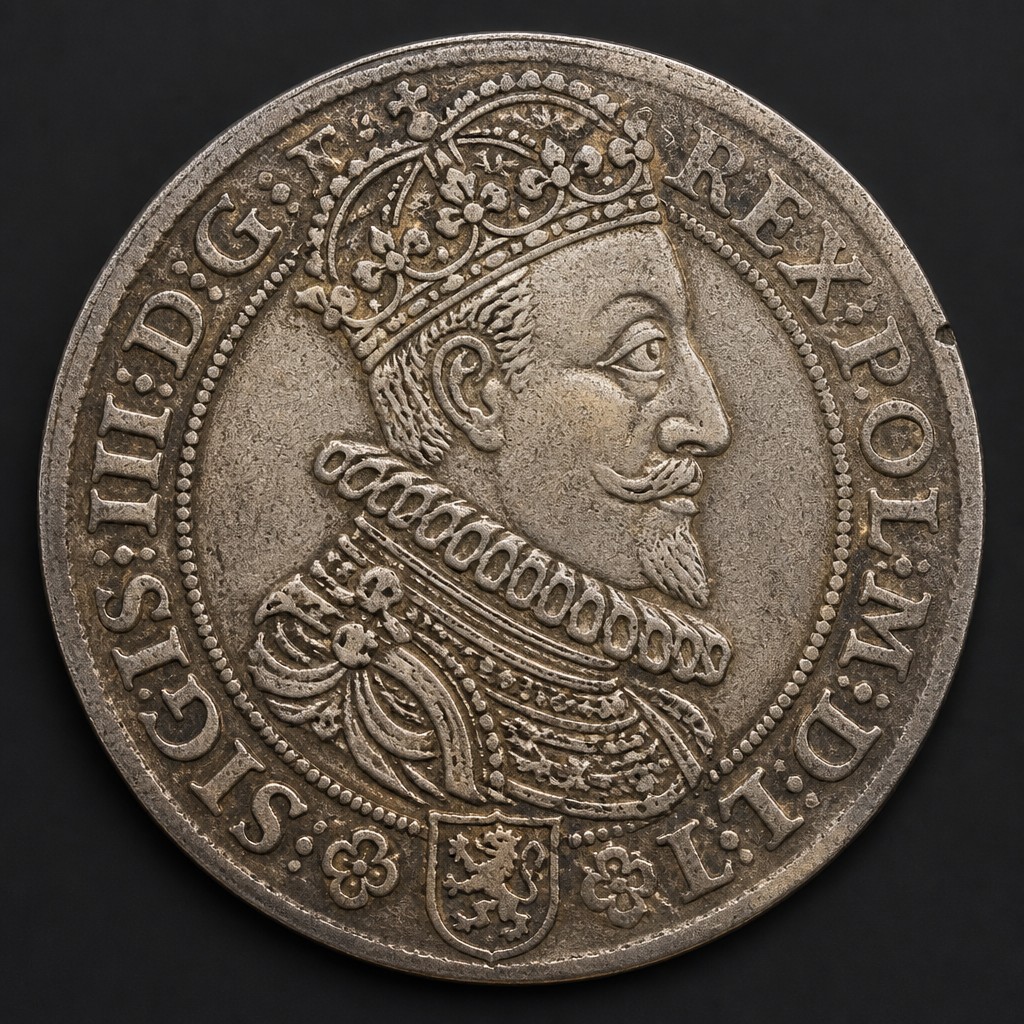
Polish-Lithuanian Thaler
circa 16th–18th century
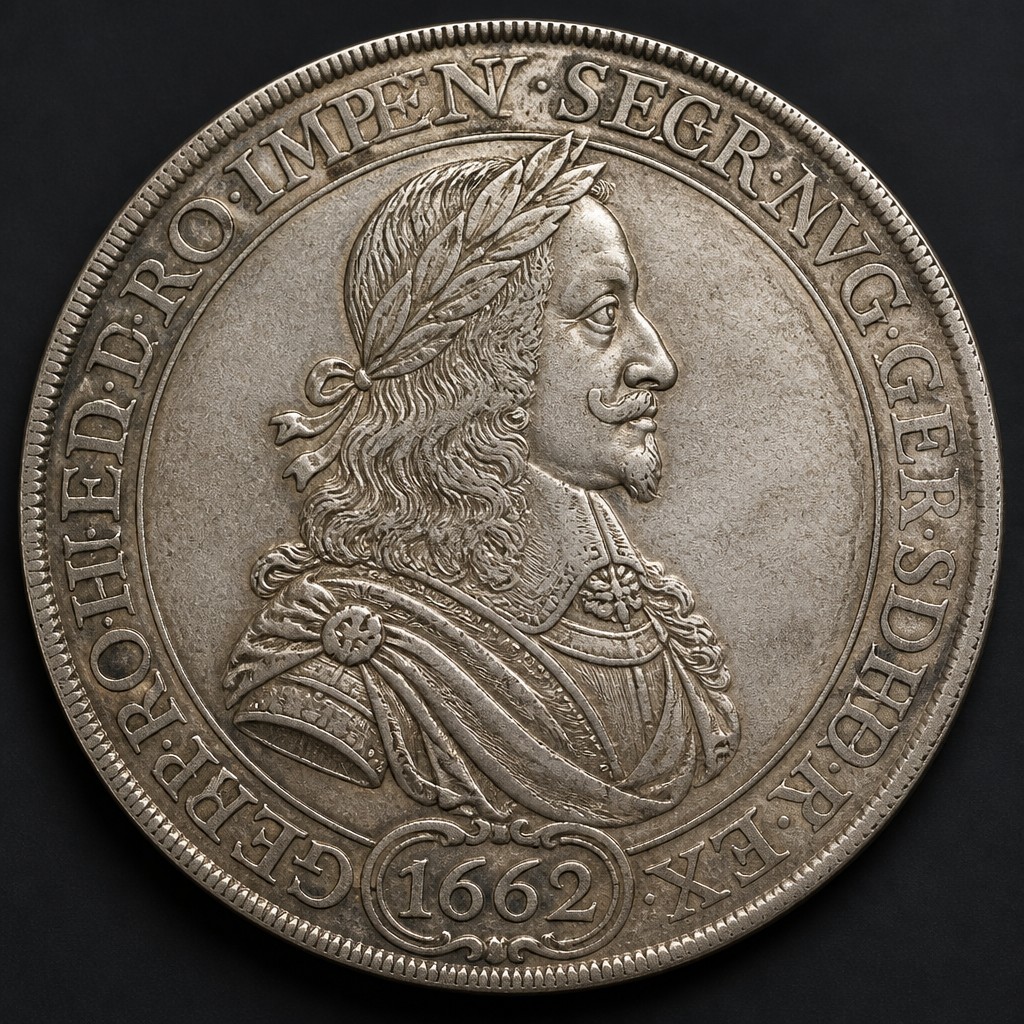
Reichsthaler
circa 1566–early 19th century
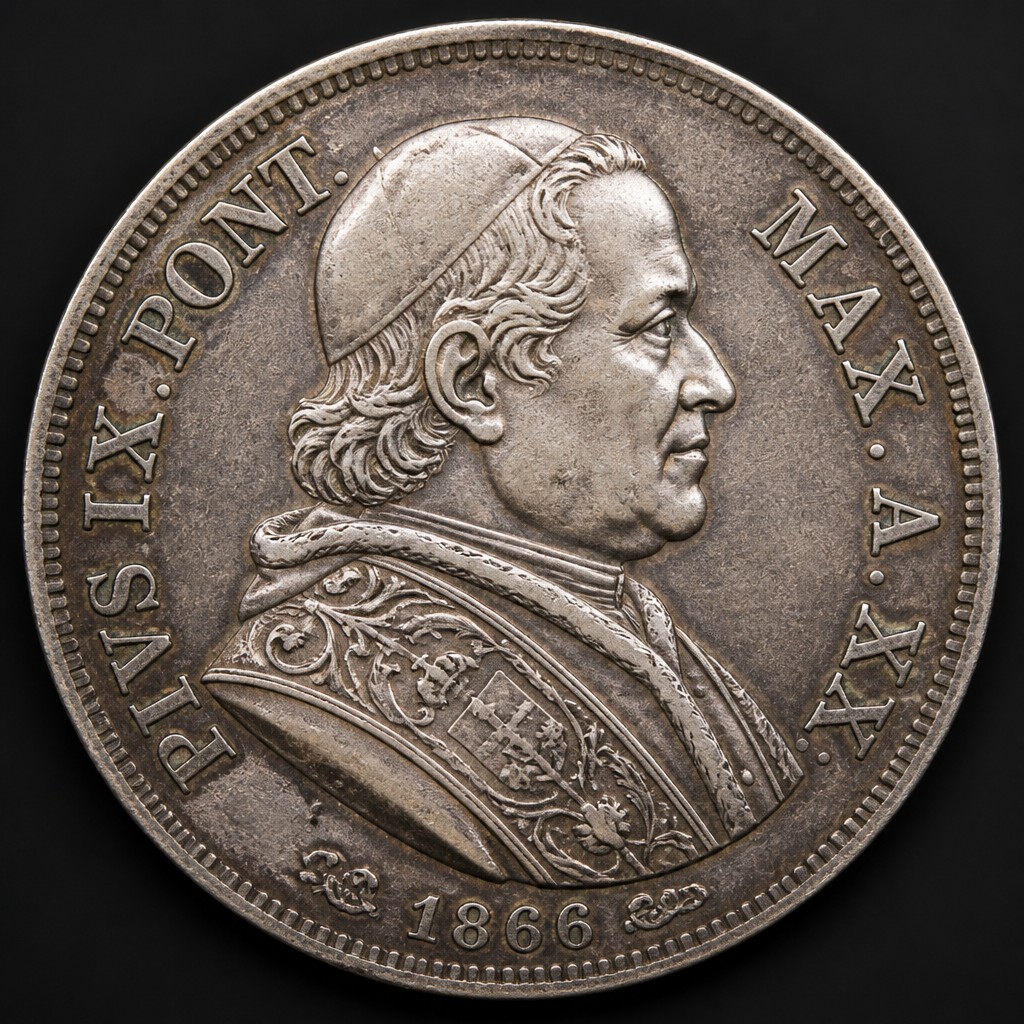
Papal States Scudo
16th century–1866
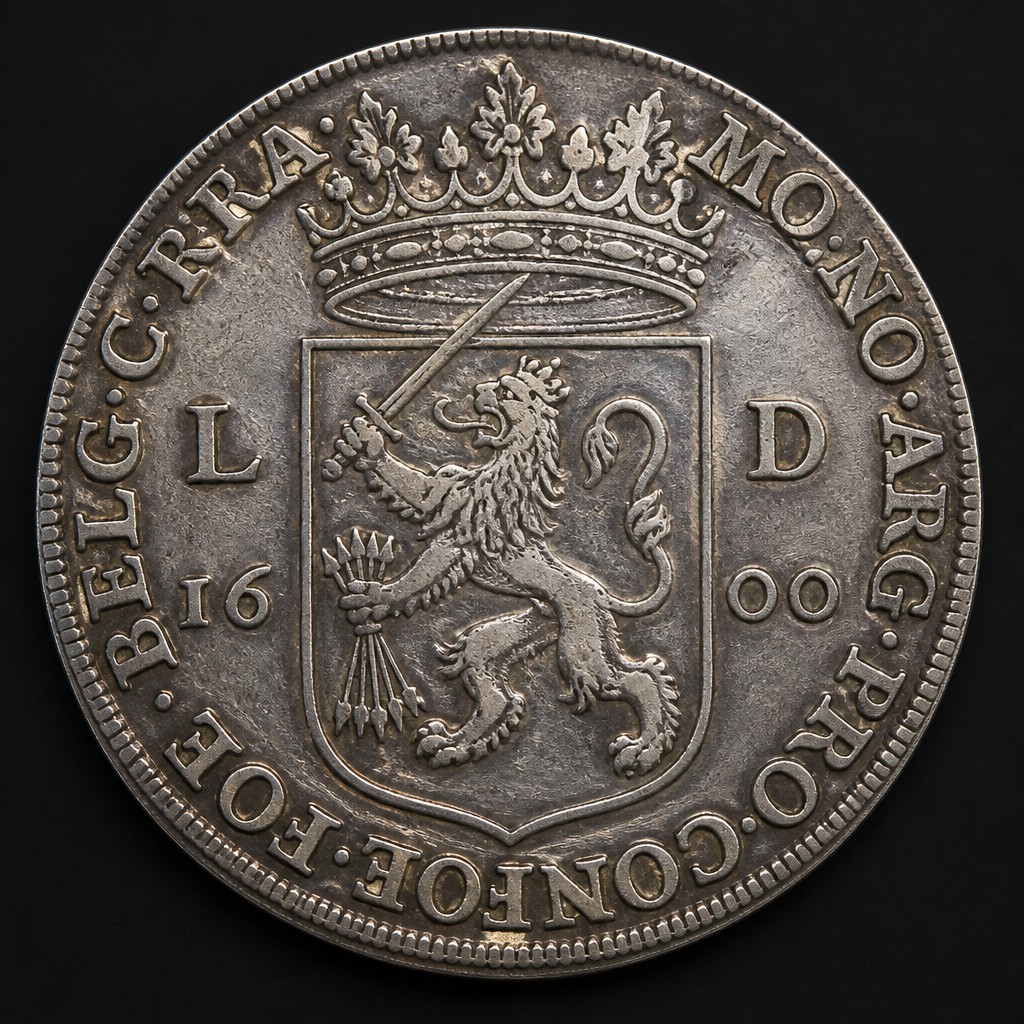
Netherlands Lion Daalder (Leeuwendaalder)
1575–1713
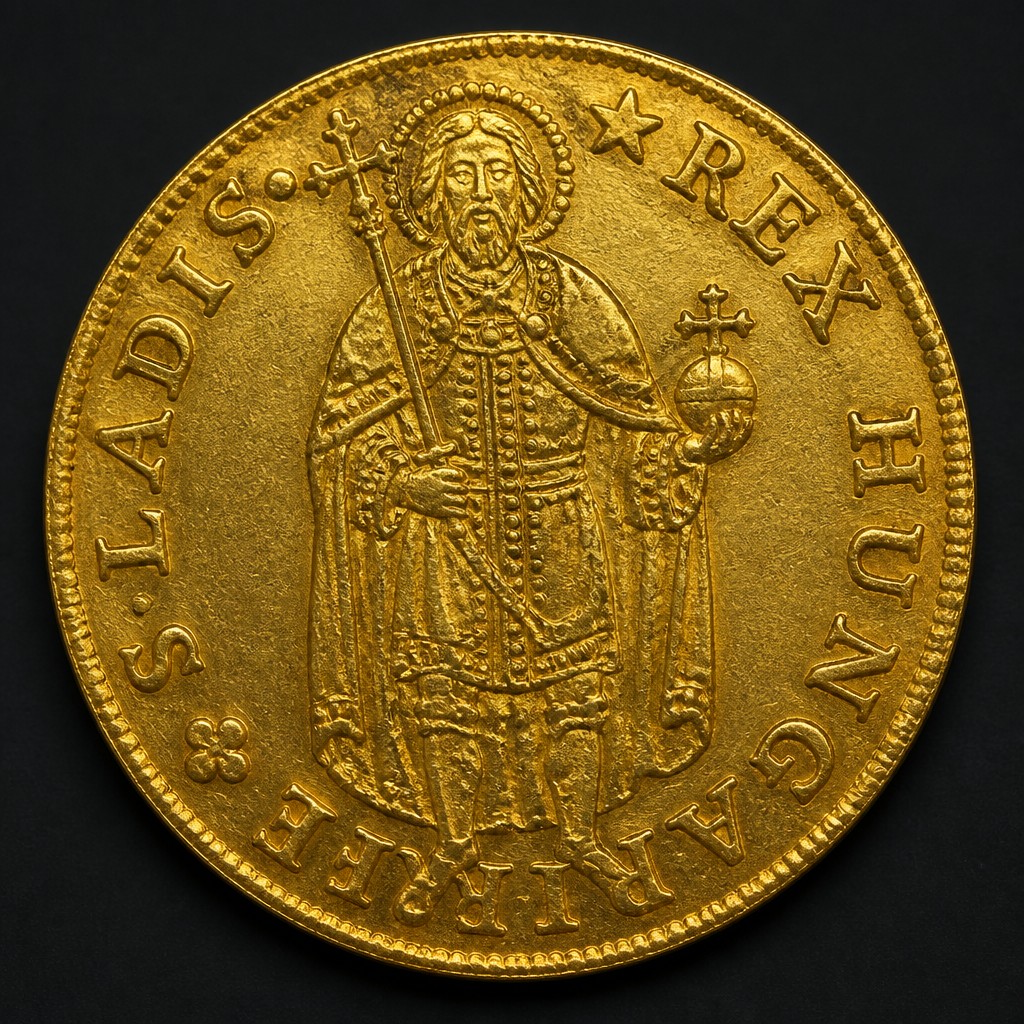
Hungarian Ducat
c. 1325–1918
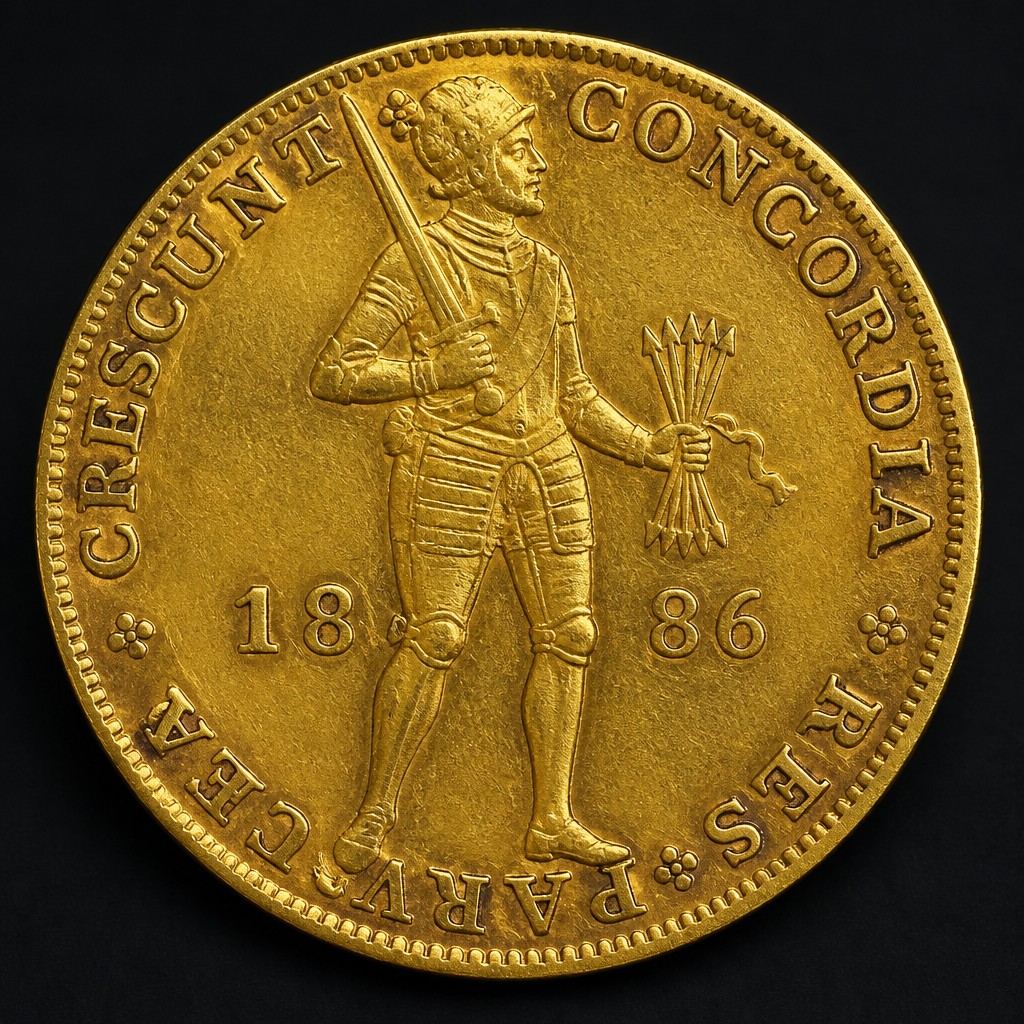
Dutch Ducat
c. 1586–present (classic type standardized after 1817)
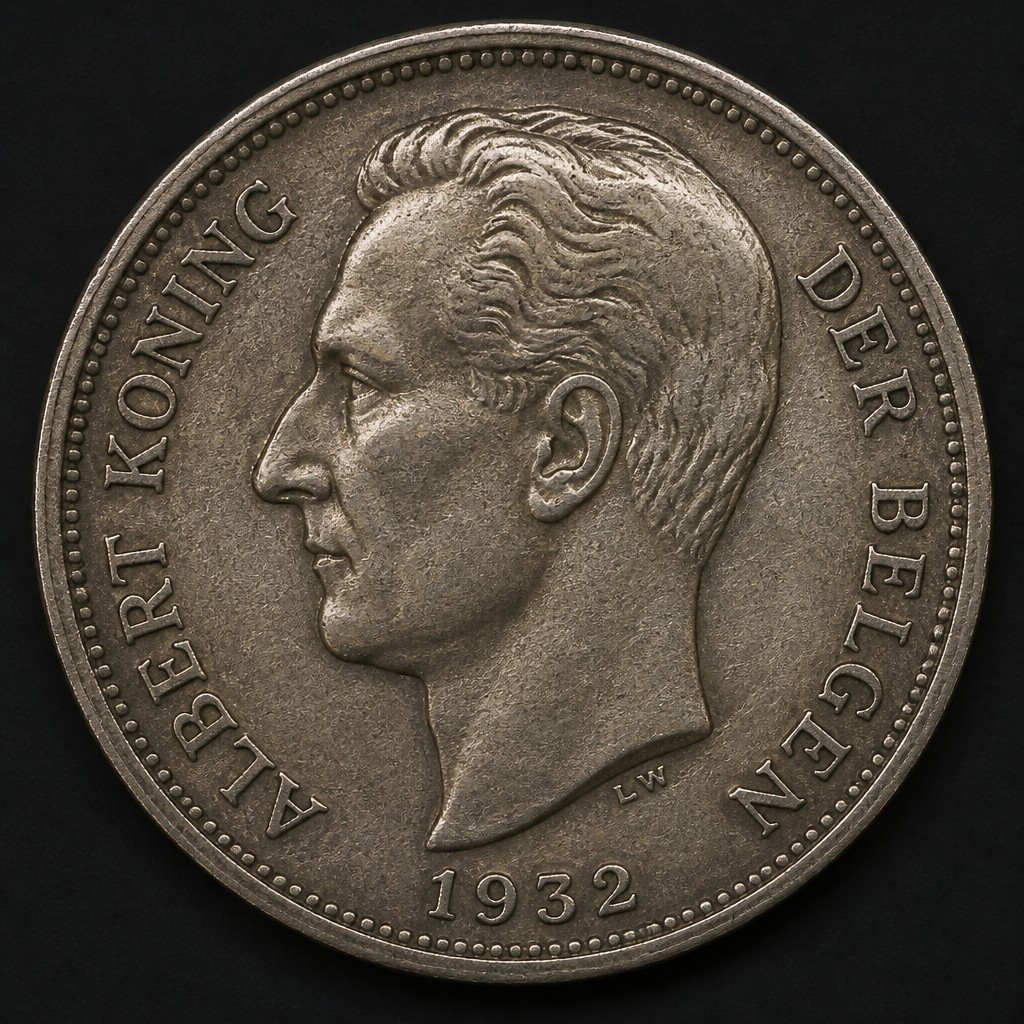
Belgian Franc
1832–2002
Spanish 100 Reales Gold (Isabel II)
1850s–1868
Greek Drachma
1832–2002
German Saxony Ducat
16th century–19th century
French 10 Francs Gold (Napoleon Rooster)
1899–1914
Netherlands 5 Gulden Gold
1826–1912 (intermittent)