
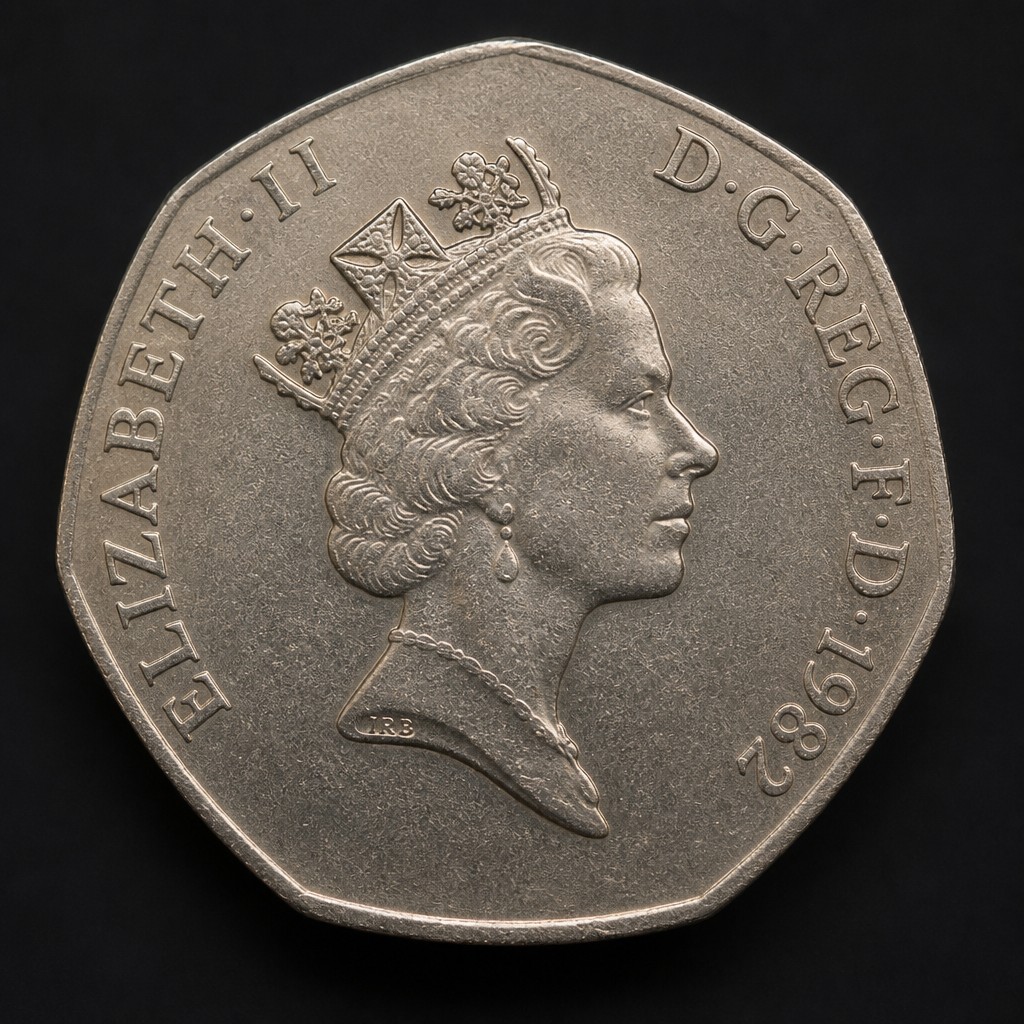
Twenty Pence
A seven-sided UK coin introduced in 1982 to fill a gap between the ten pence and fifty pence denominations.
- Country
- United Kingdom
- Denomination
- Twenty Pence
- Metal
- Cupro-Nickel
Got a coin like this?
Identify any coin from a photo, free.
Overview
The twenty pence coin was introduced in 1982 to provide a convenient denomination between the ten pence and fifty pence coins, easing everyday cash transactions as prices rose after decimalisation. Like the fifty pence, it uses a seven-sided (Reuleaux heptagon) shape rather than a plain circle.
While not as widely collected as the fifty pence for commemorative themes, the twenty pence coin is notable to collectors for a well-documented mule error variety from 2008 in which coins were accidentally struck without a date.
History & Background
By the early 1980s, rising prices meant that everyday transactions increasingly required a denomination between the existing ten pence and fifty pence coins, prompting the Royal Mint to introduce the twenty pence piece in June 1982. It was given the same distinctive heptagonal shape as the fifty pence to keep the family of British coin shapes visually consistent while remaining easy to tell apart by size.
The coin's design was updated in 2008 as part of a wider redesign of UK coinage in which the reverses of the standard circulating denominations were reworked to each depict a segment of the Royal Shield, forming a complete image when several coins are placed together.
That 2008 redesign produced the coin's best-known collecting curiosity: because of a transitional overlap between old and new obverse/reverse dies, a small number of 2008-dated twenty pence coins were struck using an old obverse paired with a new reverse that both lacked a date, resulting in genuine "undated" 20p coins entering circulation.
How to Identify
The coin is seven-sided (a Reuleaux heptagon), struck in cupro-nickel, giving it a silvery appearance, and is smaller than the fifty pence but shares the same basic shape family.
The obverse carries the reigning monarch's portrait, while the reverse has featured a crowned Tudor rose (pre-2008) or a segment of the Royal Shield of Arms (2008 onward, as part of the coordinated Royal Shield redesign across denominations).
The famous 2008 "undated" error can be identified because neither the obverse nor the reverse carries a date at all, an easily verified and well-documented mint error rather than a normal date variety.
Value & Collectibility
Ordinary circulated twenty pence coins are worth only face value. The genuine 2008 undated mule error is the standout exception, and confirmed authentic examples have traded for hundreds of dollars, reflecting genuine scarcity and strong demand among British error-coin collectors, though prices vary with certification and condition.
Because the undated error has been widely publicized, buyers should be cautious of coins that have simply had the date worn away through circulation, which look similar but are not the genuine mint error.
Frequently asked questions
Why was the twenty pence coin introduced?
To provide a denomination between the ten pence and fifty pence coins as prices rose in the early 1980s.
What is the famous 20p error?
A small number of 2008-dated coins were accidentally struck with no date at all, due to an old obverse die paired with a new, dateless reverse die during a coin redesign.
How can I tell if my 20p is a genuine undated error?
A genuine error coin has no date on either side from striking, not a date worn away by circulation; certification by a recognized grading service adds confidence.
What shape is the coin?
A seven-sided Reuleaux heptagon, the same shape family as the fifty pence.
Other coins you may enjoy
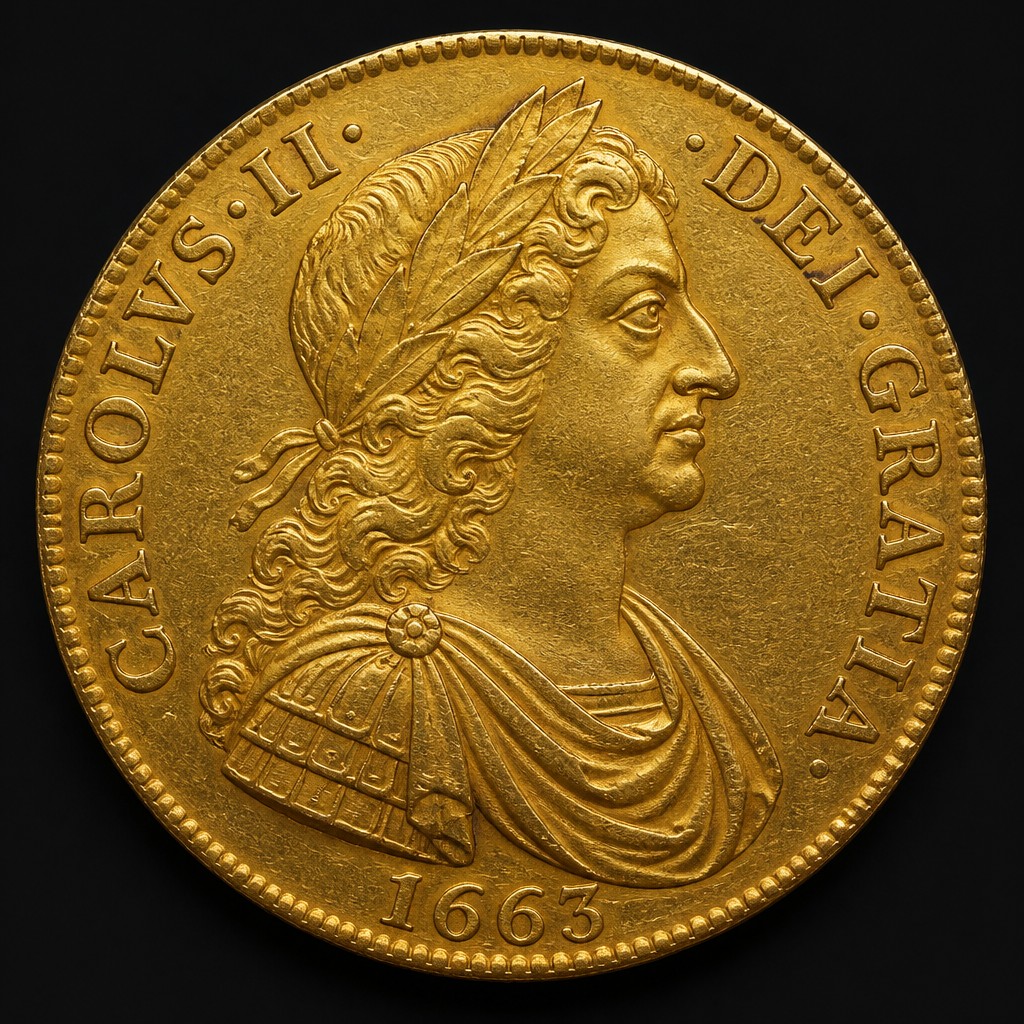
British Guinea
1663–1814
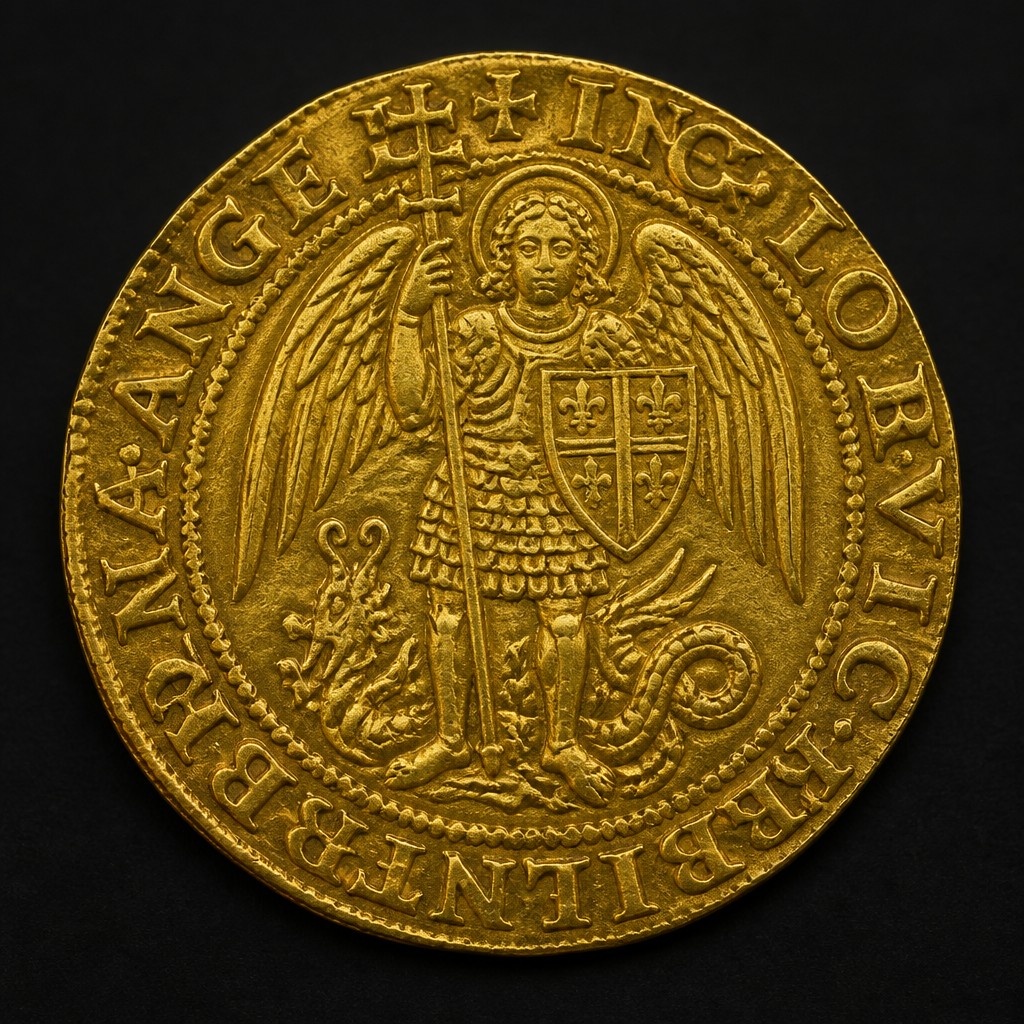
English Angel
1465–1642
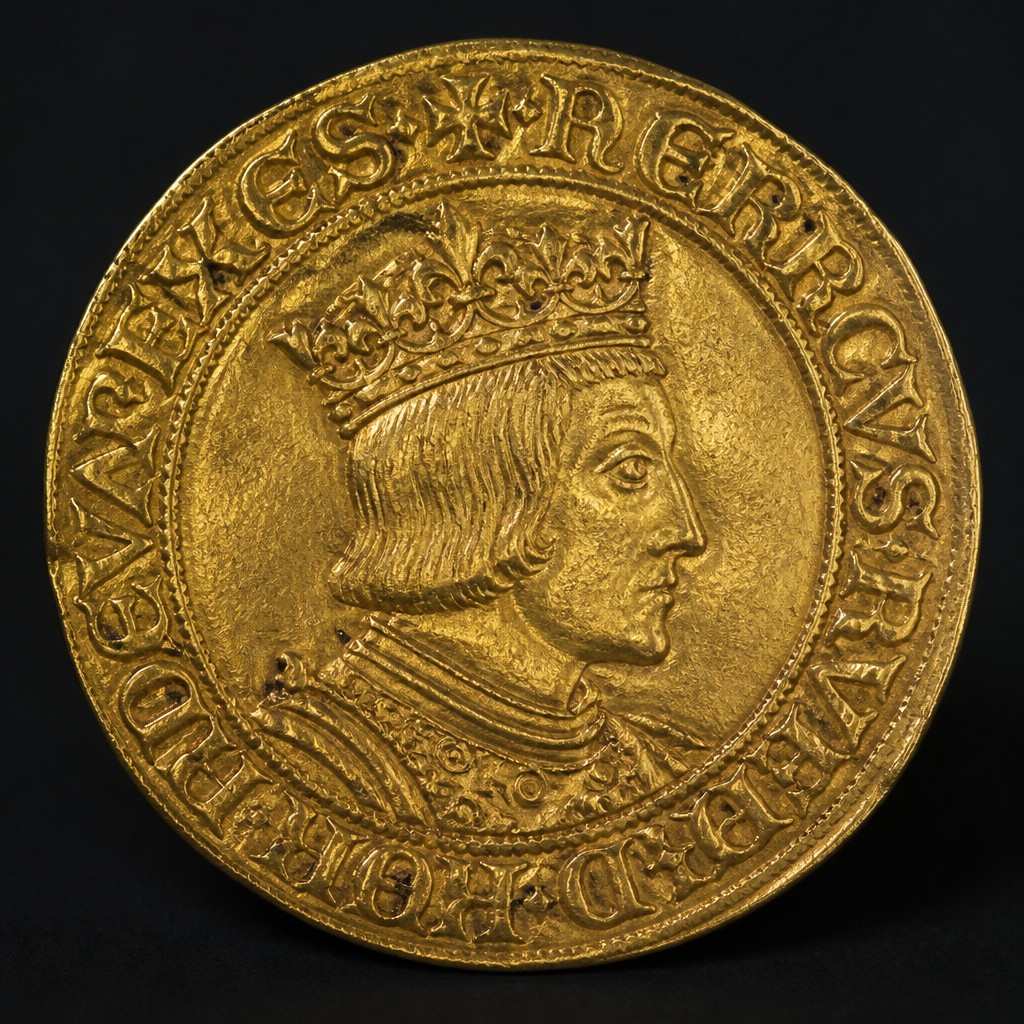
English Sovereign of Henry VII
1489–1509
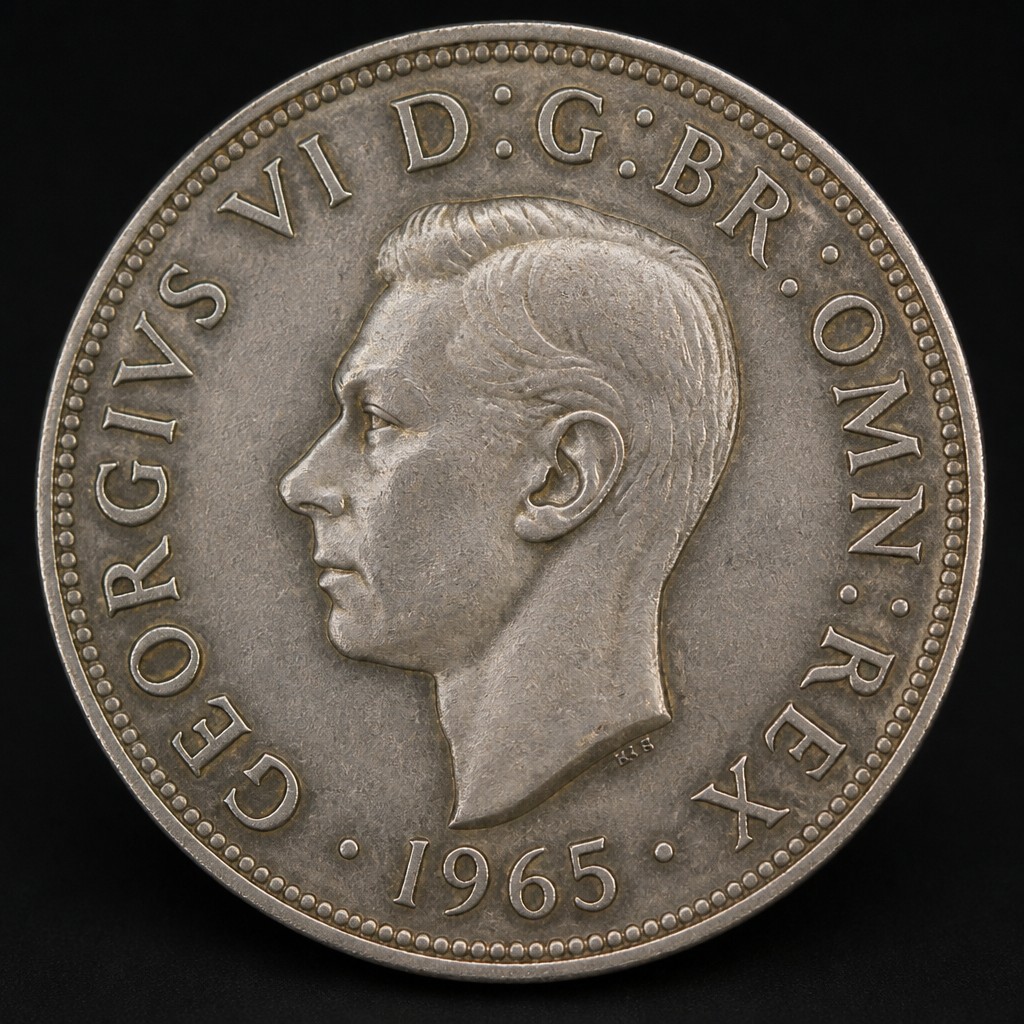
English Crown
1526–1965 (pre-decimal; commemorative crown-sized coins continue as five pound coins)
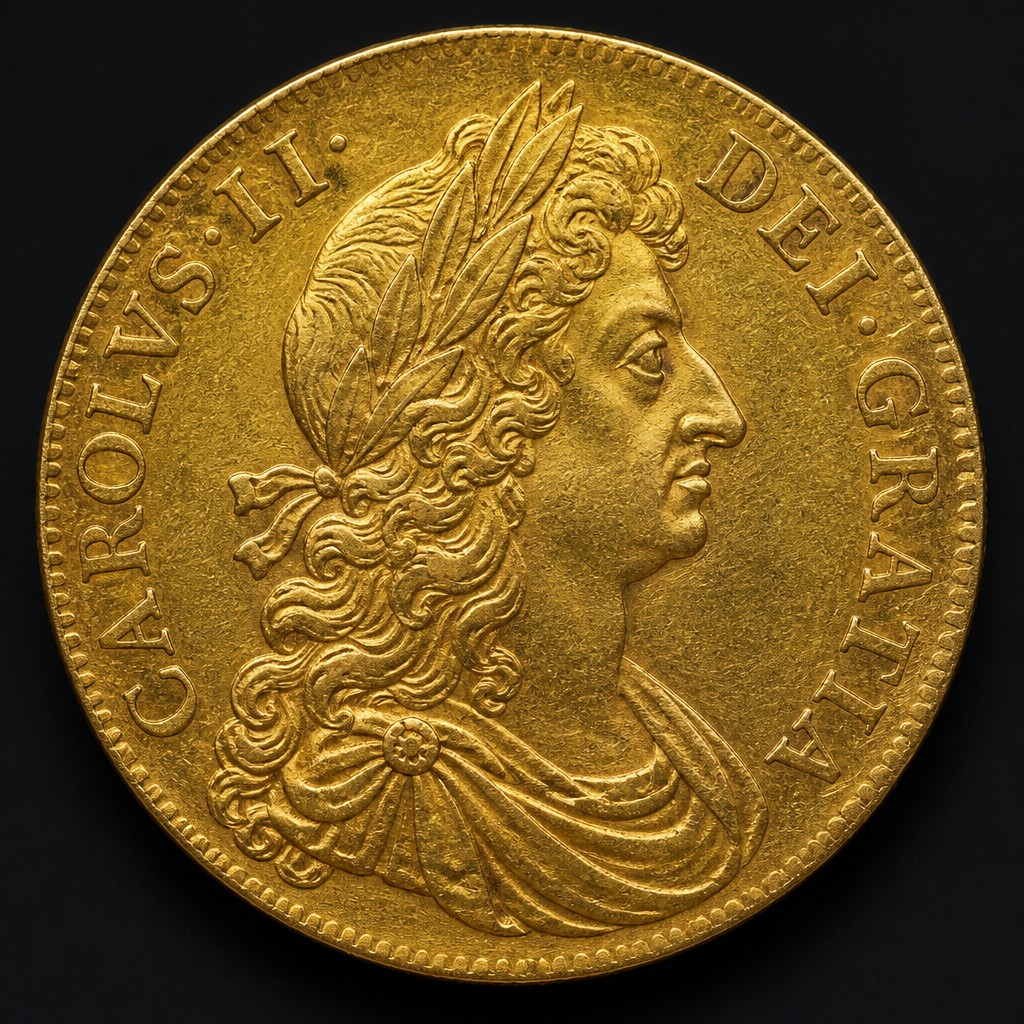
British Gold Guinea
1663–1814
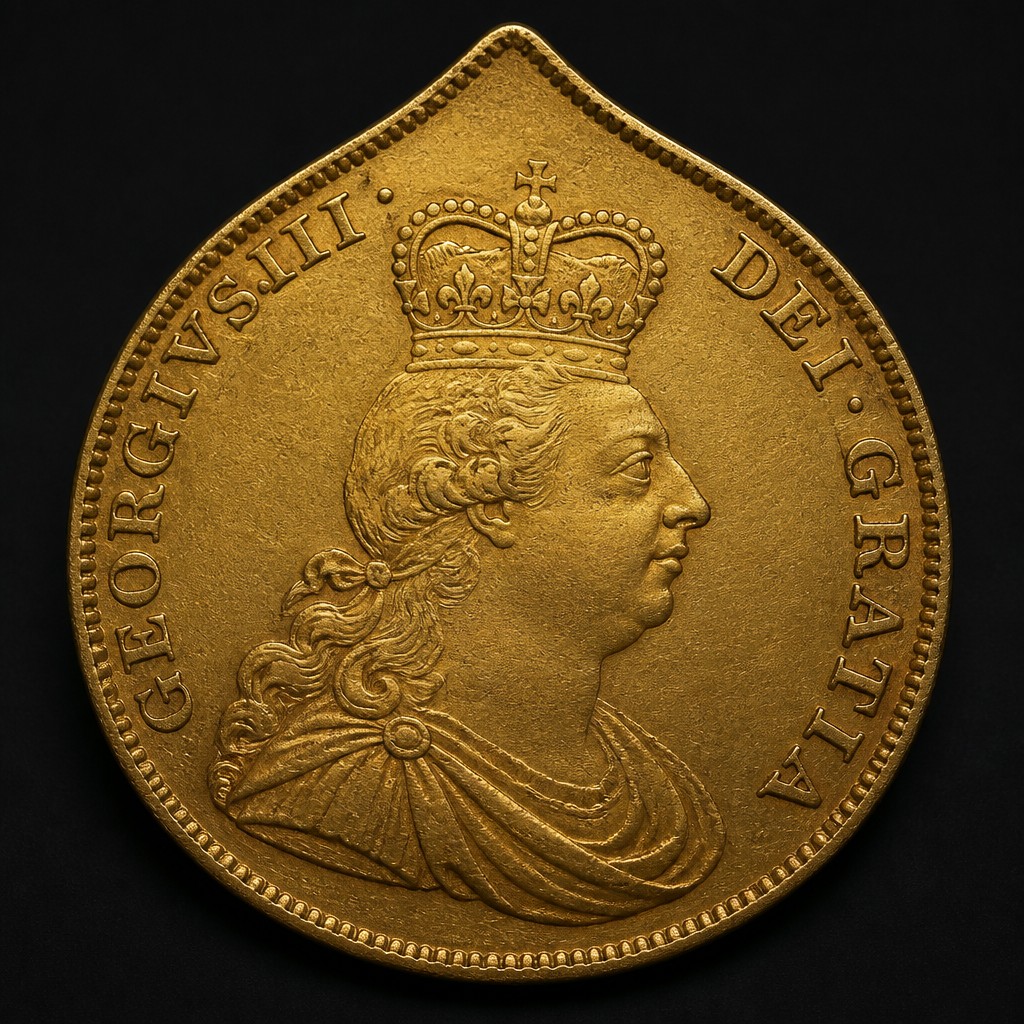
Spade Guinea
1787–1799
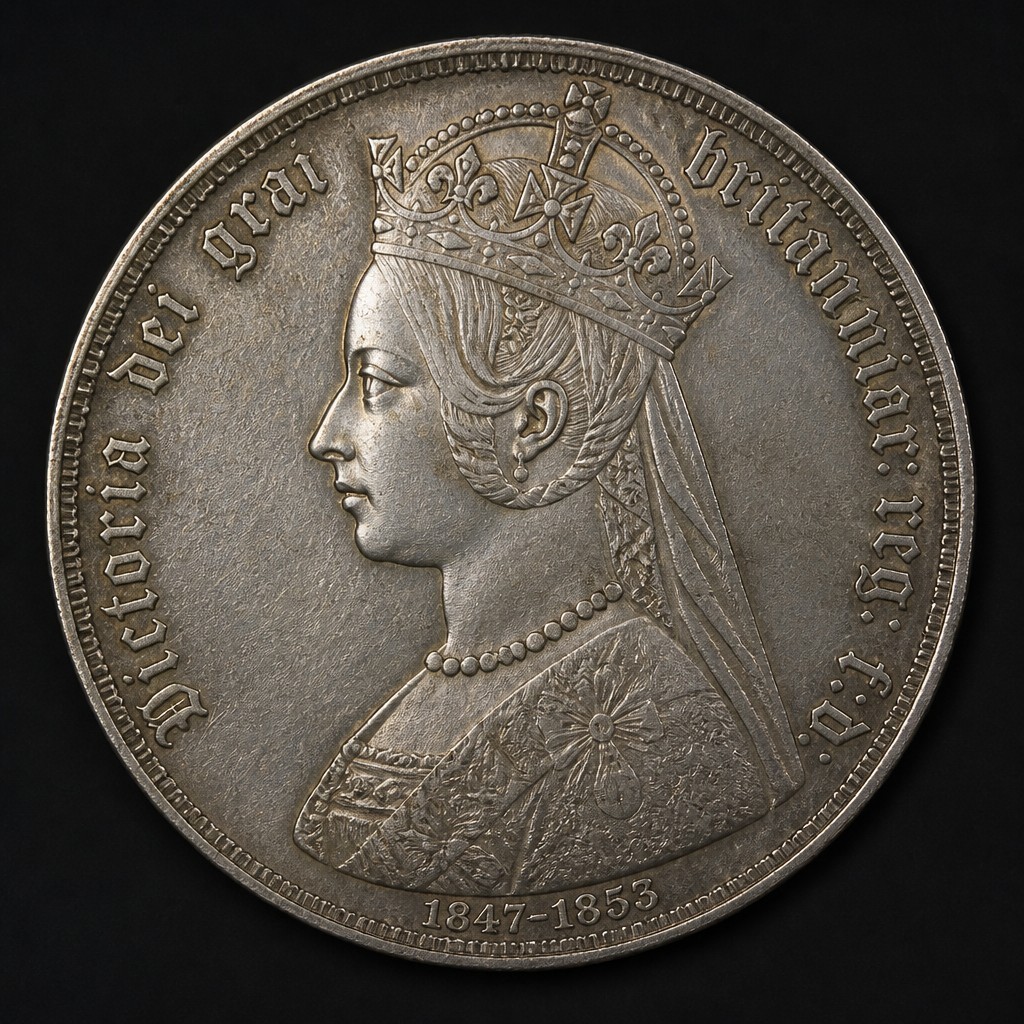
Gothic Crown
1847–1853
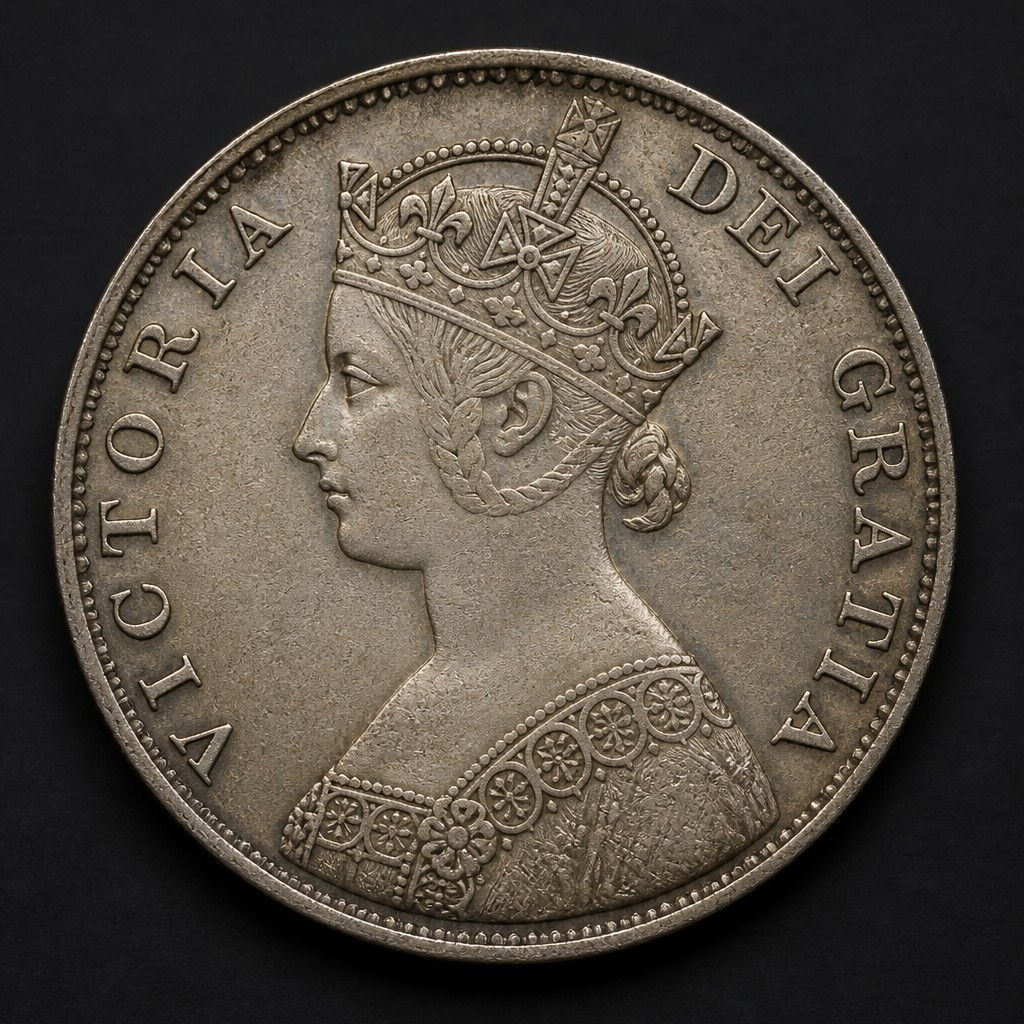
Groat (Fourpence)
1279–1888 (various revivals)
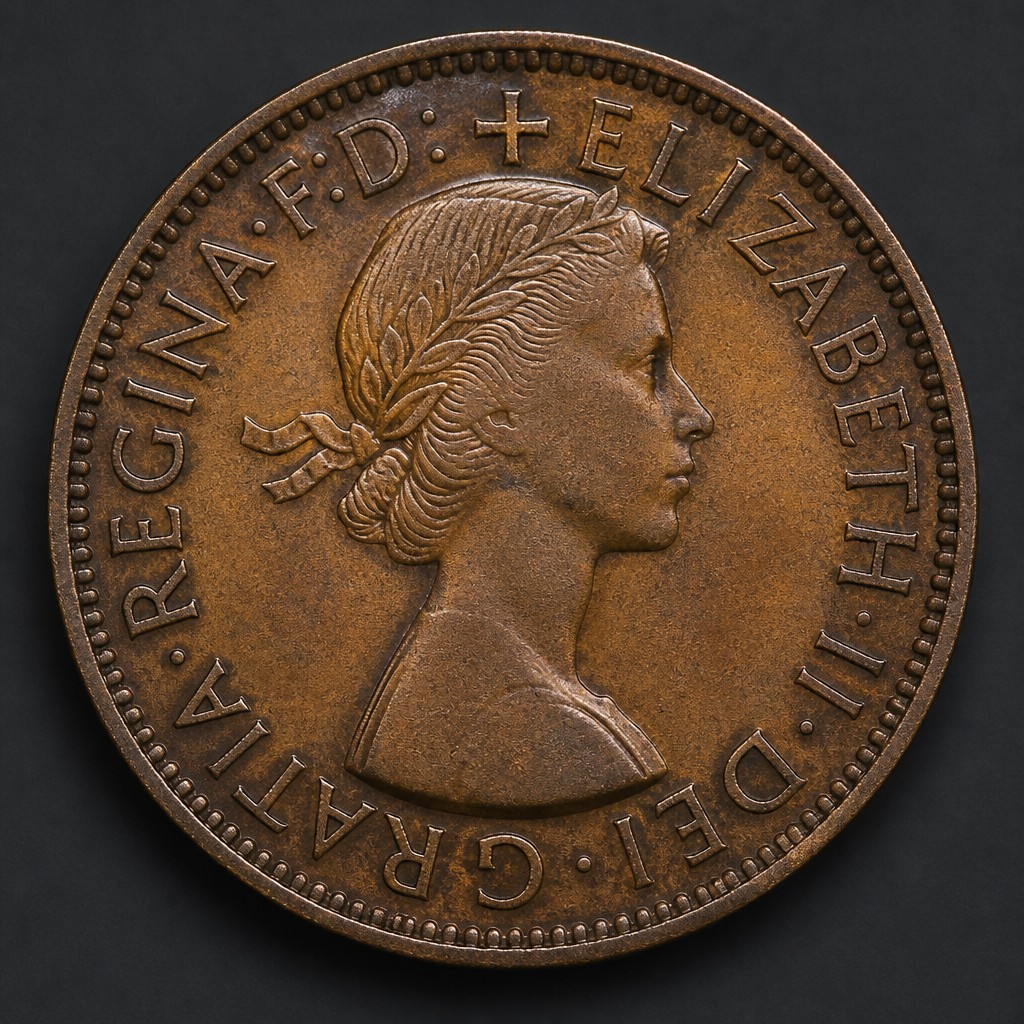
Farthing
13th century–1956
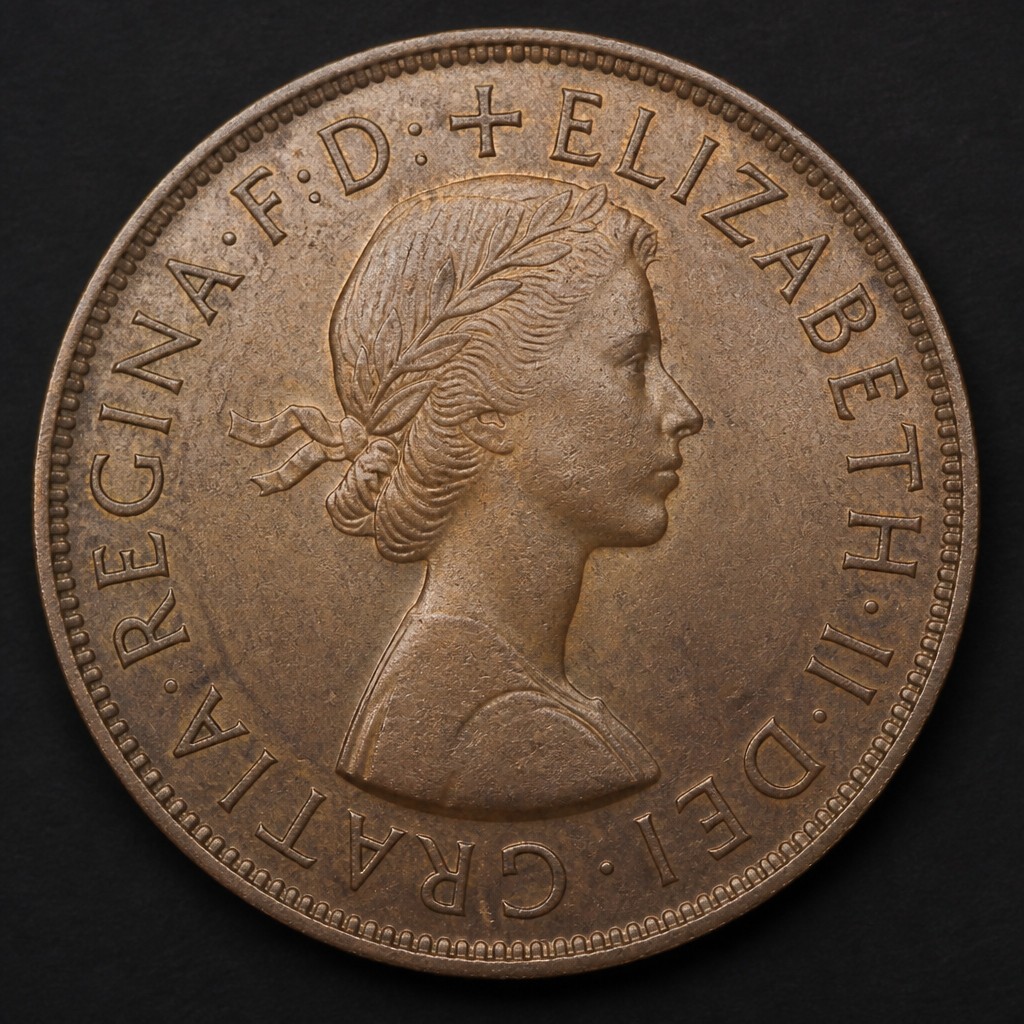
Halfpenny
c. 800s–1969
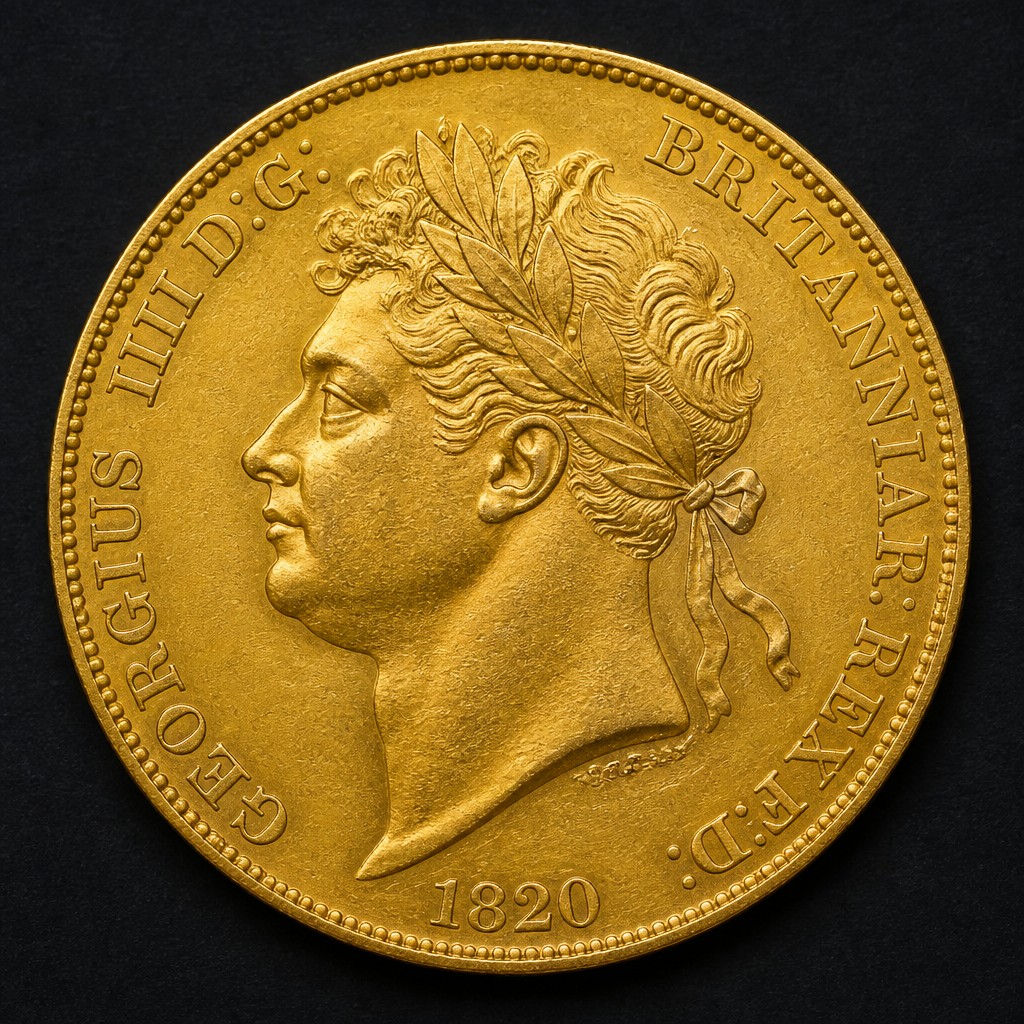
Five Pound Gold (Quintuple Sovereign)
1820–present (intermittent)
Threepence
1547–1970