
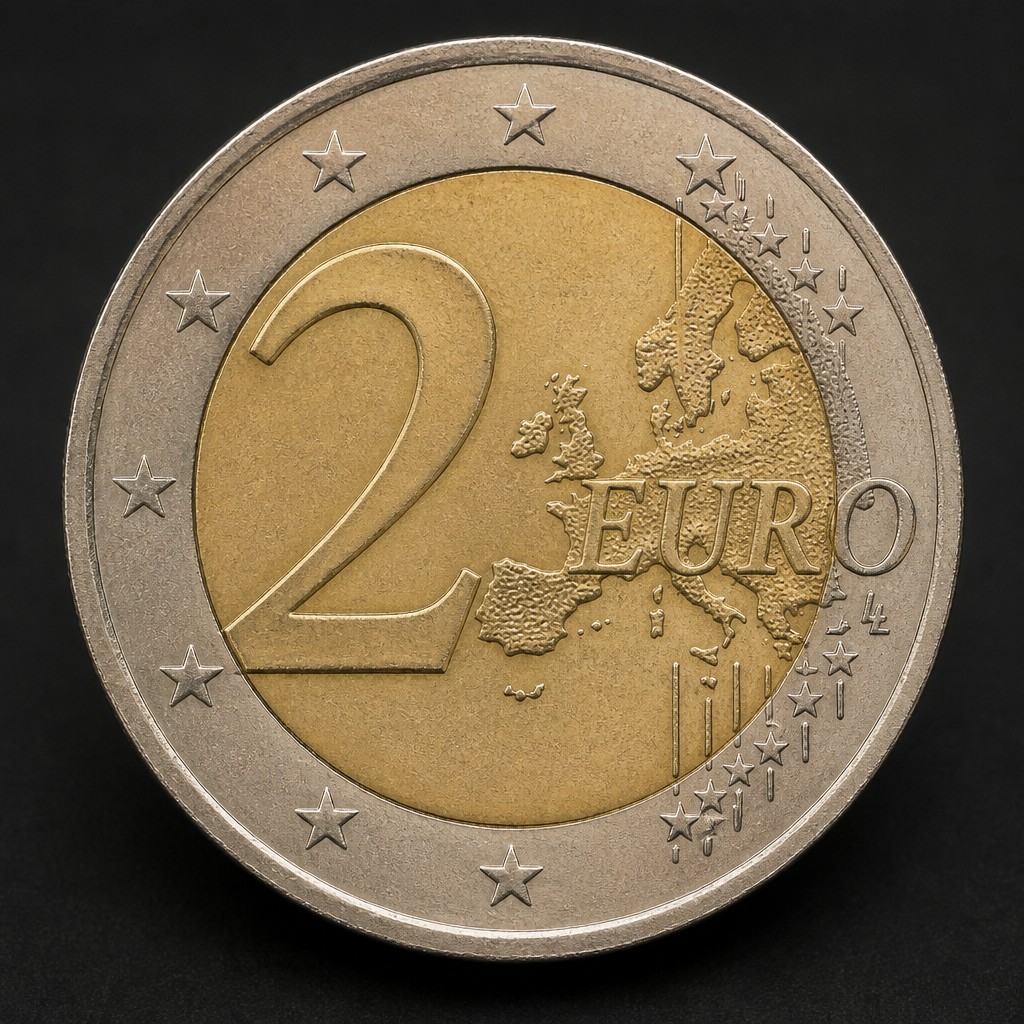
Euro €2 Commemorative Coins
Since 2004, Eurozone countries have issued special-design €2 coins commemorating anniversaries and events while keeping the coin's normal size, weight, and legal-tender status.
- Country
- Eurozone (multiple member states)
- Denomination
- €2
- Metal
- Bi-metallic: nickel-brass center, copper-nickel-nickel-brass-copper-nickel ring
Got a coin like this?
Identify any coin from a photo, free.
Overview
The €2 commemorative coin lets Eurozone member states swap the usual national reverse of the standard circulating €2 coin for a one-off design marking an anniversary, historical figure, or shared European milestone. Despite the special artwork, the coin keeps the same size, weight, and bimetallic composition as an ordinary €2 piece and remains legal tender across the entire Eurozone, not just the issuing country.
Since the program began, dozens of themes have appeared, ranging from national events (Olympic Games, royal weddings, UNESCO World Heritage sites) to pan-European anniversaries commemorated jointly by many or all member states, such as the Treaty of Rome and the Erasmus program. Some issues are struck only for circulation, while others also receive limited proof or brilliant-uncirculated collector versions.
History & Background
The European Central Bank authorized member states to issue commemorative €2 coins starting in 2004, with Greece's coin marking the Athens Summer Olympics widely regarded as the pioneering issue. Rules initially limited each country to one or two special designs per year, a cap later relaxed to allow additional joint issues.
A landmark moment came in 2007, when every Eurozone country simultaneously issued a €2 coin with an identical design honoring the 50th anniversary of the Treaty of Rome, the first coordinated commemorative release of its kind. Since then, joint issues have recurred for events such as the euro's introduction anniversary and the Erasmus student exchange program, alongside a steady stream of individual national commemoratives.
How to Identify
Like the standard €2 coin, commemoratives measure 25.75 mm across and weigh 8.5 grams, with a nickel-brass (gold-colored) outer ring and a copper-nickel (silver-colored) inner core—the reverse of the metal placement used on the €1 coin. The obverse (common side) shows the standard map-of-Europe design shared by all Eurozone €2 coins issued after 2007, along with the denomination.
The reverse (national side) carries the commemorative artwork, the issuing country's name, and the year of issue, along with twelve small stars arranged around the design. The edge is finished with fine milling interrupted by lettering or a repeated national inscription, which varies by issuing country and can help identify the source nation even without reading the reverse.
Because so many different themes exist, collectors typically sort commemorative €2 coins by issuing country and year rather than by a single design family. Circulated examples are common in change across the Eurozone, while limited proof versions are sold directly by national mints in packaging.
Value & Collectibility
Most circulation-strike €2 commemoratives trade close to face value or a modest premium, since many issues have mintages in the hundreds of thousands to low millions. A handful of early, low-mintage, or especially popular themes—along with coins from smaller countries such as San Marino, Vatican City, Monaco, and Andorra—command noticeably higher premiums, sometimes tens of dollars or more for choice uncirculated examples.
Proof and special-finish versions sold directly by mints carry a built-in premium over face value from the start and can appreciate further if the series proves popular with collectors. As with most modern commemoratives, condition, issuing country, and mintage size are the main value drivers, and prices for common circulation issues can be modest even years after release.
Frequently asked questions
Are €2 commemorative coins legal tender outside the issuing country?
Yes. They are legal tender throughout the entire Eurozone, just like ordinary circulating euro coins.
How many €2 commemoratives are issued each year?
Historically one or two per country under normal rules, plus occasional joint issues shared by all or many Eurozone states, so the total number of designs each year varies.
What was the first €2 commemorative coin?
Greece's 2004 coin marking the Athens Olympic Games is widely considered the first national commemorative €2 issue.
Do commemorative €2 coins use different metal from regular €2 coins?
No, they use the same bimetallic nickel-brass and copper-nickel composition and the same size and weight as standard €2 coins.
Other coins you may enjoy
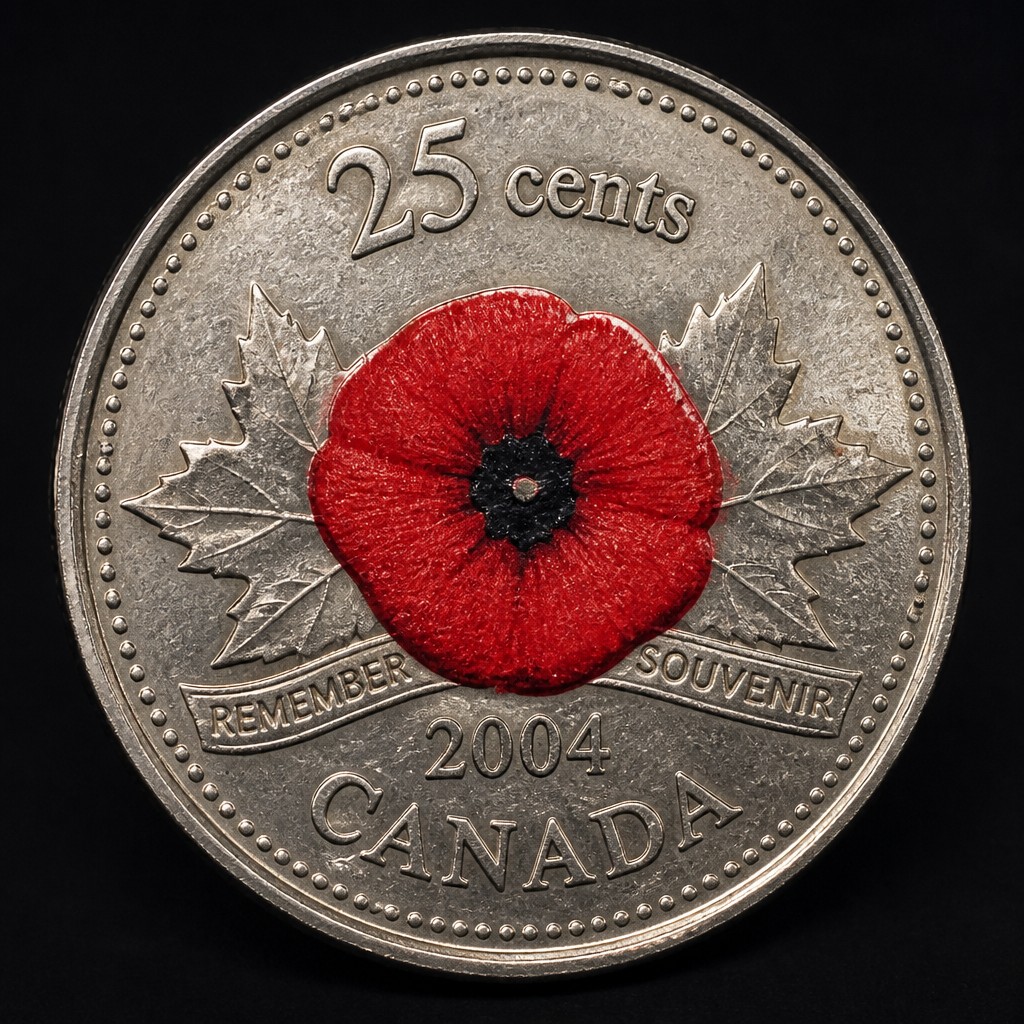
Royal Canadian Mint Colored Poppy Quarter (2004)
2004
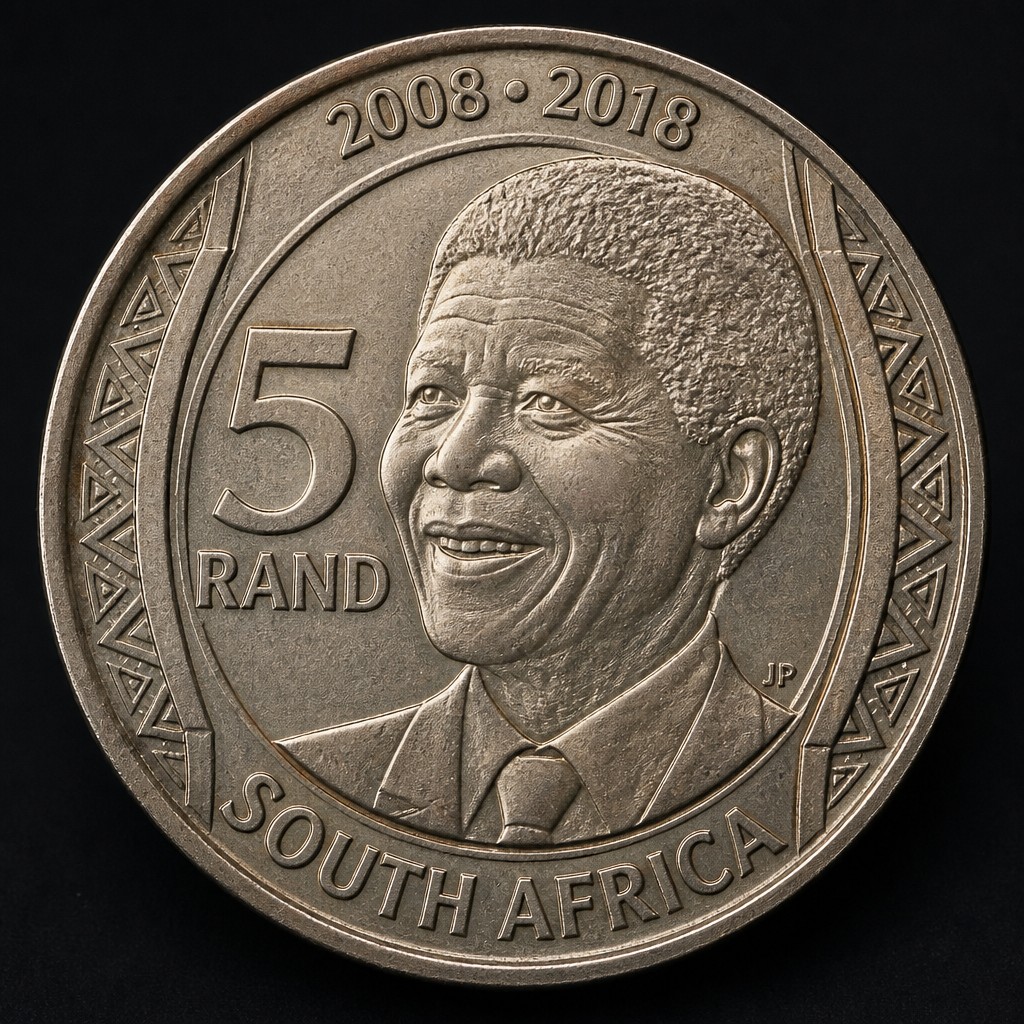
South African Mandela R5 Coin
2008; 2018
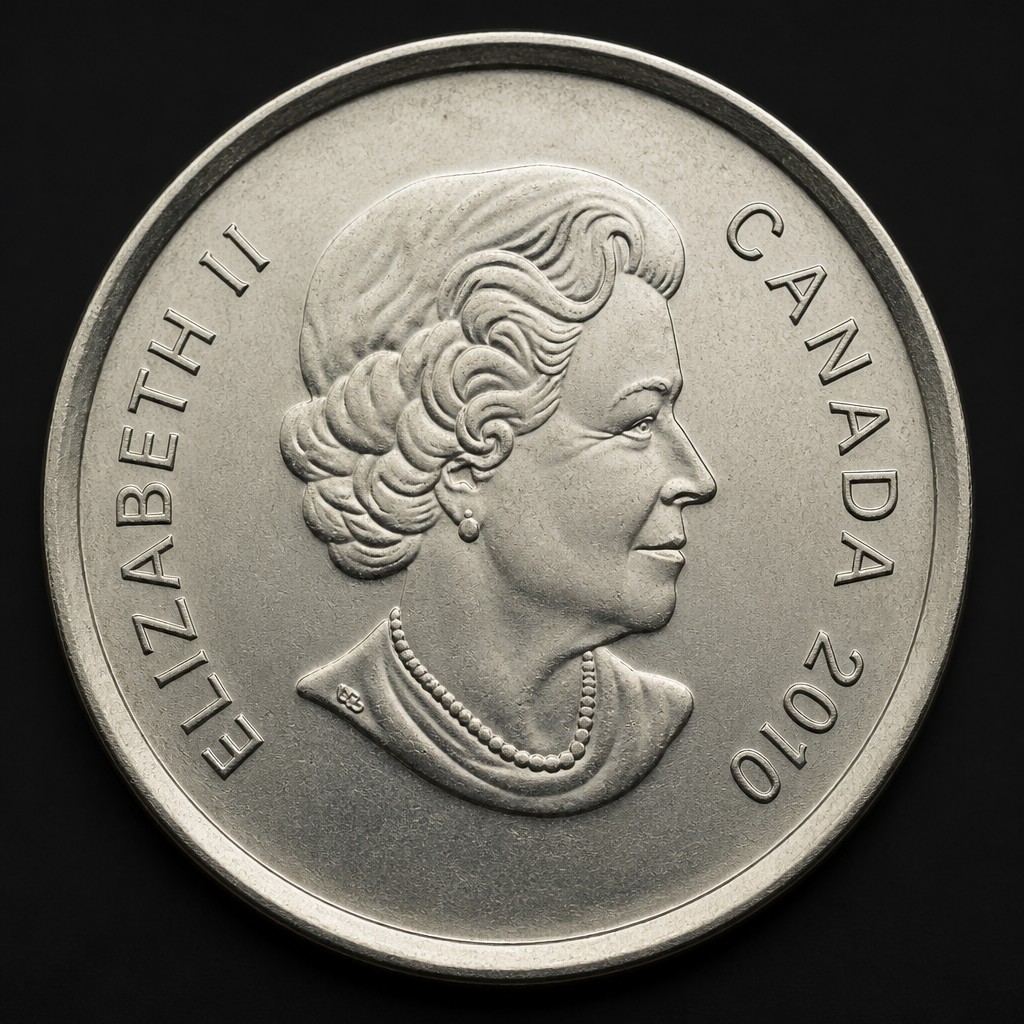
Canadian 2010 Vancouver Olympics Coins
2007–2010
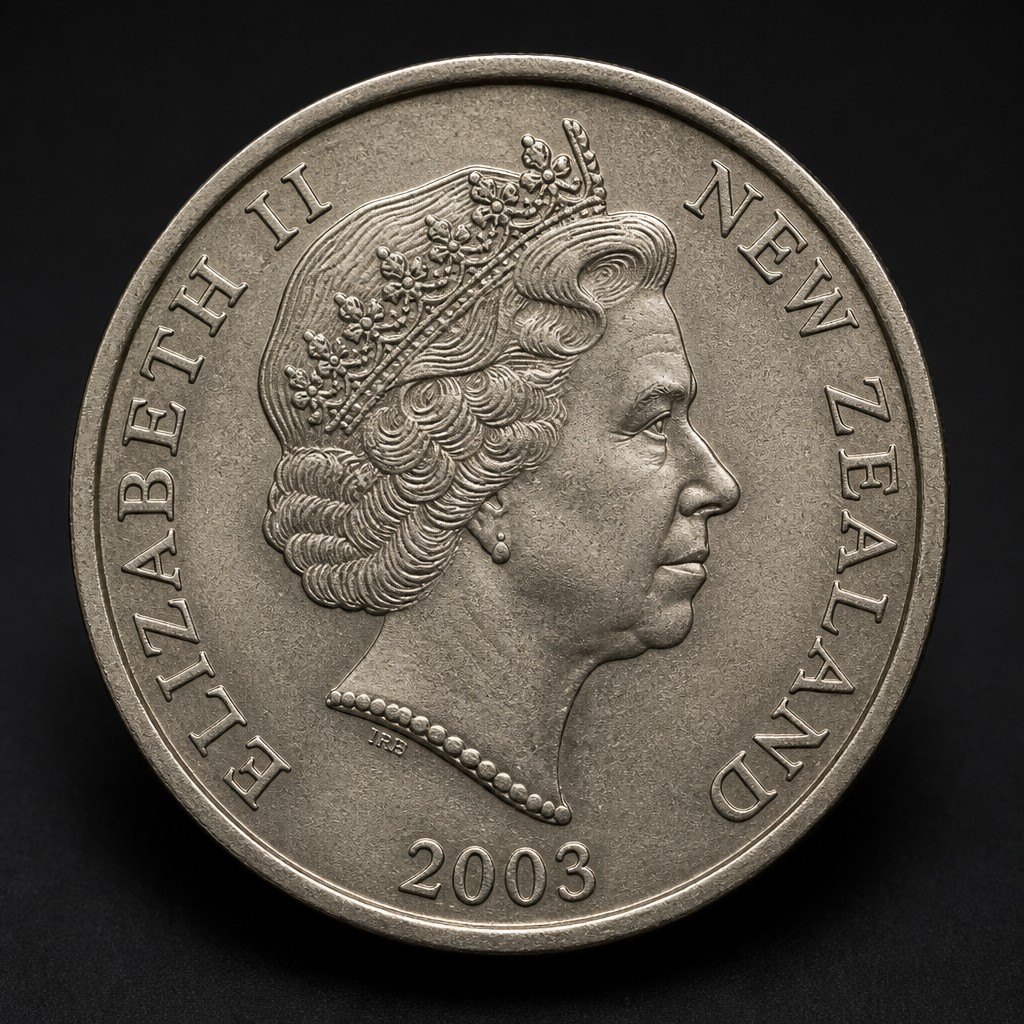
New Zealand Lord of the Rings Coins (2003)
2003 (continuing in following years)
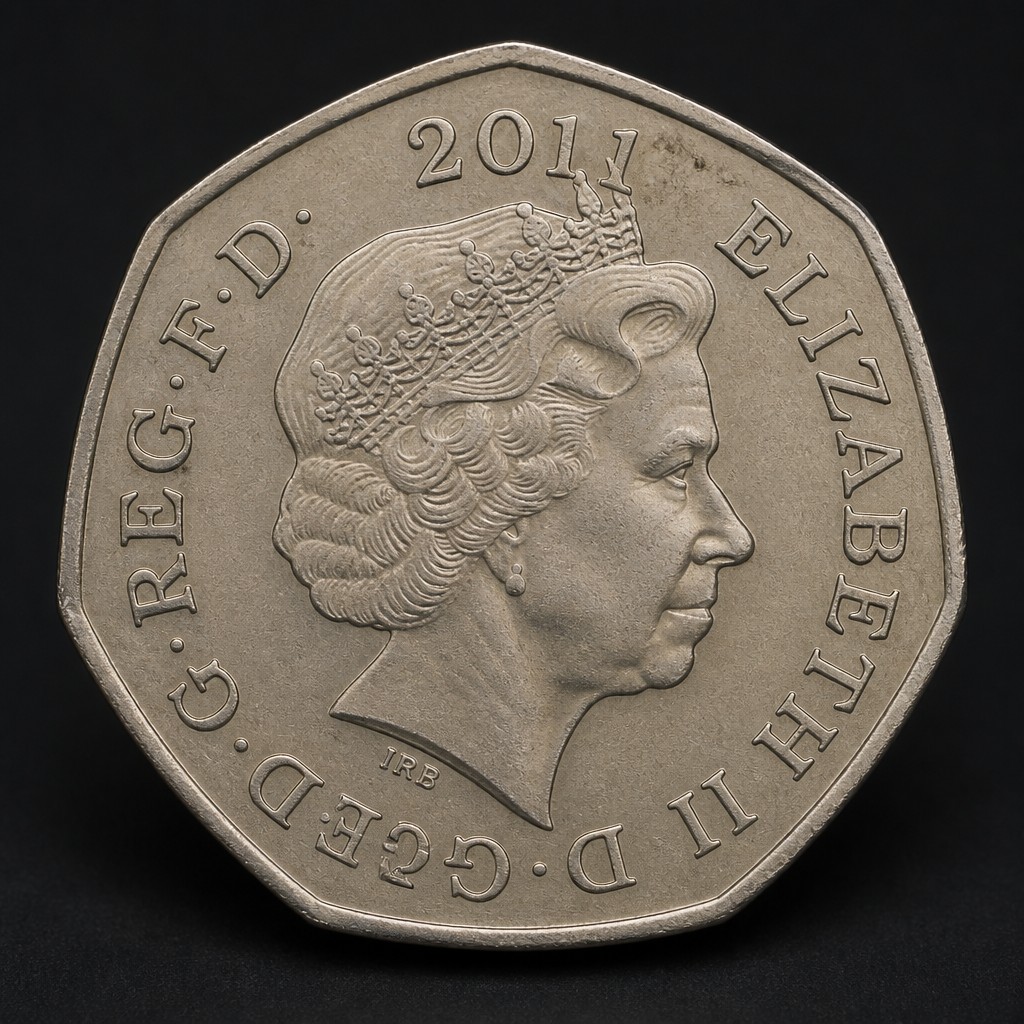
2012 London Olympics 50p Series
2011
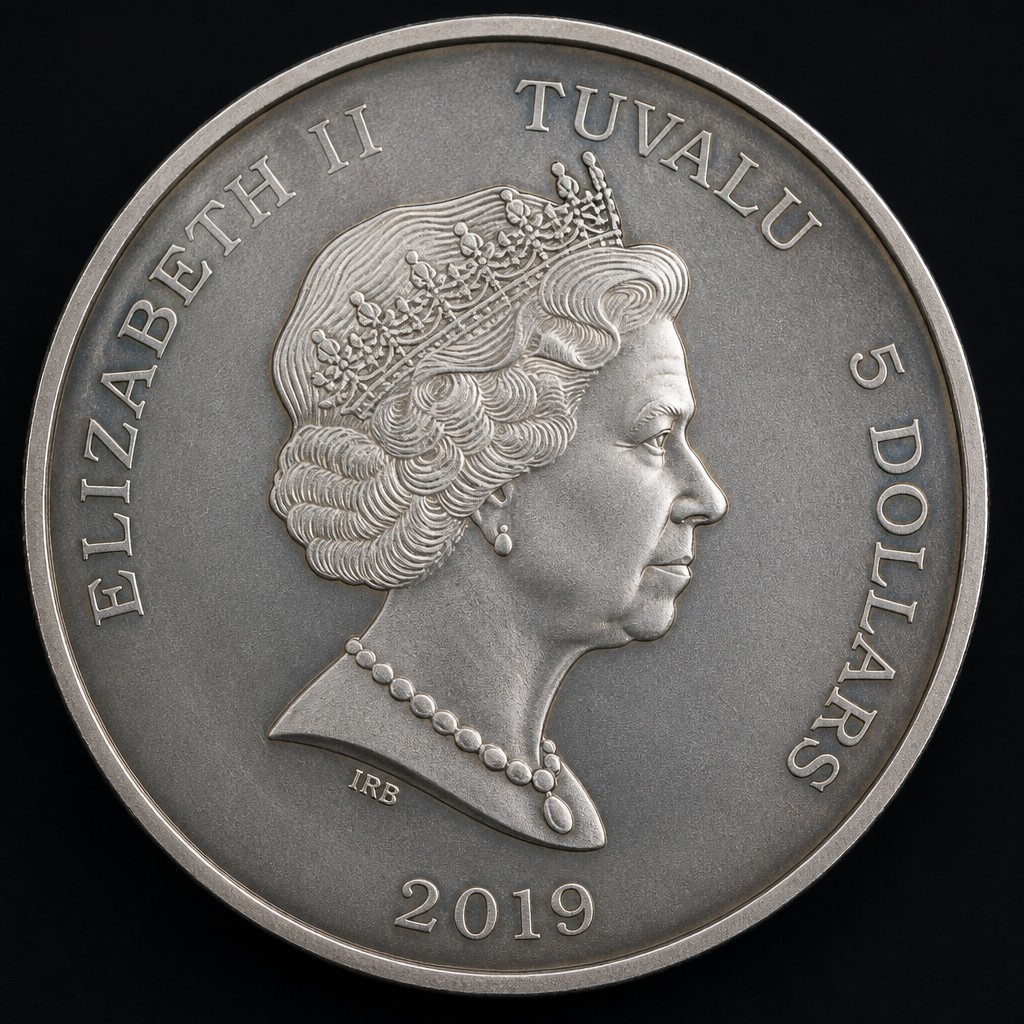
Tuvalu Marvel Silver Coins
2010s-present
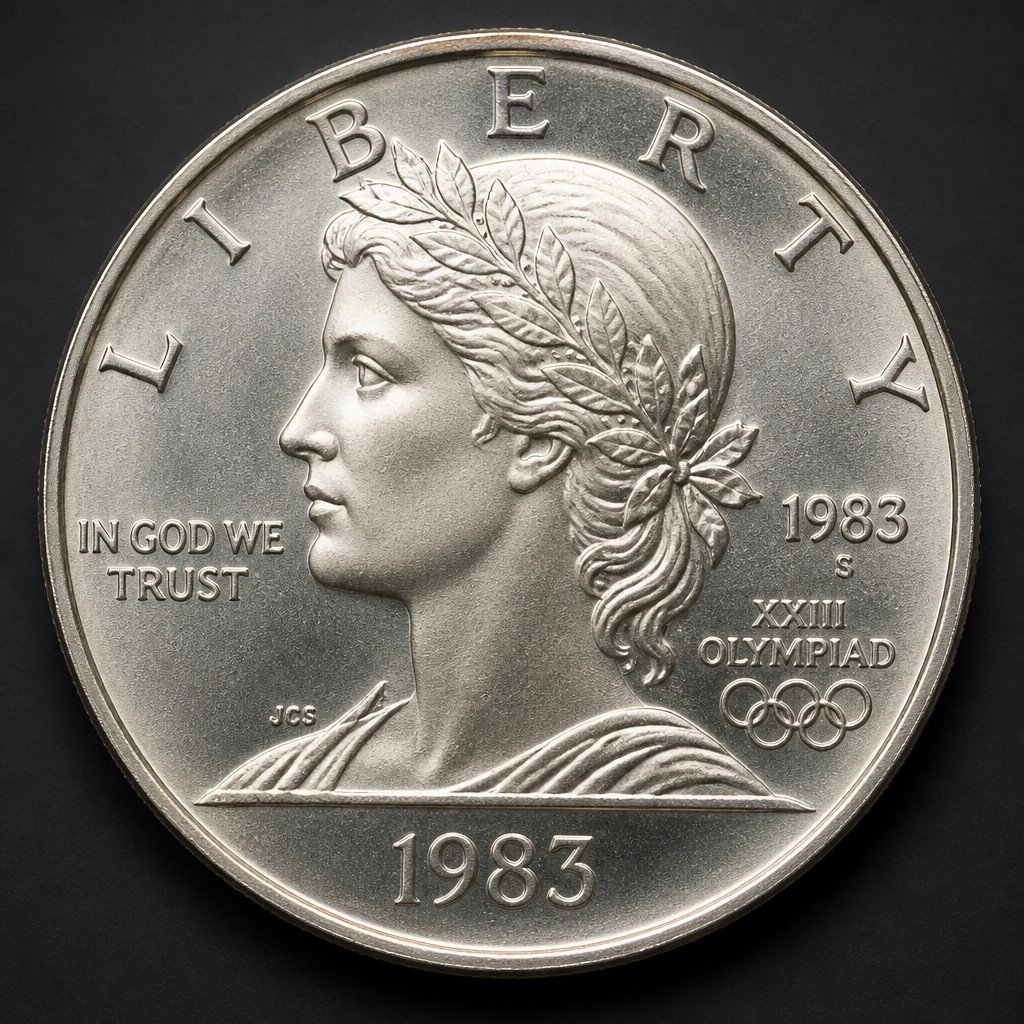
US Olympic Commemorative Dollar (1983)
1983
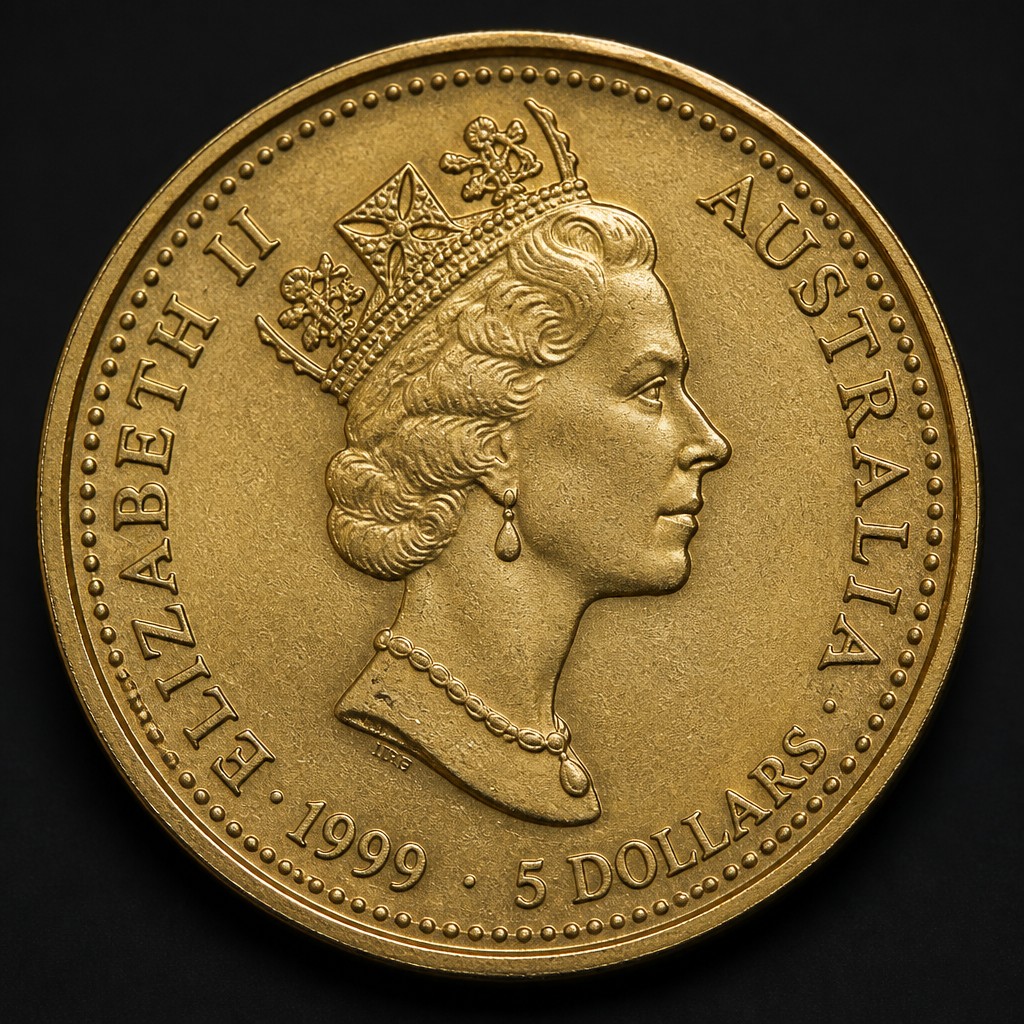
2000 Sydney Olympics Coin Series
1997–2000
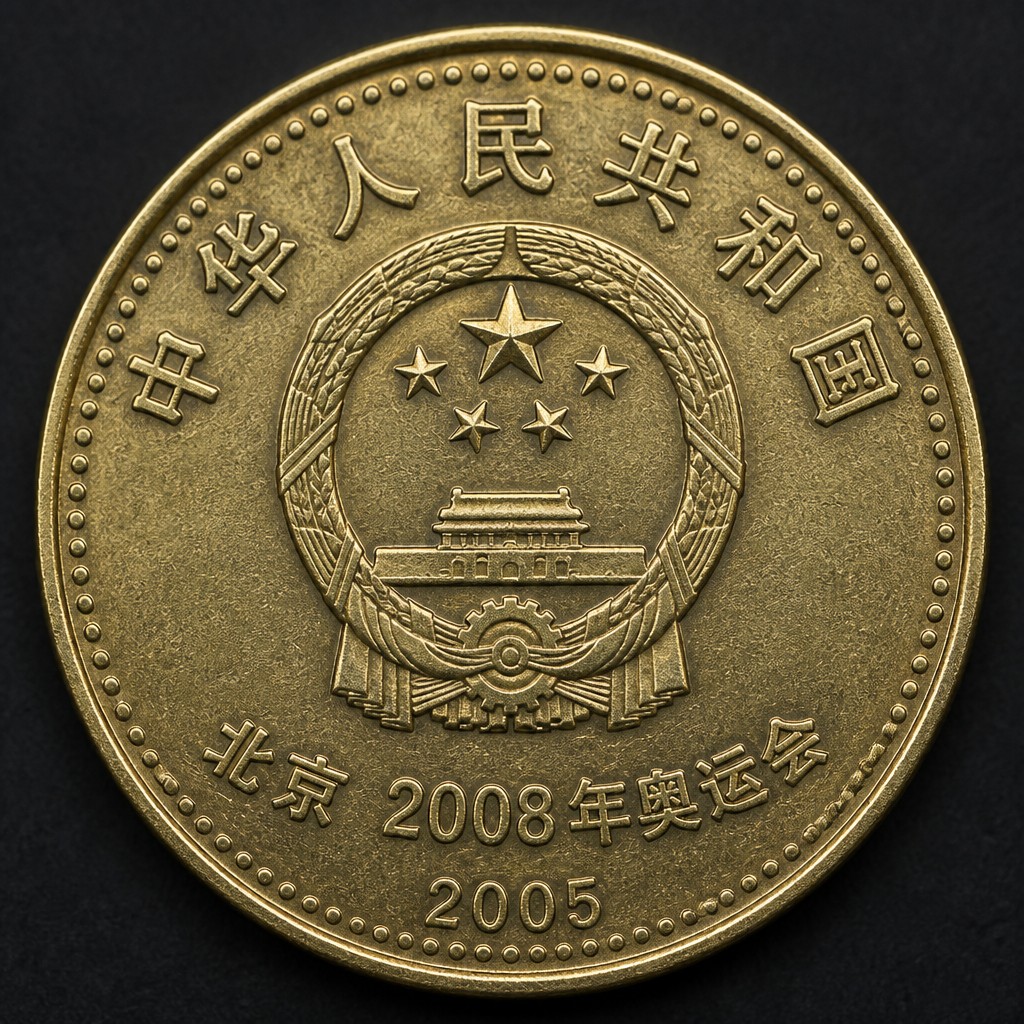
2008 Beijing Olympics Commemorative Coins
2005–2008
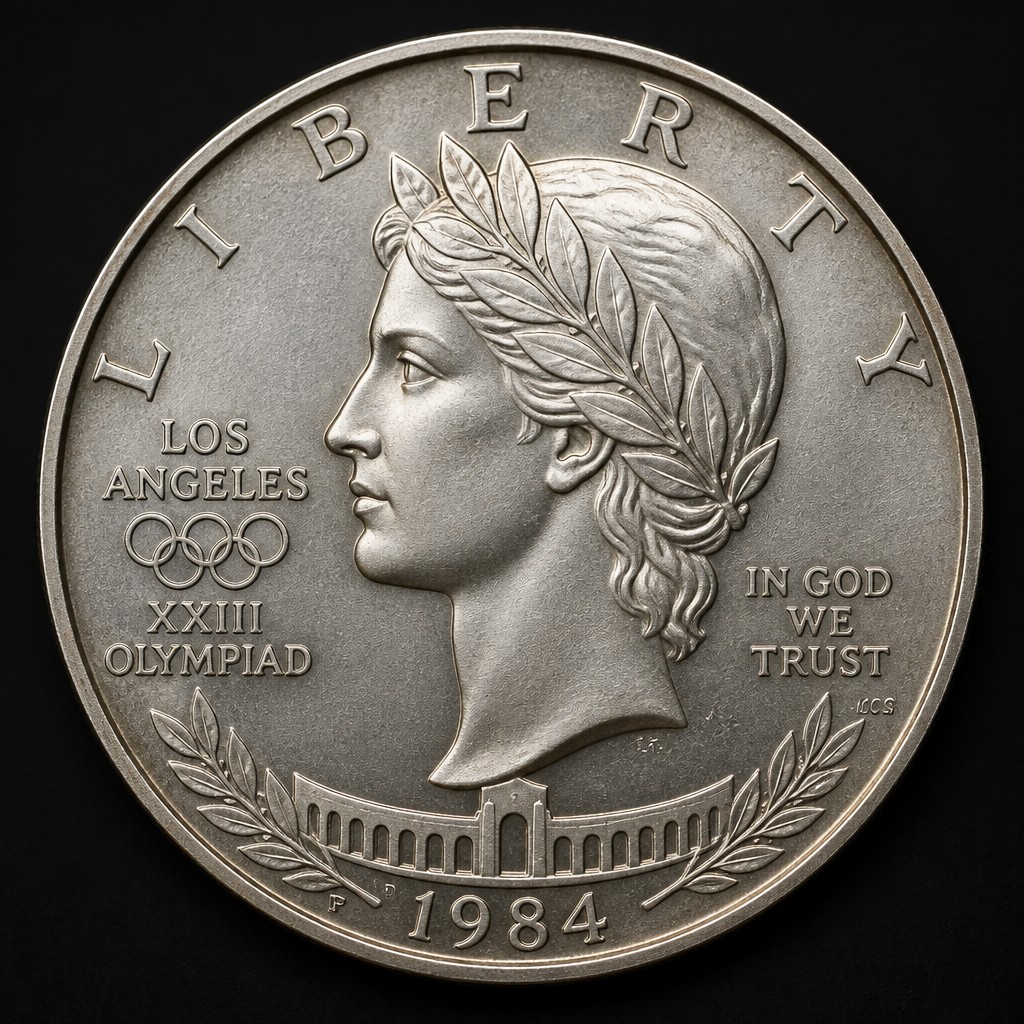
1984 Los Angeles Olympics Commemorative Dollar
1984
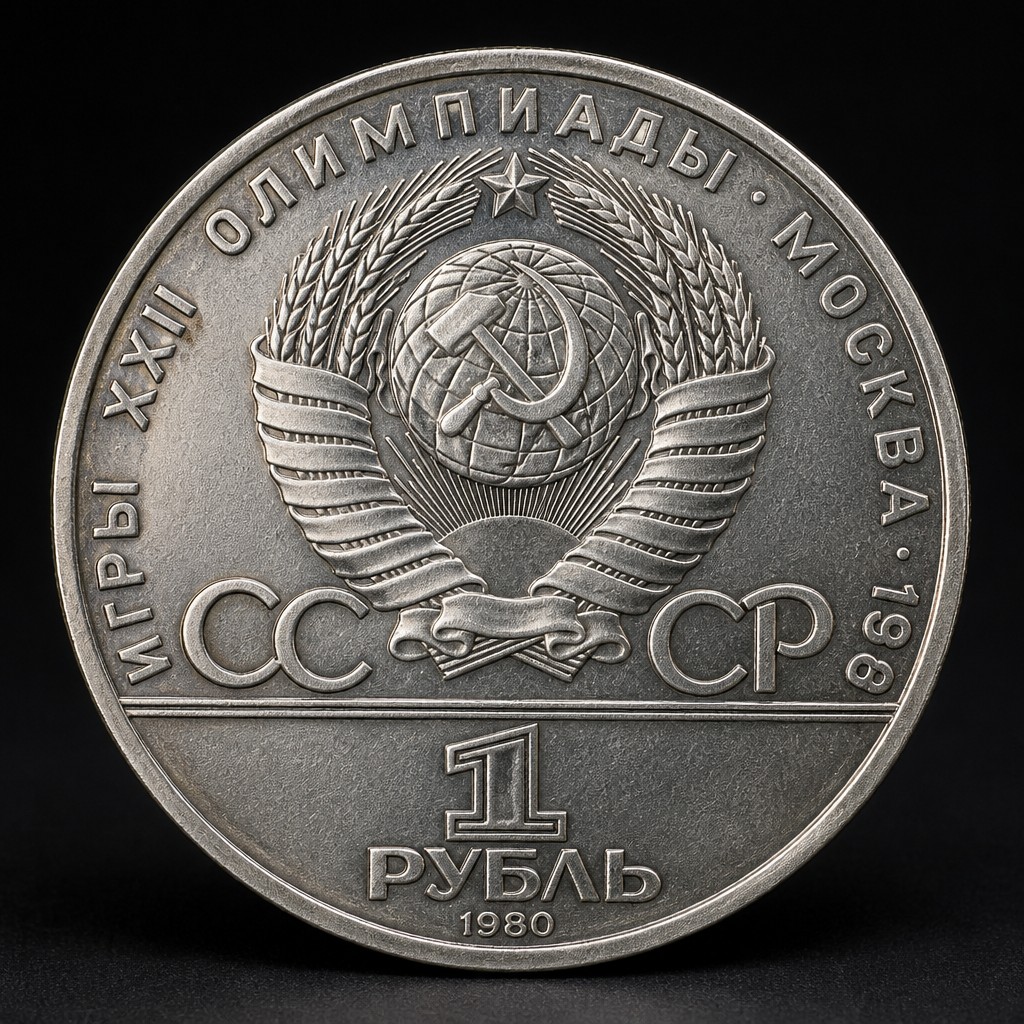
1980 Moscow Olympics Silver Rouble
1977–1980
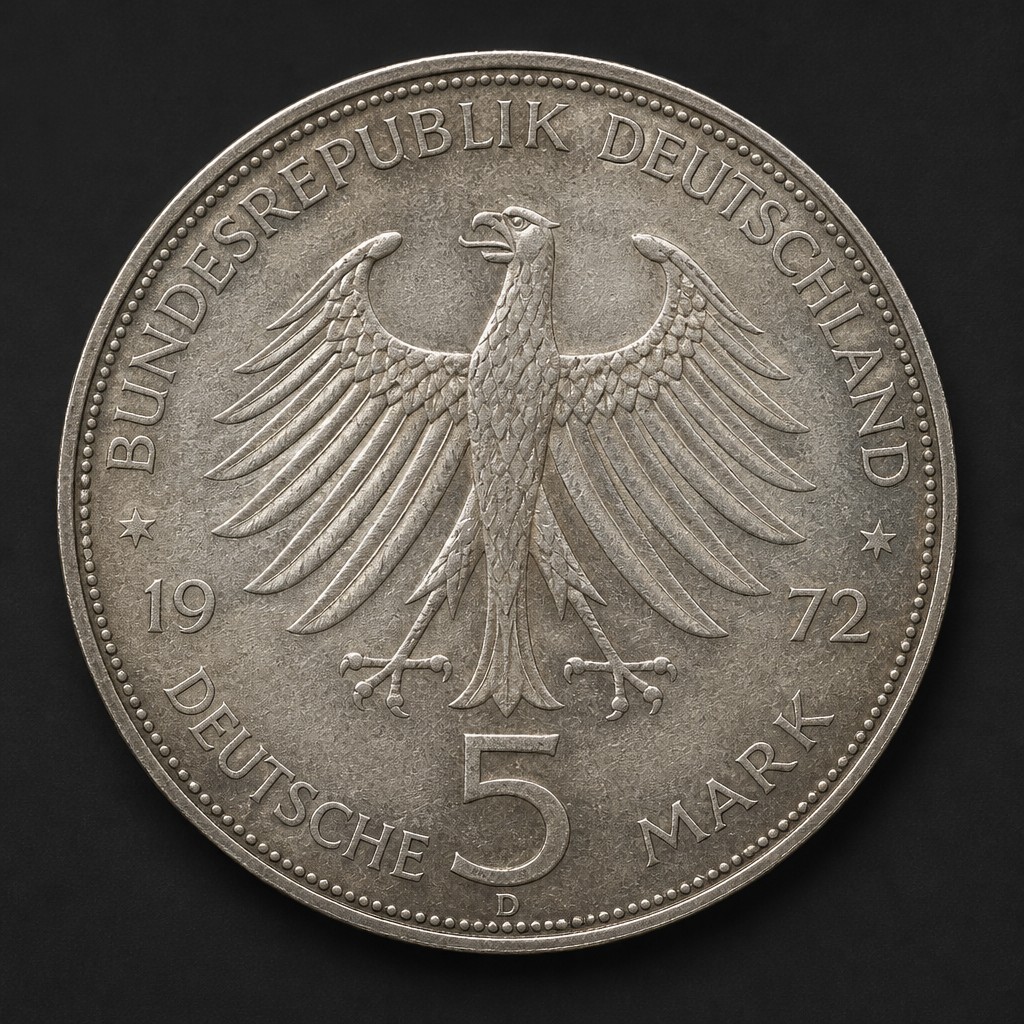
German 5 Deutsche Mark Commemoratives
1952–1986 (approximate span of silver issues)