
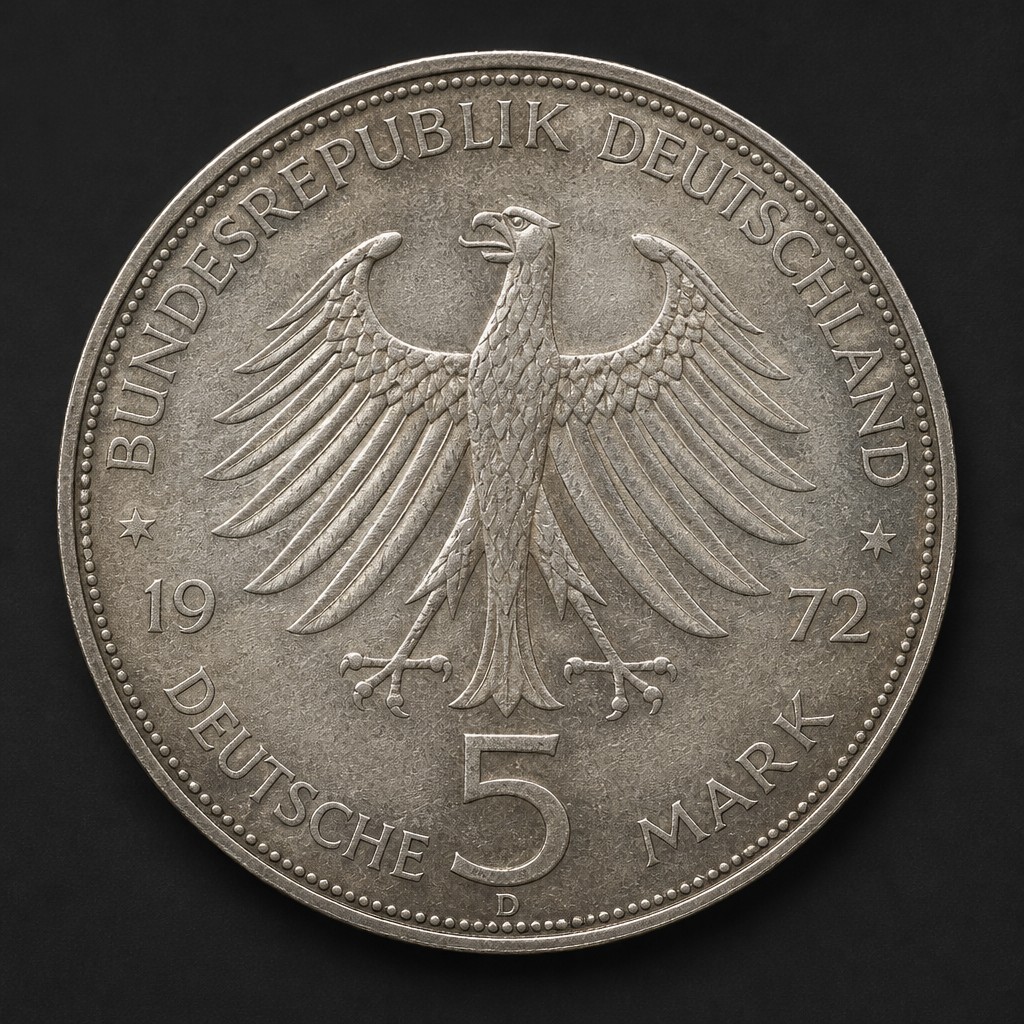
German 5 Deutsche Mark Commemoratives
West Germany issued special silver 5 Deutsche Mark coins from the 1950s through the mid-1980s to mark anniversaries, institutions, and notable Germans, alongside its regular circulating 5 DM coin.
- Country
- West Germany (Federal Republic of Germany)
- Denomination
- 5 Deutsche Mark
- Metal
- 0.625 fine silver
Got a coin like this?
Identify any coin from a photo, free.
Overview
Alongside its everyday circulating 5 Deutsche Mark coin—nicknamed the 'Heiermann'—the Federal Republic of Germany periodically issued special commemorative 5 DM coins struck in silver. These Gedenkmünzen honored institutions, historical anniversaries, and prominent German cultural and scientific figures, giving the young postwar republic a way to celebrate its heritage on widely circulated coinage.
Commemorative 5 DM coins were struck in far smaller numbers than the standard circulating eagle design, making them a popular and relatively accessible entry point into German silver coin collecting. Production of new silver 5 DM commemoratives tapered off by the mid-1980s as West Germany shifted commemorative coinage to the higher 10 DM denomination.
History & Background
West Germany's first postwar silver commemorative 5 DM coin appeared in the early 1950s, marking the centenary of the Germanisches Nationalmuseum in Nuremberg. Over the following decades the mint issued additional 5 DM commemoratives recognizing anniversaries of the Bundesbank and other institutions, and birth centenaries of notable Germans in the sciences and arts.
The regular circulating 5 DM coin itself was struck in silver from 1951 until 1974, when rising silver prices led the government to switch ordinary circulation pieces to a copper-nickel-clad composition. Silver commemorative issues continued for over a decade afterward as a separate collector-oriented category, before West Germany largely shifted its commemorative coin program to the 10 Deutsche Mark denomination in the mid-1980s.
How to Identify
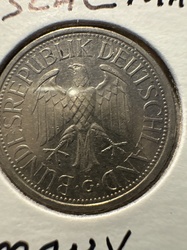
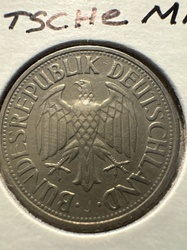
Silver 5 DM commemoratives are struck in .625 fine silver, roughly 29 mm in diameter, distinguishing them by weight and ring tone from the later copper-nickel-clad circulating 5 DM coins, which look similar but contain no silver. The obverse typically carries the German federal eagle (Bundesadler) and the denomination, while the reverse bears the commemorative design along with the year and often a small mint mark letter.
Mint marks—A, D, F, G, or J—appear on the coin and identify which of West Germany's mints struck it: Berlin, Munich, Stuttgart, Karlsruhe, or Hamburg respectively. Collectors distinguish specific commemorative themes by the reverse artwork and inscription, since many different subjects were issued across the silver-era 5 DM series.
Regular circulating 5 DM coins from before 1975 (also silver) share the same alloy as the commemoratives but carry the standard eagle-and-value design on both sides rather than a special theme, so the presence of a unique reverse motif is the key giveaway of a commemorative issue.
Value & Collectibility
Most 5 DM silver commemoratives trade for modest premiums over their silver melt value in circulated grades, since total production for the series as a whole was substantial even though individual themes had limited mintages. Choice uncirculated or proof-like examples of scarcer early dates can command noticeably more from specialist collectors of German coinage.
Because the coins are common in the German collector market, value is driven mainly by condition, the specific commemorative theme, and silver content rather than rarity for most dates. A handful of low-mintage early 1950s issues can be more sought after, but prices for the series overall tend to stay in modest, silver-content-adjacent ranges rather than reaching high premiums.
Frequently asked questions
Is the German 5 DM commemorative coin made of real silver?
Yes, most 5 DM commemoratives from the 1950s through the mid-1980s are struck in 0.625 fine silver.
How can I tell a commemorative 5 DM from a regular circulating one?
Commemoratives carry a unique reverse design and inscription honoring a person, institution, or anniversary, rather than the standard eagle-and-value design used on regular circulation coins.
When did West Germany stop making silver 5 DM coins?
Regular circulating 5 DM coins switched from silver to copper-nickel in 1974, and silver commemorative 5 DM issues largely ended by the mid-1980s as commemoratives shifted to the 10 DM denomination.
What do the letters A, D, F, G, and J mean on the coin?
They are mint marks identifying which German mint—Berlin, Munich, Stuttgart, Karlsruhe, or Hamburg—struck that particular coin.
German 5 Deutsche Mark Commemoratives identified by the community
Real coins identified with Coin Identifier.
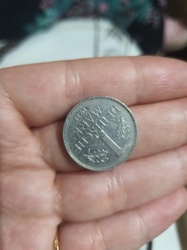
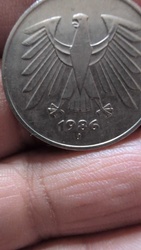
Other coins you may enjoy
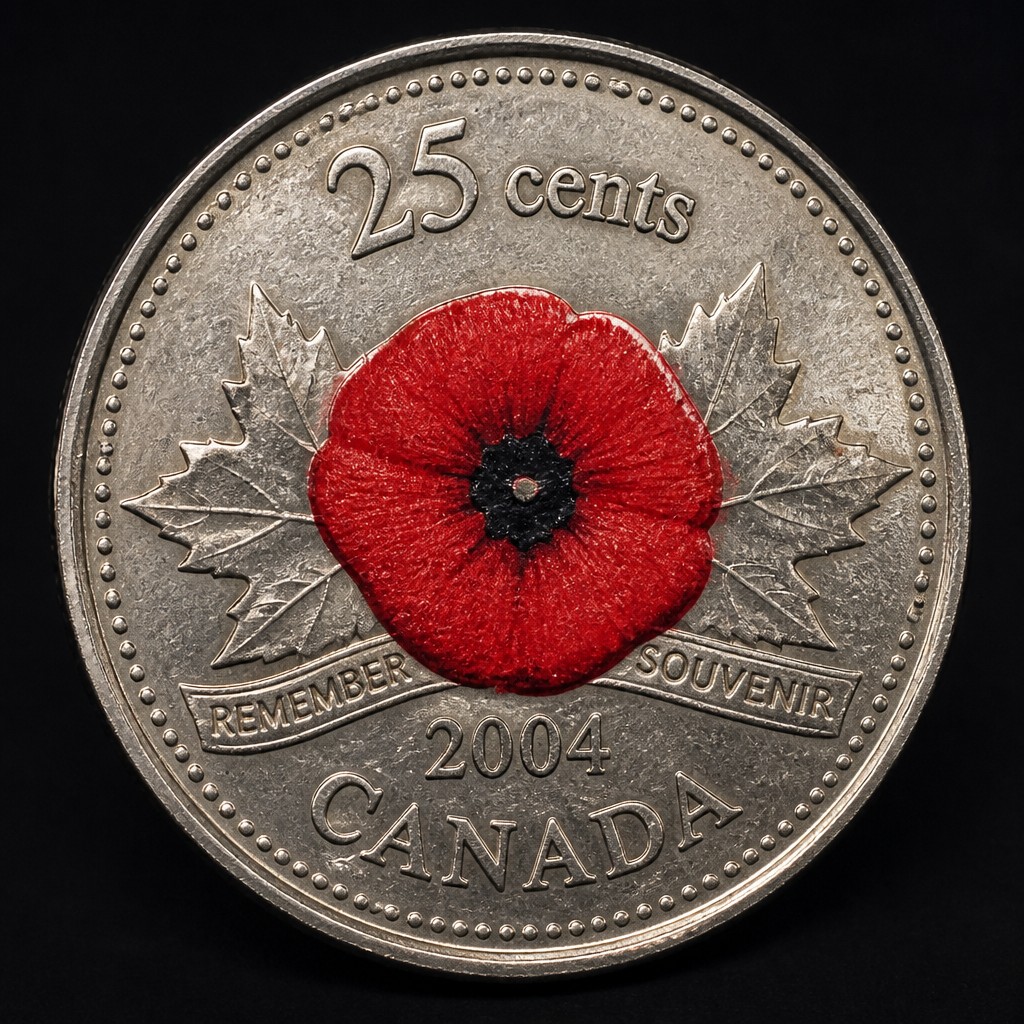
Royal Canadian Mint Colored Poppy Quarter (2004)
2004
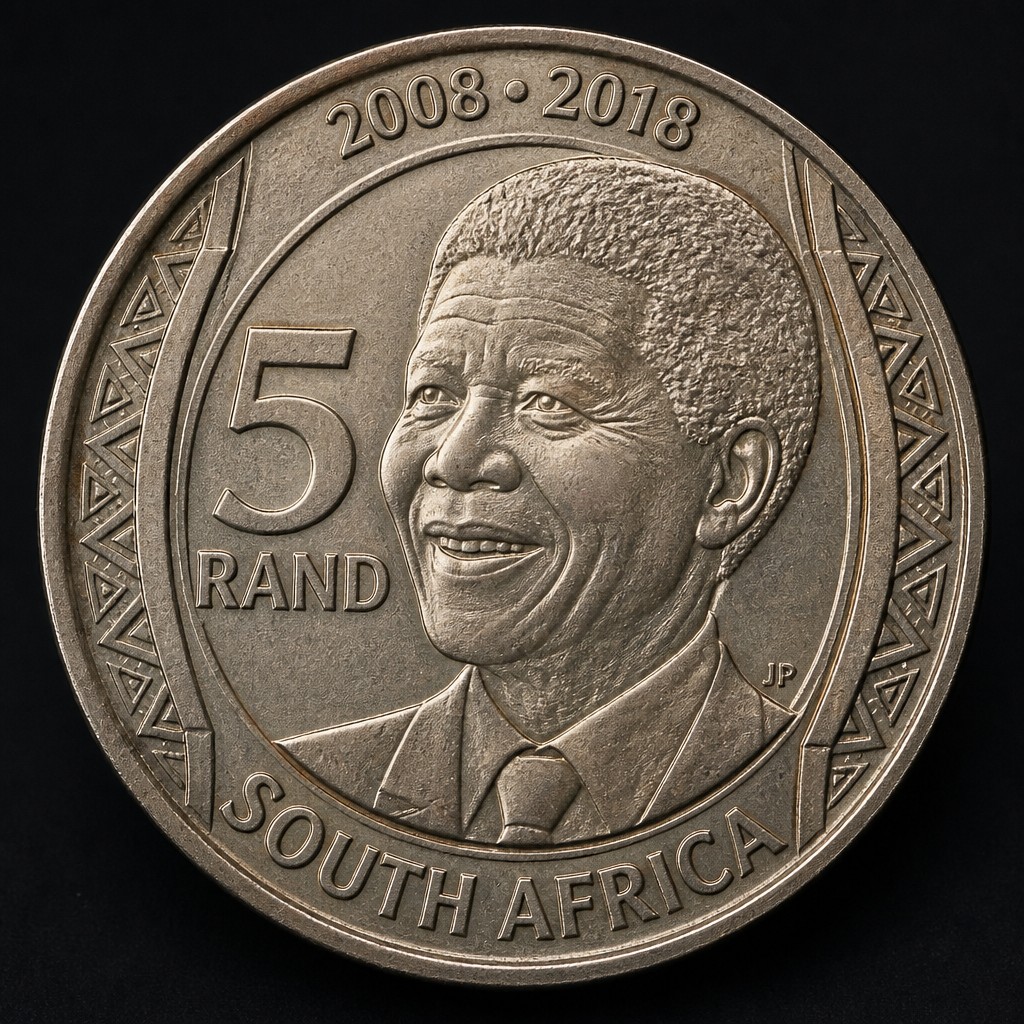
South African Mandela R5 Coin
2008; 2018
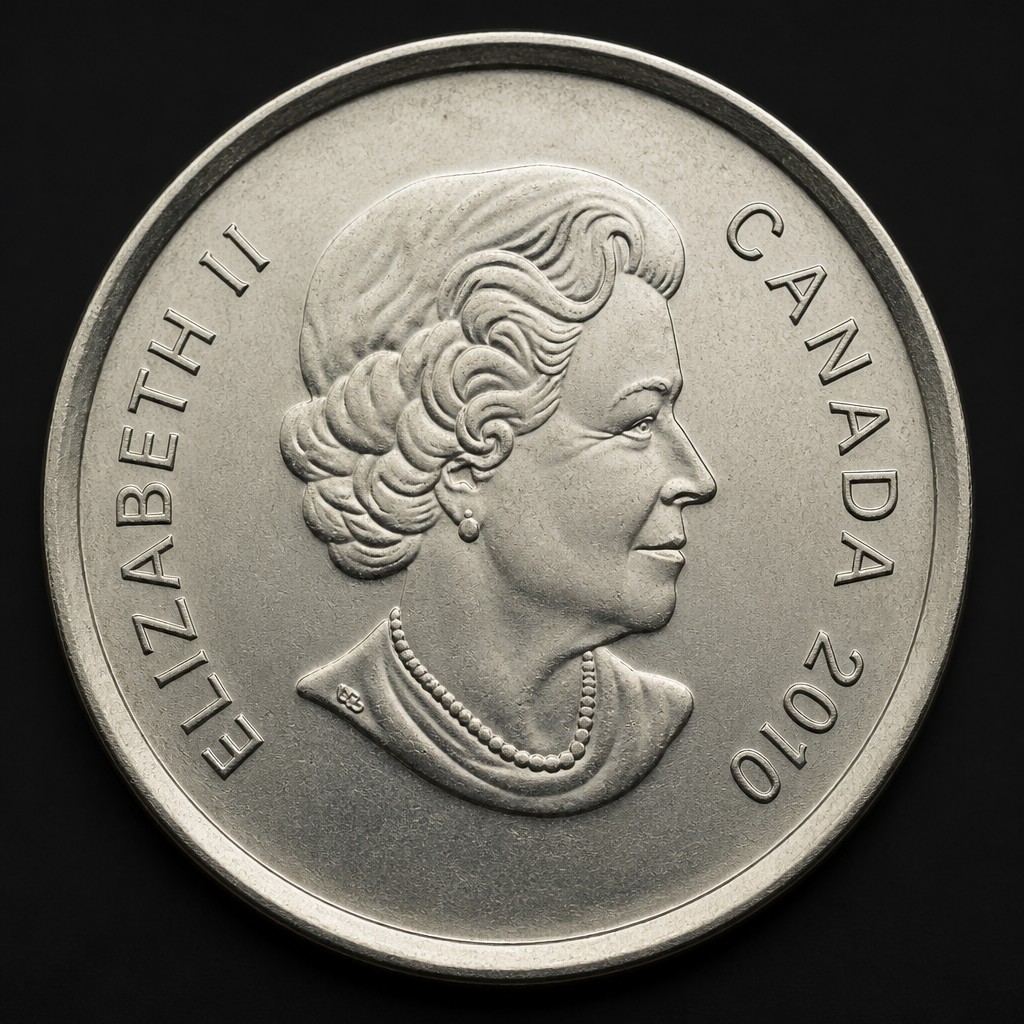
Canadian 2010 Vancouver Olympics Coins
2007–2010
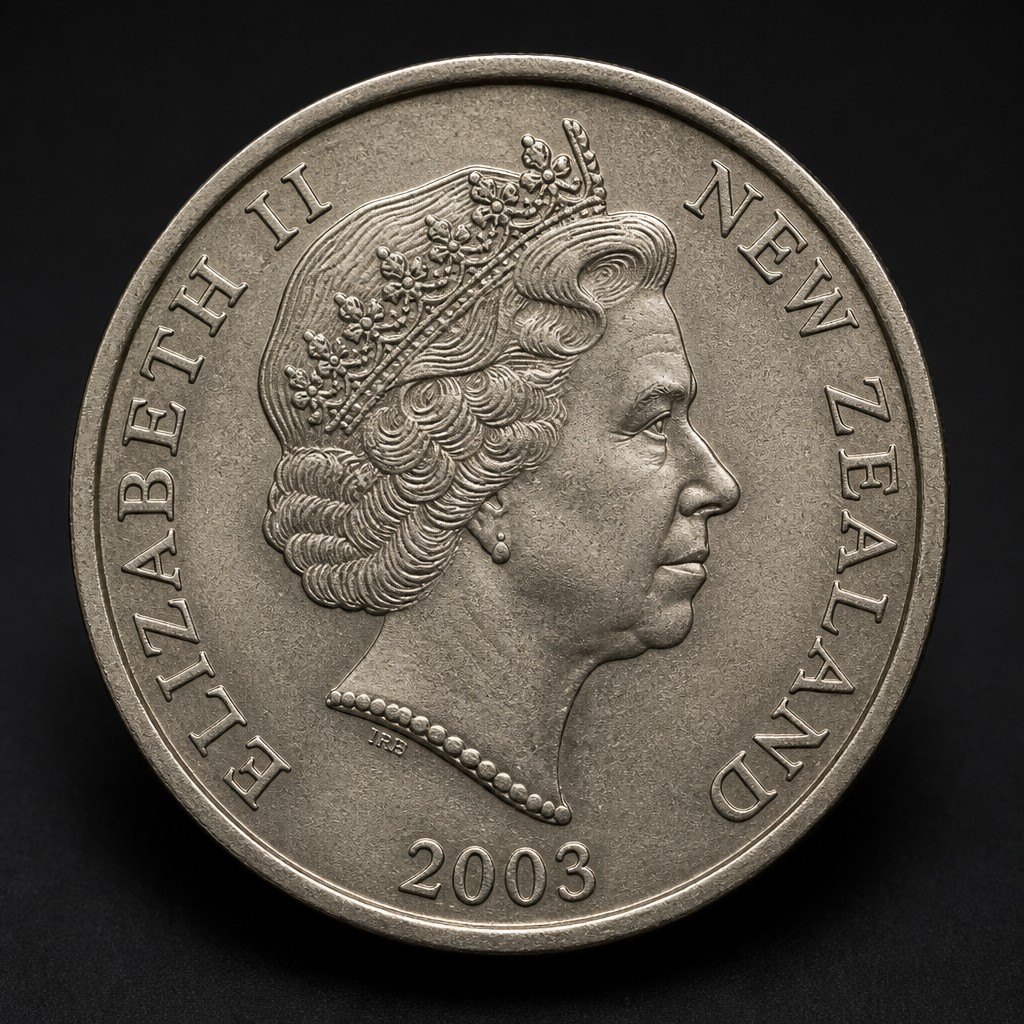
New Zealand Lord of the Rings Coins (2003)
2003 (continuing in following years)
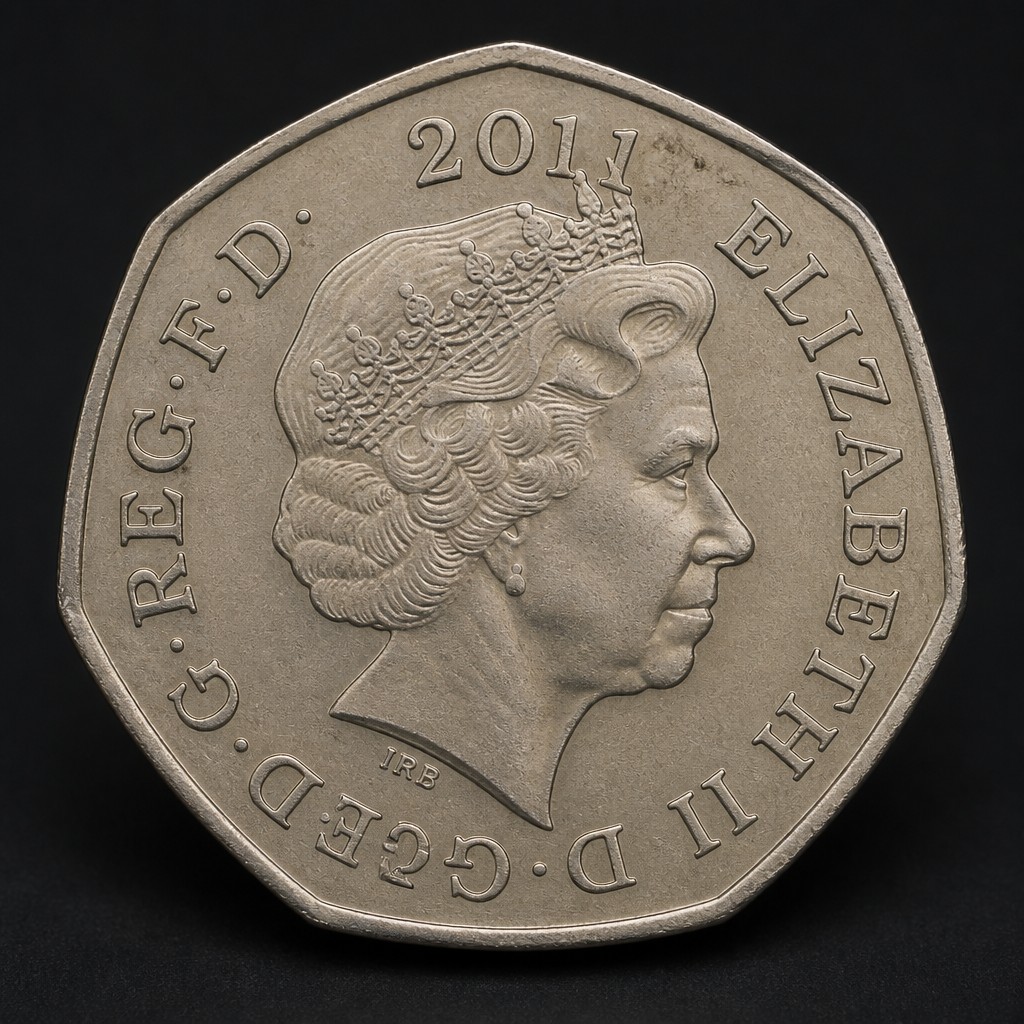
2012 London Olympics 50p Series
2011
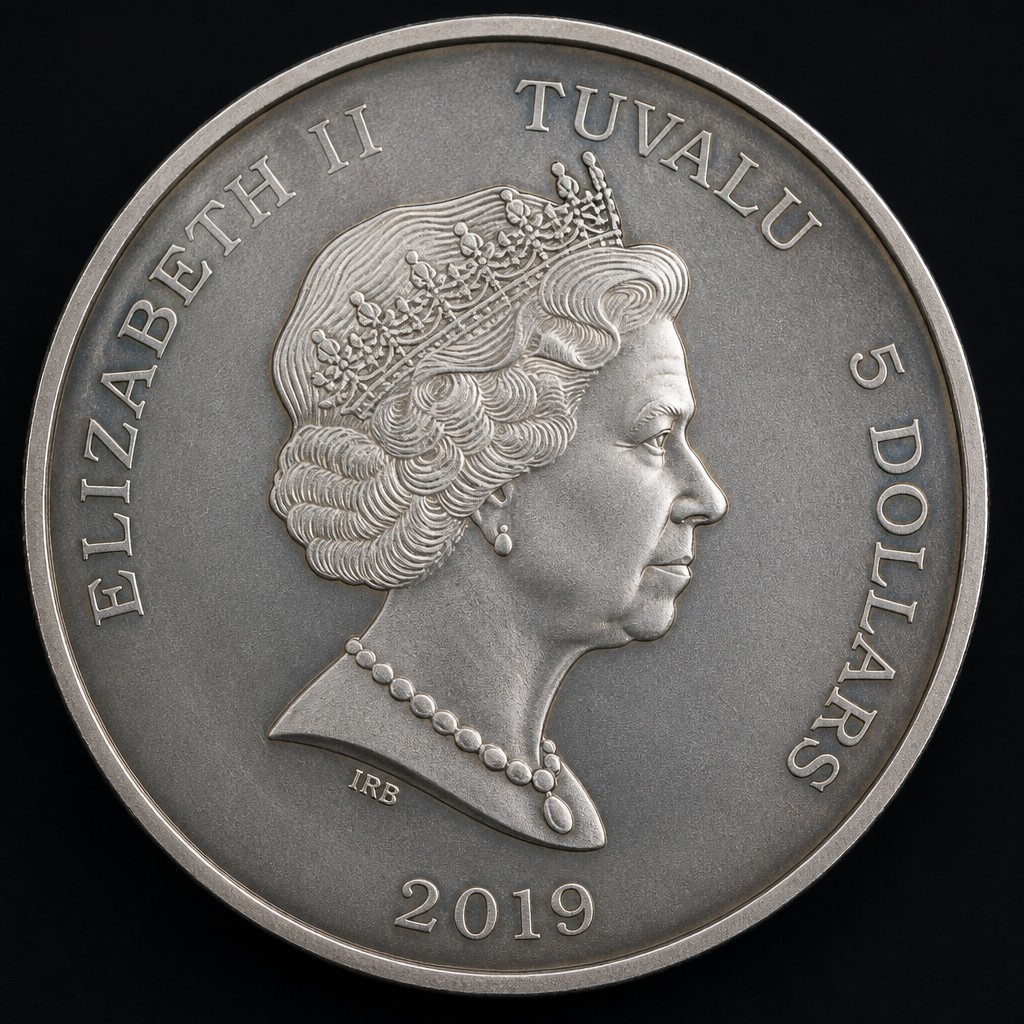
Tuvalu Marvel Silver Coins
2010s-present
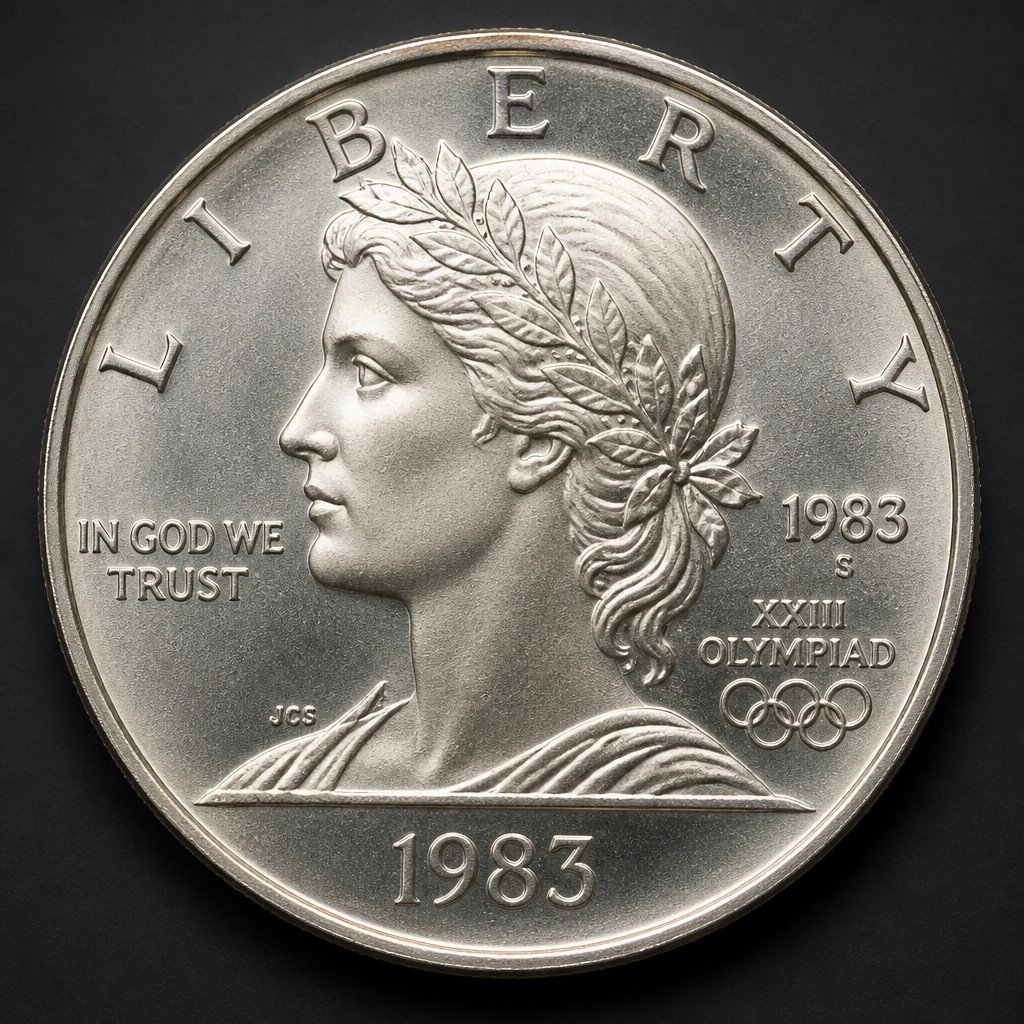
US Olympic Commemorative Dollar (1983)
1983
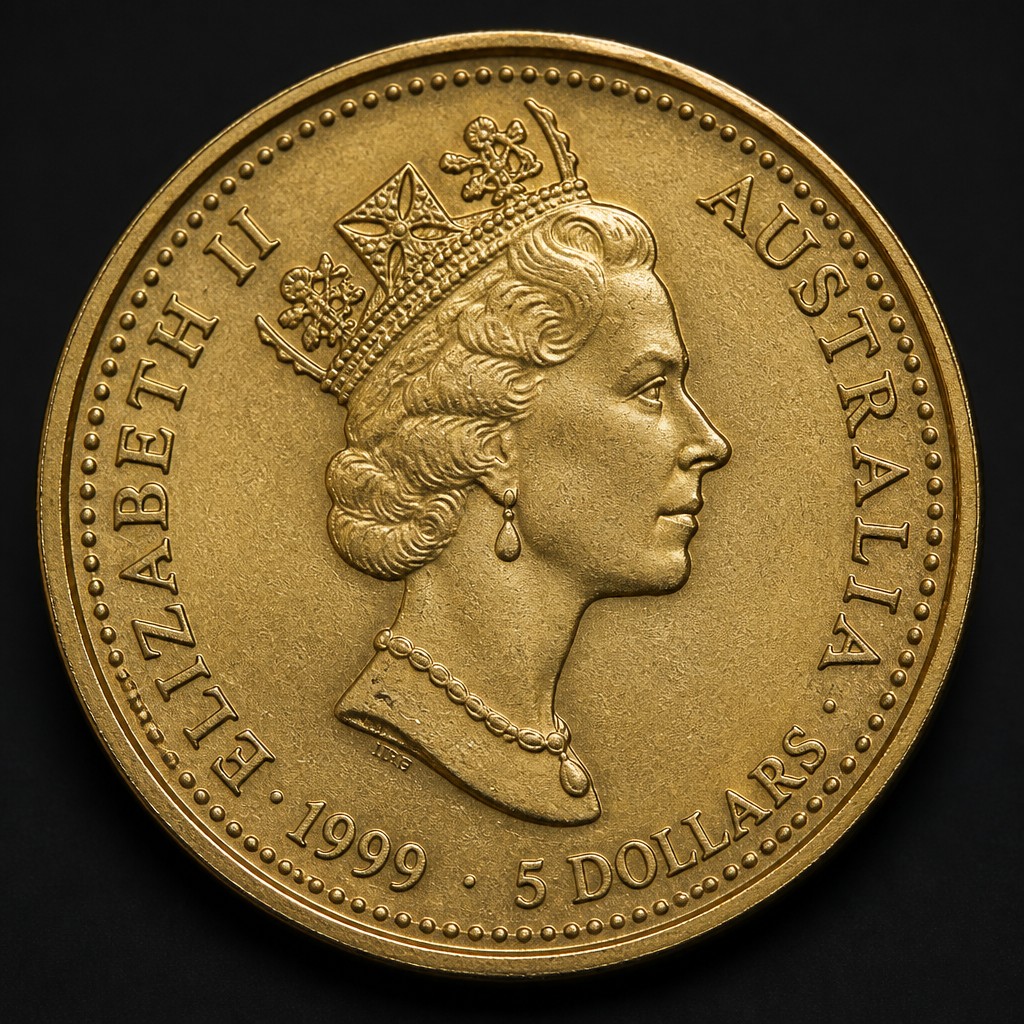
2000 Sydney Olympics Coin Series
1997–2000
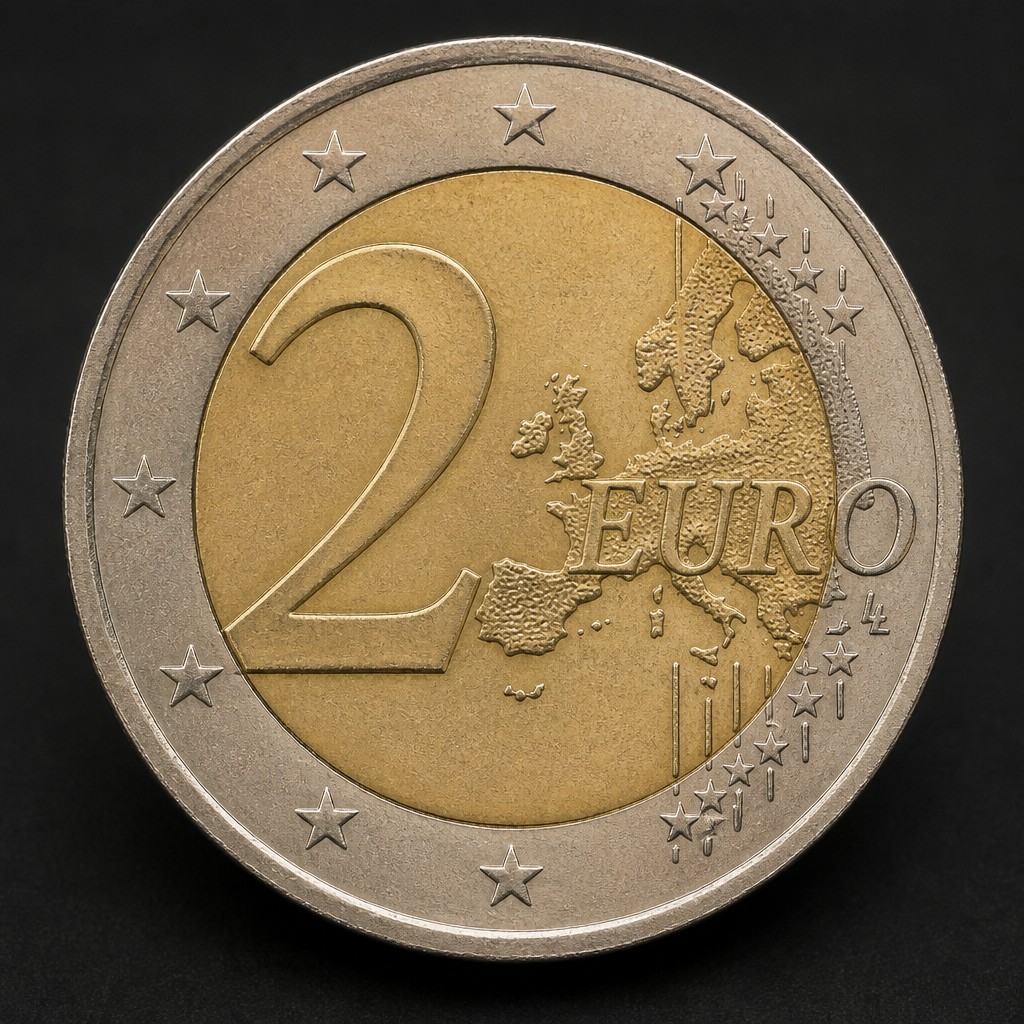
Euro €2 Commemorative Coins
2004–present
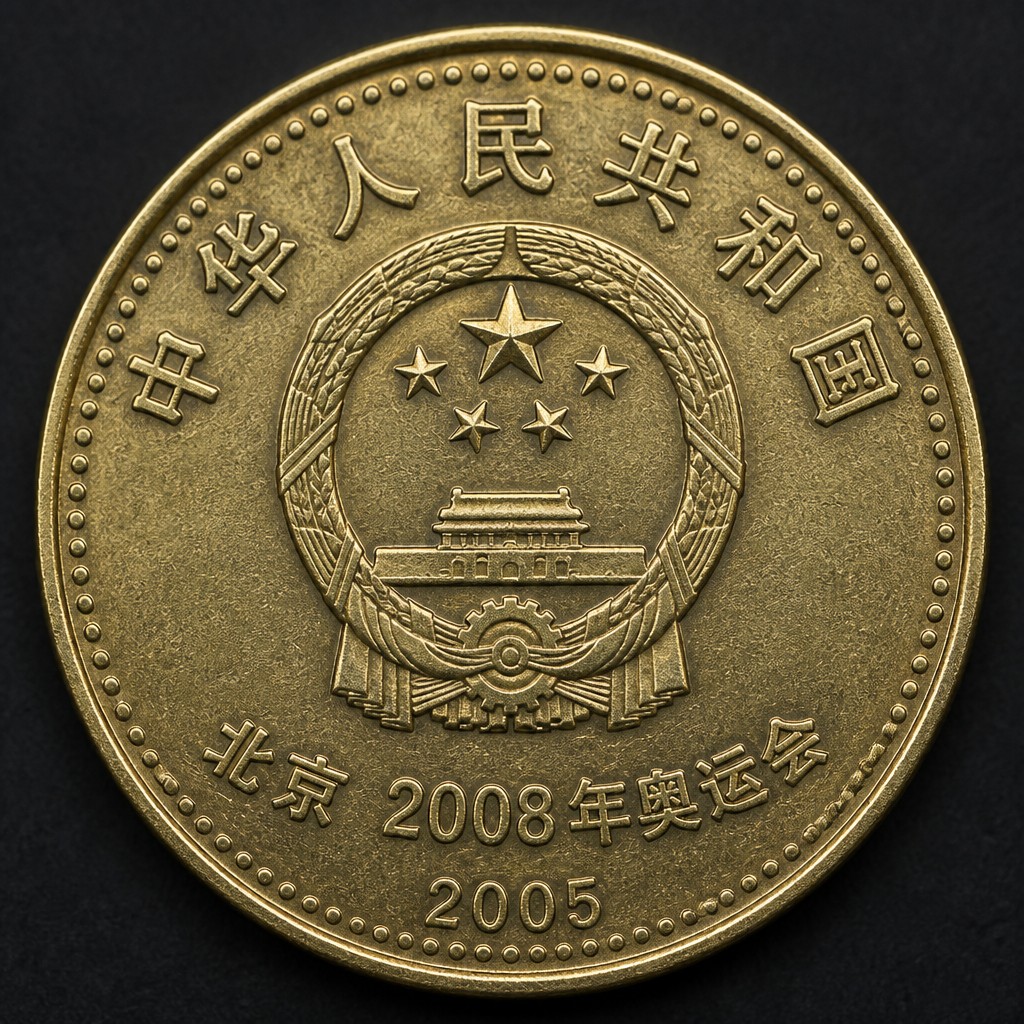
2008 Beijing Olympics Commemorative Coins
2005–2008
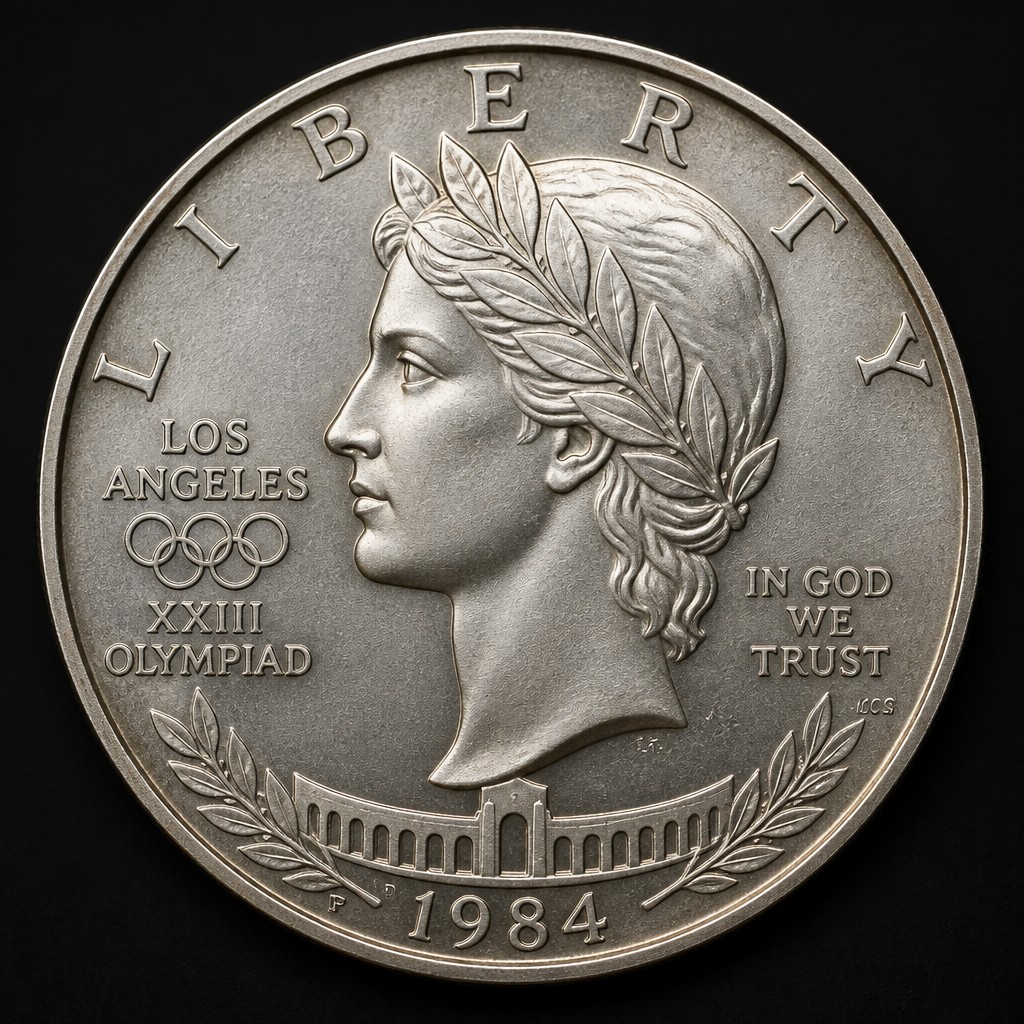
1984 Los Angeles Olympics Commemorative Dollar
1984
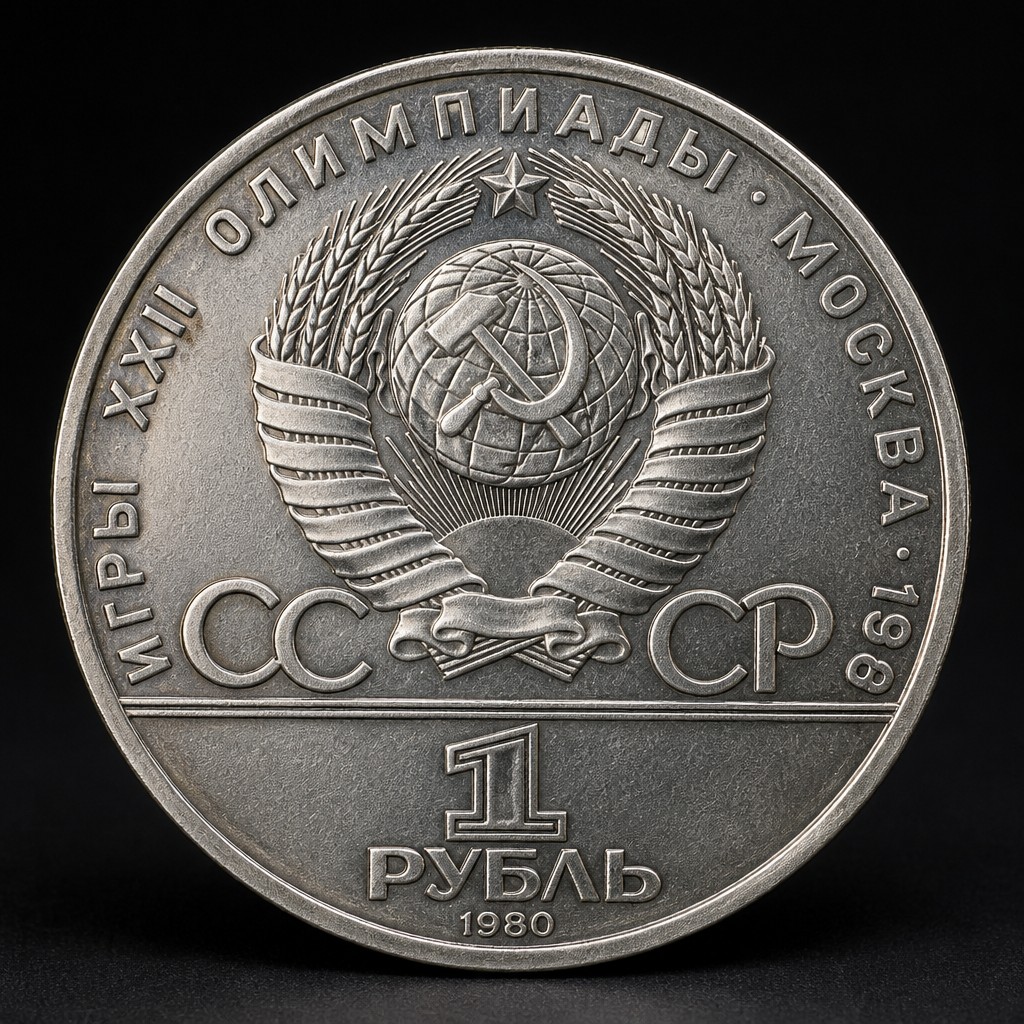
1980 Moscow Olympics Silver Rouble
1977–1980