
2012 London Olympics 50p Series
The Royal Mint issued 29 different circulating 50 pence coins in 2011, each honoring a different sport of the London 2012 Olympic and Paralympic Games, sparking a nationwide coin-collecting craze in Britain.
- Country
- United Kingdom
- Denomination
- 50 Pence
- Metal
- Cupro-nickel
Got a coin like this?
Identify any coin from a photo, free.
Overview
Ahead of hosting the 2012 Summer Olympics and Paralympics, the Royal Mint issued a set of 29 distinct 50 pence coins, each depicting a different sport on the Games program, from athletics and swimming to less common events like judo, taekwondo, and equestrian dressage. Released into general circulation in 2011, the series turned everyday British change into an active collecting phenomenon, with many people checking their pocket money for particular designs.
Several of the reverse designs were selected through a public competition run in partnership with a UK newspaper, giving members of the public, including students, the chance to have their artwork struck onto genuine circulating currency—an unusual and well-publicized feature of the program.
History & Background
The Royal Mint developed the 50p sports series as part of the broader coin and medal program surrounding London's hosting of the 2012 Olympic and Paralympic Games. Rather than issuing a single commemorative design, the Mint chose to represent the full breadth of the Olympic and Paralympic sports program across two dozen-plus individual coins, an ambitious undertaking for circulating coinage.
Released into circulation through 2011, the coins quickly caught public attention, with uneven mintage numbers across the 29 designs leading enthusiasts to hunt for scarcer sports in their change. The football design, in particular, became widely recognized among collectors as the hardest of the 29 to find due to its comparatively low mintage, a fact that fueled ongoing public interest in the series well after the Games concluded.
How to Identify
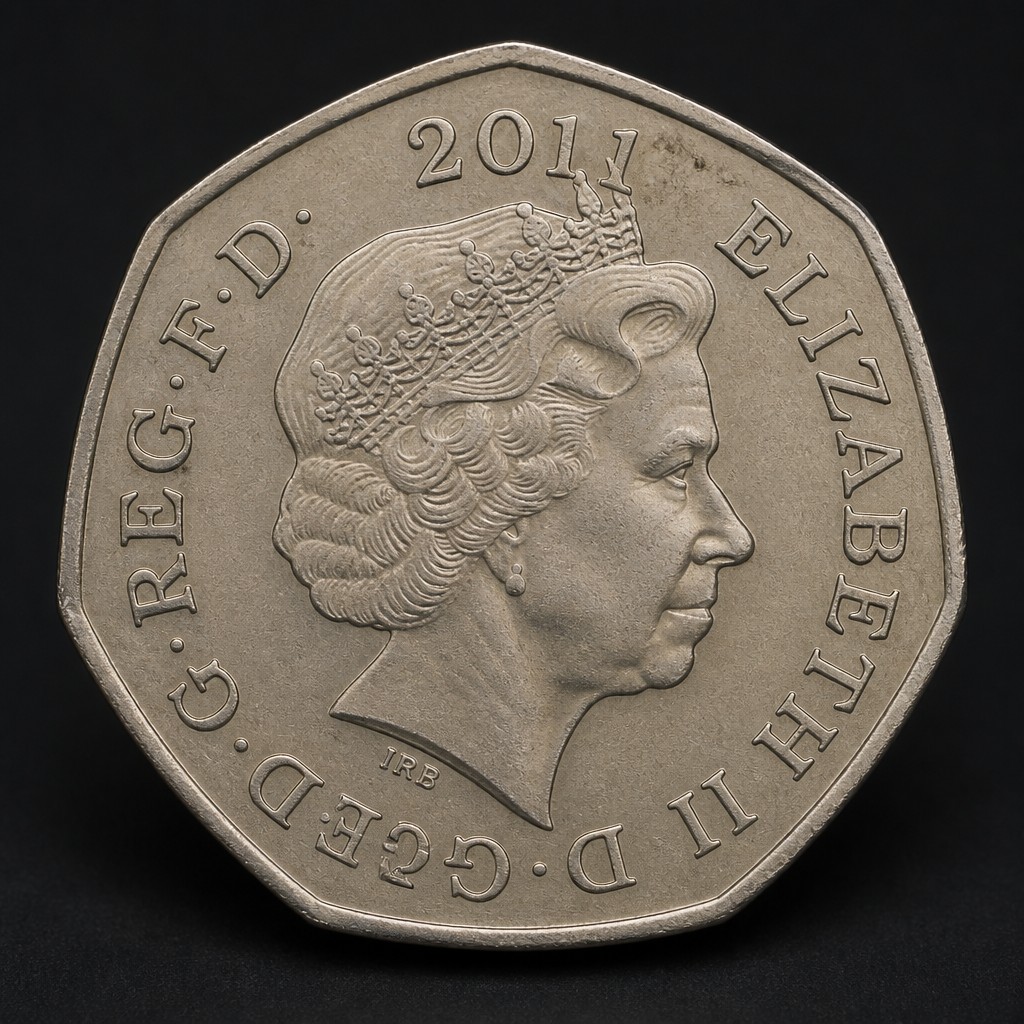
Each coin in the series shares the standard 50 pence's seven-sided (equilateral curve heptagon) shape, cupronickel composition, and the contemporary portrait of Queen Elizabeth II on the obverse. The reverse carries a unique design representing one specific Olympic or Paralympic sport, along with the year 2011 and the denomination.
Because all 29 coins share the same shape, size, and metal, the sport depicted on the reverse is the only way to distinguish one design from another; collectors typically track completion of the set by checking off each sport as it is found. A small number of official 'sport 50p' designs were later withdrawn or altered prior to full release due to design concerns, adding a layer of variety for specialists in the series.
Genuine circulating examples show typical wear patterns consistent with pocket change, while collector versions sold directly by the Royal Mint in proof or brilliant-uncirculated finish retain sharper details and are usually found in official packaging.
Value & Collectibility
Most of the 29 designs are common and trade near face value in circulated grades, since overall production for the series was substantial. However, mintage figures varied noticeably by design, and the football-themed 50p is widely regarded as the scarcest of the set, commanding a meaningful premium over face value compared with more common sports designs.
Complete circulated sets of all 29 designs are a popular collecting goal and can command a premium over simply adding up 29 face values, while pristine uncirculated or proof examples of harder-to-find designs bring the highest prices among specialists in modern British commemorative coinage.
Frequently asked questions
How many different Olympic sport designs are in the 2012 50p series?
There are 29 different reverse designs, each representing a different sport from the London 2012 Olympic and Paralympic Games program.
Which 2012 Olympic 50p is considered the rarest?
The football-themed 50p is widely regarded as the scarcest of the 29 designs due to its comparatively low mintage.
Were these coins actually used as normal money?
Yes, they were released into general UK circulation in 2011 and are legal tender, though many were pulled from circulation by collectors.
How were some of the designs chosen?
Several reverse designs were selected through a public competition, allowing members of the public, including students, to have their artwork featured on the coins.
Other coins you may enjoy
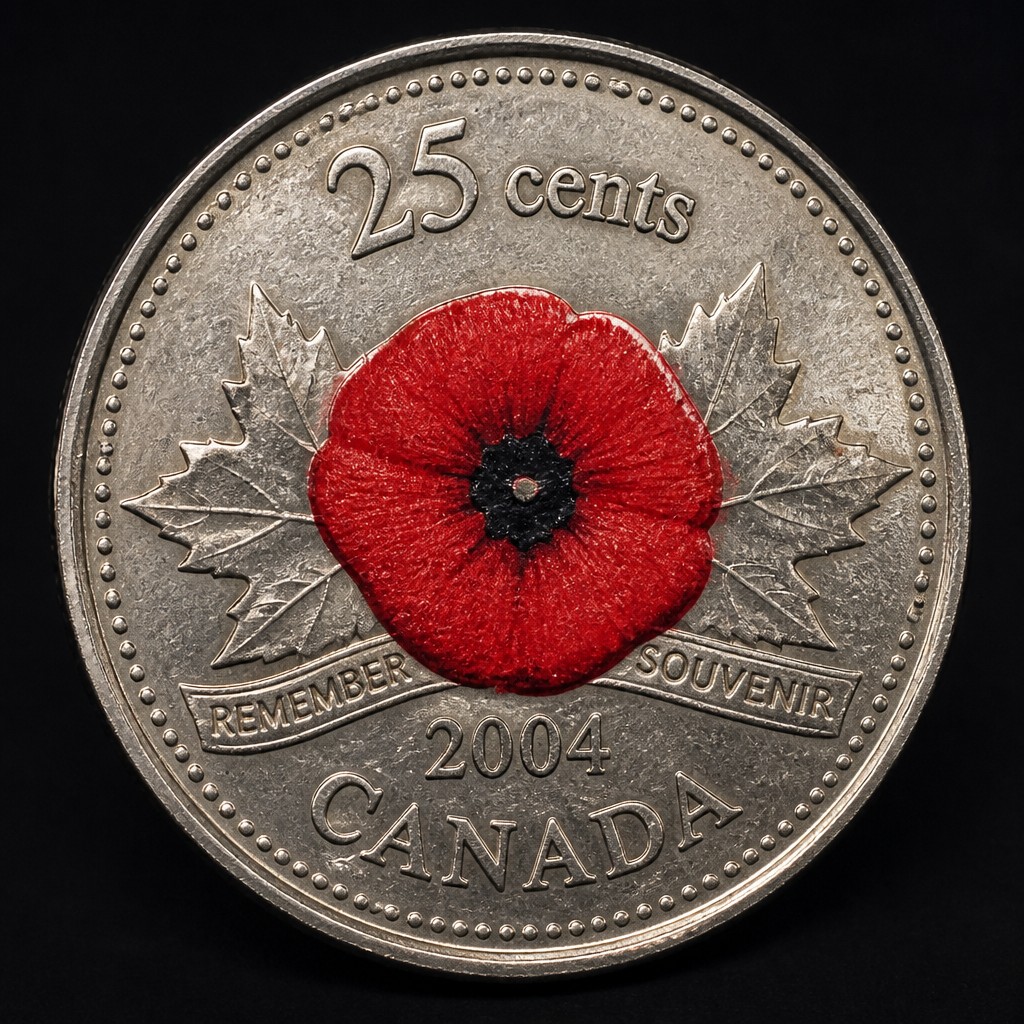
Royal Canadian Mint Colored Poppy Quarter (2004)
2004
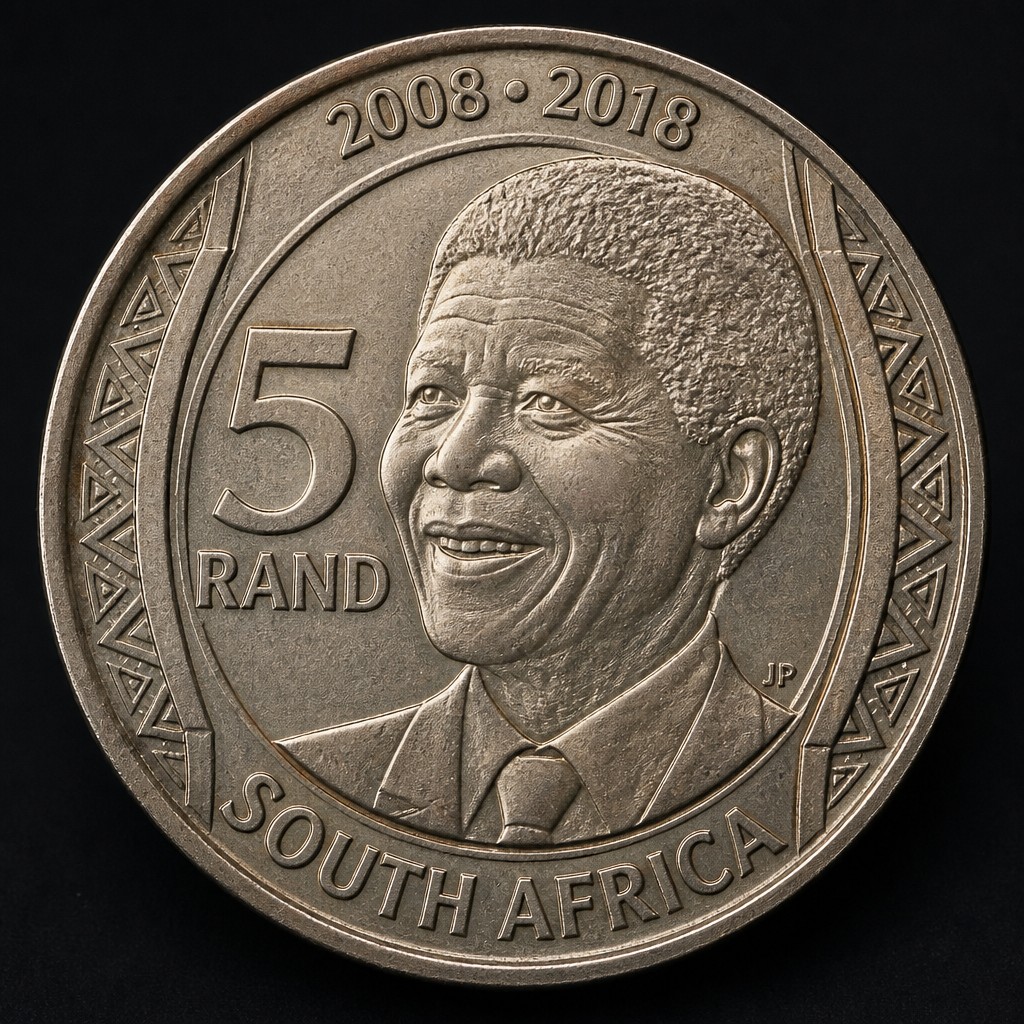
South African Mandela R5 Coin
2008; 2018
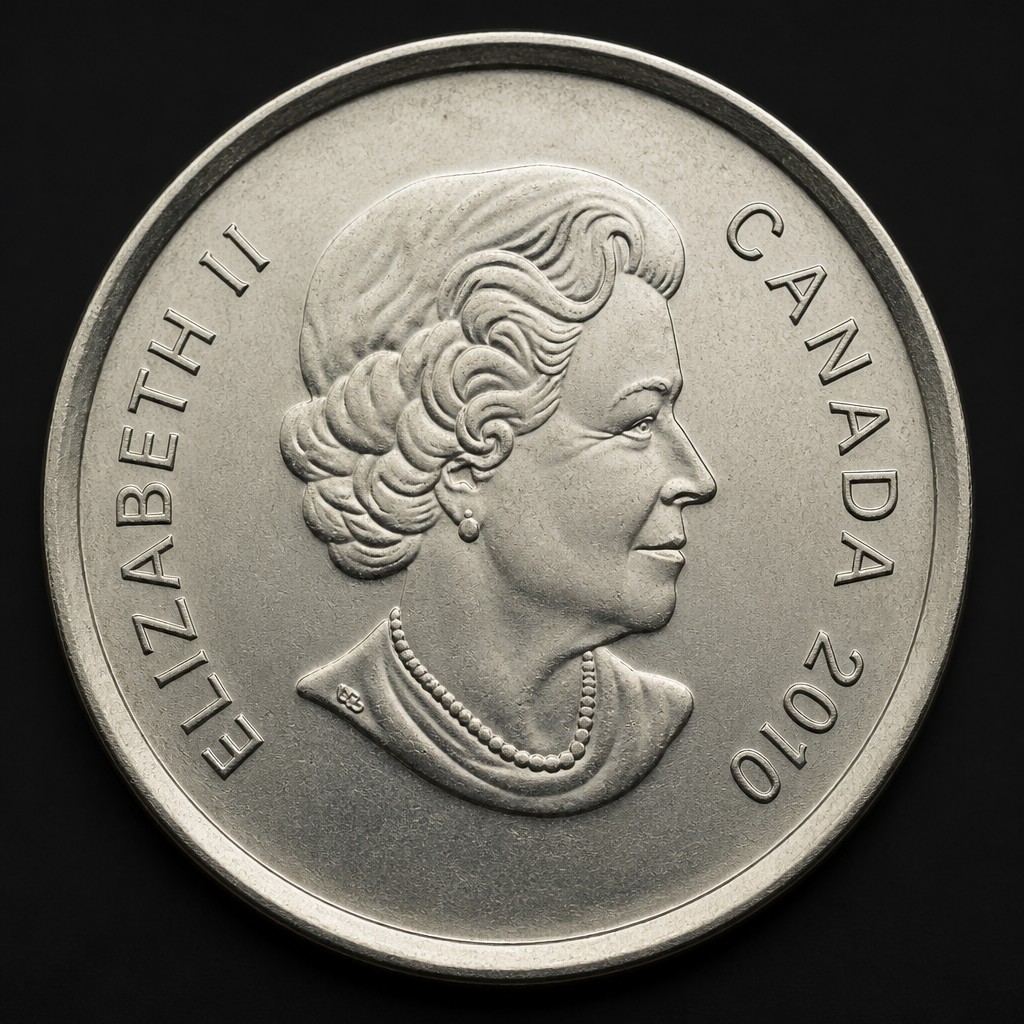
Canadian 2010 Vancouver Olympics Coins
2007–2010
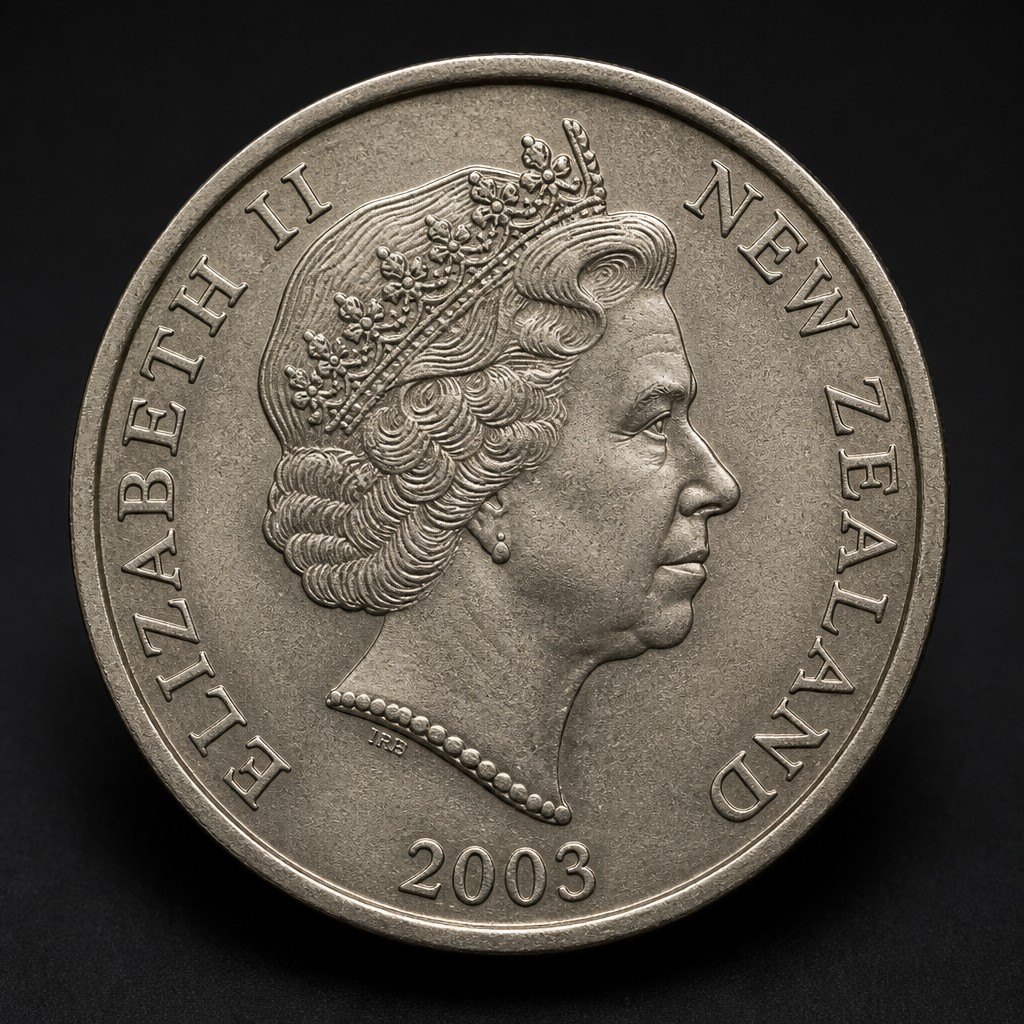
New Zealand Lord of the Rings Coins (2003)
2003 (continuing in following years)
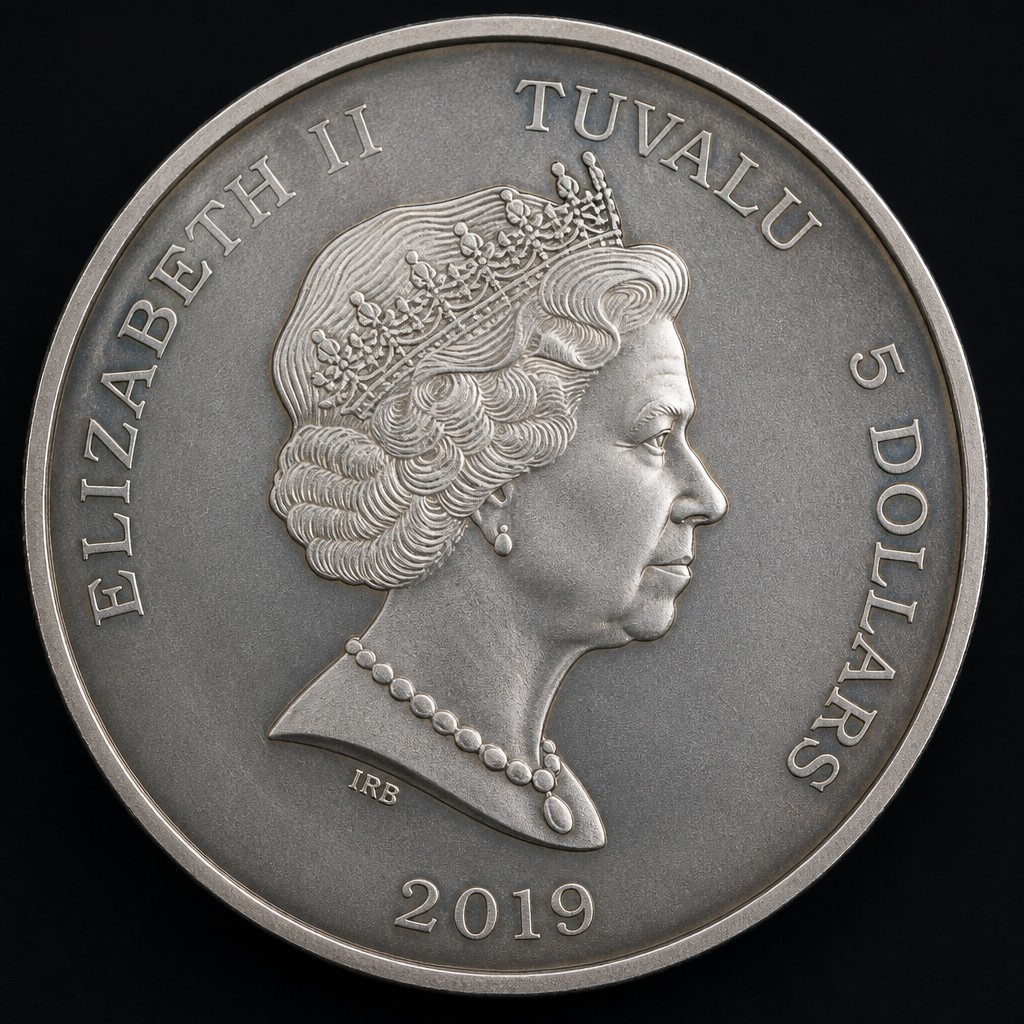
Tuvalu Marvel Silver Coins
2010s-present
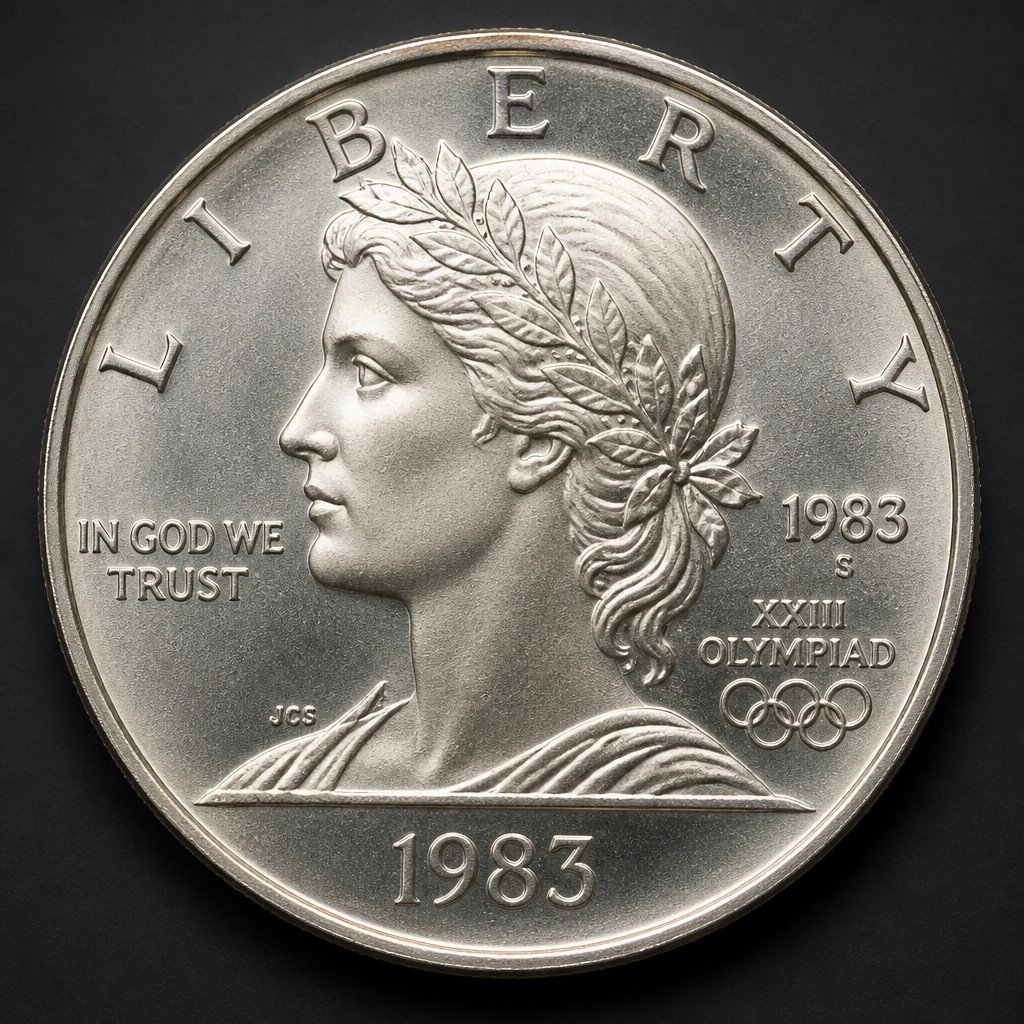
US Olympic Commemorative Dollar (1983)
1983
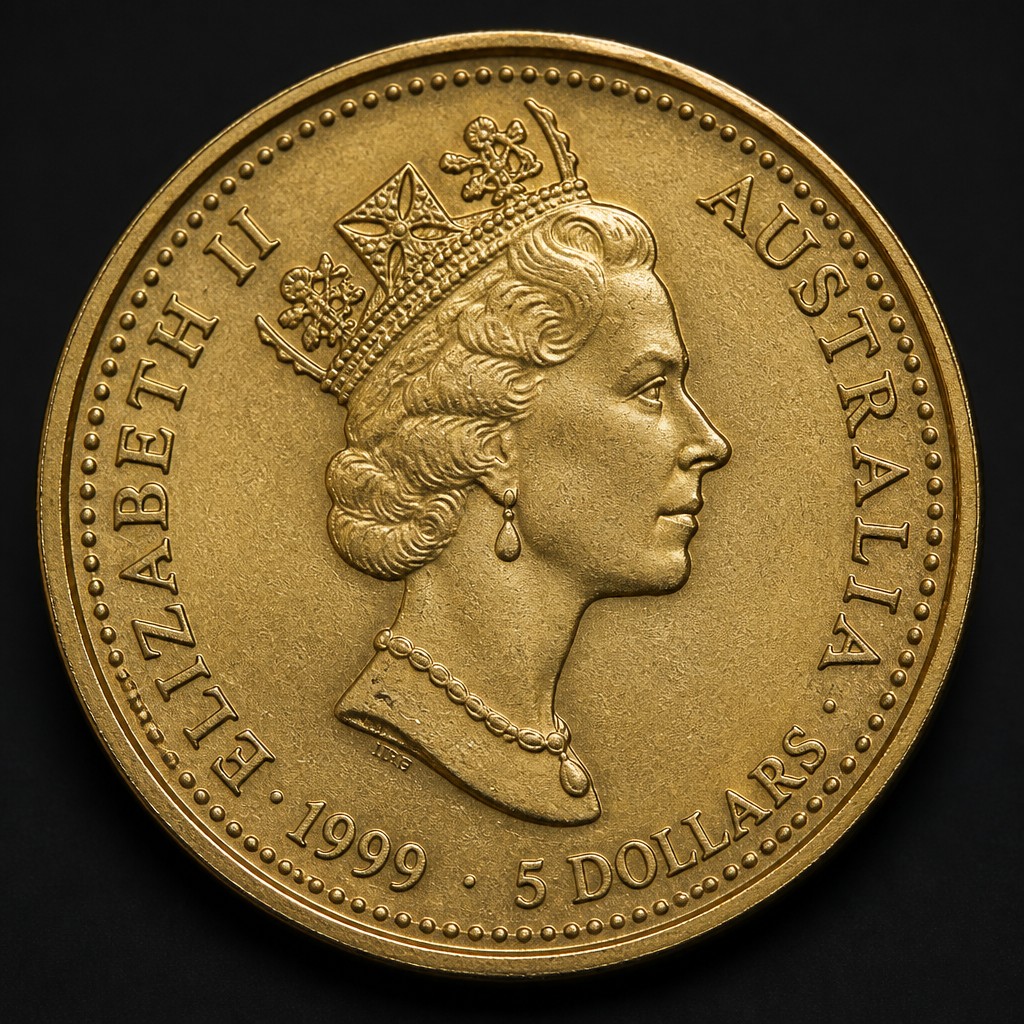
2000 Sydney Olympics Coin Series
1997–2000
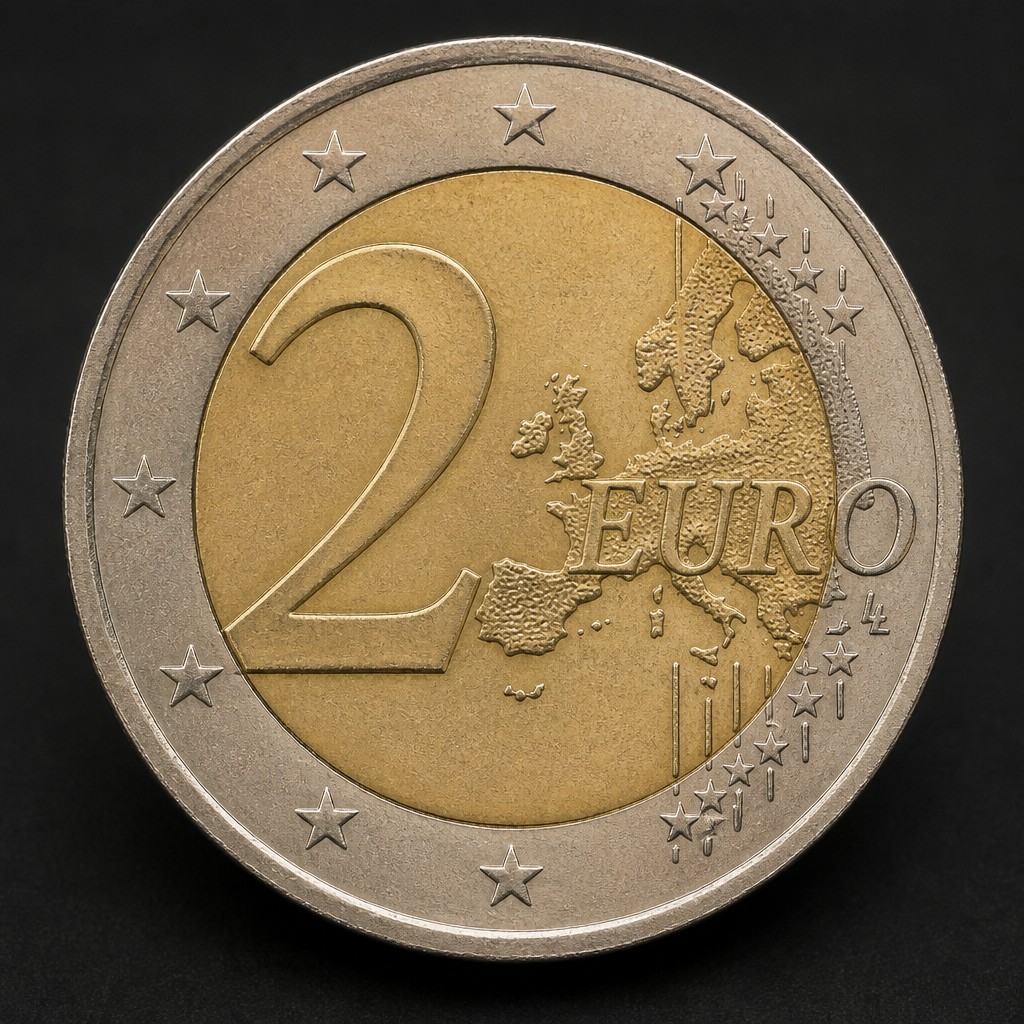
Euro €2 Commemorative Coins
2004–present
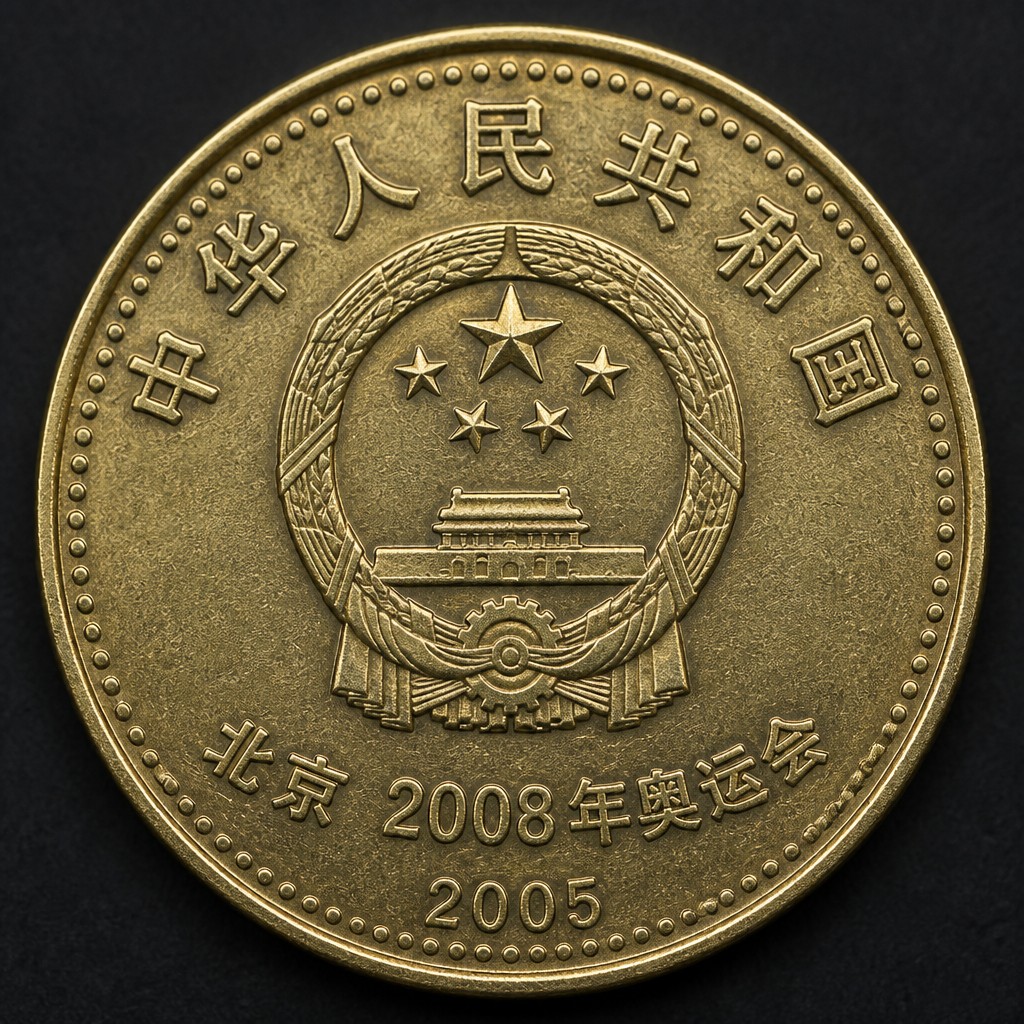
2008 Beijing Olympics Commemorative Coins
2005–2008
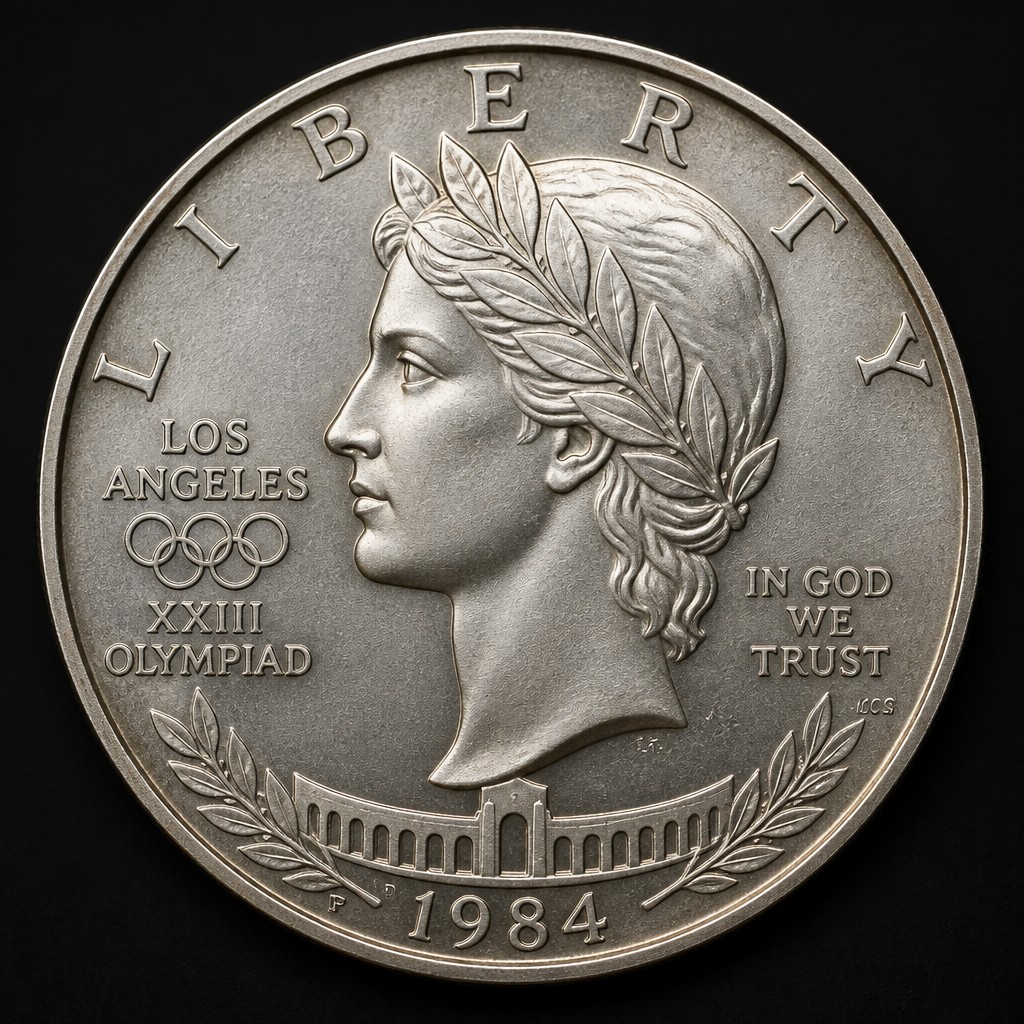
1984 Los Angeles Olympics Commemorative Dollar
1984
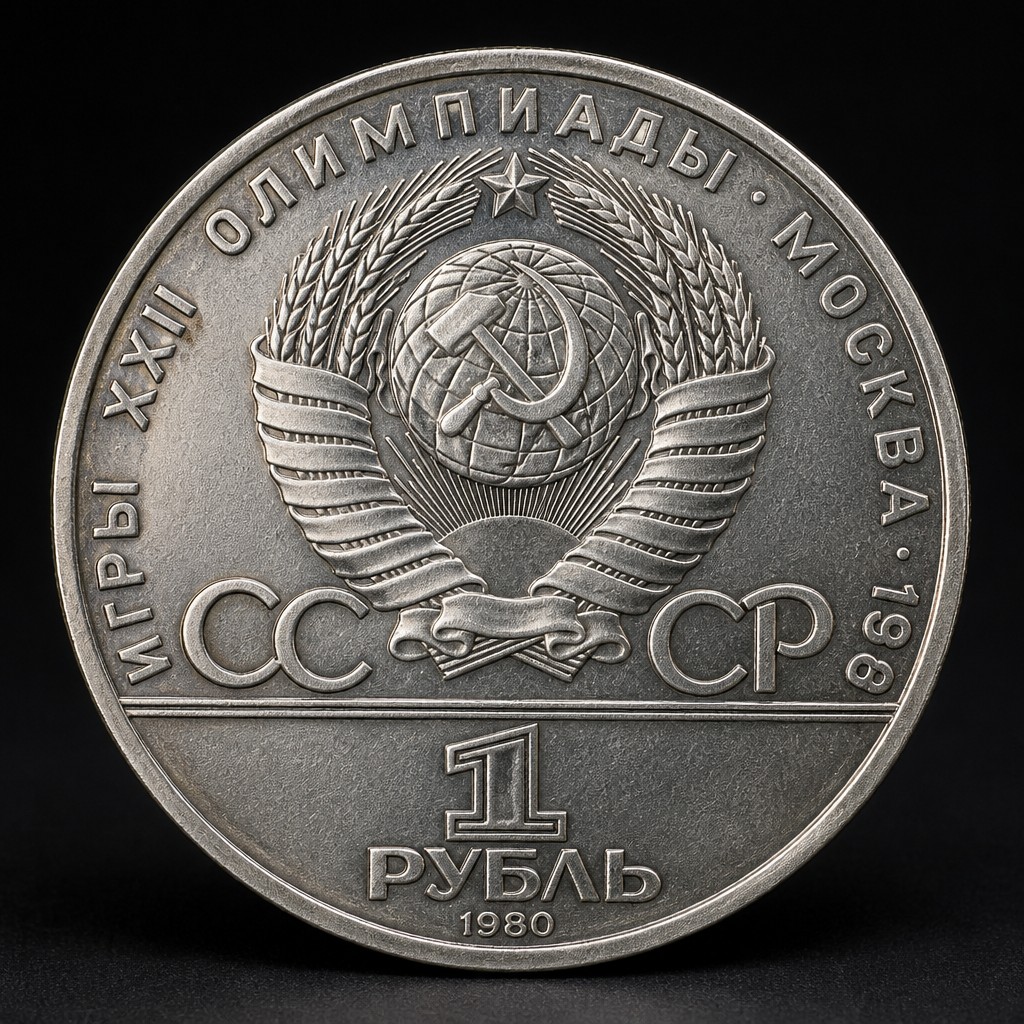
1980 Moscow Olympics Silver Rouble
1977–1980
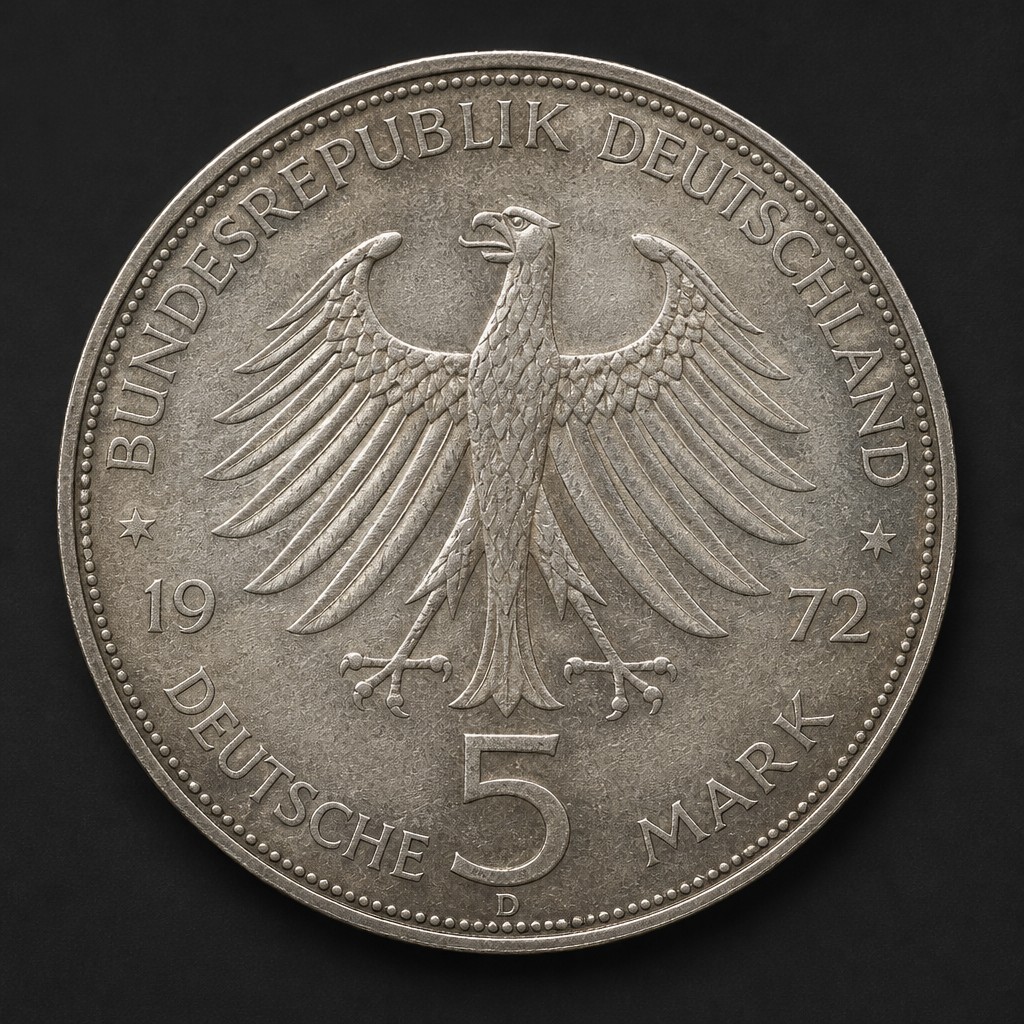
German 5 Deutsche Mark Commemoratives
1952–1986 (approximate span of silver issues)