
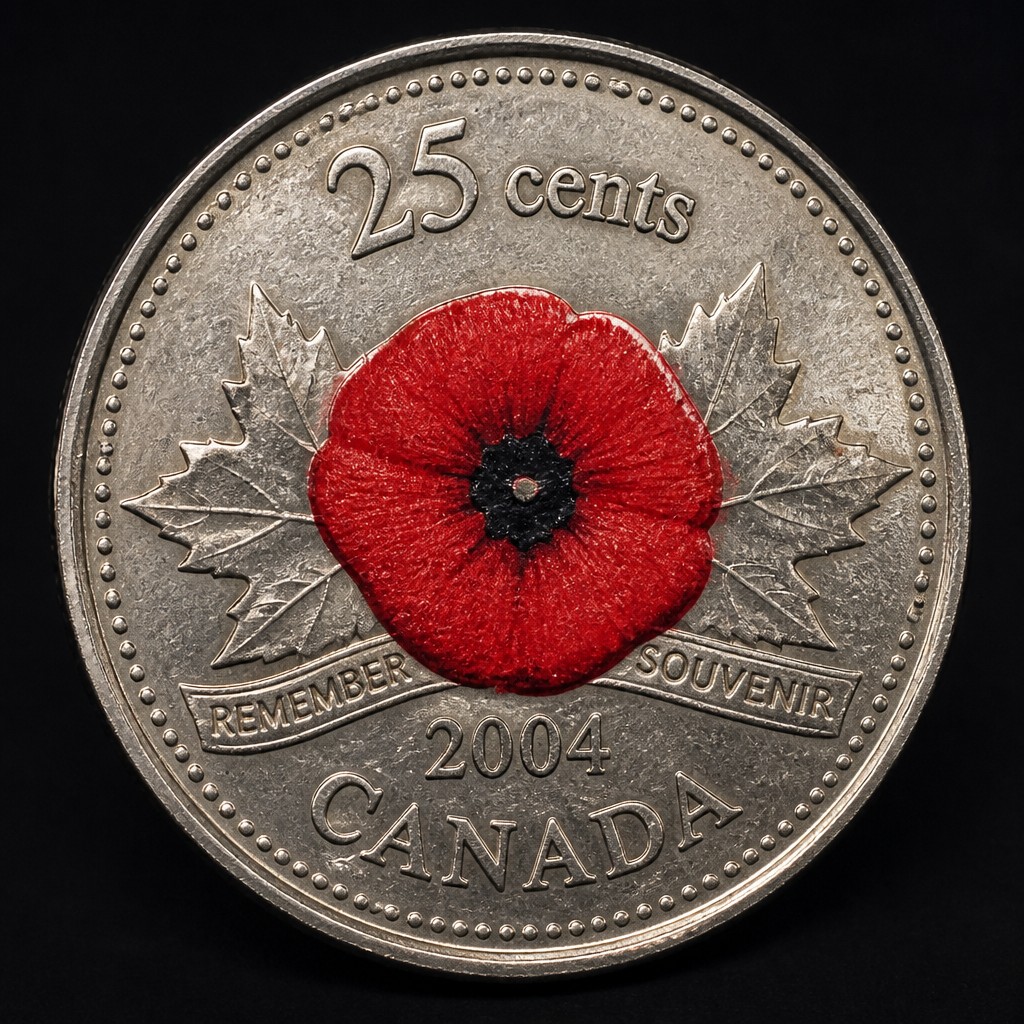
Royal Canadian Mint Colored Poppy Quarter (2004)
Canada's 2004 poppy quarter is widely credited as the world's first coin with a colored design produced for general circulation, honoring Canadian war remembrance with a red poppy at its center.
- Country
- Canada
- Denomination
- 25 cents
- Metal
- Nickel-plated steel
Got a coin like this?
Identify any coin from a photo, free.
Overview
Issued in 2004, the Royal Canadian Mint's colored poppy quarter added a red enameled poppy to the center of the standard Canadian 25-cent maple leaf reverse, marking what the Mint promoted as the world's first coin with a colored design struck specifically for general circulation. The coin was created in partnership with the Royal Canadian Legion to honor Canadian veterans and the tradition of wearing poppies for Remembrance Day.
The quarter's novelty made it an immediate hit with the Canadian public and international collectors alike, and its success encouraged the Royal Canadian Mint to continue experimenting with colorized circulation coinage in subsequent years, including later designs supporting other causes and events.
History & Background
The Royal Canadian Mint developed the colored poppy quarter as part of its broader effort to make circulating coinage more meaningful and commemorative, working with the Royal Canadian Legion to tie the design to Canada's long tradition of poppy-wearing in remembrance of war veterans, inspired by the World War I poem 'In Flanders Fields.' The coin was released for general circulation in 2004, timed to raise public awareness ahead of Remembrance Day observances.
Its warm public reception and international media attention as a numismatic first encouraged the Mint to expand its use of specialty finishes on circulating coinage in the years that followed, feeding directly into later programs such as the extensive colorized and lenticular quarters produced for the 2010 Vancouver Winter Olympics.
How to Identify
The coin is struck in nickel-plated steel to the standard Canadian 25-cent size and weight, with the Susanna Blunt portrait of Queen Elizabeth II on the obverse used on Canadian coinage at the time. The reverse shows the traditional Canadian maple leaf quarter design with a red enameled poppy applied at the center, along with the year 2004 and denomination.
The red color is applied through a specialized coating process rather than mint or dye stamping into the metal itself, so genuine examples show a smooth, evenly colored poppy; wear or mishandling can cause the color to fade or chip, which is common on circulated examples. Collectors distinguish this issue easily by the colored poppy, a feature not present on any standard-issue Canadian quarter before this release.
Because the coin circulated widely, most surviving examples show at least light wear, while carefully preserved uncirculated pieces retain sharper, more vivid poppy coloration.
Value & Collectibility
Because the Royal Canadian Mint produced the poppy quarter in substantial numbers for general circulation, most examples trade near face value or a small premium, particularly for well-preserved pieces with vivid, unchipped coloration. As a numismatic first, the coin holds notable historical significance for collectors of Canadian and world coinage even though it is not scarce.
Uncirculated examples with fully intact color command the highest interest among collectors, since color wear is common on circulated pieces and reduces both eye appeal and value; heavily worn or faded specimens are generally valued closer to simple face value.
Frequently asked questions
Why is the 2004 poppy quarter historically significant?
It is widely credited as the world's first coin with a colored design produced specifically for general circulation.
What does the poppy symbolize on this coin?
The red poppy represents Canadian remembrance of war veterans, a tradition tied to the World War I poem 'In Flanders Fields.'
Is the red color paint or dye stamped into the metal?
It is applied through a specialized coating process rather than traditional stamping, which is why the color can wear or chip on circulated coins.
Are colored poppy quarters valuable today?
Most trade near face value to a modest premium, with well-preserved, fully colored uncirculated examples commanding more interest from collectors.
Royal Canadian Mint Colored Poppy Quarter (2004) identified by the community
Real coins identified with Coin Identifier.
Other coins you may enjoy
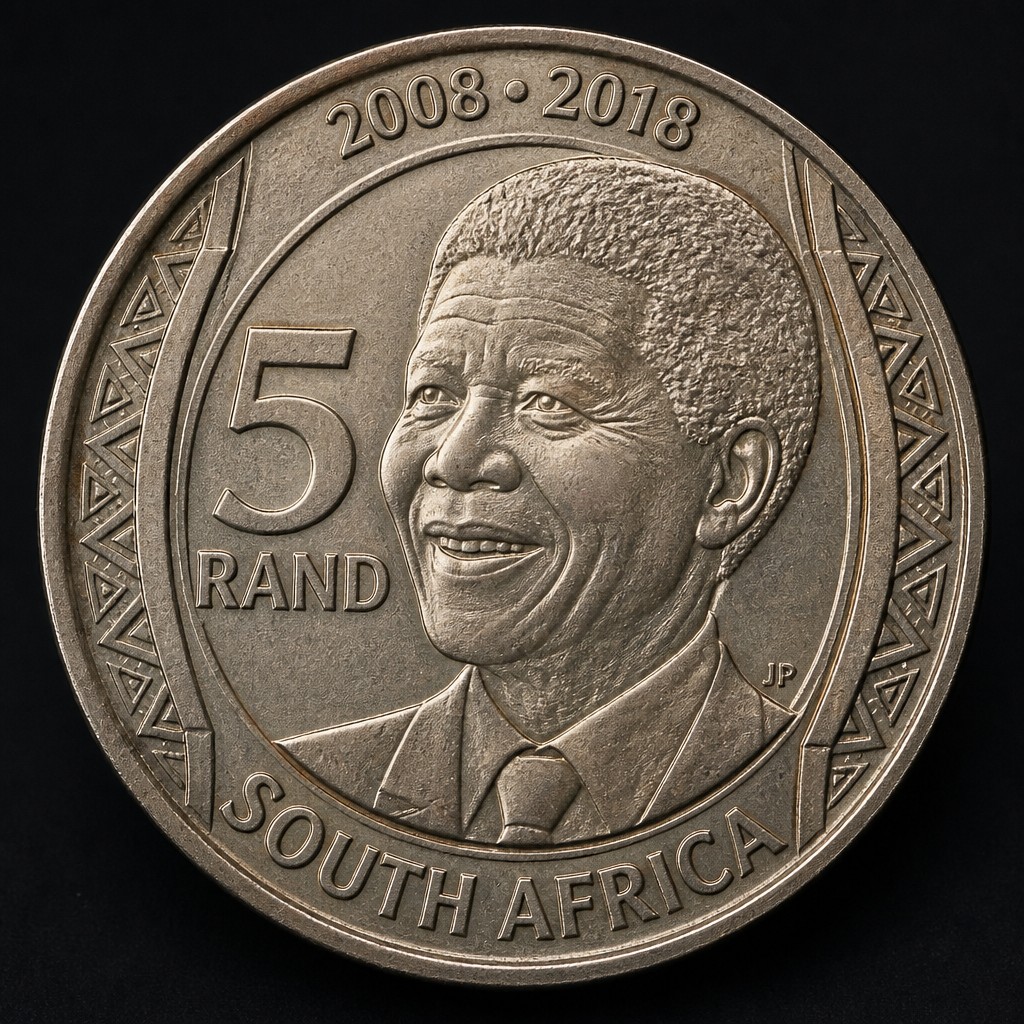
South African Mandela R5 Coin
2008; 2018
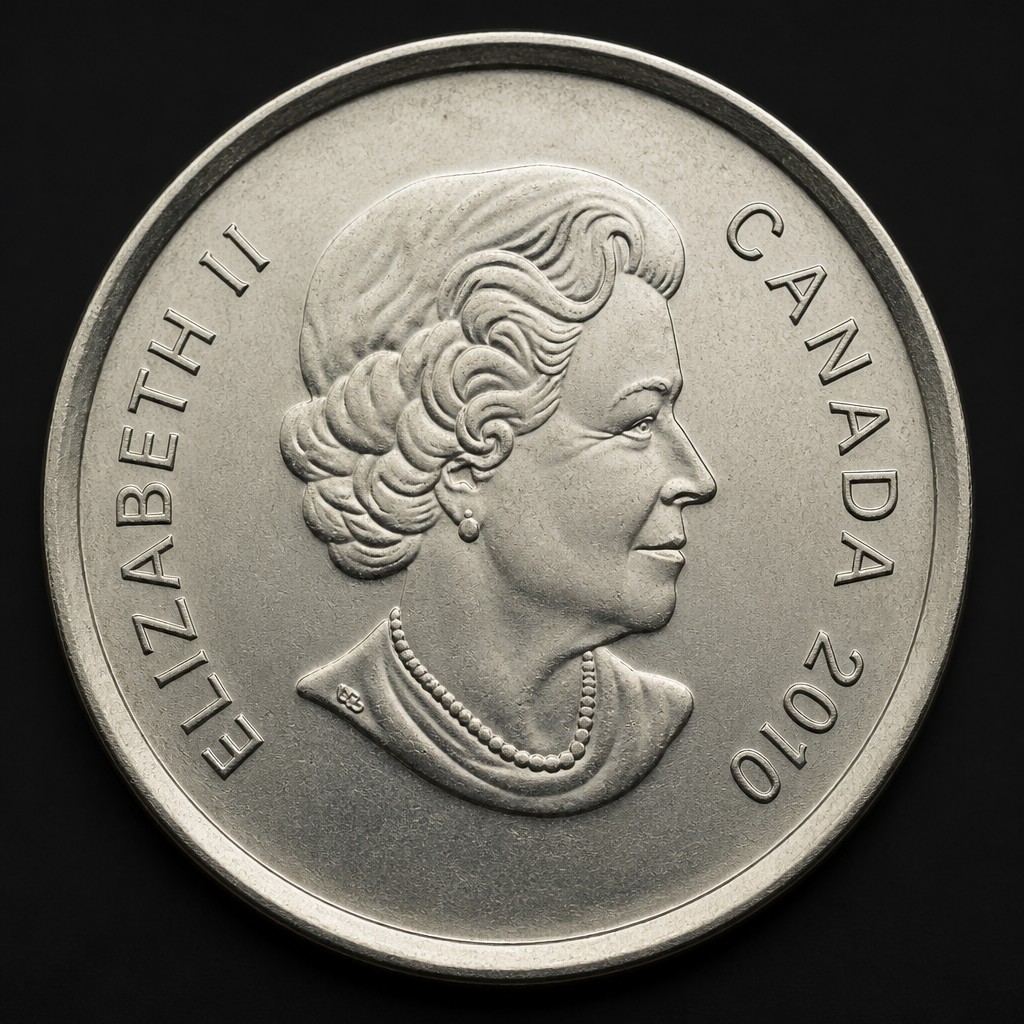
Canadian 2010 Vancouver Olympics Coins
2007–2010
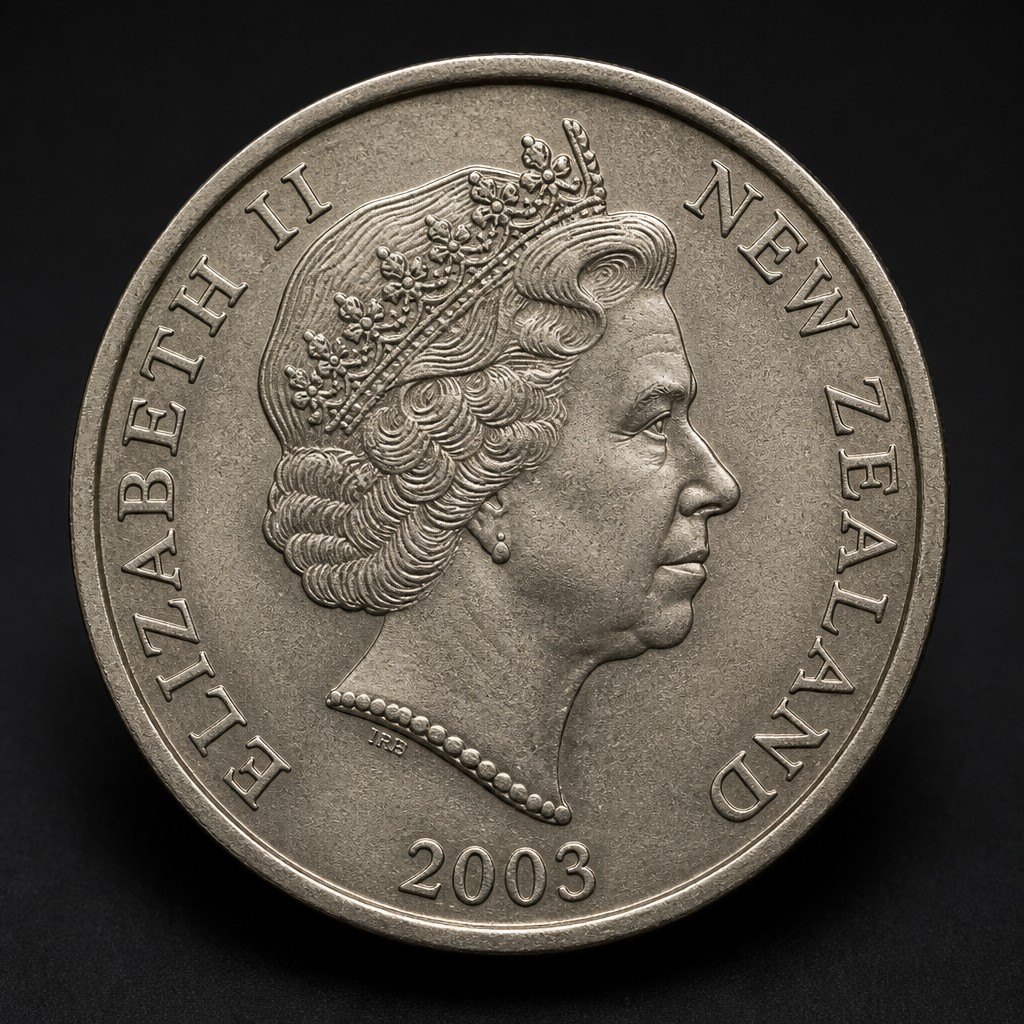
New Zealand Lord of the Rings Coins (2003)
2003 (continuing in following years)
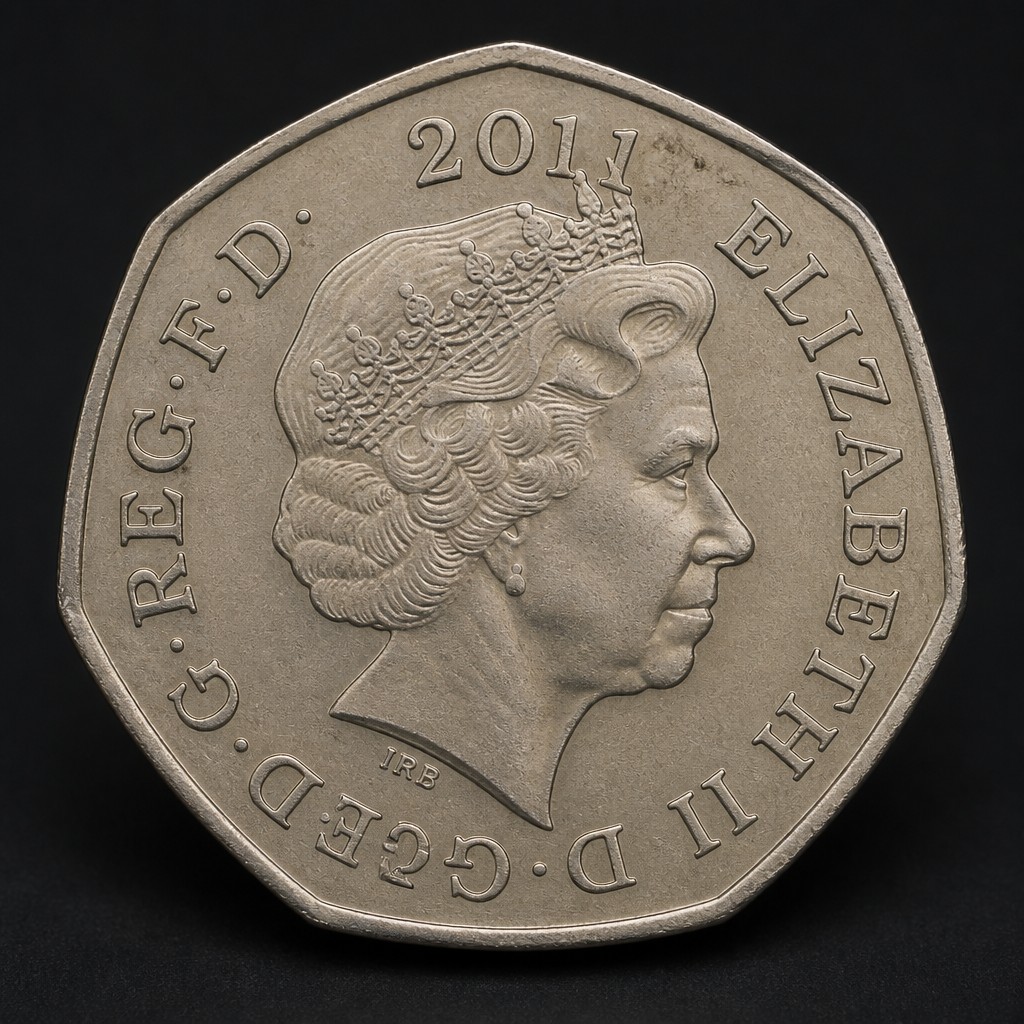
2012 London Olympics 50p Series
2011
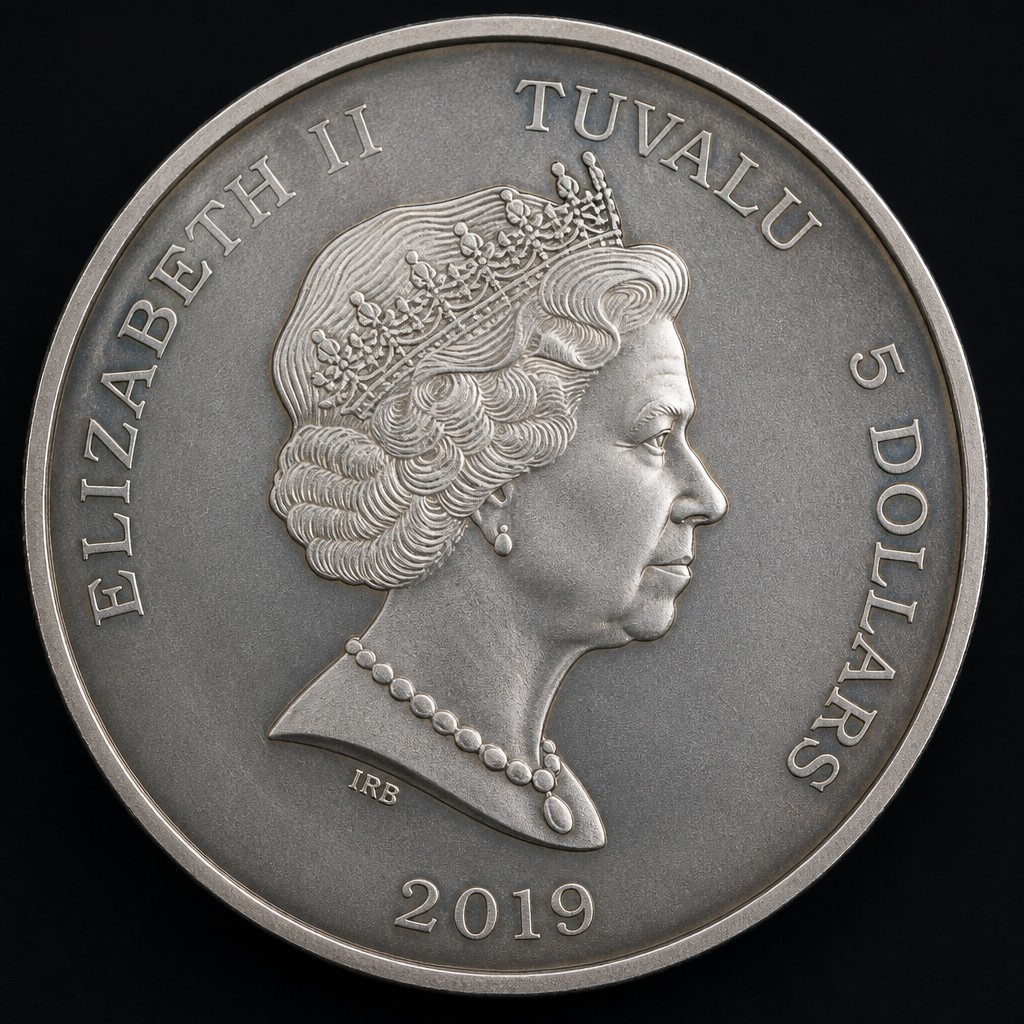
Tuvalu Marvel Silver Coins
2010s-present
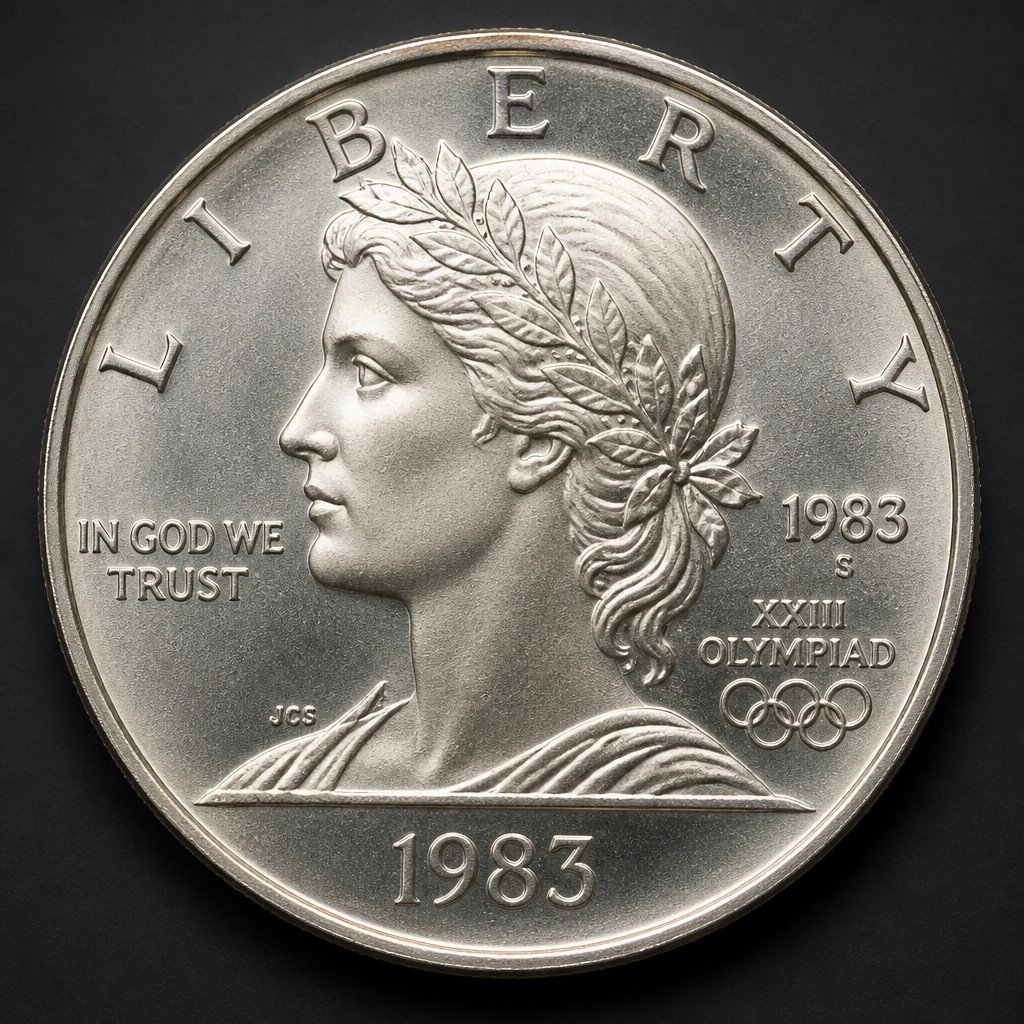
US Olympic Commemorative Dollar (1983)
1983
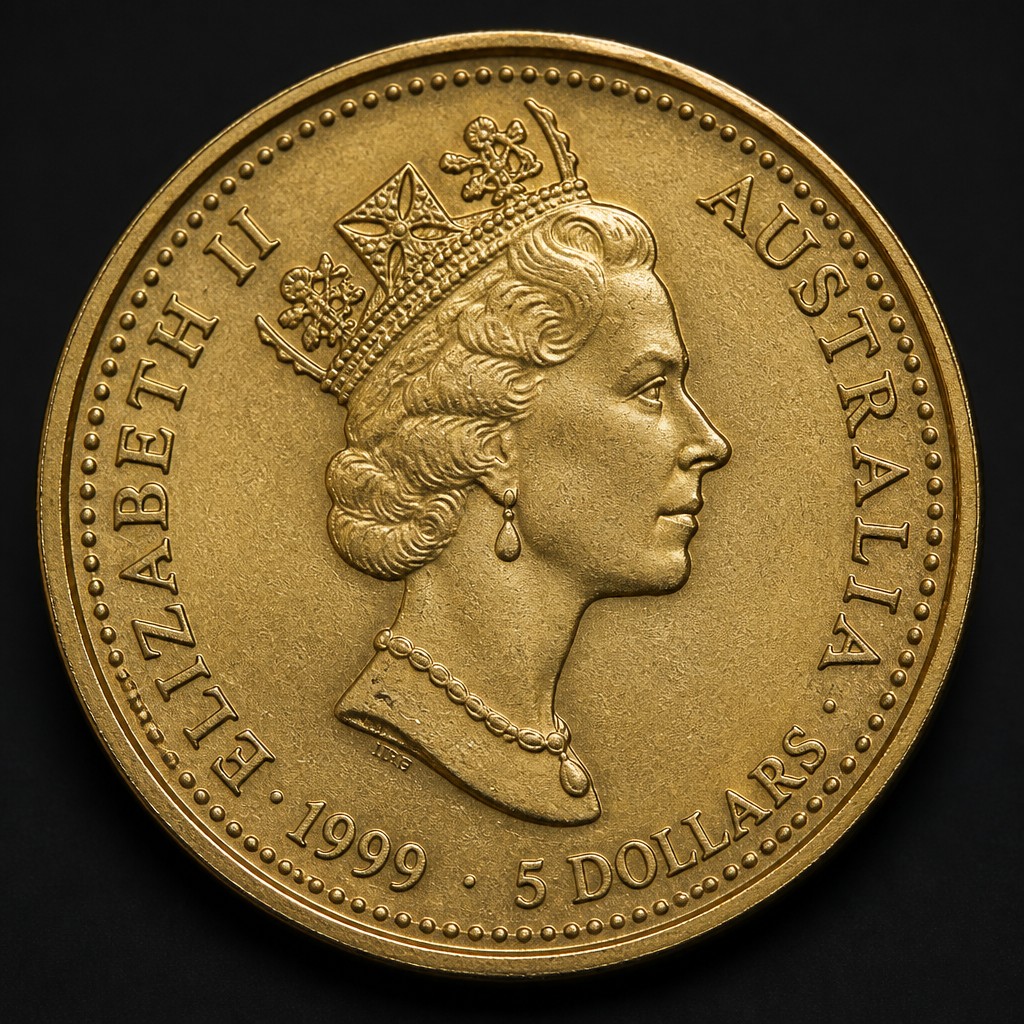
2000 Sydney Olympics Coin Series
1997–2000
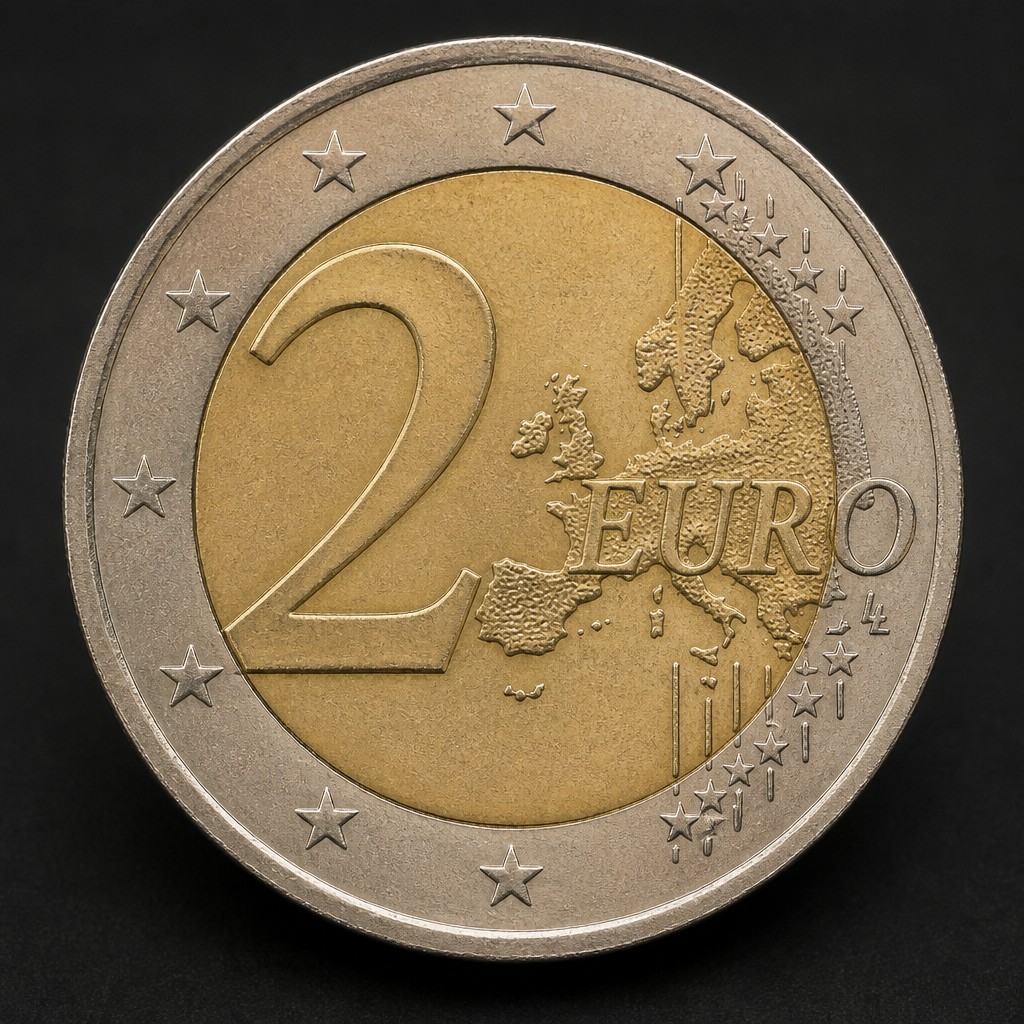
Euro €2 Commemorative Coins
2004–present
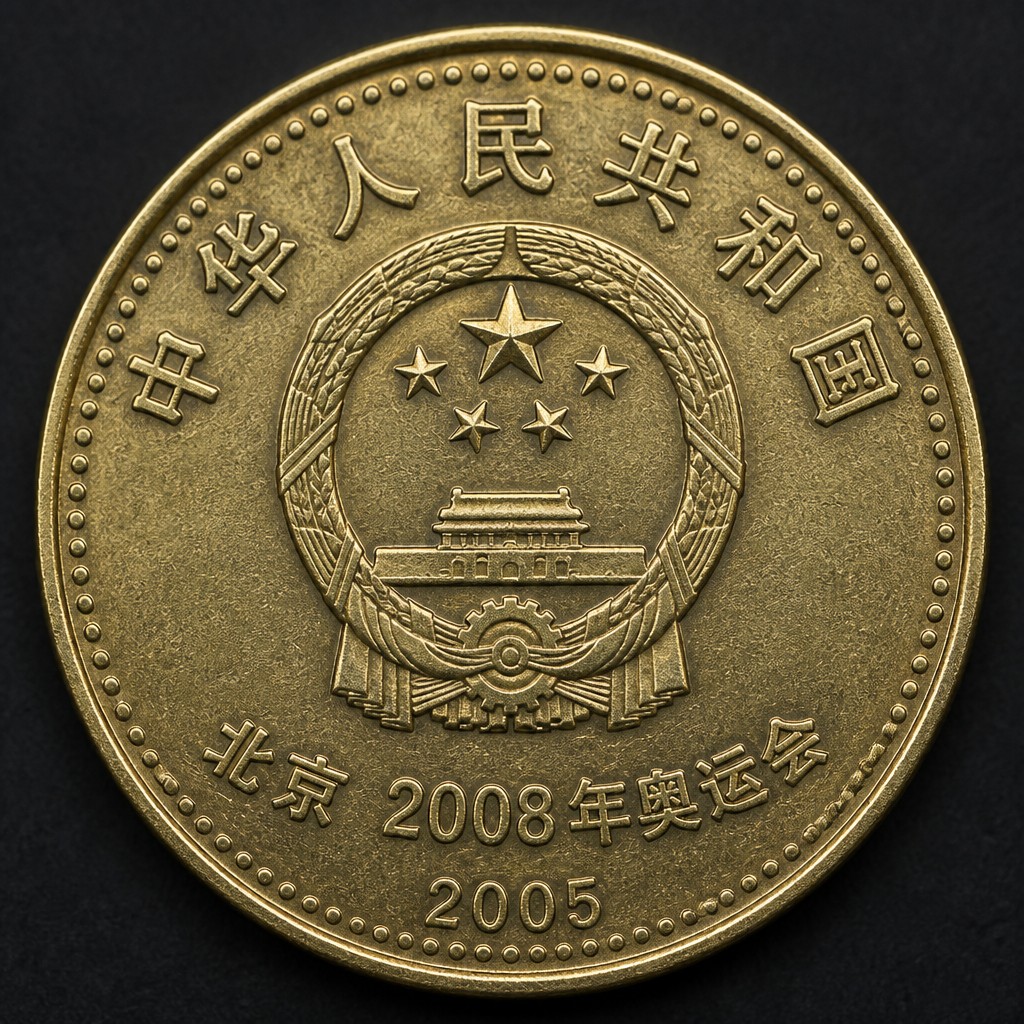
2008 Beijing Olympics Commemorative Coins
2005–2008
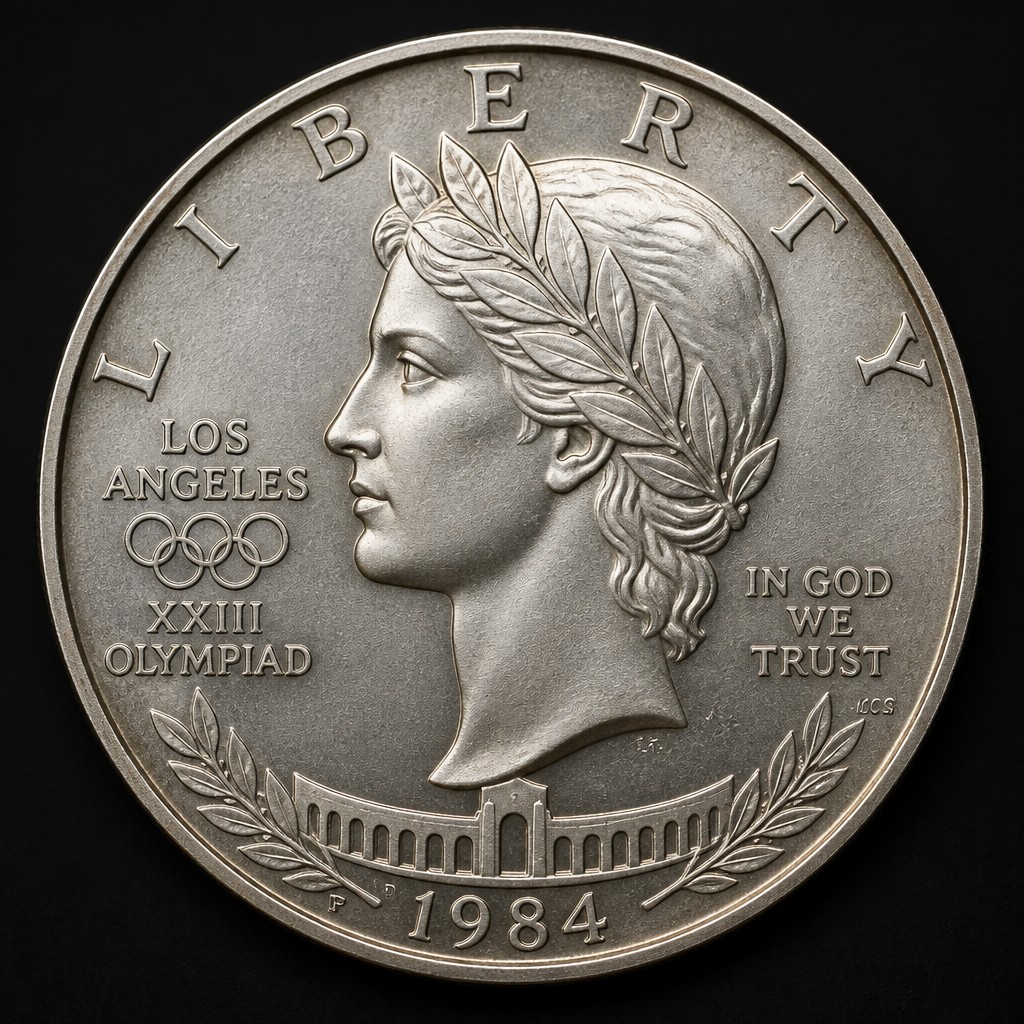
1984 Los Angeles Olympics Commemorative Dollar
1984
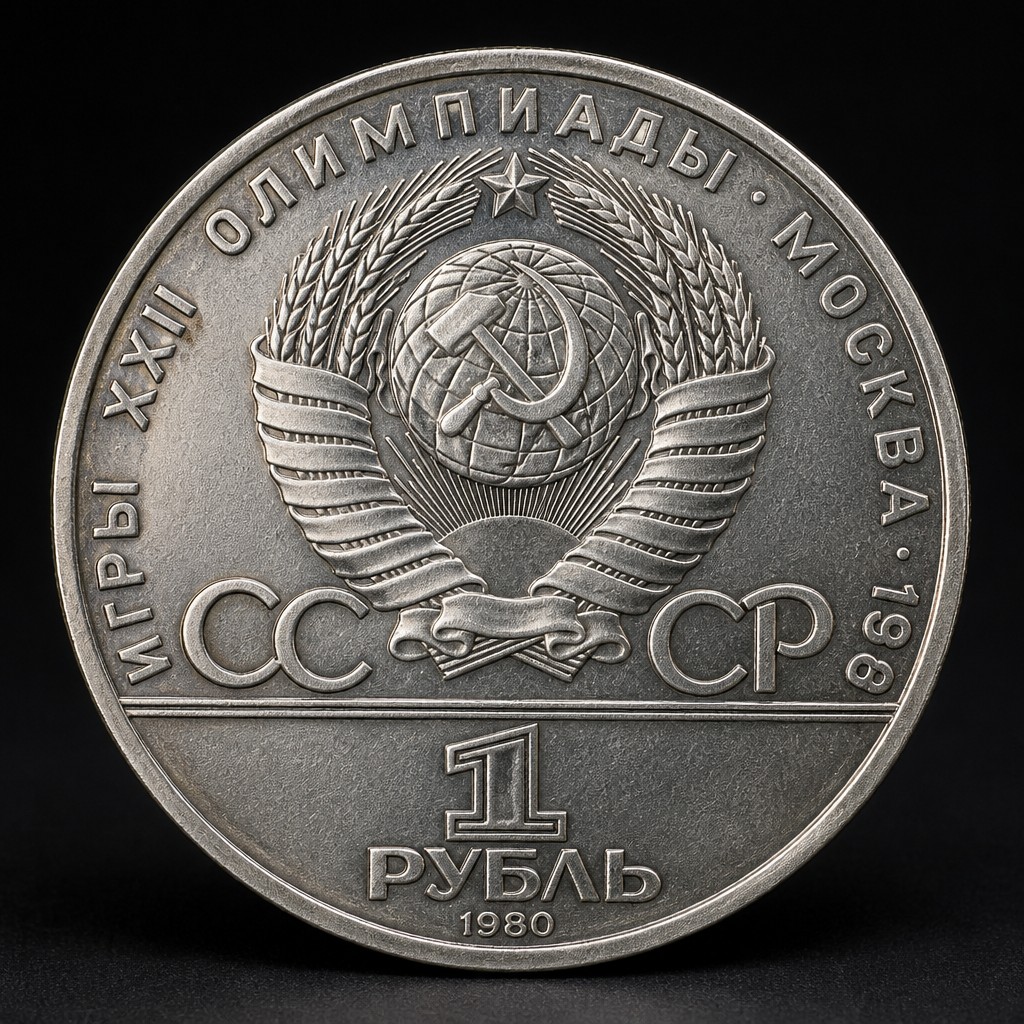
1980 Moscow Olympics Silver Rouble
1977–1980
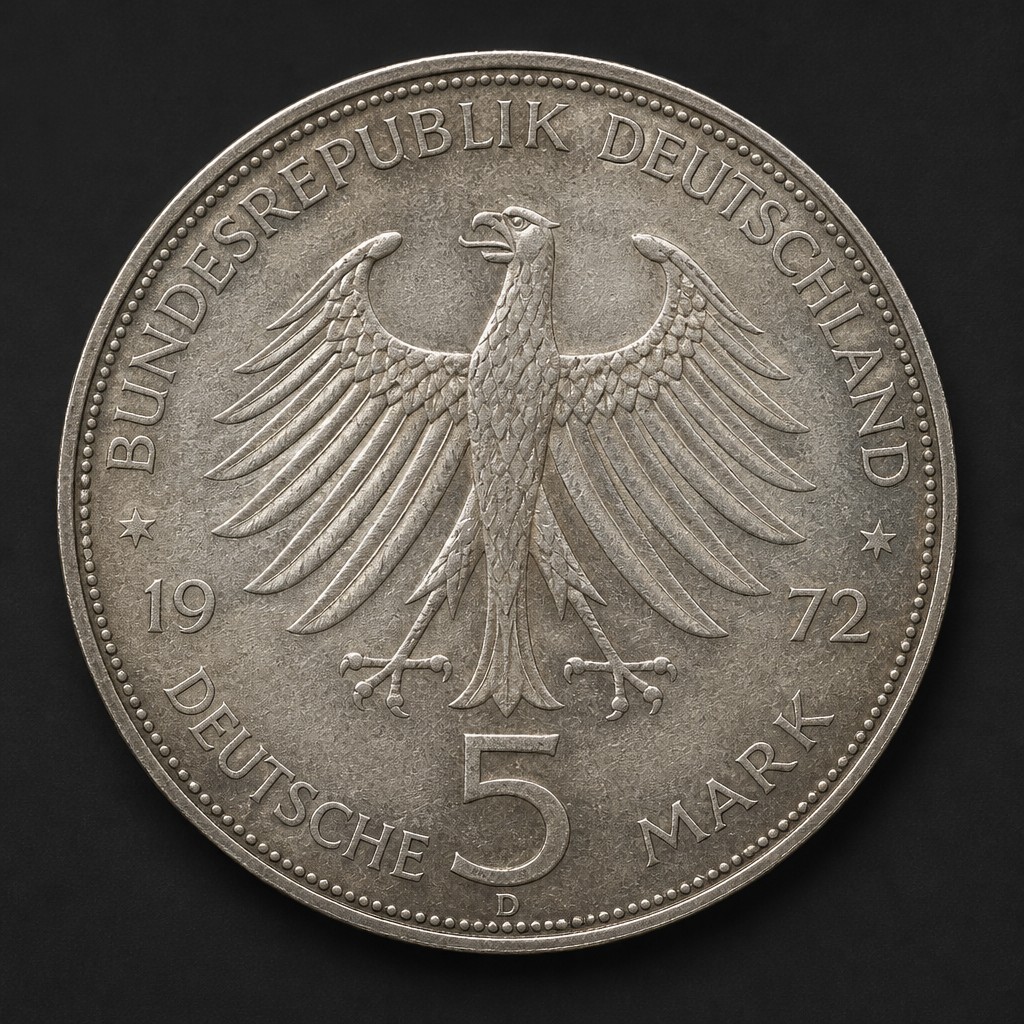
German 5 Deutsche Mark Commemoratives
1952–1986 (approximate span of silver issues)