
Coin Encyclopedia
Search and identify coins from around the world — with country, denomination, metal, mint, history, and how to tell them apart.
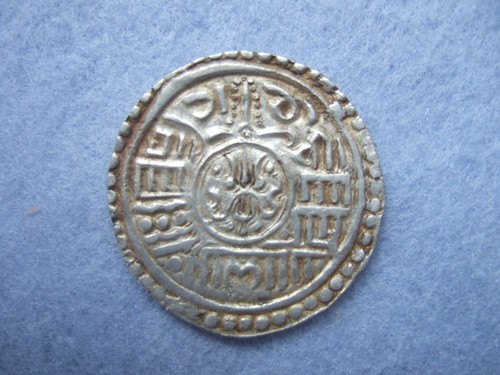
Nepalese Mohar
Silver mohar of the Nepalese Shah kingdom, with ornate Devanagari legends and auspicious symbols arranged around a mandala-style central design on both faces.
Himalayan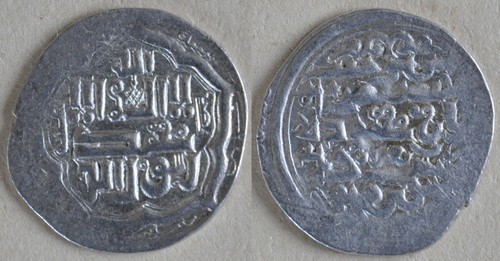
Ilkhanid Dirham of Ghazan
A silver dirham of the Mongol Ilkhanate struck for Ghazan Khan, with an ornamental cartouche bearing the ruler's name and concentric Arabic and Persian inscriptions.
Islamic (Medieval)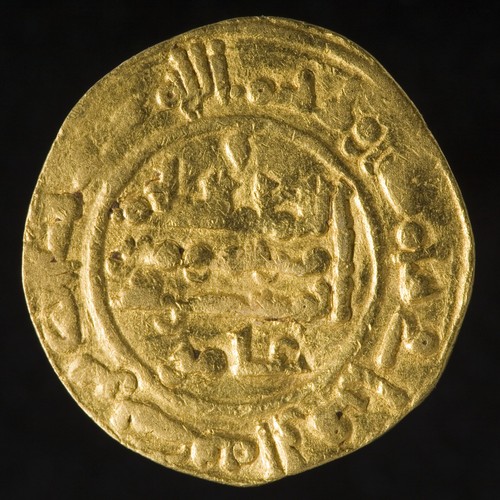
Islamic Gold Dinar (LACMA M.2006.143.8)
A medieval Islamic gold dinar in the LACMA collection, struck with purely calligraphic Arabic legends and a decorative border — the classic imageless coin of the caliphates.
Islamic (Medieval)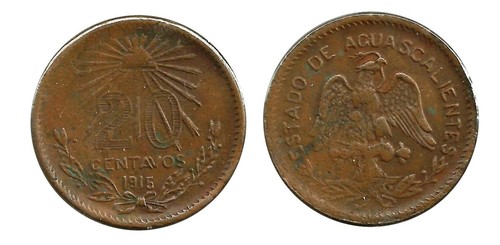
Aguascalientes 20 Centavos
A copper 20 centavos struck in Aguascalientes during the Mexican Revolution in 1915, showing the denomination on one side and a large numeral 20 with the national eagle on the other.
Revolutionary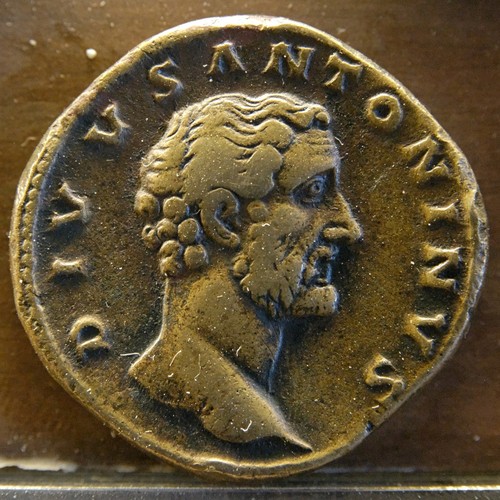
Sestertius of Antoninus Pius
Large Roman bronze coin of Emperor Antoninus Pius, with his bearded profile head and a standing deity or figure on the reverse.
Ancient Coins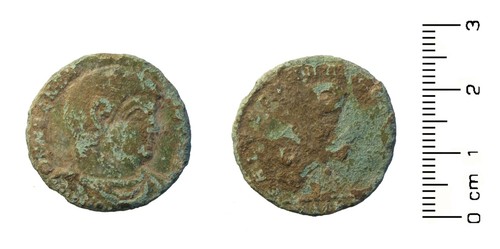
Nummus of Magnentius
A late Roman bronze struck for the usurper Magnentius (AD 350-353), noted for its bold bare-headed portrait and large Chi-Rho reverses.
Ancient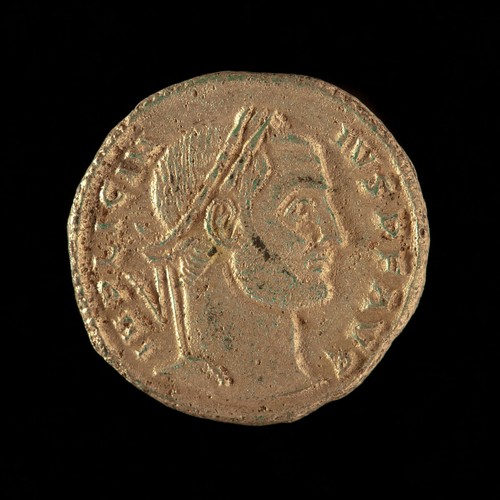
Follis of Licinius I
A small bronze follis of the emperor Licinius I (AD 308-324), showing his portrait and a standing deity reverse, struck around AD 320-321.
Ancient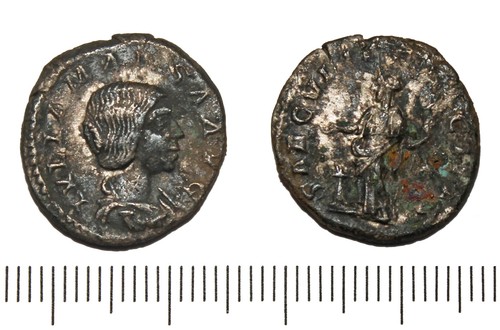
Denarius of Julia Maesa
Roman silver denarius struck for Julia Maesa (c. 218–222 CE), showing her draped bust with wavy hair and a standing deity on the reverse.
Ancient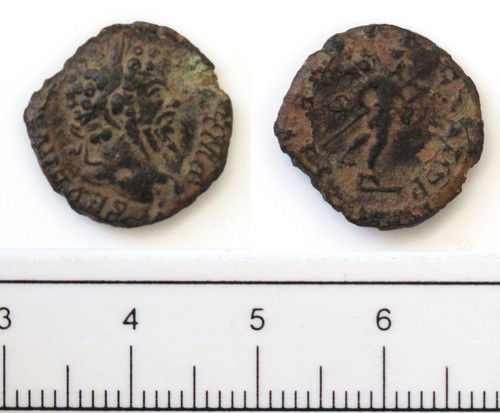
Denarius of Septimius Severus
Silver denarius of the Roman emperor Septimius Severus (193–211 AD), showing his laureate head and a standing reverse figure.
Ancient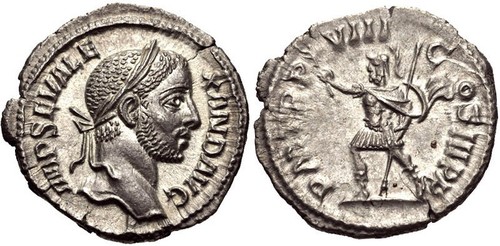
Denarius of Severus Alexander
Silver denarius of the emperor Severus Alexander (AD 222–235), with his laureate portrait and a Mars reverse dated to about AD 229.
Ancient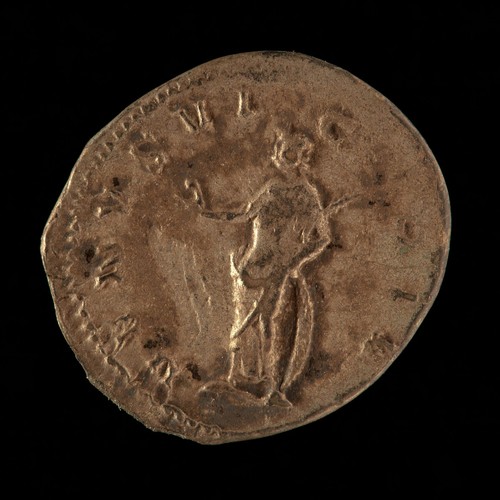
Antoninianus of Salonina
Billon antoninianus of the empress Salonina, wife of Gallienus, showing her draped bust and a standing deity on the reverse (256-257 AD).
Ancient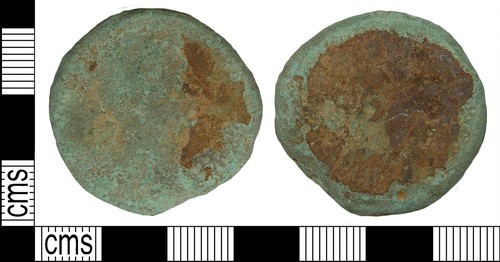
Sestertius of Commodus
A large Roman bronze sestertius of Emperor Commodus (180–192 AD), his laureate bearded head on one side and a standing figure on the other.
Ancient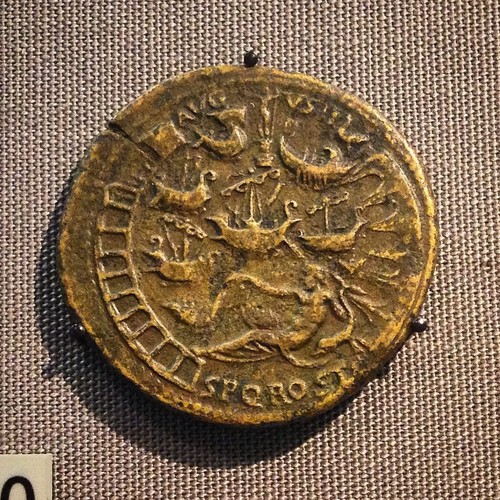
Sestertius of Nero (Port of Ostia)
A large brass sestertius of the emperor Nero (54–68 AD) showing his portrait on one side and a bird's-eye view of the harbour at Ostia on the other.
Ancient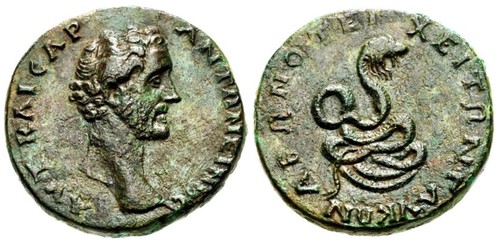
Glycon Bronze Coin
Roman provincial bronze of the 2nd century AD showing the snake-god Glycon: a bearded serpent head on one side and a coiled snake on the other.
Ancient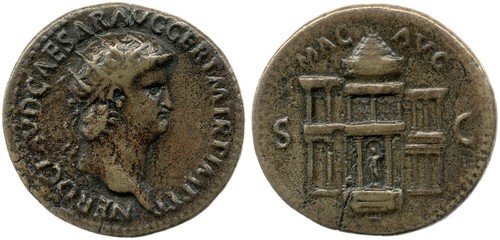
Bronze As of Nero
A Roman bronze as struck under the emperor Nero (54–68 AD), bearing his laureate portrait on the obverse and an imperial reverse type.
Ancient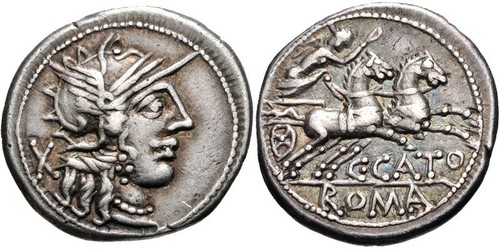
Denarius of C. Cato
Silver Roman Republican denarius struck at Rome in 123 BC by the moneyer C. Cato, with a helmeted head of Roma and Victory driving a chariot.
Ancient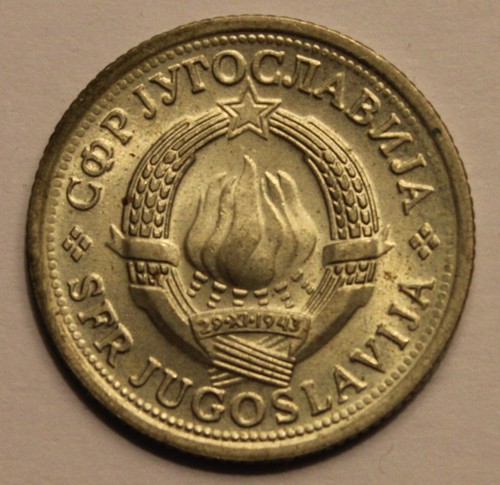
1 Dinar
A base-metal 1 dinar of Socialist Yugoslavia, dated 1978, with a star and SFRJ legend on one side and the socialist state emblem of flaming torches on the other.
Modern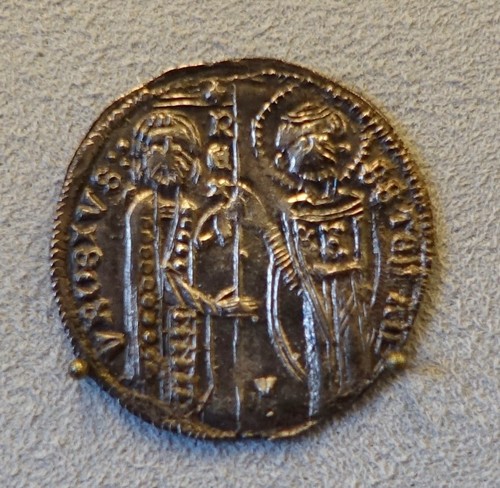
Matapan (Serbian imitation)
A medieval Serbian coin modeled on the Venetian matapan (grosso), showing standing figures on the obverse and a cross on the reverse.
Medieval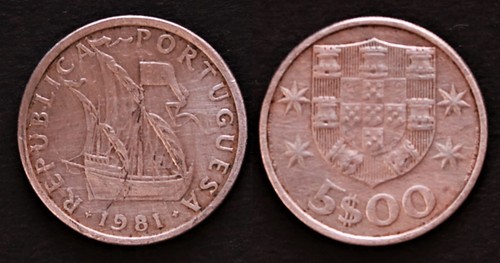
5 Escudos
Portugal's copper-nickel 5 Escudos, showing a caravel sailing ship on the obverse and the national shield with the value 5$00 on the reverse.
Modern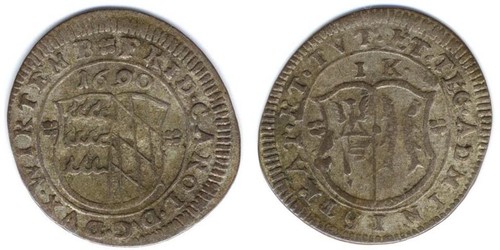
Württemberg Kreuzer
A small silver 1 Kreuzer of the Duchy of Württemberg, dated 1690, with a heraldic coat of arms and a crowned shield over scrollwork.
German States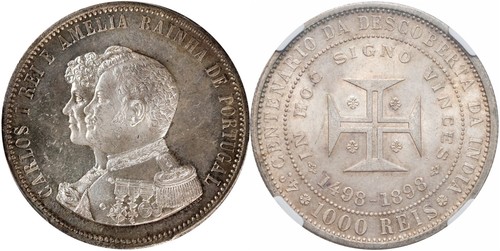
1000 Reis (Discovery of India)
A late Kingdom of Portugal 1000 Reis of the Carlos I period, showing a king's right-facing profile and the crowned Portuguese royal arms on the reverse.
Modern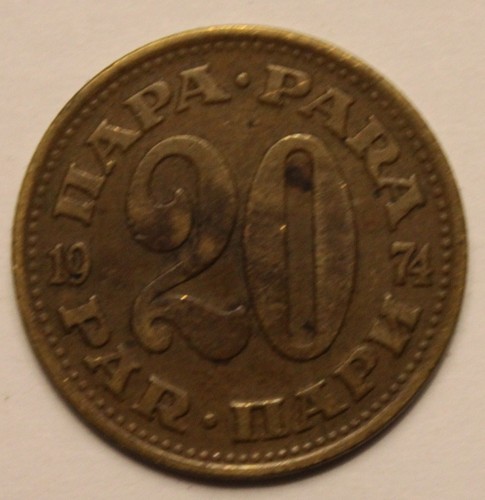
20 Para
A small base-metal coin of socialist Yugoslavia, showing the value 20 with the date 1974 on one side and the six-flame Yugoslav state emblem on the other.
Modern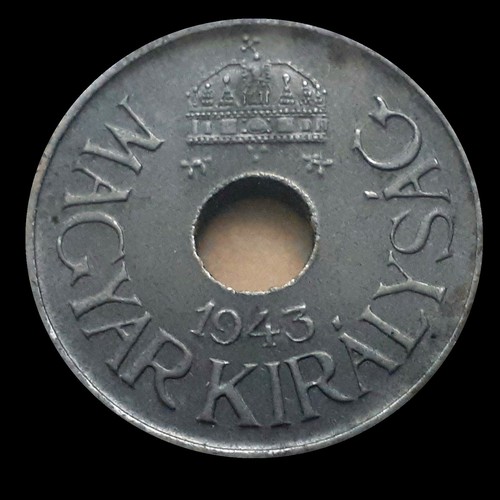
20 Fillér
An early 20th-century Hungarian 20 fillér, a small base-metal coin showing the crowned Hungarian coat of arms and the FILLÉR minor denomination.
Modern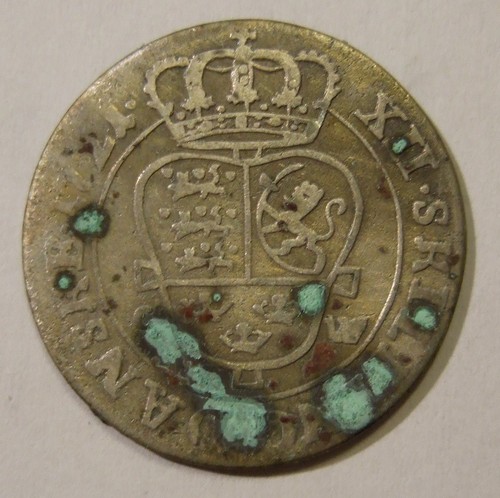
12 Skilling
An early-modern Danish 12 skilling dated 1721, showing a crowned shield with a lion on one face and ornamental legend and value on the other.
Early Modern