
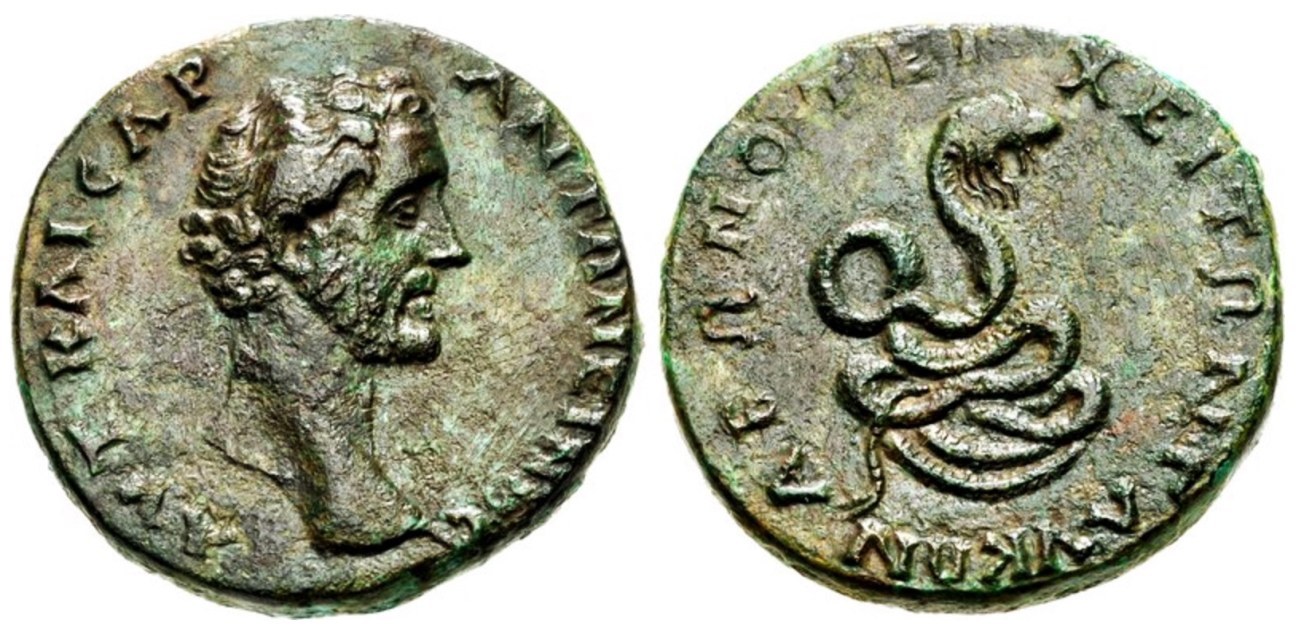
Glycon Bronze Coin
Roman provincial bronze of the 2nd century AD showing the snake-god Glycon: a bearded serpent head on one side and a coiled snake on the other.
- Country
- Roman Empire
- Denomination
- Bronze
- Metal
- Bronze
Got a coin like this?
Identify any coin from a photo, free.
Overview
This is a Roman provincial bronze coin devoted to Glycon, a serpent deity worshipped in Asia Minor during the 2nd century AD. One face shows the bearded, almost human-looking head of the snake god, and the other shows the serpent coiled upon itself. The type belongs to the local city coinage struck under Roman rule rather than to the imperial mint at Rome.
Glycon was an unusual cult figure: a large snake given long hair, ears, and a manlike face. Coins bearing his image were issued by cities in the Black Sea region, most famously Abonoteichos in Paphlagonia, the home of the cult. Because the deity is so distinctive, these bronzes are among the more recognizable and sought-after provincial types, even though the underlying coin is a modest base-metal piece.
History & Background
The Glycon cult was founded around the middle of the 2nd century AD by Alexander of Abonoteichos, a religious entrepreneur in Paphlagonia on the southern shore of the Black Sea. According to the contemporary satirist Lucian, who mocked the whole enterprise in his essay Alexander the False Prophet, Alexander presented a tame snake fitted with a false human-like head and proclaimed it the living god Glycon, an incarnation of the healing deity Asklepios.
The cult spread widely across the Roman East and even into the Danube provinces during the 2nd and into the 3rd century. Cities associated with the cult, and Abonoteichos in particular (later renamed Ionopolis), struck bronze coins showing Glycon to advertise their famous oracle and attract pilgrims. These are Roman provincial issues, meaning they were produced locally under imperial authority, often naming a reigning emperor on companion types.
Because the deity was tied to a specific regional cult rather than the whole empire, Glycon coinage was never mass-produced on the scale of imperial bronzes, and surviving examples are comparatively scarce.
How to Identify
The single most diagnostic feature is the subject itself. The serpent head is bearded and given human or leonine hair, sometimes with visible ears, which sets Glycon apart from ordinary snake imagery on ancient coins. The paired reverse showing the snake coiled into a tight spiral, with the raised head at the center or side, is the classic Glycon arrangement.
The coin is bronze, round but often irregular in shape as is normal for hand-struck ancient provincial issues, with a rough or patinated surface. Expect a small to mid-size flan; provincial bronzes of this period vary in diameter and weight from city to city. Greek lettering rather than Latin usually appears in the legends, since these were struck in the Greek-speaking eastern provinces and may name the issuing city or, on related types, an emperor.
Surfaces are frequently worn and encrusted, so the beard and coils may be soft. Look for the distinctive manlike snake face to confirm the type; a plain coiled serpent without the humanized head may instead be an Asklepios, Hygieia, or generic civic snake type rather than Glycon proper.
Value & Collectibility
Glycon bronzes are genuine ancient coins with a strong thematic following, so they tend to sell for more than common late-Roman bronzes of similar size. Values depend heavily on how clearly the humanized serpent head and coils are struck and preserved, as well as on the issuing city and legibility of the legends.
As a general guide, worn or roughly struck examples typically fall in the low-to-mid tens of dollars up to a few hundred, while well-centered, sharply detailed pieces with clear Glycon features and good patina can command several hundred dollars or more. The unusual snake-god subject adds a collector premium beyond the coin's modest bronze content.
Precise mintages are not recorded for these provincial issues, and prices vary widely by grade and sale venue, so any specific figure should be treated as a broad range rather than a fixed market value.
Frequently asked questions
What is Glycon and why is he on a coin?
Glycon was a snake god worshipped in Roman-era Asia Minor, promoted by Alexander of Abonoteichos in the 2nd century AD. Cities tied to the cult struck bronze coins showing the deity to publicize their oracle and attract pilgrims.
Why does the snake have a human-looking bearded face?
The cult presented Glycon as a serpent with human features, including hair, ears, and a manlike bearded face. This humanized snake head is the defining trait that separates Glycon coins from ordinary snake imagery.
Is this a real ancient coin?
Yes. It is a Roman provincial bronze of the 2nd century AD, struck locally in the Greek-speaking eastern provinces under Roman authority rather than at the imperial mint in Rome.
Are Glycon coins rare?
They are relatively scarce compared with mainstream Roman bronzes because they were tied to one regional cult and never mass-produced. Their distinctive subject also makes them popular, which supports collector demand.
How much is a Glycon bronze worth?
It varies with grade and detail. Worn pieces often sell in the low tens to low hundreds of dollars, while sharp, well-preserved examples with clear Glycon features can bring several hundred dollars or more.
Glycon Bronze Coin guides
In-depth guides for identifying, valuing, and collecting Glycon Bronze Coin.
Other coins you may enjoy
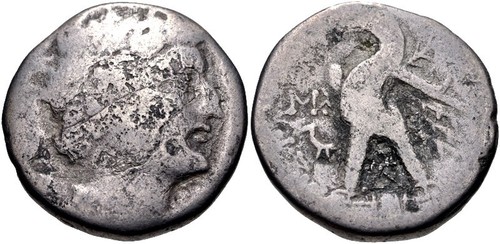
Tetradrachm of Ptolemy XII
80-51 BC
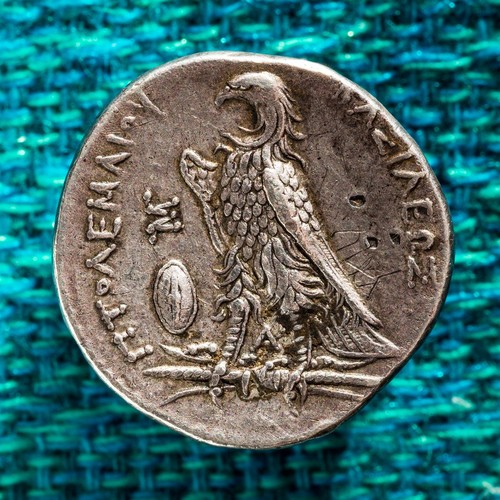
Tetradrachm of Ptolemy I
305-283 BC
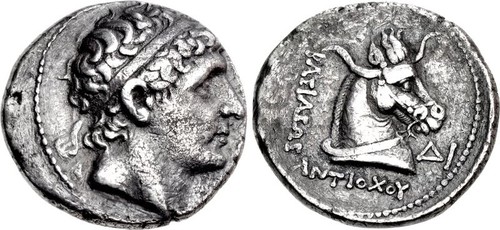
Tetradrachm of Antiochos I Soter
281-261 BC
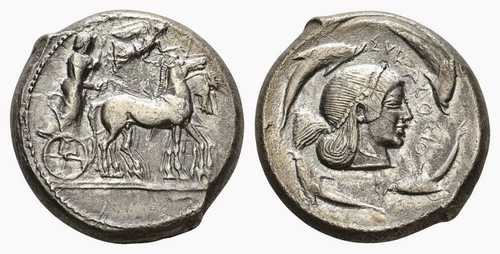
Syracuse Tetradrachm
c. 5th-4th century BC (Classical period)
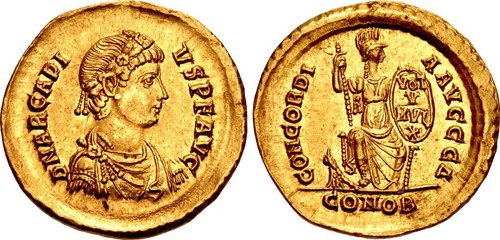
Solidus of Arcadius
AD 395-402
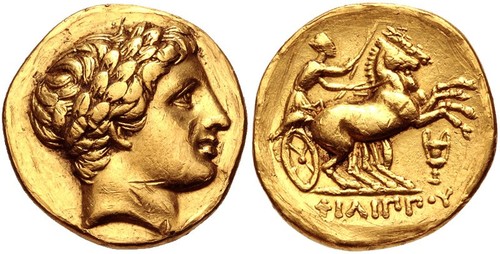
Philip III Gold Stater
323-317 BC
Siliqua of Gratian
AD 367-383
Sestertius of Maximinus Thrax
235-238 AD
Solidus of Valentinian III
AD 425-455
Seleucus I Nicator Tetradrachm
Late 4th-3rd century BC
Nummus of Magnentius
AD 350-353
Follis of Galerius
AD 308-310