
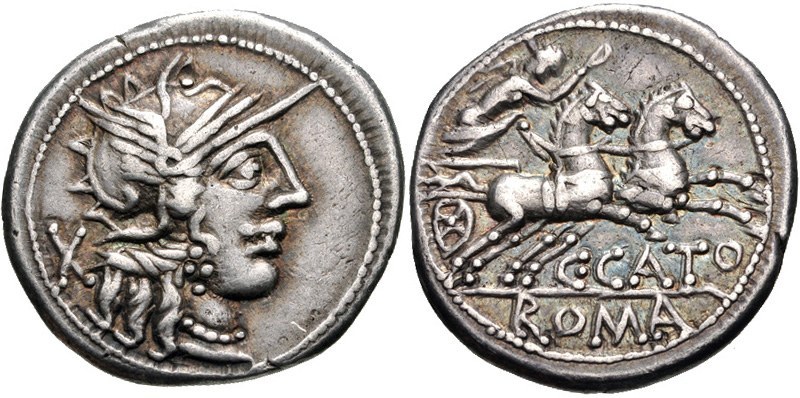
Denarius of C. Cato
Silver Roman Republican denarius struck at Rome in 123 BC by the moneyer C. Cato, with a helmeted head of Roma and Victory driving a chariot.
- Country
- Roman Republic
- Denomination
- Denarius
- Metal
- Silver
Got a coin like this?
Identify any coin from a photo, free.
Overview
This is a silver denarius of the Roman Republic issued in 123 BC by the moneyer Gaius Porcius Cato (C. Cato). It belongs to the standard run of Republican denarii struck at Rome, small silver coins that formed the backbone of Roman money for centuries. The type shown here pairs a helmeted head on the obverse with a fast-moving chariot scene on the reverse.
The obverse shows a helmeted head of Roma facing right, the plumed war-goddess personification who appears on most denarii of this era, accompanied by the mark of value and the legend ROMA. The reverse depicts Victory driving a two-horse chariot (a biga) to the right, holding the reins and a whip, with the moneyer's name C·CATO in the field below. It is a recognizable Republican type of the late second century BC and a common entry point for collectors of ancient Roman silver.
History & Background
The denarius was the principal silver coin of the Roman Republic, introduced in the late third century BC and produced in enormous quantities by annually appointed moneyers (tresviri monetales) who signed the dies with their names. This piece was struck under C. Cato, a member of the prominent Porcia family, during his term of office in 123 BC. He is generally identified with the Gaius Porcius Cato who went on to hold the consulship in 114 BC.
By this date the reverse of the denarius had become a showcase for the moneyer's family pride and messaging rather than a fixed civic image. Victory in a chariot was a popular and patriotic motif, evoking Roman military success. Coins like this circulated widely across the expanding Republic and are catalogued in standard references, where this type is listed as Crawford (RRC) 274/1.
Because Republican denarii were minted in large numbers and buried in hoards across the Mediterranean world, examples of the C. Cato issue survive today and reach the market with some regularity, giving collectors access to a genuine coin of the Roman Republic more than two thousand years old.
How to Identify
Identify this type by its two sides together. The obverse carries a helmeted head of Roma facing right, with a mark of value near the chin and the inscription ROMA; the helmet is winged or plumed in the usual manner of the period. The reverse is the key diagnostic: the goddess Victory driving a biga (two-horse chariot) to the right, holding the reins in one hand and a whip in the other, over the moneyer's name C·CATO.
The coin is a small silver piece, roughly 17 to 20 mm across and typically weighing around 3.7 to 4 grams on the reduced Republican standard. Strikes are hand-made, so the flan is often slightly irregular, the design can be off-center, and details of the horses and Roma's features vary from die to die. Look for the C·CATO signature to separate this issue from the many similar Victory-in-biga denarii signed by other moneyers.
Authentic examples show honest wear, old toning, and the characteristic style of Republican engraving. The mark of value, the ROMA legend, and the moneyer's name are the primary features to confirm; note that some coins of this general era carry control symbols or letters, so record any small marks in the fields when cataloguing.
Value & Collectibility
Republican denarii of C. Cato are collectible but not great rarities. In circulated grades with clear legends and a readable reverse, examples commonly trade in the range of roughly a few tens of dollars to around a hundred or more, depending on strike, centering, and eye appeal. Attractive, well-centered coins with sharp detail sit at the upper end.
High-grade pieces with full designs, pleasing toning, and strong Victory-and-chariot detail command higher prices, while worn, corroded, off-center, or damaged coins bring less. As with all hand-struck ancients, condition, style, and surfaces matter more than a fixed catalogue number.
Actual values depend heavily on the individual coin and the market at the time of sale, so treat any figure as a general guide rather than a firm price. For an accurate assessment, compare against recent auction results for the same Crawford 274/1 type in similar grade, and consider having significant purchases reviewed by a specialist in ancient coins.
Frequently asked questions
Who was C. Cato on this denarius?
C. Cato is the moneyer Gaius Porcius Cato, a Roman official who oversaw the mint in 123 BC and signed the reverse dies with his name. He is usually identified with the Gaius Porcius Cato who became consul in 114 BC.
What is shown on the two sides?
The obverse has a helmeted head of the goddess Roma facing right with the legend ROMA and a mark of value. The reverse shows Victory driving a two-horse chariot (a biga) to the right, with the name C·CATO below.
How old is this coin?
It was struck in 123 BC, making it more than 2,100 years old. It is a genuine silver coin of the Roman Republic, catalogued as Crawford (RRC) 274/1.
Is a C. Cato denarius valuable?
It is a collectible ancient silver coin rather than a rarity. Circulated examples often trade from a few tens of dollars up to around a hundred or more, with high-grade, well-struck pieces bringing more. Value depends on condition and the market.
What metal is it made of?
It is silver, the standard metal for the Roman denarius. On this reduced Republican standard the coin typically weighs around 3.7 to 4 grams and measures roughly 17 to 20 mm across.
Denarius of C. Cato guides
In-depth guides for identifying, valuing, and collecting Denarius of C. Cato.
Other coins you may enjoy
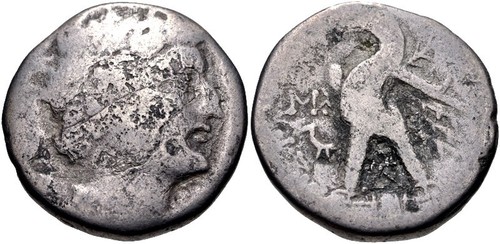
Tetradrachm of Ptolemy XII
80-51 BC
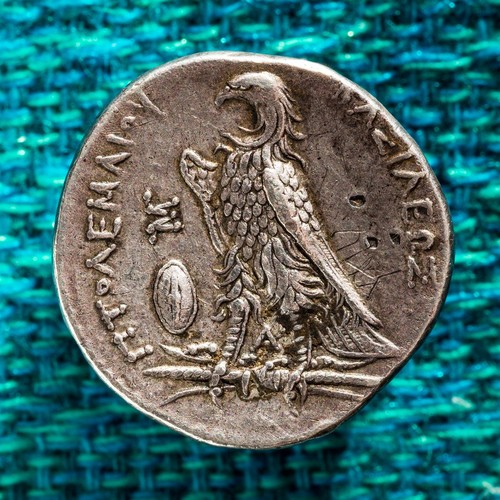
Tetradrachm of Ptolemy I
305-283 BC
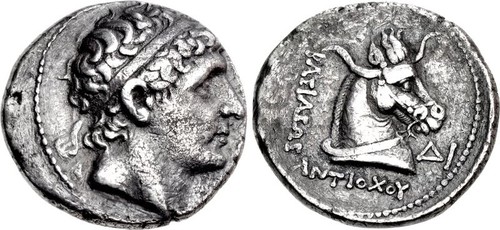
Tetradrachm of Antiochos I Soter
281-261 BC
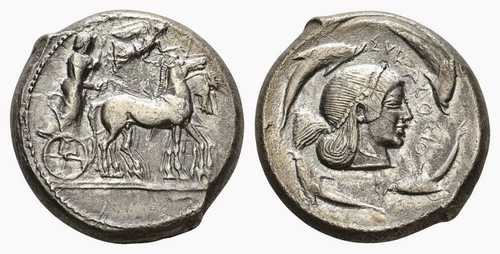
Syracuse Tetradrachm
c. 5th-4th century BC (Classical period)
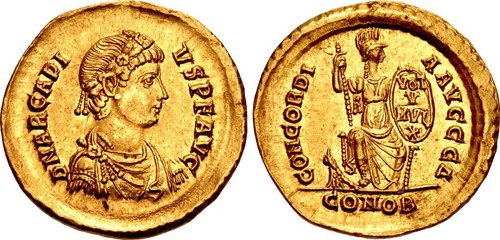
Solidus of Arcadius
AD 395-402
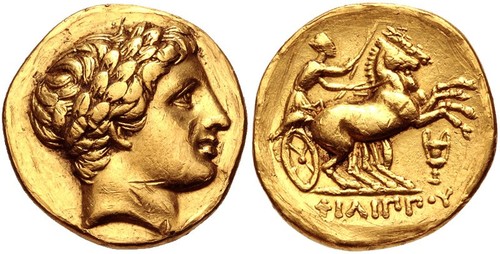
Philip III Gold Stater
323-317 BC
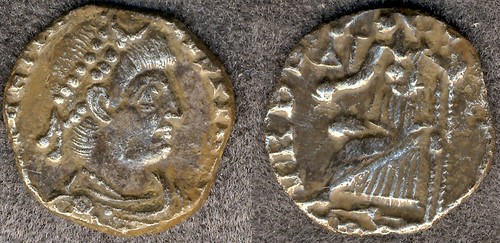
Siliqua of Gratian
AD 367-383
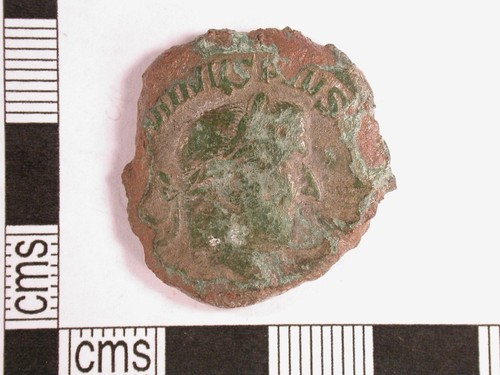
Sestertius of Maximinus Thrax
235-238 AD
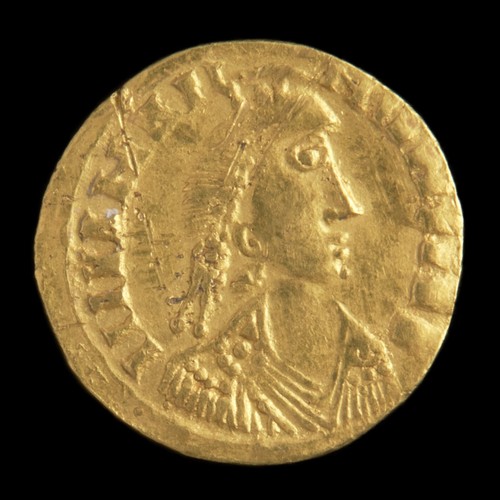
Solidus of Valentinian III
AD 425-455
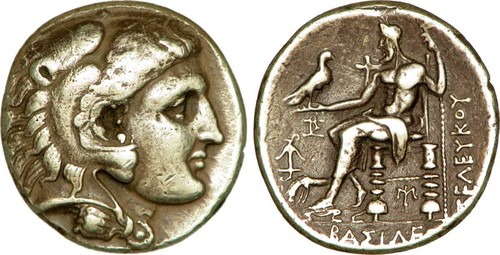
Seleucus I Nicator Tetradrachm
Late 4th-3rd century BC
Nummus of Magnentius
AD 350-353
Follis of Galerius
AD 308-310