
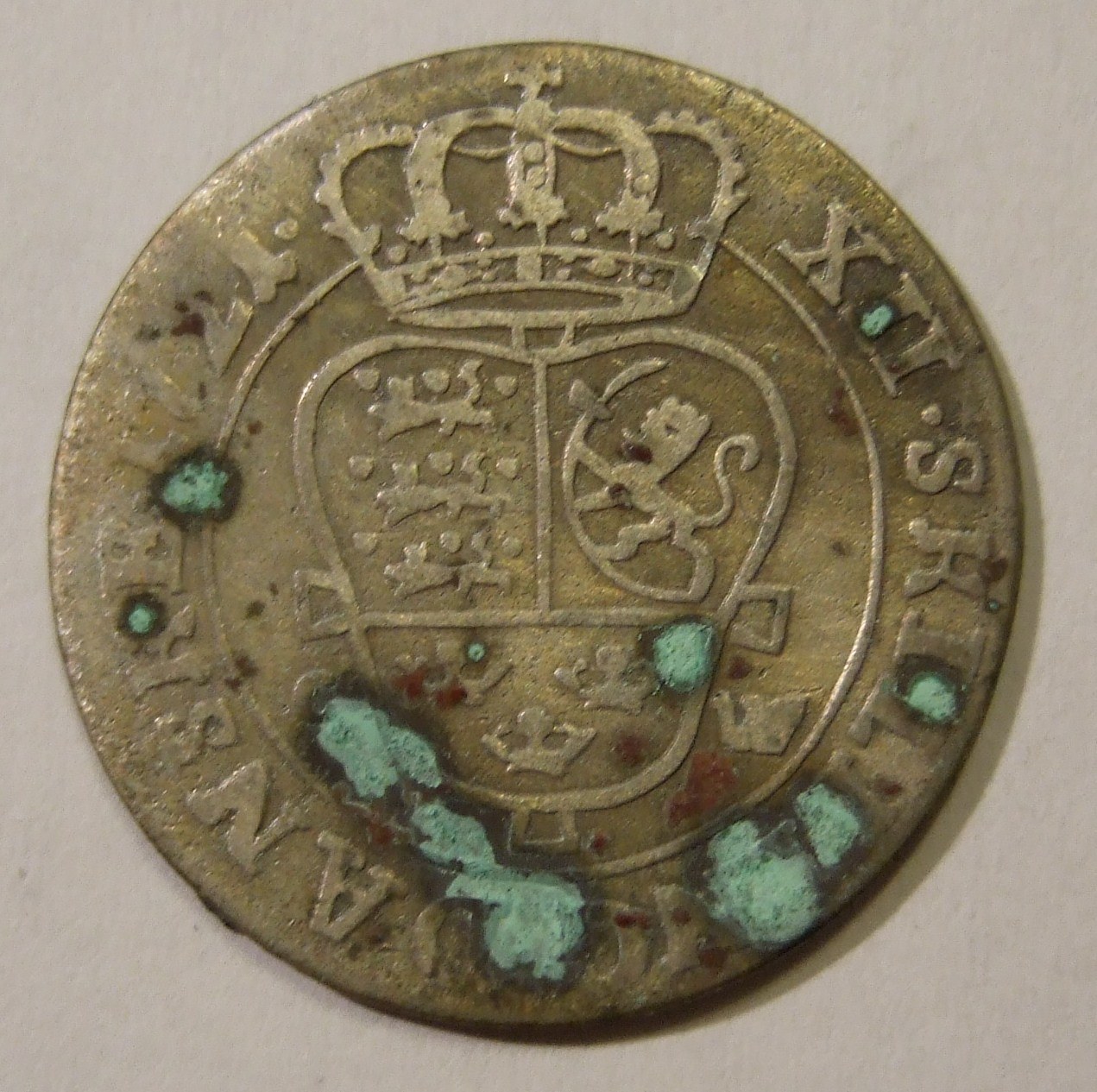
12 Skilling
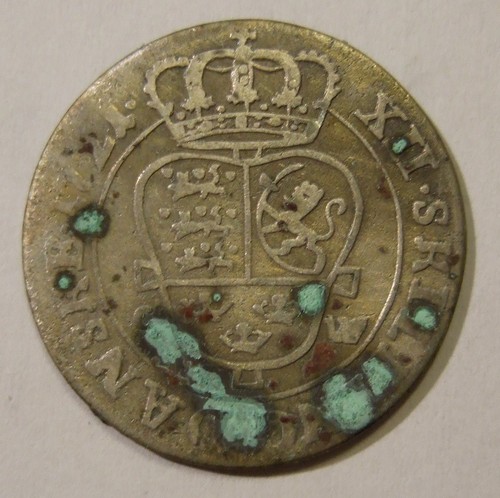
An early-modern Danish 12 skilling dated 1721, showing a crowned shield with a lion on one face and ornamental legend and value on the other.
- Country
- Denmark
- Denomination
- 12 Skilling
- Metal
- Copper
Got a coin like this?
Identify any coin from a photo, free.
Overview
The 12 Skilling dated 1721 is an early-modern coin of the Danish realm, struck during the reign of Frederik IV (1699-1730). The observed piece pairs a crown set above an armorial shield bearing a lion on the obverse with an ornamental inscription and value marking on the reverse. It belongs to the skilling system that served as the small change of Denmark-Norway before the later reforms of the currency.
As a copper-toned issue of the early eighteenth century, this 12 skilling is a period circulation piece rather than a precious-metal showpiece. The skilling was a subdivision of the rigsdaler, and denominations such as the 12 skilling filled the everyday needs of commerce in the Dano-Norwegian kingdom.
The coin is collected today as a tangible relic of Frederik IV's reign and of the early-modern Danish monetary system. Genuine dated examples from this era appeal to collectors of Scandinavian and Danish-Norwegian coinage, with condition and legibility of the date and heraldry driving much of the interest.
History & Background
In the early eighteenth century the crowns of Denmark and Norway were united under a single monarch, and their coinage was issued in the name of that ruler. The 1721 date places this 12 skilling firmly in the long reign of Frederik IV, who ruled from 1699 to 1730 and whose reign spanned the later years of the Great Northern War and its aftermath.
The skilling was the workhorse small denomination of the Dano-Norwegian monetary system, with the rigsdaler as the principal higher unit. Coins of 12 skilling and related values circulated for ordinary transactions, and the heraldic devices, crowns, shields, and lions, tied the money to royal authority and to the arms of the realm.
The currency of this period was later reformed and eventually replaced through the nineteenth and twentieth centuries, so early-modern skilling coins no longer circulate. Surviving pieces like this 1721 issue are studied and collected as documents of the pre-modern Danish and Norwegian economy.
How to Identify
The obverse of the observed coin shows a crown positioned above an armorial shield that carries a lion device, a heraldic composition typical of Danish and Dano-Norwegian coinage of the period. The crown signals royal authority, while the shield and lion reference the arms of the realm; the surrounding legend would name the reigning monarch and titles in abbreviated Latin form.
The reverse carries an ornamental inscription together with a value or denomination marking, laid out as text rather than a portrait. On coins of this class the reverse commonly states the value (the skilling denomination) and may include the date, mint or mintmaster indicators, and decorative devices. The 1721 date establishes the issue within Frederik IV's reign.
Key identifiers are the crowned lion-bearing shield, the ornamental lettered reverse, the 12 skilling value, the 1721 date, and the copper-toned early-modern fabric. The coin should feel like a hand-struck period piece, with the somewhat irregular flan, softer relief, and toning expected of early eighteenth-century minting rather than the sharp uniformity of modern machine coinage.
Value & Collectibility
As an early-modern base-metal skilling, the 1721 12 skilling is valued as a historic collector coin rather than for bullion content. Worn but genuine and identifiable examples typically trade in the modest range common to early eighteenth-century Scandinavian small change, while sharp, well-centered pieces with a clear date and crisp heraldry command higher premiums.
Condition, legibility, and originality drive the price. Because these coins were hand-struck and have circulated for three centuries, many survivors are worn, off-center, or corroded; problem-free pieces with full detail on the crown, shield, and legend are markedly scarcer and more desirable than damaged or heavily cleaned examples.
Treat any figures as general context rather than fixed quotes, since prices for early-modern coins vary widely with grade, eye appeal, and specific variety. Cleaned, holed, or damaged pieces sell well below sound original coins, and exceptional high-grade survivors can bring substantially more at specialist sale.
Frequently asked questions
Who was the ruler when this 12 skilling was struck?
The 1721 date places the coin in the reign of Frederik IV, king of Denmark and Norway from 1699 to 1730. Coinage of this period was issued in the name of the reigning monarch.
What is the animal on the shield?
It is a heraldic lion within the armorial shield, a common device on Danish and Dano-Norwegian coinage. Combined with the crown above it, the design references royal authority and the arms of the realm.
Is this coin made of silver?
The observed piece is copper-toned rather than a bright precious-metal coin. Small skilling denominations of this era were low-value circulation money, so the coin's worth is historical and collector-driven rather than based on precious-metal content.
What was a skilling worth?
The skilling was a small subdivision of the rigsdaler, the main currency unit of Denmark-Norway. A 12 skilling coin was everyday small change used for ordinary transactions.
Can this coin still be spent?
No. The early-modern skilling system was long ago reformed and replaced, so the coin is no longer legal tender. It now has only collector and historical value.
12 Skilling guides
In-depth guides for identifying, valuing, and collecting 12 Skilling.
Other coins you may enjoy
Scudo (Philip V)
c. 1701–1708
Rijksdaalder van Leicester
1580s-1590s
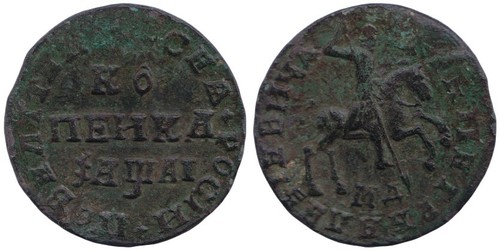
Kopek (Peter I)
c. 1704–1718 (observed 1711)
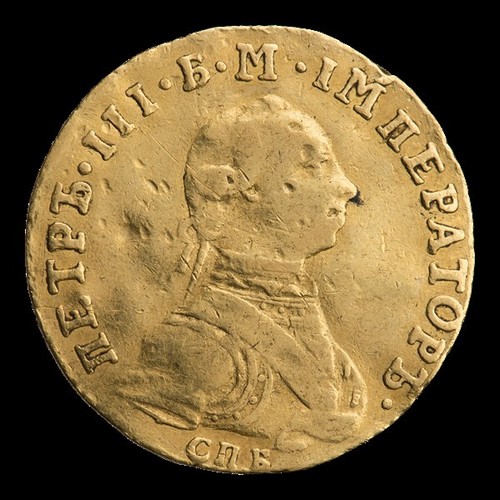
Imperial Chervonets
1762
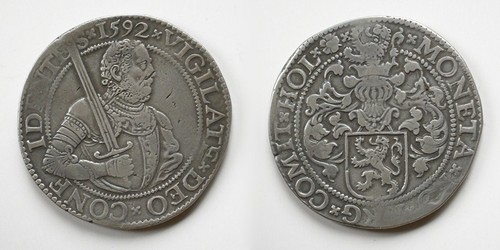
Prinsendaalder (Rijksdaalder)
1592
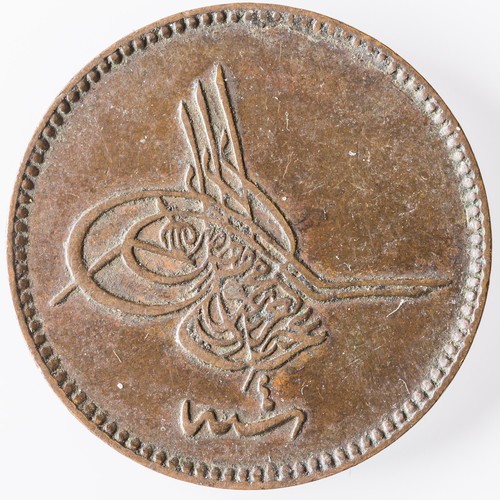
10 Para
AH 1280 (1863-1864 CE)
Halve Rijksdaalder van Leicester
1580s-1590s
Gouden Dukaat
1724
Escudo (Joanna and Charles V, contemporary copy)
1516-1558
Duit (VOC)
1790
4 Escudos
1780s
Tymf
1663