
Coin Encyclopedia
Search and identify coins from around the world — with country, denomination, metal, mint, history, and how to tell them apart.
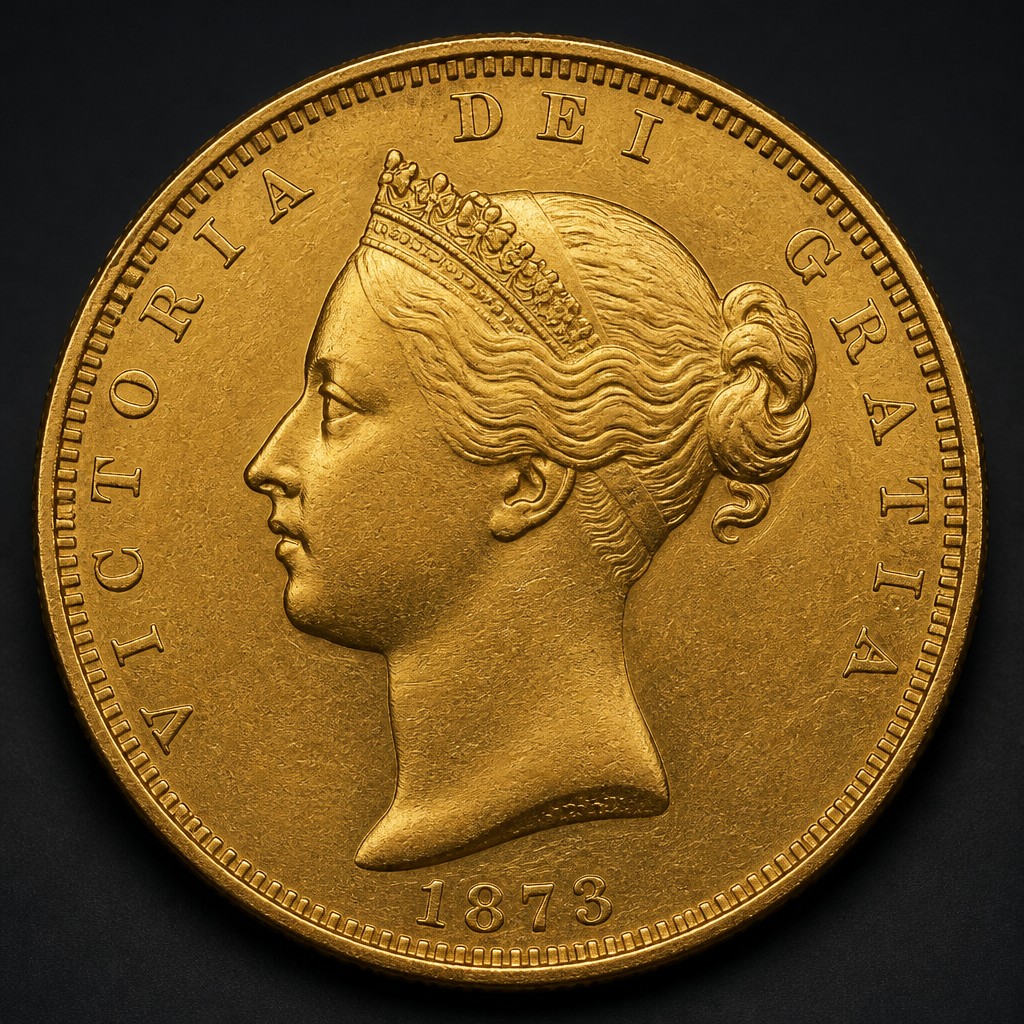
Gold Sovereign
Iconic British gold pound coin, revived in 1817 with Benedict Pistrucci's celebrated St George and the Dragon design, struck for centuries in London and branch mints worldwide.
British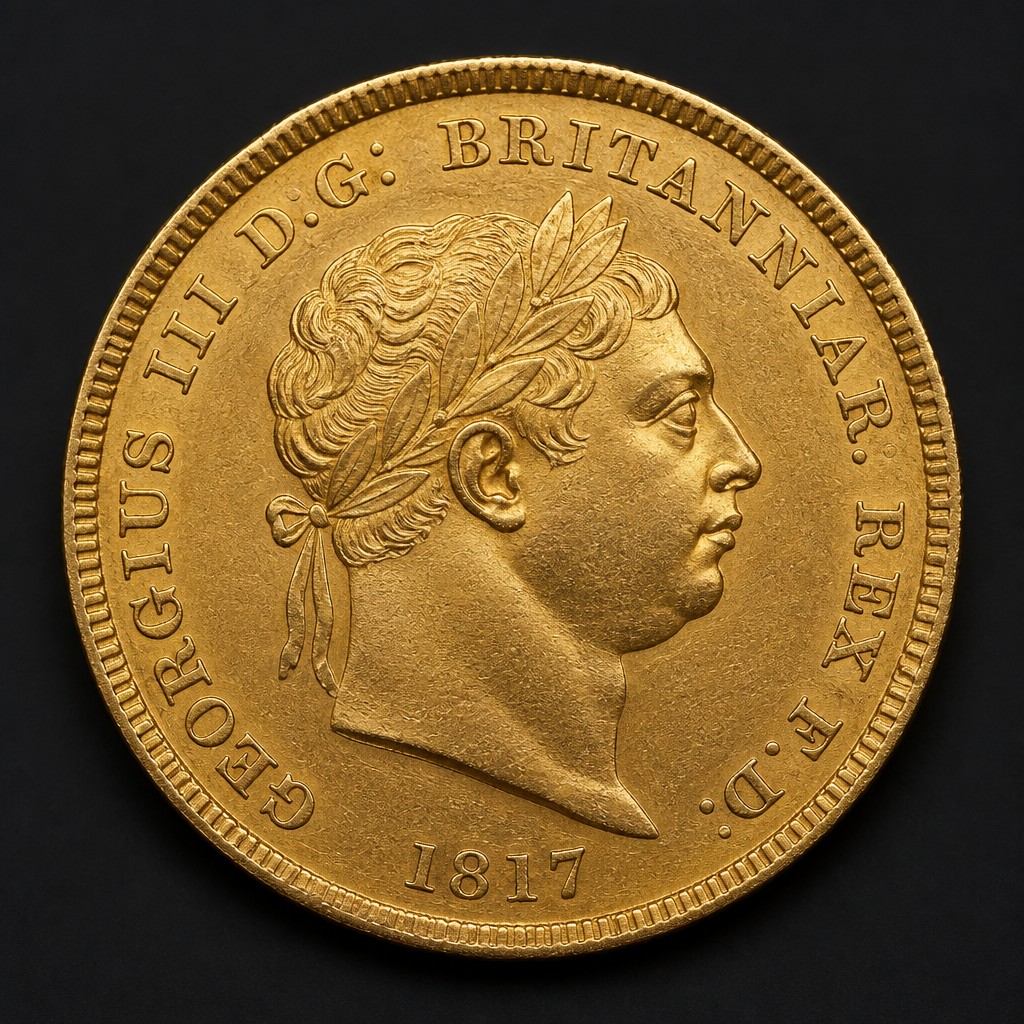
Gold Half Sovereign
Smaller companion to the gold sovereign, struck since 1817 at half the weight and value, sharing the same monarch portraits and often the same St George reverse design.
British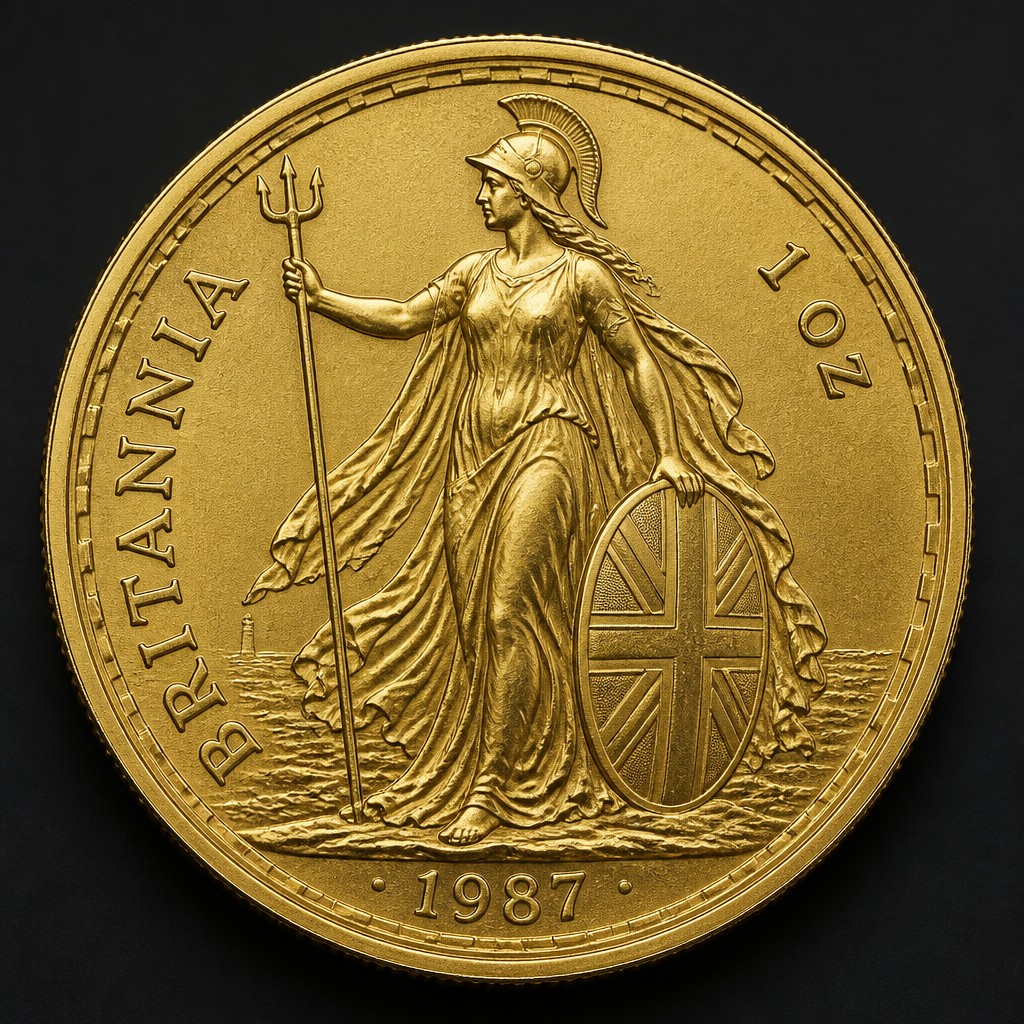
British Britannia
The United Kingdom's official gold and silver bullion coin, featuring the classical helmeted figure of Britannia, issued by the Royal Mint since 1987.
Bullion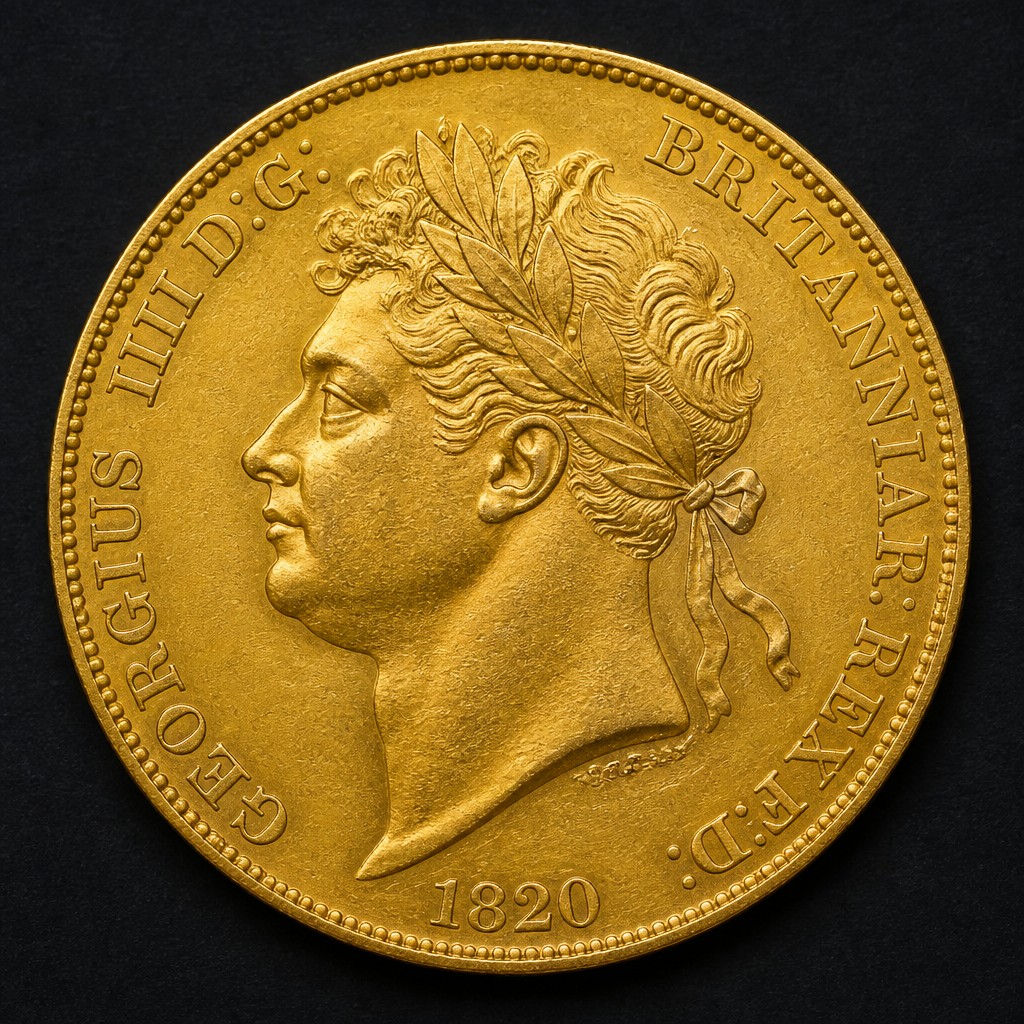
Five Pound Gold (Quintuple Sovereign)
The largest standard gold coin in the British sovereign family, worth five pounds and equal to five sovereigns, struck intermittently since 1820 for commemorative and collector purposes.
British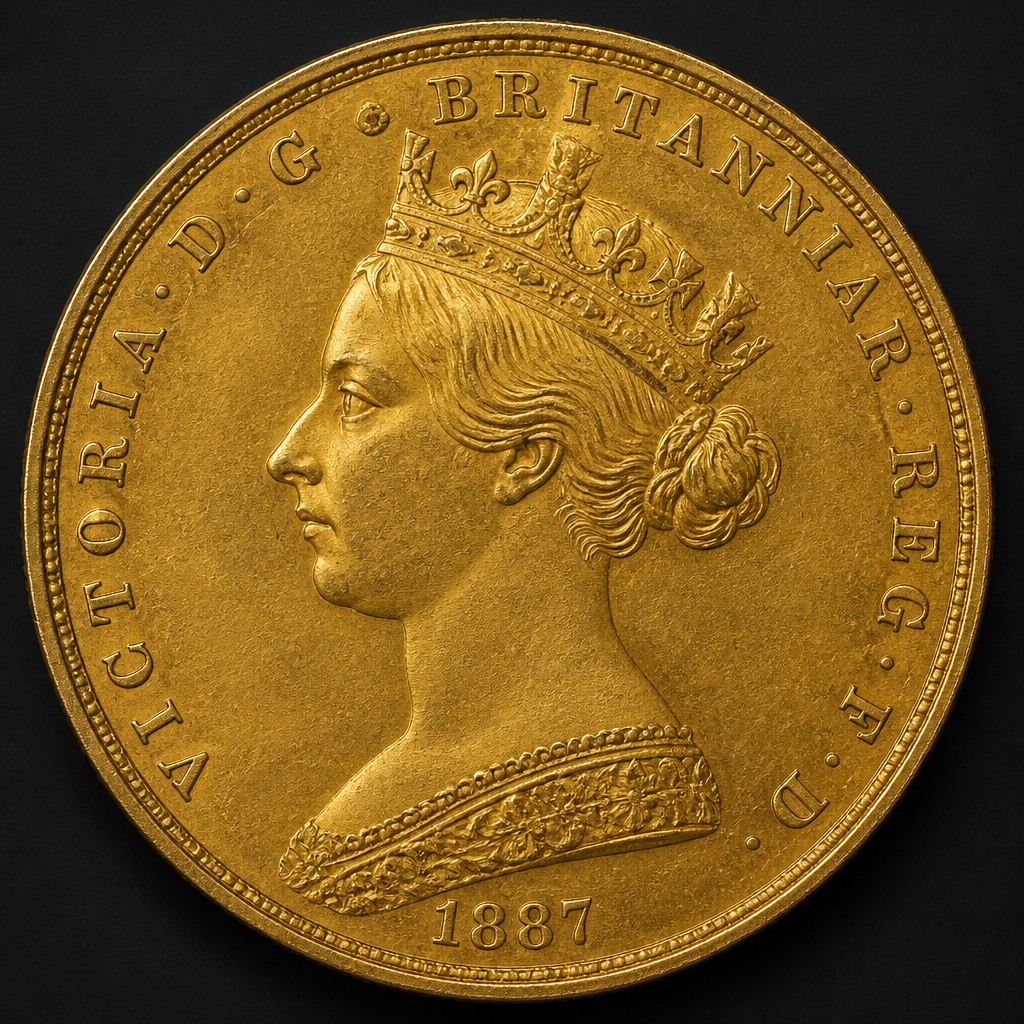
Double Sovereign
A British gold coin worth two pounds, twice the value of the standard sovereign, struck intermittently since the nineteenth century for commemorative and bullion purposes.
British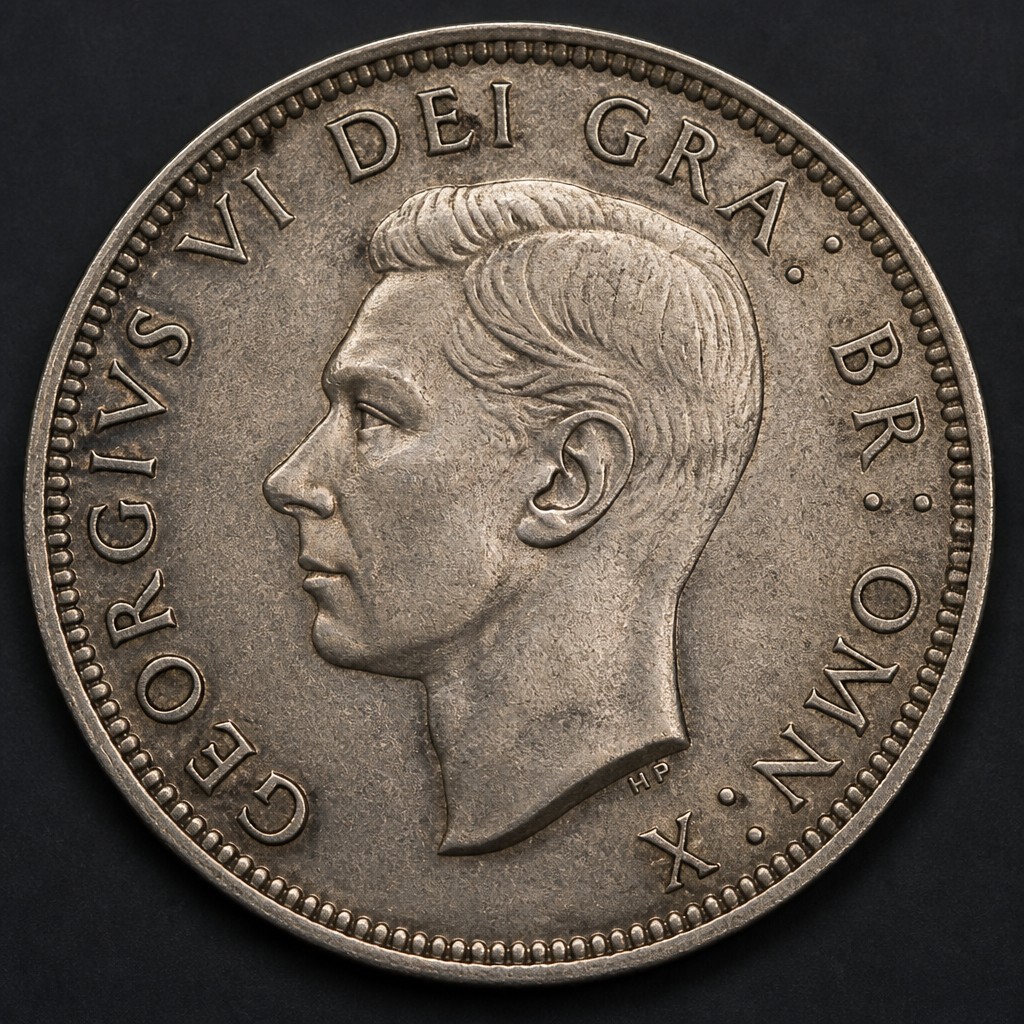
Florin (Two Shillings)
A British silver coin worth two shillings, notable for the controversial 1849 'Godless Florin' that omitted the customary religious motto, and for foreshadowing decimal coinage.
British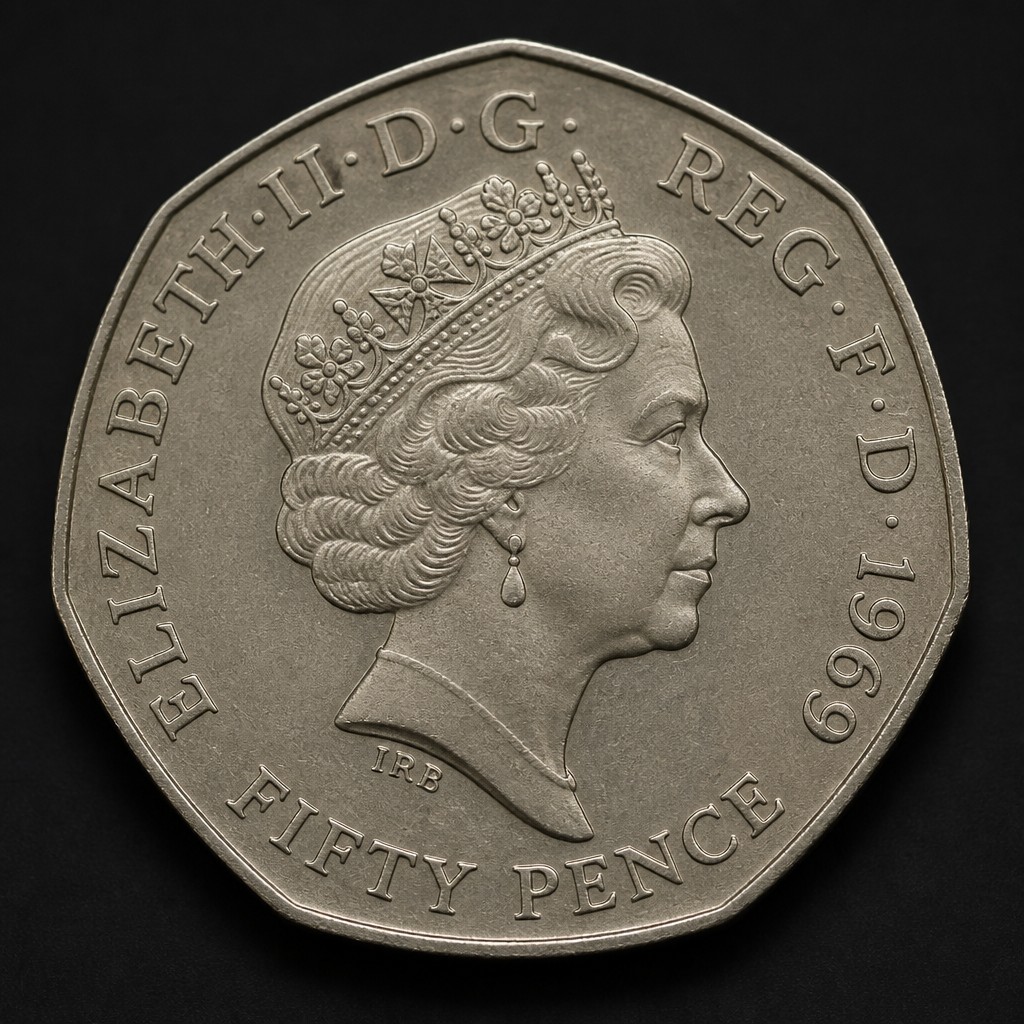
Fifty Pence
The UK's distinctive seven-sided 50p coin, introduced in 1969 to replace the ten shilling note ahead of decimalisation.
British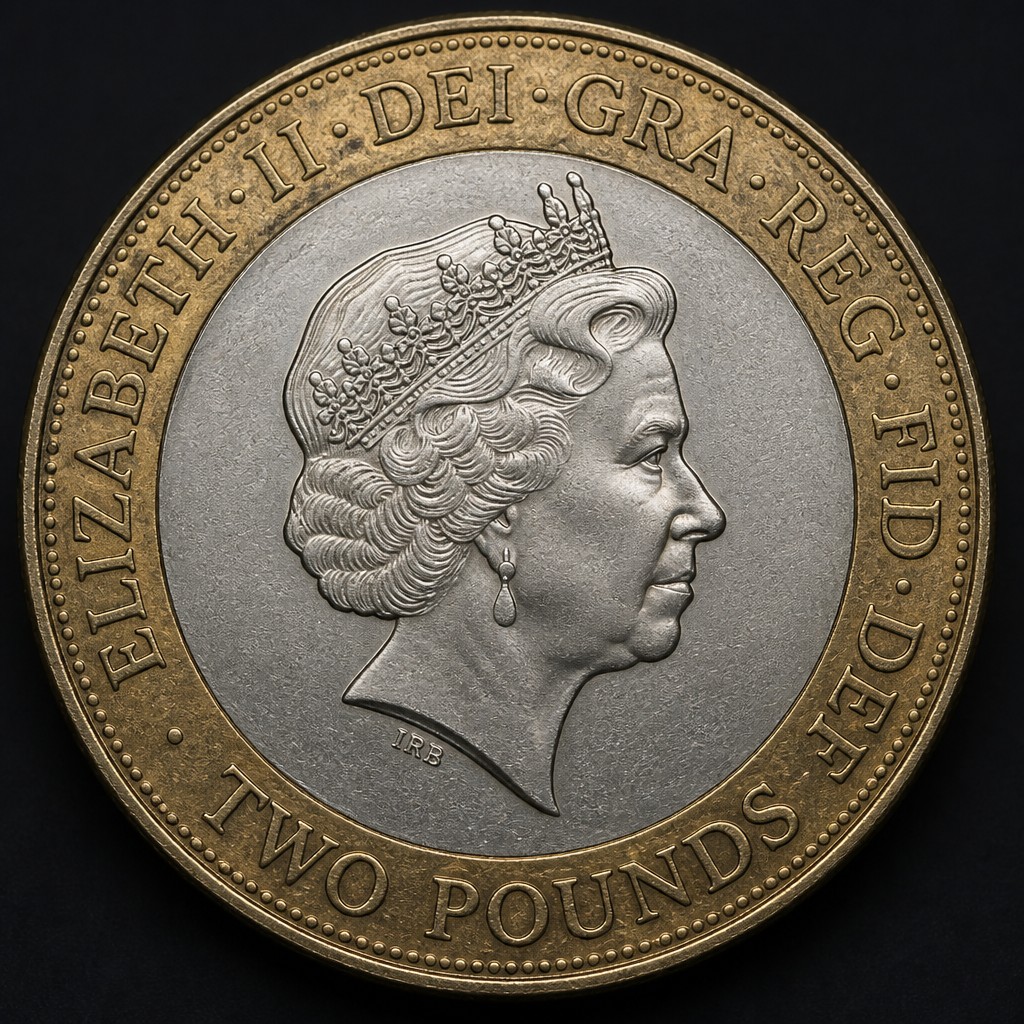
Two Pound Coin
The UK's bimetallic £2 coin, standardized for circulation in the late 1990s, widely used for a rotating series of commemorative reverse designs.
British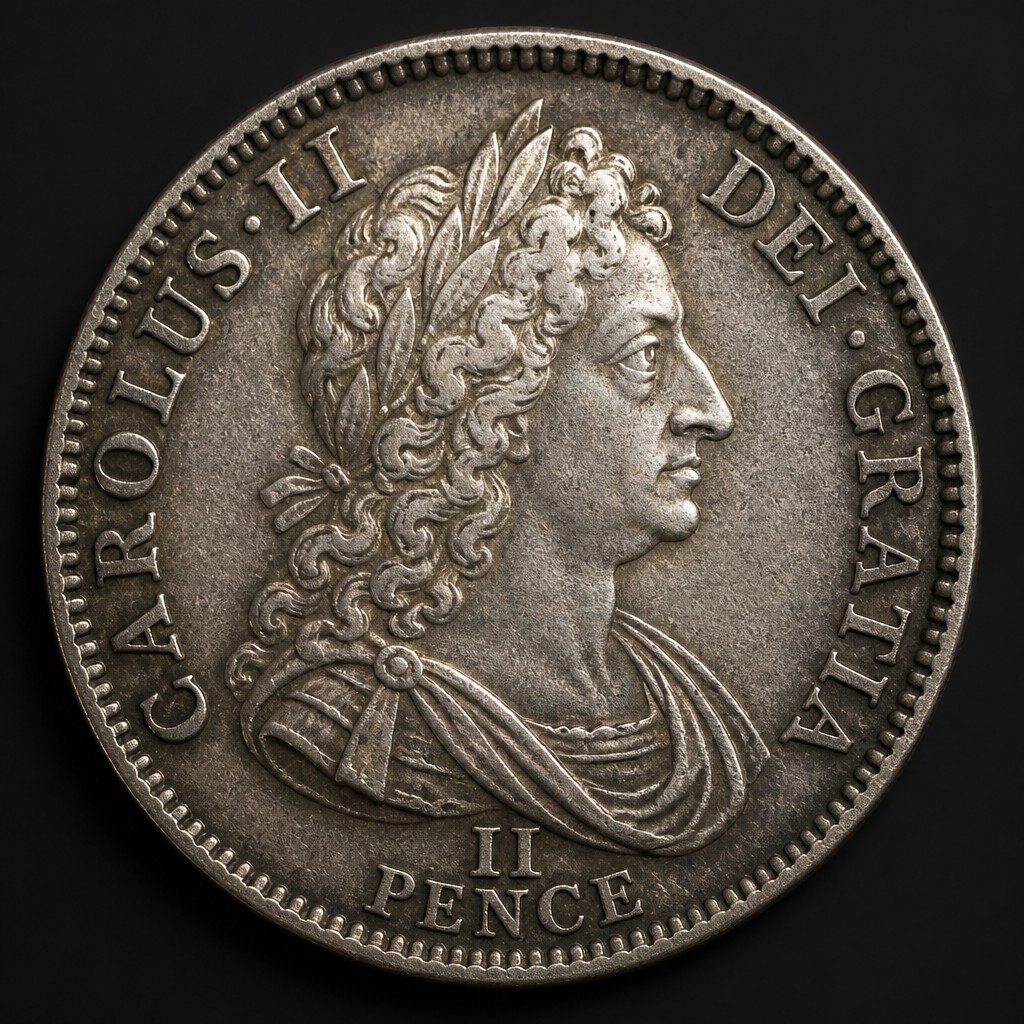
Maundy Twopence
A small silver twopence struck each year as part of the Royal Maundy set, historically descended from the medieval silver half groat and still distributed in the annual royal alms ceremony.
British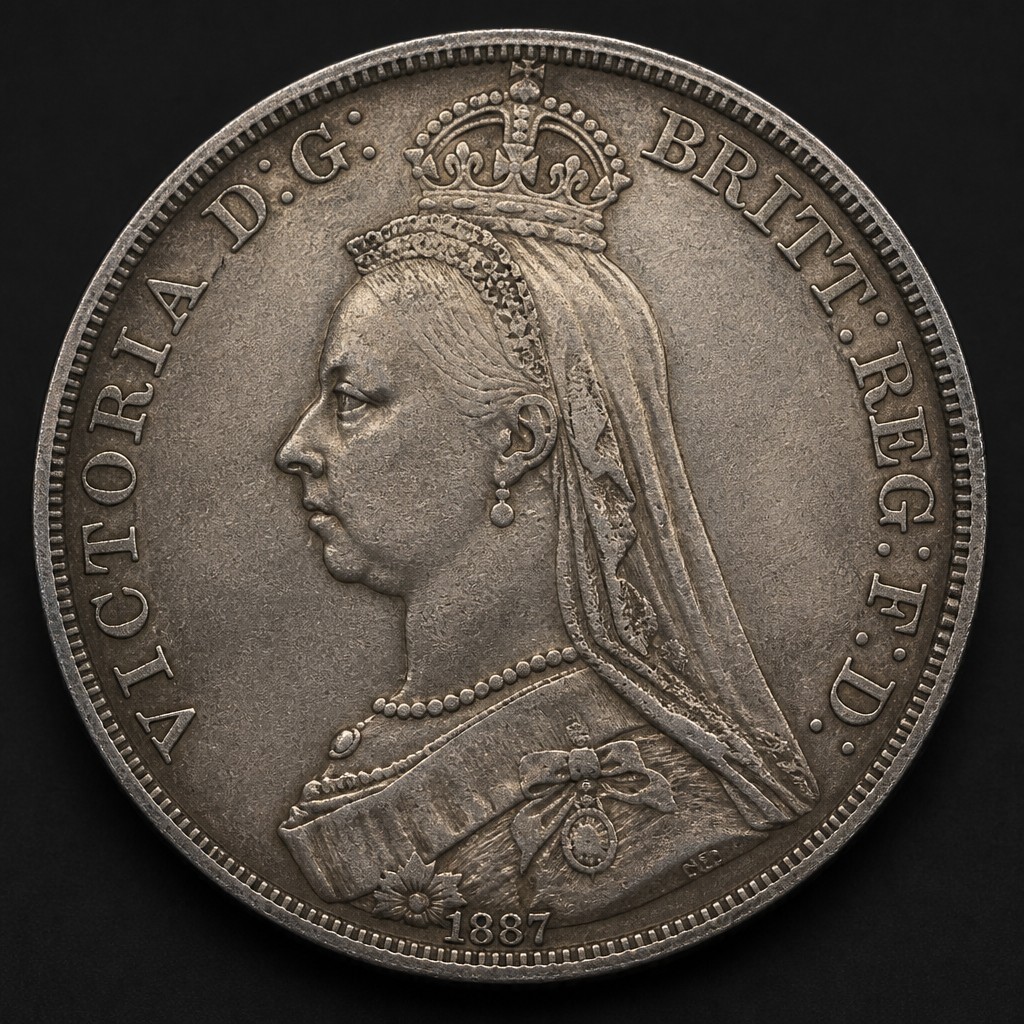
Double Florin
A large Victorian silver coin worth four shillings, struck for only four years; its close resemblance in size to the crown and half-crown caused everyday confusion and gave it a lasting nickname.
British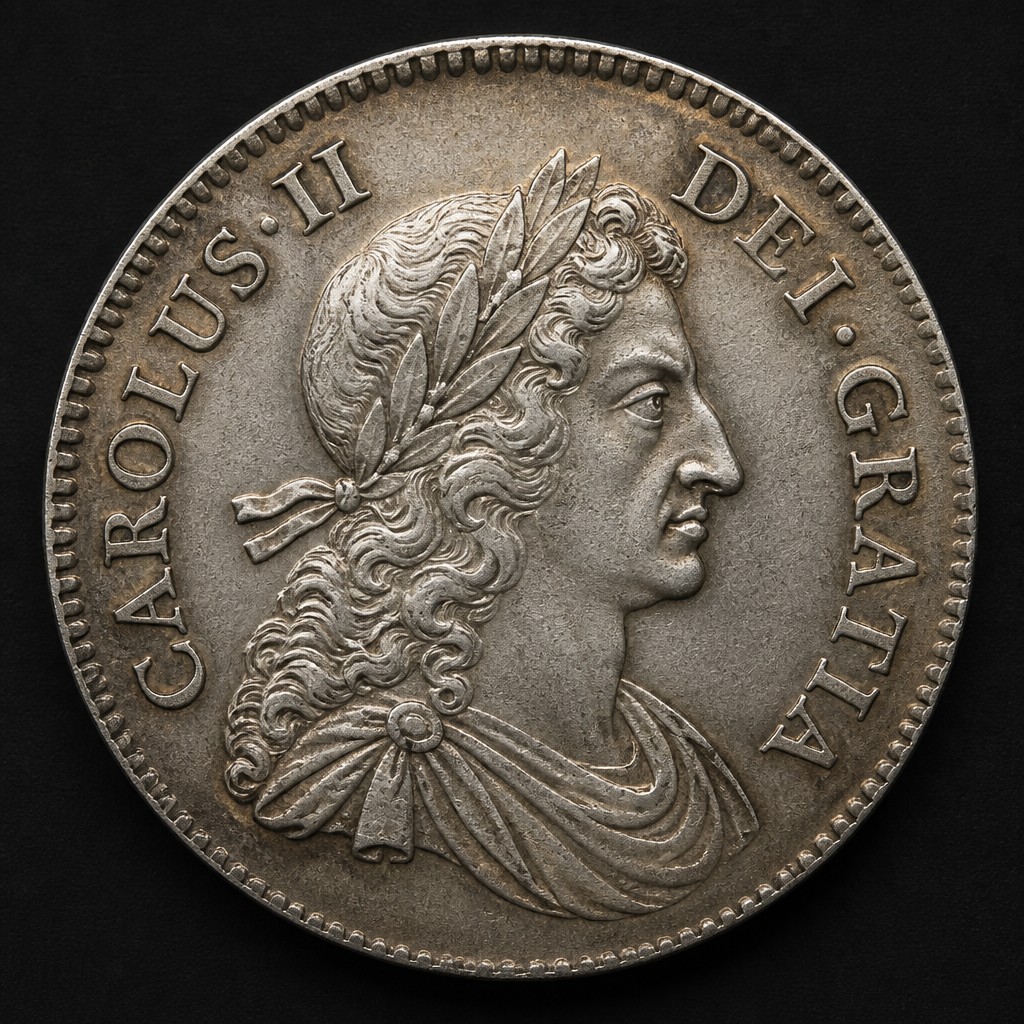
Maundy Penny
The smallest coin of the four-piece Royal Maundy set, a tiny silver penny given by the British monarch in an ancient Holy Thursday alms ceremony, minted every year in very limited numbers.
British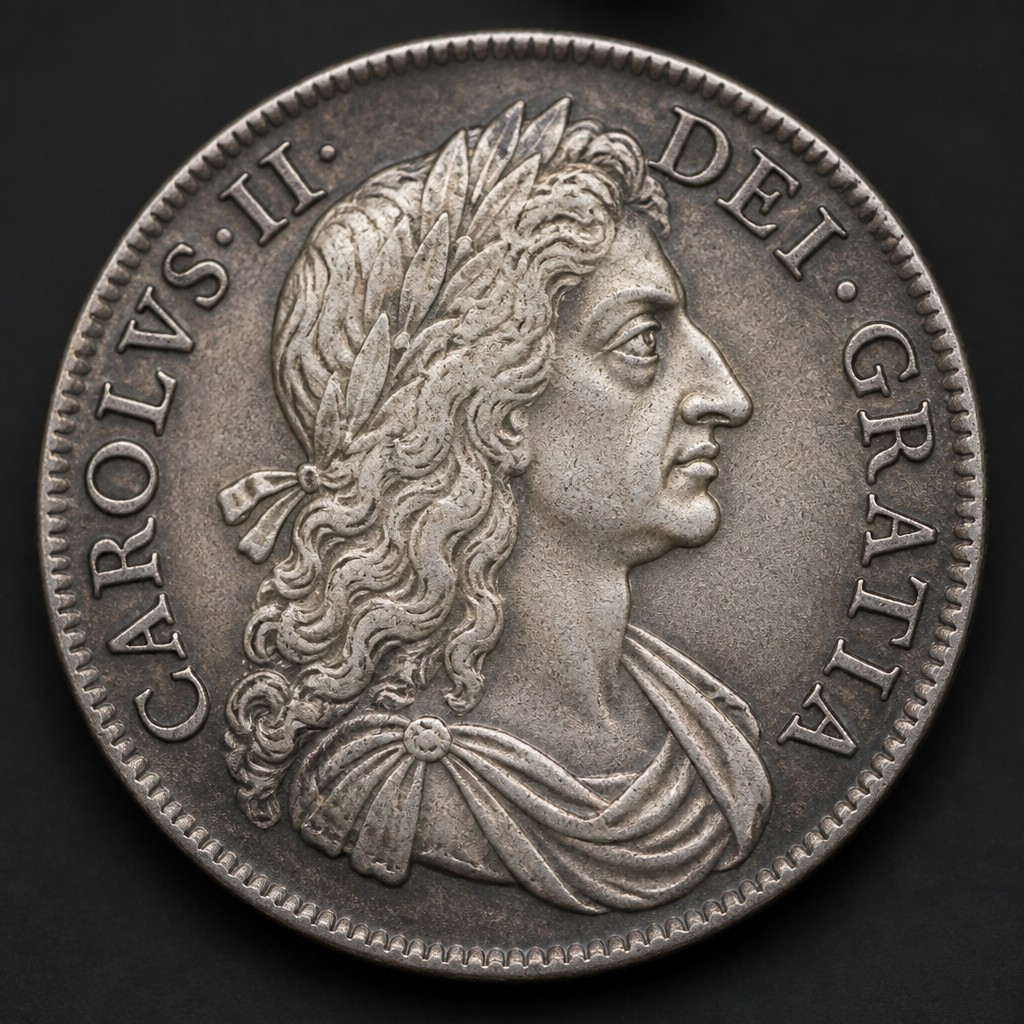
Maundy Money Set
A set of tiny sterling silver coins in four denominations, specially struck each year for the monarch to distribute personally to elderly recipients in the Royal Maundy ceremony on Maundy Thursday.
British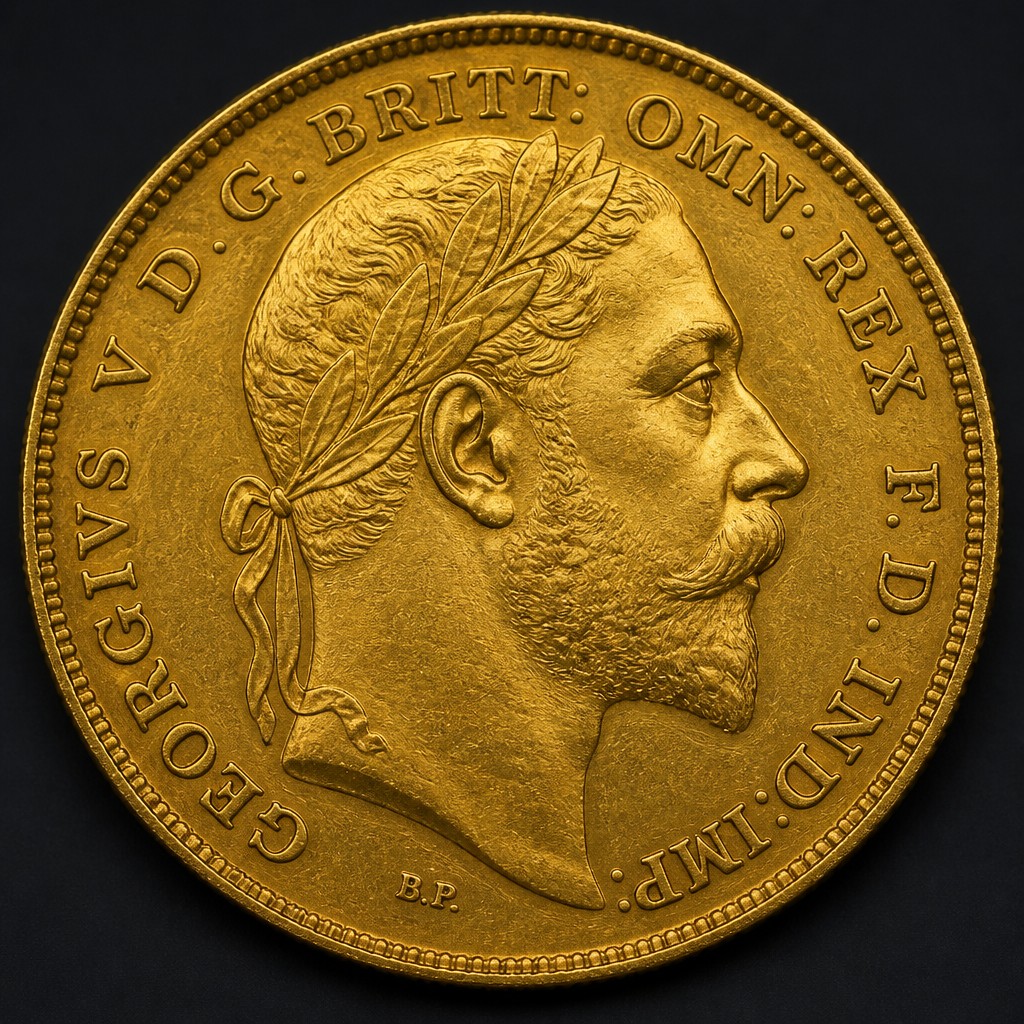
Two Pound Gold (Double Sovereign)
A gold coin worth two pounds sterling and roughly twice the weight of a sovereign, struck mainly for jubilees, coronations, and modern proof or bullion sets rather than daily circulation.
British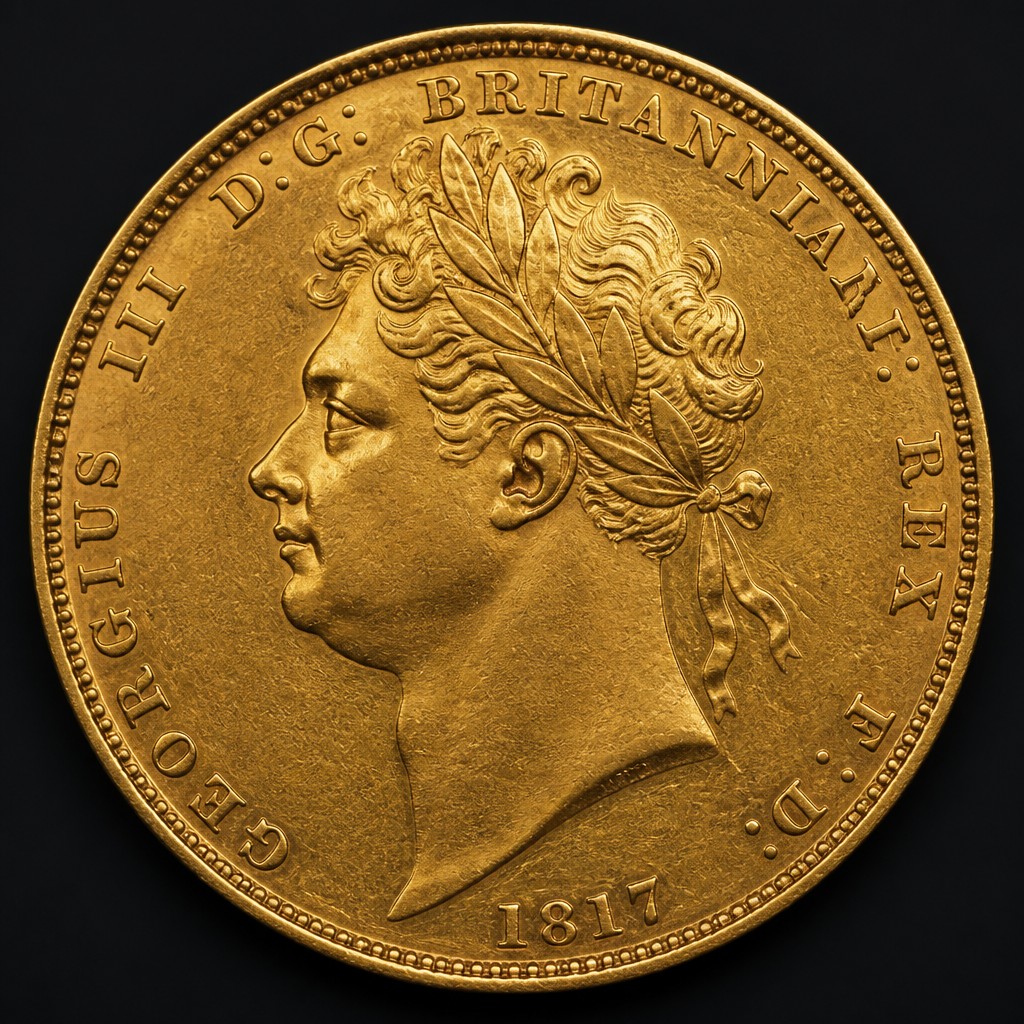
St George Sovereign (Pistrucci)
The modern gold sovereign's iconic reverse showing St George slaying the dragon, engraved by Benedetto Pistrucci in 1817 and still used on British sovereigns to this day.
British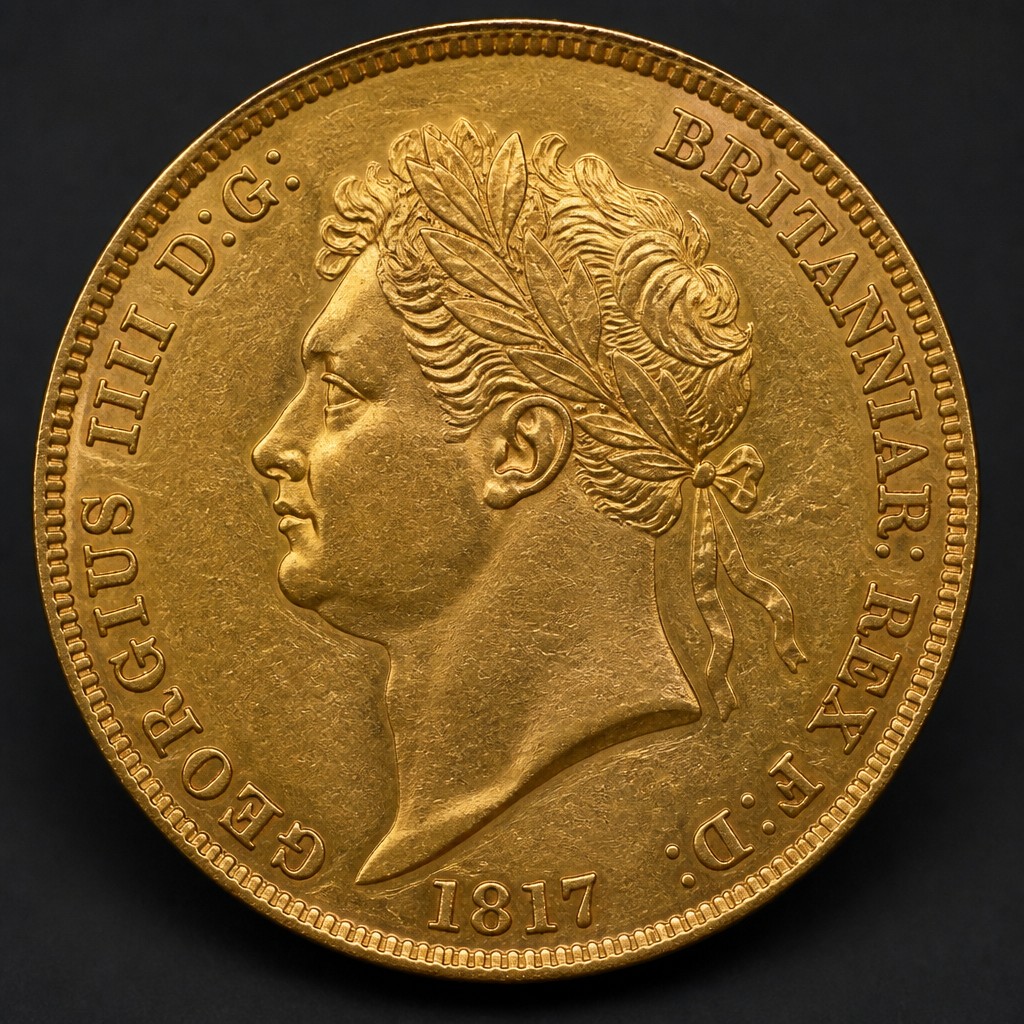
British Gold Sovereign
Historic British gold coin featuring Saint George slaying the dragon, minted since 1817 and still struck today as both a circulation-era relic and modern bullion/collector coin.
British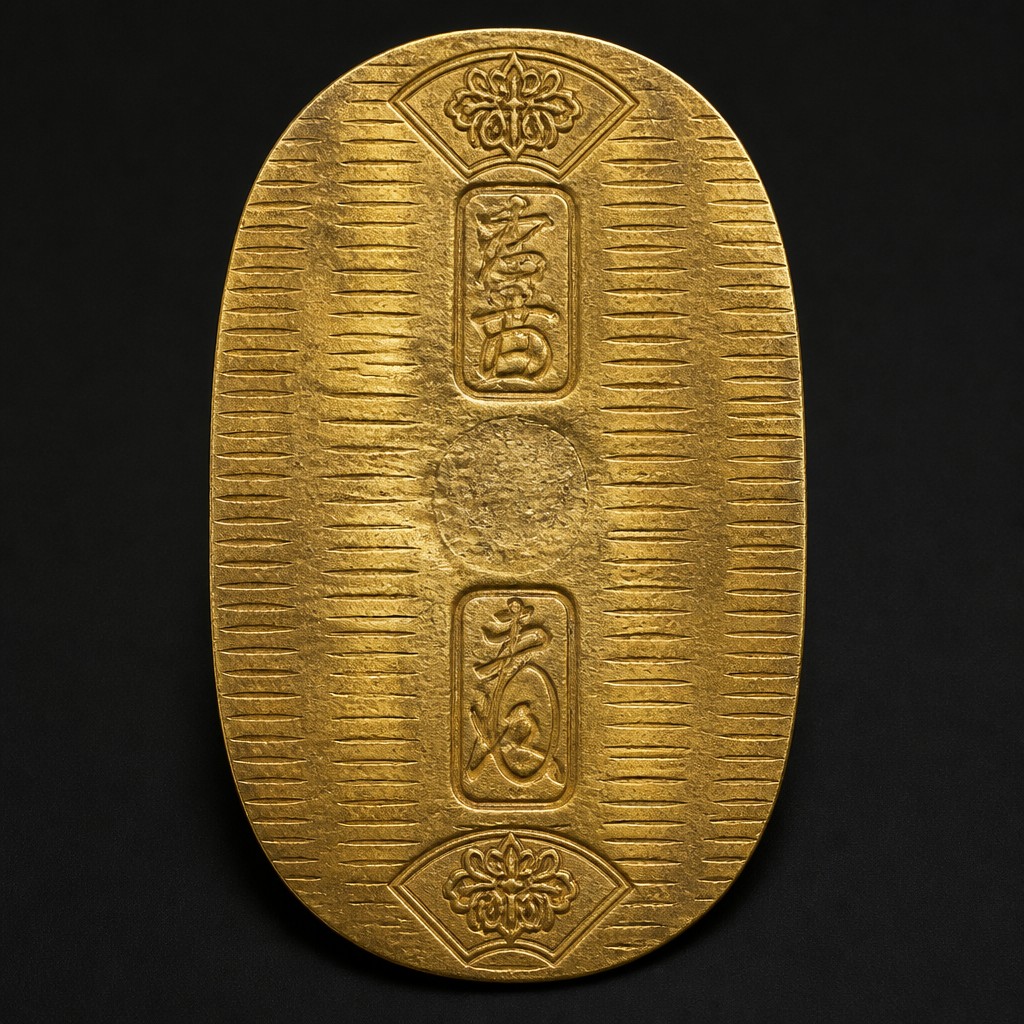
Japanese Nishu-kin (gold coin)
Small rectangular gold coin from Tokugawa Japan valued at two shu, or one-eighth of a ryo, part of a fractional gold denomination system unique to Edo-period currency.
Asian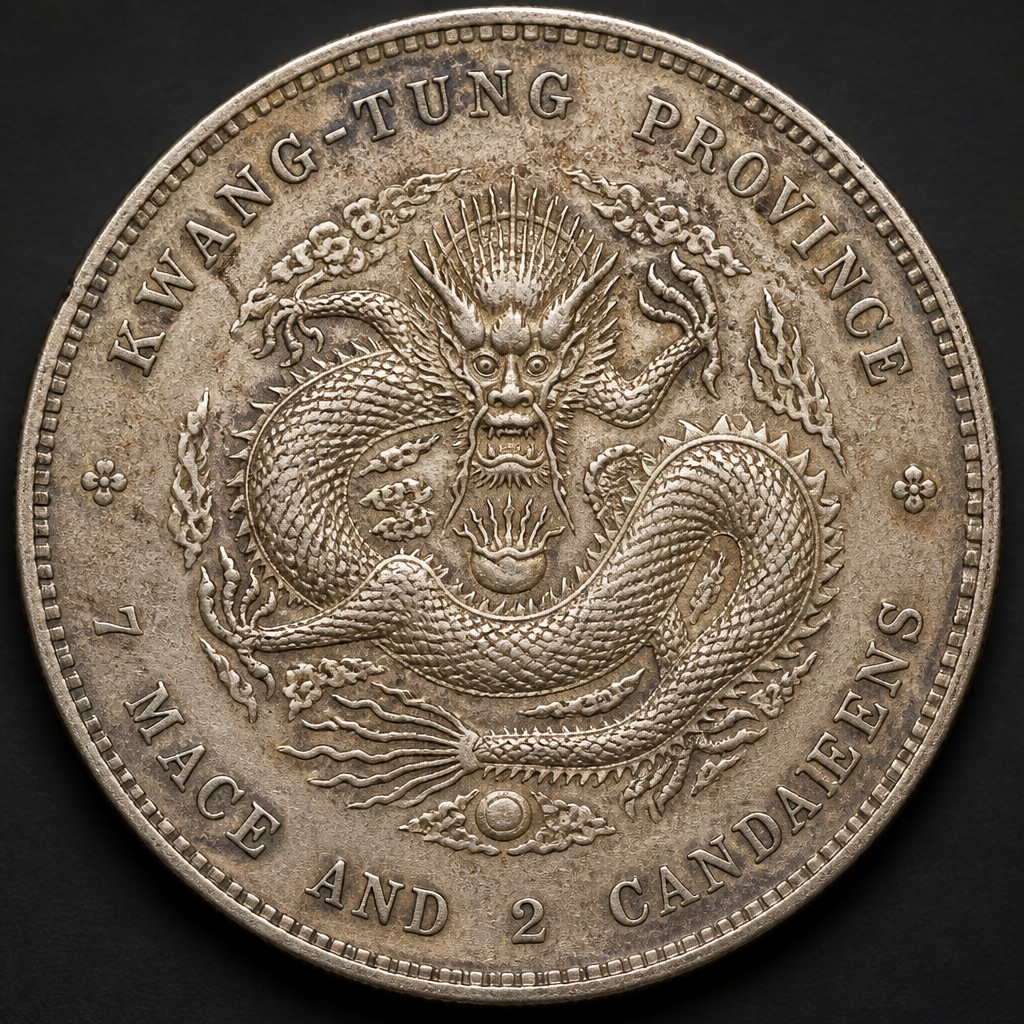
Chinese Silver Dragon Dollar (Kwangtung Province)
One of China's earliest machine-struck silver dollars, produced by Kwangtung province in the late Qing dynasty with an imperial dragon design, a pioneering issue other provinces soon imitated.
Asian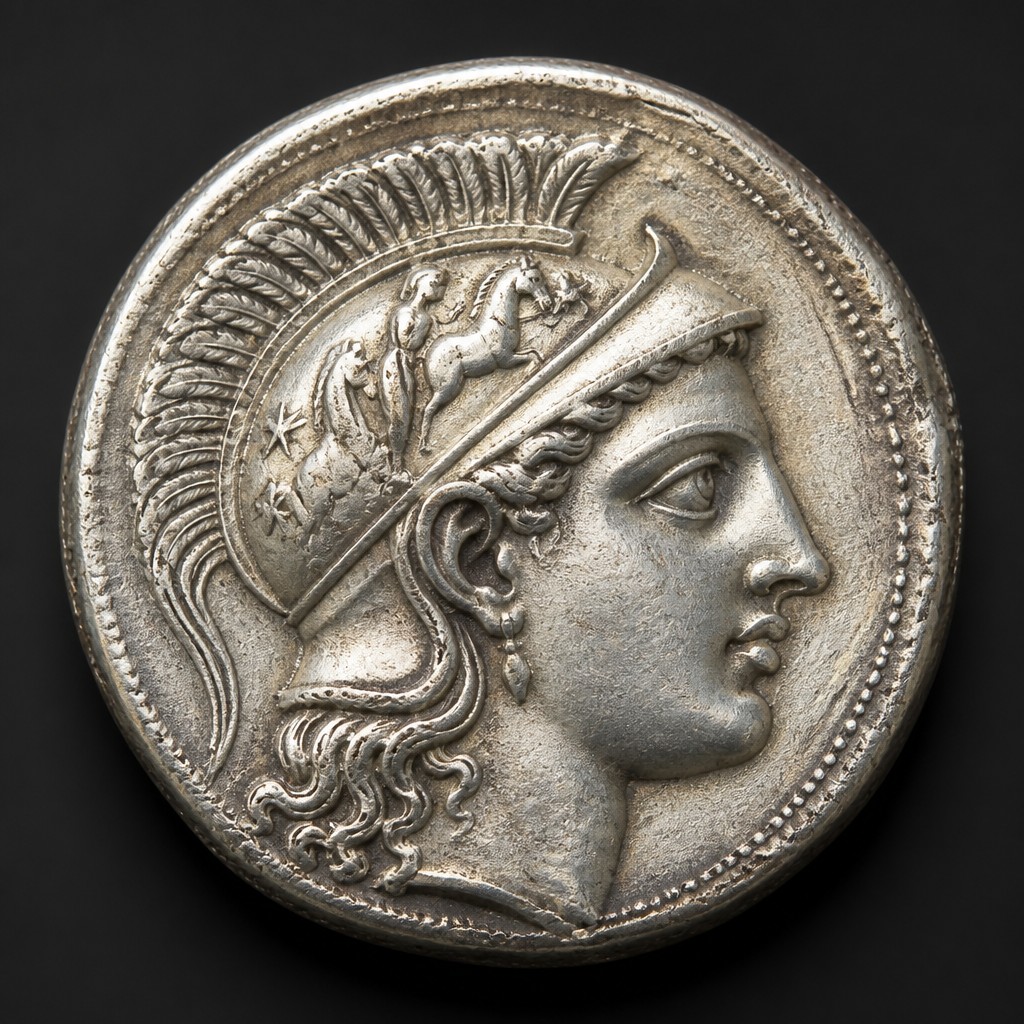
Syracuse Decadrachm
A large, exquisitely engraved silver coin from the Greek city of Syracuse, celebrated as one of the finest achievements of ancient Greek numismatic art, featuring the nymph Arethusa and a victorious chariot.
Ancient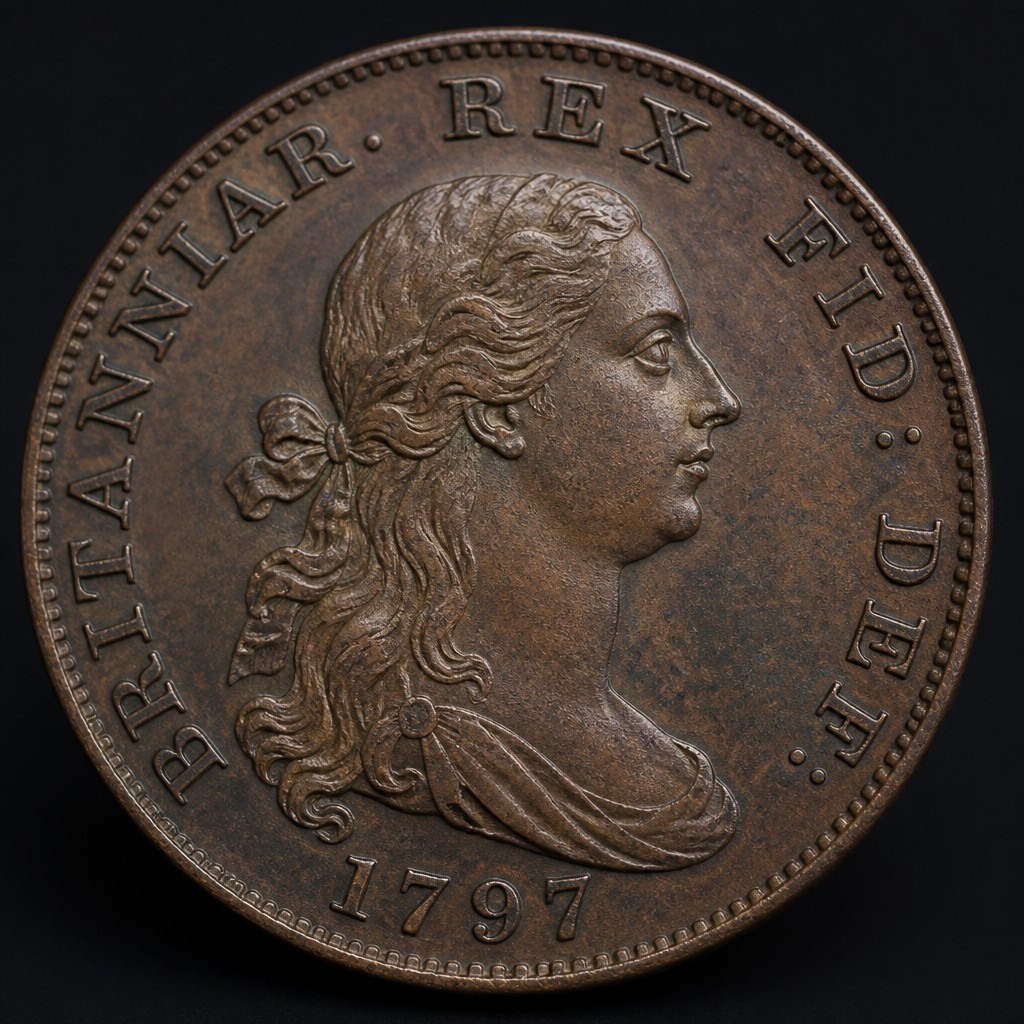
Cartwheel Penny (1797)
A massive, one-ounce copper penny struck in 1797 by Matthew Boulton's Soho Mint, nicknamed the Cartwheel Penny for its thick raised rim resembling a cart's wheel and axle.
British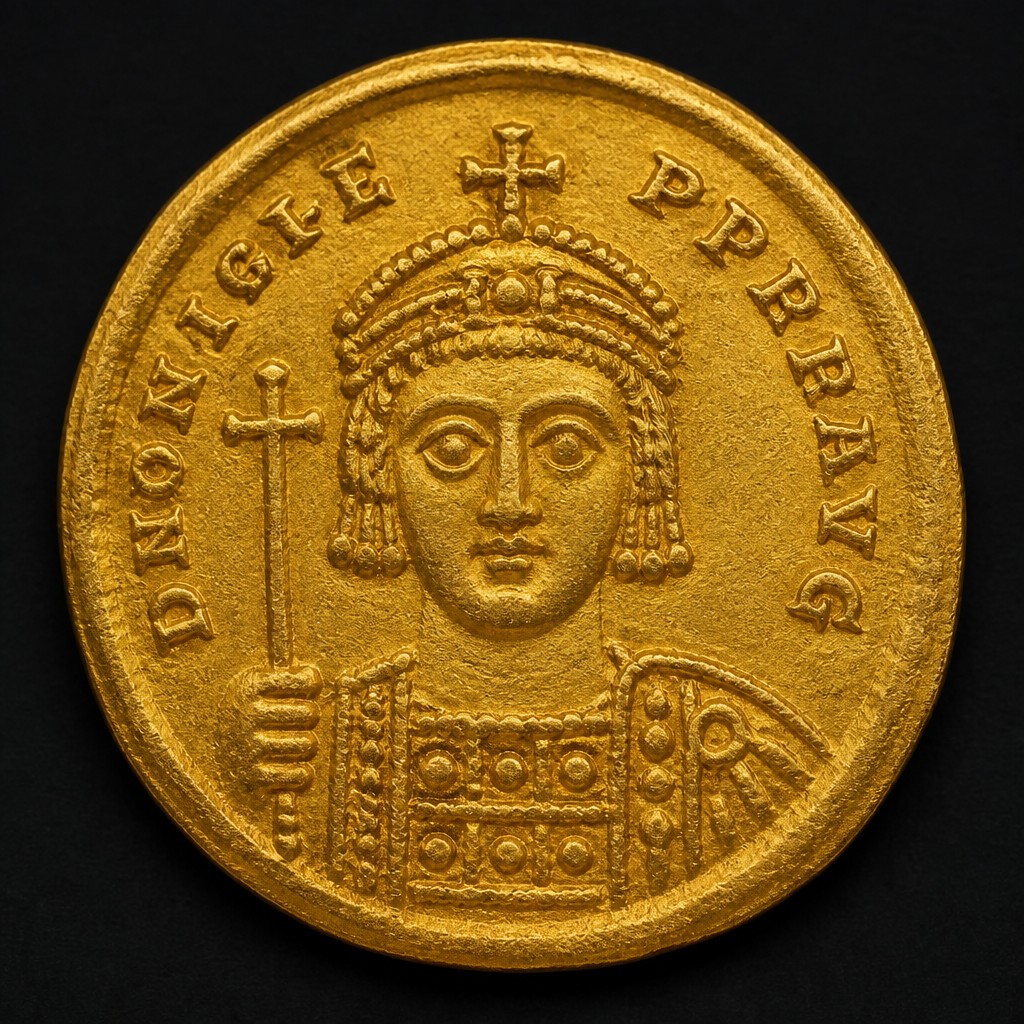
Byzantine Solidus
The gold standard coin of the Byzantine Empire for over 700 years, the solidus funded an empire, financed trade across three continents, and remained one of history's most stable currencies.
Ancient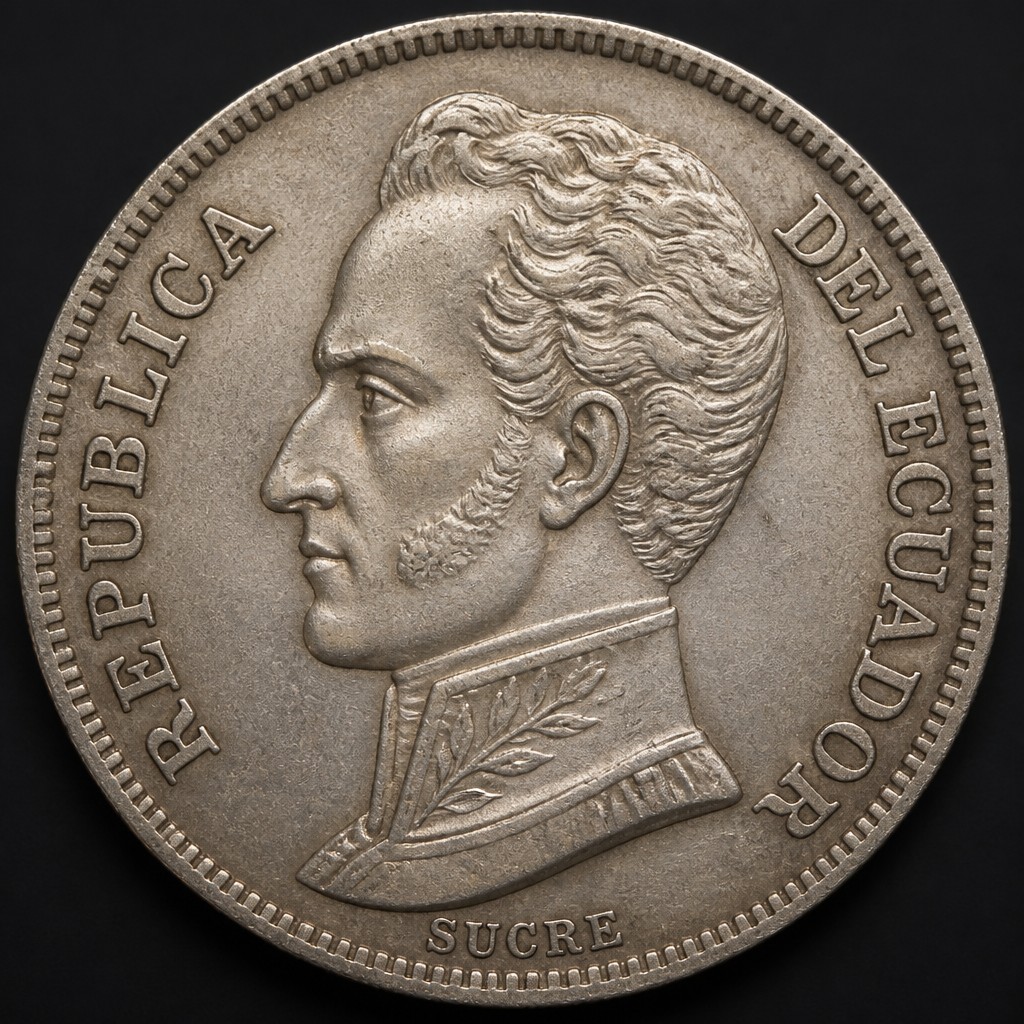
Ecuador Sucre Silver
Ecuador's historic silver one-sucre coin, named after independence hero Antonio Jose de Sucre, circulated for decades before Ecuador's currency was eventually replaced by the US dollar.
Latin American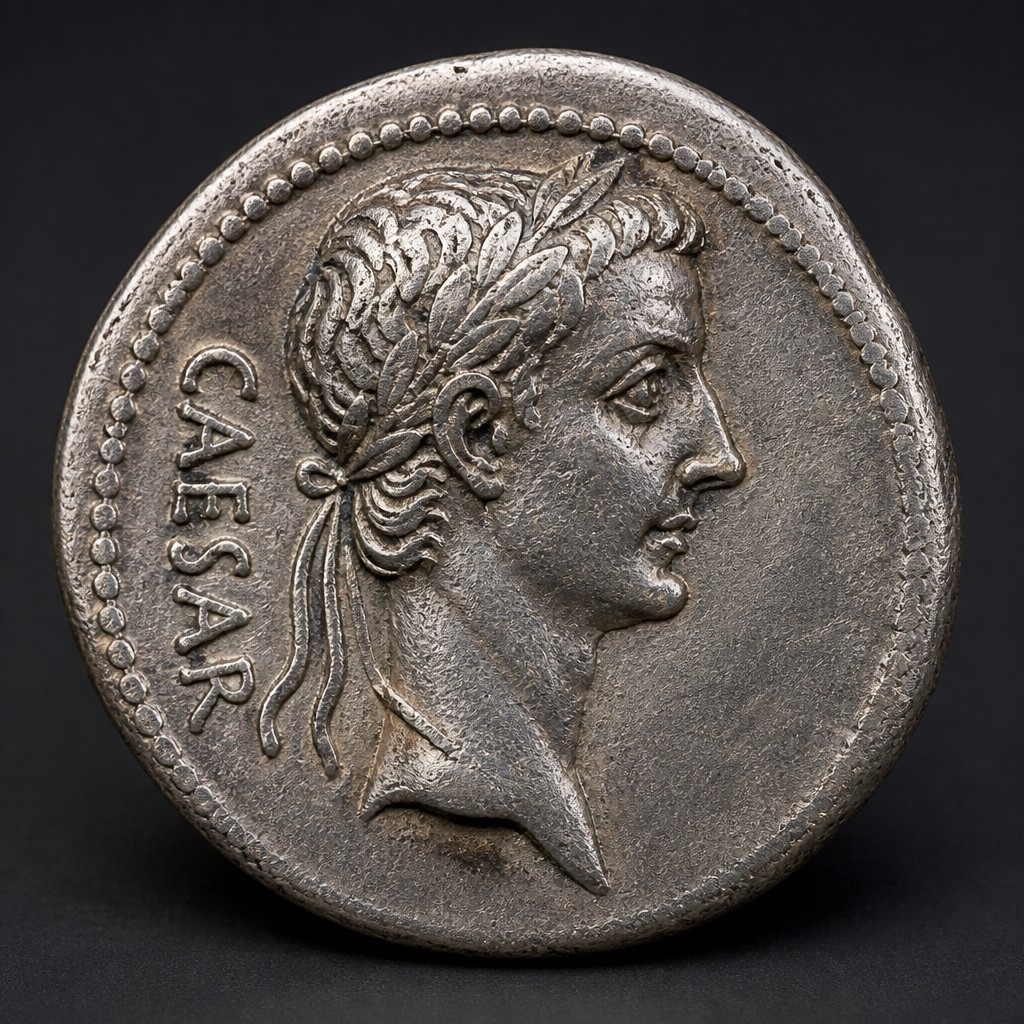
Julius Caesar Elephant Denarius
One of the most widely recognized ancient Roman coins, struck under Julius Caesar's authority and depicting an elephant trampling a serpent, likely a symbolic image tied to Caesar's political struggles.
Ancient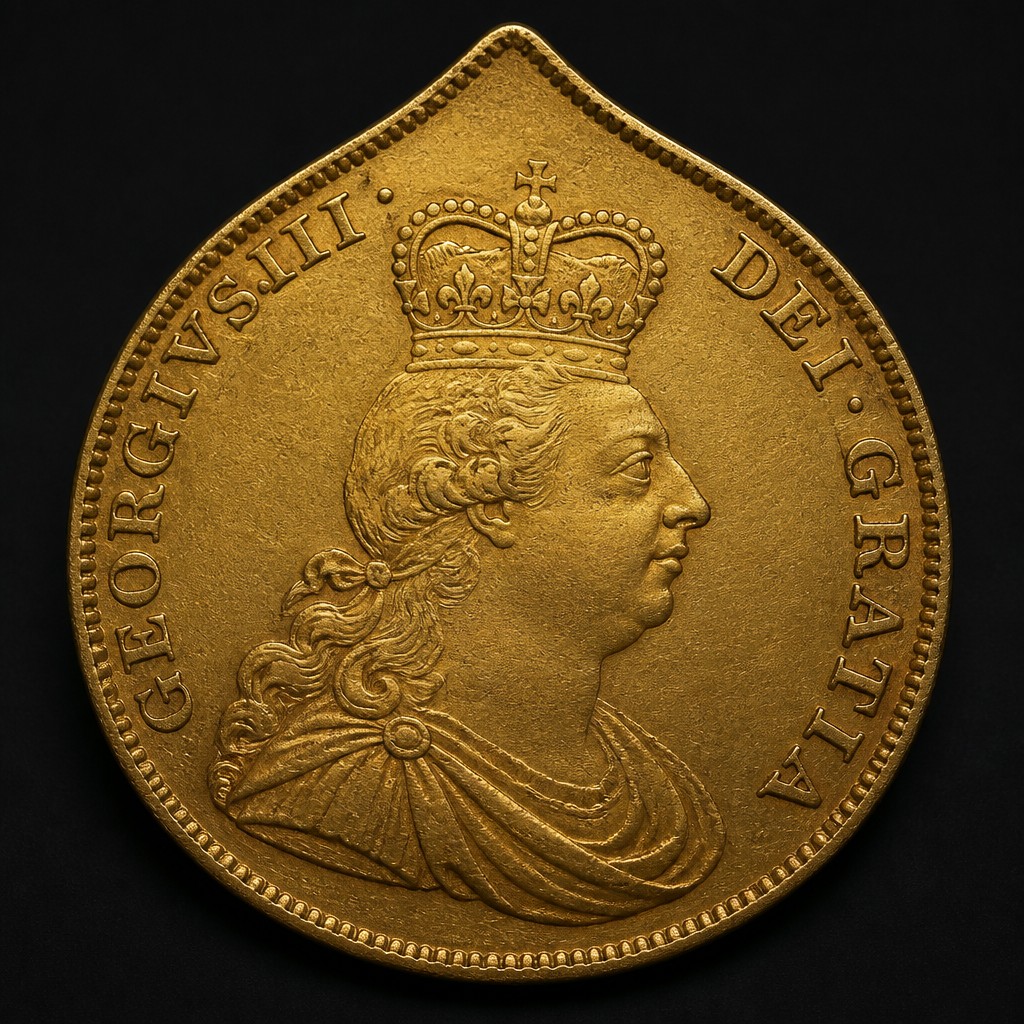
Spade Guinea
A George III gold guinea nicknamed for its spade-shaped shield reverse, one of the last widely circulated guinea types before the denomination was phased out in the early 1800s.
British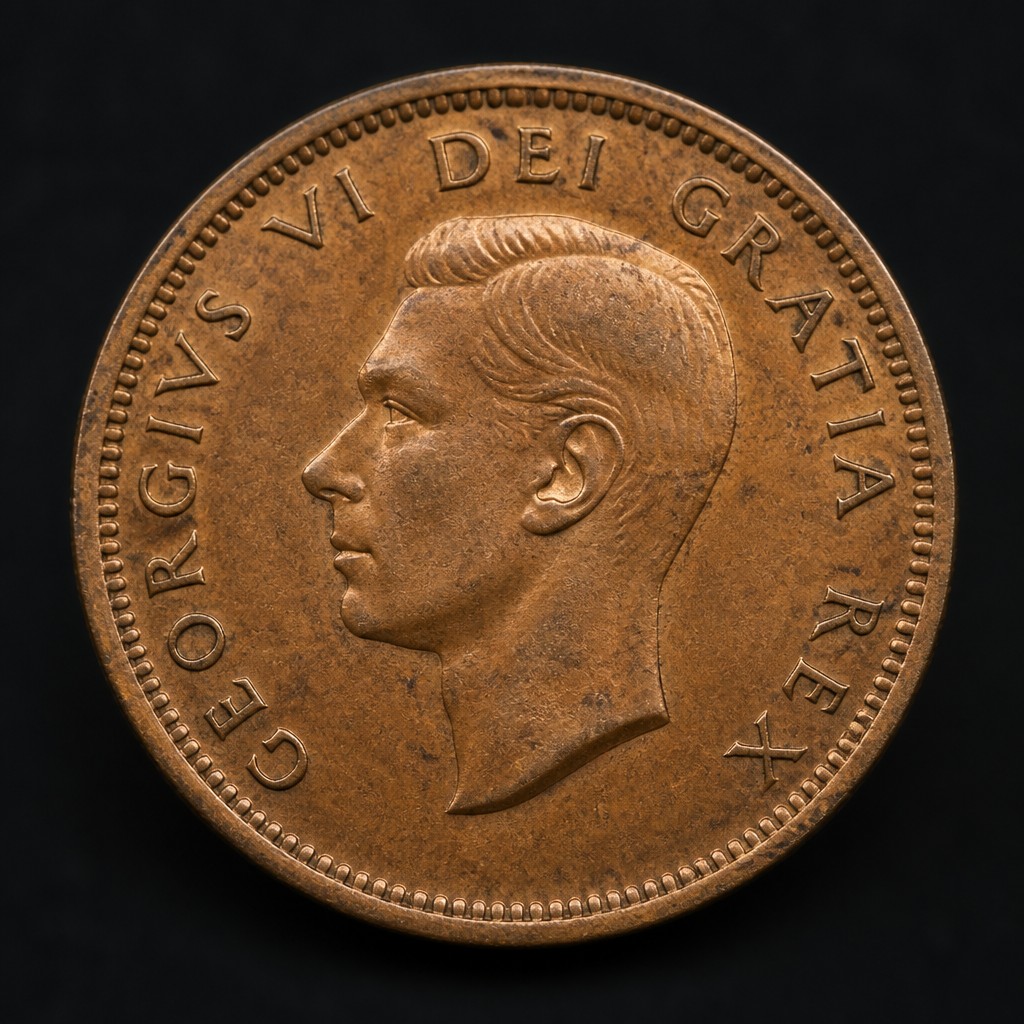
George VI Small Cent (Maple Twig)
Canada's bronze one-cent coin issued under King George VI, featuring two maple leaves on a twig, a design that helped modernize Canadian coinage in the late 1930s.
Canadian