
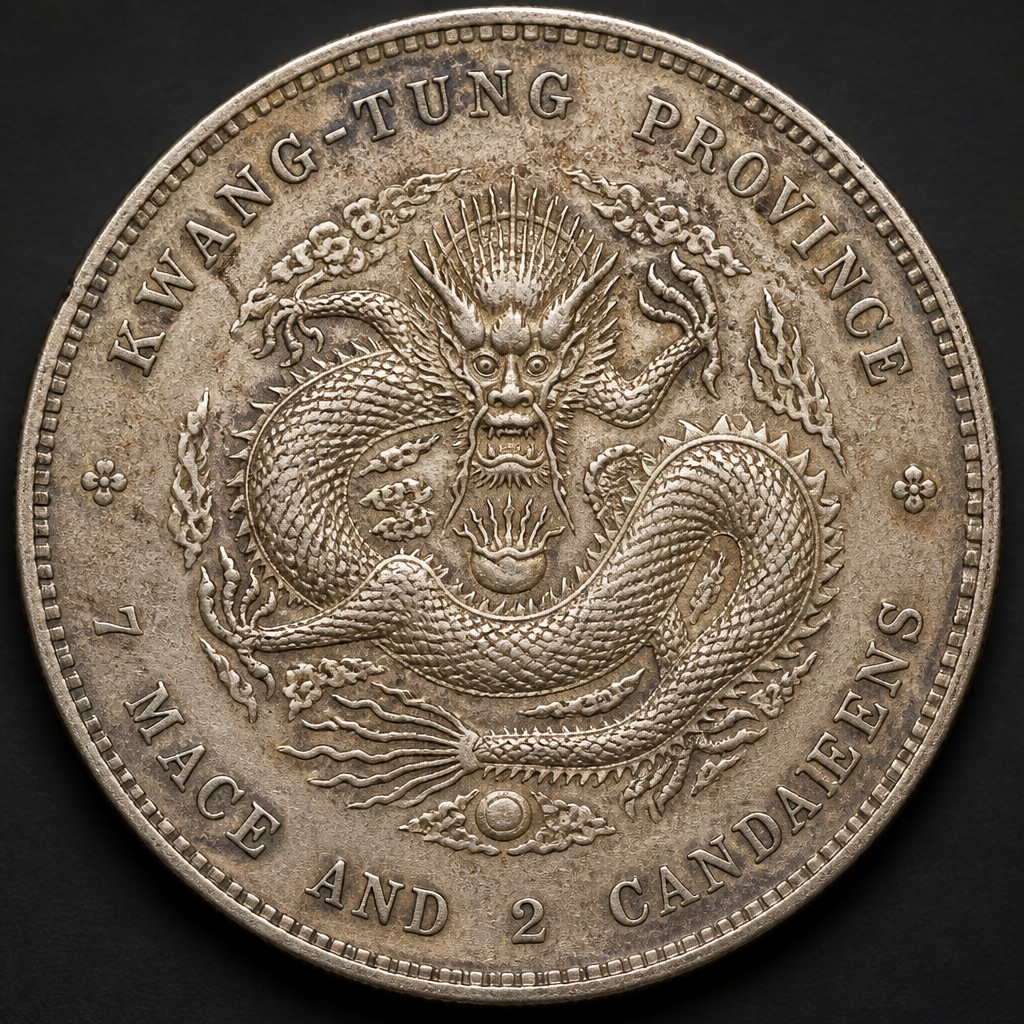
Chinese Silver Dragon Dollar (Kwangtung Province)
One of China's earliest machine-struck silver dollars, produced by Kwangtung province in the late Qing dynasty with an imperial dragon design, a pioneering issue other provinces soon imitated.
- Country
- China (Qing Dynasty, Kwangtung Province)
- Denomination
- Dollar (7 Mace and 2 Candareens)
- Metal
- Silver (approx. .900)
Got a coin like this?
Identify any coin from a photo, free.
Overview
The Kwangtung dragon dollar was among the very first Chinese silver dollars produced using modern Western minting machinery, setting the pattern other Chinese provinces would follow with their own dragon dollar issues in the late 19th and early 20th centuries. It holds an important place in Chinese numismatic history as a bridge between traditional cast cash coins and modern milled coinage.
Its pioneering role and classic dragon design make it a foundational coin for collectors of late Qing dynasty currency.
History & Background
Facing an influx of foreign trade dollars, including Mexican and British issues, circulating along China's southern coast, the Qing viceroy of Kwangtung province ordered modern coin-pressing machinery from Britain in the late 1880s and began striking silver dollars at the Canton mint starting around 1890.
The success of the Kwangtung dollar in gaining local acceptance encouraged both the imperial government and other Chinese provinces to establish their own mints, launching the broader family of provincial dragon dollars that continued into the early 20th century until national currency reforms took hold.
How to Identify
The obverse bears Chinese and Manchu characters identifying Kwangtung province and the denomination within a beaded circle, without a portrait, following the style typical of many Qing provincial coins.
The reverse shows a coiled, five-clawed imperial dragon amid clouds, encircled by English text reading "KWANG-TUNG PROVINCE" and the denomination, often given as "7 MACE AND 2 CANDAREENS." The coin is a large silver dollar-sized piece with a reeded edge, and design variations in dragon style and denomination wording exist across its years of production.
Value & Collectibility
Kwangtung dragon dollars are popular among collectors of Chinese coinage, and prices vary substantially by date, die variety, and condition. Common later-date pieces are moderately affordable, while early, well-struck, or high-grade examples, and certain rare varieties, can command significant premiums.
As with most Chinese dragon dollars, counterfeits are widespread in the market, so authentication by an experienced specialist is strongly advisable before any purchase.
Frequently asked questions
Why is the Kwangtung dollar significant?
It was among the first Chinese silver dollars struck with modern machinery, helping establish the pattern for China's later provincial dragon dollar coinage.
What does the dragon design represent?
The coiled five-clawed dragon was an imperial Chinese symbol, commonly used on Qing dynasty coinage of the era.
Are Kwangtung dollars commonly counterfeited?
Yes, dragon dollars are frequently counterfeited, so professional authentication is recommended before purchase.
What is the denomination written on the coin?
Many issues state the value as '7 Mace and 2 Candareens,' a traditional Chinese weight-based denomination equivalent to one dollar.
Other coins you may enjoy
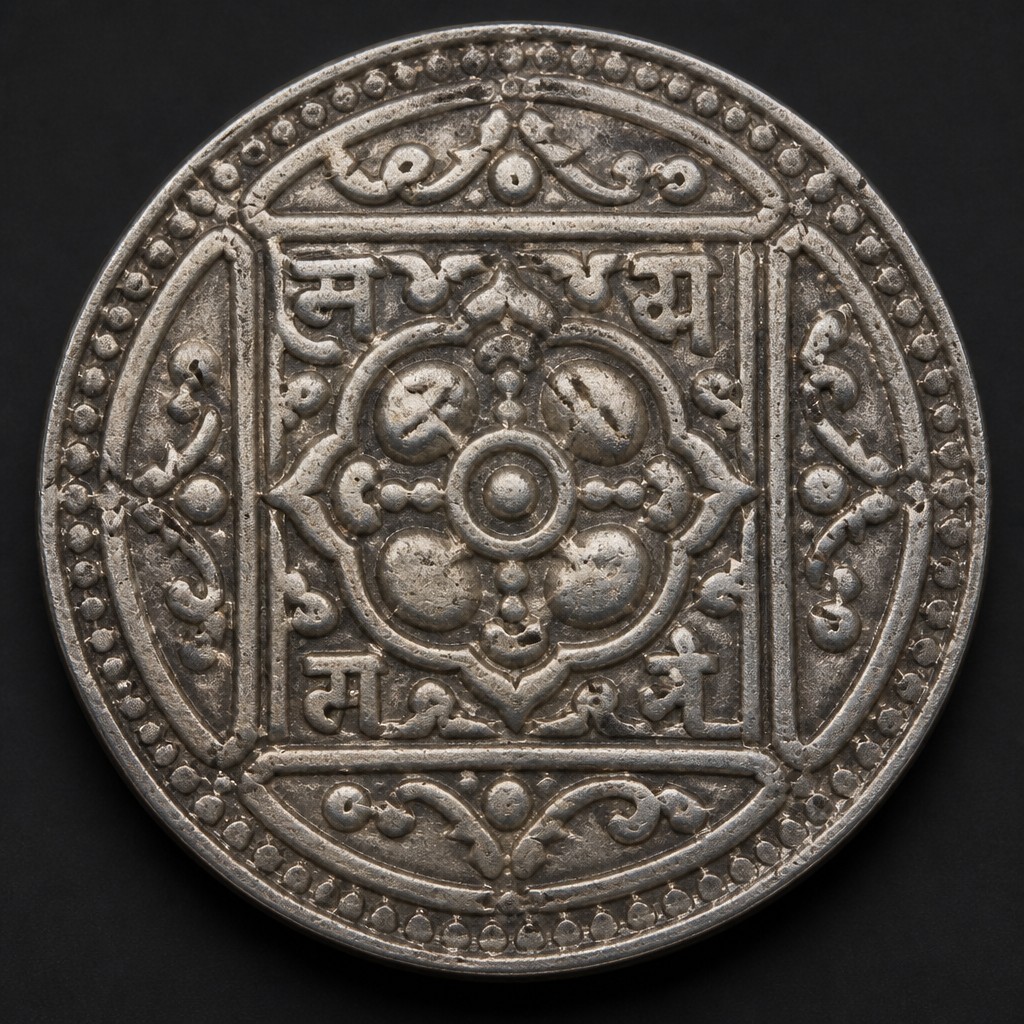
Nepal Silver Mohar
c. 16th–19th century
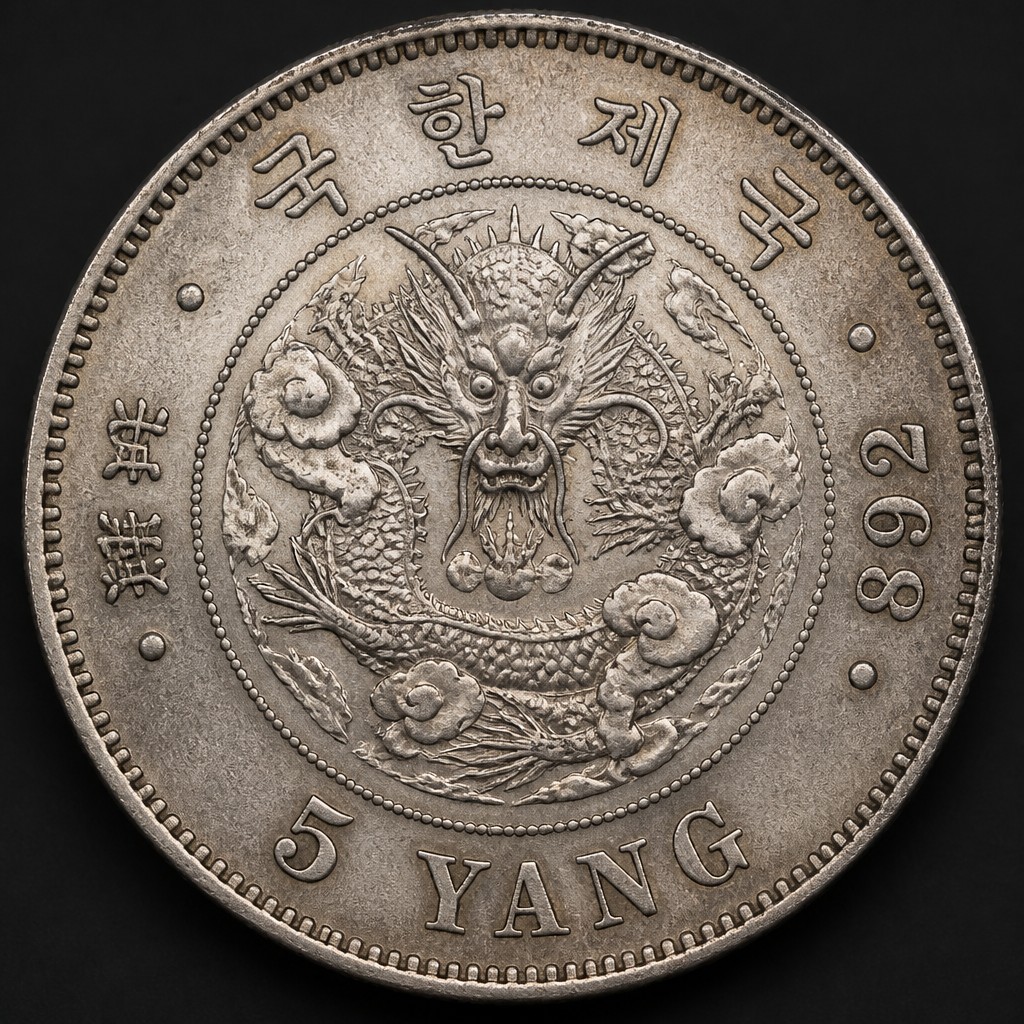
Korean 5 Yang Silver Dollar (1892)
1892
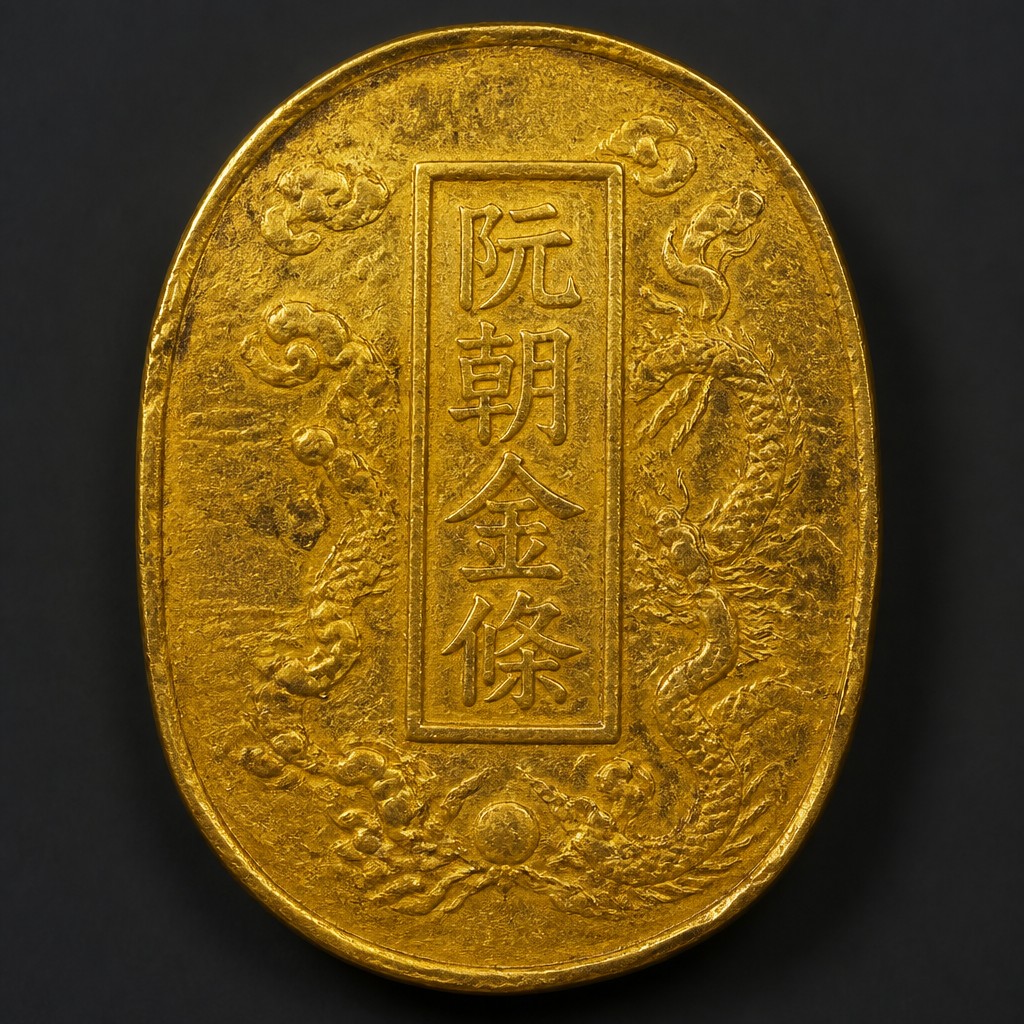
Nguyen Dynasty Gold Bar (Vietnam)
19th century
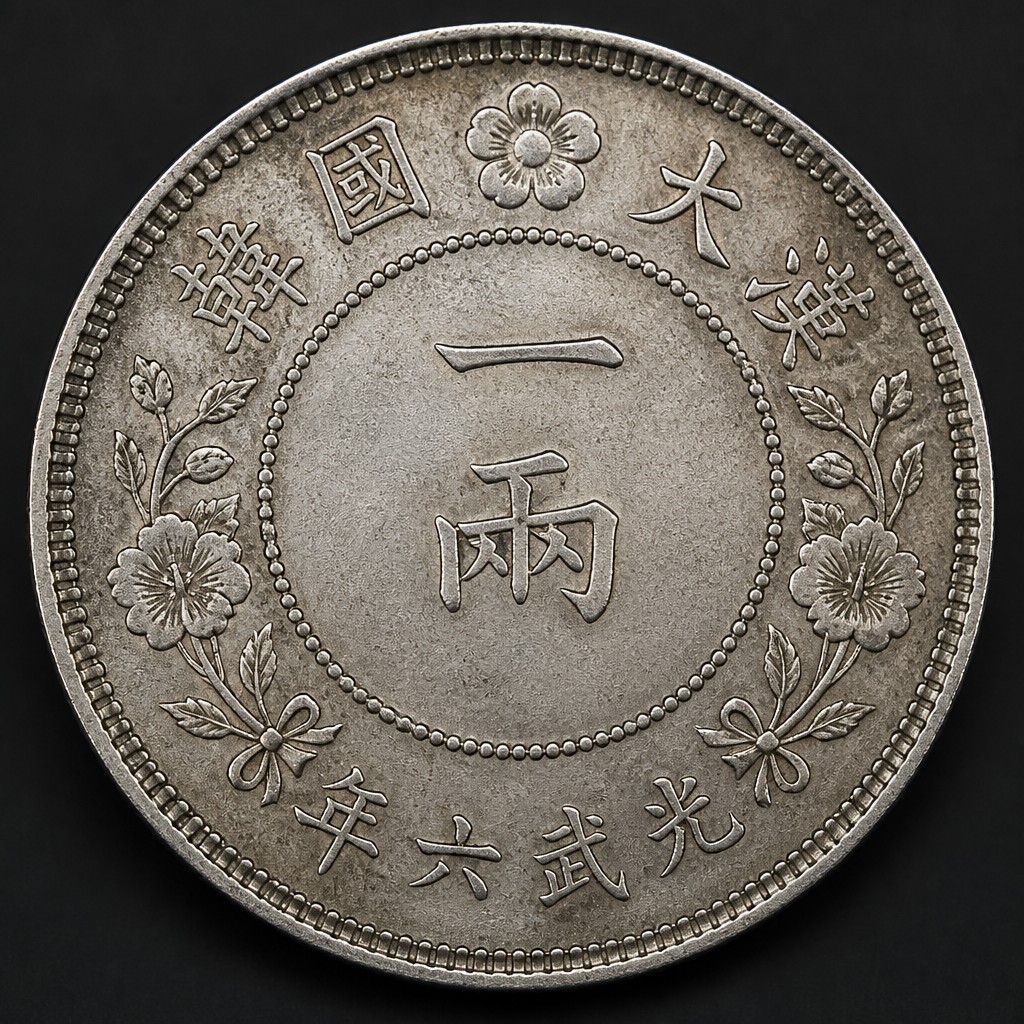
Korean 1 Yang Silver (Joseon/Great Han Empire)
1892–1902
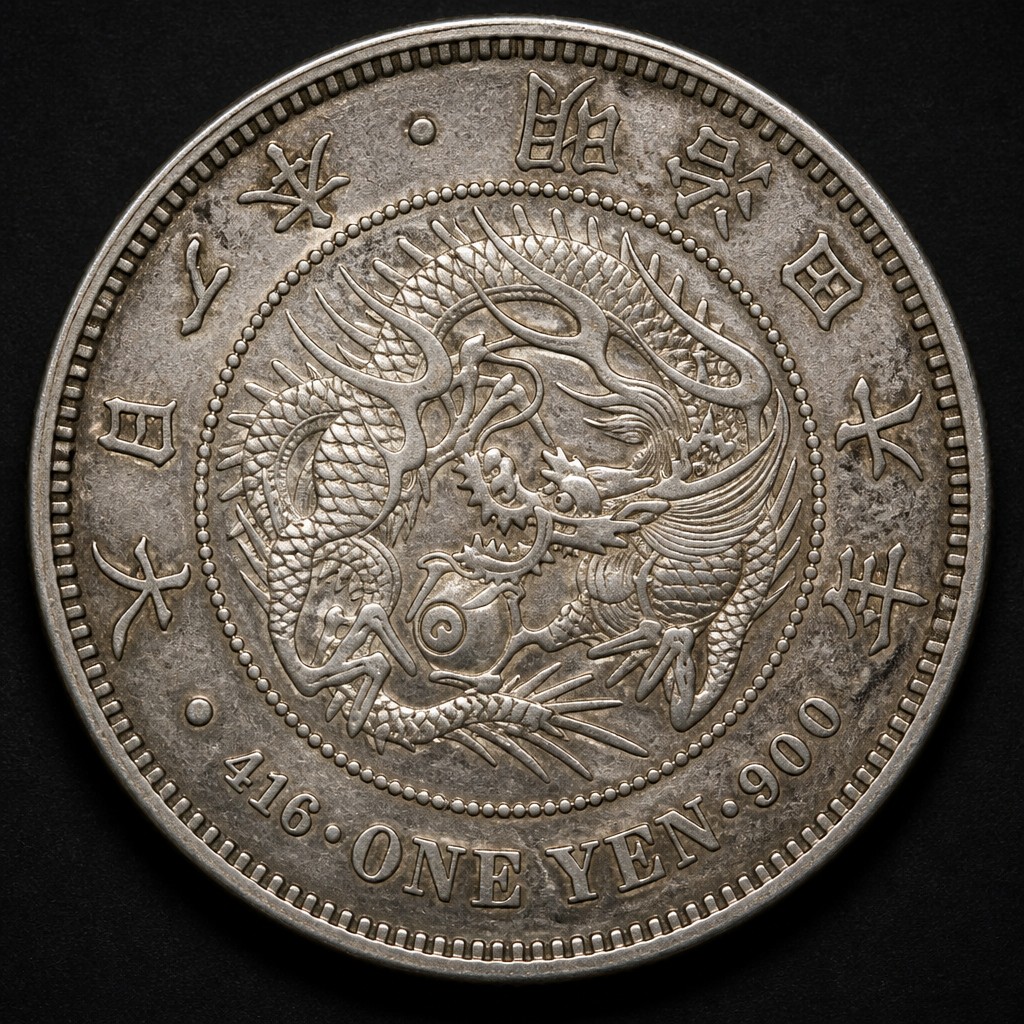
Japanese 1 Yen Silver 'Dragon' Trade Dollar
1870–1914 (trade dollar variant 1875–1877)
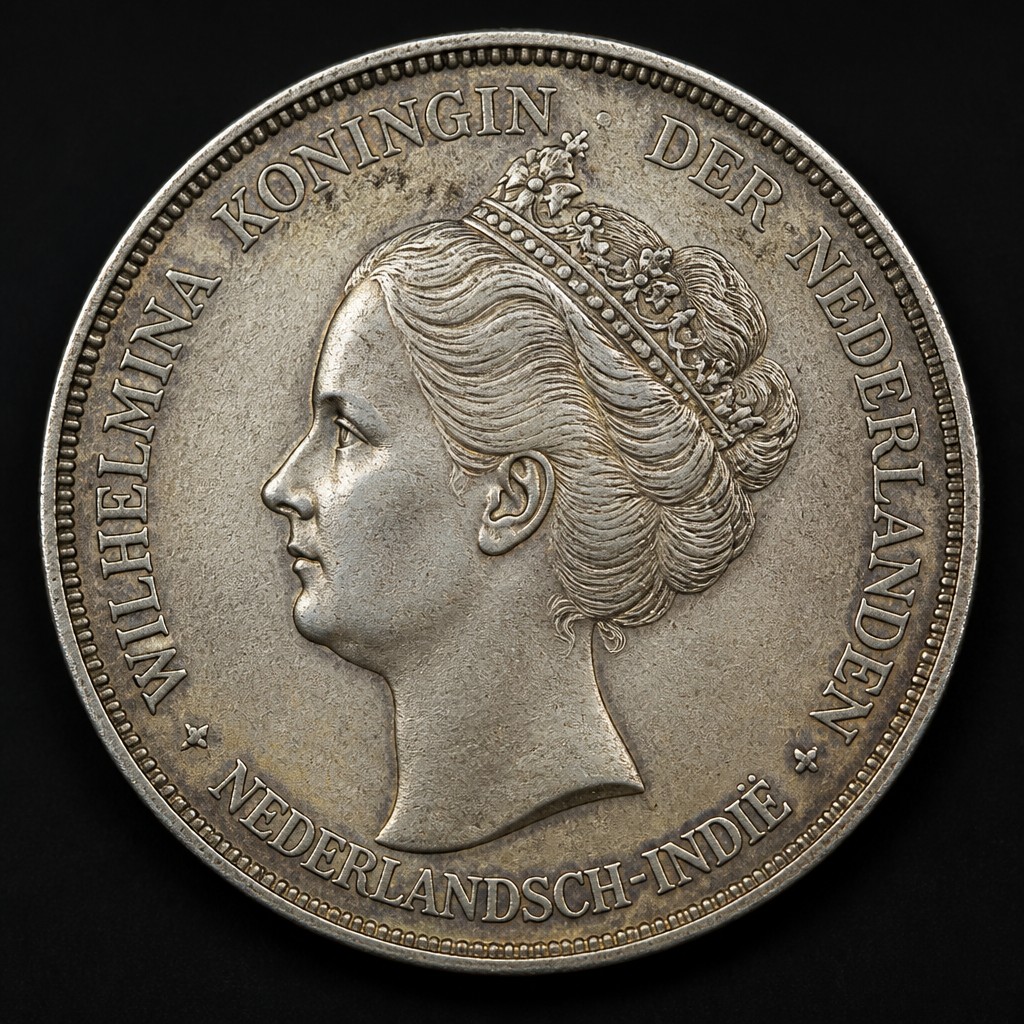
Netherlands East Indies Gulden (Wilhelmina)
1897–1945
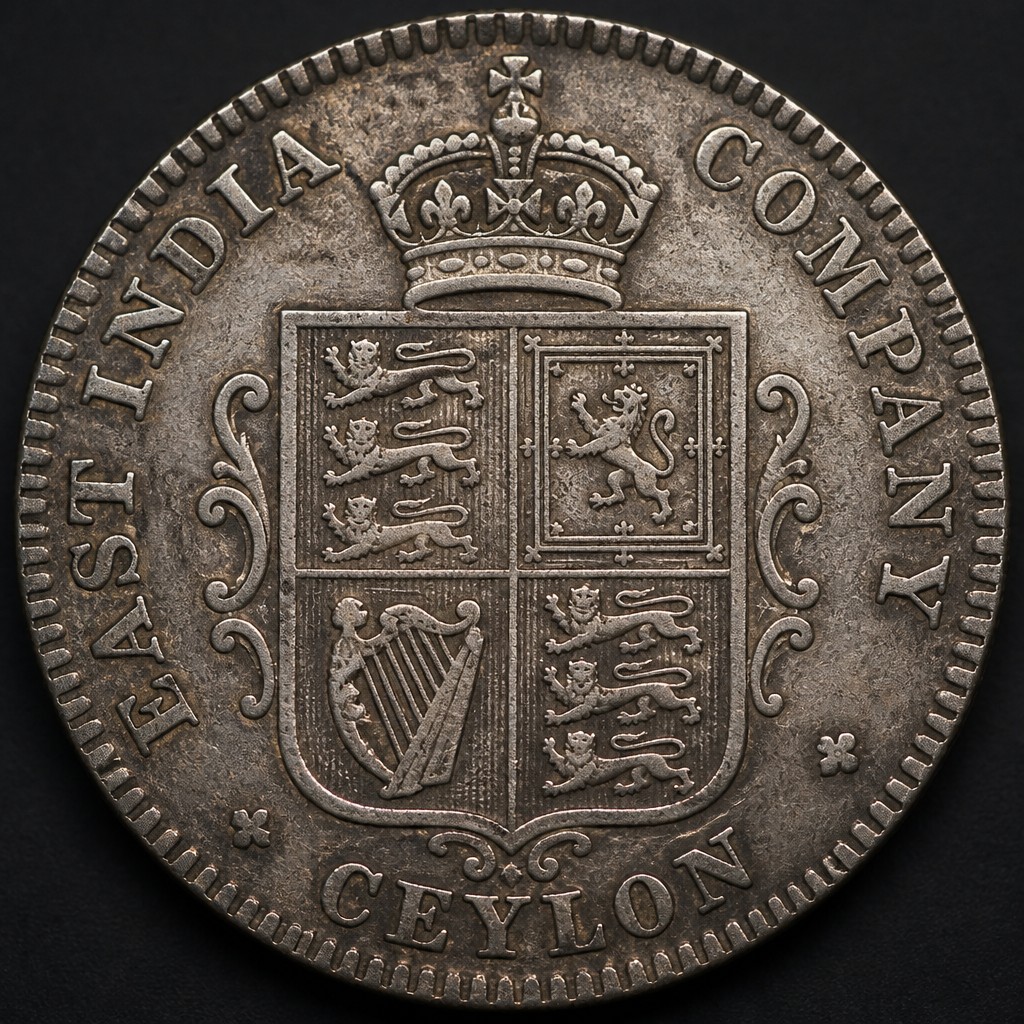
Ceylon (Sri Lanka) EIC Rixdollar
c. 1802–1821
Chinese Cash Coin (Qing Dynasty 'Kangxi Tongbao')
1662–1722
Chinese Hupeh Province Dragon Dollar
c. 1895–1909
Chinese Empire Silver Dollar (Hsuan Tung Dragon)
1909–1911
Thailand (Siam) Silver Baht 'Bullet Money' (Pod Duang)
c. 13th century – late 19th century
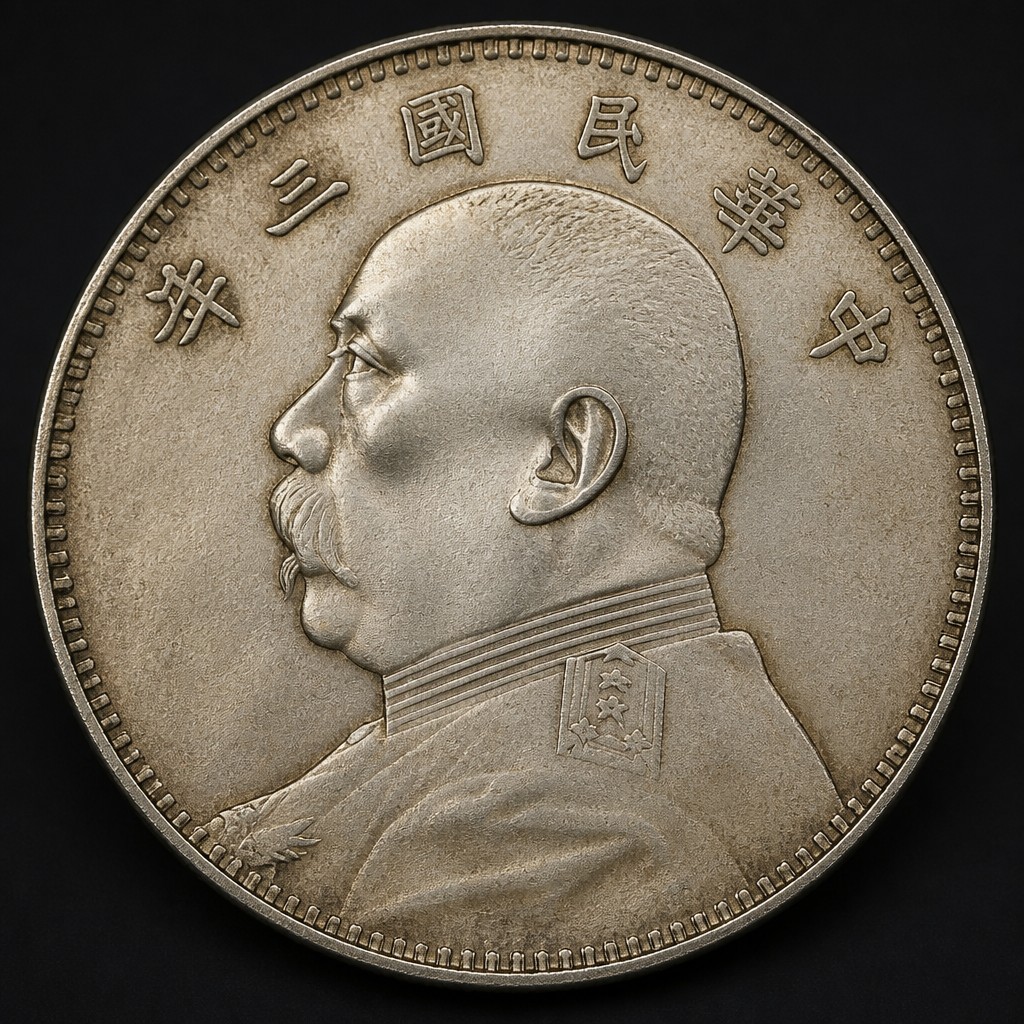
Yuan Shikai 'Fatman' Dollar (1914)
Dated 1914, struck into the early 1920s