
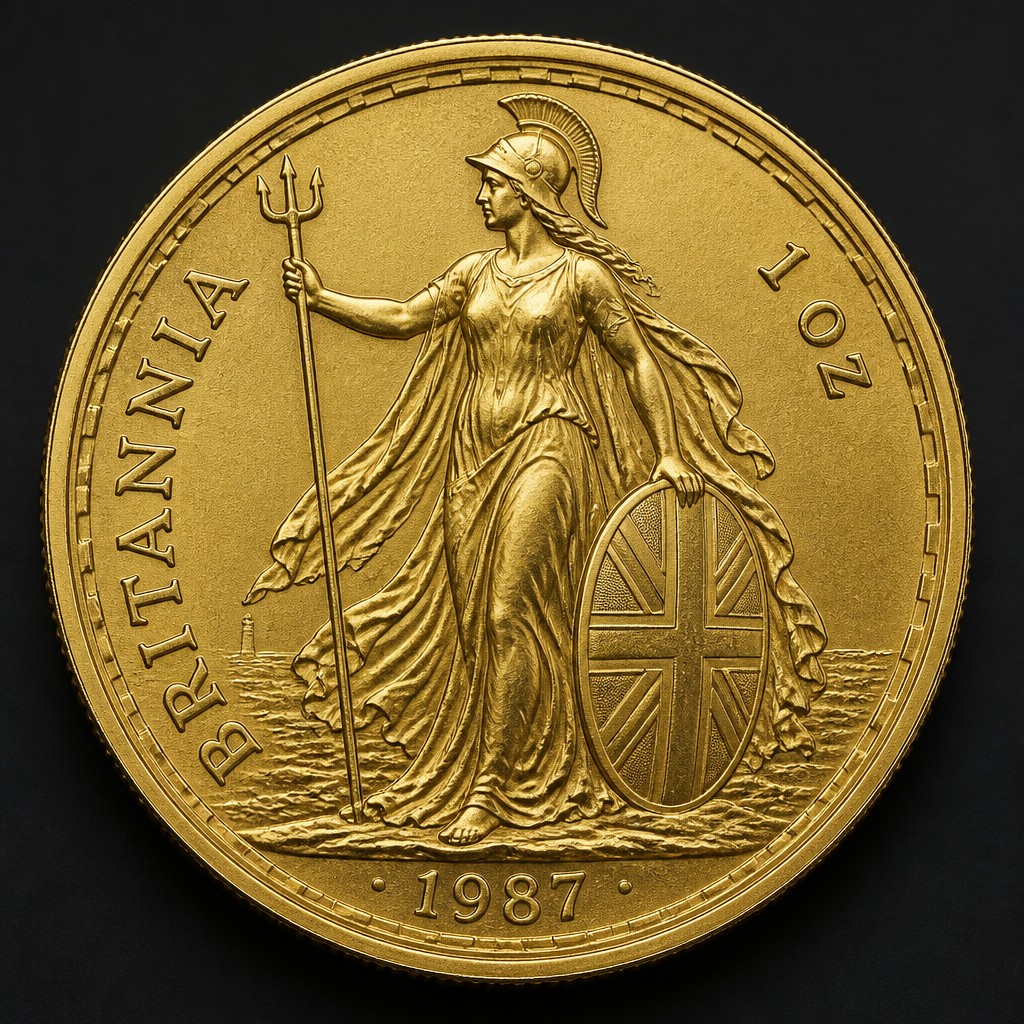
British Britannia
The United Kingdom's official gold and silver bullion coin, featuring the classical helmeted figure of Britannia, issued by the Royal Mint since 1987.
- Country
- United Kingdom
- Denomination
- 100 Pounds (1 oz gold), 2 Pounds (1 oz silver)
- Metal
- Gold (.9999 fine since 2013; .917 fine earlier) / Silver (.999 fine since 2013; .958 fine earlier)
Got a coin like this?
Identify any coin from a photo, free.
Overview
The Britannia is the Royal Mint's flagship bullion coin, struck in both gold and silver, portraying the ancient personification of Britain as a helmeted, shield-bearing goddess. It ranks among the world's leading bullion coins, competing directly with the American Eagle, Canadian Maple Leaf, and South African Krugerrand.
The series is notable for regularly refreshing its Britannia reverse artwork over the decades while keeping the core Britannia theme, and for the Royal Mint's introduction of advanced security features in later issues.
History & Background
The Royal Mint launched the gold Britannia in 1987 as Britain's answer to the Krugerrand and other national gold bullion coins, initially struck in 22-carat (.917 fine) gold in the traditional British crown gold standard. A silver Britannia followed a decade later in 1997, initially struck in .958 fine Britannia silver, a traditional British silver standard.
In 2013 the Royal Mint upgraded both metals to .9999 fine gold and .999 fine silver to better compete internationally on purity. Various artists have contributed reverse designs over the years, including Philip Nathan's classic standing Britannia and later interpretations by other Royal Mint engravers, while the obverse has always carried the current monarch's portrait.
How to Identify
The obverse bears the official coinage portrait of the reigning monarch — Queen Elizabeth II on issues through 2022, and King Charles III on coins from 2023 onward — along with the face value and "ELIZABETH II" or "CHARLES III" and "DEI GRATIA REGINA/REX F D." The reverse depicts Britannia, typically shown standing or in a chariot, wearing a Corinthian helmet and holding a trident and shield emblazoned with the Union flag; specific poses and artistic treatments have varied across the decades.
The standard one-ounce gold coin has a 100-pound face value and the one-ounce silver coin a 2-pound face value, with fractional gold sizes and larger silver formats also produced. Since 2013 the coins carry "9999" or "999" fineness markings; earlier coins are marked with their traditional fineness or simply show their crown-gold or sterling-plus standard through mint records.
From 2019 the Royal Mint added sophisticated anti-counterfeiting features to Britannias, including a tincture-line privy mark system that uses heraldic shading patterns to encode a hidden security check, along with latent and animated imagery — features collectors use to distinguish genuine modern issues from counterfeits.
Value & Collectibility
Common-date Britannias trade close to spot metal prices with a standard bullion premium, and grade is largely immaterial for coins circulated as investment metal. Liquidity is strong given the coin's international recognition.
Pre-2013 22-carat gold and .958 silver issues, early first-year (1987 gold, 1997 silver) dates, and limited proof or colored/privy-marked special editions can carry collector premiums above melt value. As with other bullion coins, values move primarily with the underlying metal market.
Frequently asked questions
Who or what is Britannia?
Britannia is the female personification of Britain, traditionally depicted as a helmeted warrior goddess holding a trident and shield, a symbol used on British coinage since Roman times.
Why did the purity change in 2013?
The Royal Mint raised both the gold and silver Britannia to .9999 and .999 fine respectively to align with the purity standards of leading competing bullion coins.
Are UK bullion coins exempt from capital gains tax?
In the UK, gold and silver Britannias are legal tender and have historically qualified for certain UK tax exemptions for UK residents, though tax treatment can change and should be confirmed with current rules.
How do I tell an older Britannia from a newer one?
Check the fineness marking and date: pre-2013 gold coins are typically 22-carat (.917) and pre-2013 silver coins .958 fine, while 2013-onward coins are marked .9999 or .999.
Other coins you may enjoy
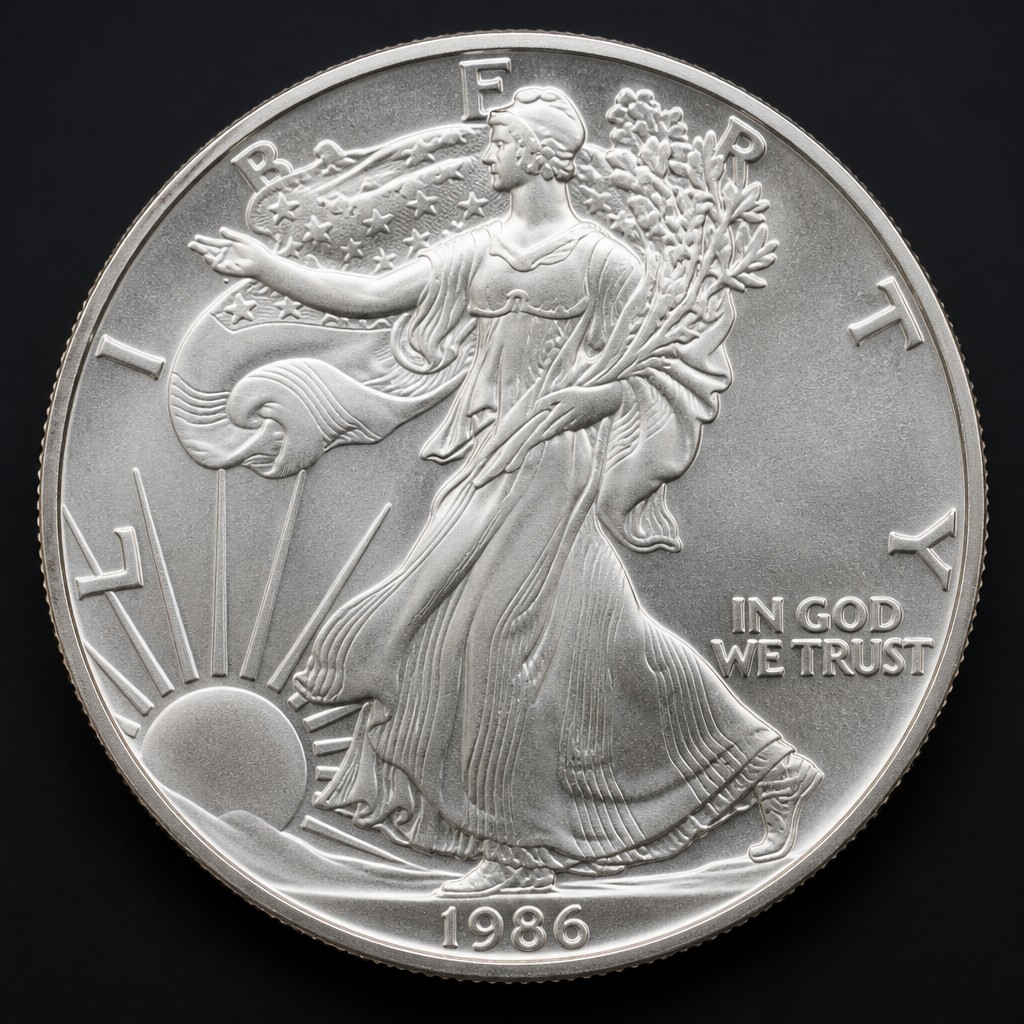
American Silver Eagle
1986–present
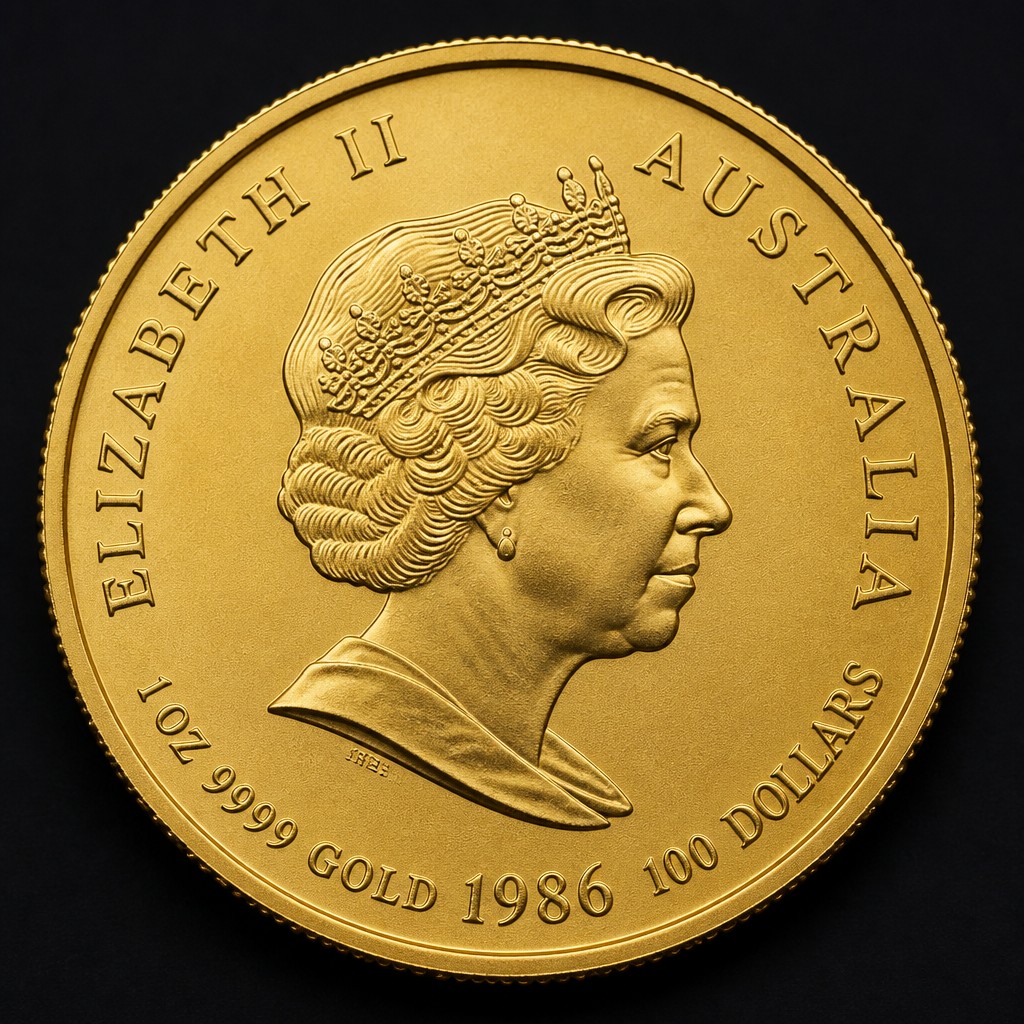
Australian Gold Nugget (Kangaroo)
1986–present
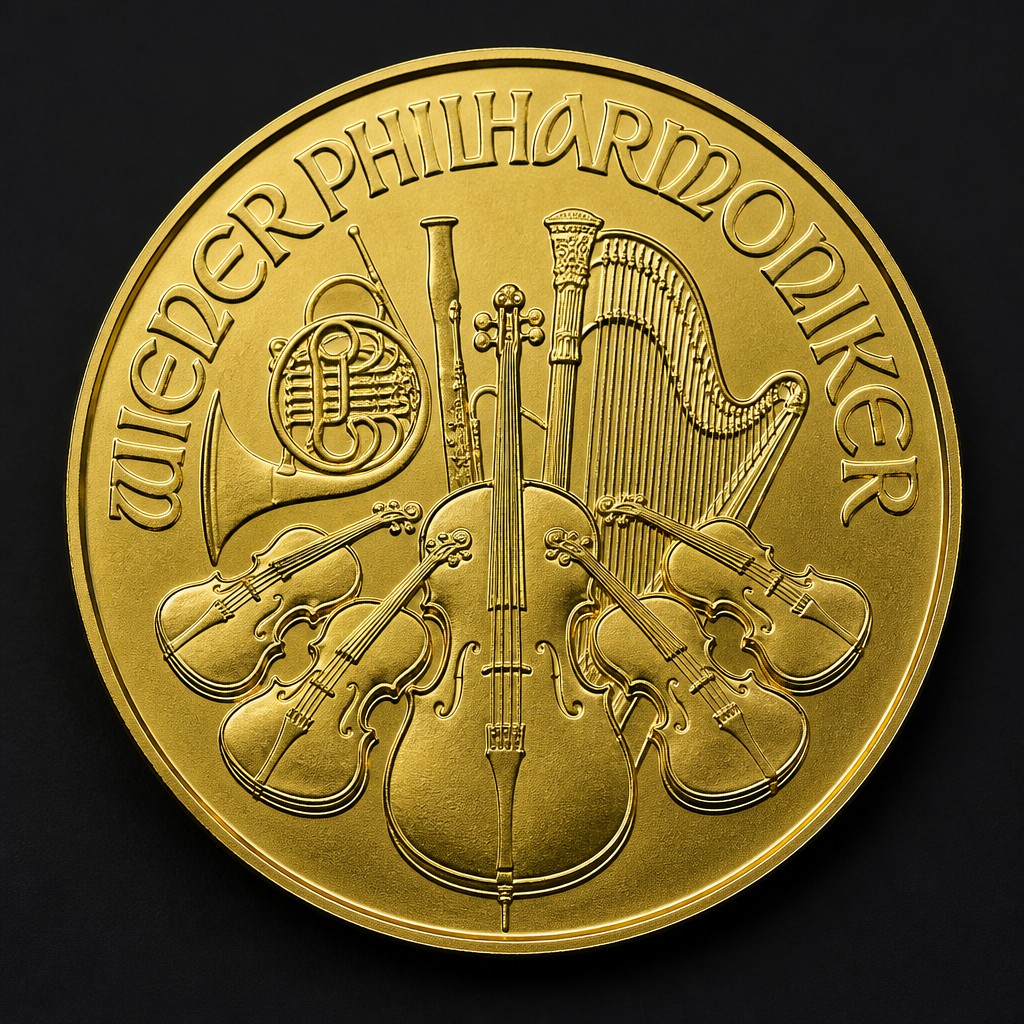
Vienna Philharmonic
1989–present
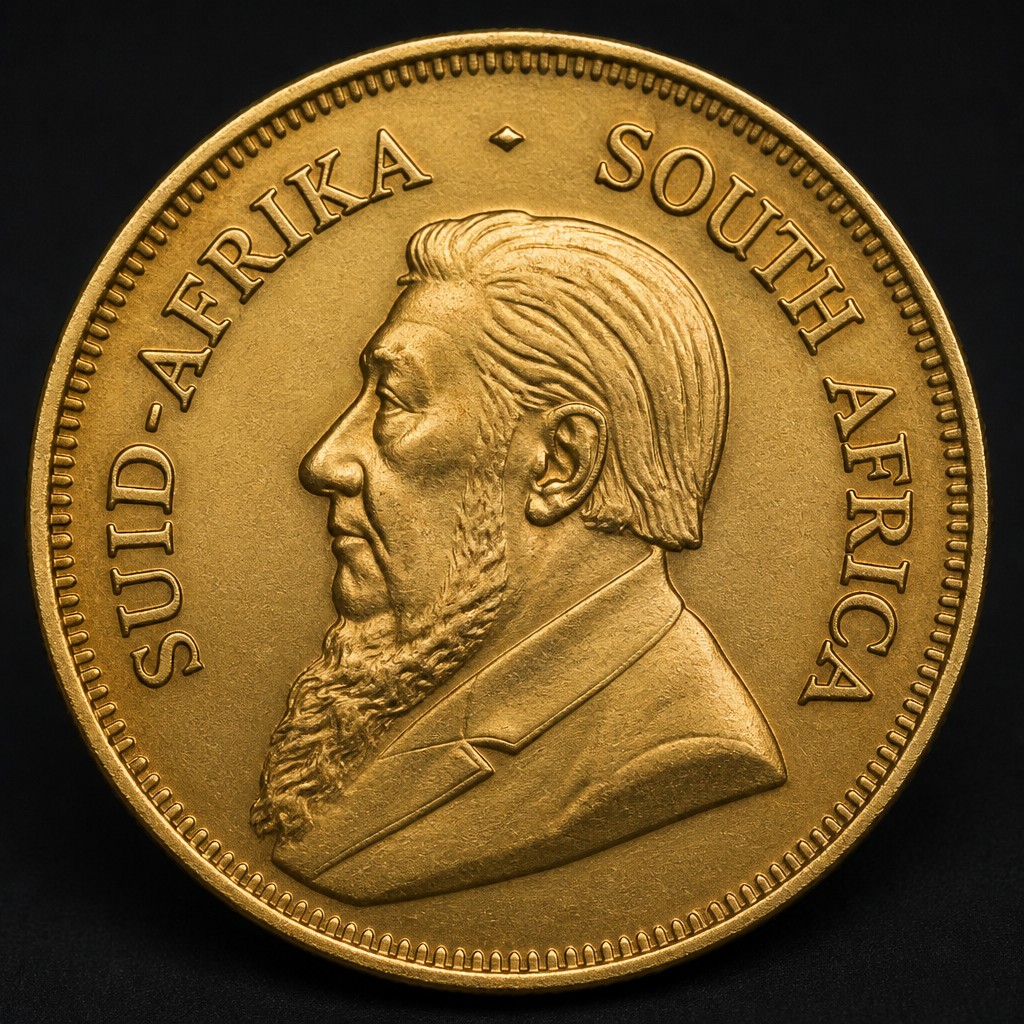
South African Krugerrand
1967–present
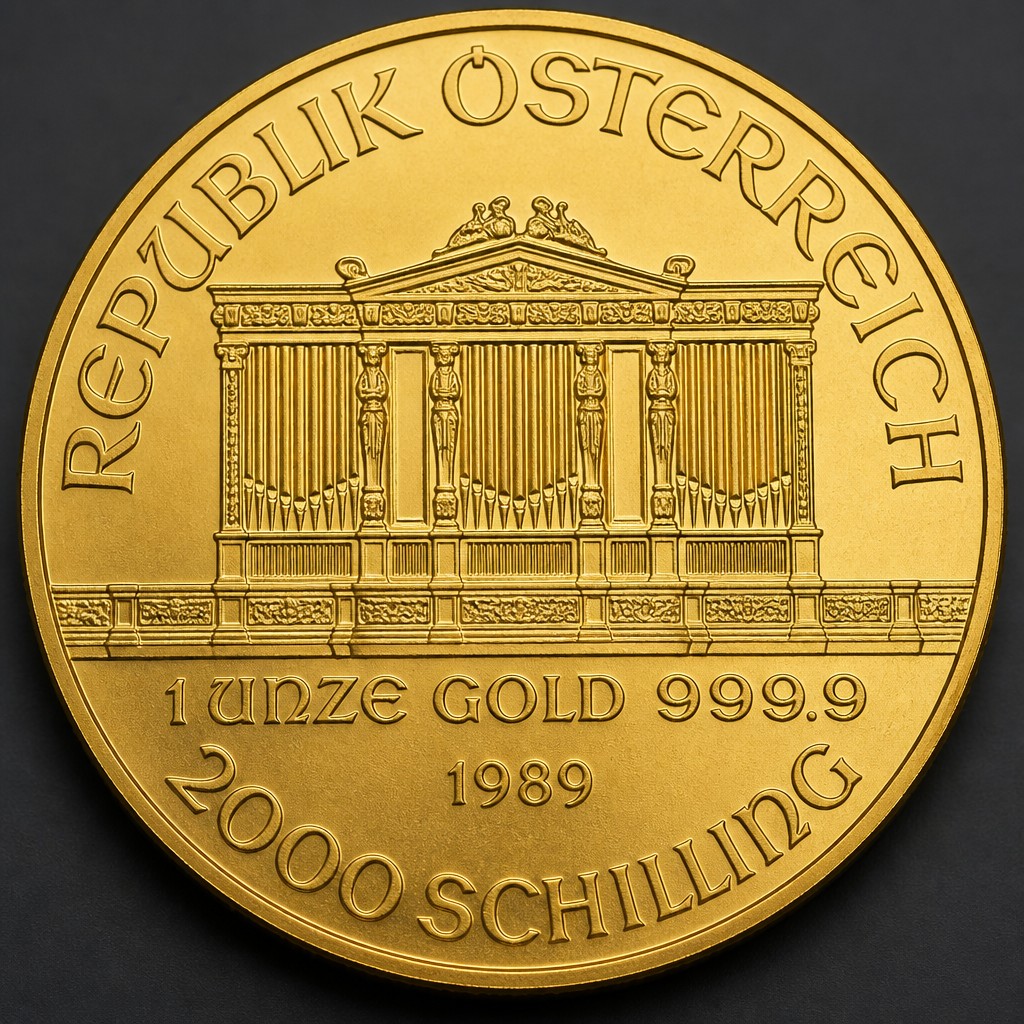
Austrian Gold Philharmonic
1989–present
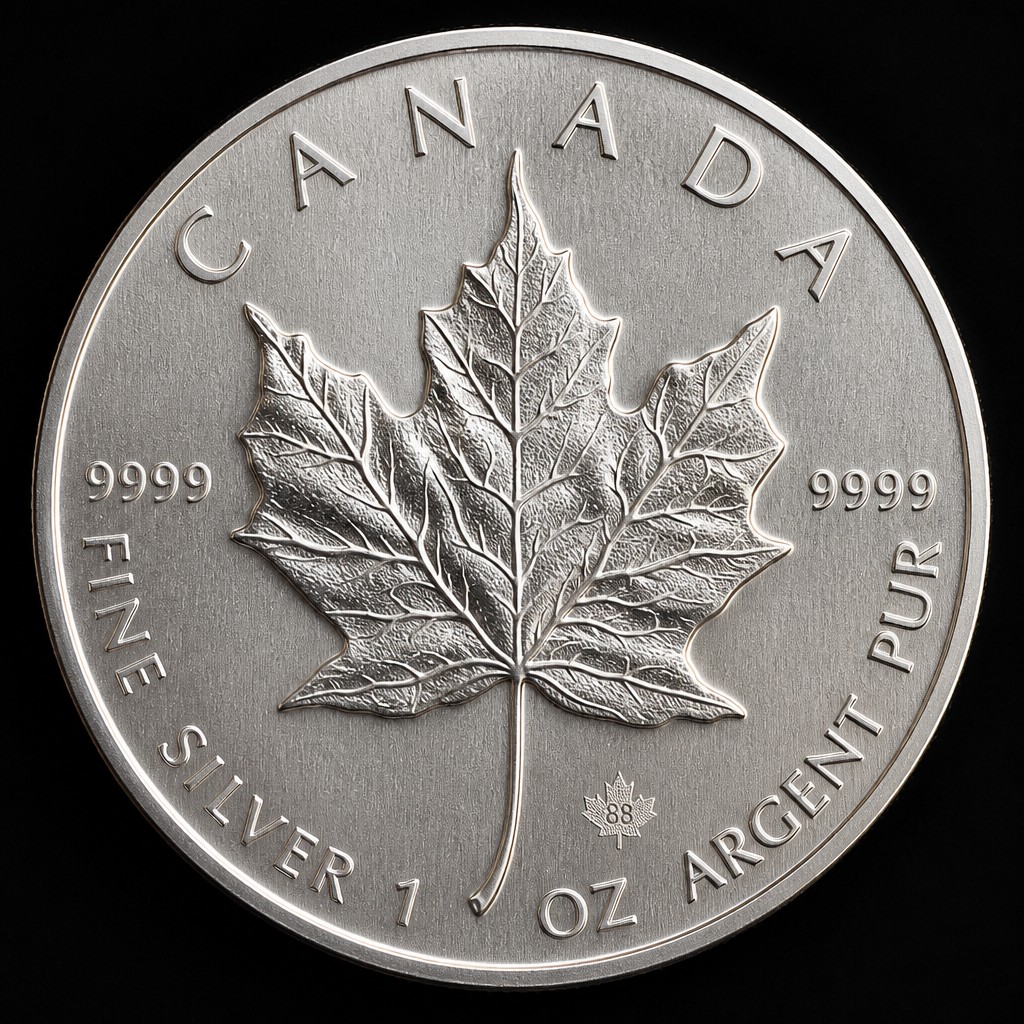
Canadian Silver Maple Leaf
1988–present
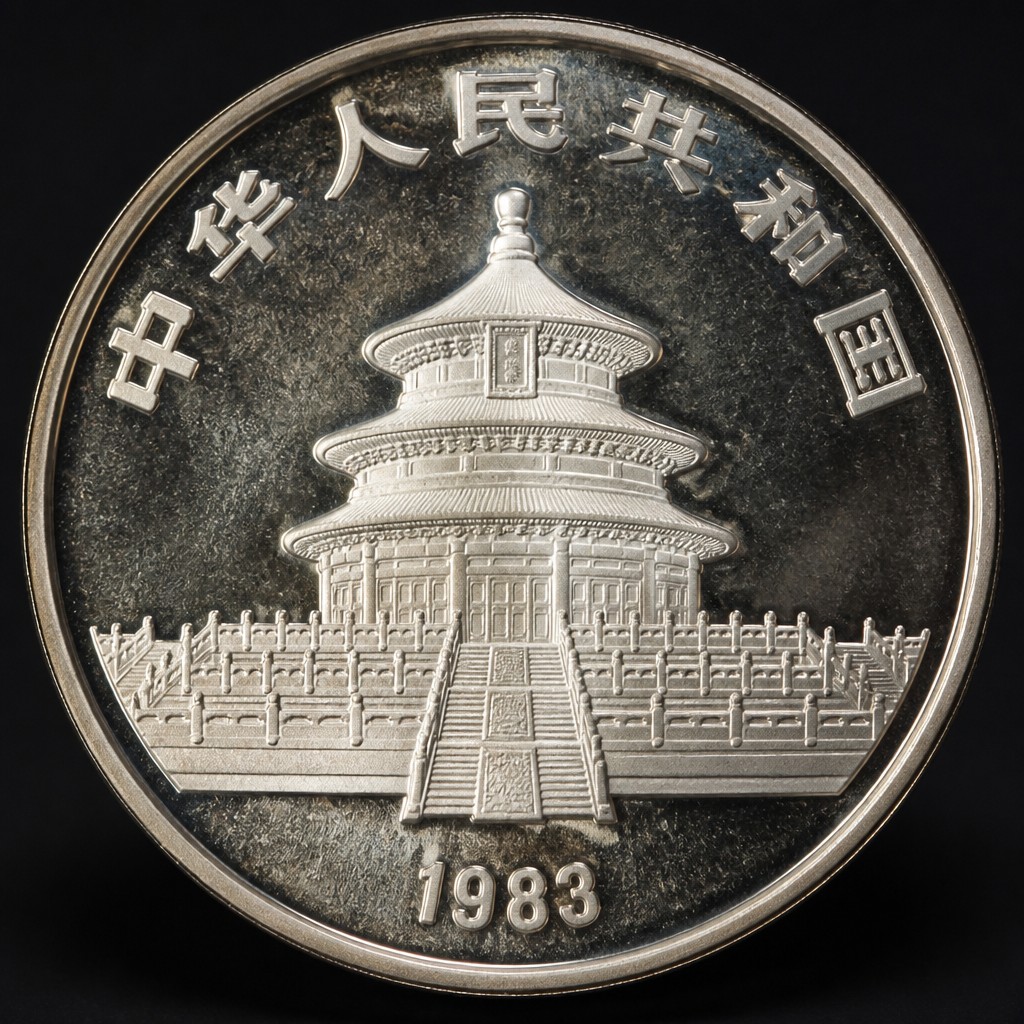
Chinese Silver Panda
1983–present
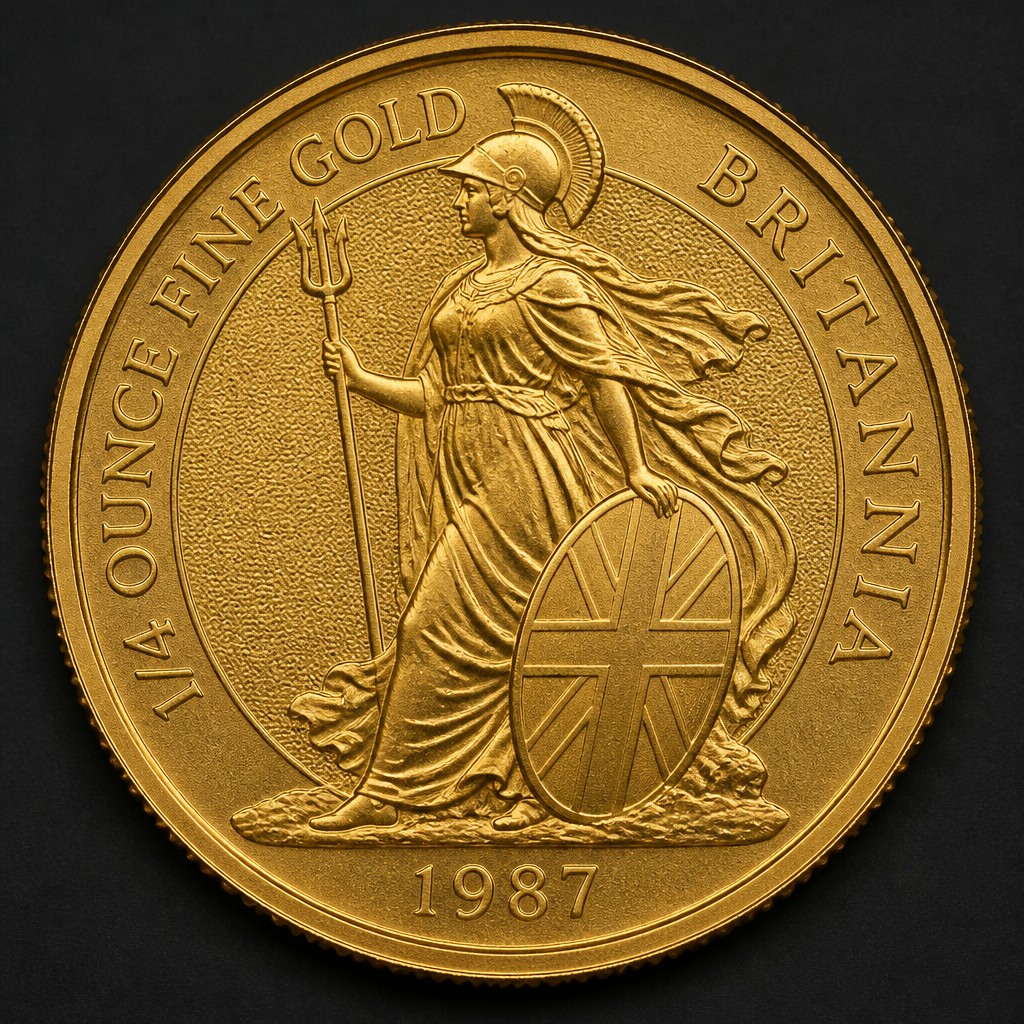
Gold Britannia
1987–present
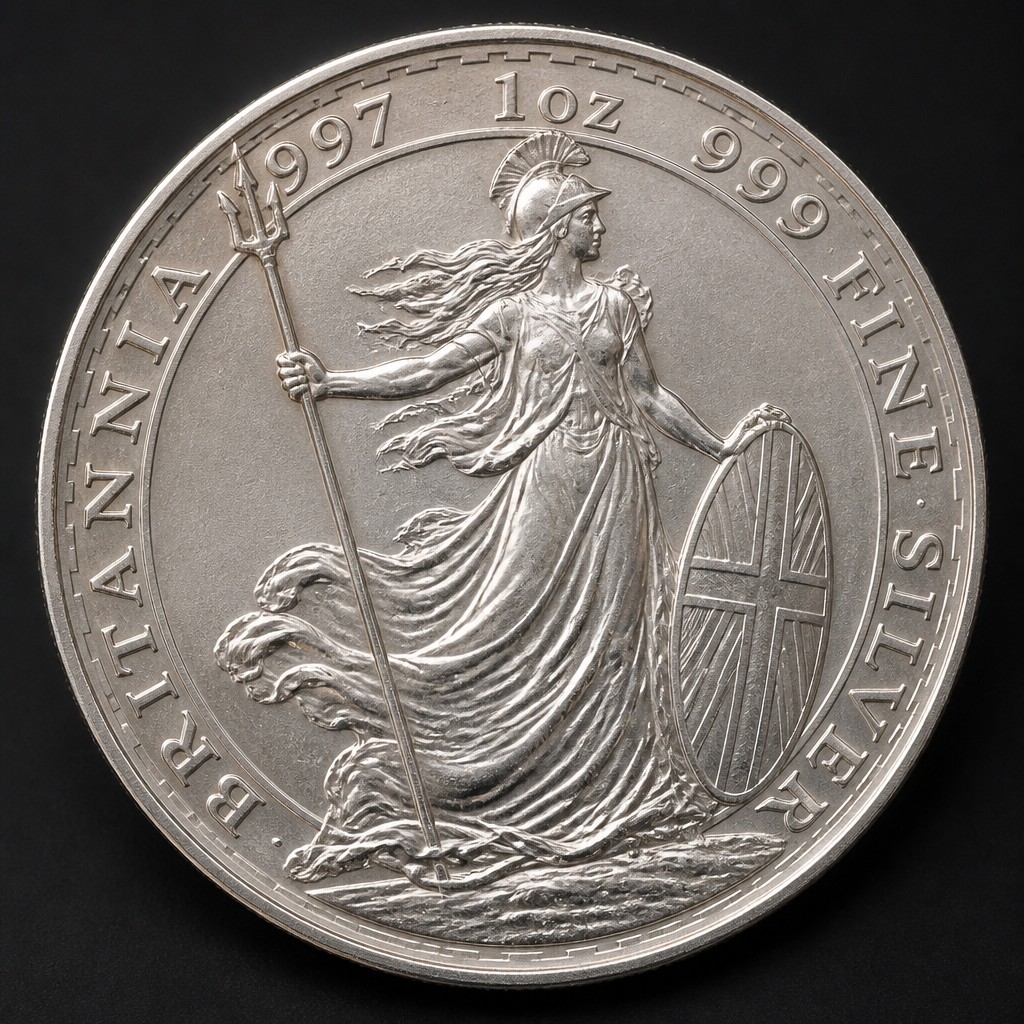
Britannia (Silver Bullion)
1997–present
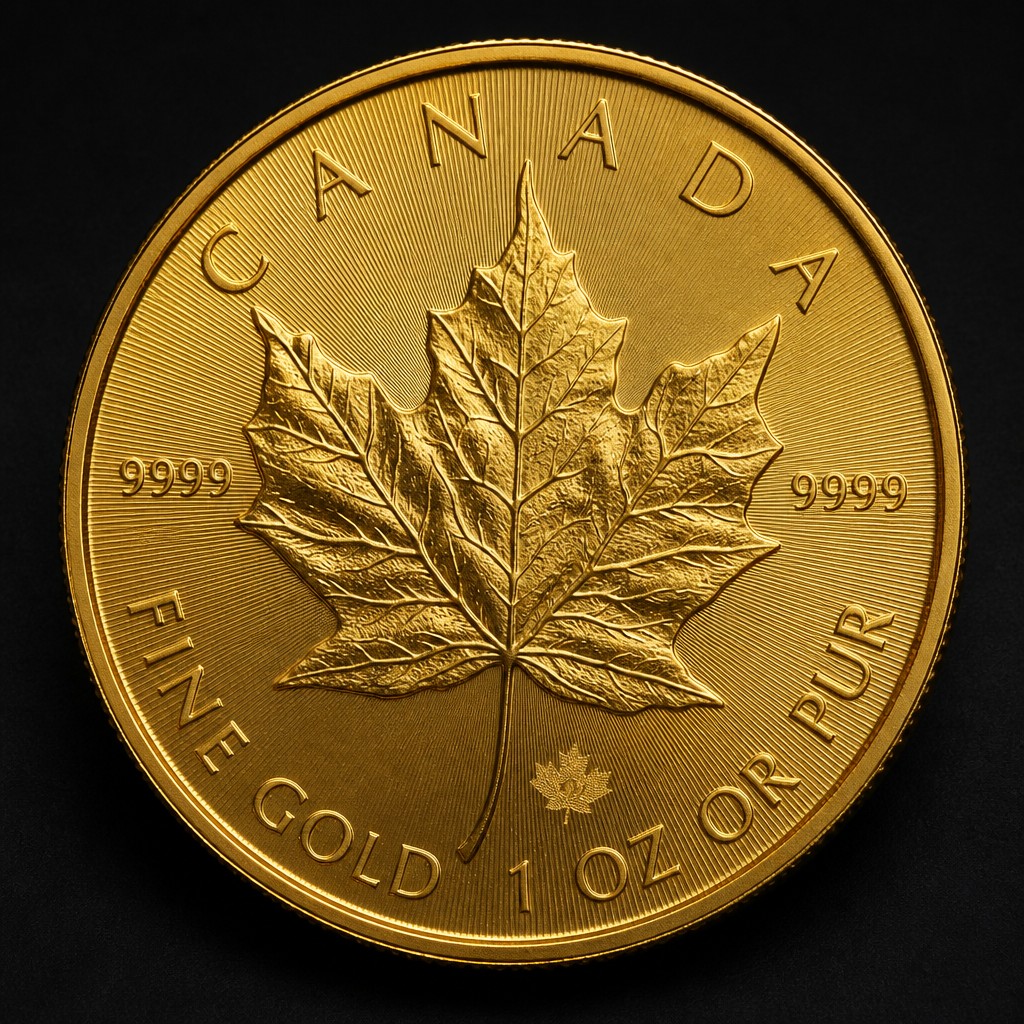
Canadian Gold Maple Leaf (1 oz)
1979–present
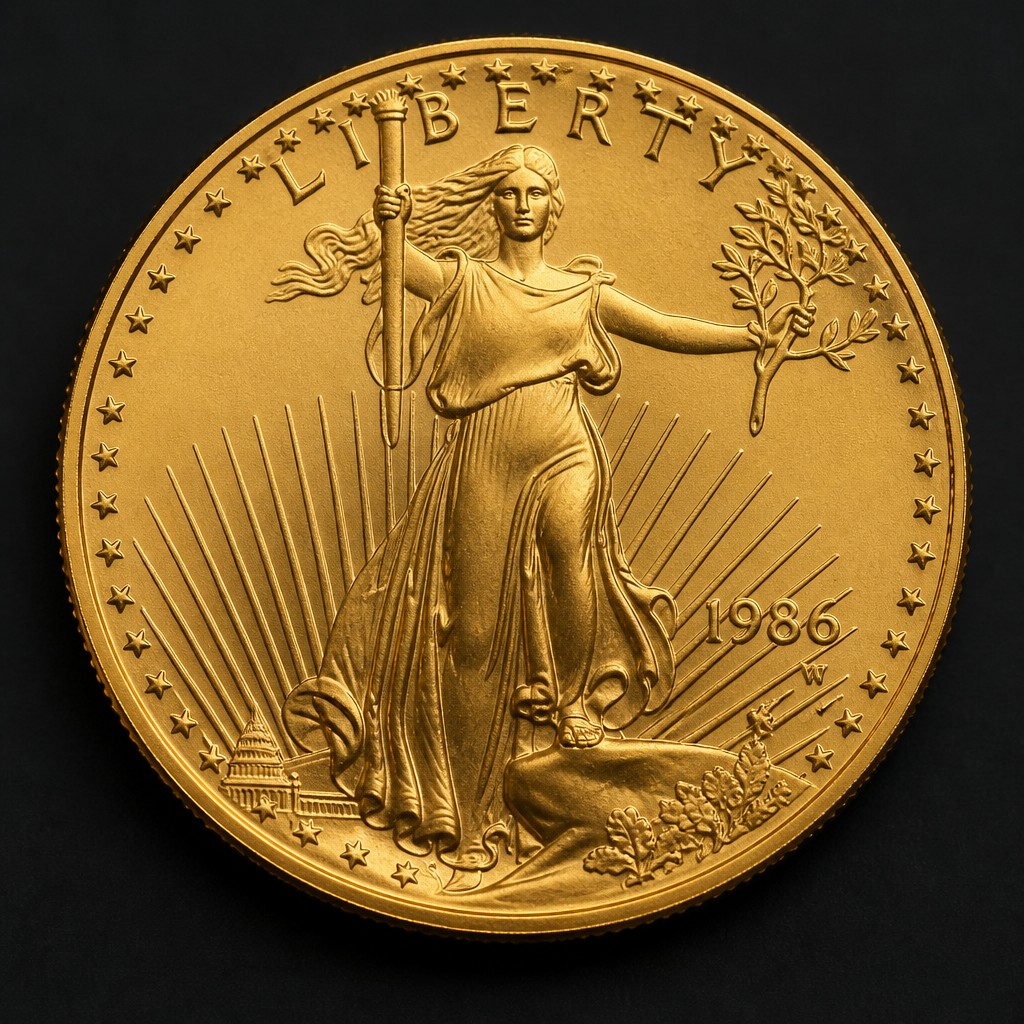
American Gold Eagle
1986–present
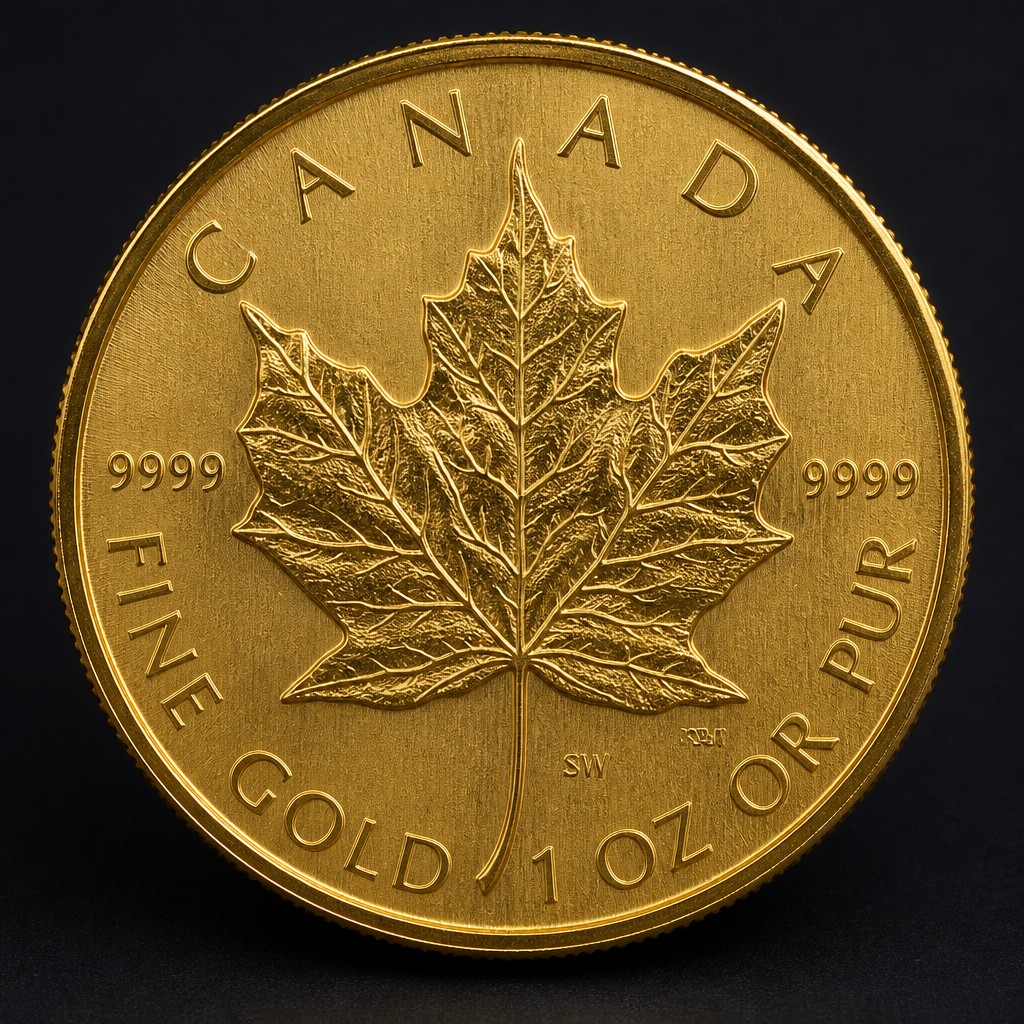
Canadian Maple Leaf (Gold)
1979–present