
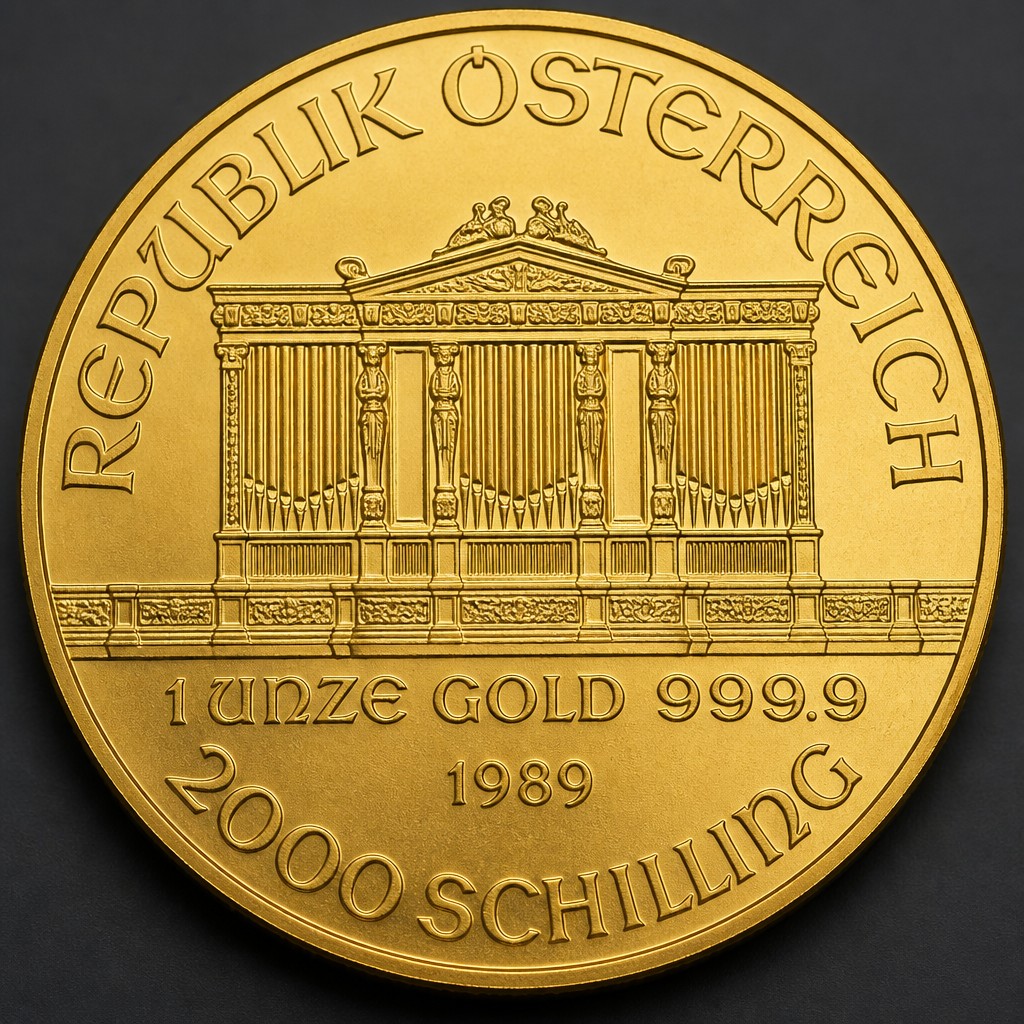
Austrian Gold Philharmonic
Austria's popular gold bullion coin honoring the Vienna Philharmonic Orchestra, featuring the Musikverein's Great Organ and an array of orchestral instruments.
- Country
- Austria
- Denomination
- 100 Euro (1 oz, formerly denominated in Schillings)
- Metal
- 99.99% Gold (.9999 fine)
Got a coin like this?
Identify any coin from a photo, free.
Overview
The Austrian Gold Philharmonic is a one-ounce (and fractional) gold bullion coin issued by the Austrian Mint, celebrating the world-famous Vienna Philharmonic Orchestra. It is one of the best-selling gold bullion coins globally, occasionally outselling even the American Eagle and Canadian Maple Leaf in peak years.
Collectors and investors appreciate the coin for its .9999 fine gold content, its distinctive musical theme rather than a portrait or national emblem, and its long, uninterrupted mintage history since 1989.
History & Background
The Austrian Mint introduced the Philharmonic in 1989 to capitalize on Austria's rich musical heritage and to give the country a competitive entry in the growing international gold bullion market. The design pays tribute to the Vienna Philharmonic Orchestra, one of the most renowned orchestras in the world.
Originally denominated in Austrian Schillings, the coin's face value converted to Euros after Austria adopted the currency in 2002. The Mint later expanded the concept into a silver Philharmonic launched in 2008 and a platinum version introduced in 2016, making it a three-metal family of coins.
How to Identify
The obverse depicts the Great Organ of the Musikverein concert hall in Vienna, home of the Vienna Philharmonic. The reverse displays a grouping of orchestral instruments, including a cello, bassoons, harp, and French horns, along with the denomination and "REPUBLIK OESTERREICH." No portrait of a monarch or head of state appears on the coin.
Standard one-ounce coins are struck in .9999 fine gold, 37 mm in diameter, with a 100-Euro face value; fractional sizes (1/25, 1/10, 1/4, and 1/2 ounce) are also produced with proportionally smaller face values. The coin can be told apart from the silver and platinum Philharmonics by its face value denomination and, of course, its yellow gold color and higher weight-for-size.
Because the design has remained essentially unchanged since 1989 aside from denomination updates, dating relies on the year numeral included in the design.
Value & Collectibility
As a widely produced bullion coin, the Gold Philharmonic generally trades near the spot price of gold plus a modest premium, with grade mattering little for coins bought and sold as bullion. Its popularity and high liquidity make it easy to buy and sell in most gold markets worldwide.
Special or limited editions, including large-format coins (the Mint has struck giant multi-kilogram versions for promotional purposes) and certain low-mintage early years, can carry collector premiums, but the bulk of the series trades as straightforward gold bullion.
Frequently asked questions
Why does the coin feature musical instruments instead of a monarch?
Austria is a republic without a monarch, so the Mint chose to honor the internationally celebrated Vienna Philharmonic Orchestra instead of a head of state.
Is the Philharmonic only available in gold?
No, the Austrian Mint also produces silver Philharmonics (since 2008) and platinum Philharmonics (since 2016) using the same basic design theme.
What purity is the coin?
The gold version is struck in .9999 fine gold, one of the purest standards used in government bullion coins.
What sizes does it come in?
It is issued in one-ounce and several fractional sizes ranging from 1/25 ounce up to 1/2 ounce.
Other coins you may enjoy
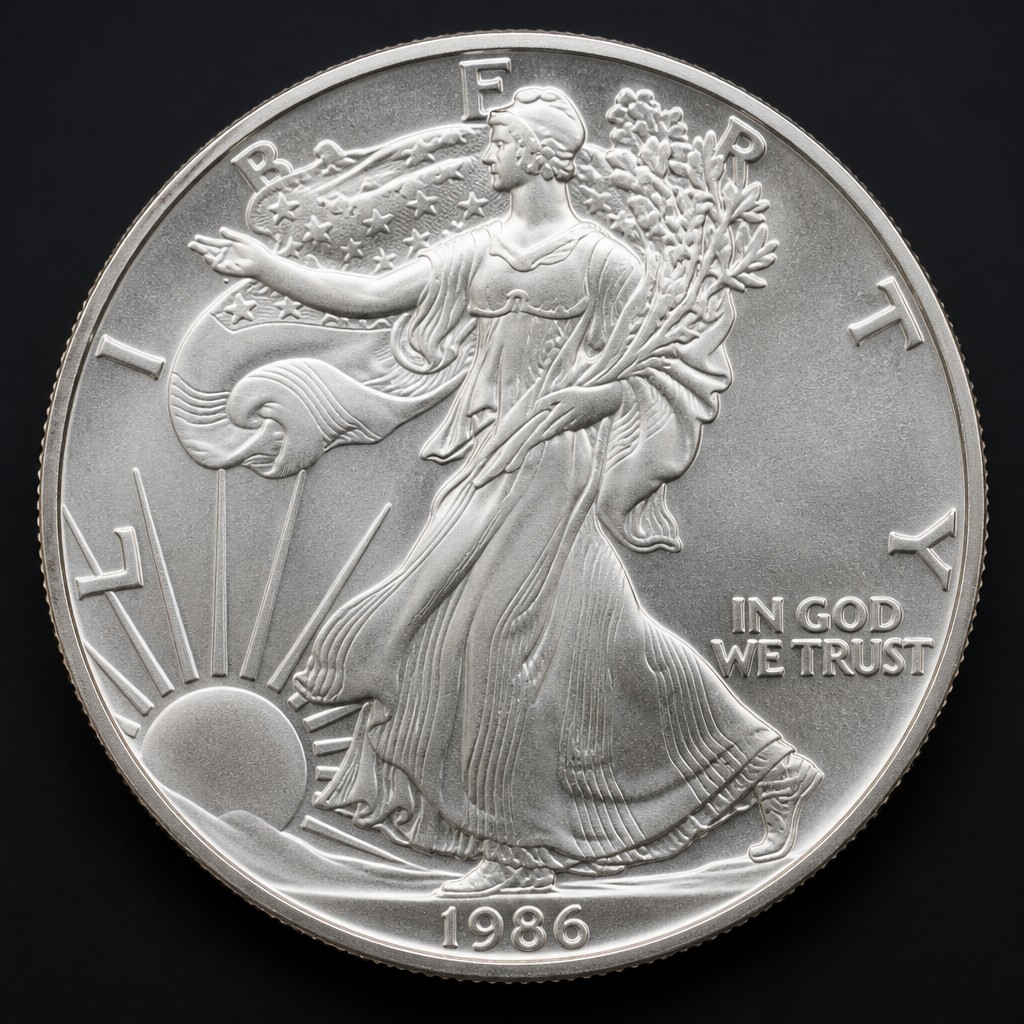
American Silver Eagle
1986–present
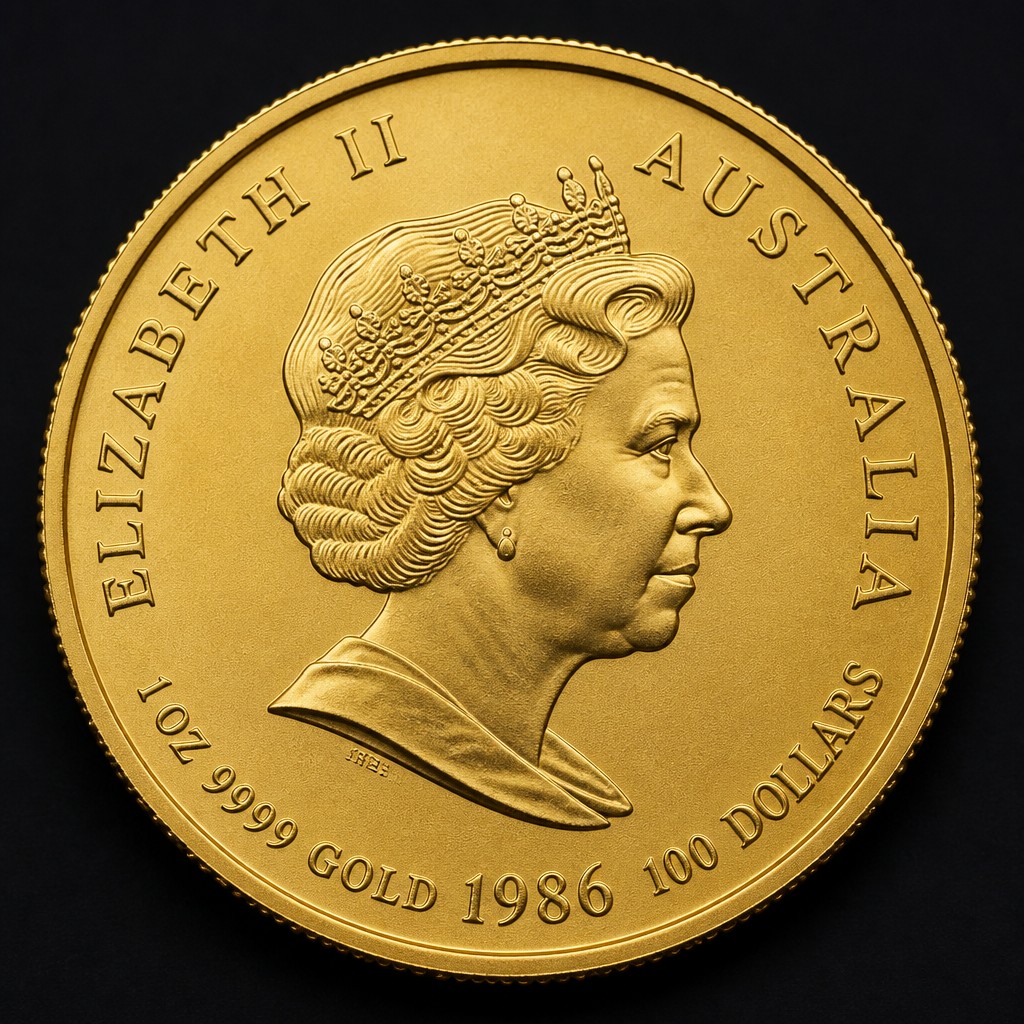
Australian Gold Nugget (Kangaroo)
1986–present
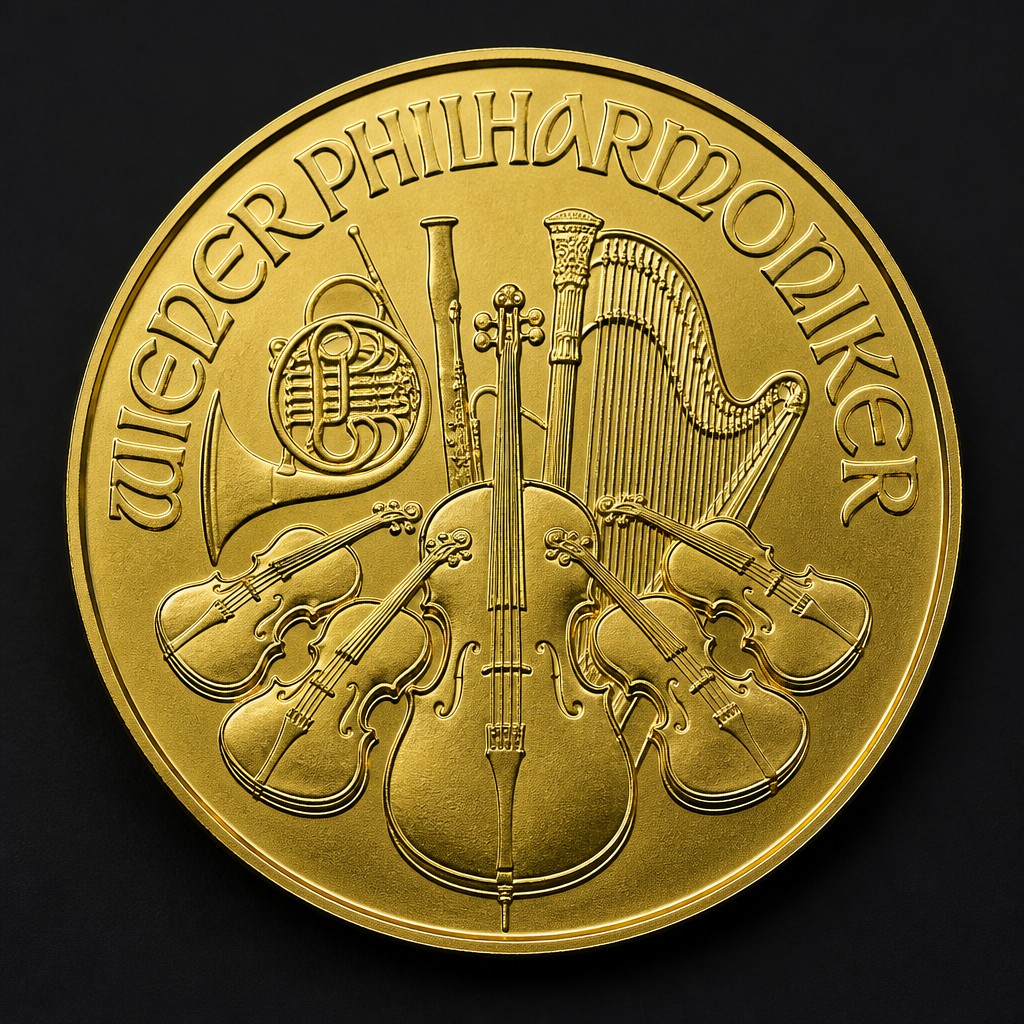
Vienna Philharmonic
1989–present
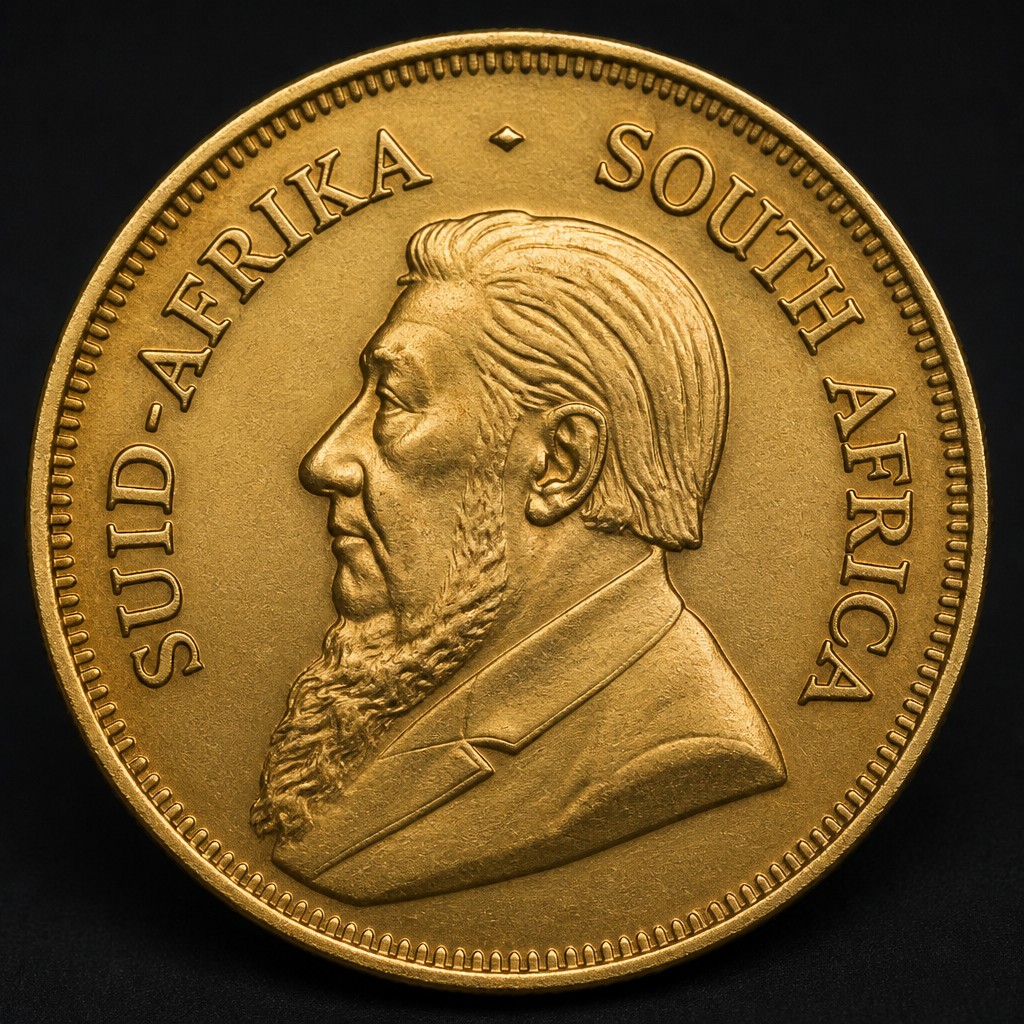
South African Krugerrand
1967–present
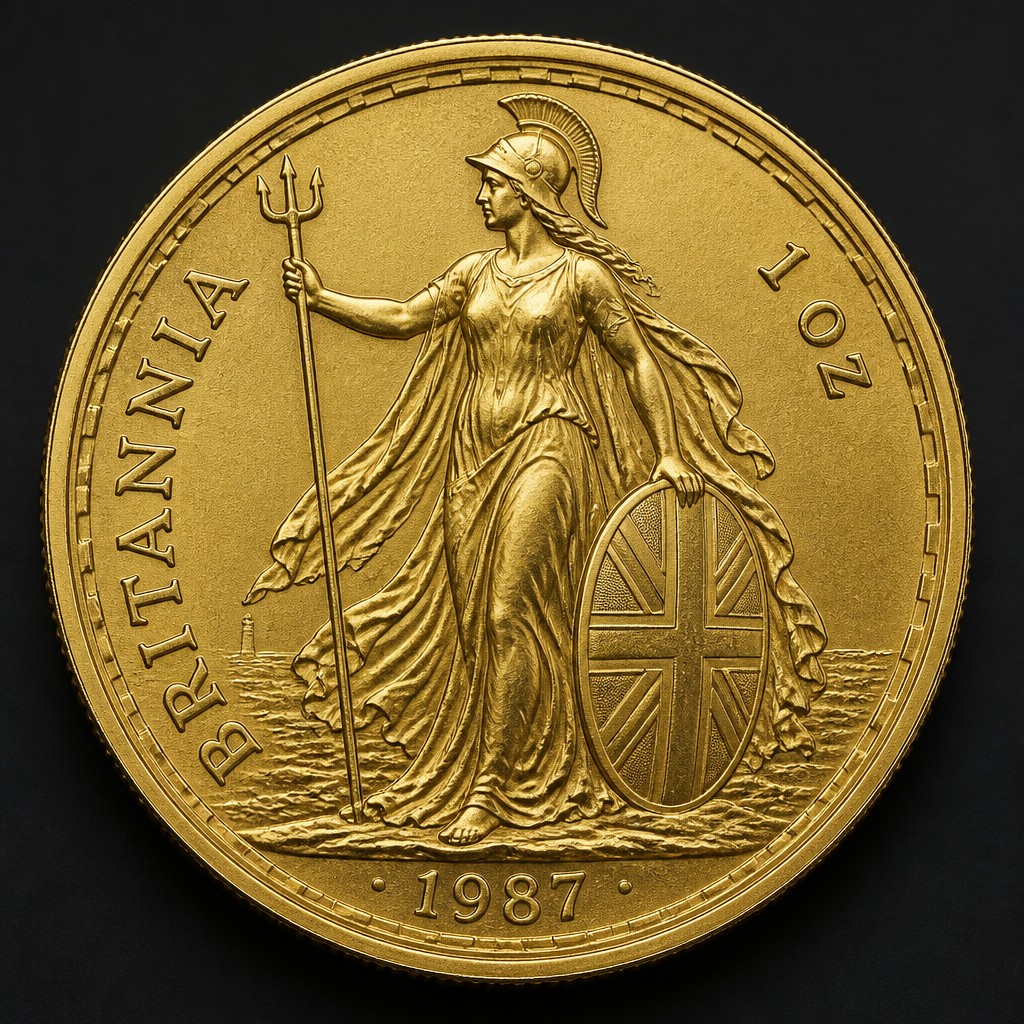
British Britannia
1987–present (gold); 1997–present (silver)
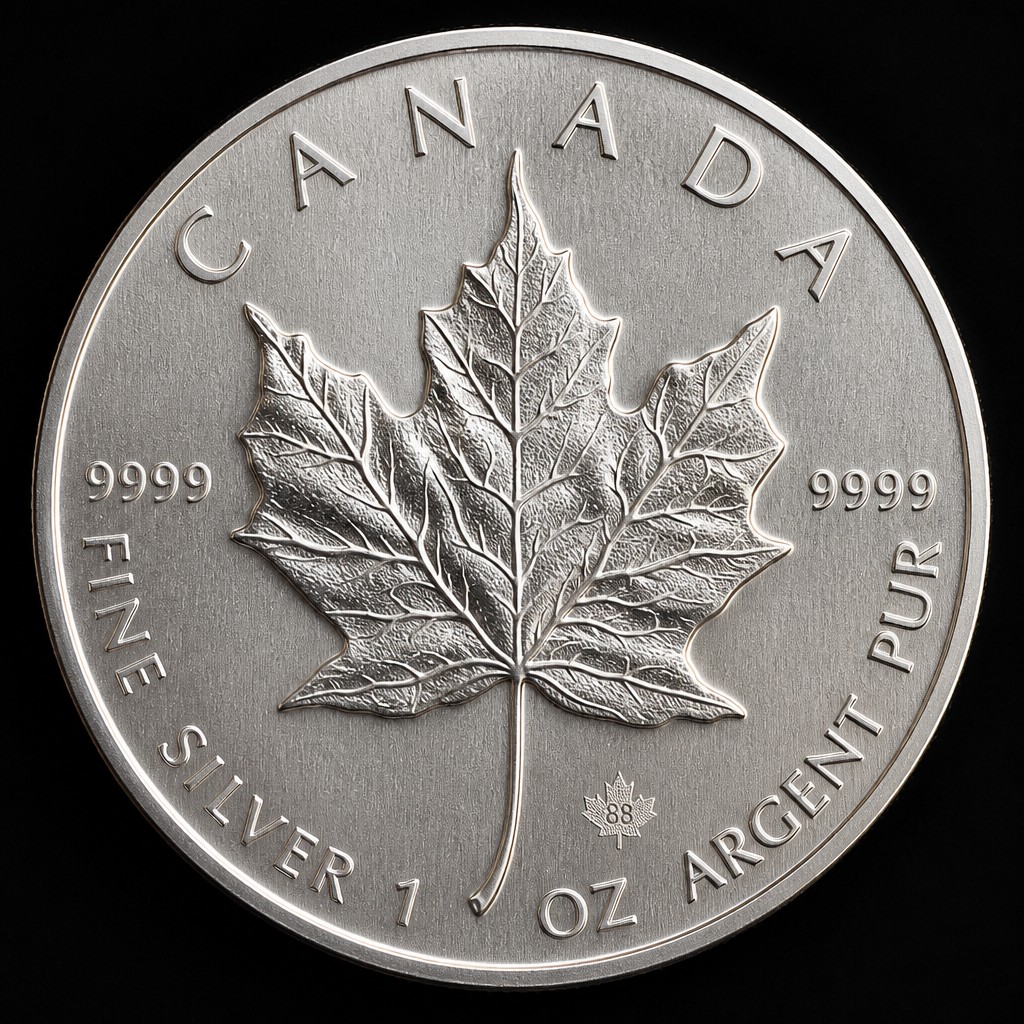
Canadian Silver Maple Leaf
1988–present
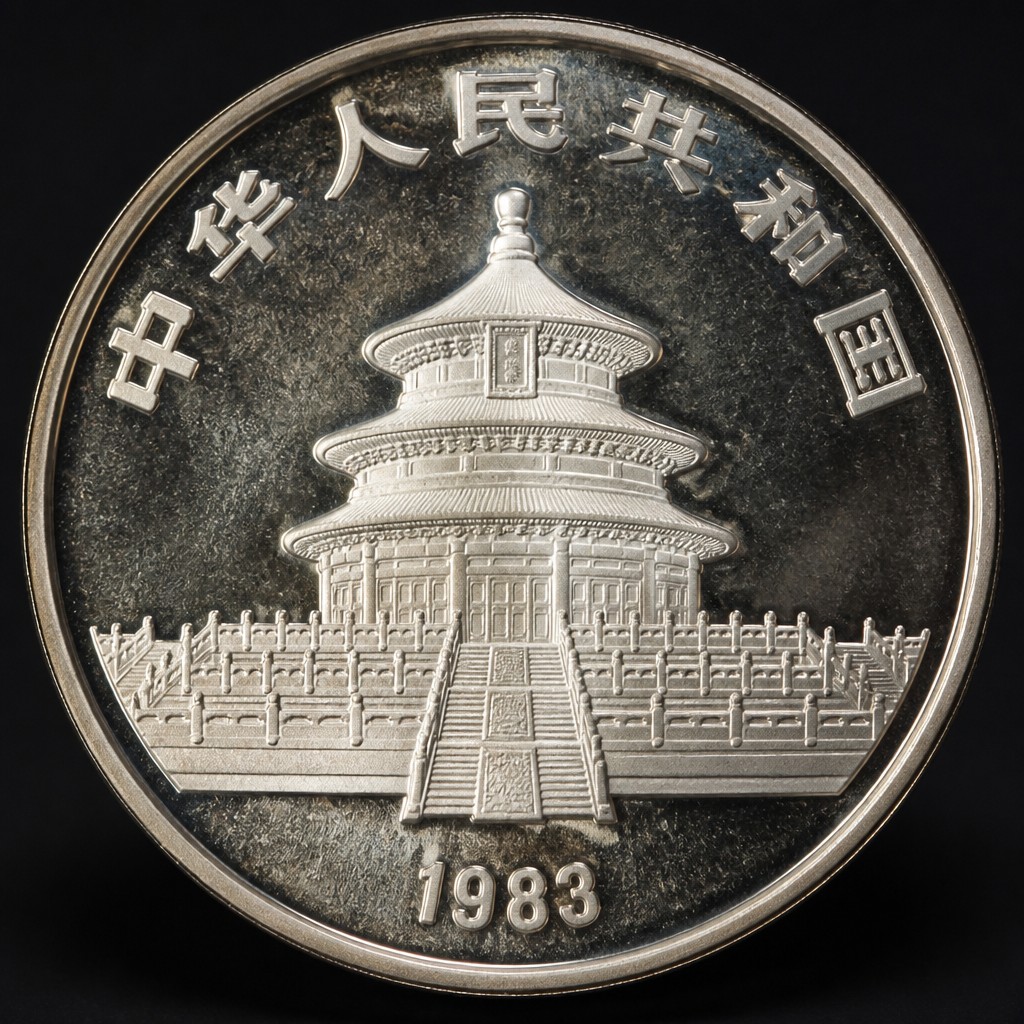
Chinese Silver Panda
1983–present
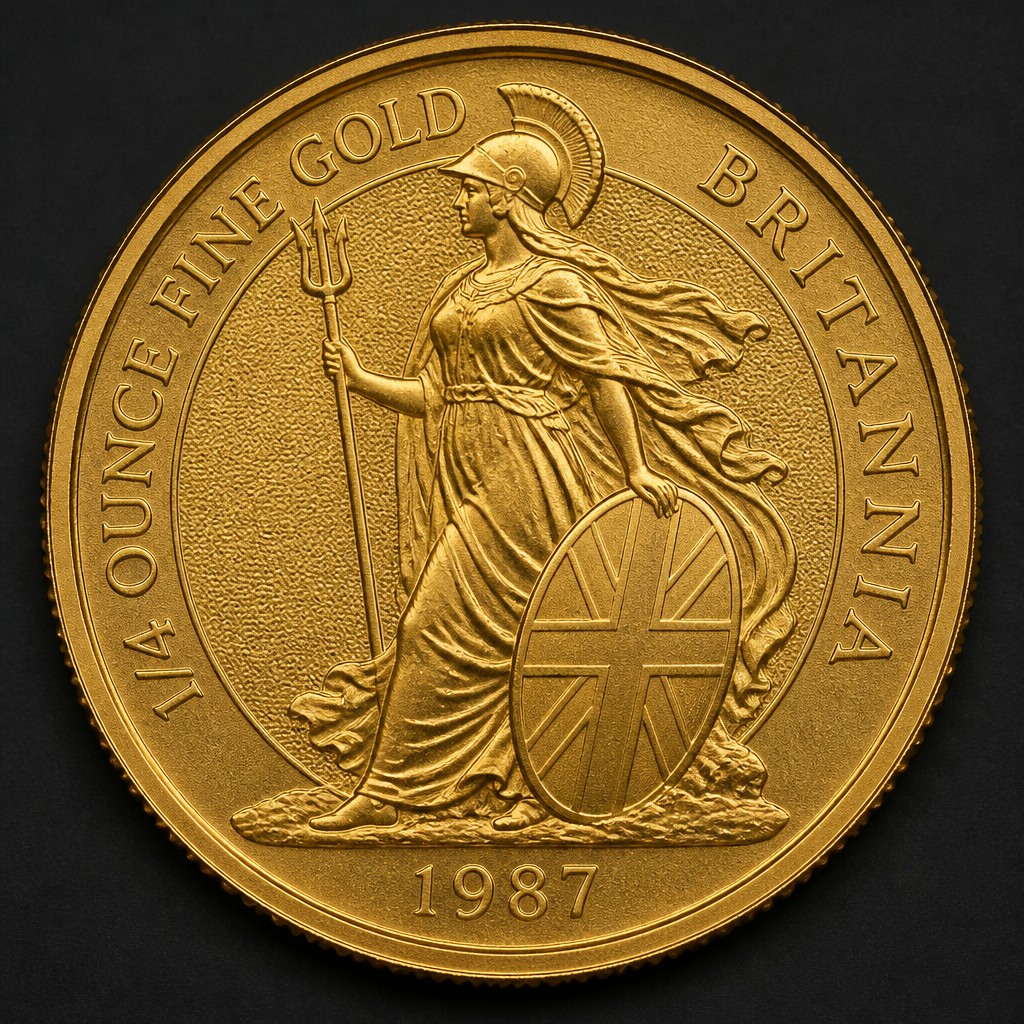
Gold Britannia
1987–present
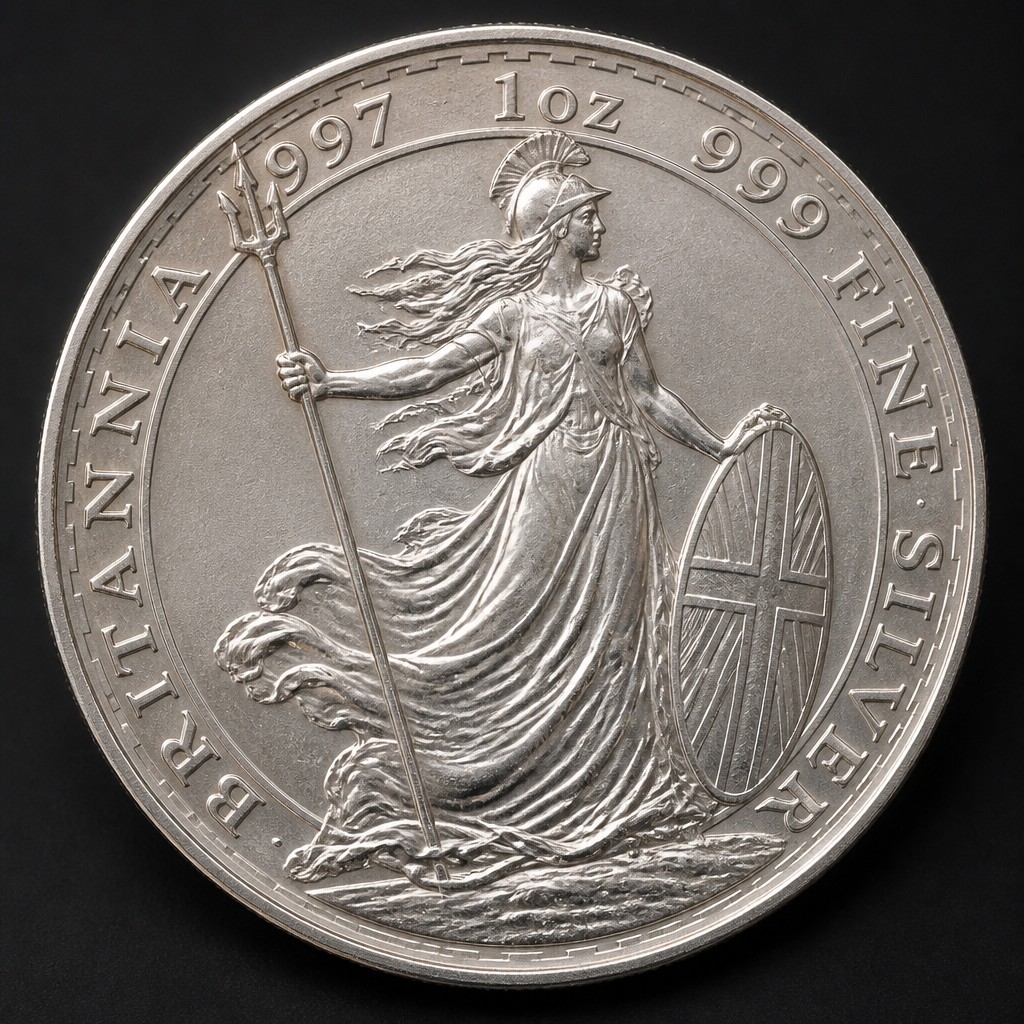
Britannia (Silver Bullion)
1997–present
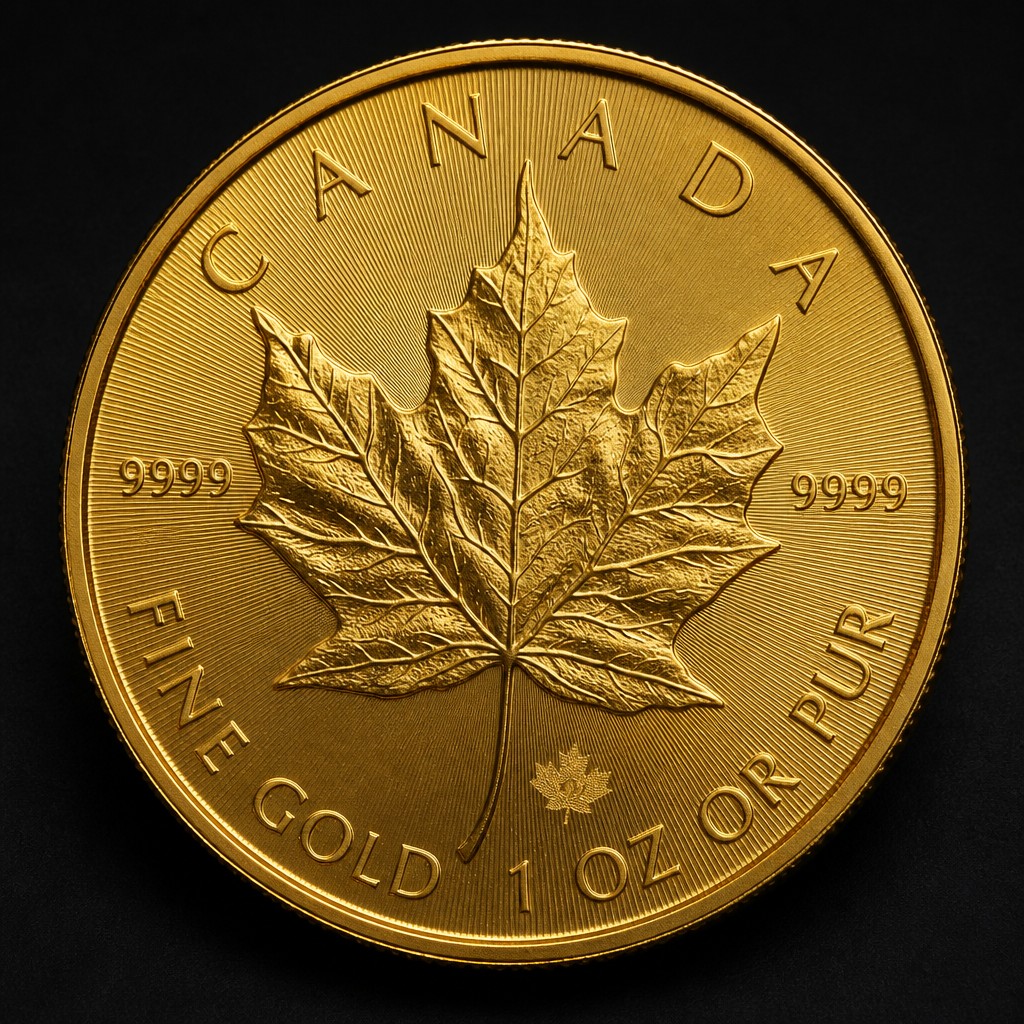
Canadian Gold Maple Leaf (1 oz)
1979–present
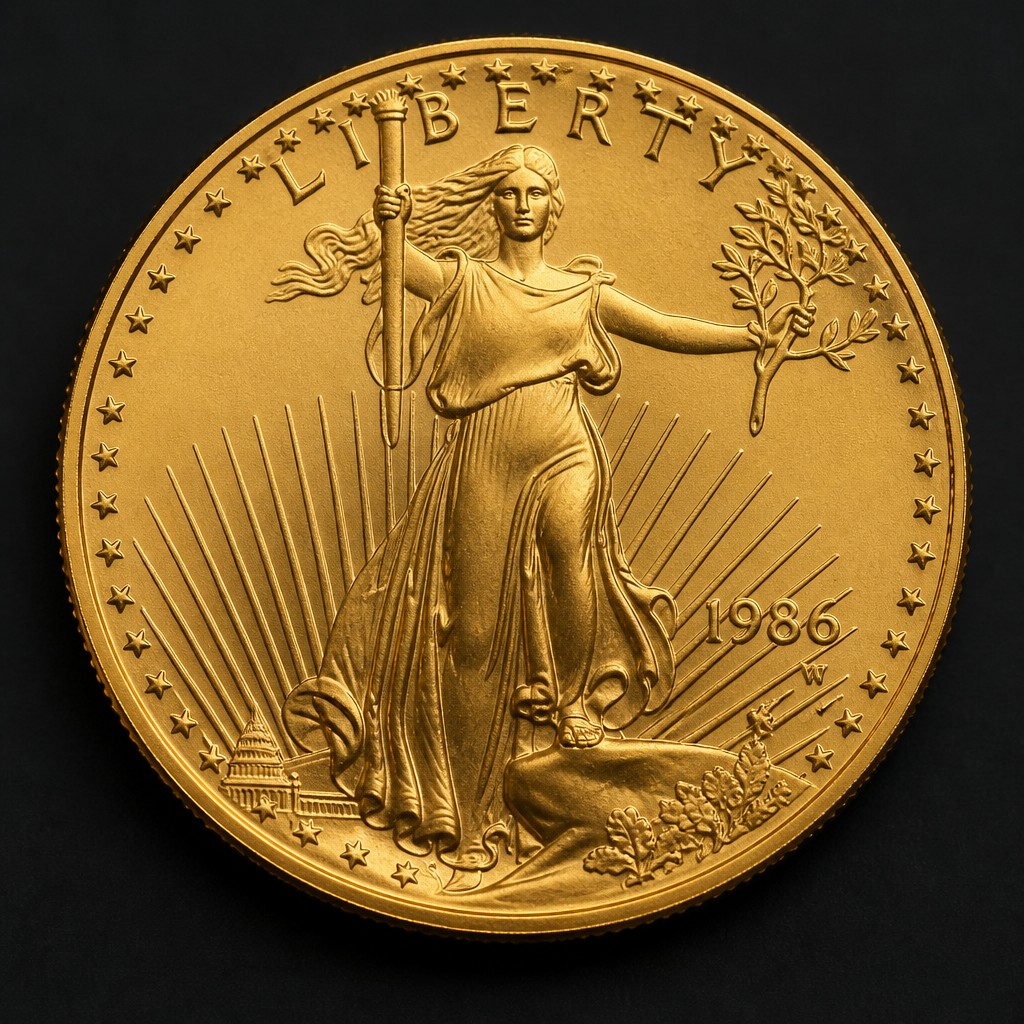
American Gold Eagle
1986–present
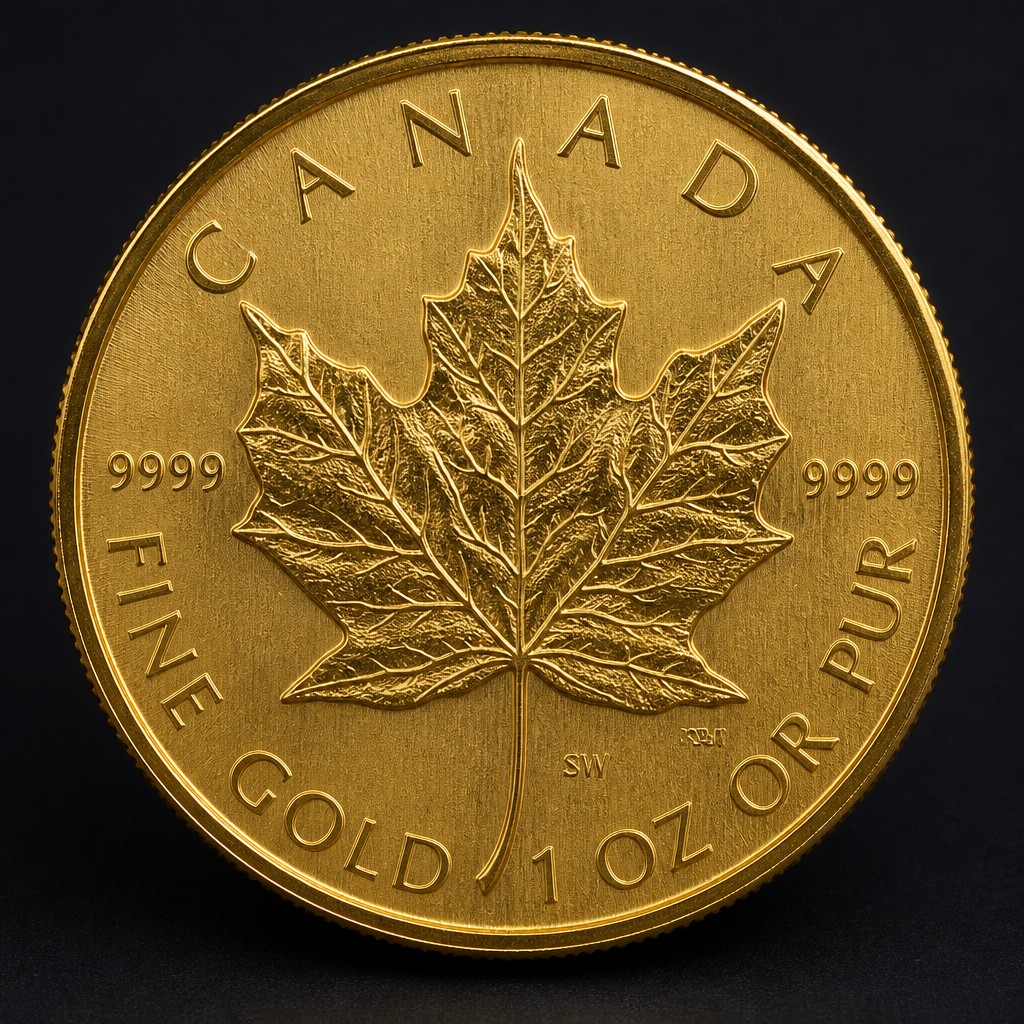
Canadian Maple Leaf (Gold)
1979–present