
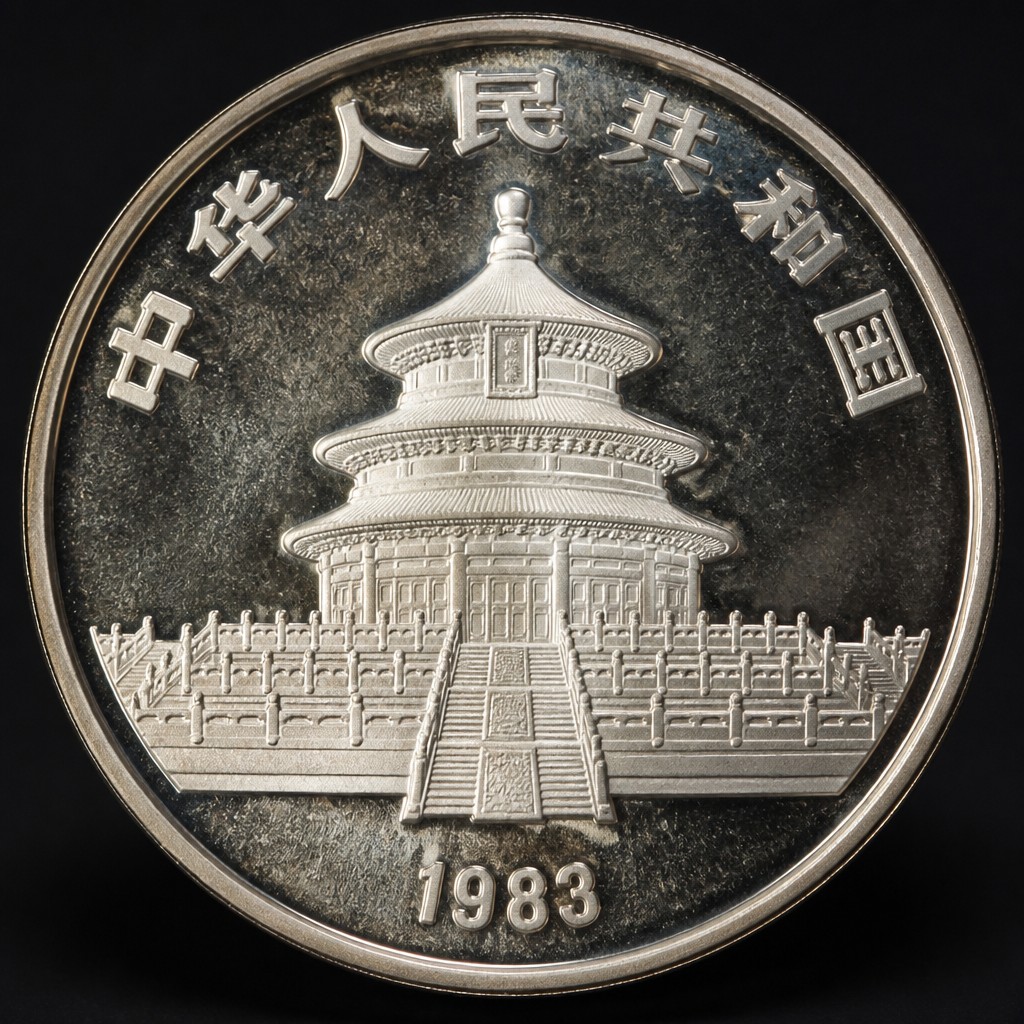
Chinese Silver Panda
China's annual silver bullion coin, issued since 1983 with a new panda design nearly every year, popular with both silver stackers and dedicated Panda date-set collectors.
- Country
- China (People's Republic of China)
- Denomination
- Typically 10 Yuan (1 oz standard)
- Metal
- Silver (.999 fine)
Got a coin like this?
Identify any coin from a photo, free.
Overview
The Silver Panda is the silver counterpart to China's famous Gold Panda bullion program, sharing the same tradition of an annually changing panda reverse design paired with a consistent Temple of Heaven obverse. This yearly design variation has made it one of the more actively collected modern silver bullion series in the world.
Typically issued in a one-ounce (and later related metric) format, the Silver Panda appeals both to buyers seeking silver bullion exposure and to numismatists who collect the series specifically for its evolving artwork, with certain early and low-mintage years commanding particular attention.
As with its gold counterpart, the Silver Panda is produced at official Chinese state mints and has grown into a globally traded and recognized bullion product over several decades of continuous issuance.
History & Background
China introduced the Silver Panda in 1983, a year after the debut of the Gold Panda, extending the same successful design concept to a more accessible silver bullion product. The coin quickly found an international audience among silver investors and collectors drawn to its changing artwork.
Like the gold series, the Silver Panda's reverse panda design has changed almost every year since introduction, while the obverse Temple of Heaven design and Chinese characters denoting the country and denomination have remained consistent. Weight standards and specific denominations have shifted somewhat over the decades, generally centering on a one troy ounce standard.
Produced at Chinese mints including Shenyang and Shanghai, the Silver Panda has become one of the most actively traded and collected modern silver bullion coins globally, often mentioned alongside other major silver bullion programs such as the American Silver Eagle and Canadian Silver Maple Leaf.
How to Identify
The obverse consistently depicts the Temple of Heaven in Beijing along with the coin's date and Chinese characters identifying the issuing country. The reverse shows a panda design that generally changes from year to year, so the specific panda artwork is the primary way to identify which year's issue a given coin represents.
The coin is struck in .999 fine silver, generally at a standard weight of one troy ounce for the most common size, with a face value denominated in Chinese yuan, though its bullion value is generally what determines its market price rather than the nominal face value. As with the Gold Panda, mint marks distinguishing different Chinese mints are not typically obvious on the coin itself.
Because of the series' popularity, counterfeit Silver Pandas circulate in the market, so buyers are encouraged to purchase from reputable dealers and consider third-party authentication for higher-value or older dated examples.
Value & Collectibility
Silver Panda values generally track the spot price of silver plus a premium for minting, distribution, and collector demand, consistent with other major silver bullion coin programs. Certain early dates from the 1980s and specific low-mintage years can carry a meaningfully higher premium among dedicated Panda collectors compared to their silver content alone.
Common recent-date coins in typical bullion condition trade closest to melt value plus a standard premium, while older, particularly early key dates, and coins in exceptional condition can command noticeably stronger prices reflecting collector as well as bullion demand.
Frequently asked questions
When was the Silver Panda first issued?
China introduced the Silver Panda in 1983, one year after the debut of the Gold Panda coin.
What purity is the Silver Panda?
It is struck in .999 fine silver.
Does the Silver Panda design change every year?
Yes, the reverse panda design typically changes annually, while the Temple of Heaven obverse design stays consistent.
What is the standard size of a Silver Panda?
The most common size has historically been one troy ounce, though other sizes have been issued at various points.
Are older Silver Pandas worth more than newer ones?
Certain early dates and low-mintage years can carry a premium above melt value among collectors, though most common dates trade close to their silver content plus a standard dealer premium.
Other coins you may enjoy
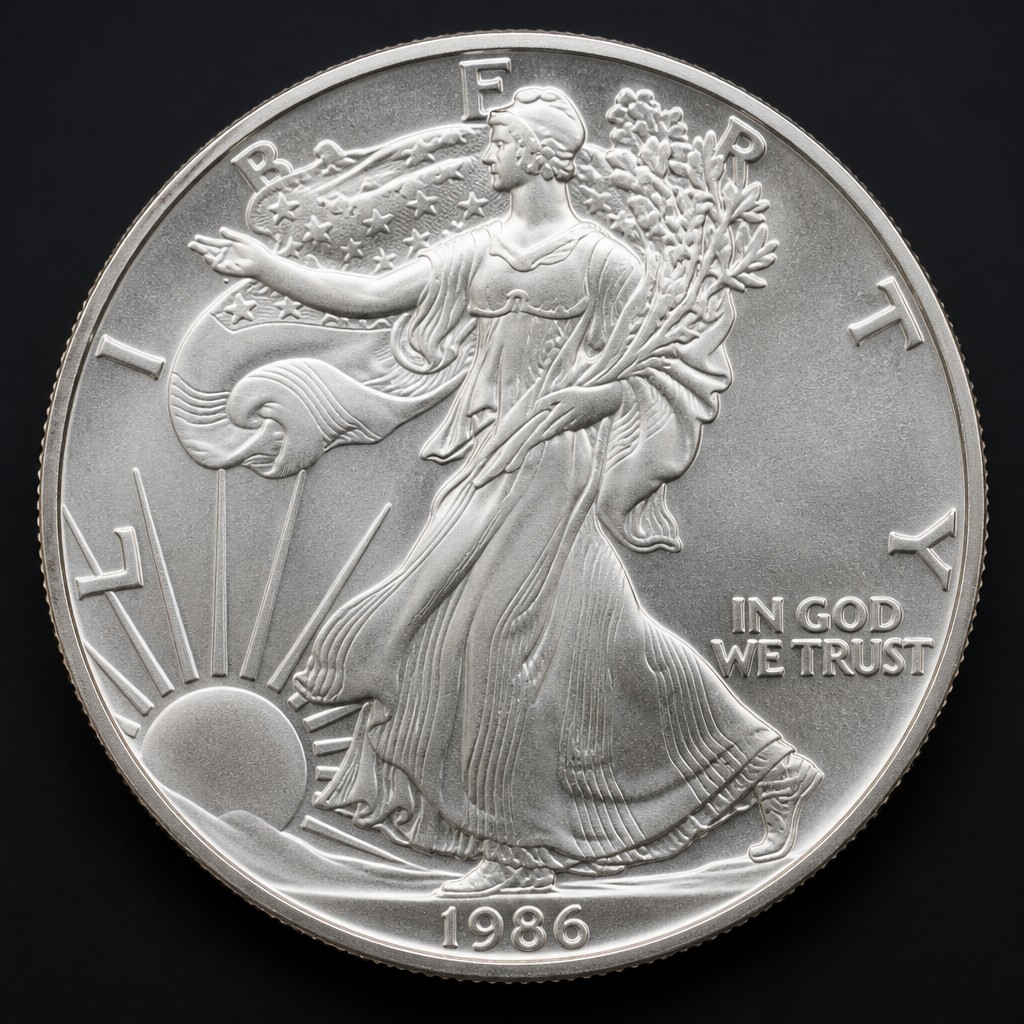
American Silver Eagle
1986–present
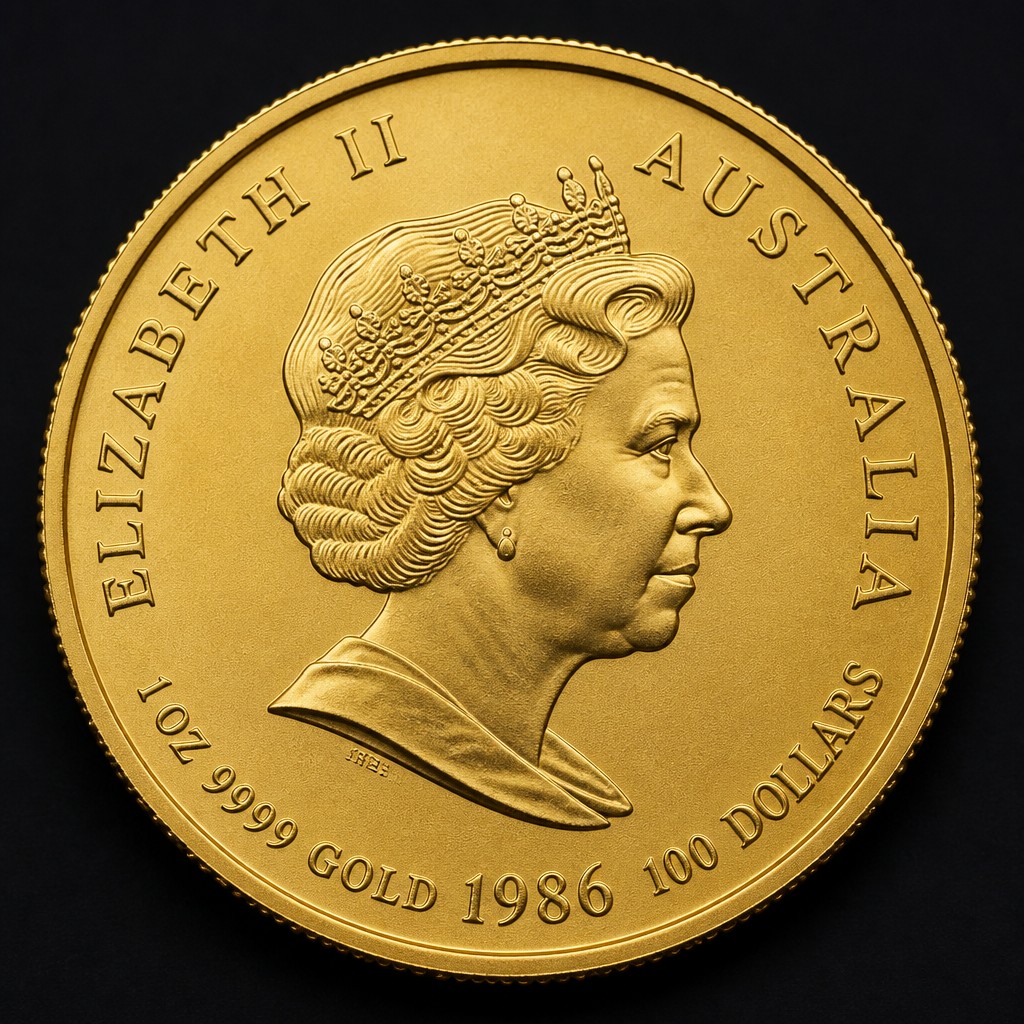
Australian Gold Nugget (Kangaroo)
1986–present
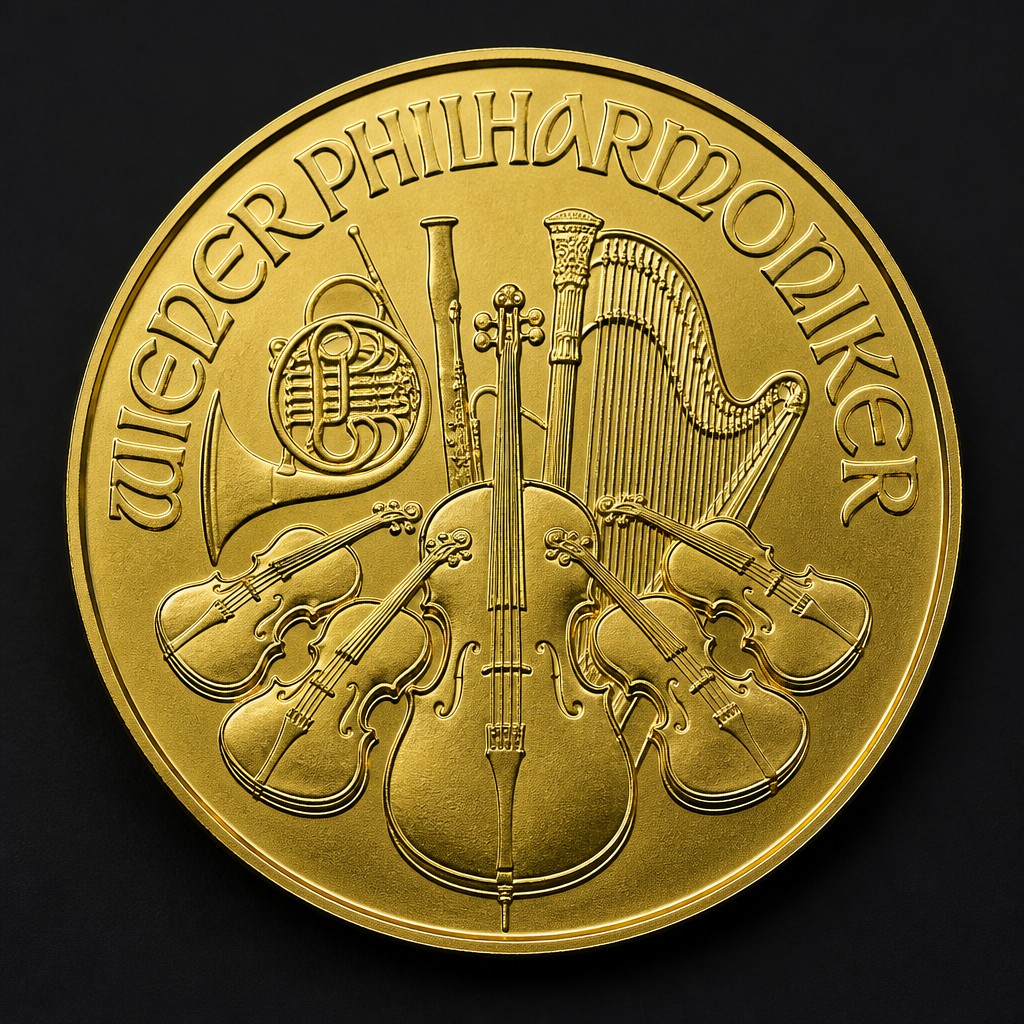
Vienna Philharmonic
1989–present
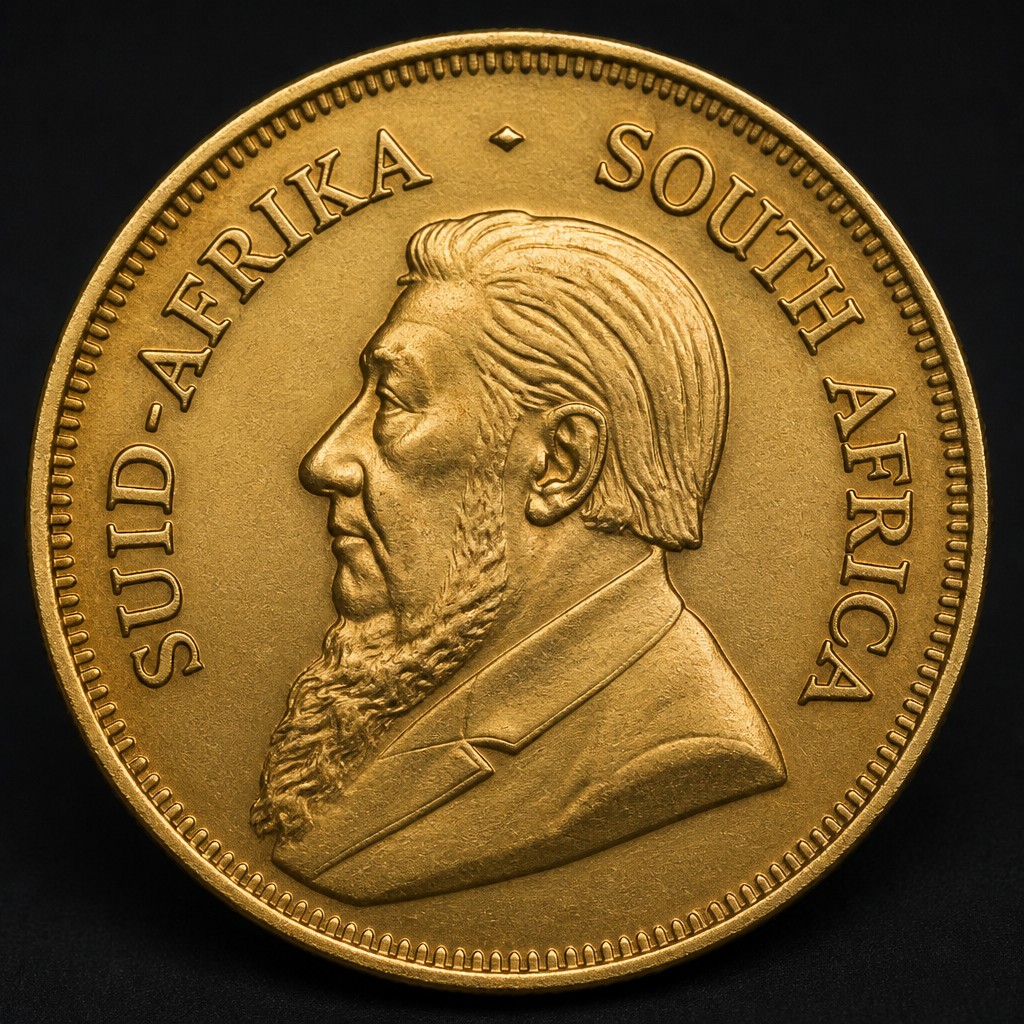
South African Krugerrand
1967–present
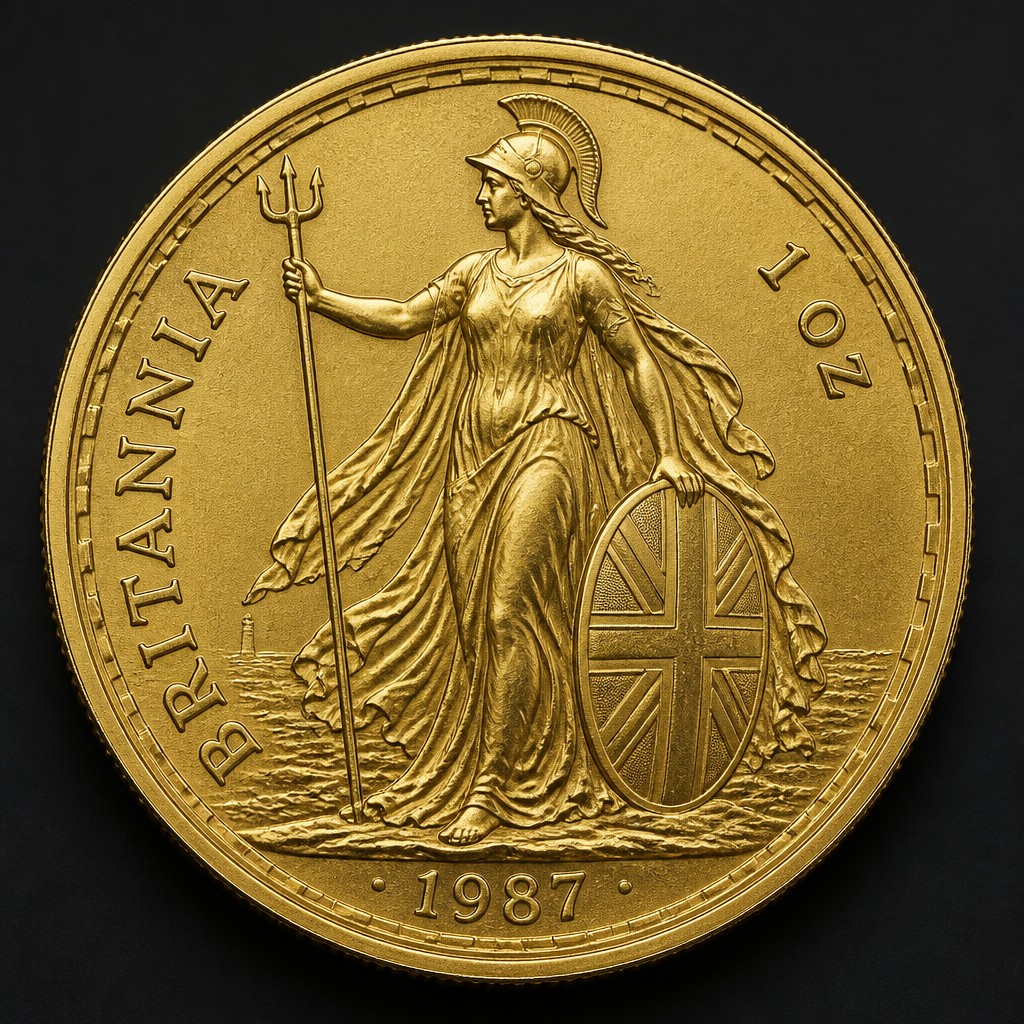
British Britannia
1987–present (gold); 1997–present (silver)
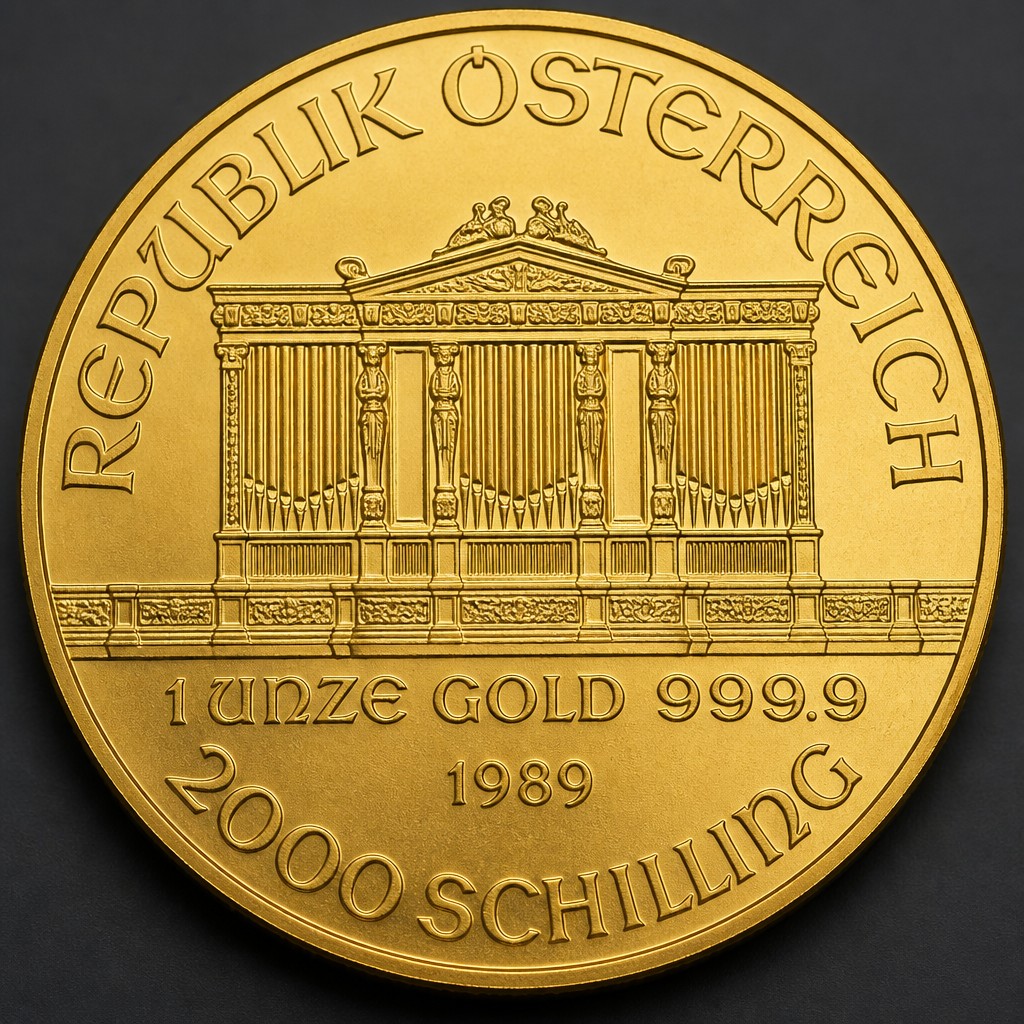
Austrian Gold Philharmonic
1989–present
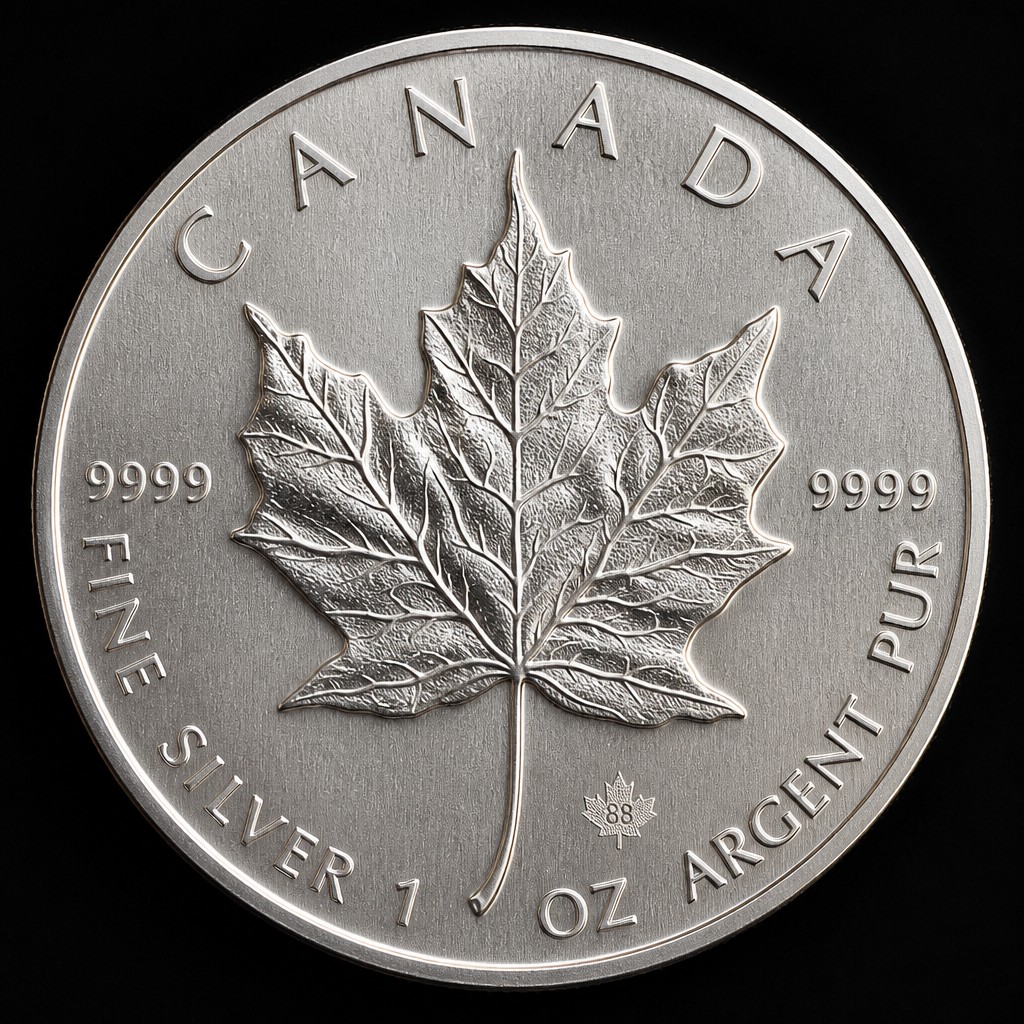
Canadian Silver Maple Leaf
1988–present
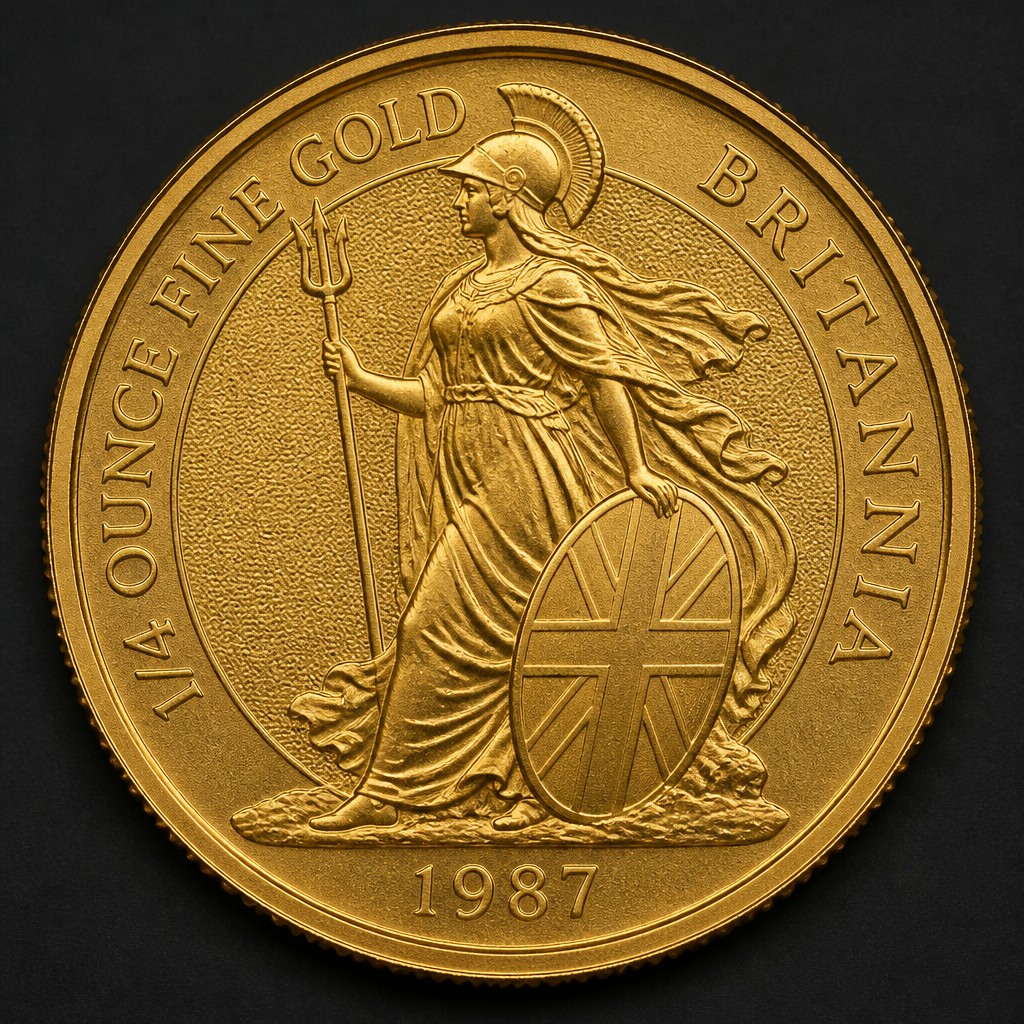
Gold Britannia
1987–present
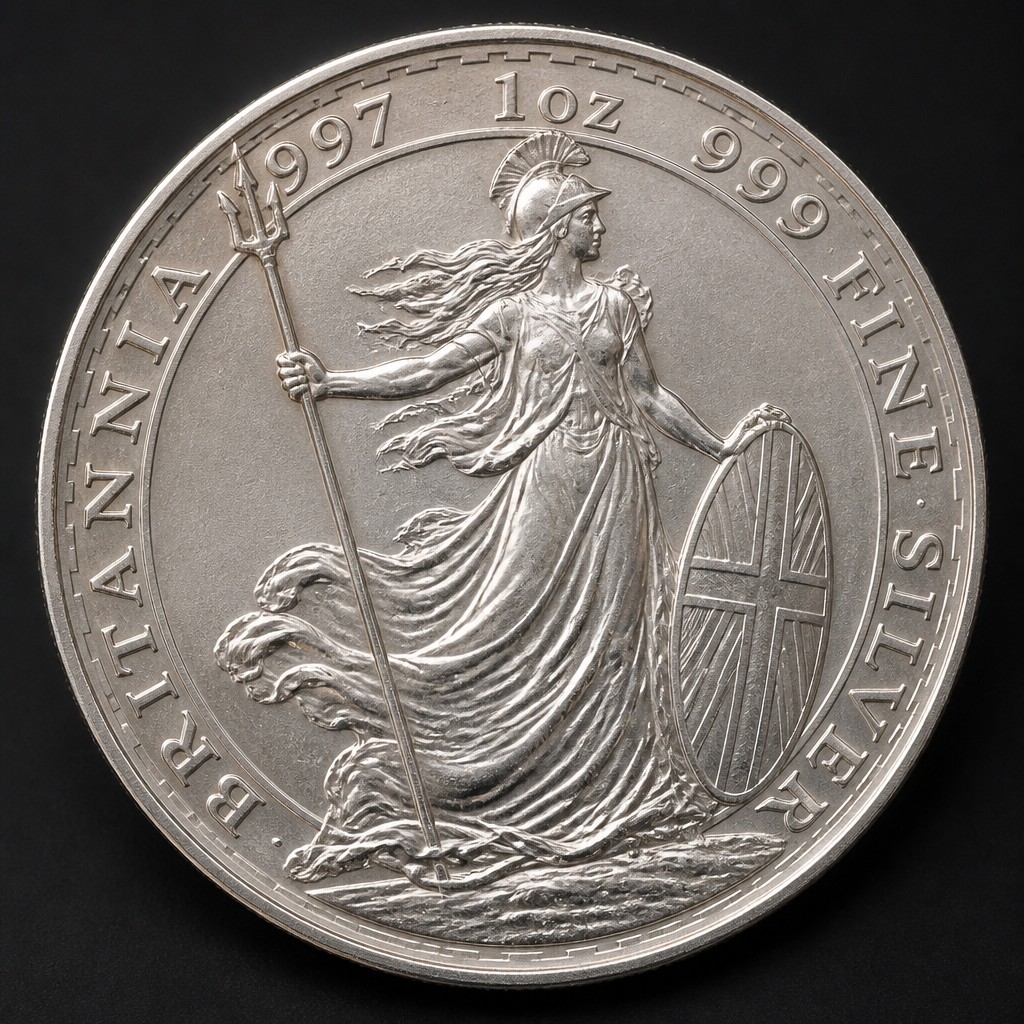
Britannia (Silver Bullion)
1997–present
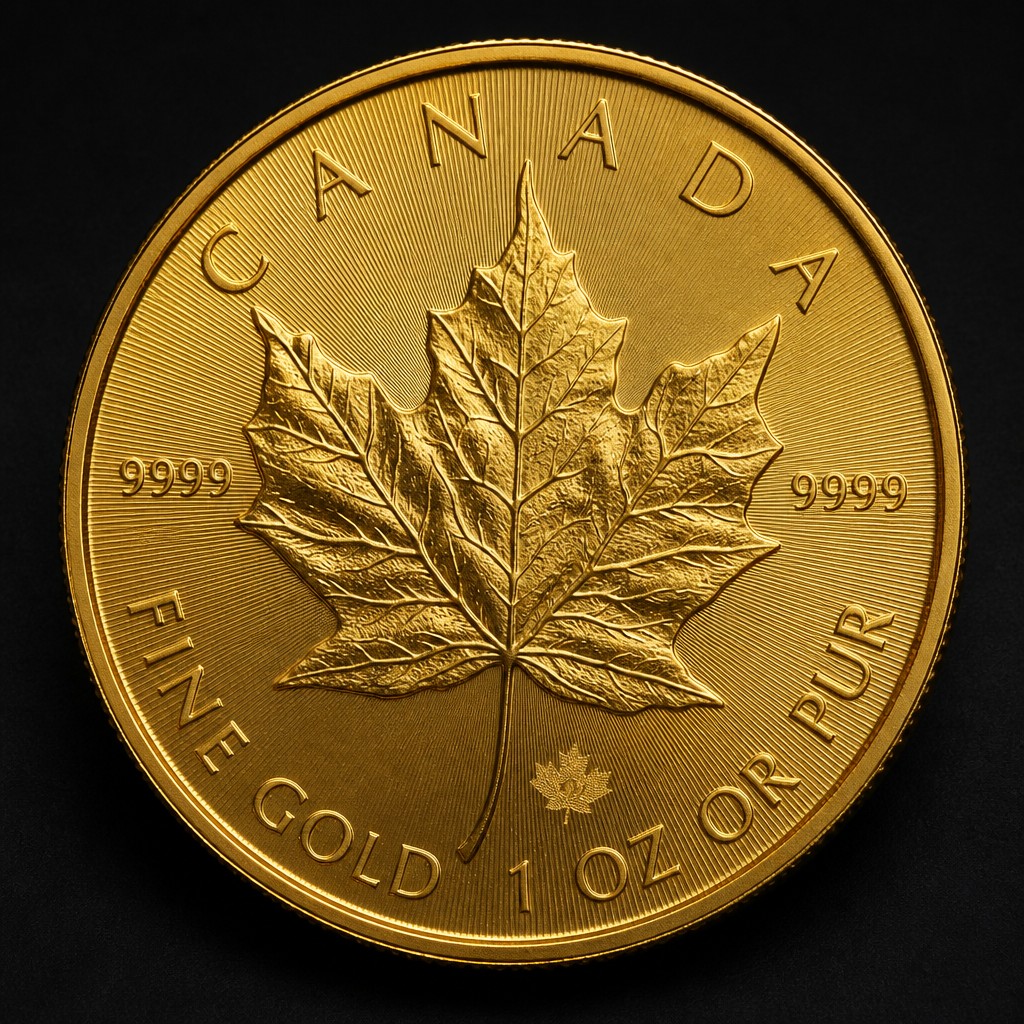
Canadian Gold Maple Leaf (1 oz)
1979–present
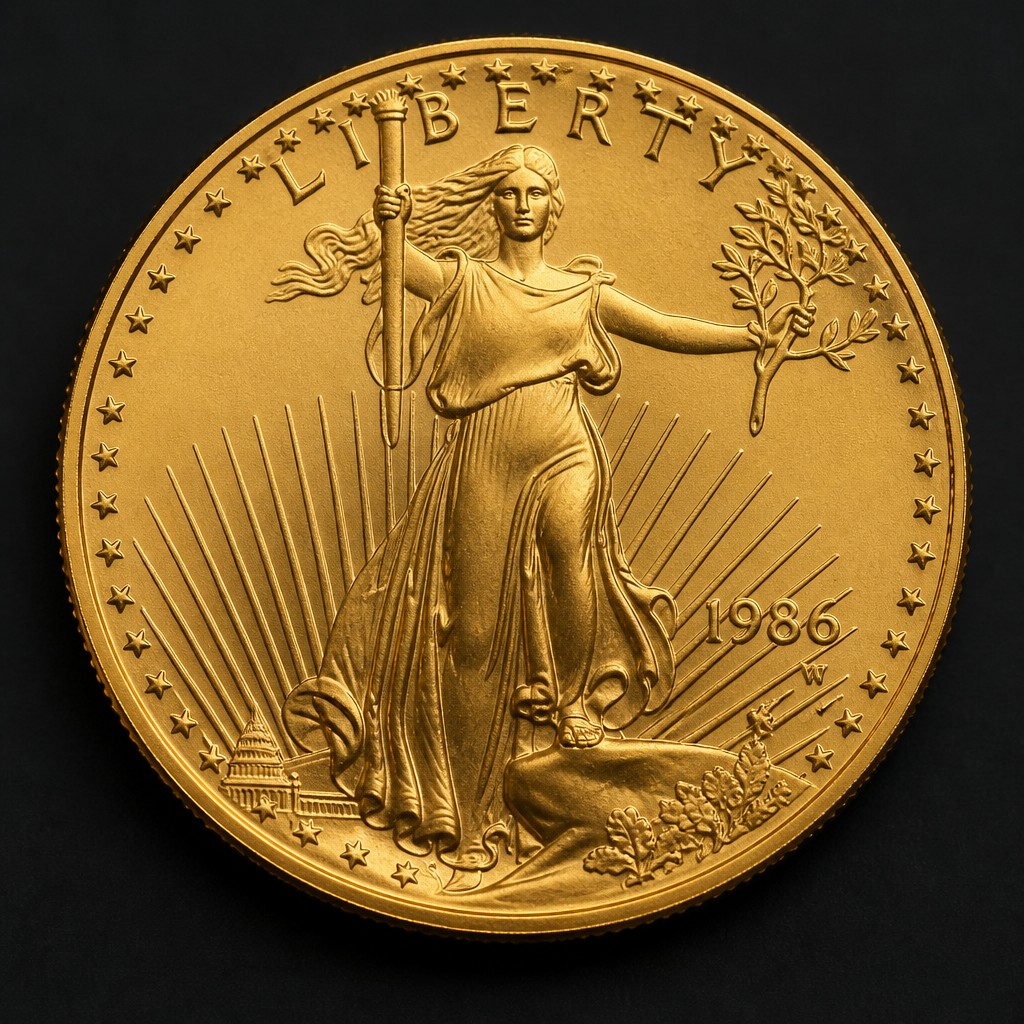
American Gold Eagle
1986–present
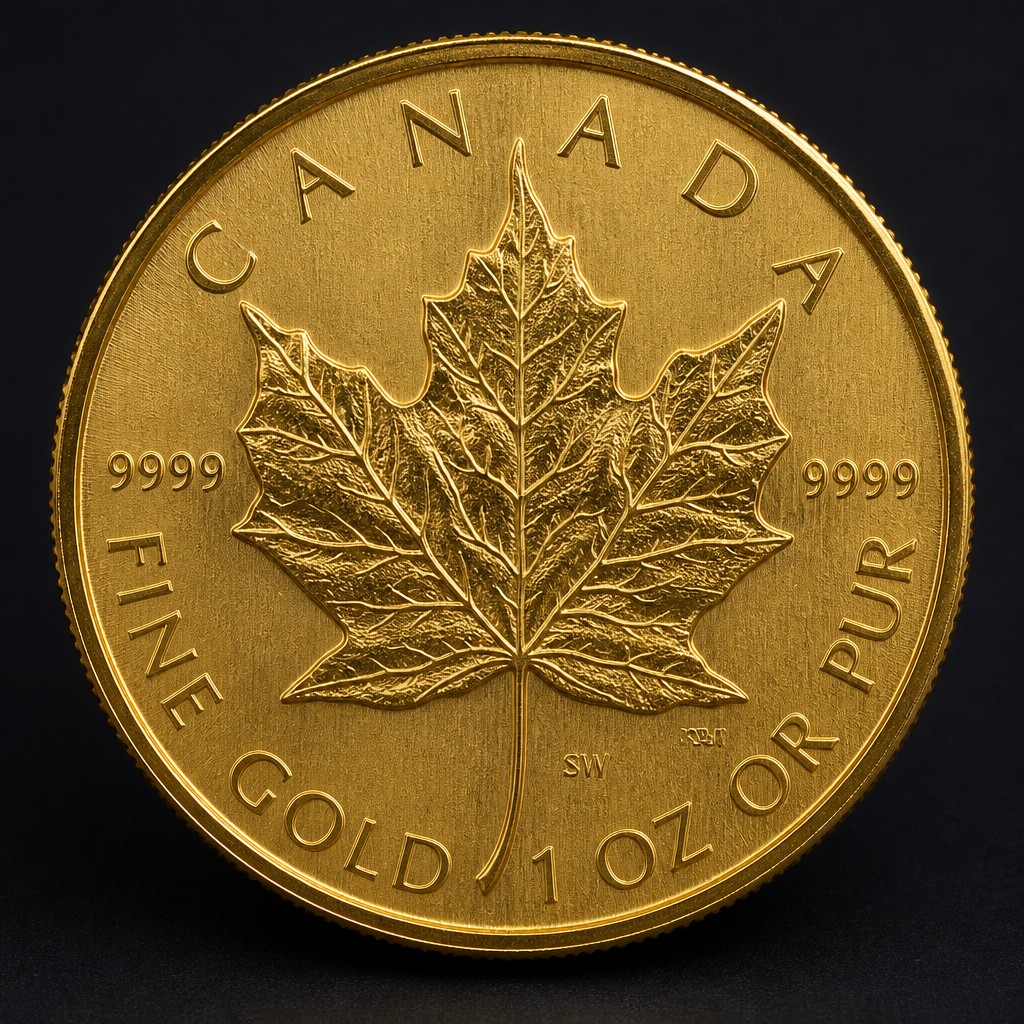
Canadian Maple Leaf (Gold)
1979–present