
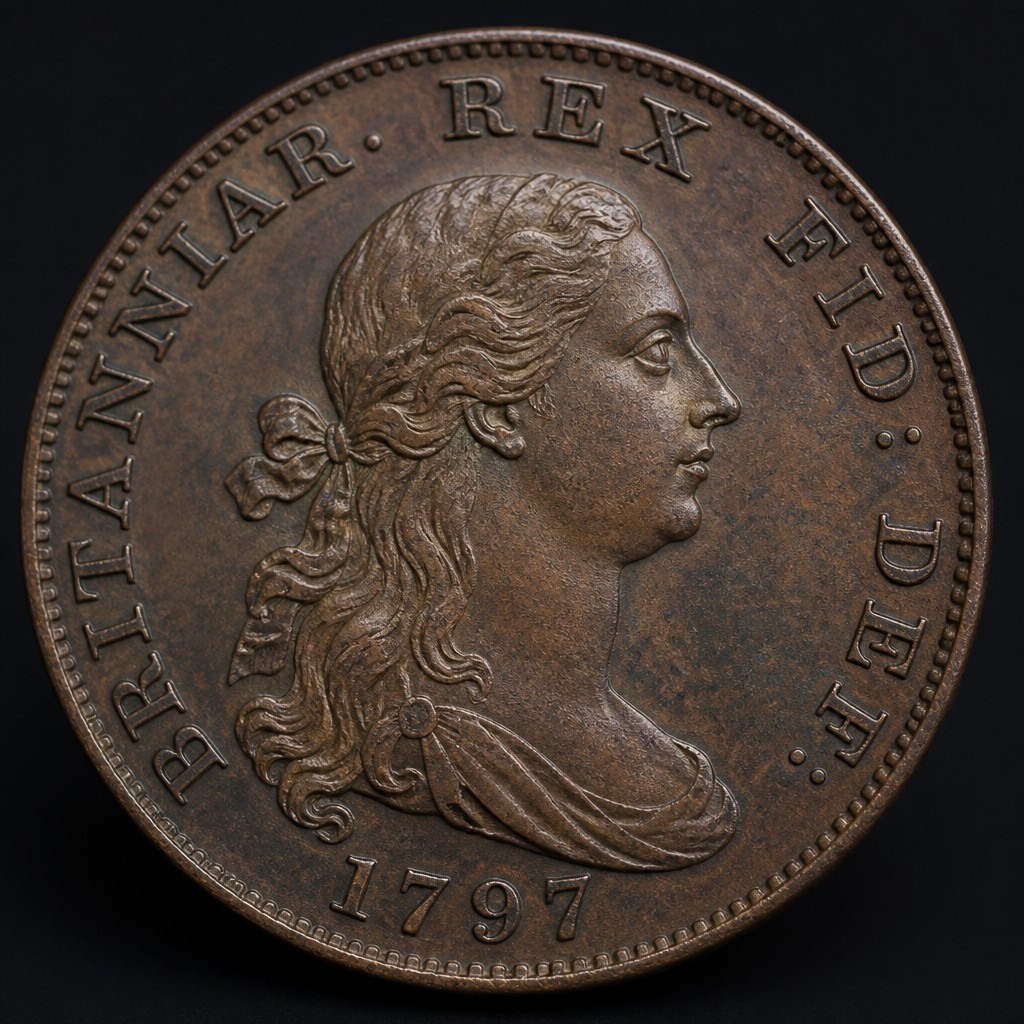
Cartwheel Penny (1797)
A massive, one-ounce copper penny struck in 1797 by Matthew Boulton's Soho Mint, nicknamed the Cartwheel Penny for its thick raised rim resembling a cart's wheel and axle.
- Country
- Great Britain
- Denomination
- One Penny
- Metal
- Copper
Got a coin like this?
Identify any coin from a photo, free.
Overview
The Cartwheel Penny is a strikingly large and heavy copper penny struck in 1797 for George III, produced by Matthew Boulton's pioneering Soho Mint in Birmingham using new steam-powered coining technology. Its nickname comes from the thick raised rim running around both faces, which resembles the rim and hub of a cart wheel.
The coin marked a turning point in British minting, being among the first British coins struck using steam-powered machinery rather than traditional hand or horse-powered presses, allowing for far more consistent, high-relief coinage than had previously been possible.
Its unusual size and weight, roughly a full ounce of copper per coin, made it impractical for long-term circulation, but the Cartwheel Penny remains one of the most recognizable and historically important British coins due to its technological significance and distinctive appearance.
History & Background
By the mid-1790s, Britain faced a severe shortage of official small-denomination copper coinage, leading to widespread circulation of privately issued and often crudely made token coins. The government turned to Matthew Boulton, whose Soho Manufactory in Birmingham had developed advanced steam-powered coining presses, to strike a new, high-quality official copper coinage that would be difficult to counterfeit.
Struck in 1797, the Cartwheel Penny (and its companion Twopence) used the full intrinsic value principle, meaning each coin contained copper worth close to its face value, a deliberate strategy to discourage counterfeiting and forgery that had plagued earlier lightweight coppers.
While technologically groundbreaking, the coin's impractical weight and size limited its everyday convenience, and it was not repeated in later penny issues, making the 1797 date the sole year of production for this particular type before Britain moved to lighter copper coinage in subsequent decades.
How to Identify
The obverse shows a laureate bust of George III facing right with the Latin legend GEORGIUS III D G REX, while the reverse depicts a seated Britannia holding an olive branch and trident, facing left, with BRITANNIA and the date 1797 below. Both sides are bordered by the coin's signature raised rim, which incuses the legend into a recessed channel, protecting the design from wear.
The coin is unmistakably large and heavy, weighing a full ounce (approximately 28.3 grams) and measuring about 36mm in diameter, considerably larger and heavier than any regular-issue British penny before or since. This substantial size and weight, combined with the raised cartwheel-style rim, make it essentially impossible to confuse with any other British penny.
Value & Collectibility
Cartwheel Pennies are relatively plentiful compared to many historic British coins since they were struck in large quantities and often saved as curiosities due to their unusual size, so common circulated examples are generally affordable and widely available. Well-struck, lightly circulated or uncirculated pieces with strong original color command a meaningful premium, and exceptional gem examples can bring hundreds of dollars or more.
Because the coin was struck from copper dies subject to wear and occasional die cracks, certain die varieties are more sought after by specialists, and coloration (from bright red-brown to darker chocolate tones) also affects desirability and price among collectors of British coppers.
Frequently asked questions
Why is it called the Cartwheel Penny?
Its thick, raised rim running around both faces resembles the rim and hub of a cart wheel, giving the coin its popular nickname.
Who made the Cartwheel Penny?
It was struck by Matthew Boulton's Soho Mint in Birmingham using new steam-powered coining technology.
How heavy is it?
It weighs a full ounce of copper, roughly 28.3 grams, far heavier than a standard British penny.
Why was it made so large and heavy?
The coin was deliberately given copper content close to its face value to discourage counterfeiting, which had been a serious problem with earlier lightweight coppers.
Other coins you may enjoy
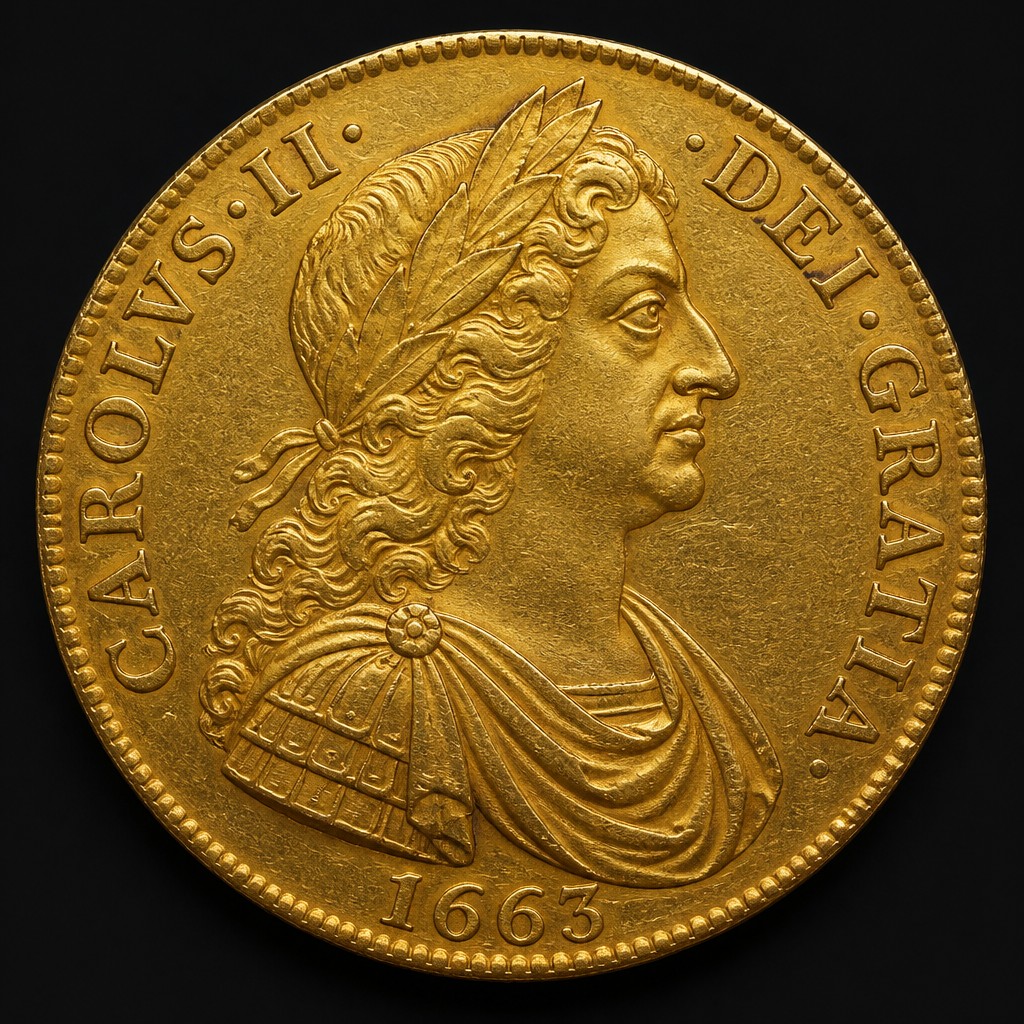
British Guinea
1663–1814
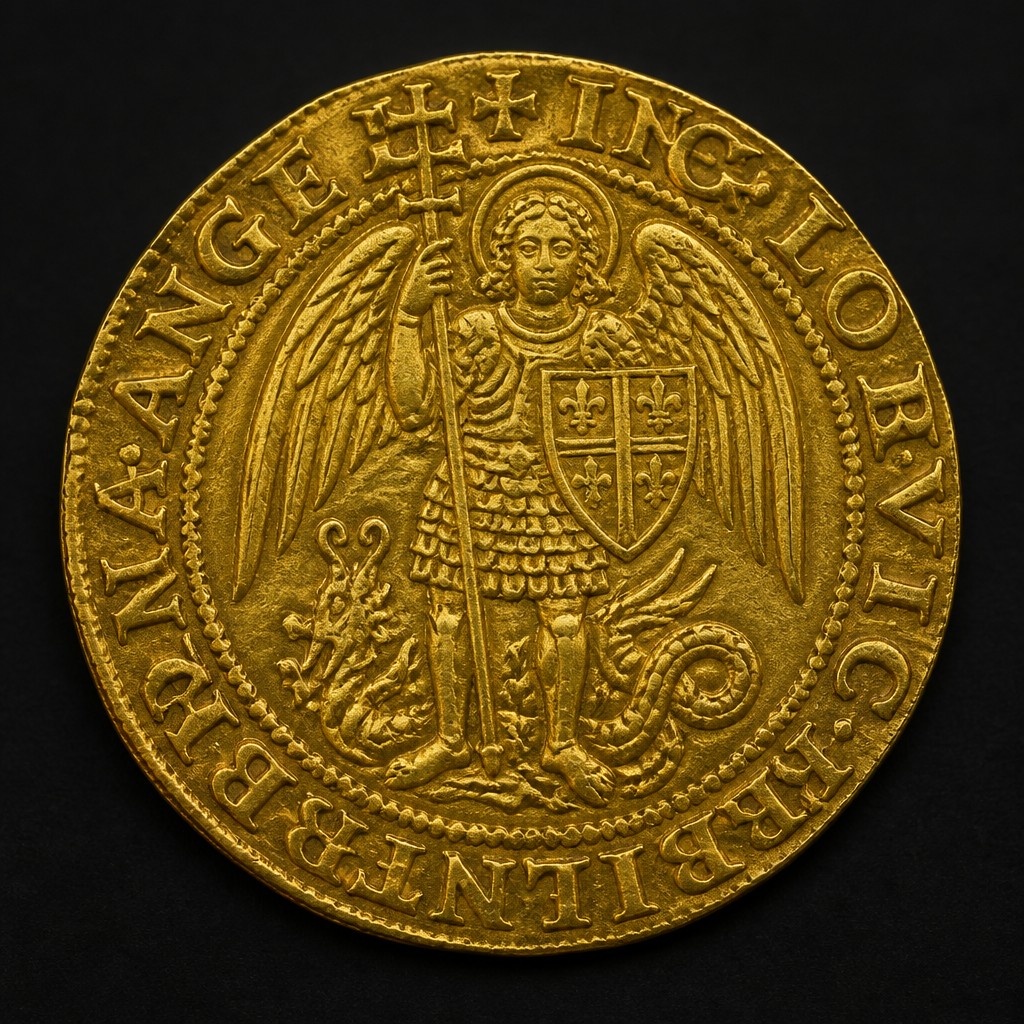
English Angel
1465–1642
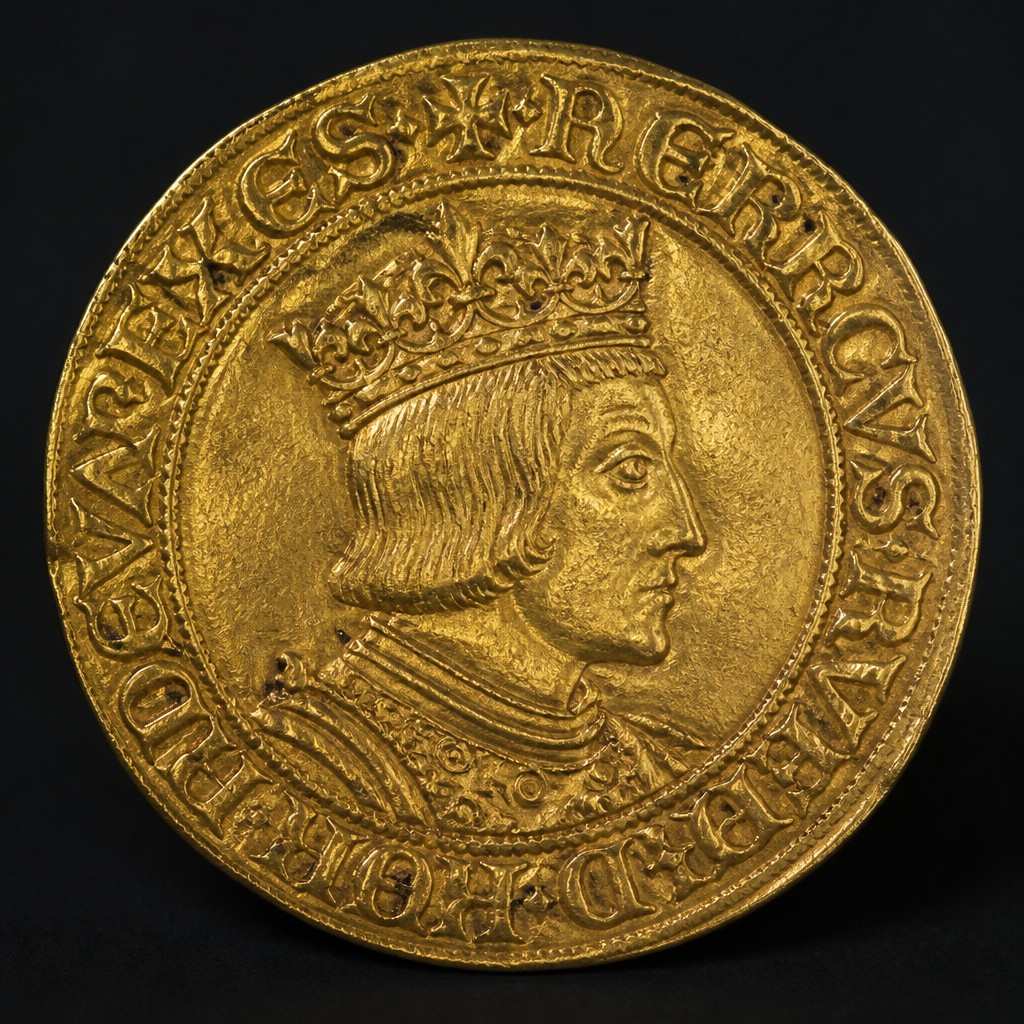
English Sovereign of Henry VII
1489–1509
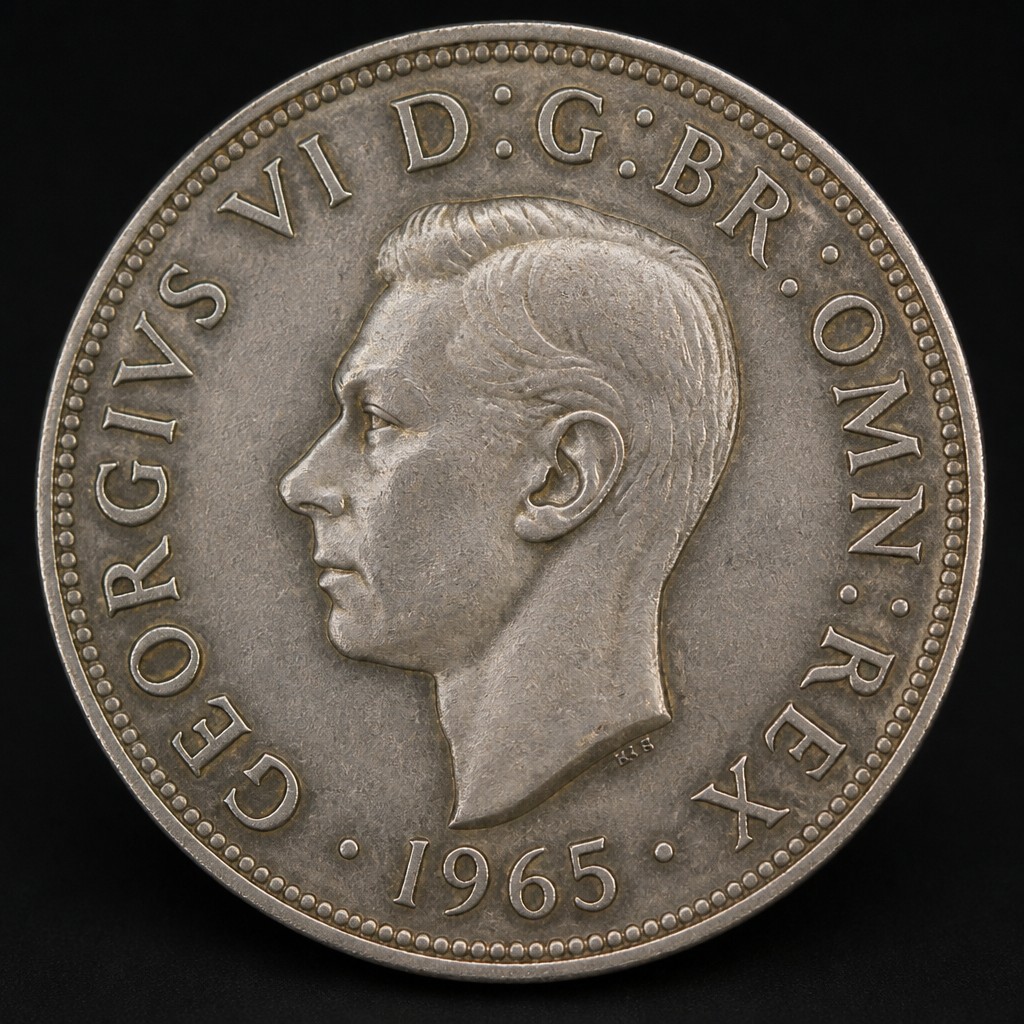
English Crown
1526–1965 (pre-decimal; commemorative crown-sized coins continue as five pound coins)
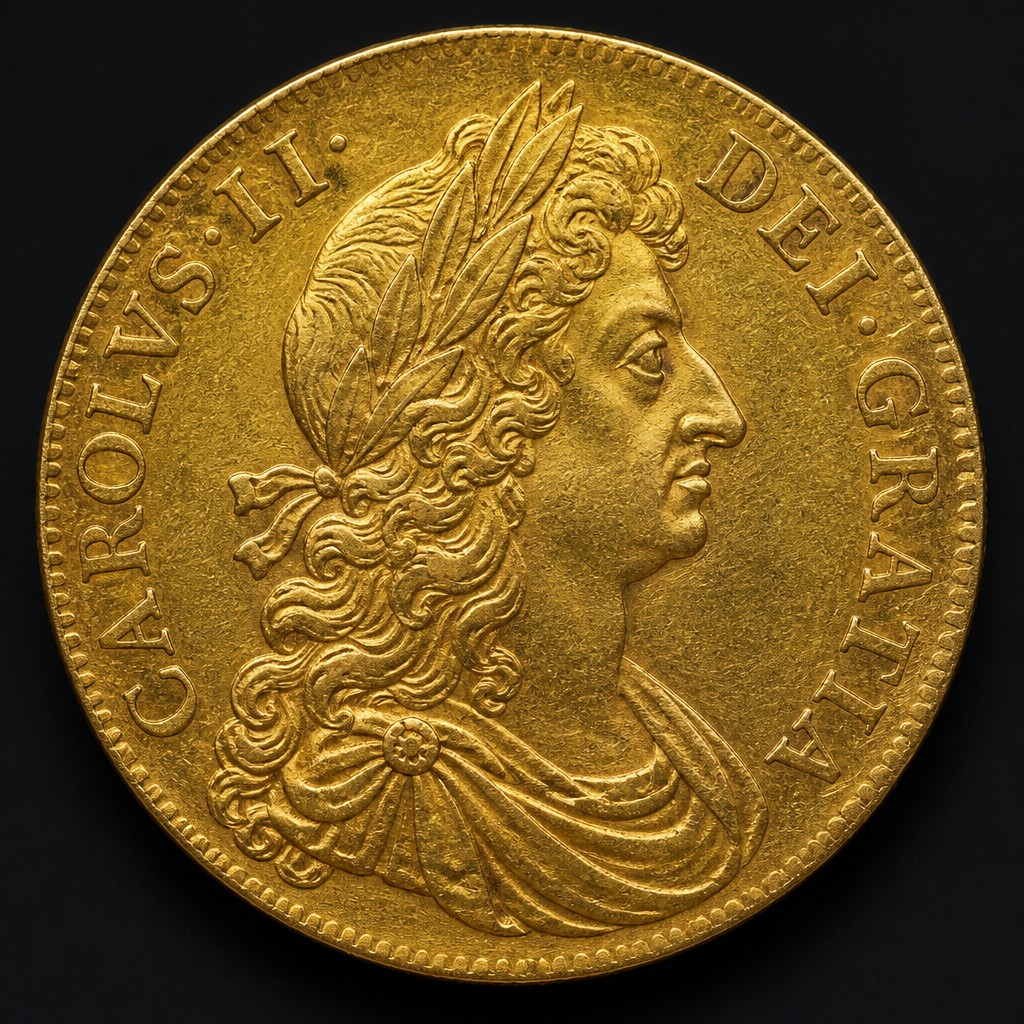
British Gold Guinea
1663–1814
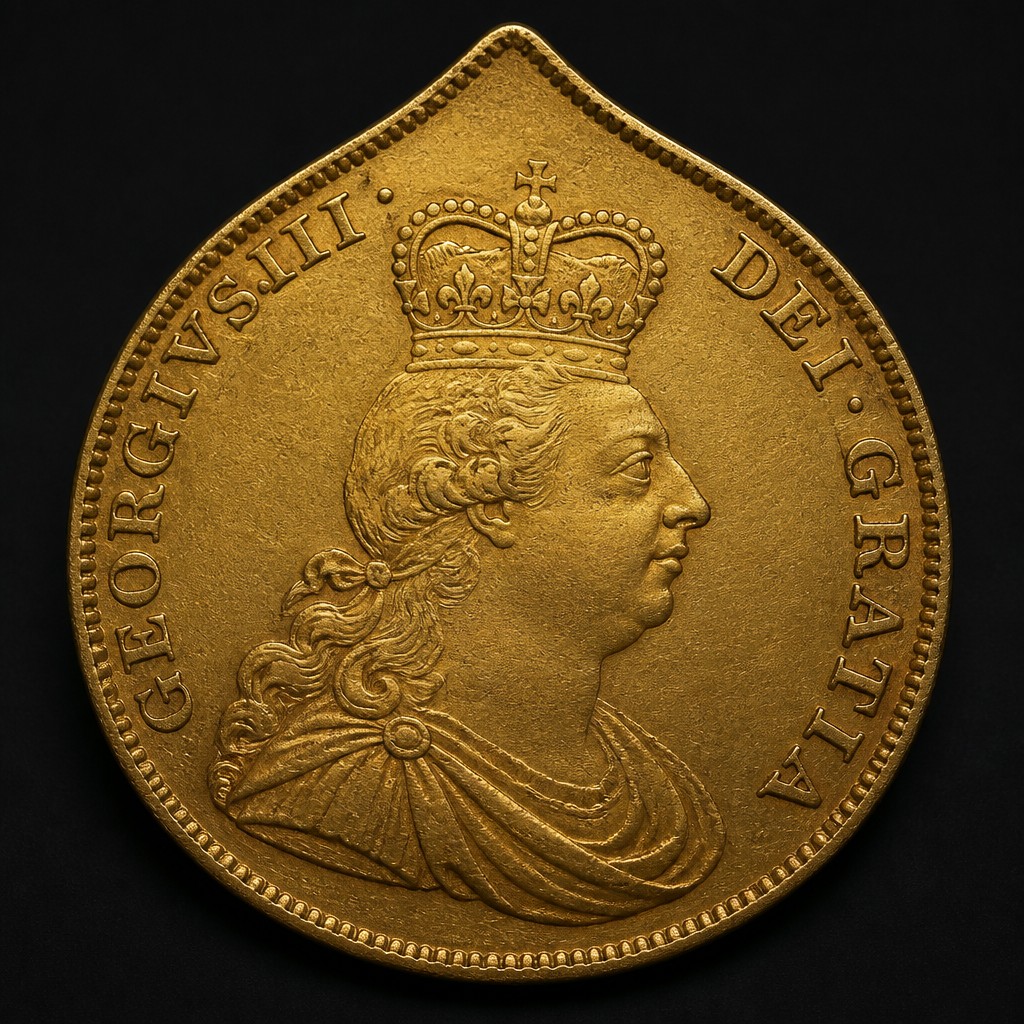
Spade Guinea
1787–1799
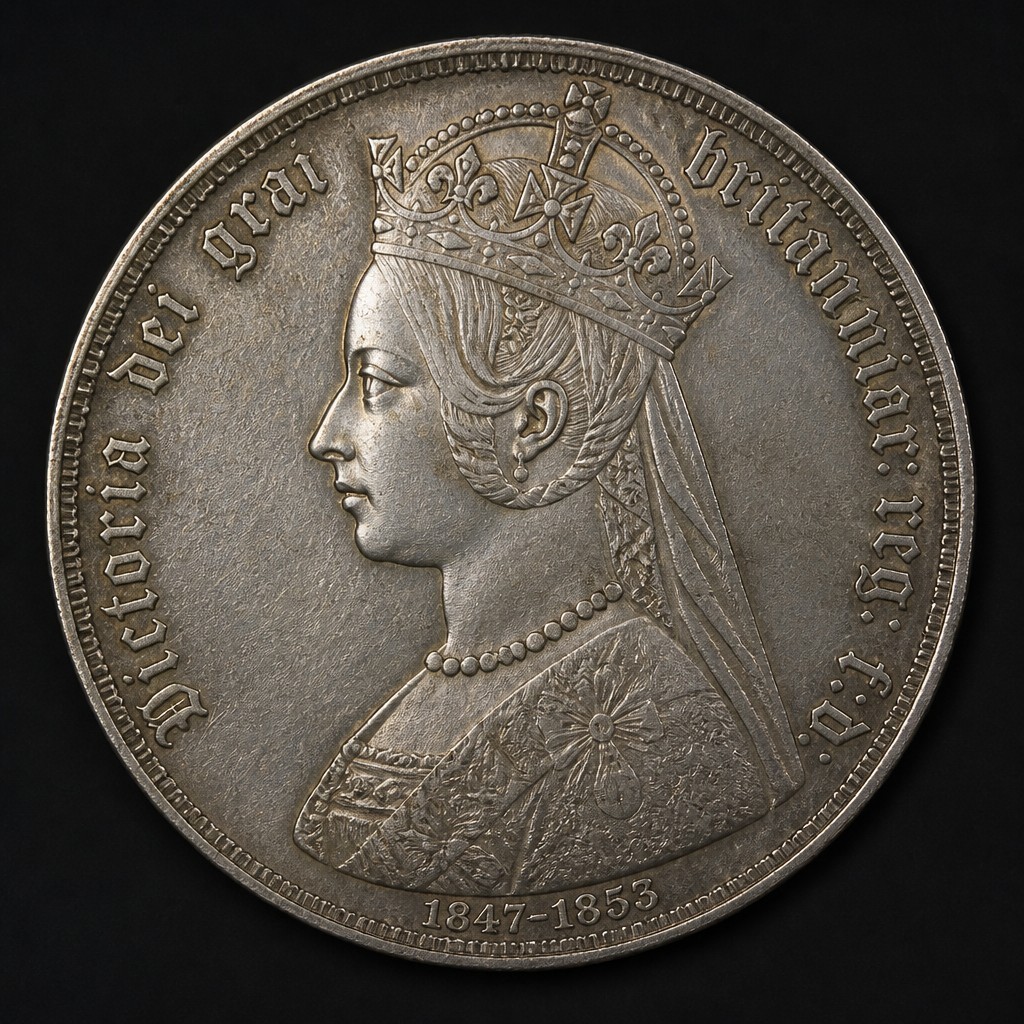
Gothic Crown
1847–1853
Groat (Fourpence)
1279–1888 (various revivals)
Farthing
13th century–1956
Halfpenny
c. 800s–1969
Five Pound Gold (Quintuple Sovereign)
1820–present (intermittent)
Threepence
1547–1970