
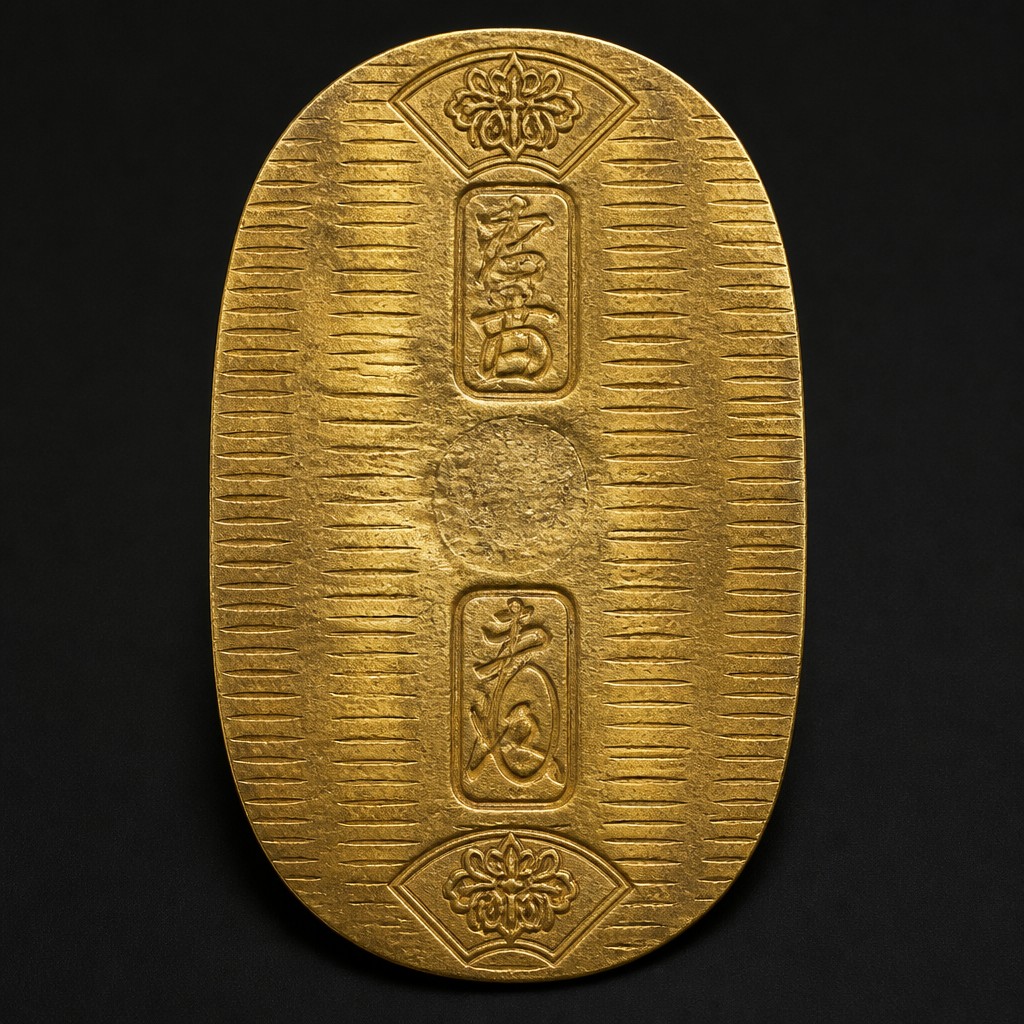
Japanese Nishu-kin (gold coin)
Small rectangular gold coin from Tokugawa Japan valued at two shu, or one-eighth of a ryo, part of a fractional gold denomination system unique to Edo-period currency.
- Country
- Japan (Edo Period)
- Denomination
- 2 Shu (1/8 Ryo)
- Metal
- Gold
Got a coin like this?
Identify any coin from a photo, free.
Overview
The Nishu-kin is a small, rectangular gold coin issued during Japan's Edo period as part of the Tokugawa shogunate's structured gold currency system. Valued at two shu, equal to one-eighth of a gold ryo, it belonged to a family of fractional gold denominations that also included the Isshu-kin, Ichibu-kin, and Nibu-kin, allowing everyday transactions to be conducted in smaller gold units than the large oban and koban pieces.
Like other Edo-period gold coinage, the Nishu-kin was stamped rather than struck with a pictorial design, bearing official marks certifying its weight and fineness under shogunate authority. Several types were issued across different eras of Tokugawa rule as the government periodically adjusted the gold content in response to fiscal needs.
The coin's small size and gold content make it an accessible entry point for collectors interested in the distinctive Edo-period Japanese monetary system, which differed markedly from the round coinage traditions found elsewhere in Asia and the West.
History & Background
As Japan's economy grew and commerce expanded during the Tokugawa period, the shogunate found it useful to supplement its large gold coins, the oban and koban, with smaller fractional denominations suited to everyday and mid-level transactions. The Nishu-kin, worth two shu, was introduced as part of this fractional gold series, complementing the larger Ichibu-kin (one bu) and other denominations within the same gold standard.
Over the course of Tokugawa rule, the shogunate issued several distinct types of Nishu-kin, often in connection with broader currency reforms intended to address fiscal shortfalls or standardize the relationship between gold, silver, and copper currencies circulating simultaneously in different regions of Japan.
Gold coinage of this kind continued to be issued into the final years of the shogunate, including during the turbulent Bakumatsu period when foreign trade pressures prompted further adjustments to Japan's currency standards, before the entire fractional gold-and-silver system was retired following the Meiji Restoration's adoption of a modern yen-based decimal currency.
How to Identify
The Nishu-kin is small and rectangular, generally thinner and lighter than the related Ichibu-kin, reflecting its lower denomination. Its faces bear stamped Japanese characters and official marks, typically including the paulownia crest associated with the shogunate mint, along with characters denoting the "Nishu" (two shu) denomination.
Because several historical types were issued across different Tokugawa eras, specific issues are distinguished by subtle differences in dimensions, gold fineness, and the exact style of the stamped inscriptions, which specialists have organized into named type series associated with particular reform periods.
As with other Edo-period gold and silver currency, individual examples were hand-finished on cut blanks rather than struck from a single uniform die image, so some natural variation in stamp clarity and placement is expected and is not necessarily an indication of a problem with authenticity.
Value & Collectibility
Because it is a smaller, lower-denomination gold coin, the Nishu-kin is generally more affordable than the larger koban or oban gold coins of the same period, making it accessible to collectors interested in Edo-period Japanese currency. Common historical types in typical condition can often be acquired for a modest premium over their gold content, while scarcer types or coins with especially crisp, well-preserved stamped details command higher prices.
As with other historic Japanese gold coinage, value is influenced by the specific type and era of issue, condition, and completeness of the stamped design, with well-documented rarer types reaching notably higher prices among specialists than common later issues.
Frequently asked questions
What does 'Nishu' mean?
Nishu literally means "two shu," referring to the coin's value as two shu within the fractional Edo-period gold currency system, equal to one-eighth of a ryo.
Is this coin round or shaped differently?
It is rectangular, following the distinctive bar-like shape typical of Edo-period Japanese gold and silver denominations rather than a round coin form.
How does it relate to the koban?
The koban was a larger, higher-value gold coin, while the Nishu-kin was a smaller fractional denomination used for smaller transactions within the same gold-based currency system.
When did Japan stop using this coinage?
This fractional gold system was phased out after the Meiji Restoration in the late 1860s, when Japan adopted the modern yen as its standard currency.
Other coins you may enjoy
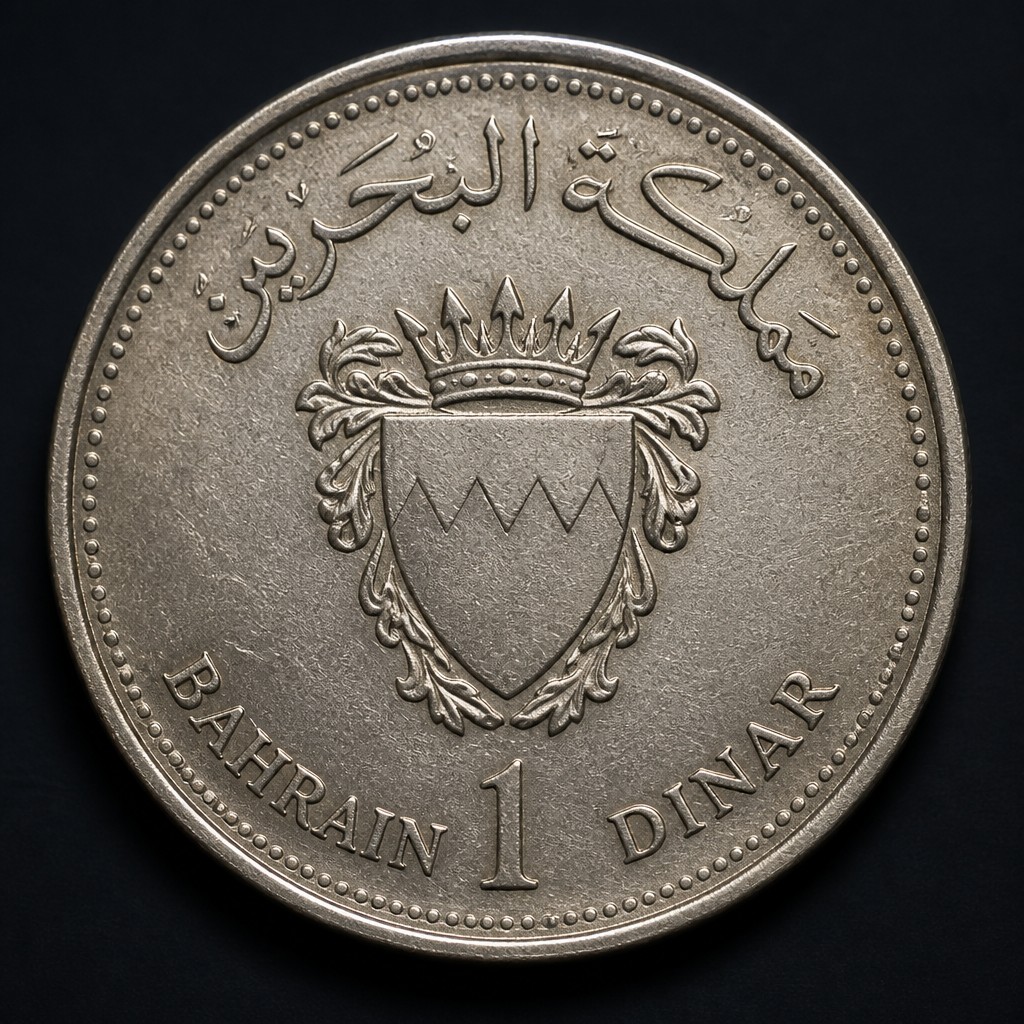
Bahraini Dinar
1965–present
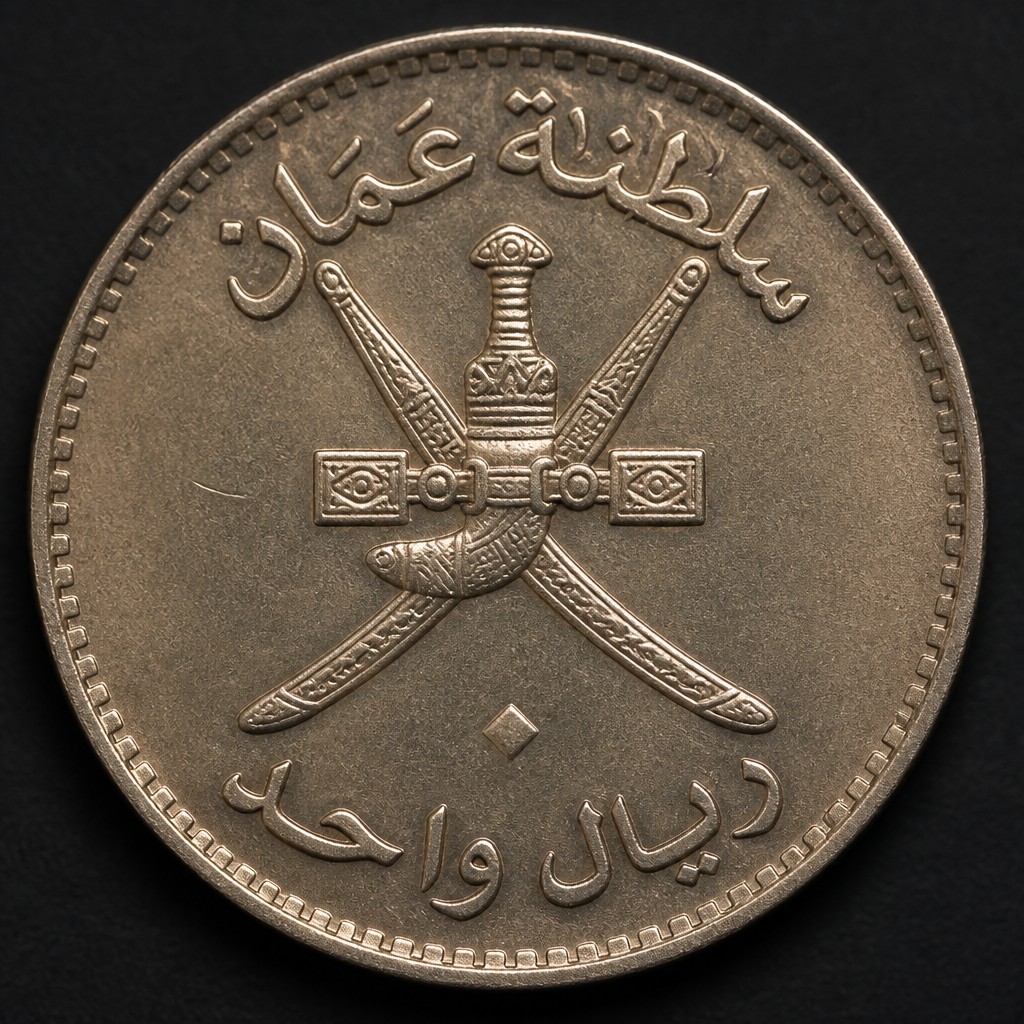
Omani Rial (Baisa Coinage)
1970–present
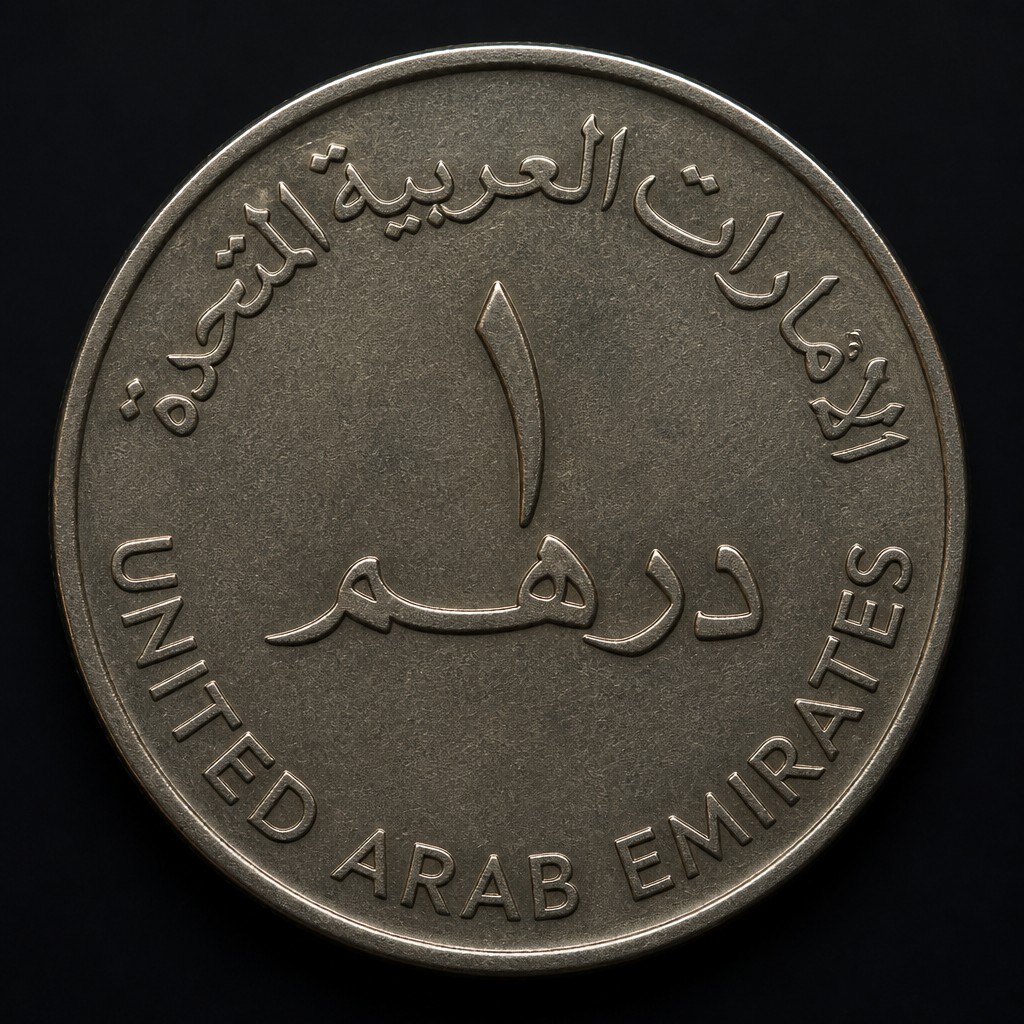
United Arab Emirates Dirham
1973–present
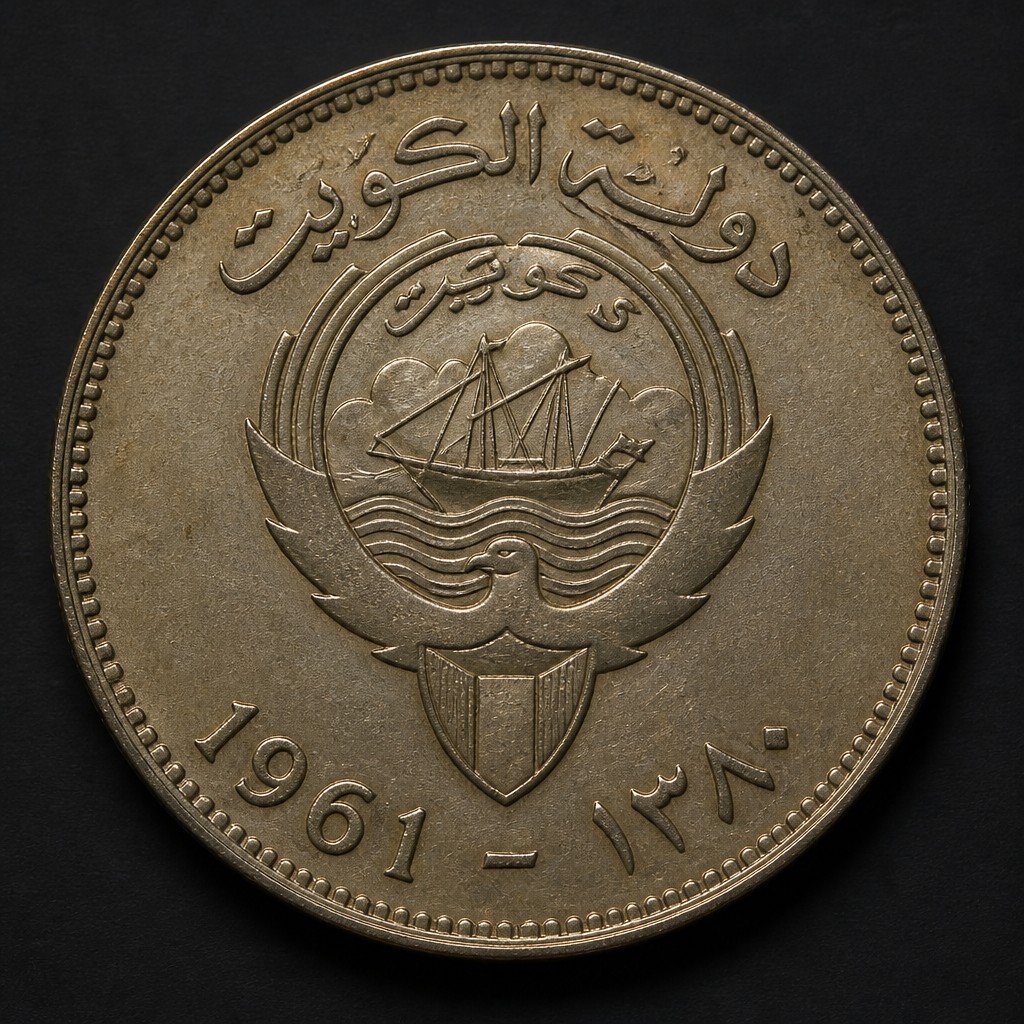
Kuwaiti Fils
1961–present
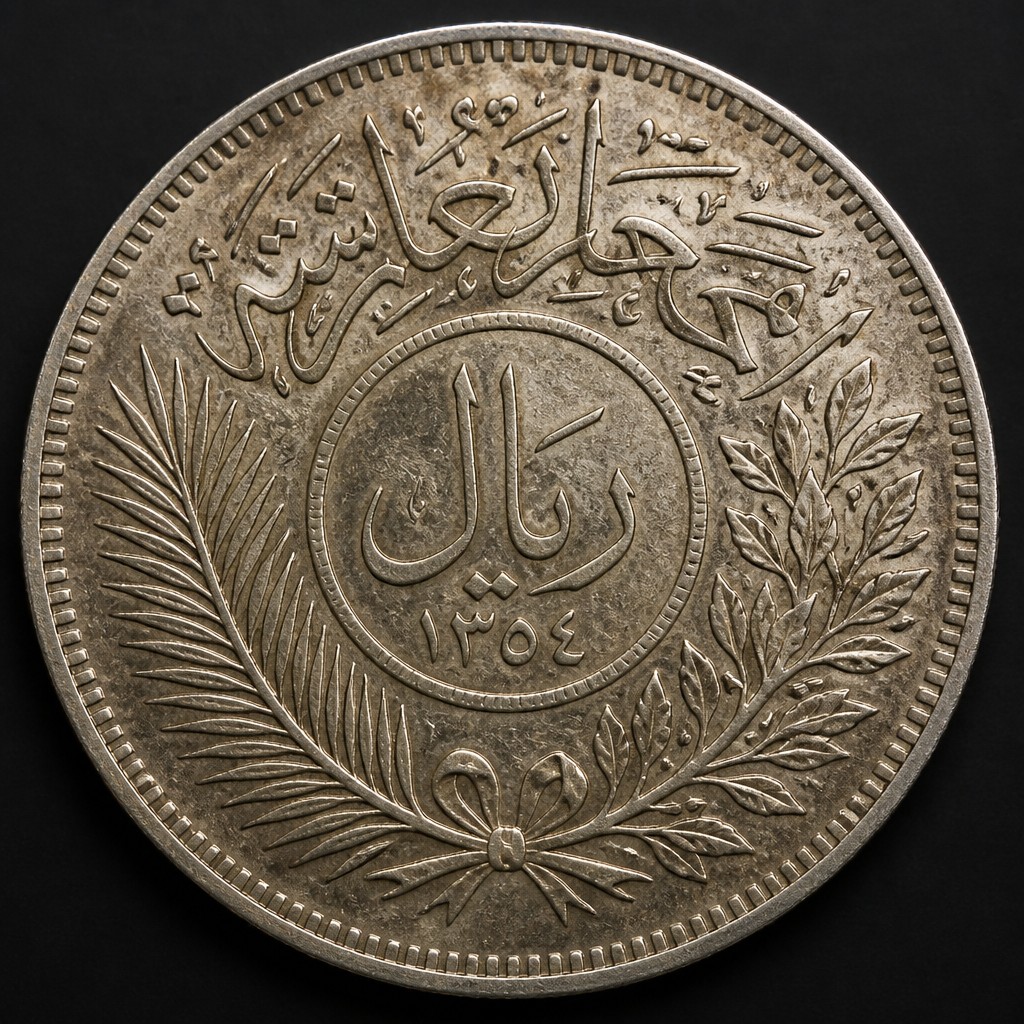
Saudi Arabian Riyal (silver)
1935 (Kingdom-wide standardization) and related issues
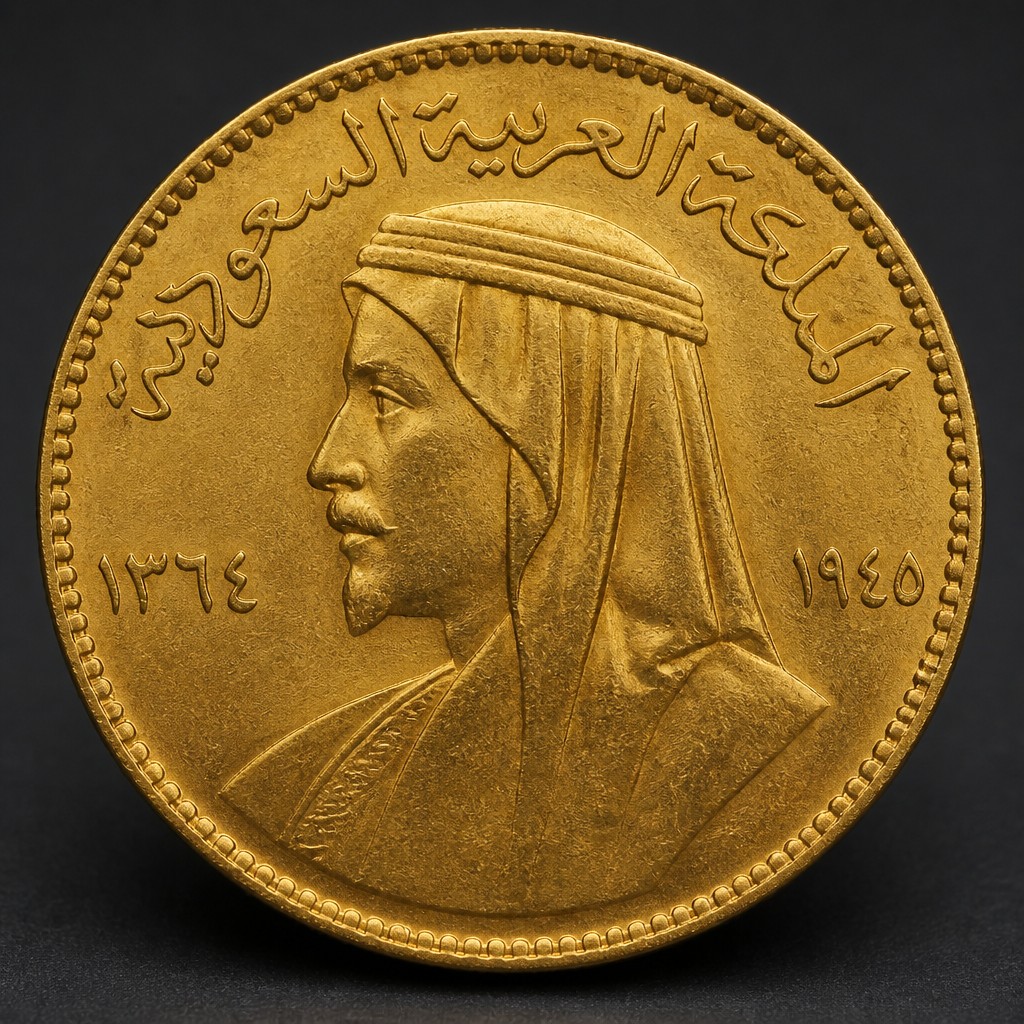
Saudi Arabian Gold Guinea (Sovereign)
1945 and later issues
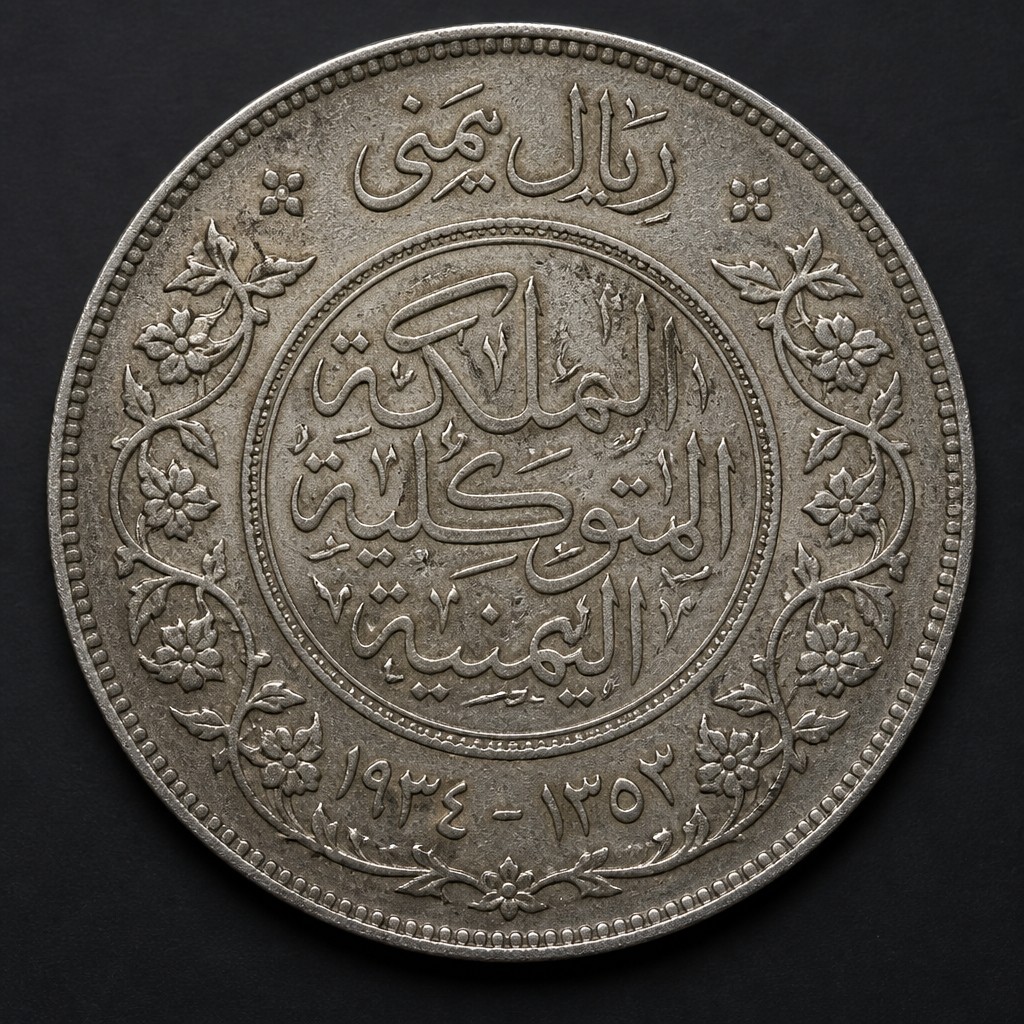
Yemeni Riyal (Ahmadi/Imadi Kingdom Coinage)
Early-to-mid 20th century
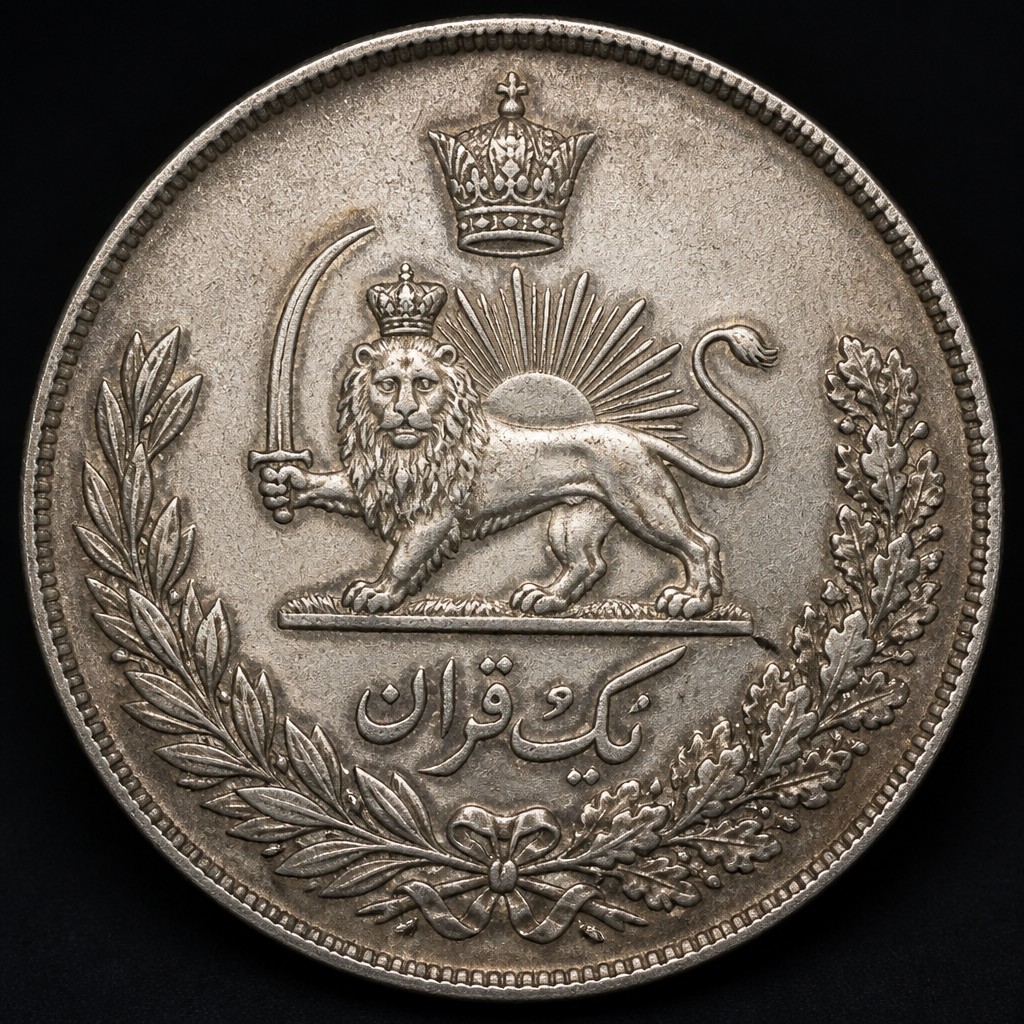
Persian Kran (Qajar silver)
Mid-19th century–1925
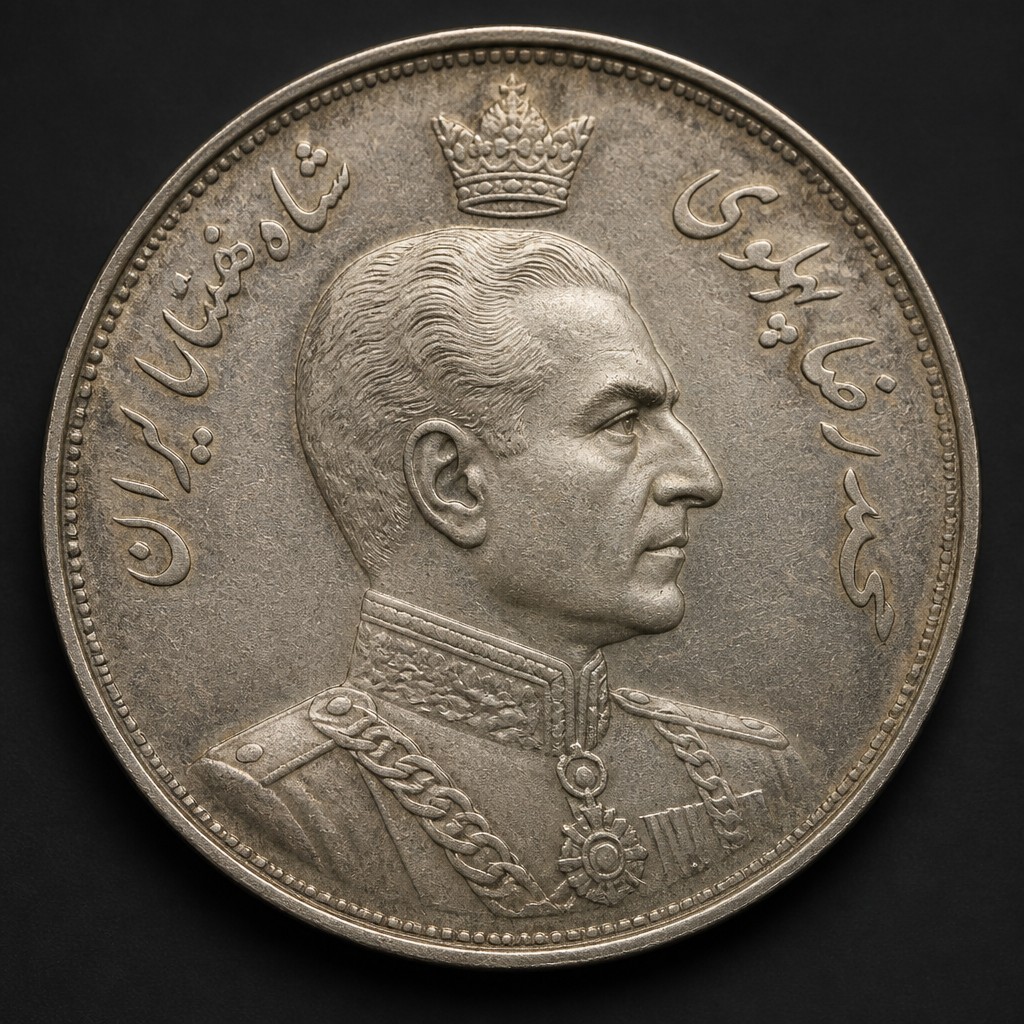
Iranian Rial
1932–present
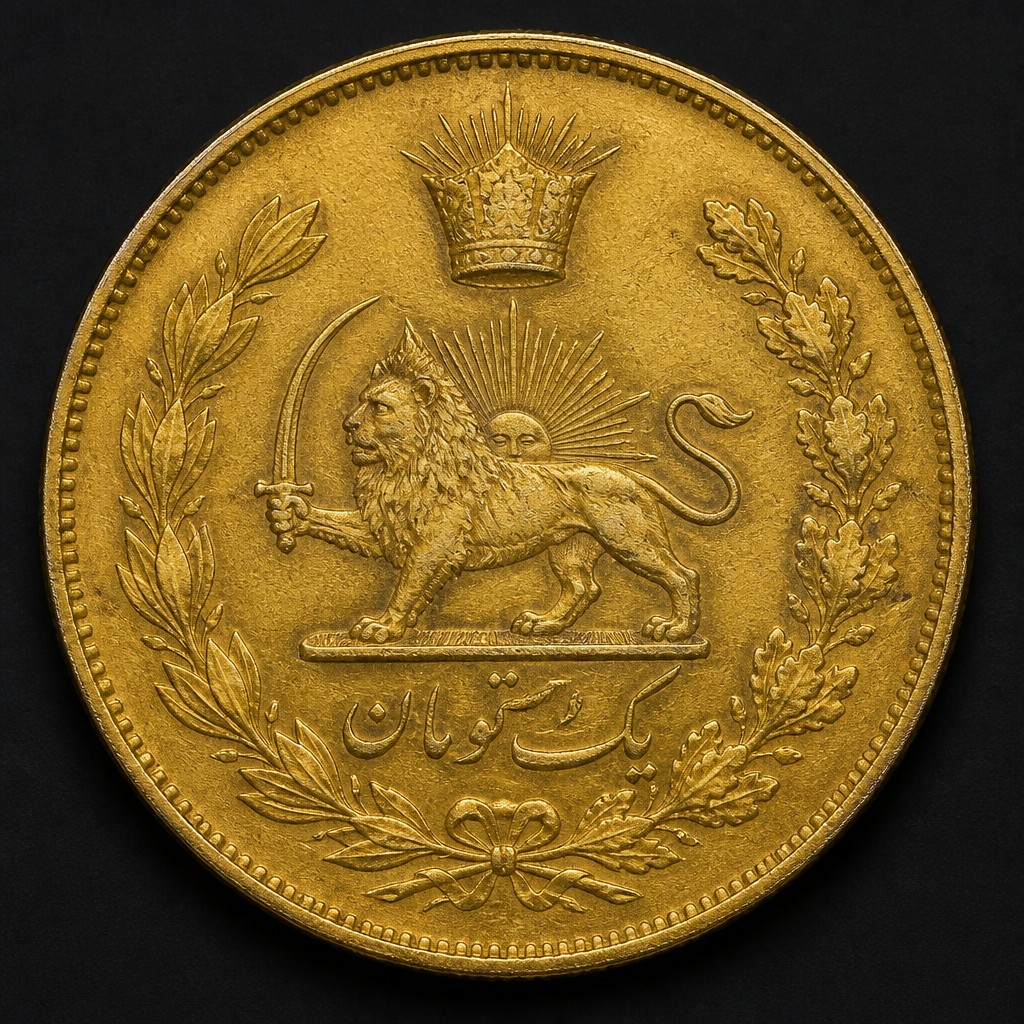
Persian Gold Toman (Qajar)
1796–1925
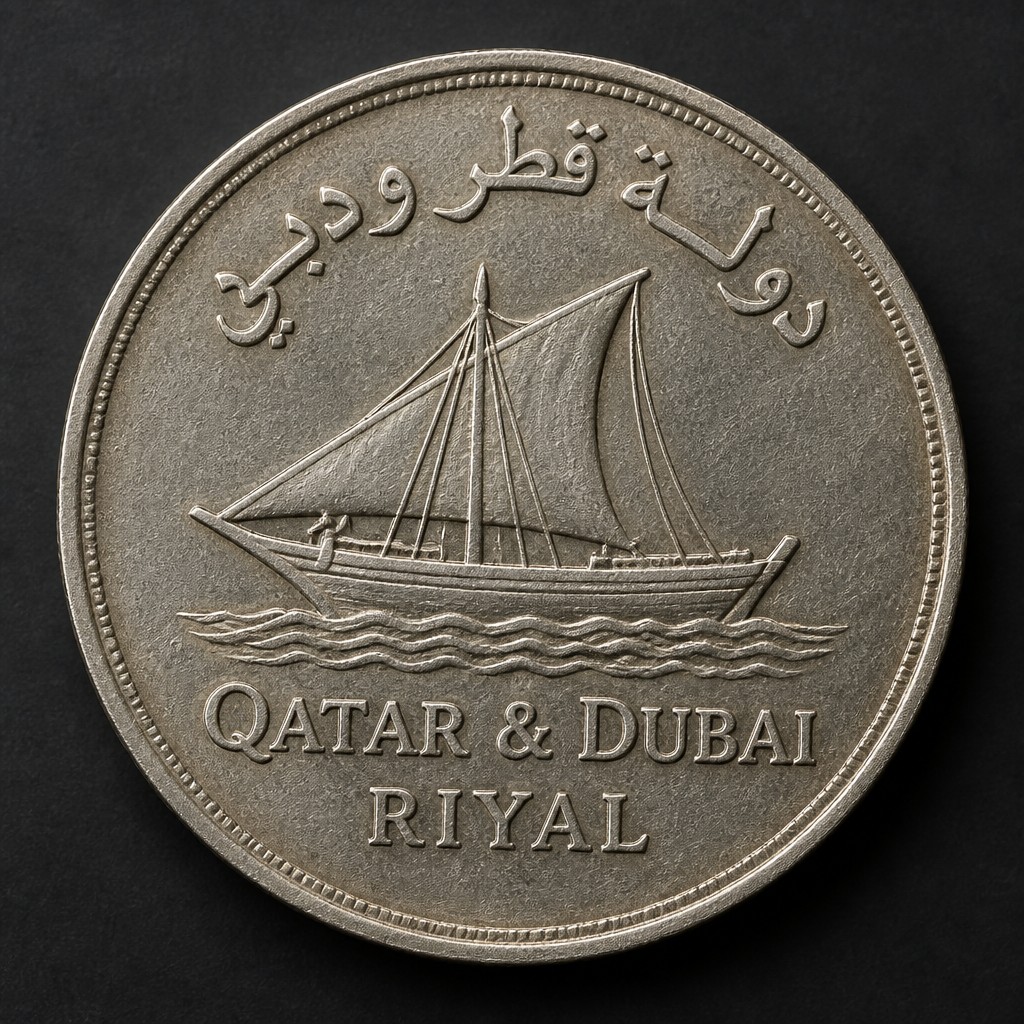
Qatar and Dubai Riyal
1966–1973
British India Rupee (Silver)
1835–1947