
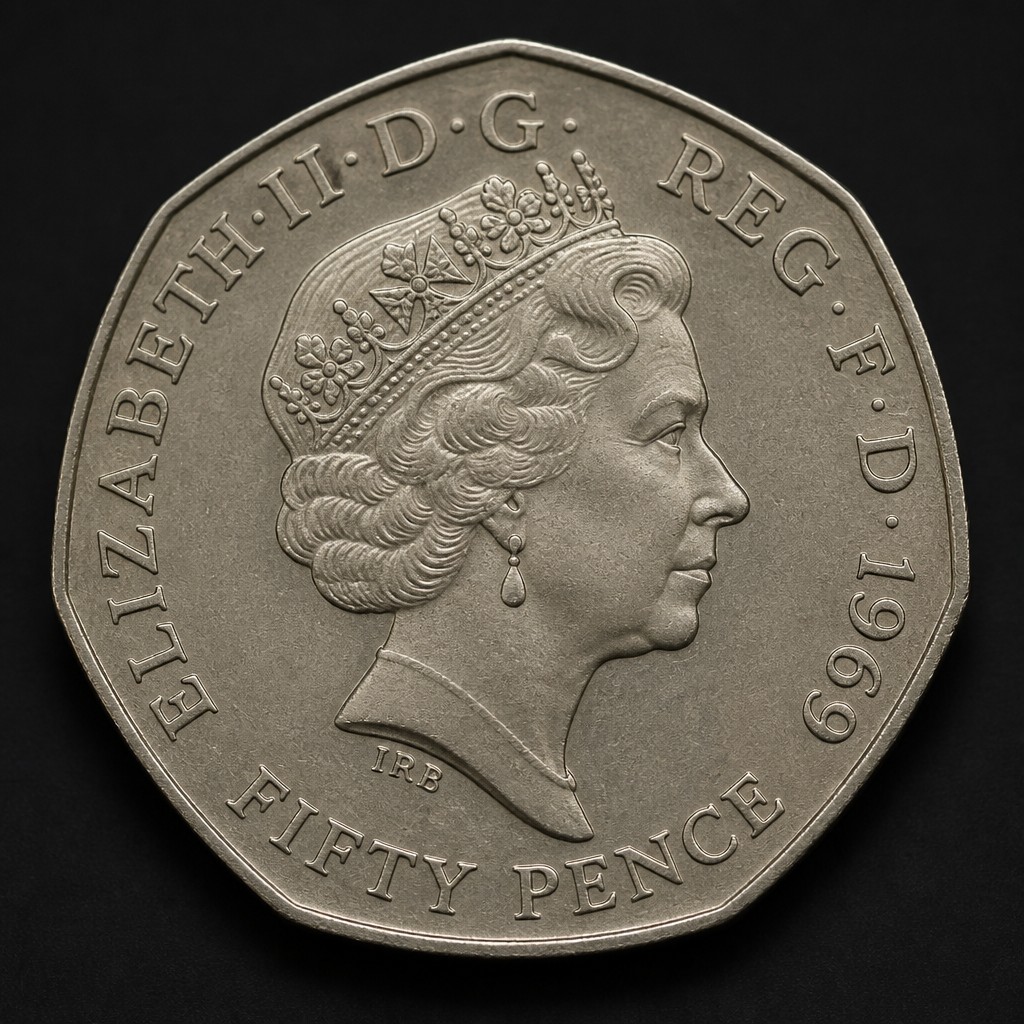
Fifty Pence
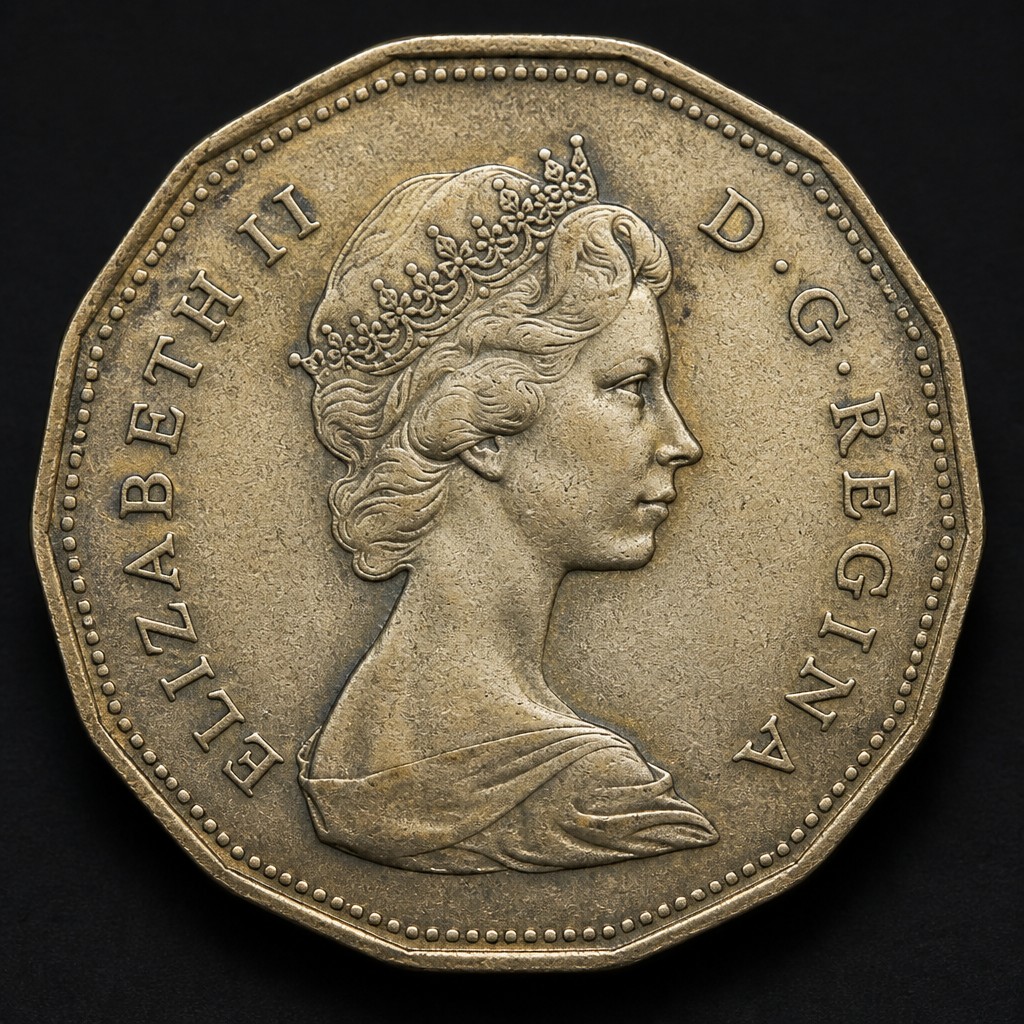
The UK's distinctive seven-sided 50p coin, introduced in 1969 to replace the ten shilling note ahead of decimalisation.
- Country
- United Kingdom
- Denomination
- Fifty Pence
- Metal
- Cupro-Nickel
Got a coin like this?
Identify any coin from a photo, free.
Overview
The fifty pence coin is one of the most recognizable coins in British currency thanks to its unusual seven-sided (Reuleaux heptagon) shape, a design chosen so the coin could be reliably distinguished by touch and by vending machines while still rolling like a circular coin.
It has become a favorite denomination for commemorative themes, and the Royal Mint's series of 50p coins marking the 2012 London Olympics, along with figures such as Beatrix Potter and Paddington Bear, are among the most widely collected modern British coins.
History & Background
The fifty pence coin was introduced in 1969, ahead of the full decimalisation of British currency in 1971, to replace the paper ten shilling note, which was equivalent in value to the new decimal fifty pence. Its heptagonal shape was a deliberate design choice by the Royal Mint to make it easily distinguishable from other coins.
The coin's size was reduced in 1997 to make production cheaper and easier to handle, and the older, larger 50p was withdrawn from circulation. Since then, the Royal Mint has used the fifty pence extensively for commemorative themes, most notably the 29-coin "Sports Collection" issued for the 2012 London Olympic and Paralympic Games, as well as anniversary and literary character designs.
As with other UK denominations, the obverse portrait has transitioned over the reign changes from Queen Elizabeth II to King Charles III.
How to Identify
The coin's most obvious identifying feature is its shape: a seven-sided curve of constant width (a Reuleaux heptagon), rather than a true circle. It is struck in cupro-nickel, giving it a silver color.
The obverse bears the monarch's portrait, while the reverse has featured numerous designs over the decades, most enduringly a seated figure of Britannia with shield and trident on earlier standard issues, and a huge variety of commemorative themes since, including sporting, literary, and historical subjects.
Two sizes exist: the larger "old" 50p (1969–1997) and the smaller size used from 1997 onward; the two are easily told apart by comparing diameter, as the size reduction was noticeable.
Value & Collectibility
Most circulating 50p coins are worth face value, but certain commemorative designs, particularly those from the 2012 Olympic "Sports Collection" with especially low mintages, such as the football and wrestling designs, have traded for well above face value among collectors, sometimes reaching into the tens of dollars or more for the scarcest designs in top condition.
Key factors driving value include mintage figures (which the Royal Mint publishes), condition, and ongoing demand from thematic collectors assembling complete Olympic or character-themed sets. Common commemorative designs with large mintages generally trade close to face value despite being "collectible."
Frequently asked questions
Why is the 50p seven-sided?
The Reuleaux heptagon shape makes it easily distinguishable by touch and by vending machines while still functioning like a round coin.
Why did the coin get smaller in 1997?
The Royal Mint reduced its size to cut production costs and make it easier to carry and use.
Which 50p coins are most sought after?
Low-mintage designs from the 2012 Olympic Sports Collection are among the most actively collected modern 50p coins.
What metal is it made from?
Cupro-nickel, giving it a silver appearance.
Other coins you may enjoy
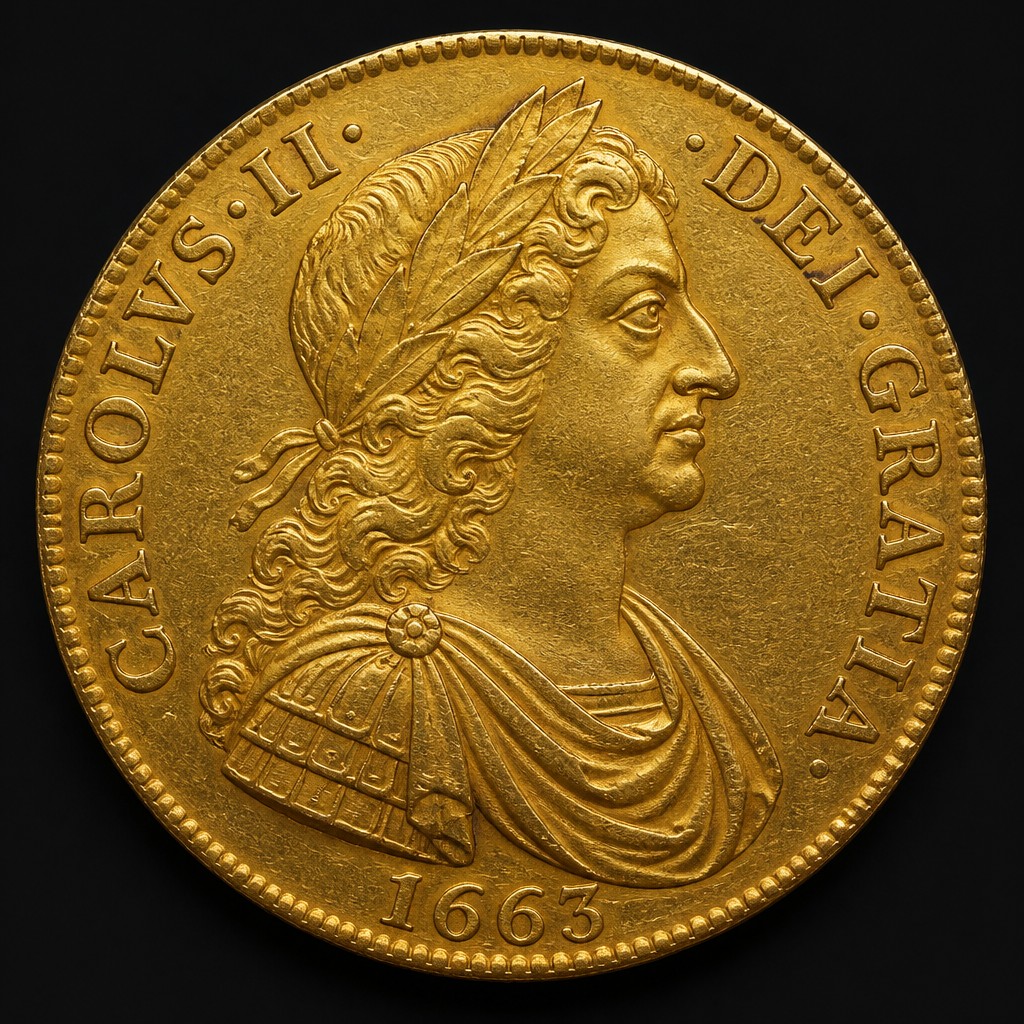
British Guinea
1663–1814
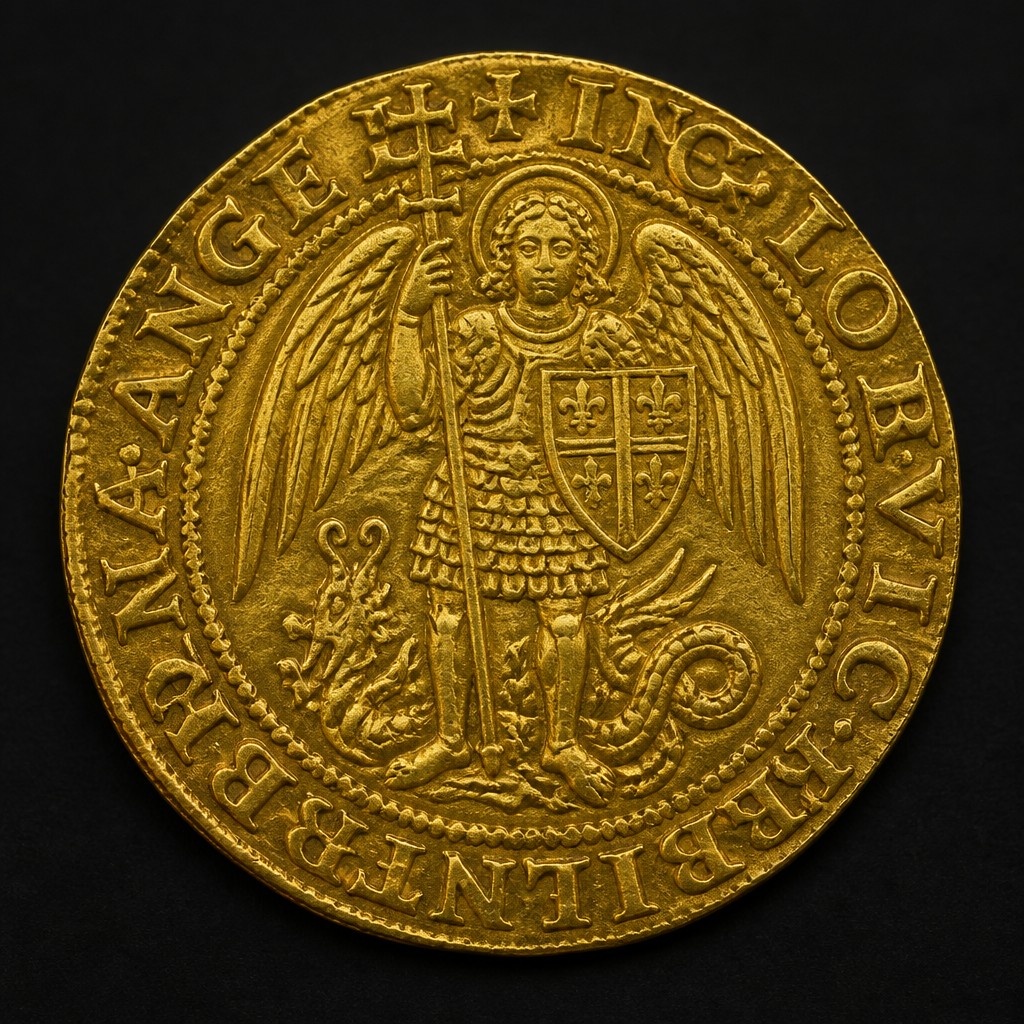
English Angel
1465–1642
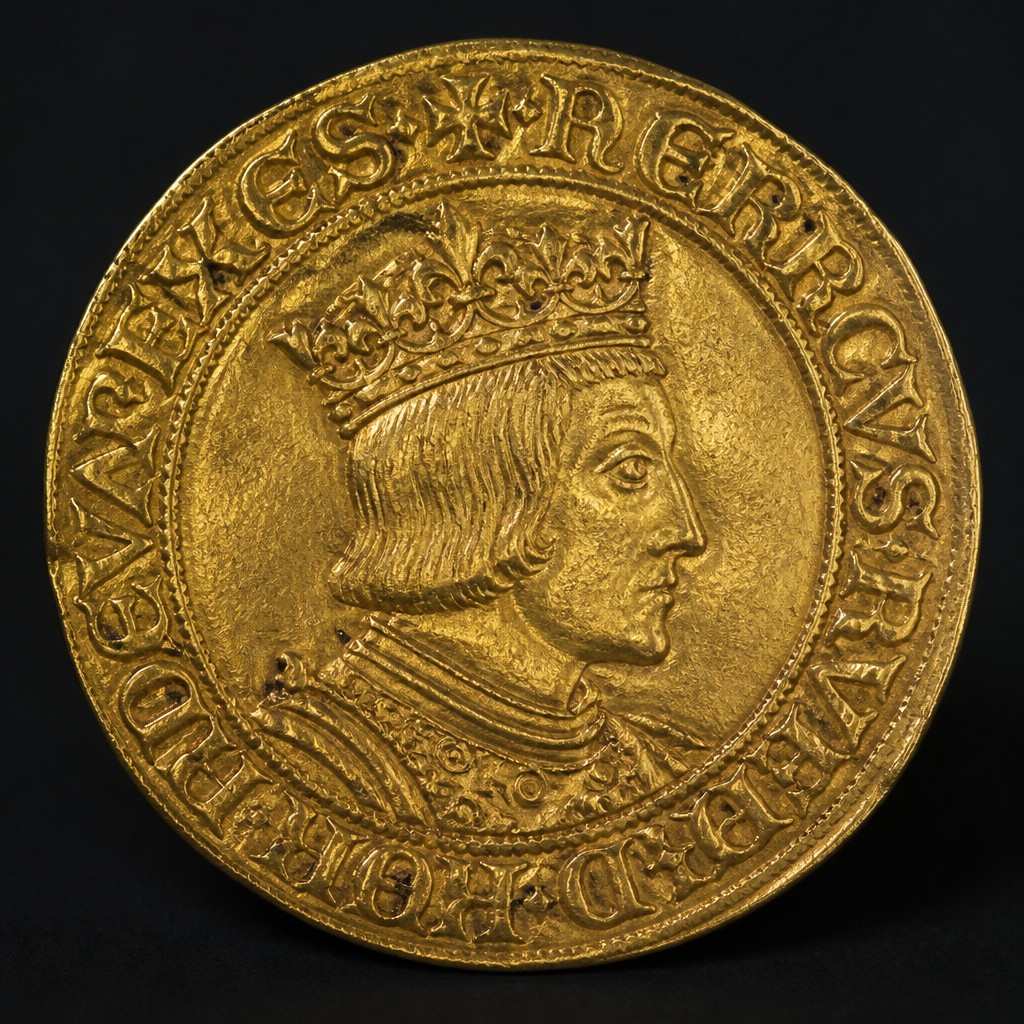
English Sovereign of Henry VII
1489–1509
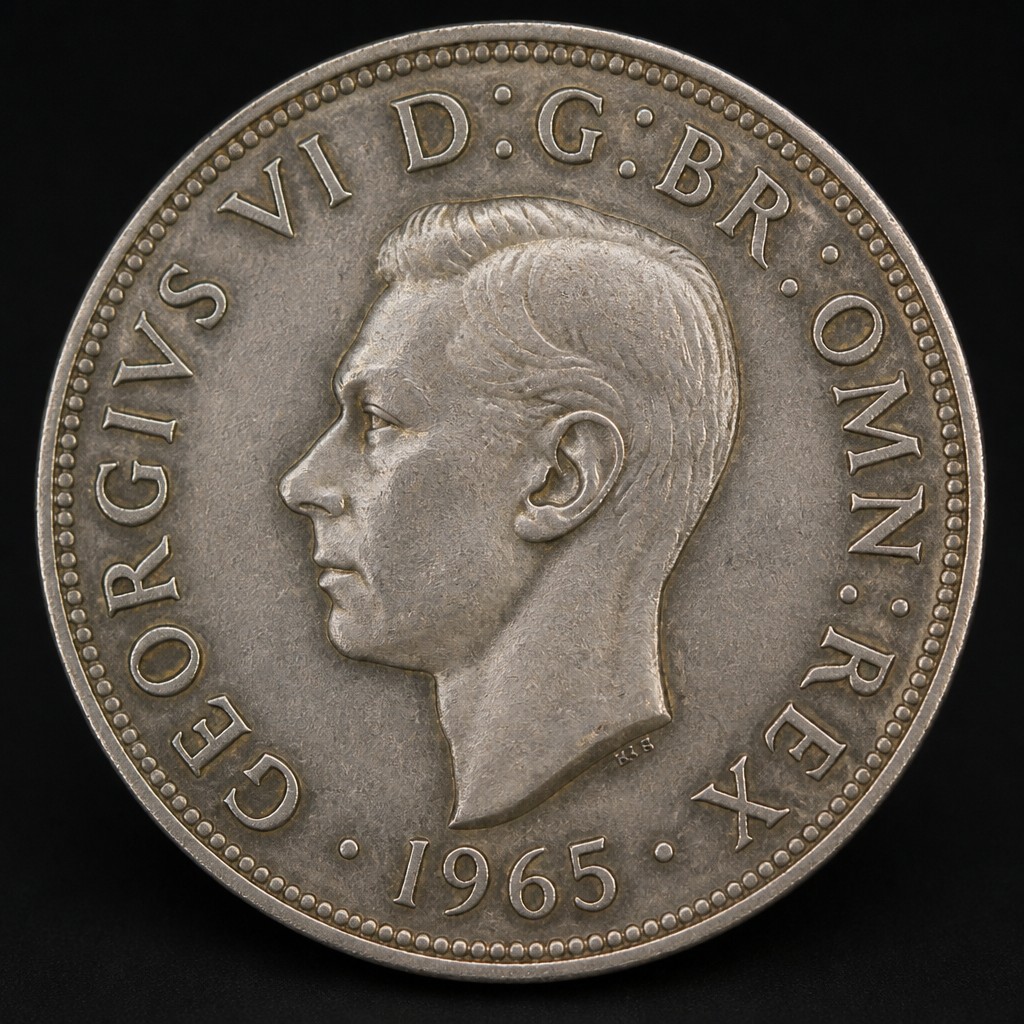
English Crown
1526–1965 (pre-decimal; commemorative crown-sized coins continue as five pound coins)
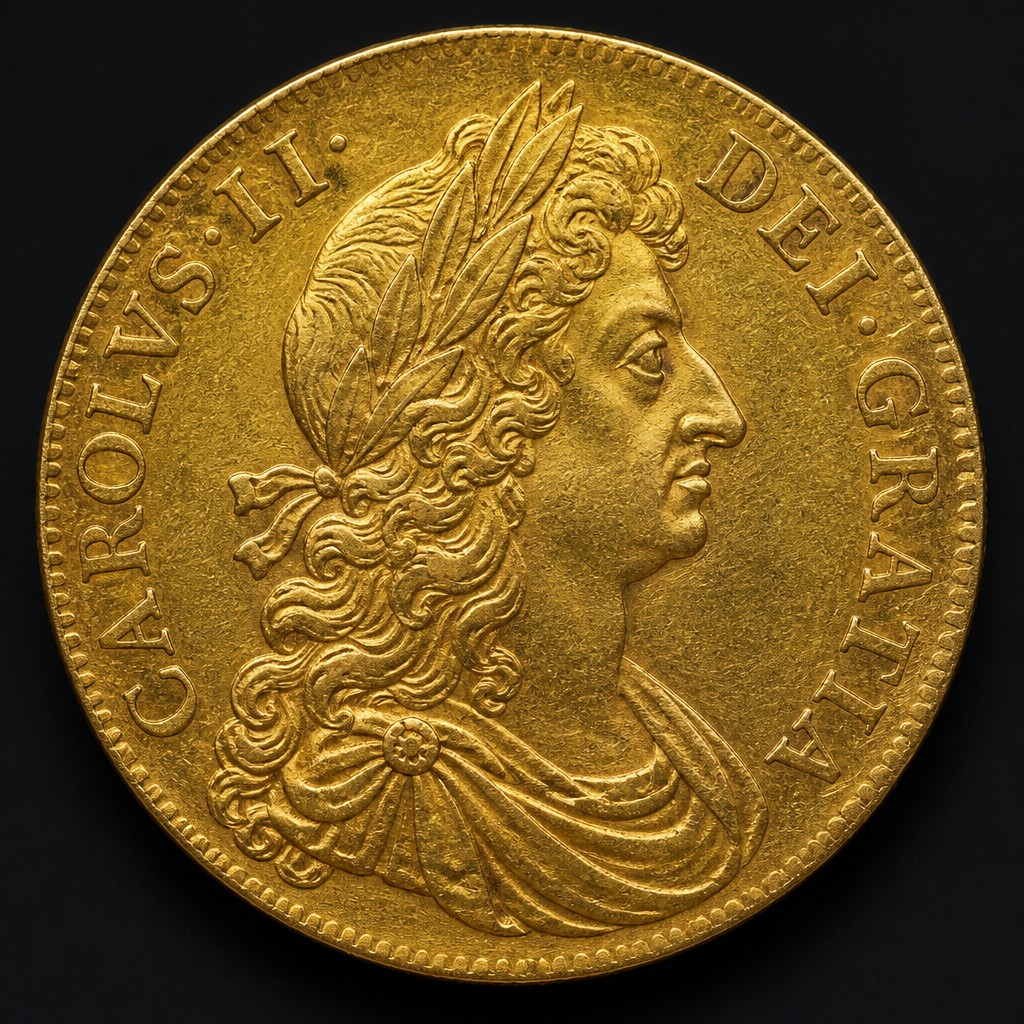
British Gold Guinea
1663–1814
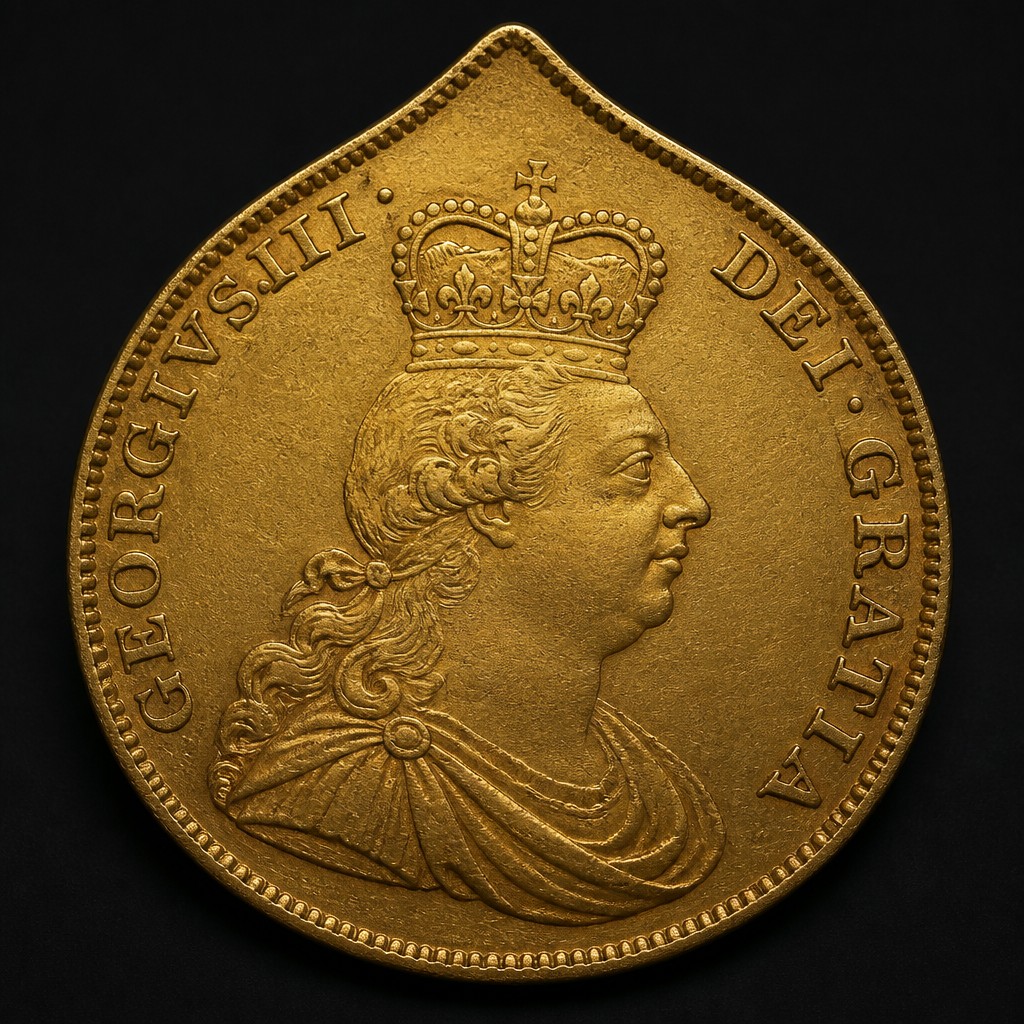
Spade Guinea
1787–1799
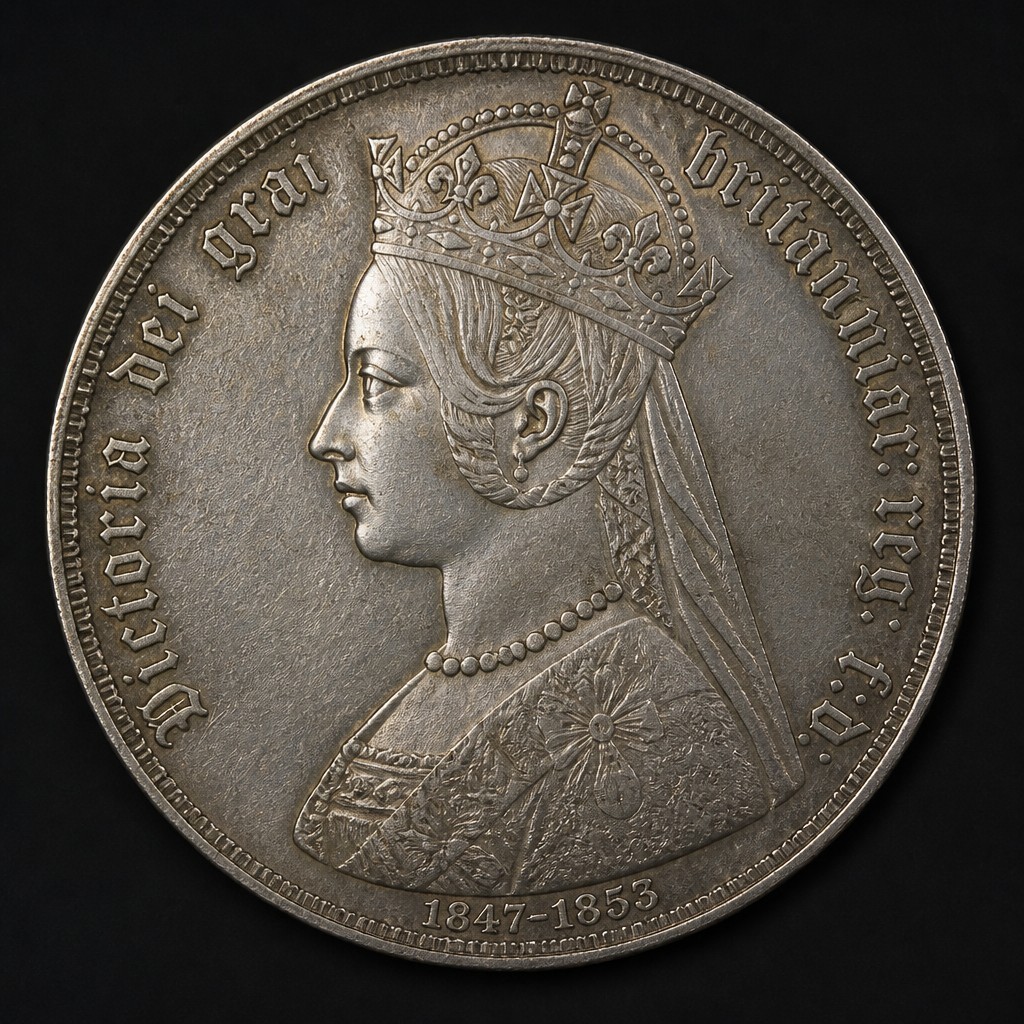
Gothic Crown
1847–1853
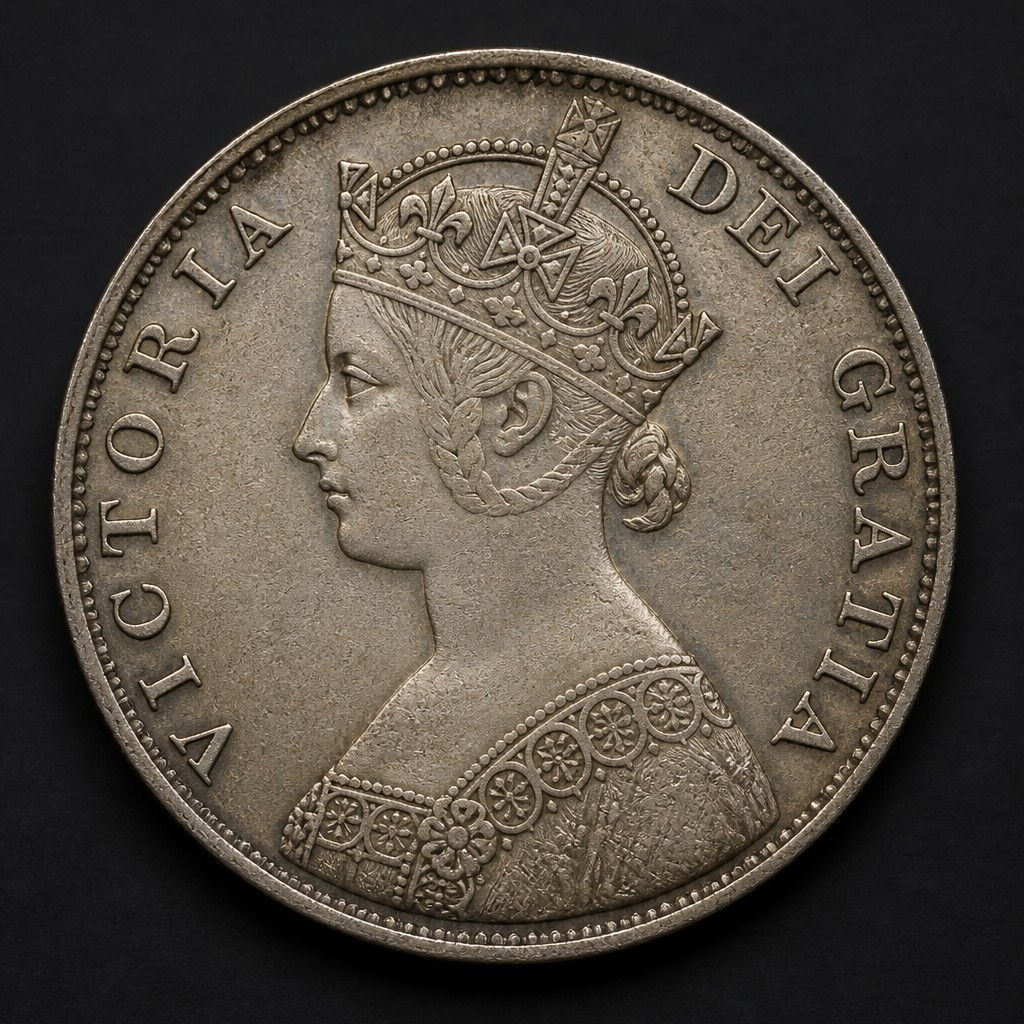
Groat (Fourpence)
1279–1888 (various revivals)
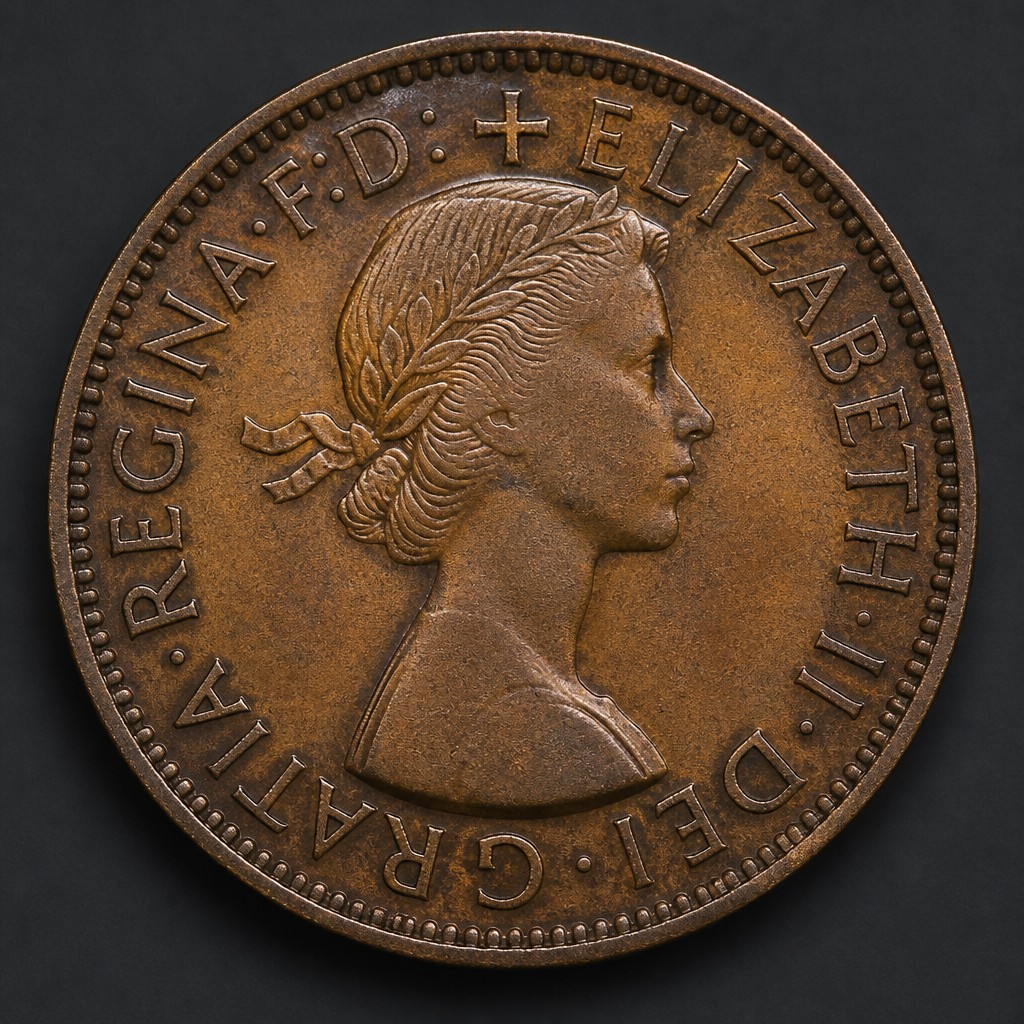
Farthing
13th century–1956
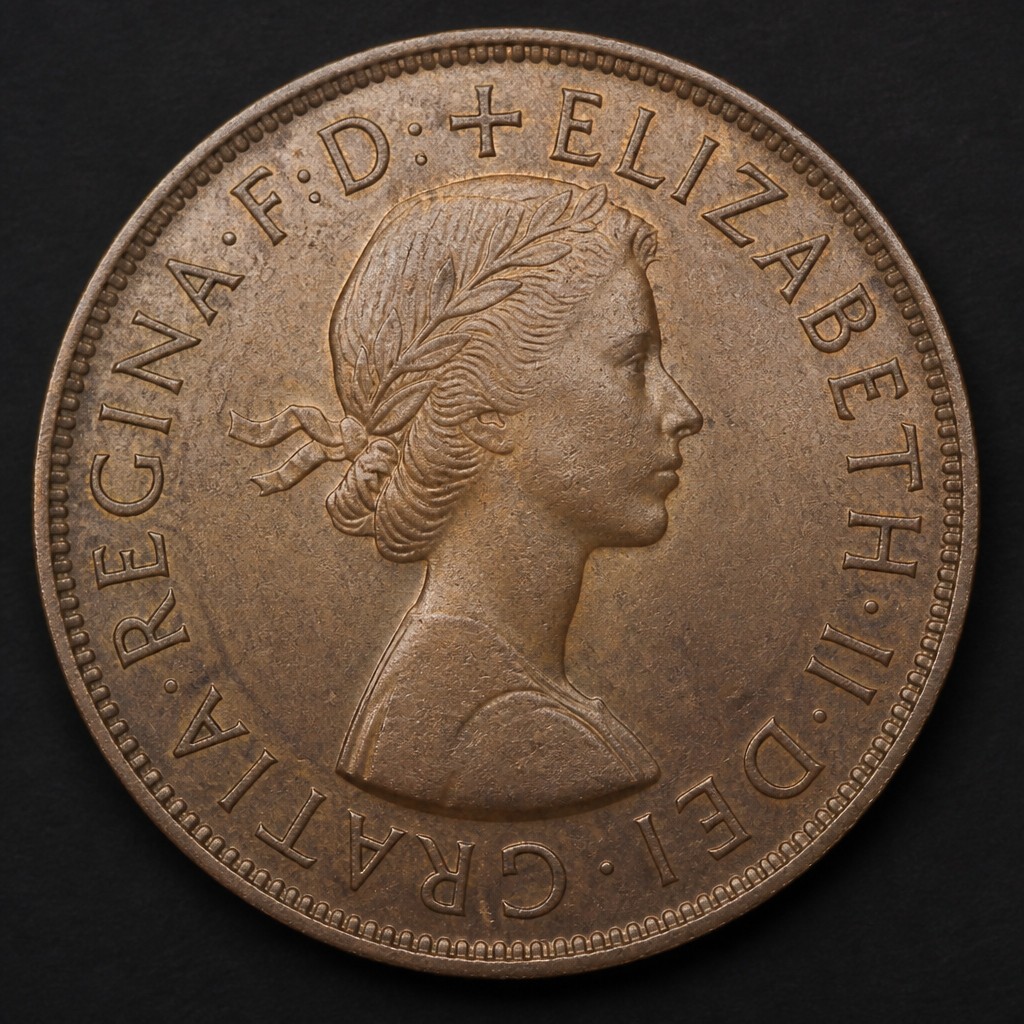
Halfpenny
c. 800s–1969
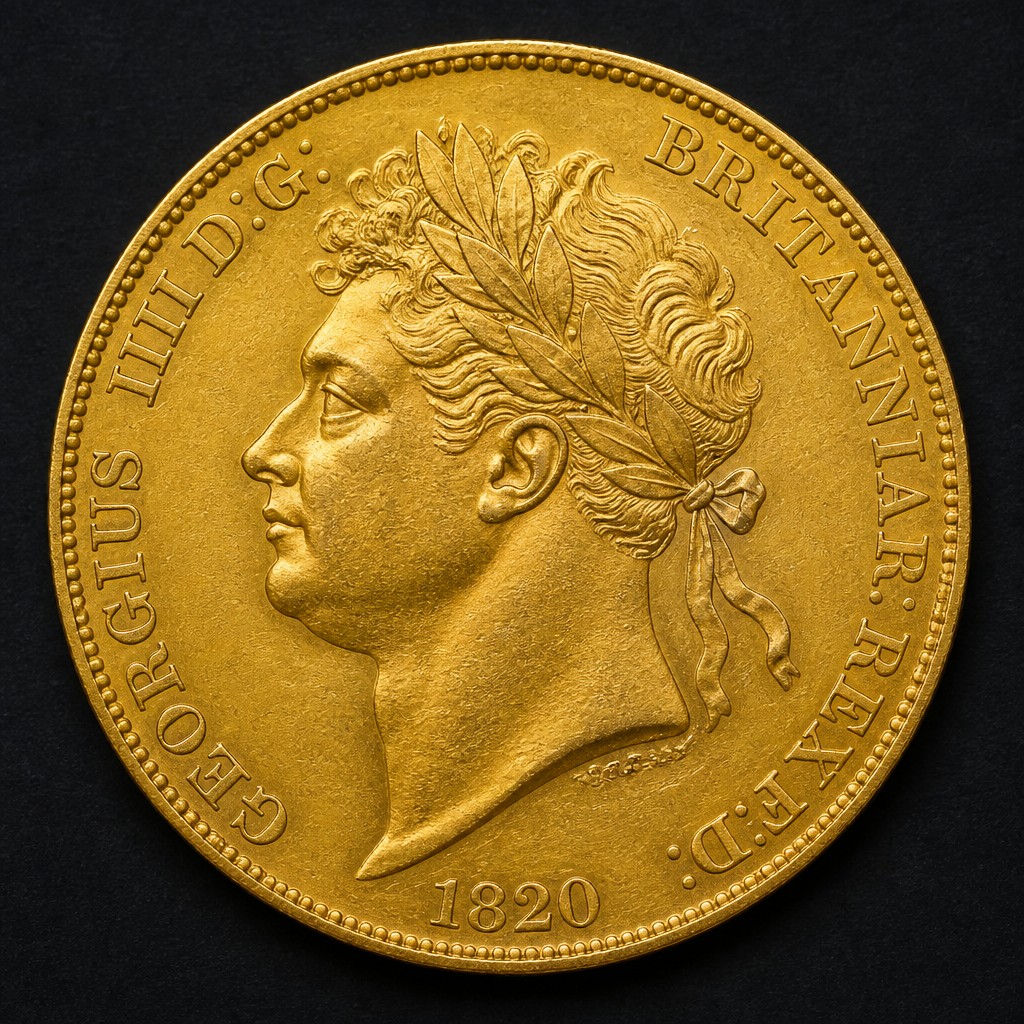
Five Pound Gold (Quintuple Sovereign)
1820–present (intermittent)
Threepence
1547–1970