
Coin Encyclopedia
Search and identify coins from around the world — with country, denomination, metal, mint, history, and how to tell them apart.
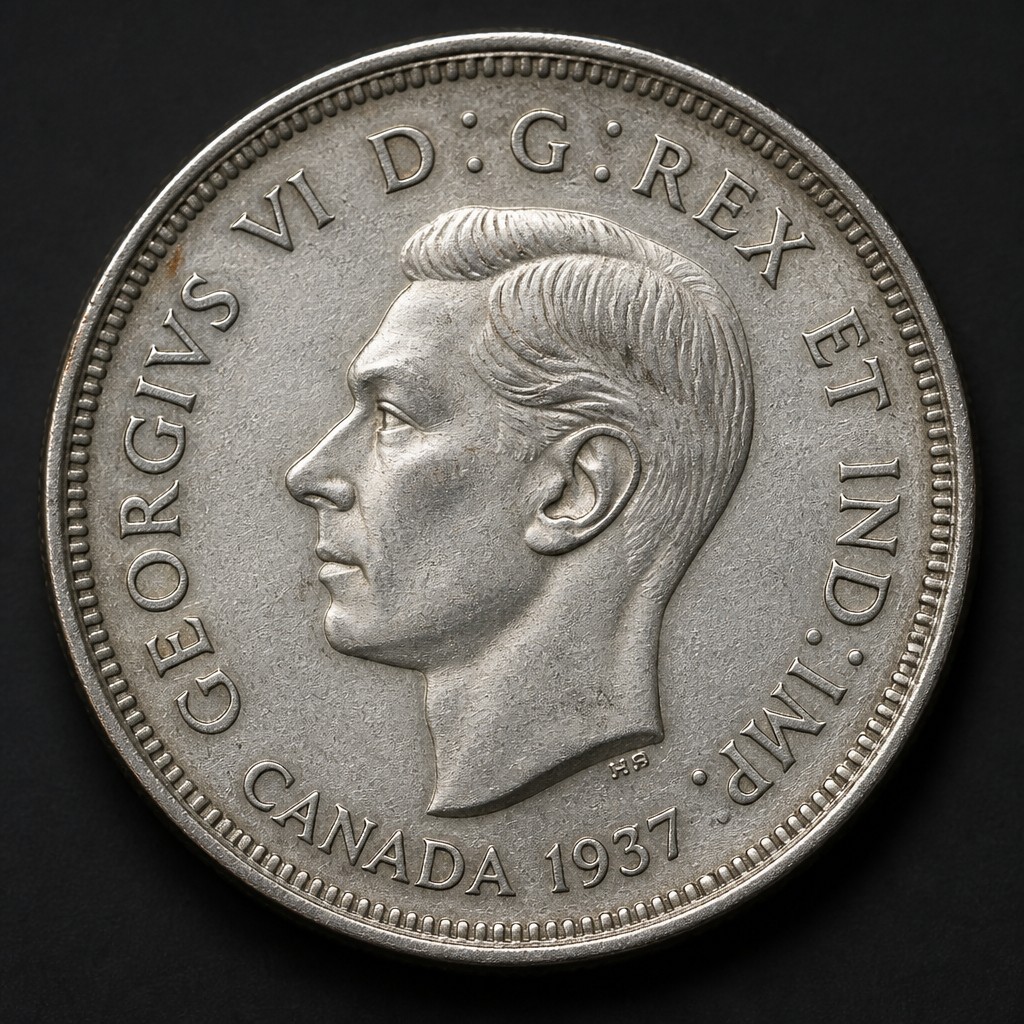
Bluenose Ten Cents (dime)
Canada's iconic ten-cent coin featuring the famous racing and fishing schooner Bluenose, a design introduced in 1937 that remains in use on the modern dime today.
Canadian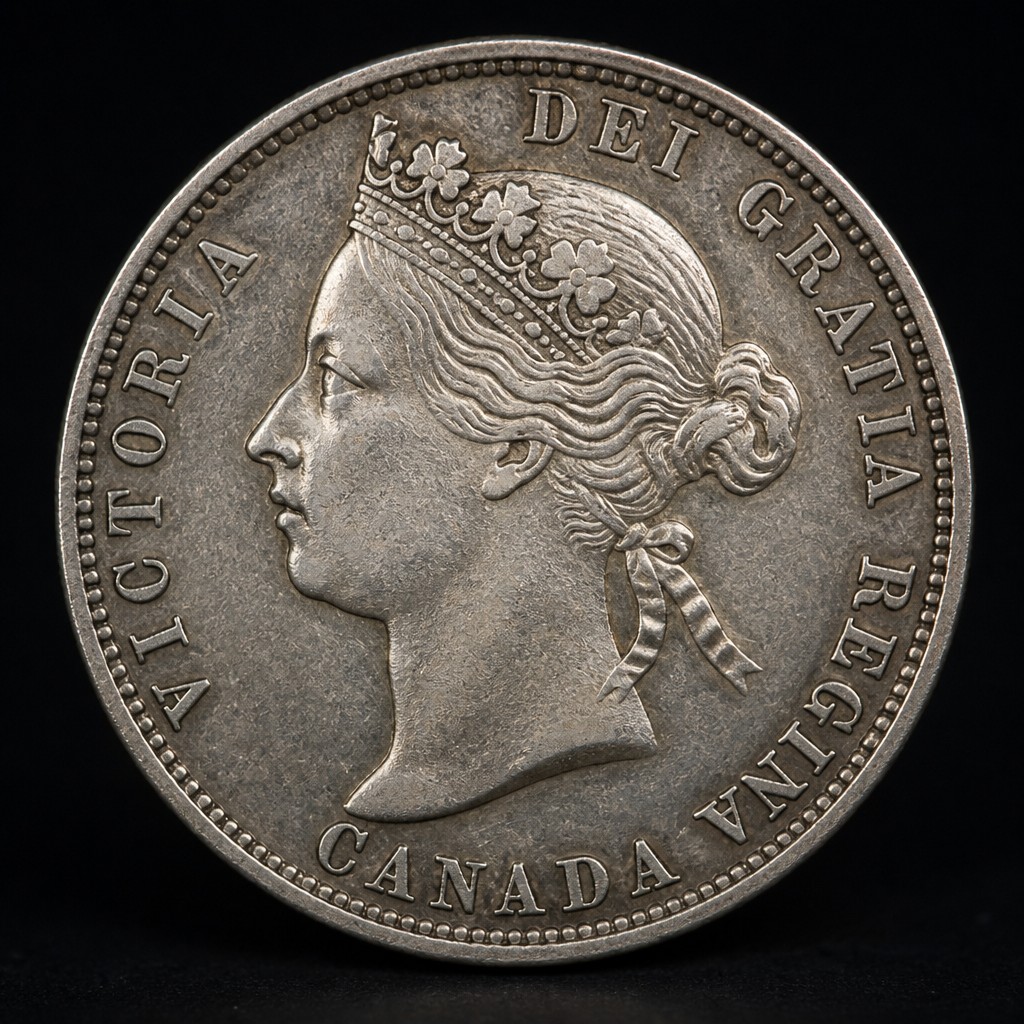
Victorian Silver Five Cents
The small sterling silver five-cent coin struck under Queen Victoria for the Province of Canada and later the Dominion of Canada, issued intermittently from 1858 to 1901.
Canadian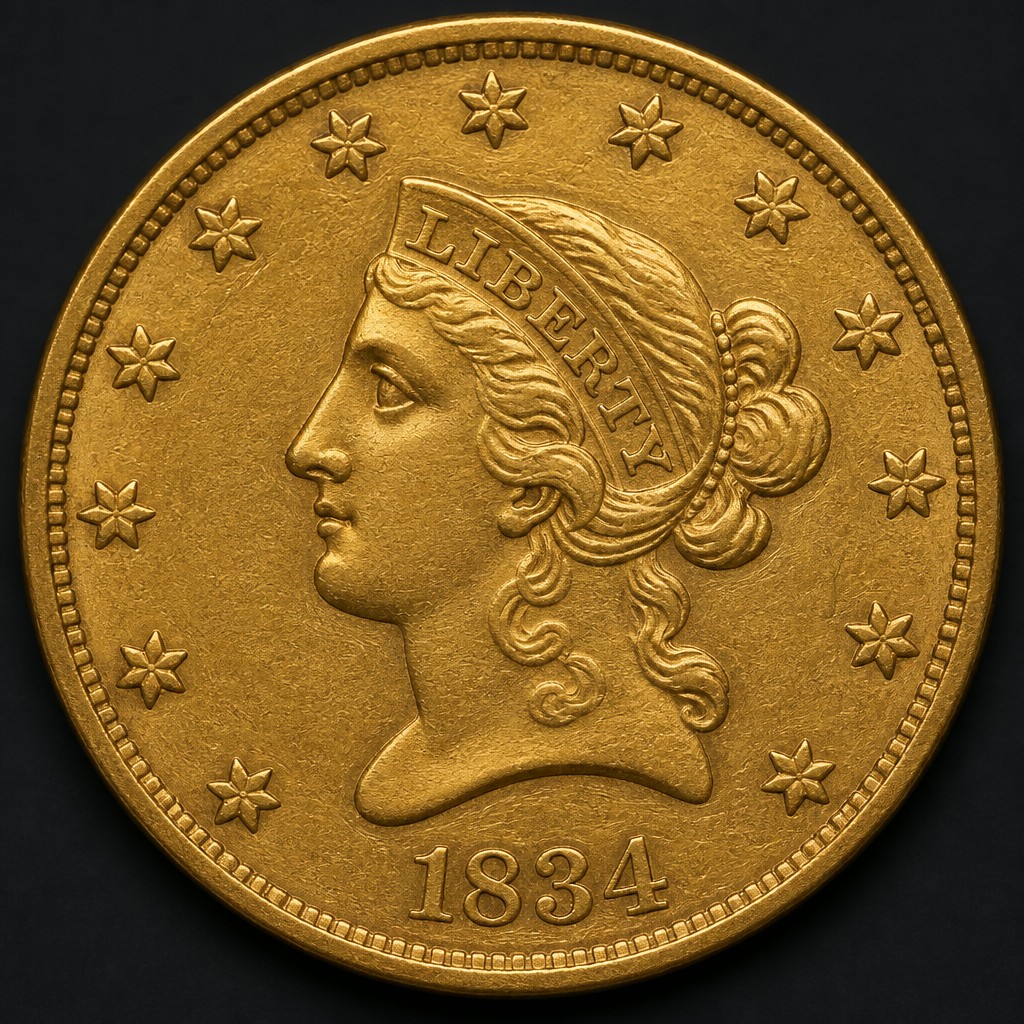
Classic Head Half Eagle ($5)
A short-lived early American gold five-dollar coin created after the Coinage Act of 1834 reduced gold coin weight to keep coins in circulation rather than being melted.
United States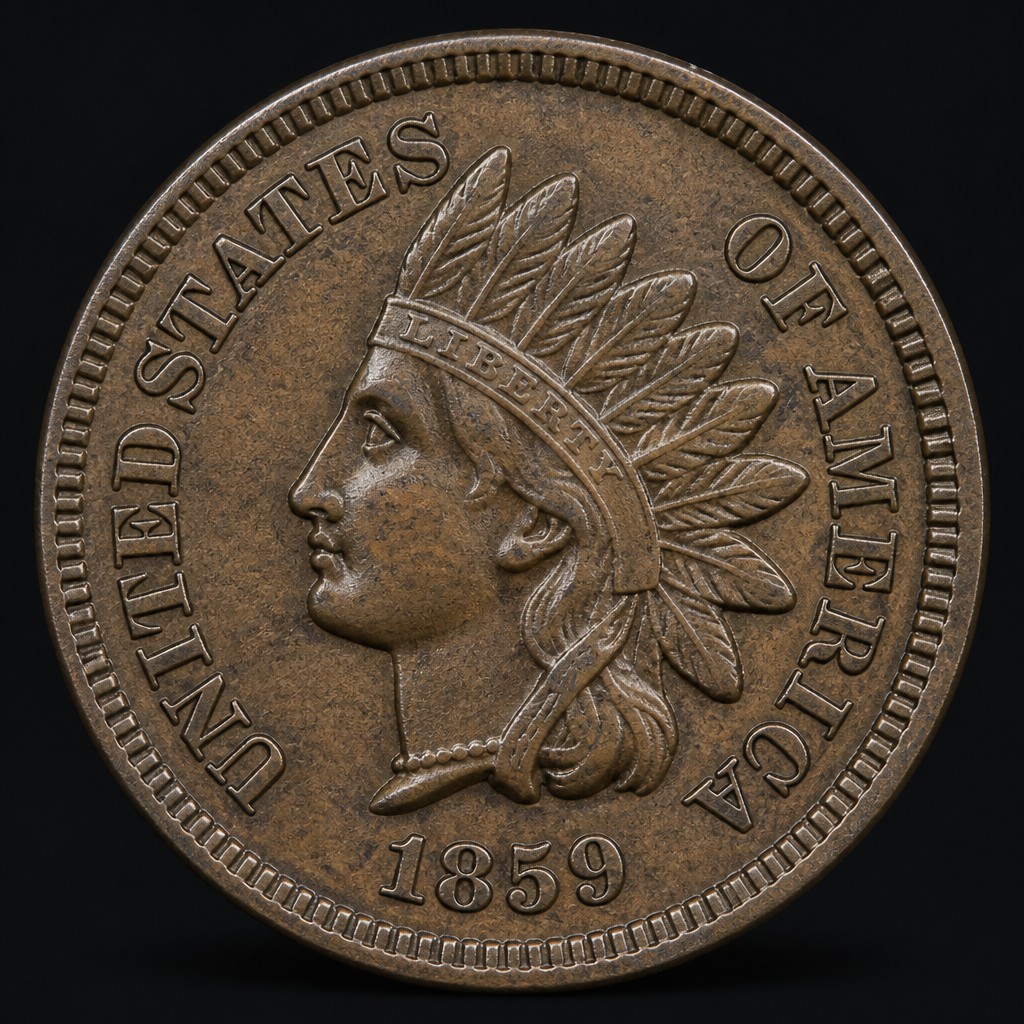
Indian Head Cent
A long-running 19th-century one-cent coin depicting Liberty in a Native American-style feathered headdress, popular with collectors for its accessible half-century run.
United States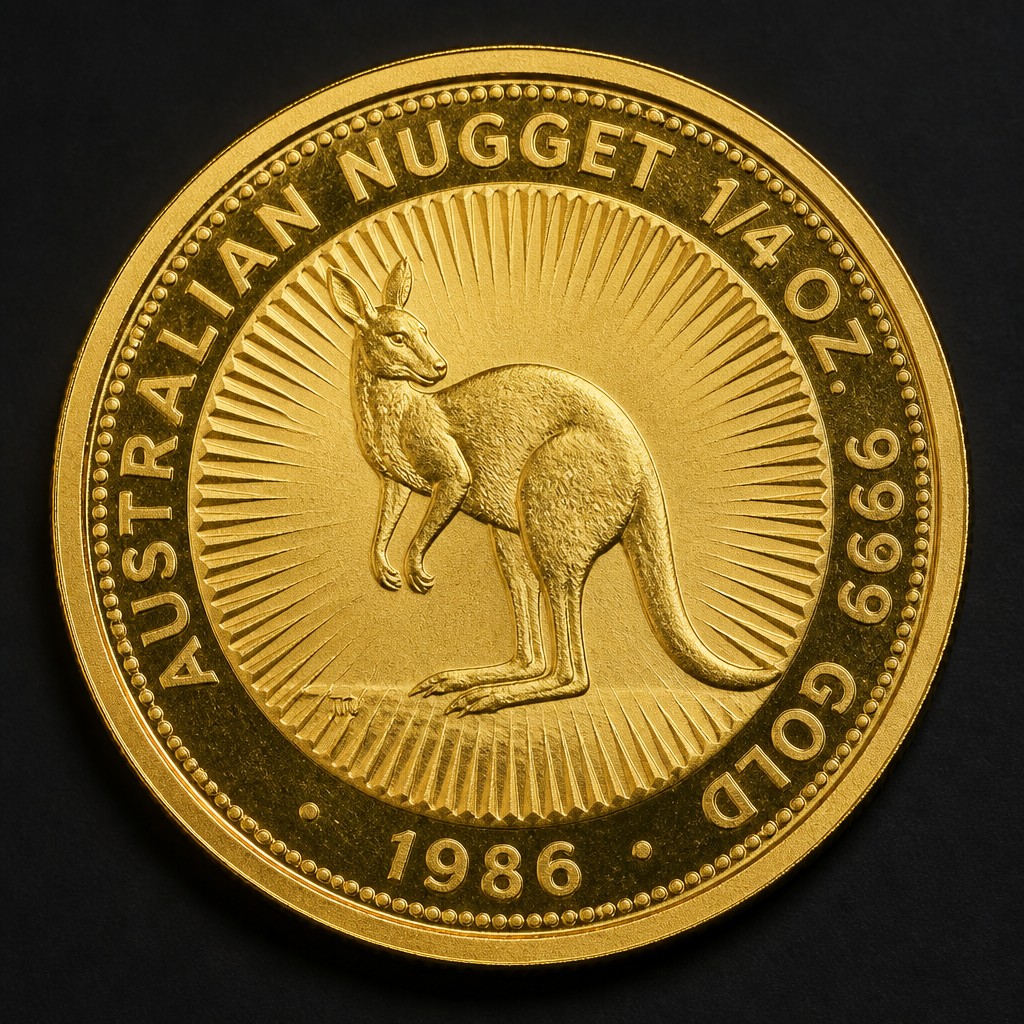
Australian Kangaroo Gold Nugget
Modern Australian gold bullion coin from the Perth Mint, launched in 1986 with changing nugget designs before adopting an annually updated kangaroo reverse.
Bullion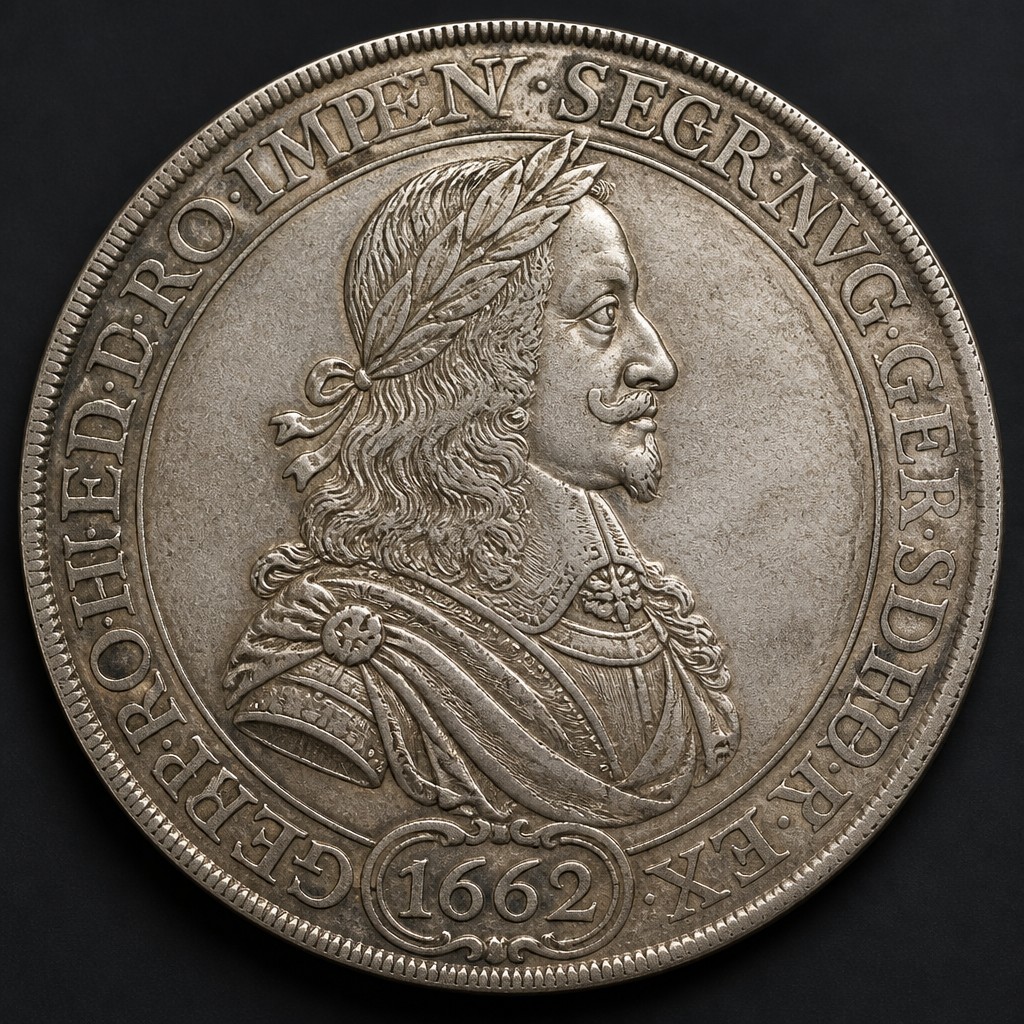
Reichsthaler
The standard large silver coin of the Holy Roman Empire and its constituent German states from the 16th century onward, whose name is the direct linguistic ancestor of the word 'dollar.'
European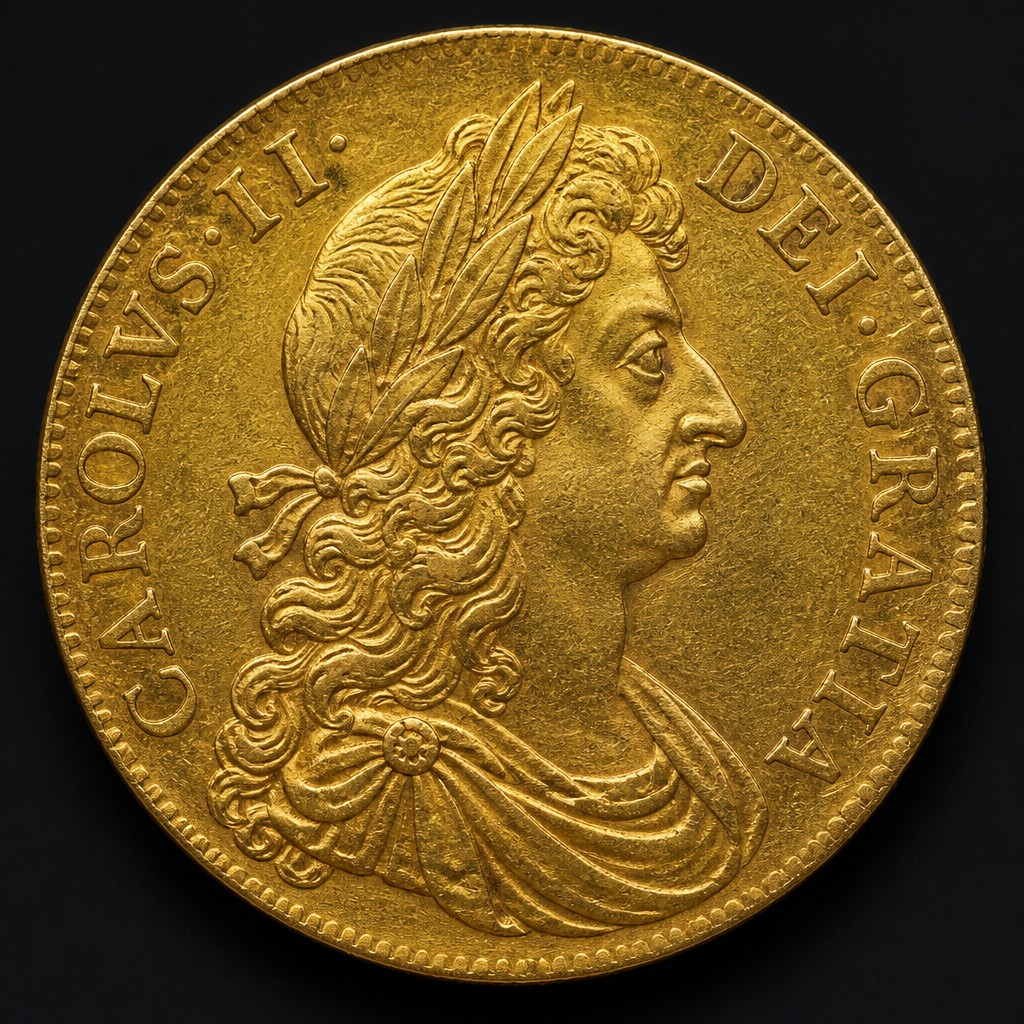
British Gold Guinea
Struck from 1663 to 1814 and named for the West African gold used in its earliest issues, the guinea was Britain's leading gold coin and gave its name to a unit of value still referenced today.
British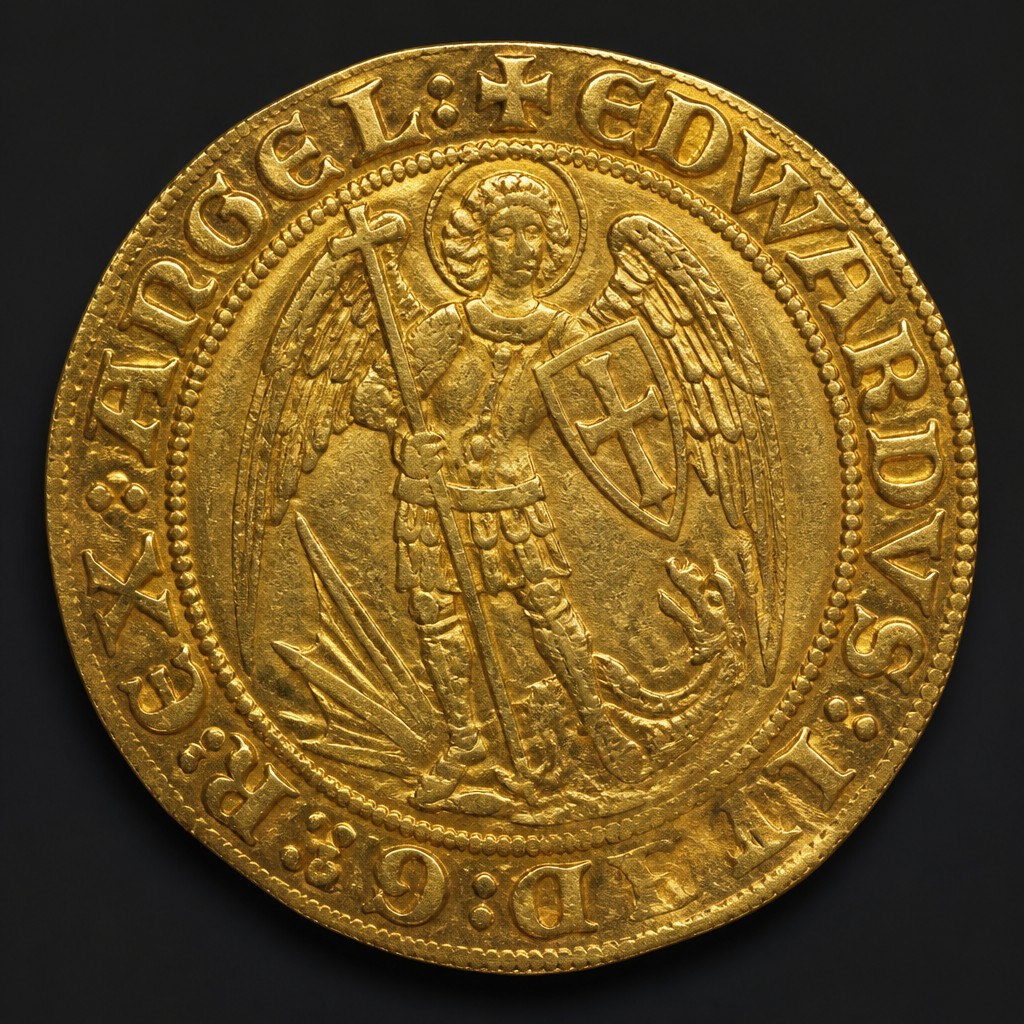
Angel
An English gold coin depicting the Archangel Michael slaying a dragon, introduced in 1465 and famously used as a ceremonial 'touch piece' in royal healing rituals.
British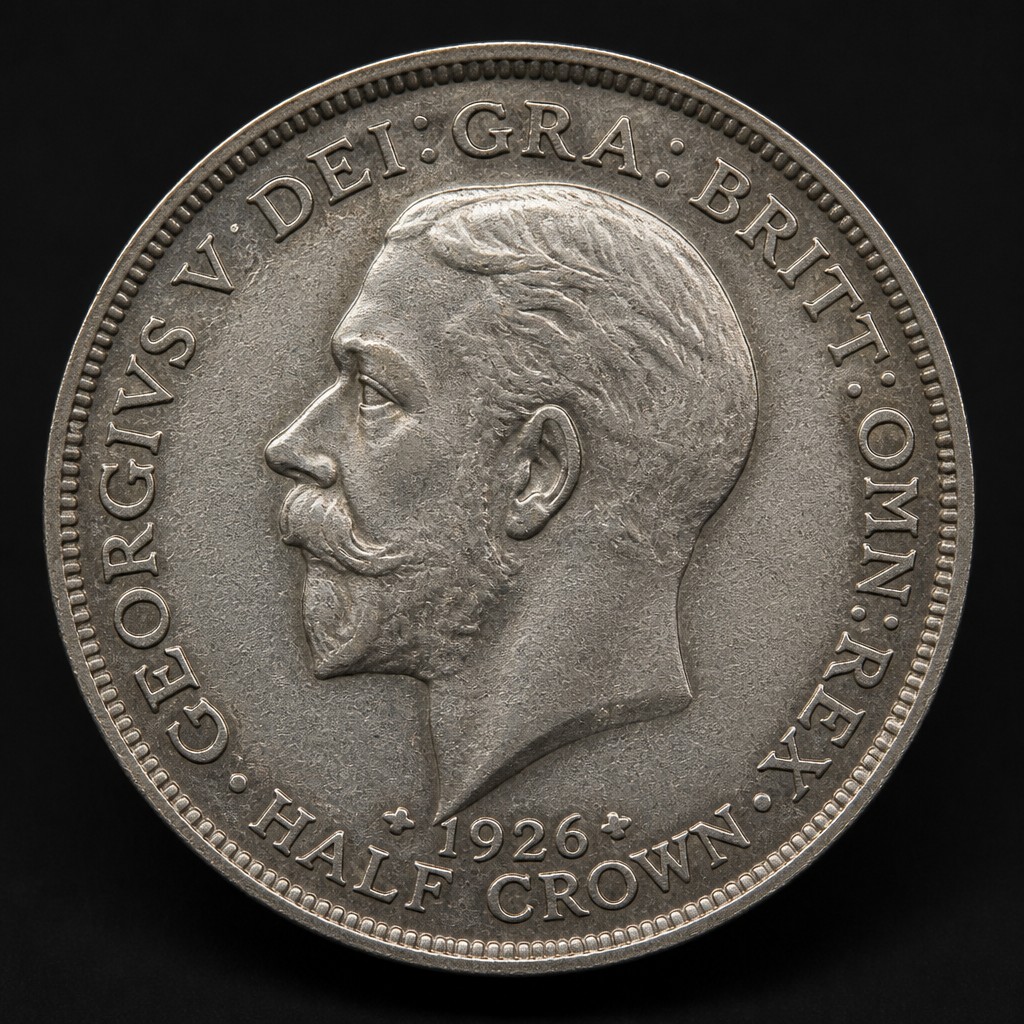
Half Crown
A long-lived British coin worth one-eighth of a pound, struck from the Tudor era until decimalisation in 1970, valued today mainly for its portraits and design variety.
British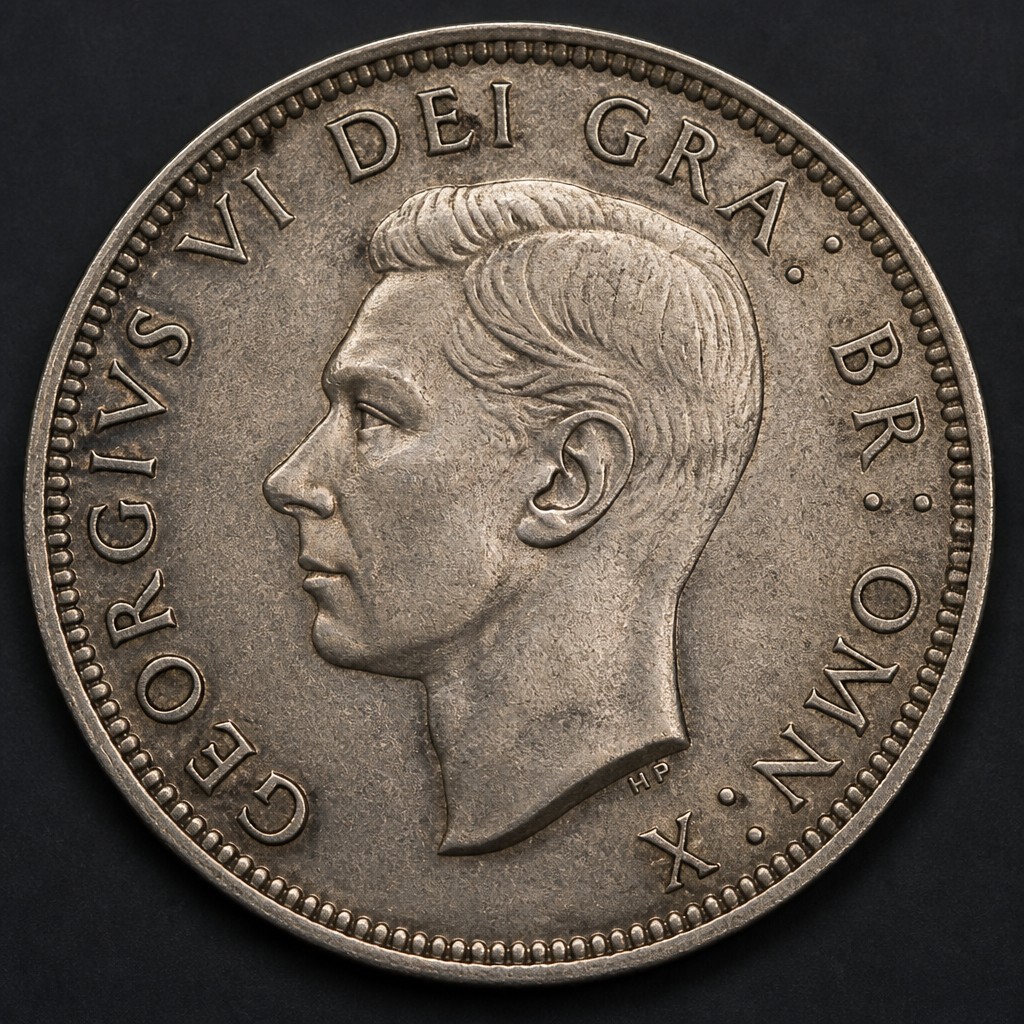
Florin (Two Shillings)
A British silver coin worth two shillings, notable for the controversial 1849 'Godless Florin' that omitted the customary religious motto, and for foreshadowing decimal coinage.
British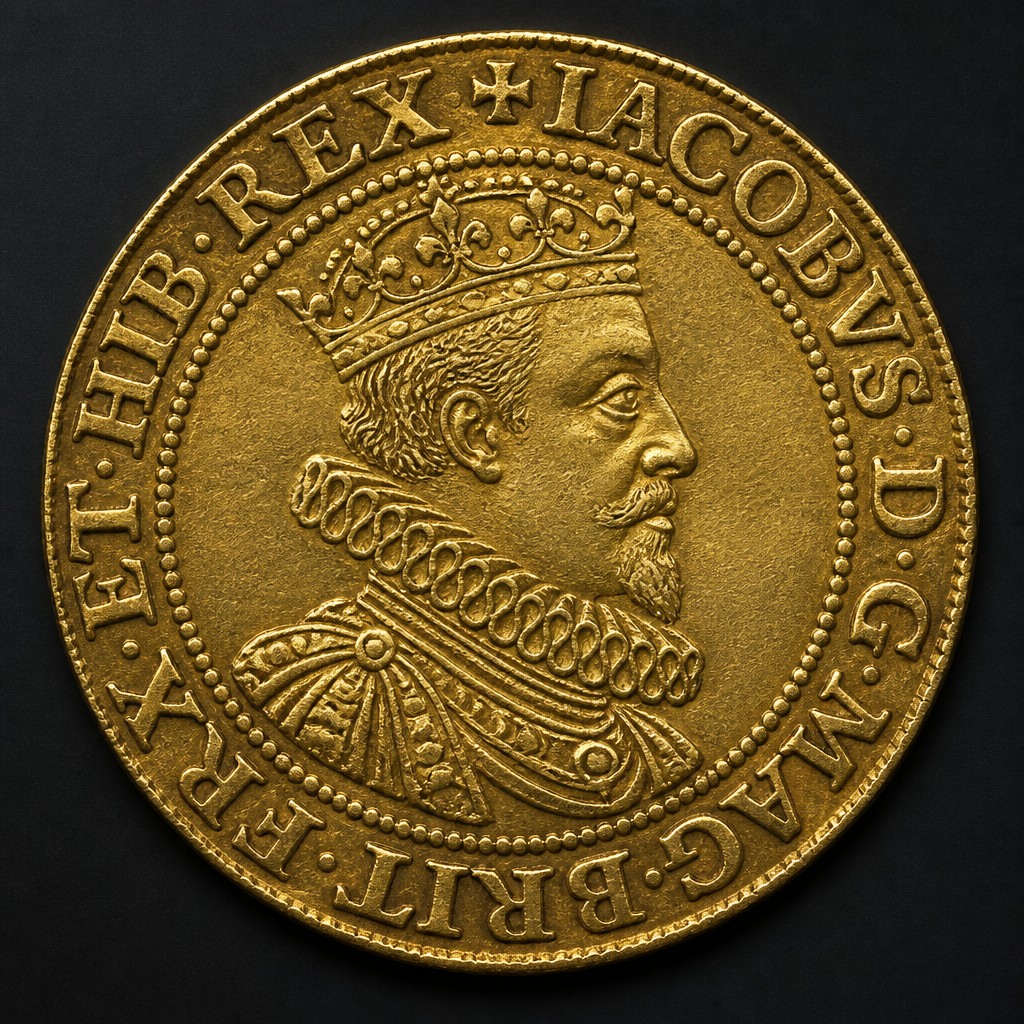
Unite
A gold twenty-shilling coin introduced by James I in 1604 to celebrate the union of the English and Scottish crowns, its name literally symbolizing the joining of the two kingdoms.
British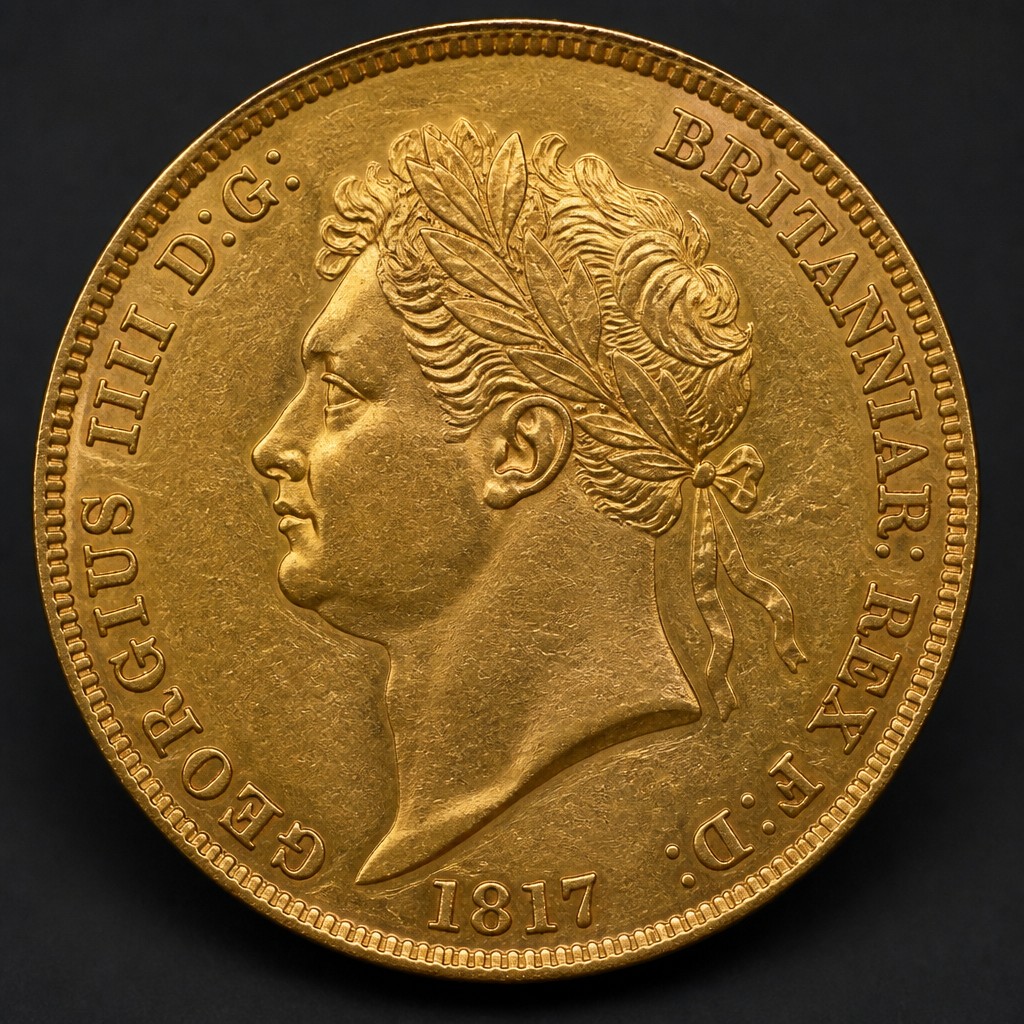
British Gold Sovereign
Historic British gold coin featuring Saint George slaying the dragon, minted since 1817 and still struck today as both a circulation-era relic and modern bullion/collector coin.
British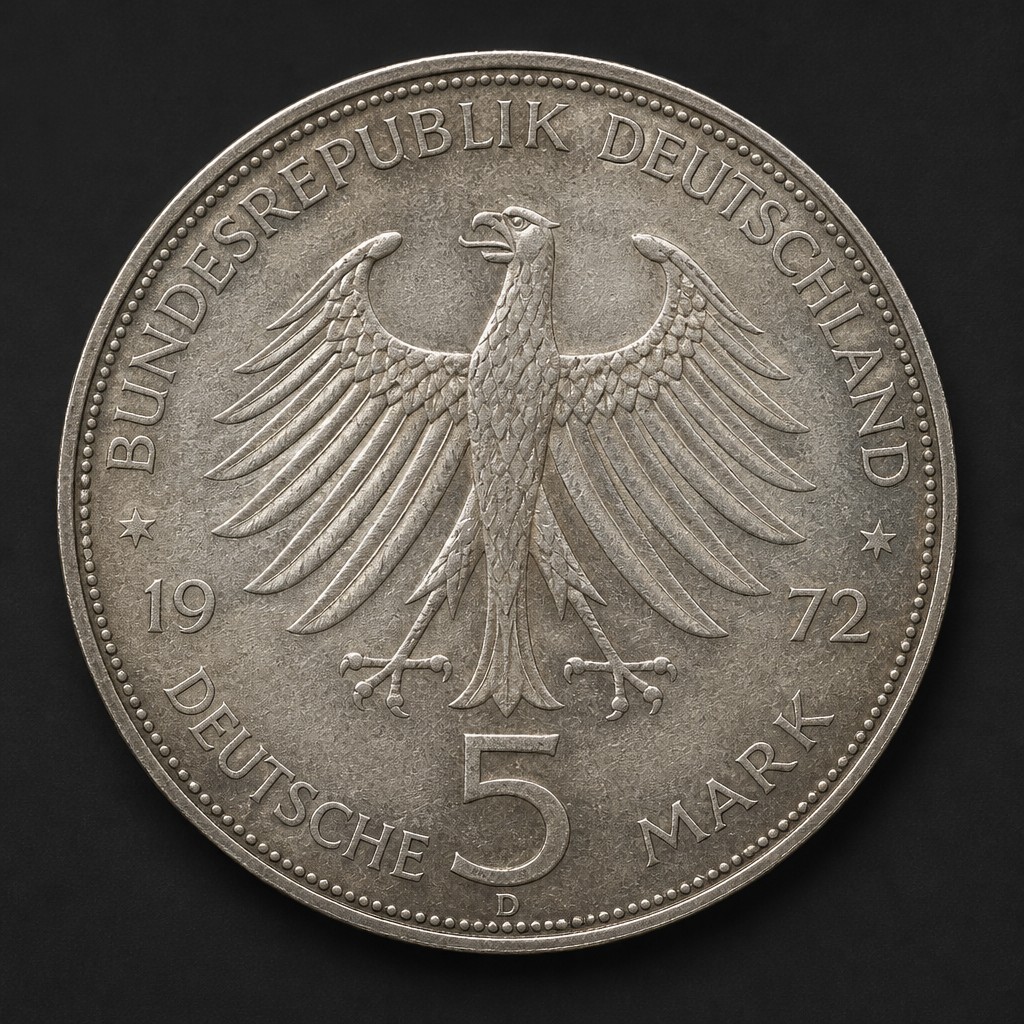
German 5 Deutsche Mark Commemoratives
West Germany issued special silver 5 Deutsche Mark coins from the 1950s through the mid-1980s to mark anniversaries, institutions, and notable Germans, alongside its regular circulating 5 DM coin.
Commemorative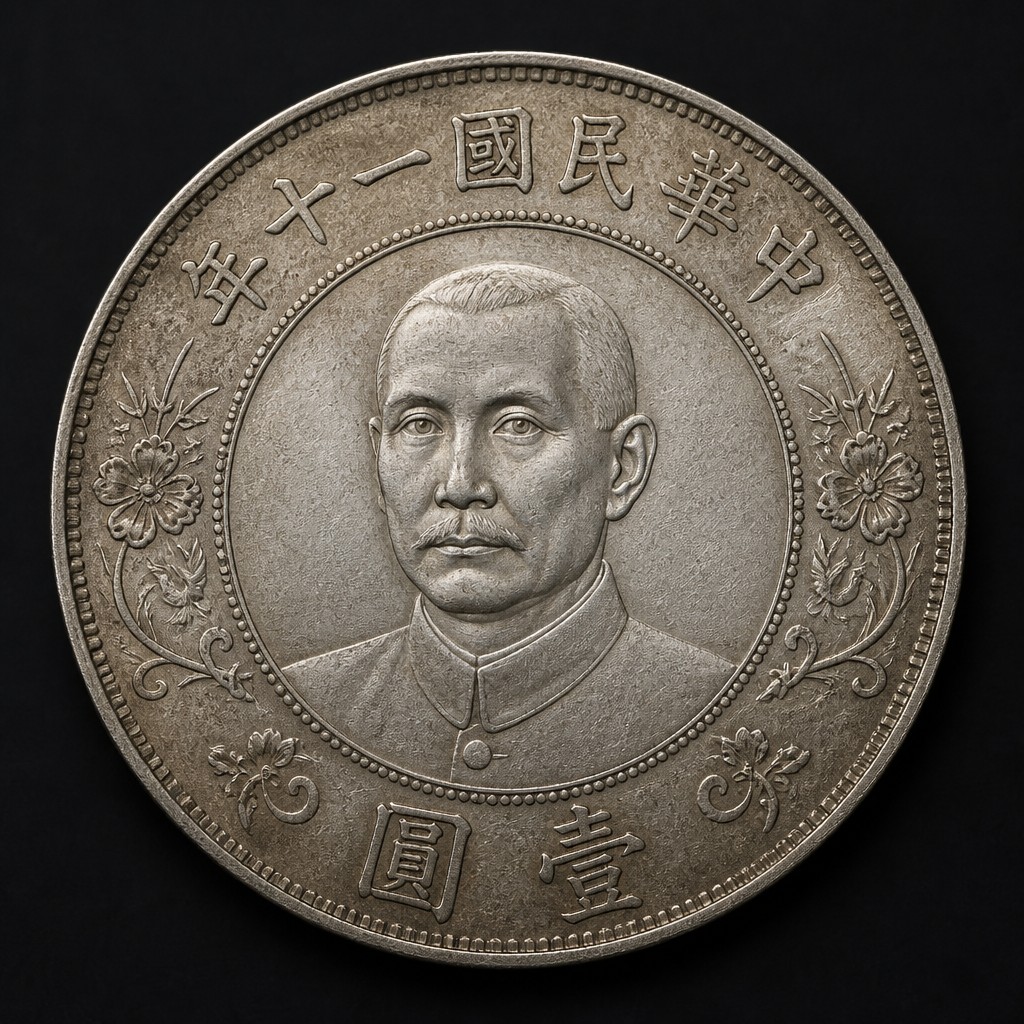
Sun Yat-sen Memorial Dollar (Junk Dollar)
A Republic of China silver dollar honoring founding father Sun Yat-sen, nicknamed the junk dollar for its reverse image of a traditional Chinese sailing ship, a widely collected 1930s Chinese coin.
Asian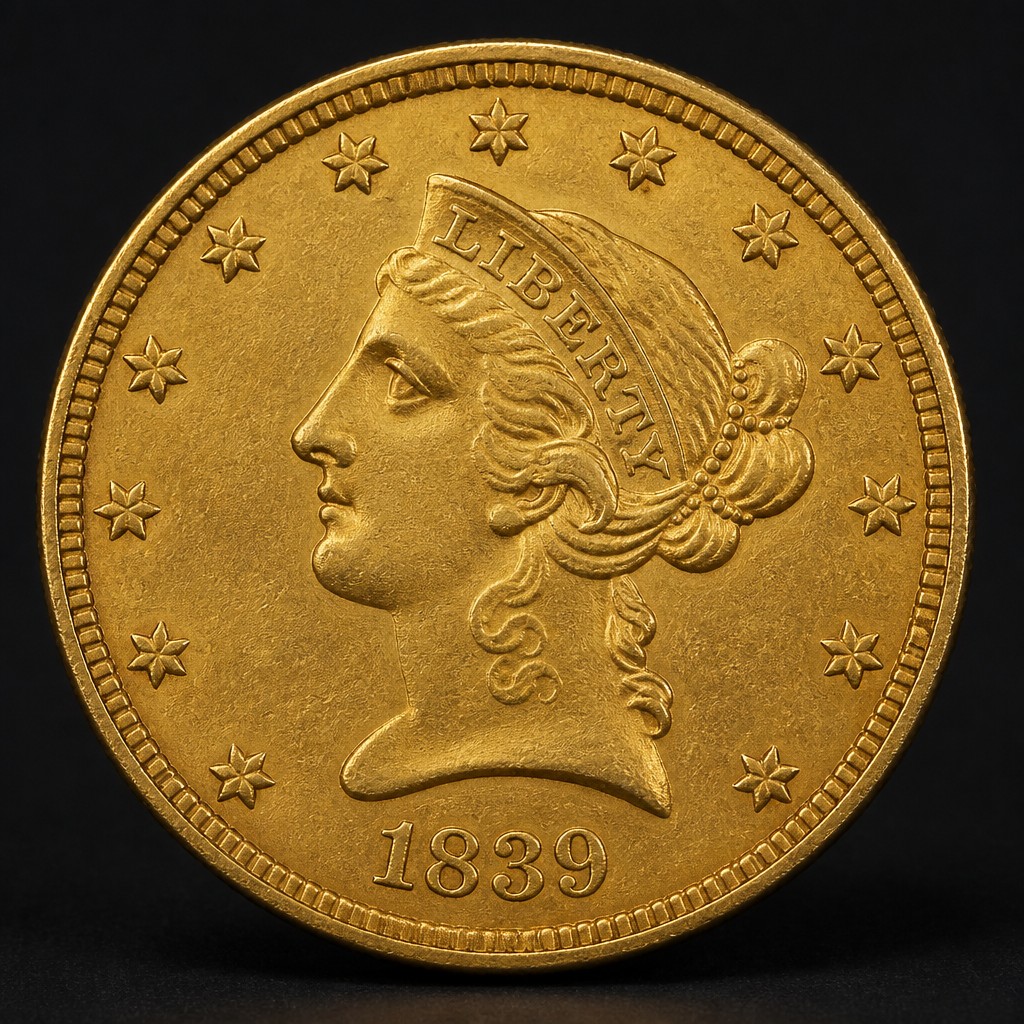
Liberty Head Half Eagle ($5)
A widely produced 19th-century gold five-dollar coin bearing Christian Gobrecht's Coronet Head design, struck across nearly every major American branch mint of the era.
United States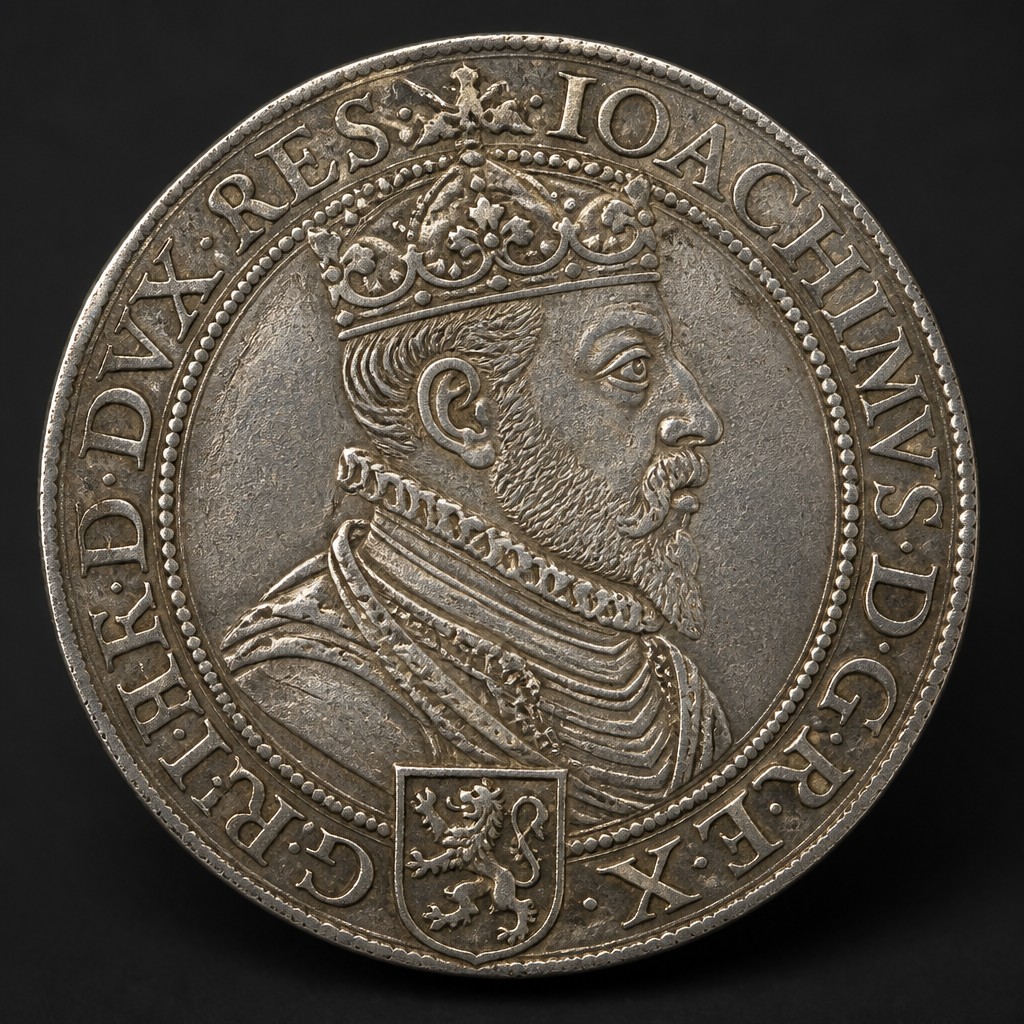
Joachimsthaler
Struck beginning in 1520 in the Bohemian silver-mining town of Joachimsthal, this large silver coin gave its name, shortened to 'thaler' and later 'dollar,' to countless currencies around the world.
European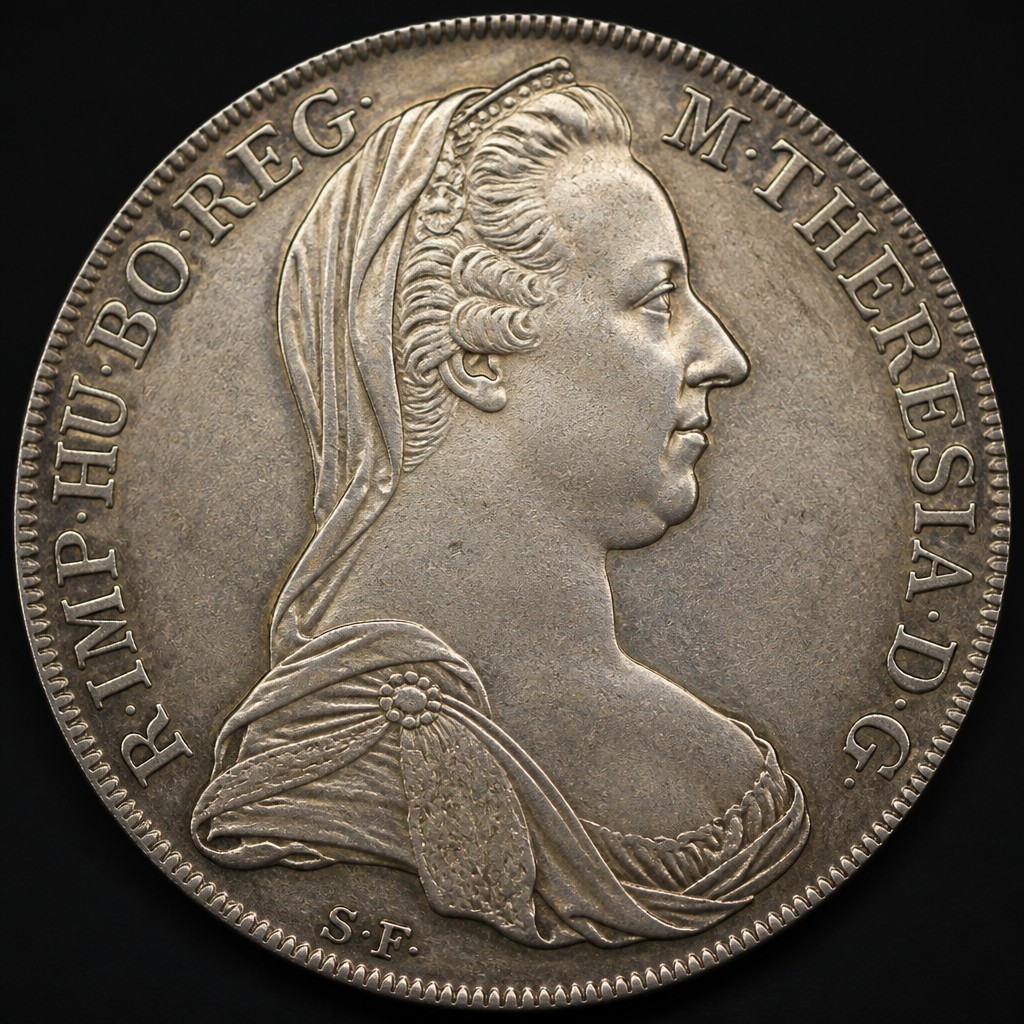
Austrian Levantine Thaler (Maria Theresa Thaler)
A famous silver trade coin bearing the portrait of Empress Maria Theresa, perpetually dated 1780 and restruck for centuries as a trusted trade currency across the Middle East, Arabia, and East Africa.
European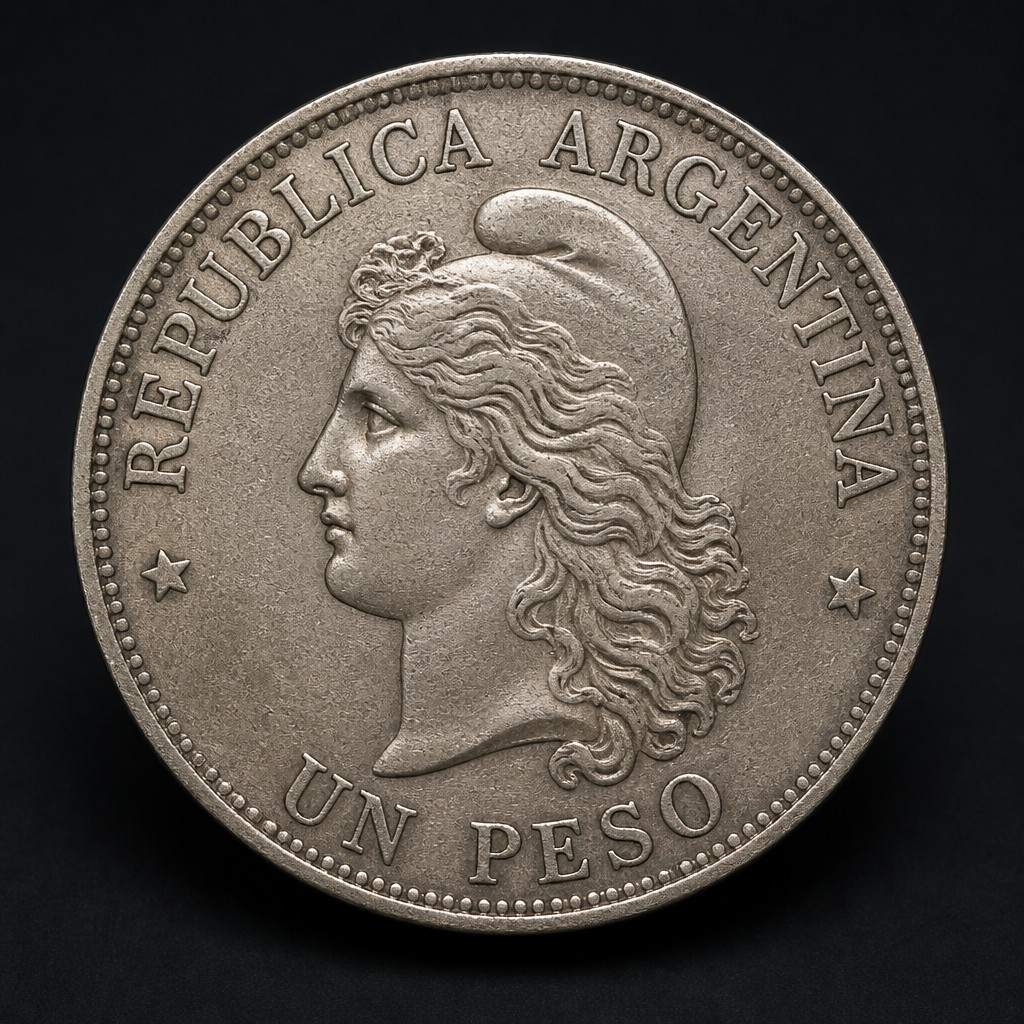
Argentine Peso Moneda Nacional (Patacón)
Argentina's long-standing peso moneda nacional coinage, informally nicknamed the patacón, formed the backbone of the country's currency from the 1880s well into the twentieth century.
Latin American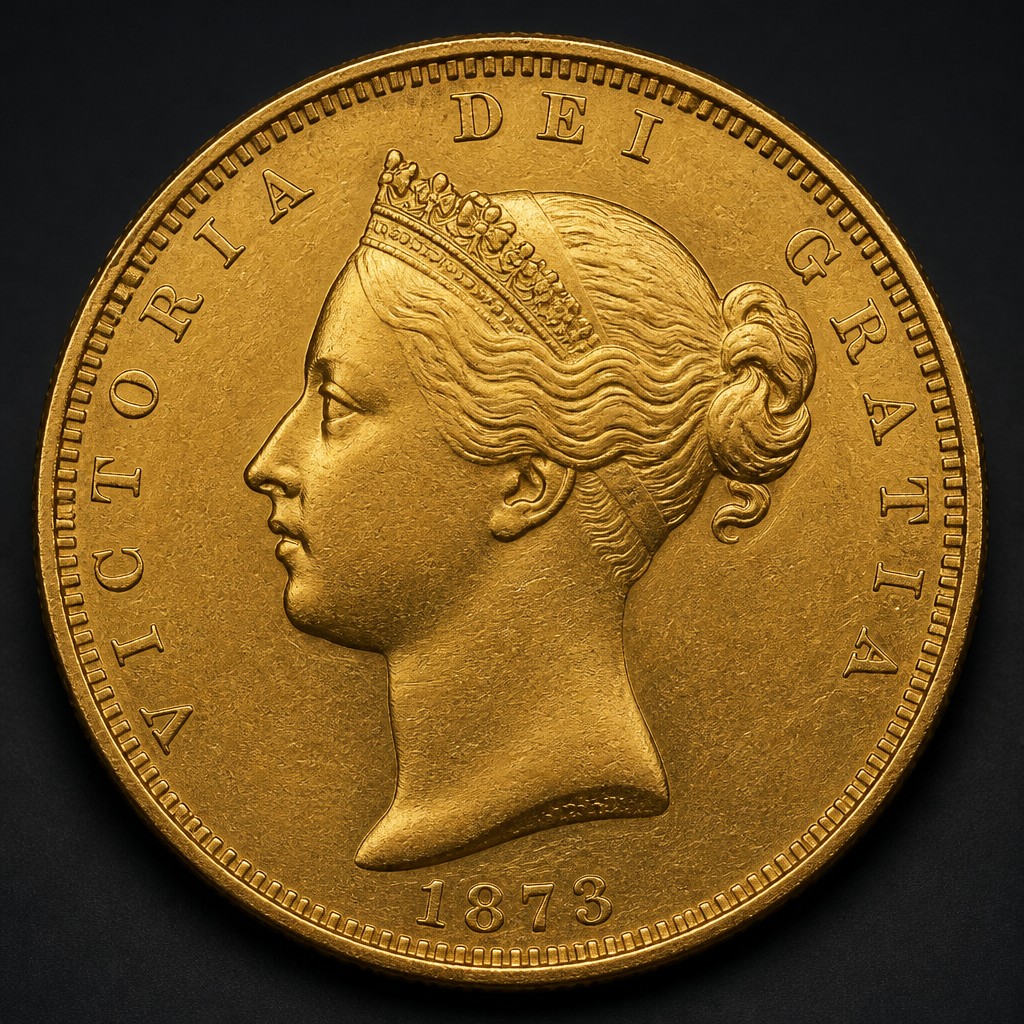
Gold Sovereign
Iconic British gold pound coin, revived in 1817 with Benedict Pistrucci's celebrated St George and the Dragon design, struck for centuries in London and branch mints worldwide.
British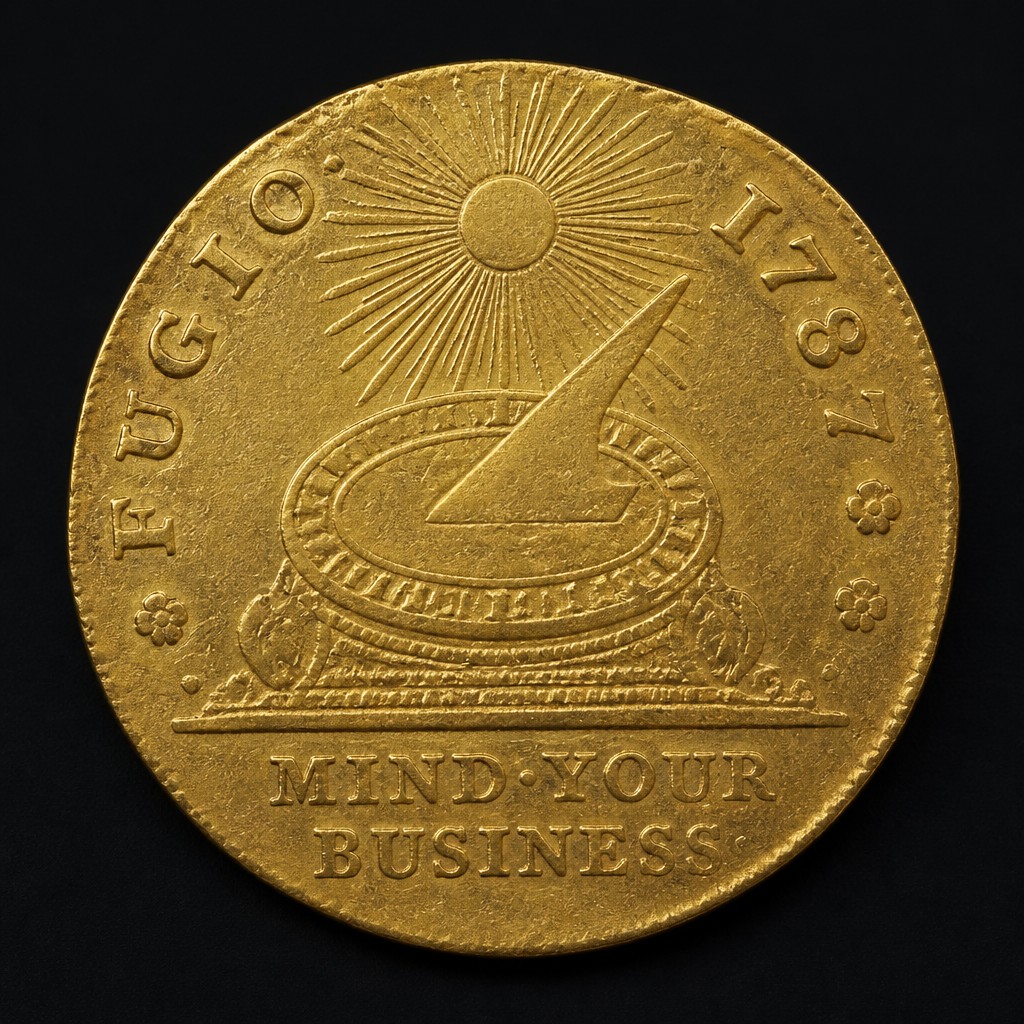
Brasher Doubloon
A famous privately struck gold coin made in 1787 by New York goldsmith Ephraim Brasher, a neighbor of George Washington, and one of the most valuable and celebrated coins in American numismatics.
United States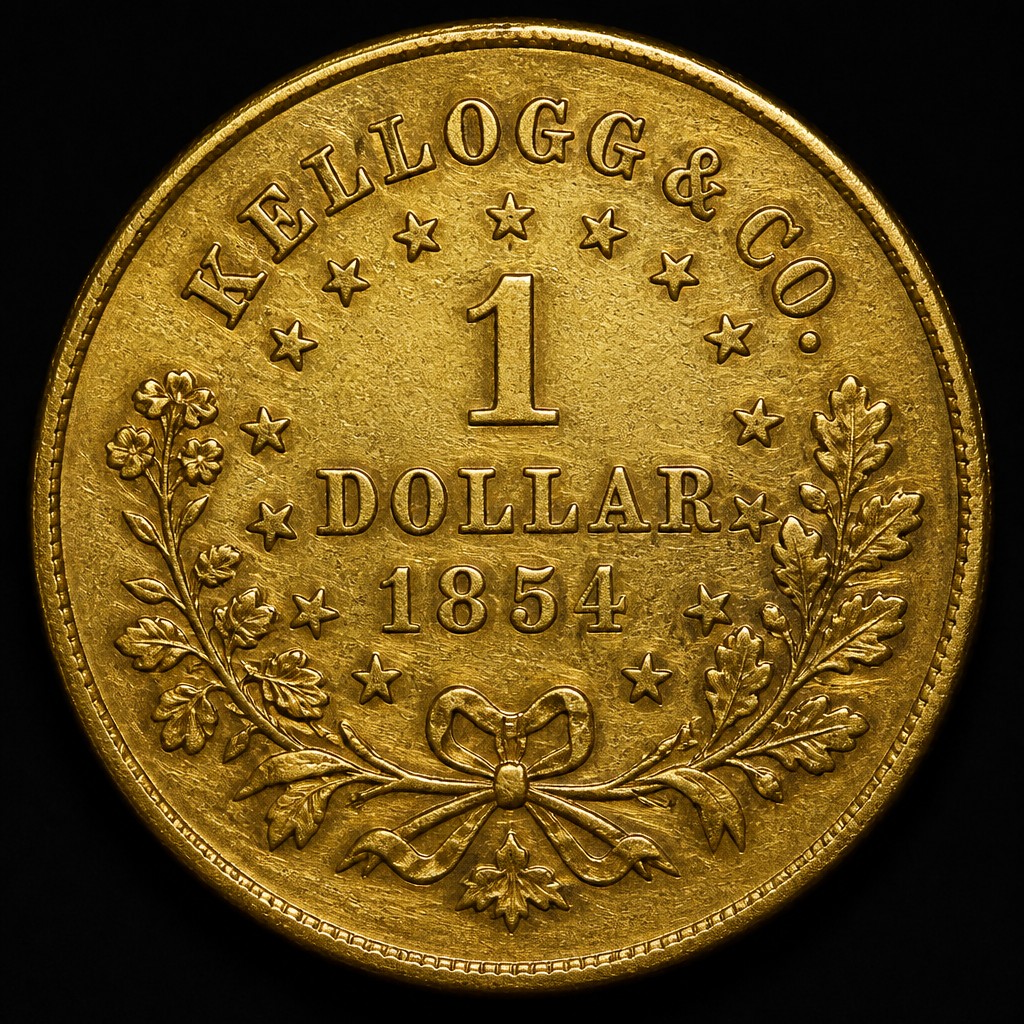
Kellogg & Co. Gold Piece
Private gold coinage struck by the San Francisco firm Kellogg & Co. during the California Gold Rush, including the famous octagonal fifty-dollar 'slug' of 1855, filling a shortage of circulating coin.
United States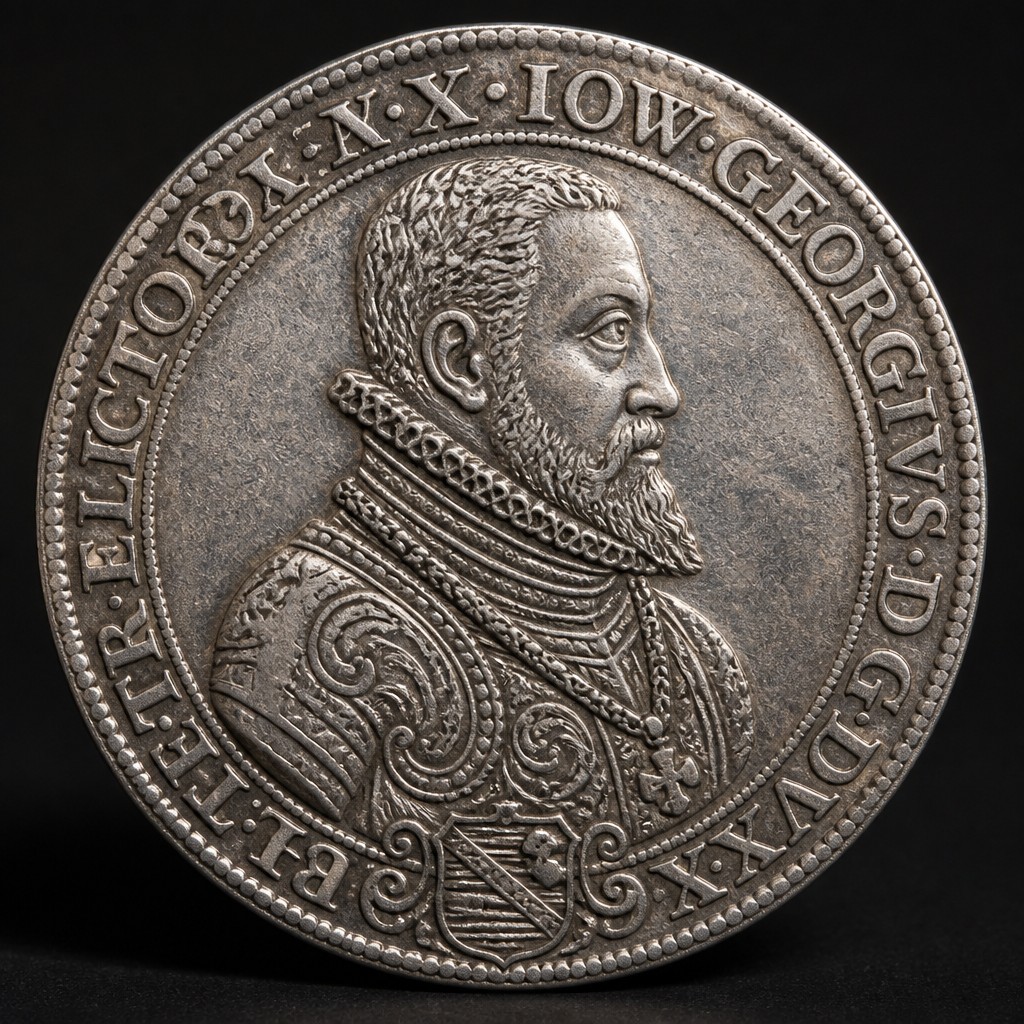
Saxony Thaler
Saxony was one of the earliest and most prolific issuers of thalers, with the electorate and later kingdom producing large silver coins from the 16th century until German unification.
European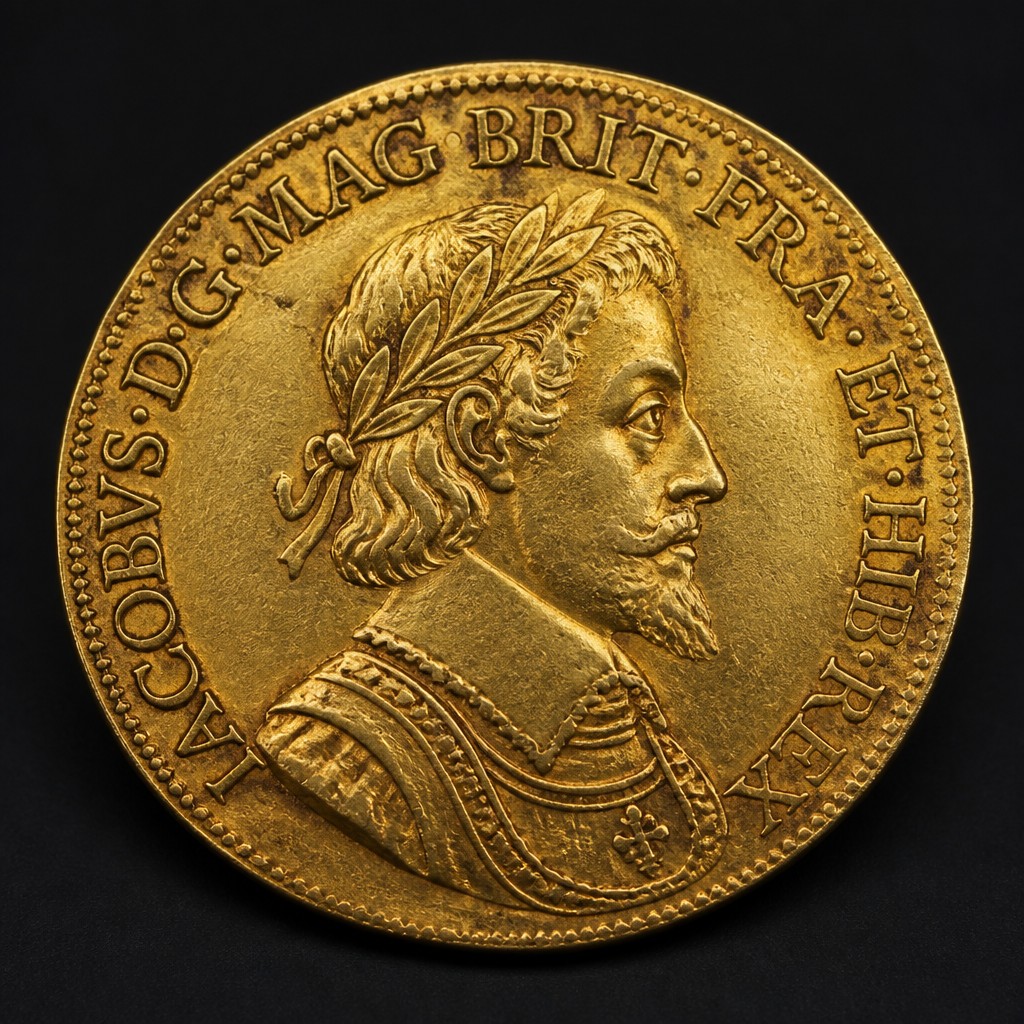
Laurel
A gold twenty-shilling coin issued from 1619, named for its laureate royal portrait styled after Roman emperors, replacing the earlier Unite as James I's principal gold denomination.
British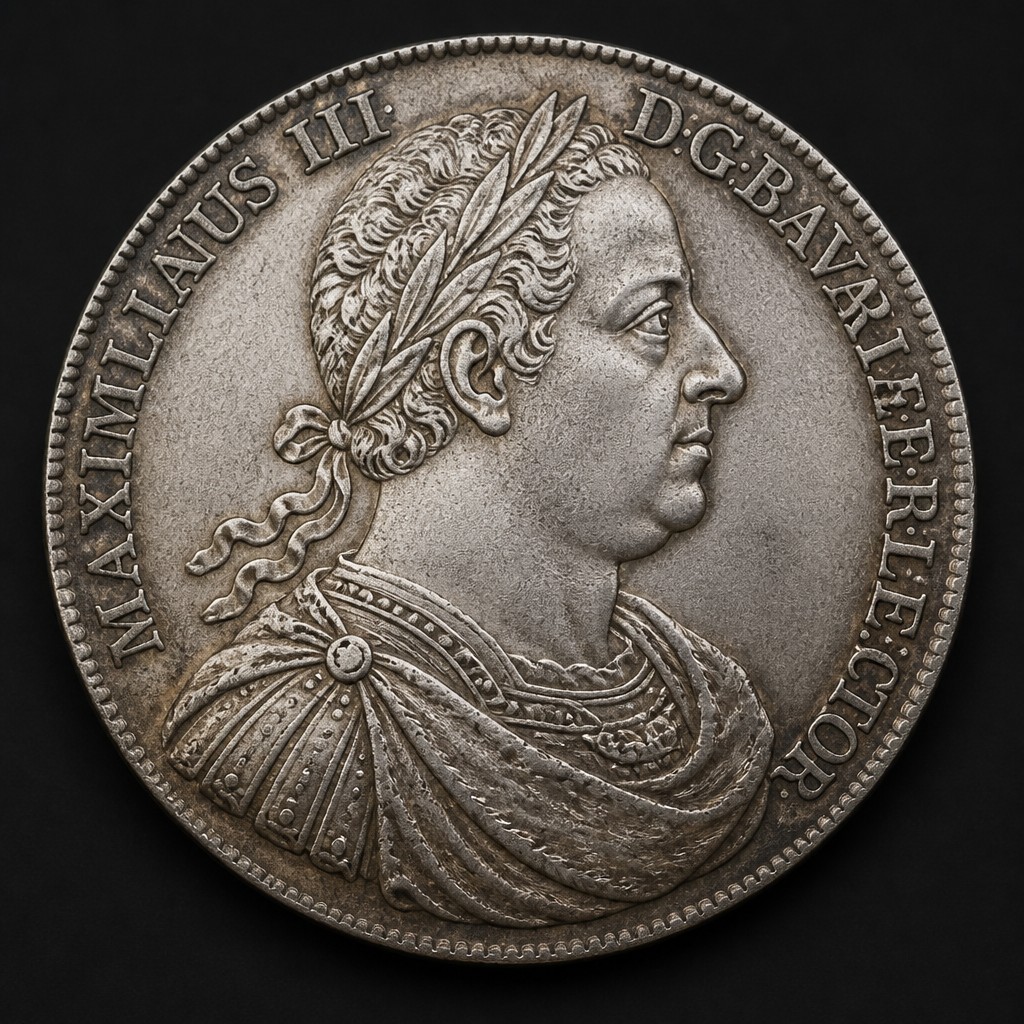
Bavaria Thaler
The historic large silver coin of Bavaria, struck across centuries by its electors and kings, capturing the state's political and artistic history until Germany's currency unification in the 1870s.
European