
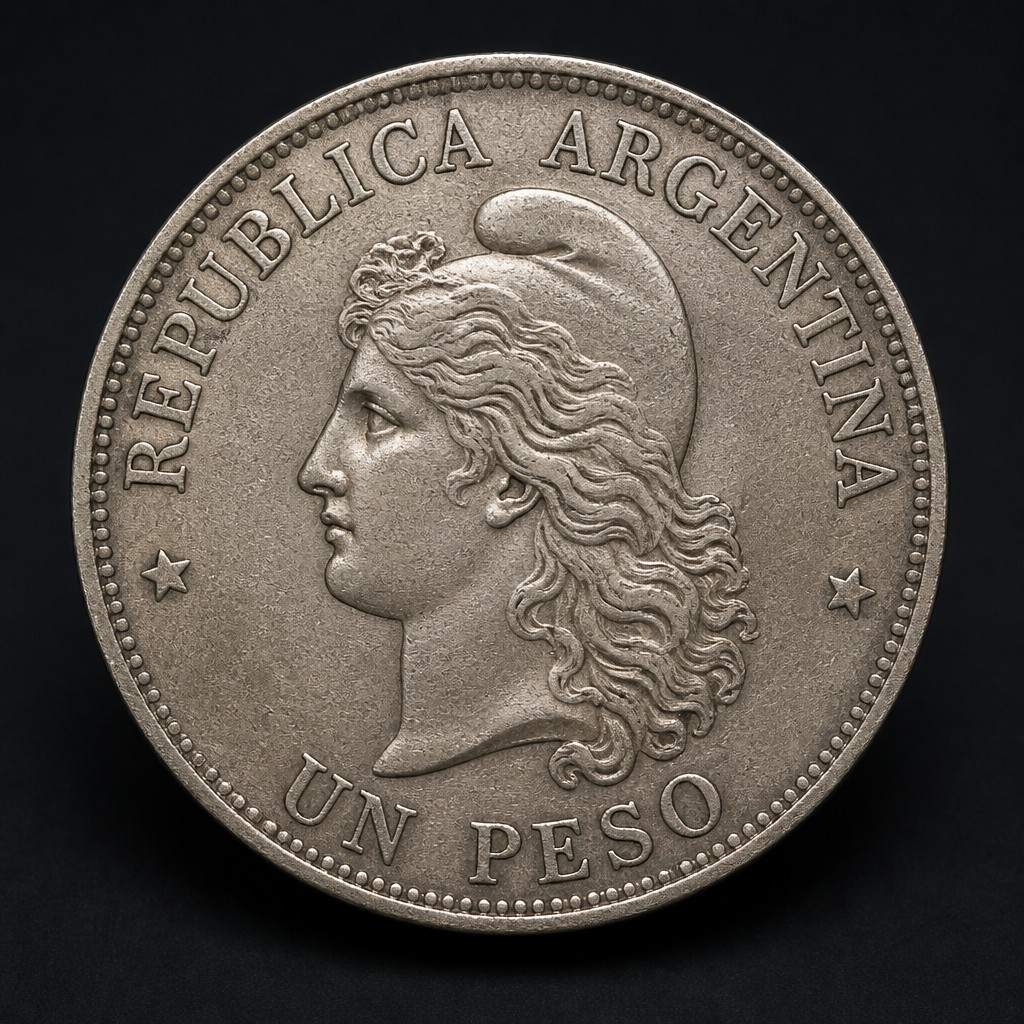
Argentine Peso Moneda Nacional (Patacón)
Argentina's long-standing peso moneda nacional coinage, informally nicknamed the patacón, formed the backbone of the country's currency from the 1880s well into the twentieth century.
- Country
- Argentina
- Denomination
- 1 Peso
- Metal
- silver in early issues, later nickel and other base metals
Got a coin like this?
Identify any coin from a photo, free.
Overview
The peso moneda nacional, meaning 'national currency peso,' was the standard unit of Argentina's coinage system introduced in the early 1880s to replace a patchwork of earlier provincial and national currencies. 'Patacón' became a popular colloquial nickname for the peso in Argentina, a term with older roots in Spanish colonial silver coin slang that was later revived, most famously, for emergency provincial bonds issued during Argentina's 2001 economic crisis.
Across its long run, moneda nacional coinage evolved from substantial silver pieces in the late nineteenth century to smaller, base-metal coins in the twentieth century, mirroring the broader regional pattern of gradually moving away from precious-metal circulating coinage. This progression makes the series a useful window into Argentina's changing monetary and economic conditions over roughly nine decades.
The moneda nacional system was eventually replaced in 1970 by the peso ley, part of a series of Argentine currency reforms addressing chronic inflation, making the original moneda nacional coinage a historically important, now-obsolete chapter of Argentine numismatics.
History & Background
Argentina established the peso moneda nacional system in 1881 to unify the country's currency after decades of fragmented provincial and national monetary arrangements following independence. Coinage was struck at the Casa de Moneda in Buenos Aires, the national mint, and initially included substantial silver coins reflecting international monetary standards of the era, such as the short-lived Latin Monetary Union-influenced silver peso.
Over the following decades, Argentina adjusted the composition and size of its moneda nacional coinage repeatedly in response to economic conditions, gradually reducing silver content and eventually moving to nickel and other base metals for circulating coins. The system remained in place until 1970, when the government introduced the peso ley 18.188 as part of ongoing efforts to manage persistent inflation, retiring the moneda nacional denomination after nearly ninety years of use.
How to Identify
Moneda nacional peso coins across their long history commonly feature a Liberty head or Argentine national emblem such as the sun or coat of arms on the obverse, with REPUBLICA ARGENTINA and the denomination on the reverse, though specific imagery varied by date and metal era. Early silver issues are noticeably larger and heavier than later base-metal coins of the same face value.
Early silver peso moneda nacional coins from the 1880s were struck in .900 fine silver at a substantial size comparable to other world silver dollars, while later twentieth-century peso coins shrank considerably in size and shifted to nickel or nickel-clad steel compositions as inflation reduced the coin's practical purchasing power.
Because the series spans nearly ninety years with many distinct types and metals, identification generally requires comparing the specific date, size, and composition against a reference catalog to pinpoint the exact subtype.
Value & Collectibility
Early silver peso moneda nacional coins, particularly from the 1880s, generally carry more collector interest and value than the later, much more common base-metal issues produced for everyday circulation in the twentieth century. Scarcer early dates and well-preserved examples of the silver issues can command solid premiums.
Later base-metal moneda nacional coins are typically inexpensive and plentiful, valued mainly for their historical interest rather than as significant rarities, though certain low-mintage dates or varieties within the base-metal era may still attract specialist interest.
Overall, the moneda nacional peso series offers a long, affordable path into Argentine numismatic history, with the greatest collector value concentrated in the earliest silver issues and well-preserved specimens throughout the series.
Frequently asked questions
What does 'moneda nacional' mean?
It means 'national currency,' referring to the unified Argentine monetary system introduced in 1881 to replace earlier fragmented provincial currencies.
Why is this coin nicknamed the 'patacón'?
Patacón is an old colloquial Spanish term for a large silver coin, informally applied to the Argentine peso; the name was later revived for unrelated emergency bonds issued during Argentina's 2001 financial crisis.
Did the peso moneda nacional stay silver the whole time?
No, early issues from the 1880s were struck in silver, but later twentieth-century coins moved to nickel and other base metals as economic conditions changed.
When did the moneda nacional system end?
It was replaced in 1970 by the peso ley 18.188 as part of Argentina's ongoing efforts to address persistent inflation.
Other coins you may enjoy
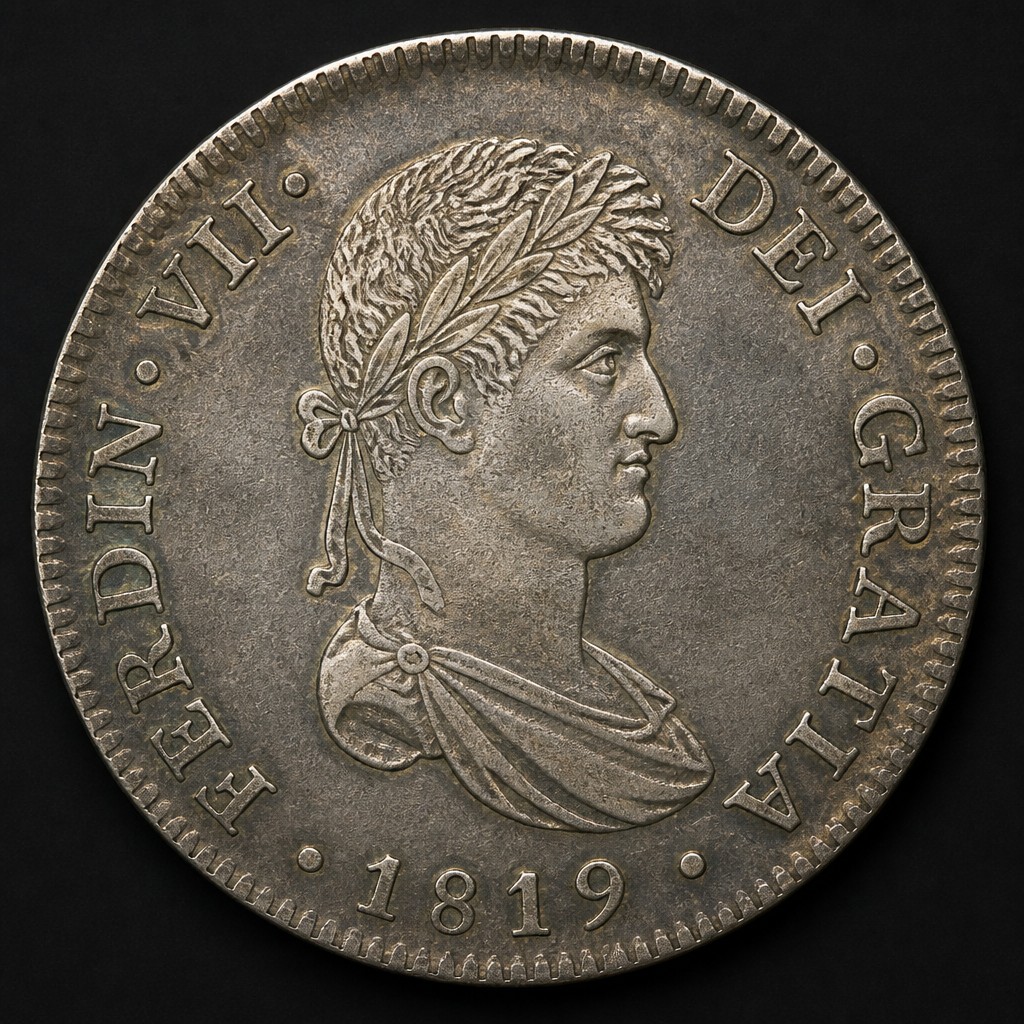
Colombia 8 Reales
Colonial issues through late 18th/early 19th century; republican issues 1820s–1830s
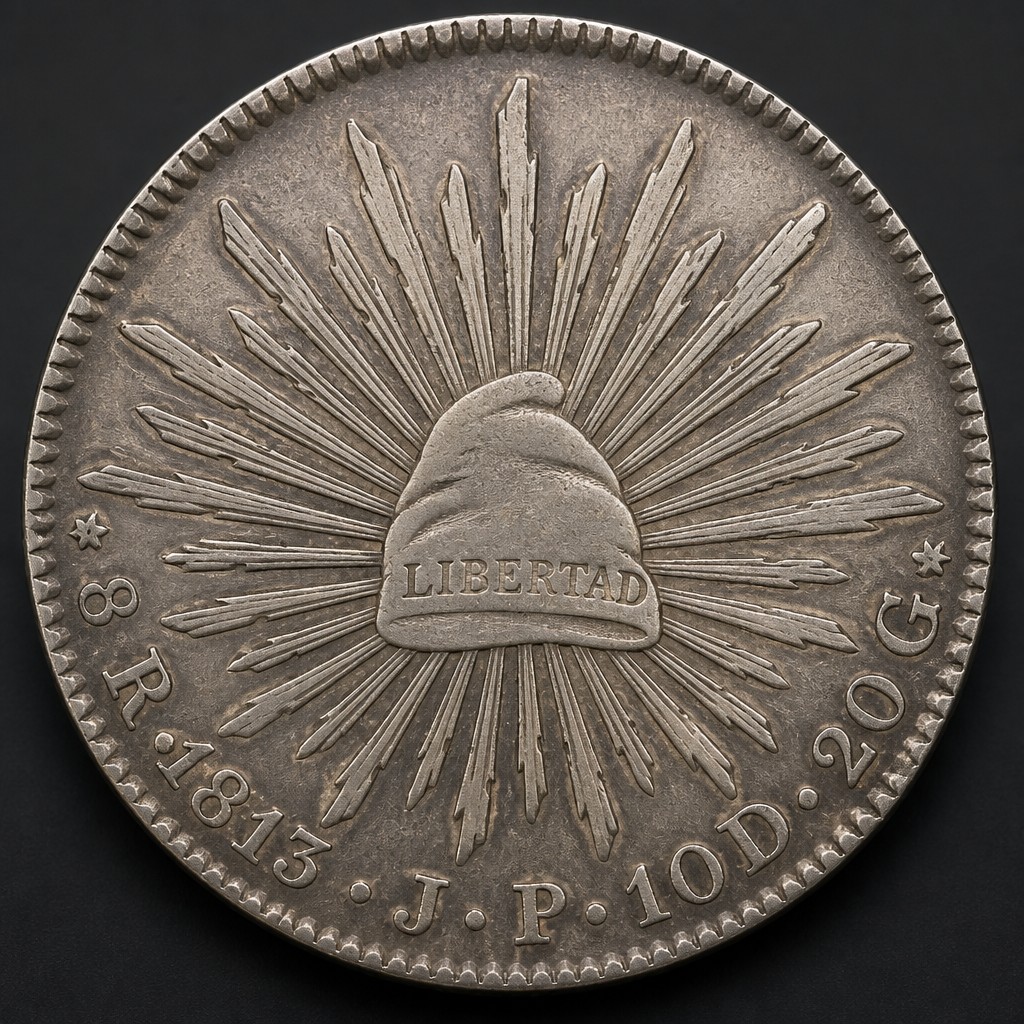
Argentina 8 Reales
c. 1813–1836
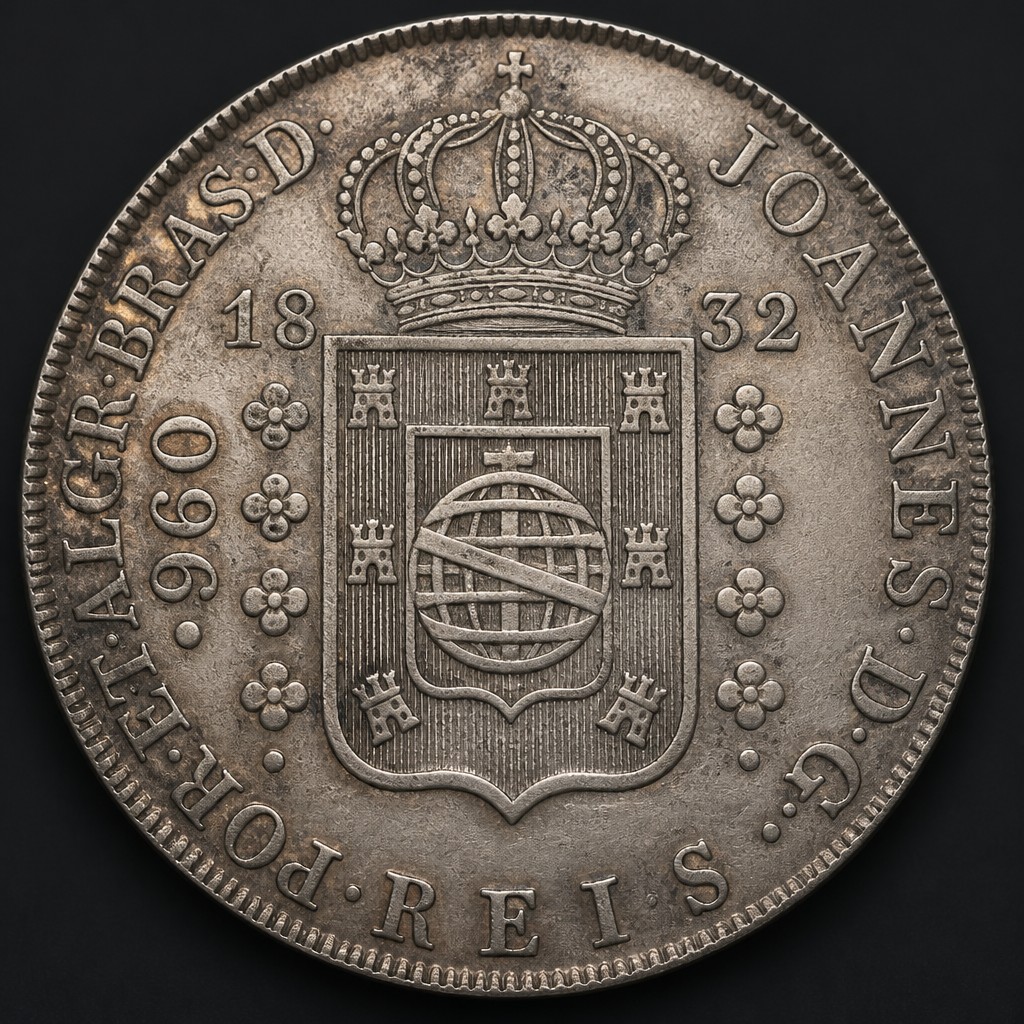
Brazil 960 Reis
1809–1832
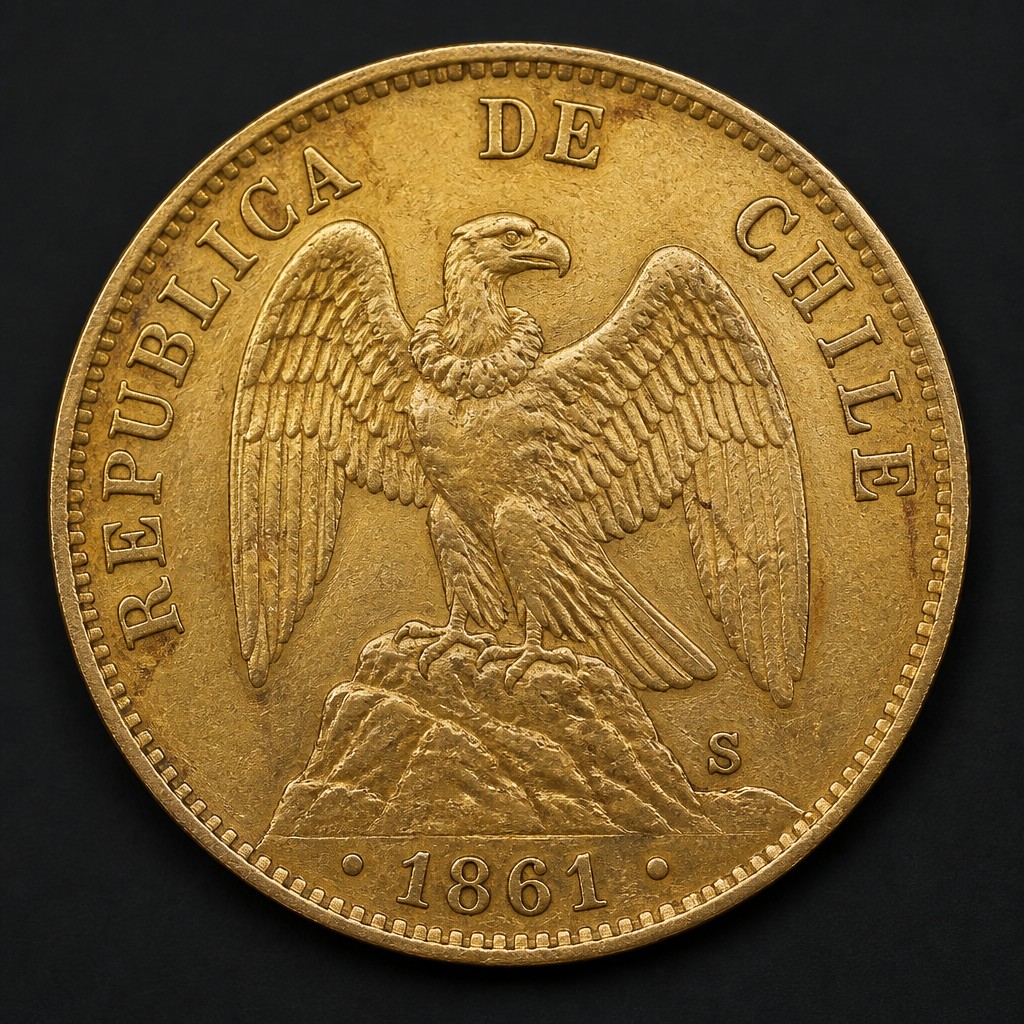
Chile Peso (Condor)
1851–1873 (gold condor series); modern base-metal peso 1990s–present
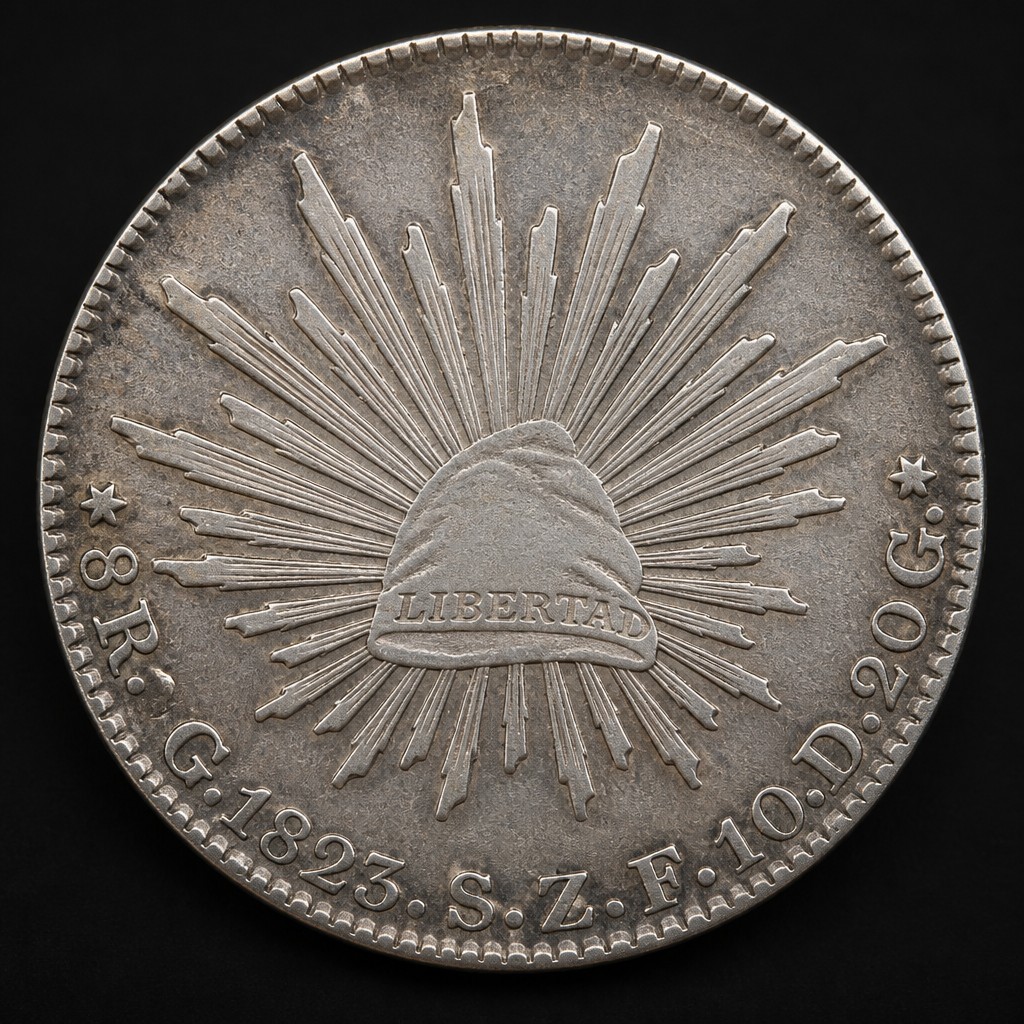
Mexican 8 Reales Cap and Rays
1823-1897
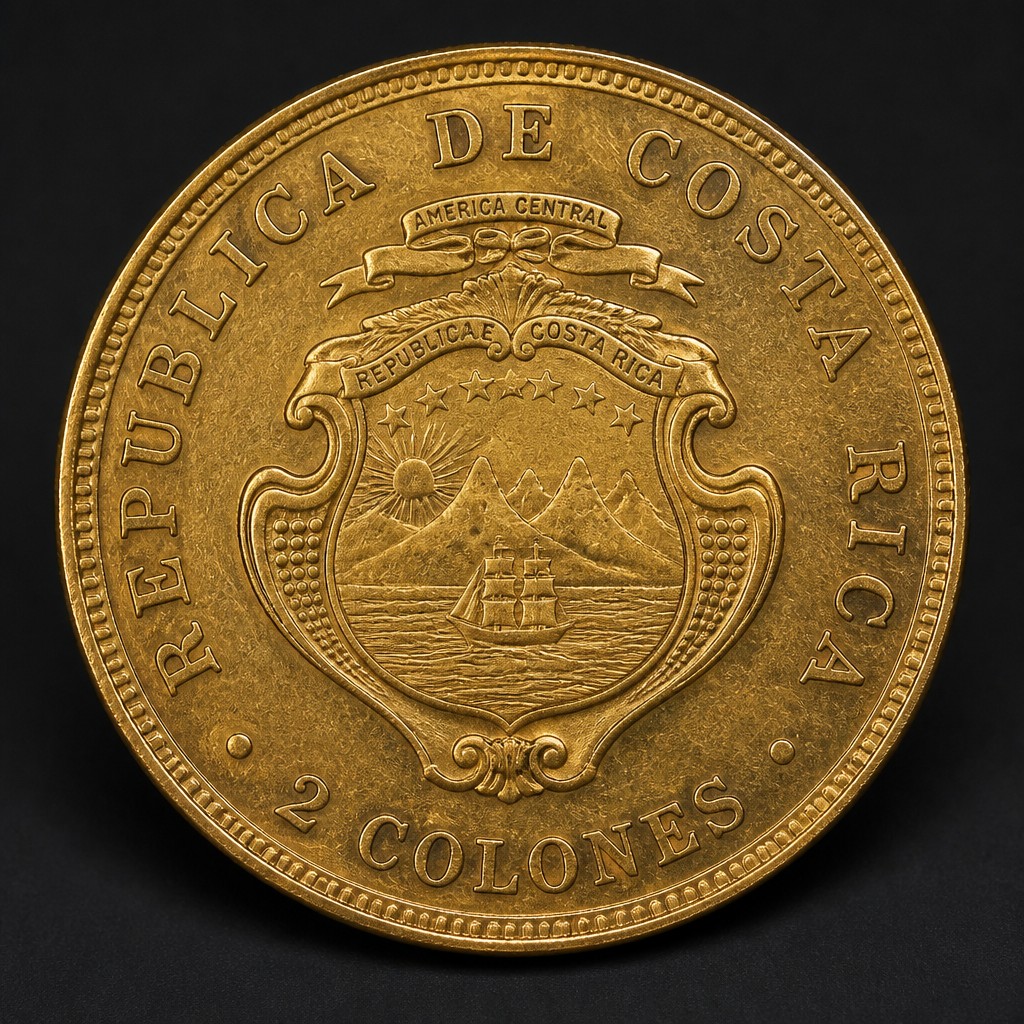
Costa Rica 2 Colones Gold
Late 1890s–early 1900s
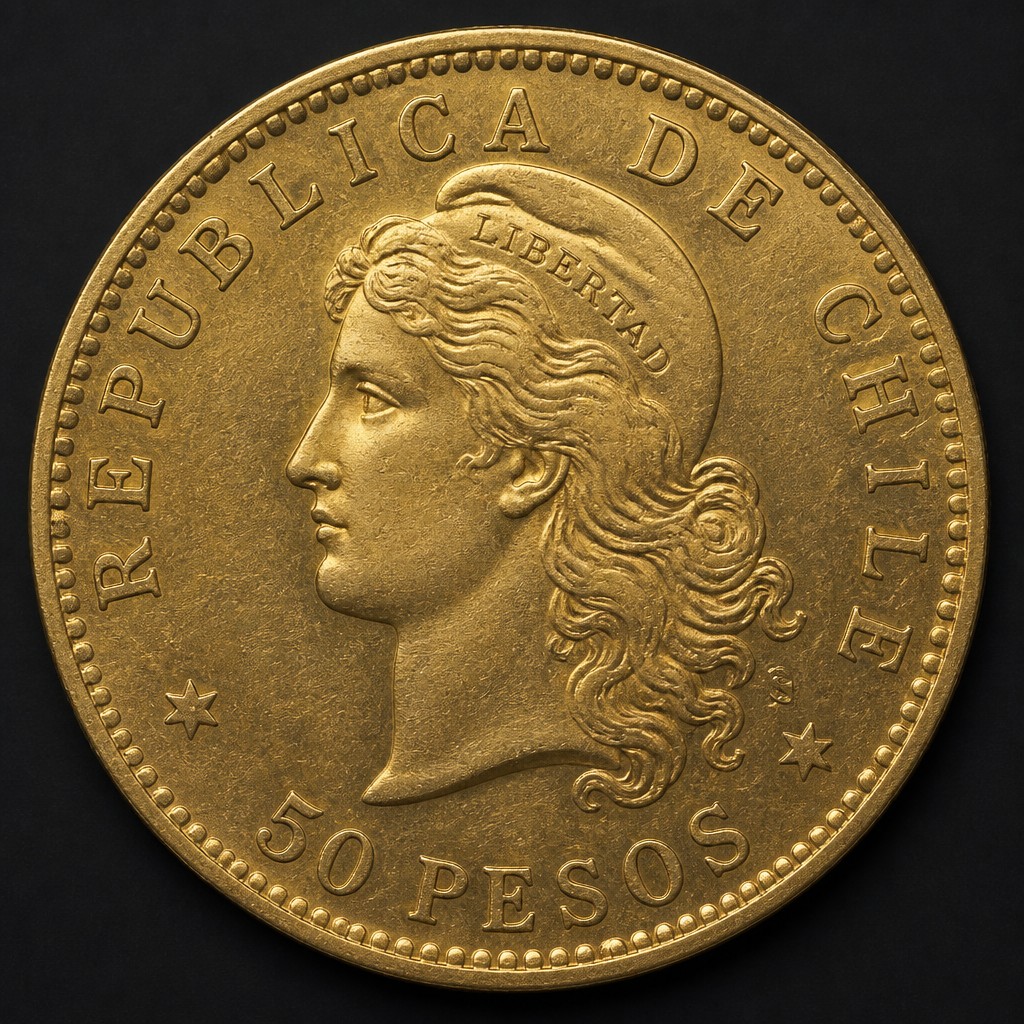
Chilean 50 Pesos Gold
1926–1980 (with interruptions)
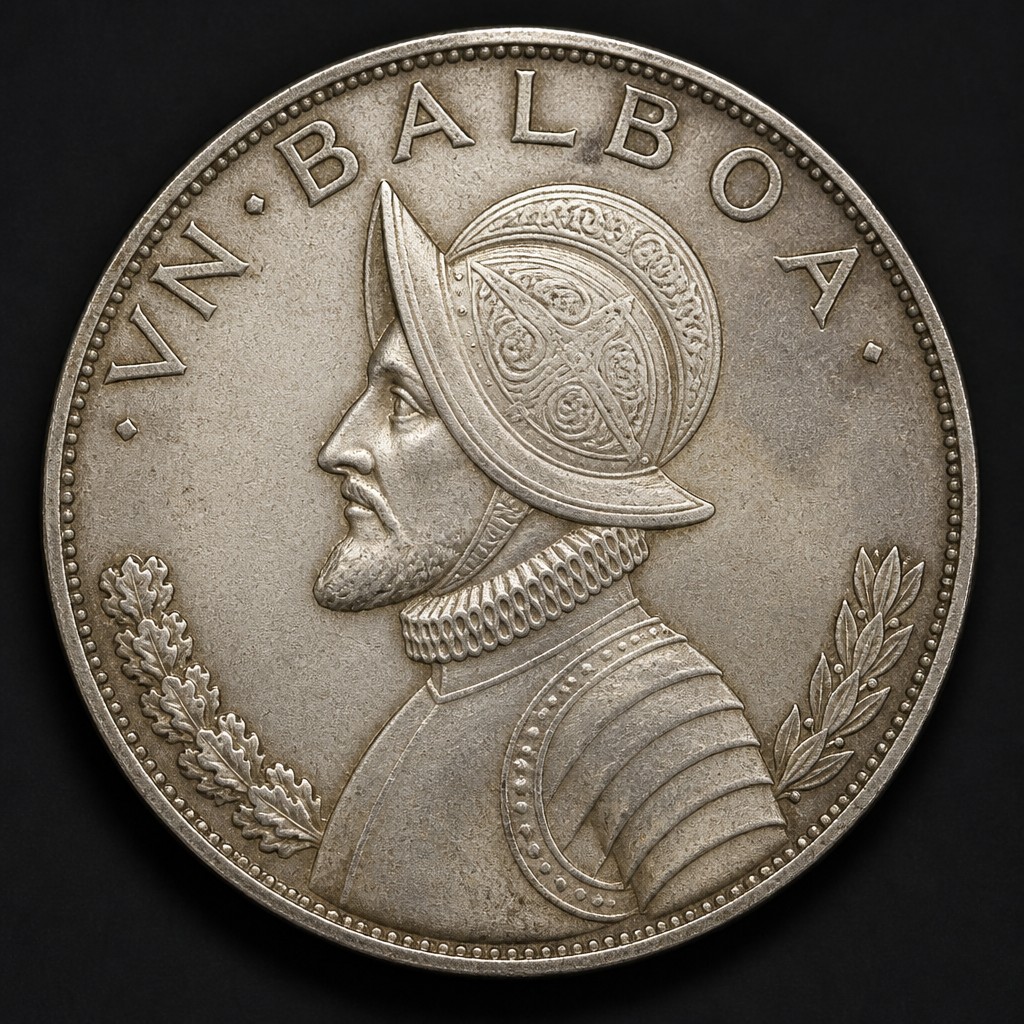
Panama Balboa Silver
1904, 1931, 1934, 1947, 1953, 1966 (various dates)
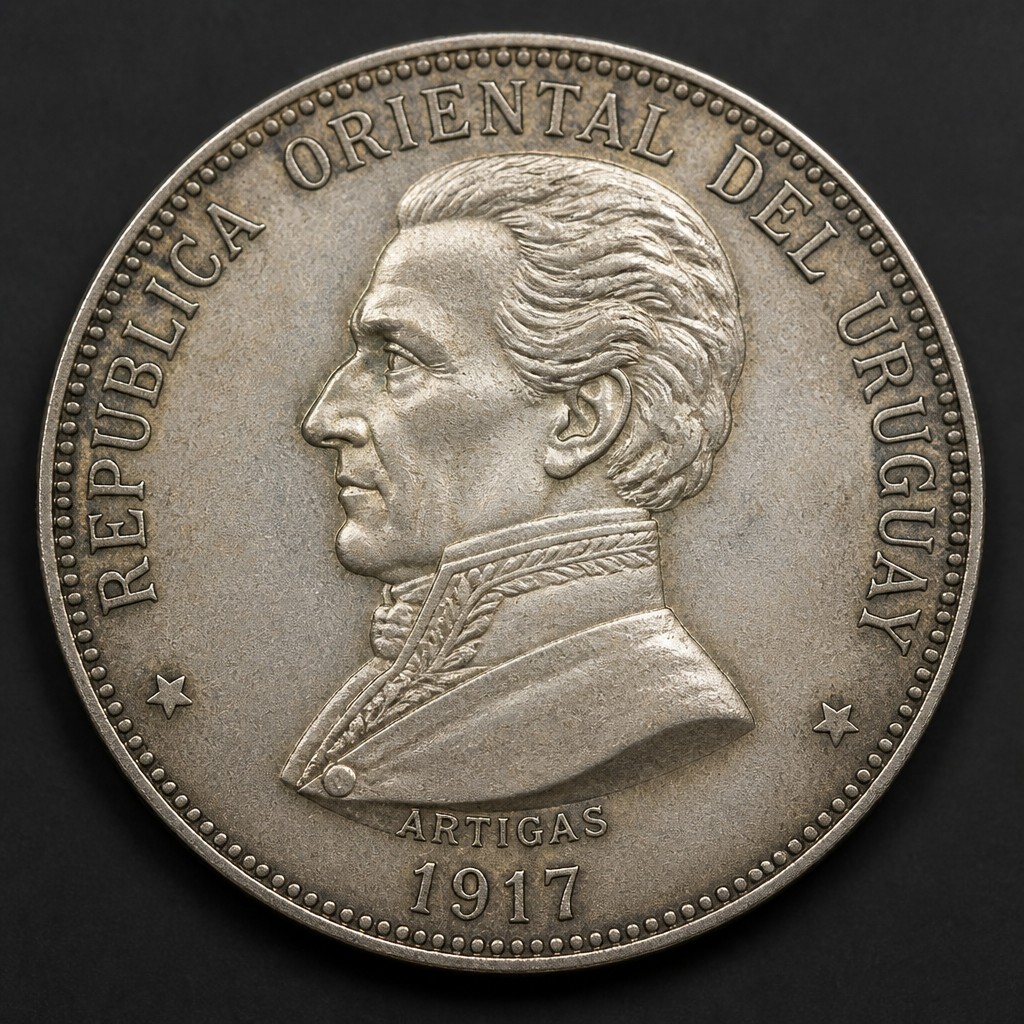
Uruguay Peso Silver 'Artigas'
1917–1920 (with related commemorative issues in later decades)
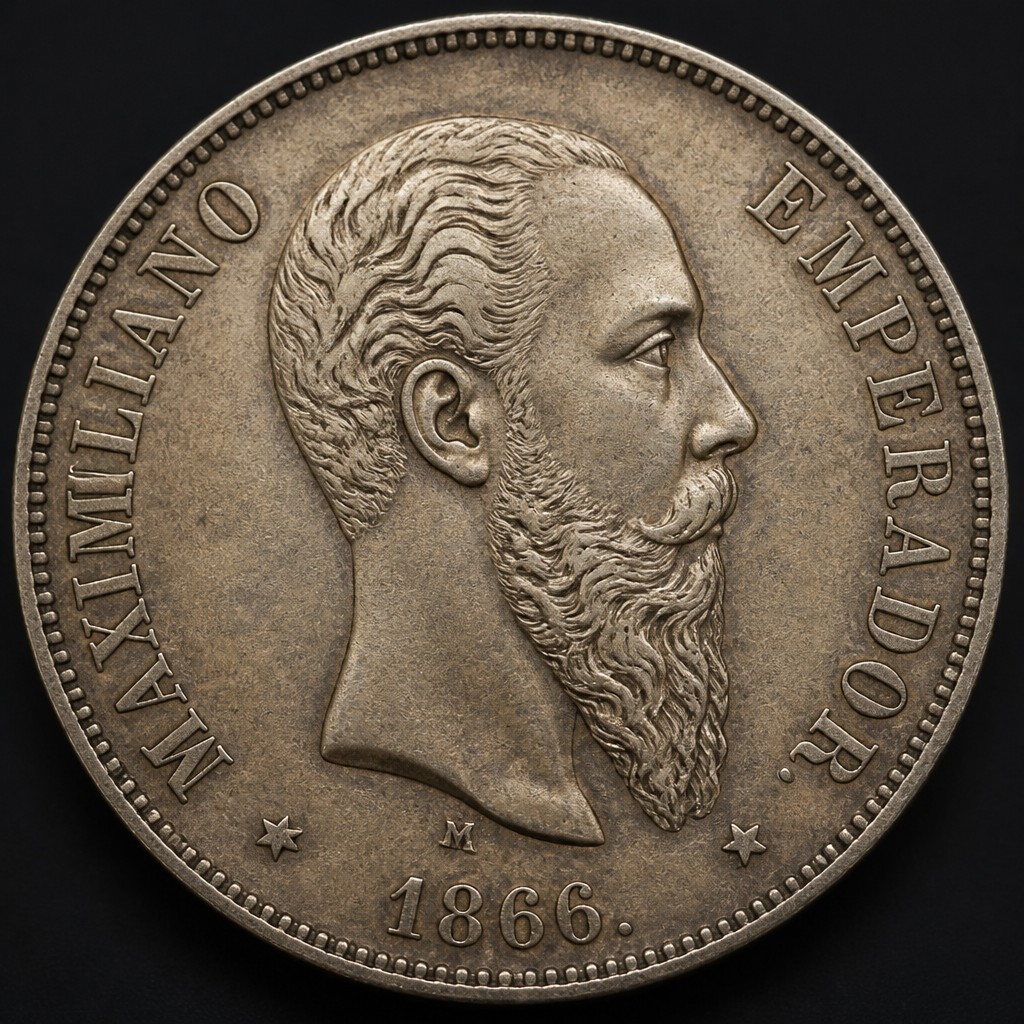
Mexican Emperor Maximilian Peso
1866–1867
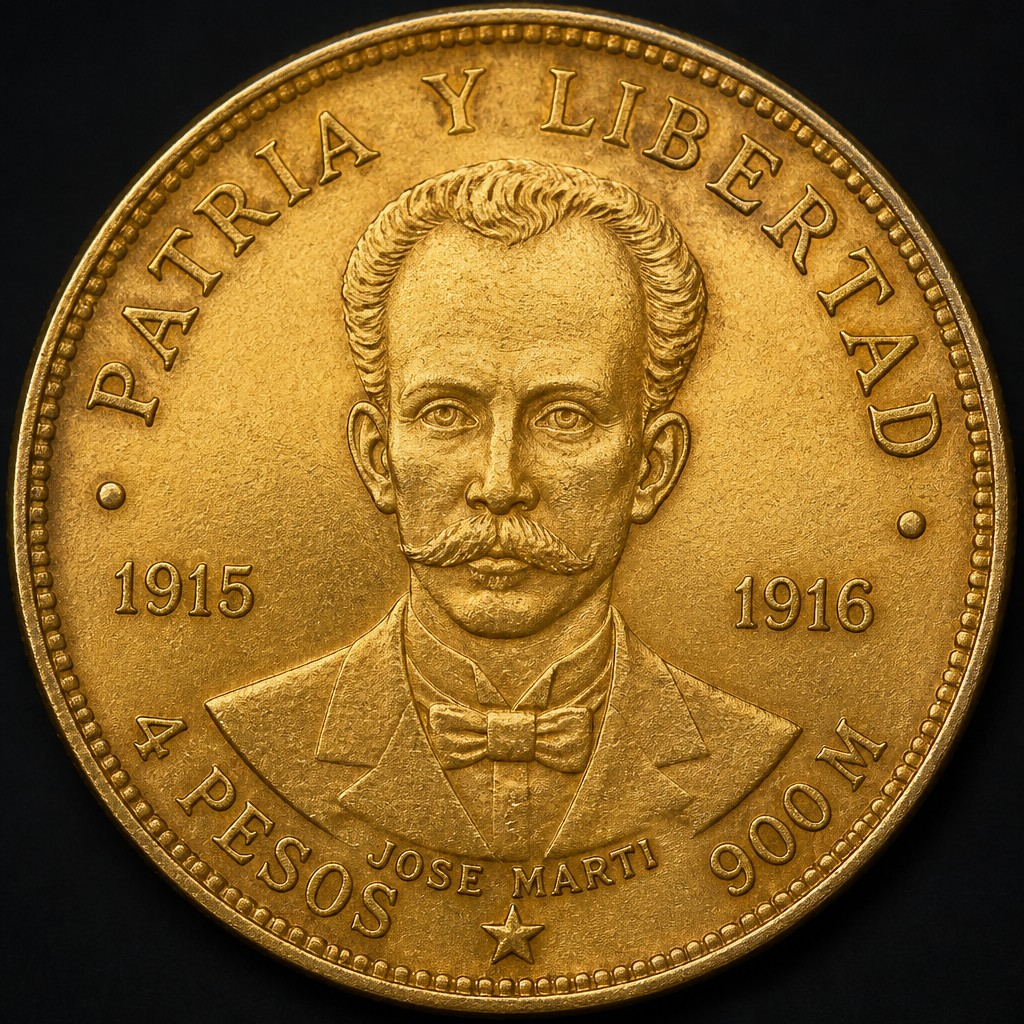
Cuba 4 Pesos Gold Jose Marti
1915–1916
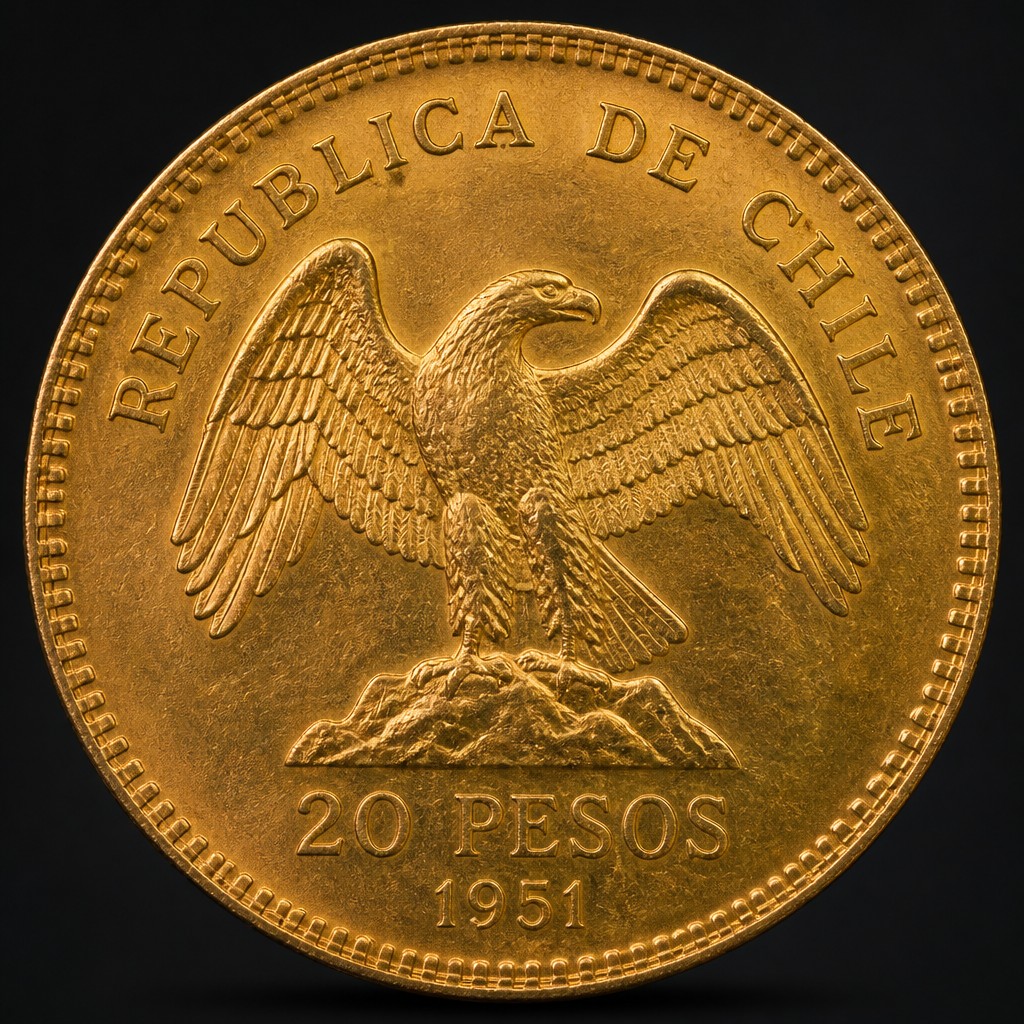
Chilean 20 Pesos Gold
19th century issues and 1926–1980 condor series